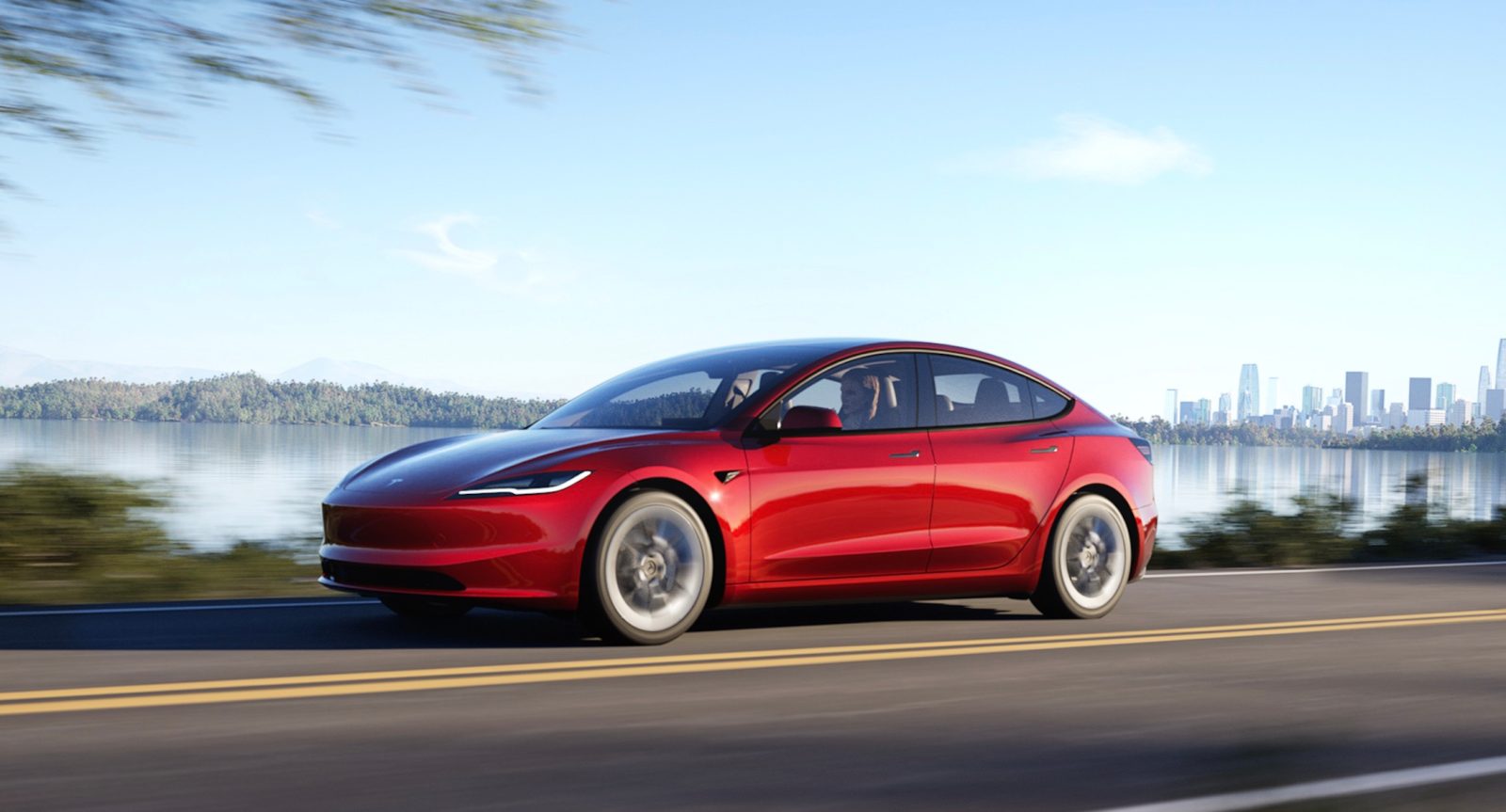
The US National Highway Traffic Safety Administration has opened an investigation into roughly 1.2 million Tesla vehicles after receiving 156 complaints of a front suspension component detaching while driving.
The probe covers 2018-2020 Model 3 and 2021-2023 Model Y vehicles, and it centers on the front lower lateral link separating from the car.
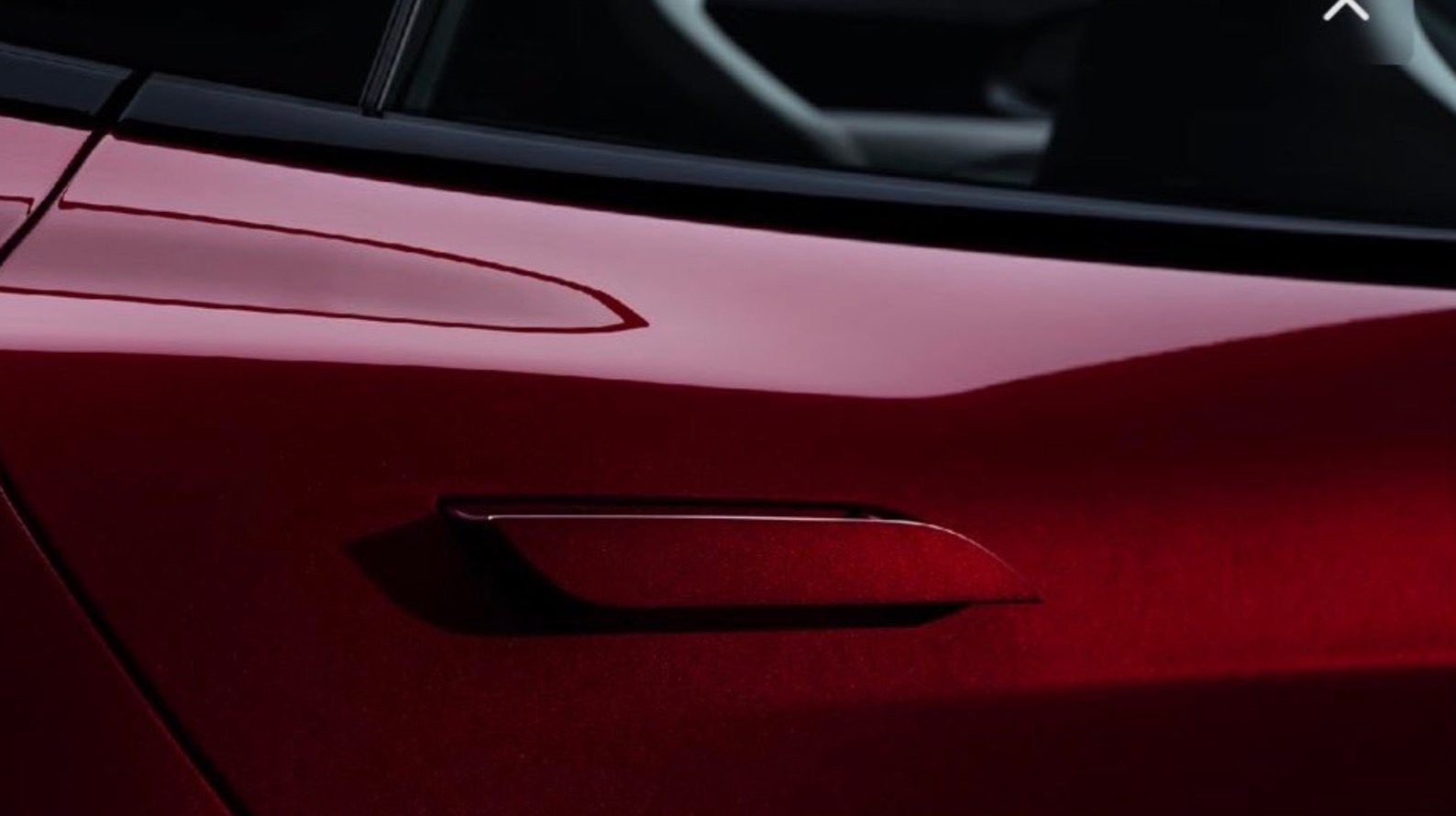
NHTSA has denied a petition asking it to open a defect investigation into the hidden manual door releases on the Tesla Model 3. But in the same decision, the agency agreed to start writing new door-safety rules for the entire auto industry.
The denial, published today, covers 179,031 model year 2022 Model 3 vehicles. NHTSA said it found exactly one complaint matching the petition’s allegation — and it came from the same owner who filed it.
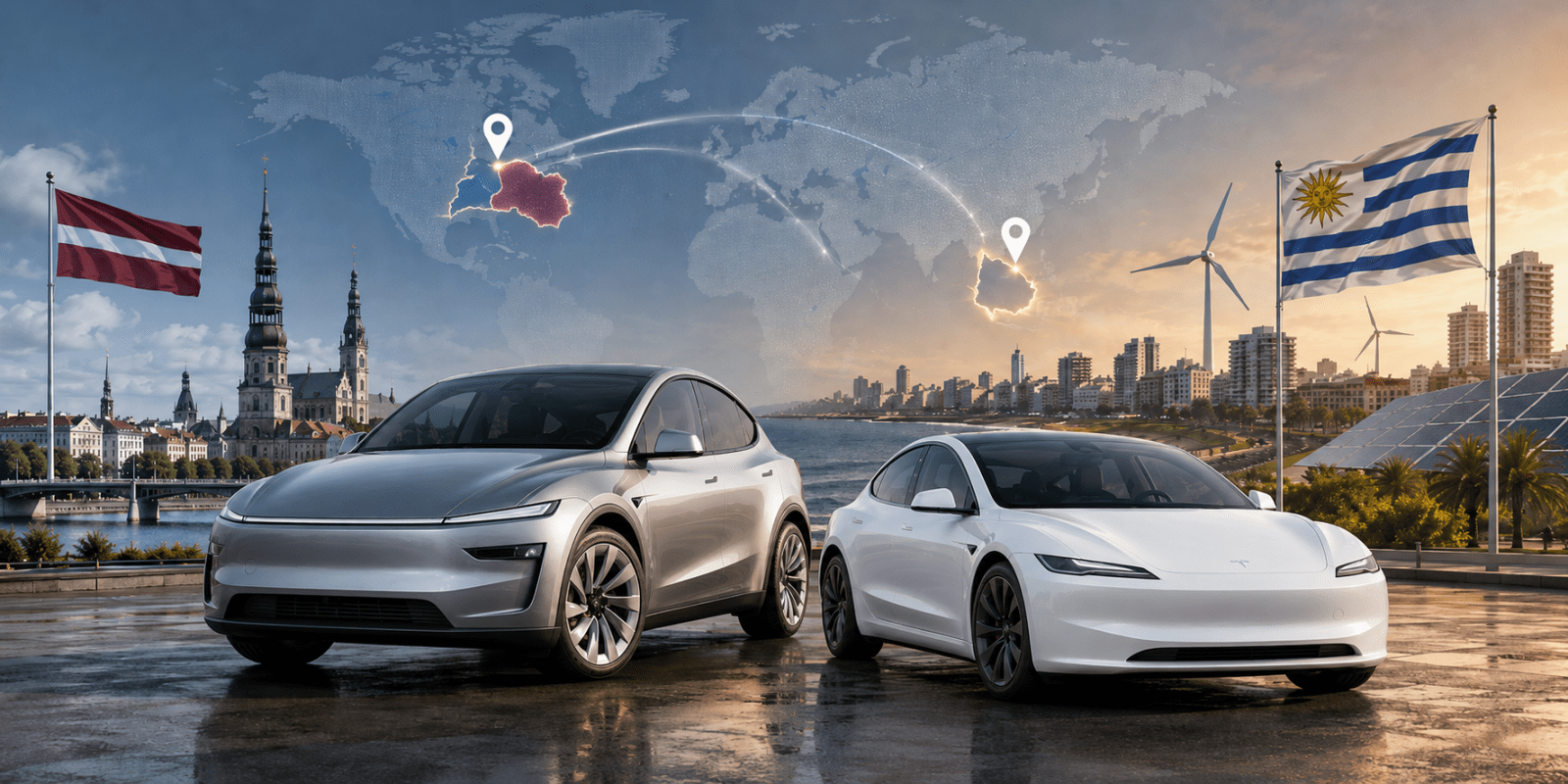
Tesla opened two new markets in less than 24 hours, launching in Latvia and Uruguay in back-to-back announcements this week.
The dual entry completes Tesla’s expansion across all three Baltic states and gives the automaker its third market in South America — two very different markets that show how the company is chasing growth wherever it can find it.
A new analysis of nearly 10,000 real-world EV battery tests found that the same Tesla Model 3 holds up very differently depending on which battery it was built with — and the cheaper LFP version comes out on top.
The Model 3 with CATL’s lithium iron phosphate (LFP) pack averaged 93.3% battery health among cars that had driven more than 62,000 miles, beating every nickel-based version of the car in the dataset.
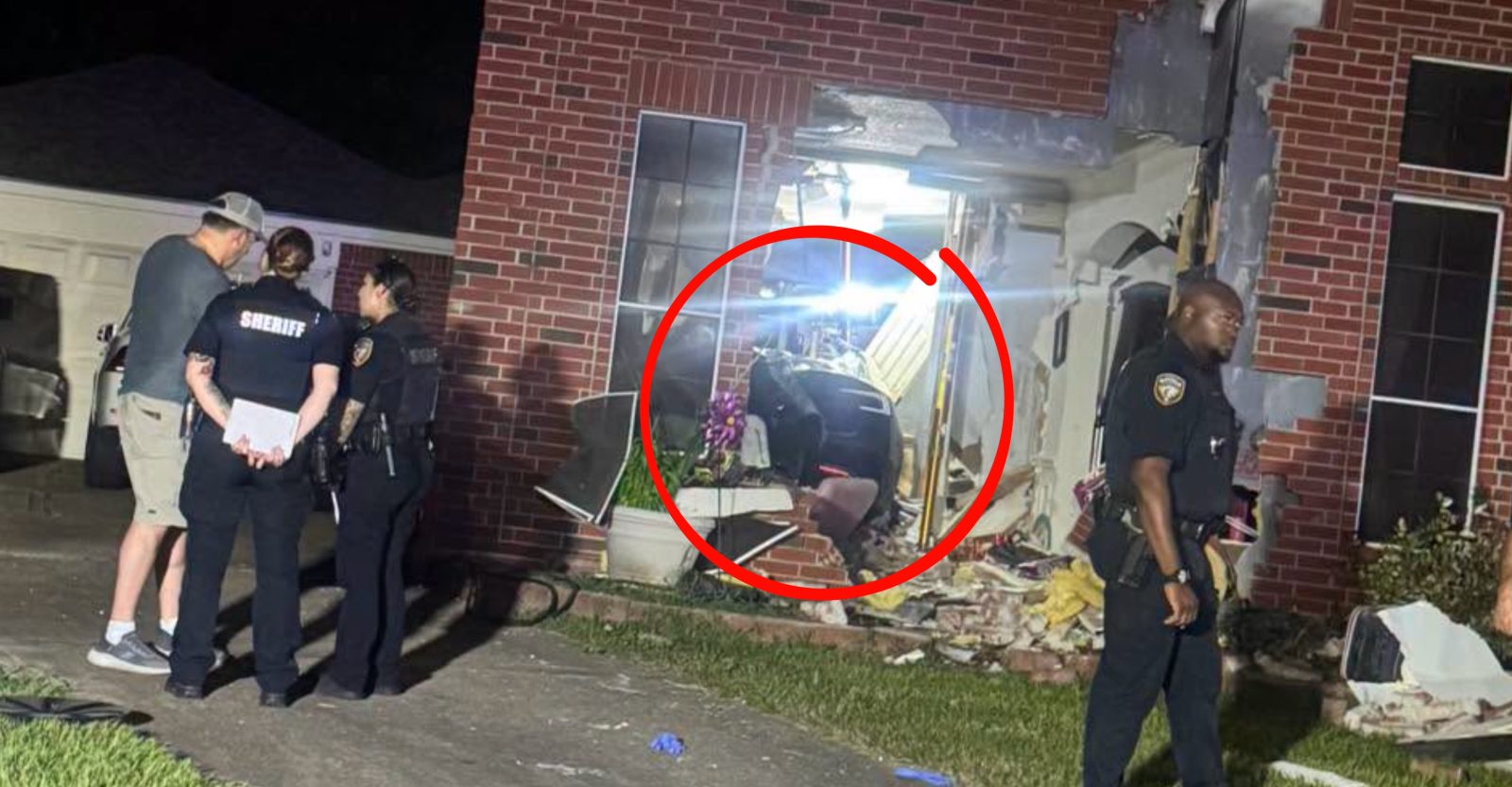
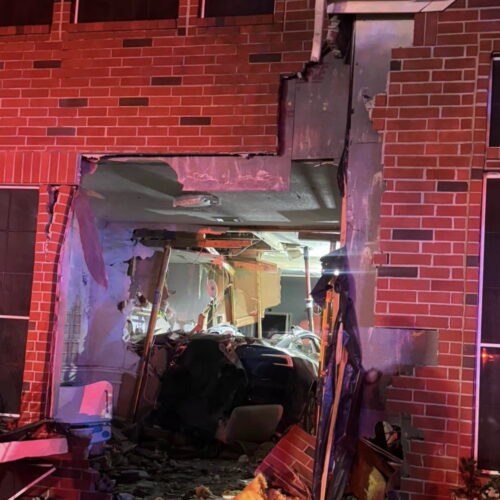
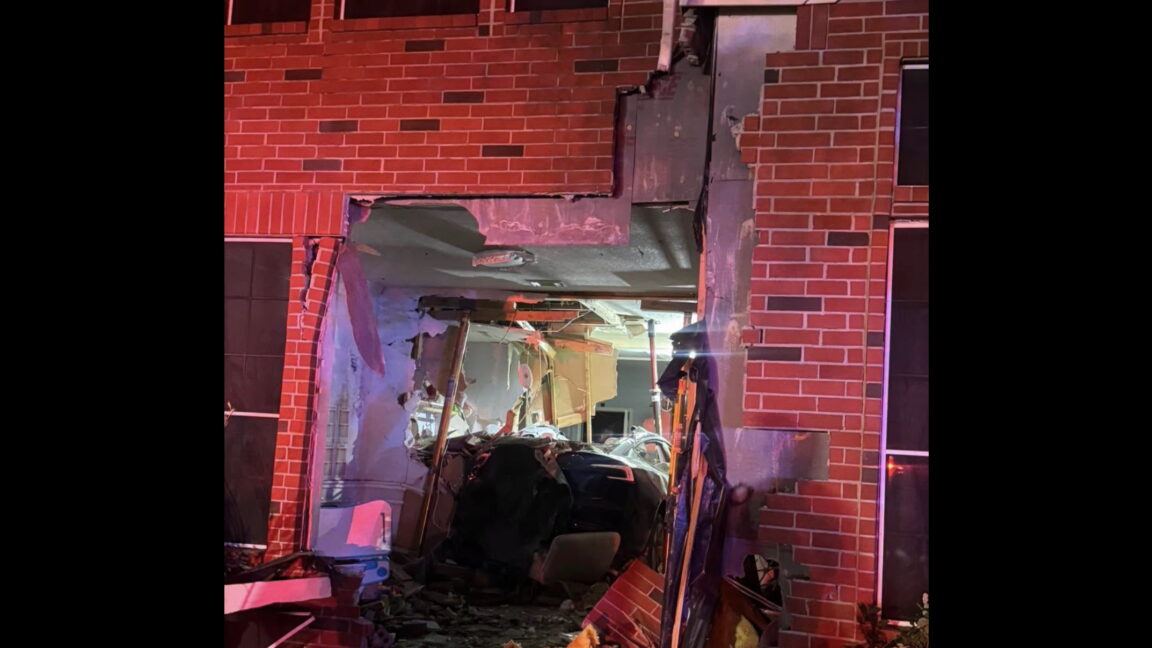
The family of a 76-year-old woman killed when a Tesla Model 3 crashed into her Katy, Texas, home has sued Tesla and the driver, alleging the company’s “Autopilot” and “Full Self-Driving” systems are defectively designed.
The wrongful death suit lands just days after the crash — and it leans on the same argument that produced last year’s landmark $243 million Autopilot verdict against Tesla in Florida.
Tesla now confirms that its self-driving system was engaged when a Model 3 left a residential road in Katy, Texas, and killed a 76-year-old woman inside her home — but the company says the driver overrode it by pressing the accelerator to 100%.
Everything points to a pedal misapplication while the car was under “Full Self-Driving.” Does that mean Tesla is not at fault?
An elderly Texas woman tragically died Friday after a man who told police he was relying on his Tesla Model 3’s automated driver-assistance mode lost control and crashed his car into her family’s home.
In a statement, the Harris County Sheriff’s Office confirmed to Ars that Michael Butler said that “he was operating with an automated driving-assistance system engaged at the time of the crash.” Police are currently investigating whether the autopilot feature in any way caused the crash but confirmed that Butler was not intoxicated and is cooperating, partly by helping cops understand how Tesla’s Autopilot feature works.
“Butler failed to drive in a single lane, left the roadway, and struck the residence” at a “high rate of speed,” the sheriff’s office said.
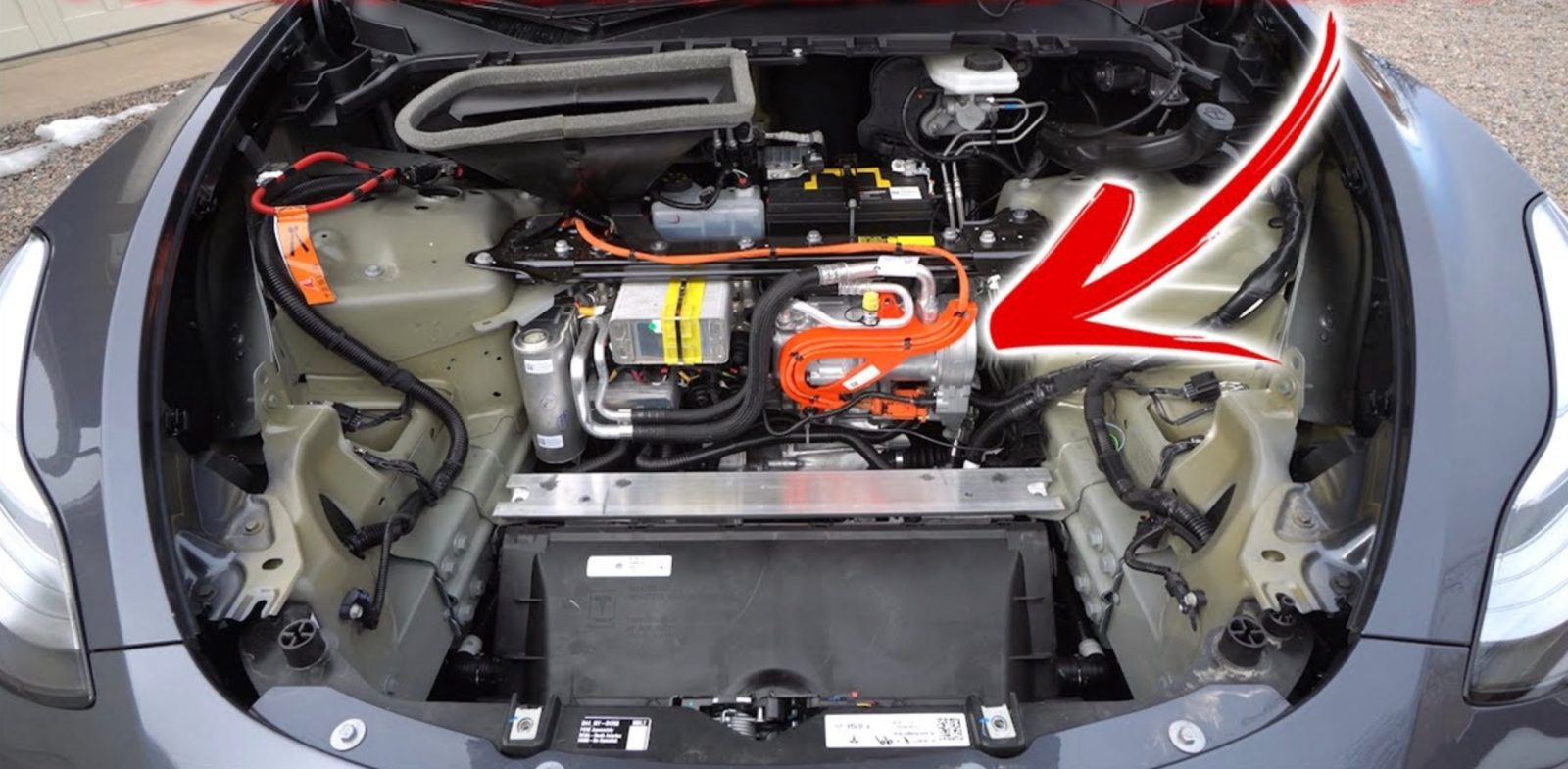
A Quebec Tesla owner has filed a class action request against Tesla over heat pump failures, seeking damages for all Tesla owners in the province after being stuck with a $4,477 repair bill when her Model 3’s heat pump died after just six years.
The lawsuit covers every Tesla model equipped with a heat pump — Model S, Model 3, Model X, Model Y, and Cybertruck — and alleges the automaker has been hiding a known defect from buyers.

 Login