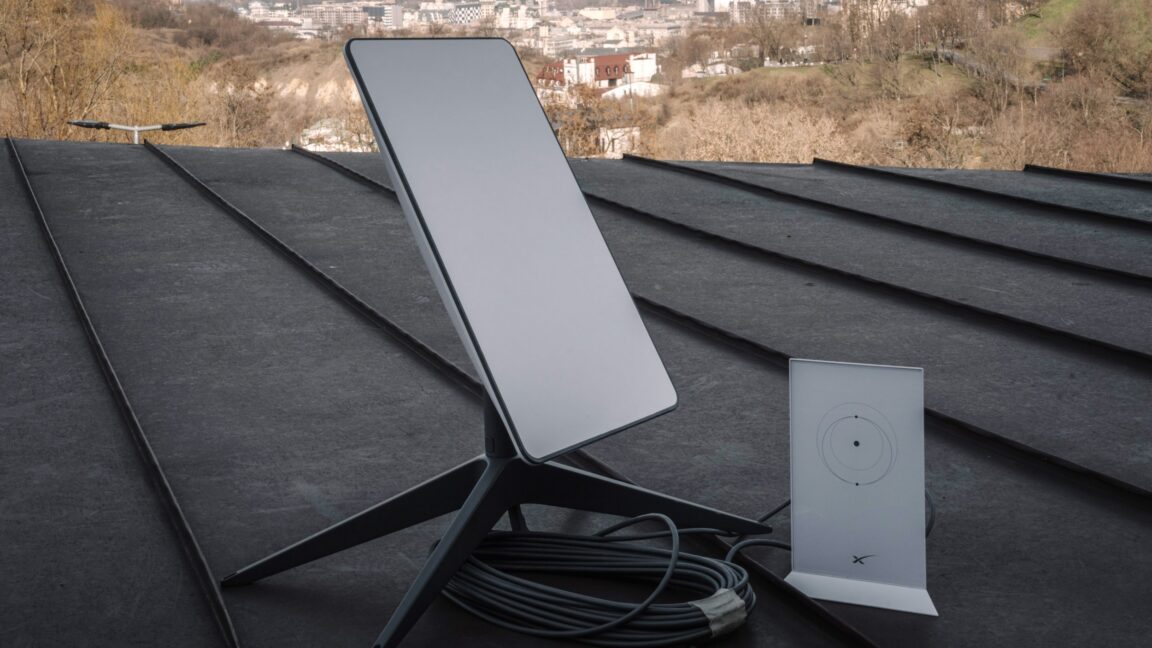
A Wall Street Journal report said SpaceX CEO Elon Musk ordered the Starlink throttling that blindsided Ukraine's air assault forces last week, despite Musk's claim that all decisions on the military version of Starlink are made by the US military and President Trump.
Trump denied ordering the restrictions. While Musk may have spoken to Trump and administration officials before the decision, The Wall Street Journal reported yesterday that Musk made the final call. The decision came after both Musk and Trump criticized Ukraine for attacking Russian diesel refineries.
"Elon Musk ordered the slowdown of a military-grade version of Starlink relied on by Ukraine, a decision that sparked panic in Kyiv and confusion inside the Trump administration," the WSJ wrote, citing unnamed US officials and people familiar with the matter. The report said that "Musk capped the speeds at which Ukrainian hardware could stay connected to the satellite-based network... rendering some offensive drones and interceptor drones virtually useless."
In its current iteration, SpaceX is largely a data company seeking to provide enormous amounts of compute for artificial intelligence. During an earnings call on Tuesday afternoon, company officials spent much of their time discussing ambitious plans to roll out up to 10 GW of compute in 2027—on the ground.
Gone are the days of aspirational talk about sending humans to Mars and settling the red planet. Now it is almost all about artificial intelligence and the data needed to support its expansion. However, the company's long-term ambitions to provide data services from space, initially with the Starlink Internet constellation and eventually through the "Starmind" data center constellation, still rely on an actual rocket.
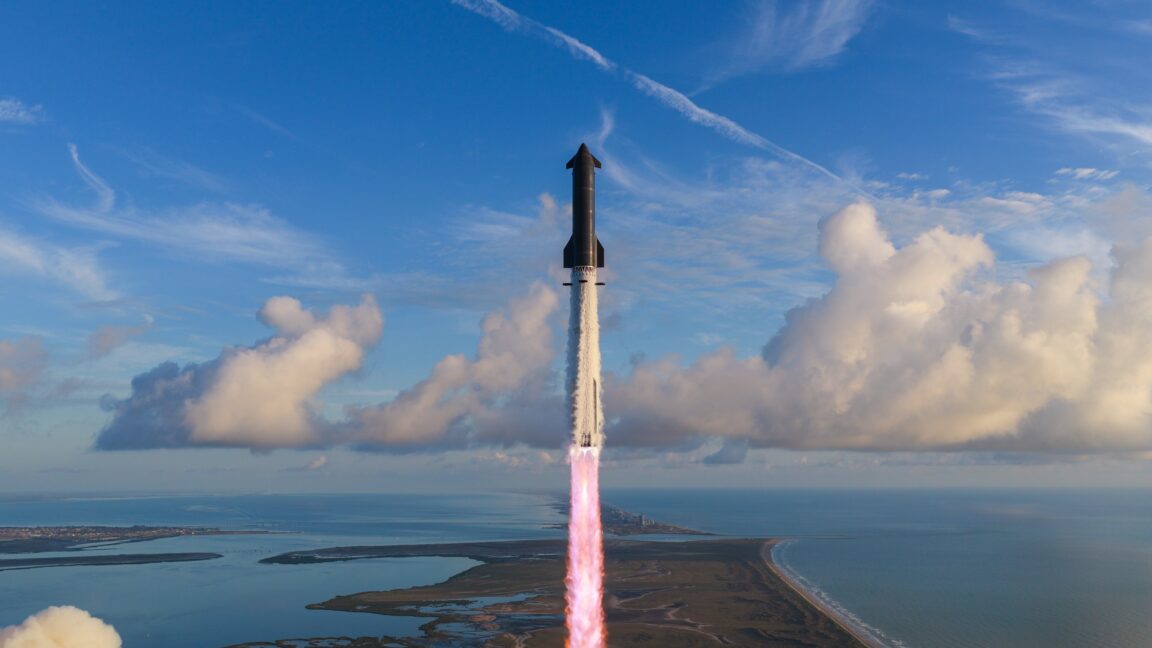
That would be the Starship vehicle, and during the earnings call, SpaceX founder Elon Musk and the company's president and chief operating officer, Gwynne Shotwell, provided new performance targets for the vehicle.
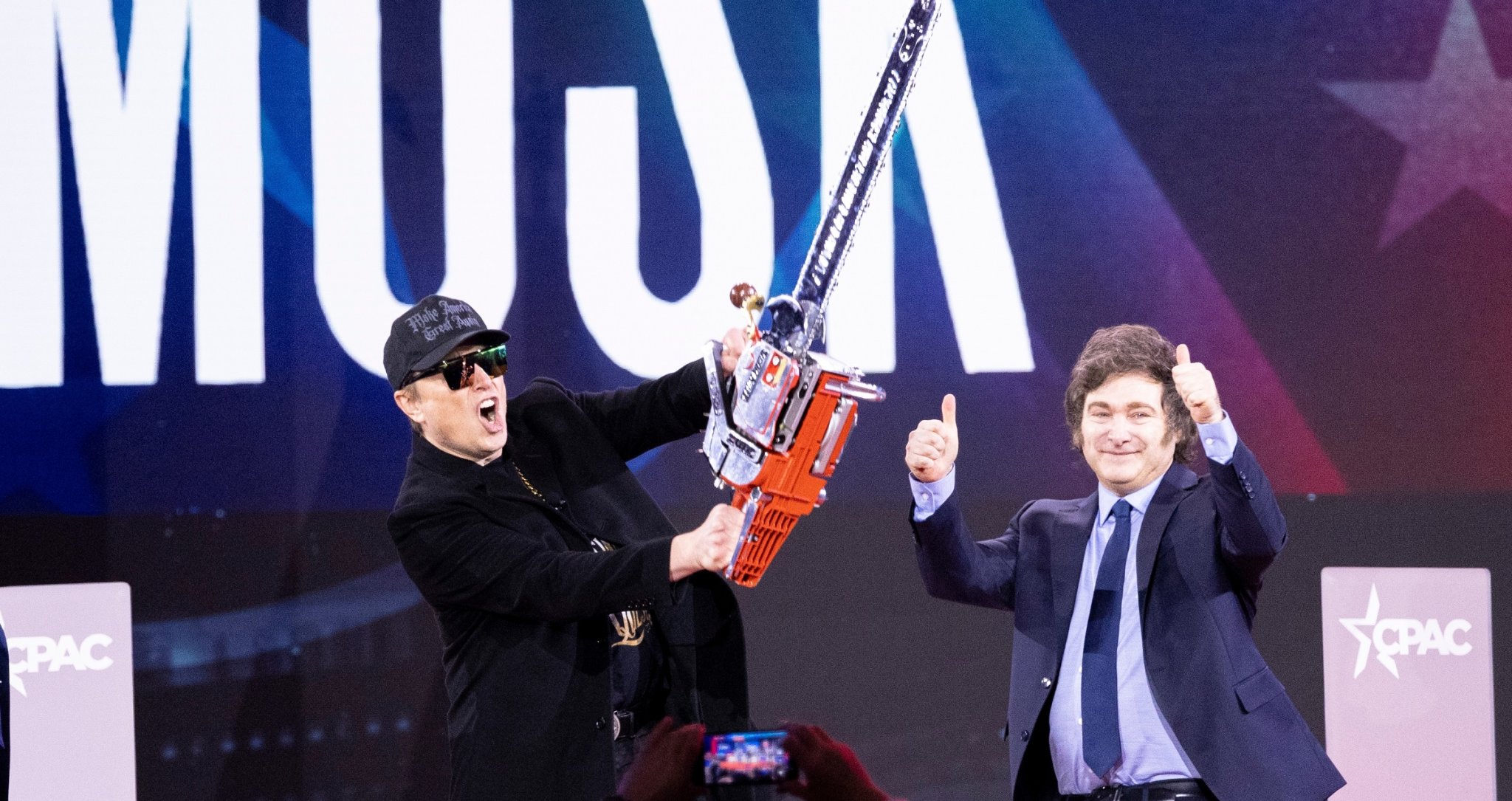
As Elon Musk tries to save face by claiming he’ll give every American child a chunk of SpaceX stock, here’s a chilling reminder of what he did that affected millions of children the second he had a whiff of federal power.
In a new interview, the documentary filmmaker Alex Gibney, who directed a just-released four-hour look at the billionaire’s life titled “Musk,” discussed the staggering death toll of Musk’s cuts to USAID, calling it a “crime against humanity.”
“There was an estimate that what [Musk] did by so suddenly cutting USAID would cost through disease and starvation as many as 14 million lives,” he told journalist Katie Couric. “Even if you discount that by an enormous amount, we know that within about a year of those summary cuts — where they were literally burning food that had already been paid for that was going to starving children — 500,000 children died.”
Musk, to Gibney’s astonishment, even joked about the cuts by saying he’d “put USAID into the woodchipper.”
“What he put into the woodchipper,” Gibney said, “were children.”
Gibney, whose documentary Musk called a “hit piece,” is drawing from a 2025 study published in The Lancet, one of the most prestigious medical journals. It estimated the impact of Musk effectively neutering USAID by implementing a freeze on its foreign aid funding — which went to programs to combat HIV/AIDS, malaria, and to address food insecurities — and slashing nearly 10,000 employees.
In sum, the researchers found that the “steep funding cuts could result in more than 14 million additional all-age deaths, including 4.5 million in children younger than age five, by 2030.”
Even conservative estimates concurred that the number of deaths would be staggering. A tracker created by Brooke Nichols, a professor and infectious disease mathematical modeler at Boston University, projects the 1-year death toll caused by the USAID cuts at 518,000 children.
It’s a touchy subject for Musk, who continues to bristle at accusations that his actions could’ve caused harm. This summer, he challenged his critics to “cite a single name of someone who died” as a result of him gutting USAID. Nicholas Kristof, a Pulitzer Prize-winning journalist, took him up on it and gave him a list of the specific children who had died directly from his policies, many of whom were in South Sudan and Liberia — places he had visited in person to talk to locals and healthcare workers.
Musk, rather than countering his arguments, called Kristof “evil.”
Os mais recentes números da SpaceX mostram uma transformação no peso dos diferentes negócios da empresa de Elon Musk, com a IA a assumir um papel central no crescimento financeiro.
Elon Musk said Tuesday that he would like to see the consolidation of his business empire by formally merging his two largest companies, SpaceX and Tesla.
"Do I think it would be a good idea? Yes," Musk said of a potential merger. He was speaking during a question-and-answer period as part of SpaceX's third-quarter earnings call. Musk said, ultimately, it not his decision. "But at the end of the day the shareholders have to be supportive of this."
Musk's talk of a merger comes after a busy year in which SpaceX already acquired Musk's artificial intelligence firm, xAI, in February. In June, SpaceX went public with the largest initial public offering on record.
As SpaceX impacts Ukraine and AI-generated music divides artists and fans, critics are asking what happens when technology has too much control over our lives
This was originally published in TechScape, a newsletter about how technology shapes our lives. Sign up to receive it here
Hello, and welcome to TechScape. I’m Blake Montgomery, US tech editor at the Guardian, writing to you while sitting in front of Roy Lichtenstein’s monumental Drowning Girl, on view in New York City. Today in tech, we’re discussing the perils of Elon Musk’s one-man global infrastructure, AI-generated music and a Guardian AI conference in Paris.
Quatro das maiores operadoras europeias querem unir forças para desenvolver uma alternativa à Starlink nas comunicações diretas entre satélites e telemóveis. A iniciativa surge num momento de crescente disputa pelo espectro destinado a serviços de satélite e de novas tensões entre a Europa e os Estados Unidos.
Rocket launches this week On Monday, Oct. 19, the Japan Aerospace Exploration Agency (JAXA) successfully launched its Martian Moons eXploration (MMX) mission aboard an H3-24L rocket from Tanegashima Space Center in southern Japan at 3:41 p.m. EDT. MMX will study the martian moons Phobos and Deimos and is designed to return a sample from PhobosContinue reading "Japan sends MMX toward the martian moons"
Tesla’s proxy for its 2026 annual meeting, filed today, confirms that one of its supposedly independent directors now sits on SpaceX’s board. Ira Ehrenpreis, who chairs both Tesla’s compensation committee and its governance committee, joined SpaceX’s board in February.
That’s one of several details in the filing that line up with a Tesla-SpaceX merger. There’s a three-item ballot, an auto-voting program that kicks in for the next vote, and Musk pay terms that pay out on a deal price alone.
The $48bn giveaway comes amid concerns about the tech and as the company prepares for a stock market listing
Anthropic has said it will commit 5% of its shares to a fund for the “public good”, as the AI developer behind the Claude chatbot seeks to bolster its appeal before its stock market listing.
The company announced it would commit the shares, worth around $48bn (£36bn) at its latest valuation in May, subject to shareholder approval. It will add a further 2% of its stock to the fund for every 50% increase in its value above an undisclosed baseline.
Welcome to Edition 9.15 of the Rocket Report! The launch I'm most looking forward to in the next few weeks is that of Japan's Martian Moons Exploration (MMX) mission. MMX is one of the marquee space science missions launching this year, and it's set to leave Earth as soon as Monday (US time) aboard a Japanese H3 rocket. The spacecraft will visit Phobos and Deimos, the two asteroid-like moons of Mars, deploying a rover and collecting specimens for return to Earth in 2031. Exploration at its finest.
As always, we welcome reader submissions, and if you don't want to miss an issue, please subscribe using the box below (the form will not appear on AMP-enabled versions of the site). Each report will include information on small-, medium-, and heavy-lift rockets as well as a quick look ahead at the next three launches on the calendar.
Reflect Orbital looks to India for launch capacity. California-based Reflect Orbital, the startup attempting to offer sunlight on-demand with in-space mirrors, announced the purchase of two launches Wednesday from Indian launcher Skyroot Aerospace, Payload Space reports. One of the launches will use Skyroot's Vikram-1 rocket, which became the first privately developed Indian rocket to reach orbit in July. The other will fly on an upgraded rocket called the Vikram-1U.
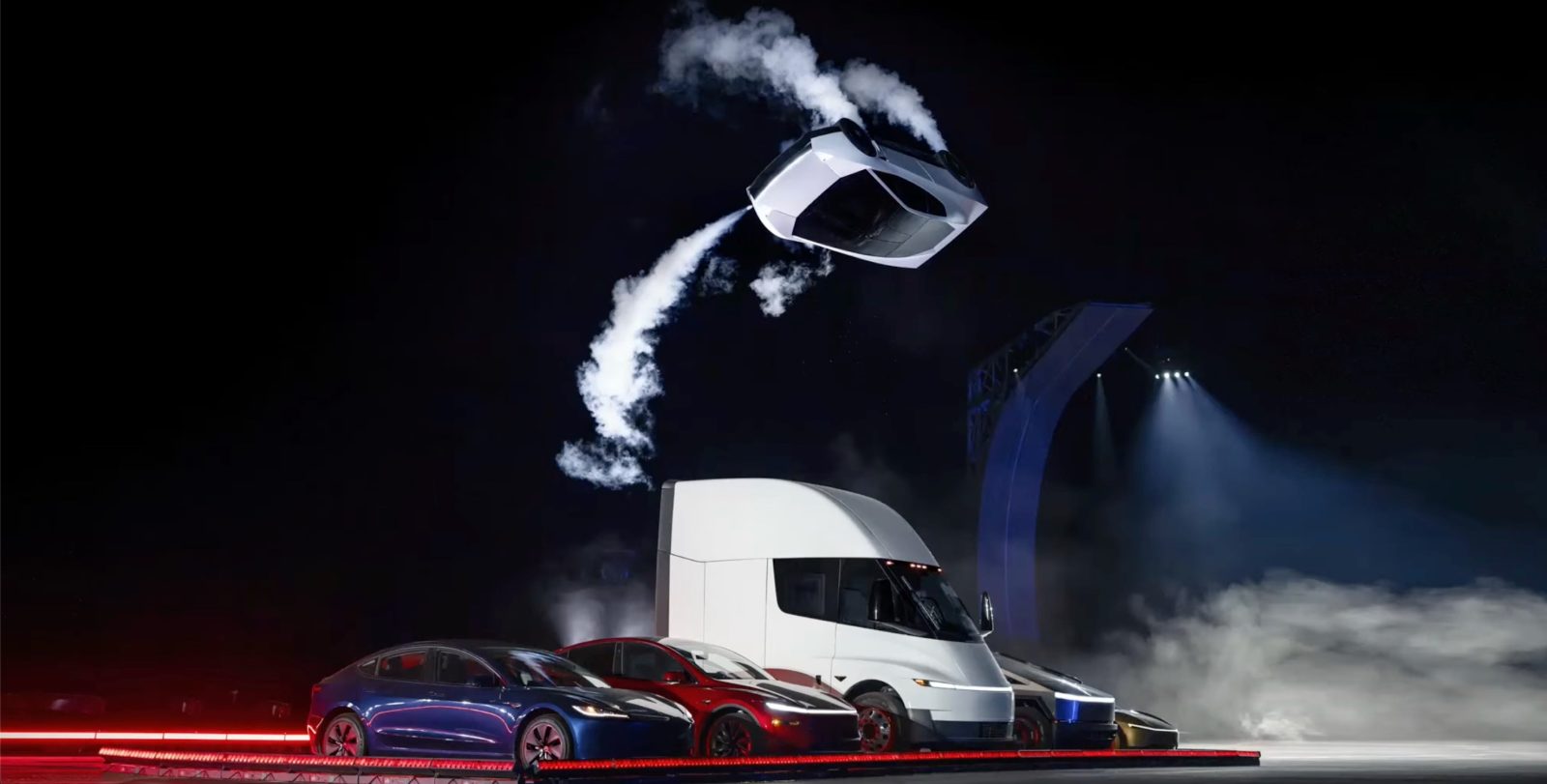
Tesla has unveiled a new version of its next-generation Roadster. As expected, it received Tesla’s latest design “cyberfication” and cold-gas thrusters to allow it to jump and flip through the air.
The livestream featured impressive stunts but offered few details. Tesla released more information on X after the event, but there’s still no price and no production date.
In early 2022, not long after Russia’s invasion began, SpaceX made good on CEO Elon Musk’s promise by shipping thousands of Starlink broadband internet terminals to the front lines of Ukraine.
The terminals quickly turned into a vital lifeline as many parts of the embattled region were plunged into the dark and cut off from the rest of the world.
But Musk has been accused of playing both sides, with biographer Walter Isaacson claiming the billionaire had secretly ordered SpaceX engineers not to turn on the Starlink satellite network near the Crimean coast in 2022 to disrupt what Musk called a “mini-Pearl Harbor.”
And as the war rages on some four years later, SpaceX’s terminals are once again making headlines. Ukrainian president Volodymyr Zelensky accused the space company of restricting access to its Starshield service, a military version of the service specifically developed for the Pentagon.
“Starshield systems are owned and controlled by the US government,” he tweeted on Wednesday. “Any limits on speed or usage are decided by the US military and ultimately POTUS.”
“Starlink is a commercial service owned and controlled by SpaceX,” he added. “Usage of Starlink is limited to civilian or defensive activities and cannot be used for offensive military action, as doing so would be inappropriate for a commercial company.”
It’s a bizarre missive, especially considering what Ukraine’s actions could easily be characterized as “defensive activities,” as many users of Musk’s social media network pointed out. Besides, there’s no question Musk has an enormous amount of sway in Washington, DC, meaning he easily could’ve had a say in the matter.
The timing was also suspicious, to say the least. As The Hill reports, Zelensky made his announcement just days after Trump announced a deal with Russian president Vladimir Putin to buy millions of tons of diesel to lower prices in the US ahead of the rapidly approaching midterm elections.
Lawmakers were appalled at the US seemingly dropping the ball on coming to Ukraine’s aid.
“Reports of Starlink failing in Ukraine are deeply alarming— potentially crippling air defense against Russia’s murderous missiles & drones,” tweeted senator Richard Blumenthal (D-CT) on Wednesday, hours before Musk chimed in on the subject. “Trump & Musk must be held accountable.”
Meanwhile, a subdued Zelensky mourned the loss of US support.
“Really, yes… but it’s a little bit more complicated than just my emotions or my feelings,” he said when asked if he feel betrayed by Trump on Wednesday. “It’s a pity that we are losing, we are losing a strong partner.”
By Thursday, the situation changed once more, with Ukraine’s strikes on Russian refineries resuming as Starlink and Starshield services had been restored to full capacity, as an unnamed Ukrainian official told Axios.
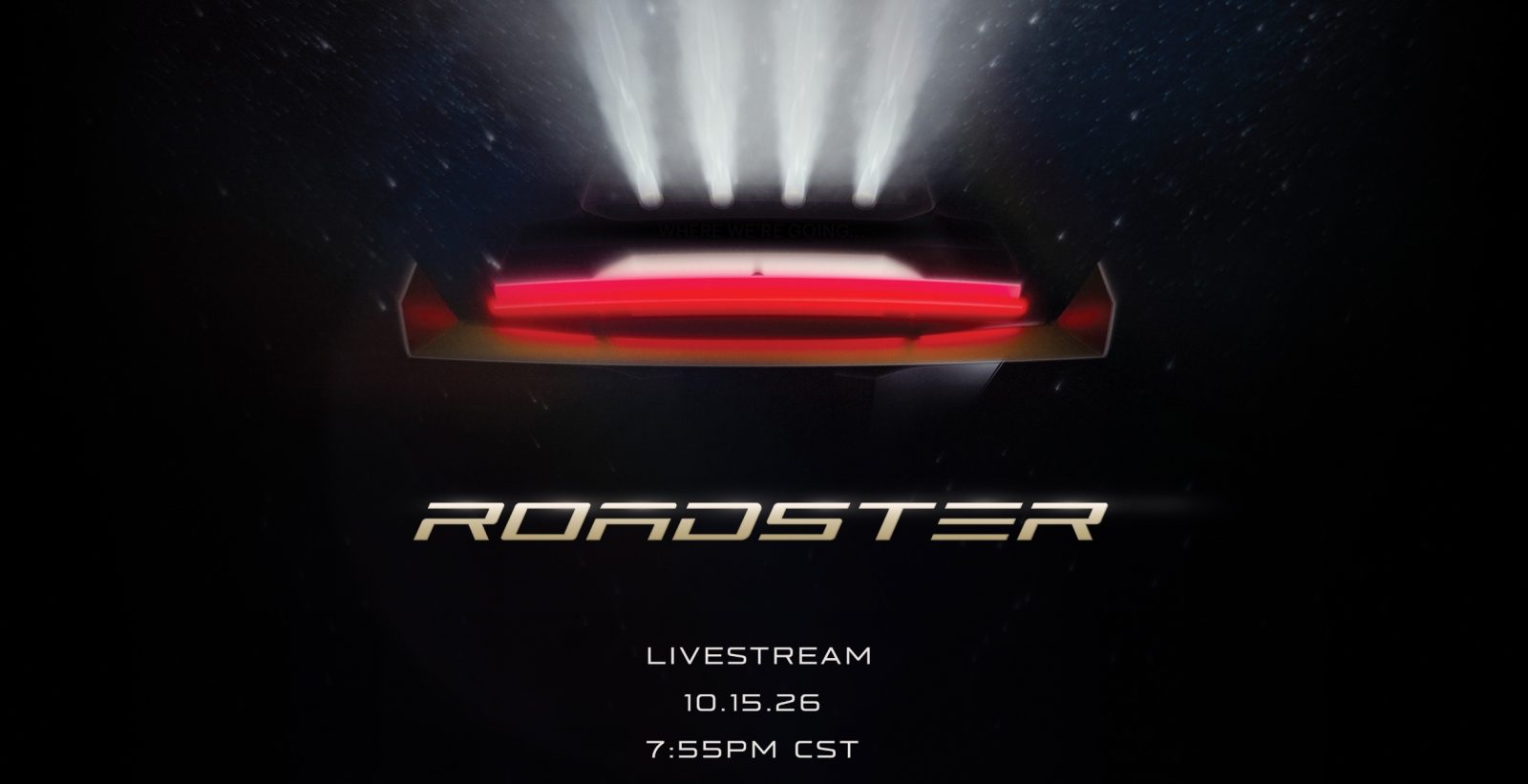
Tesla says it will finally stream its next-generation Roadster event this Thursday, October 15, at 7:55 pm Central, two weeks after it was supposed to happen.
It’s the latest date in a long list of them. Tesla first showed the Roadster in November 2017 and promised production in 2020. Nearly nine years later, it hasn’t delivered a single one.
Space has plenty of room for more megaconstellations, but only if all operators are willing to share information about where their satellites are and where they're going, a top executive at SpaceX and its AI subsidiary said this week.
Michael Nicolls, SpaceX's vice president for Starlink and president of Elon Musk's artificial intelligence company, xAI, used a presentation Tuesday at the International Astronautical Congress in Turkey as a clarion call for improved data-sharing among satellite operators.
SpaceX's Starlink constellation now has more than 11,000 satellites, about two-thirds of all active spacecraft in low-Earth orbit. Radars and telescopes routinely track thousands more pieces of space junk.
The world's largest retailer wants to sell you something else—Internet from space.
Amazon has been developing a constellation of satellites to deliver broadband Internet from low-Earth orbit for the better part of a decade, and the company is just about ready to pull back the curtain. It is entering a market that SpaceX, with its Starlink Internet, has dominated for the last half-decade. Amazon's debut into satellite Internet is being closely watched, not just by some consumers, but by businesses ranging from airlines to shipping companies to governments. Broadband Internet from orbit has proven broadly useful for a lot of purposes, from video games to commerce to warfighting.
But until now, most people had to buy it from Elon Musk and SpaceX. OneWeb has only offered limited services, leaving Amazon as the only real competitor to deliver high-speed Internet globally. Moreover, at the head of the company's broadband efforts is Rajeev Badyal, who led Starlink during its early years, but whom Musk fired eight years ago for moving too cautiously on Starlink.
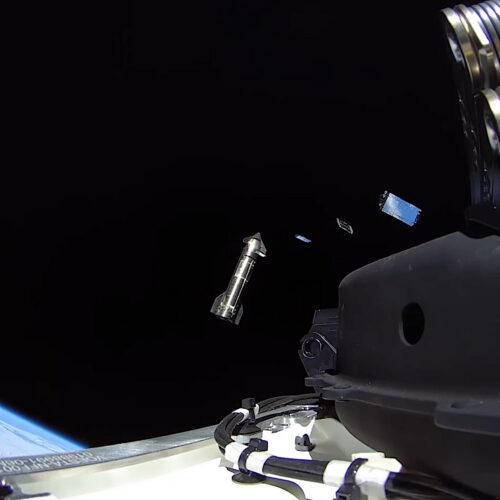
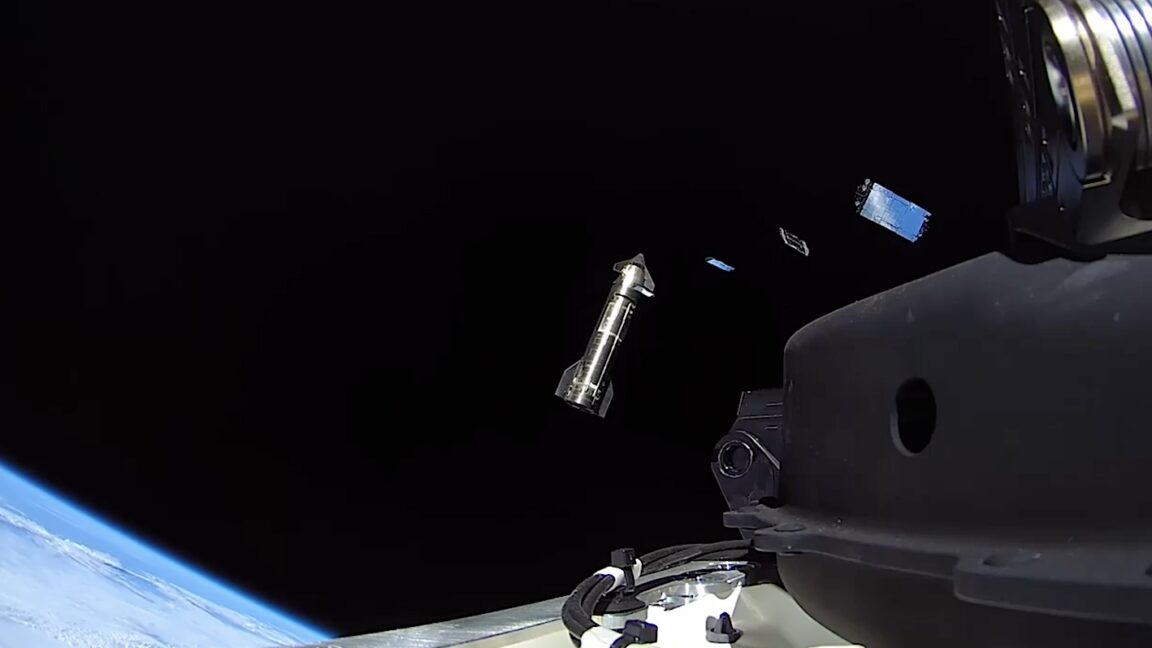
This week, SpaceX celebrated the first orbital launch of its new Starship rocket. I'm not sure many people, at least those outside of SpaceX, expected it to take 14 flights of Starship before it technically reached low-Earth orbit, but Monday morning's launch finally added that to SpaceX's list of accomplishments with its new super-heavy rocket. Starship had gone 99 percent of the way to orbit before, only held back by safety concerns around the possibility of stranding the huge rocket in space.
What was most notable for SpaceX with this Starship flight was that it unlocked a massive growth potential for Starlink, with the first 26 of the network's new-generation Starlink V3 satellites successfully deployed Monday.
Tesla (TSLA) got the SEC’s blessing today to let retail shareholders sign up for a standing instruction that automatically votes their shares the way Tesla’s board recommends, at every meeting, until they cancel it.
The timing is hard to ignore. Tesla still hasn’t scheduled its 2026 annual meeting, and Elon Musk keeps teasing a SpaceX merger that could hand him a big chunk of his $1 trillion pay package without hitting a single operational goal.

 Login