❌

Reading view

  •  

Tech layoffs: A 2026 timeline

Among a range of factors leading to a wave of tech sector layoffs in 2026 is the rapid rise of artificial intelligence and automation. Companies are reconfiguring their workforces to leverage AI for increased efficiency and reduced operating costs. This realignment and reduction is implemented even by companies reporting strong financial performance.

But it’s not just AI leading to workforce cuts. Complementing this technological shift are ongoing economic uncertainty, inflation, and higher interest rates, compounded by a chip shortage and rising energy costs. This mix is driving companies to cut costs and streamline operations for increased efficiency.

According to data compiled by Layoffs.fyi, an online tracker that keep tabs on job losses in the technology sector, 123,941 tech employees were laid off at 269 companies in 2025. The site also reports that 71,981 government employees were laid off by DOGE alone, with 182,528 total federal workers laid off.

Here is a list — to be updated regularly — of some of the most prominent technology layoffs the industry has experienced recently.

Notable tech layoffs in 2026

  • Oracle (again)
  • Monday.com
  • Microsoft
  • Meta
  • Cisco
  • Cloudflare
  • Oracle
  • Atlassian
  • Salesforce
  • Amazon
  • Ericsson

Sept. 15, 2026: Oracle forecasts 33% increase in restructuring costs as new round of layoffs hits

Oracle began a new round of layoffs this week, sending early-morning termination emails to staff for the second time in six months. Oracle has made no public statement confirming the latest round of job cuts, but in a regulatory filing days earlier the company said it had set aside a further $700 million for restructuring charges, bringing the total charges this year to roughly $2.8 billion.

July 22, 2026: Monday.com cuts 20% of its workforce to restructure for the AI era

The company says the decision to cut 620 jobs isn’t about margins, but about creating a flatter organization built around AI agents, autonomous teams, and deeper customer engagement.

July 6, 2026: Microsoft cuts 4,800 jobs, primarily in sales and Xbox teams

As the company trims thousands of jobs, it’s also investing in embedded engineering teams and AI infrastructure. The layoffs come several weeks after the company offered 8,750 US employees voluntary retirement buyouts.

June 5, 2026: Tech industry cut 38,242 jobs in May, worst since 2024

AI was blamed for 40% of the job cuts in May, up from 7% in January, according to research by employment placement company Challenger, Gray & Christmas.

May 20, 2026: Meta cuts 8,000 jobs, around 10% of workforce

The cuts are expected to expected to hit Meta’s engineering and product teams the hardest, arriving as Meta pivots toward AI to boost efficiency across its organization, according to Yahoo Tech.

May 13, 2026: Cisco to cut nearly 4,000 jobs despite strong growth in AI, enterprise networking

Despite reporting positive financial news — including record third-quarter revenue of $15.8 billion, a 12% year-over-year increase — Cisco said it will eliminate almost 4,000 jobs.

May 7, 2026: Cloudflare to cut 1,100 jobs in AI-focused restructuring

About 20% of Cloudflare’s global workforce will be culled as the company pivots for the agentic AI era, Reuters reported.

April 1, 2026: Oracle to cut up to 30,000 jobs globally, putting enterprise support and roadmaps at risk

Oracle began laying off employees on March 31 in what could be the largest workforce reduction in the company’s history. Employees received termination emails at 6 a.m. local time with immediate system lockouts and no prior warning. (Note: in June, CNBC put the final layoff tally at 21,000.)

March 12, 2026: Atlassian cuts 1,600 jobs to fund AI and enterprise expansion

Atlassian will reduce its global workforce by approximately 10%, eliminating around 1,600 roles, as the collaboration software maker redirects capital toward artificial intelligence development and enterprise sales.

March 11, 2026: Tech layoffs surpass 45,000 in early 2026

A recent analysis by RationalFX found 45,363 job cuts globally so far this year—with roughly 68% or more than 30,000 occurring in the U.S. — highlighting ongoing workforce cuts even as many tech companies report strong revenue growth.

Feb. 10, 2026: Salesforce lays off staffers as executive leadership churn continues

Salesforce has reduced close to 1,000 roles earlier this month across teams, including marketing, product management, data analytics, and its Agentforce AI unit, Business Insider reported, quoting employees familiar with the matter.

Jan. 23, 2026: Amazon layoffs expected to disproportionately hit AWS and tech talent

As the market slows down, AWS and other Amazon units are preparing for another round of layoffs, which is expected to overwhelmingly impact tech talent. An email from HR leader Beth Galetti on Jan. 28 confirmed 16,000 job cuts.

Jan. 15, 2026: Ericsson plans to shed 1,600 jobs in Sweden

 Ericsson lans to cut some 1,600 jobs in Sweden, the telecommunications equipment maker said doubling down on recent cost-saving measures that have helped it weather a prolonged downturn in telecoms spending, Reuters reports.

Jan. 13, 2026: Meta plans to cut around 10% of employees in Reality Labs business

Meta plans to cut around 10% of the employees in its Reality Labs division who work on products including the metaverse, according to three people with knowledge of the discussions, according to The New York Times.

Layoffs in 2025

  • Cisco
  • Oracle
  • Windsurf
  • Intel
  • Microsoft
  • Crowdstrike
  • HPE
  • Autodesk
  • HPE
  • CISA
  • Workday
  • Salesforce
  • Meta

Global tech-sector layoffs surpass 244,000 in 2025

Economic uncertainty, elevated interest rates, and AI adoption have driven workforce reductions across tech companies worldwide, according to a RationalFX report.

October 28, 2025: Amazon to cut 14,000 jobs across company

Amazon will reduce its overall workforce by 14,000, cutting layers of management across the company and hiring in some areas to support its “biggest bets”.

August 18, 2025: Cisco and Oracle to cut hundreds of Bay Area jobs

Tech companies Cisco and Oracle are cutting hundreds of jobs across the Bay Area. Cisco will eliminate 221 positions at its Milpitas and San Francisco offices, effective Oct. 13. Oracle is reducing 101 positions in Santa Clara on the same date 

August 5, 2025: 3 weeks after acquiring Windsurf, Cognition offers staff the exit door

Cognition, the AI coding startup that acquired rival company Windsurf three weeks ago, laid off 30 employees last week and is offering buyouts to the roughly 200 remaining employees on the team, reports The Information.

July 25, 2025, Intel to lay off 22% of workforce, CEO Tan signals ‘no more blank checks’

Intel will reduce its workforce to 75,000 employees by the end of 2025 as new CEO Lip-Bu Tan implements sweeping changes designed to transform the struggling chipmaker

July 8, 2025, Intel layoffs begin: Chipmaker is cutting many thousands of jobs

Intel has begun laying off employees across the company. CEO Lip-Bu Tan told workers back in April to expect major layoffs at Intel in the coming months as the chipmaker slashes costs and overhauls its organization after years of technical setbacks and falling sales.

July 2, 2025: Microsoft will cut 9,000 workers

Microsoft will lay off about 9,000 employees, a source familiar with the workforce cut told CNBC.  The cuts will reportedly affect less than 4% of Microsoft’s global workforce and will impact different teams, geographies and levels of experience. This is the latest in a string of cuts the tech giant has made this year.

June 17, 2025: Intel looks to factory layoffs to return to profitability

Intel will lay off up to 20% of its manufacturing sector employees starting in July, according to media reports, as the company looks for options as it seeks a return to profitability. The cuts reportedly will be made around the world, but some of the layoffs will be closer to home, according to a report in The Oregonian citing an internal company memo from Intel manufacturing Vice President Naga Chandrasekaran.

May 7, 2025: CrowdStrike to lay off 5% of staff

CrowdStrike announced a plan to cut about 500 roles, roughly 5% of its workforce, to streamline operations and reduce costs. The cybersecurity company will incur about $36 million to $53 million in charges related to the layoffs

March 6, 2025: HPE cuts 2,500 jobs, remains committed to Juniper buy

CEO Antonio Neri told Wall Street analysts that HPE would begin implementing a cost-cutting program involving layoffs of about 2,500 employees over the next 18 months. HPE employs about 61,000 people worldwide.

Feb. 27, 2025: Autodesk to lay off 9% of workforce

Software maker Autodesk is laying off 1,350 staff. With the rise of subscription and multi-year contracts billed annually, and self-service enablement, it finds it needs fewer sales staff, CEO Andrew Anagnost said in a message to employees. And with its cloud, platform, and AI products proving most profitable, it’s concentrating its staff and investments there.

Feb. 27, 2025: HP to lay off 2,000 more

As part of an ongoing restructuring, HP plans to lay off up to another 2,000 workers. In recent weeks, the company has tried — unsuccessfully — to do away with telephone support staff by forcing callers to wait for at least 15 minutes if they refuse to use self-service support resources online. The company swiftly backtracked, but wider job cuts are still on.

Feb. 21, 2025: CISA lays off 130

Government employees get laid off too: In this case, 130 workers at the US Cybersecurity and Infrastructure Security Agency are being shown the door as a result of a DOGE decision. Cybersecurity experts are concerned that the cuts will harm the international collaborations that CISA has fostered, quite apart from their concerns about the security of the DOGE layoff process itself.

Feb. 5, 2025: Workday lays off 1,750

As it moves to invest more in AI and international growth, Workday is laying off 8.5% of its workforce and disposing of unused office space. Some analysts fear the cutbacks will affect the company’s customer service — unless AI can pick up the slack.

Feb. 4, 2025: Salesforce lays off over 1,000

At the same time as it’s hiring sales staff for its new artificial intelligence products, Salesforce is laying off over 1,000 workers across the company, according to Bloomberg. As of June, 2024, the company had over 72,000 employees, according to its website. Salesforce did not comment on the report. In 2024 the company reportedly laid off around 1,000 staff too, in two waves: January and July.

Jan. 14, 2025: Meta will lay off 5% of workforce

Mark Zuckerberg told Meta employees he intended to “move out the low performers faster” in an internal memo reported by Bloomberg. The memo announced that the company will lay off 5% of its staff, or around 3,600 staff, beginning Feb. 10. The company had already reduced its headcount by 5% in 2024 through natural attrition, the memo said. Among those leaving the company will be staff previously responsible for fact checking of posts on its social media platforms in the US, as the company begins relying on its users to police content.

Tech layoffs in 2024

  • Equinix
  • AMD
  • Freshworks
  • Cisco
  • General Motors
  • Intel
  • OpenText
  • Microsoft
  • AWS
  • Dell

Nov. 26, 2024: Equinix to cut 3% of staff

Despite intense demand for its data center capacity, Equinix is planning to lay off 3% of its workforce, or around 400 employees. The announcement followed the appointment of Adaire Fox-Martin to replace Charles Meyers as CEO and the departures of two other senior executives, CIO Milind Wagle and CISO Michael Montoya.

Nov. 13, 2024: AMD to cut 4% of workforce

AMD will lay off around 1,000 employees as it pivots towards developing AI-focused chips, it said. The move came as a surprise to staff, as the company also reported strong quarterly earnings.

Nov. 7, 2024: Freshworks lays off 660

Enterprise software vendor Freshworks laid off around 660 staff, or around 13% of its headcount, despite reporting increased revenue and profits in its fourth fiscal quarter. The company described the layoffs as a realignment of its global workforce.

Sept. 17, 2024: Cisco lays off 6,000

After laying off around 4,200 staff in February, Cisco is at it again, laying off another 6,000 or around 7% of its workforce. Among the divisions affected were its threat intelligence unit, Talos Security.

Aug. 20, 2024: General Motors lays off 1,000 software staff

More than 1,000 software and services staff are on the way out at General Motors, signalling that it could be rethinking its digital transformation strategy. In an internal memo, the company said that it was moving resources to its highest-priority work and flattening hierarchies.

August 1, 2024: Intel removes 15,000 roles

Intel plans to cut its workforce by around 15% to reduce costs after a disastrous second quarter. Revenue for the three months to June 29 stagnated at around $12.8 billion, but net income fell 85% to $83 million, prompting CEO Pat Gelsinger to bring forward a company-wide meeting in order to announce that 15,000 staff would lose their jobs. “This is an incredibly hard day for Intel as we are making some of the most consequential changes in our company’s history,” Gelsinger wrote in an email to staff, continuing: “Our revenues have not grown as expected — and we’ve yet to fully benefit from powerful trends, like AI. Our costs are too high, our margins are too low. We need bolder actions to address both — particularly given our financial results and outlook for the second half of 2024, which is tougher than previously expected.”

July 4, 2024: OpenText to lay off 1,200

OpenText said it will lay off 1,200 staff, or about 1.7% of its workforce, in a bid to save around $100 million annually. It plans to hire new sales and engineering staff in other areas in 2025, it said.

June 4, 2024: Microsoft lays off staff in Azure division

Microsoft laid off staff in several teams supporting its cloud services, including Azure for Operations and Mission Engineering. The company didn’t say exactly how many staff were leaving.

April 4, 2024: Amazon downsizes AWS in a fresh cost-cutting round

Amazon announced hundreds of layoffs in the sales and marketing teams of its AWS cloud services division — and also in the technology development teams for its physical retail stores, as it stepped back from efforts to generalize the “Just Walk Out” technology built for its Amazon Fresh grocery stores.

April 1, 2024: Dell acknowledges 13,000 job cuts

Dell Technologies’ latest 10K filing with the US Securities and Exchange Commission disclosed that the company had laid off 13,000 employees over the course of the 2023 fiscal year; it characterized the layoffs and other reorganizational moves as cost-cutting measures. “These actions resulted in a reduction in our overall headcount,” the company said. A comparison to the previous year’s 10K filing, performed by The Register, found that Dell employed 133,000 people at that point, compared to 120,000 as of February 2024. Dell announced layoffs of 6,650 staffers on Feb. 6, but it is unclear whether those cuts were reflected in the numbers from this year’s 10K statement.

See news of earlier layoffs.

  •  
  •  

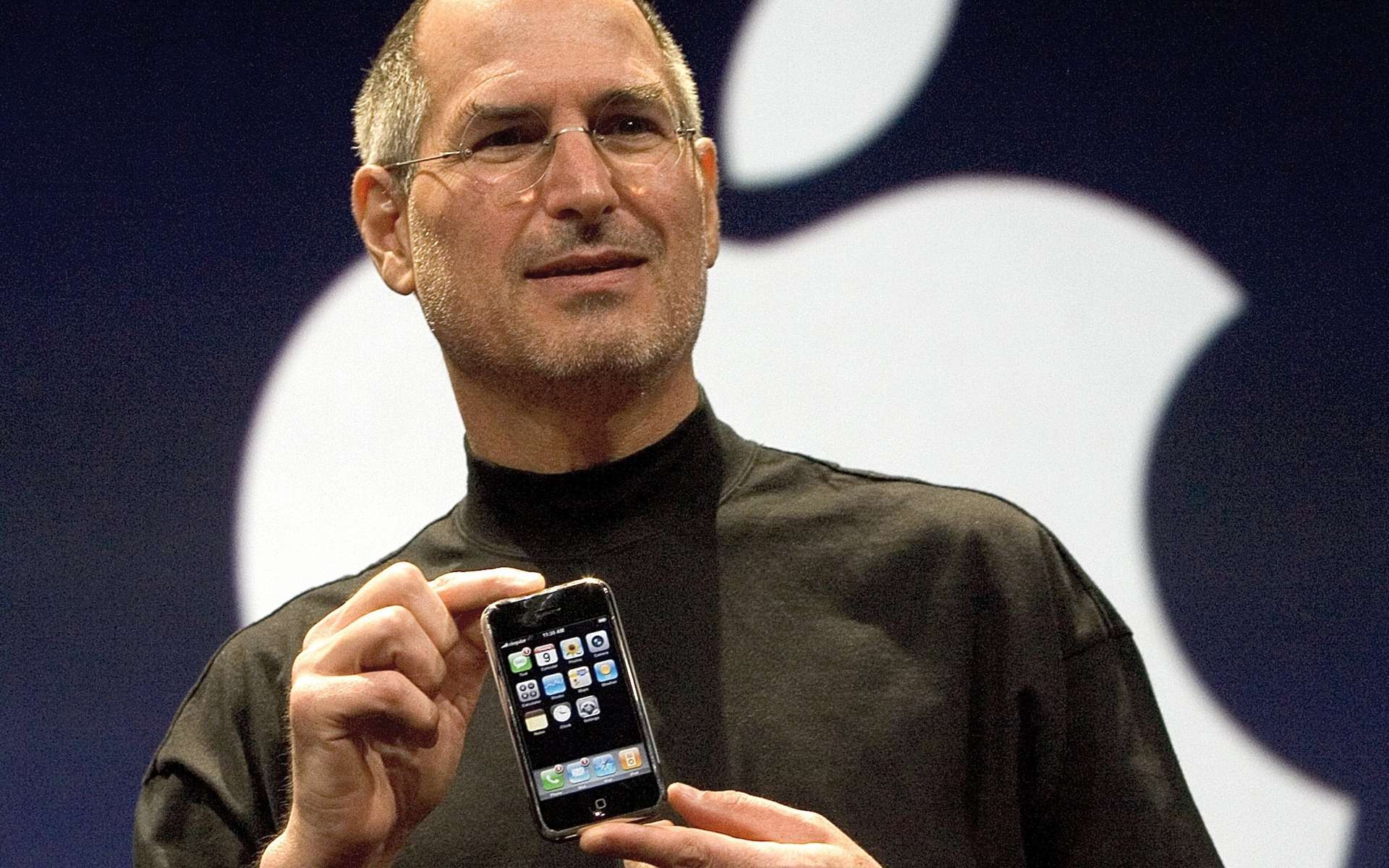
25 ans, une bascule : Steve Jobs a lancé en 2007 une révolution qui a débordé bien au-delà du téléphone

Pour fêter les 25 ans de Futura, chaque journaliste partage les images et évènements qui les ont le plus marqués au cours de ces décennies. Difficile de ne pas évoquer la sortie de l’iPhone, un véritable tournant dans l’évolution des smartphones.

  •  

No, AI is not killing jobs for everyone, studies say

A slew of recent studies indicate that AI isn’t dramatically displacing workers. At the same time, there were no indicators that the fast-moving technology is creating a lot of jobs, even as AI skills remain in high demand.

Stanford University researchers in an August study found that any AI-related job declines were concentrated among young workers aged 22–25. But for older and more experienced workers that wasn’t the case.

“Claims of economy-wide AI-driven job losses are not visible in payroll data through June 2026,” the researchers said, citing ADP payroll information. Stanford partnered with ADP to conduct the research.

The decline for young workers is more often related to the automation of some work tasks by AI, as opposed to its use to complement work. In contrast, AI is more often used by experienced workers to augment what they do. 

According to the Stanford report, workers between 22 and 25 and employed in jobs highly exposed to disruption by AI are falling behind their older counterparts. Their employment levels in June were about 19% below the same age group in less-exposed occupations. That’s compared to where they would be if both groups had kept pace with each other.

“Experienced workers show no comparable gap,” the researchers said, adding that “this is consistent with recent reports of a worsening job market for entry-level workers.”

Employment of younger workers in AI-exposed jobs fell about 11% from late 2022, while the same age group in less-exposed jobs actually grew about 10%. “For older age groups, we find much less marked differences in employment growth across AI exposure quintiles,” the researchers said.

Stanford, which created a lab last year to study AI’s impact amid heightened fears of the technology’s economic effects, said its numbers were based on available indicators.

AI’s adverse impact on young workers has been well documented, with many of them laid off in the initial wave of AI automation. AI has also suppressed wages for entry-level workers.

AI was cited for 116,175 job cuts in 2026, but that number is declining. The technology  was blamed for 3,462 cuts in August, according to data from Challenger, Gray and Christmas.

It’s the “lowest monthly total since December 2025 when 142 cuts were attributed to AI,” the company wrote in a blog entry. The research firm also noted aggressive hiring plans for companies in 2027.

AI is adding value to companies in different ways, and humans are an important part of that process, said Michael Chui, a senior fellow at QuantumBlack, AI at McKinsey. “The night shift is real now,” he said. “People are sending off their agents to write code and checking in the morning.”

MIT late last year established an AI labor index to determine how agents are affecting the workforce. The school’s Project Iceberg looks at how the coordination and interaction with agentic AI changes how work is done.

Despite the disruptions, demand for AI-related talent continues to rise, tech industry consortium CompTIA said last week. About 320,000 job listings in August required AI-related capabilities, a 4.5% increase from July.

AI-related hiring is outperforming the broader tech market, with demand for AI skills up 96% year-over-year, said Kye Mitchell, head of Experis North America, which is part of ManpowerGroup.

“We’re seeing real growth…in marketing management and project management roles, suggesting employers are looking beyond the people building AI to the people applying it,” Mitchell said.

More broadly, the US economy added 162,000 jobs in August, according to US Department of Labor figures released last week. CompTIA noted that tech employment across all sectors rose by 86,000 workers in August.

But within the tech sector, 14,700 positions were cut, CompTIA said.

  •  
  •  
  •  
  •  
  •  

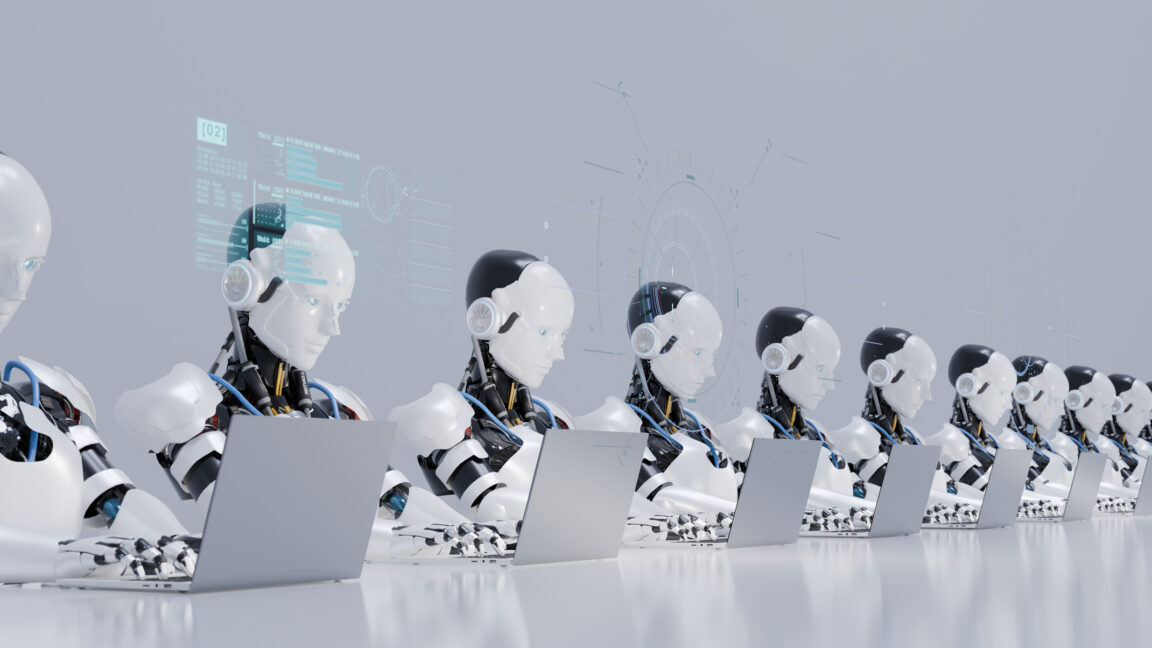
AI agents meant to replace Meta workers made “large-scale, disruptive actions”

Earlier this year, Meta created a “plan” to reduce some of its teams by as much as 60 percent to make the company “AI native,” Reuters reported today, citing two people familiar with Meta’s internal affairs.

Reuters’ report highlights the challenges organizations face when analyzing the best uses for AI and determining when the technology is a better fit for certain tasks than employees.

Meta confirmed to Reuters that the plan, reportedly codenamed Project OT (short for organization transformation), explored scenarios in which Meta reduced some team headcounts by 60 percent and that the plan called for two rounds of layoffs. Meta wouldn’t confirm which teams Project OT affected.

Read full article

Comments

© Getty

  •  

Relax, everyone: Elon Musk has a mantra to make the climate crisis go away | Emma Brockes

It’s simple, says the SpaceX boss – according to something called the ‘Kardashev scale’, we just have to move energy production ‘off-planet’

Next time the weather gives the UK 61 days without rain and we wonder idly if this is the end, there is a term we may whistle up to soothe us. Like murmuring the rosary, or putting our fingers in our ears and humming, this phrase is to be mumbled on repeat – “the Kardashev scale, the Kardashev scale” – a buzzy concept in tech, much favoured by Elon Musk, and precisely the thing we’ve been waiting for. The Kardashev scale is the answer both to our impending doom and our anxiety around it – and if we decide to believe in it, we won’t have to give the climate crisis a single thought until the last drip falls from the tap.

This is the idea and it’s a familiar one to anyone who has watched tech billionaires take intractable, commonplace crises and decide that, among the measures and proposals in play, the vital missing ingredient so far has been them. Do you remember when Jeff Bezos, rather than doing something quotidian and loserish like funding public education by ensuring Amazon pays the same tax rate as regular Americans, decided instead to reinvent preschools?

Emma Brockes is a Guardian columnist

Continue reading...

© Photograph: Reuters

© Photograph: Reuters

© Photograph: Reuters

  •  

Apple Proposes 15% External Purchase Fee

Juli Clover (AppleInsider):

Apple has again failed to earn a stay for fee calculations in its ongoing legal fight with Epic Games. Apple's case will be heard by the Supreme Court in the term that begins in October, and Apple asked the U.S. District Court for the Northern District of California to pause proceedings until then, but the court said no [PDF].

Juli Clover:

U.S. Supreme Court Justice Elena Kagan today granted Apple a one-day stay in its legal fight with Epic Games, giving Apple more time to outline the fees it wants to charge developers for linking out to purchase options on the web.

M.G. Siegler:

Apple tried to freeze the entire thing while they appealed to the Supreme Court – and the Supreme Court denied the freeze. But they didn’t deny hearing the case – yet. That’s why they’re pausing the proceedings for now (after Judge Gonzalez Rogers denied the same request), while they weigh Apple’s appeal. But before they do that, they’re basically likely to decide today – again, it was just a 24-hour delay – whether they should grant a longer stay. Presumably if the court thinks they’re unlikely to hear Apple’s appeal, they may not grant that longer stay. Or if they think Apple filing their number won’t harm their business, they’ll let it proceed. But Apple will argue that if the longer stay isn’t granted, it will cause major harm to their business because again, it will effectively end the App Store cut as we know it.

Juli Clover (Engadget, The Verge):

Apple today submitted a court-ordered proposal outlining the commission it believes is reasonable to collect from U.S. apps that link to purchase options outside of the App Store.

Apple is asking for half of its commission on standard apps, so apps that would pay 30 percent for an in-app purchase would pay 15 percent when linking to a web purchase option. Small Business Program participants that would normally pay 15 percent would pay 5 percent.

[…]

The appeals court suggested the commission could be limited to the direct costs of facilitating link-outs, and under that approach, the fee would be zero. Apple says a zero commission would not reflect the value that it provides developers, and its suggested commission gives it fair compensation for the App Store platform.

[…]

The district court will now evaluate Apple’s fee proposal and hear a response from Epic Games , and Apple will need to implement the fee the court sets.

Apple:

Unlike cost-only based commissions, Apple’s revenue-based commissions incentivize continued investment. Apple charges developers a $99 annual fee for the Apple Developer Program. May 17, 2021 Trial Tr. at 2762:21–2763:13. This modest fee—designed to prevent fraud and expressly not intended to compensate Apple for the use of its IP-protected tools, technologies, and services (id.)—allows developers to build apps using Apple’s offerings and deliver experiences to iOS and iPadOS users worldwide.

The annual developer fee is nominal. Apple relies on percentage-based commissions to recoup and profit from its investments. See id. ¶¶ 87–93. Apple is incentivized to invest in IP- protected tools, technologies, and services that generate revenue for developers (and benefit users).

[…]

Dr. Carlton explains that “reduc[ing] Apple’s incentive to invest and provide the technology and services that benefit users and developers” would harm users and developers, as well as Apple.

I like the part where Apple’s expert argues that its normal commission rates are so high that it would still be profitable for developers to pay the proposed linking commissions on top of what they would pay to Stripe or Paddle. In other words, paying Apple for “IP” almost twice what it admits the other companies charge for “full-service, turnkey payment processing.”

Jeff Johnson:

If the point [of the $99] is just to prevent fraud, why do we need to keep paying $99 yearly FOREVER? Is 10 years not enough to prove I’m not a fraud?!?

If the fee doesn’t help pay for Apple IP, then it’s even more blatantly unfair that a minority of apps have to pay for ALL apps to access Apple IP. Free apps, no matter how big or how much $ they make via ads, get access to Apple IP from OUR REVENUE CUT, and not even their $99 counts.

Matt Garber:

That’s what that enormous hardware margin from customers is already supposed to be paying for — Apple IP! In the early 00’s, I gladly paid the “Apple tax” (PowerBook G4) to get access to the Mac OS X software/ecosystem, including all the Unix and dev tools. I’m not sure why anyone thinks that double-dipping is fine on all the non-Mac platforms, App Store or not.

Jeff Johnson (2):

Schiller’s [previous] testimony about the previous program is extremely misleading, because the new program began in 2008 at the same time as the App Store, so there was no previous iOS developer program, and Mac Developer ID did not begin until 2012, so Apple Developer Program membership was not actually required to distribute Mac apps!

Jeff Johnson:

Fourth, it appears that Steve Jobs was wrong: the $99 fee didn’t prevent developers from flooding the App Store with a lot of junk.

I want to quote another remarkable passage from Schiller’s testimony, again with questions from Apple’s own lawyer.

Q. And Mr. Jobs says, “And also just to make it a little clearer, we don’t intend to make money off the App Store. I mean, we don’t make a lot of money off iTunes, and the split with the music companies is about the same, so in the case of the iTunes Music Store, we give all the money to the content owners, and we are basically giving all the money to the developers here. And if that 30 percent of it pays for running the store, well, that will be great, but we just want to create a very efficient channel for these developers to reach every single iPhone user.” Is that a statement that Mr. Jobs made back in March 2008?

A. He did.

[…]

I won’t quote the following passage in which Schiller testifies about his internal email suggesting that Apple limit itself to $1 billion per year in profit from the App Store, hand-waving away the suggestion as merely “spurring conversation.” Of course the email also seems to contradict Schiller’s (absurd) testimony that Apple does not specifically calculate profit from the App Store, only company-wide profit. Apple’s public financial statements also appear to contradict Schiller’s claims.

Previously:

Update (2026-08-20): Marcus Mendes:

On the same day, Apple submitted another motion, asking Judge Gonzalez Rogers to order the parties to attend a settlement conference.

[…]

Epic has now responded to Apple’s motion, stating that although the company “has been, and remains today, willing to entertain any direct approach from Apple with a serious settlement proposal that would introduce competition and benefit all developers,” it “does not believe the prospects of such settlement would be meaningfully advanced through referral to a settlement conference at this juncture.”

Update (2026-09-03): Marcus Mendes:

In addition to the proposal itself, Apple submitted supporting expert reports, alongside a request to seal portions of those filings containing financial data, link-out adoption estimates, developer survey results, and other information Apple considers commercially sensitive.

Epic has now filed an opposition to Apple’s request, arguing “Apple again seeks to conceal information from the public and unnecessarily hamper proceedings.”

  •  

MacVoices #26154: Live! – The Steve Jobs Coin, The MacBook Neo, A Wide-Reaching Hack, and Digg’s Return…Again

A wide range of tech stories get the MacVoices treatment, starting with the quick sellout of the Steve Jobs commemorative coin and what strong MacBook Neo demand may say about Apple’s pricing, chip planning, and enterprise appeal. Chuck Joiner, David Ginsburg, Marty Jencius, Eric Bolden, Brian Flanigan-Arthurs, Jeff Gamet and Mark Fuccio also discuss Apple updates unexpectedly changing settings, a Canvas ransomware disruption affecting schools, Chrome’s hidden AI download, Google’s Liquid Glass similarities, Digg’s AI-focused return, and safer lithium coin batteries. 

💾

  •  

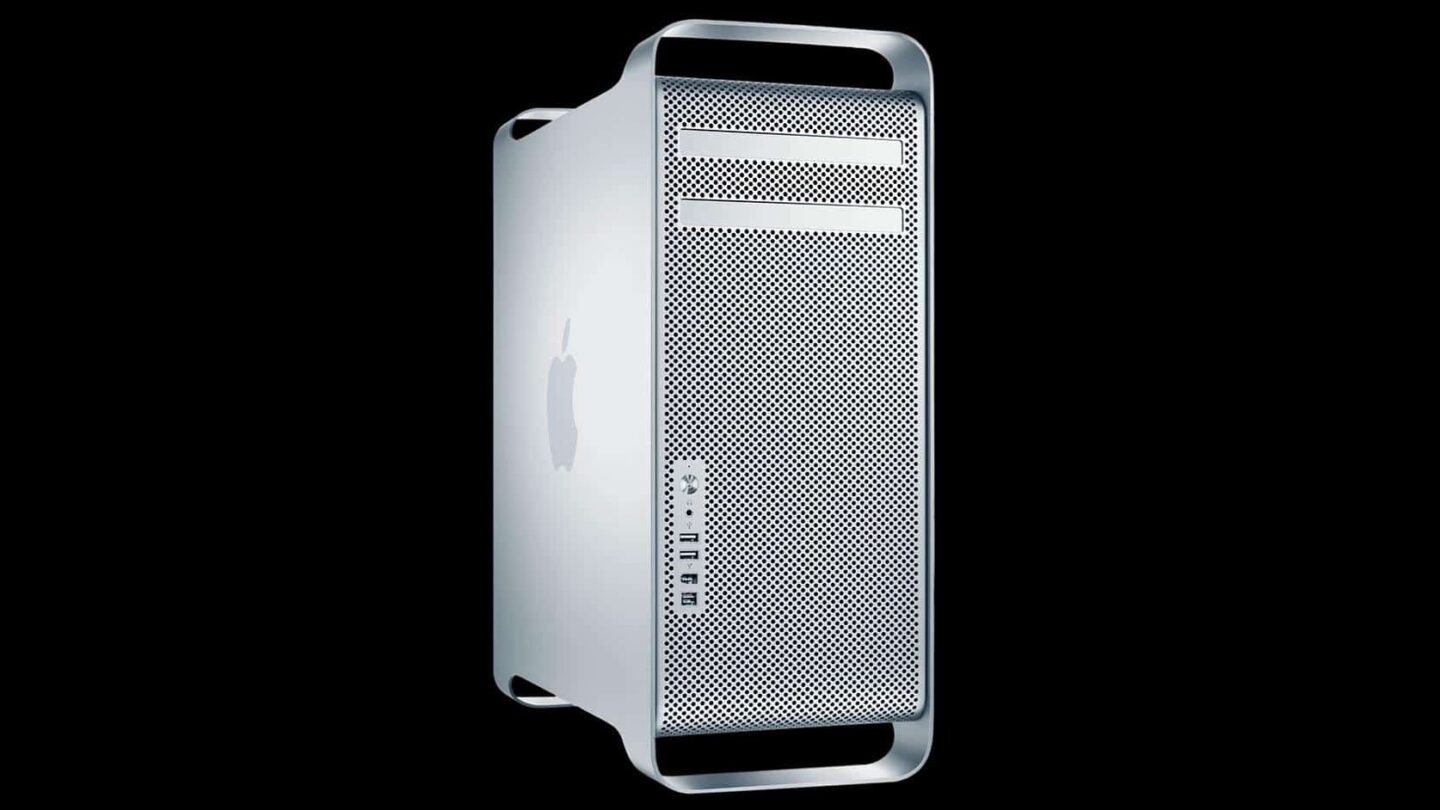
Today in Apple history: Original Mac Pro packs serious Intel power

A photo of the first Mac Pro, an impressively expandable workstation that launched in 2006

On August 7, 2006, Apple launched the first Mac Pro, a high-end desktop that completed the transition to Intel processors from PowerPC chips.

(via Cult of Mac - Your source for the latest Apple news, rumors, analysis, reviews, how-tos and deals.)

  •  
  •  

Can new CEO John Ternus bring back Apple’s design mojo?

Apple's incoming CEO John Ternus
Apple’s incoming CEO John Ternus

As Tim Cook hands the reins to hardware engineering chief John Ternus in September 2026, the company faces its biggest leadership transition in 15 years. While Cook’s tenure delivered massive revenue growth and operational excellence, many former employees and analysts say Apple has lost the product-first, risk-taking design culture that defined the Jobs years. Fortune explores whether Ternus can shift the company from steady iteration back to true innovation.

Sebastian Herrera for Fortune:
‎

Matthew Rogers remembers Apple’s scrappy days when, as an engineer fresh out of college, he could debate ideas directly with Steve Jobs… “I was 23, 24 years old, and I interacted with Steve Jobs. That’s crazy, right? But that’s the organization he ran,” Rogers told Fortune from his Silicon Valley office (he now runs food-recycling startup Mill).

Back then, Apple’s hierarchy was much flatter. What made Apple special, he said, is that Jobs surrounded himself with consumer-minded product leaders who were expected to argue. The mandate was to build “the best thing out there” and take real risks. Some of Apple’s most iconic products came out of a skunkworks team across the street from the main office.

That much-mythologized era continues to shape — and perhaps burden — Apple as it navigates its biggest leadership transition in 15 years. Somewhere along the way, Apple lost a part of its design and product magic, Rogers and several former design and hardware employees, investors, and analysts said. The September handoff from Tim Cook to incoming chief executive John Ternus, who currently leads hardware engineering, has Rogers and other longtime Apple watchers wondering: Can the company reclaim its product-first soul?

Rogers, who also cocreated smart home company Nest with former Apple executive Tony Fadell, said Ternus now faces a defining test. “I’ll put it this way,” he said. “He has a tall task, but a big opportunity.”

‎
MacDailyNews Take: As we posted on X just yesterday:

Under Tim Cook, Apple systematically strayed from Steve Jobs’ core vision. Product Design, the very soul of the company Jobs rebuilt, was demoted, sidelined, and subordinated to operations, supply-chain efficiency, and services revenue. The result? Fifteen long years of polished, but profoundly boring iteration: thinner bezels, faster chips, incremental camera bumps, and endless “Pro” variants that rarely moved the industry forward the way the original iPhone, iPad, or even the aluminum unibody MacBooks once did.

Jobs put Design at the absolute top of the food chain. Jony Ive’s group wasn’t a service department; it was the engine. Cook flipped the hierarchy. Hardware engineering, operations, and finance called the shots (poorly; witness Luca Maestri famously rejecting calls to invest in AI early on which is why he’s now sidelined). Design became reactive instead of directive. The Vision Pro launched as an impressive, but overpriced, underbaked curiosity. After billions spent, the Apple Car evaporated. True category-defining leaps simply did not happen.

Now comes John Ternus, a product person, a hardware guy who has spent his career shipping actual devices rather than optimizing margins. Early signals are encouraging: bringing trusted hardware lieutenants back into the fold and already embedding himself with the industrial design group. That is exactly the right instinct.

If Ternus moves quickly to restore Design to its rightful place at the apex of Apple’s decision-making, the company might finally escape the long, comfortable, lucrative mediocrity of the Cook era. Apple doesn’t need another fifteen years of safer, prettier, or just different iterations. It needs the return of products that make people stop, stare, and rethink what a computer in their pocket, on their wrist, or on their face can be.

The hardware engineer is about to become CEO. The question is whether he has the will — and the authority with Cook looming as Executive Chairman — to put Design back on top where Jobs left it. The next few years will tell us if Apple can innovate again… or if the iteration treadmill simply continues under a new CEO.

Fingers crossed!


‎
Please help support MacDailyNews — and enjoy subscriber-only articles, comments, chat, and more — by subscribing to our Substack: macdailynews.substack.com. Thank you!

Support MacDailyNews at no extra cost to you by using this link to shop at Amazon.

The post Can new CEO John Ternus bring back Apple’s design mojo? appeared first on MacDailyNews.

  •  
❌