Here’s the 17 family data as a percentage of overall usage for Widgetsmith.
Generally they followed the usual adoption pattern, and overall did very well ending at around 20% of total usage.
With the exception of the Air really struggling to find market share. For comparison the 16 Plus ended its first year at around 1.4% (vs the Air’s 0.3%).
This works out to about 6% of my iPhone users using the iPhone Air, or about 20x more proportionally than David's more mainstream app. Honestly, the numbers are pretty striking here, with David showing a pretty even split between the iPhone 17, 17 Pro, and 17 Pro Max, slightly decreasing in that order. Meanwhile, almost half of my users are on the Pro Max, another quarter are on the Pro, and the 17 is neck and neck with the Air. Clearly, my customers lean more enthusiast and are higher end buyers on average.
The apparent unpopularity of the iPhone Air is not what caught my eye. Instead, it is the percentage of iPhone 17e users: 0.5% of Widgetsmith users, and something like 1–2% of the total iPhone 17 generation in Birchler’s.
The iPhone 17e hasn’t been on sale for as long, though.
In the entire year since the iPhone Air was announced, I’ve never seen Apple advertise it. No billboards, no commercials. It raises a chicken/egg question: did no one buy it because Apple didn’t market it, or did Apple not market it because no one wanted it?
[…]
But the shame of these low iPhone Air sales reminds me, very much, of the late great iPhone 12 and 13 Mini — also a truly great design, also terribly disappointing sales numbers.
With Apple Intelligence in iOS 27, dictation uses an on-device model to improve spelling, punctuation and capitalization. Apple says it’s available in English on “iPhone 17 Pro, iPhone 17 Pro Max, iPhone Air, or later,” and its feature availability page lists nine varieties of English. That device list is narrower than the one for Apple […]
Entre os que abriram espaço para os novos aparelhos, temos os populares iPhones 17 Pro e 17 Pro Max, lançados há exatamente um ano. Isso, é claro, está longe de ser uma surpresa, já que a Apple tem o costume de descontinuar os seus modelos topos-de-linha sempre que anuncia uma nova geração.
Divulgação/Apple
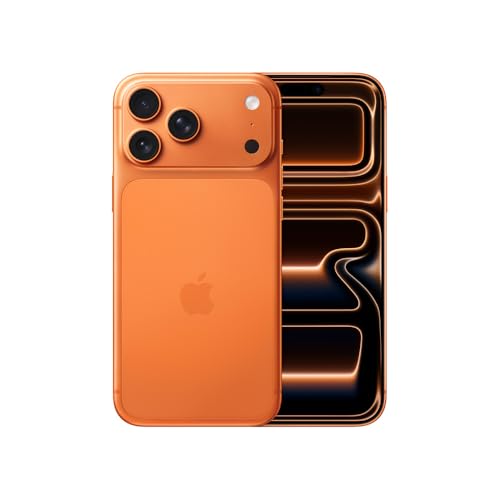
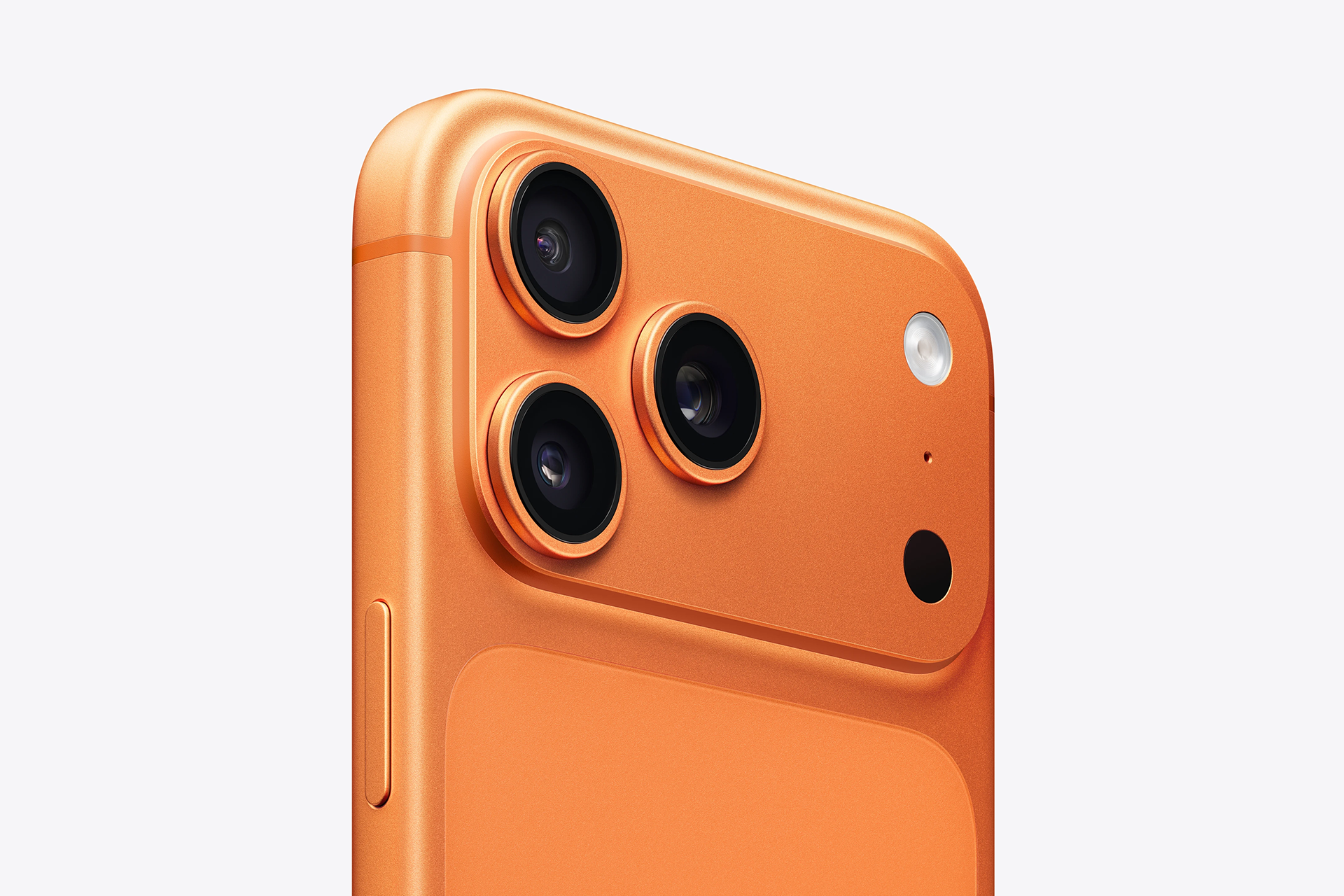
Muito parecidos em termos de design com os iPhones 18 Pro e 18 Pro Max, eles chamavam atenção pela opção de cor laranja-cósmico (cosmic orange), bem como pelo corpo unibody feito de alumínio — depois de anos apostando no aço inoxidável/titânio. Com sua descontinuação, os iPhones 17, Air e 17e permanecem como os remanescentes da última geração de smartphones da Apple.
Outro iPhone que se despediu de nós foi o iPhone 16 Plus, o “irmão maior” do modelo intermediário lançado em 2024. Muito parecido com o iPhone 17 (que não conta com uma variante Plus) no visual, ele nunca chegou a cair nas graças do público, que parecia sempre preferir o modelo menor ou partir logo para os iPhones Pro — sina carregada também pelos iPhones 14 Plus e 15 Plus.
Divulgação/Apple
Partindo agora para os relógios inteligentes da Maçã, temos mais duas baixas esperadas: o Apple Watch Series 11 e o Apple Watch Ultra 3, que deram lugar, obviamente, para o Series 12 e o Ultra 4 — situação parecida com a dos iPhones Pro, já que a Maçã também costuma descontinuar seus relógios mais recentes assim que anuncia novas versões.
Assim como seus sucessores, o Series 11 e o Ultra 3 introduziram apenas melhorias pontuais quando foram revelados no ano passado [1, 2], mantendo o visual geral de modelos anteriores.
Divulgação/Apple
Por fim, temos os AirPods 4 (introduzidos em 2024), que vinham em versões com e sem cancelamento ativo de ruído (ANC, na sigla em inglês), tendo sido os primeiros dessa linha a contar com esse recurso como opção. Anunciadas hoje, ambas as versões dos AirPods 5 vêm com ANC (que, inclusive, está 50% melhor), com a diferença entre elas sendo, desta vez, a presença do controle deslizante de volume nas hastes e um estojo compatível com recarga sem fio no modelo mais caro.
Divulgação/Apple
E aí, acha que algum desses dispositivos vai deixar saudade? Comente abaixo!
iPhone 17 Pro Max
Cores: prateado, laranja-cósmico ou azul-intenso Armazenamento: 256GB, 512GB, 1TB ou 2TB
Material: alumínio ou titânio Cores: cinza-espacial, prateado, ouro rosa, preto brilhante, natural, dourado ou ardósia Tamanho: 42mm ou 46mm Conectividade: GPS ou GPS + Cellular Pulseiras: esportiva ou estilo milanês
NOTA DE TRANSPARÊNCIA: O MacMagazine recebe uma pequena comissão sobre vendas concluídas por meio de links deste post, mas você, como consumidor, não paga nada mais pelos produtos/serviços usando os nossos links de afiliado.
É, meus amigos… A crise causada pelo aumento dos custos de chips de memória e armazenamento atingiu o produto mais consolidado da Apple, o iPhone.
A empresa atualizou, há pouco, a Apple Store Online com os novos valores praticados para os smartphones que já estavam em linha antes da chegada dos iPhones 18 Pro/18 Pro Max e Duo. E sim, nem o 17e escapou!
Como já era de se esperar, esses aumentos se refletiram em vários outros países onde a Apple atua, como o Brasil.
Confira as tabelas com os preços antigos e os novos! 🤑
Nos EUA
iPhone 16 e 16 Plus
Modelo
Preço anterior
Preço novo
Variação
16 de 128GB
US$700
US$800
+14,3%
16 Plus de 128GB
US$800
—
—
16 Plus de 256GB
US$900
—
—
Como podemos observar, apenas uma configuração do iPhone 16 está disponível. O 16 Plus foi descontinuado.
iPhone 17e
Modelo
Preço anterior
Preço novo
Variação
256GB
US$600
US$700
+16,7%
512GB
US$800
US$900
+12,5%
iPhone 17
Modelo
Preço anterior
Preço novo
Variação
256GB
US$800
US$900
+12,5%
512GB
US$1.000
US$1.100
+10%
iPhone Air
Modelo
Preço anterior
Preço novo
Variação
256GB
US$1.000
US$1.100
+10%
512GB
US$1.200
US$1.300
+8,3%
1TB
US$1.400
US$1.700
+21,4%
iPhones 17 Pro/17 Pro Max vs. iPhones 18 Pro/18 Pro Max
Modelo
Preço
Modelo
Preço
Variação
17 Pro de 256GB
US$1.100
18 Pro de 256GB
US$1.200
+9%
17 Pro de 512GB
US$1.300
18 Pro de 512GB
US$1.400
+7,6%
17 Pro de 1TB
US$1.500
18 Pro de 1TB
US$1.800
+20%
—
—
18 Pro de 2TB
US$2.400
—
17 Pro Max de 256GB
US$1.200
18 Pro Max de 256GB
US$1.300
+8,3%
17 Pro Max de 512GB
US$1.400
18 Pro Max de 512GB
US$1.500
+7,1%
17 Pro Max de 1TB
US$1.600
18 Pro Max de 1TB
US$1.900
+18,8%
17 Pro Max de 2TB
US$2.000
18 Pro Max de 2TB
US$2.500
+25%
Apple Watches
Curiosamente, a Apple mexeu apenas nas versões com as caixas maiores do Apple Watch Series 12 — ou seja, os modelos de 42mm seguem os mesmos preços. O SE 3 e o Ultra 4 seguem intactos.
Modelo
Preço
Modelo
Preço
Variação
Series 11 (GPS, alumínio de 46mm)
US$430
Series 12 (alumínio de 46mm)
US$450
+4,6%
Series 11 (GPS + Cellular, alumínio de 46mm)
US$530
Series 12 (GPS + Cellular, alumínio de 46mm)
US$550
+3,8%
No Brasil
iPhone 16 e 16 Plus
Modelo
Preço anterior
Preço novo
Variação
16 de 128GB
R$6.800
R$7.000
+2,9%
16 Plus de 128GB
R$8.500
—
—
16 Plus de 256GB
R$9.300
—
—
iPhone 17e
Modelo
Preço anterior
Preço novo
Variação
256GB
R$5.800
R$6.000
+3,4%
512GB
R$7.300
R$7.500
+2,7%
iPhone 17
Modelo
Preço anterior
Preço novo
Variação
256GB
R$8.000
R$8.300
+3,7%
512GB
R$9.500
R$9.800
+3,1%
iPhone Air
Modelo
Preço anterior
Preço novo
Variação
256GB
R$10.500
R$11.000
+4,7%
512GB
R$12.000
R$12.500
+4,1%
1TB
R$13.500
R$15.500
+14,8%
iPhones 17 Pro/17 Pro Max vs. iPhones 18 Pro/18 Pro Max
Modelo
Preço
Modelo
Preço
Variação
17 Pro de 256GB
R$11.500
18 Pro de 256GB
R$12.000
+4,3%
17 Pro de 512GB
R$13.000
18 Pro de 512GB
R$13.500
+3,8%
17 Pro de 1TB
R$14.500
18 Pro de 1TB
R$16.500
+13,7%
—
—
18 Pro de 2TB
R$21.000
—
17 Pro Max de 256GB
R$12.500
18 Pro Max de 256GB
R$13.000
+4%
17 Pro Max de 512GB
R$14.000
18 Pro Max de 512GB
R$14.500
+3,5%
17 Pro Max de 1TB
R$15.500
18 Pro Max de 1TB
R$17.500
+12,9%
17 Pro Max de 2TB
R$18.500
18 Pro Max de 2TB
R$22.000
+18,9%
Apple Watches
Modelo
Preço
Modelo
Preço
Variação
Series 11 (GPS, alumínio de 46mm)
R$5.899
Series 12 (GPS, alumínio de 46mm)
R$6.099
+3,4%
Series 11 (GPS + Cellular, alumínio de 46mm)
R$6.799
Series 12 (GPS + Cellular, alumínio de 46mm)
R$7.399
+8,8%
Não está nada fácil, infelizmente… 😭
iPhone 17 Pro Max
Cores: prateado, laranja-cósmico ou azul-intenso Armazenamento: 256GB, 512GB, 1TB ou 2TB
Material: alumínio ou titânio Cores: cinza-espacial, prateado, ouro rosa, preto brilhante, natural, dourado ou ardósia Tamanho: 42mm ou 46mm Conectividade: GPS ou GPS + Cellular Pulseiras: esportiva ou estilo milanês
NOTA DE TRANSPARÊNCIA: O MacMagazine recebe uma pequena comissão sobre vendas concluídas por meio de links deste post, mas você, como consumidor, não paga nada mais pelos produtos/serviços usando os nossos links de afiliado.
O iPhone 17 Pro (ainda) é o smartphone mais avançado da Apple! Entre as suas especificações técnicas, podemos destacar a tela Super Retina XDR de 6,3 polegadas, o conjunto de três câmeras (com um sistema Fusion de 48 megapixels nas três lentes) e o processador A19 Pro, além da presença do Controle da Câmera (Camera Control) e do botão de Ação (Action Button).
Mesmo com a nova linha de iPhones prestes a ser anunciada em poucas horas, é certeza de que eles chegarão muito mais caros que os modelos atuais, devido à escassez dos chips de memória.
Por isso, as grandes varejistas já começam a “queimar” o estoque dos modelos que devem sair de linha — caso do iPhone 17 Pro. Mesmo sendo descontinuado, esse smartphone certamente durará muitos e muitos anos graças às atualizações de software.
Se levarmos em conta que o preço tabelado desse modelo aqui no Brasil é de R$11.499 nessa mesma modalidade de pagamento, estamos diante de um desconto de 20%.
Para chegar a esses valores, basta aplicar o cupom que aparece na página do produto.
Todos os descontos de promoções divulgadas pelo MacMagazine são calculados com base nos preços sugeridos pela Apple ou por outras fabricantes. Pode ser que um determinado produto seja comumente encontrado por valores inferiores em redes varejistas, mas a nossa base de comparação é sempre em cima das tabelas oficiais.
Se você não é louco, é claro que gosta de economizar. E, para isso, o MacMagazine tem diversas opções para ajudar você a conseguir comprar o seu produto Apple pagando menos!
NOTA DE TRANSPARÊNCIA: O MacMagazine recebe uma pequena comissão sobre vendas concluídas por meio de links deste post, mas você, como consumidor, não paga nada mais pelos produtos/serviços usando os nossos links de afiliado.
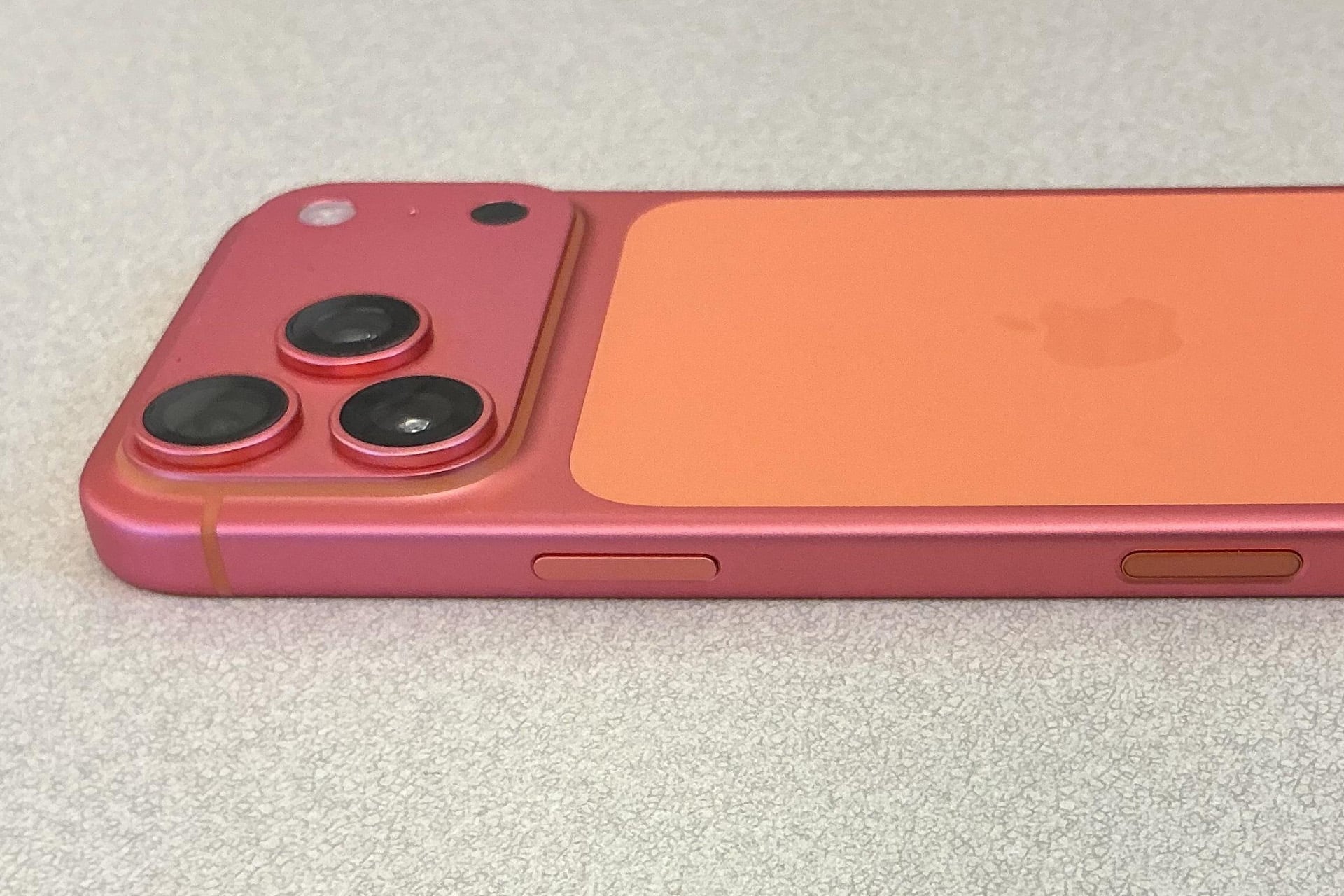
New iPhone colors could give Wednesday’s launch an immediate visual refresh, with Dark Cherry and lighter blue finishes among the shades rumored for the iPhone 18 Pro generation. But replacing Cosmic Orange in the promotional photographs would leave an uncomfortable question behind: what happens to customers whose orange iPhone 17 Pro has reportedly turned pink?
Owners have posted accounts of discoloration on Reddit and Apple’s own community forum. Some describe receiving replacement devices; others say their requests were rejected as cosmetic issues. The reports establish a reason for scrutiny, although they do not establish how frequently the problem occurs or whether every affected phone shares the same cause.
Apple does not appear to have published a dedicated technical explanation or a general service program addressing these complaints. With another generation approaching, the company has an opportunity to explain what owners should expect from the finish on an expensive phone—and from support when that finish changes.
The iPhone Colors Expected This Week
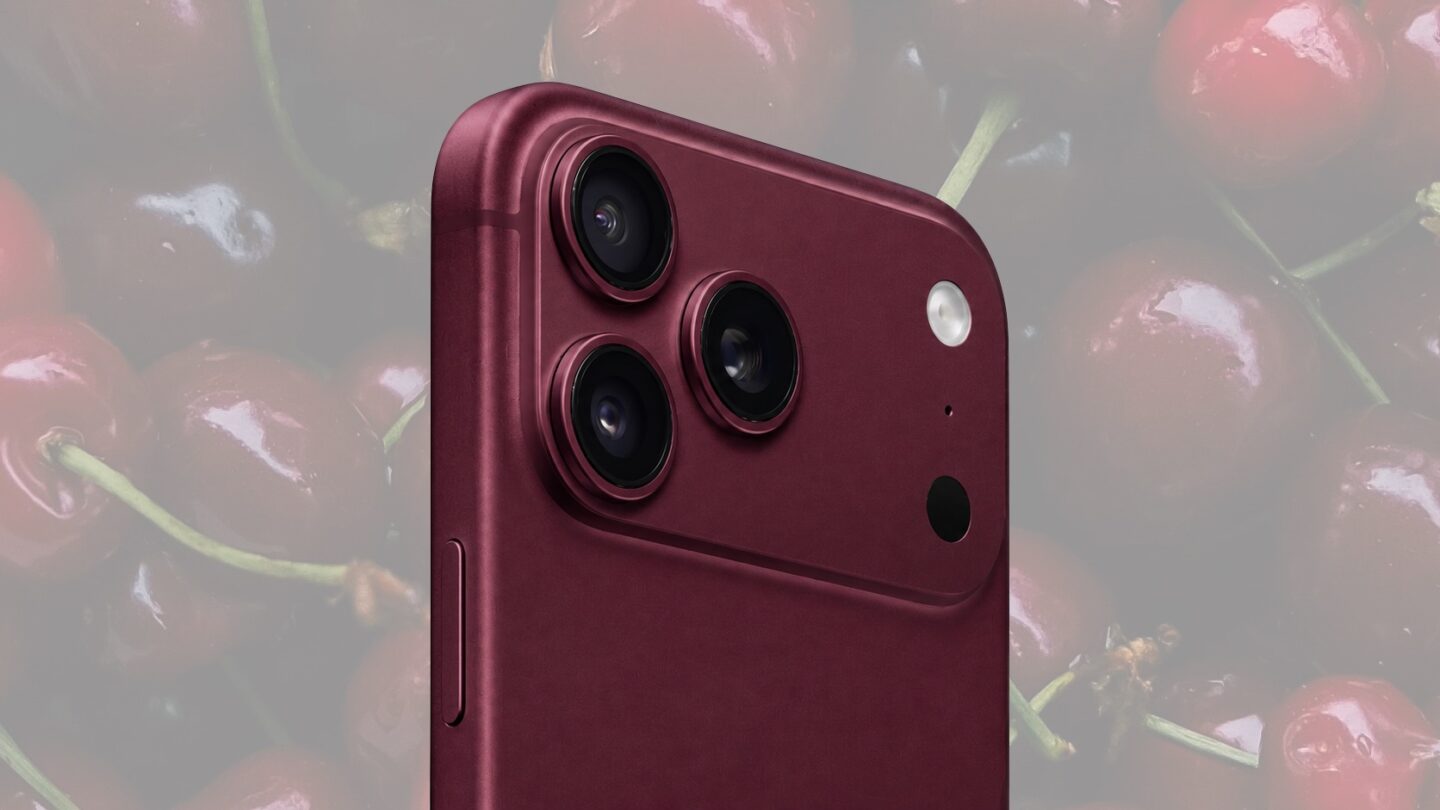
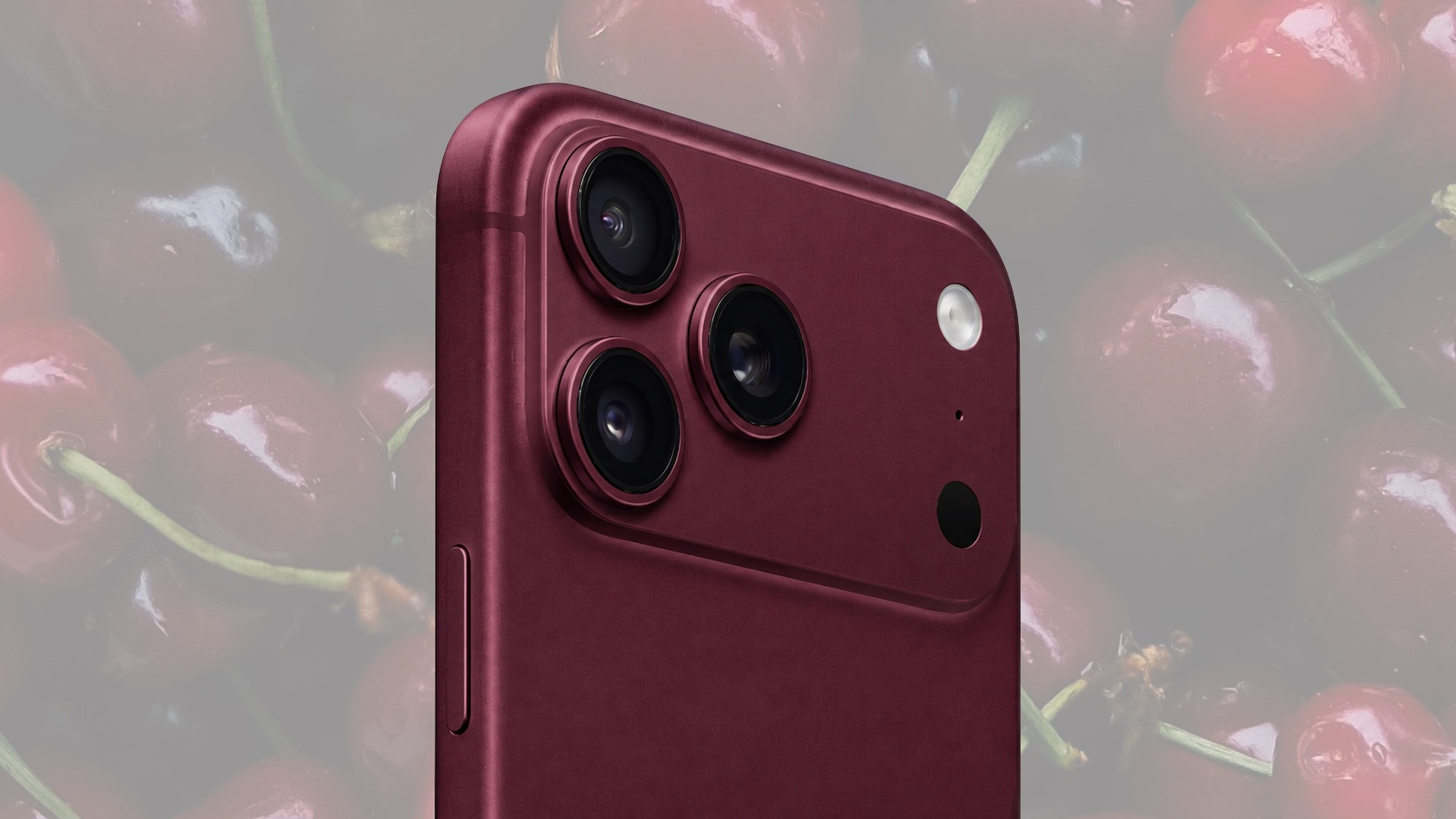
The most consistent iPhone 18 Pro rumors center on Dark Cherry, sometimes described as burgundy or deep red, and Sky Blue, also called Light Blue. The neutral option remains disputed.
According to the latest color-leak roundup, Sonny Dickson shared an image of alleged SIM trays suggesting Silver, Dark Cherry, and Sky Blue. A separate claim from Fixed Focus Digital points to Black taking Silver’s place.
That leaves a plausible three-color lineup without agreement on all three finishes. The names also remain unofficial; a supplier’s description does not necessarily become the name displayed in the Apple Store.
The same reporting favors black and white for the foldable iPhone Ultra. A purported reddish version lost credibility after Mark Gurman identified the images associated with it as Xiaomi renders, and the post sharing them was subsequently deleted.
Cosmic Orange is absent from these leading launch rumors. Its possible departure would fit the annual rotation of signature shades, but there is no evidence that Apple is changing colors because of the discoloration complaints.
For buyers, the distinction is straightforward: a new shade may make the next phone look different. Its name cannot establish that its finish will age better.
Image Credit: Apple Inc.
Cosmic Orange Owners Have Described Different Outcomes
One detailed Reddit replacement account describes an iPhone 17 Pro camera plateau turning pink approximately two weeks after purchase. The owner said the rest of the phone was protected by a case and denied using bleach, peroxide, or other treatments to produce the change.
According to that account, Apple Support escalated the case and supplied a warranty replacement without initially identifying the cause. The owner posted comparison images and later said an engineer contacted them after receiving the original phone, asking questions about usage and environmental conditions.
That reported follow-up complicates any claim that Apple has ignored every customer. At least some owners describe service and further investigation.
A separate Reddit complaint about a salmon-pink camera plateau describes a less satisfactory experience. The owner said the change became noticeable after several months and continued to develop. They reported being directed toward cleaning guidance and told that assistance would be outside warranty coverage, despite saying they had used only a microfiber cloth.
These accounts are owner testimony, not independently inspected service records. Different histories or inspection findings could explain different decisions. Even so, they expose the uncertainty customers face when trying to understand whether a changing finish is considered wear, external damage, or a possible manufacturing problem.
Someone seeking help should not have to reconstruct an unofficial support policy from strangers’ experiences.
Apple Community is a customer discussion forum hosted by Apple. A complaint appearing there is evidence that an owner raised the issue publicly; replies from community participants do not amount to an official engineering finding or company statement.
The posts also cannot tell us the failure rate. A forum collects people who have a reason to speak, and the same incident can circulate through multiple websites. Counting photographs, comments, or reposts would not produce a reliable estimate of affected devices.
But the absence of a reliable denominator should not make individual complaints disappear. A customer does not need to demonstrate that thousands of other phones have changed color before their own device deserves an inspection and a reasoned response.
The unresolved issue is how Apple distinguishes those cases and communicates the result.
Image Credit: Apple Inc.
Cleaning Guidance Is Not a Diagnosis
Apple’s official iPhone cleaning instructions advise against products containing bleach or hydrogen peroxide. They recommend appropriate gentle cleaning methods and warn against abrasives and several categories of household cleaner.
That guidance is useful for protecting a device. It does not establish that prohibited cleaning products caused every Cosmic Orange complaint.
Some owners expressly deny using those substances. Their statements cannot rule out every possible exposure, but a general warning cannot substitute for examining what happened to a particular phone.
Suggestions involving sunlight, chemical reactions, or variations in the finish’s protective treatment continue to circulate. None should be presented as the universal explanation without testing that connects the proposed cause to the reported changes.
A credible public response could explain whether Apple has identified a recurring mechanism, whether certain production periods require attention, and what service teams should examine. If the company concludes that several unrelated causes are involved, that would also be useful information.
The current uncertainty leaves customers debating material science when they should be able to ask a much simpler question: why does this phone no longer look like the one they bought?
A Premium Finish Is Part of the Product
Color is something Apple asks customers to choose deliberately. It receives prominent space in launch presentations, retail displays, advertising, and the ordering process. Buyers coordinate cases and accessories around it, and some wait for a particular finish to become available.
It is reasonable to expect that choice to survive ordinary use.
Normal wear exists, and no finish should be described as indestructible. Scratches, impacts, and chemical exposure can alter a device. A reported change from orange to pink, however, warrants an explanation rather than an assumption that every visible change belongs in the same category.
The financial stakes are also difficult to quantify responsibly. There is no verified public count of affected Cosmic Orange devices, no established failure rate, and no disclosed average remediation cost. Those gaps prevent a credible estimate of billion-dollar exposure.
The purchase value of potentially affected phones would not equal Apple’s repair liability in any event. A repair, replacement, refund, and lost future sale are different costs.
The more immediate commercial concern is confidence. A customer who receives a satisfactory explanation may accept a service decision even when it is disappointing. A customer who feels dismissed may carry that experience into their next purchase—and into conversations with other buyers.
New Colors Need Evidence That Lasts Beyond Launch Day
Dark Cherry could become the finish most associated with the iPhone 18 Pro. The Ultra’s rumored neutral palette could place greater attention on the foldable design itself. Neither possibility tells us how those surfaces will look after months in pockets, cases, cars, and everyday handling.
Early product photographs will help buyers judge appearance. Longer ownership will reveal whether the finish retains it.
For existing Cosmic Orange owners noticing a change, documenting the phone under consistent lighting is a useful first step. Images taken on different days can help distinguish a developing alteration from reflections or camera white balance. Photographs of the complete device can also show whether the change is limited to exposed areas.
Keeping the purchase receipt, support case number, and written inspection outcome makes subsequent conversations easier. If service is declined, the useful question is what finding led to that decision and whether the device was assessed for a possible materials or workmanship issue.
A new color announcement will not supply those answers to someone still holding the previous generation.
Apple could raise iPhone 17 prices as soon as Monday, August 10, according to a new rumor, well before the wider round of increases expected with next month's iPhone 18 Pro launch.
Weibo leaker "Fixed Focus Digital" said in a post yesterday that rumors are circulating about an iPhone 17 price change taking effect on August 10. The leaker was noncommittal about whether prices will actually move, though the post claimed with more certainty that Apple has called off plans to raise production capacity on some lines from 15% to 30%. It's not clear from the post which components or products that capacity change refers to.
Apple raised prices on Macs, iPads, and most other devices in June, citing soaring memory and storage costs, but left the iPhone, Apple Watch, AirPods, Studio Display, and accessories untouched. Apple's next round of pricing changes is widely rumored to center on the iPhone 18 Pro.
Apple is expected to launch the iPhone 18 Pro, iPhone 18 Pro Max, and its first foldable iPhone next month, with the standard iPhone 18 and iPhone 18e not arriving until spring 2027. The iPhone 17 is set to remain Apple's mainstream option well into next year, which could give Apple sufficient reason to adjust its pricing independently of the new lineup.
If Apple does raise iPhone 17 prices this Monday, it remains to be seen whether the increase would apply across the whole lineup, including the iPhone 17e ($599), iPhone 17 ($799), iPhone Air ($999), iPhone 17 Pro ($1,099), and iPhone 17 Pro Max ($1,199), or whether only select models will be affected.
Após o aumento dos preços de iPads e Macs — e até de Apple TVs e HomePods — em decorrência da crise dos componentes de memória, muito foi especulado sobre quando os iPhones poderiam ganhar o mesmo destino.
No entanto, o leaker conhecido como Fixed Focus Digital repercutiu, em uma publicação no Weibo, a possibilidade de a empresa aumentar o preço do iPhone 17 já no dia 10 de agosto (próxima segunda-feira).
O leaker não é a fonte da informação propriamente dita; de fato, segundo ele, “há rumores de que o iPhone 17 aumentará os preços em 10 de agosto”, apontando ainda que “é difícil dizer se vai subir [o preço] ou não.”
Também não é possível confirmar se os rumores fazem referência apenas ao iPhone 17 em si ou à linha atual como um todo — o que é bem mais provável. Entretanto, considerando que o modelo base poderá permanecer à venda por mais tempo do que os iPhones 17 Pro, é possível que apenas ele tenha o preço reajustado — e quem sabe o iPhone Air.
De qualquer forma, caso essa possibilidade se concretize, tal reajuste poderá “amenizar” os aumentos previstos com os “iPhones 18 Pro” — que, na pior das hipóteses, poderão chegar a US$300.
iPhone 17 Pro Max
Cores: prateado, laranja-cósmico ou azul-intenso Armazenamento: 256GB, 512GB, 1TB ou 2TB
NOTA DE TRANSPARÊNCIA: O MacMagazine recebe uma pequena comissão sobre vendas concluídas por meio de links deste post, mas você, como consumidor, não paga nada mais pelos produtos/serviços usando os nossos links de afiliado.
FaceTime Dual Capture is bringing simultaneous front-and-rear camera streaming to video calls in iOS 27, allowing compatible iPhones to show the caller and their surroundings without repeatedly switching between cameras.
The feature expands technology Apple introduced with the iPhone 17 family. Dual Capture already allows the Camera app to record through the Center Stage front camera and a rear camera at the same time. iOS 27 brings a similar capability directly into live FaceTime calls.
During a call, the front camera can continue showing the speaker while the rear camera displays whatever the iPhone is pointing toward. Someone attending a concert can share the performance and remain visible. A parent can show a child playing without disappearing from the conversation. A person asking for technical assistance can remain on screen while directing the rear camera toward the equipment causing the problem.
Dual Capture removes the awkward sequence of switching to the rear camera, showing something, and switching back to continue speaking face to face. Both perspectives remain available inside the same call.
Image Credit: Thomas Trutschel Photothek/Getty Images
FaceTime Dual Capture Changes Camera Switching
The normal FaceTime camera control changes from a simple front-or-rear choice on supported iPhones. When the caller activates the rear camera, iOS 27 keeps the front camera visible by default.
The main view displays the rear camera feed while a smaller window contains the front camera image. This picture-in-picture arrangement gives the other participant a continuous view of the caller’s reaction, commentary, or explanation.
To activate both cameras during a supported FaceTime call:
FaceTime > Start a video call > Tap the Flip button
Tapping the Flip button turns on the rear camera without immediately removing the front view. The other participant begins receiving both perspectives as part of the FaceTime stream.
The caller can disable the front view when it is no longer needed. This provides a conventional rear-camera presentation for situations where the surroundings should occupy the complete image.
To return to a single camera view:
FaceTime > Tap the camera view > Disable the front camera
The exact labels and placement may change before the public release of iOS 27 because the feature is still being tested in beta software. Its basic behavior is already established: the Flip control activates the rear camera while retaining the front camera feed.
Dual Capture does not create two independent FaceTime calls. Both images belong to one video stream, so the caller does not need a second account, device, or invitation.
The feature also differs from screen sharing. FaceTime screen sharing transmits applications and interface activity from the iPhone display. Dual Capture transmits live video from two physical cameras.
Image Source: Google
Which iPhones Support Dual Capture
Apple has limited FaceTime Dual Capture transmission to the iPhone 17, iPhone 17 Pro, iPhone 17 Pro Max, and iPhone Air. Each model includes Apple’s 18MP Center Stage front camera and the Dual Capture capability introduced in the Camera app.
An older iPhone that supports iOS 27 cannot originate a Dual Capture stream. It continues to use the normal option of selecting either the front camera or a rear camera during a call.
Older models can still receive and display a Dual Capture feed when they are running iOS 27. This allows an iPhone 16 or another supported device to see both views transmitted from an iPhone 17, even though it cannot send the same presentation back.
Both participants need iOS 27 for the new FaceTime layout to work as intended. The transmitting device must also be one of the supported iPhone 17-generation models.
This limitation is based on Apple’s official feature support rather than the simple presence of front and rear cameras. Earlier iPhones have camera hardware capable of operating in several multi-camera applications, but Apple has not extended its native Dual Capture implementation to them.
Third-party applications have offered forms of simultaneous multi-camera recording for years through Apple’s developer frameworks. The difference is that iOS 27 integrates the experience into FaceTime, where users can activate it through the familiar camera-switching control.
iPhone 17 Owners Receive a Second Dual Capture Feature
Describing FaceTime Dual Capture as retro-compatible with the iPhone 17 does not fully explain its relationship with the hardware. The iPhone 17 family introduced Apple’s native Dual Capture recording in 2025, and iOS 27 now gives that existing camera system another purpose.
Inside the Camera app, Dual Capture produces a saved video containing front and rear views. Apple lists support for recording at up to 4K Dolby Vision at 30 frames per second on the iPhone 17.
FaceTime uses the camera pairing for live communication instead. Network quality, bandwidth, device temperature, and FaceTime processing can affect the transmitted resolution, so users should not assume that a call will preserve the Camera app’s maximum 4K recording specification.
The Center Stage front camera also contributes more than resolution. Its square sensor gives the iPhone greater freedom to adjust framing without requiring the device to be physically rotated. Center Stage can help keep the caller positioned inside the smaller front-camera view while the rear camera follows the subject being shared.
That combination makes Dual Capture more useful than placing two untreated camera feeds beside each other. FaceTime can preserve the speaker’s presence while directing most of the screen toward the event, object, or location being discussed.
The feature may require more processing power and energy than an ordinary single-camera call. Running two camera sensors while encoding and transmitting live video can increase battery consumption and device temperature, especially during long calls over cellular data.
Apple has not published separate battery estimates for Dual Capture FaceTime calls. Users planning extended sessions may want access to power and a stable Wi-Fi connection.
iOS 27 Prepares FaceTime for iPhone 18
FaceTime Dual Capture arrives shortly before Apple’s expected iPhone 18 generation, making it likely to become part of how the company demonstrates the new phones’ camera and communication abilities.
Apple has not announced the iPhone 18 lineup or confirmed its final camera specifications. Compatibility with FaceTime Dual Capture is therefore expected from the software’s “iPhone 17 and newer” positioning, but individual iPhone 18 models should not be treated as confirmed until Apple presents them.
The software release gives existing iPhone 17 owners access without requiring another hardware purchase. That approach also provides Apple with a working FaceTime feature before the next iPhone launch rather than introducing the camera mode and communication interface at the same moment.
Future hardware could improve the experience through faster processors, stronger image stabilization, upgraded sensors, or more efficient video encoding. None of those additions is required for the supported iPhone 17 family, which already contains the camera system needed to transmit both views.
Dual Capture is only one part of the FaceTime update. Apple is also improving video-call quality when the network connection is weak, addressing a problem that becomes especially relevant when two live camera views require transmission. Traditional Chinese support is joining FaceTime Live Captions as well.
The weak-connection improvement may determine how dependable Dual Capture becomes away from Wi-Fi. A feature designed for travel, events, repairs, and outdoor calls needs to tolerate changes in cellular bandwidth without freezing both views or forcing the session to end.
FaceTime Dual Capture remains part of the iOS 27 beta as Apple prepares the public update for September. Apple can still adjust the interface, performance, device requirements, and picture-in-picture behavior before the completed software reaches iPhone 17 owners.
O iPhone 17 Pro é o smartphone mais avançado da Apple até o momento. Entre as suas especificações técnicas, podemos destacar a tela Super Retina XDR de 6,3 polegadas, o conjunto de três câmeras (com um sistema Fusion de 48 megapixels nas três lentes) e o processador A19 Pro, além da presença do Controle da Câmera (Camera Control) e do botão de Ação (Action Button).
Se levarmos em conta que o preço tabelado desse modelo aqui no Brasil é de R$11.499 nessa mesma modalidade de pagamento, estamos diante de um desconto de 19%.
O melhor preço, porém, aparece no pagamento à vista no cartão de crédito: ele cai para R$7.797,99 — um desconto de 25% em relação ao valor da Apple, de R$10.349,10.
Esses valores, vale observar, aparecem apenas na finalização do pedido.
Todos os descontos de promoções divulgadas pelo MacMagazine são calculados com base nos preços sugeridos pela Apple ou por outras fabricantes. Pode ser que um determinado produto seja comumente encontrado por valores inferiores em redes varejistas, mas a nossa base de comparação é sempre em cima das tabelas oficiais.
Se você não é louco, é claro que gosta de economizar. E, para isso, o MacMagazine tem diversas opções para ajudar você a conseguir comprar o seu produto Apple pagando menos!
NOTA DE TRANSPARÊNCIA: O MacMagazine recebe uma pequena comissão sobre vendas concluídas por meio de links deste post, mas você, como consumidor, não paga nada mais pelos produtos/serviços usando os nossos links de afiliado.
De todos os possíveis testes de resistência em que o iPhone 17 Pro já se saiu bem, esse foi muito possivelmente um dos mais inusitados: o aparelho foi recuperado sem danos aparentes após cair de um pequeno avião a aproximadamente 1,1km de altitude (cerca de 3,6 mil pés).
O feito foi da artista canadense Heather Cline, que reside na província de Saskatchewan e costuma fazer voos em um avião monomotor junto com seu marido para capturar fotos e vídeos que servem de referência para suas pinturas aéreas.
Durante um desses voos, 30 minutos após realizar a decolagem, uma corrente de ar derrubou o seu iPhone do suporte, enquanto a pequena aeronave voava a mais de 100km/h.
À CBC, Cline declarou que havia adquirido o aparelho no mês anterior:
Foi um grande investimento. […] Eu literalmente não acreditei de início, que eu tinha feito aquilo, e então ele só me olhou e disse: “Eu te disse para não deixar o telefone cair.” […] Eu estava simplesmente arrasada. Pensava, “Será que existe seguro para quem deixa o seu celular cair de um avião?”, tipo, o que você escreveria no pedido de indenização? “Eu sou uma idiota?”
Embora o casal considerasse o aparelho perdido, eles perceberam que ele ainda era localizável pelo app Buscar (Find My), e então decidiram procurá-lo, encontrando-o em meio a uma plantação de canola com a tela virada para cima, sem danos aparentes!
iPhone 17 Pro Max
Cores: prateado, laranja-cósmico ou azul-intenso Armazenamento: 256GB, 512GB, 1TB ou 2TB
NOTA DE TRANSPARÊNCIA: O MacMagazine recebe uma pequena comissão sobre vendas concluídas por meio de links deste post, mas você, como consumidor, não paga nada mais pelos produtos/serviços usando os nossos links de afiliado.
A Receita Federal disponibilizou mais um edital (0900100/000009/2026) para leilão com produtos apreendidos, nesta ocasião em Curitiba (PR). De um total de 178 lotes disponíveis, pelo menos 13 deles contam com produtos da Apple, como iPhones, MacBooks, iPads e acessórios.
As propostas poderão ser enviadas a partir do dia 17 de agosto, às 8h, com o encerramento previsto para o dia 24/8, às 21h. Aquelas que forem selecionadas serão convidadas a participar do pregão online previsto para o dia 25/8, às 10h.
Relembramos que esses produtos podem vir acompanhados de itens de outras empresas, além de possivelmente não contarem com garantia ou acessórios e de apresentarem estados de conservação dos mais variados.
Vamos aos lotes?
Lote
Produto(s) da Apple
Lance mínimo
2
12x iPad (9ª geração) 8x iPad mini (6ª geração) 3x iPad (11ª geração) 3x iPad (10ª geração) 1x iPad Air (M3) 1x iPad Air (M2) 5x iPad Air (5ª geração) 2x Magic Trackpad (USB-C) 2x Apple Pencil Pro 4x Apple Watch SE (2ª geração) de 40mm 1x Apple Watch Ultra (1ª geração) de 49mm 2x Apple Watch Series 9 de 41mm 1x MacBook Air (modelo não informado) 1x MacBook Air (M2) 1x MacBook (modelo não informado)
R$150.000
3
1x iPad (modelo não especificado) 2x Mac mini (M4) 1x iPad mini (11ª geração) 2x Magic Mouse
R$152.000
5
13x Apple Pencil Pro
R$126.000
6
1x MacBook Air (M3)
R$112.000
16
48x iPhone 17 Pro Max 2x iPhone 17 1x iPhone 16 Pro Max 16x iPhone 16 5x iPhone 15
R$745.000
17
84x iPhone 17 Pro Max 25x iPhone 17 Pro 66x iPhone 17 87x iPhone 16 40x iPhone 15
R$485.000
20
16x iPhone 17 Pro Max 8x iPhone 17 Pro 17x iPhone 17 16x iPhone 16
R$230.000
21
46x iPad (A16) 10x iPad Air (M3) 5x iPad mini (A17 Pro) 30x Apple Watch Series 11 de 42mm 7x Apple Watch Series 11 de 46mm 2x Apple Watch Series 10 de 46mm 2x Apple Watch SE (3ª geração) de 40mm 2x Apple Watch SE (2ª geração) de 44mm 3x Apple Watch SE de 44mm 2x Apple Watch SE de 40mm 4x iPad (modelo não especificado) 1x iPad Air (M3)
R$75.000
24
3x Mac mini (M4) 3x Mac mini (modelo não especificado) 1x Mac mini (M2)
R$27.000
139
2x iPad (A16) 17x iPad (10ª geração) 1x iPad Air (5ª geração) 6x MacBook Air (M1) 4x MacBook Air (M2) 2x MacBook Air (M3) 1x MacBook Air (M4) 6x MacBook Air (modelo não especificado) 1x Apple Watch (modelo não especificado) 1x AirPods Max 1x MacBook de 13” (modelo não especificado) 1x MacBook Pro 14” (modelo não especificado) 1x MacBook Pro 16” (modelo não especificado) 1x MacBook Pro (M4 Pro) 1x AirPods Pro (2ª geração) 17x Apple Watch Series 9 de 45mm 8x iPad (9ª geração) 1x Apple Watch Series 10 de 46mm 1x Apple Watch SE (2ª geração) de 44mm 2x Apple Watch SE (2ª geração, GPS) de 40mm 2x Apple Watch SE (2ª geração, GPS) de 44mm 4x Apple Watch Series 8 de 41mm 5x Apple Watch Series 8 de 45mm 2x Apple Watch SE de 44mm 1x Apple Watch Ultra 2 (GPS + Cellular) de 49mm 1x Apple Watch Ultra 2 de 49mm 1x Apple Watch Ultra de 49mm 2x Magic Mouse 2x MacBook Pro (M3) de 14” 1x MacBook Pro (modelo não especificado) 1x iPad Pro (6ª geração) 1x iPad Air (modelo não especificado) 2x iPad Pro de 11” (modelo não especificado) 1x iPad (modelo não especificado) 2x Apple Pencil (modelo não especificado) 1x Apple Watch Ultra (GPS + Cellular) de 49 mm 2x Mac mini (modelo não especificado) 1x Magic Keyboard para o iPad Pro de 13”
R$80.000
145
2x tela LCD para o MacBook Air (M1)
R$55.000
148
4x AirTags (pacote de 4 unidades) 3x Apple Pencil (USB-C)
R$48.000
175
1x cabo USB
R$135.000
Como participar do leilão?
Se algum desses lotes lhe interessou, para participar é necessário possuir um CPF válido e um certificado digital válido obtido pelo acesso ao Centro Virtual de Atendimento ao Contribuinte (e-CAC).
Os lotes estão disponíveis para lances tanto de pessoas físicas quanto de pessoas jurídicas.
Durante operação realizada ontem, a Polícia Rodoviária Federal (PRF) apreendeu uma carga de eletrônicos na BR-116, em Salgueiro (no sertão pernambucano).
Segundo o próprio órgão, entre os itens apreendidos havia 50 aparelhos celulares — incluindo 24 unidades de iPhones 17 Pro/17 Pro Max — além de iPads (A16), MacBooks Air e Neo, AirPods Pro, caixas de cigarros eletrônicos e outros dispositivos variados.
Divulgação/PRF
As mercadorias foram encontradas no reboque de uma van, desacompanhadas da devida documentação fiscal. Questionado pela PRF sobre a origem e o destino dos aparelhos, o condutor do veículo e seu acompanhante informaram que coletaram os itens em São Paulo e apenas os transportavam, sem ter conhecimento das notas fiscais.
Ambos foram encaminhados à Delegacia de Polícia Federal de Salgueiro para a adoção dos procedimentos legais. Já os produtos apreendidos certamente serão cotados para leilão, em breve.
iPhone 17 Pro Max
Cores: prateado, laranja-cósmico ou azul-intenso Armazenamento: 256GB, 512GB, 1TB ou 2TB
Cores: azul-céu, prateado, estelar ou meia-noite Chip: M5 Memória: 16GB, 24GB ou 32GB Armazenamento: 512GB, 1TB, 2TB ou 4TB Adaptador de energia: USB‑C de 30W, 35W com duas portas ou 70W
Cores: azul-céu, prateado, estelar ou meia-noite Chip: M5 Memória: 16GB, 24GB ou 32GB Armazenamento: 512GB, 1TB, 2TB ou 4TB Adaptador de energia: USB‑C de 30W, 35W com duas portas ou 70W
NOTA DE TRANSPARÊNCIA: O MacMagazine recebe uma pequena comissão sobre vendas concluídas por meio de links deste post, mas você, como consumidor, não paga nada mais pelos produtos/serviços usando os nossos links de afiliado.
As novelas verticais já são um fenômeno à parte na América Latina, e a Apple parece estar ciente disso: brincando com o gênero, ela disponibilizou no seu canal do YouTube “Nido de Villanas”, uma micronovela mexicana dividida em 14 partes e filmada com o iPhone 17 Pro.
Cada um dos 14 episódios, com duração estimada de 2 minutos, faz uso dos principais recursos de gravação do iPhone, como o modo Ação (Action mode), o zoom óptico de 8x ou até mesmo o modo de câmera lenta do aparelho.
A Maçã compartilhou um vídeo apresentando a produção:
Com uma trama “repleta de ambição, segredos e traições, na qual quatro mulheres estão dispostas a fazer de tudo para ficar com a fortuna dos Iturribiaga”, “Nido de Villanas” oscila entre emular as novelas mexicanas — referência histórica do gênero — e apresentar as principais funcionalidades de vídeo disponíveis no iPhone 17 Pro.
Esse enquadramento em termos de formato, diga-se de passagem, proliferado especialmente por estúdios asiáticos em plataformas de vídeos curtos (como o TikTok ou o Kwai) movimenta uma indústria que disputa a longeva hegemonia das telenovelas.
Foi o suficiente para que conglomerados conhecidos por sua dominância no segmento, como a TV Globo (no Brasil) e a Televisa (no México), oferecessem suas contrapartidas na transformação pela qual as novelas passam diante da mudança de hábito de consumo na América Latina e em todo o mundo. A opção da Maçã, evidentemente, carrega menos desse peso, mas demarca um possível interesse de presença nesse mercado.
NOTA DE TRANSPARÊNCIA: O MacMagazine recebe uma pequena comissão sobre vendas concluídas por meio de links deste post, mas você, como consumidor, não paga nada mais pelos produtos/serviços usando os nossos links de afiliado.
Em mais um dos seus tradicionais vídeos comentados com renders, o YouTuberJon Prosser tratou do “iPhone 18 Pro”, previsto para chegar ao mercado no mês de setembro.
O foco da vez é a câmera com abertura variável, um dos aguardados principais diferenciais do “18 Pro” em relação ao seu antecessor.
Relembrando os feitos do Modo Retrato (Portrait Mode), Prosser explica que a abertura variável — que foi inclusiva “confirmada” pelo megavazamento da fornecedora indiana Tata Electronics — poderá contribuir com capturas de fotos mais naturais com mais ou menos profundidade de campo. Quanto menor ela for, mais borrado fica o plano de fundo (efeito chamado na fotografia de bokeh). Ele considera esse uma das maiores melhorias dos iPhones, embora pouco perceptível à primeira vista.
O restante do vídeo menciona a escolha de design pela continuidade do alumínio, as cores — fazendo coro às especulações de azul claro, cereja escuro, cinza escuro e prata —, a Ilha Dinâmica (Dynamic Island) reduzida — já abordada em outro vídeo do mesmo canal sobre o aparelho —, o chip “A20 Pro” (de 2nm, com a especulada ampliação de quase 15% em performance e 30% em eficiência energética se comparado ao A19 Pro), o empacotamento do tipo Wafer-level Multi-Chip Module (WMCM) — acoplando CPU, GPU, Neural Engine e memória na mesma placa —, a bateria de 4.288mAh no modelo menor e 5.567mAh no “18 Pro Max”, além do modem “C2”, que poderá contar com suporte ao 5G via satélite (também abordado em outro vídeo do “18 Pro”).
O vídeo encerra provocando a indagação sobre o apelo da linha em meio à estreia da linha de dobráveis da Apple com o “iPhone Ultra”, que deverá ser anunciado também em setembro.
iPhone 17 Pro Max
Cores: prateado, laranja-cósmico ou azul-intenso Armazenamento: 256GB, 512GB, 1TB ou 2TB
NOTA DE TRANSPARÊNCIA: O MacMagazine recebe uma pequena comissão sobre vendas concluídas por meio de links deste post, mas você, como consumidor, não paga nada mais pelos produtos/serviços usando os nossos links de afiliado.
PrismML AI compression could give Apple a way to place far more capable artificial intelligence directly inside the iPhone. The Caltech spinout says it reduced a 27-billion-parameter model from approximately 54GB to less than 4GB, small enough to run locally on an iPhone 17 Pro.
That represents a reduction of about 93%, but the more useful number may be memory efficiency. PrismML says its technology can use up to 15 times less memory than conventional versions of the same model. Apple has reportedly held early discussions with the startup about possible uses for the technology.
Neither company has announced a partnership, acquisition or product plan. PrismML’s claims also need to be judged through independent testing, sustained performance and the compromises introduced by heavy compression. Even so, the demonstration points directly at one of Apple’s largest AI challenges: fitting stronger models inside devices without destroying battery life, consuming too much memory or sending every complex request to the cloud.
PrismML AI Compression Changes the Size Problem
Large AI models are difficult to run on phones because their parameters require substantial storage and working memory. A standard model may perform well in a data center equipped with powerful accelerators, large memory pools and constant electricity, then become impractical inside a device designed to last all day on one battery.
PrismML approaches that problem by representing model weights with far fewer bits. The startup has developed what it calls Bonsai models, including 1-bit versions designed to preserve much of the original model’s capability while sharply reducing size and energy use.
The reported iPhone demonstration used a compressed version of Alibaba’s Qwen model with 27 billion parameters. That is far larger than the compact language models normally associated with smartphones. Running it locally suggests that model size may no longer be controlled only by the number of parameters. How efficiently those parameters are represented becomes just as relevant.
Compression is not new. Developers already use quantization, pruning and other methods to make models smaller. PrismML’s claim is that its approach pushes that process much further while retaining useful reasoning and language performance.
That claim is exactly why Apple would be interested.
Why Siri AI Needs Smaller Models
Apple’s AI strategy depends on dividing work between the device and the cloud. Simpler Apple Intelligence requests can run locally, while more demanding tasks may move to Private Cloud Compute. That hybrid structure allows Apple to offer stronger capabilities without forcing the iPhone to carry every model it may ever need.
The cloud layer, however, introduces cost, latency and availability requirements. A request must leave the device, reach a server, be processed and return. Apple has designed Private Cloud Compute around strong privacy protections, but local processing remains faster and easier to explain.
A larger on-device model could improve Siri AI’s language understanding, reasoning and ability to complete multi-step tasks without a network connection. It could also reduce the number of requests sent to Apple’s servers.
That does not mean cloud processing would disappear. Server models can remain larger and support especially demanding requests. PrismML AI compression could instead move the dividing line. Tasks that currently need Private Cloud Compute might become possible directly on a future iPhone.
The benefits could include quicker responses, stronger offline operation and less server demand as Apple Intelligence reaches more users.
Image Credit: Apple Inc.
Privacy Fits Apple’s Preferred Direction
On-device processing has always been central to Apple’s AI positioning. Personal information can remain on the iPhone rather than moving through a conventional cloud service. The device can interpret a request, use local context and produce an answer without exposing the underlying data beyond the hardware.
A model capable of handling more work locally would reinforce that approach. Siri AI could potentially understand messages, notes, schedules or onscreen content while reducing the need to transfer information elsewhere.
Apple already uses Private Cloud Compute when local processing is insufficient, and the company has built significant safeguards around that system. Yet every task completed on the iPhone removes one additional processing step.
Privacy is not the only advantage. Local models can continue operating when connectivity is poor or unavailable. That could help Siri AI during flights, rural travel, crowded events or other situations where cloud access becomes unreliable.
A capable offline assistant would also feel more like part of the operating system and less like a remote service accessed through an interface.
The iPhone Still Has Physical Limits
Shrinking a model to less than 4GB does not automatically make it ideal for everyday iPhone use. The model must also run quickly enough, avoid excessive heat and leave enough memory for iOS and active apps.
A technical demonstration may complete tasks successfully while consuming more energy or time than users would accept from Siri. Apple would need to optimize the model for its Neural Engine, memory architecture and software frameworks rather than simply loading PrismML’s existing build onto every supported device.
Storage is another consideration. A model occupying several gigabytes would compete with apps, photos, offline media and system files. Apple could reserve more storage for intelligence features, deliver models selectively or use several specialized models instead of one large general system.
Battery use may create the hardest constraint. An AI model can fit in memory and still require too much sustained computation for frequent mobile use. The ideal system needs to be small, fast and efficient enough to disappear into normal iPhone behavior.
Apple’s chip design gives it an advantage here. The company controls the processor, Neural Engine, operating system and AI software stack. PrismML could provide the compression technique while Apple handles the deeper hardware integration.
Image Credit: Apple Inc.
Better AI Without Replacing the Cloud
The strongest use of PrismML’s technology may not be putting one enormous model on every iPhone. Apple could use compression across a family of models designed for different devices and tasks.
A smaller model could handle routine language requests. A more capable local model could be downloaded only to recent Pro devices with sufficient memory. Specialized models could support writing, image generation, app actions or Visual Intelligence. Private Cloud Compute could remain available when the request exceeds local capability.
That would give Apple more flexibility than an all-local or all-cloud design. Each device could carry the intelligence appropriate for its chip, memory and battery capacity.
The approach could also help Macs, iPads and future home products. A compressed model may run more comfortably on a MacBook Air, HomePod or smart home hub without requiring constant server access. Apple could scale the same intelligence foundation across products while adjusting model size to the hardware.
This is especially relevant as Siri AI moves beyond answering questions. App actions, personal context and ambient smart home control require intelligence that remains available throughout the day. Lower memory and energy requirements could make those experiences more practical.
Compression Always Includes Trade-Offs
A 93% reduction is a striking headline, but compression can affect output quality. A smaller representation may lose precision, weaken reasoning or struggle with uncommon information. The real test is not whether the model runs. It is whether it performs well enough across the tasks Apple expects Siri AI to handle.
PrismML says its technology preserves strong performance compared with full-precision models. Apple would still need extensive evaluation across languages, safety categories, tool use and personal-assistant scenarios.
Reliability is especially sensitive for an operating-system assistant. A model used for casual brainstorming can tolerate occasional weakness. A model handling messages, appointments, directions or app actions needs a higher level of consistency.
Apple may therefore use aggressive compression selectively. Some tasks can accept a smaller model, while others may remain on a higher-quality server model. The user would not need to know which model is active as long as the response remains fast and dependable.
Image Credit: Apple Inc.
Apple Wants the Technology, Not Necessarily the Company
Reports indicate Apple has spoken with PrismML, but early conversations can lead in several directions. Apple could license the startup’s technology, work on a technical integration, hire members of the team or explore an acquisition.
The company has a long history of purchasing smaller firms for specialized technology and engineering talent. Model compression would fit that pattern because it supports Apple’s existing AI strategy rather than creating a separate consumer product.
PrismML could also remain independent and provide its tools to multiple hardware companies. Its technology has potential uses across phones, computers, robotics, vehicles and industrial equipment where cloud access is expensive or unreliable.
Apple’s interest alone gives the startup attention. The larger significance is that efficient models are becoming as valuable as larger ones. The AI industry spent years treating scale as the primary route to improvement. Mobile computing forces a different question: how much intelligence can fit inside the power and memory limits of one personal device?
A Smaller Model Could Make Siri Feel Larger
Apple does not need to place the biggest available model on an iPhone. It needs a model capable enough to improve the interactions users repeat every day.
PrismML AI compression could help Siri understand more context, complete more requests locally and respond without waiting for a server. It could strengthen Apple’s privacy argument while reducing the infrastructure load created by millions of AI-enabled devices.
The technology remains early, and a startup demonstration is not the same as a shipping Apple feature. The 93% figure will mean little if quality, battery life or speed suffer under daily use.
But the direction fits Apple unusually well. The company has spent years designing smaller, more efficient hardware systems that perform beyond their apparent limits. PrismML is proposing a similar strategy for AI models.
If the startup’s claims hold up, the next major Siri improvement may not come from sending a larger model into the cloud. It may come from fitting one into the iPhone without making the iPhone feel the weight.

 Login