❌

Reading view

Tesla Model 3 and Model Y can finally power your home

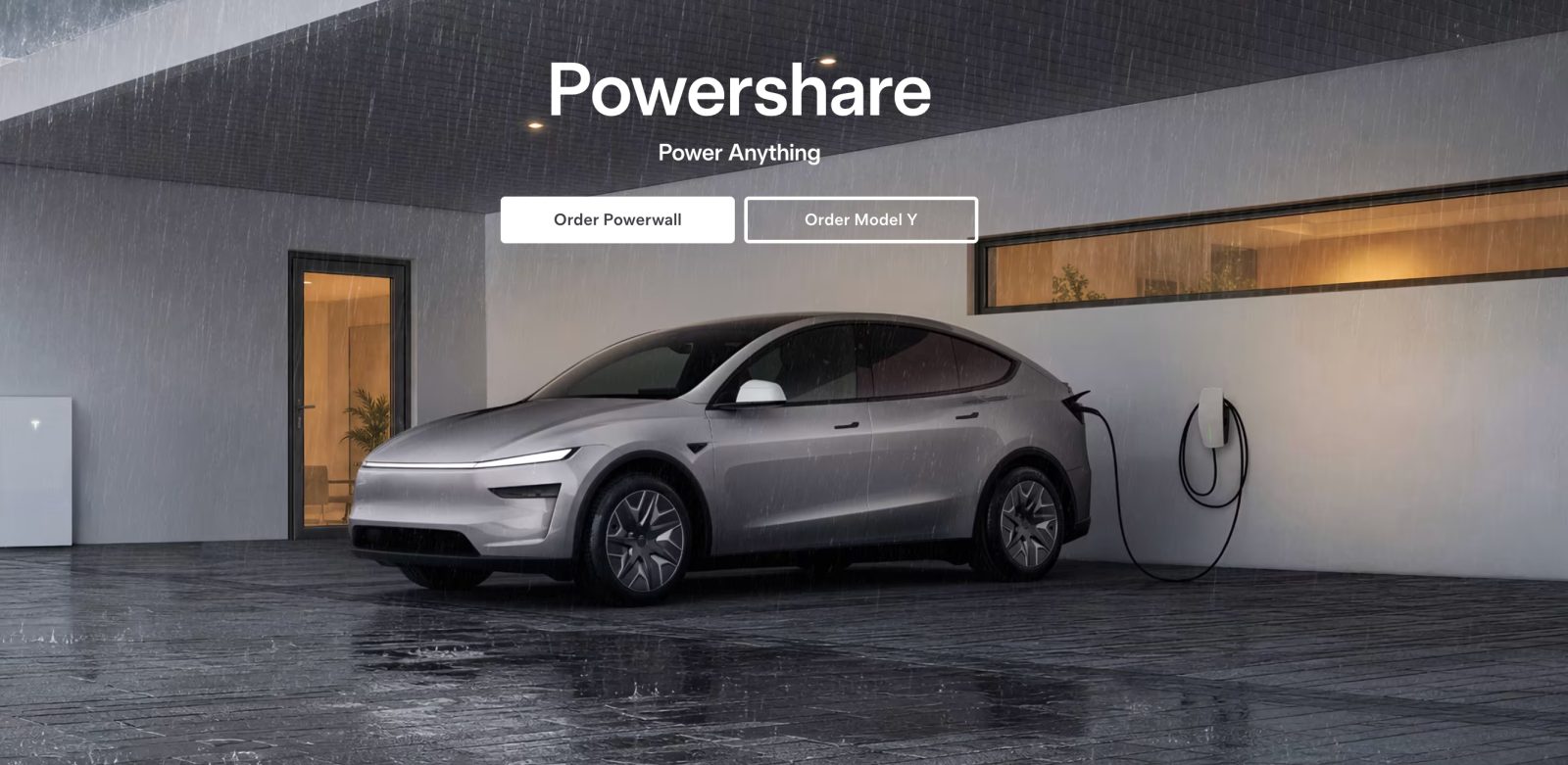
Tesla has turned on Powershare Home Backup for the Model 3 and Model Y, which means its two volume cars can now send power back into a house during an outage. Until today, the Cybertruck was the only Tesla that could do it.

There are limits. You need a Powerwall 3, and Tesla only guarantees the feature on cars ordered since October 1. For years, Ford and GM have been selling EVs that can back up a home.

more…
  •  

Tesla might charge you up $25,000 if you use its latest feature

Tesla says its new “Emergency Drive Away” feature can do up to $25,000 in damage to a Supercharger every time someone uses it, and the car needs a mandatory service visit too.

Tesla has since released more details about the feature in response to owner questions. But Tesla hasn’t said who gets that bill.

more…
  •  

Tesla launches capability to drive away while plugged in after deadly Supercharger shooting

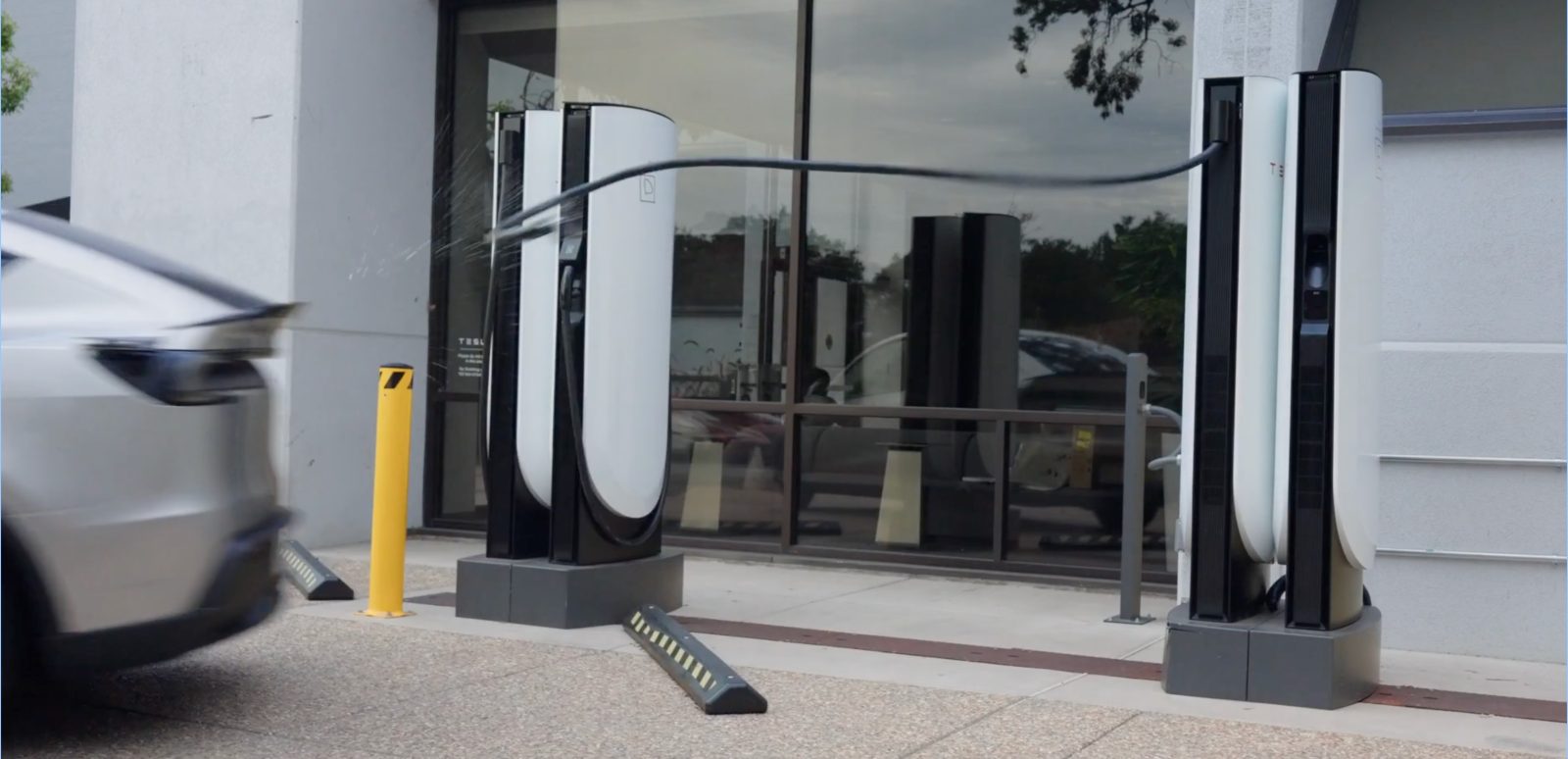
Tesla launched a new feature called “Emergency Drive Away” that lets drivers shift into Drive and leave while still plugged into a Supercharger.

The update comes two months after a gunman shot three people in Teslas at a Supercharger station in Twin Falls, Idaho. And Tesla is limiting it to the US.

more…
  •  

Two Silverado EVs and a 150 kWh battery powered this entire concert tour

A five-stop concert tour in Quebec ran entirely on two Chevrolet Silverado EVs and a 150 kWh mobile power plant this summer. No diesel generator, and no hookup to the grid.

I went to the final show, held in a grocery store parking lot in Montreal’s Saint-Henri neighborhood, and everything from the speakers to the stage lights to the kitchen was running off batteries.

more…
  •  

Geely’s AI fast charging ‘heals’ EV batteries for 20% more cycle life

Geely says its new AI-powered fast charging system can reverse some of the battery damage caused by fast charging, using micro-pulse currents to add up to 20% more cycle life.

Charging a car in under 5 minutes is great, but not if it wears the battery out years early. Geely claims that its ‘Smart Charging’ addresses that and it is using something that sounds like sorcery.

more…
  •  

Tesla to run public Megachargers at 3 Forum Mobility Semi depots

Tesla is going to operate public Megacharger sites at three electric truck depots it doesn’t own. Forum Mobility, one of the largest heavy-duty charging operators in the US, says Tesla will run public Megacharging at three of four new California depots it’s about to break ground on.

The move comes as Forum brings another 30 MW of heavy-duty charging online and sits on reservations for more than 330 Tesla Semis. It’s the clearest sign yet that Tesla’s Semi charging network is getting built through partners, not just Tesla-owned stations.

more…
  •  

AirPods 5 bring stronger open-ear noise cancellation and smarter listening features

AirPods 5 bring Active Noise Cancellation to Apple’s most affordable current AirPods while pushing the open-ear design closer to capabilities previously associated with more expensive models. The new generation starts at $129 and uses redesigned acoustics and computational audio to remove up to 50% more external noise than AirPods 4 with Active Noise Cancellation.

Apple is also splitting the range into two versions. The standard $129 AirPods 5 include ANC and USB-C charging, while a $149 model adds a Wireless Charging Case, longer battery life, a case speaker for Find My, and volume adjustment directly from the stems.

Both models are available for preorder ahead of their September 18 release in the U.S. and more than 65 other countries and regions.

The changes make the distinction between Apple’s entry-level AirPods and its more advanced headphones less dependent on headline software features. Adaptive Audio, Transparency, Conversation Awareness, Personalized Spatial Audio, Live Translation, and Siri AI are all part of the AirPods 5 experience.

A person wearing a green and white sweater and wireless AirPods 5 sits at a table, focused on something in front of them, with an older man sitting nearby in a sunlit room with green window frames and indoor plants. The noise cancellation of their Apple earbuds allows them to concentrate fully despite the gentle hum of activity around them.
Image Credit: Apple Inc.

AirPods 5 push open-ear ANC further

Active Noise Cancellation is particularly difficult to implement in an open-ear earbud because there is no silicone tip forming a physical seal inside the ear canal.

Apple has approached that limitation with a new multiport acoustic architecture, revised computational audio algorithms, and the H2 headphone chip. The company says AirPods 5 can cancel up to 50% more noise than AirPods 4 with ANC.

That improvement does not turn the design into an AirPods Pro-style sealed earbud. AirPods 5 remain open-ear headphones, retaining the fit preferred by people who dislike the pressure or isolation associated with in-ear tips.

The acoustic system has also been redesigned around a wider variety of ear shapes. Next-generation Adaptive EQ continuously adjusts sound based on how each earbud sits, while Apple says the revised architecture produces richer and more detailed playback.

Transparency mode has been updated to reproduce voices and environmental sounds more naturally. Adaptive Audio can move between Transparency and noise cancellation according to surrounding conditions, while Conversation Awareness automatically reduces media volume when the wearer begins speaking to someone nearby.

Personalized Spatial Audio with dynamic head tracking remains supported for compatible music, movies, and other content.

AirPods 5 are rated IP57 for dust, sweat, and water resistance, making them better suited to workouts and changing weather conditions, although they are not waterproof.

Two AirPods 5 models create a meaningful $20 decision

Apple’s pricing makes the $149 Wireless Charging Case version more than a different charging option.

Standard AirPods 5 provide up to four hours of listening on one charge with ANC enabled and up to 20 hours when the USB-C case is included.

AirPods 5 with Wireless Charging Case increase those figures to five hours from the earbuds and up to 22 hours with the case while ANC is active.

The upgraded case can charge through USB-C, an Apple Watch charger, or a Qi-certified wireless charger. It also contains a speaker that can assist with locating the case through Find My.

The more expensive model introduces another difference directly on the earbuds. Users can swipe up or down on a stem to adjust volume, bringing a control familiar from AirPods Pro to Apple’s open-ear form factor.

That leaves buyers with a relatively straightforward tradeoff. The $129 version provides the central audio experience, including ANC, without requiring a step up for the main listening features. Spending another $20 adds more convenient charging, slightly longer battery life, Find My assistance from the case speaker, and physical volume adjustment.

Placing either AirPods 5 model in its charging case for five minutes provides about one additional hour of listening.

Two white Apple earbuds, resembling the latest AirPods 5, are shown on a plain light background, displaying their sleek, curved design and black speaker grilles. The earbud on the right has an “R” marking, indicating it is for the right ear. These earbuds feature open-ear noise cancellation for an immersive listening experience.
Image Credit: Apple Inc.

Siri AI and Live Translation extend the earbuds beyond music

AirPods 5 arrive as Apple makes voice interaction a larger part of the AirPods experience.

When paired with a compatible iPhone, Siri AI can be accessed hands-free. The assistant can work with personal context from information such as messages, emails, and photos, respond to open-ended questions, and perform supported actions in apps.

Head gestures remain part of the experience. Users can nod to accept certain Siri prompts or shake their head to decline them, allowing calls and notifications to be handled without speaking or touching the earbuds.

Live Translation provides another use for the microphones and ANC system.

After compatible languages are downloaded and the feature is configured through Apple’s Translate app, a user can hear another person’s speech translated through AirPods. Translation can be started through Siri, the iPhone Action button, the Translate app, or by pressing and holding both AirPods stems simultaneously.

When two people are each using compatible AirPods and supported iPhones, both participants can hear translated versions of the conversation in their chosen languages.

Live Translation requires an Apple Intelligence-enabled iPhone 15 Pro or later, compatible AirPods, current software, and the latest AirPods firmware, with availability varying by language and region. Apple also notes that generated translations can contain errors, making verification appropriate when accuracy is especially significant.

AirPods 5 narrow the gap within the lineup

The fifth-generation model represents a different kind of upgrade from simply adding another listening mode.

ANC is now standard across both AirPods 5 configurations, instead of requiring buyers to choose a separate ANC version as they did with AirPods 4. Apple has then moved the pricing distinction toward charging, battery endurance, Find My hardware, and physical controls.

The earbuds continue to use Bluetooth 5.3 and the H2 chip, with dual beamforming microphones, an inward-facing microphone, optical in-ear detection, motion and speech accelerometers, and force sensors built into the stems.

Each earbud weighs 4.3 grams, preserving the lightweight character of the open-ear line despite the additional capabilities.

The new acoustic architecture may be the more consequential change over time. Open-ear earbuds cannot rely on a tight seal to block surrounding sound, so gains in ANC depend heavily on microphone placement, acoustic design, fit, and real-time processing. Apple’s claim of up to 50% more noise removal over the previous generation represents a substantial step for that format rather than simply matching the behavior of sealed earbuds.

AirPods 5 start at $129, while AirPods 5 with Wireless Charging Case cost $149. Both reach stores on September 18, giving the open-ear AirPods line a standard feature set that now includes noise cancellation without pushing buyers to a higher-priced model to get it.

A white wireless earbud charging case, designed for Apple earbuds, is shown with a round magnetic charging cable positioned nearby, ready to connect. The background is plain and light-colored, emphasizing the sleek look and advanced features such as noise cancellation.
Image Credit: Apple Inc.

The post AirPods 5 bring stronger open-ear noise cancellation and smarter listening features appeared first on AppleMagazine.

  •  

Tesla’s new ‘Accordion’ Supercharger could speed up its slow buildout

Tesla deployed its first “Accordion” Supercharger, a pre-assembled charging unit that ships 16 stalls on a single truck and installs 20% cheaper than a conventional site.

Tesla’s charging team says the goal is now to pre-assemble every Supercharger in a factory. It’s a smart move, and one the company badly needs after two years of slower deployment.

more…
  •  

BMX's GaNsta 140W may just be the 4-port GaN travel charger you need

It was when I started running out of storage boxes that I realized I may have too many GaN chargers. I joke that if you casually throw a GaN charger in my home, you're bound to hit another one. Anyway, I have dozens of these things lying around, and having tested just about every major charger released in the last three years, I know what a good charger needs to offer.

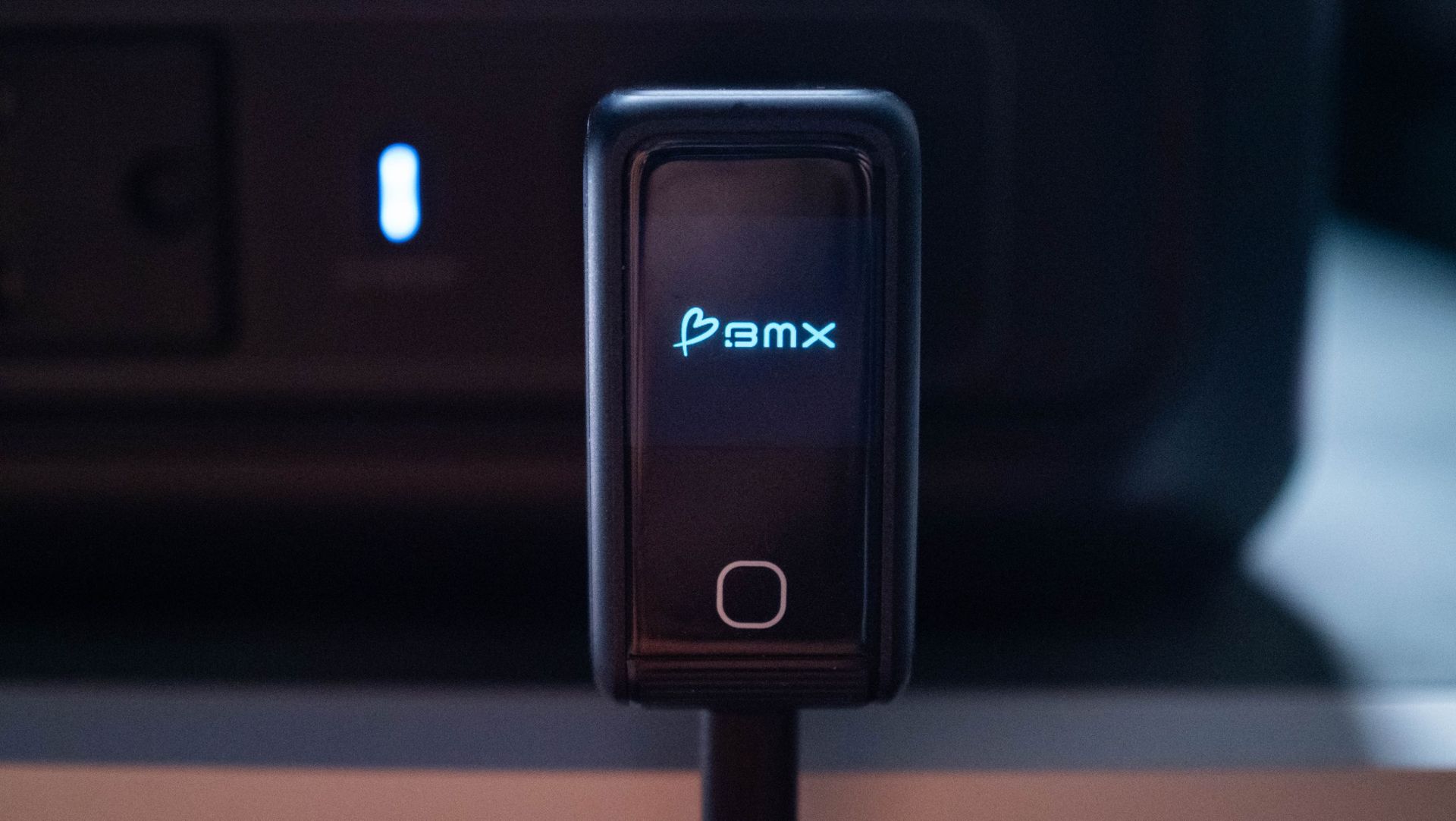
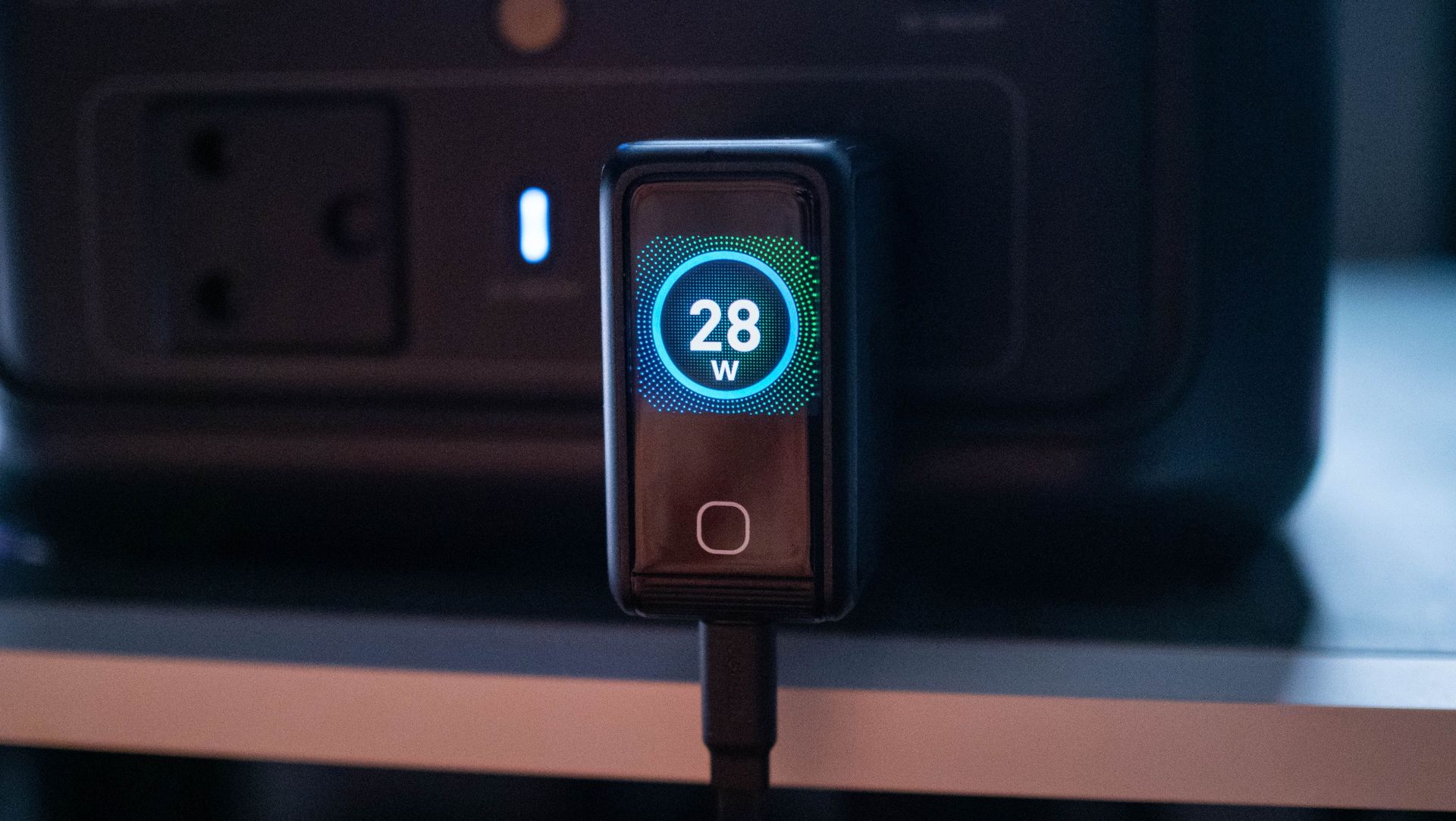
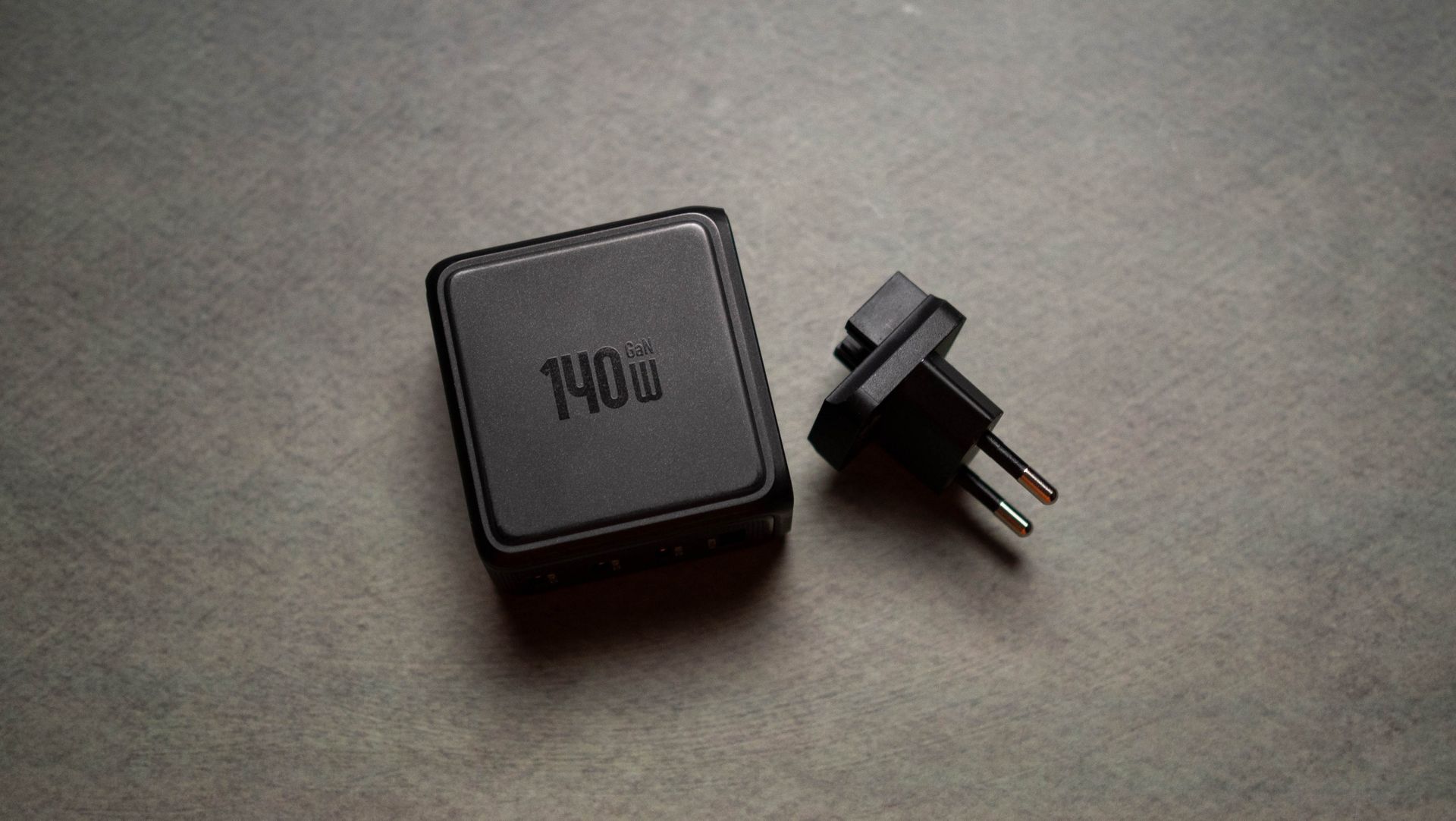
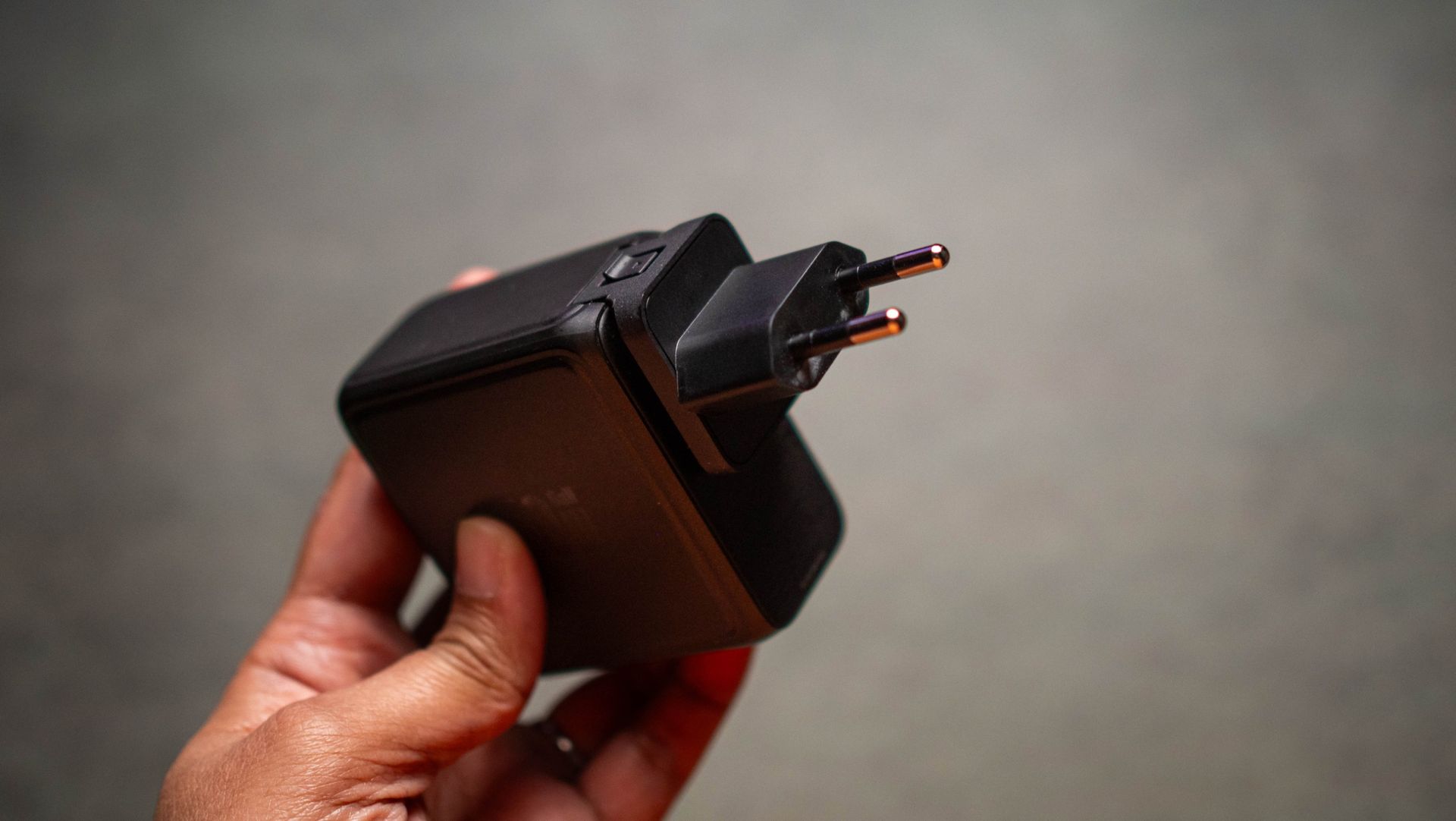
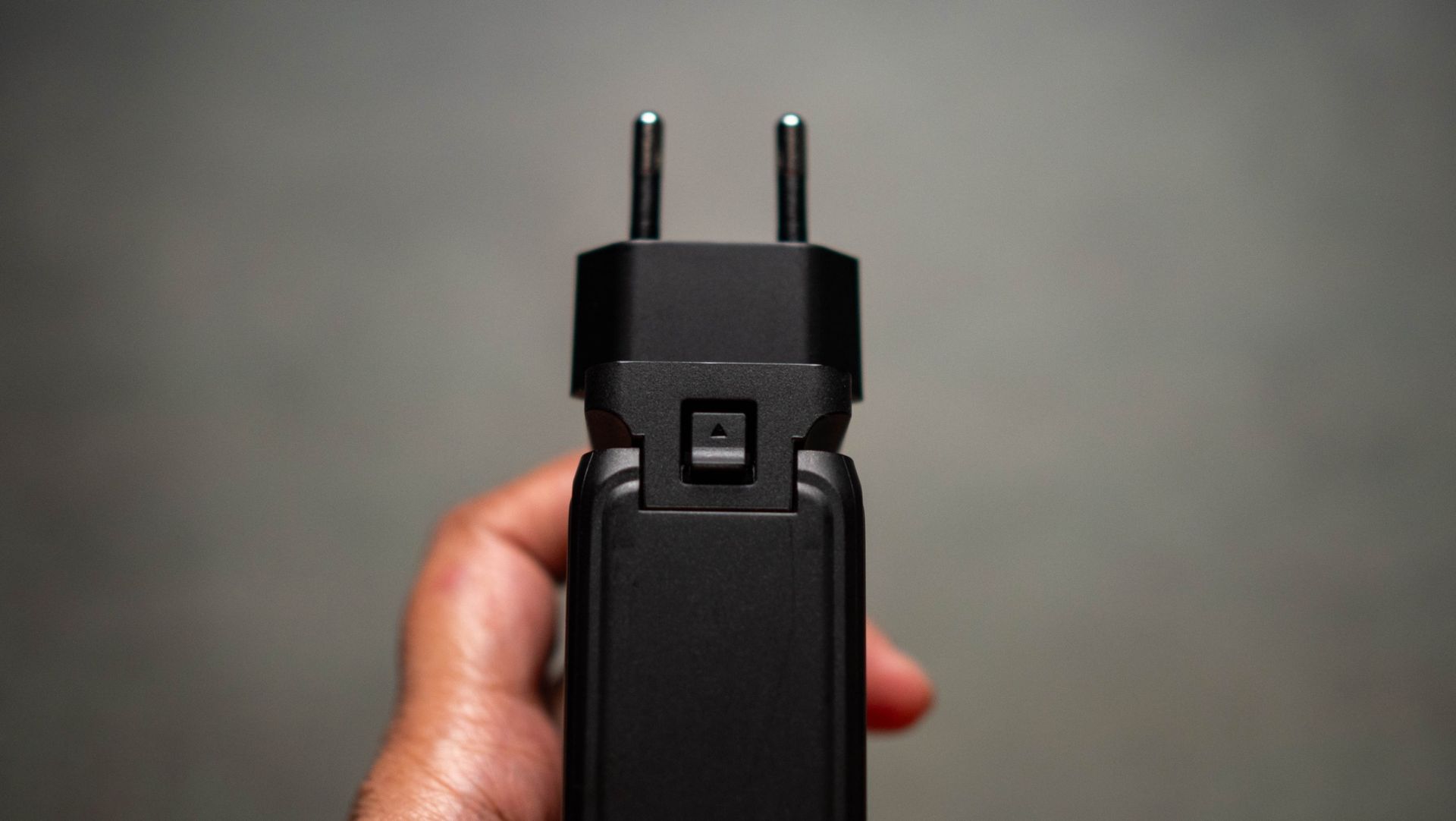
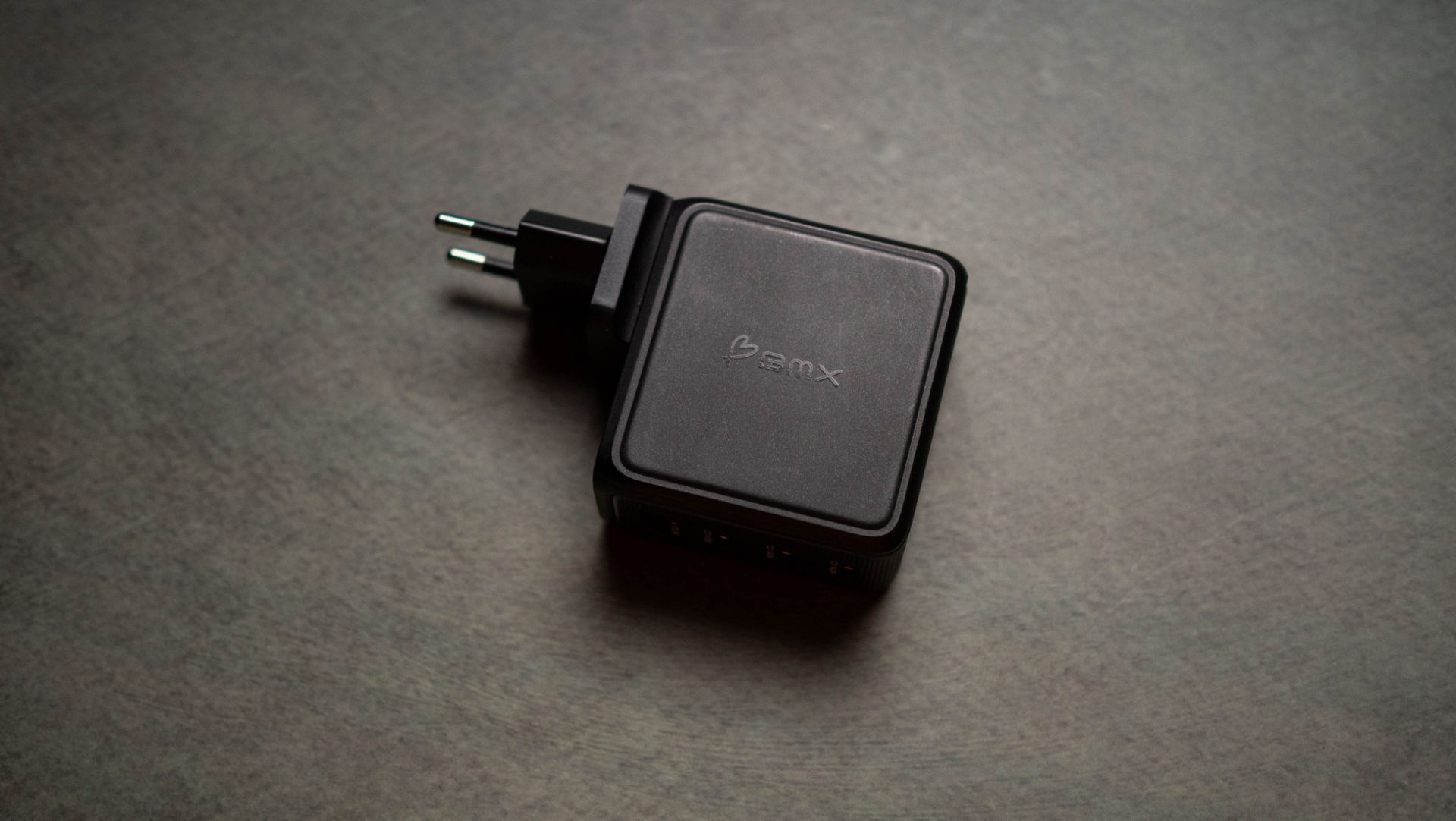
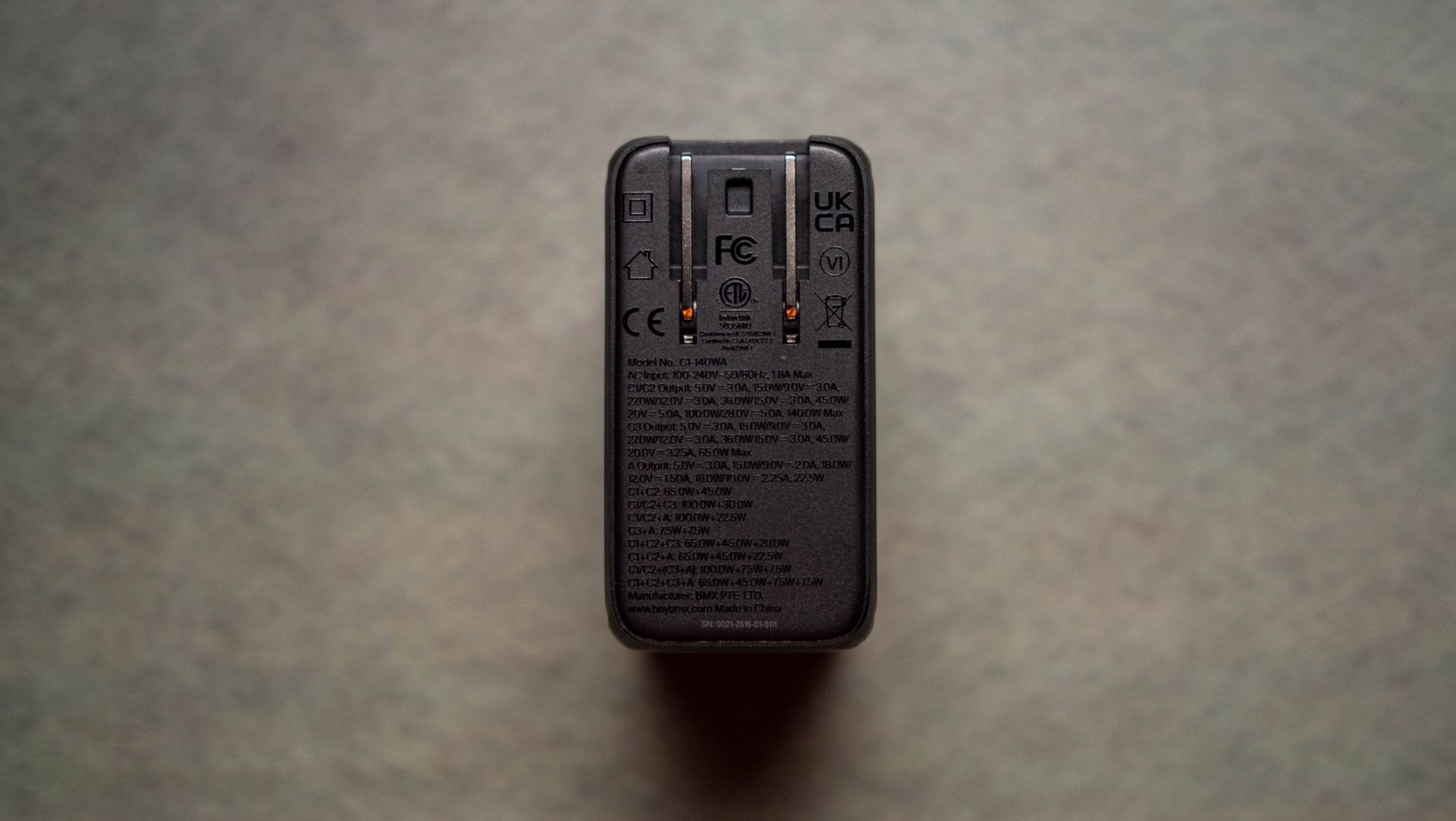
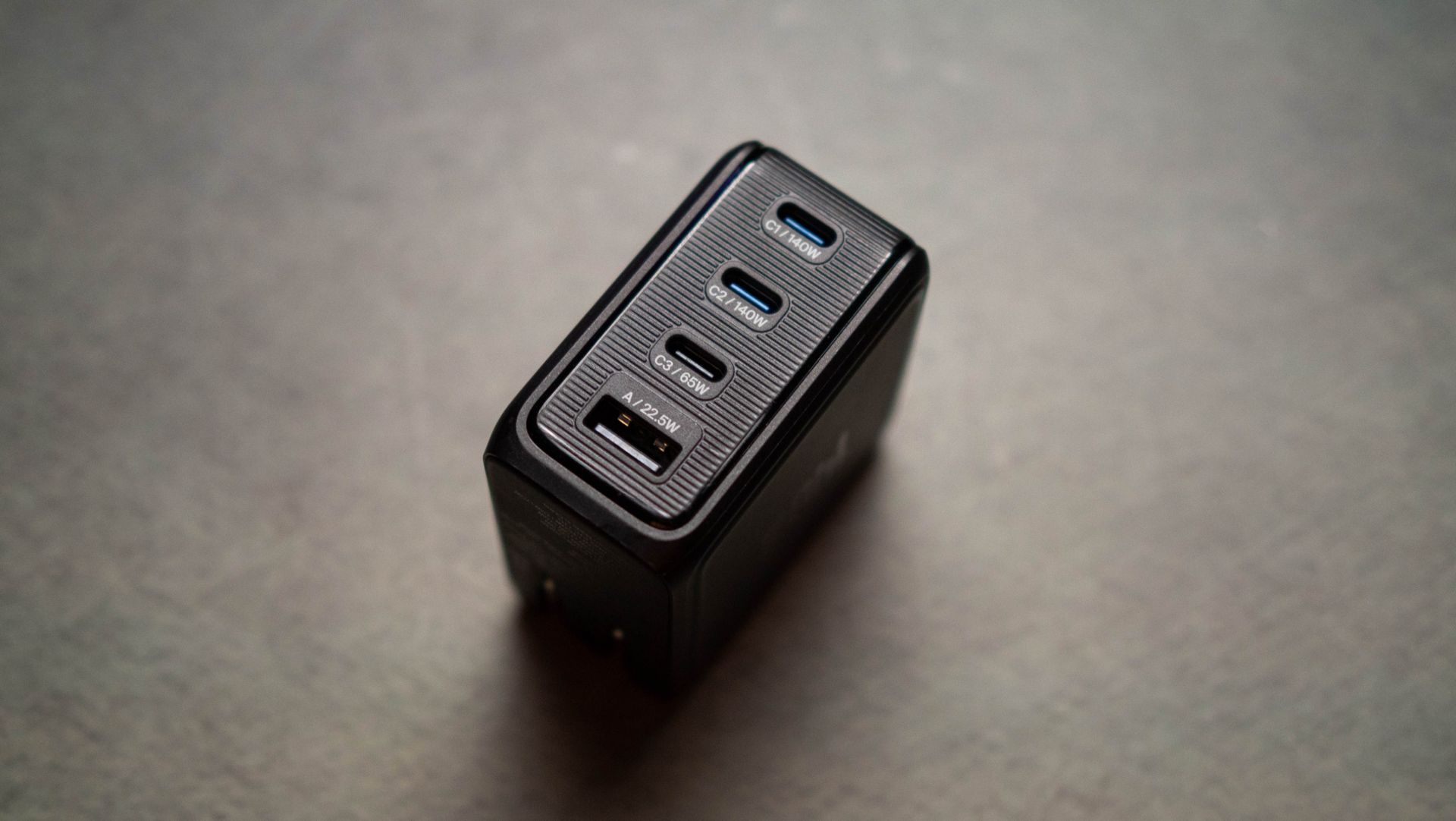
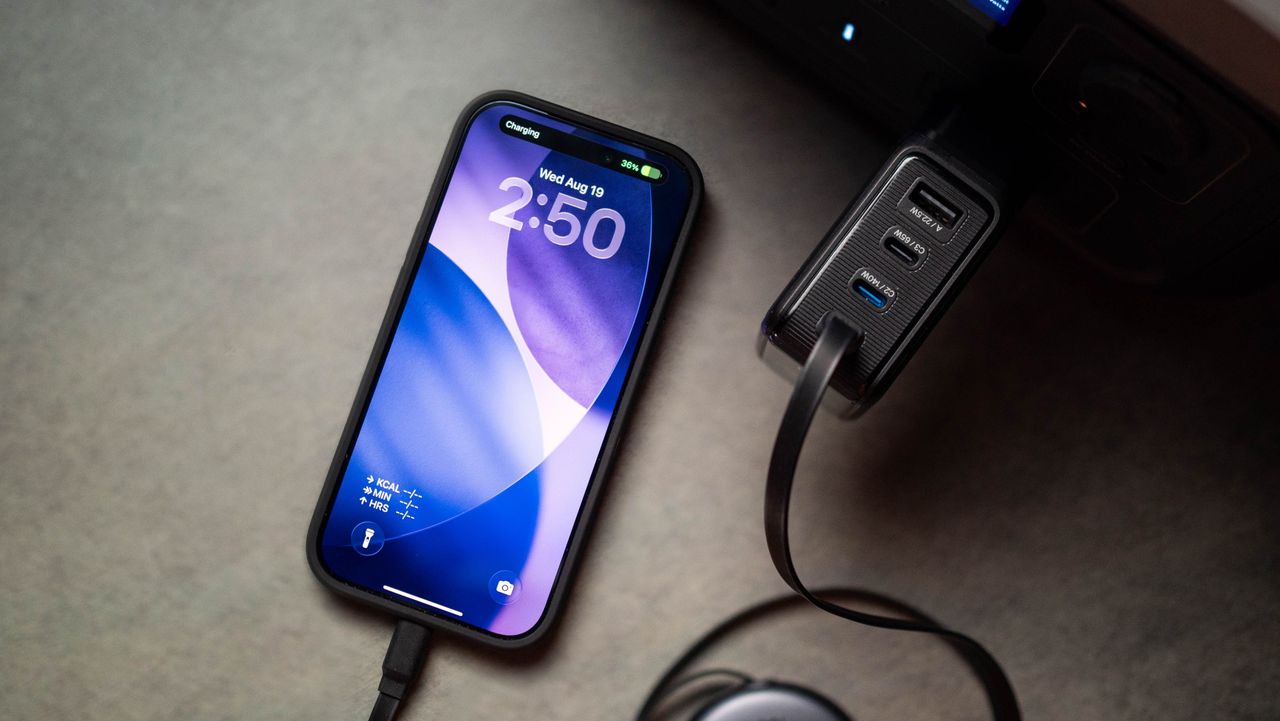
So when I got started with the BMX GaNsta 140W (as puns go, the name gets an 8/10), it was clear that the charger ticked a lot of the right boxes. It has three USB-C ports, a USB-A port, foldable blade pins with EU, UK, and AU converters that make it easy to travel with, and 140W power over USB PD 3.1.

BMX GaNsta 140W GaN charger testing

(Image credit: Apoorva Bhardwaj / Android Central)

Oh, and it gets an LCD panel that shows real-time charging details out of each port, which is a must-have in a GaN charger in 2026. The GaNsta costs $89 as of writing, which is $10 pricier than Anker's charger, and $30 more than the last-gen 160W UGREEN Nexode Pro, both of which also have LCD screens.

The GaNsta is a little smaller than other 4-port chargers, but not enough that you'd notice the difference. Build quality is decent, and I didn't see any issues in the two months I used it. I tested the charger with my Find X9 Ultra, Pixel 11 Pro XL, iPhone 17 Pro, iPad Pro M4, and a dozen or so accessories — including 160W power banks — and it turned out to be reliable in day-to-day use.

BMX GaNsta 140W GaN charger testing
Apoorva Bhardwaj / Android Central
BMX GaNsta 140W GaN charger testing
Apoorva Bhardwaj / Android Central
BMX GaNsta 140W GaN charger testing
Apoorva Bhardwaj / Android Central
BMX GaNsta 140W GaN charger testing
Apoorva Bhardwaj / Android Central

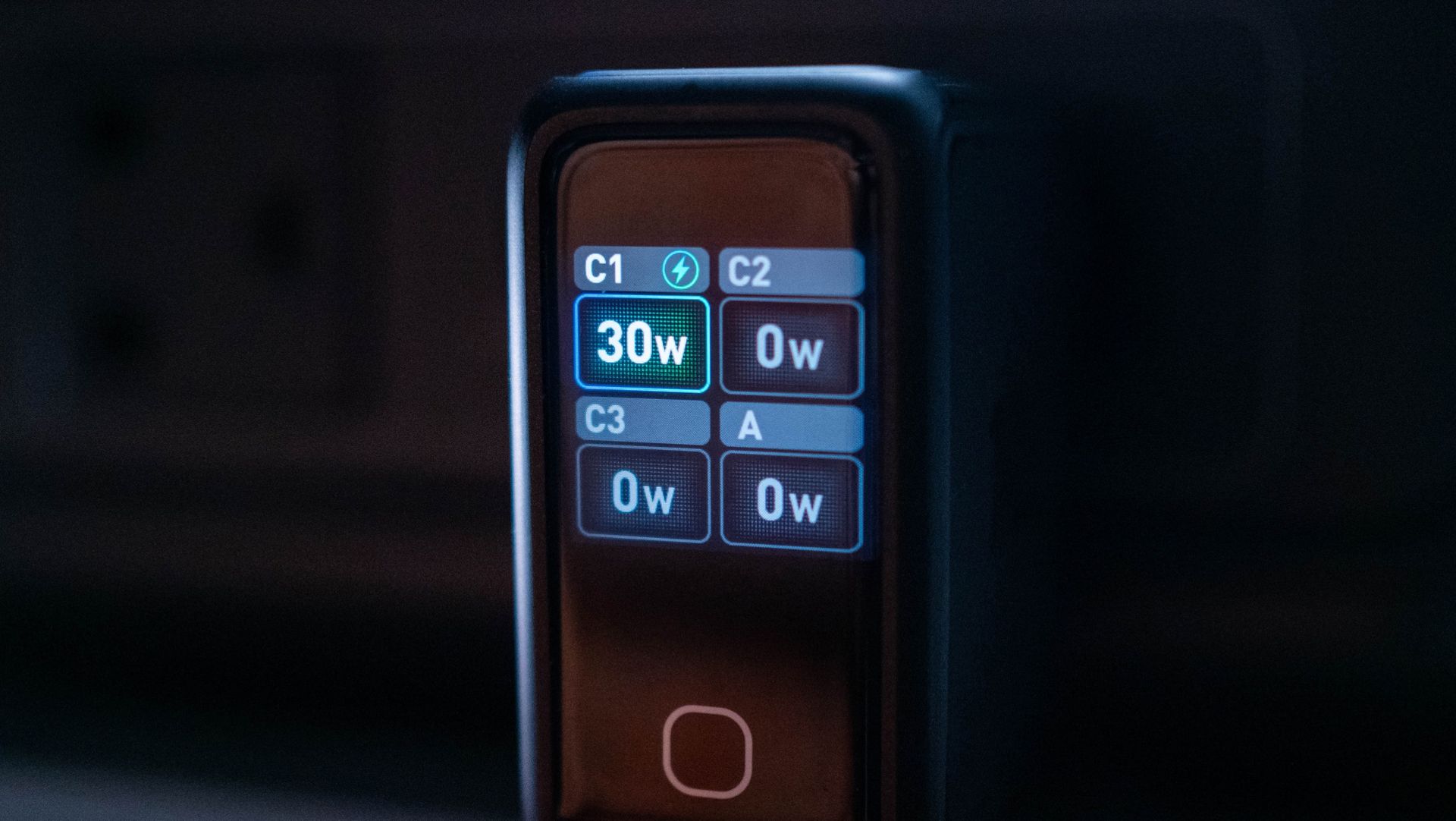
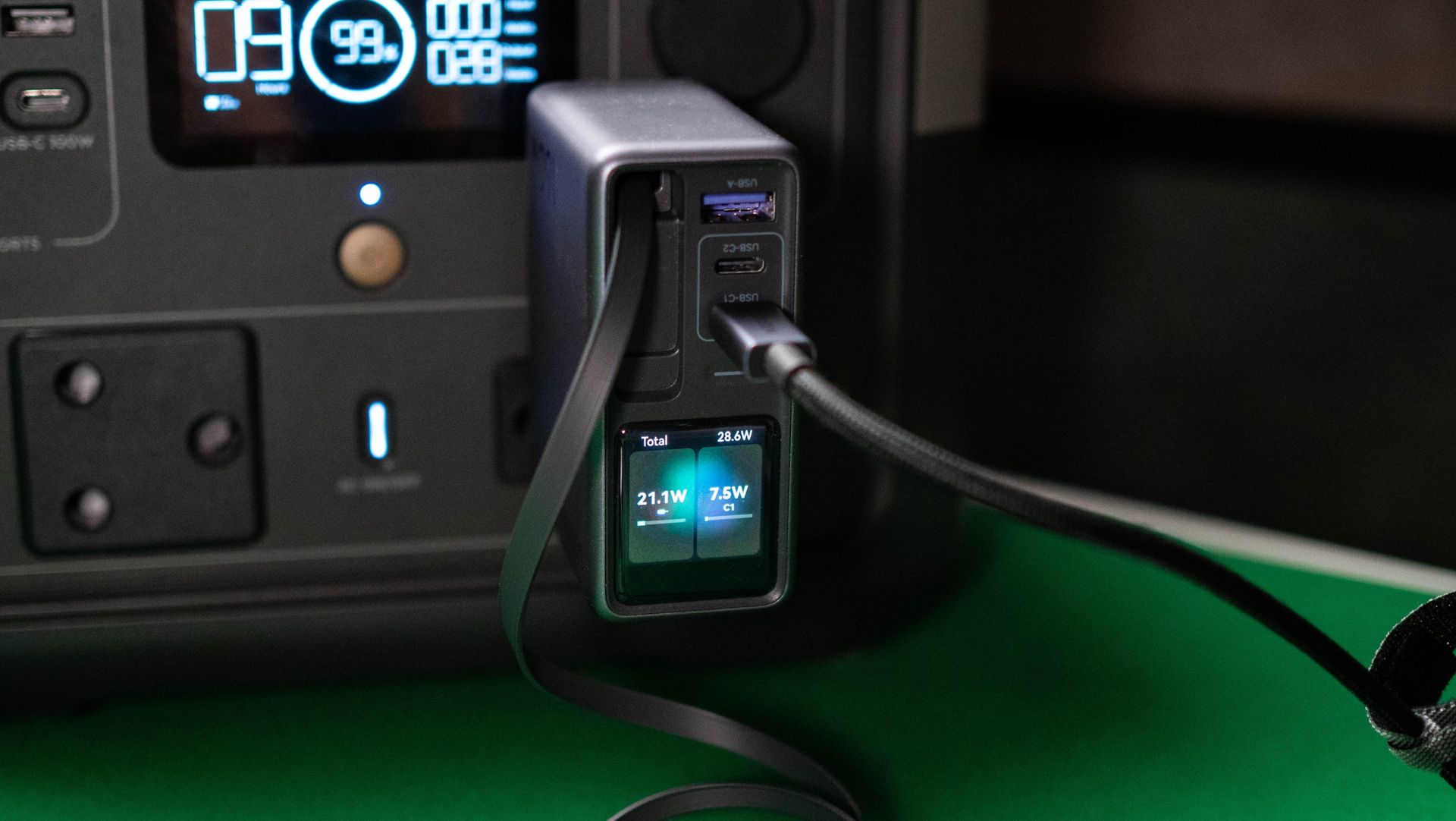
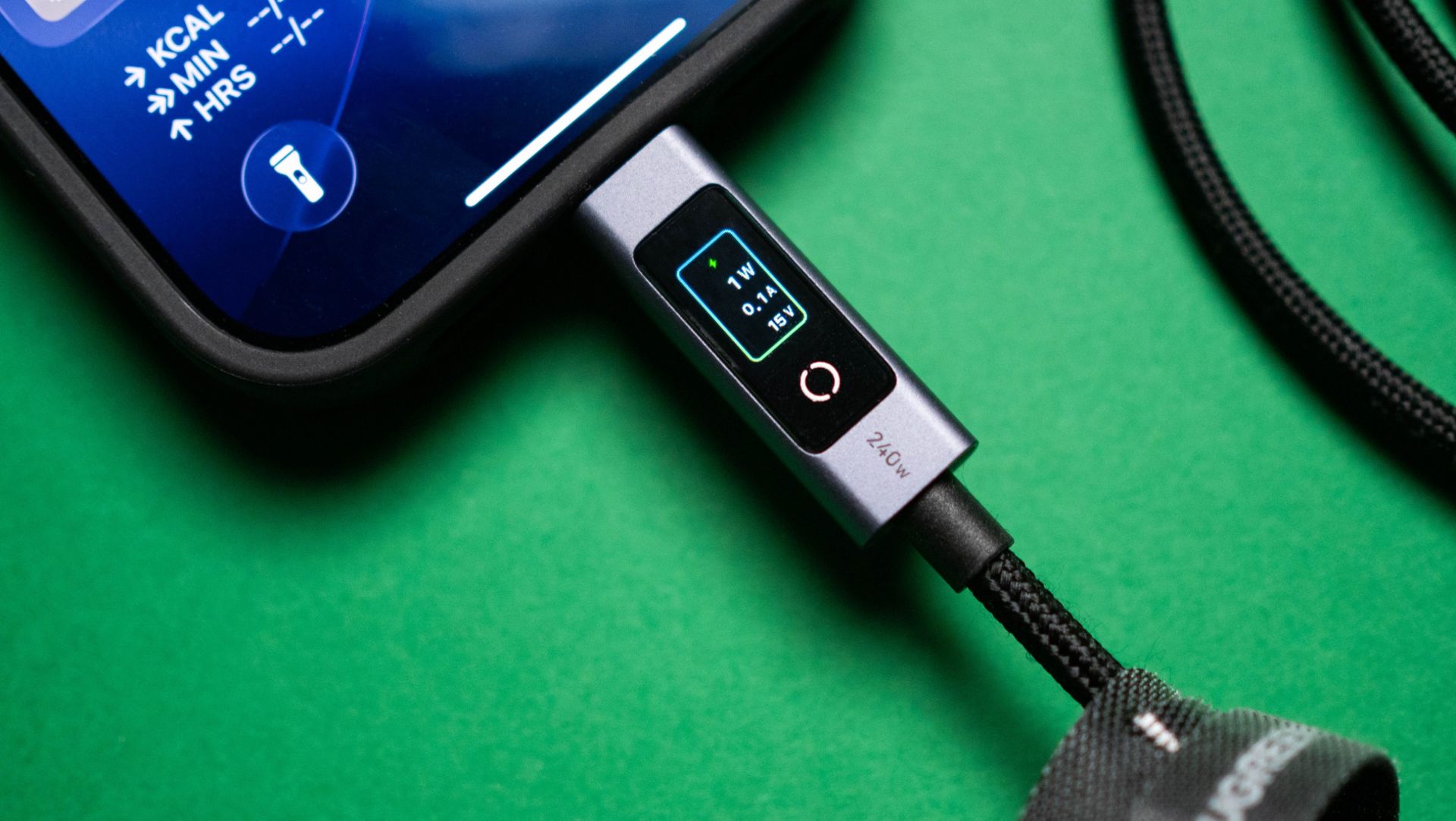
I like that each port's power output is clearly labeled, and it takes a lot of the guesswork out of figuring out which port to use. The USB-C1 and C2 ports individually go up to 140W over the USB PD 3.1 protocol, and I tested this using a standalone power meter (Power-Z KM003C). I also like that the area around the ports has a slotted design to prevent scratches; this is a thoughtful design choice that makes a difference.

BMX GaNsta 140W GaN charger testing
Apoorva Bhardwaj / Android Central
BMX GaNsta 140W GaN charger testing
Apoorva Bhardwaj / Android Central
BMX GaNsta 140W GaN charger testing
Apoorva Bhardwaj / Android Central
BMX GaNsta 140W GaN charger testing
Apoorva Bhardwaj / Android Central
BMX GaNsta 140W GaN charger testing
Apoorva Bhardwaj / Android Central

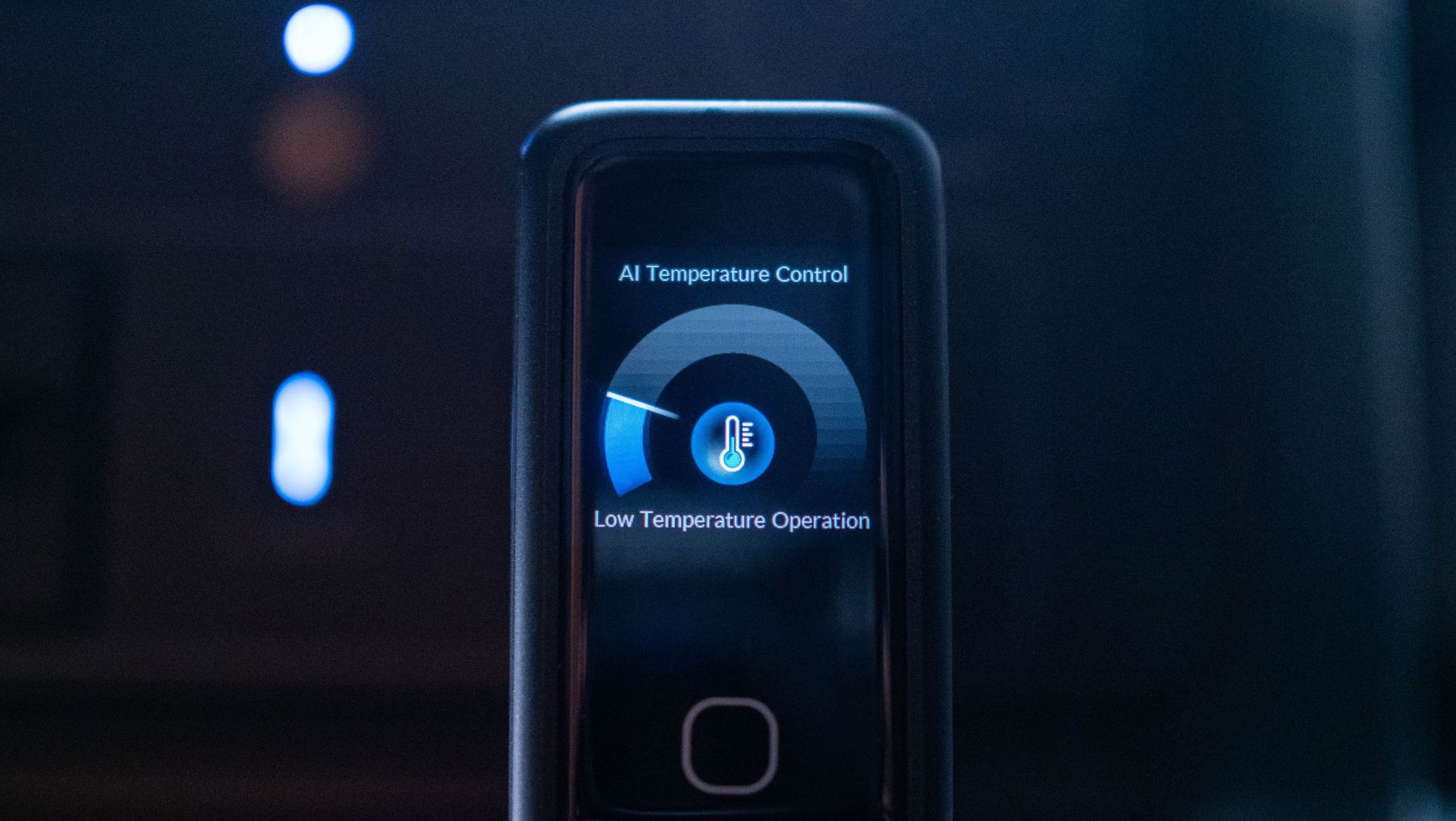
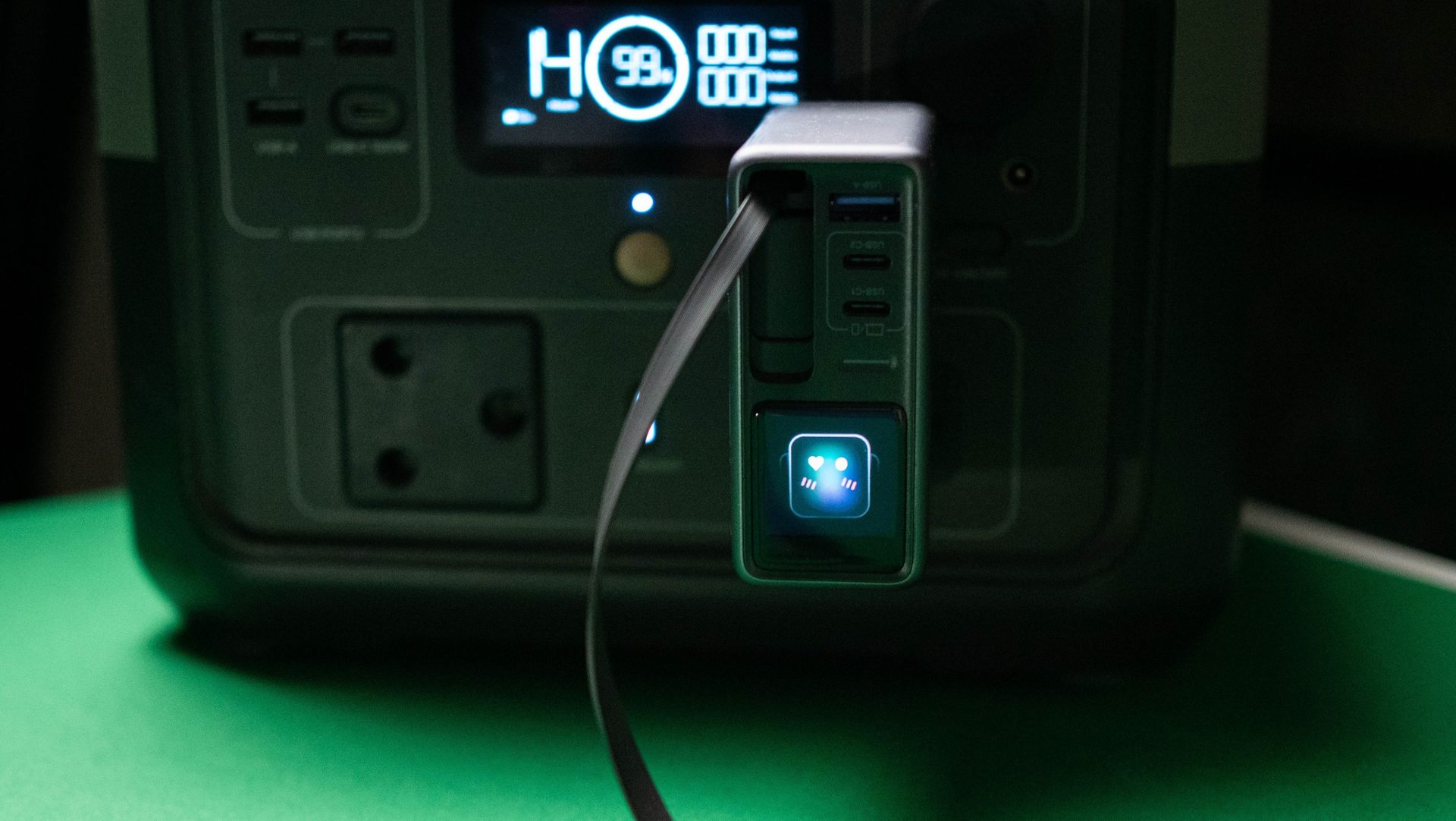
The LCD screen is the real star of the show. It shows real-time charging details, power going out of each port, and heat levels. The latter isn't quite as useful as you don't normally see thermal issues on a 140W charger, but it's there. And as AI needs to be shoehorned into every product these days, this thermal management feature is assisted by AI (however that works). Anyway, what you need to know is that even with all ports in use, the GaNsta doesn't have any issues with overheating.

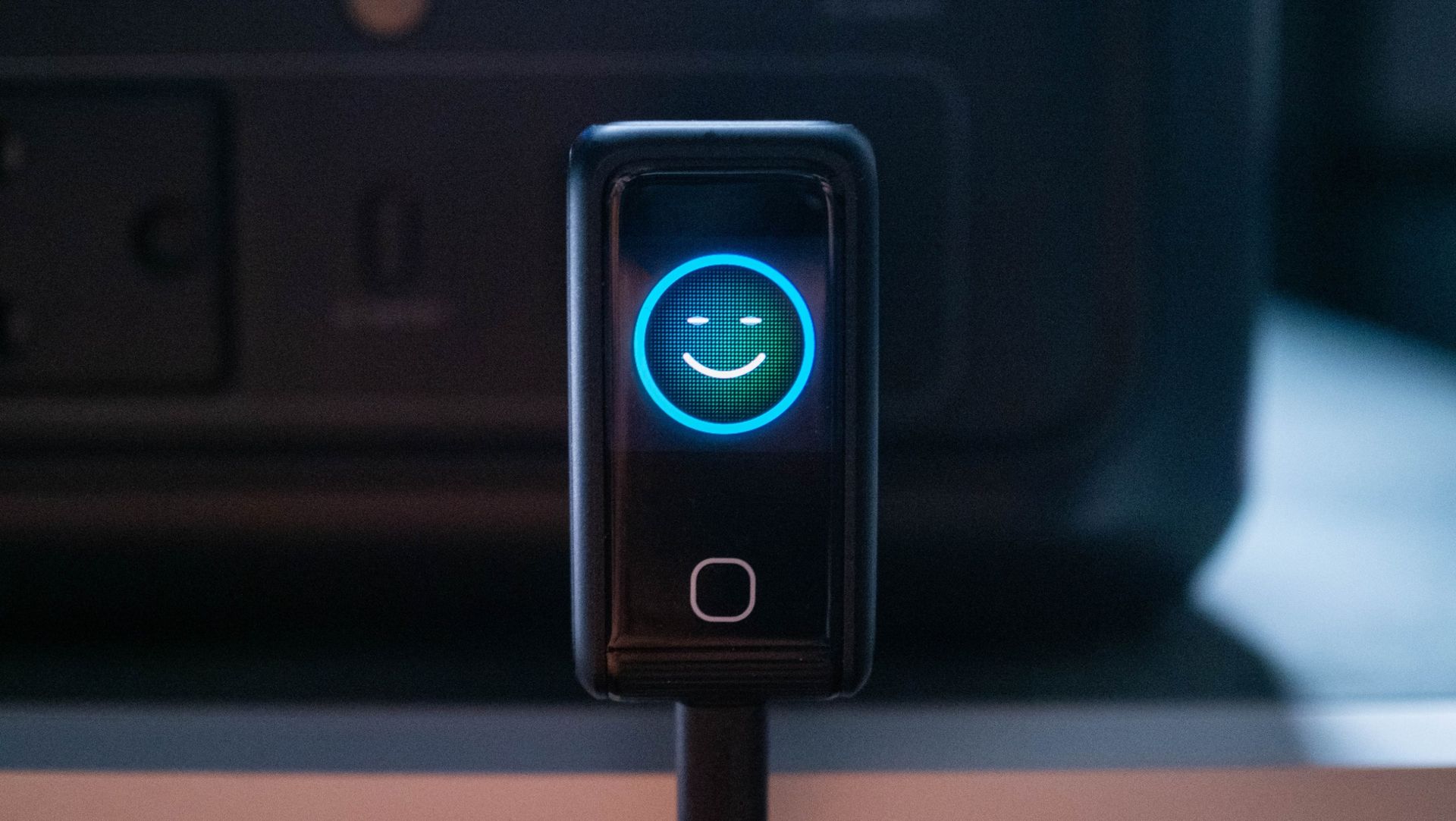
You also get emoticons on the panel, and you can easily cycle through the various menus via the button at the bottom.

BMX GaNsta 140W GaN charger testing

(Image credit: Apoorva Bhardwaj / Android Central)

With four ports available, you get the ability to charge four devices at once. Of course, the total power budget is limited when all ports are in use, and with the GaNsta, you get 125W cumulatively: 65W + 45W + 7.5W + 7.5W. I would've liked to see 65W on both the C1 and C2 ports — like the latest Nexode Pro 160W charger — but that isn't the case.

That said, if you're just going to leave four devices to charge overnight, the GaNsta 140W does a decent enough job. The inclusion of a USB-C to USB-C cable along with travel plugs is a good move, and the size of the charger means you can easily throw it into a travel bag. What I'm not too sure about is the pricing; it is costlier than its rivals, and if you're willing to shell out $89, the new Nexode Pro 160W is a better deal at $99 as it has a retractable cable. If you don't need the built-in cable and like the travel-related accessories, the GaNsta 140W is a good choice.

  •  

One Wireless Charger for iPhone 18 Pro, AirPods 5 and Apple Watch? What Apple’s 25W Ceiling Allows

One wireless charger cannot cover the three products Apple launched this month. The iPhone 18 Pro takes MagSafe or Qi2 at up to 25W either way, the $149 AirPods 5 case charges on Qi-certified chargers and Apple Watch chargers but is not listed for MagSafe, the $129 AirPods 5 has no wireless charging at all, […]

The post One Wireless Charger for iPhone 18 Pro, AirPods 5 and Apple Watch? What Apple’s 25W Ceiling Allows appeared first on The Mac Observer.

  •  

3 reasons the UGREEN Nexode Pro 160W is now my go-to GaN charger

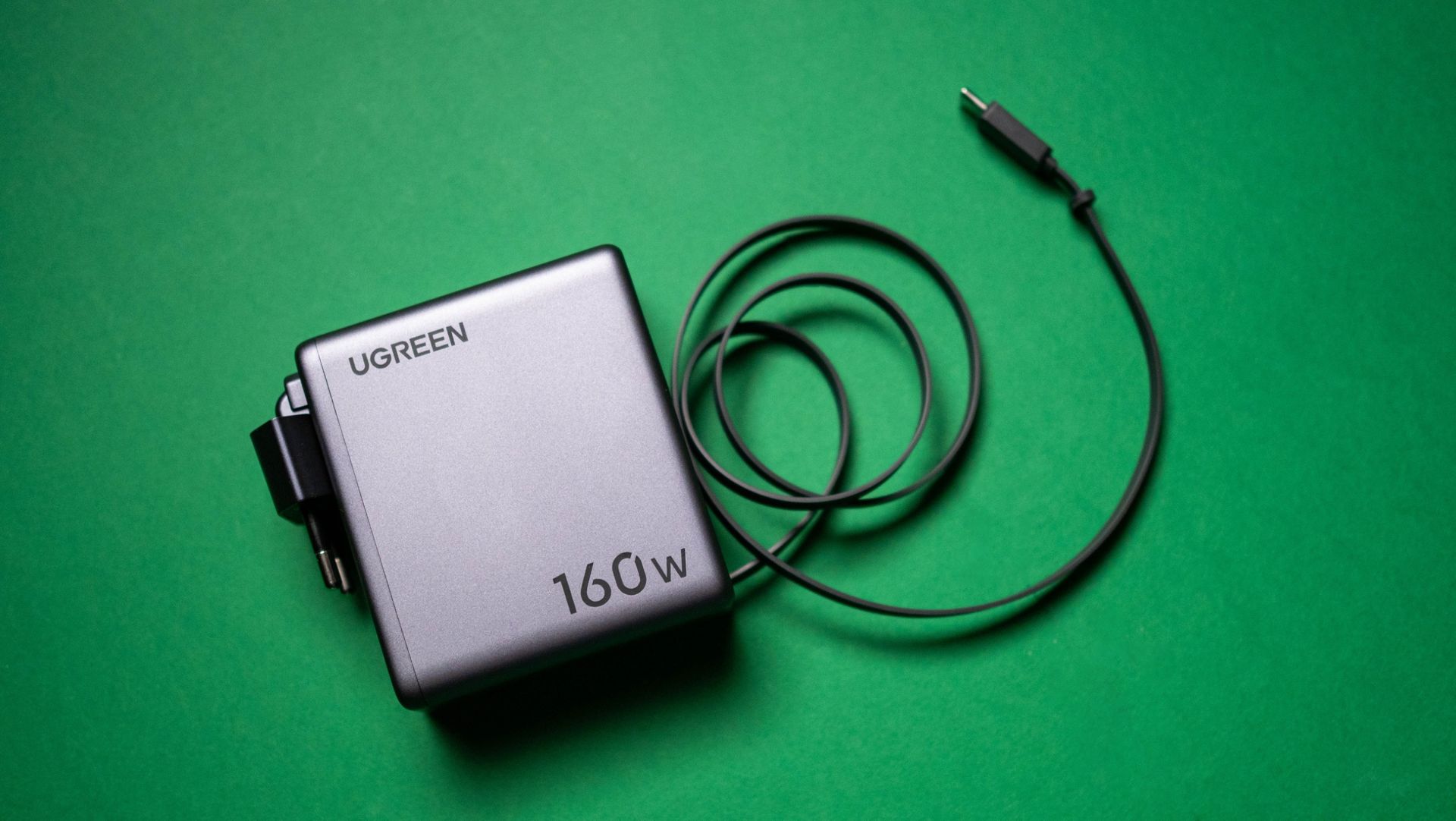
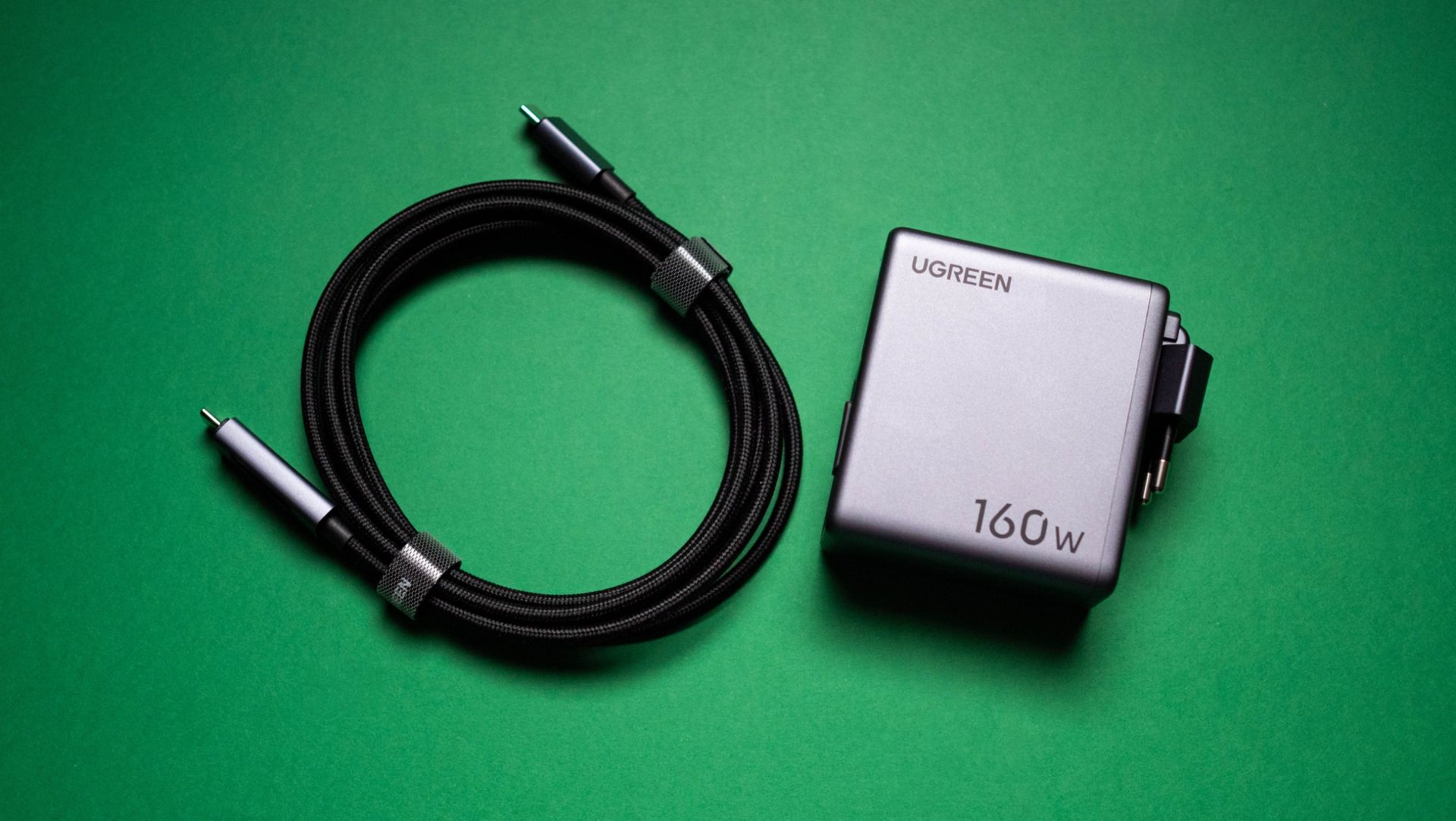
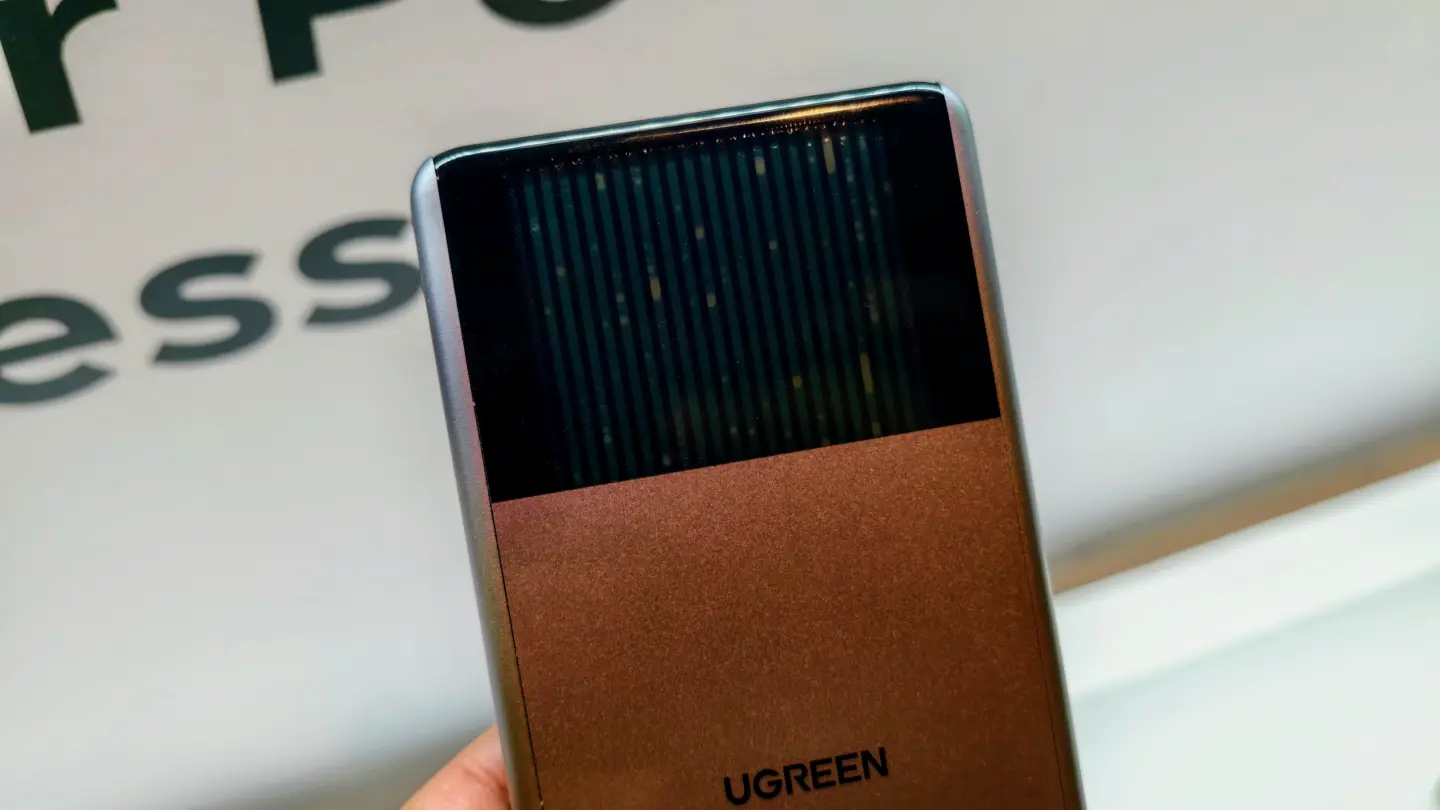
I've been using UGREEN's Nexode Pro chargers while traveling for well over two years now. These charges don't take up much room thanks to GaN tech, and they have all the ports I need. The latest iteration of the product — the UGREEN Nexode Pro 160W Charger with Retractable Cable — adds a retractable cable, built-in panel, and foldable pins, and while it is a little bigger than its predecessor, it the new features provide much better convenience in daily use.

The Nexode Pro 160W charger is now available for $99 on Amazon, and I think that's a reasonable price when you look at everything on offer. I the Nexode Pro 160W for the better part of three months, and I'm outlining three reasons why it is now my go-to GaN charger.

The built-in LCD panel takes guesswork out of charging

UGREEN Nexode Pro 160W GaN Charger with Retractable Cable

(Image credit: Apoorva Bhardwaj / Android Central)

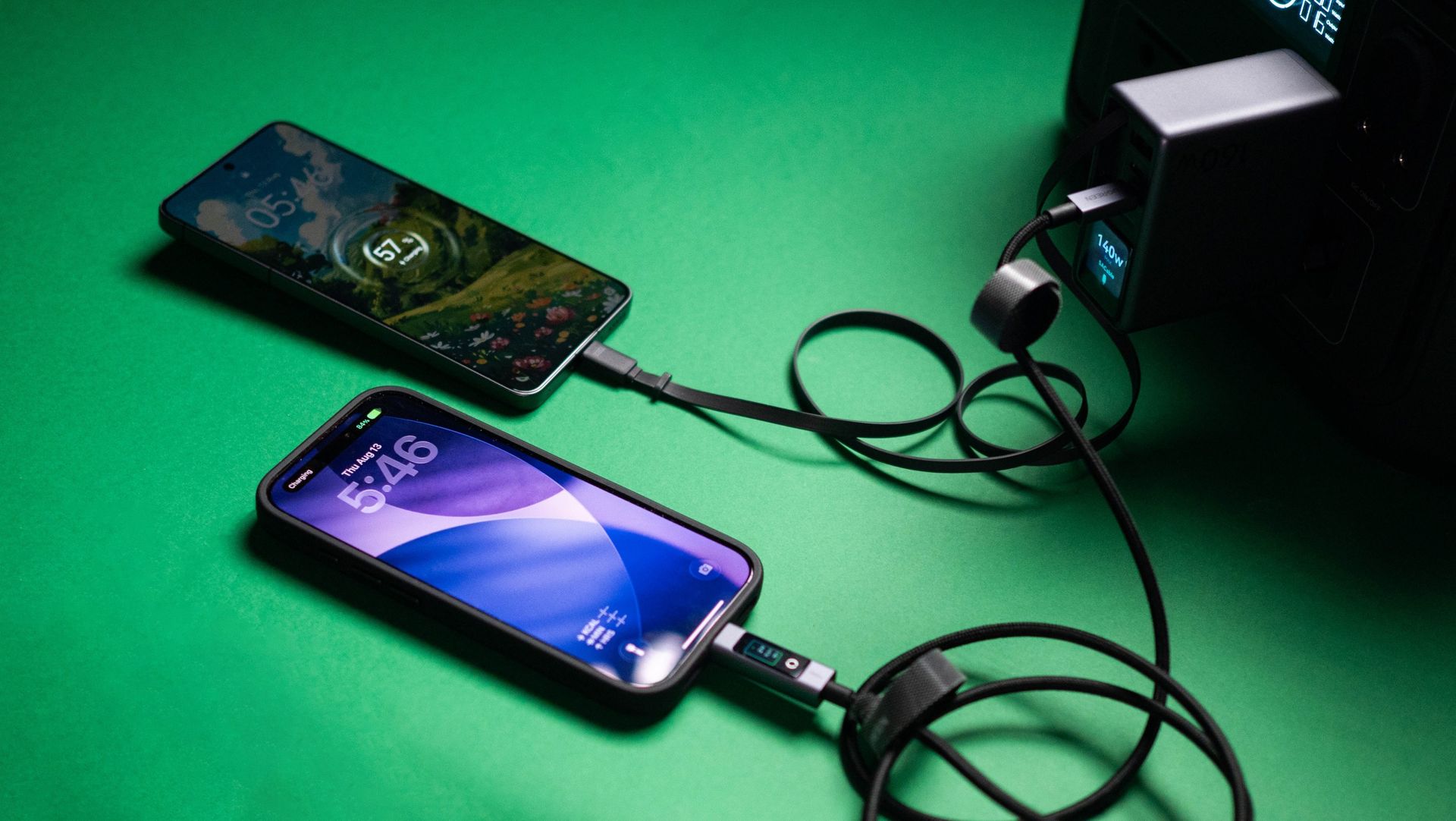
While the Nexode Pro 160W isn't the only charger to come with a built-in LCD screen, it makes a big difference in my usage. I connected a lot of accessories and phones to the charger in the last three months, and knowing just how long it takes to fully charge these devices takes all the guesswork out of charging.

UGREEN Nexode Pro 160W GaN Charger with Retractable Cable
Apoorva Bhardwaj / Android Central
UGREEN Nexode Pro 160W GaN Charger with Retractable Cable
Apoorva Bhardwaj / Android Central

The screen also shows real-time charging speeds, including wattage, voltage, and which charging protocol is being used. This is particularly useful for me, as I tend to use phones like the Find X9 Ultra and Vivo X300 Ultra that use their own charging standards. Thankfully, these phones rely on USB PD at up to 50W, and that's what I ended up using. The screen rotates based on the orientation of the charger, which is a nice addition.

The retractable cable is an added bonus

UGREEN Nexode Pro 160W GaN Charger with Retractable Cable

(Image credit: Apoorva Bhardwaj / Android Central)

Retractable cables in charging products became a thing around two years ago, and since then, I didn't use a power bank that didn't have it. They're just so useful, and I'm excited to see brands adding these cables to chargers. The retractable cable on the Nexode Pro 160W goes up to 140W, and is ideal for charging phones, notebooks, and power banks.

UGREEN Nexode Pro 160W GaN Charger with Retractable Cable

(Image credit: Apoorva Bhardwaj / Android Central)

The cable has four preset lengths, and goes up to 70cm with a full extension. The USB-C connector has a built-in magnet that ensures the cable is attached to the GaN charger when not in use, and after three months of extensive use, I didn't see any issues with the retractable motor.

It has all the ports I need

UGREEN Nexode Pro 160W GaN Charger with Retractable Cable

(Image credit: Apoorva Bhardwaj / Android Central)

With three USB-C ports (including the retractable cable) and a USB-A connector, the Nexode Pro 160W has all the ports I need in daily use. The USB-C1 and retractable ports go up to 140W over the USB PD 3.1 protocol, the USB-C2 port hits 100W, and the USB-A port goes up to 22.5W, which is ideal to use with accessories.

It has a total power budget of 160W when using all three USB-C ports — 65W + 65W + 30W — and it's a decent choice if you're like me and need to charge several devices at once. I also like that the plug is foldable; that's the case with U.S.-style blade plugs anyway, but I'm using the EU model, and it's just easier to have a plug that folds — it makes the Nexode Pro 160W just that little bit better as a travel charger.

UGREEN Nexode Pro 160W GaN Charger with Retractable Cable

(Image credit: Apoorva Bhardwaj / Android Central)

Overall, the Nexode Pro 160W has all the features I need in a GaN charger, and the build quality combined with the extras make it a good choice if you need a new charger to use at home or on the road.

UGREEN Nexode Pro 160W 4-Port Charger

UGREEN
Nexode Pro 160W 4-Port Charger

The Nexode Pro 160W GaN charger has all the ports you need, goes up to 140W via USB PD 3.1, and the built-in cable adds a lot of convenience. The LCD panel makes it easier to know just how long it takes to charge a connected device, and the overall build quality is among the best. If you need a new 160W GaN charger, this is the one to get.

  •  

iPhone 18 Pro Charger Prices: 10 Apple Storefronts Checked, None Lists the 60W Adapter

Apple’s fastest published charging figure for the iPhone 18 Pro, up to 50 percent in around 15 minutes, depends on a 60W USB-C adapter that Apple sells separately and has never priced. Ten Apple storefronts were checked and not one of them publishes a number for that adapter, or for the MagSafe Charger. The adapter […]

The post iPhone 18 Pro Charger Prices: 10 Apple Storefronts Checked, None Lists the 60W Adapter appeared first on The Mac Observer.

  •  

SolarPlay Q3600 Brings 3840Wh Capacity and 3600W Output to Portable Backup Power

Portable power stations have moved beyond simply charging phones and laptops. As more people look for backup power for home appliances, RVs, outdoor equipment and emergency situations, the useful question is no longer just how many USB ports a power station has. It is whether the system has enough capacity, output power and charging flexibility to handle demanding equipment without becoming impractical to move.

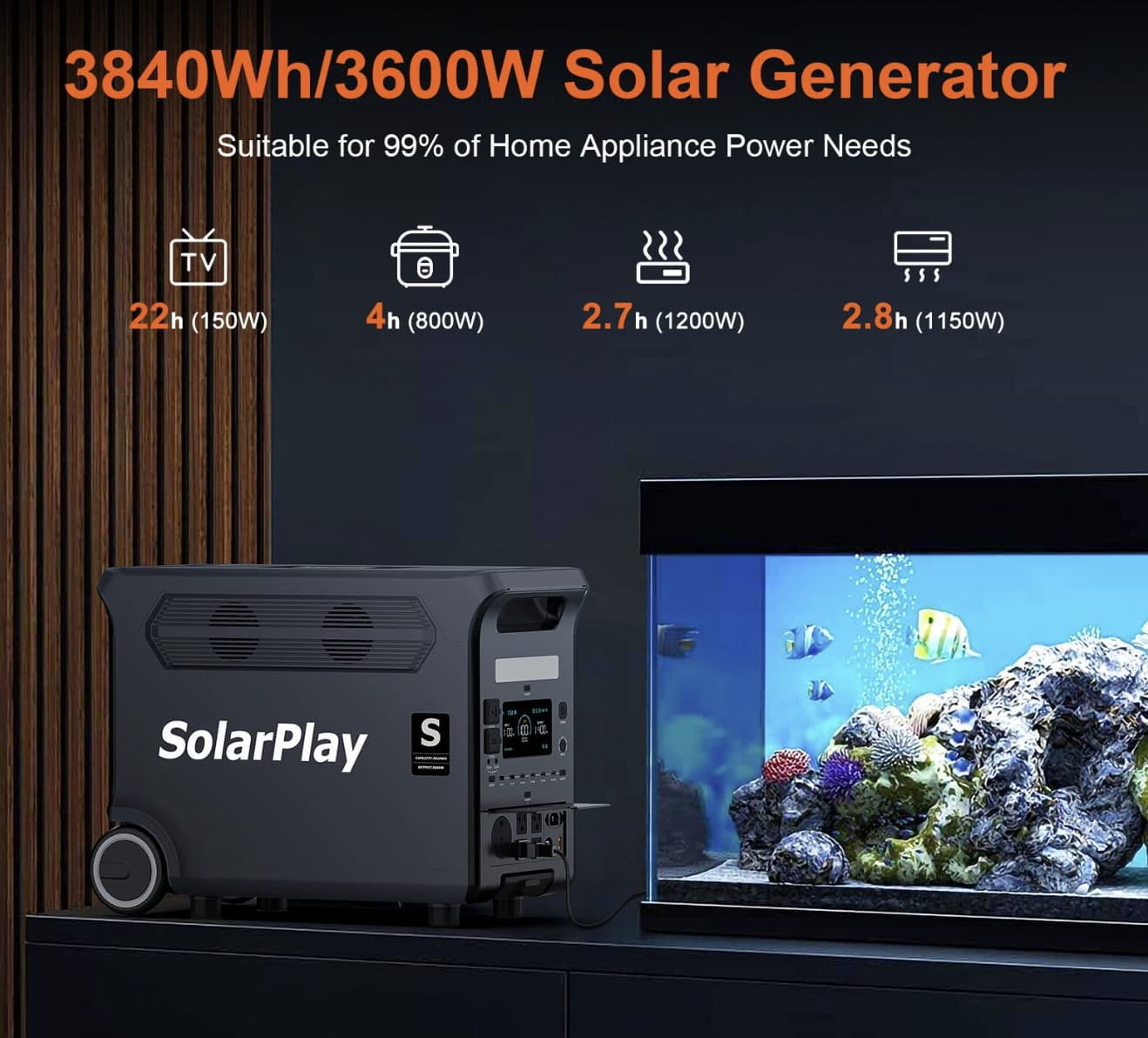
The SolarPlay Q3600 is designed around that idea. It combines a 3,840Wh LiFePO4 battery with up to 3,600W of AC output, 2,000W solar input and multiple charging interfaces. The result is a large-format power station aimed at users who need considerably more than a conventional portable battery can provide.
A 3,840Wh Battery Changes What a Portable Power Station Can Do

The Q3600’s biggest selling point is its 3,840Wh battery capacity.

That amount of stored energy gives the unit a very different role from smaller power banks or compact camping batteries. Instead of being primarily a device for keeping phones and laptops alive, the Q3600 is intended to support a wider range of equipment, including household appliances, workshop tools, RV equipment and other higher-power loads.

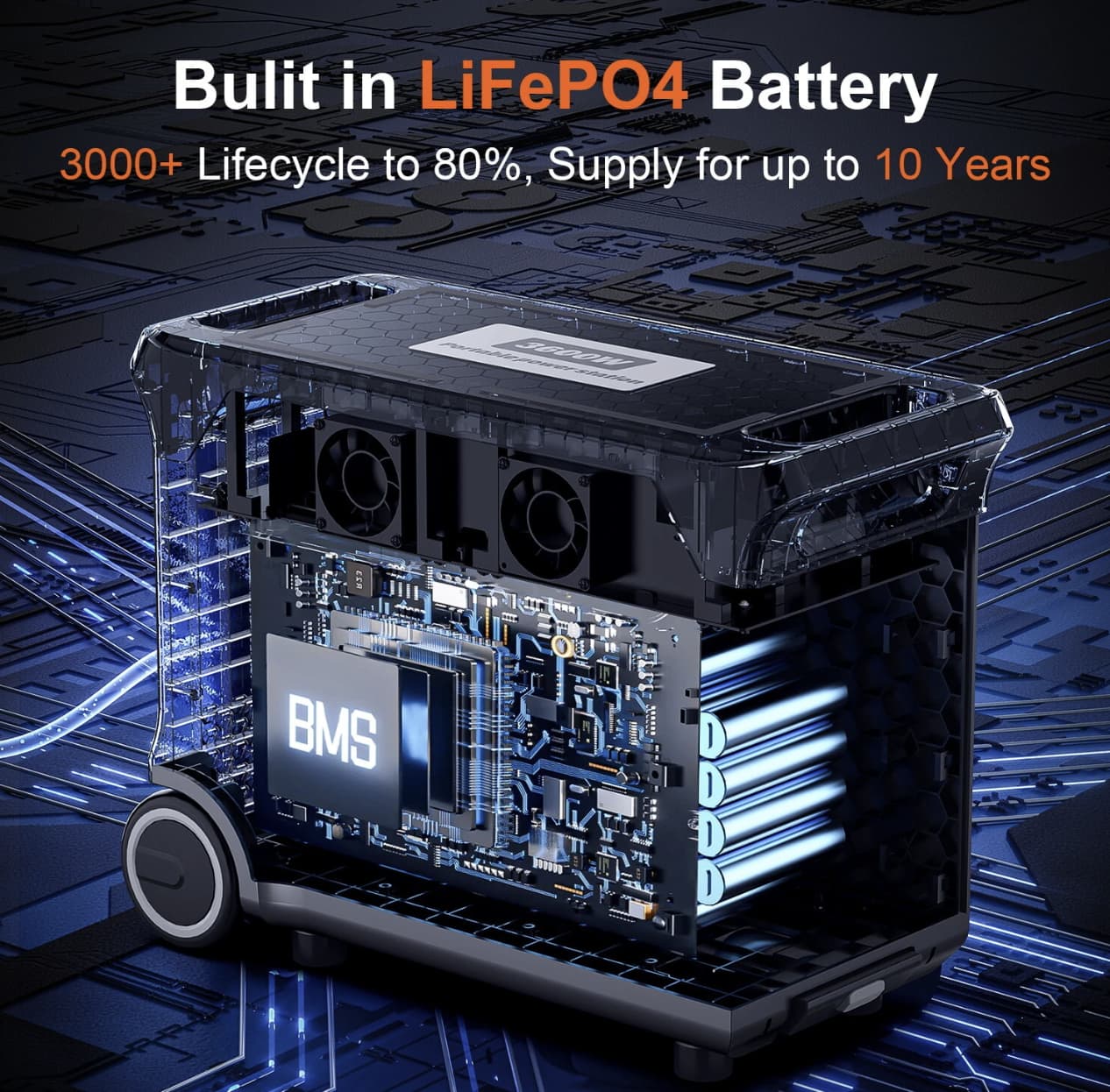
SolarPlay uses a LiFePO4 battery architecture for the Q3600. The manufacturer’s specifications list more than 4,000 charge cycles while retaining 80% of the original capacity, although real-world battery longevity will naturally depend on charging habits, temperature and load conditions.
For users considering a power station as an emergency backup, this distinction matters. A large capacity does not automatically mean unlimited runtime, because actual operating time depends heavily on the wattage of the connected equipment. A 3,840Wh battery can therefore be thought of as a substantial energy reserve rather than a guarantee of a specific number of hours.

3,600W of AC Output Makes It Suitable for More Demanding Loads

The Q3600 is rated for 3,600W continuous AC output and uses a pure sine wave inverter. The European version provides 220–240V AC output at 50Hz/60Hz.

This is one of the areas where the Q3600 separates itself from smaller portable power stations.

A 3,600W output ceiling gives users considerably more room for equipment with higher power requirements. That can be useful for appliances and tools that would simply be outside the practical range of a compact 1,000W-class station.

However, the sensible approach is still to check the rated and startup power of each appliance before connecting it. Motors, compressors and heating appliances can behave differently from their advertised average consumption, so the station’s maximum output should not be treated as a universal guarantee for every device.
Solar Charging Is One of the Q3600’s Most Interesting Features

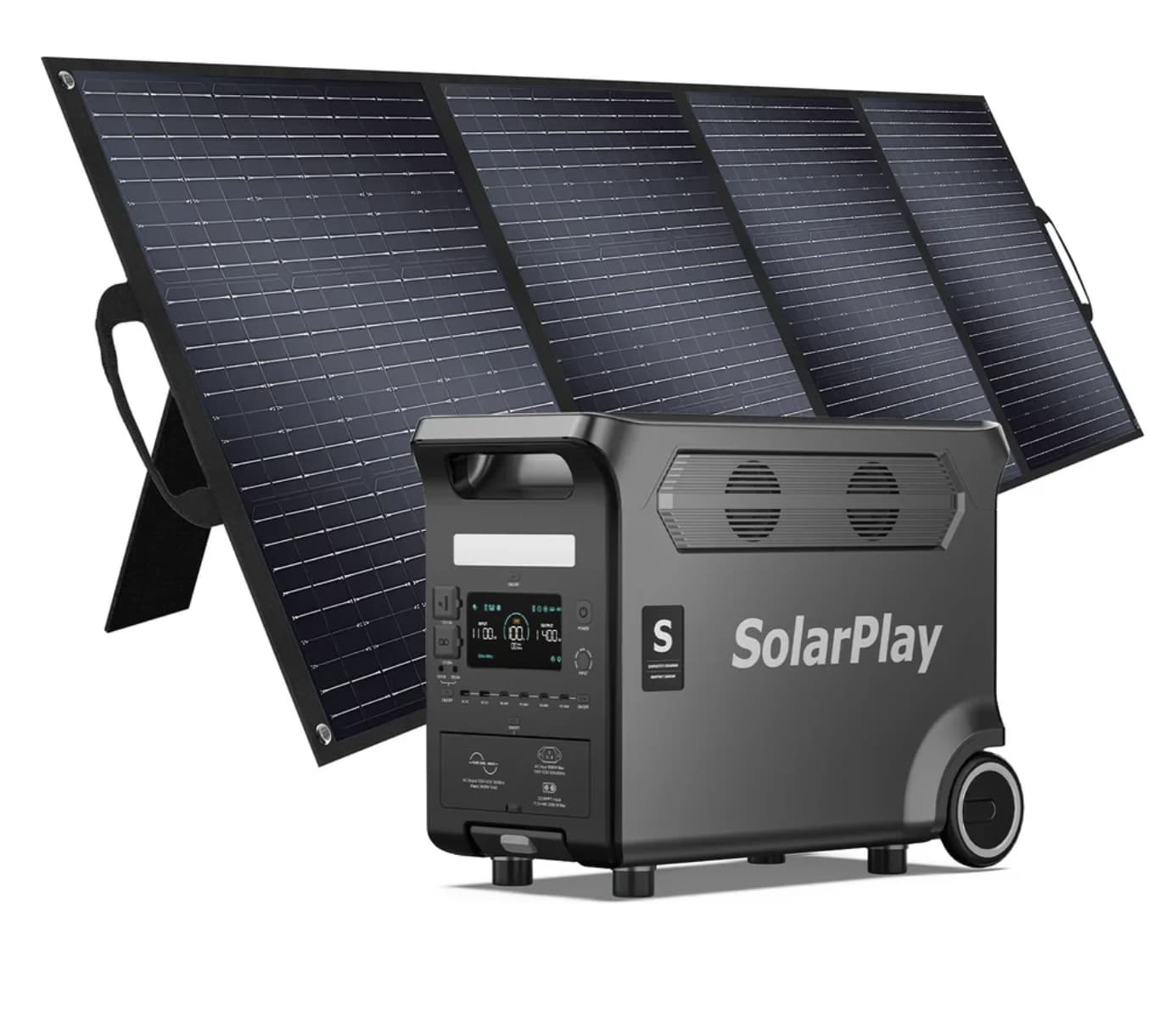
The Q3600 is not limited to wall charging. Its solar input can accept up to 2,000W, giving the system a much stronger off-grid charging capability than many smaller portable power stations.

SolarPlay states that the Q3600 can reach a full charge in approximately 1.5 hours when AC and solar charging are combined, rather than implying that a 3,840Wh battery can always be fully recharged from solar alone in that time.

The European model also provides adjustable AC charging levels of 400W, 800W, 1,200W, 1,600W and 2,200W. This gives users more control over charging speed and power demand depending on the situation.

That flexibility could be particularly useful during longer outdoor trips. Instead of treating the battery as a one-time energy source, users can recharge it during the day and use the stored energy later when solar production falls.

Multiple Output Types Make It More Versatile

Another strength of the Q3600 is the range of connection options.

The specification includes AC outlets alongside a 12V cigarette-lighter output, an XT60 port, DC outputs, USB-A ports and several USB-C connections. One USB-C port supports up to 100W PD output, making it suitable for higher-powered compatible devices such as laptops.

The Banggood listing describes the product as having 17 outputs, while SolarPlay’s current product page lists 15 output ports. Because the two sources present the port count differently, buyers should check the exact configuration of the package and regional version before ordering.

More importantly, the variety of outputs means the Q3600 can serve several types of equipment at the same time rather than functioning as a single-purpose AC battery.

UPS Support Adds a Practical Home-Backup Role

The Q3600 also supports a UPS function, which makes it more interesting for use around the home.

According to the listed specifications, the system can switch to battery power in less than 20 milliseconds under its specified UPS conditions. This is intended to reduce interruption when mains power disappears.

That feature can be useful for equipment that needs a more consistent power source, such as networking hardware, computers or selected electronic devices.

It should not, however, be confused with a dedicated enterprise-grade UPS system. Users with particularly sensitive equipment should check the manufacturer’s UPS specifications and the equipment’s own power requirements before relying on the Q3600 as their only backup solution.

Large Capacity Comes With a Real Weight Trade-Off

The Q3600 is portable, but it is not lightweight.

The listed bare-device weight is approximately 42.2kg, with dimensions of about 608 × 289 × 456mm.

That makes the built-in wheels and telescopic handle particularly important. The Q3600 is better understood as a movable power station rather than something most users will casually carry by hand over a long distance.

For an RV, garage, workshop, campsite or home backup location, this design makes sense. Users can position the unit where it is needed and roll it into place instead of repeatedly lifting the entire 42kg system.

Designed for Home Backup, RVs and Off-Grid Use

The Q3600’s specifications suggest several practical use cases.

For home backup, the large battery and high AC output provide a way to keep selected appliances and electronics operating during outages.

For RV use, the combination of AC, 12V and other DC outputs can reduce the need to carry separate power solutions for different types of equipment.

For off-grid applications, the 2,000W solar input becomes especially important because it allows the Q3600 to function as part of a rechargeable solar-based power system rather than relying entirely on the electrical grid.

Outdoor users should still consider the unit’s 42.2kg weight and physical size when planning transportation. Its wheels make movement easier, but this is not a lightweight backpacking power station.

What About Noise and Protection?

SolarPlay lists the Q3600 with multiple battery-management protections covering conditions such as overcharging, over-discharging, over-current and short circuits. The Banggood specifications also list a working temperature range of approximately -10°C to 45°C for the Q3600.

The product is also listed with safety and transport-related certifications including CE, FCC, RoHS, PSE, UN38.3 and MSDS documentation.

These features do not eliminate the need to use the power station within its operating limits, but they show that the Q3600 is designed as a substantial energy-storage system rather than simply a large battery pack.

SolarPlay Q3600 Specifications

Specification SolarPlay Q3600
Battery capacity 3,840Wh
Battery type LiFePO4 / LFP
AC output 3,600W
AC voltage 220–240V
AC waveform Pure sine wave
Solar input Up to 2,000W
AC charging Up to 2,200W
UPS Less than 20ms under specified conditions
USB-C Up to 100W on dedicated PD port
DC output 12V options
Weight About 42.2kg
Dimensions About 608 × 289 × 456mm
Operating temperature Approximately -10°C to 45°C

Specifications can vary by regional version or package, so buyers should verify the configuration before purchase.

Is the SolarPlay Q3600 Worth Considering?

SolarPlay Q3600 power station is not trying to win the portability contest by being small and light. Its appeal comes from the opposite direction.

The 3,840Wh battery, 3,600W AC output and 2,000W solar input give it the kind of electrical capacity that makes sense for home backup, RV trips, workshops and longer off-grid use. The multiple output types and UPS function further expand its potential applications.

The biggest compromise is its size and 42.2kg weight. That means the Q3600 works best when it can be rolled into position rather than carried frequently.

For buyers who prioritize large energy storage, high output power and solar recharge capability over lightweight portability, the Q3600 offers a much more capable alternative to smaller portable power stations.

Before purchasing, users should also confirm the exact regional version, output configuration and included accessories, particularly because the current Banggood listing and SolarPlay’s own product page differ in how they describe the number of output ports.

The post SolarPlay Q3600 Brings 3840Wh Capacity and 3600W Output to Portable Backup Power appeared first on IGeeKphone China Phone, Tablet PC, VR, RC Drone News, Reviews.

  •  

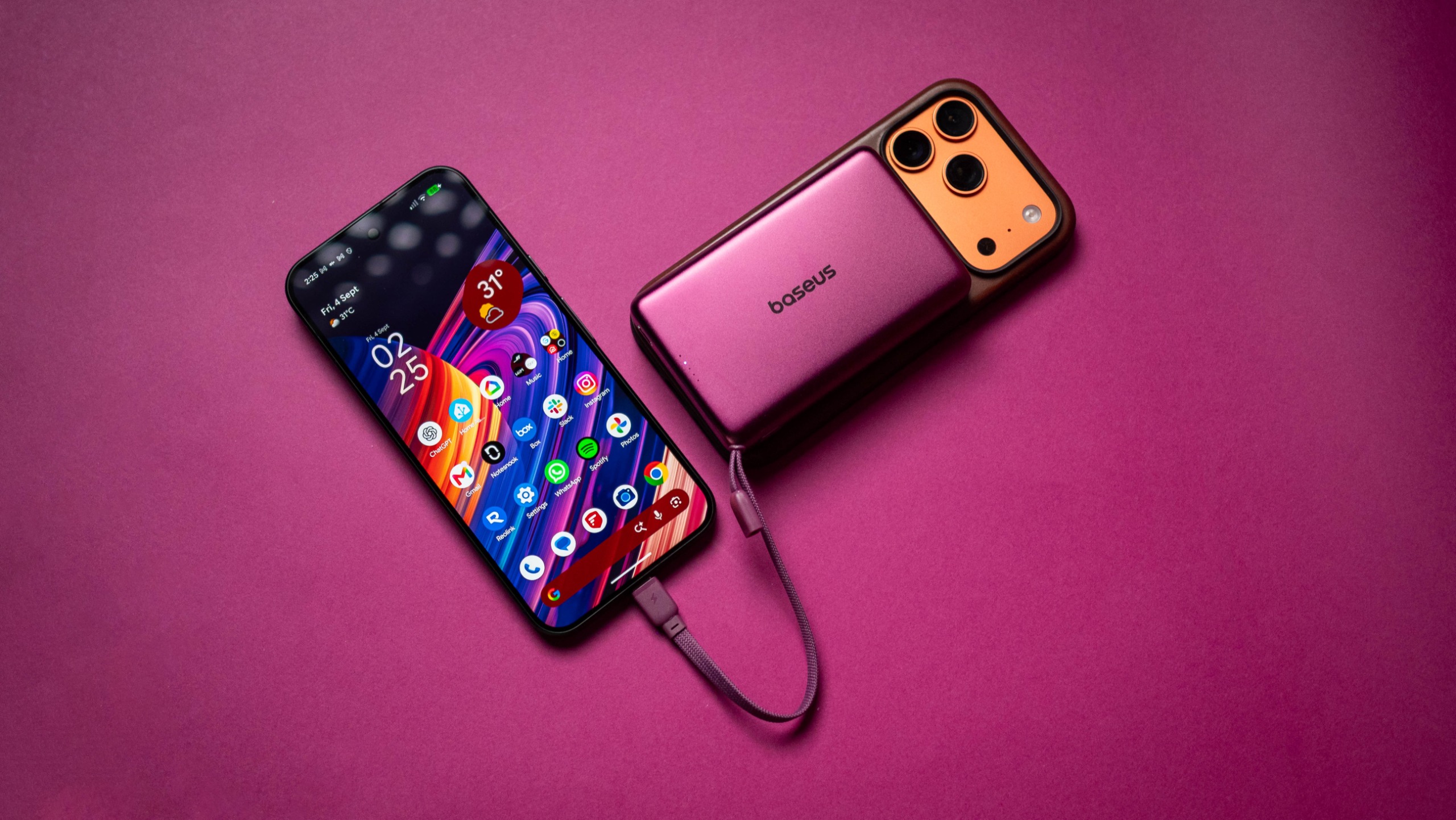
I used Baseus' Dark Cherry iPhone 18 Pro accessories, and they're stunning

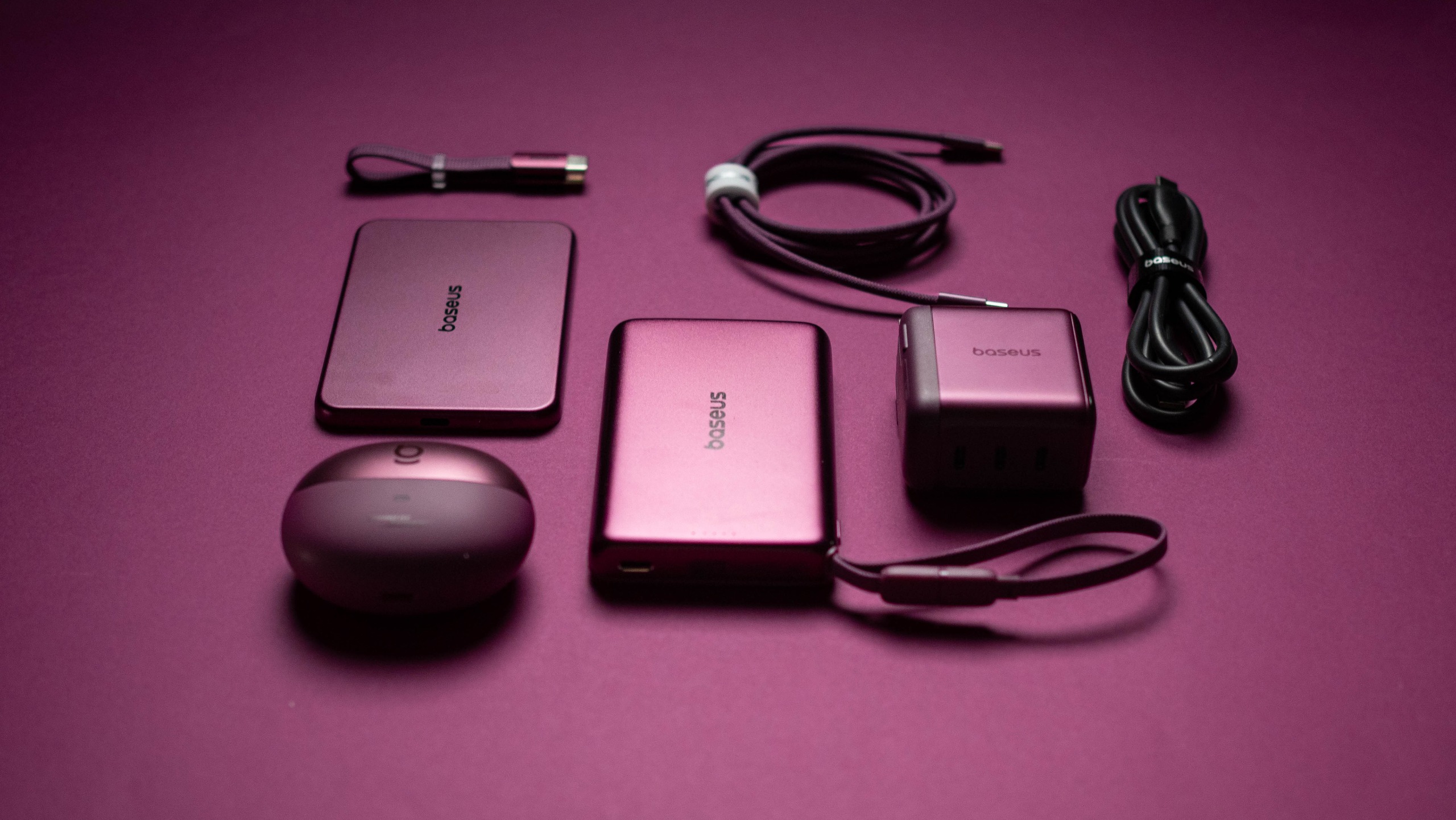
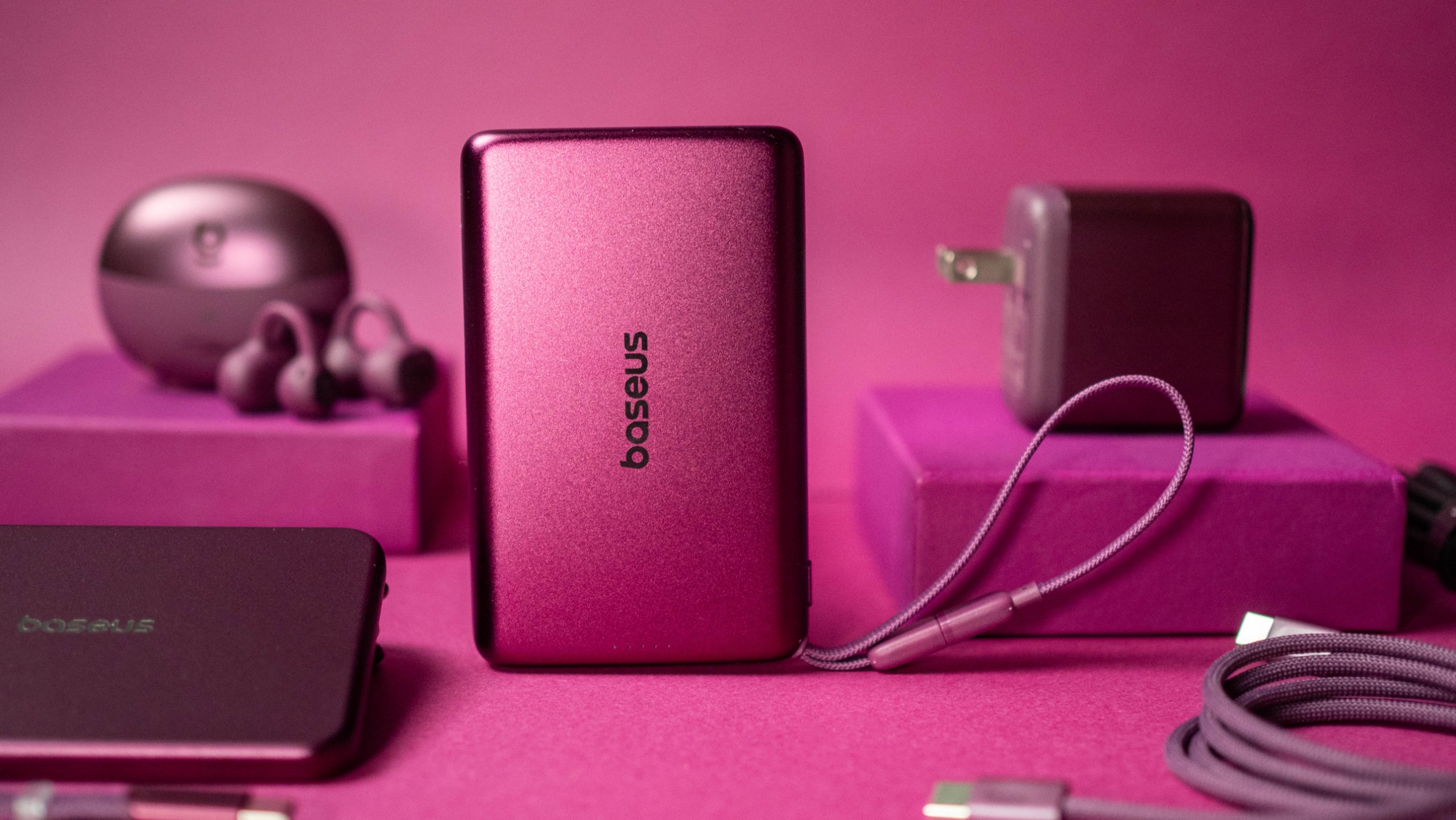
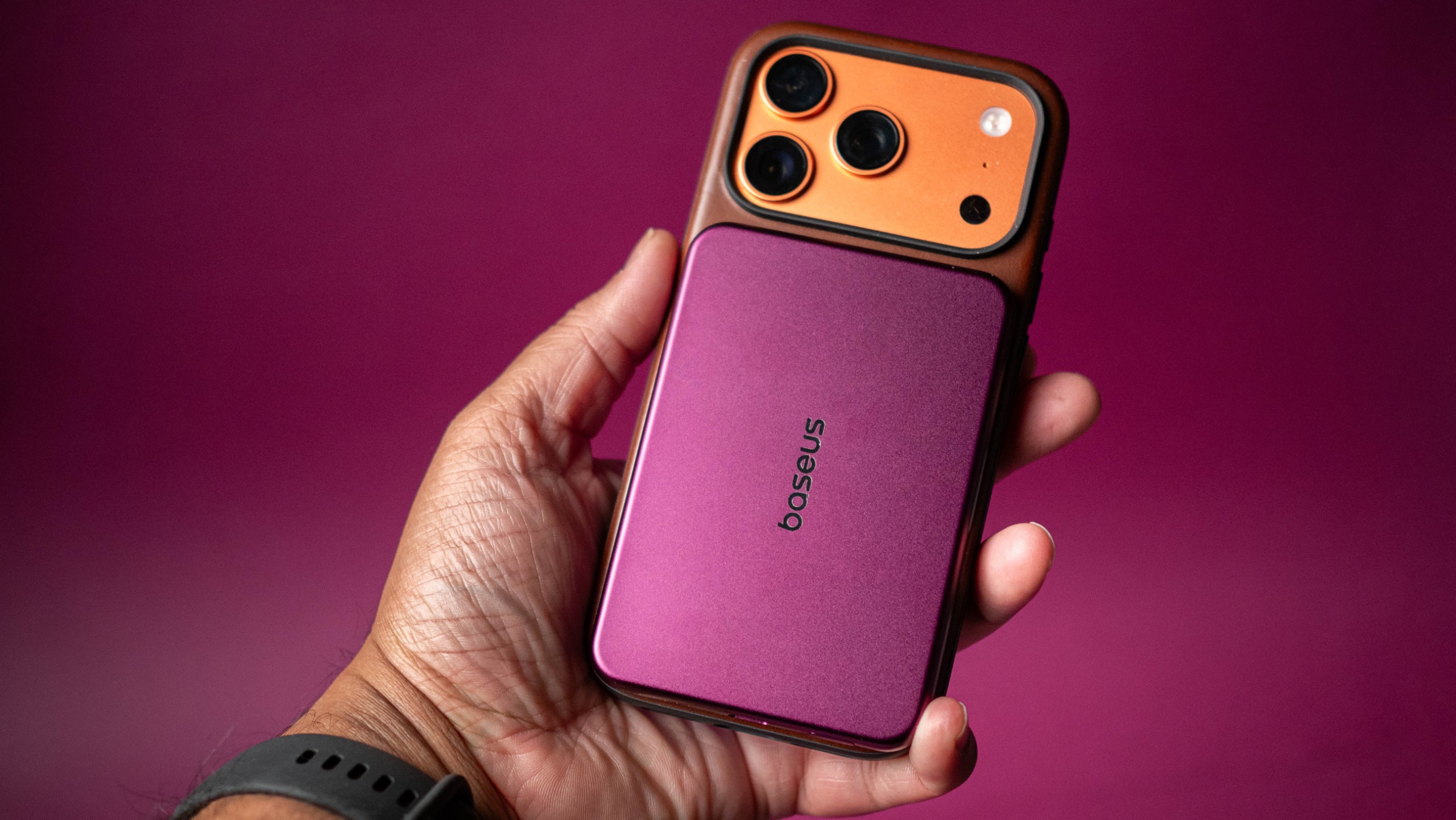
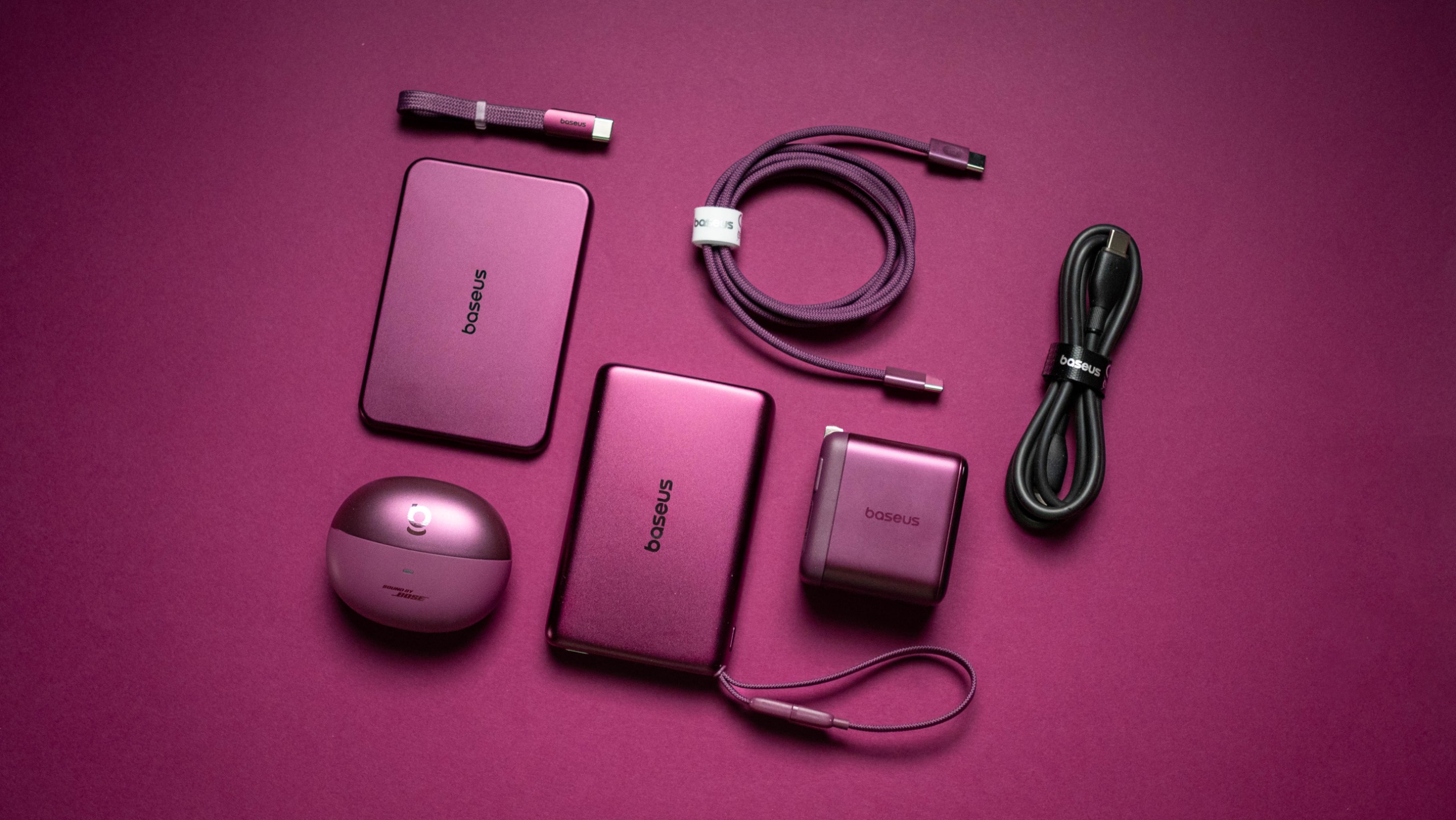
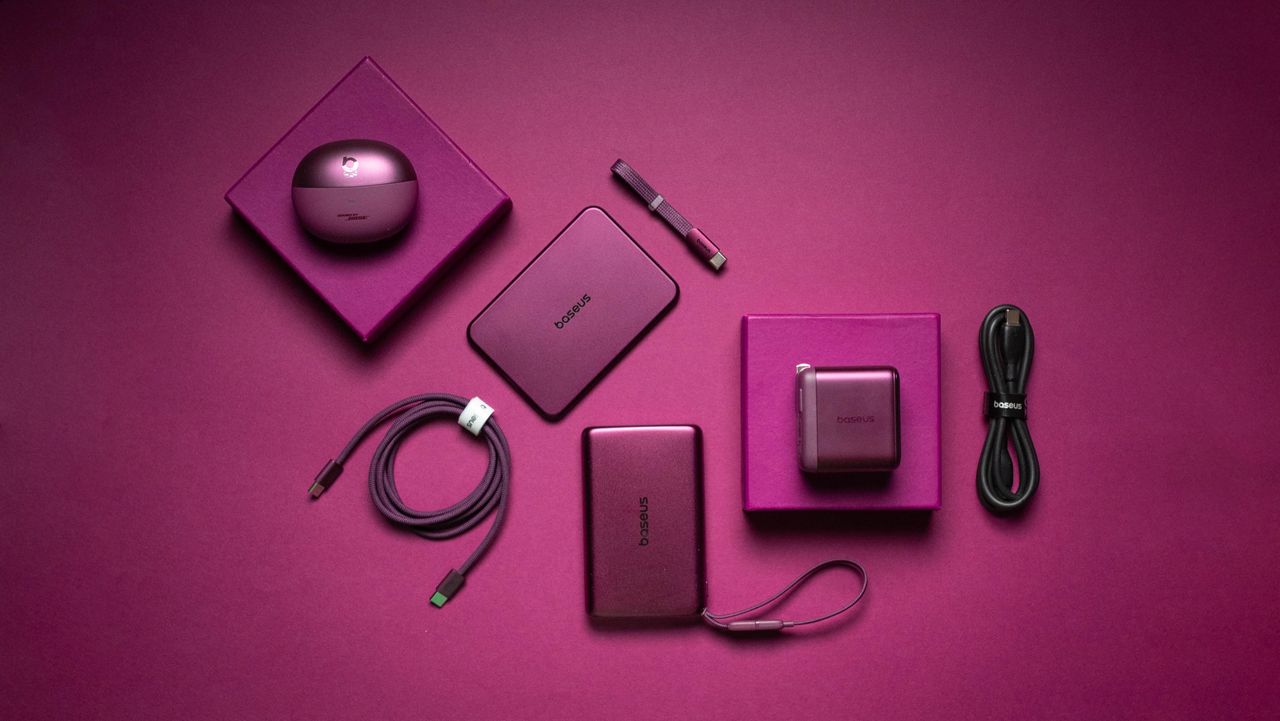
Baseus knows how to make great charging and audio accessories, and the brand is going all-out ahead of the iPhone 18 Pro launch. The Dark Cherry collection includes five products that are debuting in a bold new cherry red colorway designed to match the Dark Cherry variant of the upcoming iPhone 18 Pro.
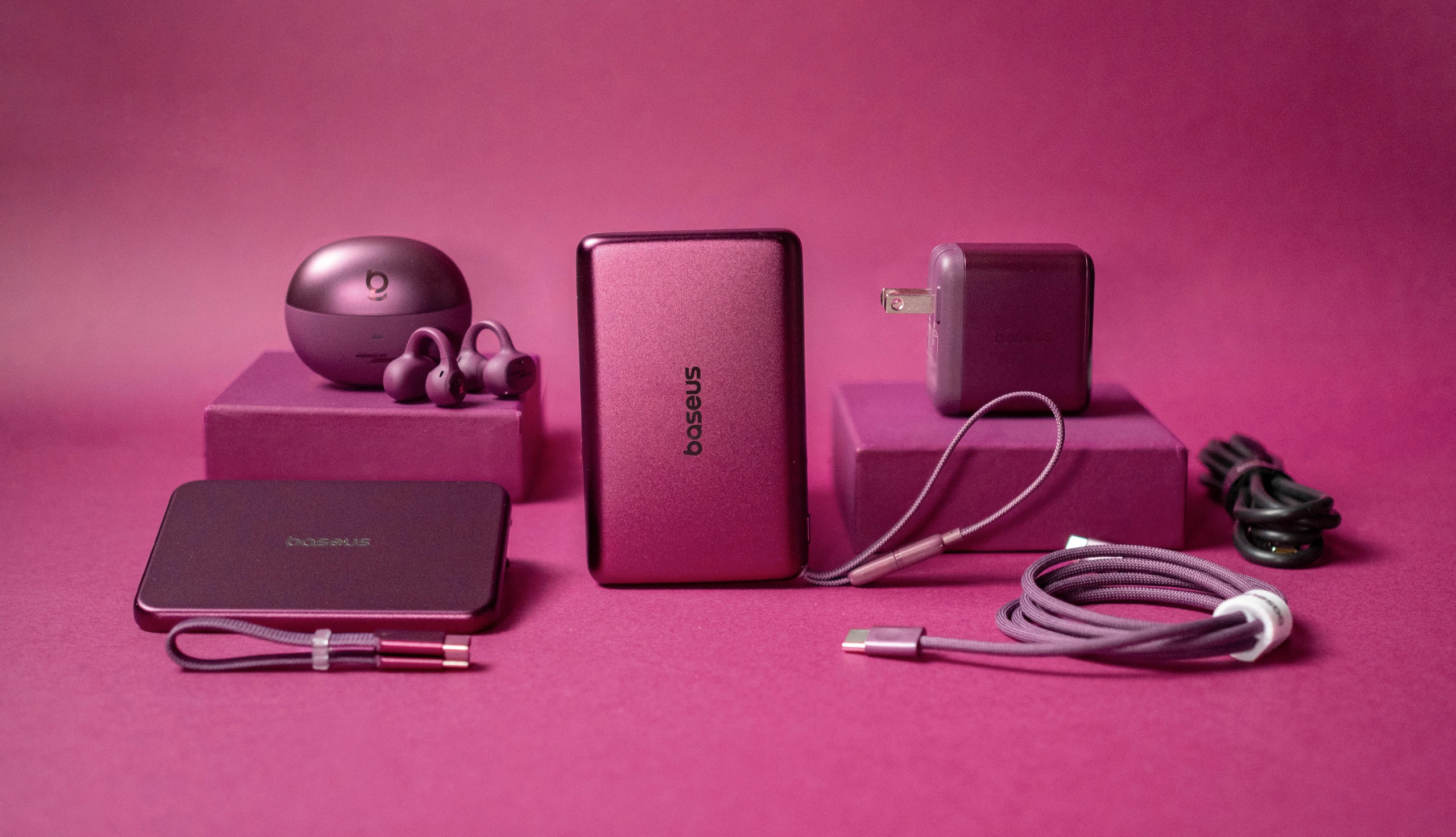
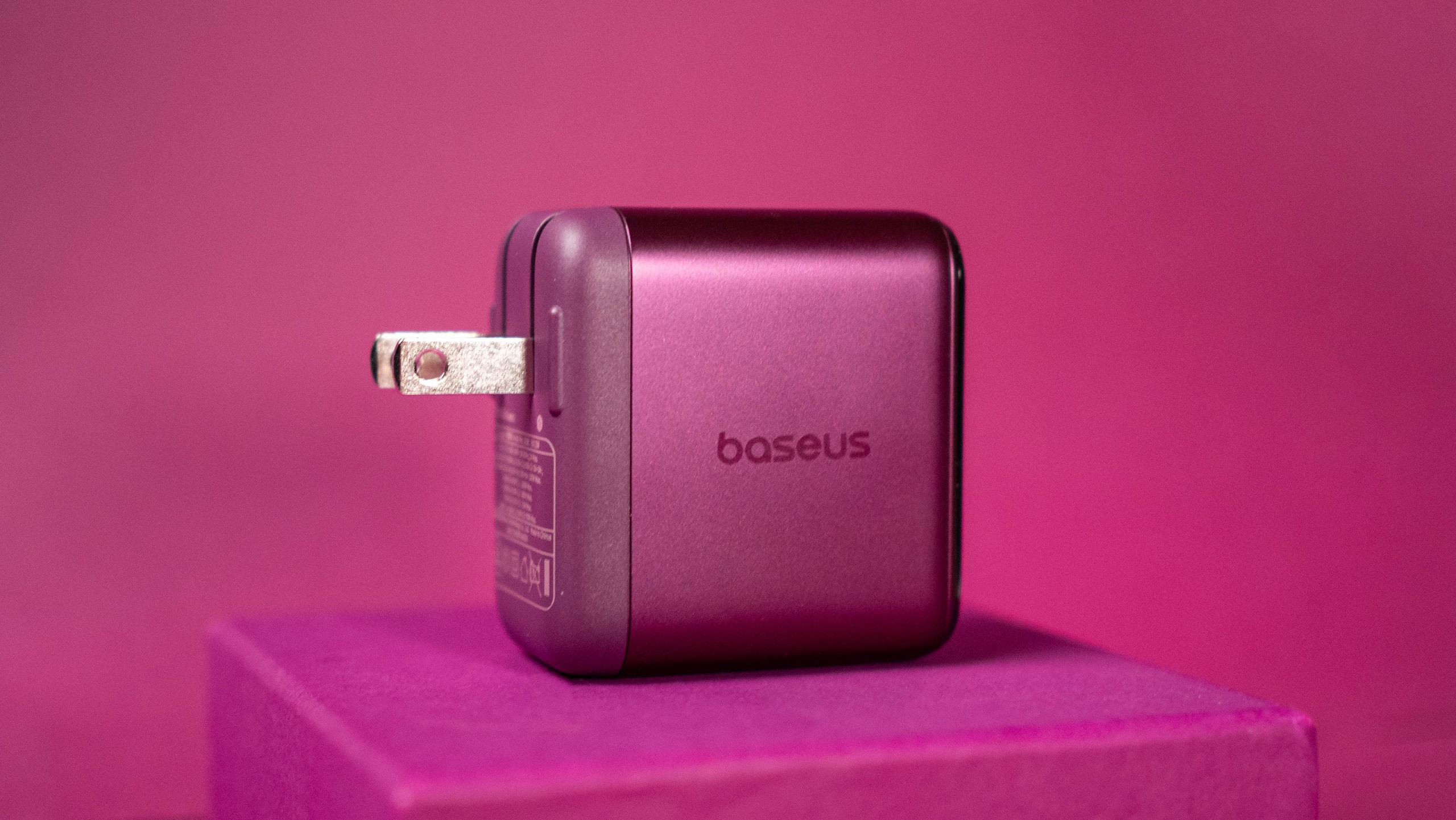
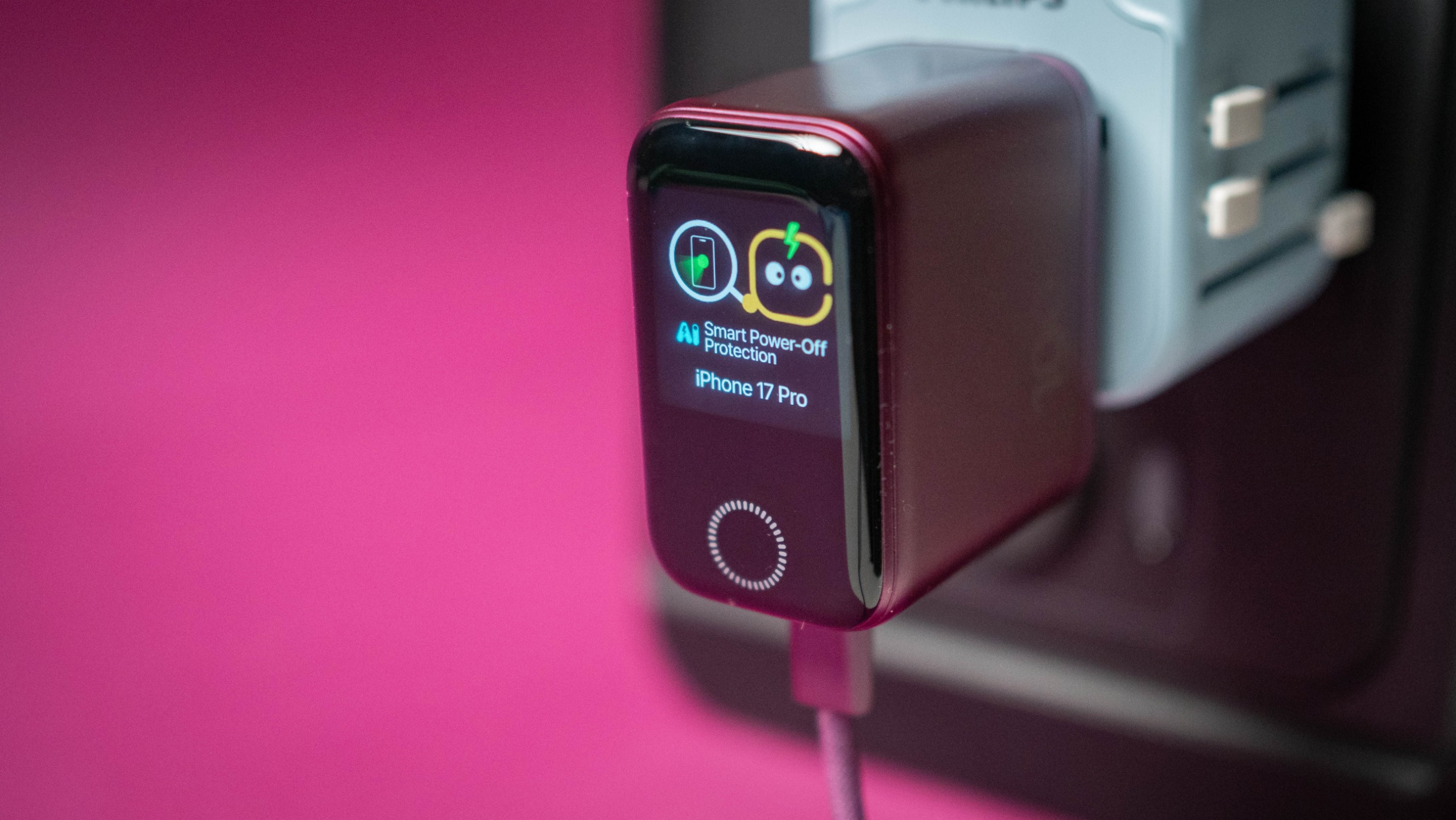
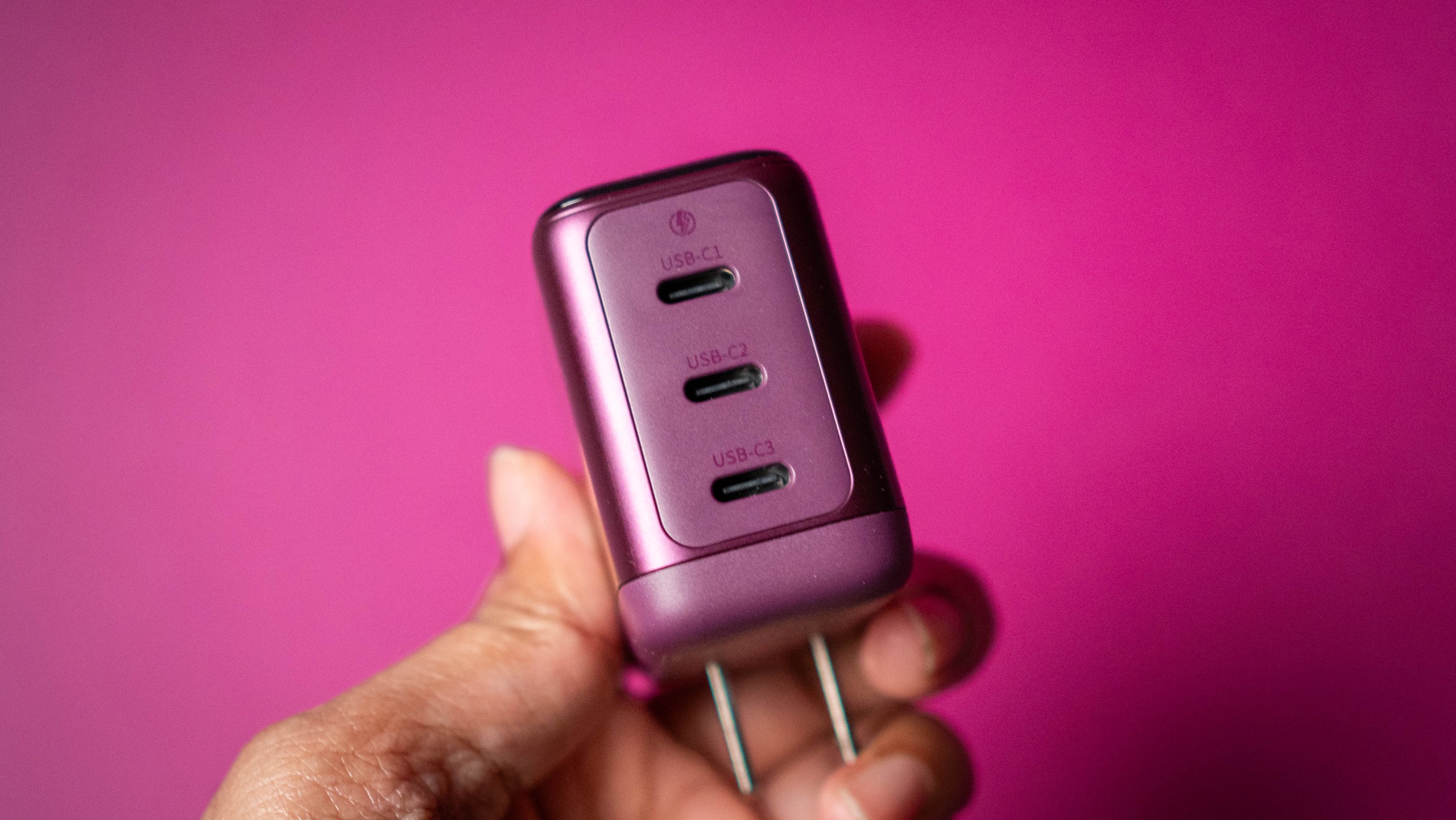
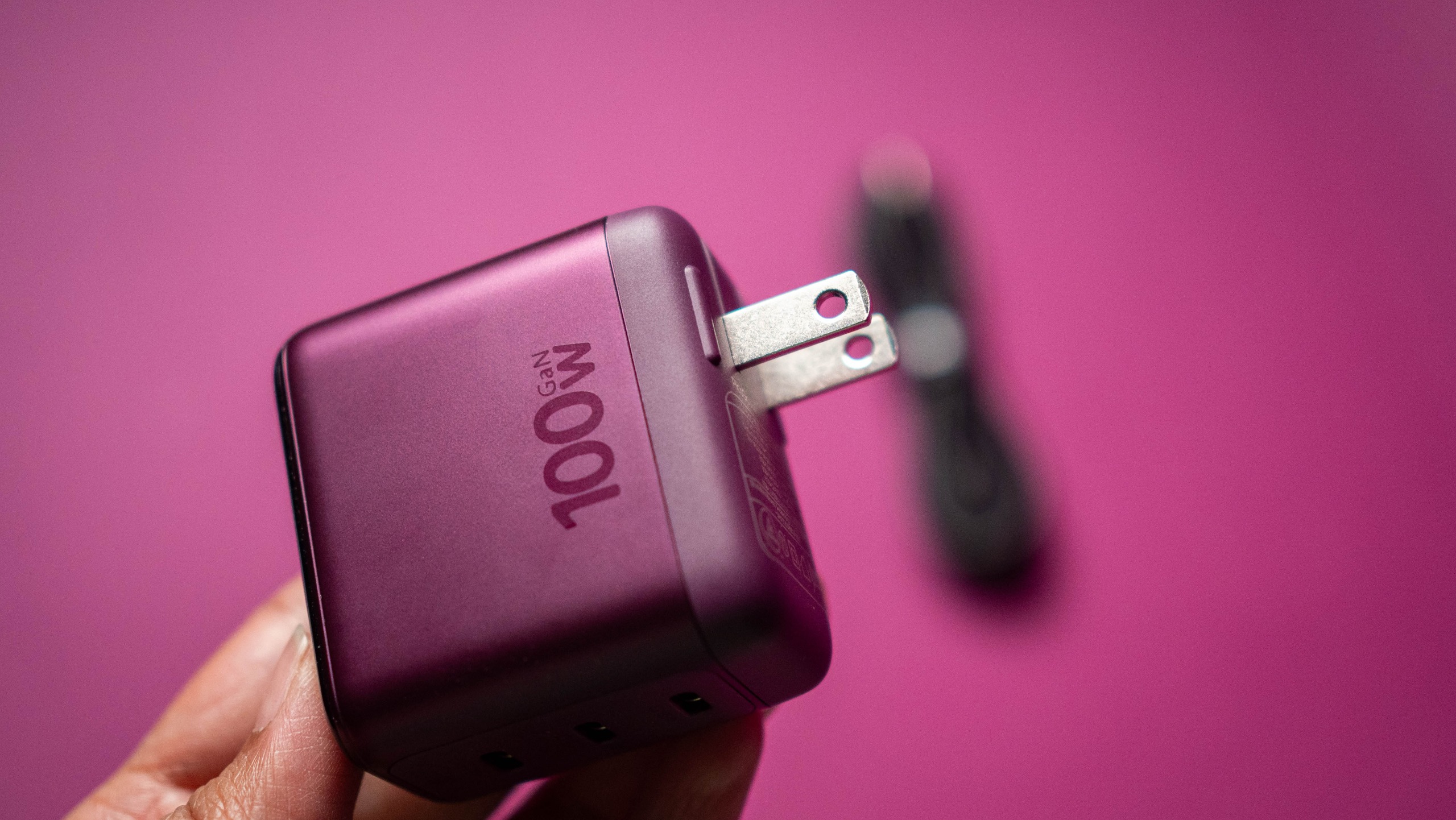
The highlight of the new collection is the PicoGo Pro AH22, the smallest 100W GaN charger with three USB-C ports. It comes with a built-in panel that shows real-time charging details, and it is now available for $59 on Amazon.
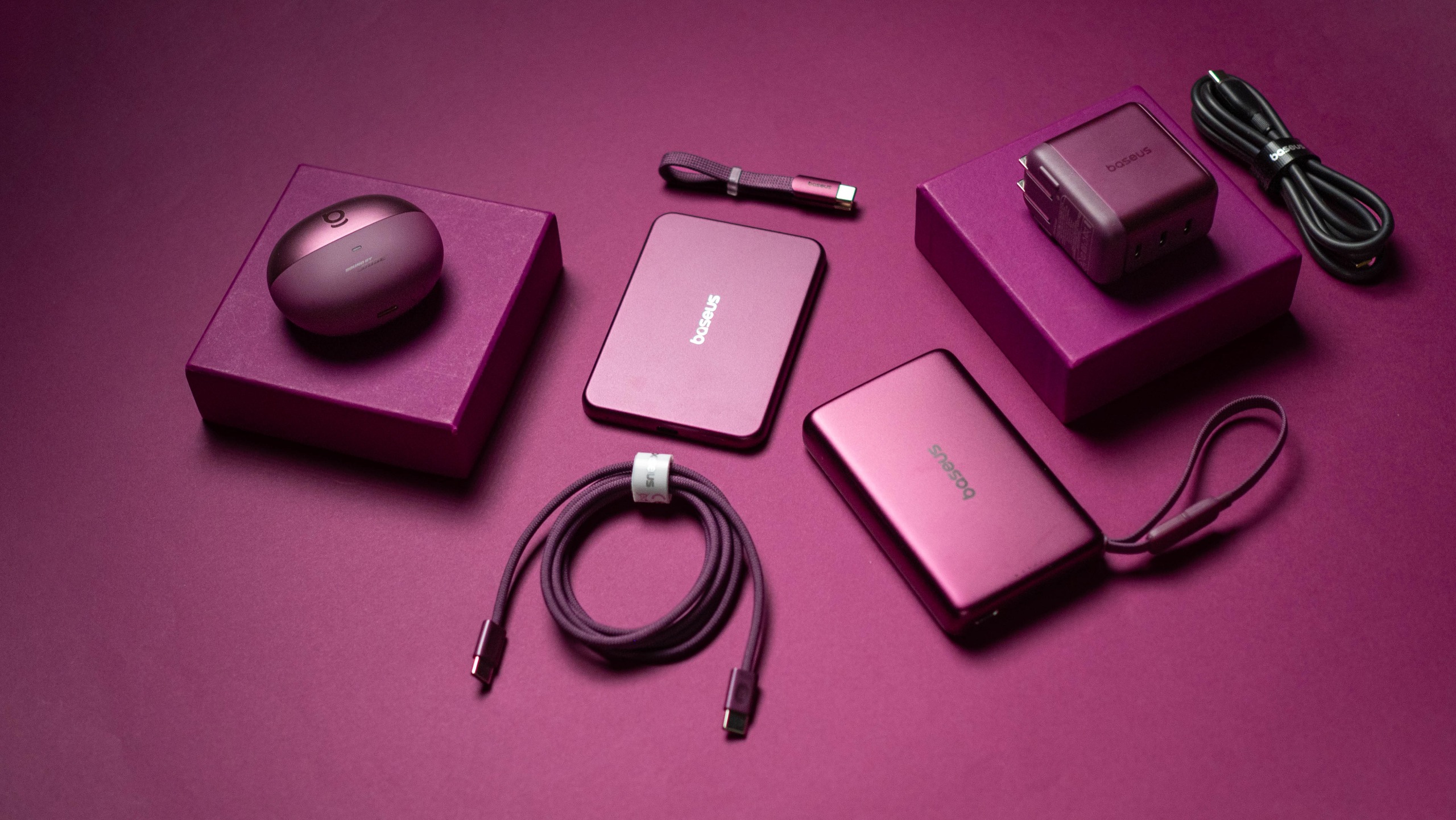
Baseus Dark Cherry iPhone 18 Pro collection review
Apoorva Bhardwaj / Android Central
Baseus Dark Cherry iPhone 18 Pro collection review
Apoorva Bhardwaj / Android Central
Baseus Dark Cherry iPhone 18 Pro collection review
Apoorva Bhardwaj / Android Central

There's also the PicoGo AM52, a 25W Qi 2.2 power bank with 10,000mAh battery that's available for $79, and the ultra-thin PicoGo Air AM71 5,000mAh power bank that costs $69. The Bose-tuned Inspire XC1 earbuds get the Dark Cherry makeover as well, and they're $149. Rounding out the list is the 100W USB-C to USB-C cable, and it costs $12.

Baseus has an exclusive deal for AC readers that is live now and runs until October 31, 2026:

Baseus 100W PicoGo Pro AH22: This is the GaN charger you want

Baseus Dark Cherry iPhone 18 Pro collection review

(Image credit: Apoorva Bhardwaj / Android Central)

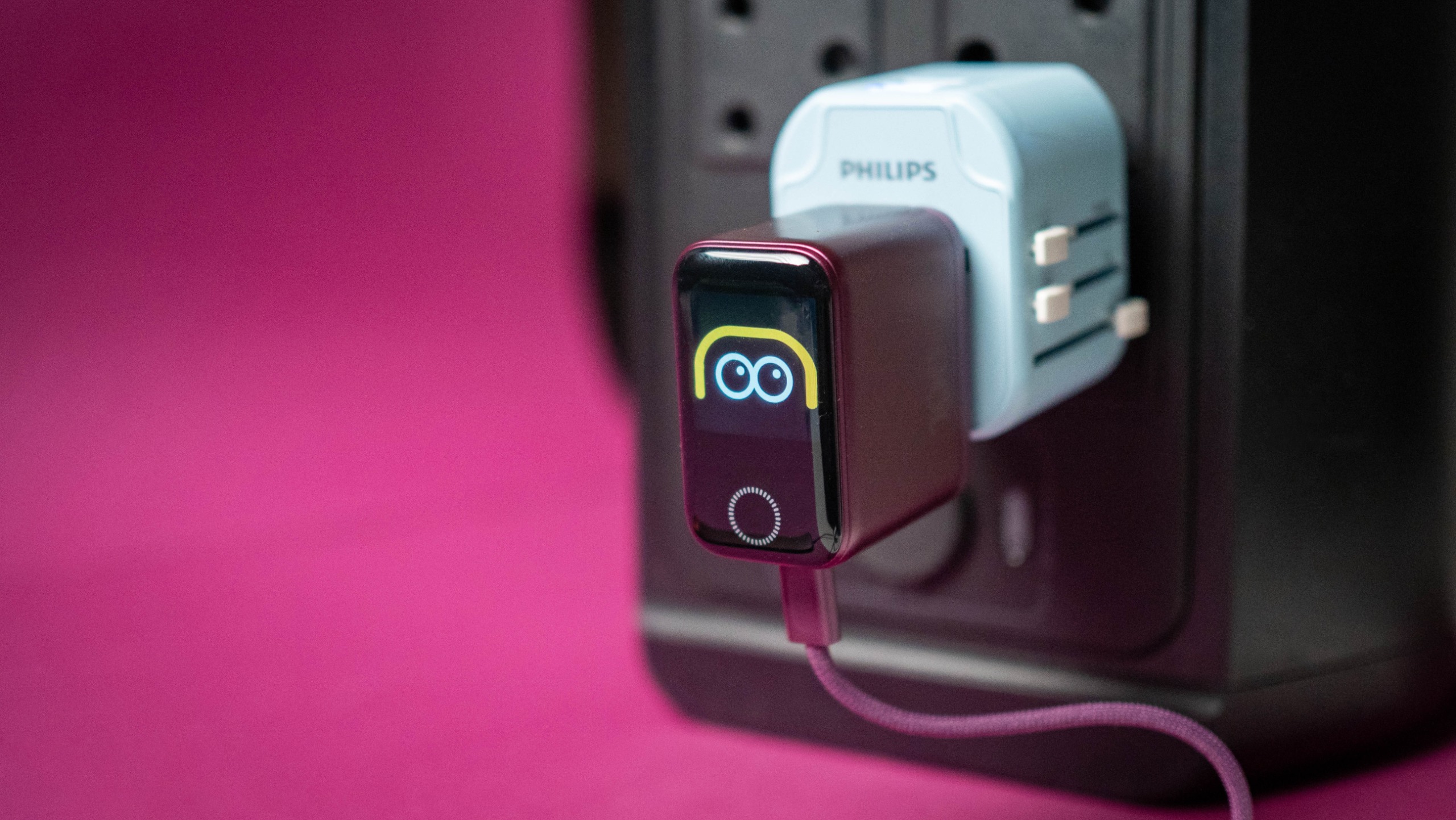
I used the PicoGo Pro AH22 as my go-to charger for the last month, and there's a lot to like. It is noticeably smaller than other 100W chargers I have on hand, and it still has three USB-C ports. The smaller size and the vibrant color makes it a great choice for travel (it's going straight into my tech bag), and I like that it has a built-in screen that shows real-time charging details, time left to charge, and what protocol a connected device is using.

Baseus Dark Cherry iPhone 18 Pro collection review
Apoorva Bhardwaj / Android Central
Baseus Dark Cherry iPhone 18 Pro collection review
Apoorva Bhardwaj / Android Central
Baseus Dark Cherry iPhone 18 Pro collection review
Apoorva Bhardwaj / Android Central
Baseus Dark Cherry iPhone 18 Pro collection review
Apoorva Bhardwaj / Android Central

It has three charging modes — Smart, Gentle, and Turbo — and the Smart mode is useful while charging several devices at once. The Gentle mode is what you need for overnight charging, and Turbo prioritizes the C1 port to 100W.

There's intelligent device recognition, and I like this feature a lot. Baseus also added a set of fun effects that show up while charging. The individual USB-C ports go up to 100W, and with all three in use, you get a 95W power budget. I used it with my Pixel 11 Pro XL, Find X9 Ultra, Galaxy Z Fold 8 Ultra, iPad Pro M4, and a few dozen accessories, and the charger did a great job.

Baseus PicoGo AM52 25W Qi2.2 10,000mAh Power Bank: Charge anything with ease

Baseus Dark Cherry iPhone 18 Pro collection review

(Image credit: Apoorva Bhardwaj / Android Central)

The PicoGo AM52 isn't a new product, and I've been using the power bank for the better part of a year. The Qi 2.2 tech allows it to charge phones at 25W, and it's great to use with the iPhone 17 Pro and Pixel 11 Pro XL.

Baseus Dark Cherry iPhone 18 Pro collection review
Apoorva Bhardwaj / Android Central
Baseus Dark Cherry iPhone 18 Pro collection review
Apoorva Bhardwaj / Android Central

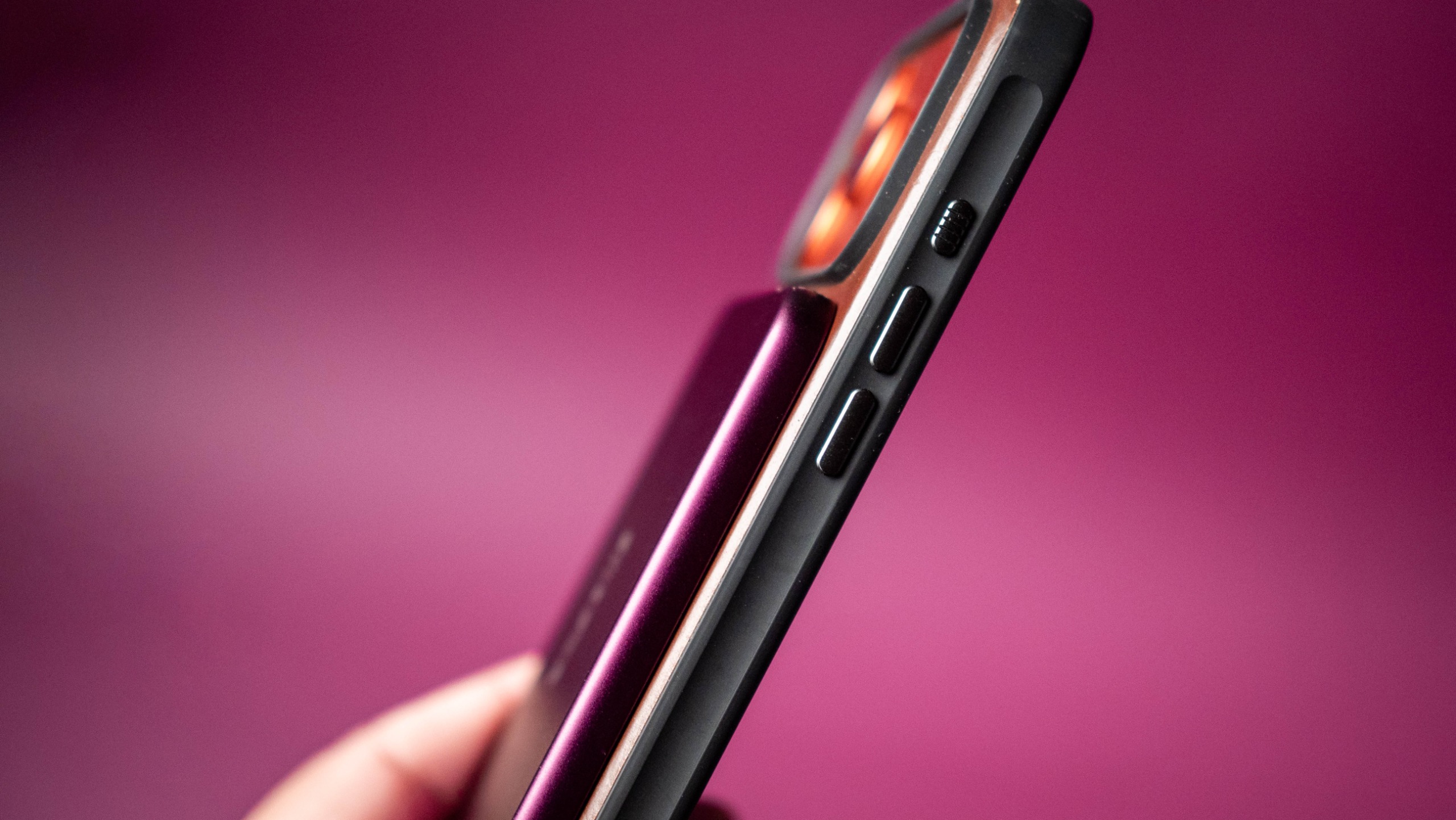
There's no doubt that the cherry color looks much better than the standard grey model I've been using all this time. The 10,000mAh battery is able to charge the iPhone 17 Pro and Pixel 11 Pro XL to full, and it has a built-in USB-C cable if you need to plug in other devices, going up to 45W.

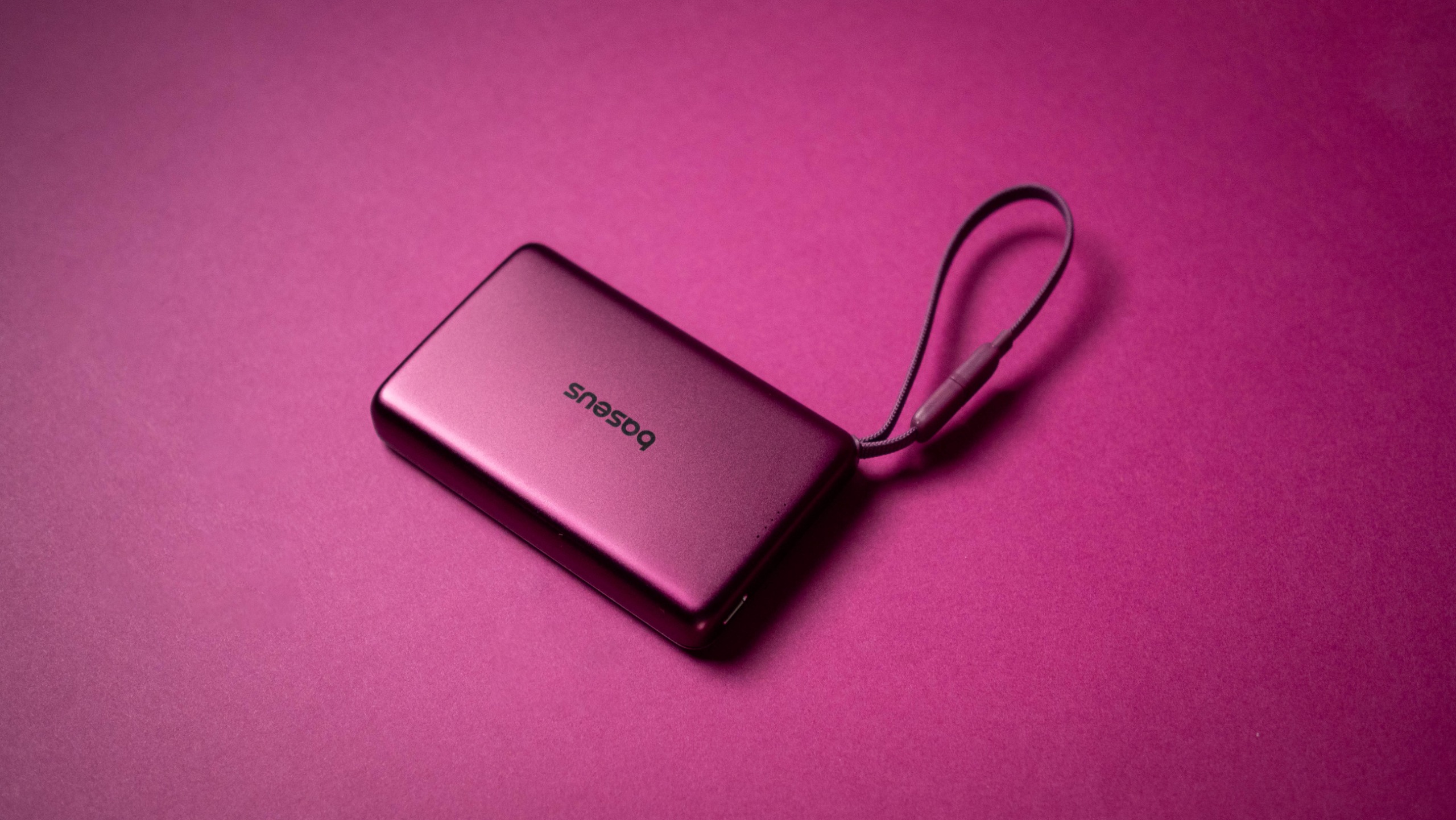
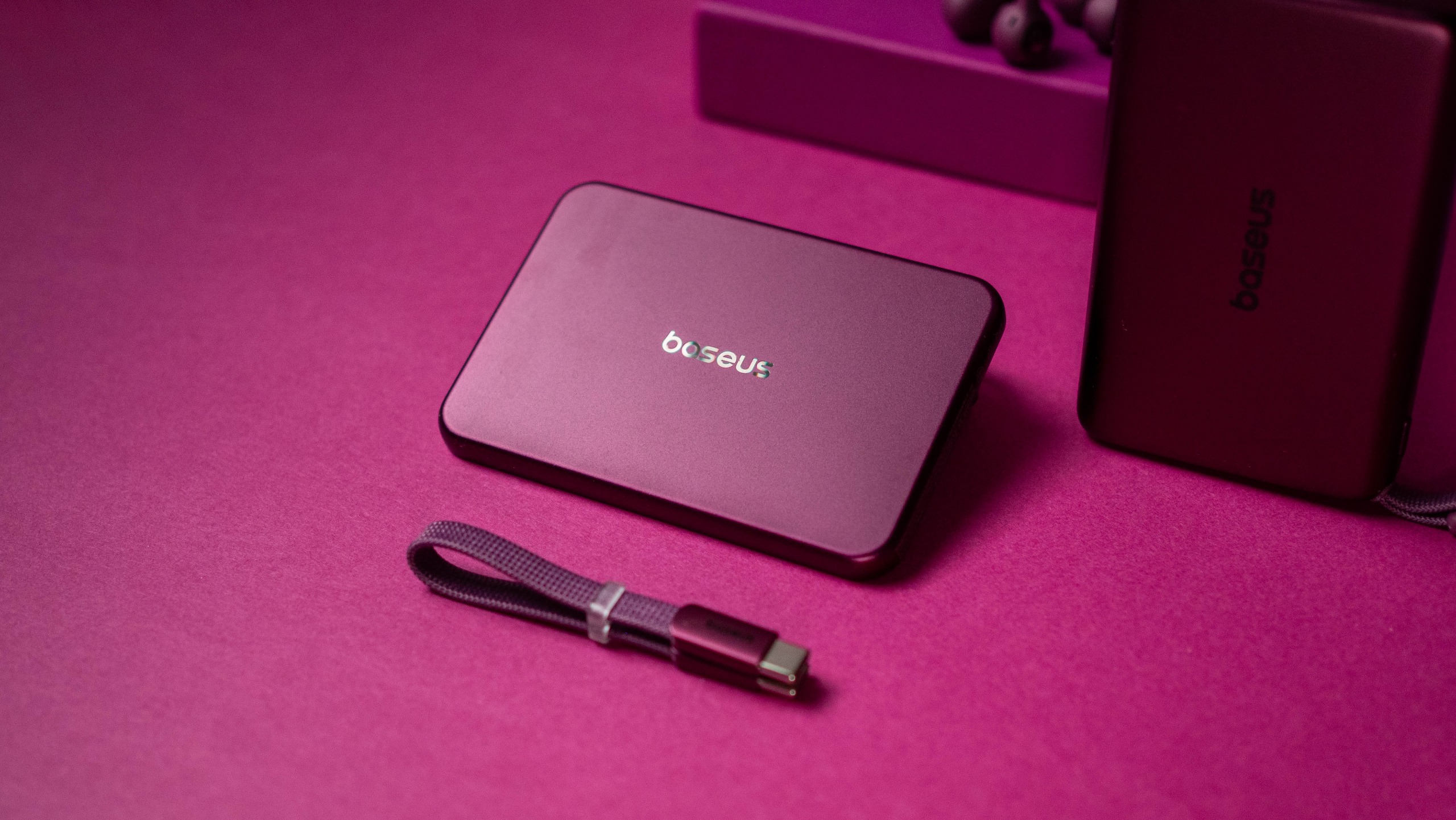
Baseus PicoGo Air AM71 5,000mAh Power Bank: The thinnest power bank

Baseus Dark Cherry iPhone 18 Pro collection review

(Image credit: Apoorva Bhardwaj / Android Central)

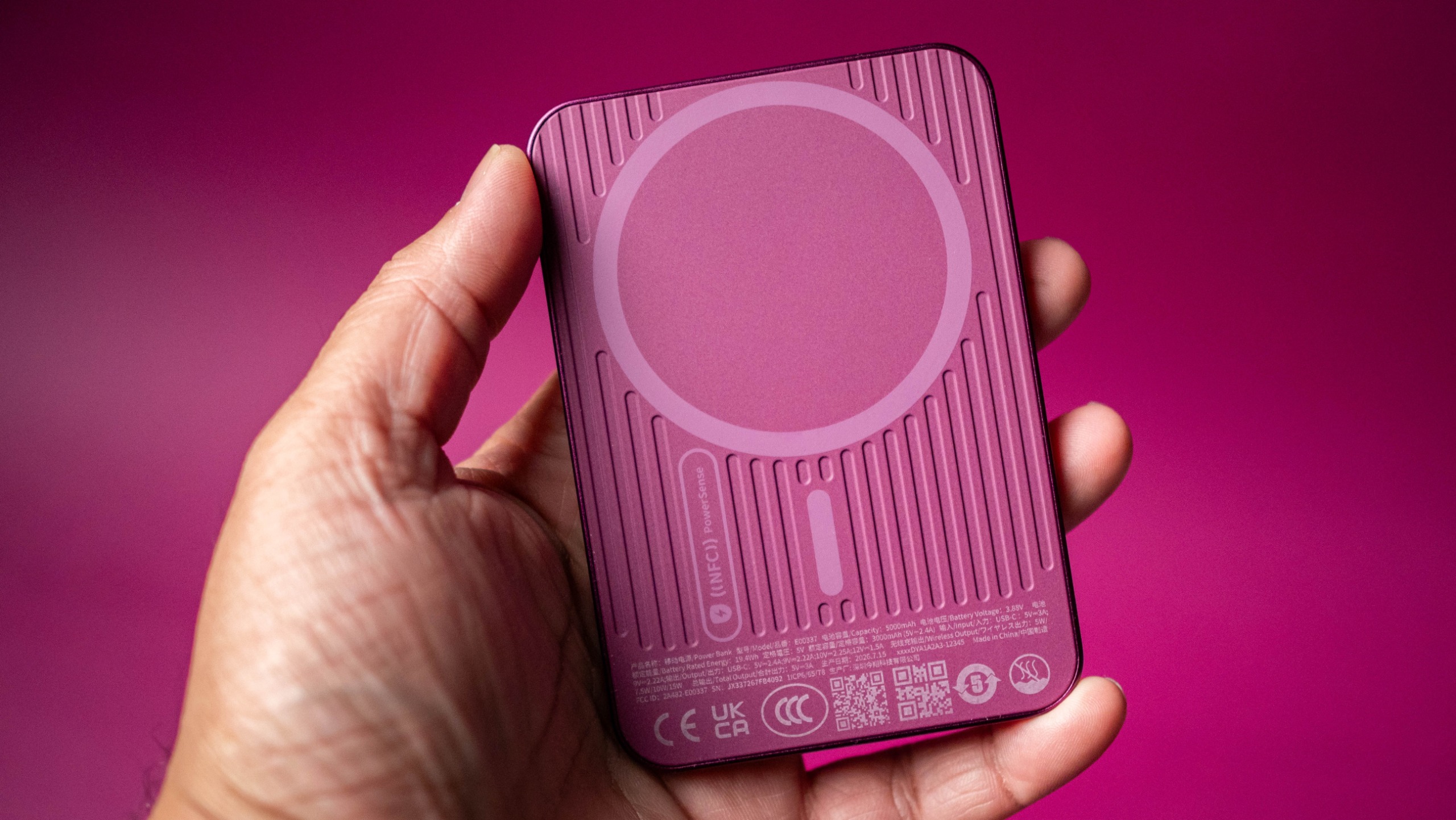
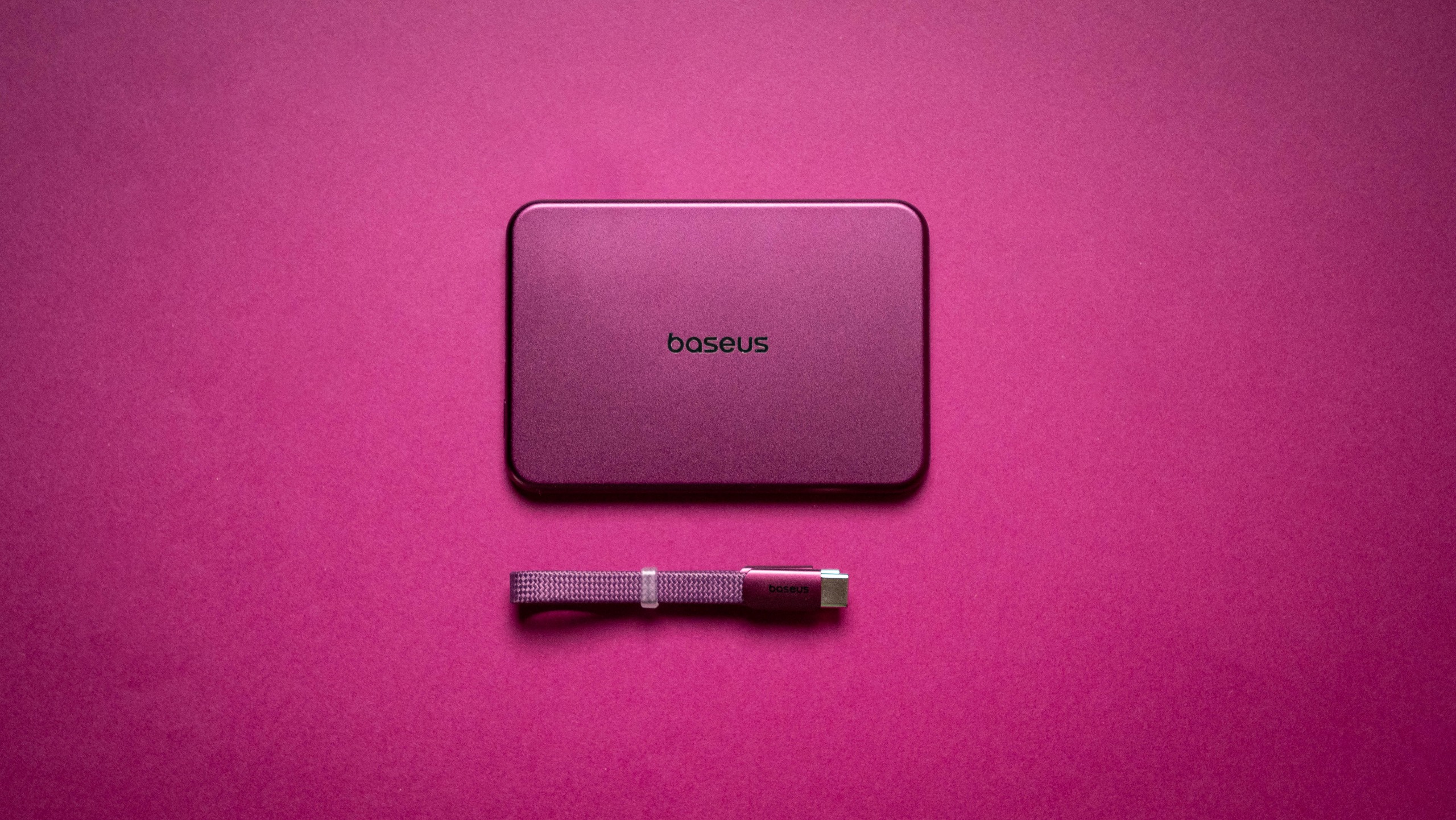
The PicoGo Air AM71 is a 5,000mAh magnetic power bank, and it is one of the thinnest I've used yet. It doesn't have 25W charging, instead using the standard Qi standard to deliver a 7.5W charge. There is a USB-C port that gets you 22.5W, and the power bank recharges at 20W.

Baseus Dark Cherry iPhone 18 Pro collection review
Apoorva Bhardwaj / Android Central
Baseus Dark Cherry iPhone 18 Pro collection review
Apoorva Bhardwaj / Android Central
Baseus Dark Cherry iPhone 18 Pro collection review
Apoorva Bhardwaj / Android Central
Baseus Dark Cherry iPhone 18 Pro collection review
Apoorva Bhardwaj / Android Central

While I'm not a huge fan of ultra-thin power banks, I will admit that the AM71 has unmatched portability. It's just 0.3 inches and weighs 105g, and is easy to slot into a bag or trousers — I have one in my tech EDC bag. The 5,000mAh battery isn't enough to charge a phone to full, but it will get your iPhone 17 Pro Max to the halfway point. This is down to energy conversion, and is true of all power banks.

Baseus Inspire XC1: Bose sound for less

Baseus Dark Cherry iPhone 18 Pro collection review

(Image credit: Apoorva Bhardwaj / Android Central)

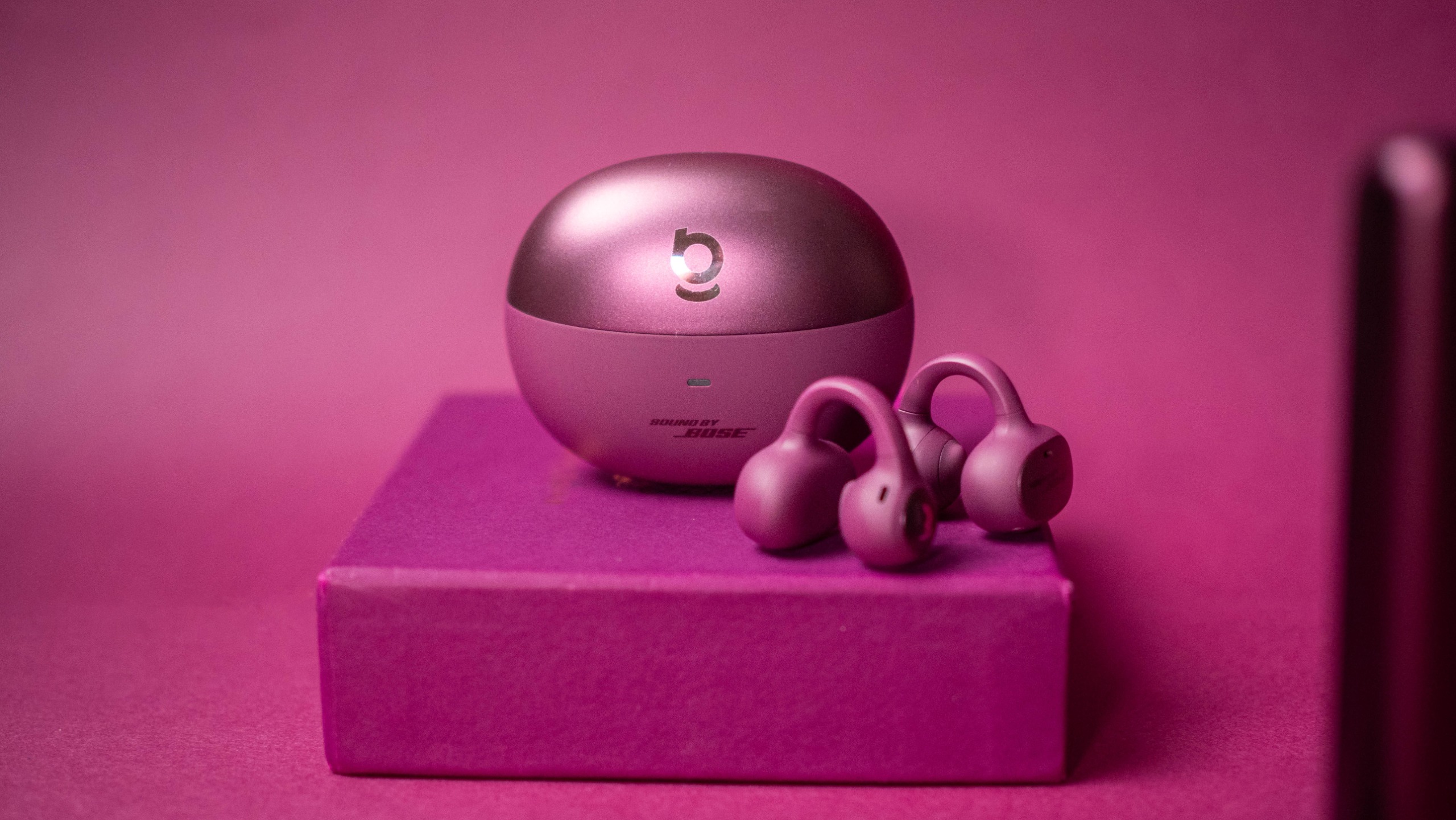
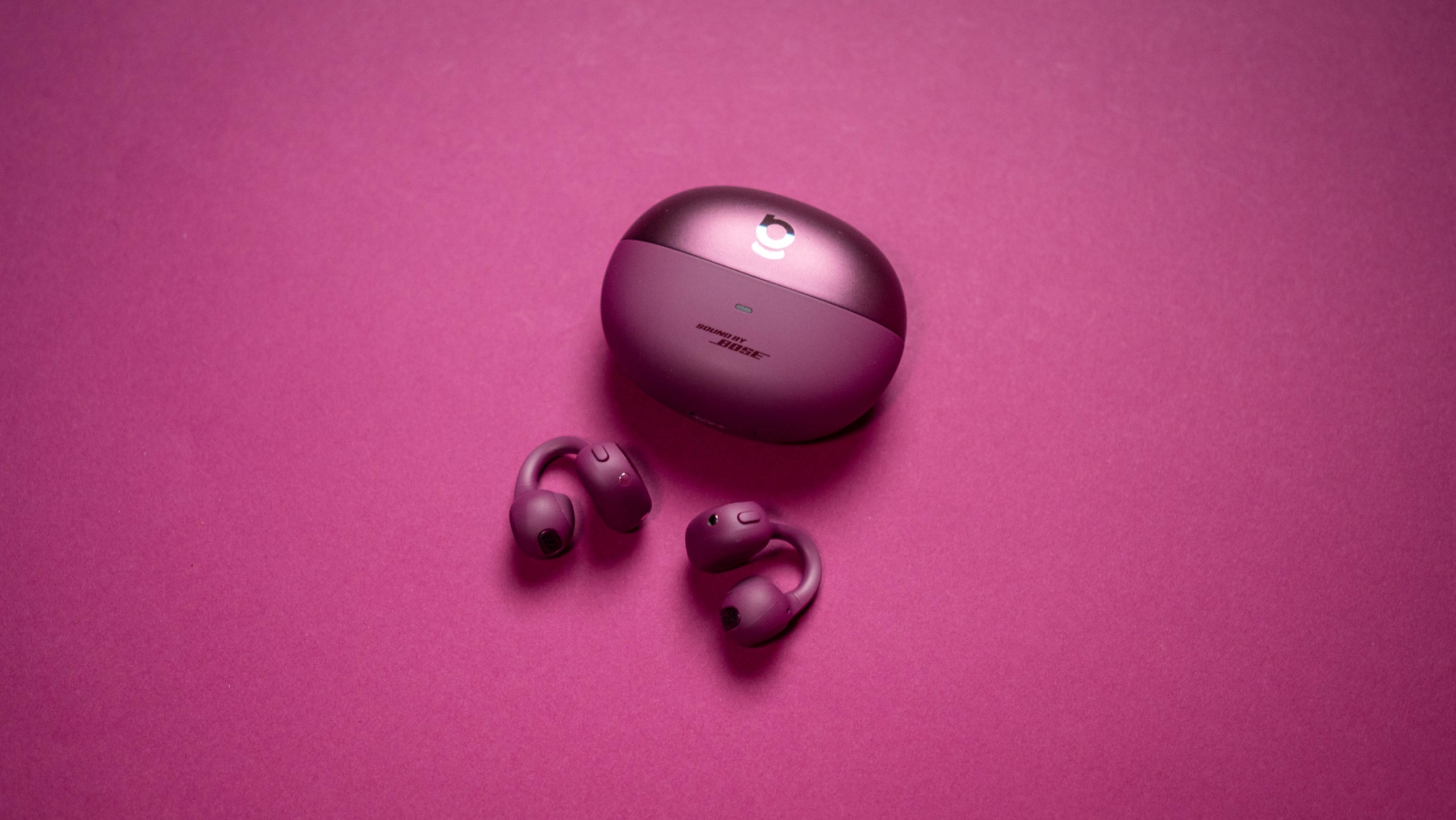
I like the Inspire XC1 because of the open ear design, and they're a good choice if you have issues getting a good fit with regular buds. The cherry color makes these buds stand out a lot from the regular model, and they definitely get a lot of attention while outdoors.

Baseus Dark Cherry iPhone 18 Pro collection review

(Image credit: Apoorva Bhardwaj / Android Central)

The Bose-tuned sound quality is terrific, and the buds have meaningful bass along with a clean mid-range and good treble. They're pretty great with calls as well, and have LDAC and IP66 ingress protection. I get over seven hours of battery life between charges, and that's more than adequate in daily use. The only point of contention is that the cherry variant is $149, which is a sizeable increase over the $99 that the regular model costs these days.

Baseus FrostCool: A reliable 100W USB-C cable

Baseus Dark Cherry iPhone 18 Pro collection review

(Image credit: Apoorva Bhardwaj / Android Central)

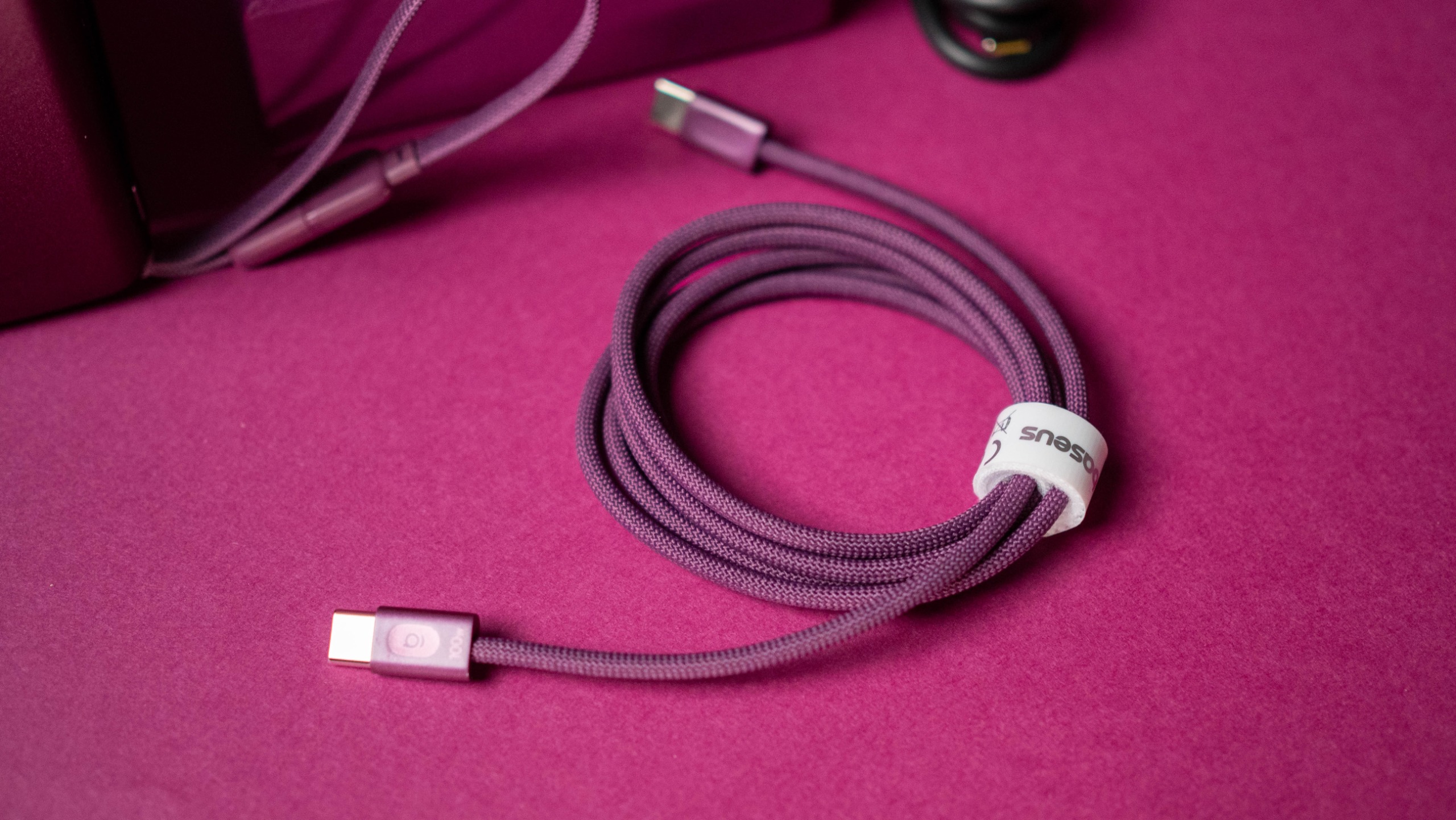
I have a lot of these cables in the house, and they're reliable in everyday use. The cherry color is the only difference here, and other than that, it's the same cable: it can deliver a 100W charge over USB PD, is 6.6ft in length, and the braided design is built to last.

Baseus Dark Cherry iPhone 18 Pro collection review

(Image credit: Apoorva Bhardwaj / Android Central)

Baseus is going all-in on Dark Cherry, and I like that the brand has an entire range of accessories available in the new colorway. While there's a little bit of a wait before we know all about the iPhone 18 Pro, you can get a head-start by grabbing the accessories you need.

  •  
❌