❌

Reading view

2026 Subaru Outback review: Great interior, refined drive, divisive looks

When station wagons headed for the same retirement home as the vinyl roof and the opera window, Subaru looked at its sensible Legacy wagon and had a different idea. Raise it a few inches, wrap the lower body in plastic cladding, name it for the Australian bush, and suburban families would drive to soccer practice while imagining themselves fording streams and climbing sand dunes.

In giving birth to the Legacy Outback in 1995, Subaru more or less created the template for the modern, adventure-minded, off-road-themed crossover. By the 2000 model year, the Outback had graduated from trim level to standalone model, and it has been paying the bulk of Subaru's bills ever since.

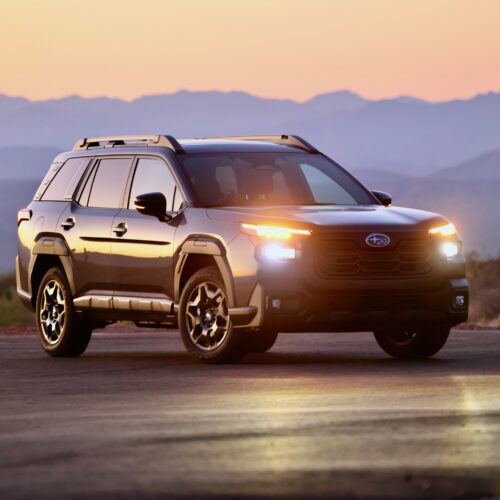
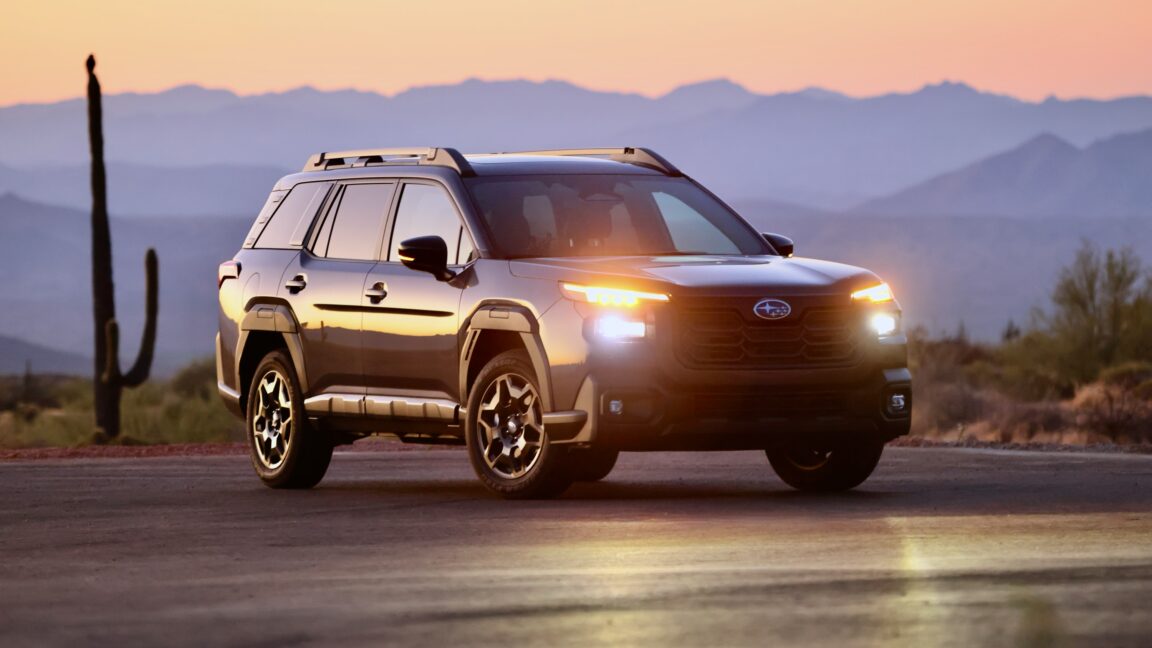
Today, the 2026 Outback marks a new era in the model's history. The wagon silhouette that defined six generations has given way to a sharpened two-box shape that's much more at home parked next to an upright Forester or Ascent. Tall, square, and profusely SUV-like, the new edition won't win any beauty contests, but form follows function more than ever in the Outback.
Read full article

Comments

Β© Jim Resnick

  •  

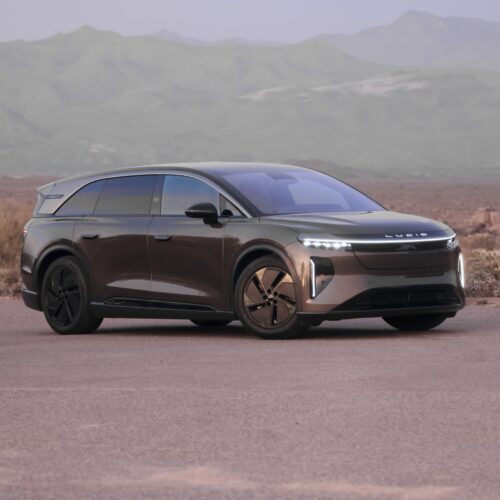
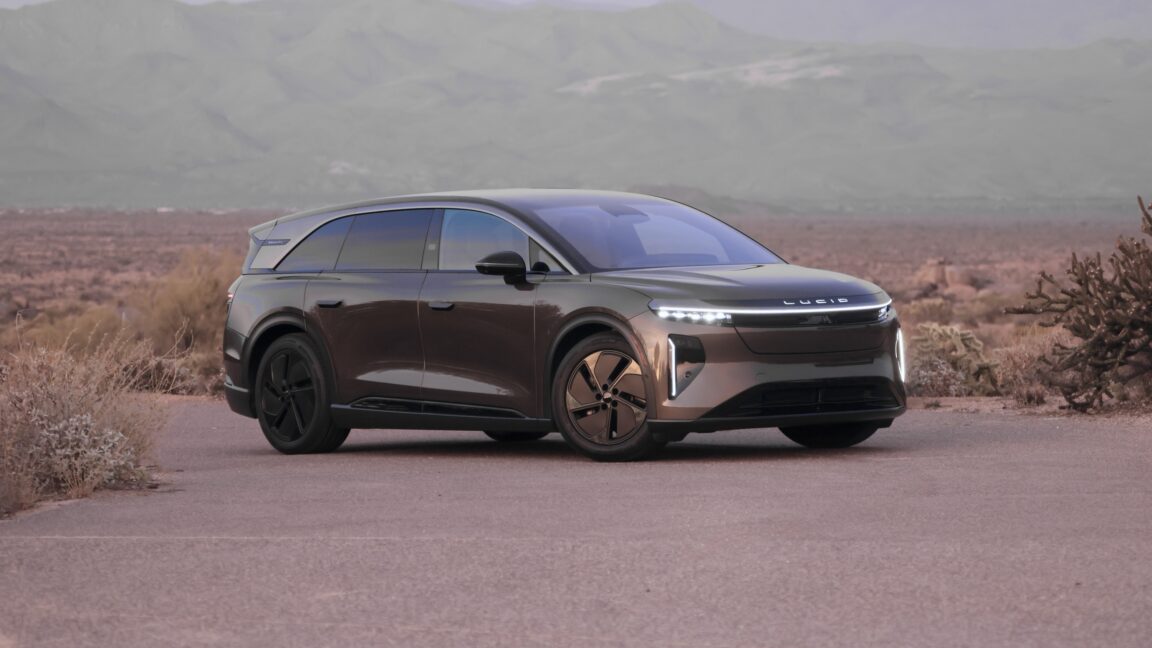
2026 Lucid Gravity Touring review: A strong act 2

When Lucid introduced the Air electric sedan in late 2021, the first Air Dream Edition I tested packed over 1,100 hp (820 kW) and carried a $180,000-plus window sticker. It's easily the most powerful street car I've tested; the only vehicle I've driven with more power was a purebred race car with a third the mass, and it was on a proper track. Its combustion engine was also about 1,000 times louder than the Air, helping to remind us that "combustion" really does mean explosion after explosion.

For Lucid's second act, the company debuted the Gravity electric SUV last year, and I've just tested the 2026 Gravity Touring, which starts at about $82,000 in the US, including the required destination charge.

My test model carried a bevy of options, including a 22-speaker audio system, the Comfort and Convenience package, third-row seating, a Dynamic Handling package (combining rear-wheel steering and three-chamber air suspension), a luxury seating package (bundling Nappa leather and massaging and ventilated front seats), and special metallic paint.

Read full article

Comments

Β© Jim Resnick

  •  

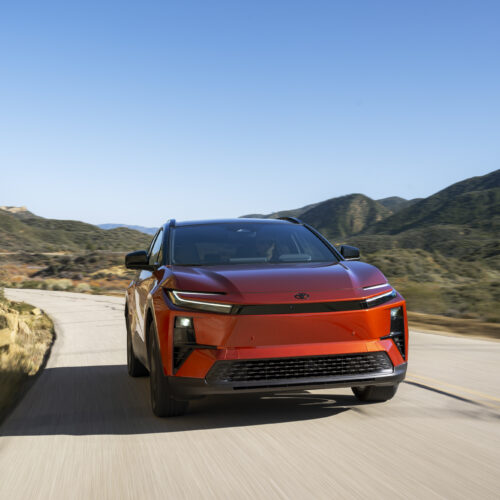
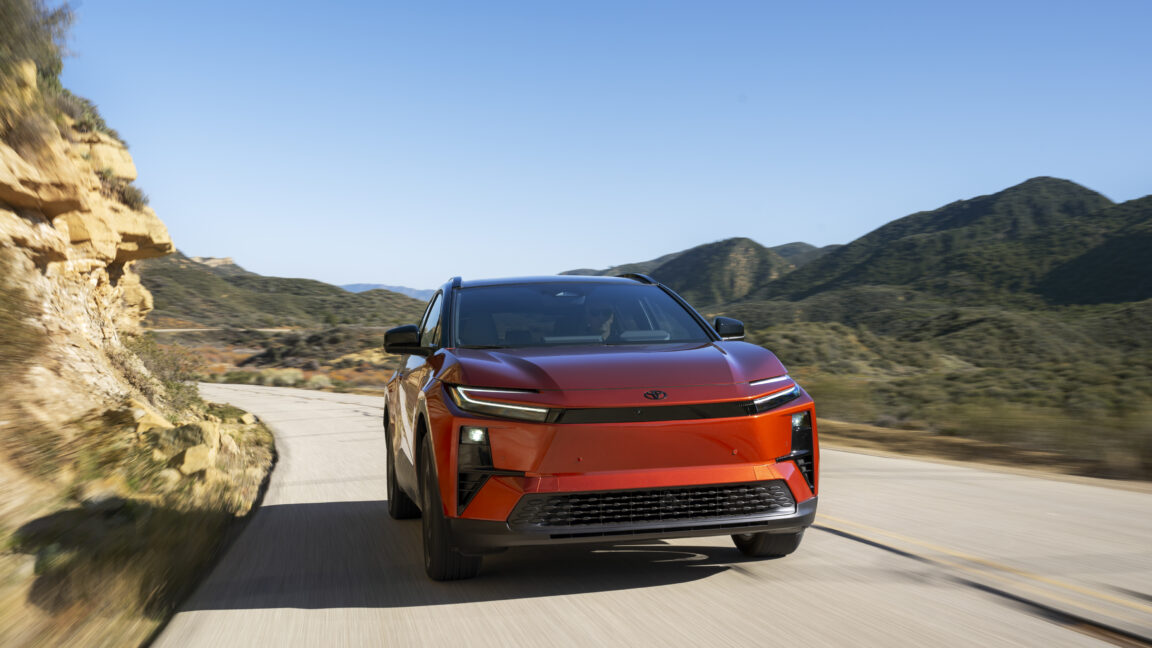
A curious crossover: The Toyota C-HR review

After a slower start than its major rivals, Toyota has been making up for it with a flurry of new electric vehicles for the North American market. Its first attempt, the bZ4x, was an also-ran, but a new battery pack, more efficient motors, and a NACS charging port transformed the face-lifted bZ into an EV I happily recommend. Then, earlier this year, it followed up with some bZ-related variants. For those who miss the vibe of a station wagon, there is the bZ Woodland, and an all-electric Highlander is nearing the showroom, too. But today's focus is the C-HR, and I'm still not entirely sure what to make of it.

It's the smallest of the bunch, some 6.7 inches (170 mm) shorter than the bZ. But it's still as wide and only a little more than an inch shorter. So if you're put off by the bZ's size and are looking for something diminutiveβ€”and based on reader feedback, there are many of you out thereβ€”this small SUV will probably still fail to pass muster.

It's not any cheaper than the bZ until you consider that the C-HR is only available with one choice of powertrain: a twin-motor AWD setup with a combined 338 hp (252 kW) powered by a 74.7 kWh battery pack. That same arrangement, with a 223 hp (167 kW), 198 lb-ft (268 Nm) front motor and 118 hp (88 kW), 125 lb-ft (169 Nm) rear unit, costs almost $3,000 more in a bZ than the $37,000 starting price of the C-HR.

Read full article

Comments

Β© Toyota

  •  
❌