Apple is working on an AI server that would use Apple’s high-performance M-series Ultra chips found in Mac desktops. The potential product’s expected release in 2029 would mark the first Apple server to hit the market in nearly two decades—and could capitalize on the surging popularity of Apple hardware among AI developers.
The enterprise server would come in two configurations that include either two or four of Apple’s future M8 Ultra chips, according to The Information. The project reportedly received support from new Apple CEO John Ternus when it began a year ago, back when Ternus led Apple’s hardware engineering efforts.
This revelation coincides with booming sales for Apple’s Mac mini and Mac Studio as AI developers and companies snap up the Mac computers to run AI workloads. The popularity of such computing devices that rely on Apple’s M-series Ultra chips has undoubtedly encouraged Apple’s pursuit of an enterprise server using the same chips.
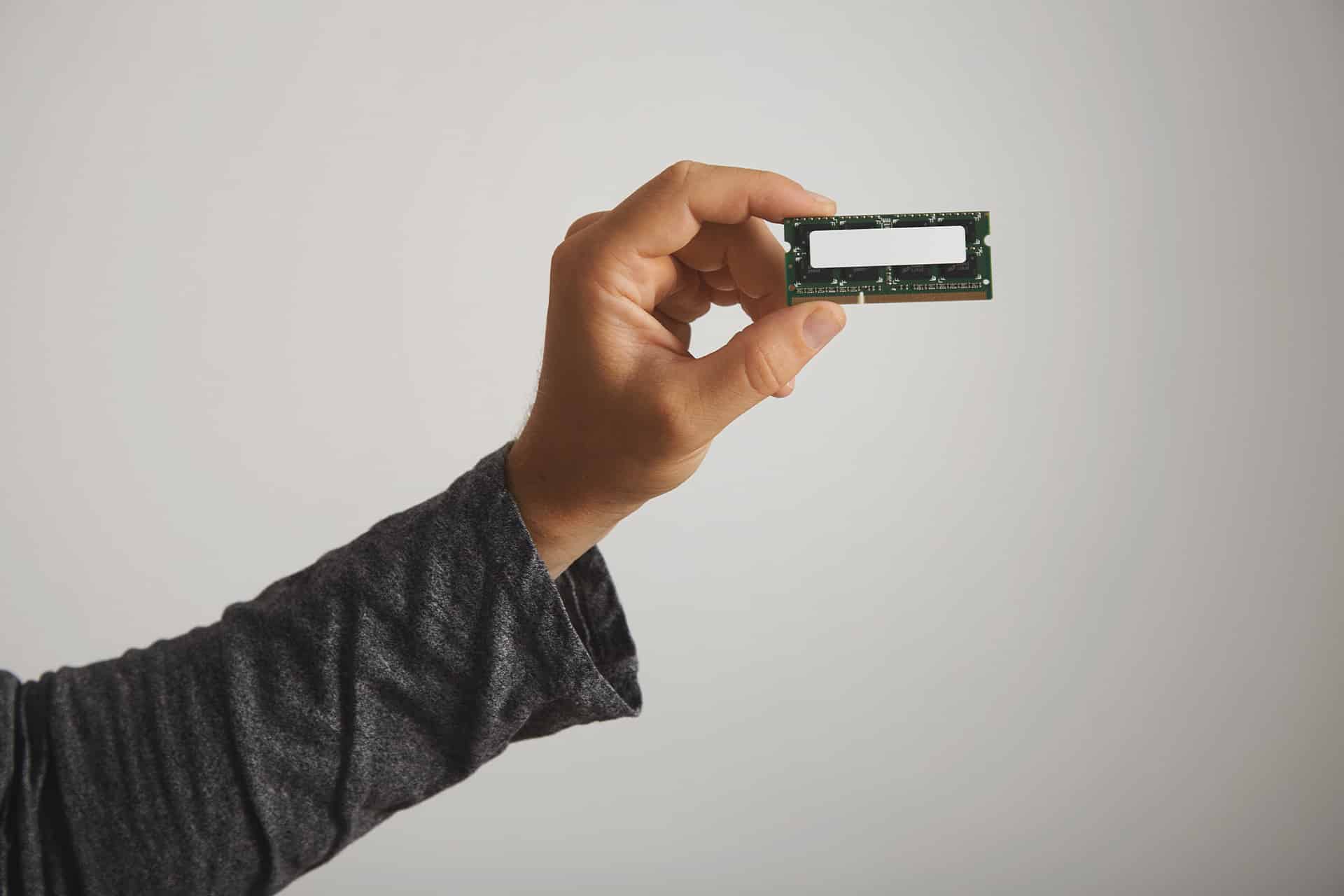
RAM production capacity at Samsung Electronics, SK hynix, and Micron Technology is reportedly committed through the end of 2027, leaving consumer electronics manufacturers with little room to secure additional memory outside existing supply agreements.
Industry reports indicate that the three dominant manufacturers have allocated their available DRAM and high-bandwidth memory production for next year. Long-term contracts with cloud companies, AI chip developers, automakers, and device manufacturers have effectively reserved the output those suppliers expect to produce.
The claim does not mean every RAM module that will be sold in 2027 has already been manufactured or purchased by a consumer. It refers to future production capacity being assigned to customers before the chips leave the factory.
It also does not cover every memory producer worldwide. Chinese manufacturer ChangXin Memory Technologies, known as CXMT, and several smaller suppliers continue to produce DRAM. However, Samsung, SK hynix, and Micron control most of the advanced global DRAM market, making their available capacity the primary constraint for companies such as Apple.
RAM Production Is Already Committed
Selling out a year of production capacity means manufacturers have received enough contractual commitments to allocate the output they expect from their factories. Customers may have reserved specific volumes, product types, or manufacturing capacity under agreements that include minimum purchases and pricing protections.
Micron has been shifting toward this model through strategic customer agreements. The company disclosed 16 multiyear deals covering customers across data centers, consumer devices, automotive products, and industrial equipment.
Those agreements typically run for several years and include binding volume commitments. Some use fixed prices, while others establish price floors and ceilings. Micron has said that its signed contracts represent approximately $100 billion in expected revenue over their remaining terms.
Such agreements give memory manufacturers more predictable revenue than the traditional DRAM cycle, in which aggressive expansion frequently created excess supply and collapsing prices. They also give large buyers assurance that chips will be available for planned products.
The disadvantage falls on customers that did not reserve enough capacity early. A company needing more memory than its contract provides may have to pay higher prices, accept a different specification, delay production, or find another qualified supplier.
SK hynix CEO Kwak Noh-jung has described 2027 as potentially the worst year in the memory industry’s history from a supply perspective. He expects customer demand to remain above the company’s production capacity beyond 2030, despite major investments in new factories.
Samsung has issued a similar warning, expecting the constraints to become more severe in 2027 and continue into 2028. Analysts at UBS have projected that the DRAM market could remain undersupplied until at least the second quarter of 2028.
Image Credit: Bloomberg / Getty Images
AI Memory Consumes More Factory Capacity
The shortage originates primarily from the rapid expansion of artificial intelligence infrastructure. AI accelerators require high-bandwidth memory, or HBM, to move large amounts of data between memory and processors at extremely high speeds.
HBM and the LPDDR memory used in Apple devices are different products. An iPhone or Mac is not competing directly for the same finished memory package installed beside an Nvidia AI accelerator.
They still depend on overlapping manufacturing resources. HBM begins with advanced DRAM dies, and producing a given capacity of stacked HBM consumes considerably more wafer output and packaging resources than conventional memory. Suppliers have also concentrated spending, equipment, and engineering work on the more profitable AI segment.
Every production line converted or optimized for HBM can reduce the industry’s flexibility to make standard server DRAM, PC memory, or mobile LPDDR. New investment may increase total memory output while doing little to relieve the parts of the market serving phones and personal computers.
Cloud companies are willing to enter multiyear agreements and make large financial commitments because a shortage of memory can leave costly AI processors unused. Memory manufacturers therefore have a powerful incentive to prioritize these customers over consumer device companies seeking lower component prices.
The pressure is also moving beyond HBM. AI servers need large quantities of conventional DDR5 memory, while storage systems supporting model training and inference consume enterprise NAND flash. This spreads the shortage across several categories that were previously less exposed to AI infrastructure spending.
Apple Faces Expensive Supply Decisions
Apple purchases enormous volumes of LPDDR memory for the iPhone and iPad, along with memory used across the Mac, Apple Watch, Vision Pro, Apple TV, and HomePod product families. Its size gives it substantial negotiating power, but it cannot purchase capacity that suppliers have already assigned to other customers.
The company has acknowledged that memory prices are continuing to rise. Tim Cook recently characterized the pricing environment as a “hundred-year flood” and said Apple expects to pay more for memory during the September quarter.
Apple has already raised prices across several Mac and iPad models while reducing or removing some high-memory Mac configurations. Although memory availability is not the sole influence on every product decision, eliminating configurations can help a manufacturer concentrate limited components around the models expected to sell in larger volumes.
The design of Apple silicon makes memory allocation especially sensitive. Unified memory is integrated closely with the processor package and cannot be upgraded after purchase. Apple must decide how many chips to secure for each configuration long before customers begin ordering those machines.
A shortage can therefore affect more than the cost of an individual RAM component. It can influence base memory capacities, upgrade pricing, the number of configurations offered, production volume, and the timing of product introductions.
Apple can absorb part of the increase through its margins, negotiate longer agreements, adjust retail pricing, or redesign its product mix. Each option carries a cost. Absorbing higher prices reduces profit per device, while passing them to customers could weaken demand. Restricting configurations risks pushing professional users away from Macs that no longer offer enough unified memory.
The company is reportedly evaluating DRAM from CXMT for products sold in China. Adding a fourth major source could improve access to conventional memory, but qualification takes time because Apple must confirm performance, reliability, manufacturing consistency, and compatibility with its hardware.
The political environment creates another obstacle. US lawmakers have raised national security concerns about American companies purchasing memory from Chinese semiconductor manufacturers. Apple could consequently find that a supplier is technically suitable for China-market products but difficult to introduce across its international supply chain.
Sold Out Does Not Mean Stores Will Be Empty
The reported capacity commitments do not guarantee a universal shortage of finished devices. Apple and other major manufacturers will still receive memory under agreements they have already negotiated.
Products can also continue reaching stores while component prices rise. Manufacturers may reduce discounts, increase retail prices, limit premium configurations, or give priority to their most profitable devices before allowing a shortage to stop production completely.
Contracted capacity can change if customers reduce orders or if AI infrastructure investment slows. Memory makers could redirect production between customers and product categories, although converting lines and qualifying different chips cannot happen immediately.
CXMT could also expand faster than expected, particularly in mainstream DRAM. Its products have reportedly attracted interest from HP, Asus, Acer, Dell, Lenovo, and Apple as established suppliers devote more resources to AI memory. CXMT is unlikely to replace the combined output of Samsung, SK hynix, and Micron during 2027, but it may provide an alternative for products sold outside the United States.
New production facilities offer little immediate relief. Semiconductor factories require construction, equipment installation, process development, yield improvement, and customer qualification before reaching dependable volume.
Micron expects the first wafer output from its initial new Idaho facility around the middle of 2027, with a second facility following in late 2028. Those first wafers will still need to pass through the production ramp and customer qualification process, leaving much of their effect on available device memory for 2028 and later.

 Login