A private oil company has struck a deal with the Trump administration to develop 17 areas in Venezuela, an effort that experts say will take years and billions of dollars.
The U.S. energy giant, which stayed in the country after other Western companies left, will invest $7 billion in the country to more than double its production there.
The Trump administration’s deal with a private oil company to increase oil production in the South American country could take many years to come to fruition.
Venezuela is believed to have one of the world’s largest reserves of oil but it produces very little oil because of mismanagement, corruption and U.S. sanctions.
The president said an agreement between the countries covered more than 65 billion barrels of reserves. A U.S. official said it would involve a partnership with a private company.
An oil refinery in Punto Fijo, Venezuela, in 2021. Venezuela’s president, Delcy Rodríguez, said a U.S. oil deal would have a “significant impact on our nation’s revival.”
A Chevron-chartered oil tanker was anchored near Maracaibo, Venezuela, in February. Chevron is the only U.S. oil company with a major footprint in the country.
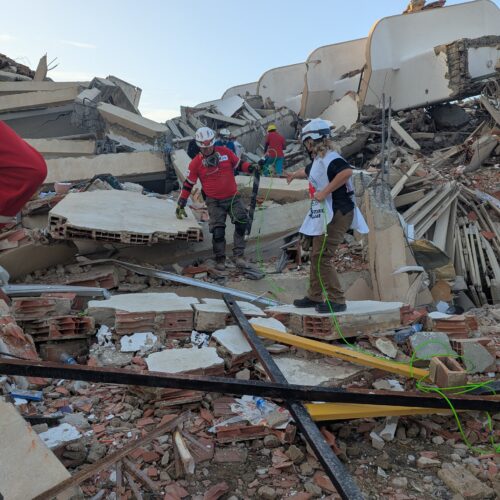
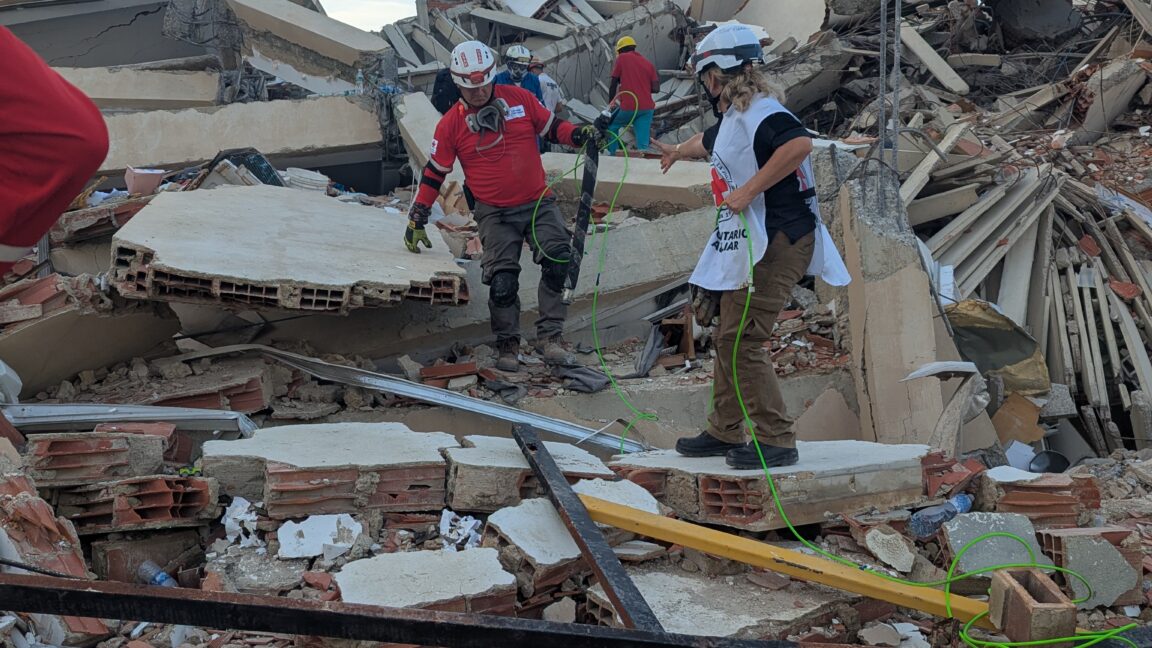
Robots slithered like snakes into the rubble of collapsed buildings to search for trapped survivors in the aftermath of Venezuela’s double earthquake disaster.
The so-called snake robots represented a unique technological aid for international search and rescue efforts following two earthquakes that struck Venezuela on June 24, killing more than 5,000 people and leaving behind 16,740 injured. Rescuers from around the world used trained dogs, seismic and acoustic listening devices, video cameras on sticks, or thermal imaging cameras to search for signs of survivors—but the snakebots equipped with a video camera could squeeze through tight spaces to search deep within fallen building debris.
“The reason why snake robots are useful is they can get into tightly packed volumes that machinery and people otherwise cannot, and that's important in search and rescue because we were able to extend the visual reach of the rescue workers in a safe way,” Howie Choset, head of the Biorobotics Lab at Carnegie Mellon University in Pittsburgh, told Ars. “In a sense, you're doing minimally invasive surgery on a structure with a snake robot.”
The US military invasion of Venezuela and kidnapping of its president is just one more step in WAR - BOOM - BUST. The collapsing world economies are being engineered by satanic globalist banksters and megacorporation elites, and are using the ensuing chaos to force you into digital prison, and ultimately more enslavement.
The U.S. oil giant is negotiating a deal to pump oil in Venezuela, ending a standoff with its socialist rulers and marking a victory for President Trump.

 Login