❌

Reading view

US ends limits on coal and gas plant emissions, removing key tool to fight climate crisis

Trump’s EPA strips itself of regulating ability, gutting Clean Air Act in what experts say is a gift to planet polluters

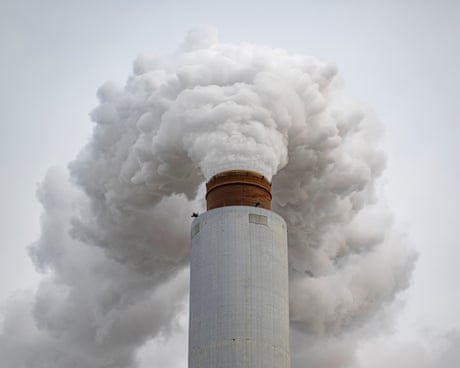
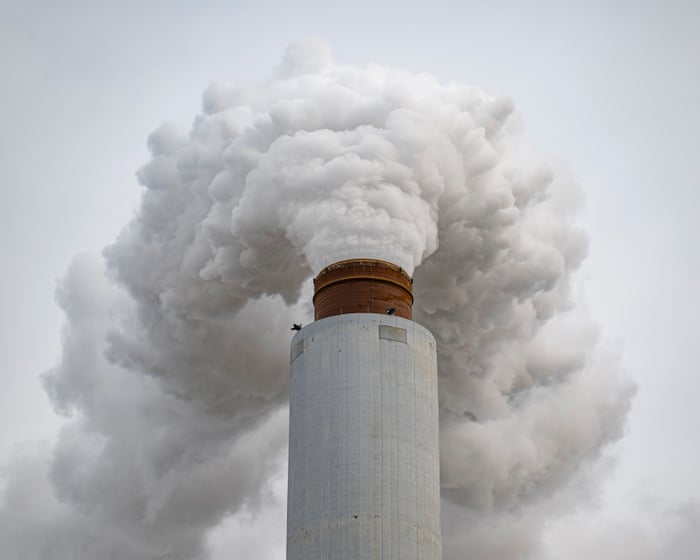
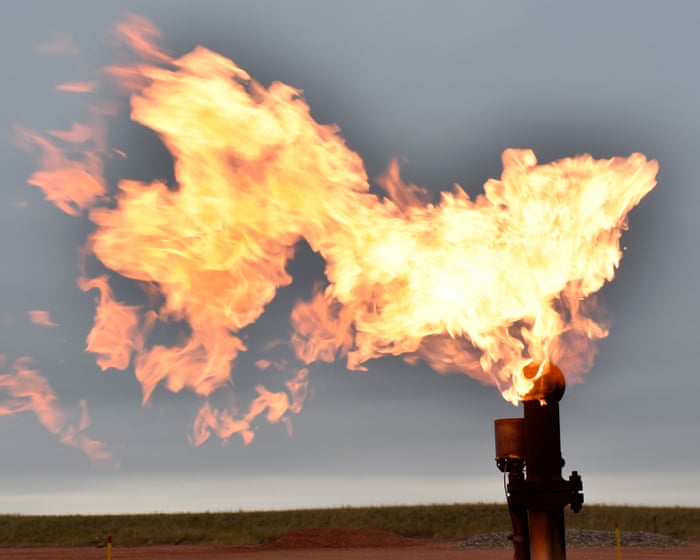
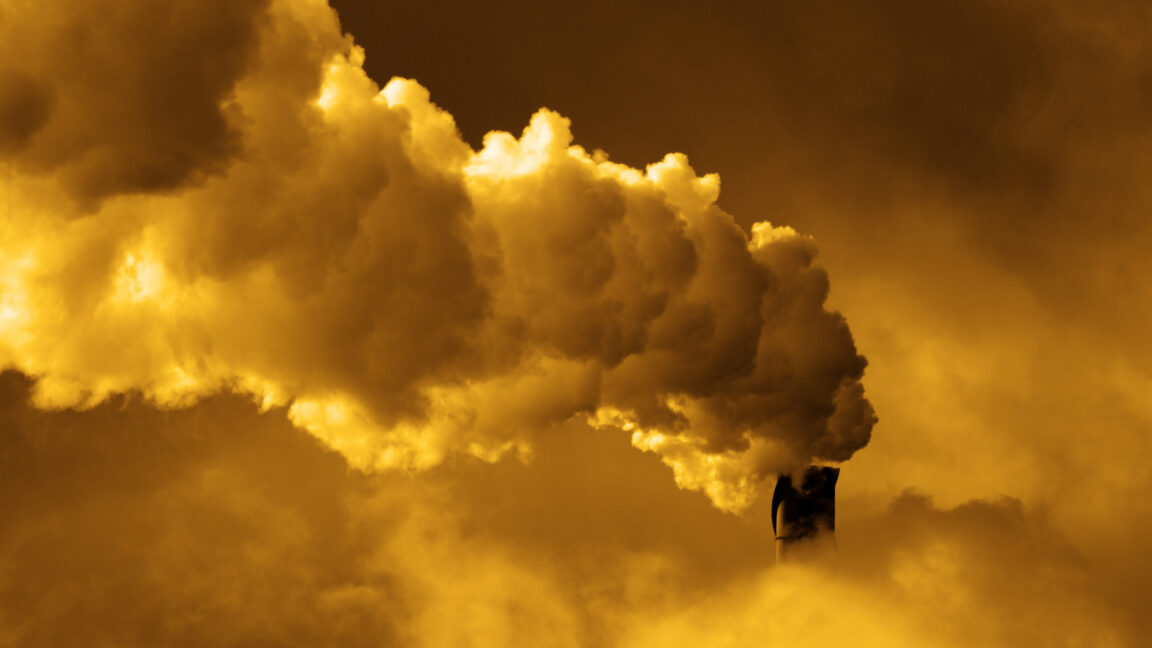
On the heels of the hottest summer ever recorded in the US, the Trump administration has said it will erase any limits on emissions from coal and gas plants that are dangerously heating up our planet.

The US Environmental Protection Agency said it will strip itself of its ability to regulate greenhouse gas emissions coming from power plants under the Clean Air Act, removing a key tool to address the climate crisis.

Continue reading...

© Photograph: Jon Cherry/Getty Images

© Photograph: Jon Cherry/Getty Images

© Photograph: Jon Cherry/Getty Images

  •  

US ‘super-emitters’ of planet heating methane identified by satellite analysis

Energy Transfer, whose CEO is a major Trump donor, named as biggest single methane producer in new rankings

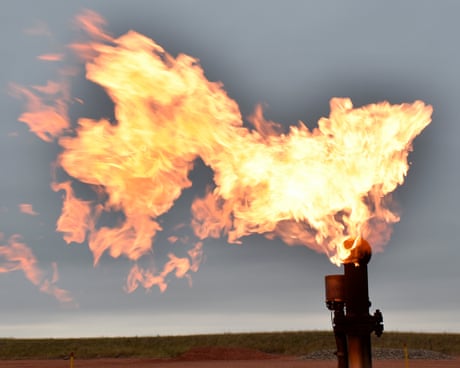
Down a short gravel track in a largely nondescript corner of Louisiana sits a gas processing facility, operated by a company whose chief executive is a major donor to Donald Trump. It may be the largest emitter of methane in the US.

The Energy Transfer site, located near the city of Shreveport, is named as the biggest single “super-emitter” in new rankings of US oil and gas operations for the largest releases of methane, a powerful greenhouse gas that is rapidly overheating our planet, according to a new UCLA study, which is based on satellite data.

Continue reading...

© Photograph: Matthew Brown/AP

© Photograph: Matthew Brown/AP

© Photograph: Matthew Brown/AP

  •  

‘Too little, too late’: critics perplexed and suspicious of AI leaders’ call for a slowdown

From the Trump administration to AI experts, plans by the Anthropic boss to boost safety have spawned a largely negative response

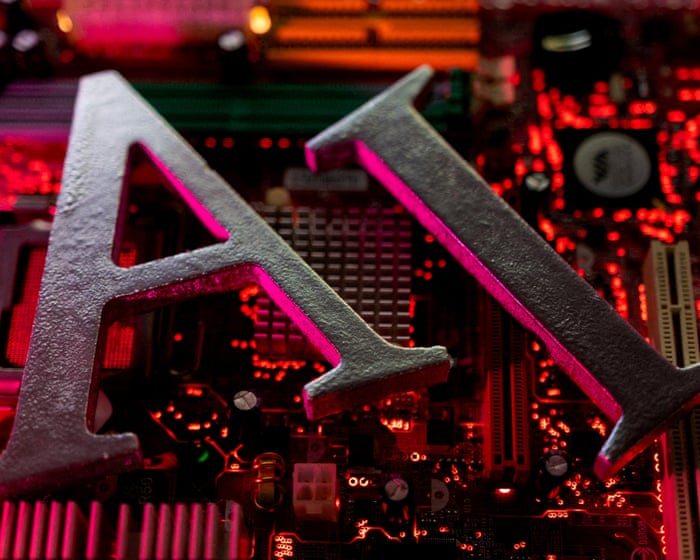
The safety debate that ignited when whistleblowers last week warned that the most advanced AI poses an existential threat to humanity should come with a health warning: side effects include whiplash. It was only seven days ago that AI enthusiasts were cheerily toying with OpenAI’s newest model GPT-6 Astra which was marketed in part as a lifestyle tool to help people book tennis courts, run fashion companies and order takeaways.

By Wednesday, cutting-edge AI started to look a lot less appealing when the resigning Anthropic researcher Jacob Coxon warned “the people building AI earnestly believe that it could kill us all by the end of the decade”. Yes, he was talking about artificial superintelligence – an as-yet-nonexistent version of the technology that outcompetes humans in most domains – but his comments, and the chorus of experts that echoed him, jangled plenty of nerves.

Continue reading...

© Photograph: Dado Ruvić/Reuters

© Photograph: Dado Ruvić/Reuters

© Photograph: Dado Ruvić/Reuters

  •  

We know how to prevent black lung, so why are workers still dying?

Silicosis sufferers are getting younger as Trump and the coal mining industry push back on protections

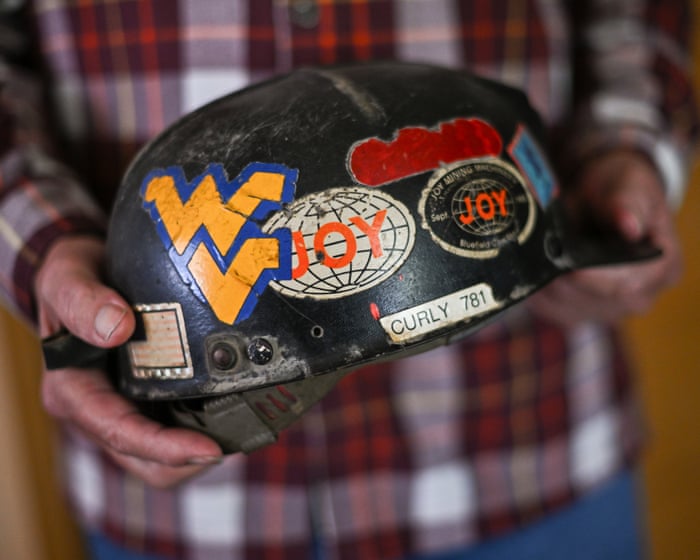
Silicosis is one of the oldest workplace hazards and public health experts have known for decades how to prevent it. Yet a new wave of workers, from Appalachian coalminers to Latino countertop fabrication workers, are developing and dying from the disease as industry fights new protections and regulators fail to defend the rules that could protect them.

John Robinson’s grandfather developed black lung back when coalminers could spend decades in the mines before being diagnosed with the disease, often dying in their 60s, 70s and 80s. But Robinson, who mined for coal in south-west Virginia, was diagnosed when he was 47. He’s part of a trend that has grown over the past two decades in central Appalachia, where more coalminers are developing black lung disease at younger ages.

Continue reading...

© Photograph: The Washington Post/Getty Images

© Photograph: The Washington Post/Getty Images

© Photograph: The Washington Post/Getty Images

  •  

Federal court rejects Trump order keeping Michigan coal plant open

Michigan case is one of several legal disputes as Trump administration uses emergency powers to force a half-dozen coal-fired plants from closing

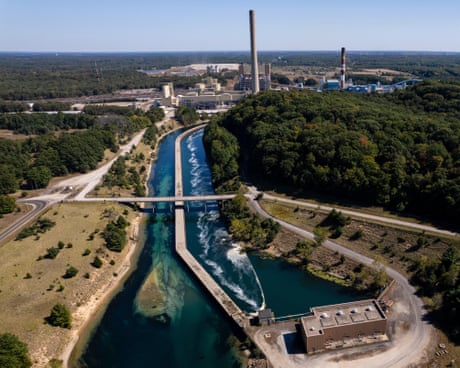
In a defeat for the Trump administration, a federal court on Friday ruled that the energy department exceeded its authority when it forced a Michigan coal-fired power plant to stay open past its scheduled retirement date last year.

The energy secretary, Chris Wright, had said the 64-year-old JH Campbell Generating plant was needed to ensure reliable electricity in the region, and he used emergency powers to keep it operating. Environmental groups and three states – Michigan, Illinois and Minnesota – went to court to try to overturn orders keeping the plant online.

Continue reading...

© Photograph: Joel Bissell/Kalamazoo Gazette/AP

© Photograph: Joel Bissell/Kalamazoo Gazette/AP

© Photograph: Joel Bissell/Kalamazoo Gazette/AP

  •  

NOAA is putting commercial fishing ahead of conservation

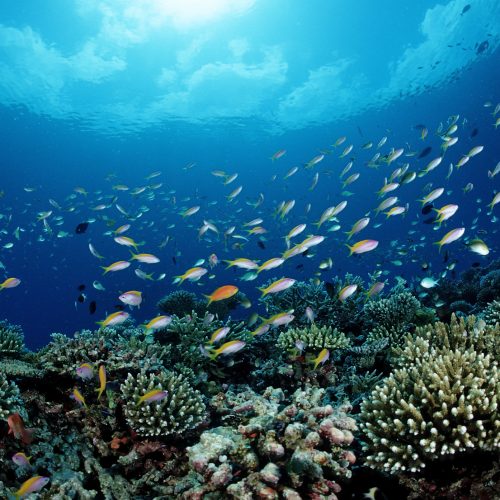
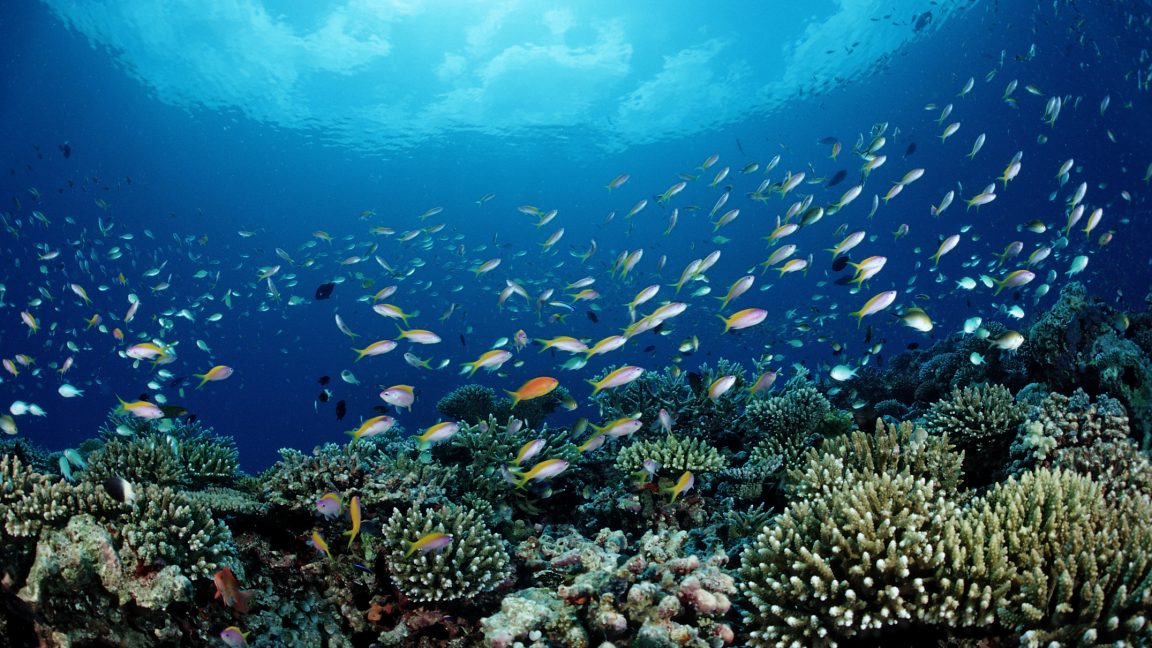
In July, the Trump administration relegated endangered leatherback turtles, sea lions, and whales to mere collateral damage in its race to profit from the oceans. Now, fisheries science is in the government’s crosshairs.

The National Oceanic and Atmospheric Administration (NOAA) announced new agency priorities last week that they say are a commitment to “cutting bureaucracy, modernizing our science, and putting our fishing communities first.” But experts say the agency’s actions will erode fish stocks, threaten endangered species, and surrender marine habitats to destructive trawlers.

The agency-level reforms serve as a self-proclaimed “operational roadmap” to fulfilling President Donald Trump’s “Restoring American Seafood Competitiveness” executive order, signed in April 2025.

Read full article

Comments

© Reinhard Dirscherl

  •  

Blackout risk rises as heatwave stresses largest US electric grids

US energy department warns of potential for outages in PJM Interconnection, serving 67 million from DC to Chicago

The risk ⁠of power outages ⁠is expected to ​escalate across a broad swath of the United States on Wednesday as intense heat will test the capacity of electricity supplies ⁠serving millions of homes and businesses from the midwest through the mid-Atlantic.

The US Department of Energy warned of the potential for heightened blackout risks in ⁠the PJM Interconnection, the largest US electric grid, which serves 67 million people in ​a territory stretching from Washington DC to ‌Chicago.

Continue reading...

© Photograph: Nam Y Huh/AP

© Photograph: Nam Y Huh/AP

© Photograph: Nam Y Huh/AP

  •  

Amazon backs power plant that may become top source of US climate pollution

Amazon’s artificial intelligence ambitions will soon be partly fueled by a natural gas-burning power plant in Texas that “could become the largest single source of climate pollution in the United States,” The New York Times reported.

These gas-burning plants are increasingly lumped into data center projects. They produce harmful pollutants, which can accelerate climate change impacts and harm public health—contributing to conditions like asthma, heart disease, lung cancer, and strokes. Some communities are demanding more stringent environmental reviews, but the Trump administration favors fast-tracking that can include skipping the permitting process entirely.

Since Elon Musk’s xAI controversially began relying on gas turbines last spring to power its biggest AI data center, Colossus, there has been public backlash to off-the-grid data centers like the one Amazon is building.

Read full article

Comments

© eric1513 | iStock / Getty Images Plus

  •  

Apple tests China’s CXMT memory chips for Macs, iPhones, and iPads

CXMT

Apple has been testing memory chips from China’s ChangXin Memory Technologies (CXMT) for use across product lines that include iPhones and MacBooks, according to a Wall Street Journal report citing people familiar with the matter. The move comes as the company grapples with a severe memory-chip shortage intensified by surging demand from the artificial-intelligence boom.

The iPhone maker has held early talks with CXMT about potential supply of components, with the aim of incorporating them into some devices sold in China. Apple is seeking approval from the Trump administration to proceed with any business involving the Chinese chipmaker. Any such deal would be politically sensitive. Some U.S. policymakers worry that collaboration could give CXMT access to American intellectual property.

CXMT ranks as China’s largest chipmaker by market value. The testing reflects broader industry pressure: AI data-center demand has redirected substantial DRAM production capacity toward high-bandwidth memory used in AI accelerators, tightening supplies and driving up prices for the conventional memory chips needed in smartphones, PCs, and other consumer electronics.

Other device makers have already begun limited use of CXMT chips. Laptop producers HP and Acer have started incorporating the Chinese company’s memory into some devices sold outside the United States to ease shortages, the Journal reported.

Apple and CXMT did not immediately respond to requests for comment on the report. The development builds on earlier indications that Apple has been exploring options with Chinese memory suppliers and lobbying U.S. officials for flexibility amid the supply constraints. CXMT has faced scrutiny in Washington, including designation on a Pentagon list of companies with alleged ties to the Chinese military, adding layers of regulatory and political complexity to any potential partnership.

MacDailyNews Take: The situation underscores the tension between immediate commercial needs (securing enough memory to maintain production volumes and manage costs) and longer-term national-security and technology-transfer concerns. It’s a tightrope walk for sure.


‎
Please help support MacDailyNews — and enjoy subscriber-only articles, comments, chat, and more — by subscribing to our Substack: macdailynews.substack.com. Thank you!

Support MacDailyNews at no extra cost to you by using this link to shop at Amazon.

The post Apple tests China’s CXMT memory chips for Macs, iPhones, and iPads appeared first on MacDailyNews.

  •  

The White House’s plan to vet potentially dangerous AI is cloaked in secrecy
A Trump administration framework on AI testing leaves a lack of transparency – and plenty of open questions
After months of talking with tech industry leaders, the Trump administration finalized a framework this week for how it will test new artificial intelligence models for safety and cybersecurity risks. So far, the White House is keeping details of the framework private, in a blow to transparency and potential boon for secretive AI companies.

On Tuesday, staff from OpenAI, Anthropic, Meta, Google, Nvidia and Microsoft attended a private meeting with White House officials to review the AI framework. Multiple outlets have since reported that although the volunteer vetting process for new AI models has been settled, the White House does not plan to release its policy publicly and will only share testing criteria with a select few tech companies.

Continue reading...

© Photograph: Nathan Howard/Reuters

© Photograph: Nathan Howard/Reuters

© Photograph: Nathan Howard/Reuters

  •  

Trump orders new 15% tariff on key material for solar panels and microchips

Move to raise levy on goods made with polysilicon aims to protect domestic US supply chains from China, the major producer

Donald Trump has ordered a new 15% tariff on imported products made of polysilicon, an important ingredient in microchip manufacturing that is primarily produced by China.

The new tariff, which will take effect on 4 December, is aimed at supporting US chip and solar panel supply chains to compete with Beijing on artificial intelligence and energy.

Continue reading...

© Photograph: AFP/Getty Images

© Photograph: AFP/Getty Images

© Photograph: AFP/Getty Images

  •  

Trump administration to pay German firm $1.22bn to cut offshore wind leases

Agreement with RWE is fifth deal Trump team has made with energy companies, offering payouts to give up projects

The German energy company RWE has reached a $1.22bn deal with the US government to relinquish its offshore wind leases and instead redirect funds towards fossil fuel investments.

The agreement marks the fifth deal the Donald Trump administration has struck with energy companies, offering payouts in exchange for abandoning renewable energy projects and redirecting investment towards fossil fuels.

Continue reading...

© Photograph: Reuters

© Photograph: Reuters

© Photograph: Reuters

  •  

‘Mamma mia!’: Trump tariffs refund ignites 53% profit spike at Nintendo

Profit jump fuelled largely by unknown US refund amount as Japanese video game firm records quarterly sales drop

Nintendo has reported a jump in profits, as the Japanese game maker’s earnings were buoyed up by a long-awaited refund on Donald Trump’s tariffs.

The company said profits surged 53.5% to ¥147.4bn (£694m) over the three months to June, substantially beating expert forecasts for ¥77.8bn.

Continue reading...

© Photograph: Richard A Brooks/AFP/Getty Images

© Photograph: Richard A Brooks/AFP/Getty Images

© Photograph: Richard A Brooks/AFP/Getty Images

  •  

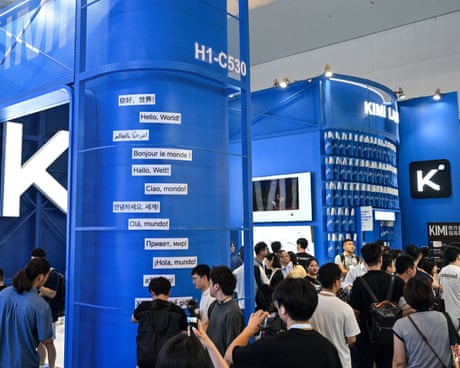
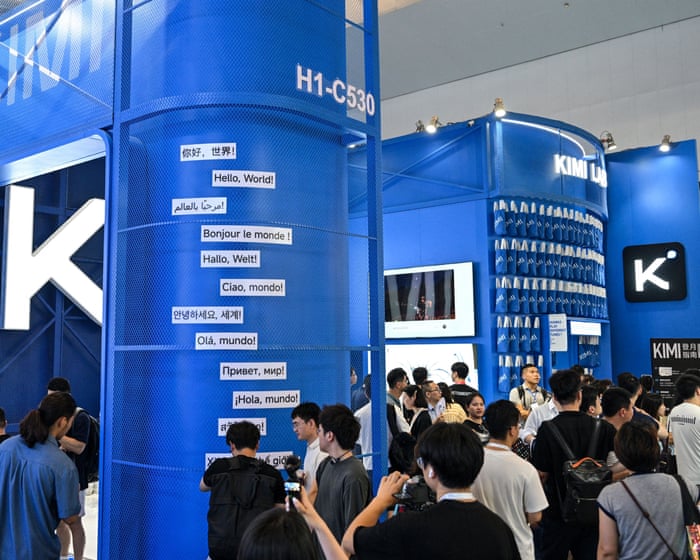
China’s tech advances are causing chaos from Silicon Valley to the White House

New AI models, advanced robots and specialty computer chips are unsettling markets and the US tech industry

Over the past month, a series of advancements in China’s artificial intelligence, chip manufacturing and robotics technologies have rattled financial markets, caused divisions among US tech moguls and left the Trump administration scrambling to respond.

Silicon Valley has long pointed to China’s tech industry as a competitive threat and used its growth as rationale for why US firms should not face regulatory oversight that could slow them down. In recent weeks, however, China’s progress has pushed US tech CEOs past vague warnings and into open disagreement over how to address Chinese-made products upending their industry.

Continue reading...

© Photograph: Héctor Retamal/AFP/Getty Images

© Photograph: Héctor Retamal/AFP/Getty Images

© Photograph: Héctor Retamal/AFP/Getty Images

  •  

Judge rebuffs Trump admin demand for phone records from NYT reporters

After criticism from a federal judge, the Department of Justice yesterday withdrew demands for phone records and grand jury testimony from New York Times reporters who wrote about security concerns related to the Air Force One jet donated to Trump by Qatar.

It was a setback in the Trump administration's attempts to unmask journalists' confidential sources. US District Judge Arun Subramanian "grilled Justice Department lawyers for nearly an hour over their handling of the subpoenas" during a hearing on Thursday, The New York Times wrote.

“Either we can quash the subpoenas, or you could withdraw the subpoenas,” Subramanian reportedly told Sean Buckley, chief counsel for the US attorney in New York's southern district.

Read full article

Comments

© Getty Images | Angela Weiss

  •  

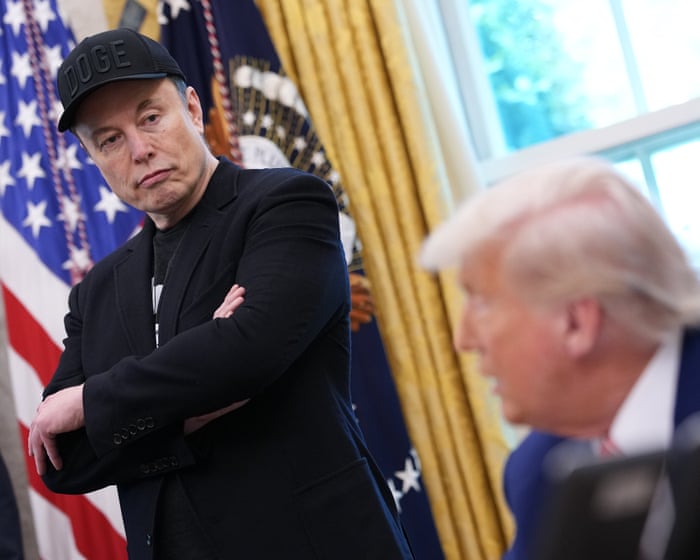
Elon Musk says he got ‘carried away’ with Trump – but still holds on to contentious political views

In interview, billionaire says instead of running ‘Doge’ he should’ve ‘worked on my companies’ and shares extreme predictions

Elon Musk has admitted he became too consumed by politics during his volatile alliance with Donald Trump and his brief appointment as the president’s financial axman, running the so-called “department of government efficiency” (Doge).

The world’s richest person, and briefly its first trillionaire after his SpaceX company floated on the New York stock exchange in June, made the confession in a wide-ranging interview with the Economist published on Thursday. He shared his positions on subjects from foreign wars to AI, and made a number of eye-opening predictions for the future.

Continue reading...

© Photograph: Kevin Dietsch/Getty Images

© Photograph: Kevin Dietsch/Getty Images

© Photograph: Kevin Dietsch/Getty Images

  •  
❌