 Login

A.I. Queries From Abroad Raise Fears of a Biological Weapons Race
Today’s chatbots aren’t likely to help lone actors invent a deadly pathogen, experts say. But newer models, trained in biology, may need stronger safeguards.

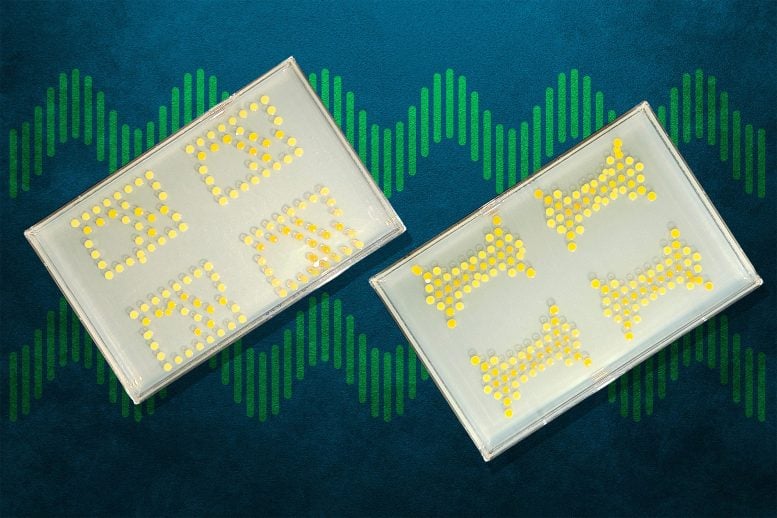 MIT researchers have engineered bacteria to behave like transistors, making it possible to build living “circuit boards” that can be printed onto growth material in a Petri dish. In conventional electronics, transistors act as switches that control whether electrical current flows. In the biological system developed at MIT, engineered bacteria perform a similar role by [...]
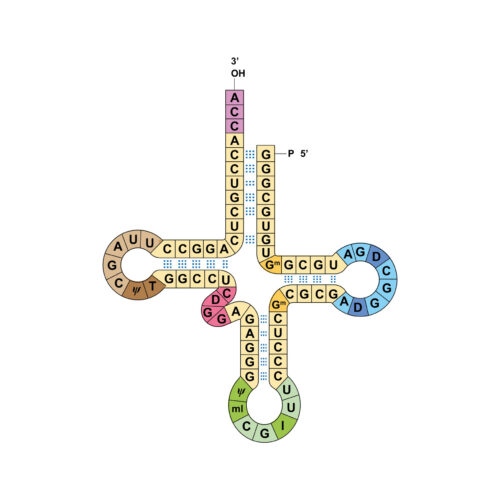
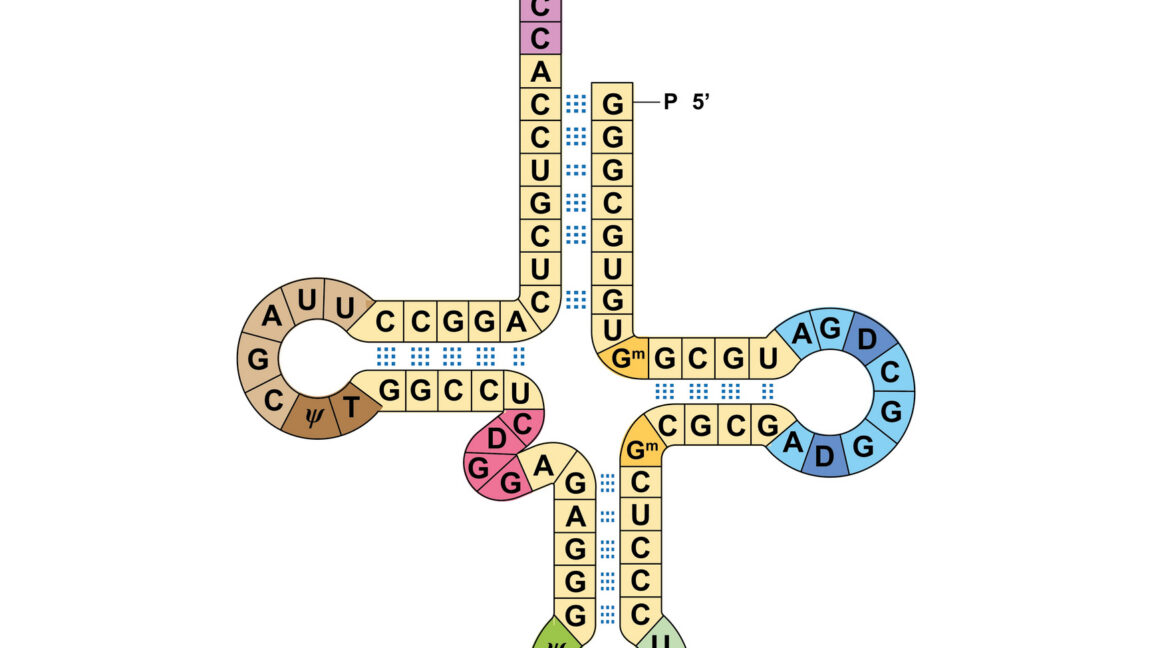
The genetic code is what life everywhere uses to convert the information contained in DNA into specific protein sequences. With minor variations, the same genetic code is used by every living thing on Earth, suggesting it was already present in the last common ancestor of all of them. It's not an easy thing to change, because so many things in every cell depend on it.
Nevertheless, some preliminary steps have been taken. Researchers have managed to add some new amino acids to a bacterial cell and were able to make proteins that were one amino acid less than usual. But it's a slog; for some of this work, people have had to re-engineer every single gene in a bacterial genome.
Now, researchers have found a way to operate two separate genetic codes simultaneously, avoiding the need to do any work to compensate for altering the code that every protein in a cell relies on. They didn't test it in an actual cell, and it might cause some problems there. But it's a creative solution that should accelerate some synthetic biology work.
© ALI DAMOUH/SCIENCE PHOTO LIBRARY
Researchers say breakthrough offers hope for new medicines but also raises urgent biosecurity questions
Scientists have made the first viruses designed by artificial intelligence in a milestone that raises hopes for new medicines but also concerns over how to ensure the technology remains safe.
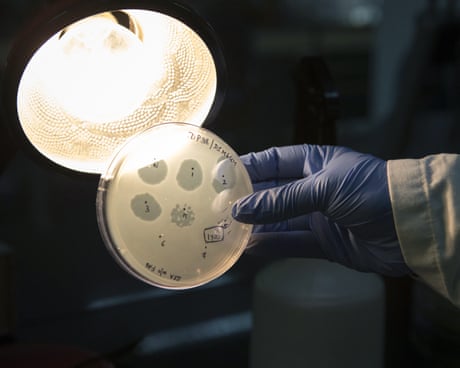
The viruses are specific kinds known as bacteriophages, which only infect bacteria and are used around the world to treat patients with persistent infections. In lab tests, a cocktail of the AI-designed viruses killed E coli bugs that were resistant to natural bacteriophages.
Continue reading...
© Photograph: Samyukta Lakshmi/Bloomberg/Getty Images
© Photograph: Samyukta Lakshmi/Bloomberg/Getty Images
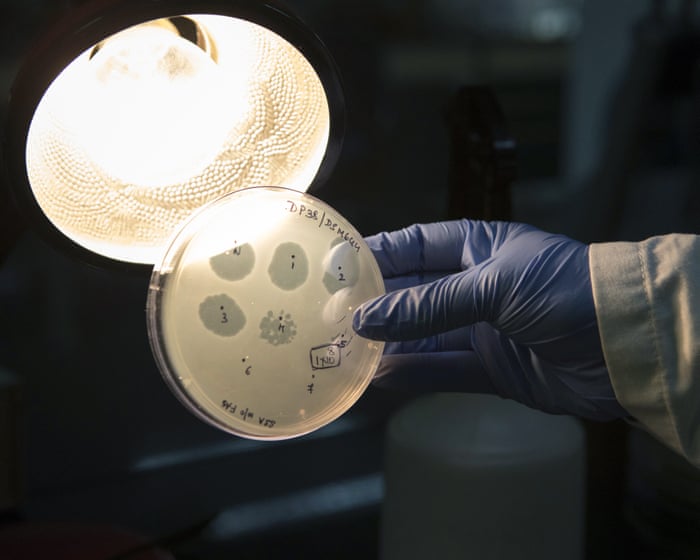
© Photograph: Samyukta Lakshmi/Bloomberg/Getty Images
