❌

Reading view

Can carnivorous plants eat people?

Anyone who’s seen the 1986 musical comedy, Little Shop of Horrors, is familiar with Audrey II. Audrey II looks like a towering, blood-eating Venus flytrap plant, even mimicking the jaw-like, snapping pod of real carnivorous plants. But while Venus flytraps consume insects, Audrey II feeds on humans. 

Thankfully, people-eating plants are fictional, says Kenny Coogan, the owner of Carnivorous Plants by Kenny Coogan, a well-known nursery in North Carolina’s Piedmont Triad area. 

On the other hand, plants that trap and digest bugs and, on occasion, small rodents are not only real, but actually quite diverse. Popular Science turned to Coogan to find out why some plants are carnivorous, while others simply soak up their necessary nutrients straight from the soil. We also asked Coogan to dig into all the details behind what makes these plants deadly, at least to birds and other small animals.

What are carnivorous plants?

Carnivorous plants are predatory flowering plants that attract, catch, and absorb animals for their nutrients. They’re both autotrophs, which are organisms that make their own food using light or chemical energy, and heterotrophs. This means that they also have to eat animal prey to survive. 

“Carnivorous plants photosynthesize,” says Coogan. “They can use the sun to convert carbon dioxide and water into sugar,” he says, for substance. “They’re just getting some extra minerals or nutrients from the bugs or the organisms that they eat.”

In the 1986 film Little Shop of Horrors, a giant Venus flytrap-like plant proves deadly. Video: Little Shop of Horrors 4K | Seymour’s TV Interview Goes Horribly Wrong, Warner Bros. Entertainment

Meat-eating plants exist on every continent save Antarctica, and grow in sun-filled places with extremely poor, acidic, and nutrient-free soil. For instance, the bogs, swamps, and marshes of North Carolina and Florida, with their unique combination of sunlight and wetlands, allow these uniquely adapted flora to thrive. This includes Venus flytraps, which are native only to the U.S. Carolinas, and Tracy’s sundew, with its long, thread-like leaves that grow in spirals. It’s often seen blooming alongside carnivorous pitcher plants in the Florida Panhandle. 

“Carnivory is primarily an adaptation for plants to get nutrients in low nutrient environments,” says Coogan. Carnivorous plants feed on insects to obtain the nitrogen, phosphorus, and other organic nutrients they need to survive, but are unable to absorb from the soil. 

This isn’t to say that all plants that grow within poor-soil wetlands are carnivores. Take wiregrass, which is quite prominent in the southeast. “It has really heavy root systems,” says Coogan, which have formed a symbiotic or long-term relationship with mycorrhizal fungi. These fungi attach to the wiregrass roots and help them form nutrients from the region’s poor, sandy soils. 

“There’s only a certain number of niches to be filled in an ecosystem, so some plants went one way,” meaning they became carnivores, “and then some plants went the other way.”

How did carnivorous plants evolve?

There are an estimated 800 to 860 species of carnivorous plants worldwide, with new species constantly being discovered. In fact, in the more than 140 million years that flowering plants have been around, carnivory has evolved independently at least a dozen times. 

Carnivory is not inherited from a single meat-eating plant ancestor. Instead, carnivorous plants’ highly adapted leaf structures, which include sticky traps, snap traps, and pitfall traps for catching insects, have evolved and diversified more recently, largely between eight and 72 million years ago.

Related 'Ask Us Anything' Stories

Carnivorous plants are a classic example of convergent evolution. This means that unrelated lineages have all developed similar traits separate from one another to adapt to their sunny, waterlogged, and nutrient-poor environments. 

For example, “There are many different kinds of pitcher plants,” carnivorous plants that have hollowed-out pitcher-shaped leaves that act as pitfalls, says Coogan, and they’re completely unrelated. You’ve got low-growing Australian pitcher plants, which are evolutionarily closer to roses, beans, and broccoli, Asian pitcher plants that hang from tropical vines, and upright, trumpet-like North American pitcher plants. Despite their completely different DNA, they’ve all evolved the exact same, tube-shaped “pitfall trap,” says Coogan, to catch and digest insects. 

Through convergent evolution, unrelated carnivorous plants like Venus flytraps, sundews, and pitcher plants have also independently repurposed ancient self-defense genes into ingenious digestive tools. While noncarnivorous plants have long used enzymes, called chitinases, to fight off fungal infections, carnivorous plants do the opposite. They use chitinases to break down the tough, chitin-rich exoskeletons of trapped insects. This then allows them to absorb vital nutrients like nitrogen and phosphorus, transforming what were originally passive, protective enzymes into active weaponry.

Are carnivorous plants harmful to larger organisms? 

“I would say ‘no,’’ says Coogan. Almost all carnivorous plants feed exclusively on small insects like flies, mosquitoes, and spiders. 

While there are some, like giant pitcher plants, that grow large enough to trap and digest small animals like rats and shrews, “the relationship is more mutualistic,” meaning both species benefit from each other. 
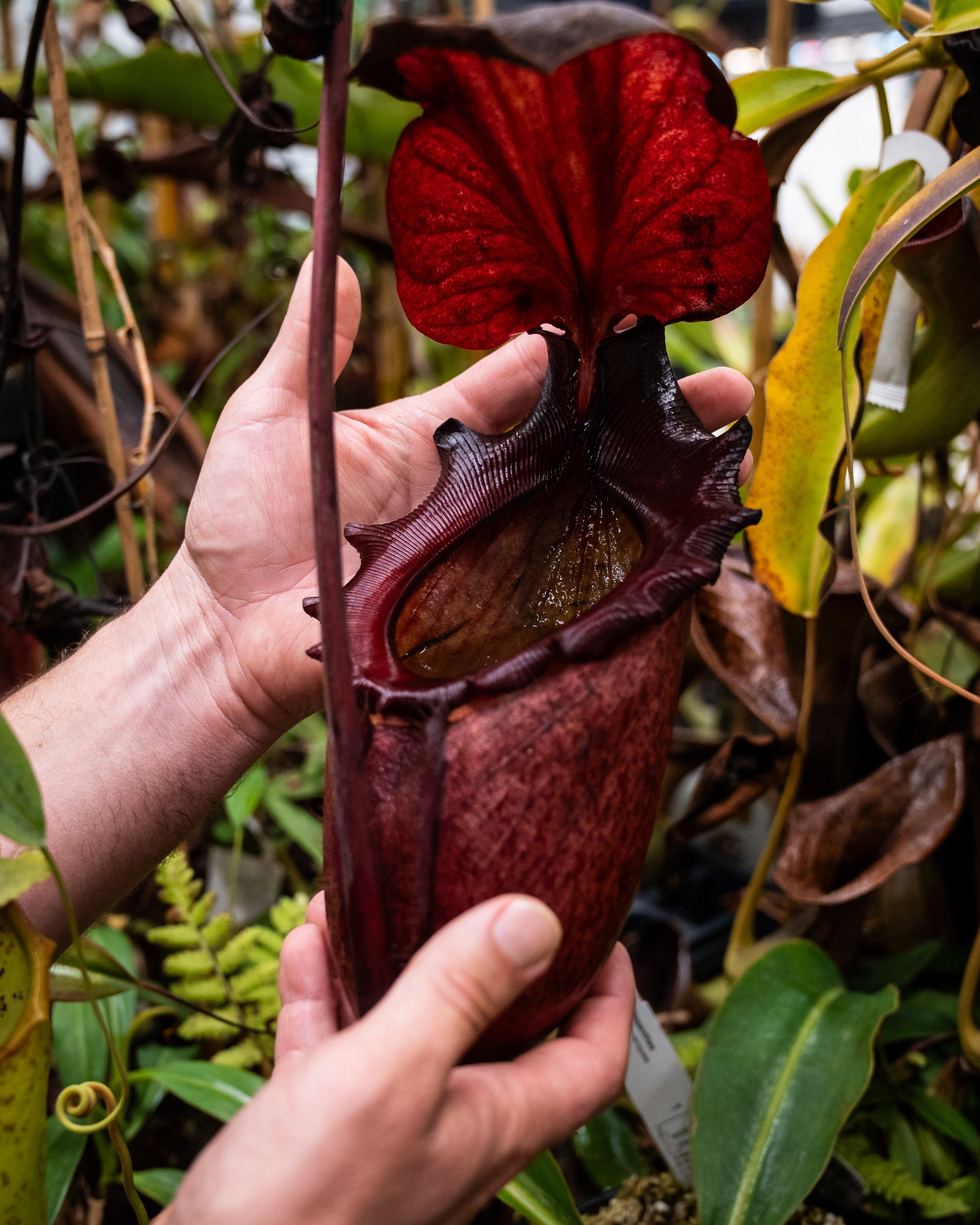
White person's hand carefully holds giant montane pitcher plant.
This type of pitcher plant are the largest in the world and often consume small mammals. Image: Austin American-Statesman/Hearst Newspapers / Contributor / Getty Images Sara Diggins

Basically giant pitcher plant species produce a sweet, aromatic nectar on the underside of their pitcher lids that attracts small mammals. These mammals “sit on the lid of the pitcher plant to drink the exudate, which is a thick nectar-like substance,” says Coogan. 

They’ll often defecate into the plant while feeding, and the giant pitcher absorbs nutrient-rich nitrogen and phosphorus directly from the droppings. It’s a win-win for both parties. “And one of many examples of mutualism in carnivorous plants.” If a small animal accidently falls in, the pitcher plant will then use its acidic digestive enzymes to consume it. 

Some incredible carnivorous plants

Coogan’s favorite carnivorous plants run the gamut from small, semi-aquatic Genlisea, commonly known as corkscrew plants, to bladderwort, tiny, bladder-shaped traps that catch small, aquatic creatures and often resemble orchids. 

“There are over 200 species of them,” he says, “and they come in three different habitat types. You have fully aquatic bladderwort that are floating in water. You have terrestrial ones that live in kind of soggy soils, and then you also have epiphytic ones that are living in trees and in moss.” They all use ultra-quick, vacuum-driven suction traps to capture prey. 

In fact, bladderwort is one of the fastest predatory plants on Earth, and can suck in its prey in less than one millisecond. “The real reason I like them is because they are proliferous, meaning they flower en masse.”

Also popular: butterwarts. “Especially the Mexican butterworts or Pinguicula,” says Coogan. “The reason is that they’re excellent house plants. They look like succulents, but their leaves are sticky and they eat fruit flies and fungus gnats.” They act as a natural form of pest control.

What’s the largest carnivorous plant? 

The world’s largest carnivorous plant by trap volume is the giant montane pitcher plant. It’s endemic to Malaysian Borneo and features massive urn-shaped traps that can grow up to 16 inches tall and eight inches wide. While lizards, frogs, and birds do occasionally fall victim to the plant’s digestive enzymes and acids, most wildlife is in the clear. 

Humans can also count themselves safe, Audrey II aside. 

In Ask Us Anything, Popular Science answers your most outlandish, mind-burning questions, from the everyday things you’ve always wondered to the bizarre things you never thought to ask. Have something you’ve always wanted to know? Ask us.

The post Can carnivorous plants eat people? appeared first on Popular Science.
  •  

Needles turn rain into electricity

For centuries, civilizations have harnessed energy from water. However, hydropower often requires large bodies of water to move heavy machinery, confining its use to rivers. But what if the electricity needed to light up your house could be generated from raindrops hitting its roof? 

To achieve this, scientists rely on electrical charges created when materials come into contact and then separate, a phenomenon called the triboelectric effect. As an example, rubbing a balloon against your hair gives them opposite charges, causing your hair to stand up and stick to the balloon. Scientists apply the same principle to make droplet-based triboelectric nanogenerators, or D-TENGS, where raindrops slide across negatively charged surfaces. As the droplets move, their positive charges gather near the surface, freeing up their negative charges. When the droplets reach a metal strip called an electrode, these negative charges flow into a circuit, generating electricity. However, water often remains on D-TENG electrode surfaces, blocking subsequent droplets and corroding the device.

Researchers at the China Three Gorges University and the Chinese Academy of Sciences approached this problem by modifying the shape of the electrodes used in D-TENGs. They proposed that a needle rather than a strip would help droplets detach quickly, allowing charge to flow into a device that uses inexpensive components. They called this design a needle electrode droplet-based triboelectric nanogenerator, or NED-TENG.

To build the NED-TENG, the researchers prepared a plastic film using a water-repellent polymer called polytetrafluoroethylene as the negatively charged surface. They inserted a copper wire through the center of the plastic film, protruding 3 millimeters (0.1 inches) from the front side to form the needle-shaped electrode exposed to raindrops. Meanwhile, they attached copper foil to the plastic film’s backside as a second electrode, completing the circuit. The team connected both electrodes to an instrument that measures electrical performance and mounted the components on an acrylic sheet, sealing it with waterproof tape.

To simulate raindrops, the team inclined the NED-TENG at 50° from a table and dispensed tap water drop by drop from 30 centimeters (12 inches) above its plastic film. Like conventional D-TENGs, the device generated electricity as droplets slid across the film and contacted the needle electrode. However, because the water touched only a small area of the needle, it easily slid off the NED-TENG, preventing the water from building up like in D-TENGs.

The researchers then evaluated and optimized the device using 2 metrics: the force driving charges through its circuit, or voltage, and how fast its charges transfer, or current. First, they compared the NED-TENG with a conventional D-TENG. The NED-TENG generated about 564 Volts (V) and 5 milliamperes (mA) of current, nearly twice the voltage and 3 times the current of the D-TENG, and enough to power small electronics like indicator lights.

Next, they varied the droplets’ release height to maximize electricity production. They found that increasing the release height from 10 to 30 centimeters (4 to 12 inches) increased both voltage and current, peaking at about 543 V and 4 mA. At greater heights, droplets splashed hard on impact, scattering the water and disrupting the charging process they observed in sliding droplets. 

Similarly, the researchers tested different device inclination angles, ranging from 10° to 70°. Their tests revealed that the device’s electrical performance increased at steeper angles and peaked at 50°, reaching 521 V and 3 mA. At steeper angles, droplets spent less time in contact with the surface, reducing electrical output. They explained that because triboelectric materials are highly sensitive, results can vary slightly between experiments, leading to individual peak values that are lower than the highest overall outputs. 

The researchers then explored how the technology might perform in a simulated rooftop installation. To reduce power fluctuations during real-world applications, they connected multiple NED-TENGs. They observed that 10 connected devices could fill a small energy-storage component within 2 minutes and power 200 LED lights.

Overall, the NED-TENGs shed water efficiently and generated more electricity than D-TENGs, while remaining simple to build. The team noted that future upscaled studies should examine how rooftop systems can direct rainwater onto the devices at optimal heights, and how droplets interact with their surfaces to improve long-term performance. With further development, these low-cost systems could turn rooftops into practical generators powered by everyday rainfall. 

The post Needles turn rain into electricity appeared first on Sciworthy.

  •  

How do bacteria adapt to toxic metal waste?

Electric vehicles (EVs) use high-powered rechargeable batteries to store electrical energy that powers their motors. Most EV batteries use a specific mixture of metals to hold the battery’s charge, called nanoscale lithiated nickel manganese cobalt oxides, aka NMC materials. NMC materials can store a large amount of energy, making them ideal for batteries, but the metals themselves can be toxic in soil and water if the batteries are not properly recycled.  

NMC batteries leave behind a specific combination of toxic metals, so researchers can study how bacteria respond to this waste when it enters the environment. By understanding how bacteria adapt to toxic metals, scientists hope to predict how new technologies like EV batteries will affect the environment. 

In 2019, a team of researchers from the University of Minnesota reported that a common soil bacterium called Shewanella oneidensis can rapidly evolve resistance to NMC materials, but they didn’t know how. True beneficial gene evolution usually develops over thousands of generations, but Shewanella oneidensis adapted much more quickly. The team recently conducted a follow-up study to determine the genetic mechanisms behind this bacterium’s unique metal resistance.

They started by analyzing the complete DNA sequences of 33 Shewanella colonies that were resistant to either pure NMC waste or individual metals like nickel and cobalt, using a process called whole-genome sequencing. They expected to find DNA mutations in genes that control how bacteria take up and expel toxic metals that would give the resistant Shewanella an advantage in surviving NMC metal toxicity. However, they didn’t find any DNA mutations in metal-related genes. Instead, they found that a specific DNA region was duplicated 10 to 15 times in all 33 NMC-resistant or metal-resistant colonies. This result suggested to the researchers that a temporary adaptation, not true gene evolution, was responsible for the bacteria’s metal resistance. 

The researchers wanted to know more about the duplicated DNA region in metal-resistant Shewanella, so they focused on 2 gene duplication mechanisms that might serve as temporary adaptations in Shewanella. The first mechanism directly duplicates DNA regions to create extra copies of a gene, via a process called gene duplication amplification. The second mechanism moves DNA segments, called mobile genetic elements, into different DNA sections to create extra copies of a gene. 

To test whether either of these mechanisms was causing the gene duplication in Shewanella, the team grew the bacteria in different liquid media containing only cobalt, only nickel, or cobalt and nickel together. The researchers used a technique that measures the exact amount of DNA in a given sequence, called quantitative polymerase chain reaction (qPCR), to calculate how many duplicated DNA regions were in each genome sequence. They found that neither cobalt nor nickel alone triggered DNA duplication. But the bacteria grown in the media with cobalt and nickel together had 8 additional copies of the DNA region. This suggested that something about the combination of nickel and cobalt triggered gene duplication. 

To determine whether this gene duplication only occurred with nickel and cobalt, the team substituted copper and zinc for nickel in the growth media. They exposed Shewanella cells to different combinations of these metals using a grid pattern in a 96-well plate, a technique called a checkerboard assay. Then they repeated the qPCR process to measure the duplicated DNA region. They found that no other combinations of metals triggered gene duplication, suggesting that nickel and cobalt are especially toxic together, and that the gene duplication responds to this combined toxicity.

Finally, the researchers identified the function of the duplicated DNA region. They found that one of the genes within the region turned on a special protein that pushes metal ions and other toxins out of the cell, called an efflux pump protein. The team hypothesized that this efflux pump protein was responsible for removing cobalt and nickel from the bacteria’s cells. To test this theory, they grew modified Shewanella cells without the efflux pump gene in media containing cobalt, nickel, or cobalt and nickel together. They found that the modified bacteria grew well in the nickel-only treatment, but didn’t grow in the cobalt-only or combined treatments, which indicated that the efflux pump protein is necessary for Shewanella to resist cobalt toxicity. 

Based on their experiments, the team concluded that nickel and cobalt together trigger a gene duplication event in Shewanella oneidensis. This gene duplication event increases the number of efflux proteins in Shewanella that can expel cobalt and underlies its unique NMC resistance. They suggested that future researchers study temporary adaptations similar to gene duplication in bacteria to track how they respond to electronic waste and other new technologies.

The post How do bacteria adapt to toxic metal waste? appeared first on Sciworthy.

  •  

Using seismic stations to track groundwater resources

In March 2023, Southern California experienced heavy storms after almost 20 years of drought. Sixteen of these came from long, narrow regions of concentrated water vapor moving through the air, known as atmospheric rivers. During droughts, groundwater supplies up to 60% of the total water to the Greater Los Angeles area, so researchers think that stormwater from the 2023 events could have recharged groundwater reserves for future use. However, scientists lack adequate tools to assess how much groundwater is in the subsurface.

To overcome this challenge, researchers from California and Texas developed a new method to study deep groundwater. California gets a large number of earthquakes, so it has over 450 stations around the state to monitor the associated vibrations, referred to as seismic waves. To study how much the 2023 storm recharged the groundwater in the Greater Los Angeles area, the team used a tool called seismic-DI, which employs these seismic waves to estimate how much groundwater is stored at different depths. 

Seismic-DI works by measuring how fast seismic waves move through the Earth, known as their seismic velocity. The researchers explained that the Greater Los Angeles area is a very crowded city, so it produces an abundance of seismic waves. They measured changes in the seismic velocities of these underground waves to see where the groundwater is full of water, or saturated, versus partially full, or unsaturated. They used 20 years of these data to produce graphs that record changes in groundwater storage at different depths, known as hydrographs.

To validate the accuracy of seismic-DI, the researchers also compared their seismic hydrographs with groundwater thickness data from a NASA mission known as the Gravity Recovery and Climate Experiment, or GRACE. GRACE consists of 2 satellites that measure changes in Earth’s gravity, which reflect surface water and groundwater storage. Both their seismic hydrographs and the GRACE groundwater data demonstrated that the Greater Los Angeles region experienced an increase in groundwater storage from stormwater in the winter, and a reduction in groundwater storage during the dry summer. 

The team’s hydrographs showed that the 2023 storms saturated the Greater Los Angeles area groundwater down to 35 meters (114 feet), but it was abnormally dry at 200 meters (656 feet), and at a severe drought at 450 meters (1,476 feet). The GRACE data similarly demonstrated that the subsurface is in severe drought. Combined, these data indicated the 2023 storms helped the Greater Los Angeles area recover up to 90% of its groundwater at depths of 50 meters (164 feet) since the 2006-2022 drought. However, it recovered only about 40% at 75 meters (246 feet) and 20% to 30% at 100 meters (328 feet).

They concluded that the 2023 atmospheric river events recharged only shallow groundwater reserves in the Los Angeles area. As a result, they suggested future researchers consider deep groundwater reserves for a more complete assessment of total regional water deficits. While this study demonstrated that seismic-DI can successfully reveal spatial changes in groundwater and drought at depth, the team acknowledged that contributing factors like the amount, rate, and spatial variability of groundwater reserves remain targets of future work. 

The post Using seismic stations to track groundwater resources appeared first on Sciworthy.

  •  

Is nuclear waste safe underground?

More than 90,000 tons of radioactive waste are stored on-site at nuclear power plants awaiting permanent disposal. Nuclear waste releases unstable forms of uranium and other elements, called radionuclides. Long-term exposure to radionuclides can cause cancer, so environmental safety regulations require that nuclear waste be made inaccessible for at least 1 million years. Thus, researchers are evaluating possible ways to store this waste permanently. 

One proposal is to store nuclear waste thousands of feet below ground in rock formations called deep geological repositories, or DGRs, to seal in radionuclides. Scientists can’t see into the future, so instead they look to the past to determine how well DRGs could work. A team of researchers from Canada recently analyzed uranium deposits that have existed for billions of years as an analog for how nuclear waste behaves deep underground.

Past researchers found that uranium deposits in ideal DGR conditions, with their protective casings intact, will stay contained for more than a billion years. However, these conditions require a stable geological environment. This team instead focused on uranium deposits in non-ideal conditions. They studied the Canadian Kiggavik uranium deposits, which occur in cracked bedrock approximately 500 meters (1,600 feet) below the surface. The team claimed these conditions are similar to DRGs with broken protective casings.

The team knew from previous work that most of the uranium minerals in the Kiggavik deposits are more than 274 million years old, but about 10% are less than 1 million years old. They found that these younger uranium minerals occurred alongside clay minerals surrounding the older uranium minerals and within open fractures. The researchers interpreted the older uranium as the source material of the younger uranium because of their proximity. They concluded that water must have infiltrated the deposits and interacted with older minerals, transporting uranium and forming new, younger minerals.

To determine the source of water infiltration, the researchers compared the chemistry of clay minerals formed alongside the younger uranium with modern snow in the Kiggavik region. They looked at the number of neutrons, or isotopes, in hydrogen atoms within the clay minerals, and found heavy values matching those of fresh water. These values indicated that snow or glacial meltwater was the source, rather than underlying bedrock or seawater. 

To determine when the water infiltrated over the last million years, the researchers used uranium-thorium dating to find when the radionuclides were mobilized. This dating method shows when uranium was removed from the original minerals by measuring how much its concentration was reduced by water infiltration. They found that the dates of these radionuclide mobilizations clustered into 5 separate water-infiltration events that occurred from 36 to 470 thousand years ago. 

Comparing these dates with existing climate records, the researchers found that the water infiltration events overlapped with periods when glaciers covered the ground surface. Normally, water can’t travel thousands of feet underground. But, like a hydraulic press, a glacier pushes water at its base downward. If the water encountered cracks in the ground, the pressure could inject it to the depth of the uranium deposit.

Next, the researchers wanted to measure how quickly radionuclides left the deposit. They measured the maximum distance between younger and older uranium minerals and used the age of the most recent water-infiltration event to estimate the fastest speed at which the radionuclides could have moved. They determined this maximum speed to be 0.0014 millimeters (0.000055 inches) per year. At that rate, they calculated it would take 360 million years for uranium radionuclides to travel 500 meters from a DGR at the same depth as the Kiggavik uranium deposits to the surface. This timescale far exceeds the necessary 1 million years for nuclear waste containment.

The team concluded that if glaciers were to return to Kiggavik, the uranium deposits wouldn’t experience substantial radionuclide movement, even in contact with glacial meltwater. Similarly, if a DGR has broken protective casings, radionuclides would be moving too slowly to reach the surface even if water leaked into it. They suggested their findings reduce constraints on viable DGR sites and could help ensure the long-term secure storage of nuclear waste.

The post Is nuclear waste safe underground? appeared first on Sciworthy.

  •  

It’s almost time to airdrop rabies vaccines again

Despite major strides in education and conservation efforts, rabies remains a serious public health issue. The Center for Disease Control (CDC) estimates around 90 percent of cases occur in wildlife, but their consequences still reverberate across ecosystems and routinely endanger humans. Combating the viral disease costs the United States over $300 million every year, but the hefty price tag is justified. Contracting one of the oldest known diseases invariably causes severe symptoms like abnormal sensations, violent movements, hydrophobia, and loss of consciousness. Rabies is fatal in virtually every documented case, and still kills around 59,000 people around the world each year.

Once primarily associated with dogs, rabies has since spread to wildlife such as raccoons, skunks, bats, and foxes—making the issue much more difficult to track and control. Since 1995, the United States Department of Agriculture (USDA) has overseen a National Rabies Management Program in cooperation with state and federal departments, university researchers, and other organizations. After over 30 years of work, one of the most preferred mitigation methods is regularly placing oral rabies vaccine (ORV) bait in strategically selected wildlife areas. The easiest way to spread millions of bait blocks across thousands of square miles? Airdrops.

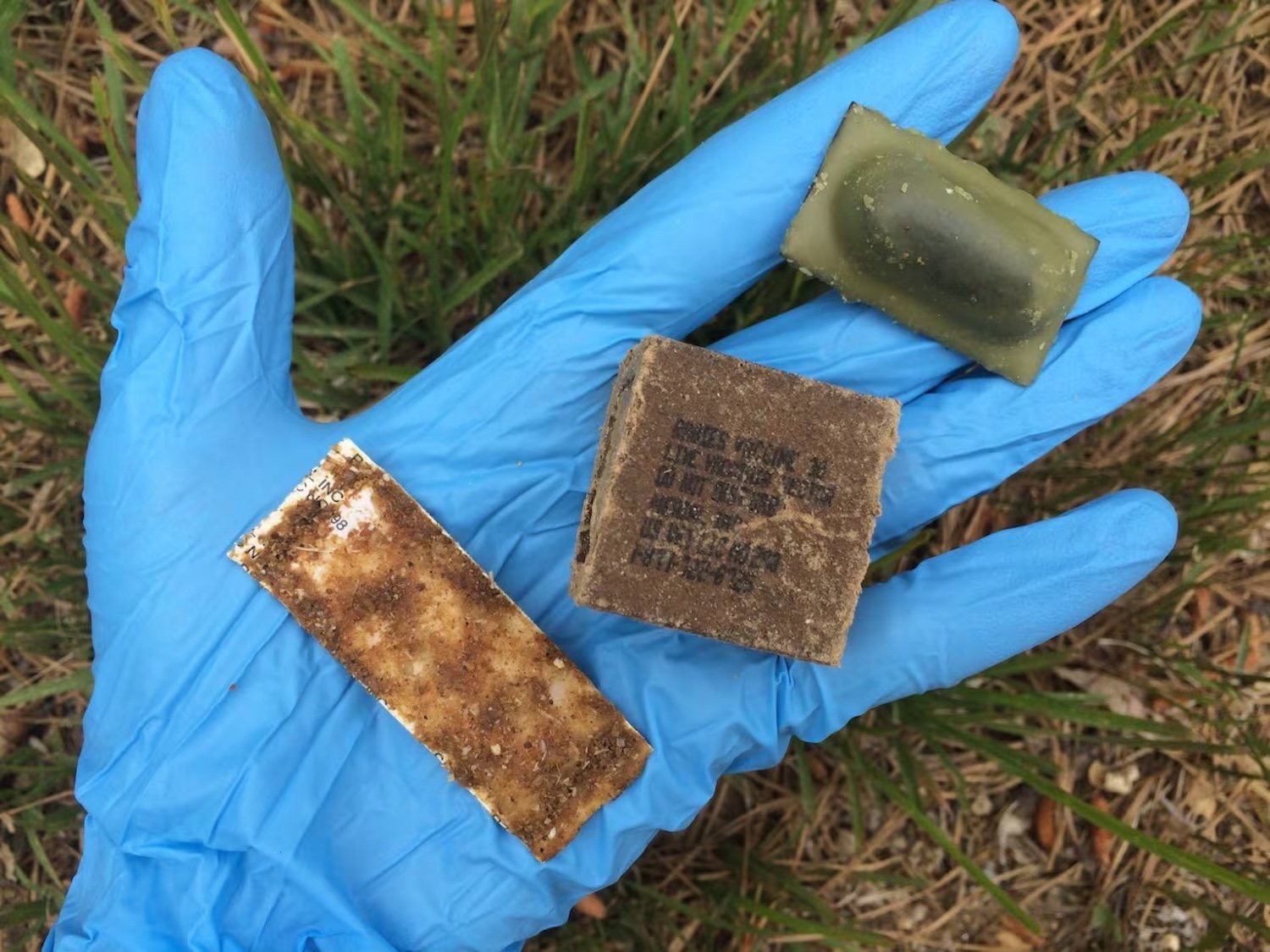
Blue gloved hand holding raccoon rabies vaccine bait packets
The bait isn’t toxic, but the USDA recommends using gloves to handle it. Credit: USDA

Next month, the USDA will once again begin tossing fishmeal-coated ORV packets from planes throughout the Southeastern states of Virginia, North Carolina, Tennessee, Georgia, and Alabama. These tiny edibles are specifically crafted to target the most prominent rabies variants seen in raccoons, coyotes, and gray foxes.

“The goal is to prevent westward spread of raccoon rabies by creating a continuous vaccine barrier that stays in front of rabies occurrence on the landscape,” a USDA spokesperson recently told FOX Carolina News. The representative added that although the distribution’s scope doesn’t currently include South Carolina, they are “very close to establishing an ORV area in South Carolina counties bordering North Carolina and Georgia in the next few years.”

If all goes as planned, the National Rabies Management Program’s geographic scope will shrink over time as the disease is regionally eliminated. Until then, anyone who accidentally comes into contact with an ORV bait brick shouldn’t worry about contracting the disease. The vaccine inside each brick is proven safe for over 60 animal species, including cats and dogs. If you happen to locate one in a residential area, the USDA recommends to either simply leave it alone, or use gloves to move it to a more remote location for its intended recipients. Always wash your hands thoroughly after handling ORV bait—and try to ignore the pungent odor of fishmeal.

The post It’s almost time to airdrop rabies vaccines again appeared first on Popular Science.
  •  

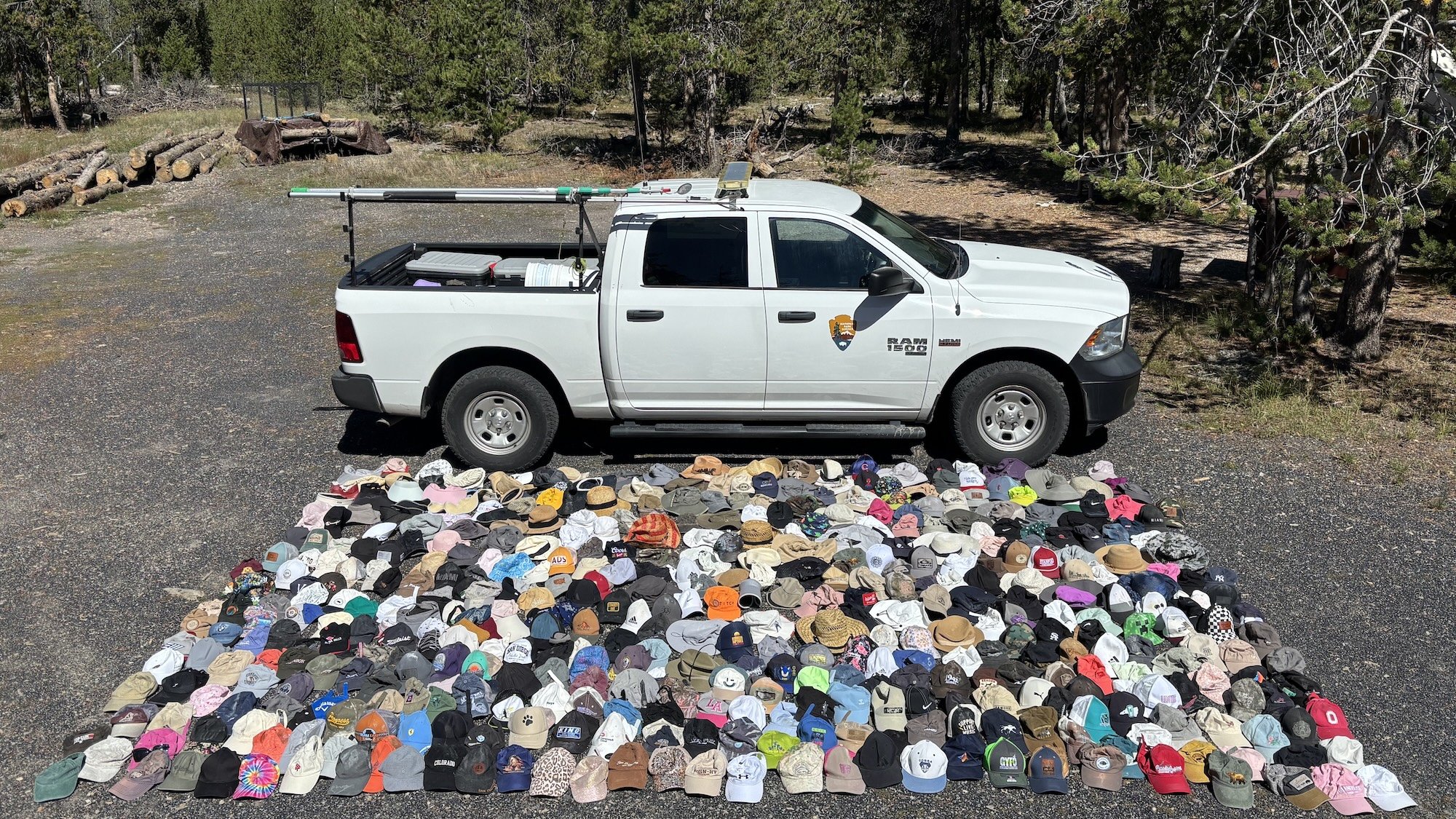
Yellowstone National Park retrieved 280 hats from hydrothermal vents this summer

Yellowstone National Park attracts more than 4.5 million visitors from around the world every year. Many sightseers arrive well prepared to admire the hotsprings, geysers, scenic lookouts, and wildlife, but there is only so much anyone can do about life’s little unexpected accidents. Each season, Yellowstone’s gusty winds are responsible for blowing away hundreds of hats, maps, and even sunglasses from the heads and hands of onlookers. And every season, park workers scour the grounds to gather up any lost items that landed far from the walkways and trails.

While the tally so far isn’t quite as large as last year’s haul, Yellowstone officials still impressively retrieved more than 280 hats from the hydrothermal areas. Workers cited standouts including a FIFA 2026 Men’s World Cup souvenir and a baseball cap ironically emblazoned with “Cowboy Hat.” But just because they aren’t suited for floating around roiling geysers doesn’t mean they’re destined for a landfill. Once the 2026 season draws to a close, all of the collected hats will be cleaned and donated to local clothing organizations.

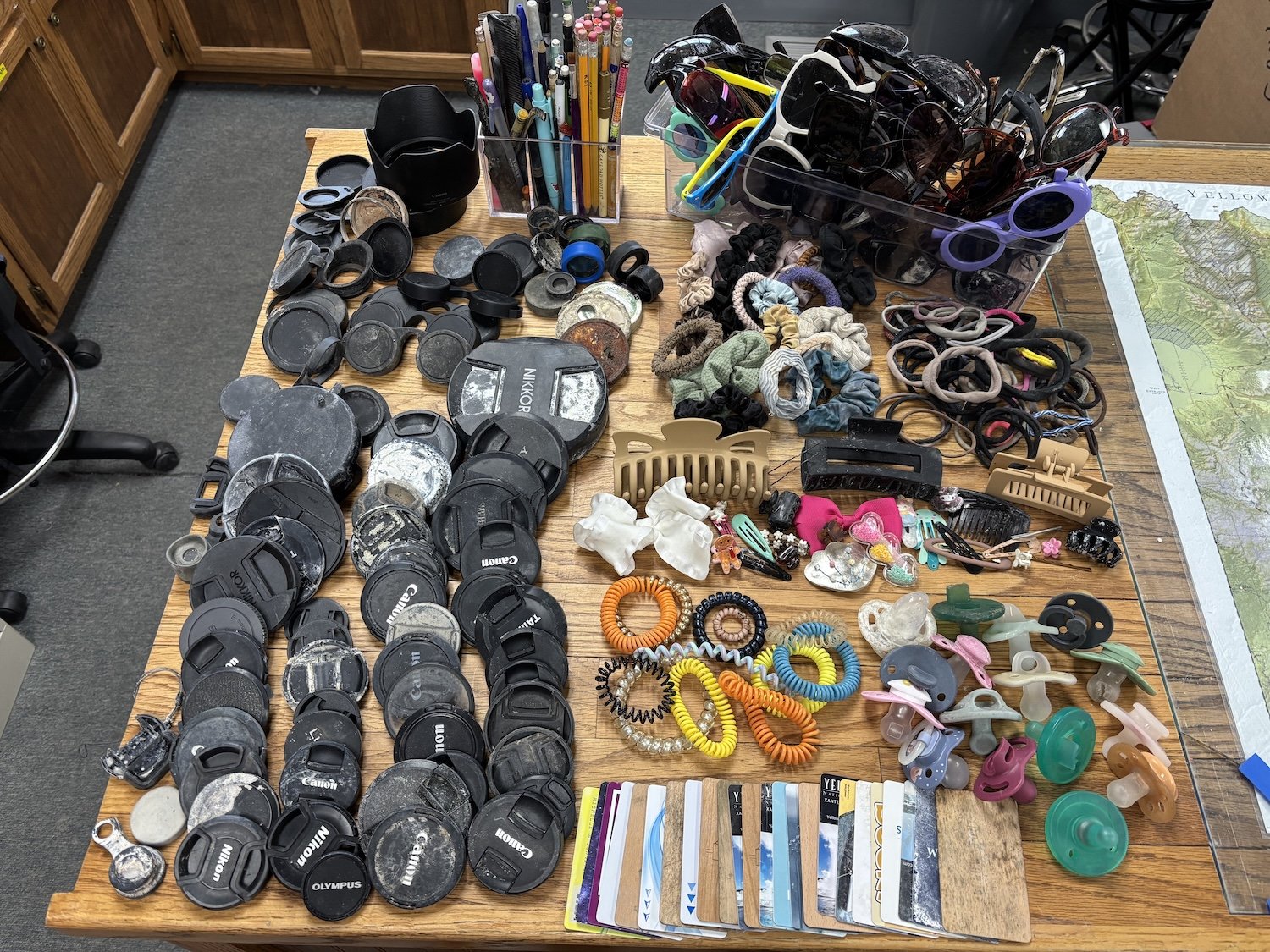
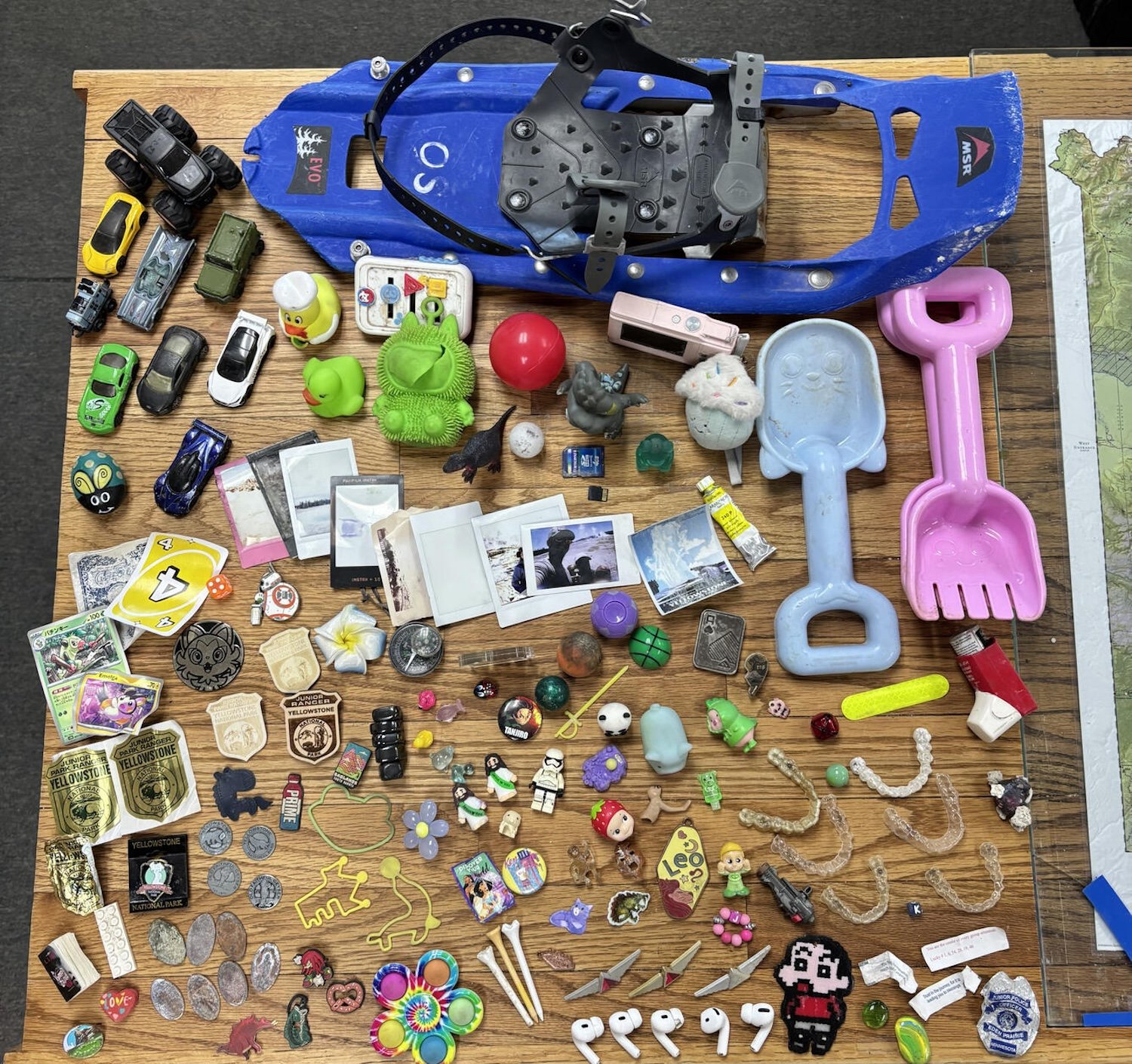
Table of random items retrieved from Yellowstone park including camera lens caps, pacifiers, hair ties, and sunglasses
Yellowstone officials recommend storing items deep in your pockets and always throwing litter into trash bins. Credit: Yellowstone National Park

Caps are only one type of lost item located amid the hunts. Workers scooped up more than $18 in coins from around the world during the summer search. Canadian dollars, euros, pesos, and yen were scattered among the U.S. change, many apparently tossed into hot springs and geysers as if they were wishing wells. Yellowstone officials took the occasion to remind everyone that hydrothermal formations are not made to receive wished-upon coins. Not only will your dream remain unfulfilled—the foreign additions often introduce destructive algae and bacteria into the delicate ecosystems.

Other common detritus in the haul included plenty of paper and plastic trash, hair ties, hotel key cards, children’s toys, eyewear, and camera lens caps. Standout oddities such as AirPods, an inhaler, and even a single Uno card also made the list of finds.

Particularly odd lost items including retainers, trading cards, golf tees, and AirPods
A single Uno card was also among the fines. Credit: Yellowstone National Park

As always, Yellowstone workers reminded everyone that the seasonal roundup also serves as an excellent reminder to “stash your trash.” Visitors are encouraged to place any litter or lightweight items deep in their pockets or bags until they reach a trash can. And although headwear is always important protection from the sun, people may want to consider temporarily removing their hats while trekking through especially windy areas of the park.

The post Yellowstone National Park retrieved 280 hats from hydrothermal vents this summer appeared first on Popular Science.
  •  

Arborists use supersonic air to save 300-year-old tree that survived American Revolution

A centuries’ old “witness tree” that survived not only the Revolutionary War but a direct hit from lightning is facing yet another existential threat. Ironically, the famous oak in Eutaw Springs, South Carolina, is struggling to survive due to the strategies conservationists first used when attempting to preserve it decades ago.

The nearly 300-year-old tree was already nearing its semicentennial on September 8, 1781, when around 2,000 British and 2,500 American troops met at the Battle of Eutaw Springs. Believed to be the American Revolution’s last open-field engagement, the vicious combat was later remembered by colonial Maj. Gen. Nathanael Greene as “by far, the hottest action I ever saw, and the most bloody for the numbers engaged.” Records indicate 1,461 troops were killed, wounded, captured, or missing by the end of the conflict—although both sides claimed victory.

“That tree probably took a few lead balls itself,” arborist Aron Landsaw recently said in an Associated Press profile. 

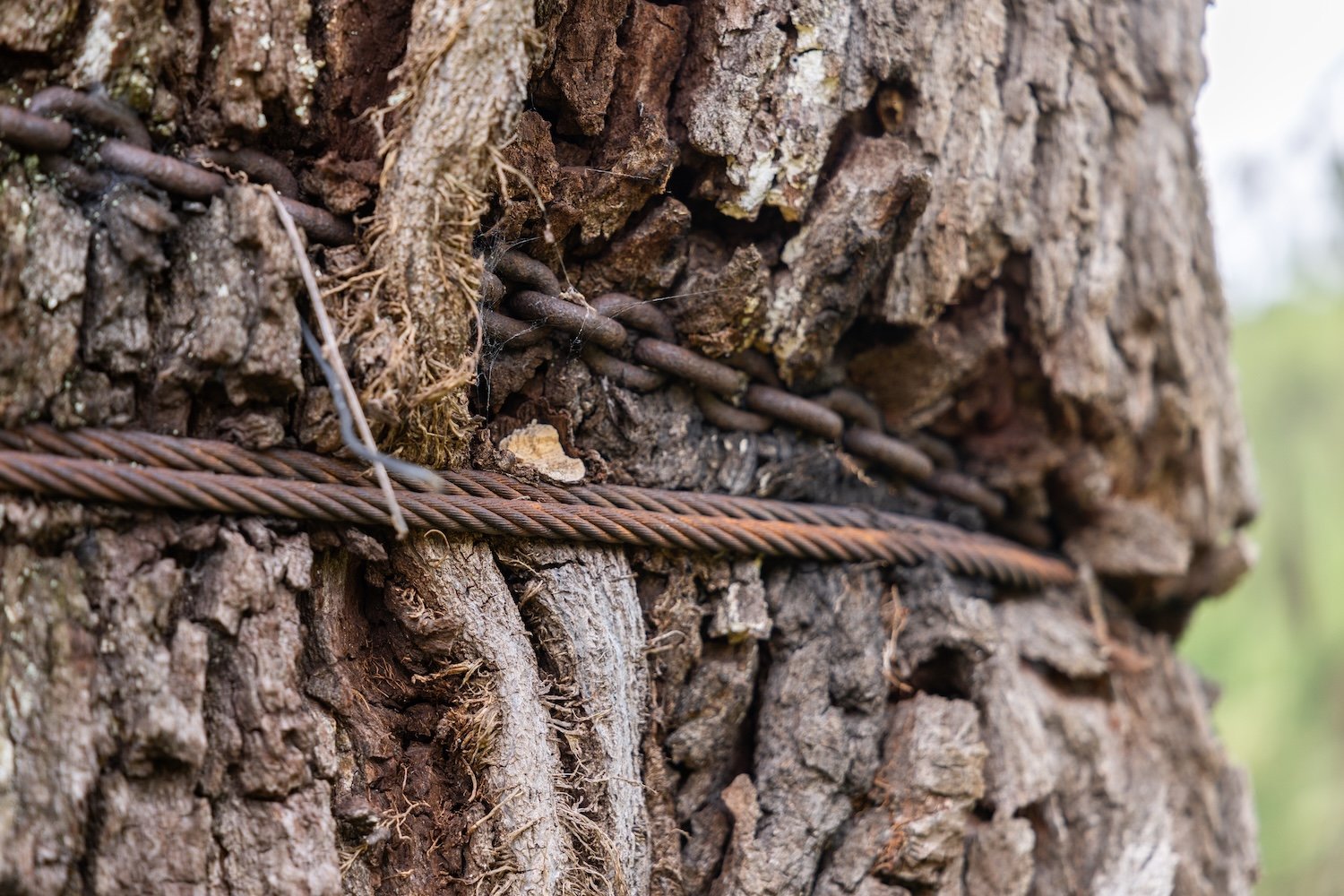
Old chains being subsumed into tree trunk
The original support chains had begun to suffocate the tree itself. Credit: SavATree KRIS MEADE

Landsaw and other conservationists are working to preserve the 45-foot-tall tree from succumbing to lingering injuries. About 50 years ago, lightning struck its base and almost split the oak in half. In an attempt to save the tree, workers at the time wrapped its splintered branches in a series of steel chains and cables. Although the strategy successfully granted the oak a reprieve, it grew so much over the last five decades that those metal lashes are cutting into the tree itself. In some areas, the cabling is now completely encased in bark.

“The chains and cables are actually choking it out. It can’t nutrients up from the soil,” explained Landsaw.

As part of the nation’s 250th anniversary, South Carolina partnered with the American Battlefield Trust and New York state-based arborists to once again bring the oak tree back from the brink of death. This time, the strategy is more high-tech than metal chains. Using specialized equipment to generate supersonic air, workers have essentially loosened all the heavily compacted earth around the tree’s roots. From there, they added a nutrient-rich kelp concoction into the dirt to further bolster the oak’s health.

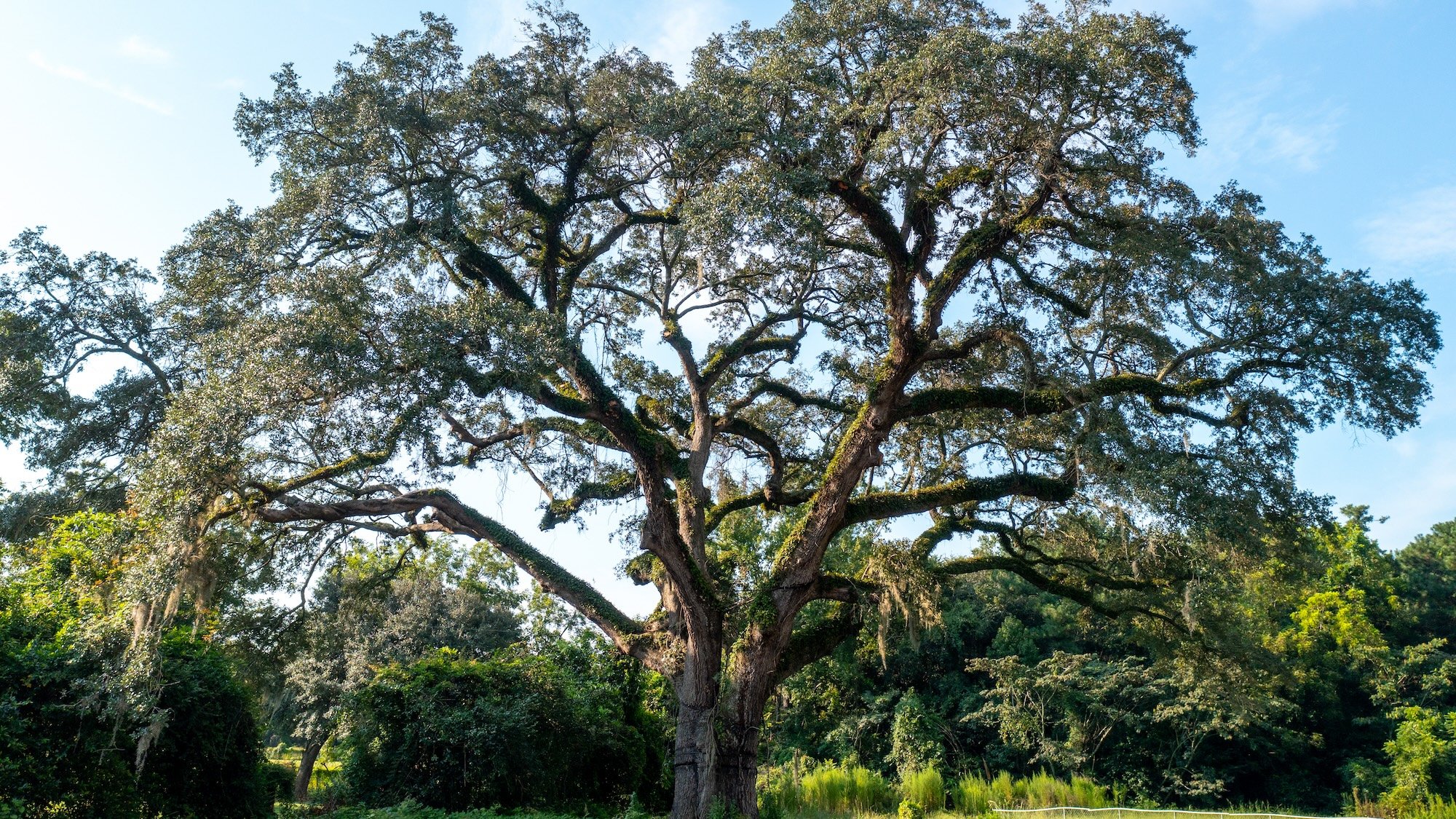
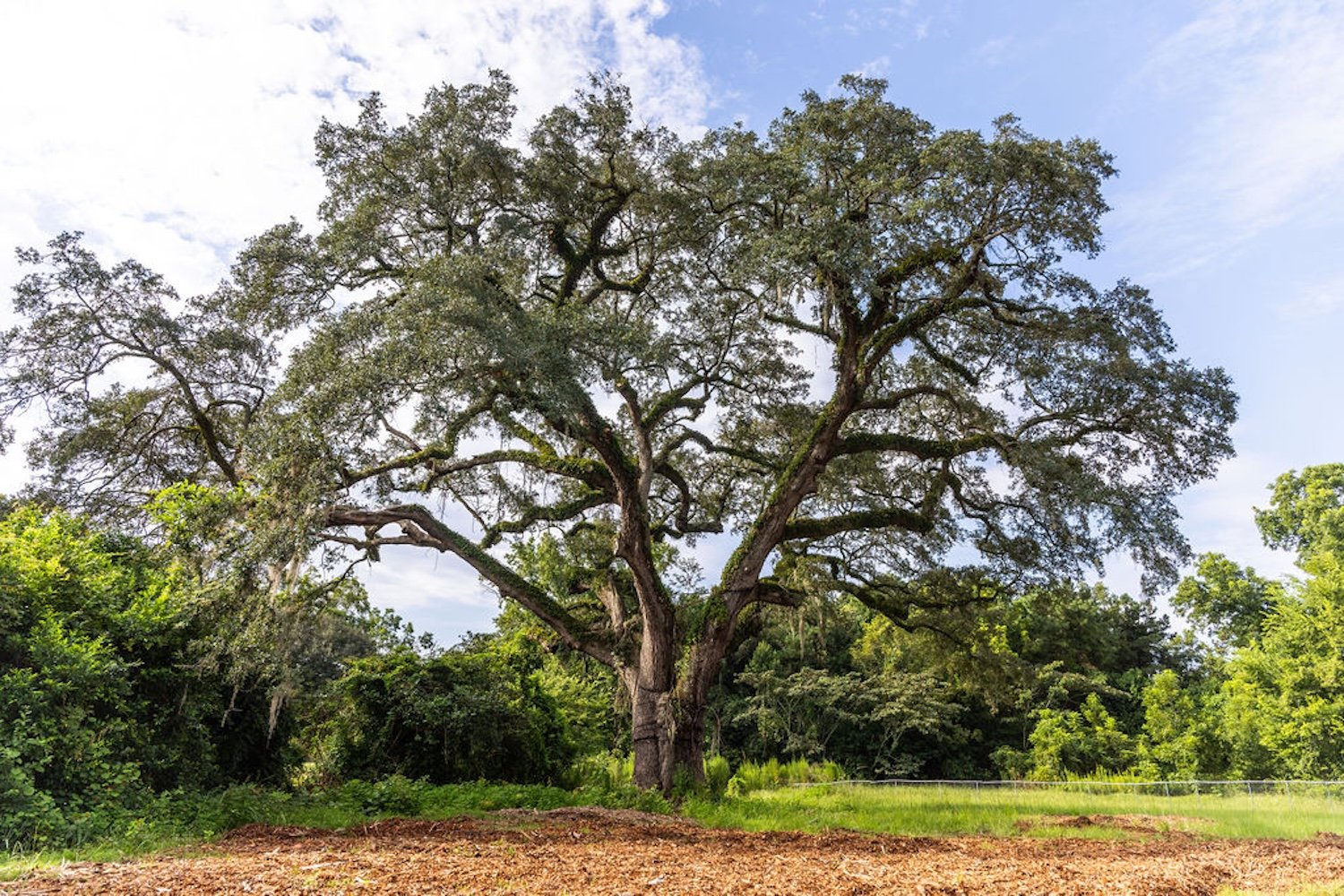
Live oak 'witness tree' on sunny day in field in South Carolina
The new accessories will divert any future lightning strikes away from the tree. Credit: SavATree KRIS MEADE

Other additions were tapped directly into the tree’s primary branches. These small, strategically placed lightning rods embedded into the oak are strung together with copper cables that all connect to a primary grounded copper rod located about 10 feet away from the tree. The odd-looking accessories are intended to prevent a repeat of the incident from 50 years ago.

“If lightning does hit it, it’ll run down the copper cables and dissipate into the ground,” said Landsaw.

The last phase will involve connecting a new set of reinforcement cables into the branches before carefully getting rid of the old chainwork. The replacement cables will all connect in the center so that the tree will remain flexible during wind gusts. No tree lives forever, but with the extra TLC and a little luck, the historic oak could easily bear witness to another 100 years of history.

The post Arborists use supersonic air to save 300-year-old tree that survived American Revolution appeared first on Popular Science.
  •  

Harnessing sunlight to fight bacteria

Billions of people still suffer from hunger and food insecurity worldwide. Meanwhile, microbial contamination causes a third of global food waste annually, resulting in major economic losses and illnesses. Although antibiotics and pesticides help control contamination, their excessive use can promote bacterial resistance or leave toxic residues. 

One alternative uses materials that generate highly reactive forms of oxygen when exposed to light, called photocatalysts, to prolong food freshness. These molecules kill bacteria by damaging their cell components in a process called photodynamic inactivation or PDI. However, current PDI systems rely on energy-intensive lasers and long exposure times because the bacteria’s protective cell membranes block reactive oxygen molecules. As a result, the systems don’t kill bacteria effectively and risk overheating food, affecting its freshness and nutritional value.

Scientists at Zhejiang University in China thought that it would be possible to achieve a PDI system using accessible, free sunlight with the right photocatalyst. Moreover, they also wanted to integrate this photocatalyst into food packaging to combat microbes during storage. 

To make the photocatalyst, the researchers mixed water with a glue-like plant fiber that provides structural support, called pectin, and a chemical from plant seeds that supplies phosphorus, called phytic acid. Then they heated the mixture in a sealed reactor at 220ºC (428ºF) for 5 hours to form tiny structures composed of a carbon core surrounded by a phosphorus-rich shell called phosphorus-modified carbonized polymer dots or PCDs.

To incorporate the PCDs into film packaging, the researchers dissolved equal amounts of a plant fiber from konjac, called glucomannan, and another plant-derived molecule, called carboxymethylcellulose, in warm water to form a network of entangled molecular chains. Then, they added 1.5 milligrams of PCD per milliliter to this mixture, which linked the chains together like molecular fasteners. Finally, they added a moisture-binding chemical called glycerin to prevent brittleness. The researchers cast this mixture onto separate Petri dishes and dried them, forming thin, plastic-like PCD films.

To test the films, the researchers placed Escherichia coli bacteria between 2 sterilized film sheets and exposed the samples to either darkness or simulated sunlight for 20 minutes. They then transferred the microbes onto agar plates and incubated them for 15 hours, allowing surviving bacteria to form visible colonies. They compared the number of bacterial colonies with those of untreated samples to calculate the percentage of bacteria the films eliminated in each environment. 

Tests under darkness showed that the films eliminated about 60% of the bacteria. The researchers attributed this result to the positive electrical charge of PCDs, which attracts the bacteria’s negatively charged cell surfaces. The electrical attraction stresses their cell membranes, interfering with essential life processes. This result suggested that the films use a separate charge-based antibacterial mechanism apart from PDI, which requires light to work.

Under simulated sunlight, the films eliminated nearly 100% of the bacteria. The researchers identified 2 principal mechanisms causing this. First, the PCDs acted as tiny heaters that generated localized heat, which stretched holes in the bacterial membranes, allowing contents to leak out of their cells through a process called photoporation. Second, the PCDs generated reactive oxygen molecules that could then penetrate the bacteria. Once inside the cells, these molecules irreversibly damage the bacteria’s internal components and genetic material through PDI. 

The researchers also investigated whether PCD films could serve as food packaging by using them to wrap fresh strawberries. Compared with conventional nonbiodegradable polyethylene packaging where visible rotting occurred, the PCD films kept the strawberries fresh for more than 4 days by suppressing bacterial growth and regulating moisture levels. When the team tested whether the films were toxic, they found that the films are safe for humans and compatible for food applications. They also buried the films in soil for 24 days and found that they degraded by 78%, demonstrating biodegradability suitable for packaging fresh foods.

The team concluded that PCD films could be a biodegradable food packaging that combines plant-based materials with multiple antibacterial strategies. The films retained antibacterial activity in darkness and became more effective under sunlight through the combined effects of photoporation and PDI. These findings demonstrated that by combining multiple mechanisms into a single material, researchers can create multifunctional food packaging that remains effective across different storage conditions.

The post Harnessing sunlight to fight bacteria appeared first on Sciworthy.

  •  

In 1959, the first nuclear-powered merchant ship set sail before the world was ready

By the time naval architecture firm George G. Sharp tasked Jack Heaney with the design of the world’s first nuclear-powered merchant ship, the Glasgow-born designer had already broken many styling norms. In the mid-1940s, Heaney transformed routine ocean transport into a festive occasion when he designed the interiors of the SS President Wilson and SS President Cleveland with Hawaiian murals, carved glass panels, and a smoking lounge dressed in playful, exotic wall art. His gift for making the mundane desirable wasn’t confined to ocean liners—New York’s Museum of Modern Art had already put one of his stackable aluminum chairs on display in 1947. But nothing in Heaney’s career had prepared him for the commission that reached his drawing board in 1957.

At the time, the shadow of 1945, when the world first witnessed the terrifying power of the atom, loomed large. Following World War II, the United States and Soviet Union were locked in a nuclear arms race, and the public associated splitting atoms with annihilation. Atoms meant war. 

To shift that sentiment, President Eisenhower launched his Atoms for Peace initiative, aimed at demonstrating the civilian benefits of nuclear technology—and the NS Savannah, or Nuclear Ship Savannah, was to be its flagship. Heaney suddenly had a much more daunting task than usual; he would have to make the feared desirable.

More than half a century since theSavannah was decommissioned in 1971, there is no nuclear-powered merchant ship in active commercial service anywhere in the world. Four nations have tried. None succeeded, mostly because the economics were not compelling enough and no one trusted nuclear ships. 

In the interim, nuclear reactors have only become smaller and safer. Now, as the true cost of burning oil at sea comes due—commercial shipping produces more than three percent of global greenhouse gas emissions—the economics of nuclear-powered merchant ships may finally be compelling. But the problem Heaney was hired to solve in 1957 still stands in the way, persuading people to trust what they fear. 

The making of a maritime designer

John “Jack” Heaney was born in Glasgow in 1904. He grew up during a time when the River Clyde, which runs through the heart of Glasgow, served as the world’s premiere shipbuilding hub, with nearly 40 shipyards situated on its banks. Heaney studied naval architecture at the University of Glasgow, while taking classes at the Glasgow School of Art and apprenticing at the Fairfield Shipbuilding and Engineering Company. 

When Heaney emigrated to New York in 1926, he worked a string of jobs, including a brief stint  as a door-to-door refrigerator salesman, before joining the New York City-based naval architecture firm George G. Sharp, Inc. in 1937. At Sharp, Heaney quickly developed a reputation for having an engineer’s eye and artist’s hand, helping design the interiors of several prominent passenger-cargo ships—a specialized form of merchant ship that is part cruise liner, part cargo vessel—including the Robin Line, the Delta Line, and the American President Lines. In 1947, the same year MoMA put his chair on display, Heaney opened his own design firm on West 54th Street in Manhattan. A decade later, the Savannah project came across his bow.

Originally tasked with the ship’s exterior design, Heaney eventually assumed responsibility for the ship’s interior styling, too. From stem to stern, it was Heaney’s job to design a nuclear-powered ship that passengers would want to cruise on for pleasure, and that businesses would want to ship merchandise on for commerce.

black and white image of ship
The NS Savannah was the first nuclear-powered merchant ship. Image: Contributor / Getty Images / Mondadori Portfolio

Atoms for Peace

Eisenhower had announced the Atoms for Peace initiative four years earlier, in a December 1953 address to the United Nations. The atom, he argued, should be turned from a great destructive force “into a great boon, for the benefit of all mankind.” Under Eisenhower, the U.S. began sharing reactor technology and medical isotopes with allied nations. Atoms for Peace sought to prove that the technology that had obliterated two cities could also light homes, treat cancer, build harbors, and move ships. 

The U.S. Navy, meanwhile, saw the advantages of a vessel that could continuously plow the ocean without refueling for months, or even years. The USS Nautilus was the first atomic-powered vessel, a sub, launching in 1955. By the time Sharp signed Heaney to the Savannah project, two more atomic-powered subs were patrolling the world’s oceans (USS Skate and USS Seawolf). But military vessels primarily keep to military ports, so the public rarely saw them. 

Eisenhower needed a civilian showcase that would disassociate atom-splitting from mushroom clouds. That showcase would be Heaney’s NS Savannah. As a passenger-cargo ship, the Savannah would routinely sail into commercial harbors like Rotterdam, Le Havre, and New York, normalizing nuclear reactors and demonstrating their safety. At least, that was the goal.

How safe is our A-ship?

In 1959, the same year the Savannah launched, Popular Science ran a short feature designed to quell readers’ fears: “How Safe Is Our A-Ship Savannah?” The staff-written story read more like a safety brief than an objective review. While boasting about its efficiency—“on a single loading of A-fuel, the Savannah will have a range of 350,000 nautical miles”—the article focused mainly on the “worst possible accidents that might befall the first atomic merchant vessel.” Such caution seemed justified. That same year, Denmark canceled a scheduled visit by the USSSkate to Copenhagen, and England agreed to receive visiting nuclear submarines only at the remote Isle of Portland, population 12,000, rather than major ports.

Popular Science’s initial coverage was not anomalous. “Passengers will receive no more radiation on the Savannah than they receive from normal background radiation of the earth in their day-to-day lives,” The New York Times reassured its readers.

By 1961, however, as the Savannah prepared to begin its cargo and passenger service, which commenced in 1962, Popular Science’s editors were fully onboard, launching a four-part series that spanned four consecutive issues and more than a dozen pages. The do-it-yourself mini-manual provided detailed instructions for readers to build and sail their own four-foot model of the ship. Four different writers and editors took part in the project: hull casting one month, superstructure the next, then a working steam turbine, and finally radio controls. Even as Popular Science promoted its features, the real Savannah was being fitted with Heaney’s final touches. 

Black and white image of a white man assembling a ship model.
The January 1961 issue of Popular Science shows a model of the NS Savannah assembled with screws and dowels. Image: Popular Science, January 1961 issue

Domesticating the atom

On a conventional ship, fuel is stored low in the hull, in tanks that any port can refill with diesel by hose. But Savannah’s single, massive fuel core had to sit in the hull’s center, beneath an opening in the deck, so it could be accessible by overhead crane for refueling. Heaney’s answer to this exterior design problem became the ship’s signature: a streamlined, teardrop-shaped superstructure. Popular Science’s writers praised Savannah’s sleek, futuristic lines as “graceful as a racing yacht’s,” and called its reactor housing “a well-placed superstructure [that] blends airfoil curves with sharply angled planes for a dazzling effect.”

Below decks, Heaney took the fear problem head on, weaving Atomic Age motifs into the ship’s interior. In the veranda, the cocktail bar’s backlit wine rack depicted the trilinear chart of the nuclides in blue, red, and yellow glass; the tables ringing the dance floor glowed, their tops lit by “panelescent,” or electrically charged luminescent panels. Even the floor tiles in the main stairwell carried the atomic theme. A separate lounge nearby offered passengers a closed-circuit television view into the reactor containment vessel. Overhead light beamed down through light fixtures adorned with stylized atoms.

In the dining room, sculptor Pierre Bourdelle installed a wall mural titled “Fission.” Nearby, suspended in glass, hung a small gold model of the NSSavannah’s namesake, the 1819 steamship SSSavannah, the first ship to cross the Atlantic under sail and steam. Heaney hoped such Old World symbolism would make people feel comfortable dining, dancing, and sleeping no more than a dozen yards from a nuclear reactor.

As a design achievement, Savannah was a triumph. Her passenger cabins were mostly full from 1962 to 1965, and more than 1.4 million people toured the ship across 46 ports in 13 countries. 

Plats and silverware with atom design.
Even the plates and silverware used on the NS Savannah had an atomic motif. Image: Baltimore Sun / Contributor / Getty Images / Kim Hairston

Sunk by economics—and fear

But novelty was never going to be enough to move public sentiment or make Savannah pay for itself. The combined ship-and-reactor construction cost ran to roughly $46 million, three to four times what a comparable conventional freighter cost at the time, and the ship’s specialized nuclear crew commanded specialized wages. No private insurer would touch a nuclear-powered merchant ship; the U.S. government had to indemnify it instead, extending $500 million in federal liability coverage just to get foreign ports to receive the ship. Every port call required a small diplomatic mission of its own, negotiated weeks in advance, with tugs standing by in case of an accident. Some countries, like Australia, New Zealand, and Japan, never accepted Savannah.

By the end of the 1960s, the U.S. Defense Department, one of merchant shipping’s largest customers, had concluded that conventional freighters remained the better bet. With no federal appetite left to continue funding a revenue-losing program, Savannah was withdrawn from service in late 1971 with no plans to build another.

The timing proved fateful. Two years after Savannah was decommissioned, the 1973 oil embargo sent fuel prices soaring; had it still been sailing, the ship’s independence from oil might have tipped the scales for commercial customers, even if the public remained fearful.

Fear kills future “A-ships”

In 1979, the partial meltdown at Three Mile Island—eight years after Savannah’s own retirement—hardened American public fear of nuclear power for more than a generation. The Soviet Union’s Chernobyl accident in 1986 and Japan’s Fukushima accident in 2011 reinforced that fear.

Three other nations tried what the U.S. attempted with Savannah, and each ran into the same wall. West Germany’s nuclear-powered merchant ship Otto Hahn logged 650,000 nautical miles over a decade before port restrictions and rising costs forced her conversion to diesel in 1979—the same year as Three Mile Island. 

Japan’s nuclear-powered Mutsu fared worse. Local fishermen blockaded it in harbor for two years before the ship could even sail, and when its reactor went online in 1974, it leaked. The crew had to improvise radiation shielding using boiled rice and old socks. 

The Soviet Union’s nuclear-powered Sevmorput, the last of the four and the only one to operate into the 21st century, has sat idle at a dock in Murmansk since 2024. As of today, not a single nuclear-powered merchant ship plows the seas anywhere on Earth.

Related 'Century in Motion' Stories

Take two?

And yet, military fleets have proven the technology works. The U.S. Navy alone has logged more than 6,200 accident-free reactor-years since 1955. What’s more, reactor designs have advanced significantly since Heaney’s day. Small modular reactors, or SMRs, have been engineered to be smaller, safer, and simpler to certify than anything available in 1959. SMRs are now in active development for maritime use, including a Norwegian consortium’s NuProShip program, and a molten-chloride test reactor that Core Power and TerraPower are building at the Idaho National Laboratory. 

The pressure to act has intensified, too. Commercial shipping produces more than three percent of global greenhouse gas emissions—a share that could climb to 10 percent by 2050 if the industry does nothing while the rest of the world decarbonizes. In 2023, the International Maritime Organization, which governs commercial shipping, committed its member states to a net-zero target by 2050, a goal serious enough that the IMO is now weighing previously unthinkable measures like SMRs.

But none of it matters if nuclear-powered merchant ships remain taboo.

Sixty-five years after Jack Heaney tried to make the atom desirable, the real problem with nuclear reactors was less about the technology and more about public perception. Unfortunately, that perception has kept a viable climate solution off the table for more than half a century, at a cost now measurable in our planet’s atmosphere. As the shipping industry searches for a way to shed its considerable share of global carbon emissions, it is not physics but persuasion that remains unsolved.

In A Century in Motion, Popular Science revisits fascinating transportation stories from our archives, from hybrid cars to moving sidewalks, and explores how these inventions are re-emerging today in surprising ways.

The post In 1959, the first nuclear-powered merchant ship set sail before the world was ready appeared first on Popular Science.
  •  

Reducing earthquakes caused by fracking

Drilling for electricity or geothermal energy is a common human-caused source of earthquakes. Drillers or engineers inject water into the earth to fracture underground rock through a process known as fracking. This allows scientists to produce clean energy almost anywhere on Earth by heating up water in the cracks using facilities called enhanced geothermal systems or EGS plants. However, fracking causes earthquakes, which are a major concern for people’s safety globally. Therefore, scientists are looking for new fracking methods that cause fewer earthquakes.

Fracking for EGS plants can trigger earthquakes by changing the pressure underground and adding stress to the surrounding rock. However, these earthquakes happen at pre-existing, naturally occurring cracks called faults, which are different from the newly formed, man-made cracks. Faults are naturally under pressure from the overlying rock and the surrounding earth since they reach deep underground. As pressure builds up over time, it eventually causes the rocks to shift along these faults and release energy in the form of earthquakes. 

During fracking, engineers use 4 different shut-in strategies to finish off water pumping. The standard industry strategy is called instant shut-in, where the injection pump is turned off immediately, but the water stays underground, causing the pressure to lower naturally. In a similar strategy, known as the tapered shut-in, engineers gradually reduce the water injection rate to zero instead of immediately turning it off. For the high-rate and low-rate extraction strategies, they pump the water back out after injection is complete, at different pump rates.

Recently, scientists aimed to mitigate the risk of earthquakes by testing these 4 shut-in strategies to determine which is most effective. They compared the shut-in strategies using crystalline basement rock with low porosity and permeability, meaning water couldn’t easily flow through it. Engineers use this same type of rock for EGS plants so they can control where the water flows. The scientists pumped water into the rock, then measured the pressure and stress levels where rocks began to move along faults, determining the point at which earthquakes would occur. 

The scientists applied high-rate and low-rate extraction methods to the rock and found that pressure and fault movements decreased. However, when they applied instant and tapered shut-in methods to the same rock, they increased the pressure and caused continuous fault slipping. They measured stress in the rock during these methods and found that high-rate extraction stabilized the fastest, while low-rate extraction stabilized more slowly. In contrast, instant shut-in continuously increased the pressure and slip, and tapered shut-in caused the highest stress of all.

The scientists also used a computer model to simulate what happened at an EGS site in South Korea, where earthquakes occurred after injections using the instant shut-in method. They set up the model using a rock with the same characteristics, injection wells, and faults as that site. Then, they simulated periods of injection based on the previous real-world events and modeled the effects of pressure and stress to determine if the earthquakes could have been prevented. 

The team used the model to compare how a site like this would respond to the instant shut-in method versus the other shut-in methods. They found that the tapered shut-in method increased pressure and stress in the rock, while the high-rate and low-rate methods both decreased pressure and stress. The high-rate method decreased pressure and stress more than the low-rate method. 

The scientists concluded that high-rate extraction is the most effective method for reducing the risks of post-injection earthquakes during EGS fracking in crystalline basement rock. Additionally, the scientists determined that the earthquakes in South Korea could have been prevented if engineers had used either the high-rate or low-rate extraction methods. They recommend using high-rate extraction to reduce earthquakes during EGS fracking, which would allow EGS plants to generate clean energy more safely.

The post Reducing earthquakes caused by fracking appeared first on Sciworthy.

  •  

Scientists Develop a Fruit Wash That Removes Pesticide Residues and Keeps Produce Fresh Longer

Tarocco Oranges Washing Waxing ProcessA biodegradable wash may help remove surface pesticide residues and keep fruit fresh longer, though more testing is needed before real-world use. Many shoppers follow the same pattern after buying produce: they bring fruits and vegetables home, wash them, dry them, and hope they stay good long enough to eat. Fresh produce, however, can deteriorate [...]
  •  

Is modern farming sustainable?

Since the 1850s, plowing and clear-cutting in modern agriculture have increased how fast soil erodes in the Upper Mississippi River Valley. Across the globe, farming strips soil up to 100 times faster than natural processes. It also removes farmable land and clogs waterways, threatening long-term environmental sustainability. However, scientists in the past have struggled to separate the effects of land-use changes from the transition out of the last ice age over the past 20,000 years. 

To determine whether current farming practices are sustainable, researchers from Minnesota recently measured the speed at which soil eroded during the ice age transition and compared it with modern agricultural erosion. They focused on the Trout Creek tributary of the Mississippi River. This tributary has 2 step-like formations, or terraces, on its bank that represent past floodplains before the river eroded to its current level. 

The oldest, upper terrace is about 14 meters (50 feet) above the lower terrace, which is about 8 meters (26 feet) above the modern floodplain. Scientists studying nearby areas have suggested that the terraces contain sediment from the last ice age, 20,000 years ago, referred to as the Last Glacial Maximum, to today. 

In the upper terrace, the researchers pushed an empty cylinder into the ground, like a straw into a layer cake, to collect a cylindrical sample of sediments about 4 centimeters (1.5 inches) wide and 6 meters (20 feet) deep, called a sediment core. They collected slices of this core from 2 meters (6 feet) and 6 meters (20 feet) to find the terrace’s age. 

Some grains in the sediment trap electrons while buried and release them when exposed to light. So the team shone light on the sediment slices to stimulate these electrons and measure the intensity of light emitted, known as their optically stimulated luminescence. Brighter light emissions indicate the sediment is older and was buried for a longer period of time. Using this method, they confirmed that the deep sediment slice was 22,000 years old, and the shallow sediment slice was 20,000 years old, dating the terrace back to the Last Glacial Maximum.

Next, the team drilled into the upper terrace with an auger to collect 25-centimeter (10-inch) wide plastic tubes of sediment. They pulled 4 samples from 0 to 2 meters (0 to 6 feet), and 1 sample from 6 meters (20 feet) deep. They explained that minerals in the sediment called quartz produce the radioactive form of the element beryllium, known as 10Be, when exposed to the Sun, so low 10Be means the sediment was buried quickly and had little sun exposure. The team measured the concentration of 10Be in each sediment sample and used an online calculator to estimate how quickly it eroded. The researchers calculated that during the Last Glacial Maximum, 0.073 millimeters (0.003 inches) of surface sediment were removed per year.

The researchers collected similar samples from the lower terrace and used optically stimulated luminescence to determine that it was between 22,000 and 14,000 years old. This terrace was the floodplain during the transition out of the Last Glacial Maximum, or deglacial period, where temperatures warmed and permafrost retreated. They measured the concentration of 10Be in samples from this terrace and determined that 0.049 millimeters (0.002 inches) of surface sediment were removed per year. 

Finally, the researchers measured 10Be in a sediment sample from the modern floodplain, deposited between 14,00 years ago and today. They found that the sediment had eroded 0.053 millimeters (0.002 inches) per year during that interval, at a rate slower than it had during the glacial period, but similar to the deglacial period. 

The researchers compared their findings to the average soil loss caused by modern agriculture, as reported by 4 previous scientists studying the area. They saw that modern farming removes an average of 0.60 millimeters (0.02 inches) of soil per year, which is 8 to 12 times greater than all the natural erosion rates they calculated. 

They concluded that the recent spike in soil loss from agriculture greatly exceeds that caused by the largest natural climate transition in recent Earth history. Human-driven erosion shows an upward “hockey stick” trend like the one seen in global temperatures, suggesting that similar trends could exist throughout Earth systems. The team concluded that modern agricultural practices aren’t currently sustainable. While measures like native plant reintroduction can help curb this trend, more research is required to determine how best to limit long-term erosion.

The post Is modern farming sustainable? appeared first on Sciworthy.

  •  

Thawing permafrost is affecting fish health

Temperatures in the Arctic are increasing at a rate 4 times faster than the average global temperature. Scientists have documented the global effects of climate change, but there are still regions where these effects are less well known. This is the case for freshwater ecosystems in the Arctic.  

When the ground has been permanently frozen for 2 years, scientists call it permafrost. Permafrost contains soil, sand, rocks, and organic matter held together by ice. As temperatures rise, permafrost thaws, which can change groundwater flow paths. It can also alter a stream’s temperature, flow patterns, and nutrient loads by introducing new material from the permafrost.  

To determine how thawing permafrost affects Arctic ecosystems, scientists from the U.S. Geological Survey recently studied 10 headwater streams within the Brooks Range in the Noatak National Preserve of Alaska. The scientists studied streams with different amounts of permafrost and ice to test whether connections exist between permafrost, food webs, and populations of fish called the Dolly Varden and Arctic Graylings. They focused on these 2 species of fish because their migrations often indicate ecological shifts in the area.    

The scientists collected fish from the streams by temporarily stunning them, using a method called electrofishing, or by catching them in minnow traps. They manually identified each species they collected, then froze the fish and shipped them to a lab. Once in the lab, the scientists measured the length of each fish and used documented growth patterns to estimate its biomass. To calculate fish abundances, they divided their total biomass by the time spent electrofishing or trapping. Finally, they measured the energy density of each fish by burning it in a device called a bomb calorimeter. 

At each stream, the scientists took manual temperature measurements and deployed loggers that recorded the temperature every 15 minutes. They also deployed equipment at the bottom of each stream to record water pressure in 15-minute intervals and converted the data to depth, since pressure increases with depth. Then, they used wading rods to measure how much water was flowing through each stream at a given spot. 

They combined the depth and wading rod data to determine the flow rate of water in the streams over time. They used these data to identify unstable streams where water rose and fell rapidly. They also collected water samples from each stream and measured their nutrient concentrations, including dissolved organic carbon, nitrogen, and phosphorus, to determine water quality.   

Finally, they measured 2 types of smaller organisms that allow energy to flow through the food web to the fish, called microbial biofilms and macroinvertebrates. They used a hand-held device to estimate the types and amounts of biofilms, and nets to collect macroinvertebrates.

Once they had compiled these data, the team conducted a statistical analysis to compare the studied parameters and fish populations to the extent of permafrost in each area. They found that streams with more permafrost in the area had warmer temperatures, because the permafrost prevented water from infiltrating the soil to cool off. The streams with warmer temperatures, in turn, had lower abundances and biomass of Dolly Varden fish and Arctic Grayling with lower energy densities. They suggested that these results meant that the high temperatures had pushed the fish above their optimum temperature range. 

They also learned that the limited infiltration in permafrost areas caused rainfall to flow straight into the stream. This process created instability as the stream levels rose and fell rapidly. Fish in these unstable streams had lower energy densities, likely due to the harsher environment. 

Areas with greater permafrost also had higher concentrations of dissolved organic carbon and phosphorus, which stimulated the formation of biofilms at the bottom of the food chain. They noted that areas with more biofilms also had more macroinvertebrates and more Dolly Varden biomass. Since the Dolly Varden eats macroinvertebrates, this finding suggested that the lowest levels of the food web shape the health of species higher up. This is called the bottom-up effect, and means that areas with more biofilms and macroinvertebrates will likely have healthier and larger fish populations.  

The scientists explained that knowing how these factors influence Arctic fish populations can help researchers understand how thawing permafrost might affect Arctic ecosystems in the future. They anticipated that their data could help future researchers predict how these and other ecosystems will be impacted by changing landscape dynamics caused by global warming. 

The post Thawing permafrost is affecting fish health appeared first on Sciworthy.

  •  

Testing local weather knowledge in the Bolivian Altiplano

In the Bolivian Altiplano, fewer Aymara farmers are relying on local weather knowledge to schedule farming tasks, like choosing the best dates to plant crops and predicting a frost or drought. At the same time, there is growing doubt about whether these traditional indicators remain relevant today in the context of rapid social, economic, and climatic changes. 

Farmers are struggling because the National Weather Service of Bolivia (SEHNAMI) fails to provide useful weather forecasts due to the geographical complexity of the Andes and a scarcity of weather stations. In addition, many farmers can’t access this information because SEHNAMI lacks local outreach programs to deliver reports directly to them. In a region with a weak technical forecasting system, local knowledge is a vital resource, but its use is declining.

Scientists in the past focused on preserving local weather knowledge or discussing how it might help communities adapt to climate change. However, very few researchers have scientifically validated local weather indicators, since doing so requires many years of historical meteorological data to establish statistical “skill” in local forecasting. 

Faced with this gap, researchers in the US and Bolivia recently set out to validate indigenous indicators in 2 Bolivian municipalities: Umala in the Central Altiplano and Ancoraimes in the Northern Altiplano. To do this, they paired each traditional weather sign with a measurable variable, like temperature, that could approximate it. This approach allowed them to directly compare traditional observations with scientific data.

The researchers wanted to determine whether traditional weather knowledge is still accurate and relevant under current conditions, since validating these methods would strengthen local knowledge and benefit the schools and policies that promote it. To test this, the researchers worked with 6 Aymara communities. First, they conducted workshops with local leaders and experts to compile a set of weather-forecast indicators. Then, they surveyed 95 farmers to rank the reliability of these indicators. 

Through discussions with these communities, the team identified 13 weather indicators in the Central region and 20 in the Northern region. These indicators included specific plants, animals, and physical factors like constellations or winds that the farmers used to decide when and where to plant crops, and to predict weather conditions for the next season. The researchers focused on 2 key indicators that the farmers ranked as most reliable: the presence or absence of moisture under rocks on the Fiesta de San Juan on June 24th, and the flowering patterns of specific plants, called Thola and Sank’ayu. The farmers used the San Juan indicator to predict whether the upcoming year would be rainy or dry, and the plants to determine the most favorable dates for planting to avoid agricultural risks like frosts.

Finally, the researchers compared forecasts based on these 2 signs with over 30 years of meteorological data from nearby weather stations. In both cases, they used the minimum daily temperature as the measurable way to represent these local signs scientifically. Their results showed that the minimum daily temperature on the Fiesta de San Juan could explain more than half (55.5%) of the changes in rainfall during the growing season. They also confirmed that severe frosts that “burned” Thola and Sank’ayuthe flowers were followed by periods without rain, validating the farmers’ strategy of delayed planting.

The researchers concluded that local weather indicators used by Aymara farmers are most reliable for seasonal planning, especially in predicting the start of the rainy season. They stated that this result helps legitimize traditional knowledge and empower the community. For example, these communities now hold regular meetings to discuss forecasts and share this information with their neighbors via WhatsApp groups. 

However, the team acknowledged that local knowledge was limited to short-term forecasting, as it only provided warnings a few hours in advance. Farmers need alerts several days in advance to effectively reduce their vulnerability to events such as frosts or hail. For this reason, the researchers suggested that the next step will be to co-produce forecasts by combining meteorological science with traditional knowledge.

The post Testing local weather knowledge in the Bolivian Altiplano appeared first on Sciworthy.

  •  

Scientists Turn Plastic Waste Into Clean Hydrogen Fuel

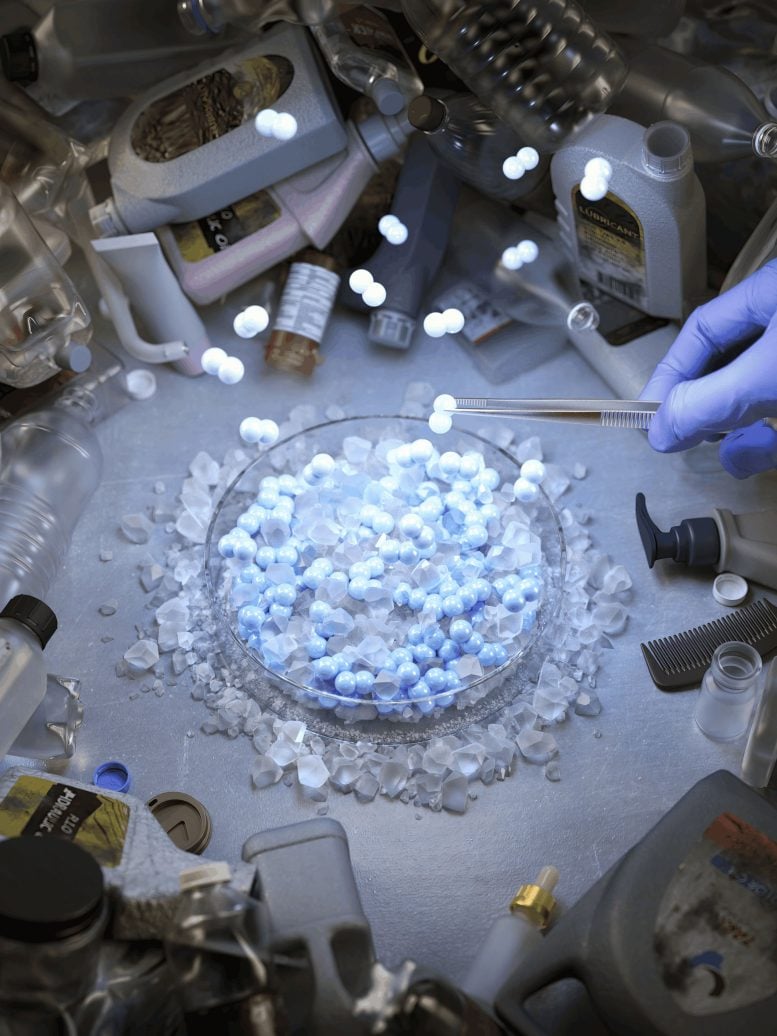
Thermal Treatment Process IllustrationThe advance could provide a scalable route to clean energy while making plastic recycling more effective. A discarded bottle, shopping bag or car part can remain in the waste stream long after its useful life ends. Although plastic is everywhere in modern society, recycling it remains difficult because most systems require different types to be [...]
  •  

Using seaweed to harvest valuable metals

If you’ve ever swum in the ocean and been touched by seaweed, there’s a good chance it was Sargassum! This free-floating seaweed can have population explosions in coastal waters, degrading water quality, ecosystems, fisheries, and tourism. However, despite its drawbacks, scientists think that Sargassum could be useful for extracting valuable metals, known as rare earth elements (REEs). 

REEs are classified by their average masses and atomic weights. Light REEs include cerium, praseodymium, and neodymium, middle REEs include gadolinium, terbium, and dysprosium, and heavy REEs include erbium, thulium, and ytterbium. These metals are used in magnets, electronic motors, wind turbines, spacecraft, and more. Our current methods of extracting REEs, open-pit mining and chemical processing, are invasive, causing habitat loss and producing toxic waste. Additionally, REEs are difficult to import due to restricted access worldwide. But what if these metals could be extracted using natural methods? 

Scientists from Woods Hole and UCLA recently tested whether Sargassum could accumulate REEs, creating a sustainable solution to these problems. They harvested Sargassum at Waterfront Park in Woods Hole, rinsed the wet samples, and stored them in sterilized, filtered seawater, which they aerated with 12-hour cycles of light and dark to keep the Sargassum alive. They dried another set of samples in the sun under controlled outdoor conditions, stored them in sealed containers, and later rehydrated them in seawater for 3 hours before the experiments.

For each experiment, they added 5 grams (about 0.2 ounces) of Sargassum to solutions containing a mixture of 9 REEs – cerium, praseodymium, neodymium, gadolinium, terbium, dysprosium, erbium, thulium, and ytterbium – in concentrations totalling 0.1 micromolar (μM) REEs, 11μM REEs, 100 to 110μM REEs, and 575 to 600μM REEs. They performed each experiment 4 times: twice with fresh seaweed and twice with rehydrated seaweed. 

The researchers removed 1 gram (about 0.04 ounces) of seaweed from each solution after 1, 3, and 7 days, and dissolved it in acid to release the REEs it had absorbed. They analyzed the concentrations of REEs in each seaweed sample and the leftover solutions using 2 different plasma-based methods. They used these REE concentrations to calculate the ratio of REEs in the Sargassum versus in the solution, known as the bioconcentration factor, to determine how effectively the seaweed absorbed REEs. 

They found that after 7 days at lower REE concentrations (0.1μM), the fresh seaweed had bioconcentration factors of over 1,000. At higher REE concentrations (11μM), their bioconcentration factors ranged from about 400 to 700. However, these levels of REEs were eventually toxic to the fresh Sargassum, so they died after 2 weeks. In addition, the higher REE concentrations of 100 to 600μM were immediately toxic to the fresh Sargassum, which died within 1 day in solution. 

The researchers determined that once the seaweed died, it could no longer actively take up REEs into its tissues but could only accumulate them on its surface or adsorb them. Adsorption can be thought of as a powdered donut – when the surface is covered with powdered sugar, no more powder fits on the donut. Similarly, there was a limit to how many REEs could stick to the Sargassum. Due to this limit, the fresh seaweed samples had bioconcentration factors below 250 in the highest REE concentrations. In contrast, the rehydrated Sargassum consumed less REEs at lower concentrations, but didn’t experience toxicity and continued to accumulate REEs at higher concentrations.

Finally, the team compared Sargassum to a common industrial method of accumulating REEs, known as activated carbon. REEs bond easily to activated carbon because of its abundant surface area and high porosity. Both materials accumulated a similar amount of REEs in solutions of 0.1μM REEs. However, at 575 to 600μM REEs, Sargassum accumulated about twice as many REEs as activated carbon, especially the heavier REEs. 

​The researchers concluded that Sargassum is a natural hyper-accumulator, meaning it successfully concentrates REEs. However, they recommended that future researchers test whether Sargassum performs the same in the natural environment as it does in the lab. If so, Sargassum could be used to accumulate REEs from wastewater, like mine drainage, or other water sources with higher concentrations of REEs. Regardless, they suggested that using Sargassum to obtain REEs could simultaneously expand global access to these metals and mitigate toxic blooms.

The post Using seaweed to harvest valuable metals appeared first on Sciworthy.

  •  
❌