It takes a village to raise a child, and sometimes it takes more than one wildlife rehabilitation center to care for a bat. Even if the bat in question weighs only six grams (about two ounces).
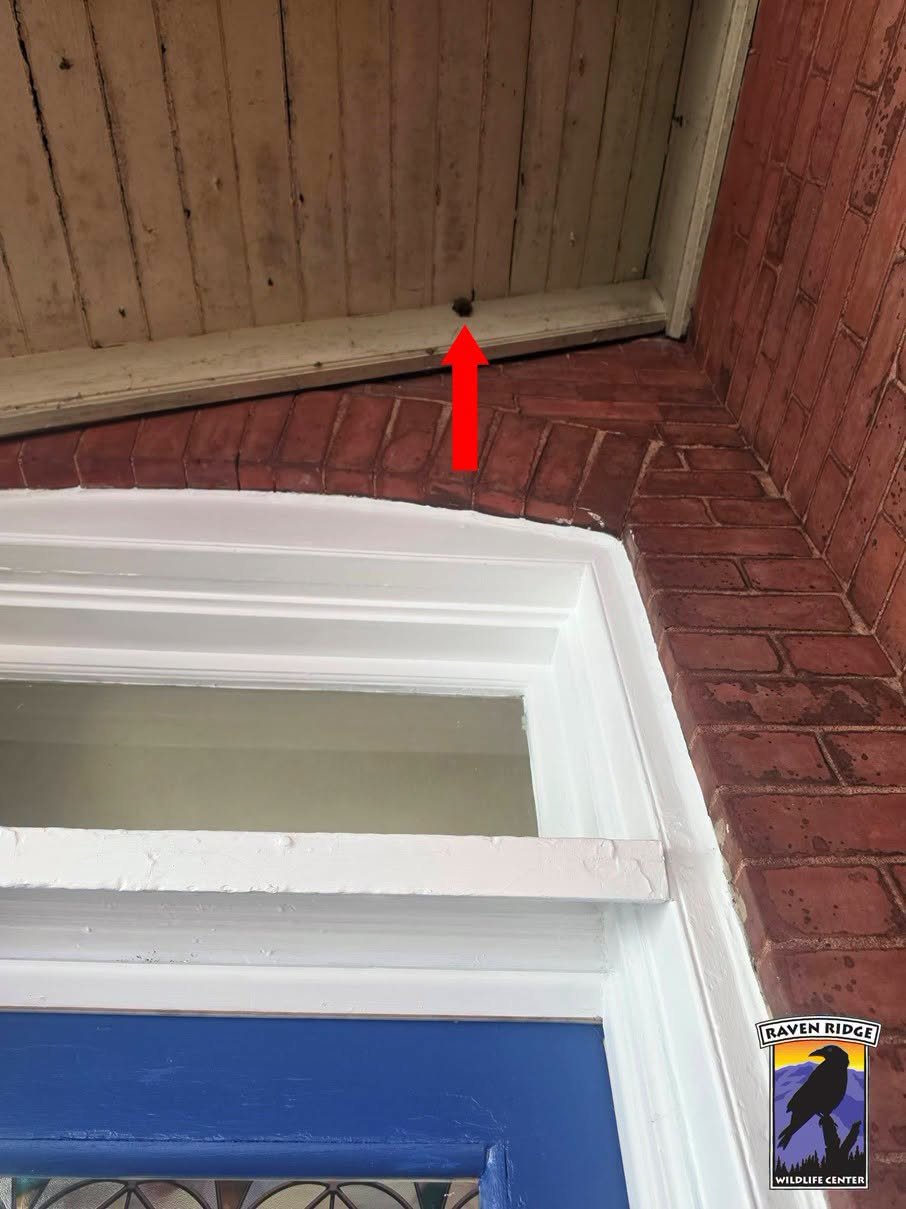
The recent rescue of the juvenile bat in Lancaster, Pennsylvania involved teamwork from the beginning. The “sky puppy” had been hanging on a local porch for two days. While that might not sound off, the bat’s exposure to the elements in a single location for that period of time made the situation an emergency, according to Raven Ridge Wildlife Center in southern Pennsylvania.
The rescued bat perched on a local porch. Image: Raven Ridge Wildlife Center.
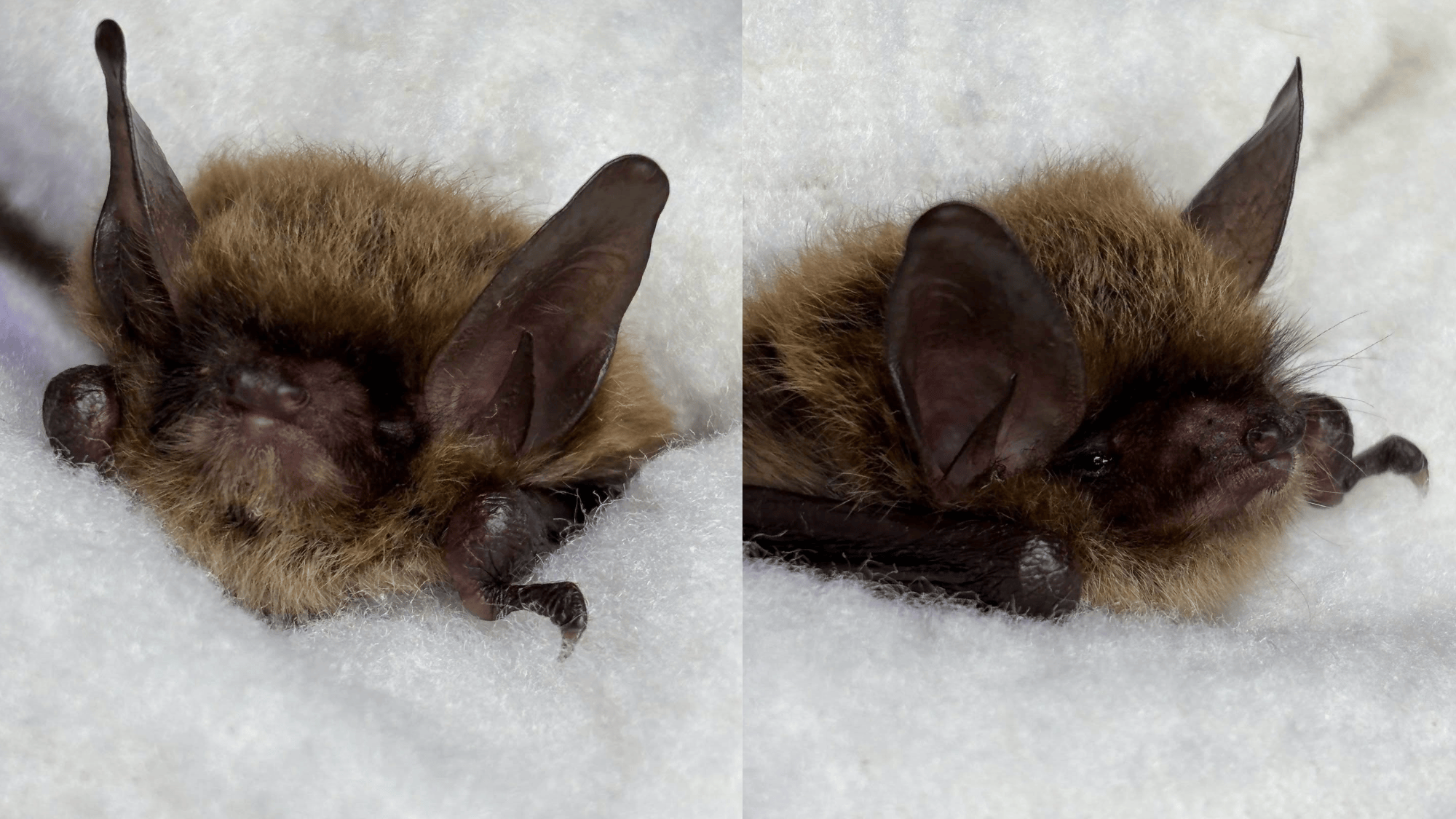
Pennsylvania Bat Conservation and Rehabilitation contacted Raven Ridge, who sent a team member to get the bat. The winged mammal was very dehydrated and underweight. It was also unlike the bats that typically arrive at Raven Ridge. The team stabilized her, recontacted PA Bat Conservation and Rehabilitation, and the two organizations realized that they had a northern long-eared bat (Myotis septentrionalis) on their hands.
“Sadly, northern long-eared bats are now critically endangered in North America, with their population dropping by as much as 97% to 100% because of white-nose syndrome,” Tracie Young, Raven Ridge Wildlife Center director, tells Popular Science. White-nose syndrome is a fungal disease that has killed millions of bats in the U.S. and Canada.
“They are now protected at both the state and federal levels,” Young adds.
A Raven Ridge volunteer ultimately drove the youngster to the PA Bat Conservation and Rehabilitation facility about an hour away, where the team is expert in critically endangered bats. The bat was eventually returned to the wild, with a video featuring the little bat launching from a woman’s gloved hand into the night.
“Even though this is just one bat, it was important to get this bat to the rehabber who specializes not only in bats but also in those in a critically endangered status,” Young adds. “The video shows her flying beautifully. This effort was a wonderful partnership between Raven Ridge Wildlife Center and PA Bat Conservation and Rehabilitation.”
Nothing is quite as joyful as watching a dog get caught up in a bout of “zoomies,” zipping around a living room or backyard in a burst of energy. But our canine pals aren’t the only animals subject to these hyperactive displays.
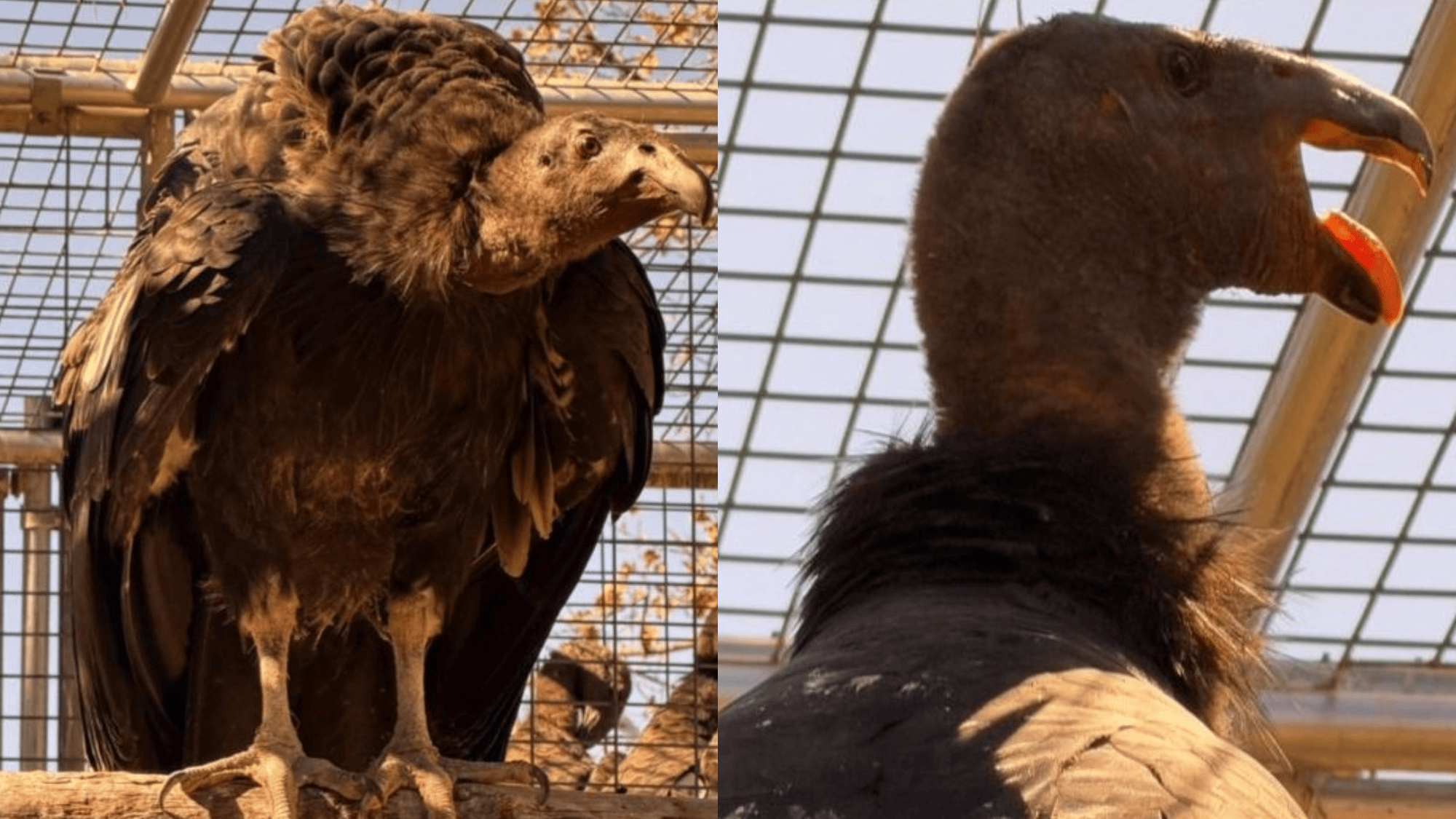
Young condors can also engage in zoomies, as demonstrated in a recent Facebook post from the Ventana Wildlife Society in California. The video shows clips of two young California condors (Gymnogyps californianus), Chert and Pumice, seemingly having a blast in their release pen.
“We observe the zoomies in both captive and wild condors. It’s just a sudden expression of pure excitement for young condors and very fun to watch,” Joe Burnett, California Condor Recovery Program Manager at the wildlife society, tells Popular Science. “Zoomies come out of nowhere and they just can’t contain themselves and totally let loose. They hop, run in circles, or flap around, or all the above! It’s just pure fun!”
It’s not just about the fun, however. Zoomies allow the young condors to release energy and grow stronger, as well as help them figure out their wings, according to the team.
The two zoomie condors are 1.5-year-old males who were raised in zoos before arriving at Ventana Wildlife Society’s San Simeon release pen in early September. It’s called a release pen because Chert, Pumice, and three other captive condors will be kept in the pen to acclimate until their release on October 24 at 10 a.m. The release will also be livestreamed.
The quintet will become a part of the wild condor population of central California, which today includes 104 individuals. But it won’t be a total goodbye. Scientists will be able to keep an eye on Pumice and Chert’s locations via wing-mounted radio & GPS transmitters and ID tags.
California condors are North America’s largest land bird. They measure 9.5 feet from wing tip to wing tip. But their size didn’t spare them from a precipitous population drop. In 1982 there were only 23 condors left in the world. All wild condors were captured and included in a captive breeding program.
“Condor releases are critical to achieving our ultimate goal- to reestablish a self-sustaining condor population in the wild,” Burnett concludes.
At the end of 2025, there were 607 California condors. We’d say Pumice and Chert earned their right to party.
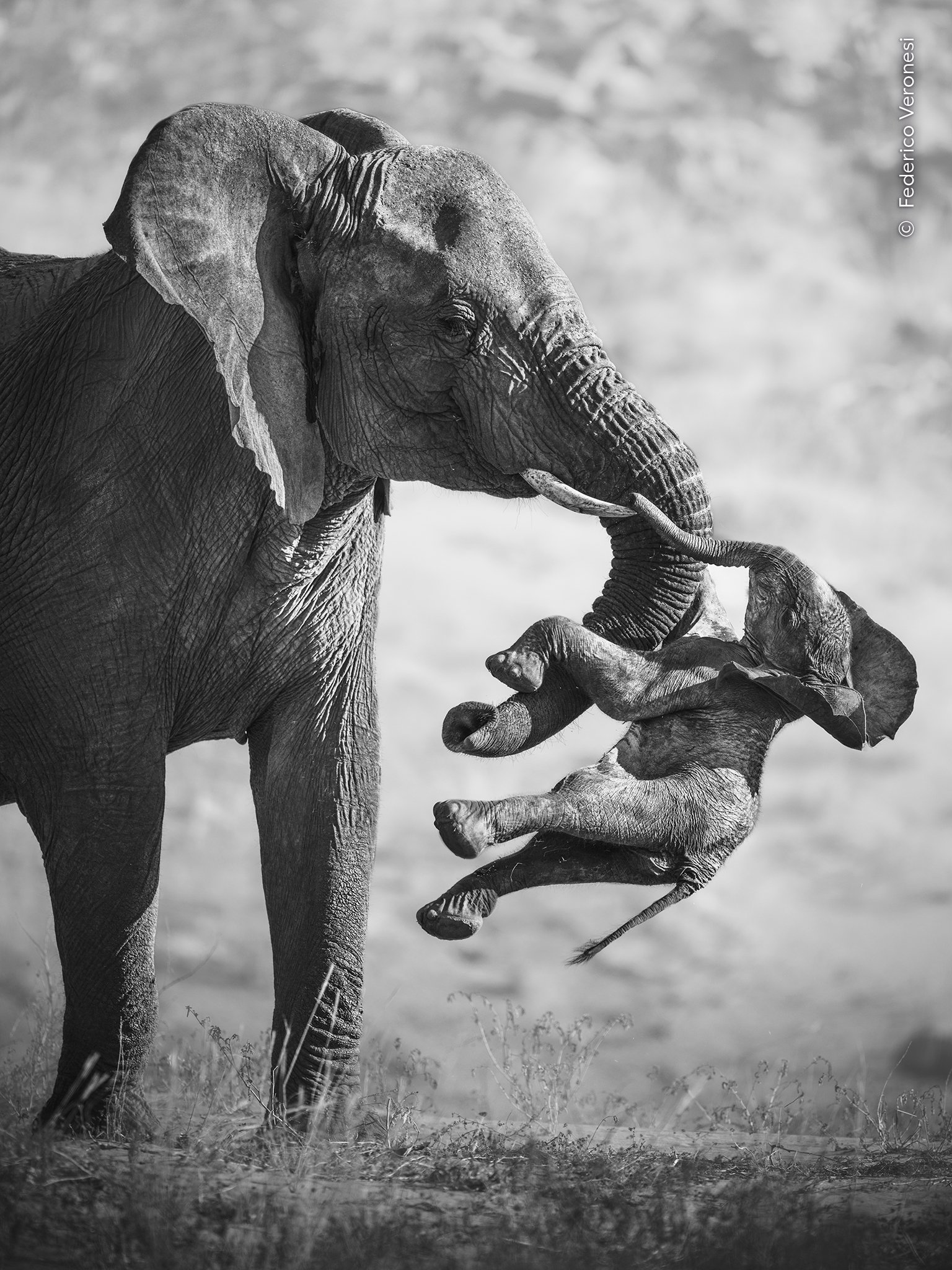
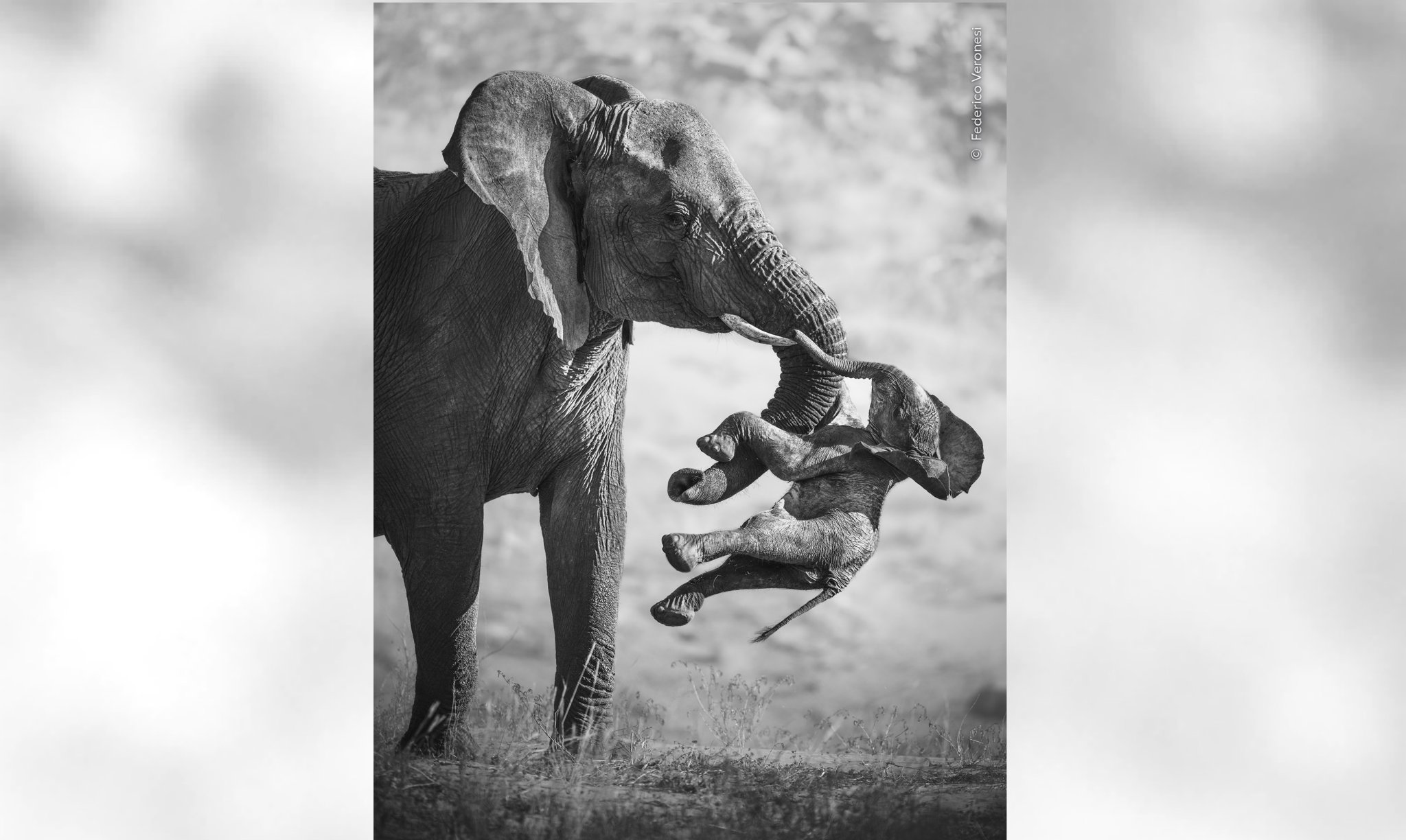
In the Huab River Valley of Namibia, a female elephant carries the body of a deceased calf. It’s a tragic scene that offers a rare glimpse at the complex social behaviors of animals. Photographer Federico Veronesi documented the moment and his striking image took top honors at 2026 Wildlife Photographer of the Year awards.
“This photograph works on so many levels. Emotionally it’s a gut punch, heartbreakingly poignant,” Kathy Moran, Chair of the Wildlife Photographer of the Year Jury, said. “Intellectually it’s proof that animals have cognition. This photograph says it all!”
“The Aftermath“ Wildlife Photographer of the Year 2026 Winner, Behaviour: Mammals Federico was tracking elephants when he came across an unusual pattern of drag marks in the sand of a dry riverbed. The source became clear when he caught up with a family group. A female emerged with the calf, its leg wedged between her tusk and trunk. Behaviours centring on death have been observed in both Asian and African elephants, including vocalisations, guarding the dead, inspecting and handling bones, and carrying the deceased. Some researchers suggest these behaviours could indicate an elephant’s journey to understanding death, while others interpret these actions as possible displays of grief. Credit: Federico Veronesi / Wildlife Photographer of the Year 2026
Photographers from around the world submitted more than 65,000 photographs for consideration this year. Prizes were awarded across 20 categories, including honors for young photographers.
Winners across categories:
10 Years and Under: Amelie Davis (UK)
11 – 14 Years: Oscar Whitfield (UK/Zimbabwe)
15 – 17 Years: Konrad Gräeter (Germany)
Animals in their Environment: James Lewin (UK)
Animal Portraits: Aaron Sanders (UK)
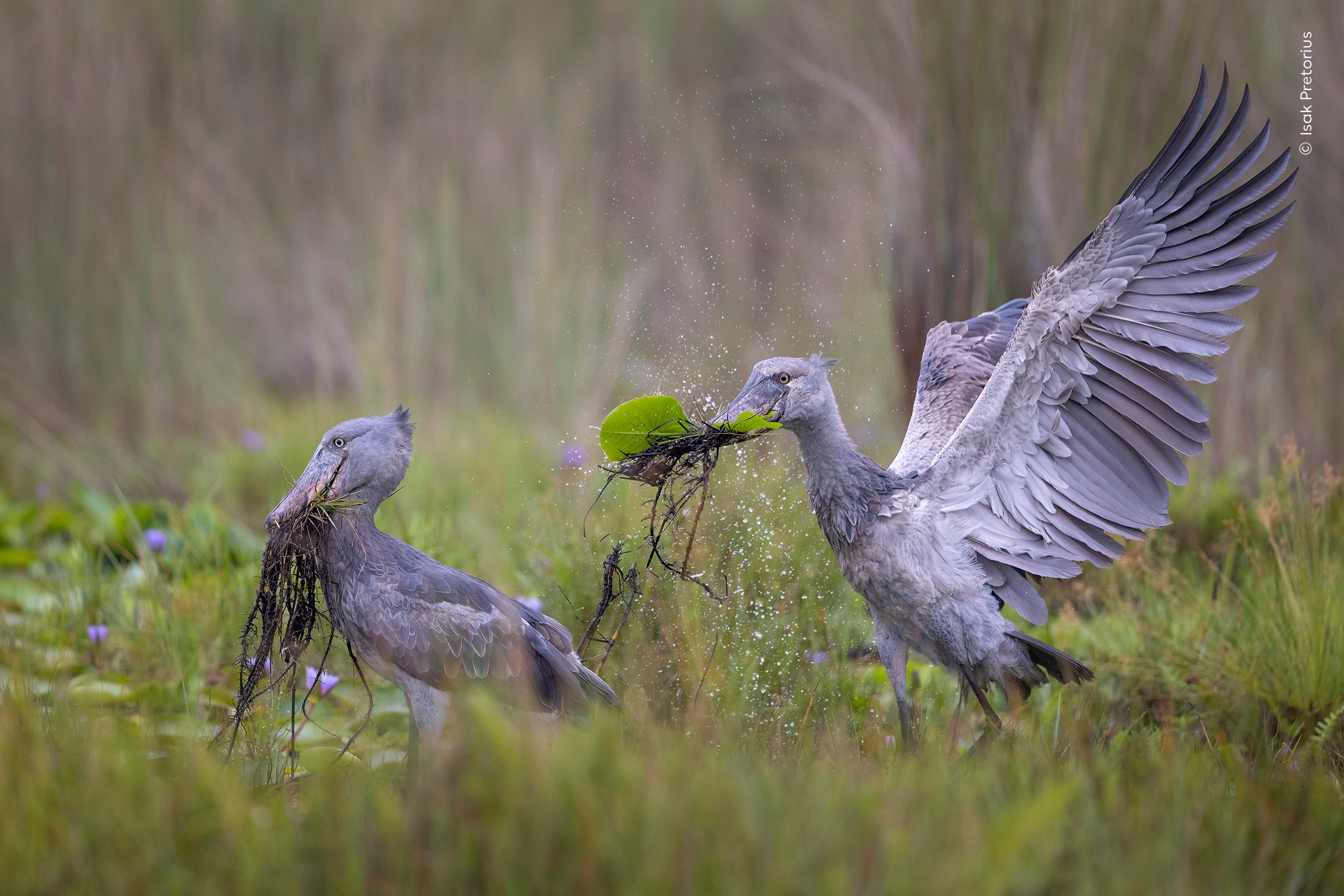
Behaviour: Birds – Isak Pretorius (South Africa)
Behaviour: Mammals – Federico Veronesi (Italy)
Behaviour: Amphibians and Reptiles – Anton Sorokin (USA)
Behaviour: Invertebrates – Sitaram Raul (India)
Oceans: The Bigger Picture – Alex Lindbloom (USA)
Plants and Fungi: Agorastos Papatsanis (Greece)
Natural Artistry: Michał Michalski (Poland)
Underwater: Tony Wu (Japan/USA)
Urban Wildlife: Seth Forestson (USA)
Wetlands: The Bigger Picture – Alex Visbal (Colombia)
Photojournalism: Francisco Negroni (Chile)
Photojournalist Story Award: Loren Elliott (USA)
Rising Star Award: Alexis Tinker-Tsavalas (Germany)
Portfolio Award: Kutub Uddin (Bangladesh/UK)
Wildlife Photographer of the Year: Federico Veronesi (Italy)
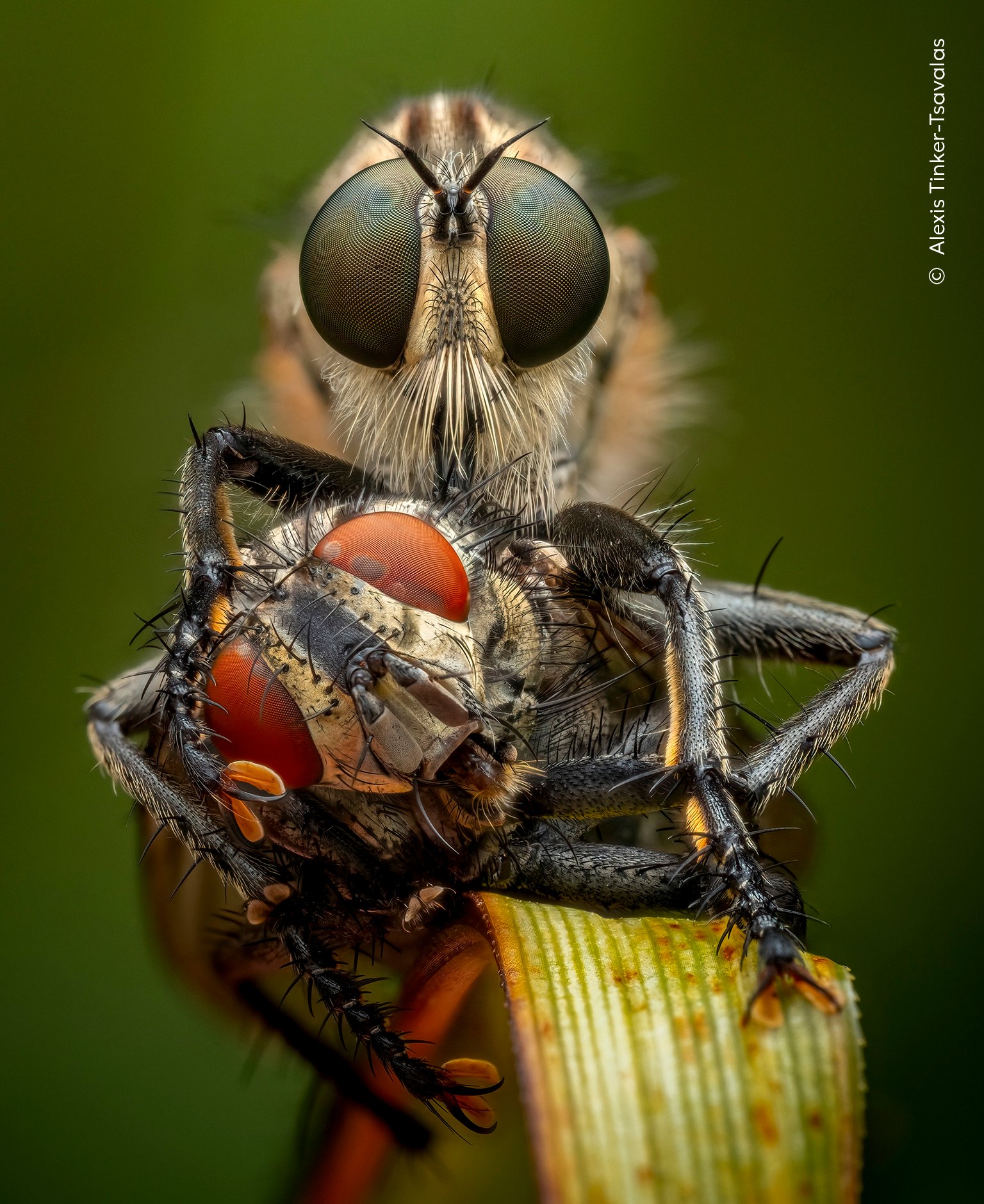
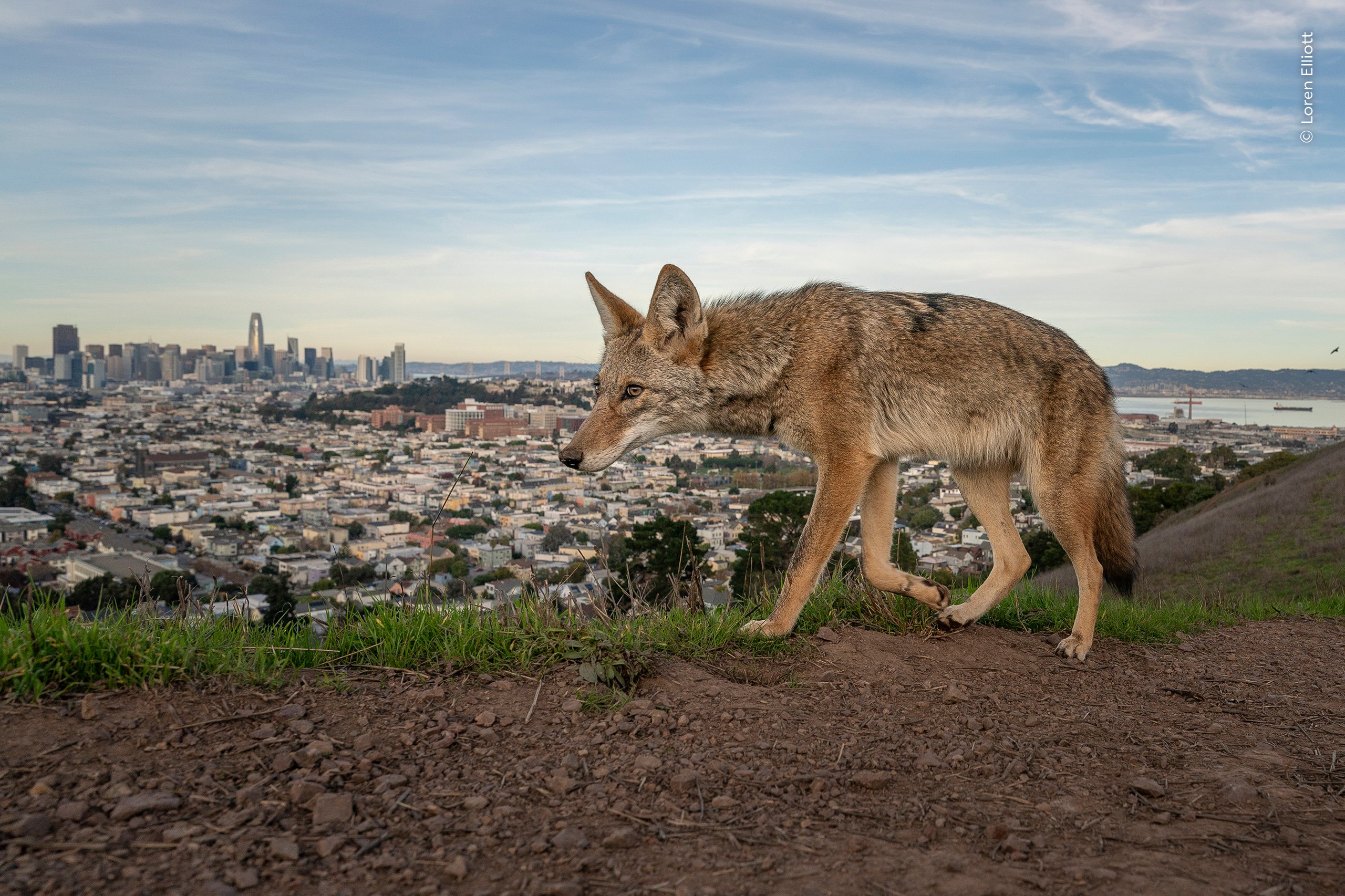
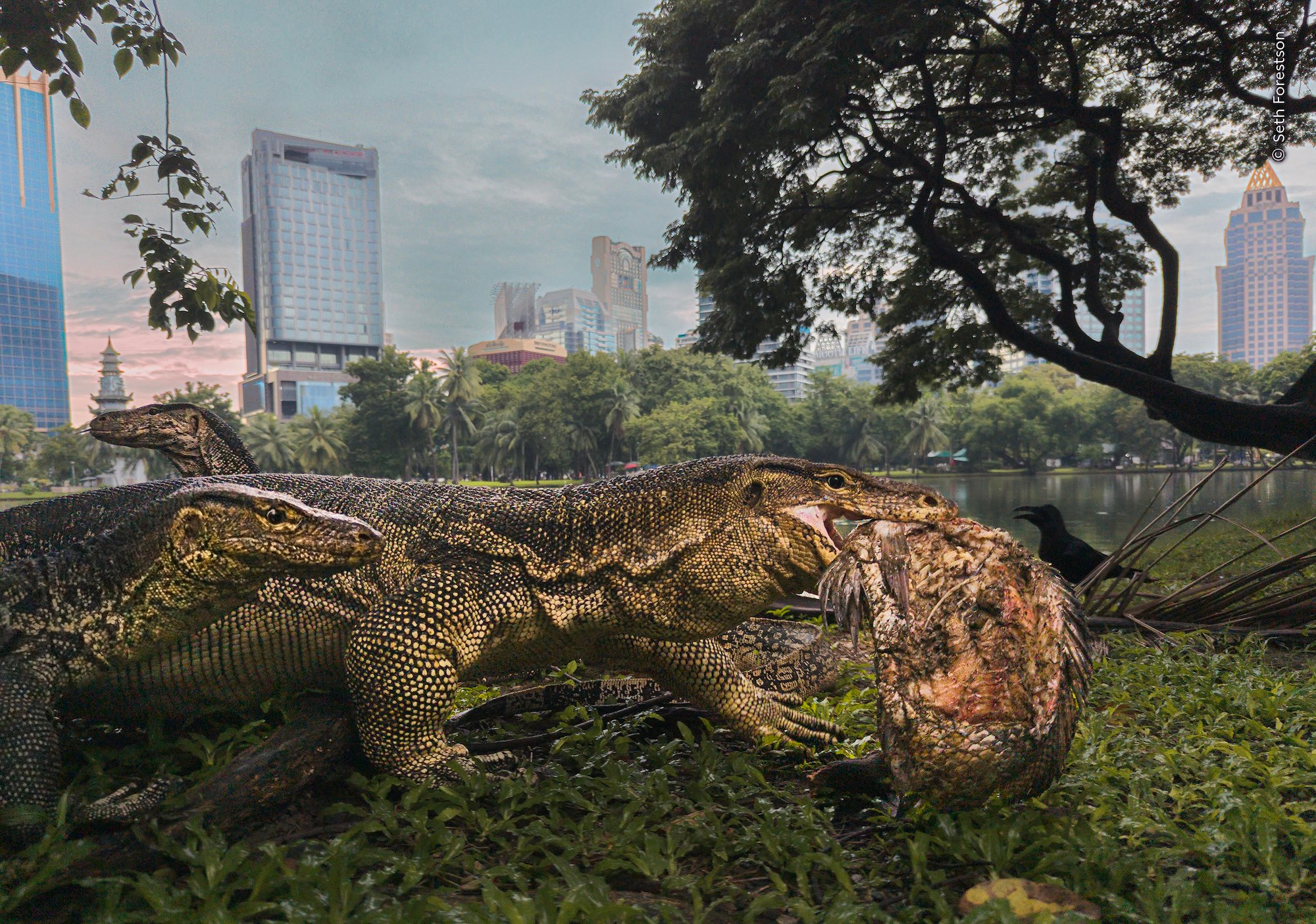
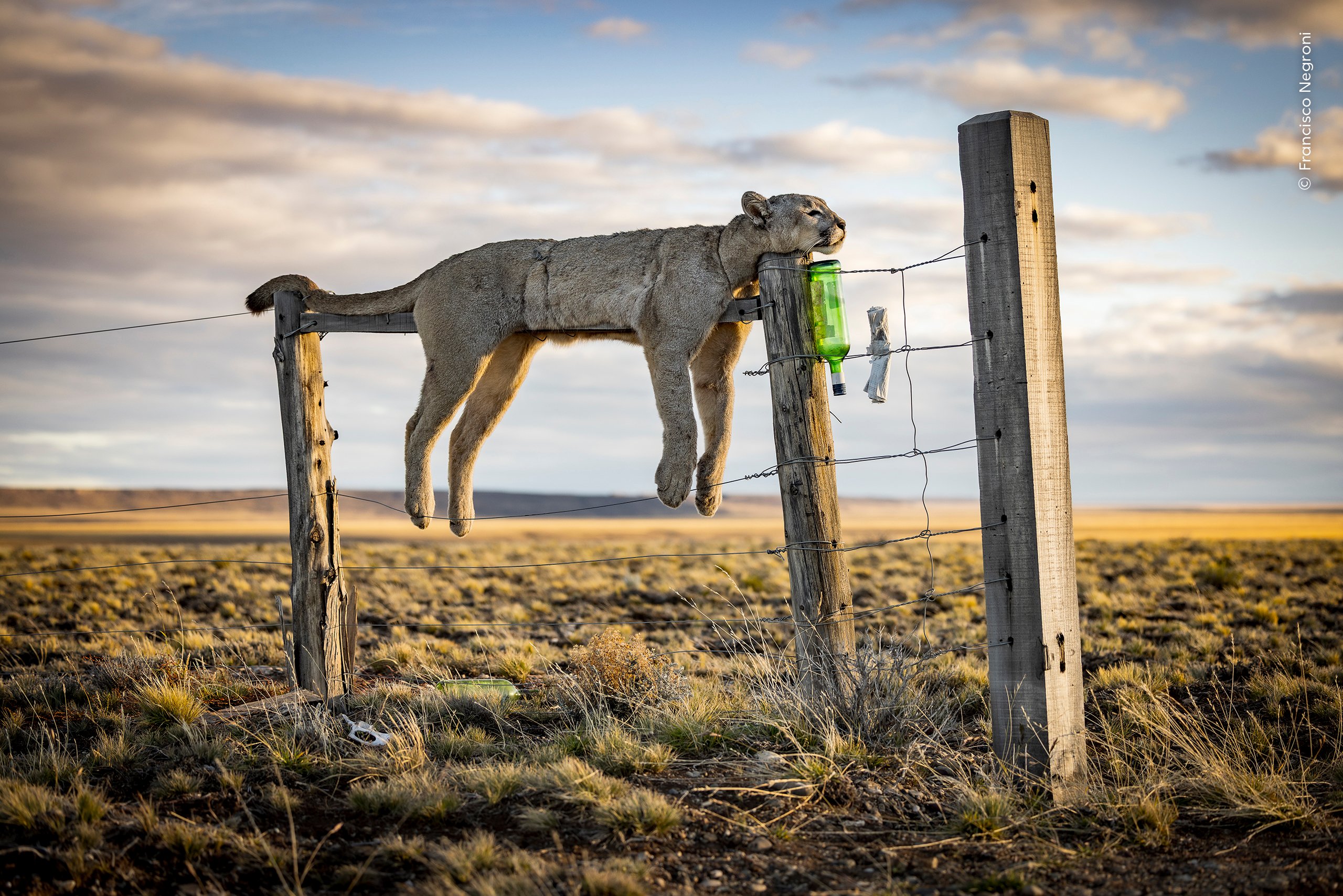
“Afternoon Snack” Winner, Rising Star Award When Alexis spotted this robber fly, it had already impaled the flesh fly with its needlelike mouthparts. The bubbles forming in the victim’s eyes indicate that the robber fly has injected digestive enzymes that liquefy its internal tissues before they are sucked out. Credit: Alexis Tinker-Tsavalas / Wildlife Photographer of the Year 2026 “On the Outskirts“ Winner, Photojournalist Story Award A coyote pads along a trail in Bernal Heights Park, overlooking the city and bay of San Francisco. This individual is part of a resident pack that Loren observed hunting rodents in the park, which is also popular with people and dogs. Credit: Loren Elliott / Wildlife Photographer of the Year 2026 LOREN ELLIOTT“Urban Jungle” Winner, Urban Wildlife The challenge wasn’t finding these lizards, but catching them in action, as they spend most of the day basking in the sun. When Seth spotted this one, he lowered himself down onto the mud to frame this city dragon against the Bangkok skyline. Common water monitors have successfully adapted to living within cities across South and Southeast Asia. They will take whatever food source is available, such as the plentiful supplies of catfish and koi in the lakes of Bangkok’s Lumphini Park. Credit: Seth Forestson / Wildlife Photographer of the Year 2026“Warning Sign” Winner, Photojournalism Tied to the fence and presented as a hunting trophy, this display was one Francisco had ‘never witnessed or photographed before’. In 2025, Santa Cruz banned the hunting of pumas, but illegal persecution continues. Livestock predation is one of the major causes of human–puma conflict, and it’s suggested that enclosing sheep at night and using guard dogs can significantly reduce the loss of livestock without resorting to hunting. In southern Chile, some owners have even abandoned sheep farming in favour of puma tourism. Credit: Francisco Negroni / Wildlife Photographer of the Year 2026 Francisco Negroni“Scenes from the Swamp“ Winner, Behaviour: Birds Exploring the swamp in a narrow canoe with a guide, Isak felt exceptionally lucky to see not one but two elusive shoebills. The birds pulled out vegetation, dropped it and then repeated the process several times. It’s likely this is a breeding pair gathering nesting material. Though often called the shoebill stork, these large birds are more closely related to pelicans, herons and ibises. Fewer than 5,300 mature shoebills survive across their entire range and their numbers are decreasing. Credit: Isak Pretorius / Wildlife Photographer of the Year 2026
Wildlife Photographer of the Year is developed and produced by the Natural History Museum, London. The winning images will be on display at the museum until July 11, 2027.
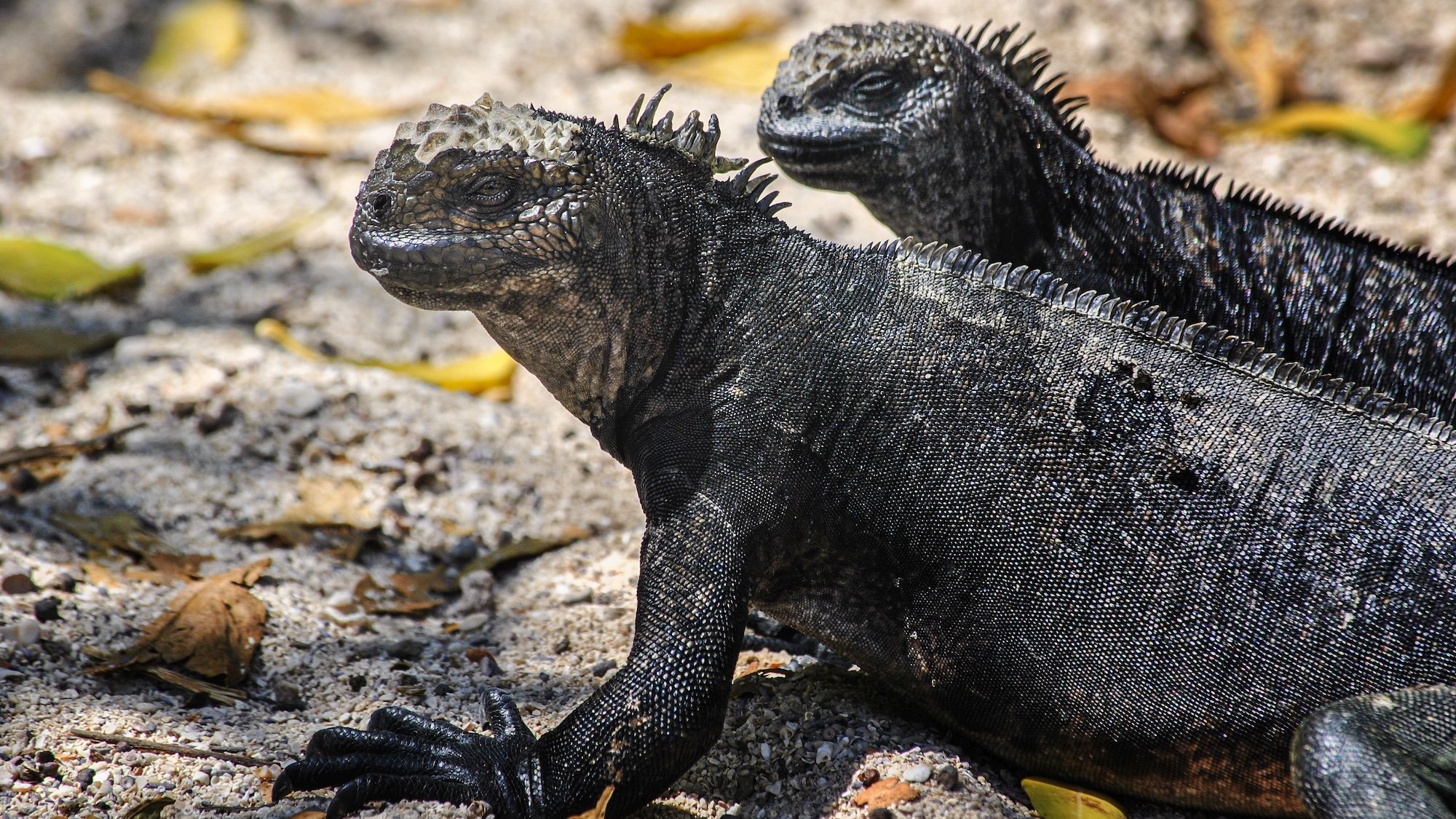
Marine biologists are sounding the alarm on behalf of the Galápagos Islands’ marine iguana (Amblyrhynchus cristatus). Without tightened regulations on the often abused exotic pet trade, researchers warn that a recent “strange uptick” in illegal animal trafficking combined with this season’s Super El Niño is further endangering the already vulnerable reptiles living on the Eastern Pacific archipelago.
“They are already shrinking in size and facing mass mortality, either by starvation or by trying to swim longer distances in search of food,” Juan José Alava, a marine ecotoxicologist at Canada’s Simon Fraser University, explained in a recent letter published in Science.
The marine iguana family encompasses at least 11 known subspecies, each specially evolved to live on the Galápagos Islands. They are the only reptiles in the world capable of foraging underwater for macroalgae, which makes up the majority of their diet. Although iguana colonies remain relatively stable, the International Union for Conservation of Nature (IUCN) still lists them as Vulnerable due to predators, mounting pollution issues, and cyclical El Niño events. Ten of the 11 recognized subspecies are also locally classified as either Critically Endangered or Endangered. Sale of iguanas is banned under the Convention on International Trade in Endangered Species of Wild Fauna and Flora (CITES), but a recent uptick in illegal trafficking along with increasingly dramatic climate shifts is adding more stress to the situation.
Ecuadorian authorities have caught people attempting to smuggle iguanas multiple times this year. In May, officials discovered at least a dozen animals inside handbags at an airport that were bound for illegal markets. Law enforcement found another 32 tied up inside a suitcase intended for similar buyers in August. Many trafficked iguanas won’t survive the stress and rough handling, but even rescued reptiles face challenges. Because subspecies are evolved to live on specific islands, ecologists must test each rescued iguana’s DNA to determine where to return them.
Smuggling hasn’t been seen within the Galápagos Marine Reserve itself, but Alava and his colleagues theorize that smugglers are capturing iguanas near Ecuador’s coastal shorelines. Traffickers then obtain CITES permits that falsely declare the reptiles are captive bred in other nations, even though no such authorized facilities actually exist. Often, smugglers are only engaged in the industry out of financial necessity or coercion.
“Artisinal fishing communities from Galapagos and coastal Ecuador, who are facing severe socioeconomic hardship and expanding organized crime activities, may feel pressured to participate in this international black market,” the letter’s authors wrote.
Conservationists are now urging a multifaceted approach to protect the animals. CITES representatives need to close existing permit loopholes, while the Ecuadorian government should focus on simultaneously breaking up organized crime and providing economic aid to struggling communities.
“Maintaining global ocean observing systems is essential, and extreme marine event forecasting and response capabilities are improving,” the authors wrote. “But responsibility and action remain fragmented across environmental [organizations], fisheries, and emergency management, and public health agencies.”
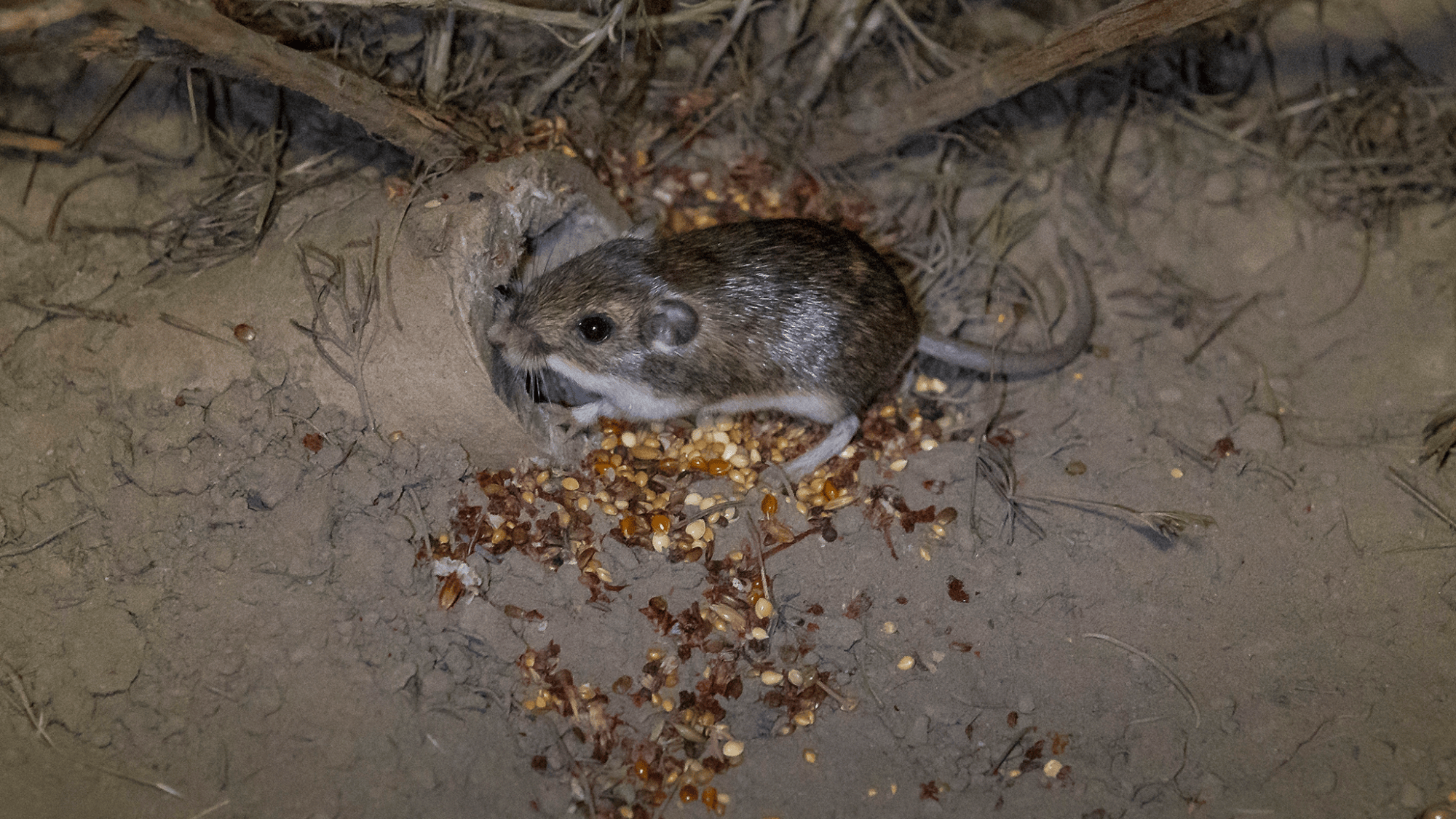
An endangered mouse is slowly returning to the Golden State. Pacific pocket mice (Perognathus longimembris pacificus) are about as large as a human thumb and about as heavy as three pennies. Unsurprisingly, they are the smallest mammals in North America and are one of many pocket mouse subspecies. But they are also one of the most endangered.
Pacific pocket mice have lived in and around Los Angeles and San Diego but before 1993, the species was believed to be extinct. When a small population was found in Orange County, the tiny rodent was listed as endangered.
Today, there are only three original populations in the wild, but groups are being reintroduced into the wild. The San Diego Zoo Wildlife Alliance and their partners recently established their third reintroduced population of Pacific pocket mice at North San Mateo, a training area within Marine Corps Base Camp Pendleton.
“This spring, we provided 50 mice to USGS [United States Geographical Survey] to establish a third reintroduced population at North San Mateo, and we’re very encouraged that reproduction has already been documented there,” Debra Shier, associate director of recovery ecology for San Diego Zoo Wildlife Alliance, tells Popular Science.
The two other reintroduced populations are also doing well. They are the Water Tank population in Laguna Coast Wilderness Park and the Wire Mountain population on Marine Corps Base Camp Pendleton. Mice there are reproducing, and the Water Tank population has a high to very high density. Additionally, the Wire Mountain population has a medium to high density, according to Shier.
The Pacific pocket mouse’s recovery is good news for the subspecies, but also for their ecosystem. Their burrows contribute to improving soil hydrology and nutrient cycling and also shelter other species, Shier added in a statement. An additional population helps return these crucial ecological functions to their native coastal ecosystems.
Since the start of its Pacific Pocket Mouse Conservation Program in 2006, the San Diego Zoo Wildlife Alliance has released over 500 of these tiny mammals into the wild, adding them to both new and established populations.
“We’re now beginning to allow the established populations to expand beyond their original fenced release areas. That’s especially important this year because of the potential for heavy winter rains associated with the forecasted El Niño,” Shier says. “We’ve found that high winter precipitation can be associated with lower overwinter survival, so allowing mice to spread out and settle in a larger area may help make these populations more resilient.”
The greatest threat to Pacific pocket mice is the loss and fragmentation of their specialized coastal habitat. Habitat loss diminishes their range and makes them vulnerable to inbreeding.
“So, recovery isn’t simply about breeding more mice,” Shier points out. “We need to protect and restore suitable habitat, establish additional populations, and maintain genetic diversity across those populations.”
While fall officially began only a few weeks ago, many of us have come to expect pumpkins and Halloween decorations in stores as early as August. And this year, an adorable baby turtle joined in on the early autumnal festivities.
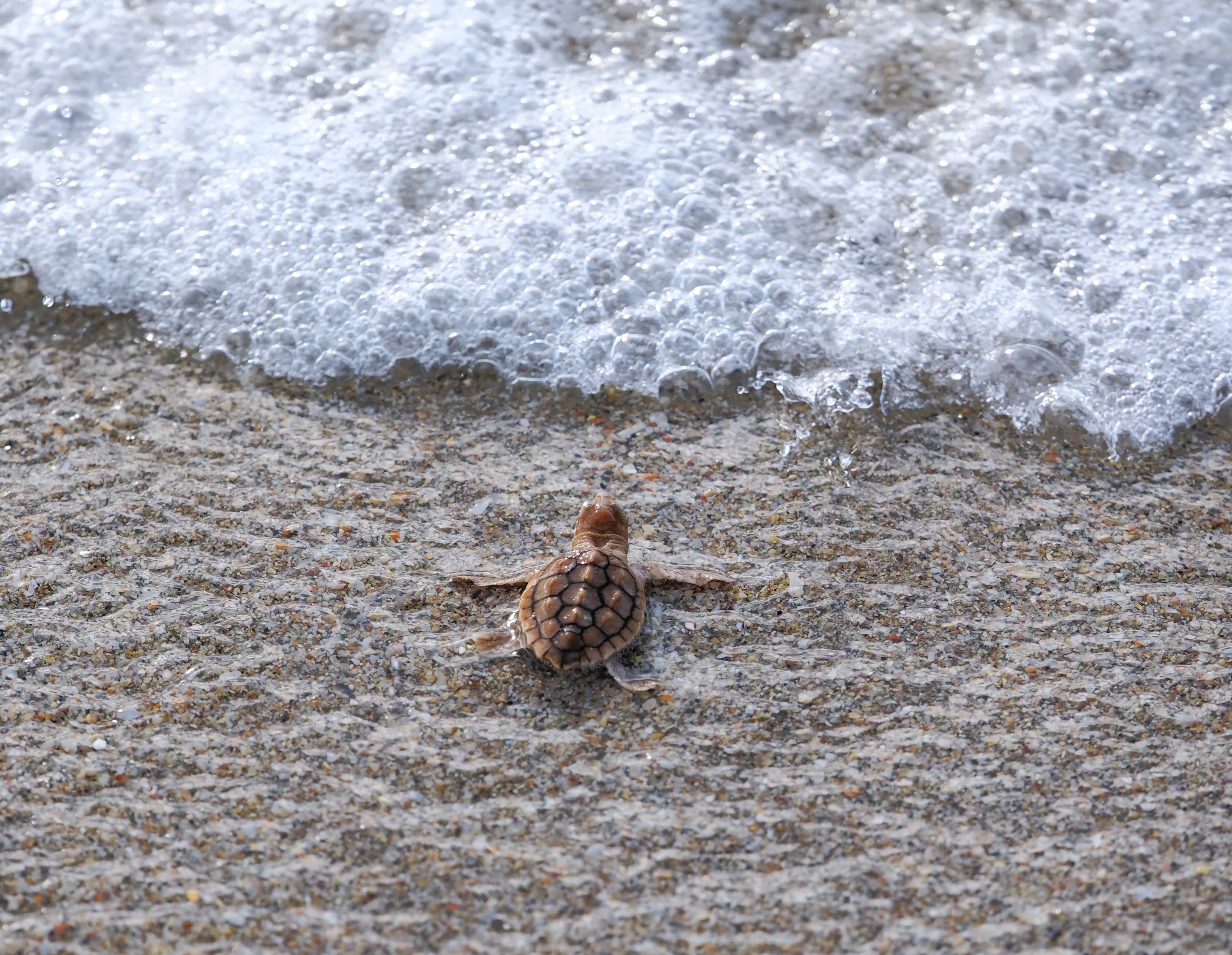
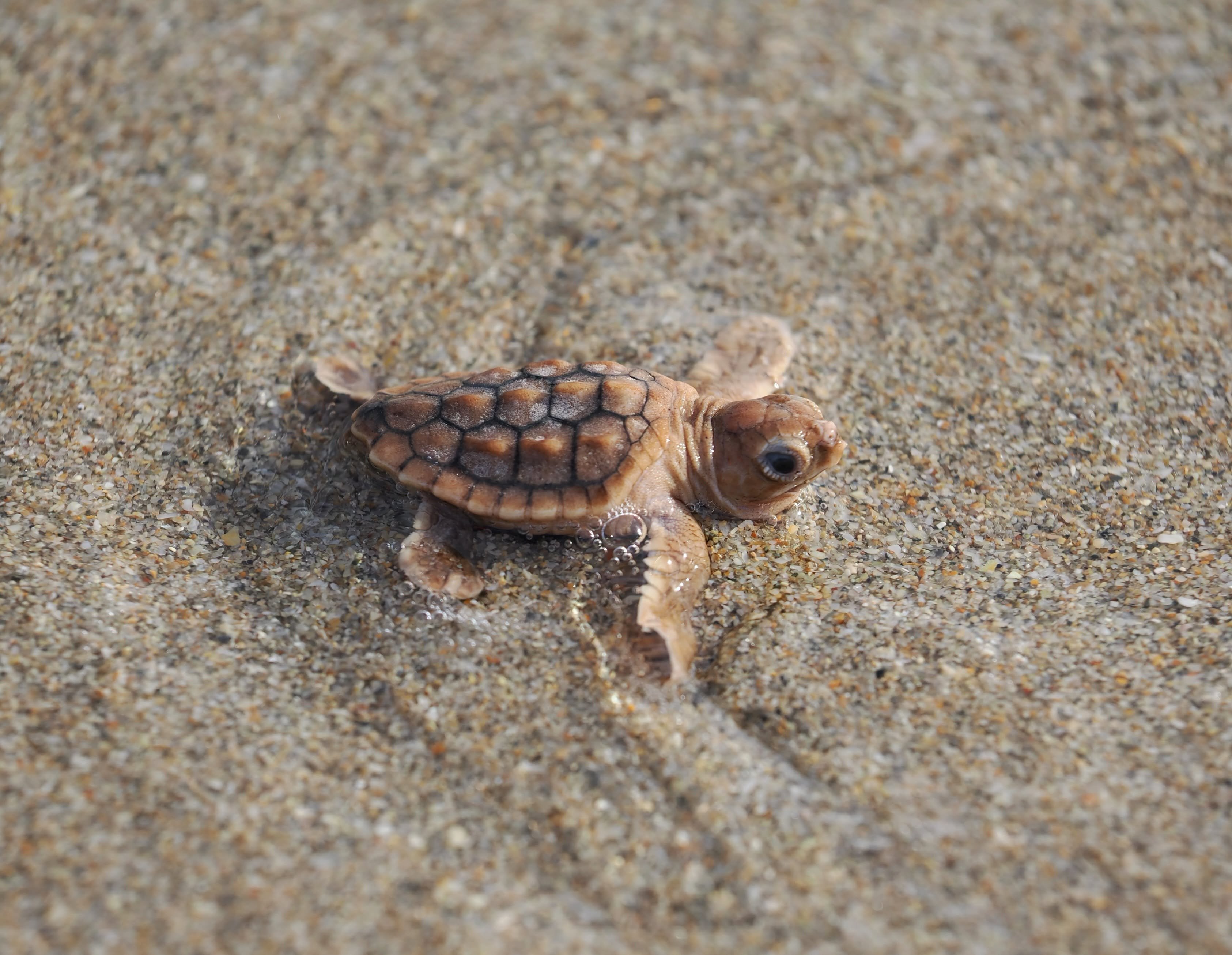
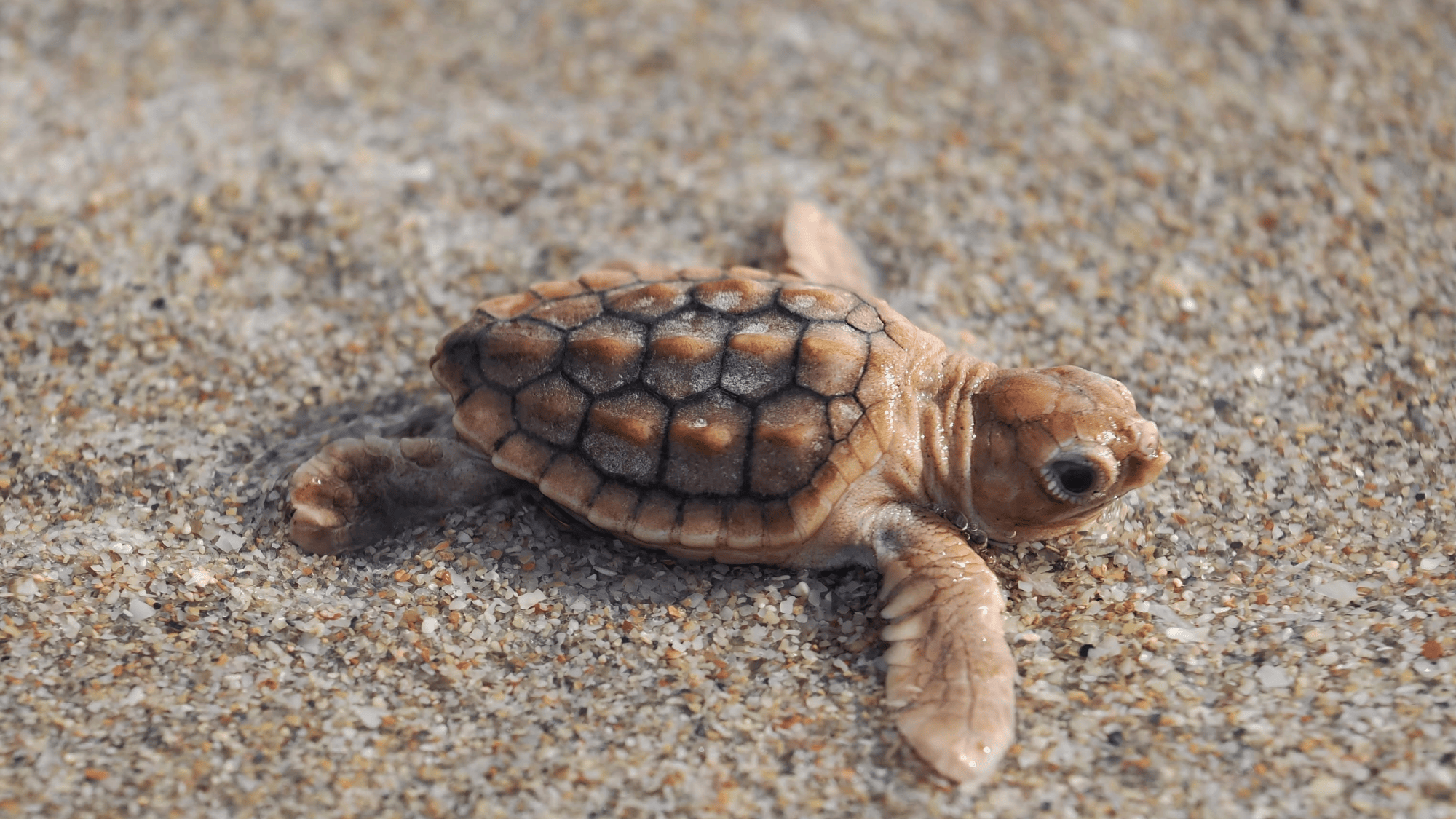
In August, Florida native Michael Landress spotted a loggerhead turtle (Caretta caretta) hatchling making its way toward the water. “This little one, surprisingly, had an earthy tone of autumn. ‘Pumpkin Spice’ sprang to mind as the little orange hatchling raced to its ocean home,” Landress wrote in a statement sent to Popular Science, despite the fact that he doesn’t like pumpkin spice lattes or pumpkin pie.
The hatchling was spotted in August. Image: Michael Landress.
Loggerhead turtle hatchlings usually have dark to light brown top shells (called a carapace) and dark flippers that can be pale along part of their edges. Their bottom shells (or plastron) is typically a tan or faded yellow, according to Daniel Evans, a biologist at the Sea Turtle Conservancy. Very different shell colors, like “pumpkin spice” or in albino turtles, are rare, Evans adds.
“For hatchling loggerhead sea turtles, coloration is important for camouflage and hiding from predators while floating in mats of seaweed, such as sargassum,” Evans tells Popular Science. “The common coloration, even with slight variation, provides very good camouflage, while coloration that is different won’t provide that same level of protection. This is most likely why we don’t see such drastic differences in coloration in adult loggerheads.”
Loggerhead turtles are considered Endangered by the IUCN and federally-designated as Threatened. Image: Michael Landress.
Adult loggerhead turtles usually have a more reddish-brown carapace and pale yellowish plastron, as well as brown to yellowish flippers.
Loggerhead turtles are named in honor of their large heads. They live in subtropical and temperate oceans, and Florida is home to one of the largest loggerhead nesting aggregations on the planet. Nonetheless, they are classified as Endangered by the IUCN and federally-designated as Threatened by the United States. A significant threat to the species is bycatch in commercial fisheries.
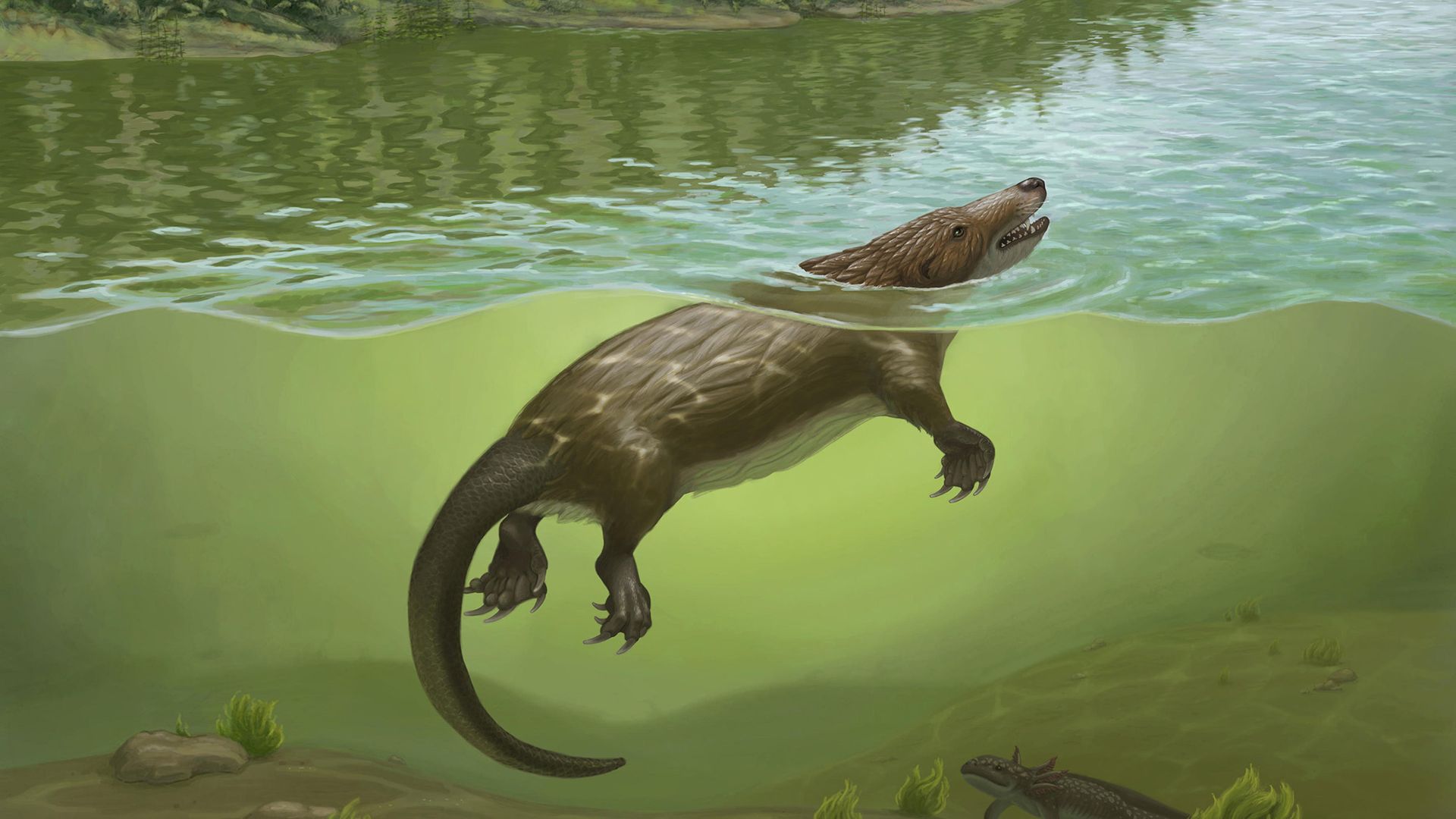
A newly discovered platypus-like creature is the largest-known mammal relative from the entire Jurassic period, a new study finds — although it still only weighed as much as a Chihuahua.
The critter, which hunted salamanders in the freshwater lakes and rivers of what is now Inner Mongolia, China, lived during the mid-Jurassic between 168 million and 163 million years ago. It seems to be the earliest known mammal-type animal that lived a semiaquatic life.
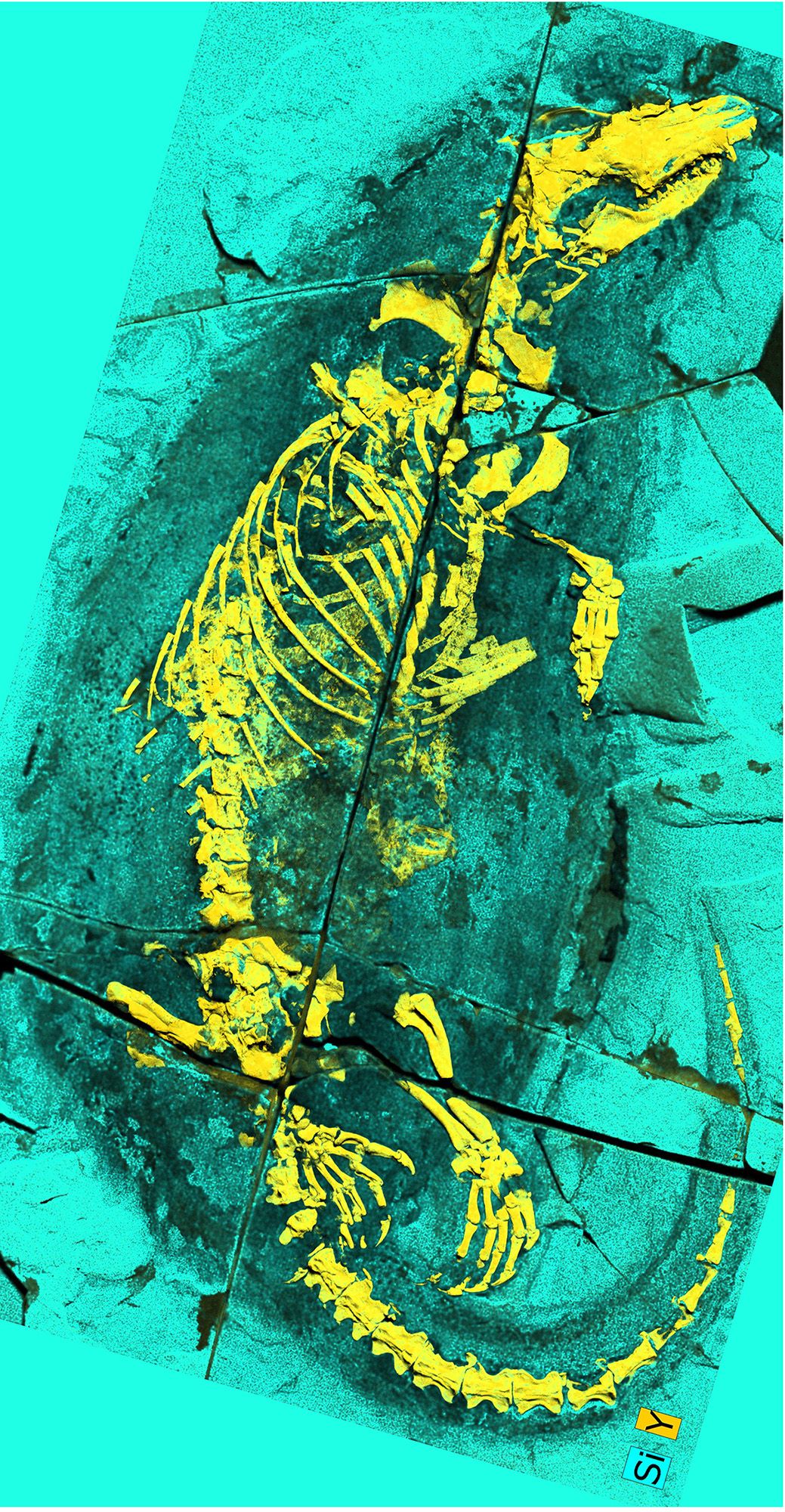
Researchers unearthed the delicate and detailed fossil in 2016, which revealed that the animal likely weighed about 2.2 to 4.4 pounds (1 to 2 kilograms). It was large for a mammal relative during the Jurassic, but its name, Megacauda sungei, was inspired by its tail: Megacauda means "big tail." The discovery was detailed in a study published on Wednesday (Oct. 7) in the journalNature.
The furry predator had a mix of features seen in modern-day animals, with a broad, flattened tail that marks it as a powerful swimmer, and short hind legs with relatively long feet.
"It's like a chimera," study co-authorZhe-Xi Luo, a paleontologist at the University of Chicago, told Live Science. "The back half of this animal is very much like a platypus. As are the limbs, which would be capable of swimming or digging tunnels in river banks."
But the teeth "are definitely not like a platypus," Luo said. It possessed robust canines and shearing cheek-teeth that would cut and chew meat in a different way from modern carnivorous mammals. "It's a predator with gigantic and very specialized canines," Luo said. "So, it's partly otter-like and partly platypus-like."
A revealing fossil
The fossil of Megacauda sungei, highlighting its bones and soft tissue. (Image credit: Luo et al., Nature (2026))
Tiny bits of vertebrate bones found in what would have been the animal's stomach and the surrounding fossil beds hint that M. sungei dined on salamanders, Luo said.
He added that M.sungei may have sheltered in burrows on land in the temperate plant-filled climate, and hunted in lakes and rivers for fish and invertebrates.
Another notable aspect of the fossil is its throat. Modern mammals, including humans, have hyoid bones in the throat arranged in a "U"-shaped saddle. These help us use throat muscles to swallow chewed food one chunk at a time, instead of gulping down huge bites or whole prey. The structures also enable babies to suckle their mother's milk.
M.sungei seems to have had the apparatus needed to do this, study co-authorThomas Martin, a paleontologist at the University of Bonn in Germany, told Live Science.
"This is an incredibly important evolutionary innovation," Luo said, adding that this capability is one of the things that helped early mammals diversify into carnivores, insectivores, herbivores or omnivores to take advantage of all sorts of foods.
Finding this in M.sungei suggests that the apparatus needed for suckling milk and swallowing had already evolved by the Middle Jurassic (around 174 million to 164 million years ago), Martin said.
This is before marsupials like kangaroos and placental mammals like primates and bears are thought to have diverged from each other 160 million years ago, after descending from an egg-laying common ancestor that lived approximately 180 million years ago.
"Now we push the history of it back to before the split of modern marsupials and modern eutherian [placental] mammals," Luo said.
"Neonatal suckling behaviour was previously thought of as being a hallmark of advanced mammals, but it now appears to have evolved well before then, in the common ancestor of docodontans and mammals at least 165 million years ago," said Sue Hand, a vertebrate paleontologist at the University of New South Wales in Australia who wasn’t involved in the study.
M.sungei is from an extinct lineage of docodonts, which are relatives of mammals from the dinosaur-dominated Jurassic and Cretaceous periods, living between about 200 million and 120 million years ago.
"It seems that an aquatic lifestyle arose often in early mammal-like species," saidTim Flannery, a mammalogist at the Australian Museum Research institute who wasn't involved in the work.
If anything, the newly described "spectacular fossil" shows that docodonts were wide-ranging during the dinosaur age, Hand told Live Science in an email.
"This very detailed study adds to accumulating evidence that mammaliaforms occupied a wide range of ecological niches long before the evolution of living mammals," Hand said.
Mammals first appeared on Earth over 200 million years ago, scuttling around alongside the dinosaurs as little mouse-sized creatures. But after the asteroid hit 66 million years ago, it was their time to shine — and the Age of Mammals began.
But the path to understanding our own branch of the animal kingdom hasn't been straightforward. In this excerpt from "The Story of the Mammals in 25 Discoveries" (Columbia University Press, 2026), author Donald R. Prothero looks at a time when philosophers and early naturalists believed giants roamed the Earth and explores the idea that extinction was heresy.
Many cultures around the world have a mythology that includes legends about gigantic races of humans that lived on Earth in the dark mysterious past. They may have fought against the gods, or they may have been destroyed by floods. These stories were reinforced by the discovery of gigantic bones, much larger than those of any living human, all over the Mediterranean and Europe.
The Greek philosopher Empedocles (492-432 BCE) reported gigantic bones from Sicily, supposedly remnants of a race of giants. The Roman historian Pliny the Elder (23-79 CE) mentioned fossil ivory in the ground, and according to the Roman historian Suetonius (69- 122 CE), Emperor Augustus owned a collection of large bones that had been found on the island of Capri, near Pompeii. The skulls of elephants, with their huge central opening in front (for the trunk), were thought to be the skulls of the one-eyed cyclops.
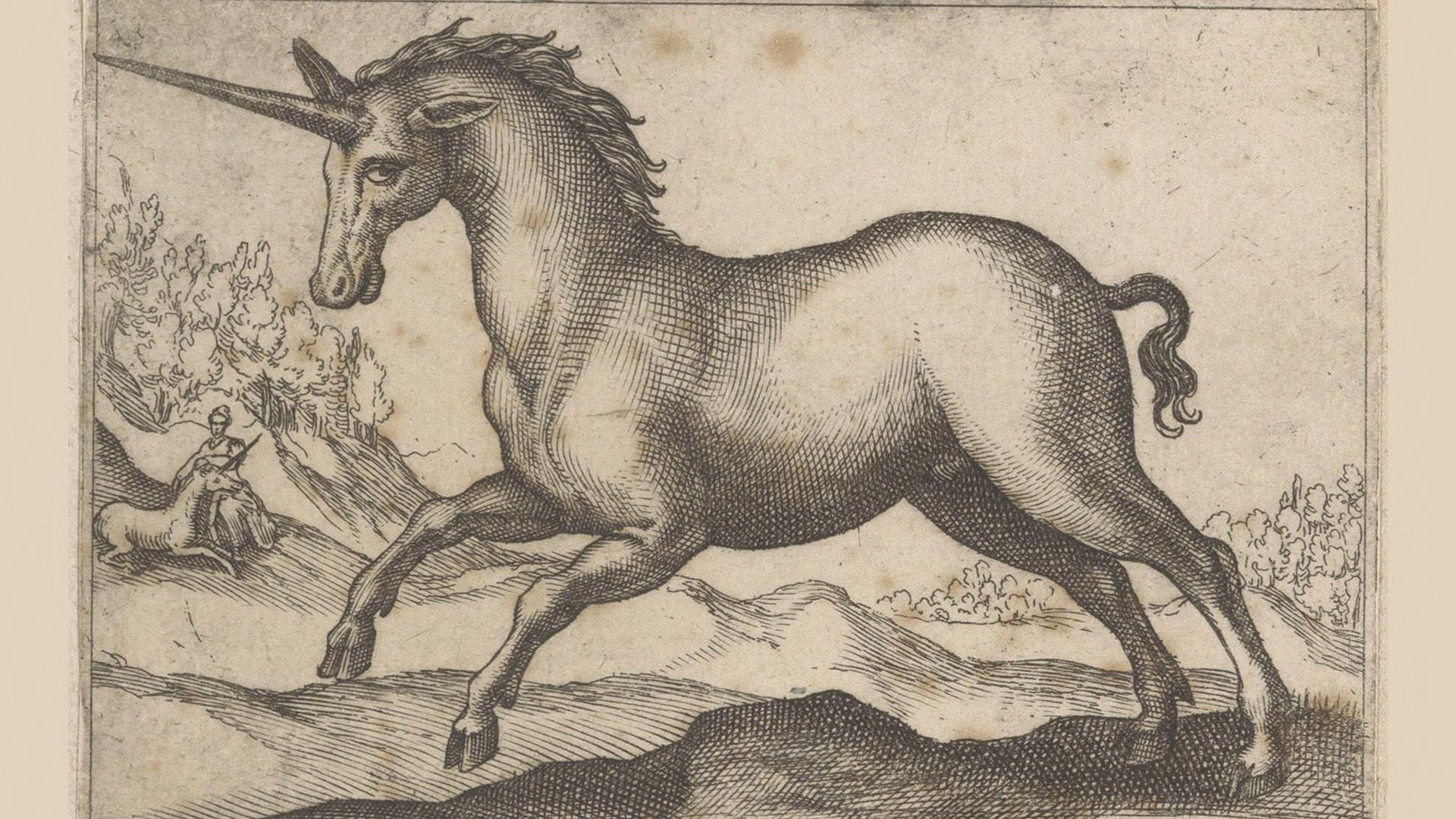
In the Middle Ages, these huge bones were again attributed to gigantic humans or other monsters (Genesis 6:4) that were drowned in Noah's flood. Giant tusks from Siberia were thought to be the horns of the mythical unicorn or the tusks of dragons. In some places gigantic teeth or vertebrae of mammoths were revered as relicts of saints. Nearly every possibility was suggested except that they were the bones of extinct elephants.
In the early seventeenth century, some giant bones dug up in a sand pit near Langon in southeastern France were exhibited around France as the remains of the giant Teutons, Germanic tribes that once roamed Gaul and were defeated by the Romans in 101 BCE.
Huge bones from southeastern France were once thought to belong to the giant Teutons. (Image credit: Universal History Archive via Getty Images)
But in 1613 the famous anatomist Riolan attacked the prevailing interpretation, suggesting that they were the bones of an elephant. This generated a raging controversy between physicians and anatomists and the barber-surgeons who called them gigantic human bones. Others thought they were hoaxes or generated by mysterious "plastic forces" (vis plastica in Latin) that percolated through Earth. Still others attacked the anatomists for questioning the biblical account of giants on Earth. The controversies died down in 1618 without being resolved, and for the next two centuries most people continued to interpret new finds as gigantic humans.
The giant bones that kept turning up in the New World were also a source of much mystery and consternation. The Native American tribes usually attributed them to giant monsters fought by their ancestors and incorporated them into their folklore. When these bones were first seen by European settlers, they were thought to be the bones of gigantic humans that roamed the earth in biblical times. Others thought that the giant tasks so revered by the Native Americans were the works of Satan, placed there to tempt the believer.
In 1519, the Spanish explorer and conquistador Hernan Cortez received a bone of a "giant," a gift from the friendly Tlascalan tribe of Mexico during the conquest of the Aztecs. He sent it back to the King of Spain as proof that giants at once lived in the New World. In 1706, the Reverend Cotton Mather of the Massachusetts Bay Colony pronounced them to be "the remains of godless giants drowned in Noah's Flood." He sent some bones to the Royal Society in London to have them certified as evidence of this "wicked giant" because biblical scholars were calculating Adam's height at 123 ft. 9 in.
The Royal Society never pronounced an opinion on these bones, although by that time many members were becoming skeptical of the literal interpretations of Genesis. The stifling effect of religious dogma about giants and Noah's flood was complicated by another idea: the notion of Divine Providence. An omnipotent, benevolent God would never allow any of his creatures to become extinct. As the poet Alexander Pope wrote in An Essay on Man (1734), "who sees with equal eye, as God of all, a hero perish, or a sparrow fall."
The prevailing concept was that of a "great chain of being" that linked the animals to man to the angels to God. Breaking any link in that chain implied the destruction of the whole chain. In the same poem, Pope also wrote: "Where, one step broken, the great scale's destroy'd; From Nature's chain whatever link you strike, Ten or ten thousandth, breaks the chain alike."
By the late 1700s, however, it was becoming more and more apparent that many of the recently discovered fossils had no living counterparts. Remote corners of the world were being explored, and although many new and surprising beasts were discovered, clearly the gigantic beasts were not hiding in South America or Africa or the East Indies. Many strange fossils, such as the bones of hippopotami in Paris and London, were clearly related to tropical animals, but it was assumed that these bones had been washed from the tropics during the Great Flood.
The notion of extinction was still blasphemous. The New World soon provided unequivocal evidence that these large bones were not simply gigantic humans. In 1739, Charles le Moyne, the second Baron de Longueil, left Montreal with French and Indian troops to fight the Chickasaw Indians along the Ohio River. Somewhere along the Ohio he found the remains of what appeared to be three elephants. When the war ended in 1740, le Moyne collected the bones and shipped them to New Orleans and ultimately to Paris, where they came to the attention of French naturalists.
Fossils unearthed in Kentucky in the 18th century puzzled Benjamin Franklin, who thought they looked like an elephant, but the teeth were unlike those belonging to any known species. (Image credit: Mike Kemp via Getty Images)
In the 1740s and 1750s, English settlers in the region sent more of these bones from Big Bone Lick, Kentucky, off to England and also to Benjamin Franklin in America. Most of the bones (especially the tusks) were clearly like those of elephants and mammoths, but the teeth were puzzling. They were clearly unlike any living elephant, yet they were part of an animal of elephantine size. (We now know that these were specimens of the American mastodon, Mammut americanum.) Franklin speculated that the teeth were reminiscent of a carnivorous animal, although he and others later decided it was a vegetarian.
In 1769, the famous British anatomist William Hunter took the carnivory suggestion seriously and suggested this was not a true elephant but a "pseudelephant" or "American incognitum" (Latin for "unknown") that had independently developed ivory tusks:
"This monster, with the agility and ferocity of a tiger . . . cruel as the bloody panther, swift as the descending eagle, terrible as the angel of night. . . . And if this animal was indeed carnivorous, which I believe cannot be doubted, though we may as philosophers regret it, as men we cannot but thank Heaven that its whole generation is probably extinct."
This very precocious suggestion was still not accepted by naturalists of the time. Nevertheless, remains of the "incognitum" and also of the Siberian mammoth (including frozen carcasses with hair and skin) were turning up again and again. Georges Louis Leclerc, the Comte de Buffon (1707-1788), concluded in his Théorie de la terre in 1749 that although most of the supposedly extinct animals were hiding somewhere in an unknown region, it was likely that the large terrestrial mammals such as the mammoth and "incognitum" had actually perished.
By 1778, Buffon was relating their disappearance to his ideas of violent cataclysms in Earth's early history. During this time the climate was warmer and polar regions had once been tropical, so "elephants" (meaning mammoths) could live in Siberia. This implied a nonbiblical Earth of much greater antiquity. Buffon suggested it was as much as 75,000 to 3,000,000 years old, rather than the 6,000 years demanded by most literalist biblical scholars.
Naturally, such revolutionary ideas were not popular with the theologians in the Sorbonne. Buffon was protected by the king, however, so he was not persecuted for his heresy, although his ideas were not widely accepted either. The fact of extinction was finally proved by one of the greatest scientists of all time, the Baron Georges Cuvier (1769-1832).
Jean Leopold Frederic Georges Cuvier was an impressive man. Tall of stature, he had a "massive" head crowned by a large mane of hair. One admirer wrote that his head "gave to his entire person an undeniable cachet of majesty and to his face an expression of profound meditation." After his death, scientists weighed his brain and found that it was a massive 1830 grams [4 pounds], more than 400 grams [14 ounces] above average, and 200 grams [7 ounces] heavier than any brain ever measured at that time.
More important, he was one of the most brilliant men of his time, with a command of many subjects, some of which he invented all by himself. Before Cuvier, natural history was a field that resembled stamp collecting, with many amateur naturalists compiling long lists and descriptions of new species without analyzing the similarities in their anatomy. Cuvier almost single-handedly revolutionized natural history by dissecting many different animals and discovering their underlying similarities and differences.
This became the foundation of comparative anatomy, a subject that has been fundamental to biology ever since. Naturalists and explorers sent him their fossil bones, and he was the first to correctly describe many types of extinct animals. Cuvier solved the mystery of the puzzling fossil teeth called the "Great Incognitum" and recognized them as the teeth of the elephant-like mastodons. He also correctly deciphered the huge marine lizards we now know as mosasaurs.
For this reason, he is also considered to be the founder of vertebrate paleontology. Cuvier is most famous for his "law of correlation of parts," wherein he discovered that certain types of anatomical features tend to be associated. If you are a flesh eater, you will have sharp teeth and claws; if you are a plant eater, you will have flat grinding teeth and hooves; and so on. Using this law, paleontologists have been able to reconstruct whole animals from just a few key bones because the other parts of the anatomy are so predictable.
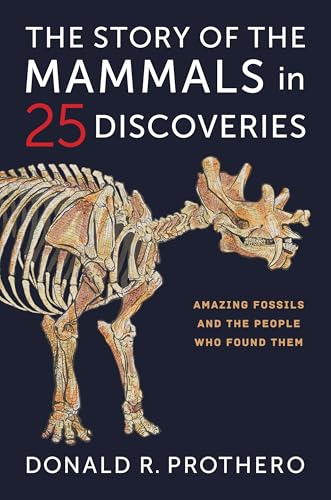
Excerpted from The Story of the Mammals in 25 Discoveries: Amazing Fossils and the People Who Found Them by Donald R. Prothero. Copyright (c) 2026 Donald R. Prothero. Used by arrangement with the Publisher. All rights reserved.
The Story of the Mammals in 25 Discoveries: Amazing Fossils and the People Who Found Them
Donald R. Prothero takes readers on a journey through the history of mammals, opening a window onto the worlds of some of the most incredible and peculiar animals that ever lived. He tells the dramatic stories of fossil findings and the paleontologists who unraveled them, showing how scientific ingenuity advanced our knowledge of both ancient and present-day mammals.
Across the stories today, a common thread emerges: the planet is speaking in signals — some subtle, some deafening — and the question is whether our institutions can listen fast enough to act.
Start with the signals themselves. El Niño has surged to record strength weeks ahead of schedule, and its fingerprints are already visible — from Hurricane Polo’s explosive intensification in the Pacific to the climate volatility rippling through global weather systems. In the UK, an aphid outbreak wiped out 30 million lettuce heads almost overnight, a small but telling example of how shifting conditions can upend food systems in ways no one budgets for. In Malawi, an unexplained weed overgrowth has choked Chia Lagoon, stranding farmers and fishers in flooded fields nearly seven months after the rains should have drained. These aren’t isolated oddities. They’re the planet’s early warning system, written in crop yields and clogged waterways.
Then there’s the human response — uneven, but not absent. Germany’s landmark pledge to phase out fossil fuels by 2045 marks a rare moment of policy catching up to urgency, moving beyond vague “carbon neutrality” language toward something more concrete. The UK’s decision to declassify a once-suppressed intelligence report — warning that climate breakdown is a direct threat to global security — suggests governments are quietly acknowledging what scientists have said for years, even if political will lags behind. And at UN climate talks in New York, amid what The Guardian describes as a genuinely grim mood, solar power’s continued growth offered rare, tangible hope. As Al Gore noted twenty years after An Inconvenient Truth, he’s surprised by the ferocity of fossil fuel pushback — but still believes, cautiously, that the fight can be won.
Behind the numbers are real communities adapting in real time. In the Andes, villagers near Villa de Arma are turning to ancient wetland systems as glaciers they once walked across vanish into bare rock. In Guam, resident Leevin Camacho learned his family’s water contained a pesticide banned since 1987 — a stark reminder that militarization and environmental cost are often intertwined, especially in the Pacific. And in Sarawak, Indigenous communities are still reckoning with displacement from the Bakun megadam three decades later, a cautionary tale as the world races toward a “clean” energy future that doesn’t always ask who pays for it.
It’s a reminder that progress and pressure often arrive together. Endangered birds on South Australia’s Eyre Peninsula won last-minute protection from a rocket launch site — a genuine conservation victory — even as a Norfolk Broads housing levy was quietly slashed, raising fears that environmental safeguards elsewhere are eroding. Meanwhile, olive ridley sea turtles nesting for the first time ever on California beaches offer something rarer: wonder. A signal, too, but one that invites curiosity rather than alarm — proof that the natural world is still capable of surprising us.
As the week unfolds, all eyes will be on whether momentum from Climate Week — bolstered even by a monster from Sesame Street reminding children it’s okay to feel both fear and courage — translates into follow-through. The data, the disasters, and the small human stories all point the same direction: the era of asking “if” is over. What remains is the harder work of “how fast,” and “for whom.”
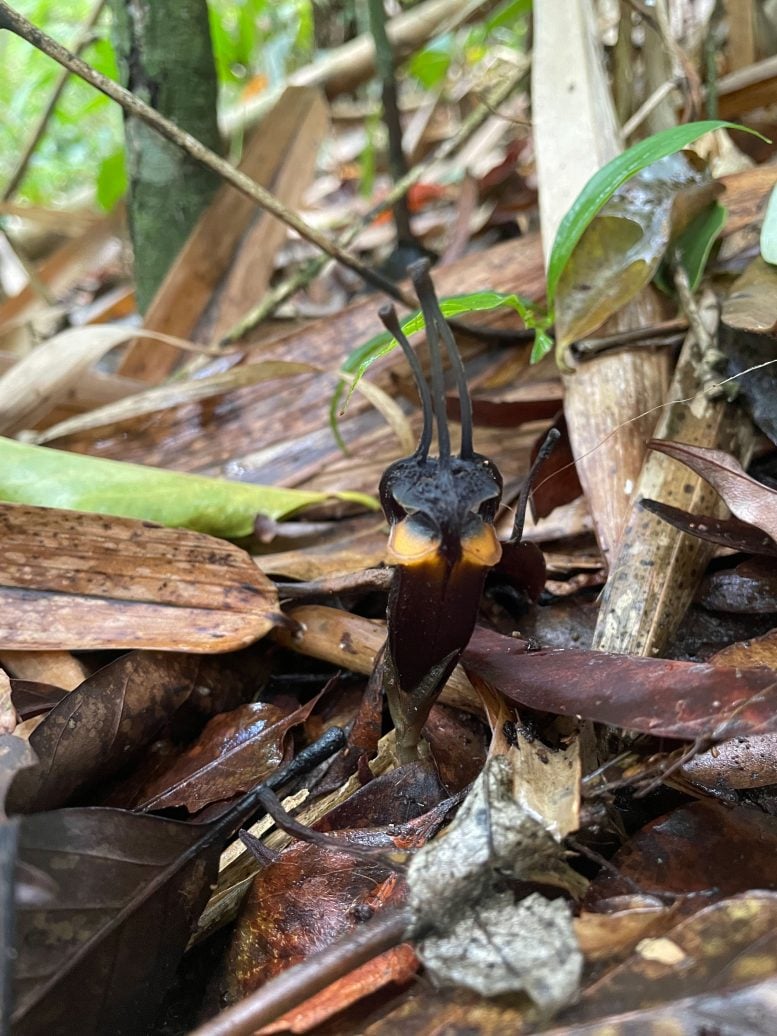
Researchers have identified a new plant species in western Thailand whose unusual appearance inspired the dramatic name Thismia daemona, or the “devil flower.” A nearly black flower with horn-like projections and flashes of reddish orange has been discovered beneath leaf litter in a mountain forest in western Thailand. The plant cannot photosynthesize, spends most of [...]
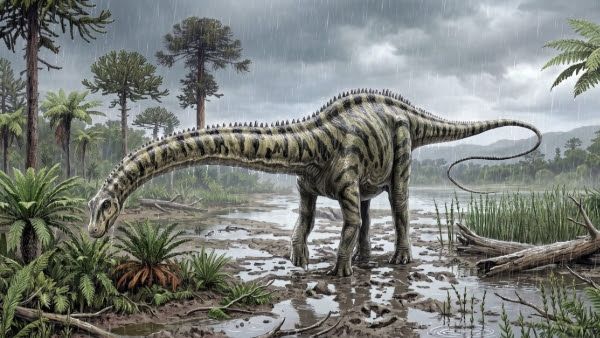
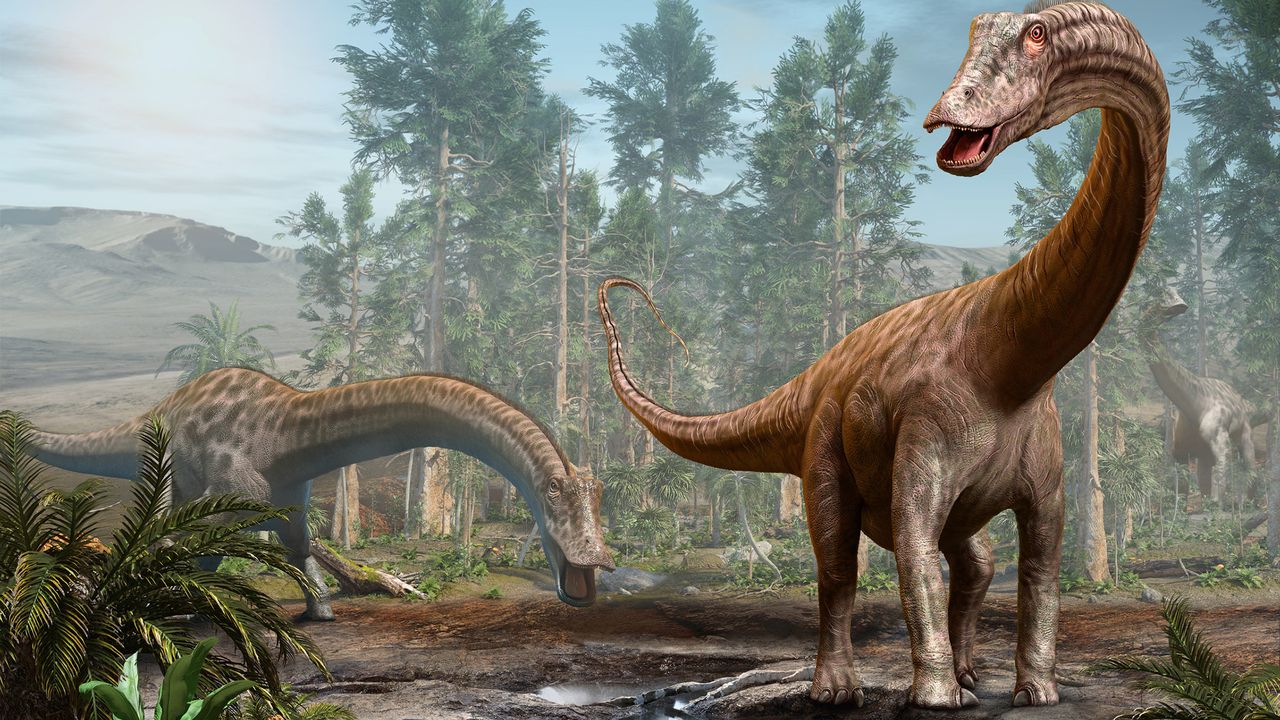
Paleontologists have identified the first confirmed remains of Diplodocus — "Dippy," for short — outside the western U.S., revealing that the iconic long-necked dinosaur reached what is now Spain roughly 150 million years ago.
The findings show that the enormous sauropod didn't live only in North America, as was long thought. Instead, it may have rambled across a land bridge all the way to Europe, the new study suggests.
The discovery, made at the La Tejería site near the small village of El Castellar in eastern Spain, provides some of the strongest fossil evidence yet that dinosaurs could move between North America and Europe during the Late Jurassic, when the Atlantic Ocean was still in its early stages of opening after the breakup of the supercontinent Pangaea. The researchers published their findings Tuesday (Sept. 15) in the Journal of Vertebrate Paleontology.
"Paleontological studies like this one help us better understand the history of life on Earth, reconstruct ancient ecosystems, and understand how they changed through time," study first author Sergio Sánchez Fenollosa, a doctoral student who studies biodiversity and evolutionary biology at the Joint Paleontology Foundation Teruel-Dinópolis (Dinópolis Foundation), a paleontological research institution, told Live Science via email.
A sauropod in Spain
Dippy is one of the best-known dinosaurs. After its fossils made their grand debut at the Carnegie Museum of Natural History in Pittsburgh in the early 1900s, life-size fossil replicas of the towering herbivore were sent around the world, including to England, France, Spain, Argentina and Russia.
But until now, Diplodocus' Late Jurassicfossils were known only from the Morrison Formation in the western United States — and the latest discovery shows that Dippy wasn't a homebody.
The newly unearthed Diplodocus specimen consists of 14 well-preserved tail vertebrae and several chevrons — bones that helped support blood vessels and muscles within the dinosaur's tail.
Study co-author and managing director of the Dinópolis Foundation, Alberto Cobos, said it was a friend who "thought he had spotted some bones on a mountainside," Cobos told Live Science via email. "That very day, I went to the site near El Castellar (a village in the province of Teruel). Sure enough, we saw a couple of sauropod vertebral centers."
Although only part of the skeleton has been recovered, the bones show a series of characteristics associated with Diplodocus, including large cavities corresponding to where air sacs would have been, along with deep grooves running alongside the underside of the tailbones.
The 14 vertebrate and several chevrons found in Spain correspond to the Dipolodocus' anatomy. (Image credit: Carmelo López)
"It was an exciting and continuous process of seeing the pieces of the puzzle gradually fall into place," Sánchez Fenollosa said in a statement. "From the early stages of the osteological study, we noticed strong similarities with several diplodocine sauropods … With each new result, the picture became clearer: we were looking at a Diplodocus."
It's unclear which species of Diplodocus the new specimen is, but like others of its genus, it was a huge dinosaur with an extremely long neck and whip-like tail.
"The Diplodocus from El Castellar was approximately 25 meters [82 feet] long (comparable in size to its North American relatives), making it another of the giant sauropods of the Spanish Jurassic," Cobos said in the statement.
An ancient bridge
Between 195 million and 170 million years ago, the supercontinent Pangaea broke apart as the Atlantic Ocean opened. But the ocean was much narrower than it is today, and the continents were not necessarily as isolated as their modern geography is now.
Evidence indicates that temporary land bridges may have allowed some animals to move between the two regions. The most famous prehistoric land bridge is the Bering Land Bridge that humans used to move between Asia and what is now Alaska. Previous research showed the Bering Land Bridge also existed around 68 million years ago, and it may have allowed an Asian ancestor of Tyrannosaurus rex to trek into North America.
Geological conditions may have allowed dinosaurs like Diplodocus to move between continents, Sánchez Fenollosa told Live Science in an email. "This interpretation is supported not only by the fossil record but also by geological evidence," he said.
The newfound Diplodocus fossils also suggest that the distribution of giant sauropods was more complicated than the fossil record previously indicated.
"More complete specimens will be essential to understand this story in greater detail, particularly to determine which Diplodocus species inhabited Europe: whether it was one already known from North America or a previously unknown species," Sánchez Fenollosa said. "This discovery reminds us that even for such iconic dinosaurs, there are still many unanswered questions about their evolutionary history and biogeography."
Staff at St. Louis Zoo in St. Louis, Missouri recently opened up a very special delivery in the mail: an overnight shipment of 500 adult Partula snails.
Their journey began at the Detroit Zoo in Royal Oak, Michigan, and it’s not quite over yet. The small invertebrates’ final destination is Tahiti, where they will be released into the wild as part of an international effort to reestablish wild populations of Partula snails.
“The snails are sent ‘priority overnight’ via either FedEx or UPS. The snails are carefully packed using insulating materials and special ‘phase change’ packs to stabilize the temperature inside,” Mark Vassallo, Curator of Amphibians at the Detroit Zoological Society, tells Popular Science. “Currently the Detroit Zoological Society bred snails are taking a pit-stop at St. Louis Zoo where they will be fed a special diet in order to prepare them for the wild.”
Partula snails are small, tree-dwelling native to islands in French Polynesia. In Polynesian cultural heritage, each unique Partula snail shell represents an island. When humans introduced the predatory rosy wolf snail to the region to manage another invasive snail species, it wrecked Partula snail populations.
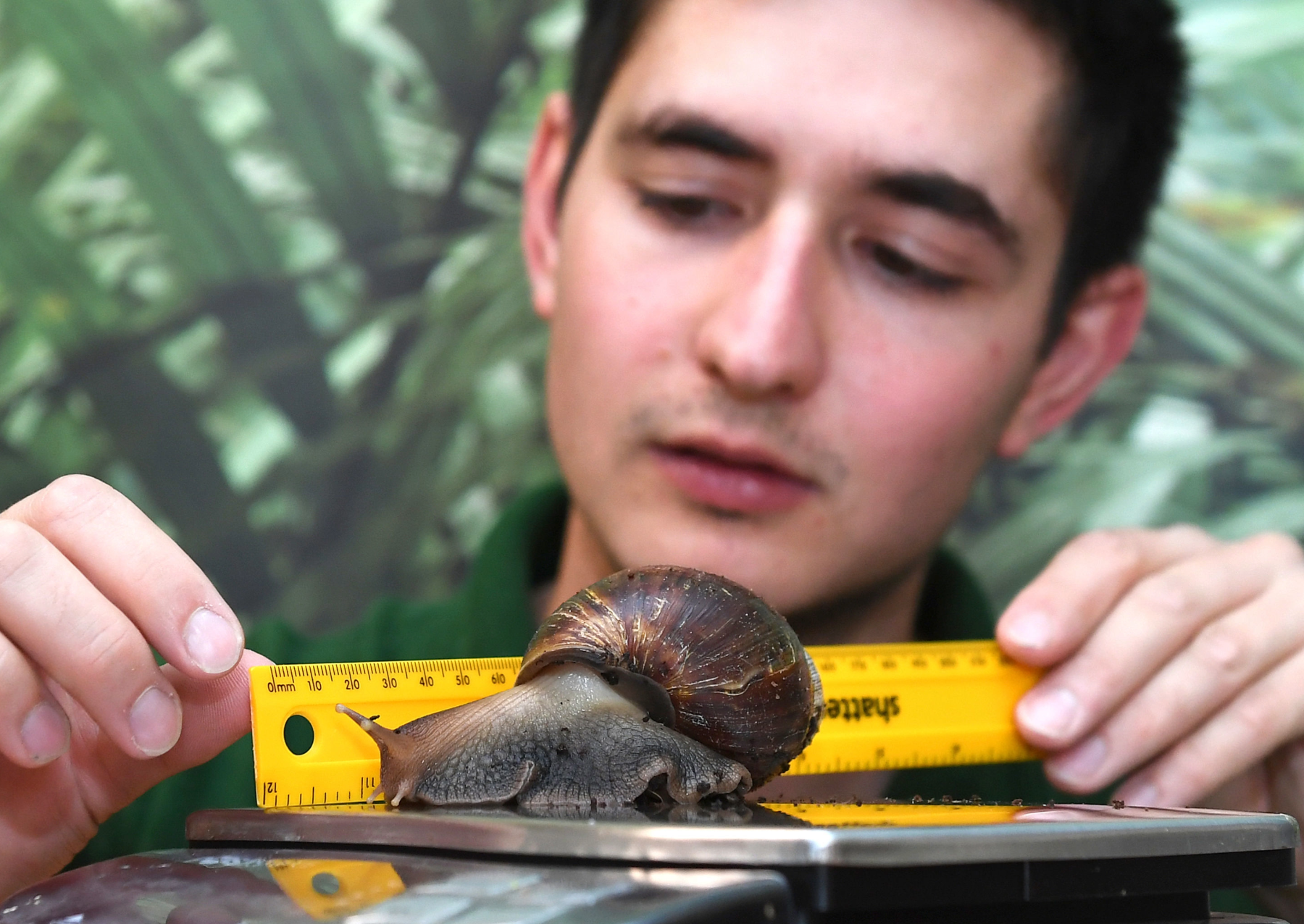
A Partula snail is weighed and measured by keeper Tom Maunders, during the annual weigh-in at Whipsnade Zoo in England. Image: Joe Giddens/PA Images via Getty Images.
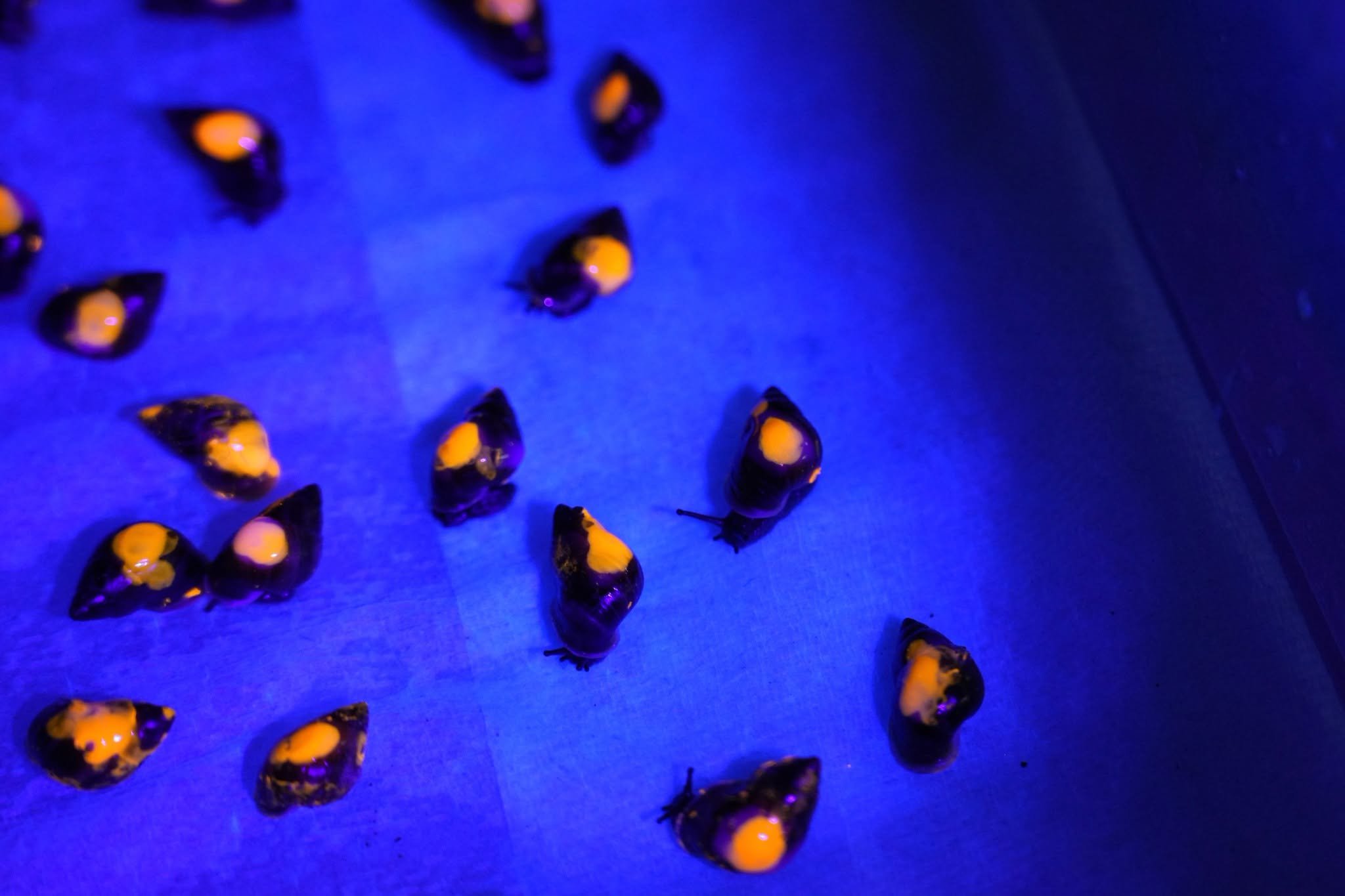
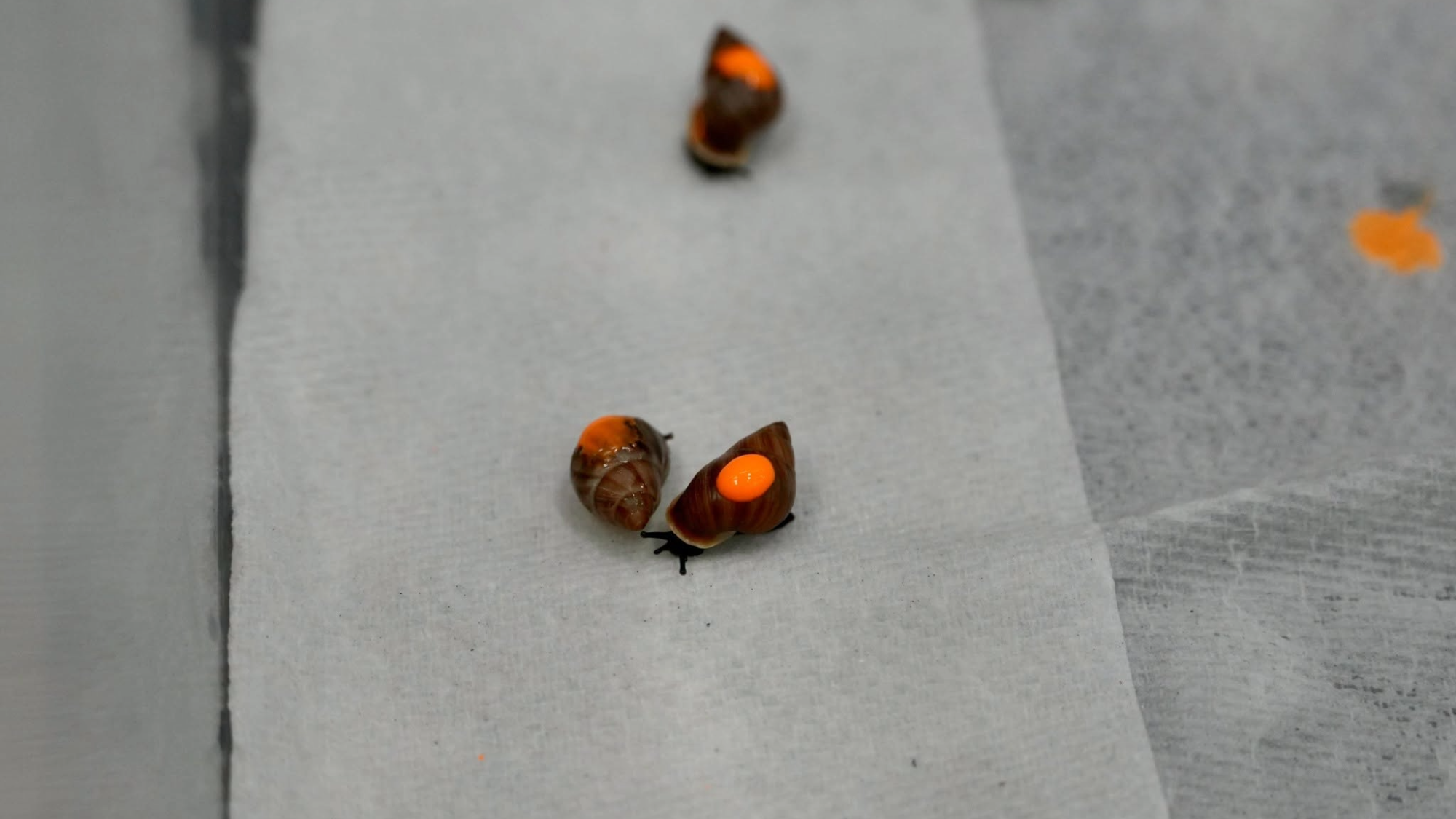
For decades, the Detroit Zoo has been breeding and raising Partulasnails and helping return them to their native habitat by the thousands in Tahiti. In fact, the 500 en route right now were all bred at the zoo. Each of their shells features an orange dot of animal-safe paint that glows in UV light, which identifies them as one of the snails released in 2026. Each year has a different color, and the dots also allow conservationists to easily monitor them in their natural habitat.
This upcoming release is part of an international recovery program that has returned 11 different Partula species formerly deemed extinct in the wild to their native environments, consisting of over 17,000 individual snails. The Audubon Nature Institute in New Orleans, Louisiana, also recently sent 200 Partula snails to Tahiti.
Orange markings on Partula nodosa snails bred at the Detroit Zoo glow under ultraviolet light. The markings will help researchers identify and monitor the 2026 release group after the snails are returned to the wild in Tahiti. Image: Detroit Zoo.
When asked what “success” looks like, Vassallo explains that, “Success for a conservation project can be defined in stages but ultimately, a self-sustaining population with consistent reproduction and very importantly, proper habitat that is protected to sustain that species to allow long term recovery and stabilization of that population.”
Some species of Partula snails are already extinct in the wild, such as Partula nodosa. In the wake of reintroductions of the species, however, experts were excited to observe offspring born in the wild.
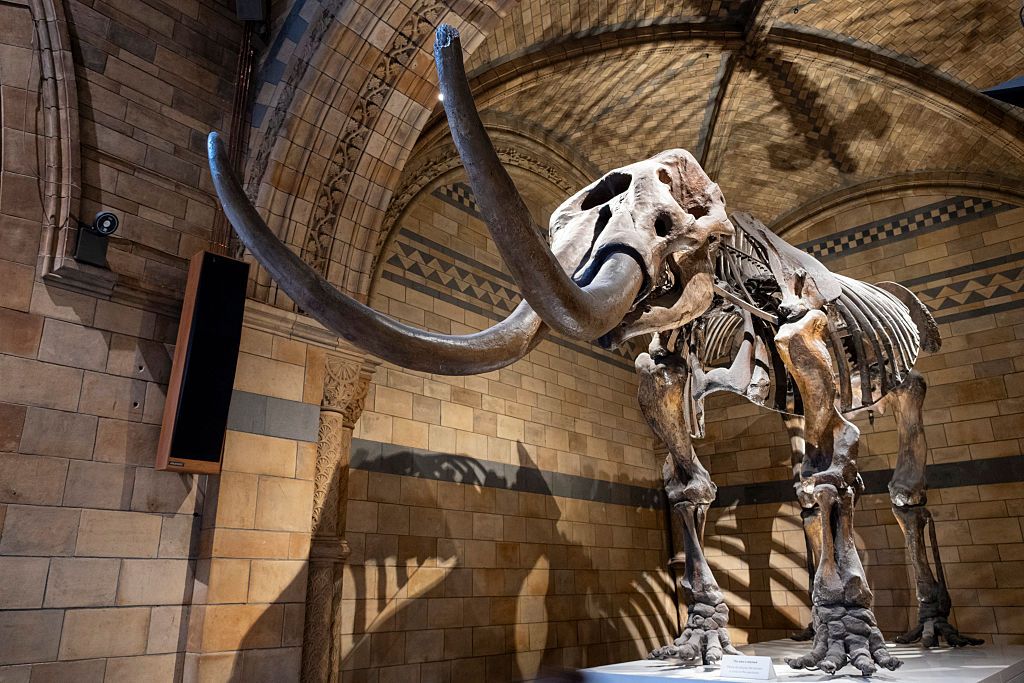
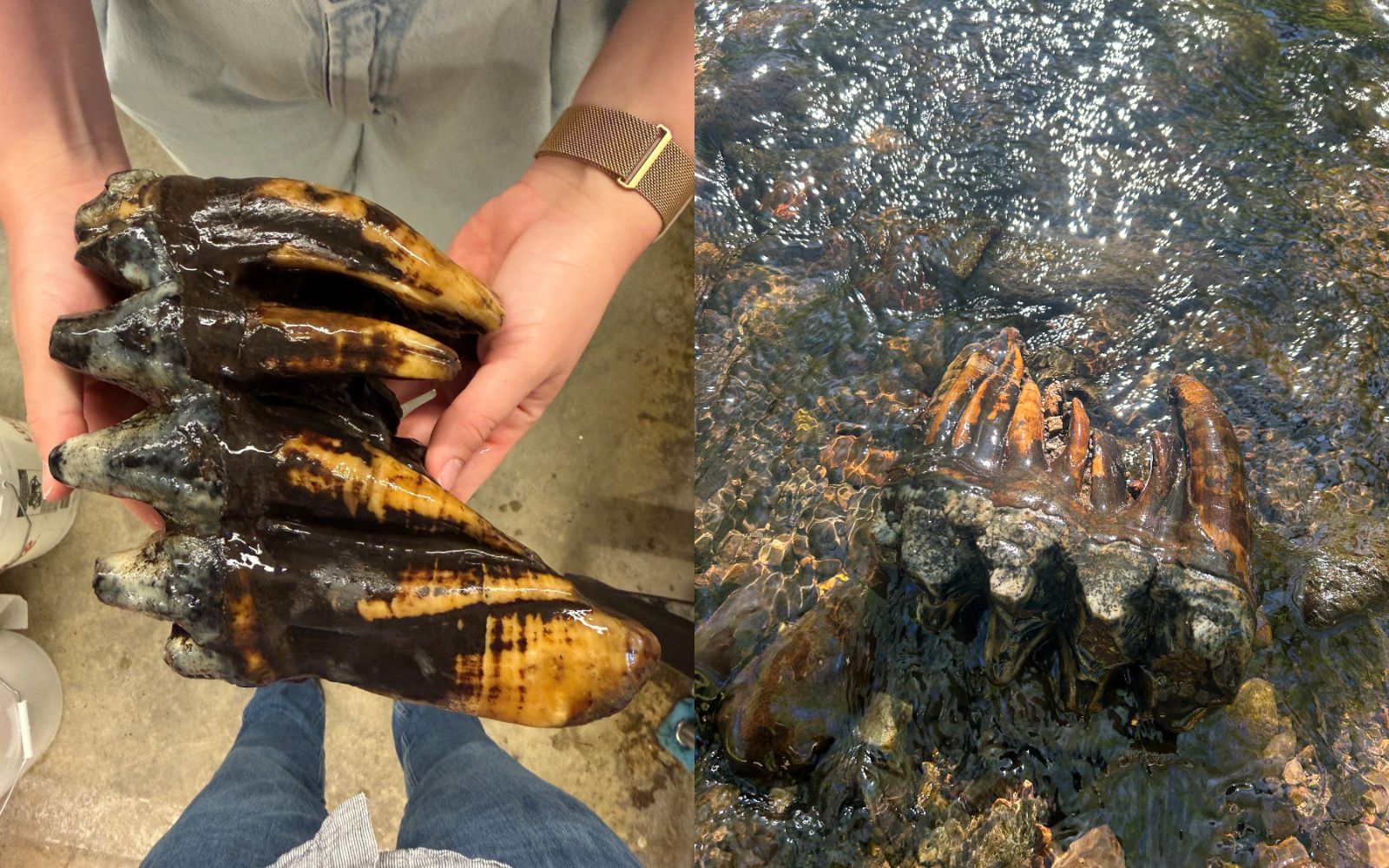
An exceptionally well-preserved fossilized molar belonging to an adult Pacific mastodon has surfaced in a nature preserve near San Francisco.
Upon first glance, the ancient tooth looked like an "oddly shaped rock" to geologists who were conducting fieldwork in the area, according to a statement from the Midpeninsula Regional Open Space (Midpen), which runs the preserve. But the find was quickly unmasked as a valuable fossil from the last ice age and was sent to scientists at Stanford University for carbon dating.
"The tooth itself is in immaculate condition," Wayne Thompson, a paleontologist and the CEO of Pacific Paleontology, a consulting firm that carried out a preliminary analysis, said in the statement. "It's the most complete mastodon molar from our area, and the most spectacular mastodon molar that I've ever seen. I had chills and shivers up and down my spine."
Brigid Lynch, a geomorphologist with the California-based hydrology consulting firm Balance Hydrologics, found the molar this summer while surveying a creek bed. "As a geologist, I've gone out and seen stuff in the field, but definitely nothing as exciting as this," Lynch said in the statement.
Lynch's team was working on a habitat enhancement project to support the threatened California red-legged frog (Rana draytonii) inside the preserve, which is located on the San Francisco Peninsula in San Mateo County. The fossil was a complete surprise and dates to at least 10,000 years ago, when the Pacific mastodon (Mammut pacificus) is thought to have gone extinct.
Mastodons are extinct, elephant-like creatures that lived during the last ice age. (Image credit: Midpen (left); Balance Hydrologics (right))
The Pacific mastodon was first recognized as a species in 2019. It was closely related to the American mastodon (Mammut americanum). Both elephant-like creatures lived in North America during the Pleistocene epoch (2.6 million to 11,700 years ago), but the Pacific mastodon inhabited regions farther west than its cousin, roaming parts of present-day Mexico, California, Oregon and the northern Rocky Mountains of the western U.S., according to the statement.
Pacific and American mastodon fossils reveal slight differences between the species, including a narrower third molar, thicker hind-leg bones and occasionally absent lower-jaw tusks in the Pacific mastodon, according to the Royal Alberta Museum.
The newfound tooth is "another puzzle in the Ice Age saga that we can put into place," Thompson said. To get a precise date for the fossil, Midpen donated it to Stanford University's Doerr School of Sustainability in July, the Los Angeles Times reported.
Researchers will produce a 3D copy of the molar that Midpen plans to use for public outreach and education, according to the statement.
A gray wolf has been confirmed roaming California’s Mendocino National Forest, marking the first verified sighting there since the species made its comeback to the state 15 years ago. Wildlife officials say the discovery signals the predator’s continued expansion across California’s wild landscapes.
The sighting was reported in late August in the far northern reaches of Lake County, roughly two hours north of San Francisco. After receiving multiple reports from residents and observers, the California Department of Fish and Wildlife investigated and officially verified a wolf’s presence in the area, according to a statement from county officials.
Gray wolves were once hunted to extinction within California’s borders, disappearing from the state for nearly a century. Their return began in earnest around 2011, when a lone wolf known as OR-7 crossed into California from Oregon, reigniting hopes for the species’ natural recovery. Since then, small numbers of wolves have gradually reestablished territory across parts of Northern California, with packs forming in areas such as Lassen and Siskiyou counties.
The latest sighting in Mendocino National Forest suggests the animals are pushing further into new territory, a development conservationists view as an encouraging sign of ecological resilience. Wolves play a critical role in maintaining balanced ecosystems by regulating prey populations and influencing the behavior of other wildlife. Wildlife officials say they will continue monitoring the region to better understand the wolf’s movements and determine whether it may be part of a larger pack venturing into unfamiliar terrain.
A contentious plan allowing major polluting industries to use carbon credits generated from a new koala national park in New South Wales to offset their emissions will proceed, after a deal was struck between the governing party and the Greens. The agreement means the Greens declined to join a Coalition-backed effort to block the arrangement in the Senate.
The plan has drawn criticism from environmental advocates who argue that using a protected wildlife sanctuary to generate offset credits undermines the conservation purpose of the park and allows heavy emitters to continue polluting rather than cutting emissions at the source. Supporters of the deal counter that it secures funding and formal protection for critical koala habitat that might otherwise remain vulnerable to logging or development.
The agreement did not have unanimous support within the Greens party room. Three senators — two from Tasmania and one from Western Australia — broke ranks to cross the floor and vote against the deal when it came before the Senate on Thursday afternoon. Their dissent highlights ongoing tension within the party over how far to compromise on environmental protections in pursuit of broader legislative wins, and raises fresh questions about the long-term ecological trade-offs of carbon offset schemes tied to national parks.
The koala park itself has been championed as a landmark conservation project, aiming to protect one of the last strongholds of the vulnerable species amid ongoing habitat loss from land clearing, bushfires, and climate change.

 Login