❌

Reading view

Fighter jets help destroy Russian drone boat near European offshore gas platform

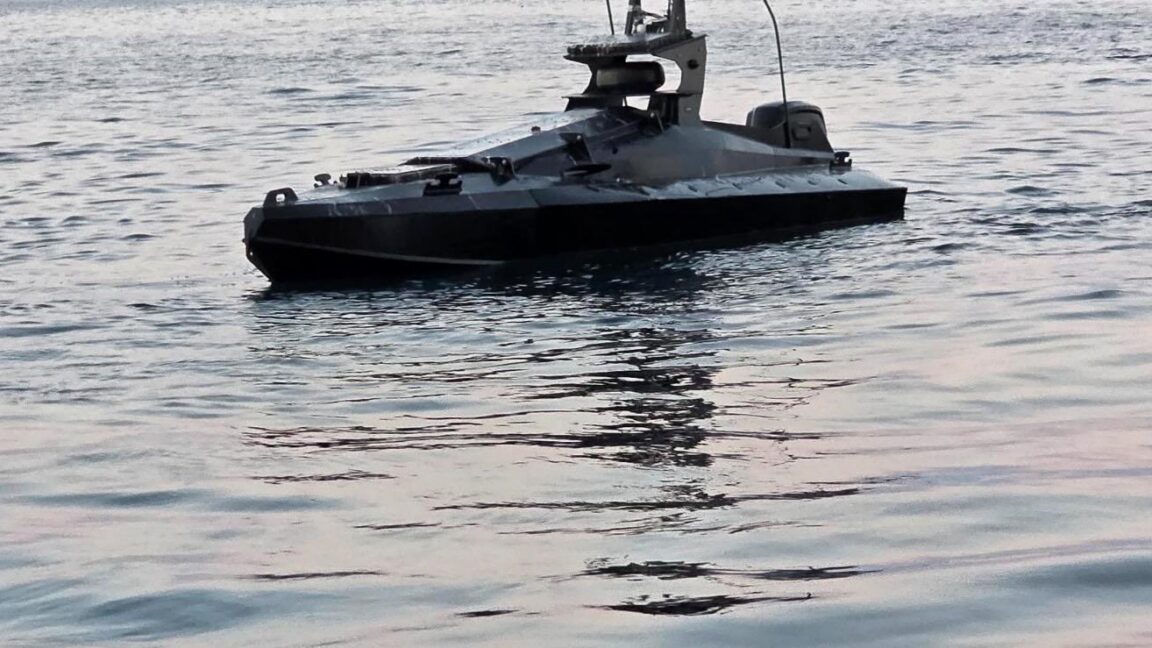
This week, Romania accused Russia of sending a drone boat loaded with explosives to a vital European natural gas platform in the Black Sea. A Romanian F-16 fighter jet used its cannons to disable the surface drone so that explosive ordnance experts could blow it up safely.

On August 20, the Romanian Coast Guard first spotted the maritime drone a few hundred meters away from the Neptun Deep project’s main drilling platform, where several hundred workers were busy with the platform’s ongoing installation, Defense Minister Radu MiruΘ›Δƒ said in a Facebook post. The offshore gas project would make Romania the largest gas producer in the European Union once it starts full production in 2027.

To protect the lives of the workers and the offshore gas infrastructure, the Romanian military scrambled two F-16 fighter jets to stop the drone with cannon fire, MiruΘ›Δƒ said. Army specialists later carried out a controlled detonation, as seen in a Facebook video shared by the defense minister.
Read full article

Comments

Β© Romanian Ministry of Defense

  •  

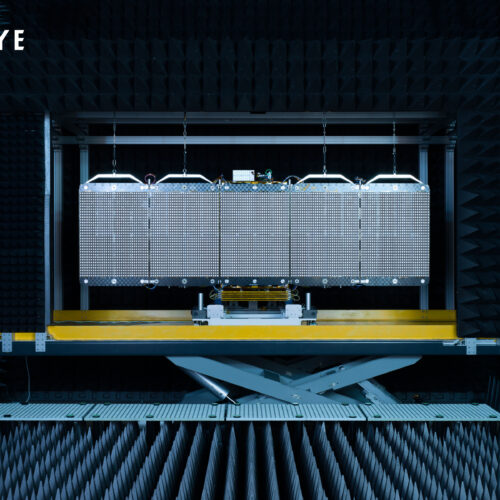
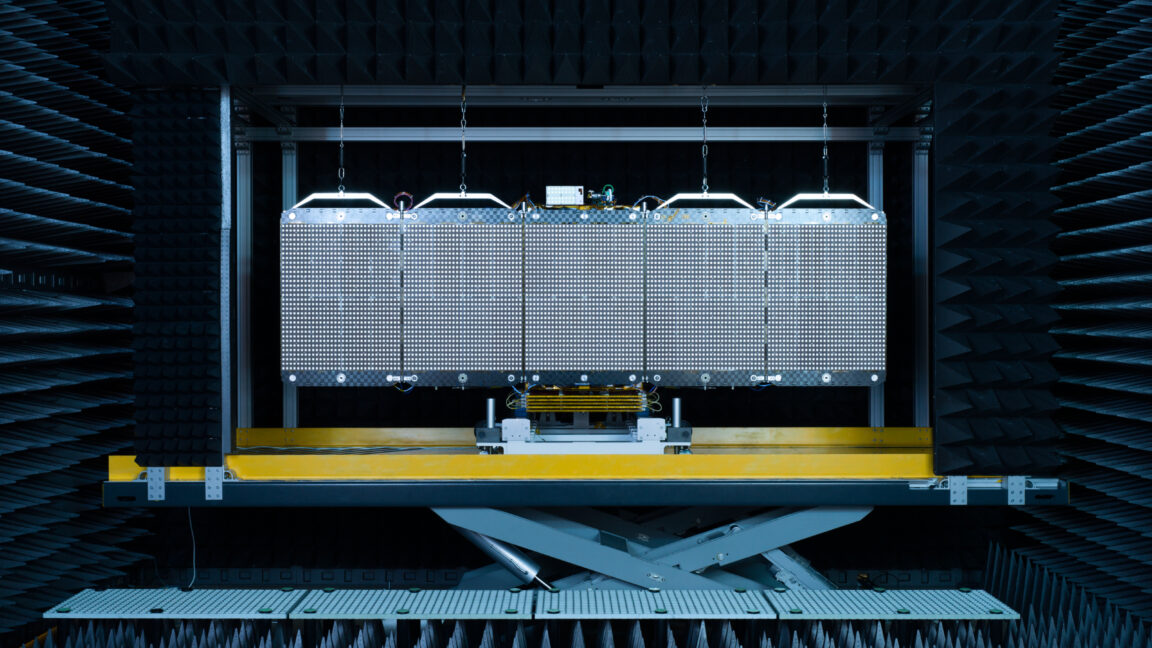
Four Russian satellites are now within striking distance of an ICEYE radarsat

At least four Russian military satellites changed their orbits to match that of a Finnish-American radar surveillance satellite in the last week, raising questions about Russia's intentions amid an ever-expanding standoff high above Earth.

The maneuvers were identified through open source orbital tracking data. Greg Gillinger, a retired Air Force space intelligence officer, revealed the orbit changes Friday in a special edition of his Integrity Flash newsletter, published by Integrity ISR, a private business that provides "combat-proven operational support and elite training that enhances mission success across ISR (Intelligence, Surveillance, and Reconnaissance), cyber, space, and targeting domains."

The Russian satellites in question, designated Kosmos 2610 through 2613, launched together on April 16 on a Soyuz-2.1b rocket from Plesetsk Cosmodrome in northern Russia. Over the last week or so, the four satellites adjusted their inclinationsβ€”the angles of their orbits to the equatorβ€”by less than a degree.

Read full article

Comments

Β© ICEYE

  •  
❌