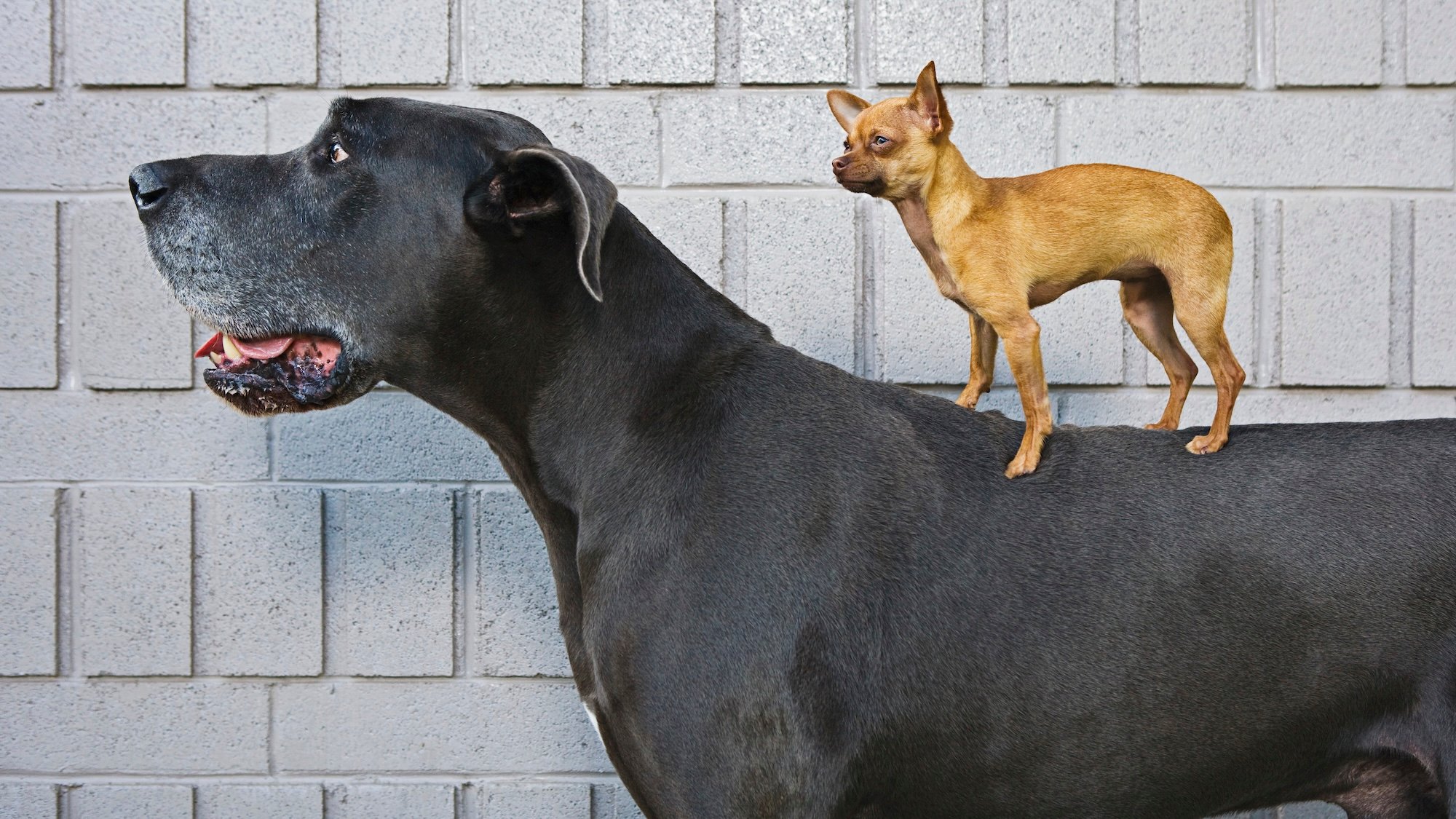
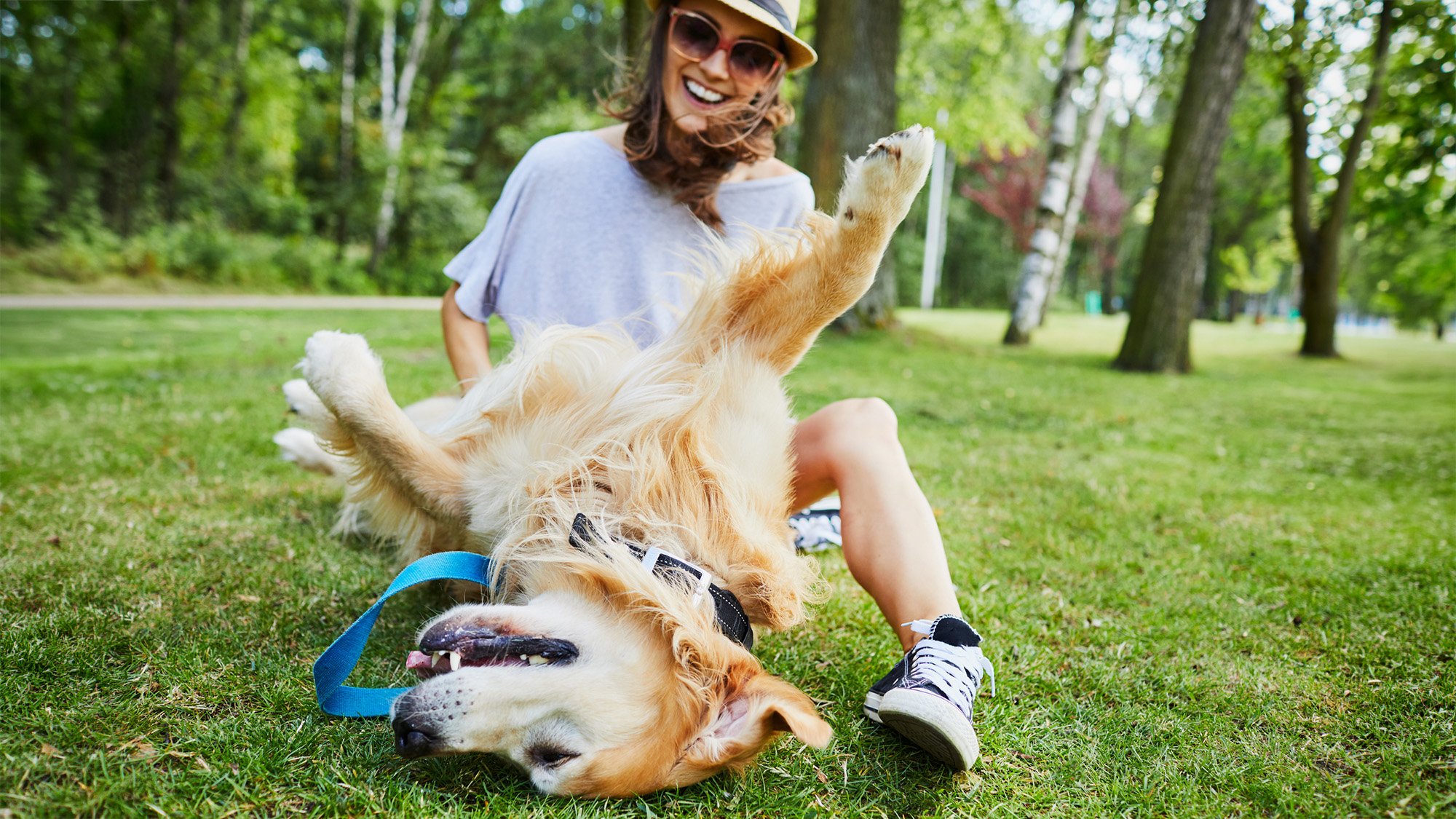
Sometime between 32,000 and 11,000 years ago, dogs domesticated. Since then, these four-legged friends have provided companionship, assistance, and protection for people. Whether you favor a squished-face potato dog or a determined and smart working dog, you likely understand how dogs got the designation of “man’s best friend.”
The Dog Photography Awards celebrate dogs of all shapes and sizes. The annual competition awards prizes across six categories (Studio, Action, Portrait, Dogs & People, Documentary, and Open) in addition to naming an overall winner.
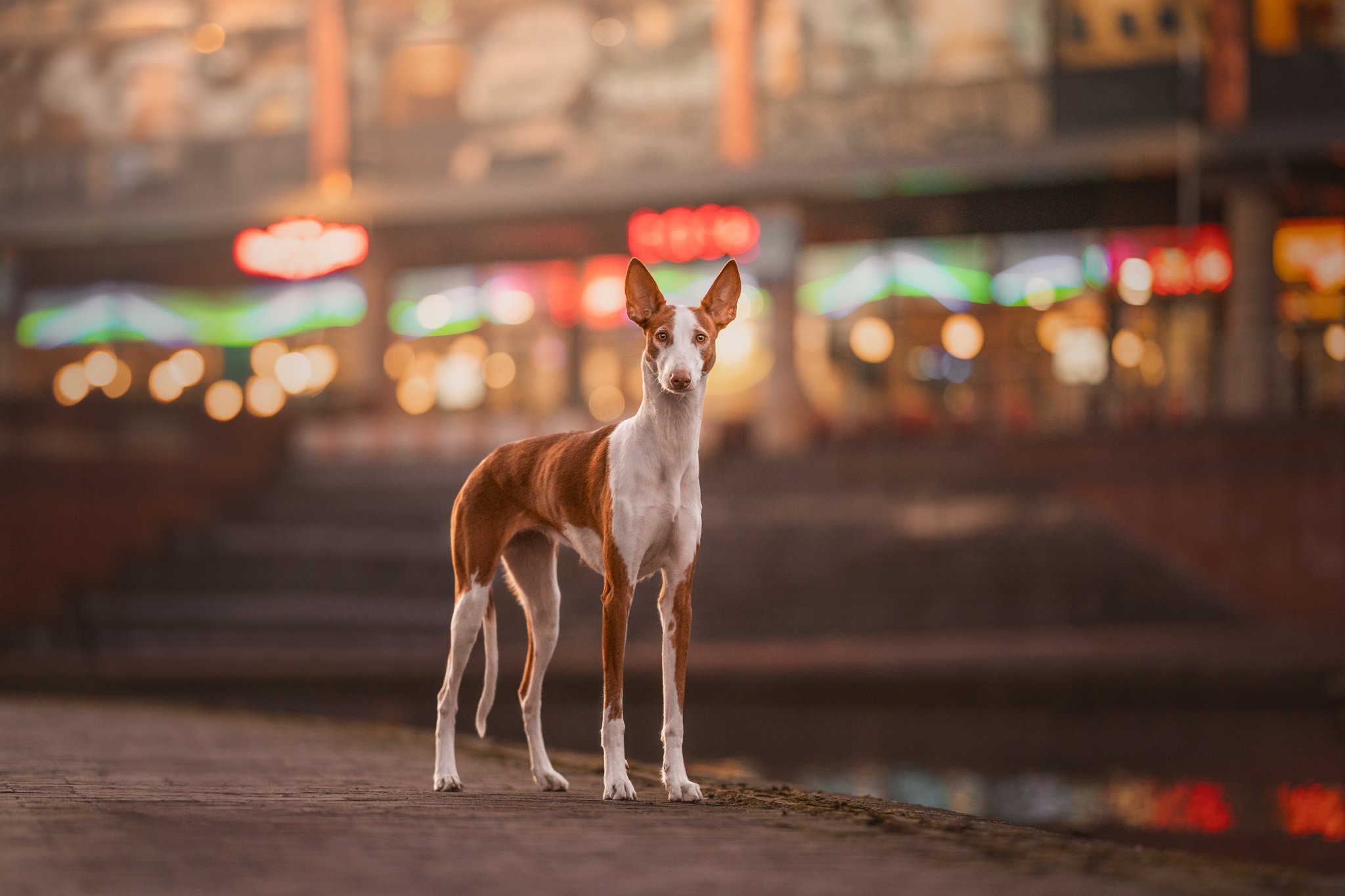
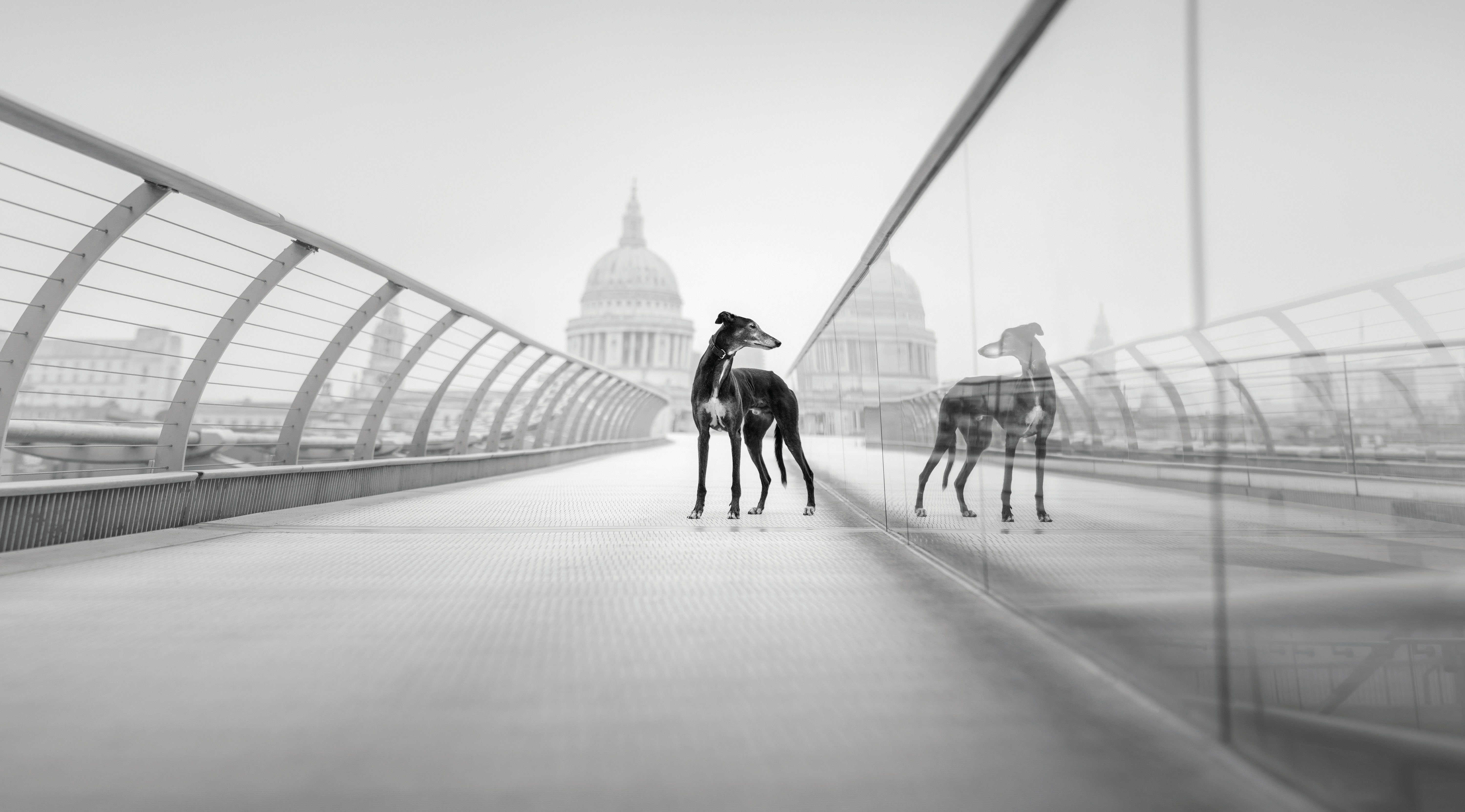
“City Lights” 2026 Portrait Outdoor, Honorable Mention Credit: Maddie Newton / Dog Photography Awards
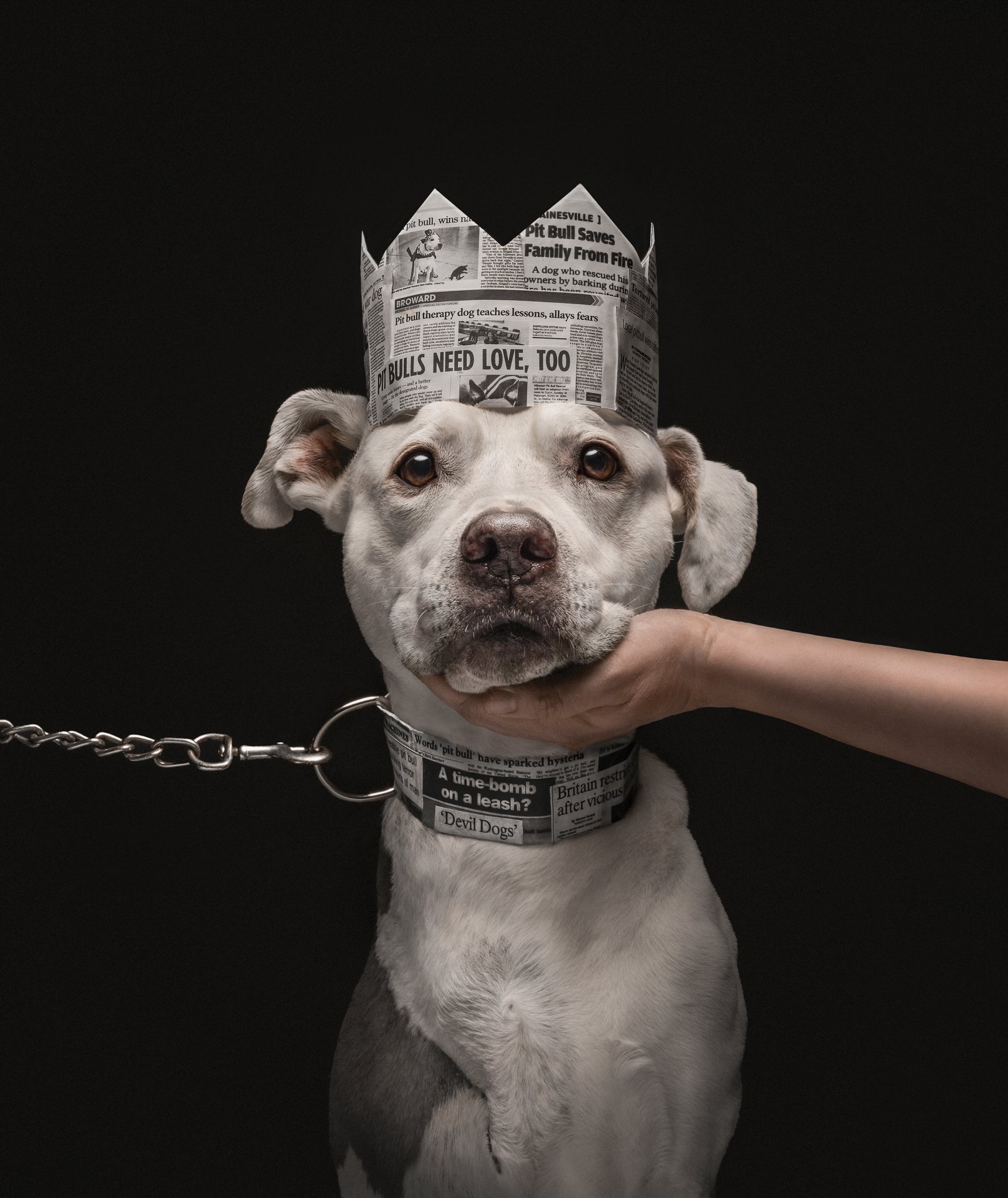
This year, Katie Brockman took the prestigious title of Dog Photographer of the Year. The St. Louis-based photographer’s winning entry, titled “Loved and Hated” (seen below), captures the duality of feelings around pitbulls and similar breeds.
“I started photography after my dog Caldwell ended up at the emergency vet on Christmas Eve 2020 for an obstruction surgery” Brockman said. “I suddenly realized that I didn’t have enough photos of him, and I wanted a way to document our adventures together. So I saved up for a camera, and in 2021, I officially started my dog photography journey.”
“Loved and Hated” Dog Photographer of the Year 2026 Credit: Katie Brockman / Dog Photography Awards
This year’s competition drew 1,900 entries from photographers in 50 countries. A judging panel of photographers, dog experts, and industry professionals decided on the winners. And when it comes to photographing dogs, aren’t we all winners?
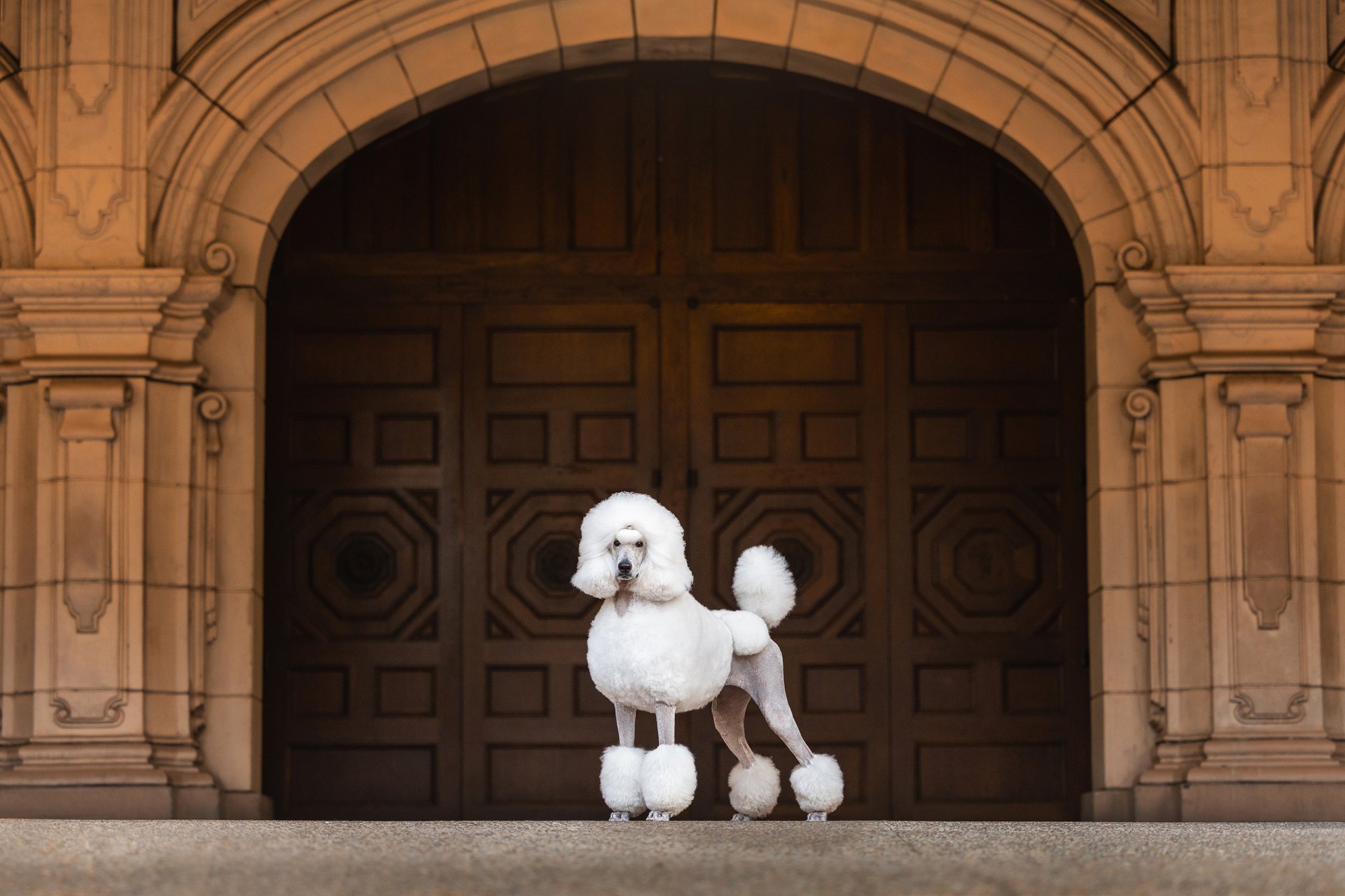
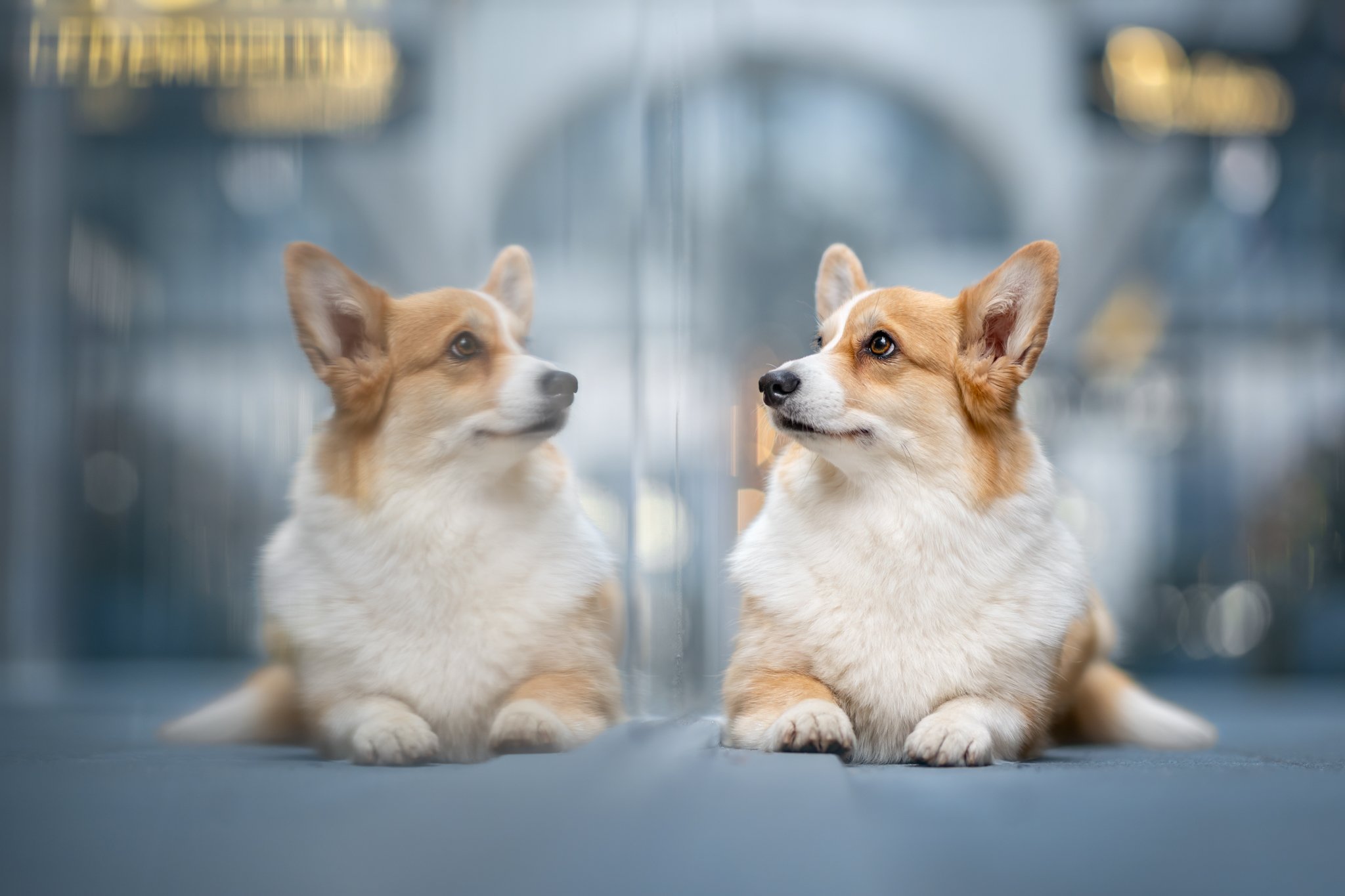
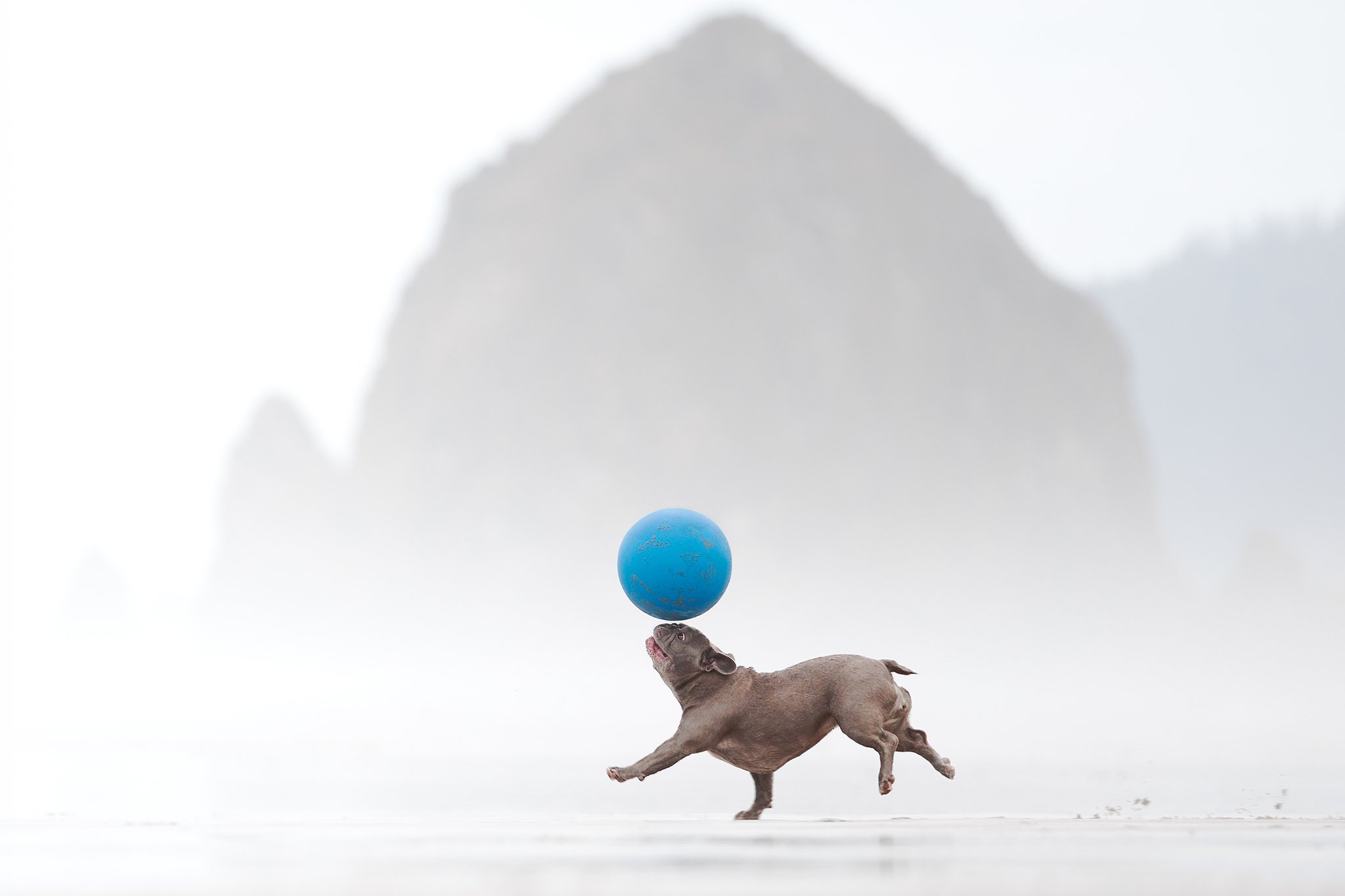
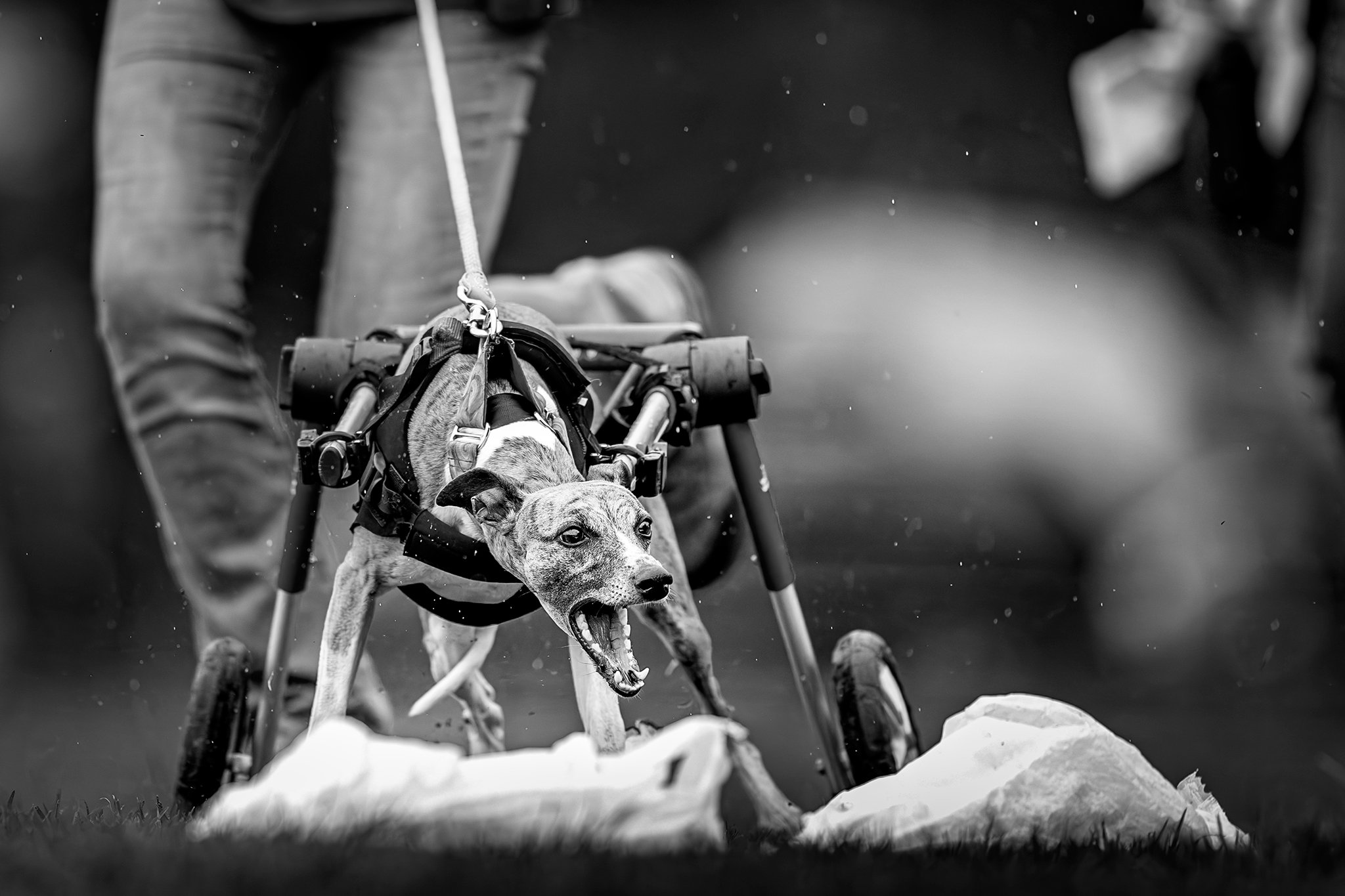
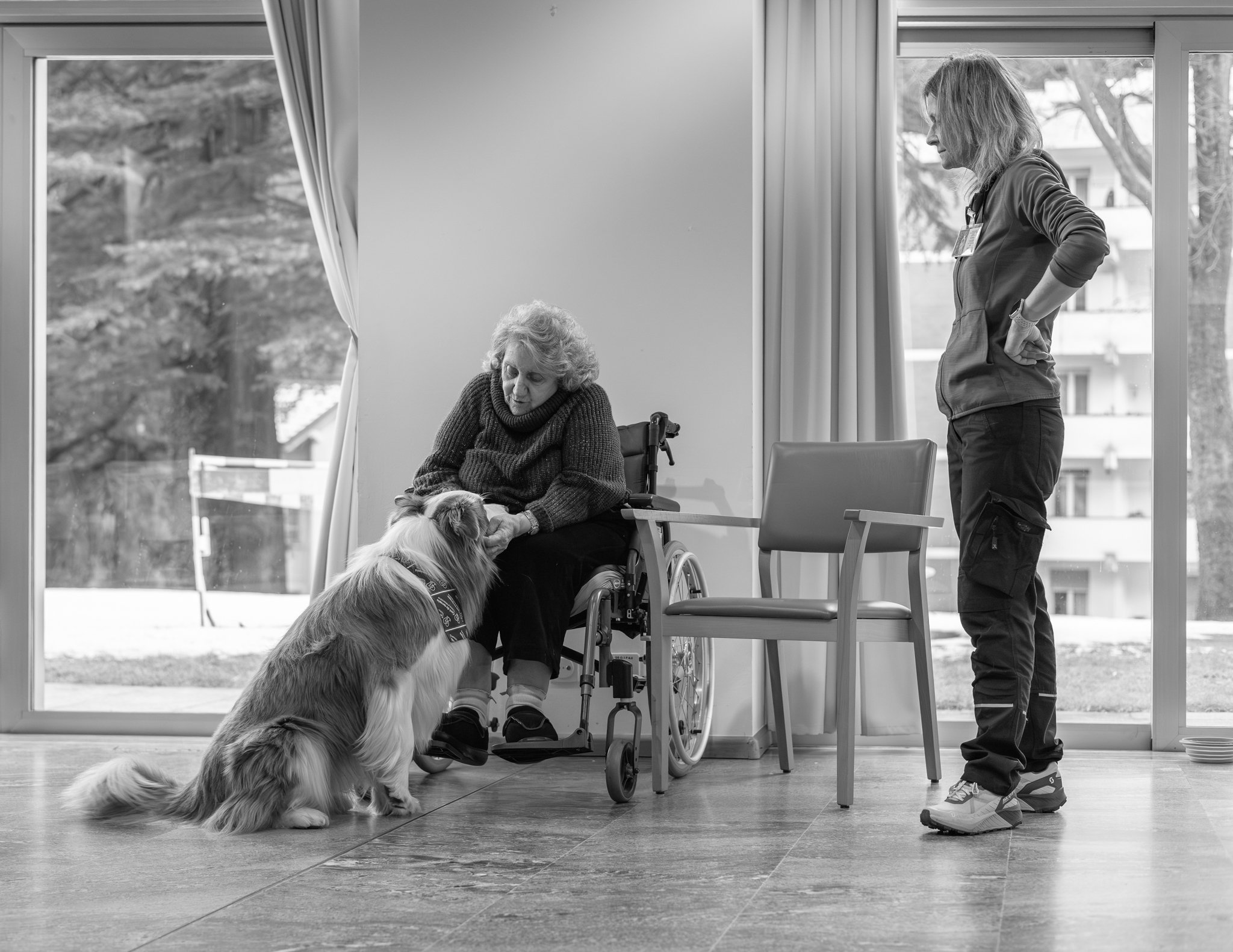
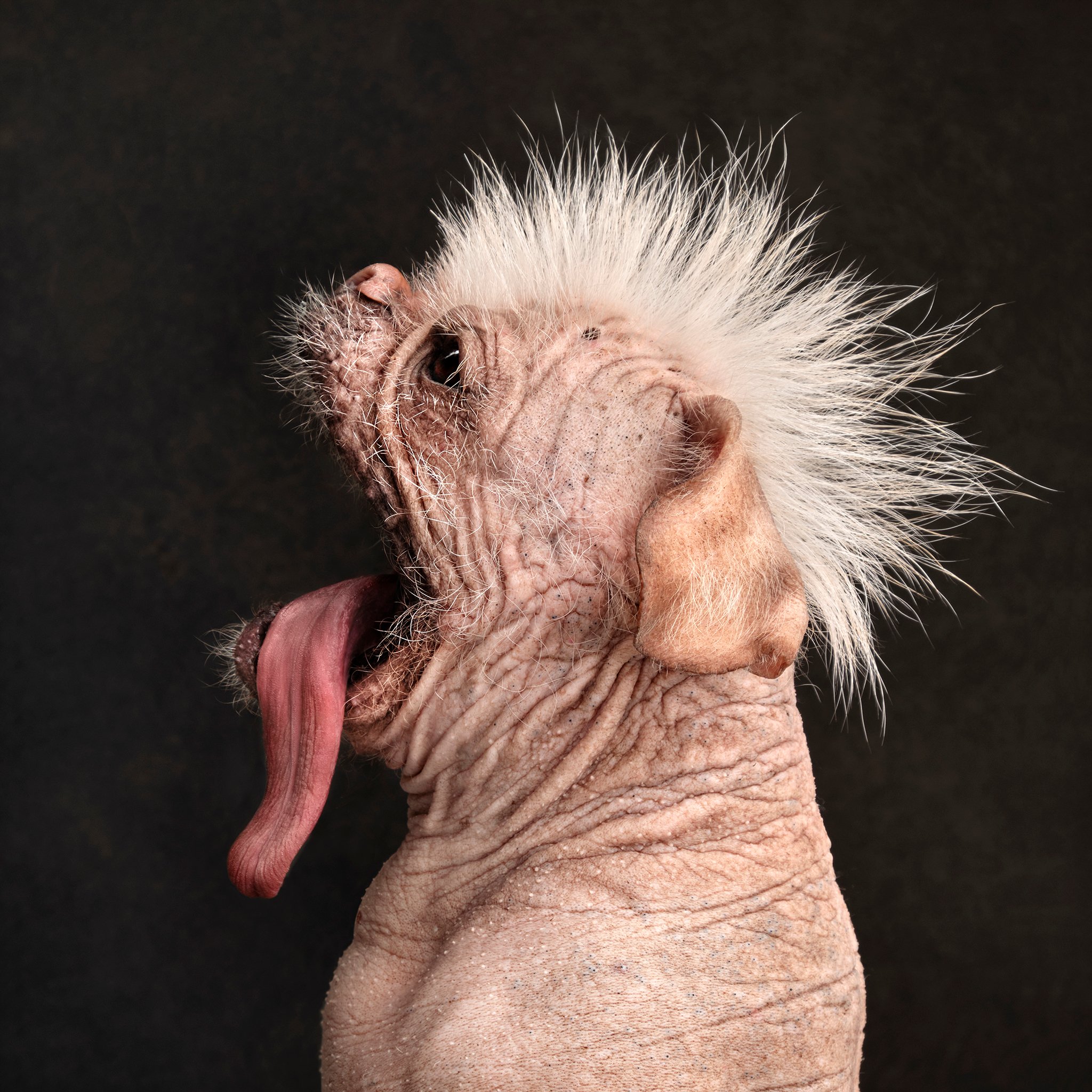
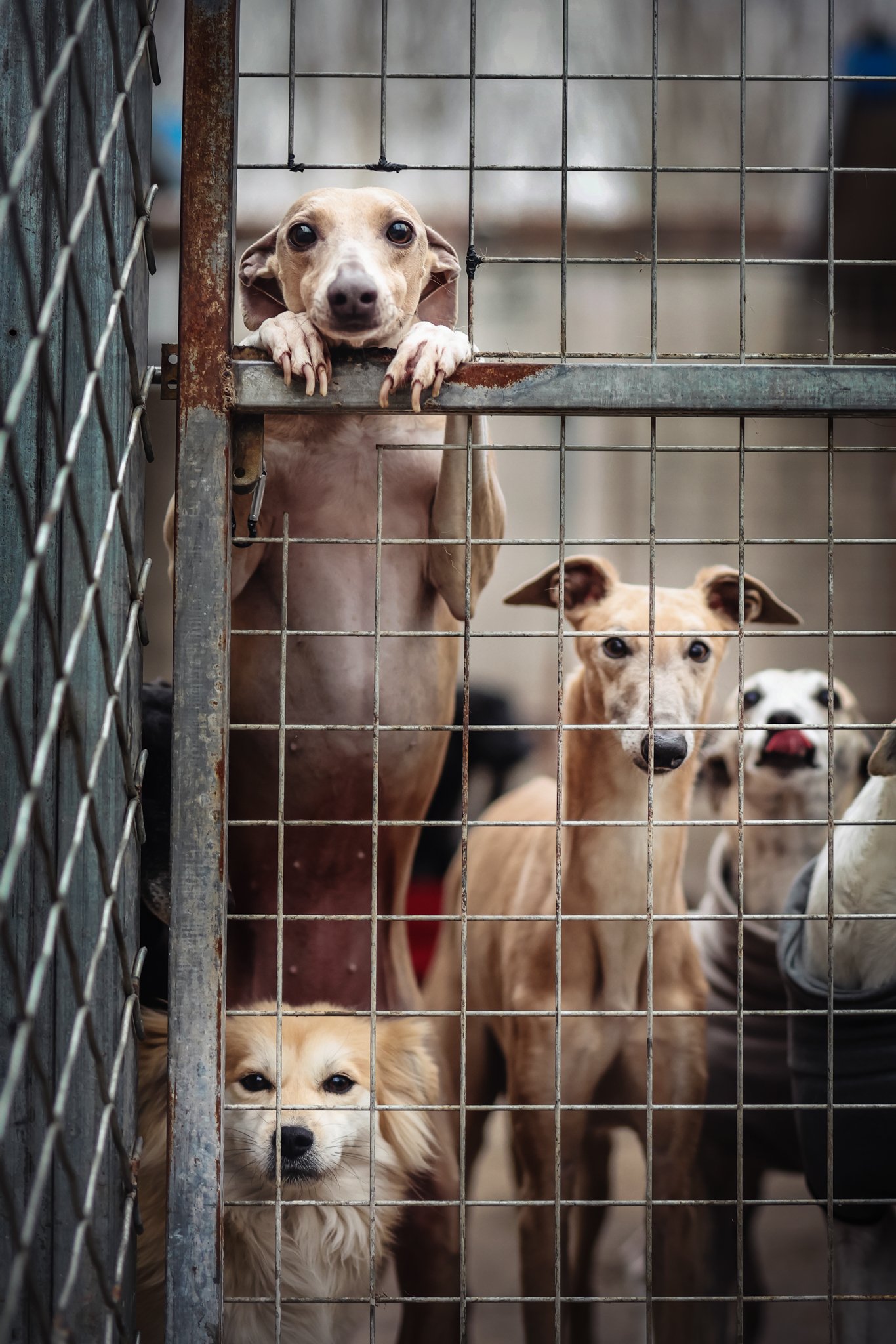
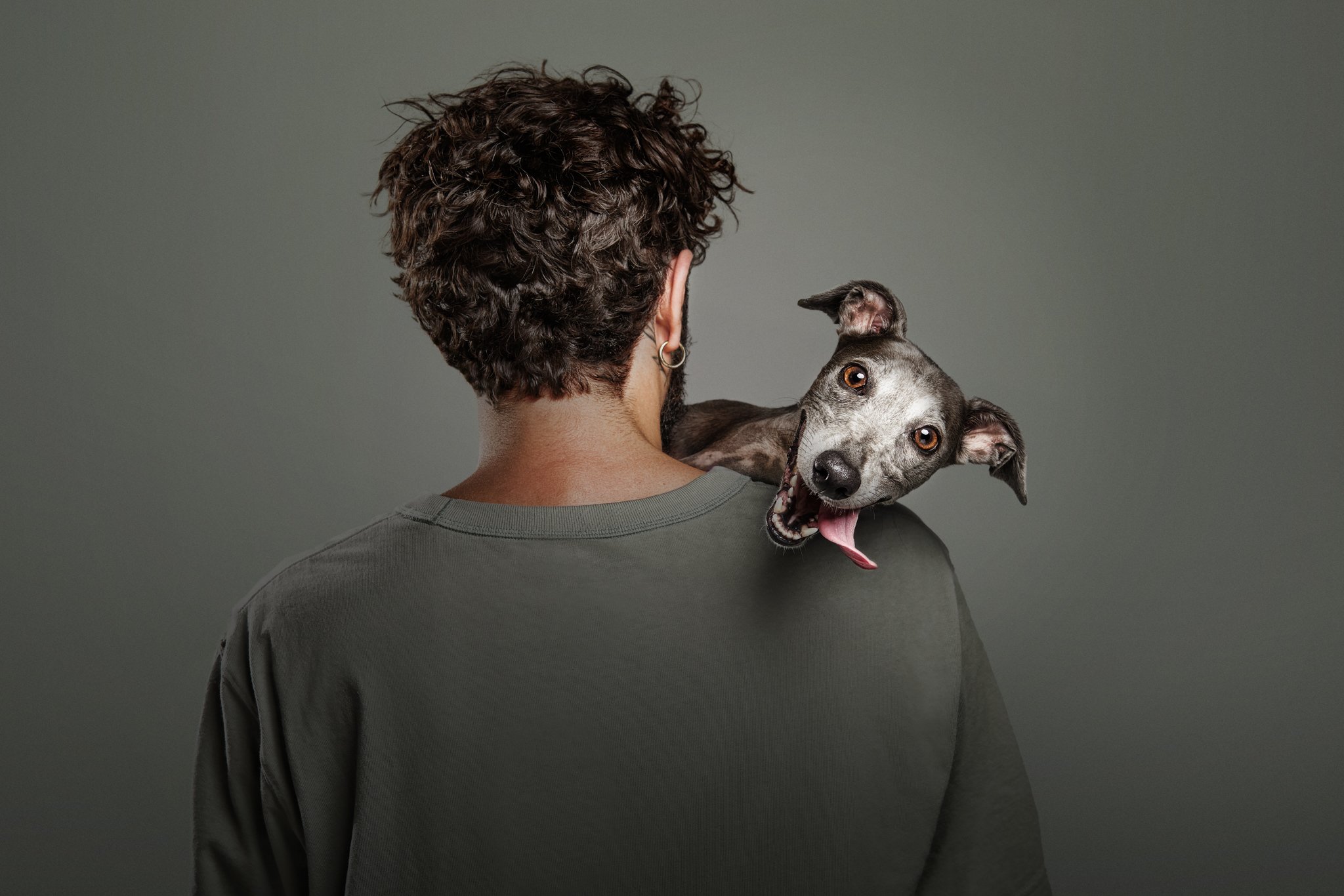
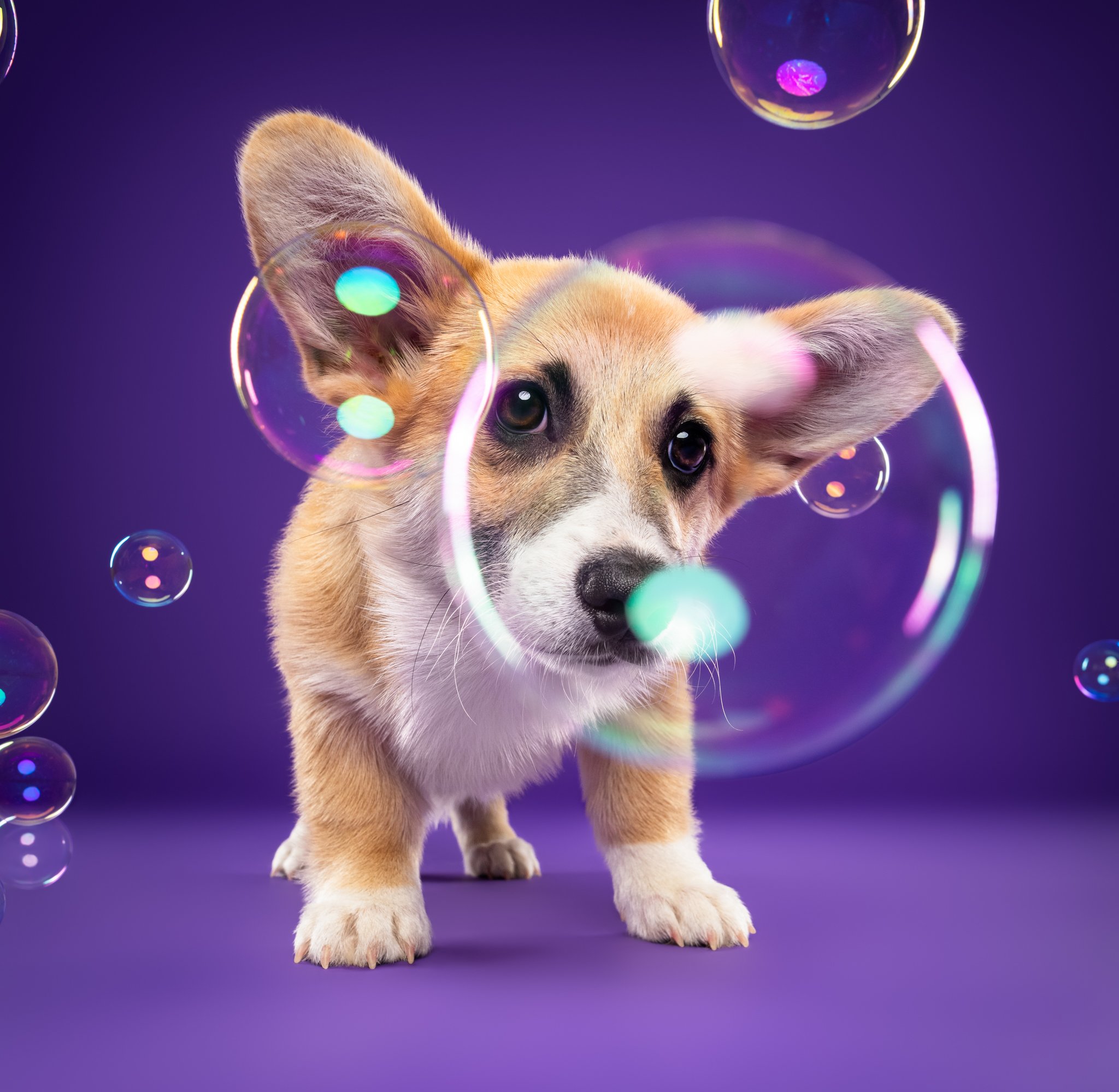
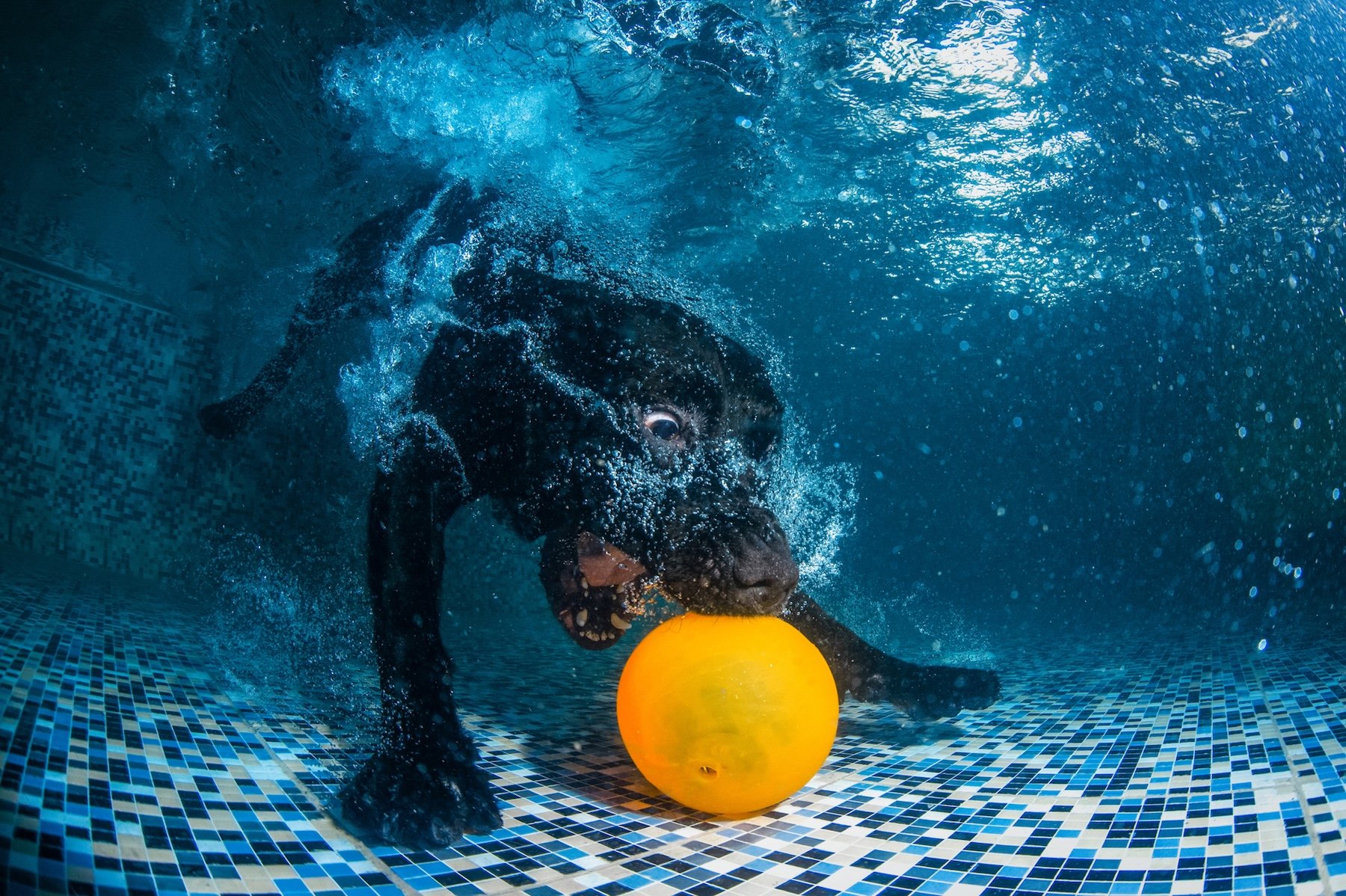
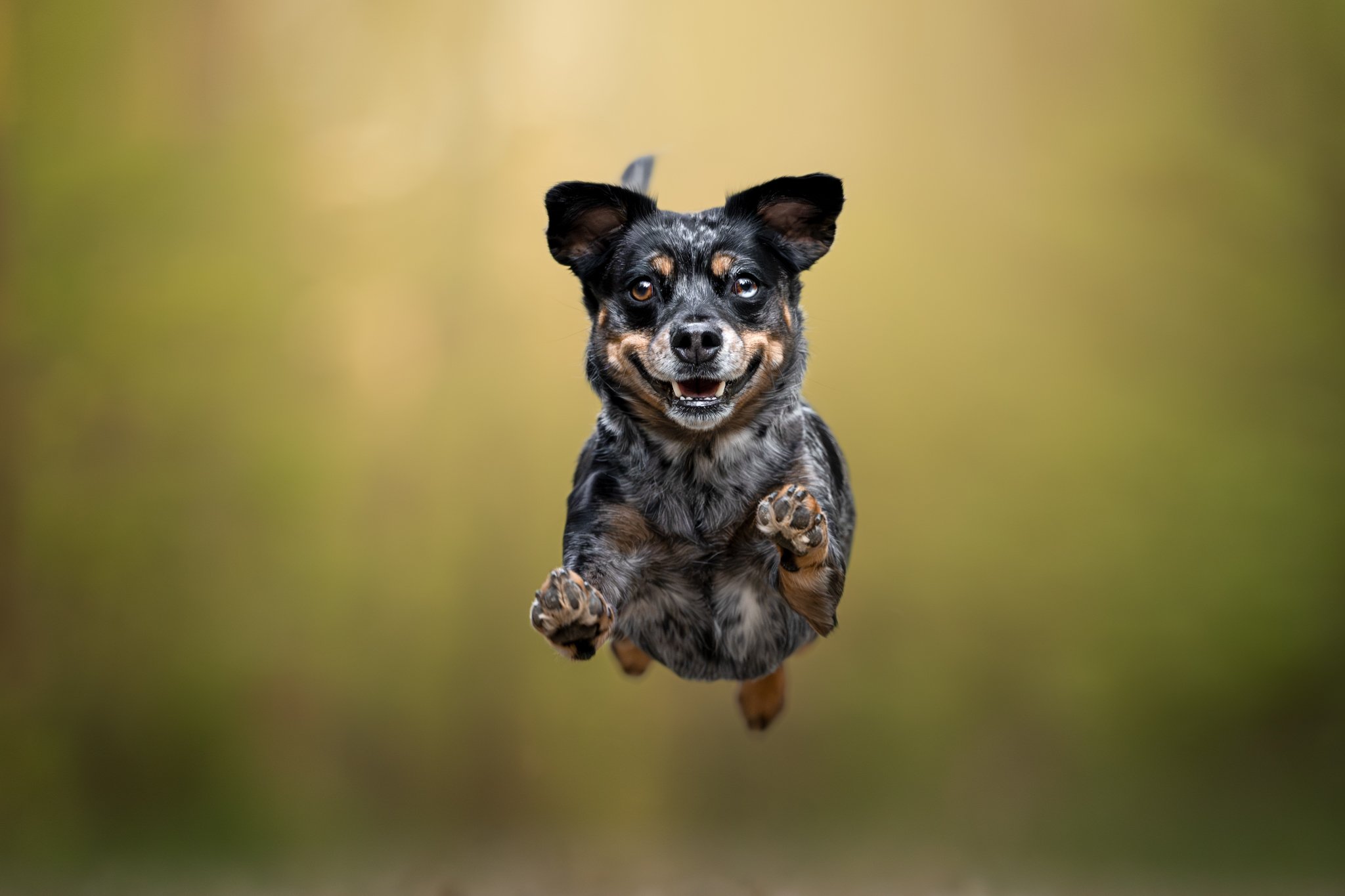
“Elegance Awaits” 2026 Portrait Outdoor, Honorable Mention Credit: Grace Fiselman / Dog Photography Awards“Mirror, Mirror” 2026 Portrait Outdoor, Honorable Mention Credit: Perdita Pretzl / Dog Photography Awards Henrik Spranz“Mission Balance” 2026 Action Category, 2nd Place Credit: Gavriella Leon / Dog Photography Awards“Beyond the Track” 2026 Portrait Outdoor Category Winner Credit: Elena Marchi / Dog Photography Awards Zeiss57“Chasing Beyond Limits” 2026 Documentary, Honorable Mention Credit: Jodie Grieve / Dog Photography Awards“Therapy Dogs in a Nursing Home” 2026 Documentary, Honorable Mention Credit: Jessica Mozzetti / Dog Photography Awards Jessica Mozzetti“Peggy” 2026 Studio Category, Honorable Mention Credit: Jane Thompson / Dog Photography Awards JANE THOMSON“Working as a Team” 2026 Documentary, Honorable Mention Credit: Rebecca Williams / Dog Photography Awards“Waiting” 2026 Documentary Category Winner Credit: Tianhang Zhang / Dog Photography Awards“The Weight of Connection” 2026 Dogs & People Category, 3rd Place Credit: Santos Ramón / Dog Photography Awards SANTOS ROMAN“Puppy’s Curiosity” 2026 Studio Category, Honorable Mention Credit: Sylvain Langler / Dog Photography Awards“Underwater Fetch” 2026 Action Category, Honorable Mention Credit: Tianhang Zhang / Dog Photography Awards
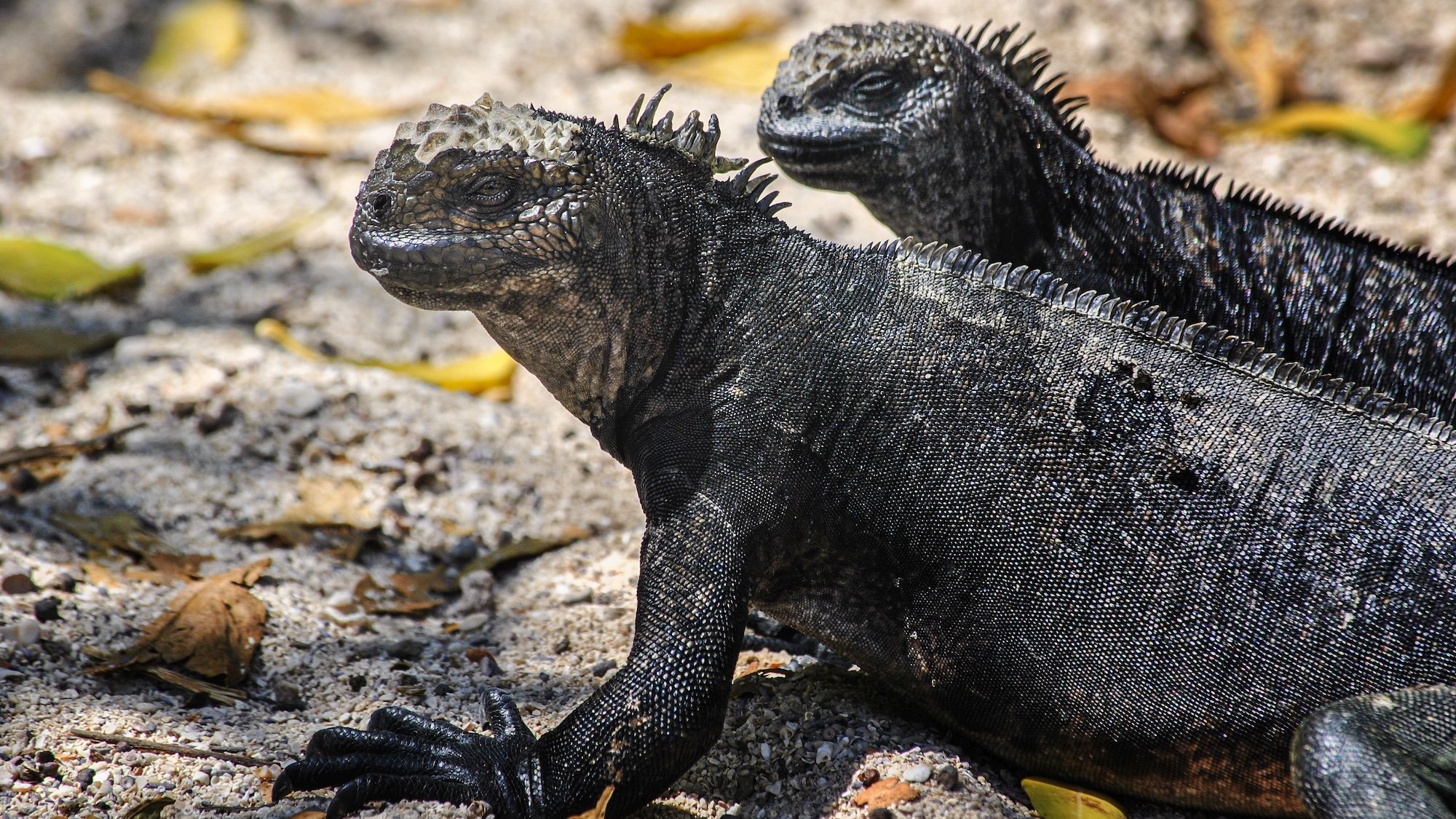
Marine biologists are sounding the alarm on behalf of the Galápagos Islands’ marine iguana (Amblyrhynchus cristatus). Without tightened regulations on the often abused exotic pet trade, researchers warn that a recent “strange uptick” in illegal animal trafficking combined with this season’s Super El Niño is further endangering the already vulnerable reptiles living on the Eastern Pacific archipelago.
“They are already shrinking in size and facing mass mortality, either by starvation or by trying to swim longer distances in search of food,” Juan José Alava, a marine ecotoxicologist at Canada’s Simon Fraser University, explained in a recent letter published in Science.
The marine iguana family encompasses at least 11 known subspecies, each specially evolved to live on the Galápagos Islands. They are the only reptiles in the world capable of foraging underwater for macroalgae, which makes up the majority of their diet. Although iguana colonies remain relatively stable, the International Union for Conservation of Nature (IUCN) still lists them as Vulnerable due to predators, mounting pollution issues, and cyclical El Niño events. Ten of the 11 recognized subspecies are also locally classified as either Critically Endangered or Endangered. Sale of iguanas is banned under the Convention on International Trade in Endangered Species of Wild Fauna and Flora (CITES), but a recent uptick in illegal trafficking along with increasingly dramatic climate shifts is adding more stress to the situation.
Ecuadorian authorities have caught people attempting to smuggle iguanas multiple times this year. In May, officials discovered at least a dozen animals inside handbags at an airport that were bound for illegal markets. Law enforcement found another 32 tied up inside a suitcase intended for similar buyers in August. Many trafficked iguanas won’t survive the stress and rough handling, but even rescued reptiles face challenges. Because subspecies are evolved to live on specific islands, ecologists must test each rescued iguana’s DNA to determine where to return them.
Smuggling hasn’t been seen within the Galápagos Marine Reserve itself, but Alava and his colleagues theorize that smugglers are capturing iguanas near Ecuador’s coastal shorelines. Traffickers then obtain CITES permits that falsely declare the reptiles are captive bred in other nations, even though no such authorized facilities actually exist. Often, smugglers are only engaged in the industry out of financial necessity or coercion.
“Artisinal fishing communities from Galapagos and coastal Ecuador, who are facing severe socioeconomic hardship and expanding organized crime activities, may feel pressured to participate in this international black market,” the letter’s authors wrote.
Conservationists are now urging a multifaceted approach to protect the animals. CITES representatives need to close existing permit loopholes, while the Ecuadorian government should focus on simultaneously breaking up organized crime and providing economic aid to struggling communities.
“Maintaining global ocean observing systems is essential, and extreme marine event forecasting and response capabilities are improving,” the authors wrote. “But responsibility and action remain fragmented across environmental [organizations], fisheries, and emergency management, and public health agencies.”
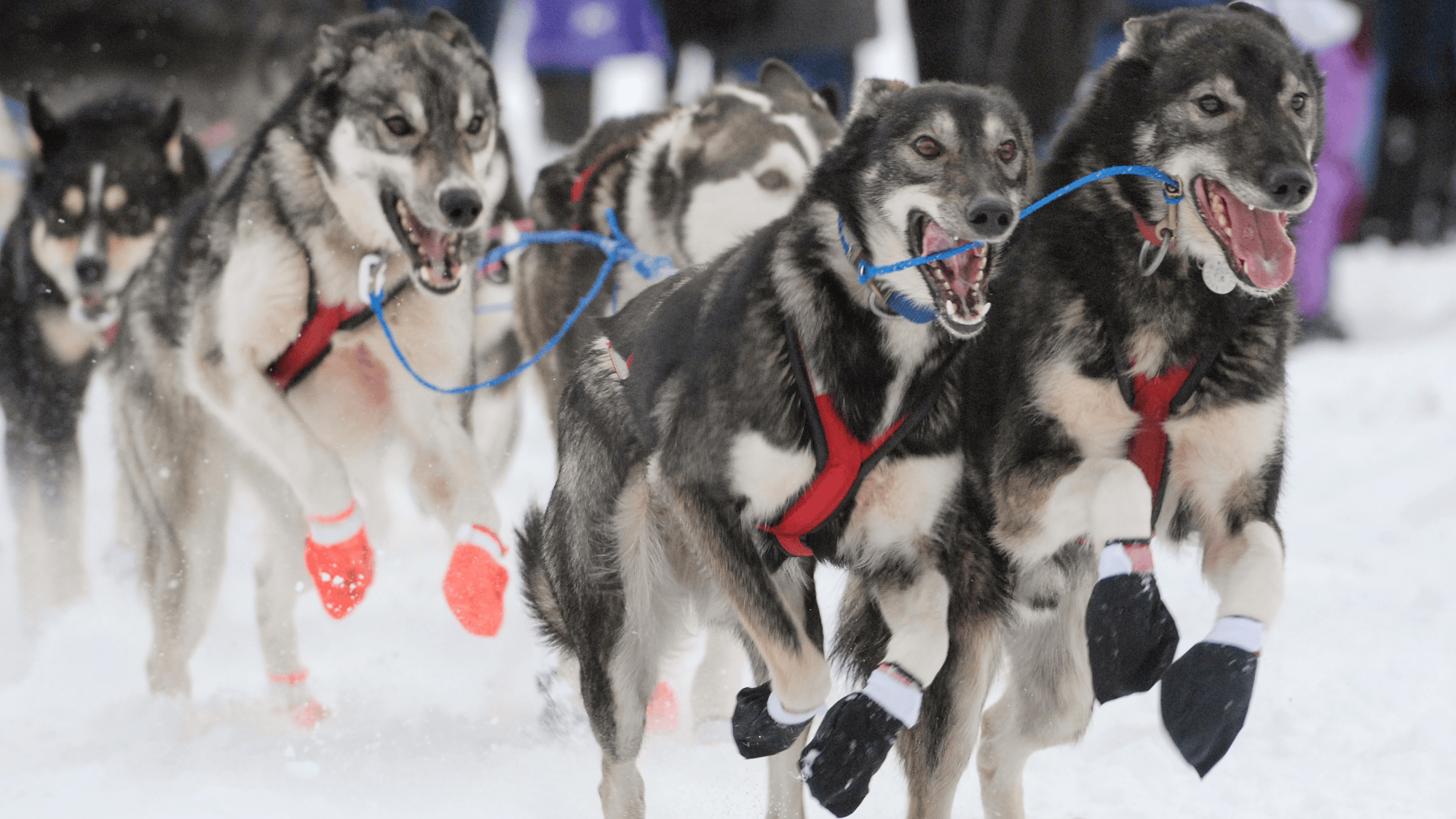
They’re some of Earth’s most powerful athletes, traversing thousands of miles of rough terrain in sub-zero temperatures, through blinding snow, and biting winds. Sled dogs have been helping humans travel across the planet’s coldest regions for centuries, hauling supplies, people, and equipment across the snow and ice. In the process, this important role that goes above and beyond simply being “man’s best friend” could have a visible impact on their evolution.
Sled dogs may have evolved shorter legs to help them pull loads more efficiently. Currently working sled dogs and those that lived about 2,000 years ago have six percent shorter leg bones than similar species, according to a study published today in the journal iScience. These findings could help biologists trace the origins of sled dogs and understand more about how dog-powered transportation spread over the past 9,000 years.
“Sled dogs have played an indispensable role in communities in the Arctic,” Mitya Kletzerman, a study co-author and an archeologist at the University of Haifa in Israel, said in a statement. “Without dogs, people couldn’t move as efficiently to hunt, relocate as conditions changed, or travel between communities to exchange knowledge and share new ideas. Understanding how the practice evolved could give us new insights into how people adapted to life in the Arctic.”
As of now, our earliest archeological evidence associated with dog sledding comes from 9,000-year-old sled parts and dog remains uncovered in 2017 on Zhokhov Island (present-day Russia). Sledding equipment like this is rarely found in the archaeological record, so it has remained difficult to pinpoint when and where the practice first emerged or spread.
Earlier studies have shown that work associated with humans can leave traces in an animal’s skeleton. Reindeer used for racing, carrying loads, and pulling have limb bone differences compared to those that do not pull. Kletzerman and her team were curious if sled dogs have also developed particular skeletal traits that have helped them adapt to all of the physical demands of pulling a sled.
In the study, the team developed a biomechanical model to help them understand how a dog’s body handles the work of pulling a sled. The model showed that one effective way to pull a sled loaded with material is for a dog to lower its center of gravity. This increases the canine’s ability to generate pulling force.
“When people or animals pull a load, it tends to tip them backward. A lower or more forward position of the center of mass counteracts this effect, allowing greater pulling force,” Kletzerman explained.
They then tested whether modern sled dogs have skeletal proportions that can lower their center of mass. They analyzed bones in 60 different modern canids, including sled dogs, wolves, spitzes, and mongrels. They then compared the lengths of five leg bones. Three in the forelegs (the humerus, radius, and ulna) and two in the hind legs (femur and tibia).
After accounting for overall skeletal size, they found that sled dogs have relatively shorter radius, ulna, and tibia bones than their non-sled pulling counterparts. These bones measured about six percent shorter on average.
“It’s unclear how this trait developed, but selective pressure may have preserved it, because it gave sled dogs an advantage over other dogs,” Kletzerman said.
To see if this characteristic already existed in ancient dogs, the team analyzed 82 ancient dog bones and three skeletons. The three skeletons were from ritually buried dogs uncovered from three archaeological sites associated with ancestral Inuit populations in present-day Chukotka, Russia, and date to 2,000 to 500 years ago.
Nearly 89 percent of the bones were consistent with the modern sled-dog pattern of shorter leg bones, as were all three ritually buried dogs. According to the team, this suggests that the skeletal pattern may be an effective way to identify that canine remains belonged to a sled dog, even when archaeological remains are incomplete or do not have any direct evidence of sled equipment.
“Dogs have been working alongside humans for thousands of years, but we’re only beginning to understand how that partnership shaped them,” Kletzerman concluded.
A first-of-its-kind genetic analysis of dog breeds presents the clearest insights into why larger dogs rarely outlive their smaller relatives. According to a team of biologists writing in the journal Science, the longstanding size–age correlation is likely due to “jumping genes” that inevitably begin sowing chaos inside canine DNA as dogs get older.
Most dog owners are aware of an unfortunate rule of thumb—the bigger the pooch, the shorter the lifespan. While this trend isn’t always the case, breeds like the Great Dane generally don’t stick around as long as smaller relatives like golden retrievers or even pugs. Larger dogs are also much more prone to age-related health issues and diseases. These canine traits starkly contrast with what biologists often see in other mammals, where larger species like whales frequently live much longer than tiny animals such as rodents. But these mysteries make your favorite furry friend’s genetics incredibly intriguing to researchers.
“Dogs provide an extraordinary model for understanding aging because they show dramatic variation in lifespan within a single species,” explained study co-author and Arizona State University (ASU) evolutionary biologist Noah Snyder-Mackler.
Dogs’ longstanding 30,000 plus years of companionship with humans also poses a unique opportunity for scientists. Pets and their owners share many of the same day-to-day experiences, environments, and physical habits, so it stands to reason that a better understanding of canine genes could guide future studies of human biology. Knowing this, Snyder-Mackler and his colleagues recently examined genetic data from 864 dogs stored in the Dog Aging Project. They specifically focused on mapping genome-wide DNA methylation, which allows genes to express themselves without altering their DNA sequence. DNA methylation is part of the larger epigenome influenced by external factors like stress and diet, and it’s also a widely known indicator of aging and DNA regulation.
Snyder-Mackler’s team discovered a dog breed’s aging is specifically tied to losing regulation in a class of transposable elements, or “jumping genes,” called LINE1s. These genes copy and intersperse throughout the genome by leaping between chromosomes, which damages DNA. This initially isn’t too problematic thanks to the regulation from DNA methylation, but that ability decreases with age. Less regulation means more damage in the form of genetic instability, diseases, and cancer.
“What we found is that the epigenetic regulation of transposable elements—especially LINE1s—appears to be a major factor shaping how quickly different dogs age,” Snyder-Mackler said.
Over 40 percent of LINE1-related portions of the genome lose DNA methylation as a dog ages, but the speed of decline is much faster in bigger breeds. The team’s findings showed larger dogs lost an average of 35 percent more LINE1 methylation than smaller canines.
“It suggests that faster aging in larger dogs may be driven, at least in part, by reduced control over these ‘jumping genes,’” concluded ASU genomicist and study co-author Blaise Mariner.
It’s still unclear if LINE1 behavior causes species to age, but the recent work emphasizes these genetic areas are focal points in biological aging. Beyond understanding aging differences among dog breeds, the discoveries may guide research into similar genetic changes in humans.
“If that’s the case, targeting these elements or the mechanisms that regulate them could be a promising avenue for future therapies to extend the health span in humans,” said Snyder-Mackler.
Imagine this: You’re at the doctor’s office, and instead of one quick tap with the reflex hammer—the kind that makes your leg kick out without you meaning to—they just…keep going. Tap, tap, tap, right on that same spot below your knee, for a solid two minutes straight. It wouldn’t hurt you. But after a while, you’d probably start feeling pretty strongly about wanting it to stop—and if they didn’t, you might start wanting to kick someone on purpose.
Now imagine you’re a dog, and someone finds your “sweet spot”—that one particular patch of skin on the side or back—and won’t quit scratching it. Suddenly, your back leg is kicking without your permission, over and over, like it’s got somewhere better to be. As adorable as it looks from the outside, it’s probably not exactly a party for you.
“It’s an annoyance,” says Nancy Thomas, DVM, a veterinarian with Telavets, an online veterinary expert consultation service. “It doesn’t do any good to continue doing it. The spinal cord is trying to say ‘get off of me.’”
So what is the mechanism behind your pup’s leg acting on autopilot?
Your dog’s leg has a mind of its own
So it might look like your dog is practicing to bend it like Beckham, or maybe is angling for a spot with the Rockettes, but what is really happening is entirely out of your pet’s control. It’s something called the pruritic scratch reflex.
It’s a reflex arc, a shortcut in the nervous system that bypasses the brain altogether to allow for an instant response. When something (your hand, a flea, a burr caught in the fur) touches the skin in that spot, sensory nerves pick up on it and send a signal straight to the spinal cord. The spinal cord doesn’t pause to think it over, according to Thomas; it’s the same shortcut your body uses when you touch a hot stove, although your dog’s involuntary kicks do not involve pain.
“You touch a stove, and the signal goes from the sensory nerves up to the spinal cord, and the spinal cord immediately sends a message back to your finger to get off the stove,” Thomas says. “It’s a millisecond kind of a deal.”
When dogs twitch during pets, it’s not because they like it. Video: That’s the Spot, @TheDogRufferee
The reason dogs have the pruritic scratch reflex basically comes down to pest control: that particular area along your dog’s flank is prime real estate for fleas, ticks, mites, and burrs—the kind of small, easy-to-miss irritants that can burrow in or bite before a dog even notices. Rather than relying on conscious awareness to catch the pest, dogs’ built in a shortcut: If something touches down in that zone, the leg kicks automatically on the off chance it’s actually a threat trying to dig in.
It’s the same basic reflex that makes a horse’s skin twitch to shake off a fly, says Thomas, who also created an emergency medical ID tag for horses and their riders.
“It’s a mechanism designed to keep nefarious things off the body,” Thomas says.
It’s not the same as tickling
A very common misunderstanding around the pruritic scratch response is that it is a form of tickling, and it’s easy to see why: your dog is responding in a riotous, involuntary, and rather comical way to a physical trigger.
But as gleeful as it looks when your dog breaks into those rapid-fire leg kicks, the experience is probably neutral at best for your dog. By continuing to do it, you could be “perpetuating the annoyance,” according to Thomas. Even tickling isn’t universally and unequivocally loved.
To be clear, this doesn’t mean your dog is necessarily having a miserable time every time you find that spot. In general, the reflexive leg kick is just proof that your dog’s built-in protective wiring is working exactly the way it’s supposed to. But there’s one pattern worth keeping an eye on. If your dog reacts almost anywhere you touch them, or seems unusually sensitive even on their belly (which is normally a calmer, less reactive area due to its lack of contact with the ground), that’s worth mentioning to your vet.
“That’s a possible red flag for atopy,” Thomas says, referring to allergies or skin inflammation that leaves the whole body more sensitive. It’s similar to how a patch of poison ivy makes even light touch uncomfortable.
“That might be a bit of a sign,” Thomas says. “These dogs might be a little extra sensitive, due to a skin condition.”
To make bonding with your dog more enjoyable for both of you, Thomas advises sticking to areas not commonly associated with the pruritic scratch reflex, such as the belly. She also recommends watching your dog’s body language to ensure they’re having as much fun as you. It’s a much better way to ‘get your kicks’ without turning your dog into a full-on kickboxer.
“If you’re rubbing their belly, and they’re all spread out and relaxed-looking, that’s a sign you’re on the right track,” she says.
In Ask Us Anything, Popular Science answers your most outlandish, mind-burning questions, from the everyday things you’ve always wondered to the bizarre things you never thought to ask. Have something you’ve always wanted to know? Ask us.
Anyone who regularly walks a dog has likely felt the heavy pull of their smartphone to break up the monotony. Though the hustle and bustle of modern life makes multitasking more appealing than ever, distracted dog walking can put the pooch and its owner in dangerous spots. It may also contribute to piles of abandoned, unscooped poop.
That last point comes from a new study published in the journal Society & Natural Resources by researchers at the University of Surrey in England. The team spent 40 hours observing dog walkers across several sites in the Surrey Hills National Landscape southwest of London, to see how they actually behaved on walks. On 11 different occasions, they spotted owners so absorbed in their phone’s enticing glow or tuned out with headphones that they apparently didn’t notice their dog had relieved itself.
This abandoned dog poop, which the team artfully calls “pet fouling,” wasn’t the result of particularly ill-intentioned owners. Instead, the researchers say it was mostly a matter of distraction from the dirty task at hand. And poop wasn’t the only issue. Distracted dog walkers were also less likely to catch their dogs entering undergrowth or disturbing nearby wildlife and livestock. Unchecked smartphone use, in other words, inadvertently made walkers crappier neighbors.
“Dog walkers are often portrayed as either responsible or irresponsible, but our research shows that the reality is far more complicated,” Tom Roberts, a study co-author and University of Surrey Senior Lecturer in Environmental Sociology, said in a statement. “Most people care deeply about their dogs and the countryside. Problems frequently arise because their attention is divided or because facilities do not match how dog walking actually happens.”
Dog walking: a moral conundrum
Observing dog-walker habits gave the researchers a glimpse into how people morally negotiate the responsibility of shared spaces in their daily lives. Walking dogs in the protected region, that also includes farmland, means balancing the interests of the dog walkers, the dogs, farmers, and the natural landscape itself. Overall, the team says the majority of dog walkers they observed were responsible stewards. Most consistently picked up after their pets, with some even collecting waste left behind by other animals. They also tended to adhere to other polite conventions, like keeping their dogs on a leash and on specified trails.
But issues arose when digital devices got involved. Unscooped poop tended to happen early in walks, concentrated near parking lots and along busy paths. Dogs weren’t sneakily waiting to poop in unsuspecting bushes or flower beds. They were more or less dutifully doing their business on a schedule. It was their owners who were shirking the job, temporarily blinded by the pull of social media and emails. A researcher describes the scene in the following field note included in the study.
“Many wore headphones or were on calls,” they wrote. “Some paced a short loop while talking; others stayed by the gate scrolling on their phones as their dogs ran around the field with little supervision.”
The team also interviewed 15 farmers, land managers, and countryside business owners to get their thoughts on how best to share the space with dog walkers. Broadly, the recommendations were to try and work with the walkers, rather than aggressively enforce new rules or restrictions. The study recommends placing plastic waste bins near areas where dogs often poop to make cleanup easier. They also suggested adding dedicated off-leash areas where dogs can run freely without disturbing the environment, as well as friendly signage explaining why fouling the area can be harmful.
“While dogs can deepen human engagement with nature, they also shape how landscapes are encountered and used,” the researchers write in the paper.
Distracted walks aren’t great for dogs, or their owners
This study took place in the calm, rural English countryside, and even there, some walkers were still drawn to devices. It may be even more likely in urban and suburban areas, where dog walking can often feel less like leisure and more like an obligation to push through. But distracted walking can cause problems for dogs, both physically and mentally.
On the physical side, owners staring at their phones are more likely to miss their dogs gobbling a sharp bone or other dangerous litter that could wreak havoc on their guts. They also might not see or hear the signals their dog is sending, like if they are getting tired, which could lead to injury. Dogs communicate with us mostly using body language, so when they look up only to see their owners far away in cyberspace, it can make them frustrated. Distracted walkers also might not notice another reactive dog nearby until they are so close that a scuffle breaks out. Listening to music, especially with noise-canceling headphones, can also drown out the subtle sounds of quickly approaching cyclists or, more frequently these days, e-scooter riders.
“When an owner is more attentive to their surroundings, they can be proactive versus reactive to these things,” University of California Davis Veterinary Medicine Professor of Clinical Animal Behavior Science Melissa Bain said in a recent interview with HuffPost.
Mentally, distracted walkers give more attention to their devices than to their pets, leaving the dog confused. Dogs have evolved to look to our eyes for information, including feedback that reinforces whether they did something good or bad. When they check in and there’s no connection, wires can get crossed. They can also get anxious if they don’t have enough time to sniff around on their walk, something that can be exacerbated by a distracted owner hurrying them along. Some Animal behaviorists liken dogs sniffing things on their walks to reading the newspaper or, perhaps more fitting in this case, checking social media.
And though the University of Surrey researchers have recommended more cooperative ways of dealing with unscooped dog poop, others are taking more assertive action. Apartment complexes around the United States are increasingly using services that collect discarded dog poop, take DNA samples from it, and trace it back to its owners to issue fines. In some cases, companies that act as the “Poo Police” have even appeared in eviction court.
That’s all a lot of trouble that could potentially be avoided by taking a brief break from screens and being present. Past research has even shown that dog walking and seeing your dog have fun can improve the dog walker’s mood.
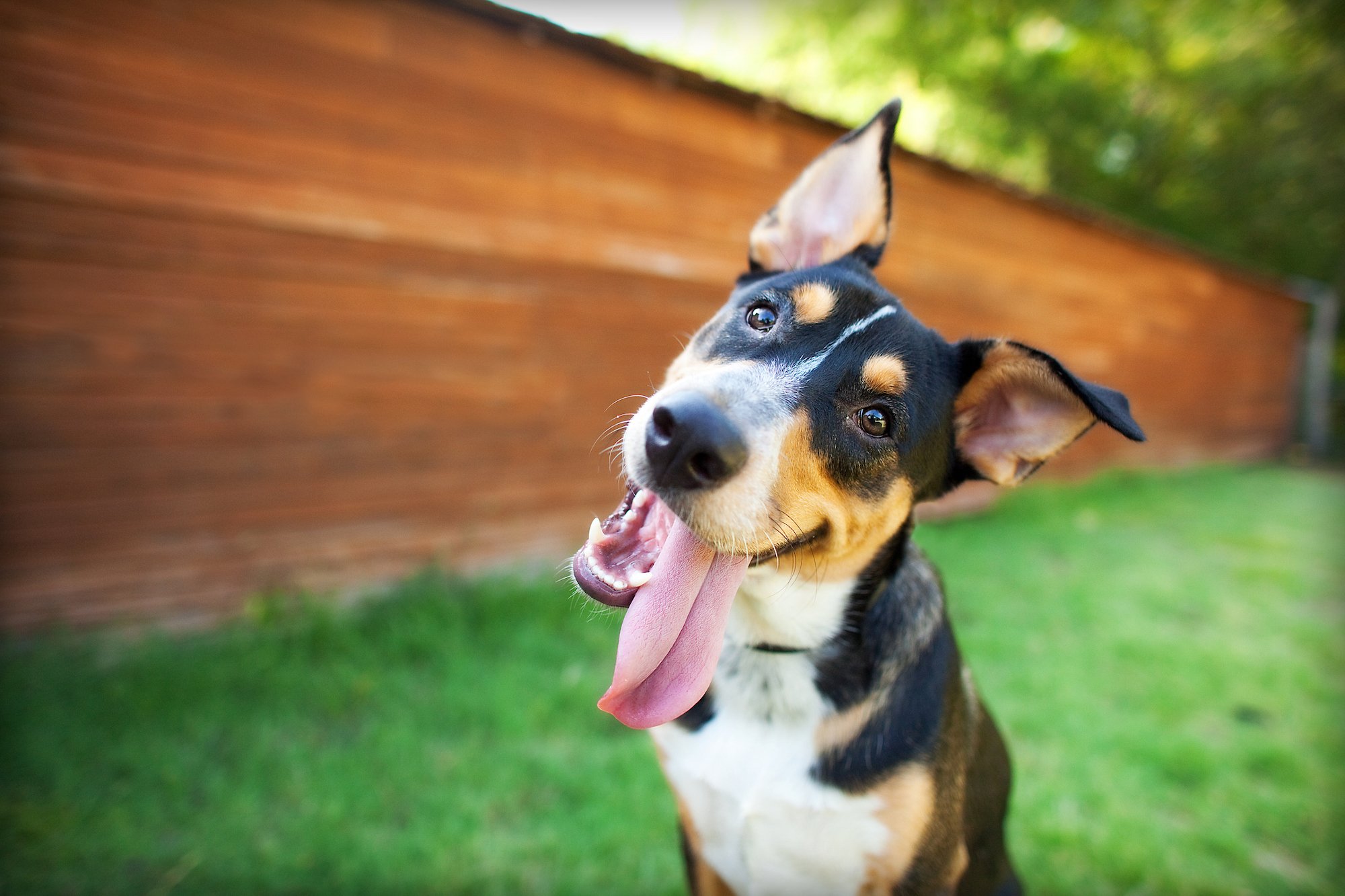
“Do you want a treat, Milton?” “Do you want to go for a walk, Bernie?” Annnnd, cue the head tilt from your dog.
Many dogs turn their heads, perk their ears, and stand at attention when their humans say certain words. But why? Well, it’s not just cute. There’s some serious science and fascinating theories about dogs’ ability to understand language. On the latest episode of Ask Us Anything, we explain how dogs’ head tilting likely makes your furry friend able to listen and process information better.
Annie Colbert: And I’m editor-in-chief, Annie Colbert.
SD: Here at PopSci, we’re always pondering quirky questions.
AC: And this week, we’re wondering, why do dogs tilt their heads? So Sarah, tell us, why are our cute furry friends looking at us all askew?
SD: Well, scientists aren’t totally sure.
AC: Seriously? Something dogs do all the time, they don’t know why?
SD: I know, I know. There are a few theories out there, though. Maybe our pups are trying to hear us better.
AC: I guess that makes sense. I remember my dad used to kind of tilt his head when he didn’t have his hearing aids in.
SD: That might have just been a your dad thing.
AC: Yes, probably.
SD: Yeah, there’s also a chance dogs are trying to get a better look at our faces.
AC: That also feels plausible.
SD: But there’s another possibility that’s a lot more interesting.
AC: Ooh, okay.
SD: Researchers have found that some dogs are more likely to tilt their heads when they hear words they recognize.
AC: Wait, so they might be thinking?
SD: Maybe. That little head tilt could have something to do with how dogs pay attention to, and process, what we’re saying.
AC: Which somehow makes it even cuter.
SD: Right? So why do some dogs tilt more than others? What’s actually happening in their brains? And does your dog understand more of what you say than you realize?
AC: I must know.
SD: We’re gonna get into all of it. But before we do, we wanna hear from you. What questions are you head tilting, AKA thinking about?
AC: If there’s something you’ve always wanted to know, something that makes you tilt your head, submit your question by clicking the “Ask Us” link at popsci.com/ask.
SD: Send us your questions.
AC: Yes. And coming up, we’ll dig into what might actually be going on when your dog does that adorable little head tilt.
SD: And what it could tell us about how much they really understand when we talk to them.
AC: That’s after this quick break.
SD: Welcome back. Annie, now before we get into the science, I feel like we have to establish our dog credentials here. So did you grow up with dogs?
AC: Yes. We always had at least one dog growing up, everything from mixed breed dogs to cocker spaniels named after various bread products. We had both a Muffin and a Biscuit at one point.
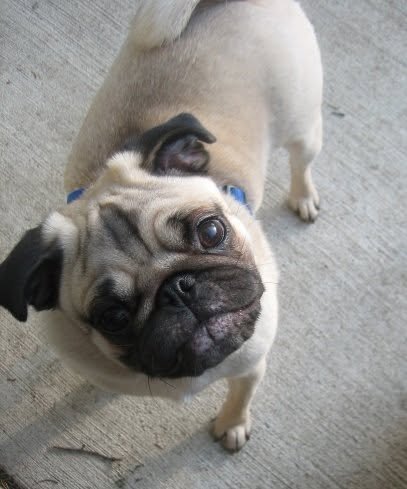
And then we had pugs, and I think I can confidently say that pugs were definitely the biggest head tilters.
Annie’s parents’ pug, Herbie, pictured in 2007. Image: Annie Colbert / Popular Science
SD: Mm.
AC: And I always assumed it’s just because they were perpetually confused by life.
SD: I mean, aren’t we all? I grew up with Saint Bernards.
AC: Hmm.
SD: So my family has had, oh, five.
AC:Wow.
SD: And my grandmother, who started the trend, actually had something like nine throughout her life.
AC: What? That’s so many.
SD: I know. I love Saint Bernards. And Saint Bernards, at least the ones I’ve gotten to know, are not huge head tilters.
AC: Hmm, interesting. Is it maybe because their heads are just too heavy to tilt?
SD: There is a lot of head to move for a Saint Bernard. Hmm.
AC: Yeah.
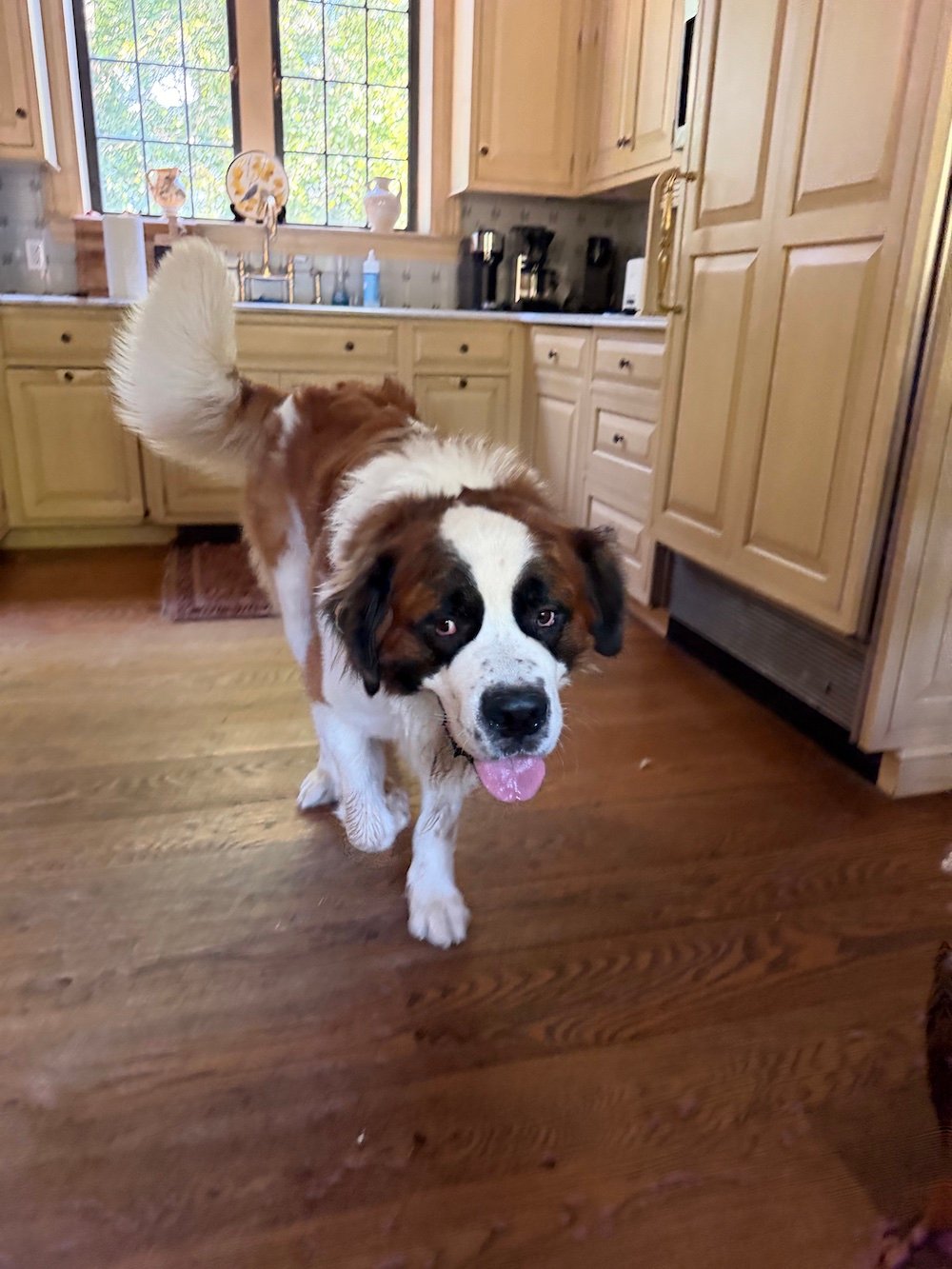
SD: But our newest puppy, Tartufo, we call him Tufo, is actually a little bit of a head tilter, and sometimes if you say a word he knows, he’ll look right at you and just tip.
Tufo. Image: Sarah Durn / Popular Science
AC: Aw.
SD: I know, it’s so cute. I love him so much. He’s like a super sweet, like, expressive dog, so the head tilt just, you know, sends it over the edge.
AC: Love it.
SD: But here’s the really cool part: Tufo seems to head tilt more when he hears words he recognizes, and scientists think that might be a clue about what the head tilt actually means.
AC: All right, so what’s happening in that giant Saint Bernard brain?
SD: Potentially language processing.
AC: Excuse me?
SD: I know. Dogs have lived alongside humans for roughly 20,000 to 30,000 years, and over that time they’ve gotten remarkably good at dealing with this extremely weird thing humans do all day long.
AC: Talk at them.
SD: Constantly. And brain scans suggest dogs process parts of human speech in ways that are surprisingly similar to us. When a dog hears a familiar word, the left side of its brain becomes active, even if you change your tone of voice. But if you say an unfamiliar word using a familiar tone, the right side becomes more involved.
AC: So their brains are basically going, “Okay, I recognize that word,” versus, “I don’t know what you’re saying, but you sound excited.”
SD: Yeah, and that brings us to a 2025 study that basically asked, okay, where does the adorable head tilt fit into all of this? Researchers recruited 103 dog owners and had them film their dogs in four different situations.
First: Dog doing nothing.
AC: A challenging assignment for most dogs.
SD: Totally. Totally. And then second: Owner silently staring at dog.
AC: It’s kind of intimidating.
SD: Right. And then, this is my favorite: Owner talking to dog about ancient Egyptian civilization.
AC: Finally, that canine Egyptology study we were always waiting for.
SD: Exactly. I know everyone was on the edge of their seats. The idea was, you know, to give dogs speech that was neutral or unfamiliar. And then in the final and fourth condition, owners used familiar words with a warm, excited tone.
AC: Like, “Wanna go for a walk?”
SD: Exactly. And that is when the head tilt really showed up.
Dogs tilted much more often when their owners were saying familiar things in that enthusiastic, excited way.
AC: So they weren’t just reacting to the sound. Right.
SD: Courtney Sexton, one of the authors of the study, described it as a kind of communicative exchange. The dog isn’t necessarily going, “Ah, yes, I fully comprehend this sentence,” but something about you talking to them using words they know seems to make that little head go sideways.
AC: Which feels like watching the loading wheel appear over their little brains.
SD: Oh, yeah, totally. Like… Processing, processing, walk detected.
AC: Uh, that is exactly what it sounds like.
SD: Oh, yeah, 100%. And, you know, somehow this all gets a little weirder. Because researchers also noticed that most of the dogs who tilted went to the right.
AC: Huh. There’s a preferred head tilt direction?
SD: Apparently. And there’s a possible brain connection here. Brains process sensory information contralaterally, which is a fancy way of saying that the left side of the brain is connected to the right side of the body and vice versa. So one hypothesis is that a right head tilt could be connected to the dog engaging the left hemisphere of the brain, the side involved in processing familiar language.
AC: So we might literally be seeing the dog’s brain work.
SD: Maybe, but, you know, giant asterisk here. Researchers are not saying right tilt equals language happening. That part is still very much a hypothesis. The study also had another really weird result.
AC: What’s that?
SD: Male dogs tilted more often than female dogs, and when they tilted, male dogs leaned further to the right.
AC: Why are boy dogs so dramatic?
SD: Aren’t all guys, really? Scientists don’t really know why this is happening yet, but one possibility is that male and female dogs may use their brain hemispheres a little differently when processing language. But only around 40 of the 103 dogs in the study actually tilted at all, so the researchers are very cautious about drawing any sort of broad conclusion.
AC: All right. But dogs don’t only tilt their head when people talk to them, right?
SD: Right. And this is where our very satisfying head tilt equals language explanation gets messier. Another study found dogs tilting their heads after being startled by a jack-in-the-box.
AC: Okay, that’s a reasonable response to a jack-in-the-box.
SD: Yeah, extremely reasonable. And that suggests, though, that head tilting might have something to do with novelty or surprise, not just language. There’s even this possibility called cognitive offloading.
AC: Which sounds like something I need at the end of every workday.
SD: Oh my gosh, same. Um, yeah, basically we make a physical gesture while our brain is working something out. You furrow your brow, you exhale, you stare into space for five seconds while trying to remember why you walked into the kitchen.
AC: Constantly.
SD: Same. The head tilt could be a dog version of that, a little physical reset while their brain processes something new.
But Courtney Sexton from that study we talked about doesn’t think that explains the whole thing because in the 2025 experiment, the dogs tilted overwhelmingly during the social language condition.
AC: Okay, I have another scientific hypothesis.
SD: Shoot.
AC: Dogs know that the head tilt makes us powerless to their adorableness.
SD: That is actually an important scientific question.
AC: Called it.
SD: You did, because humans do rate head tilting dogs as cuter. But Sexton doesn’t think dogs are sitting there plotting, you know, “If I rotate my head 15 degrees, perhaps she’ll give me cheese.”
AC: But you cannot prove they’re not.
SD: Okay, fair, but there is a reason it absolutely destroys us.
During domestication, dogs develop something called neoteny, meaning adult dogs retain juvenile features like large eyes and soft facial proportions, basically permanent baby face, and humans are very, very responsive to baby face. So the head tilt isn’t necessarily designed to be cute.
AC: We’re just helpless against it.
SD: Exactly. Which brings us back to the original question: why do dogs tilt their heads? And the slightly frustrating answer is: Scientists still don’t completely know.
It could involve language processing, attention, surprise, maybe even that little physical reset while the brain figures something out. But the strongest evidence we have suggests that at least sometimes the head tilt is a visible sign that your dog is actively processing and responding to you.
So when Tufo hears a word that he knows and tilts his head, that enormous Saint Bernard brain may actually be hard at work.
AC: Thinking important thoughts.
SD: Extremely important thoughts. Probably mostly about snacks.
AC: Yes. But now I have a question.
SD: Yes, go.
AC: If we can use something like a head tilt to get a tiny glimpse into what a dog is thinking, can we actually tell how smart a dog is?
SD: Funny you should ask, because the internet has come up with some pretty questionable ways to test your dog’s IQ.
AC: All right, I’m intrigued.
SD: And scientists have some much better ones.
AC: Unsurprising.
SD: Unsurprising. Now, we have to take a quick break, but when we come back, we’ll explain how you can actually test your dog’s IQ.
AC: I mean, Tufo genuinely sounds like a genius.
SD: I mean, he is. I won’t argue with, with that at all.
AC: Welcome back. Okay, Sarah, before the break, you promised that we could actually put Tufo’s brain to the test.
SD: I did. Because we spent this whole episode talking about what his head tilt might tell us about what’s happening inside his brain, naturally the next question is how smart is my adorable little Saint Bernard?
AC: Little?
SD: He’ll always be a little puppy to me.
AC: Debatable. Anyhow, uh, I’ve seen a pet IQ test online called the wall test where you hold up your dog and you slowly move them toward a wall to see if they put their paws out.
SD: Yes, yes. I’ve seen that one, too, but I don’t think anyone’s lifting Tufo, and that might actually be a good thing because experts say you should not do the wall test.
AC: Really?
SD: Yes. Don’t do it. Whether a dog sticks out their paw actually has nothing to do with intelligence. It’s a neurological reflex vets use to check that a dog’s nervous system is working properly, kind of like when a doctor taps your knee and your leg automatically kicks.
AC: Hmm. So it’s not really an IQ test at all.
SD: No.
AC: But how do I find out if my dog is a genius?
SD: Well, obviously they are. But scientists would say that’s actually the wrong question.
AC: Rude.
SD: Because there isn’t one thing called dog intelligence. Some dogs are amazing problem solvers, some are great navigators, and some are especially good at reading us.
AC: Which feels especially relevant after an entire episode about dogs listening to us.
SD: Exactly. And you can test this even at home. Just grab two identical cups and a treat. While your dog isn’t looking, hide the treat under one cup, then put both cups down and either point at the correct cup or just look at it, and then let your dog choose which cup they’re drawn to.
AC: So if they pick up the right cup…
SD: They successfully read your social cue. That’s a skill called social cognition.
AC: Hmm. Genius.
SD: Good at one particular type of cognition.
AC: Or genius.
SD: Fine. Genius. All dogs are geniuses. Yeah. But if they choose the wrong cup or, you know, just wander off down the hallway, that doesn’t mean they’re dumb. Dogs have different strengths, and just like us, they have to actually be motivated to participate.
AC: So if my dog completely ignores my carefully designed scientific experiment…
SD: You might just need better treats.
AC: Fair.
SD: And I think that brings us right back to the head tilt. One cute little behavior cannot tell us exactly what’s happening inside our dog’s brain, alas.
But it can give us a clue and remind us that there’s a whole lot going on behind those puppy dog eyes.
AC: Even when it looks like there absolutely is not.
SD: Watch it.
And that’s it for this episode. But don’t worry, we’ve got more episodes of Ask Us Anything live in our feed right now. Follow or subscribe to Ask Us Anything by Popular Science wherever you enjoy your podcasts. And if you like our show, leave a rating and review.
AC: We care what you think. We care what your dogs think, geniuses or not. Our producer is Alan Haburchak, and this week’s episode was based on stories written for Popular Science by Nidhi Sharma and Clarissa Brinkett.
SD: Thank you, team, thank you, dogs, and thanks everyone for listening.
AC: And one more time, if you want something you’ve always wondered about explained on a future episode, go to popsci.com/ask and click the “Ask Us” link. Keep the questions coming. Till next time, may your dog always listen when you call.
SD: May your pockets be full of sufficiently motivating treats.
AC: And may your dog’s head tilts always be ridiculously cute.
SD: Like, they can never not be. They’re always cute.
What began as a routine police response to a reported break-in turned into a brief standoff between nature and technology. Last week, law enforcement in the city of Kirkland, Washington (just northeast of Seattle) responded to a 911 call from a resident reporting loud banging inside their home. Officers arrived expecting a human intruder, but were instead greeted by a more literal cat burglar: a trapped and confused bobcat.
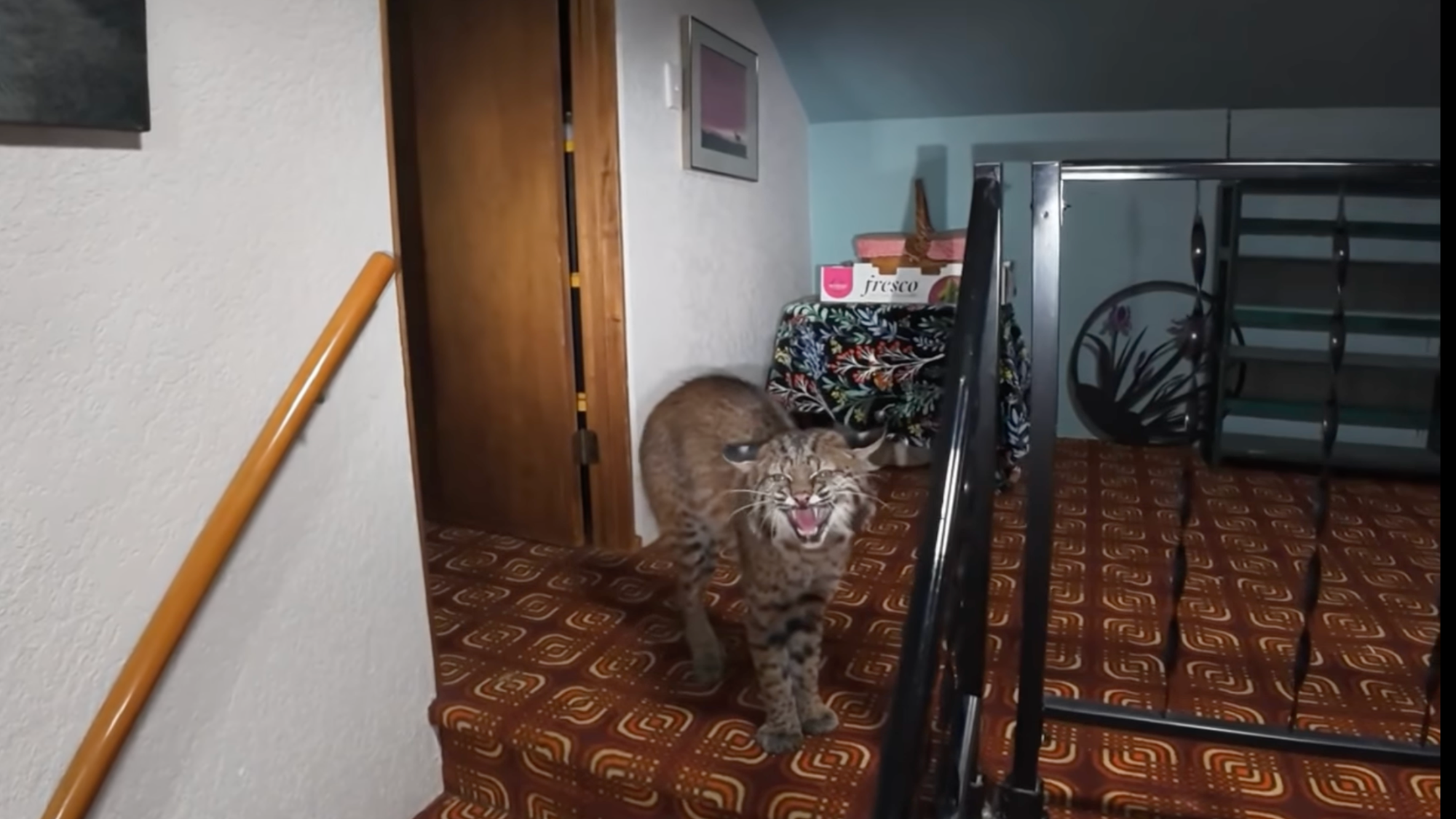
Not wanting to risk a claw to the face, the officers backed out and reassessed the situation. They ultimately decided to deploy a remote-controlled drone into the house, to monitor the feline intruder from a safe distance. Video captured from the drone’s perspective and released on Facebook, shows the frustrated bobcat standing by a staircase, growling and arching its back at the hovering machine. After a brief standoff with the buzzing, metal alien, the bobcat carefully retreated, sidestepping into an adjacent empty room.
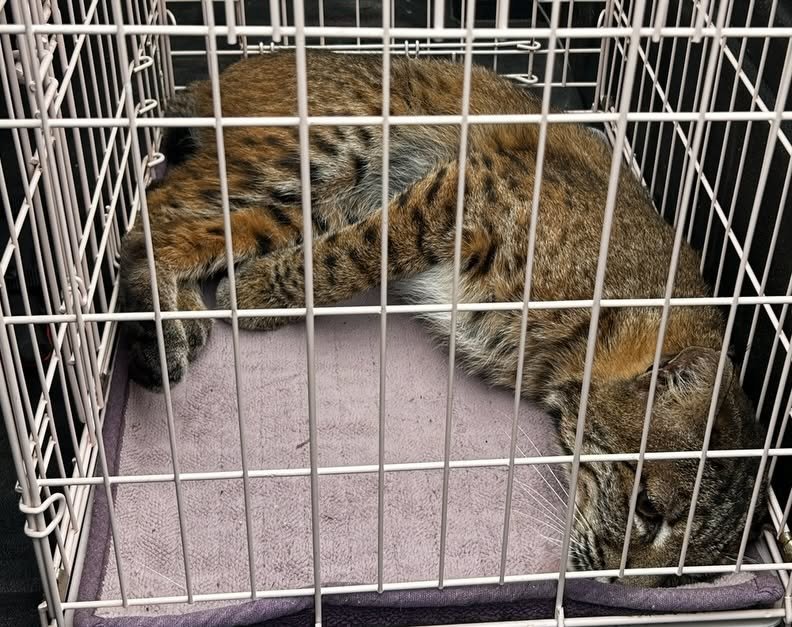
Police were then able to close their door and keep the bobcat isolated until a team from the Washington Department of Fish and Wildlife arrived. Wildlife officials then sedated the cat, loaded it into a crate, and transported it to nearby Forbes Creek. The feline was then released back into the wild, startled but safe. As for how a bobcat ended up in the house in the first place, Kirkland Police believe the adventurous intruder climbed a tree and jumped through an open window, possibly lured in by the resident’s indoor cat. Both the owner and its likely shocked cat were unharmed, according to the police. Thankfully, curiosity didn’t kill this cat.
The Kirkland Police Department did not immediately respond to Popular Science’s request for comment.
The aerial deployment was made possible by a public safety drone program the Kirkland Police began in 2022. Today, they reportedly maintain five drones and have 17 FAA-licensed pilots ready to operate them. The typical use cases for those drones include search and rescue, tactical search, scene documentation, and, apparently, bobcat removal.
The bobcat before its release near Forbes Creek. Image: Kirkland Police Department.
Drones are changing the way police surveil wildlife…and people
Drones and robotic dog-like quadrupeds are reshaping how local communities approach wildlife management. In Japan, authorities deploy a combination of camera-equipped drones and robotic Monster Wolves to locate and deter bears following a record spike in human-bear encounters driven by urban sprawl and declining farmland. In the United States, police in Santa Fe, New Mexico, recently used an aerial drone to track an errant bear wandering near a school. Expanded drone programs are also playing a greater role in locating lost or missing pets. Just last month, firefighters in t Florida used a remotely controlled drone to find an overly adventurous dog trapped in a storm drain.
But this increased prevalence of drones comes with other, more controversial concerns as well. Police forces around the country are ramping up “drones as first responder” programs, which civil liberty critics say could introduce unreasonable surveillance. Law enforcement around the country has already used these drones to monitor political protesters. Meanwhile, Immigration and Customs Enforcement (ICE), is reportedly interested in using Boston Dynamics’ quadruped robot “Spot” to aid in immigration operations. Private security companies like Flock and Axon are also investing heavily in aerial surveillance drones.
Gerenciadores da área de transferência estão entre alguns dos apps mais abundantes para macOS. Ainda assim, de vez em quando surgem ferramentas que conseguem se destacar em meio à multidão, como o Text Catalyst, da Sense Labs.
Lançado há poucas semanas, ele faz tudo o que um bom clipboard manager precisa fazer: oferece um histórico dos últimos itens que você copiou no seu Mac, permitindo que você os cole a qualquer momento. Ele também deixa você pesquisar por itens no seu histórico (incluindo texto em imagens), além de poder ser aberto facilmente com um atalho de teclado.
Divulgação/Sense Labs
Os recursos, no entanto, não param por aí, com coisas bem legais como a Fila de Colagem (Paste Stack) jogando um pouquinho de tempero sobre a experiência. Com ele, você pode copiar vários itens de uma vez para depois colá-los em sequência em algum app qualquer da mesma forma como faria se estivesse colando apenas um item: usando apenas o atalho ⌘ commandV.
Divulgação/Sense Labs
O Text Catalyst, no entanto, oferece outras formas de copiar e colar itens, as quais podem substituir por completo os tradicionais ⌘C e ⌘V. É possível, por exemplo, configurá-lo para copiar um trecho de texto apenas ao selecioná-lo com cursor do mouse, bem como pressionar uma tecla modificadora da sua preferência duas vezes para abrir a Lista de Colagem (Paste List).
Divulgação/Sense Labs
A interface principal do app também é bem completa e conta até mesmo com filtros que separam por aplicativo de origem os itens da sua área de transferência. Há, ainda, abas para texto simples, links, imagens, arquivos, cores, etc.
Assim como outras ferramentas do tipo, o Text Catalyst também traz um recurso de substituição de texto chamado Expansão de Texto (Text Expander). Com ele, você pode atrelar palavras, símbolos (como ⌘ e ⌥), emojis e até templates de emails a uma abreviação, que é substituída automaticamente pelo conteúdo desejado. Itens da sua Lista de Colagem também podem ser convertidos em trechos a serem inseridos no lugar de uma palavra ou sigla.
Divulgação/Sense Labs
Programada em Swift para ser um app nativo, a ferramenta permite copiar até 48.000 itens, além de funcionar com o recurso Visualização Rápida (Quick Look) do macOS.

 Login