❌

Reading view

Scientists Find a New Way to Identify Aging “Zombie Cells”

As we grow older, some cells stop dividing but remain in the body. Scientists call them senescent cells. They are sometimes nicknamed “zombie cells” because they are still alive, even though they no longer make new cells. These cells are part of normal life. They can help during early development and tissue repair. But when […]

The post Scientists Find a New Way to Identify Aging “Zombie Cells” appeared first on Knowridge Science Report.

  •  

Rare Human Brain Study Reveals How an Alzheimer’s Drug May Protect the Brain

Senior Man Staring Alzheimer’s DementiaClearing amyloid plaques may break the chain reaction that fuels brain cell destruction in Alzheimer’s disease. One Alzheimer’s brain offered researchers something they almost never get to see: a natural side-by-side experiment. In some regions, years of anti-amyloid treatment had removed most of the sticky plaques associated with Alzheimer’s disease (AD). Those areas contained little [...]
  •  

Long COVID Brain Scans Reveal Damage to Dopamine Neurons

Coronavirus Brain Mental Health Long COVIDNew PET imaging findings suggest that some of long COVID’s most disabling symptoms may stem from disruption of the brain’s dopamine system. For many people with long COVID, the infection ends but the exhaustion, slowed thinking, memory problems, and loss of motivation do not. Researchers have struggled to explain why these symptoms persist because the [...]
  •  

Scientists Discover a Surprising Way To Protect the Brain: Less Oxygen

Medical Hospital Neurologist Brain Scan ComputerNew research suggests that low oxygen levels may help alleviate disease caused by defects in mitochondrial quality control. Oxygen is essential for people—and most other organisms—but more is not always better. When oxygen accumulates beyond what cells can safely use, it can become toxic and contribute to serious health problems. In the brain, excess oxygen [...]
  •  

Scientists Have Identified a Key Driver of Age-Related Cognitive Decline

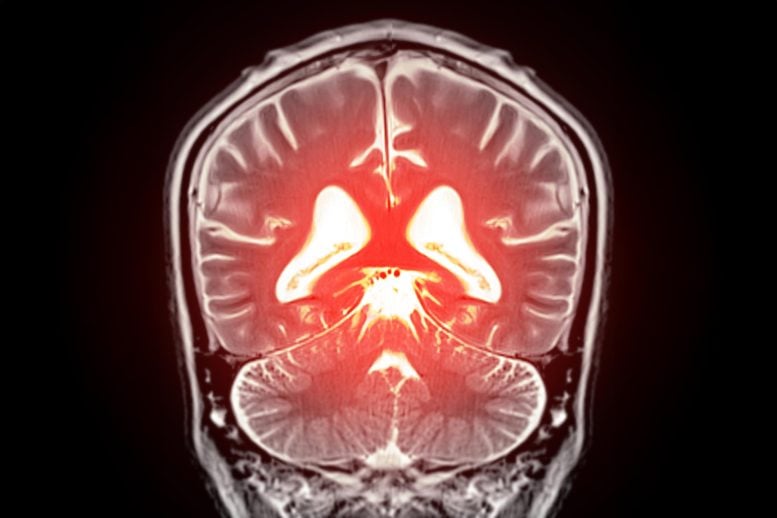
Dementia Diagnostics MRI Brain ScanA newly identified protein pathway may link blood-brain barrier deterioration to age-related cognitive decline. The aging brain depends on a microscopic border that works every second to keep danger out and support the nerve cells inside. When that barrier begins to fail, memory, mood, and thinking may suffer. Andrew A. Pieper, MD, PhD, and colleagues [...]
  •  

Hidden Alzheimer’s Biomarker Could Change How Doctors Prescribe Hormone Therapy

Mature Woman Menopause IllustrationResearchers found that an Alzheimer’s-related biomarker may influence how hormone therapy affects dementia risk. Hormone therapy is commonly used to ease menopausal symptoms, including hot flashes and night sweats. Whether it affects the risk of dementia has remained a long-running question. A new study offers another clue. It suggests that an Alzheimer’s biomarker could help [...]
  •  

Scientists Discover Brain-Protecting Peptide That Could Change Parkinson’s Treatment

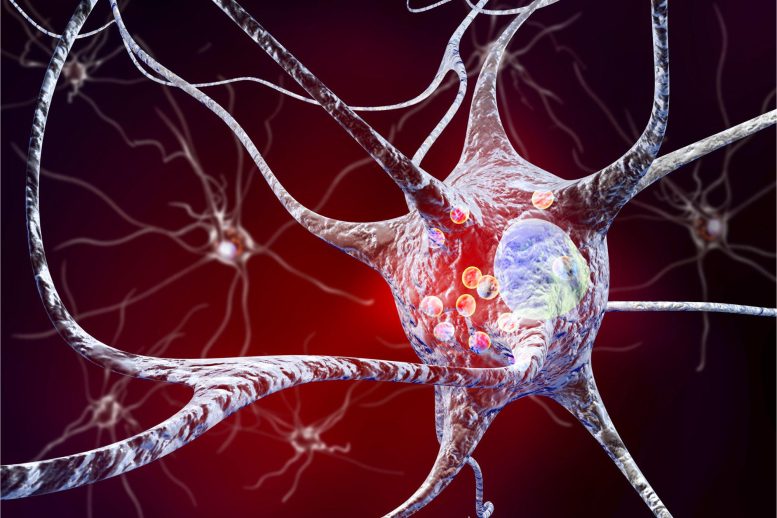
Neurons Parkinson's Lewy Body DiseaseA naturally occurring anti-inflammatory protein fragment is showing promise in early Parkinson’s disease research. Parkinson’s disease affects millions of people worldwide, yet current treatments mainly address symptoms rather than the underlying damage occurring in the brain. Now, researchers in Brazil have identified a promising new approach that targets a different aspect of the disease: inflammation. [...]
  •  

Mini Brain Organoids Expose Hidden Biological Differences in Alzheimer’s Disease

Brain Organoid Petri DishTiny lab-grown brain models and the particles they release may reveal hidden differences among Alzheimer’s patients. Personalized treatment remains one of the biggest challenges in Alzheimer’s disease. Two patients can receive the same medication for symptoms such as depression, anxiety, or agitation and experience very different outcomes, leaving doctors with few ways to predict who [...]
  •  

New Alzheimer’s Discovery Could Change How Scientists Fight the Disease

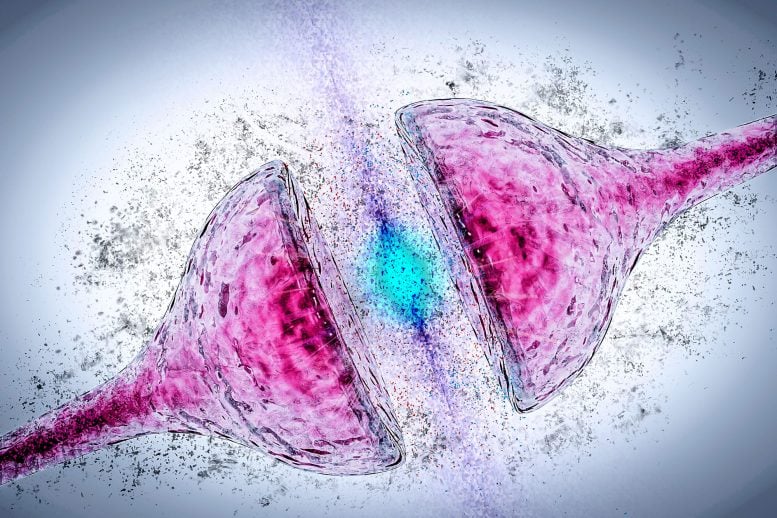
Synapse Degeneration Alzheimer's Parkinson's DementiaResearchers have uncovered a previously underappreciated mechanism involved in Alzheimer’s disease and developed a compound that interrupts it. For decades, Alzheimer’s research has largely focused on amyloid plaques and tau tangles, the protein abnormalities that accumulate in the brain as the disease progresses. Yet despite billions of dollars in research and numerous drug development efforts, [...]
  •  

Scientists Discover Key Alzheimer’s “Tipping Point” That May Decide Who Gets Dementia

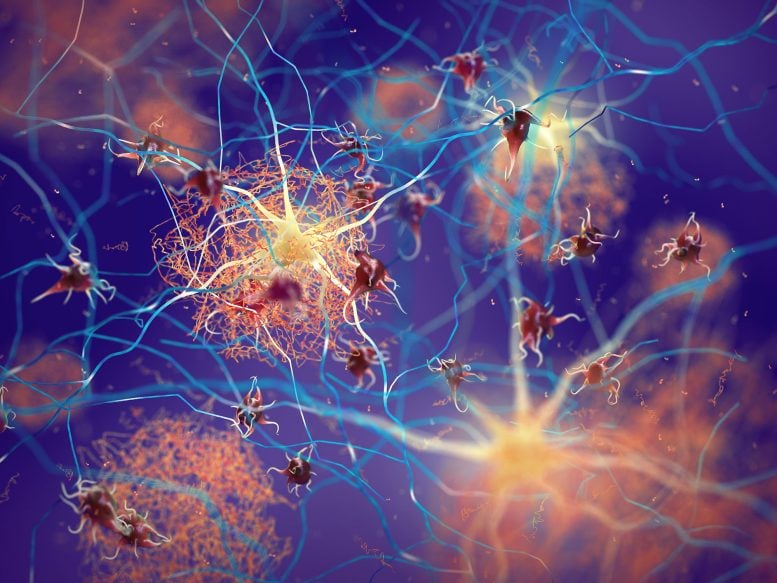
Amyloid Plaques Neurons Alzheimer's DementiaA new study suggests that subtle changes in the brain’s immune cells could help explain why some people remain mentally sharp despite Alzheimer’s pathology. For decades, Alzheimer’s research has focused on the buildup of amyloid plaques and tau tangles, the two hallmark features of the disease. Yet a puzzling reality has continued to challenge scientists: [...]
  •  

Scientists Uncover the Earliest Brain Changes That May Predict Alzheimer’s Decades Before Symptoms

Genetic Brain Disorders DNA Helix Mental HealthScientists have uncovered an early brain mechanism that may help explain why people carrying the APOE4 gene face a higher risk of Alzheimer’s disease. For millions of people who carry the APOE4 gene, the strongest known genetic risk factor for Alzheimer’s disease, changes in brain activity may start years before memory problems become noticeable. Researchers [...]
  •  
❌