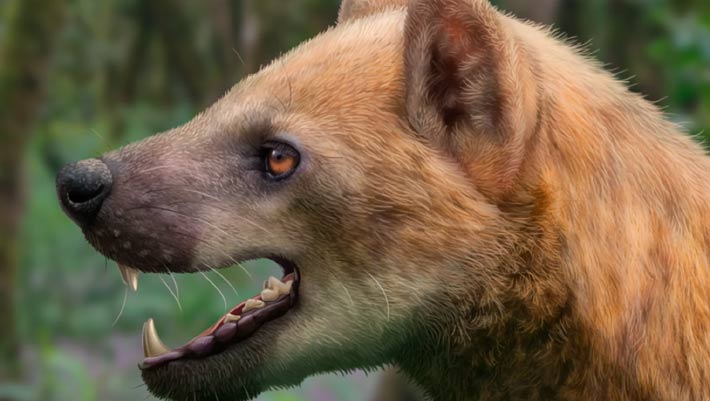
❌

Reading view

A Century-Old Mystery in Cat Kidneys May Finally Have an Answer
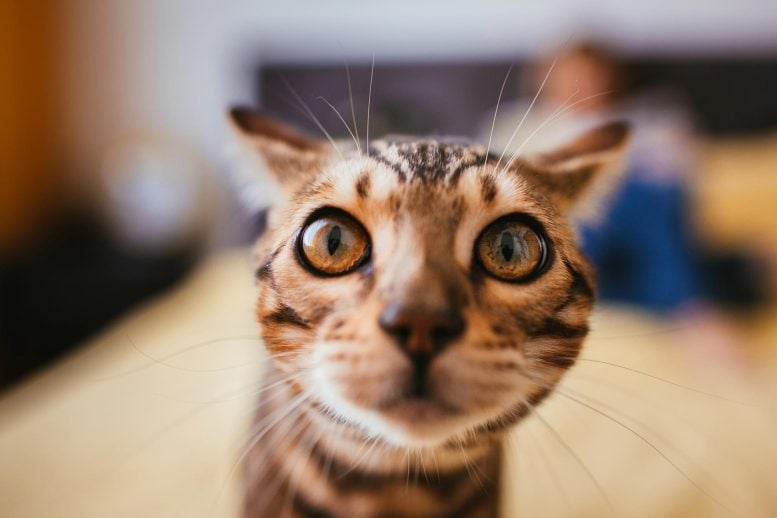
Bengal Cat Eyes CloseLipid droplets in the kidneys may help cats maintain a consistent chemical β€œscent identity.” Scent marks can linger long after an animal has moved on, allowing urine and other chemical signals to carry information across both distance and time. Yet the molecules responsible for odor do not remain unchanged. They evaporate, break down, and shift [...]
  •  

Why Were There No Tiny Non-Avian Dinosaurs? Mammals May Have Been to Blame

Torvosaurus gurneyi. Image credit: Β© Sergey Krasovskiy.

Dinosaurs evolved into some of the largest animals ever to walk the Earth, but a new mathematical model suggests that early mammals may have crowded them out of the ecological niches reserved for the smallest creatures.

The post Why Were There No Tiny Non-Avian Dinosaurs? Mammals May Have Been to Blame appeared first on Sci.News: Breaking Science News.

  •  

Domestic Cats Age Like Humans, New Study Shows

Lauren Scott & Brittany Florkiewicz show that cat facial signals correspond to different social functions, which have likely been influenced by domestication. Image credit: Sci.News / Makieni777 / Rise-a-mui / Alexas_Fotos / Dorothe / Vaclav Zavada / Artem Makarov / Daga Roszkowska / Birgit / Pasi Mammela.

Domestic cats (Felis catus) develop the same patterns of brain shrinkage and neurological decline as aging humans, and scientists think that makes them an ideal window into dementia and aging.

The post Domestic Cats Age Like Humans, New Study Shows appeared first on Sci.News: Breaking Science News.

  •  

New Species of Ancient Bear-Dog Identified in Spain

Paludocyon moyasolai. Image credit: JesΓΊs Gamarra.

Paleontologists have identified a previously unknown species of amphicyonid -- the extinct family of carnivorous mammals popularly known as bear-dogs -- from two specimens unearthed at a rich fossil site in the Vallès-Penedès Basin near Barcelona, Spain.

The post New Species of Ancient Bear-Dog Identified in Spain appeared first on Sci.News: Breaking Science News.

  •  
❌