❌

Reading view

Apple realizará mais um evento para lançar novos produtos, agora em 28/10!

O que era esperado foi confirmado hoje! A Apple acaba de convidar a imprensa para o seu segundo evento especial do mês, que acontecerá na quarta-feira da semana que vem (28 de outubro), às 10h pelo horário de Cupertino (14h em Brasília; 17h em Lisboa).

A expectativa gira em torno do lançamento de novos Macs, especialmente um novo MacBook (até agora chamado de “MacBook Ultra”), que possivelmente contará com uma tela OLED 1Organic light-emitting diode, ou diodo emissor de luz orgânico. sensível ao toque e será bem mais leve que os Pros atuais. Além dele, porém, são aguardados um novo MacBook Pro de 14 polegadas e um iMac, ambos equipados com o chip M6, bem como um novo iPad mini (também com tela OLED).

Can’t wait to pro and tell next week. pic.twitter.com/3wUkxwq35i

— Greg Joswiak (@gregjoz) October 19, 2026

Como falamos, trata-se do segundo evento do mês da Apple, após o lançamento do HomeView, da nova Apple TV 4K e do HomePod mini 2 na semana passada.

O esquema deverá ser bem similar ao da semana passada, que ocorreu em Nova York, sem keynote transmitida ao vivo; o próximo, por sua vez, será em Los Angeles:

Apple event invite just hit for October 28th. I think this one's pretty clear. Macbook Pro update incoming pic.twitter.com/UfSpr2s7py

— Marques Brownlee (@MKBHD) October 19, 2026

Sobre os lançamentos do próximo evento, como noticiamos hoje mais cedo, é bem provável que eles cheguem ao mercado no dia 6 de novembro.

Fim de ano cheio de novidades da Maçã, hein! 😅

Notas de rodapé

  • 1
    Organic light-emitting diode, ou diodo emissor de luz orgânico.

  •  

Lenovo Googlebook 15: What the 120Hz OLED and Core Ultra 5 325 Mean for Users

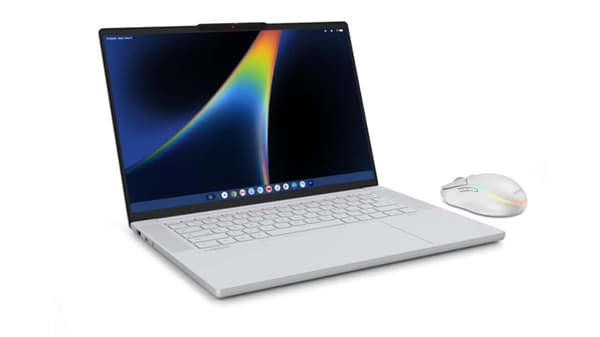
Lenovo’s upcoming Lenovo Googlebook 15 is shaping up to be a very different kind of Google-powered laptop. Leaked specifications point to a 15.3-inch 120Hz OLED touchscreen, Intel’s Core Ultra 5 325 processor, up to 32GB of LPDDR5X memory and a 70Wh battery. The combination suggests that Lenovo is targeting users who want more than the basic hardware traditionally associated with Chromebooks.

The laptop is expected to become one of the first devices built around Google’s new Googlebook Panther Lake processor platform. Lenovo has not yet confirmed the final retail price or complete launch details, so the specifications below should still be treated as leaked information until the company makes an official announcement.

Lenovo Googlebook 15 specifications

The reported configuration puts the Googlebook 15 firmly in the premium laptop category.

  • Processor: Intel Core Ultra 5 325
  • Graphics: Integrated Intel Xe3 graphics
  • Memory: 16GB / 32GB LPDDR5X
  • Storage: 256GB / 512GB SSD
  • Display: 15.3-inch OLED touchscreen
  • Resolution: 2880 × 1800
  • Refresh rate: 120Hz
  • Brightness: Up to 500 nits
  • Color coverage: 100% DCI-P3
  • Battery: 70Wh
  • Claimed battery life: Up to 11 hours
  • Wireless: Wi-Fi 7 and Bluetooth 5.4
  • Ports: 2 × Thunderbolt 4, USB-A, HDMI 2.0 and 3.5mm audio
  • Webcam: 5MP RGB with dual microphones
  • Audio: Four speakers with Dolby Atmos
  • Weight: Approximately 1.29kg
  • Thickness: Approximately 15.9mm

A 120Hz OLED display is the biggest highlight

The Googlebook 15 laptop lineup reportedly uses a 15.3-inch OLED touchscreen with a 2880 × 1800 resolution and 16:10 aspect ratio.

The 120Hz refresh rate is particularly notable. Instead of positioning the machine as an inexpensive web-focused notebook, Lenovo appears to be giving it a display specification normally associated with more expensive Windows laptops.

The panel is also reported to reach 500 nits and cover 100% of the DCI-P3 color space. That combination should make the Googlebook 15 more appealing for photo and video viewing, creative work and general multimedia use.

For everyday productivity, the 16:10 format also provides more vertical workspace than a traditional 16:9 laptop display.

Core Ultra 5 325 and up to 32GB RAM

Performance is another area where the Googlebook 15 moves beyond the usual entry-level Chromebook formula.

The leaked configuration points to Intel’s Core Ultra 5 325 processor, paired with integrated graphics. Buyers are reportedly expected to have a choice between 16GB and 32GB of LPDDR5X memory.

Storage options are said to include 256GB and 512GB SSD configurations.

The higher 32GB memory option could be particularly useful if Googlebook is intended to handle heavier multitasking, Android applications and AI-assisted workloads rather than simply running browser-based tasks.

Googlebook 15 brings a different keyboard and design

Lenovo is reportedly giving the laptop several visual and functional details designed specifically for the Googlebook platform.

One of the most unusual additions is a dedicated Google “G” key positioned between the Fn and Alt keys. Its final software function has not been fully explained, but the key could become an important shortcut for Google services or AI features.

The lid is also expected to feature a multicolor LED strip known as Glowbar. Rather than being purely decorative, the lighting system can reportedly provide visual information related to power and charging status.

The laptop is said to use a large haptic touchpad measuring approximately 150 × 95mm, while the keyboard is backlit.

Security and video-call features

The Googlebook 15 also appears to take security and communication more seriously than a basic Chromebook.

The power button is reportedly integrated with a fingerprint reader, while the laptop is expected to support Google’s facial authentication system.

For video calls, Lenovo is reportedly using a 5MP RGB webcam with dual microphones. A physical privacy shutter is also included, allowing users to cover the camera when it is not in use.

Audio is handled by four speakers with Dolby Atmos support.

Plenty of ports for a thin 15-inch laptop

Despite its relatively slim chassis, the reported port selection is fairly comprehensive.

The laptop is expected to have two Thunderbolt 4 ports, one USB-A port, HDMI 2.0 and a 3.5mm headphone and microphone combo jack.

Wireless connectivity reportedly includes Wi-Fi 7 and Bluetooth 5.4.

This combination makes the Googlebook 15 more flexible for users who connect external displays, storage devices and other accessories.

70Wh battery and lightweight design

The reported 70Wh battery is another interesting part of the specification.

Lenovo is said to target up to 11 hours of battery life under its own testing conditions. That figure should not be interpreted as guaranteed real-world runtime, since display brightness, refresh rate, applications, wireless connections and workload can all affect battery performance.

More impressive is the reported weight. Despite its 15.3-inch display, the laptop is expected to weigh around 1.29kg and measure approximately 15.9mm thick.

That would make the Googlebook 15 relatively portable for a large-screen notebook.

Why the Googlebook 15 matters

The most interesting part of the Googlebook 15 is not any single specification. It is the overall hardware combination.

A 120Hz OLED touchscreen , Core Ultra 5 processor, up to 32GB of RAM, Thunderbolt 4, Wi-Fi 7 and a 70Wh battery place the machine well above the basic hardware profile that consumers traditionally associate with Chromebooks.

The Googlebook platform also appears designed around Google’s broader ecosystem, including Gemini AI features and closer Android integration.

That means Lenovo’s new laptop could be aimed at users who want the simplicity of Google’s software environment without accepting entry-level laptop hardware.

This is also why the Googlebook 15 may be more interesting than a conventional Chromebook upgrade. Its value will ultimately depend on how well Googlebook OS takes advantage of the more powerful hardware.

Lenovo Googlebook 15 release date and price

Lenovo has not yet announced a final retail price for the Googlebook 15.

The laptop is expected to arrive this autumn, with Googlebook hardware expected to receive more attention as Google reveals additional details about the platform.

For now, the leaked specifications suggest that Lenovo is preparing a premium large-screen Googlebook rather than another budget-focused Chromebook.

The combination of a 120Hz OLED display, Intel Core Ultra 5 325, up to 32GB of RAM, modern connectivity and Google-focused software could make the Lenovo Googlebook 15 one of the more interesting new laptops in the emerging Googlebook category.

Until Lenovo officially confirms the specifications, however, pricing, availability and final software features should be considered unconfirmed.

The post Lenovo Googlebook 15: What the 120Hz OLED and Core Ultra 5 325 Mean for Users appeared first on IGeeKphone China Phone, Tablet PC, VR, RC Drone News, Reviews.

  •  

Entrevista: “Nos próximos anos, a televisão vai sentir-te e tornar-se uma amiga”

Em entrevista ao TEK à margem da IFA 2026, Sonny Ming, responsável máximo do negócio de TVs da Hisense explica porque é que a marca aposta tudo no RGB MiniLED, como lê o consumidor europeu e o que espera da televisão daqui a cinco anos.

The post Entrevista: “Nos próximos anos, a televisão vai sentir-te e tornar-se uma amiga” appeared first on Tek Notícias.

  •  

iQOO Pad Ultra to Feature Built-In Cooling Fan and Gaming Accessories

iQOO has revealed more details about its upcoming iQOO Pad Ultra, giving users a closer look at the tablet’s cooling system and gaming-focused accessories. The new compact tablet is expected to target users who want stronger performance in a smaller form factor.

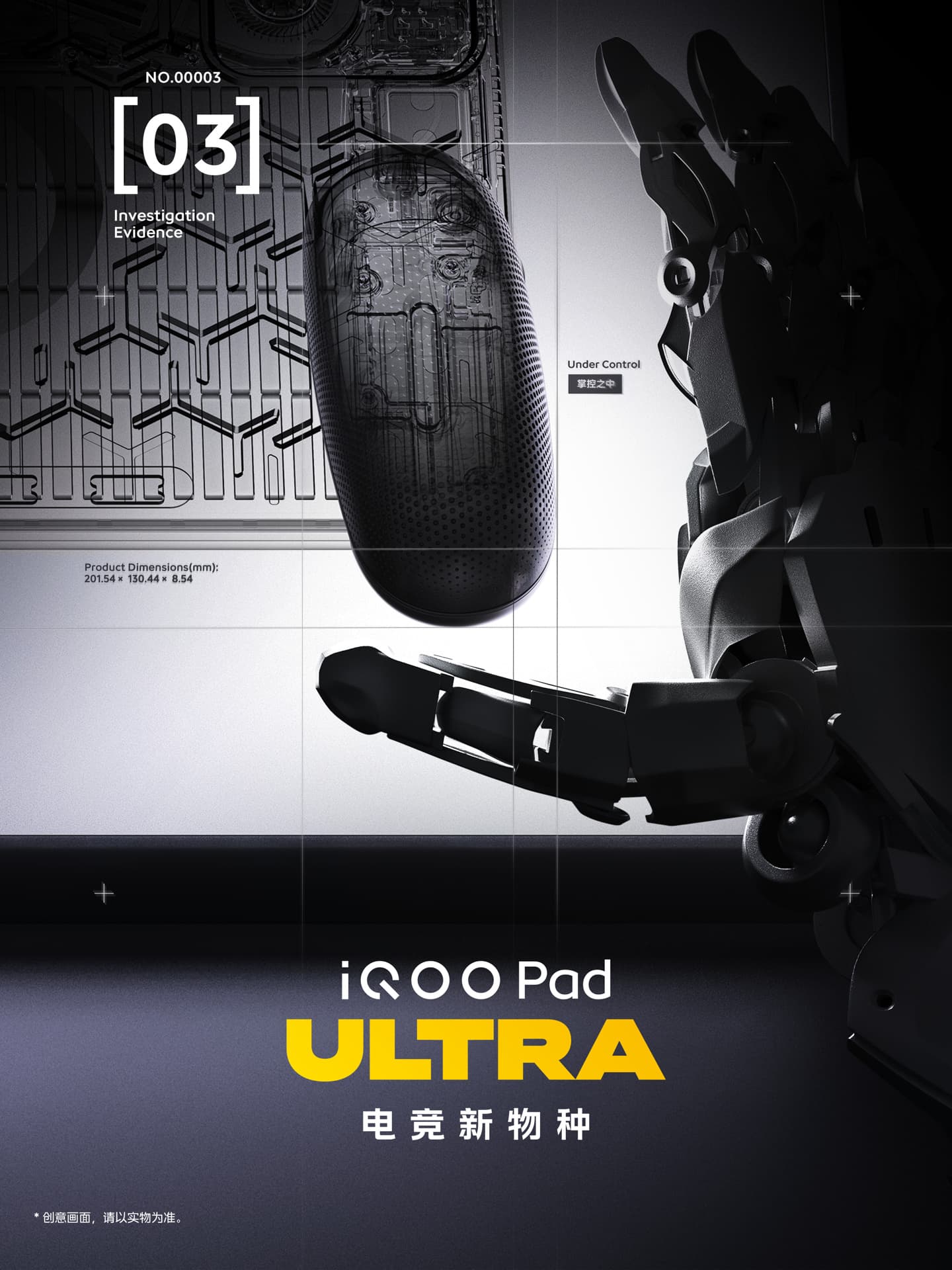
According to the latest official teaser, the iQOO Pad Ultra will feature a built-in cooling fan designed to help manage heat during demanding workloads and extended gaming sessions. The fan measures just 30 × 30 × 3.5mm, while the cooling area reaches 1,661mm². It can spin at up to 14,500rpm and deliver a maximum airflow of 0.94 CFM.

iQOO Pad Ultra Gets Dedicated Gaming Accessories

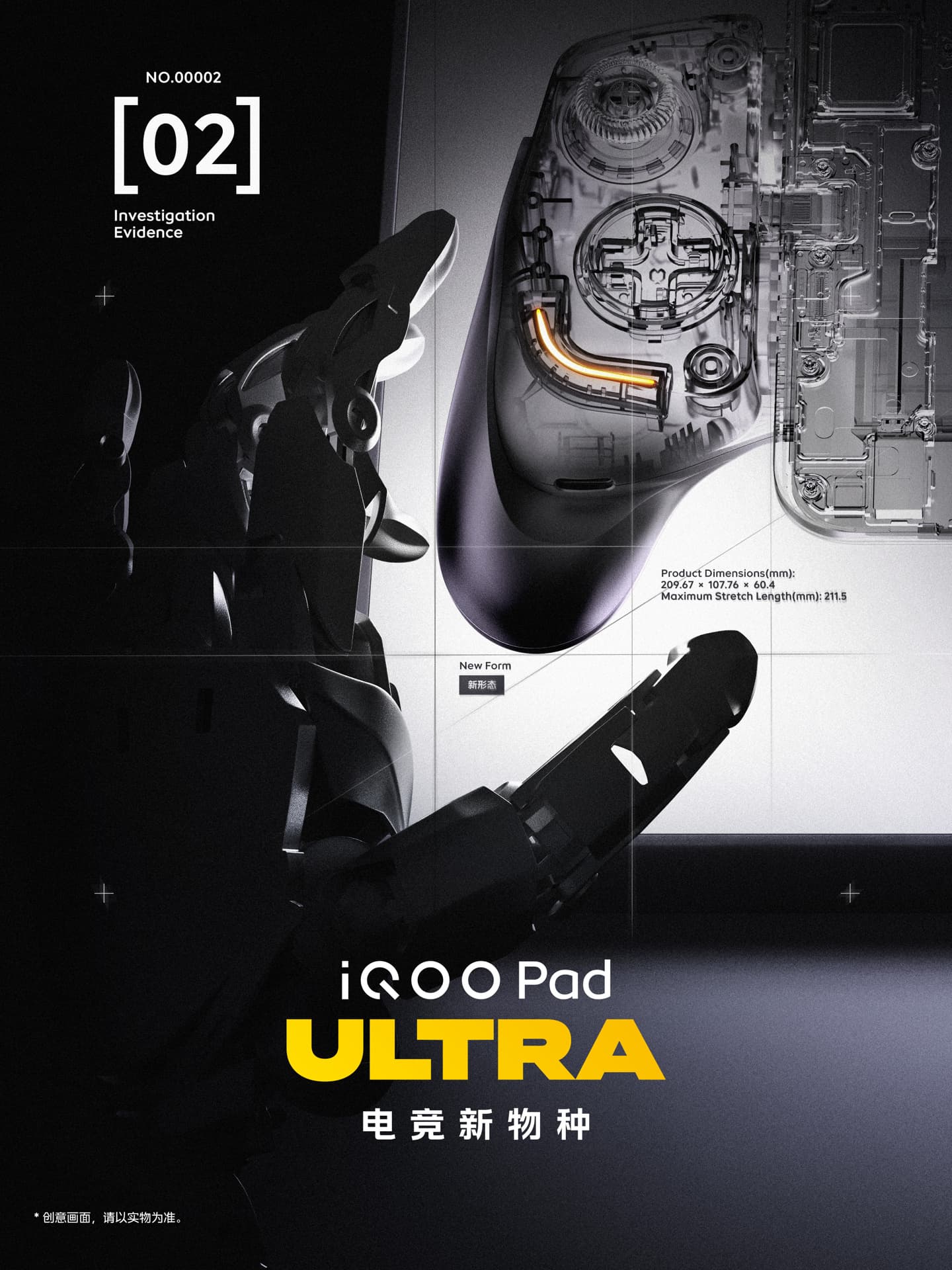
iQOO is also preparing two gaming accessories for the Pad Ultra: a telescopic game controller and a rear grip attachment.

The telescopic controller is designed to turn the compact tablet into a more console-like gaming setup. It features a dedicated USB-C port, micro-switch buttons and Hall-effect joysticks, which should provide more precise control and a more responsive feel during gameplay.

The rear grip takes a different approach. Rather than adding traditional controls, it is designed to improve the way users hold the tablet. This could make longer gaming sessions more comfortable by providing additional support for the hands.

8.8-Inch OLED Display and High-End Hardware

iQOO has already confirmed that the device will officially carry the iQOO Pad Ultra name. The company is expected to launch it alongside the iQOO 16 series toward the end of September.

Previous reports suggest that the tablet could feature an 8.8-inch OLED display with a centered punch-hole camera and four narrow bezels. Its rear design is also expected to include a square-shaped camera module and an integrated air outlet for the internal cooling system.

The tablet is rumored to use a 2nm Snapdragon 8 Elite Extreme Gen6 processor, positioning it as a high-performance compact tablet aimed at demanding users and mobile gamers. It may also pack a 9,000mAh-class battery, offering a relatively large capacity for an 8.8-inch device.

The reported color options include Endless Black and Star Armor Silver.

A Compact Tablet Designed for Gaming

With an active cooling fan, high-end hardware and dedicated gaming accessories, the iQOO Pad Ultra appears to be taking a different approach from conventional small tablets. Instead of focusing solely on portability, iQOO seems to be building the device around sustained performance and gaming.

More official details, including the final specifications, pricing and availability, should become clearer when iQOO officially introduces the Pad Ultra later this month.

The post iQOO Pad Ultra to Feature Built-In Cooling Fan and Gaming Accessories appeared first on IGeeKphone China Phone, Tablet PC, VR, RC Drone News, Reviews.

  •  

Scientists Have a Plan to Detect Exotic Aliens, New Gamma Wave Glasses, and an Ancient Roman ‘Megastructure’ Resurfaces

3I/ATLAS MeerKAT
(Image Credit: SKAO/SARAO)

This week in stories we’re covering at The Debrief: Scientists have a new plan that could help them detect alien life that may be too exotic to be spotted otherwise. Elsewhere, these new transparent OLED glasses use “gamma wave entrainment” to supercharge brain connectivity, and in Bulgaria, a mile-long ancient Roman megastructure has surfaced from beneath one of Europe’s most famous waterways.

Finally, here’s a look at all the top stories we’re covering right now at The Debrief:

  •  

Apple estaria estocando displays para conter custos de produção de iPhones

Além de já ter resultado em aumentos para o consumidor final [1, 2, 3], o efeito da atual disparada nos preços de componentes de memória também gerou outros impactos na cadeia de suprimentos.

No caso das linhas de produção do iPhone, a Apple estaria ampliando, desde o segundo trimestre deste ano, seu estoque de displays OLED 1Organic light-emitting diode, ou diodo emissor de luz orgânico. para responder aos fortes aumentos nos preços de outros componentes.

Segundo fontes do ETNews, a Apple aumentou seu período de manutenção de estoque de displays de quatro para seis semanas, de modo a garantir um volume de peças maior.

Recentemente, os preços das matérias-primas têm subido rapidamente, e a pressão sobre os preços de outros componentes está se intensificando devido à disparada nos preços dos semicondutores de memória. A Apple aumentou seu estoque de painéis OLED para estabilizar os preços.

O segundo trimestre é tradicionalmente um período de baixa temporada para a cadeia de suprimentos da Apple. Como a empresa costuma lançar novos modelos de iPhone só em setembro, os volumes de pedidos de componentes inevitavelmente caíam de forma significativa durante o período em anos normais.

No entanto, relata-se que os volumes de pedidos deste ano foram “substanciais”, uma vez que a demanda pela linha iPhone 17 permaneceu sólida e o período de manutenção de estoque de componentes foi ampliado.

Como a escassez de chips não é um problema que será resolvido em curto prazo, a extensão do período de manutenção de estoques se tornará uma política de longo prazo, e não apenas uma mudança temporária. Visto que se espera uma extensão desse período para os modelos “iPhone 18 Pro” e “iPhone 18 Pro Max”, cujo lançamento ocorrerá no próximo mês, prevê-se um aumento no volume de fornecimento por parte dos fabricantes de painéis sul-coreanos.

A Samsung Display e a LG Display continuam sendo as principais fornecedoras de telas OLED para o iPhone, com a chinesa BOE fornecendo uma parcela bem menor de componentes.

iPhone 17 Pro Max

Cores: prateado, laranja-cósmico ou azul-intenso
Armazenamento: 256GB, 512GB, 1TB ou 2TB
R$ 9.899,10
R$ 12.499,00

iPhone 17 Pro

Cores: prateado, laranja-cósmico ou azul-intenso
Armazenamento: 256GB, 512GB ou 1TB
R$ 9.499,99
R$ 11.499,00

iPhone Air

Cores: azul-céu, dourado-claro, branco-nuvem ou preto espacial
Armazenamento: 256GB, 512GB ou 1TB
R$ 7.999,00
R$ 10.499,00

iPhone 17

Cores: lavanda, sálvia, azul-névoa, branco ou preto
Armazenamento: 256GB, 512GB ou 1TB
R$ 6.099,00
R$ 7.999,00

NOTA DE TRANSPARÊNCIA: O MacMagazine recebe uma pequena comissão sobre vendas concluídas por meio de links deste post, mas você, como consumidor, não paga nada mais pelos produtos/serviços usando os nossos links de afiliado.

via MacRumors

Notas de rodapé

  • 1
    Organic light-emitting diode, ou diodo emissor de luz orgânico.

  •  

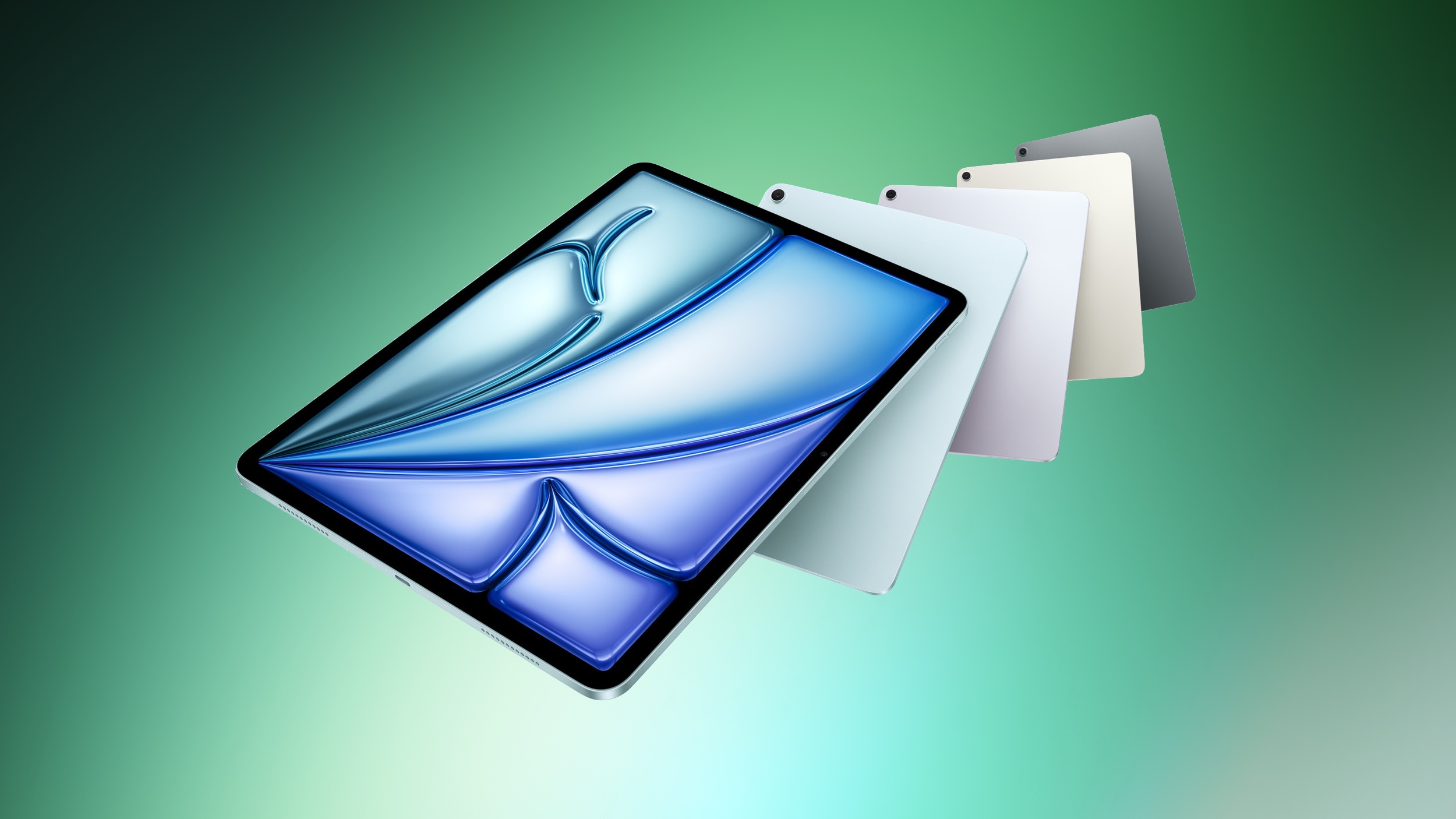
iPad Air OLED Panel Orders Could Be Split With BOE in 2027

BOE wants a share of the OLED supply chain for Apple's next iPad Air, aiming to land a secondary sourcing role behind primary supplier Samsung Display, according to a report from South Korea's The Elec.


Sources cited by The Elec say the Chinese panel maker is building out its iPad Air ‌OLED‌ effort at its B12 fab in Chongqing, home to BOE's sixth-generation ‌OLED‌ production line, ahead of the launch of a redesigned ‌iPad Air‌ that isn't expected to launch until the first half of 2027. Samsung Display already holds the lead supply role for that panel and is on track to begin ramping production toward the end of this year or the start of next, as previously reported.

BOE still has to clear Apple's qualification process. Samples reportedly still need to be submitted for evaluation, and a verdict on whether the company wins any commercial orders is not expected until closer to the end of the year. Even a favorable outcome may only translate into modest volume at first, with output confined to ‌iPad Air‌ units destined for the Chinese market or to refurbished devices, rather than the entire global launch.

The sources put BOE's qualification decision at some point in November or December, noting Apple typically finalizes production approval just one to two months ahead of mass production actually starting. Should BOE fall short of that bar, Samsung Display will end up carrying the entire initial production run by itself.

Becoming a supplier for the ‌OLED‌ ‌iPad Air‌ would be a meaningful expansion for BOE, which has experience providing ‌OLED‌ panels for the iPhone, but has struggled to break into larger ‌OLED‌ products. Samsung Display and LG Display have held onto that ground in tablets specifically, and BOE has lost, rather than gained, footing elsewhere in Apple's ‌OLED‌ lineup recently; its utilization on Apple-dedicated lines reportedly slid from roughly 82% in 2024 to about 48% earlier this year as Apple is set to lean on Samsung instead for the upcoming ‌OLED‌ iPad mini.

The redesigned ‌iPad Air‌ is expected in 11 inch and 13 inch sizes, with a hybrid ‌OLED‌ panel pairing a glass substrate with thin film encapsulation, a single stack RGB emissive layer, and an LTPS backplane, with a refresh rate of 60Hz. That keeps it below the iPad Pro's tandem stack ‌OLED‌ panel on cost, while still moving the ‌iPad Air‌ away from an LCD.

BOE is also reportedly pursuing a secondary supplier role for Apple's ‌OLED‌ MacBook Pro from its 8.6 generation B16 fab in Chengdu, but persistent yield problems there make commercial shipments to Apple unlikely soon. Industry sources do not expect BOE to enter that supply chain until sometime after 2028.
Related Roundup: iPad Air
Tags: BOE, OLED, The Elec
Buyer's Guide: iPad Air (Buy Now)
Related Forum: iPad

This article, "iPad Air OLED Panel Orders Could Be Split With BOE in 2027" first appeared on MacRumors.com

Discuss this article in our forums

  •  

Scientists Develop New 3D Printing Method That Can Build Directly Onto Existing Objects in Seconds

Researchers have demonstrated an unusual new form of 3D printing capable of building entirely new structures directly onto—and even around—existing objects in just seconds. In a series of experiments, the technique printed microscopic fluid channels around embedded glass spheres, fabricated precision gears onto polished steel rods, and even built a miniature lens directly onto the surface of a working LED.

The breakthrough, described in a paper published in Nature Communications, relies on an advanced form of tomographic volumetric additive manufacturing (TVAM) that allows researchers to “overprint” new structures onto components made from a wide range of materials, including metal, glass, and preassembled microfluidic components. Instead of constructing objects layer by layer like conventional 3D printers, the system projects precisely calculated light patterns into a rotating vat of photosensitive resin, causing an entire three-dimensional object to solidify almost simultaneously within seconds.

The advancement could represent a major step toward making volumetric 3D printing practical in real-world manufacturing environments, where new components often must be integrated with parts that already exist.

It additionally highlights the growing sophistication of computational techniques that can accurately model how light behaves as it passes through materials that absorb, scatter, refract, or reflect light.

“Tomographic Volumetric Additive Manufacturing (TVAM) is a light-based 3D printing technique capable of producing centimeter-scale objects within seconds,” researchers write. “This work demonstrates a broad range of overprinting scenarios, where new structures are directly printed onto or around pre-existing components made from different materials.”

Unlike conventional stereolithography or fused-filament printers that gradually build an object from one direction, tomographic volumetric printing projects hundreds of two-dimensional light patterns into a rotating container filled with liquid resin.

As the resin accumulates enough light energy, the desired three-dimensional structure appears almost simultaneously throughout the volume rather than emerging layer by layer. The approach can produce centimeter-scale objects in mere seconds.

However, until now, one of the technology’s greatest challenges has been accurately calculating how light travels through complicated environments.

Existing objects inside the resin can block, scatter, or bend incoming light, degrading print quality. Conventional models often assume these objects are either completely transparent or completely opaque. This is an oversimplification that breaks down in realistic manufacturing scenarios.

To overcome those limitations, the team developed an upgraded computational framework called Dr.TVAM. Built upon physically based ray tracing, the software models how light propagates through materials with different optical properties while simultaneously optimizing the projected light patterns needed to create the desired object.

Because the framework accounts for reflection, refraction, scattering, absorption, and arbitrary container shapes, it can successfully print structures around components that previously would have interfered with the process.

One of the study’s most compelling demonstrations involved manufacturing microfluidic channels directly inside sealed, preassembled square chambers. Microfluidic devices contain microscopic channels that transport tiny volumes of liquids and are widely used in biomedical research, diagnostics, and organ-on-a-chip systems.

Instead of fabricating the channels separately and assembling the device afterward—a process that can introduce contamination or leaks—the researchers successfully printed perfusable channels directly inside an already assembled chamber while accounting for inlet and outlet structures that would otherwise obstruct the light.

They demonstrated straight channels, branching networks, and spiral geometries capable of carrying fluid after fabrication. Supplementary demonstrations showed colored dye successfully flowing through the finished structures.

The researchers then pushed the concept even further by creating what they describe as context-aware printing. In this experiment, they embedded two tiny glass spheres inside a hydrogel-filled chamber, rapidly determined each sphere’s three-dimensional position using two camera images, and generated customized print patterns in less than a minute.

Those optimized projections produced hollow channels connecting each sphere to inlet and outlet ports while simultaneously printing protective cavities around the spheres themselves. The complete workflow—from detecting the embedded objects to generating printing instructions and fabricating the final structure—required less than three minutes.

That ability could eventually enable highly customized biomedical manufacturing, where printers automatically adapt to the precise location of living tissues, organoids, or other biological materials rather than requiring perfect positioning beforehand.

Another experiment highlighted why precisely modeling light matters.

Previous demonstrations of volumetric overprinting treated metal components as though they completely absorbed incoming light. In reality, polished metal reflects and scatters significant amounts of light, creating distortions that reduce print quality.

Researchers tested both assumptions by printing a gear directly onto a polished steel rod. When the software ignored scattered light, the gear’s fine holes became over-polymerized and poorly defined.

After including realistic scattering behavior into the optical model, however, the resulting gear preserved those elaborate features far more accurately, increasing simulated print fidelity substantially. The improvement was confirmed experimentally.

Researchers even went as far as demonstrating that the process could print directly onto an electronic component.

Using an LED-based volumetric printing system, the researchers fabricated both a miniature lens and a small cross-shaped symbol directly onto the surface of a red LED. When illuminated, the printed lens projected the symbol onto a screen, successfully transforming the LED into a tiny optical projector without requiring additional assembly. The experiment showcased how optical elements themselves could potentially be integrated directly onto existing electronic hardware during manufacturing.

Beyond the individual demonstrations, the work additionally underscores an important trend in additive manufacturing: increasingly sophisticated software is becoming just as important as advances in hardware.

Instead of relying on simplified mathematical approximations, the new framework performs physically based optical simulations capable of modeling arbitrary geometries along with material properties.

The software has been released as open source, along with configuration files and experimental data, allowing other researchers to reproduce and expand upon the 3D printing work.

Although the current demonstrations remain laboratory-scale, the possible implications could extend well beyond experimental 3D printing. Biomedical researchers could eventually fabricate sterile microfluidic systems without multi-step assembly. Optical engineers may integrate lenses directly onto light sources. Manufacturers could add custom features to finished components without redesigning entire production processes.

Researchers also note that future improvements could further increase realism through incorporating additional physical effects, including changes in refractive index during polymerization and the diffusion of chemical inhibitors during printing. Those refinements could expand the technology’s accuracy and enable even more complex manufacturing scenarios.

“In summary, Dr.TVAM, our computational framework, has shown to be capable of modeling different optical situations for TVAM,” researchers write. “We believe this significantly expands the application space for TVAM, enabling the creation of complex, functionalized, and multi-component devices from applications in mechanics, optics, or biofabrication.”

Study: Wechsler F, et al. “Overprinting with tomographic volumetric additive manufacturing.” Nature Communications (2026).

Tim McMillan is a retired law enforcement executive, investigative reporter and co-founder of The Debrief. His writing typically focuses on defense, national security, the Intelligence Community and topics related to psychology. You can follow Tim on Twitter: @LtTimMcMillan.  Tim can be reached by email: tim@thedebrief.org or through encrypted email: LtTimMcMillan@protonmail.com 

  •  

Samsung poderá ser a única fornecedora das telas OLED do “MacBook Ultra”

Para a estreia das telas OLED 1Organic light-emitting diode, ou diodo emissor de luz orgânico. e do suporte ao toque em computadores com o suposto “MacBook Ultra”, a Apple poderá recorrer exclusivamente à Samsung Display como fornecedora dos painéis.

A informação partiu do site sul-coreano The Elec, o qual afirmou que, segundo as suas fontes relacionadas à cadeia de suprimentos, cerca de 250 mil unidades de painéis OLED de 14 e 16 polegadas (8,6ª geração) da Samsung foram encomendadas, com previsão de produção em massa para o mês de agosto.

A Apple não teria cogitado a LG Display e tampouco a BOE para o desenvolvimento dessas telas, devido a questões de rendimento, tornando a Samsung a única fornecedora viável.

De acordo com uma série de leakers, analistas e jornalistas, especulava-se que o “MacBook Ultra” tivesse o seu lançamento entre o final deste ano e o início do ano que vem, mas devido à crise de memória é possível que ele de fato chegue às lojas somente em 2027.

Segundo o jornalista Mark Gurman (da Bloomberg), tal Mac deverá ser equipado com os chips M5 Pro e M5 Max, com o conjunto (design, construção e tela) posicionando-o acima dos MacBooks Pro.

MacBook Pro de 16″

Cores: preto-espacial ou prateado
Tela: padrão ou nano-texture
Chips: M5 Pro ou M5 Max
Memória: 24GB, 36GB, 48GB, 64GB ou 128GB
Armazenamento: 1TB, 2TB, 4TB ou 8TB
R$ 30.599,00
R$ 33.999,00

MacBook Pro de 14″

Cores: preto-espacial ou prateado
Tela: padrão ou nano-texture
Chips: M5, M5 Pro ou M5 Max
Memória: 24GB, 36GB, 48GB, 64GB ou 128GB
Armazenamento: 1TB, 2TB, 4TB ou 8TB
Adaptador de energia: USB-C de 70W ou 96W
R$ 30.959,00

NOTA DE TRANSPARÊNCIA: O MacMagazine recebe uma pequena comissão sobre vendas concluídas por meio de links deste post, mas você, como consumidor, não paga nada mais pelos produtos/serviços usando os nossos links de afiliado.

via MacRumors

Notas de rodapé

  • 1
    Organic light-emitting diode, ou diodo emissor de luz orgânico.

  •  

Crise de memórias teria feito Apple pedir por descontos em telas OLED para o “iPhone 18 Pro Max”

A crise no mercado de memórias causada pelo boom das empresas de inteligência artificial (IA) está fazendo até mesmo marcas como a Apple pechincharem na hora de garantir componentes para os seus produtos, segundo informações do site sul-coreano The Elec.

Mais precisamente, a empresa teria pedido que suas fornecedoras reduzissem o preço das telas OLED 1Organic light-emitting diode, ou diodo emissor de luz orgânico. destinadas ao vindouro “iPhone 18 Pro Max” para algo em torno de US$70. Para efeito de comparação, é estimado que cada tela do iPhone 17 Pro Max custe à Apple algo em torno de US$80.

De acordo com as fontes da indústria consultadas pelo veículo, no entanto, a Maçã não só teria obtido sucesso em sua barganha, como estaria pagando um valor médio ainda menor para a Samsung Display e a LG Display, suas duas principais fornecedoras de painéis: US$66,50 (redução de aproximadamente 20%).

Dados da UBI Research citados pelo The Elec dão conta de que a Samsung Display deverá produzir algo em torno de 46 milhões de telas OLED para a linha “iPhone 18” só em 2026, de modo que 2 milhões delas serão reservadas para o modelo de entrada, 18 milhões para o modelo Pro e 26 milhões para a versão Pro Max. A LG Display, por sua vez, produzirá cerca de 1,09 milhão de telas para o modelo mais barato, 19 milhões para o Pro e 21 milhões para o Pro Max.

É esperado que os iPhones “18 Pro” e “18 Pro Max” utilizem displays M16, a geração mais recente de painéis OLED. Entre as vantagens dessa versão da tecnologia estão uma maior eficiência luminosa, uma vida útil maior e características de cor aprimoradas.

Essa, vale notar, não é a primeira vez que o valor das telas OLED empregadas em iPhones cai de uma geração para a outra. Como destacado pelo próprio The Elec, os painéis produzidos para o iPhone 16 Pro Max, lançado em 2024, podiam passar de US$100 por unidade em alguns casos.

Exigências como a da Apple também não são uma surpresa para as fabricantes de telas. No último dia 22 de julho, por exemplo, o presidente da Samsung Display, Lee Cheong, comentou durante um evento que “há uma pressão muito forte para reduzir os preços de componentes e telas” devido à “inflação dos chips”. Jeong Cheol-dong, presidente da LG Display, por sua vez, reconheceu o impacto dessa crise nos negócios da fabricante, mas disse que a situação permanece “em um nível administrável”.

iPhone 17 Pro Max

Cores: prateado, laranja-cósmico ou azul-intenso
Armazenamento: 256GB, 512GB, 1TB ou 2TB
R$ 10.999,00
R$ 12.499,00

iPhone 17 Pro

Cores: prateado, laranja-cósmico ou azul-intenso
Armazenamento: 256GB, 512GB ou 1TB
R$ 9.777,77
R$ 11.499,00

iPhone 17

Cores: lavanda, sálvia, azul-névoa, branco ou preto
Armazenamento: 256GB, 512GB ou 1TB
R$ 7.999,00

NOTA DE TRANSPARÊNCIA: O MacMagazine recebe uma pequena comissão sobre vendas concluídas por meio de links deste post, mas você, como consumidor, não paga nada mais pelos produtos/serviços usando os nossos links de afiliado.

via MacRumors

Notas de rodapé

  • 1
    Organic light-emitting diode, ou diodo emissor de luz orgânico.

  •  

Apple Seeking 20% OLED Panel Price Cut for iPhone 18 Pro Max

Apple is pushing OLED panel suppliers to lower their prices for the iPhone 18 Pro Max, as the cost of memory chips and other components rises, reports The Elec.


According to the Korea-based report, Apple has proposed paying around $70 for OLED panels, but it might end up paying even less. Industry estimates suggest that Samsung Display and LG Display will supply the panels for around $66.50 each. That would be a roughly 20 percent drop from the prices paid for iPhone 17 Pro Max OLED panels.

The report says that the price Apple has paid for iPhone OLED panels has fallen with each new generation. However, this year's reduction is unusually steep, especially considering that the iPhone 18 OLED panel is expected to require greater manufacturing complexity – Apple will be using Samsung Display's latest M16 OLED material set, which improves luminous efficiency, lifespan, and color performance.

Smartphone makers across the board are said to be trying to offset rising memory costs by reducing procurement expenses for other components, including display panels and camera modules.

According to market research firm UBI Research, Samsung Display is expected to supply 46 million OLED panels for Apple's iPhone 18 lineup this year, comprising 2 million for the standard iPhone 18 model, 18 million for the iPhone 18 Pro, and 26 million for the iPhone 18 Pro Max. Meanwhile, LG Display is forecast to supply 41 million panels, including 1 million for the standard model, 19 million for the 18 Pro, and 21 million for the 18 Pro Max.

Apple is expected to launch the iPhone 18 Pro models in September alongside its first foldable iPhone, followed by the iPhone 18 and iPhone 18e in spring 2027. Analysts suggest the iPhone 18 Pro and Pro Max could start at $1,299 and $1,399, respectively. In other words, a $200 jump over their predecessors, with rising memory and storage costs largely to blame.
Related Roundup: iPhone 18 Pro
Tags: OLED, The Elec

This article, "Apple Seeking 20% OLED Panel Price Cut for iPhone 18 Pro Max" first appeared on MacRumors.com

Discuss this article in our forums

  •  

Apple deverá lançar diversos novos Macs em breve, incluindo Mac mini com os chips M5 Pro e “M6”

Os próximos meses têm tudo para ser extremamente movimentados quando o assunto são novos Macs, com a Apple preparando uma série de atualizações para os MacBooks Pro e Air, duas novas versões do iMac e até mesmo Macs mini e Studio atualizados, segundo informações da Bloomberg.

De acordo com o veículo, a Apple já encerrou o desenvolvimento de um novo MacBook Pro de 14 polegadas, o qual deverá ser um dos primeiros dispositivos a contar com o chip “M6”. De codinome J804, ele deverá contar com o mesmo design do modelo de entrada atual, que vem equipado com o chip M5.

Outro Mac que já estaria prestes a passar por atualizações é o iMac, que deverá ganhar não só uma, mas duas novas versões, sendo que uma delas ainda receberá uma tela OLED 1Organic light-emitting diode, ou diodo emissor de luz orgânico.. Com os codinomes J833 e J834, eles também serão equipados, é claro, com chips mais recentes — embora o modelo com o display mais avançado demore mais tempo para chegar ao mercado do que o primeiro.

E por falar em telas OLED, também teremos novos MacBooks Pro de 14″ e 16″ que, além de contar com essa tecnologia, também deverão ter painéis sensíveis ao toque, inaugurando esse método de interação entre os Macs. Com os codinomes K114 e K116, respectivamente, eles deverão ser lançados entre o fim deste ano e o início de 2027. No momento, eles estão sendo testados pela Apple com uma versão preliminar do macOS Golden Gate 27.1, cujo lançamento é aguardado para outubro próximo.

Ao contrário do modelo de entrada, no entanto, esses seguirão “presos” na família de chips M5, contando com o M5 Pro e o M5 Max dos MacBooks Pro atuais. Novas versões com os chips “M7 Pro” e “M7 Max”, porém, já estão planejadas para algum momento entre o fim de 2027 e o início de 2028.

Por falar no MacBook Pro de entrada, uma versão do modelo com um design completamente novo — baseado nos modelos com OLED — já estaria sendo desenvolvida pela Apple. Ele deverá vir ainda com o chip “M7” e conta com o codinome K104.

Já os MacBooks Air deverão ganhar novos modelos no início do ano que vem. Com os codinomes J913 (modelo de 13″) e J915 (15″), eles seguirão com o design atual. Vale lembrar, no entanto, que modelos com telas OLED já estão no forno há alguns anos e com lançamento previsto para o início de 2028.

Caçula da família, o MacBook Neo, também já conta com uma nova versão no horizonte, a qual deverá contar com o chip A19 Pro e mais memória integrada — provavelmente 12GB, ante aos 8GB do modelo atual.

Por fim, temos os dois desktops mais tradicionais da Apple: o Mac mini e o Mac Studio. Segundo Mark Gurman, o modelo em testes do primeiro usa os chips M5 Pro e “M6”, enquanto o segundo é empurrado pelos processadores M5 Max e “M5 Ultra”. Não há, no entanto, uma previsão de quando esses computadores chegarão ao mercado — cortesia da atual crise no mercado de memórias.

Haja computador novo, hein?! 😮‍💨

Mac Studio

Chip: M4 Max ou M3 Ultra
Memória: 36GB, 48GB, 64GB, 96GB, 128GB, 256GB ou 512GB
Armazenamento: 512GB, 1TB, 2TB, 4TB, 8TB ou 16TB
R$ 25.999,00

Mac mini

Chip: M4 ou M4 Pro
Memória: 16GB, 24GB, 32GB, 48GB ou 64GB
Armazenamento: 256GB, 512GB, 1TB, 2TB, 4TB ou 8TB
Conectividade: Ethernet ou Gigabit Ethernet 10
R$ 12.299,00
R$ 16.999,00

iMac

Chip: M4
Cores: azul, roxo, rosa, laranja, amarelo, verde ou prateado
Vidro: convencional ou nano-texture
Memória: 16GB, 24GB ou 32GB
Armazenamento: 256GB, 512GB, 1TB ou 2TB
Conectividade: sem Ethernet ou Gigabit Ethernet
R$ 14.999,00

MacBook Pro de 16″

Cores: preto-espacial ou prateado
Tela: padrão ou nano-texture
Chips: M5 Pro ou M5 Max
Memória: 24GB, 36GB, 48GB, 64GB ou 128GB
Armazenamento: 1TB, 2TB, 4TB ou 8TB
R$ 30.599,00
R$ 33.999,00

MacBook Pro de 14″

Cores: preto-espacial ou prateado
Tela: padrão ou nano-texture
Chips: M5, M5 Pro ou M5 Max
Memória: 24GB, 36GB, 48GB, 64GB ou 128GB
Armazenamento: 1TB, 2TB, 4TB ou 8TB
Adaptador de energia: USB-C de 70W ou 96W
R$ 30.959,00

MacBook Air de 15″

Cores: azul-céu, prateado, estelar ou meia-noite
Chip: M5
Memória: 16GB, 24GB ou 32GB
Armazenamento: 512GB, 1TB, 2TB ou 4TB
Adaptador de energia: USB‑C de 30W, 35W com duas portas ou 70W
R$ 15.999,00

MacBook Air de 13″

Cores: azul-céu, prateado, estelar ou meia-noite
Chip: M5
Memória: 16GB, 24GB ou 32GB
Armazenamento: 512GB, 1TB, 2TB ou 4TB
Adaptador de energia: USB‑C de 30W, 35W com duas portas ou 70W
R$ 12.599,00
R$ 13.999,00

MacBook Neo

Cores: prateado, blush, amarelo-cítrico ou índigo
Armazenamento: 256GB ou 512GB (com Touch ID)
R$ 6.599,00
R$ 7.299,00

NOTA DE TRANSPARÊNCIA: O MacMagazine recebe uma pequena comissão sobre vendas concluídas por meio de links deste post, mas você, como consumidor, não paga nada mais pelos produtos/serviços usando os nossos links de afiliado.

Notas de rodapé

  • 1
    Organic light-emitting diode, ou diodo emissor de luz orgânico.

  •  

Google TV, 4K et petit prix : cette smart TV fait un carton chez Cdiscount

Les soirées canapé méritent mieux qu’un écran fatigué. Pendant les soldes d’été, Cdiscount fait passer la Smart TV LED Toshiba 43UA2363DG sous la barre des 200 €, avec un prix qui chute de 249,99 € à seulement 199,90 €, soit 20 % de réduction. Une belle occasion de profiter de la 4K, de Google...

  •  

Amazon Prime Day 2026: As melhores ofertas em tecnologia para aproveitar até quinta-feira

De tablets a aspiradores, passando por auriculares e televisores OLED, a Amazon conta com centenas de milhares de promoções exclusivas para os membros Prime até ao dia 26 de junho. E, quem ainda não é membro, pode experimentar gratuitamente durante 30 dias.

The post Amazon Prime Day 2026: As melhores ofertas em tecnologia para aproveitar até quinta-feira appeared first on Tek Notícias.

  •  

Comment choisir le moniteur adapté à mes besoins en 2026 ?

Entre un écran gaming à moins de 100 euros et un monstre incurvé en 6K à 2 600 euros, le bon moniteur n'est ni une question de taille ni de budget : c'est avant tout une question de définition, de taux de rafraîchissement et de technologie de dalle. Pour l'e-sport en Full HD, un IPS 144 Hz...

  •  

TCL 65 P8L é um televisor QD-Mini LED com Google TV que surpreende na qualidade de imagem e no gaming

Com o recém-lançado P8L, a TCL tenta trazer para um segmento mais acessível características tipicamente presentes nos seus modelos de topo. Tecnologia Mini LED, 144 Hz, Google TV com Gemini e sistema de som 2.1 da ONKYO são só alguns dos argumentos de "peso" deste televisor.

The post TCL 65 P8L é um televisor QD-Mini LED com Google TV que surpreende na qualidade de imagem e no gaming appeared first on Tek Notícias.

  •  

Ecrãs OLED transparentes dão passo decisivo para superar um dos seus maiores obstáculos

Ainda são poucos os produtos anunciados que utilizam a tecnologia de ecrãs OLED transparentes, que se destacam em protótipos e demonstrações. Mas a nova atualização vai permitir a sua adoção em massa.

The post Ecrãs OLED transparentes dão passo decisivo para superar um dos seus maiores obstáculos appeared first on Tek Notícias.

  •  

Transparent OLED advance could power smarter windows, cars, and wearable displays

A team of researchers in South Korea has developed a new type of transparent OLED technology that could help improve future augmented reality (AR) glasses, smart windows, vehicle displays, and other advanced electronic devices. The research was led by Professor Yongtaek Hong and his team at the Department of Electrical and Computer Engineering at Seoul […]

The post Transparent OLED advance could power smarter windows, cars, and wearable displays appeared first on Knowridge Science Report.

  •  
❌