 Login

Apple “Pro and Tell” Event Set for 28 October 2026
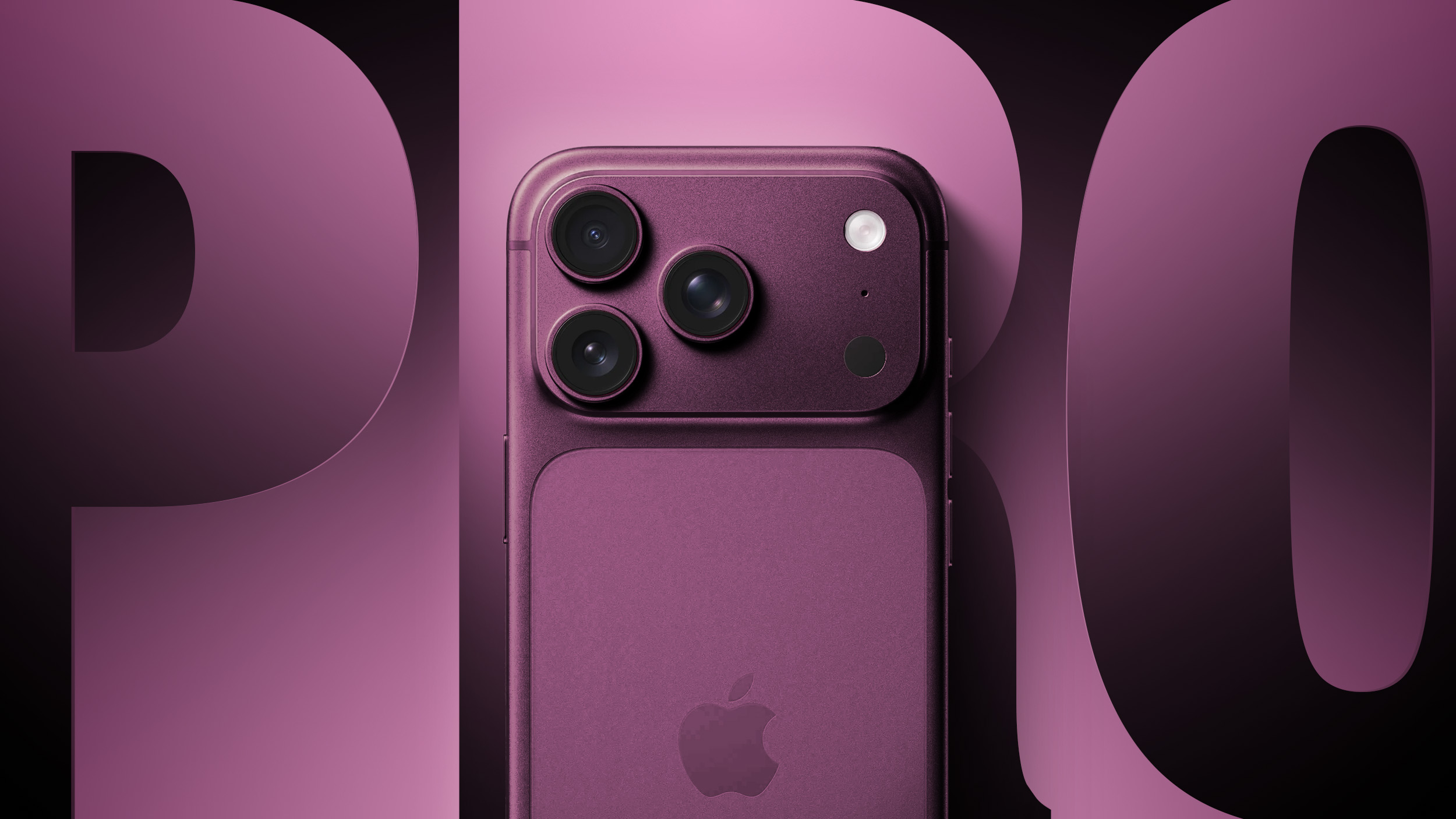
Apple has scheduled another product launch event with the tagline “Pro and tell.” Following last week’s consumer-focused launch, rumors point to high-end touchscreen MacBooks.



Apple’s fastest published charging figure for the iPhone 18 Pro, up to 50 percent in around 15 minutes, depends on a 60W USB-C adapter that Apple sells separately and has never priced. Ten Apple storefronts were checked and not one of them publishes a number for that adapter, or for the MagSafe Charger. The adapter […]
The post iPhone 18 Pro Charger Prices: 10 Apple Storefronts Checked, None Lists the 60W Adapter appeared first on The Mac Observer.
Apple has published United States prices for six first-party iPhone 18 Pro accessories: the TechWoven Case with MagSafe at $59, the Clear Case with MagSafe and the Silicone Case with MagSafe at $49 each, the FineWoven Wallet at $59, the Wrist Strap at $29 and the Crossbody Strap at $59. Bought together they add $304 […]
The post iPhone 18 Pro Accessories: The Six Apple Priced, From a $29 Wrist Strap to a $59 Crossbody Strap appeared first on The Mac Observer.
Apple (video, MacRumors, Hacker News):
Engineered with the new Health Sensing System and S11 chip, Apple Watch Ultra 4 delivers the most accurate heart rate sensing in a wearable, higher-frequency heart rate and heart rate variability (HRV) measurements, and a new readiness score to support athletes of all kinds. Apple Watch Ultra 4 also offers extended battery life to track outdoor workouts for up to 45 hours and the most accurate on-device GPS in a sports watch.
[…]
For everyday use, Apple Watch Ultra 4 now offers more than two days of battery life, up to 50 hours. In Low Power Mode, it offers up to 84 hours of battery life. Charging is now faster than ever: Just 15 minutes adds up to 18 hours of additional battery life.
[…]
The pedometer model has been completely redesigned with new machine learning algorithms and the S11 chip to provide more accurate distance measurements during indoor walk or run workouts, and more accurate step counts all day.
[…]
Apple Watch Ultra 4 starts at $799.
The Ultra 2 was sold to me as the watch that can do Siri without network connectivity. That was very useful to me to leave reminders for stuff I think about while on a run without the phone.
3 years later, Apple releases the OS 27 versions and Siri got improved to the point where it can’t work on-device any more on said Ultra 2
So to get the feature back which I paid for and which was specifically used to sell me the device and which now has been taken away from me, I just have to… buy the next hardware generation?
And how long will that last before they decide to remove the feature again?
Does it still work offline in the EU?
Previously:
Apple (video, MacRumors, Hacker News):
With the new Health Sensing System and S11 chip, Apple Watch Series 12 delivers higher-frequency heart rate and heart rate variability (HRV) measurements, which power an enhanced suite of health and fitness features including a new readiness score.
[…]
Apple Watch Series 12 is designed to be as individual as the person wearing it and is available in an array of beautiful finishes, including dark bronze, black, light gold, and space gray aluminum, and radiant gold and natural titanium. It is also available in a stunning ceramic material, in pearl white and night blue. Aluminum models now feature Ceramic Shield 2, which is tougher than any smartwatch glass and 60 percent tougher than the Ion-X of previous aluminum models.
[…]
Apple Watch Series 12 continues to offer up to 24 hours of everyday battery life and now offers up to 10 hours of battery life during an outdoor workout — 25 percent more than the previous model.
[…]
Apple Watch Series 12 starts at $399.
It sounds like the S11 is the biggest update to the SOC in a while, but I haven’t seen much coverage of it yet.
Previously:
Update (2026-09-11): Joe Rossignol:
While the Apple Watch Series 12 with a 42mm case maintains a starting price of $399, the 46mm model has received a $20 price increase and now starts at $449.
Apple (video, MacRumors, Hacker News, Slashdot):
Apple today introduced iPhone Duo, the first foldable iPhone. Opened, it is the thinnest iPhone ever, with a 7.6-inch inner display that provides a large canvas for viewing content, gaming, and multitasking, and a special nano-texture finish that minimizes glare for an unparalleled viewing experience. Closed, the 5.4-inch outer display delivers 90 percent of the screen area of iPhone 18 Pro in a compact, pocketable design. Both displays share the same aspect ratio, so content scales proportionally, ensuring visual continuity. iPhone Duo is built to last with an innovative hardware design and a precision hinge that offers a smooth, satisfying feel with every use.
[…]
The 48MP Fusion Ultra Wide camera — the same as on iPhone 18 Pro models — captures wider fields of view and enables macro photography, while the Center Stage front camera can automatically take photos and videos in any orientation, so users don’t have to rotate iPhone for landscape selfies. Upgraded Photographic Styles with new texture and grain controls let users further dial in their desired appearance and have more creative control over their photos. […] The foldable design with dual displays unlocks camera experiences that are not possible on any other iPhone.
[…]
Lock Screen controls, the Dock on the Home Screen, and app navigation and controls now appear on the side to maximize vertical space for content. When iPhone Duo is open, the display shows two Home Screen pages with Today View — a vertically scrolling list of customizable widgets — on the left. The status bar includes a circular, flexible system that nestles into the corner of the screen, showing relevant information like Wi-Fi, cellular strength, battery, and more.
[…]
The expansive display supercharges productivity, letting users do more at once with new multitasking capabilities. Split View allows users to open two apps side by side on iPhone for the first time.
[…]
iPhone Duo is available in star white and night sky, and starts at $1,999, or $83.29 per month for 24 months, in 256GB, 512GB, 1TB, and 2TB storage capacities.
I love the idea of the larger screen and how it can be balanced half-folded like a laptop, upside-down, or on the short side. The camera is better than I expected. The price is high enough to make me lose interest but perhaps not unreasonable if it can actually replace your iPad. My main concern is that the wide passport-style shape doesn’t look very comfortable to hold or keep in your pocket. It’s great that it can unfold, but the compact form factor is how most people will probably hold it most of the time. How well does the side Touch ID work if you’re left-handed?
The release notes of Xcode 27 RC doesn’t contain the phrase ‘Duo’…
Learn how to update and optimize your app for the foldable display of iPhone Duo. Discover how to opt in to the full-screen experience, adopt flexible layout best practices, and simulate poses in Device Hub with Xcode. Find out how to use size classes instead of interface orientation, handle asymmetric safe areas, and test Split View multitasking to ensure your app shines in all the ways people use it …
This is like a whole new platform dropping with a month’s lead time
The app design implications alone that are now basically forced onto app developers is nuts. Vision Pro was opt in but… all iPhone apps have to support this new device right? What a nightmare. Ugh, websites? New safe areas?
ToolbarItem(placement: .somewhereDepends)
As an anecdotal data point, I’ve had my foldable OnePlus Open for over 2 and a half years. It’s fallen on tile and cement, been kicked accidentally, and swatted across a room by my cat. The hinge and screens have no problems.
Here’s the list of tech products that have the Duo moniker[…]
Previously:
Update (2026-09-11): Tim Hardwick:
In a joint interview with Tom's Guide and TechRadar, new Apple CEO John Ternus and marketing chief Greg Joswiak explained why the company waited until now to release a foldable, its design philosophy, and how it kept the iPhone Duo under wraps.
So here are my biggest unanswered questions from yesterday:
They said the iPhone Duo will fit in a pocket and is great for one handed operation.
Whose hands?
WHOSE POCKETS!?
The iPhone Duo does not include an Action Button, according to the device’s technical specifications page.
“The iPhone Duo’s under-display camera wasn’t placed in the top-right corner of the inner screen because of engineering difficulties,” said the leaker in a Weibo post this morning.
In the end, every Apple product—and probably every product—is a story of trade-offs. So, the thinking went, what will we give up to get the benefit of a small iPhone that unfolds into a larger iPhone?
The answer: some things, but less than I’d feared.
The company’s view is clear: the iPhone Duo, even when open in all of its glory, may evoke an iPad, but it is very much not an iPad.
[…]
It’s not an iPad that you fold up to put in your pocket. Or an iPad with a little iPhone glued to the front. It’s not running iPadOS. You won’t be installing or running iPad apps.
Apple’s iPhone Duo is the first iPhone that can run two apps side by side, but anyone expecting the sort of freedom that Split View offers on iPad might want to temper their expectations.
I’ve been using Samsung’s latest folding phone that has a very similar form factor to what Apple just announced, and it’s gotten me accustomed to what the folding phone experience is. I personally very much like it, and it’s the most joy an Android phone has brought me in close to a decade. That said, I just watched Apple’s iPhone Duo unveiling, and it immediately made my Samsung phone feel behind the curve.
Most of the UX we saw so far was both predictable and familiar to anyone who’s played with a Samsung Z Fold (Apple did not invent screen splits, app swaps or drag and drop), and so was the camera placement.
Imagine an iPad mini in your pocket. This is my dream!
Well, you had me in the first half; not going to lie. It’s a dream, but not at $2200.
[…]
Now admittedly part of me doesn’t trust the IP68 rating Apple claims for the Duo.
Apple says that you need the Apple Pencil with USB-C for the iPhone Duo, so if you have the Apple Pencil Pro, you may be out of luck.
Charging is the least of the problems. Because the Duo doesn’t have the magnetic attachment for Pencil Pro, there’s no way to even pair a Pencil Pro.
[…]
Imagine you own an iPad Pro and a Pencil Pro, and you love using the Pencil. You’ve always wanted to be able to use a Pencil with your iPhone. Now you can, if you buy a Duo. But you also have to buy a different Pencil — and then pack two different Pencils whenever you leave the house with both your iPad and iPhone. That’s ridiculous.
Also let’s not forget that the USB-C Apple Pencil doesn’t have pressure sensitivity, so the artists are already posting their disappointed reactions. I feel like this backs up that @markgurman report that they were planning on creating a bespoke Apple Pencil for the iPhone Duo that later got cancelled, and the USB-C version is the fallback.
Previously:
Update (2026-09-14): Kirk McElhearn:
Folding smartphones are extremely popular in China: there are about as many foldables sold in China as in the rest of the world. Samsung, Google, Huawei, Motorola, Xiaomi, and other brands sell devices like this. Apple will likely sell a lot of devices in China, but given the reactions I’ve seen, they are poised to have a successful product elsewhere, in spite of the high cost.
[…]
For me, a folding phone would mean that for non-work tasks, I would have a larger display, not quite as big as my 11″ iPad Pro. I doubt I would do much work on it, but if I need to check my online accounting app or make a quick edit to an article on my blog, that larger display would be much more practical than my iPhone.
In addition, my eyesight isn’t great. Since the iPhone 8 was released with a larger screen size, I have always bought larger iPhone models. Even with that size, I need to zoom the text on my iPhone a notch above the standard size. A larger display for when I’m reading articles would be a help, not to mention a small, portable device that makes it easier to read PDFs.
I may not be the target audience, but I’m sure there are people who aren’t price-sensitive, spend a lot of time watching videos or playing games, and only ever carry their phones in a pocket or bag. But I don’t regularly encounter such people—I hear complaints about phones being too big, but never that they’re not big enough.
I’ve made my choice. I’m buying the iPhone Duo instead of the iPhone 18 Pro Max.
I do wonder whether iPhone Duo’s splitscreen multitasking mode will come back to iPad. People have been complaining all year that it went away, but it feels like Duo’s implementation is a simplified, easier-to-understand model. It might make sense to bring back in the future, especially for smaller iPads.
Apple (video, MacRumors, Hacker News):
Apple today announced AirPods 5, delivering the industry’s best Active Noise Cancellation (ANC) in an open-ear design and even better sound quality, at an outstanding value. AirPods 5 feature an all-new multiport acoustic architecture and next-generation Adaptive EQ for even more immersive sound. Their breakthrough open-ear ANC removes up to 50 percent more external noise compared to AirPods 4 with Active Noise Cancellation, alongside a more natural Transparency mode. Combined with Siri AI and iPhone, AirPods enable users to draw on their personal context and get answers with broad world knowledge, entirely hands-free. Users can also respond to Siri using head gestures, or use Live Translation to help connect across languages.
[…]
For users who want even more, AirPods 5 with Wireless Charging Case deliver great improvements to the AirPods experience. Force sensor with volume swipe arrives on AirPods 5, a first for the open-ear form factor, adding the ability to quickly adjust volume by swiping up or down on the stem.
Battery life is also improved, with up to five hours of playback with ANC on a single charge — one hour longer than AirPods 4 with ANC, thanks to a redesigned battery.
ANC is now available in the base model with the same $129 price, and the higher model is now $149 instead of $179.
Apple unveiled the first AirPods on September 7, 2016, meaning the iconic wireless headphones are now 10 years old. However, the AirPods did not launch until December that year.
Previously:
Update (2026-09-10): Ivan Pavlov:
AirPods 5 case not getting UWB for “Find My” precise location is a huge 👎️
Apple (video, MacRumors, Hacker News, Slashdot):
Apple today announced iPhone 18 Pro and iPhone 18 Pro Max, delivering the most advanced pro camera system in an iPhone, and huge leaps in battery life and performance. The new 48MP Fusion Main camera, now with variable aperture, brings creative control that wasn’t possible before, and new Pro controls let users customize their experience in the Camera app. Both models feature a smaller and even more useful Dynamic Island, as well as A20 Pro and a next-generation vapor chamber that together deliver the highest sustained performance in iPhone history.
[…]
Pro controls is a new customizable experience in the Camera app for iPhone 18 Pro and iPhone 18 Pro Max that makes it easier than ever for users to access their most used settings and introduces new options for manual control.
[…]
When a photo is taken in the new Reference mode, the camera captures signed sensor data that Private Cloud Compute develops into an unalterable reference image.
[…]
The upgraded Dynamic Island can now show three Live Activities at once[…]
[…]
eSIM-only models deliver up to 36 hours of video playback on iPhone 18 Pro and up to 45 hours of video playback on iPhone 18 Pro Max.
[…]
iPhone 18 Pro and iPhone 18 Pro Max will be available in 256GB, 512GB, 1TB, and 2TB storage capacities. Available in burgundy, glacier, silver, and black, iPhone 18 Pro starts at $1,199 or $49.95 per month, and iPhone 18 Pro Max starts at $1,299 or $54.12 per month for 24 months.
What I’m most happy to see is the ability to increase the depth of field. I don’t understand what Apple Reference Image is doing that it needs to be uploaded/offloaded to Private Cloud Compute.
Previously:
Update (2026-09-11): Hartley Charlton:
Pro Controls is built around the variable aperture on the new Main camera. Six laser-cut blades move smoothly between four aperture settings, and the Camera app can adjust aperture automatically based on depth of field and lighting, or users can take manual control themselves for what Apple calls “truly unique shots that weren’t possible before” on an iPhone.
Pro Controls works across both photo and video capture. It also introduces Smart Focus Tracking, which uses on-device AI models to lock onto a subject and maintain focus even if that subject briefly leaves the frame and comes back into view.
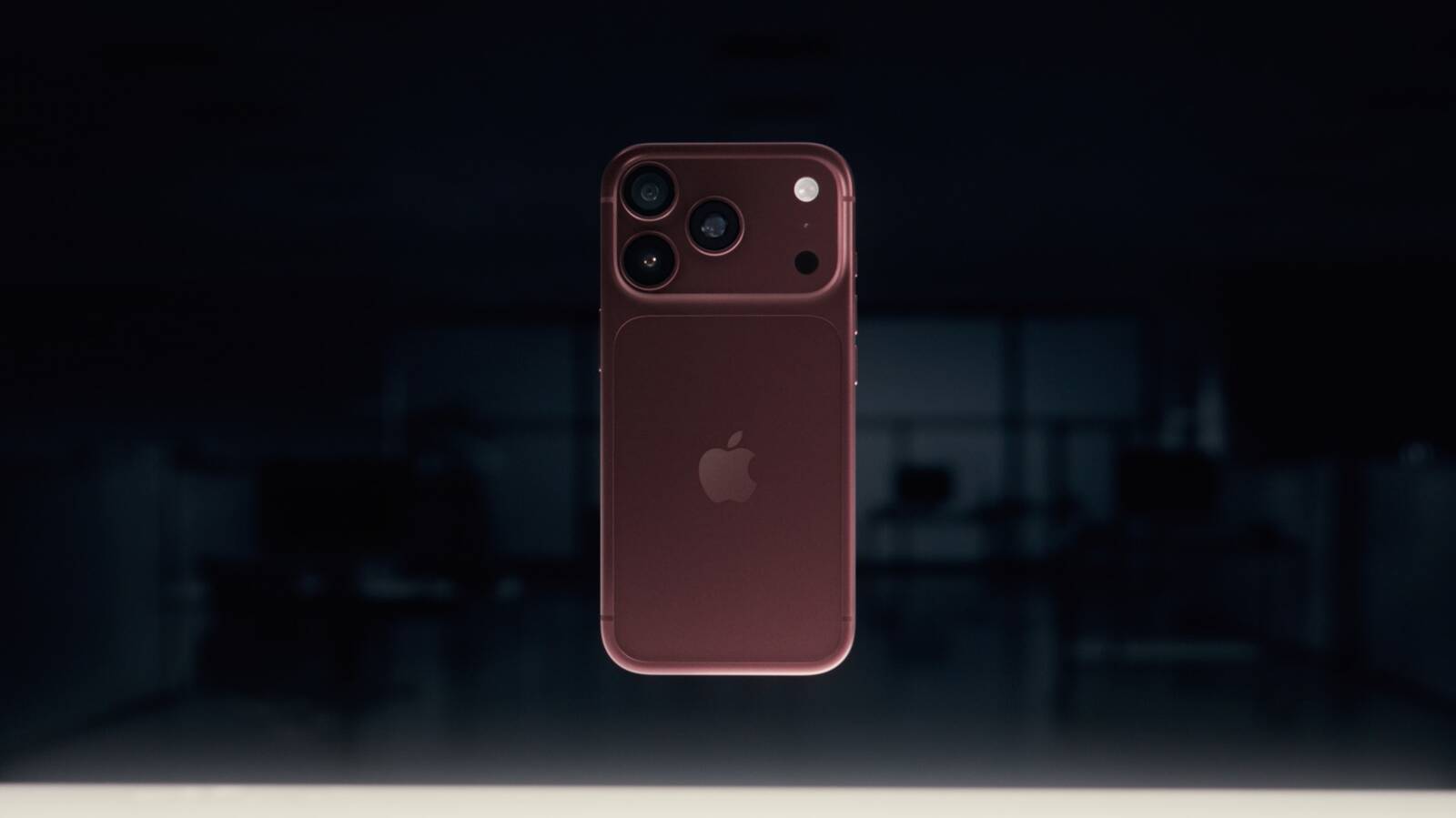
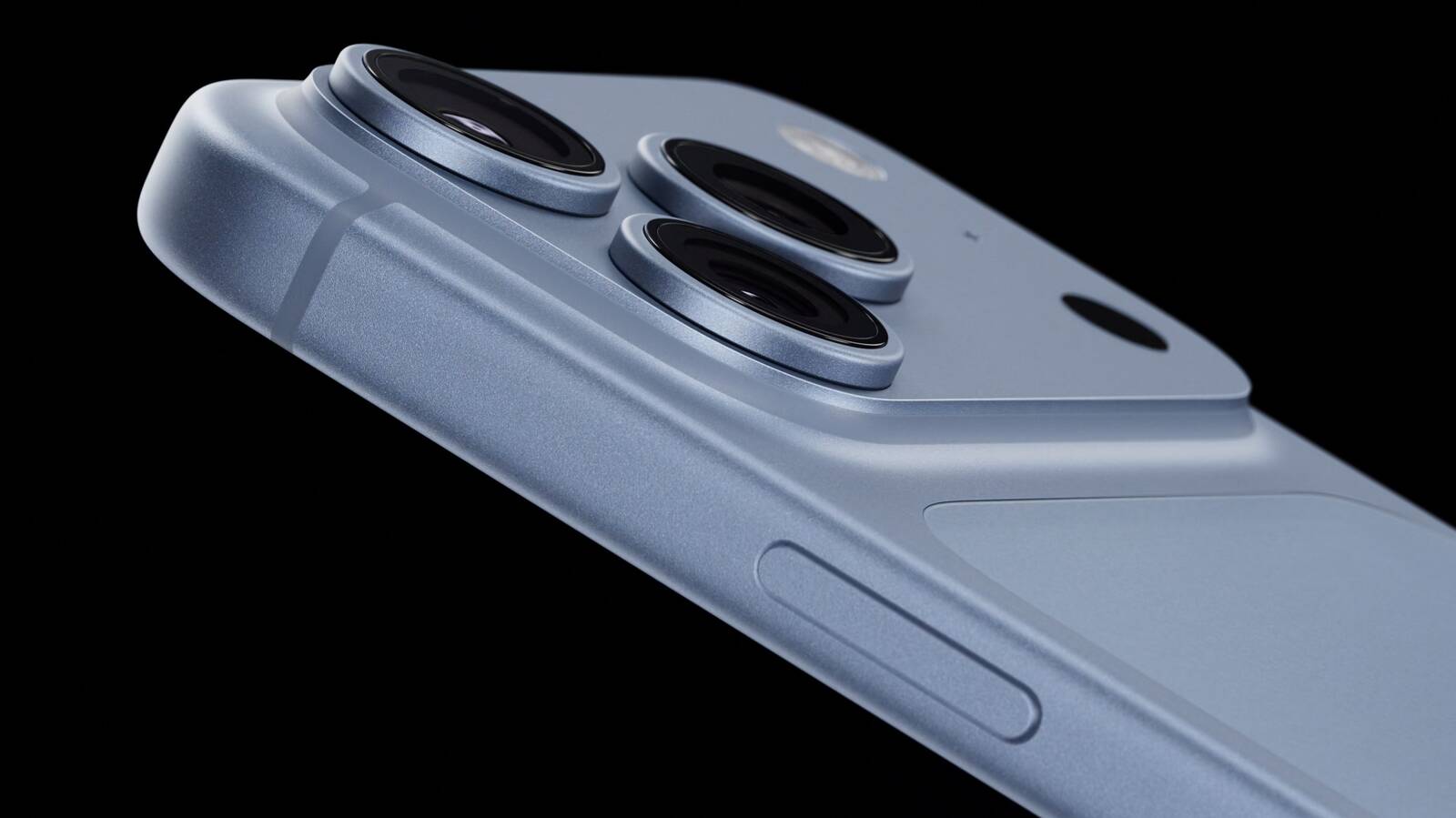
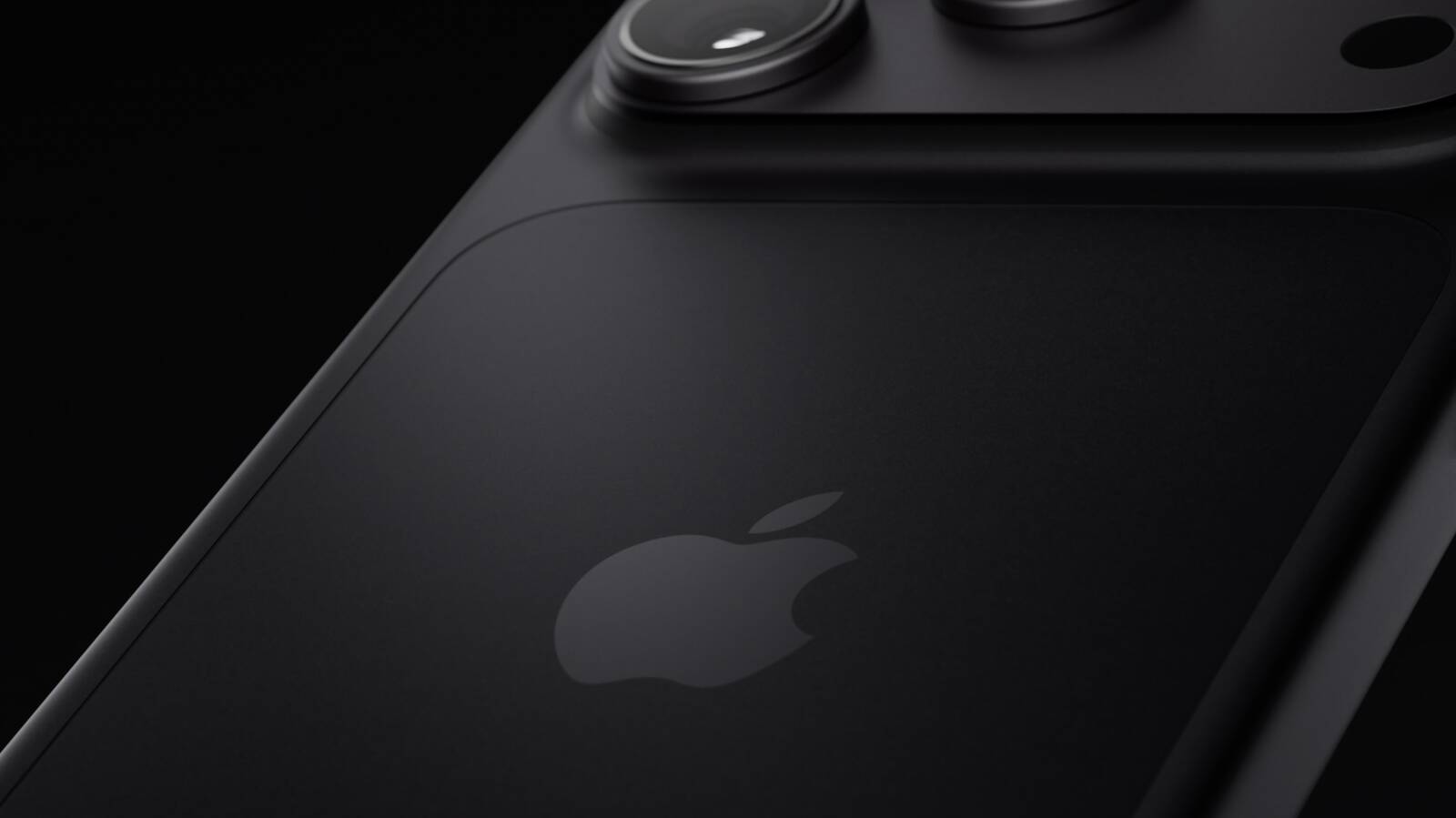
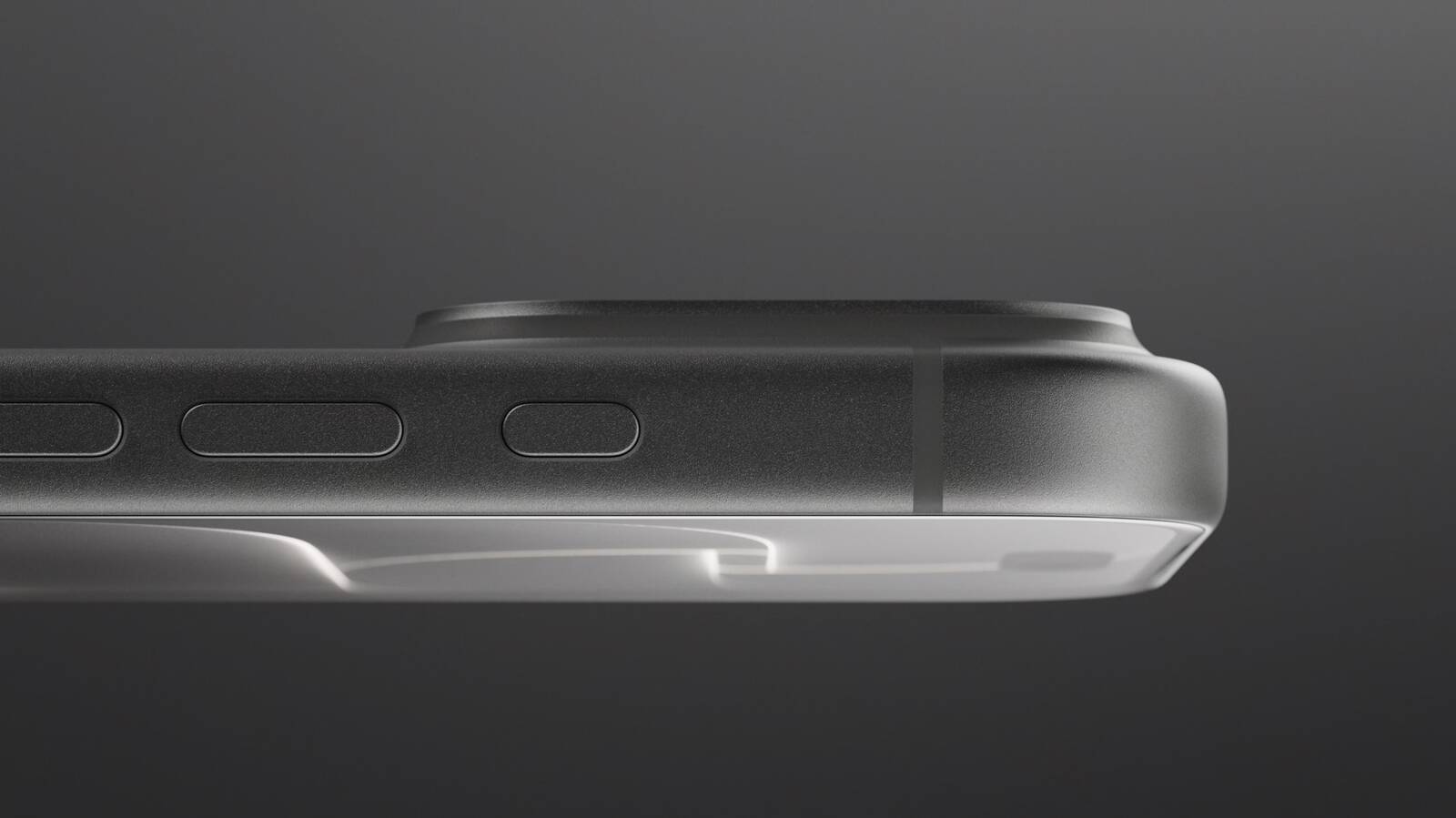
A revelação do iPhone Duo, o primeiro smartphone dobrável da empresa da maçã, foi um dos pontos altos do mais recente Apple Event. A ele juntam-se os novos iPhone 18 Pro e Pro Max, com subidas de preço, além de novidades nos auriculares e smartwatches.
The post iPhone Duo em estreia, modelos Pro (com preços mais altos) e wearables inteligentes entre as novidades da Apple appeared first on Tek Notícias.
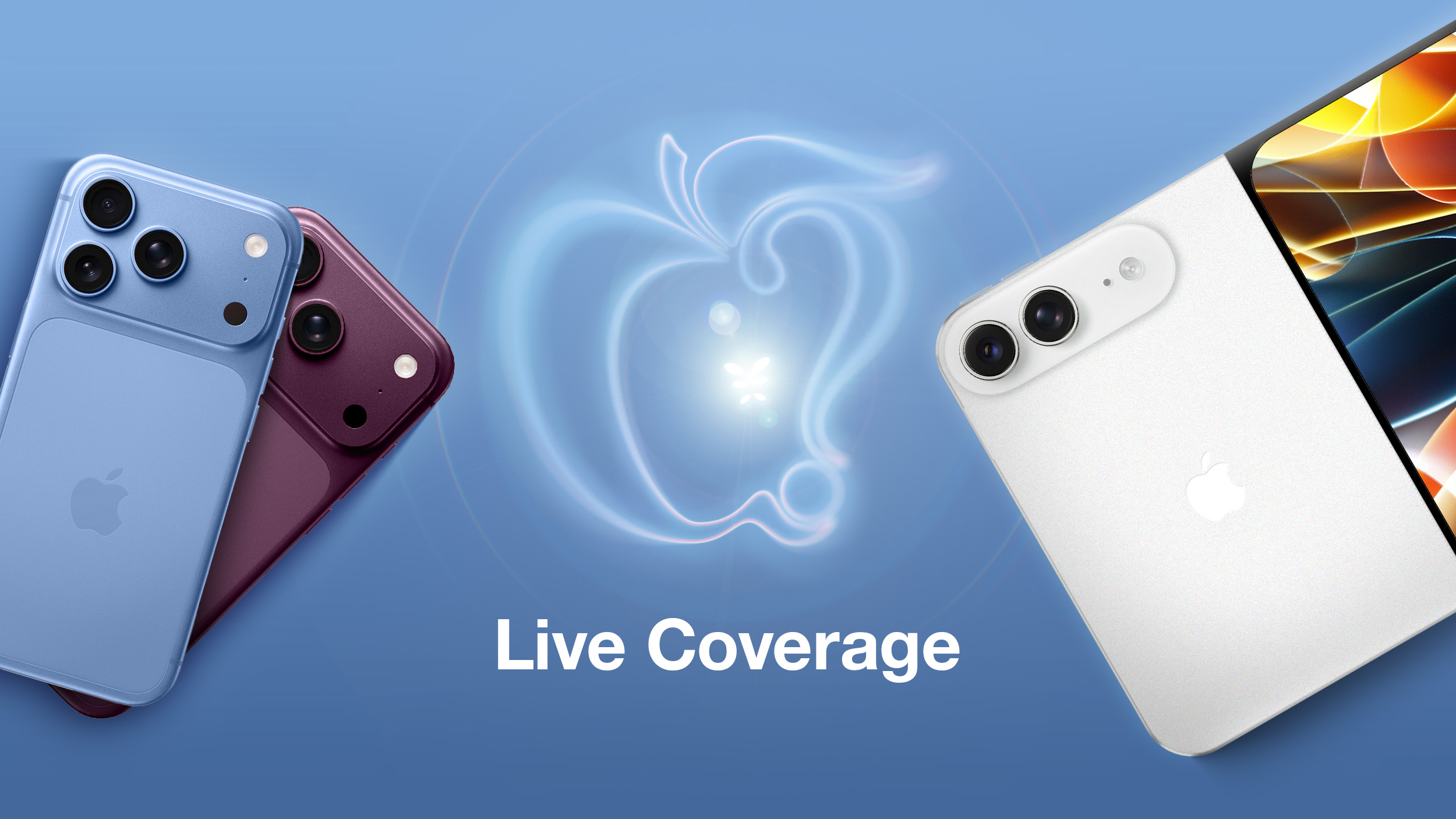
Apple’s “Surprise and shine” event kicks off today, September 9, at 10 a.m. PT (1 p.m. ET, 6 p.m. BST, 10:30 p.m. IST) from Apple Park. It is the first September keynote led by new CEO John Ternus, and it is expected to bring the iPhone 18 Pro and iPhone 18 Pro Max, Apple’s first […]
The post Apple Event Live Blog: iPhone Duo, iPhone 18 Pro, Apple Watch Series 12 and Everything Announced appeared first on The Mac Observer.

— John Ternus (@johnternus) September 9, 2026
iPhone 18 launch, Apple Park, iPhone 18, iPhone 18 Pro, iPhone 18 Pro Max, iPhone Ultra, foldable iPhone, Apple event, September event, John Ternus, Steve Jobs Theater, iOS 27, iPhone camera, variable aperture, liquid metal hinge, foldable display, hands-on event, product launch, Cupertino, smartphone news
The iPhone 18 launch is turning Apple Park into more than a stage for Wednesday’s presentation. The September 9 Apple event already carries unusual expectations around a possible foldable iPhone, a new generation of Pro cameras, and John Ternus’ first major product introduction as CEO. Reports of additional event staff now suggest that the experience awaiting invited media could be larger and more demanding than a conventional iPhone demonstration.
The official event announcement confirms that “Surprise and shine” begins September 9 at 10 a.m. Pacific Time, with worldwide streaming through apple.com, Apple TV, and YouTube. The invited audience will attend from Apple Park, but the increased activity surrounding the event does not necessarily mean that the company will abandon its carefully produced video format for a completely live keynote.
A polished presentation can explain specifications, introduce software, and display new hardware from perfect angles. It cannot reproduce the first sensation of opening a foldable screen, examining a crease under direct light, testing a mechanical hinge, or watching a camera respond as the lighting changes. Those moments happen after the main presentation, inside the hands-on areas where early opinions begin to form.
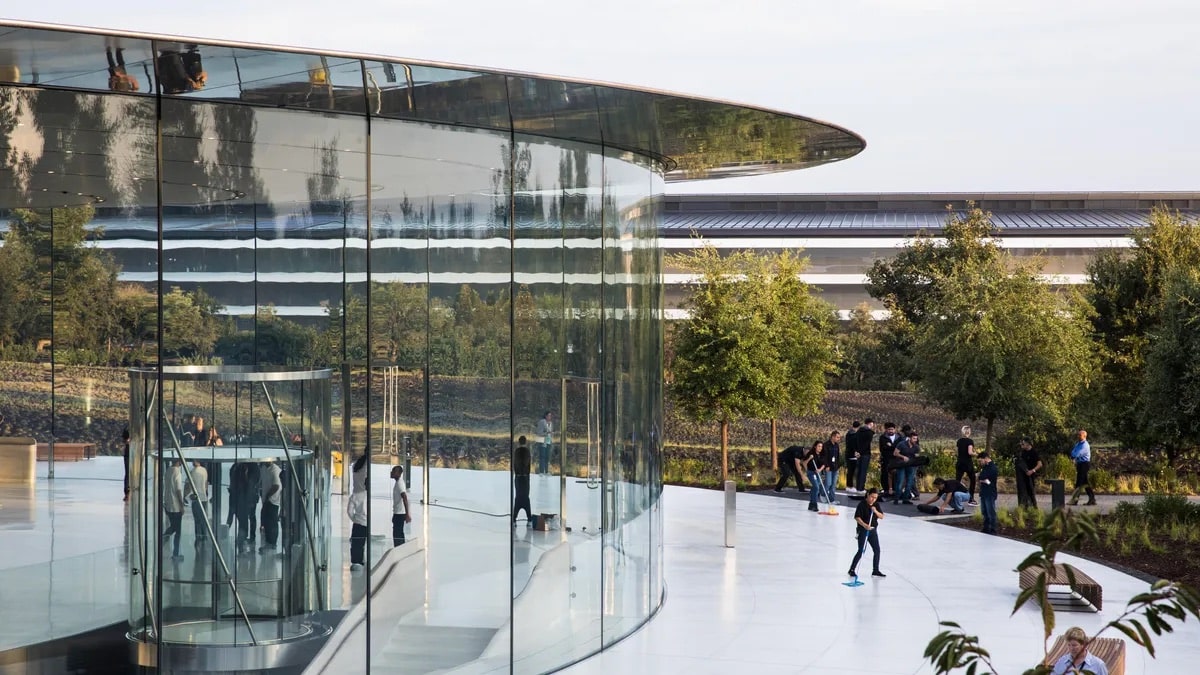
The first indication of a larger operation arrived through an internal program for US retail employees. According to reporting distributed by Bloomberg, store employees were invited to enter a lottery for positions supporting the in-person unveiling.
Selected employees were expected to organize lines, check in guests, provide directions, welcome attendees, and assist security teams. Employees who participated in WWDC 2026 or the iPhone 17 event were reportedly excluded, allowing another group of retail workers to experience the launch.
The existence of the lottery does not prove that the keynote itself will return to a traditional live-stage presentation. Apple has previously recruited retail employees to support events, and the company has not disclosed how many people were selected this year.
It does confirm that the Apple Park gathering requires a substantial customer-facing operation beyond the team producing the presentation. Retail employees already know how to direct visitors, explain products without overwhelming them, manage queues, and identify when someone needs technical help.
Those skills become particularly useful during an event attended by journalists, photographers, analysts, creators, and international guests, all trying to reach the same devices within a short period. Additional staff can prevent the hands-on area from becoming a crowded ring around a few demonstration tables.
The iPhone 18 launch may also require more movement between specialized spaces. A conventional phone can be displayed in rows according to color or size. A foldable model needs room for repeated opening and closing, interface demonstrations, durability questions, and comparisons between its exterior and interior screens. Camera testing requires a different environment again.
Apple Park does not need to undergo a permanent architectural transformation for that expansion. Modular tables, managed lighting, guided demonstrations, additional charging equipment, and more employees can significantly enlarge the experience around Steve Jobs Theater for a single afternoon.

The rumored iPhone Ultra is likely to attract the longest lines if it appears on Wednesday. It would represent the first substantially new iPhone form factor since the current full-screen design became established, and its appeal cannot be communicated through processor charts alone.
Visitors will want to know how the hinge feels at different angles, whether the device stays open when partially folded, how much pressure is required to close it, and whether both sides align evenly. They will inspect the central folding area under bright light and move a finger across the display to determine whether the crease is visible, noticeable by touch, or effectively hidden during normal use.
Display stress remains one of the most difficult engineering problems in the foldable category. TrendForce’s analysis of foldable display technology explains that crease reduction depends on controlling stress across the panel’s multilayer structure. Ultra-thin glass, optically clear adhesive, support plates, and the position of the display’s neutral layer can all influence how the screen behaves after repeated folding.
Reports have associated the iPhone Ultra with a liquid-metal hinge and a virtually creaseless internal display, but neither detail has been announced. Even if the production device resembles those descriptions, “virtually creaseless” will remain a subjective claim until people can examine the screen from different angles and under different lighting conditions.
Apple will consequently need demonstration units that are fully accessible rather than fixed behind stands. A journalist should be able to fold the device repeatedly, rotate the internal display, type with the phone partially open, and watch iOS 27 transfer an activity between the exterior and interior screens.
Those interface transitions could be as revealing as the physical hardware. A larger display gains value when an app can reveal another column, create a more capable workspace, or reposition controls without simply enlarging the standard iPhone interface.
Demonstrators may need to direct visitors toward examples that reveal those differences within the limited time available. Mail, Maps, Photos, Safari, video calling, document editing, and drag-and-drop workflows could communicate the benefit of the larger display faster than a static home screen.
The hands-on area must also answer durability questions without pretending that a few minutes can replace months of ownership. Hinge resistance, protection around the folding axis, weight distribution, screen reflections, and off-center visibility can be judged immediately. Long-term wear, dust resistance, and thousands of folding cycles cannot.
The Pro camera system is expected to receive one of the lineup’s most technical hardware changes. Previous iPhone 18 Pro camera reporting has centered on a mechanical or variable aperture, which could physically alter the amount of light passing through the main lens.
A conventional fixed-aperture smartphone camera manages exposure through shutter speed, sensor sensitivity, computational processing, and other electronic controls. A mechanical aperture can change the physical opening through which light reaches the sensor. Depending on its design, that could provide additional control over exposure, depth of field, highlights, and the appearance of subjects at different distances.
Current pre-event iPhone 18 expectations indicate that the feature may be exclusive to the iPhone 18 Pro Max, although its final availability will remain uncertain until the presentation.
A normal demonstration table would reveal little about such a camera system. Effective testing requires contrast, motion, faces, reflections, foreground objects, and meaningful changes in brightness.
Apple has previously used prepared scenes to demonstrate cameras, making controlled lighting stations a reasonable possibility for the iPhone 18 launch. No dependable report has confirmed that a dedicated photography pavilion or a particular new installation has been constructed for Wednesday, however.
A useful setup would allow creators to move between bright and dim areas while watching the aperture respond. A foreground object positioned near a person could demonstrate changes in depth of field. Directional lights could reveal highlight handling, while a darker scene could test whether the physical aperture works smoothly with computational photography.
Video creates another challenge. Any aperture adjustment during recording must appear gradual rather than causing sudden jumps in exposure or background separation. If manual control is available, photographers will immediately look for the number of supported aperture positions and whether a chosen setting can be locked before recording.
These demonstrations would offer the in-person audience something that cannot be reproduced during the stream. The presentation can display carefully selected photographs and video clips, but activity around the camera stations will reveal how quickly professionals understand the controls and whether the results remain convincing outside a prepared promotional sequence.
Wednesday’s event will be John Ternus’ first major product launch as CEO. That creates an unusual balance between continuity and change. The campus, production team, executives, and controlled demonstrations remain familiar, while the person responsible for the final message has changed.
Ternus does not need to replace every established event practice during his first days in the role. A larger in-person component would let him place more attention on direct product experience without sacrificing the timing and visual precision of a prerecorded presentation.
A live welcome, appearances around the campus, and extended media access after the video could establish his presence without forcing the event into an entirely different format. His background in hardware engineering also makes this a suitable launch for more detailed demonstrations, particularly if the lineup includes a new hinge, display construction, or mechanical camera component.
The hardware surrounding the iPhone 18 launch will test how well the company explains unfamiliar decisions. A foldable iPhone must justify its size, construction, software behavior, and likely premium price within minutes. The Pro camera must demonstrate an advantage that remains visible after computational processing. Accessories must protect new shapes without making them unpleasant to hold.
Retail employees working at Apple Park can observe those reactions closely. They will hear which controls require an explanation, which accessories create hesitation, and which claims prompt the same questions repeatedly. That experience can return to stores before customers begin arriving for demonstrations of their own.
Apple controls every frame of its presentation video, but it cannot control every observation made after the screens turn off. A foldable display will be photographed from difficult angles. Its hinge will be opened hundreds of times. Camera samples will be compared before visitors have left Apple Park. Any awkward transition, reflection, or confusing control will circulate within minutes.
This makes the in-person operation more demanding than a larger guest list might suggest. Every demonstration unit must remain charged, connected, clean, updated, and ready for the next visitor. Foldable devices may require closer inspection between sessions, while camera areas need staff who understand both the feature and the conditions created to demonstrate it.
The employees around those spaces should provide enough guidance to help visitors locate unfamiliar features without turning every interaction into another scripted presentation. Excessive control makes a demonstration feel artificial; too little creates confusion and crowded tables.
Apple Park therefore becomes a second launch platform after the worldwide stream. The video introduces the products, while the hands-on area exposes them to fingers, lenses, questions, and immediate judgment. By Wednesday afternoon, the questions repeated most frequently around those demonstration tables may offer the first indication of how easily the iPhone 18 lineup can explain itself.

The post iPhone 18 Launch: Apple Park Prepares for a Bigger In-Person Event appeared first on AppleMagazine.
Apple has scheduled an event for September 9 at 10 AM PT, titled “Surprise and shine” on their homepage and invitations. The event will be streamed for anyone to watch on Apple.com as well as YouTube. Typically, Apple uses the September event to unveil their new iPhone models, along with other updates to hardware, and ... Read More
The post Apple Event Set for September 9, New iPhone Expected appeared first on OS X Daily.
General:
Documentation:
Sessions:
Podcasts:
Previously:
Apple’s next iPad lineup refresh could begin this fall with a new iPad mini, followed by updates across the rest of the tablet family during 2027. The reported schedule would give Apple a rolling series of launches rather than one event covering every iPad at once.
Bloomberg’s Mark Gurman reports that Apple is preparing replacements for the iPad mini, entry-level iPad, iPad Air and iPad Pro. The compact model is expected to arrive first, potentially as early as October, while the remaining tablets would follow over the next several months.
Apple has not announced any of the devices, and release timing can change. The report nevertheless gives prospective buyers a clearer picture of where each current model sits in its cycle. The first update could also bring one of the most requested display improvements to Apple’s smallest tablet.
The iPad lineup refresh is expected to begin with the iPad mini, which has received fewer updates than Apple’s larger tablets. The current design remains popular because it offers an 8.3-inch screen in a device small enough to hold comfortably with one hand, place in a small bag or use as a portable reading and note-taking tool.
The next model is reportedly moving to an OLED display. That would give the iPad mini deeper black levels, stronger contrast and more vivid color than its current LCD panel. OLED would be particularly noticeable when reading in dark environments, watching video or working with images.
The new display is expected to measure approximately 8.4 inches without producing a major change to the overall design. Apple may retain a 60Hz refresh rate rather than bringing the 120Hz ProMotion technology used by the iPad Pro. That could disappoint buyers hoping the mini would become a compact Pro model, but OLED alone would represent a visible upgrade.
Reports have also pointed to an A19 Pro chip. That would give the smaller tablet more performance for games, creative apps, Apple Intelligence and longer-term software support. The current iPad mini already occupies an unusual position between a reading device and a compact professional tool. A stronger chip and OLED screen would push it further toward the second category.
Price may become the less attractive part of the update. Apple could raise the starting cost as display and memory expenses increase. Buyers interested mainly in portability may accept a higher price, but the iPad mini would need to avoid moving too close to the iPad Air.
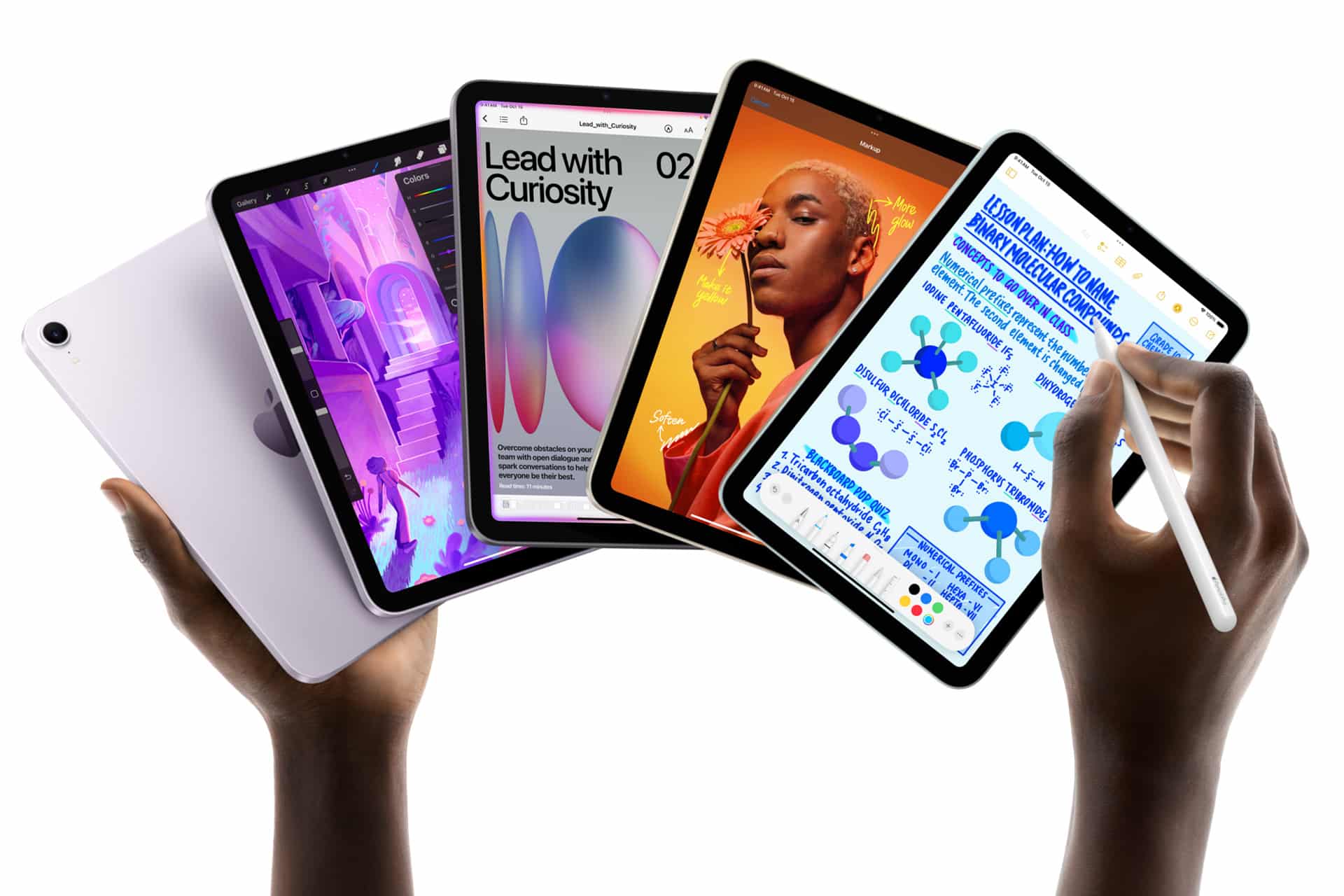
Apple’s least expensive iPad is expected to receive a more modest update in early 2027. The company reportedly plans to preserve the current design while replacing the processor with a newer chip.
That would fit the role of the entry-level model. Apple uses it for education, families, basic productivity, streaming, games and first-time tablet buyers. A dramatic redesign could increase the cost without improving the tasks most customers use it for.
The processor update could bring Apple Intelligence compatibility, depending on the chip and memory configuration Apple chooses. The current model’s position outside some advanced AI features creates an increasingly visible separation from the rest of the lineup.
A newer chip would also extend the useful life of the device. Entry-level iPads are often kept for several years, passed between family members or deployed in schools and businesses. Long software support can be more valuable in that segment than a thinner body or new camera arrangement.
Anyone considering the current base iPad should decide whether price or longevity has greater value. The current model remains suitable for ordinary use, particularly when discounted. Buyers who want the longest possible support window may prefer to wait.
The iPad Air is also expected to receive an update in 2027, with OLED display technology reportedly planned for the range. That would narrow one of the most obvious visual differences between the Air and the iPad Pro.
Apple currently positions the Air as the balanced choice: stronger than the entry model, less expensive than the Pro and available in 11-inch and 13-inch sizes. It supports Apple Pencil Pro and Magic Keyboard while offering M-series performance for demanding apps.
An OLED display would make that value proposition more aggressive. The Air could offer improved contrast and image quality without requiring buyers to move to the Pro tier. Apple would still have several ways to distinguish the Pro, including ProMotion, brighter displays, thinner hardware, advanced cameras and newer processors.
The processor is likely to receive another M-series upgrade as well, though the exact chip remains uncertain. For most users, the Air already has far more processing power than routine tablet work demands. The screen may provide the stronger reason to wait.
The risk for Apple is pricing. OLED panels could push the Air upward, especially in the 13-inch configuration. If the gap between Air and Pro becomes too narrow, buyers may move directly to the flagship. Apple will need to preserve a convincing middle tier.
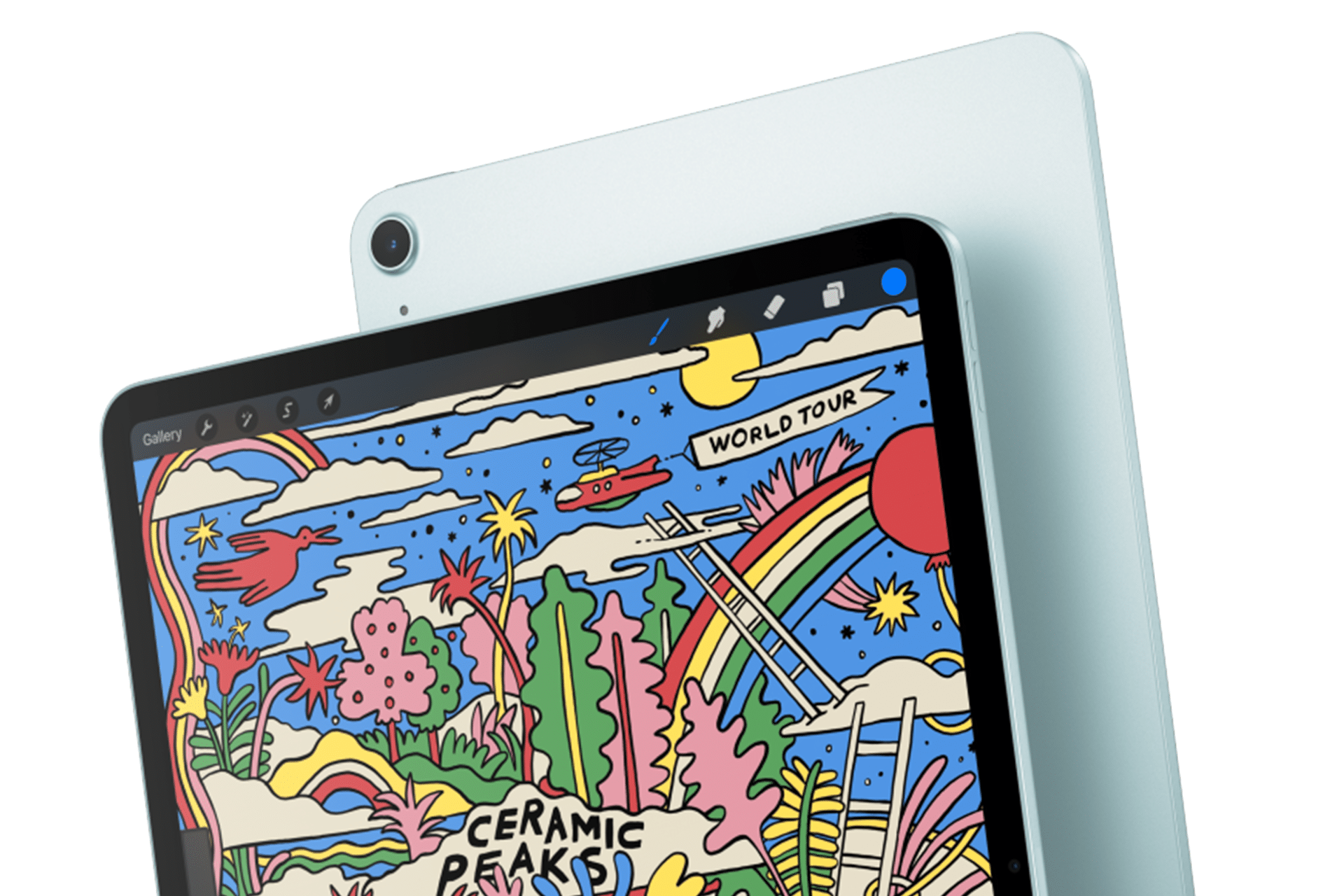
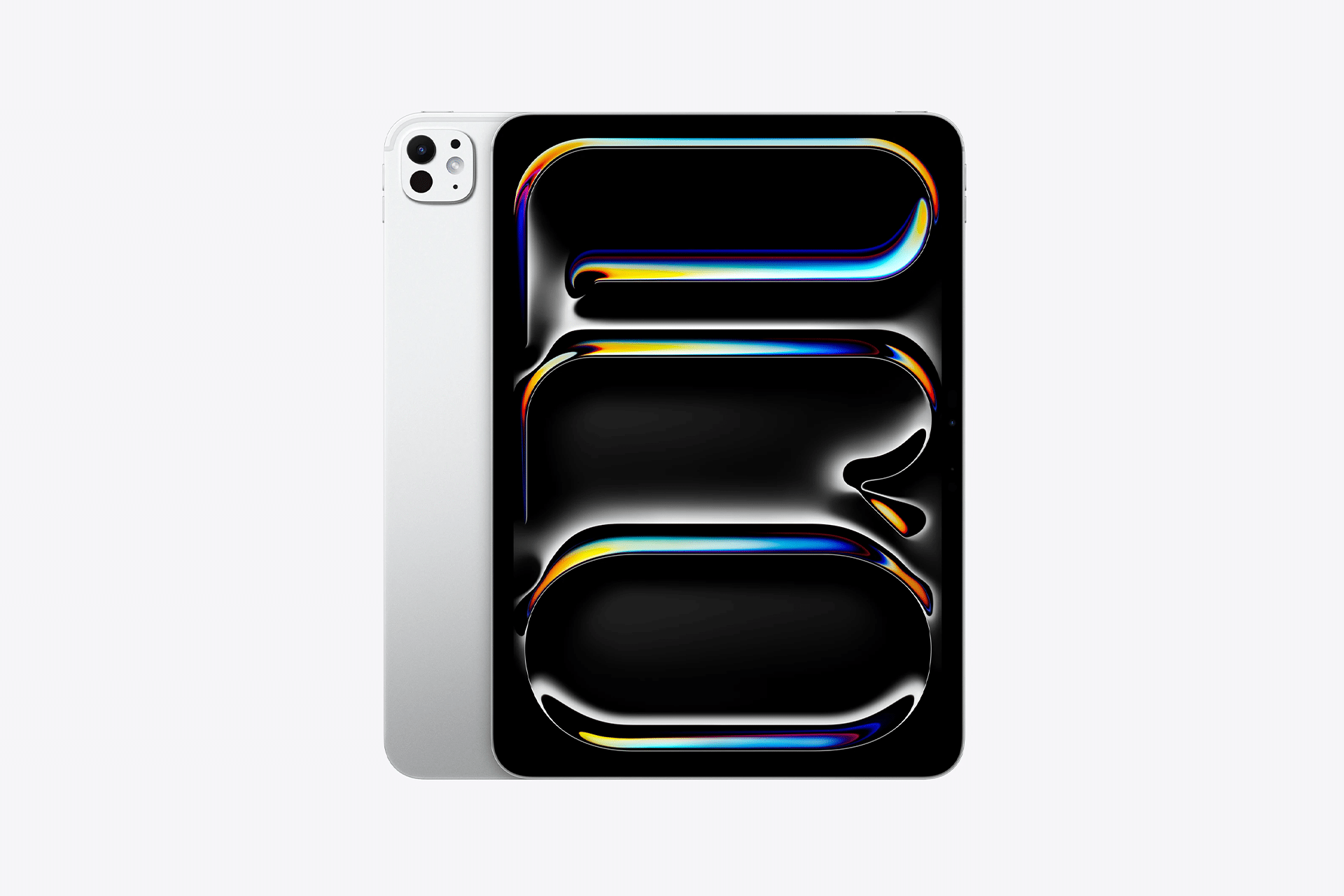
The next iPad Pro is reportedly planned for spring 2027. Apple may use a new M-series processor while leaving the current thin design largely intact.
That would make the Pro refresh more evolutionary than transformative. The current generation already includes OLED displays, high-end performance, Face ID, ProMotion and support for Apple Pencil Pro and Magic Keyboard.
Apple is also reportedly preparing two updated Apple Pencil models. Those accessories could arrive alongside the next iPad Pro, with changes potentially related to battery design and regulatory requirements.
The larger question is what additional processor power will do for the tablet. iPadOS 27 has expanded multitasking and window management, but buyers continue to evaluate the Pro against MacBook models at similar prices. A faster chip alone will not settle that comparison.
Apple may rely more heavily on AI, professional applications and accessory integration to justify the update. The Pro has become a platform for illustration, video editing, music production, 3D work and specialized enterprise apps. New hardware needs to strengthen those uses rather than simply win another benchmark.
The answer depends on the model. Prospective iPad mini buyers have the strongest reason to pause because the reported fall update could introduce a substantially better display within months.
Entry-level buyers can still consider the current iPad when pricing is attractive. Its expected replacement appears focused on performance rather than design. Waiting becomes more sensible for anyone who wants Apple Intelligence support or maximum longevity.
The current iPad Air remains a capable option, particularly for users who need a tablet now. OLED would improve the experience, but a 2027 release leaves a longer wait. The same logic applies to the iPad Pro. Its successor may be faster, though the existing model already covers demanding work comfortably.
Apple’s gradual schedule could keep the iPad in the hardware conversation from fall through spring. It also means there will be no single perfect moment when every model is equally new.
The iPad mini may open the cycle because it has the most obvious opportunity for visible improvement. After that, Apple can use the base iPad for reach, the Air for broader OLED adoption and the Pro for its latest silicon and accessories.
The tablet lineup is not expected to change all at once. It may instead evolve model by model, giving buyers repeated reasons to reconsider which iPad fits their needs.
The post iPad Lineup Refresh Could Start This Fall appeared first on AppleMagazine.
