 Login

These Mice Have Partly Human Brains
The animals may help reveal the causes of brain disease in people and point the way to treatments. But researchers already are calling for new ethical guidelines.

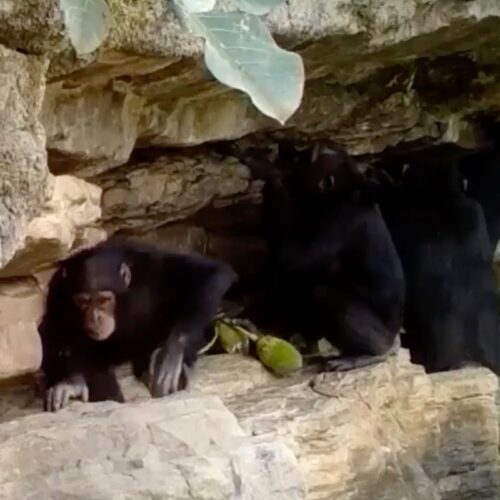
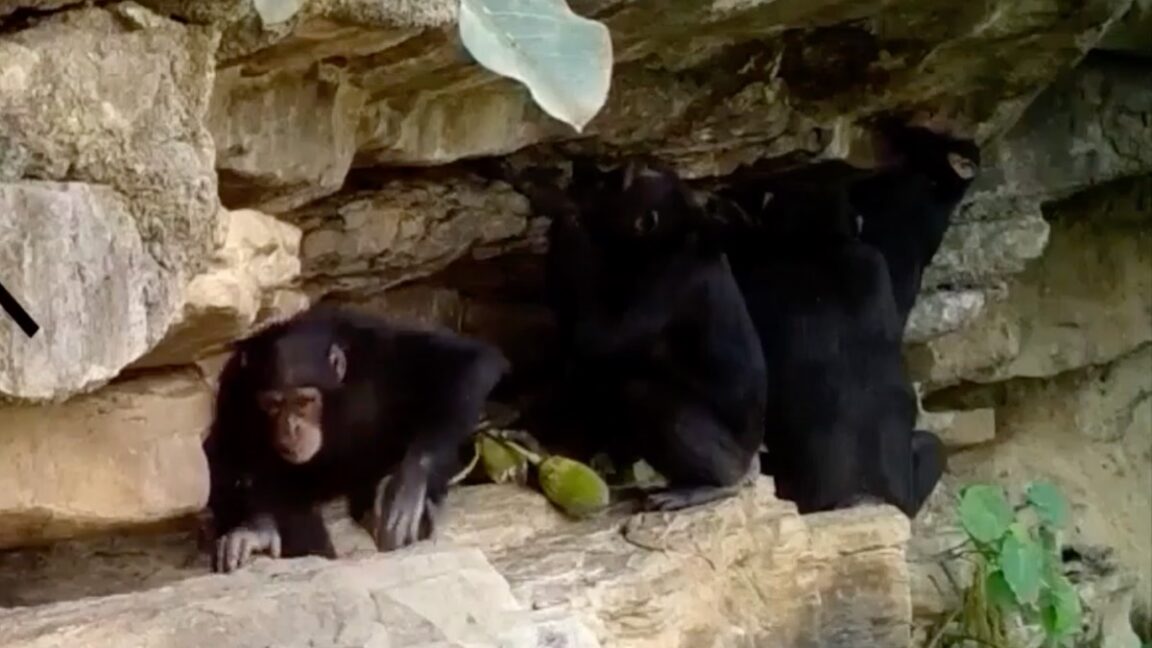
Chimpanzees are known to use rudimentary tools when foraging for food. According to a new paper in the journal Frontiers in Psychology, this learned behavior is passed down from adults to offspring through social learning. Specifically, adult chimps deliberately model the behavior, then turn their tools over to the youngsters so they can mimic the same motions.
"Receiving food and tools from experienced individuals, which we call food or tool transfer, may help chimpanzees learn to use technology to extract foods that are difficult to access,” said co-author Andreu Sánchez-Megías, a graduate student at the University of Barcelona and the Jane Goodall Institute Spain in Senegal. “Tool transfers thus appear to be a form of teaching, together with observation and supervised practice. It appears that mothers are the main models and teachers for young chimpanzees in this manner.”
As we have previously reported, tool use was once thought to be one of the defining features of humans, although Charles Darwin observed chimpanzees using stones to crack nuts in 1871. In 1960, the late primatologist Jane Goodall observed a chimp named David Greybeard bend a twig, strip off the leaves, and use it to spoon termites out of a nest and into his mouth. When he learned of the behavior, Goodall's mentor, Louis Leakey, famously observed, “Now we must redefine ‘tool,’ redefine ‘man,’ or accept chimpanzees as humans.” Since then, chimps have been observed making sponges out of leaves to soak up liquids, shaping sticks to collect algae, and sharpening rudimentary spears for hunting.
© Jane Goodall Institute Spain in Senegal
Chimpanzees are known to use rudimentary tools when foraging for food. According to a new paper in the journal Frontiers in Psychology, this learned behavior is passed down from adults to offspring through social learning. Specifically, adult chimps deliberately model the behavior, then turn their tools over to the youngsters so they can mimic the same motions.
"Receiving food and tools from experienced individuals, which we call food or tool transfer, may help chimpanzees learn to use technology to extract foods that are difficult to access,” said co-author Andreu Sánchez-Megías, a graduate student at the University of Barcelona and the Jane Goodall Institute Spain in Senegal. “Tool transfers thus appear to be a form of teaching, together with observation and supervised practice. It appears that mothers are the main models and teachers for young chimpanzees in this manner.”
As we have previously reported, tool use was once thought to be one of the defining features of humans, although Charles Darwin observed chimpanzees using stones to crack nuts in 1871. In 1960, the late primatologist Jane Goodall observed a chimp named David Greybeard bend a twig, strip off the leaves, and use it to spoon termites out of a nest and into his mouth. When he learned of the behavior, Goodall's mentor, Louis Leakey, famously observed, “Now we must redefine ‘tool,’ redefine ‘man,’ or accept chimpanzees as humans.” Since then, chimps have been observed making sponges out of leaves to soak up liquids, shaping sticks to collect algae, and sharpening rudimentary spears for hunting.
© Jane Goodall Institute Spain in Senegal

© Chona Kasinger for The New York Times
 Lipid droplets in the kidneys may help cats maintain a consistent chemical “scent identity.” Scent marks can linger long after an animal has moved on, allowing urine and other chemical signals to carry information across both distance and time. Yet the molecules responsible for odor do not remain unchanged. They evaporate, break down, and shift [...]
 GPS collars reveal hyenas retreating while male lions repeatedly close the distance.
 From fireflies to mammals, evolution may have tuned communication to the rhythm of neurons.
 They groom dogs, ride deer, adopt marmosets — and sometimes do darker things.
It’s a regrettable reality that there is never enough time to cover all the interesting scientific stories we come across. So every month, we highlight a handful of the best stories that nearly slipped through the cracks. July’s list includes outfitting cyborg cockroaches with a tiny diving suit for navigating flooded terrain; confirmation that a Medici duke died of malaria, not poisoning; the best evidence to date that Betelgeuse is orbited by a companion star; and evidence that some ancient Egyptian princesses were skilled archers.
 Credit:
Administrative Archive, Regional Museum of Iquique–CORMUDESI
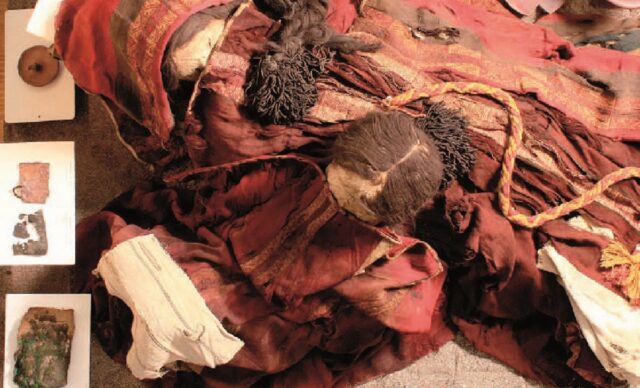
It's known that the Incas practiced a human sacrifice ritual known as Capachoca, in which children were offered to the mountains and believed to become divine themselves, serving as intermediaries with the gods. This often involved pilgrimages to the remote sacrificial sites, with colonial accounts describing strangulation, asphyxiation, and blunt force trauma as the most common methods of sacrifice. Archaeologists have reanalyzed the remains of one such victim and concluded the boy died from blunt force trauma, rather than freezing to death as previously believed. They described their findings in a paper published in the journal Science Advances.
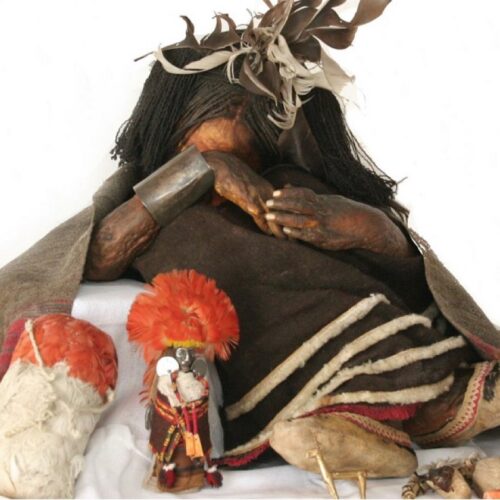
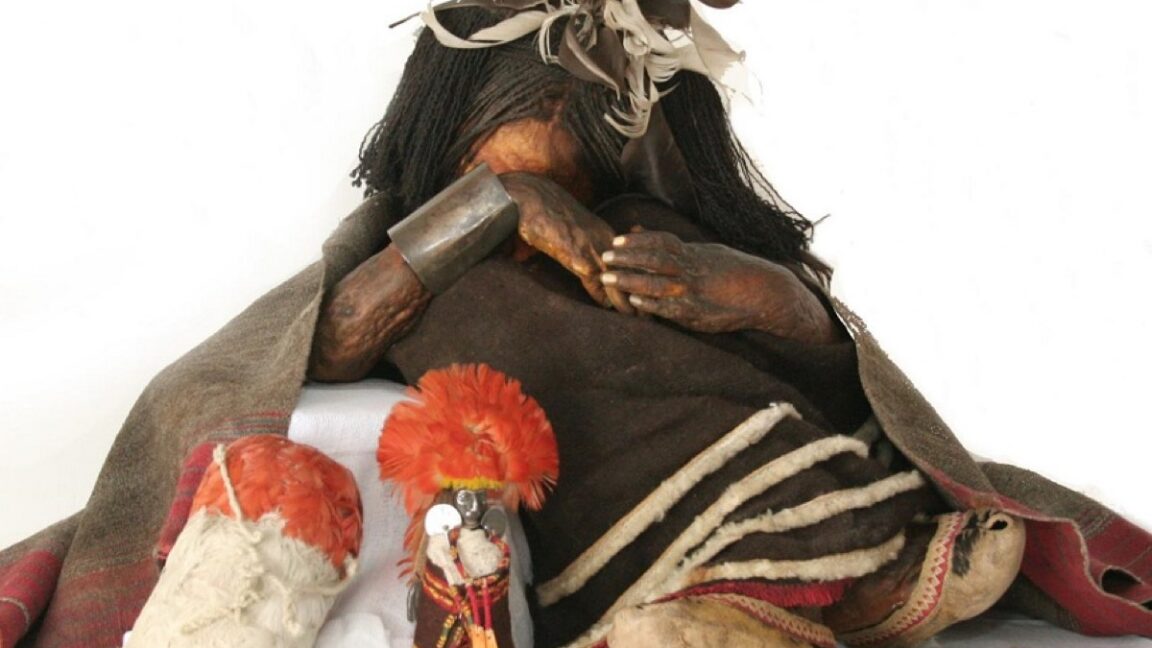
© National Museum of Natural History of Chile
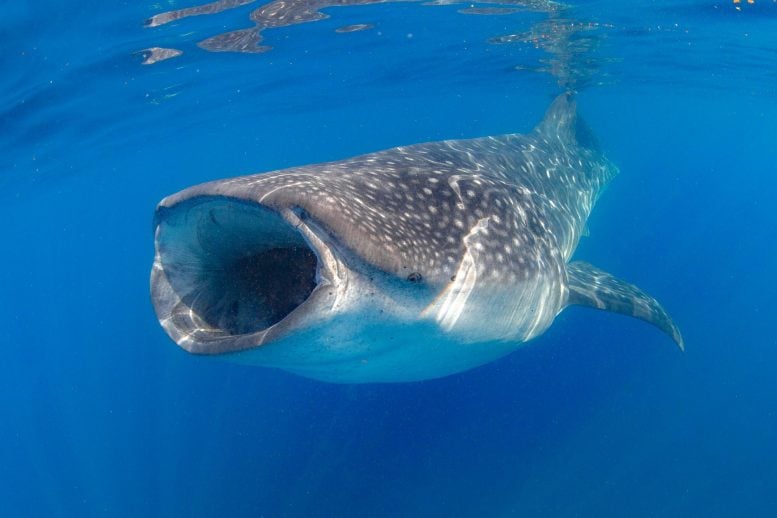 Whale sharks use a wider range of feeding strategies and depths than surface observations previously revealed. A whale shark can vanish beneath the surface in seconds, leaving researchers with little idea of what the world’s largest fish does once it disappears from view. Whale sharks (Rhincodon typus) are among the ocean’s most recognizable animals, inspiring [...]
There have been numerous accounts in recent years of orcas ramming boats—and sometimes sinking them. Scientists believe this may be a form of culturally learned behavior passed down through generations. Now we have fresh examples: orcas in the Gulf of California were filmed teaming up to ram sunfish with so much force that the carcasses exploded into small fragments. While orcas have been known to use force to remove flesh from prey, this is something different, according to a new paper published in the journal Frontiers in Ethology.
“We think this may help younger orcas feed more easily, or it could also just be for fun," said co-author Kathryn Ayres of Beneath The Waves, a nonprofit organization promoting ocean health. "Orcas are known for playing with their food.”
Orcas engage in cooperative hunting strategies that can involve striking or killing animals—sometimes eating their prey, sometimes not—so the behavior could be described as social interaction, play, or practice as a mode of social learning. Orcas have been observed ramming whale sharks as another orca held the prey steady. Other cooperative strategies include herding mobile rays, blocking an escape path while hunting white sharks, and deliberately producing waves to bump penguins off ice floes.
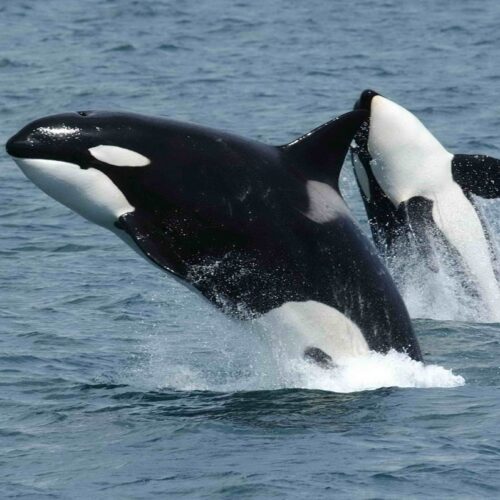
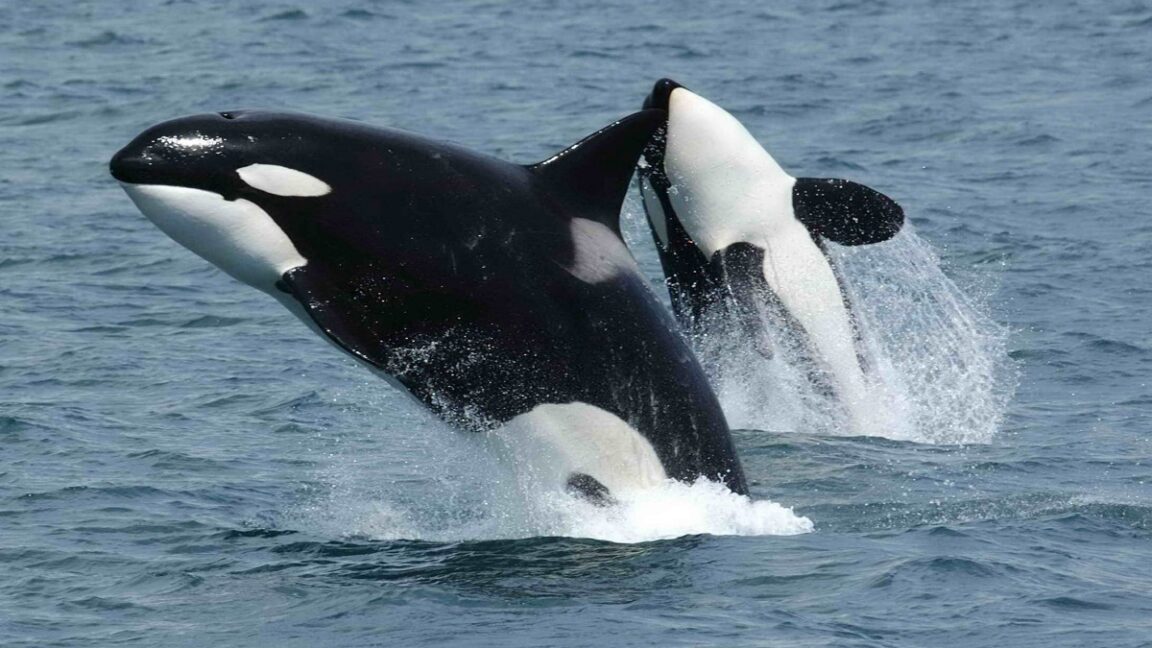
© Robert Pittman, NOAA/Public domain
 A dog’s nose is a gateway to a richer world, and scent-filled walks, games, and food hunts can transform boredom and stress into excitement, focus, and discovery. While we are captivated by a vivid sunset and breathtaking views, dogs have their noses to the ground, reading the odor stories left behind by other dogs and [...]
 From ants to apes, social species scout, bond, raid and retreat before conflict.
