Login

Bat Beauty Contest returns October 24
With Alaska’s fat bears done packing on their winter weight and spooky season in full swing, it’s time to turn our collective animal-loving attention to a smaller mammal—bats. The Bureau of Land Management’s (BOEM) annual Bat Beauty Contest returns on October 24 and promises “plenty of batty puns.”
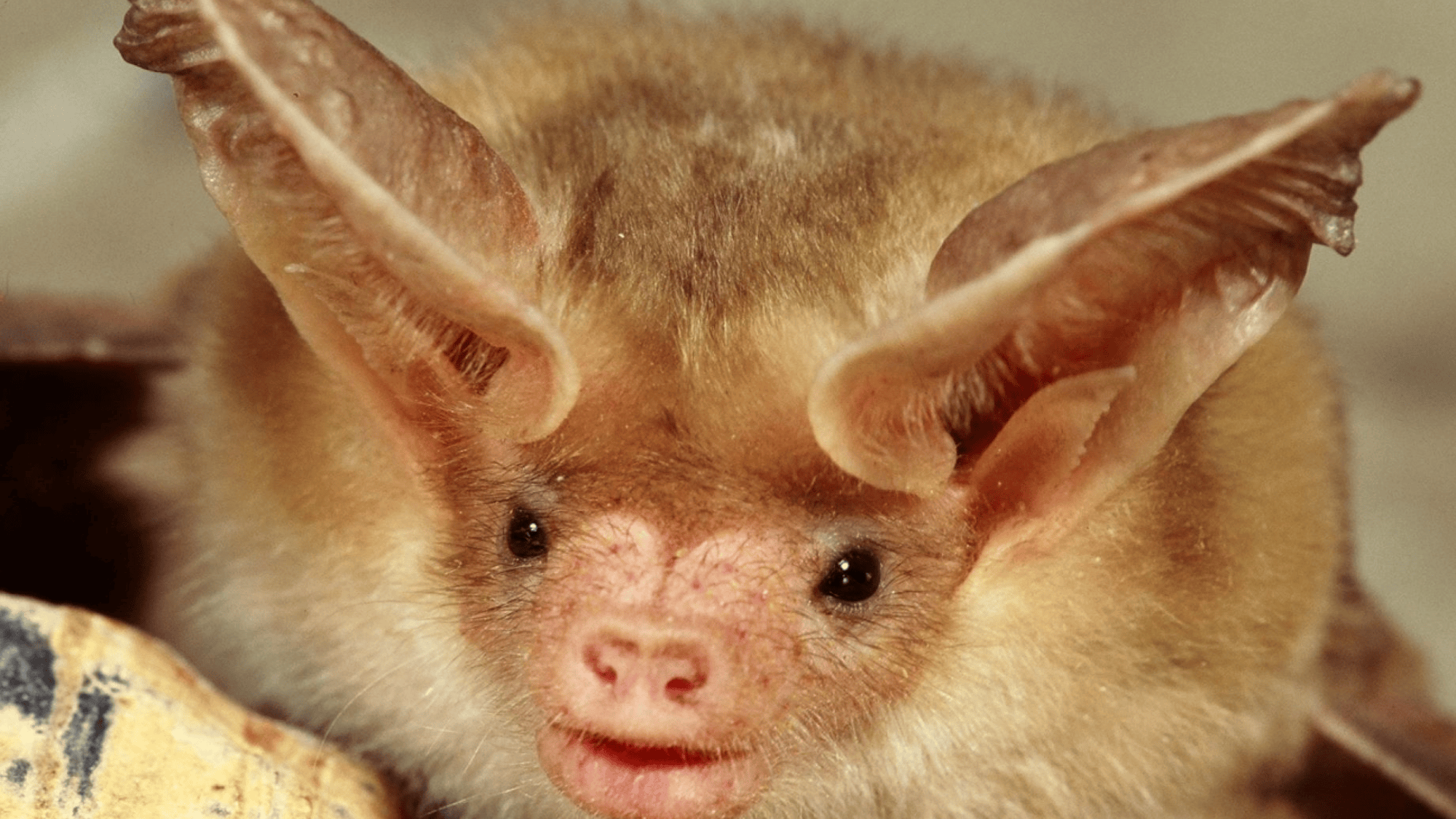
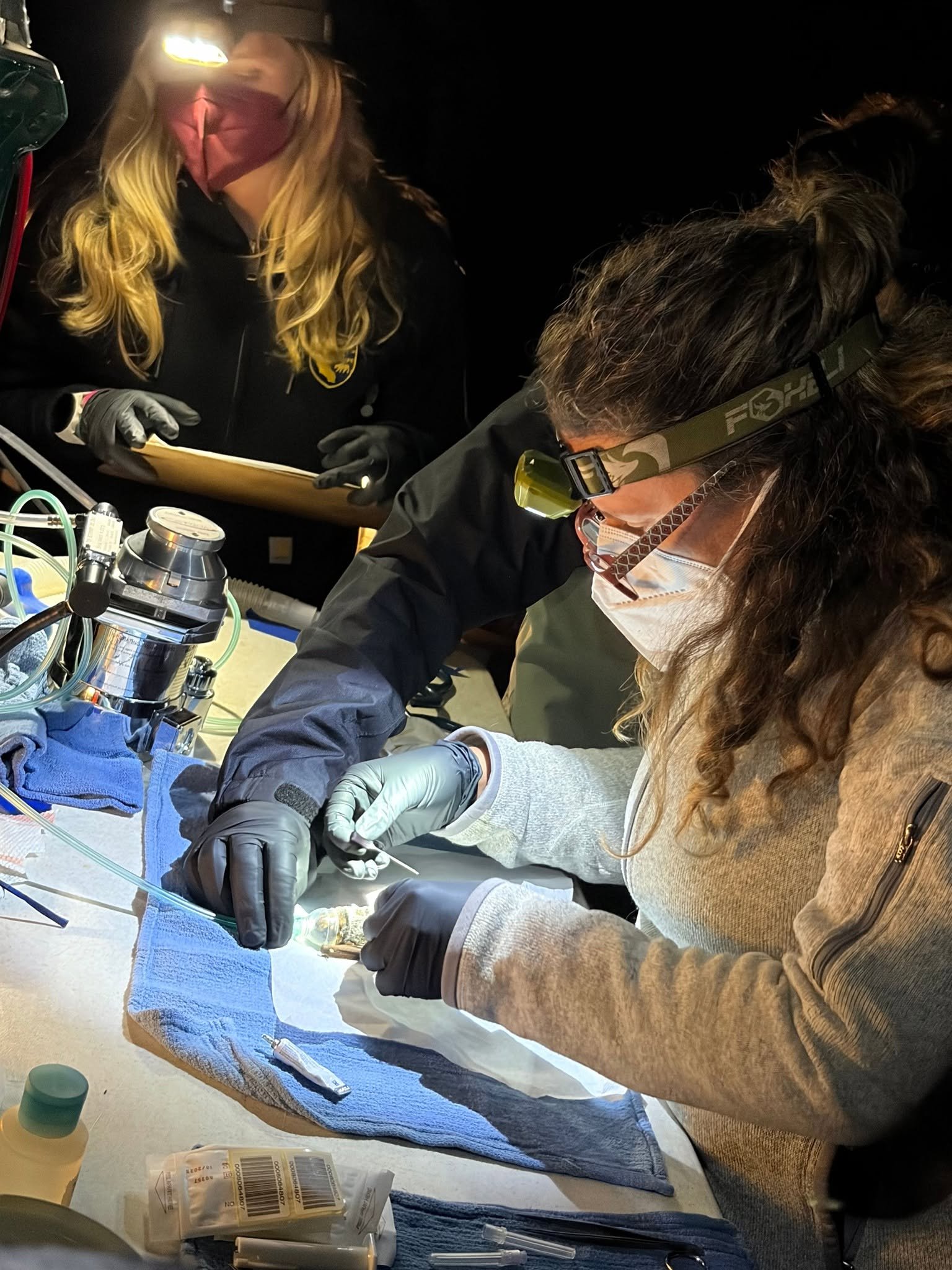
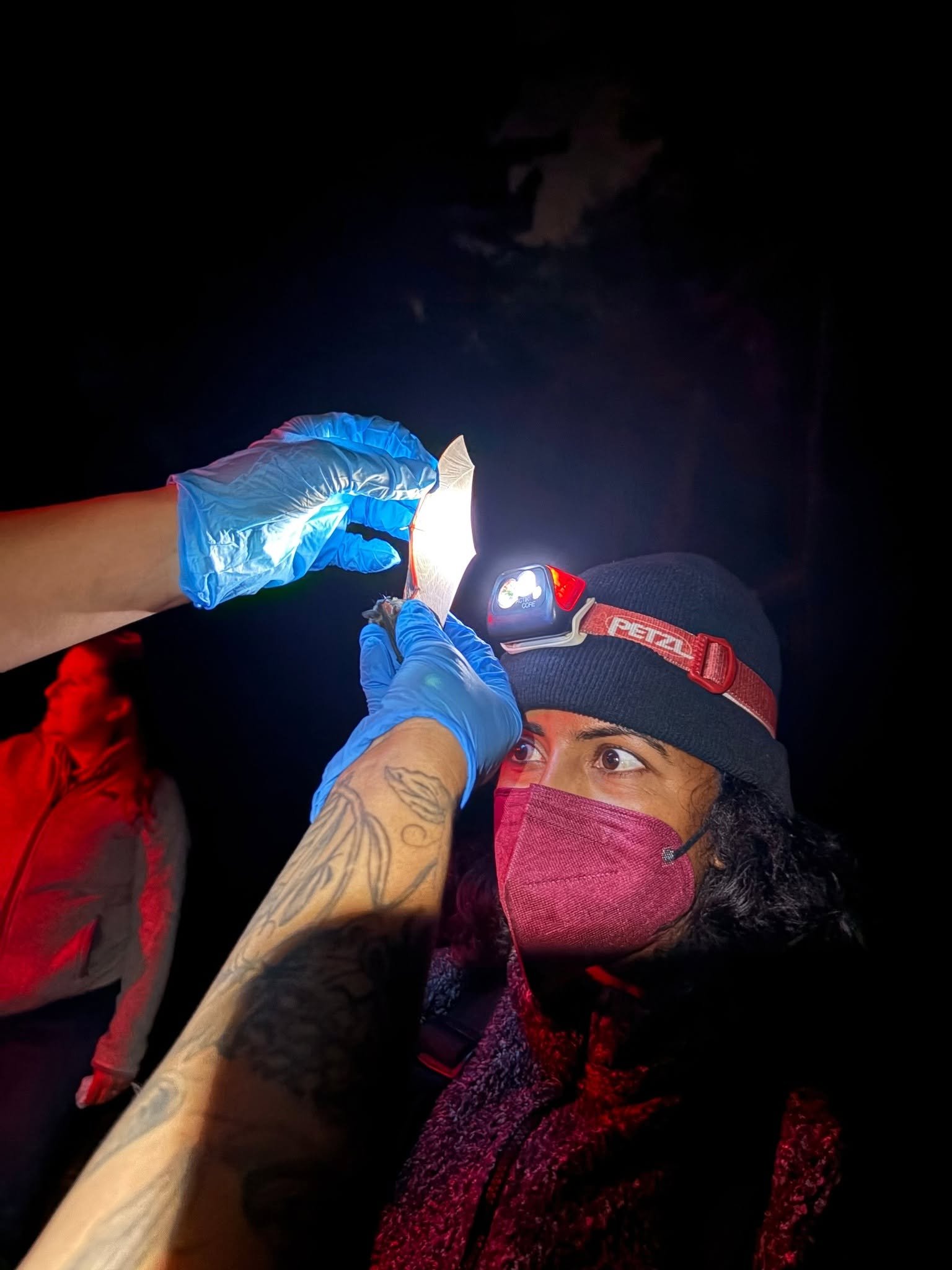
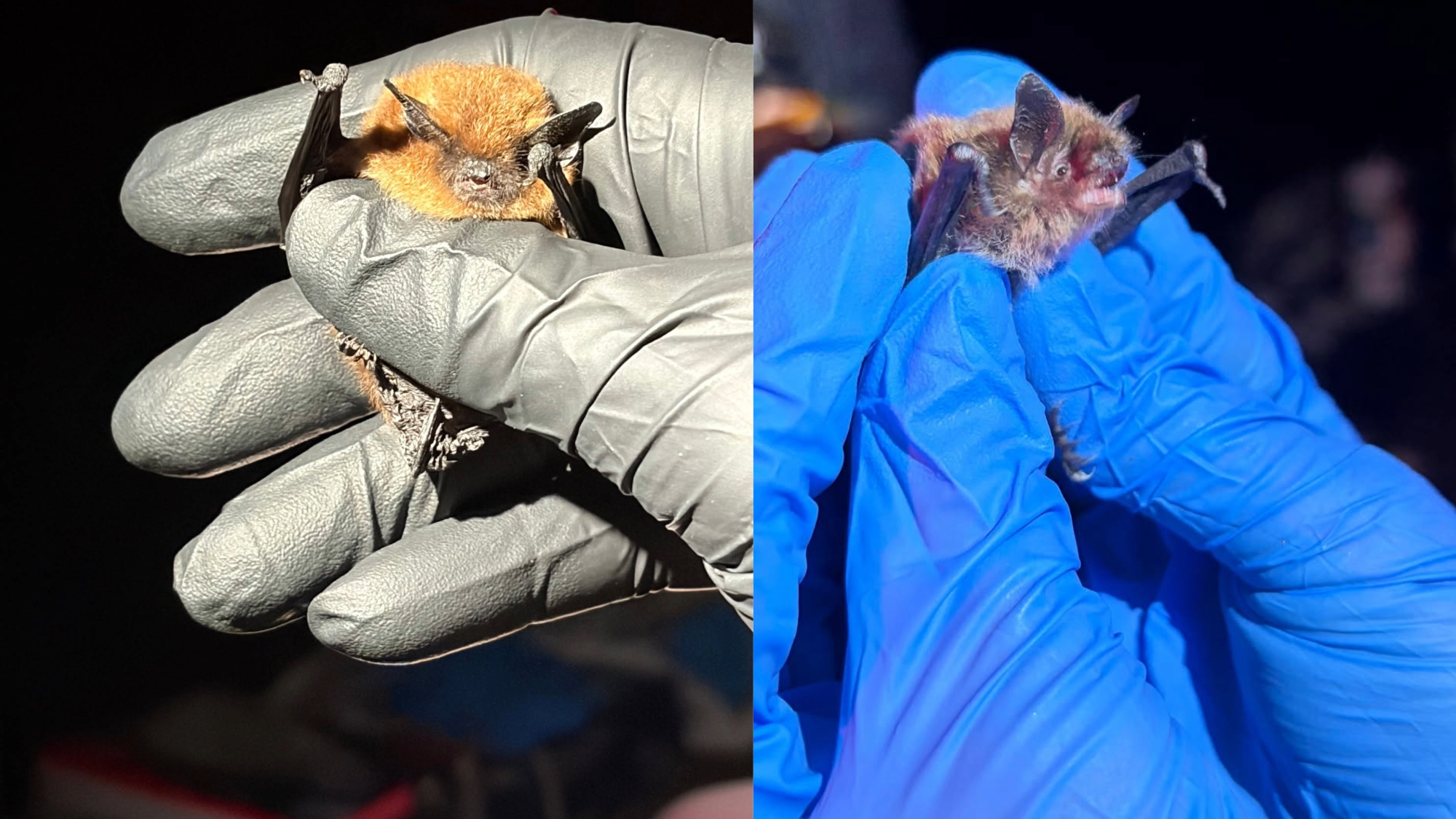
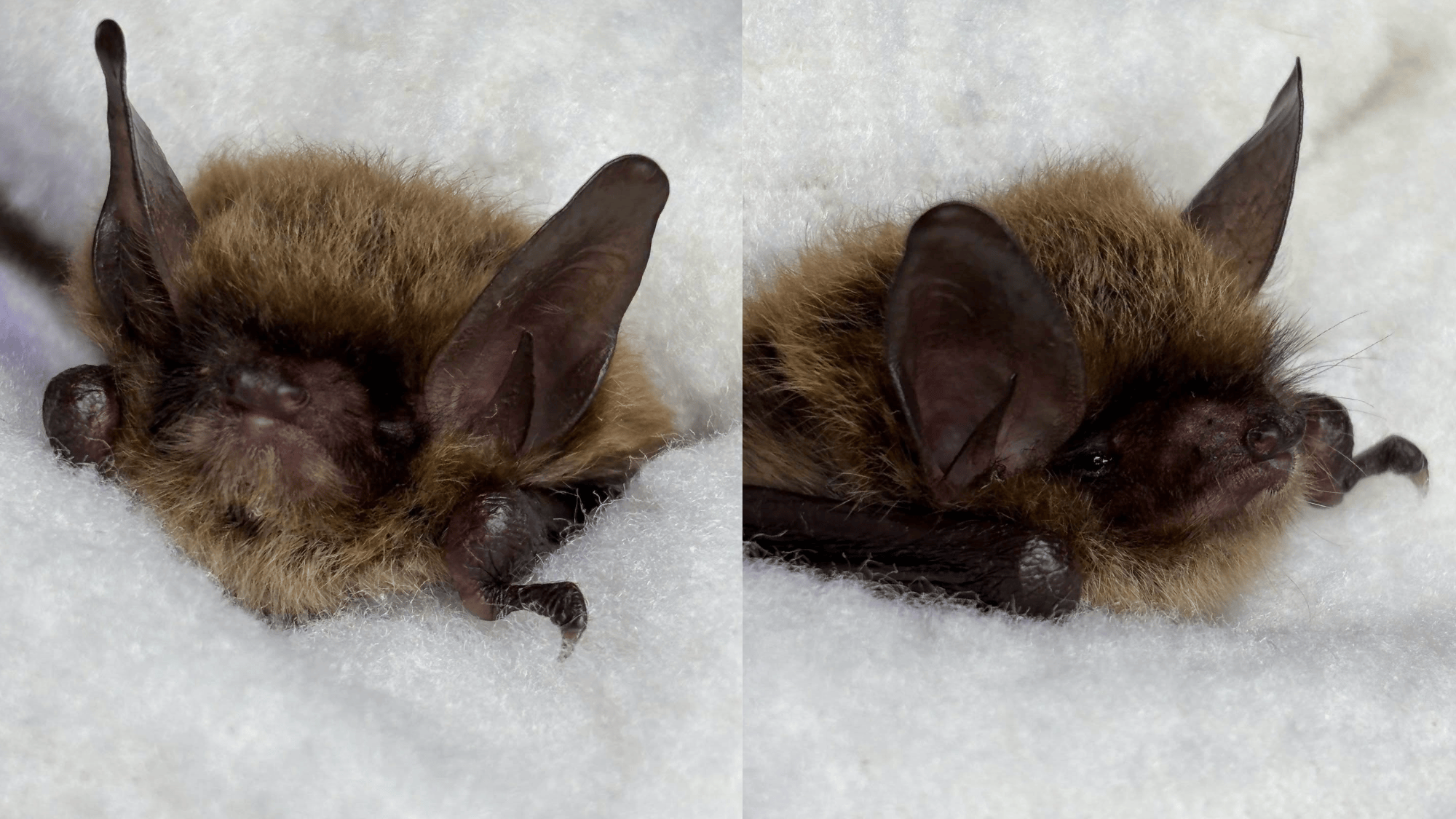
Beginning Saturday, October 24, BOEM will post photos of the competitors to their Facebook and Instagram accounts and ask you to vote for the best-looking one. All of the competing bats are part of wild populations that live on land managed by the public agency and are photographed by wildlife technicians. The winner will be announced (appropriately) on Saturday, October 31.
The bats in this competition are known for their squishy faces and clever names. In 2024, a hoary bat (Lasiurus cinereus) from Oregon named Hoary Potter took the crown. Other contestants included a long-eared myotis (Myotis evotis) named Honey Bunches of MyOtis, a myotis bat (Myotis myotis) named Robert Battinson, and western small-footed bats (Myotis ciliolabrum) named Batt Damon and Batlor Swift. The contest was not held in 2025 due to the 43-day-long federal government shutdown.
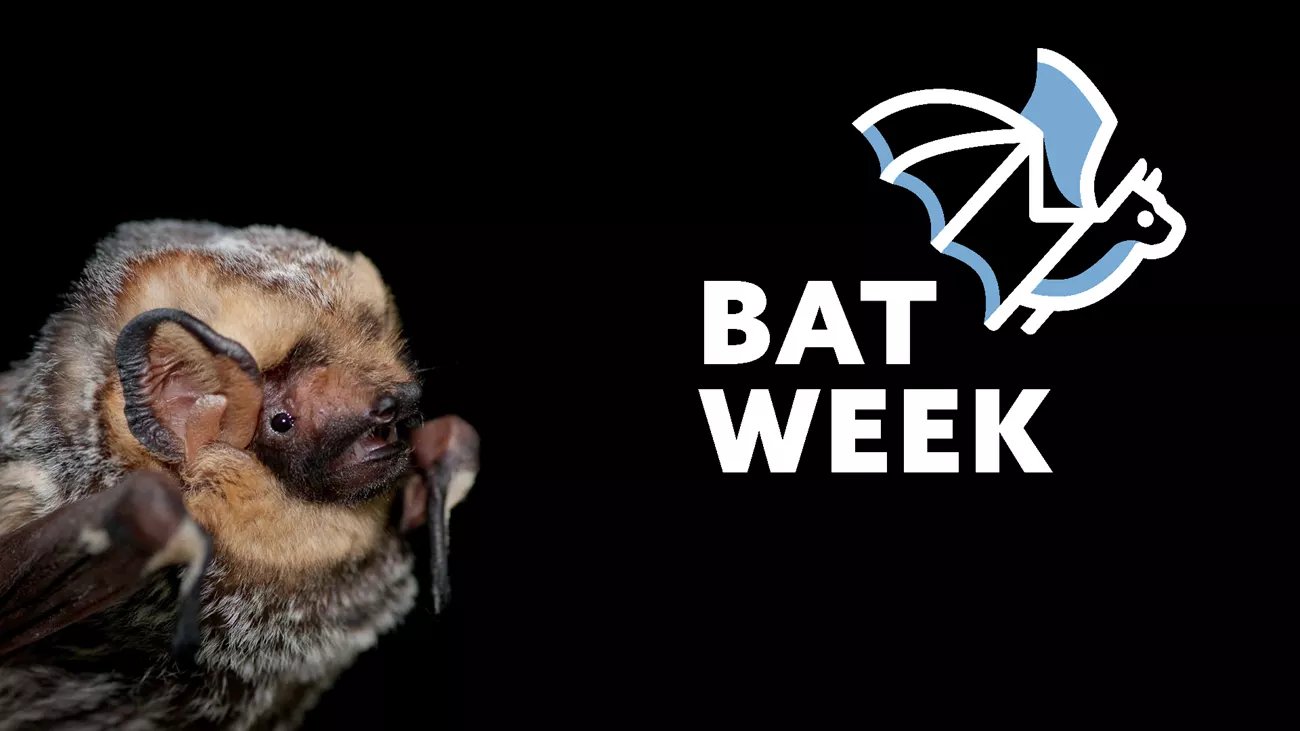
The contest is not all bat puns and a way to keep the spirit of Fat Bear Week alive. It falls during Bat Week (October 24-31). Bat Week raises awareness about the Earth’s only flying mammal. More than just a Halloween symbol, bats play a critical ecological role as plant pollinators and through eating insects that can threaten crops and forests around the world. According to Bat Week, one bat can eat up to its body weight in insects every night. Only three species of bats eat animal blood, with two specializing in bird blood. Female lesser long-nosed bats even make tequila possible. Every spring, they migrate from south-central Mexico up to the southwestern United States, following “nectar corridors” of columnar cacti and agave plants. They pollinate agave plants, which are then used to make tequila and mezcal. When they feed on cactus fruits and nectar, they may also help disperse cacti seeds. Other bats eat pollen, nectar, or fruit.
Bats are increasingly threatened due to habitat loss, light pollution, and diseases like white-nose syndrome. This fungal disease infects the skin of the muzzle, ears, and wings of hibernating bats. In about 20 years, it has killed millions of bats across North America and affects about half of the species on the continent. Bats also are often misunderstood as carriers of diseases such as rabies.
The planet is home to over 1,400 species of bats, and they make up almost 20 percent of all mammal species. Bats also can be found almost everywhere on Earth, even in desert and polar regions. To look up which bat species live near you, you can use Bat Week’s state bat database.
Stay tuned for more Bat Week updates!
The post Bat Beauty Contest returns October 24 appeared first on Popular Science.