❌

Reading view

Small but mighty! Remembering the GameCube, Nintendo’s purple bundle of joy

The first console I ever bought, it was hyped as a threat to the PlayStation, then mocked as a flop. But now, as it marks its 25th anniversary, it’s looked back on with misty-eyed reverence

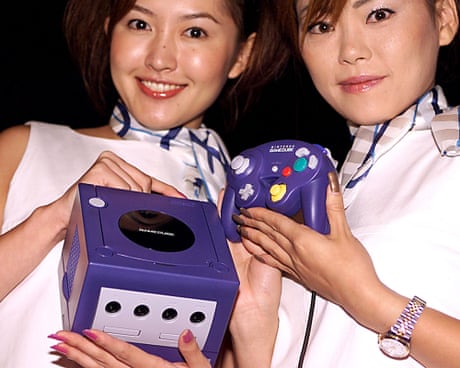
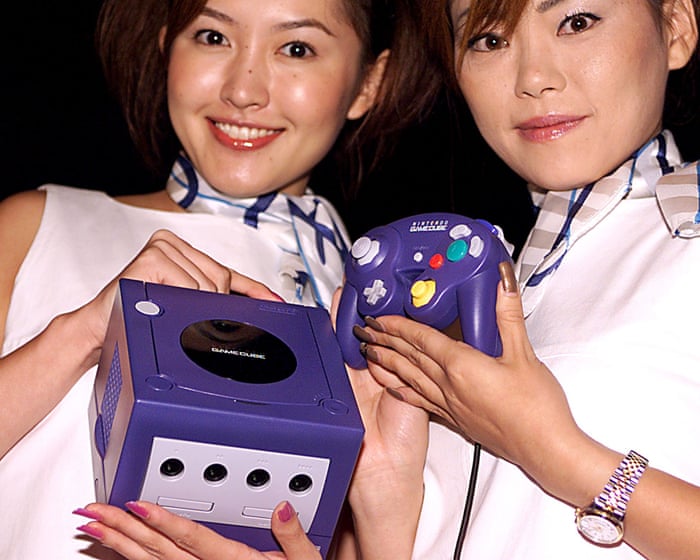
This week marks the 25th anniversary of the Nintendo GameCube, the first console I ever bought with my own money. I vividly remember getting on the bus after school with a year’s worth of savings safely zipped into the pocket of my bag and going to a branch of Currys, where I dumped a bunch of notes, coins and vouchers on the counter to collect my pre-order. (It turned out that some of the vouchers from the previous Christmas had expired, but the guy at the checkout clearly felt so sorry for me that he redeemed them anyway. If you’re out there, Currys guy: thank you for taking pity on a desperate 13-year-old.)

If it hadn’t been for the ill-fated Wii U console, whose failure to take off in 2012 resulted in the first unprofitable periods in Nintendo’s game-making history, the GameCube would be remembered as the company’s biggest flop aside from the infamous Virtual Boy, from 1995. Released in Japan this week in 2001 (and in May 2002 in Europe), this surprisingly powerful purple cube sold less than the Xbox and the PlayStation 2. With its squat, colourful form and unusual controller, arranged around a big traffic-light-green A button and small analogue sticks designed for small hands, it had a hint of Fisher-Price about it.

Continue reading...

© Photograph: Yoshikazu Tsuno/EPA
© Photograph: Yoshikazu Tsuno/EPA
© Photograph: Yoshikazu Tsuno/EPA

  •  

Streaming from the cloud was meant to change games forever – what happened?

Once hailed as the future, even the likes of Google, Sony and Microsoft have struggled to make streaming games fun, fast or affordable

• Don’t get Pushing Buttons delivered to your inbox? Sign up here

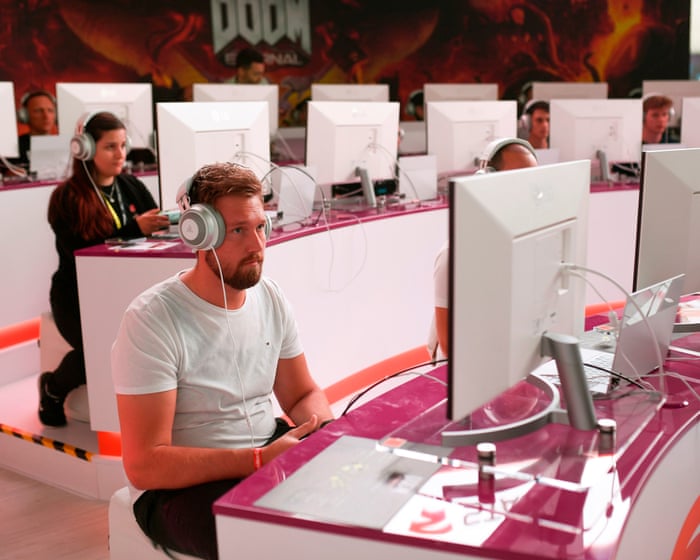
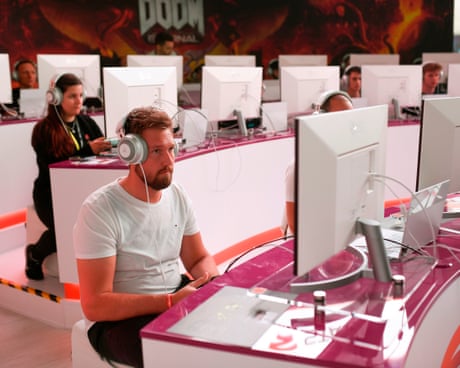
In August 2009, at the very first Gamescom expo, I sat in a small meeting room in Germany and played Mario Kart and World of Warcraft on a laptop, via technology that was then completely new: cloud gaming. It was a demonstration for a yet-to-be-launched service called Gaikai that promised to let you play any game in a browser window, without a console. (Here is an ancient video of that demonstration, featuring a very young Keza.) With a single click I could launch into any game, hosted on servers hundreds of miles away. It really did look like the future.

Since then, plenty of companies have tried to be the first to truly crack game streaming, vying to be the Netflix of games. Sony ended up buying Gaikai for $380m (£242m) in 2012; its technology now powers the streamable classic games library on PlayStation, and the PS5’s advanced game streaming. OnLive, Gaikai’s first competitor, launched in 2011 but shut down after less than a year, leaving Sony to acquire all its patents. Google’s Stadia cloud gaming service also imploded, launching in 2019 and shutting down three years later.

Continue reading...

© Photograph: Ina Fassbender/AFP/Getty Images

© Photograph: Ina Fassbender/AFP/Getty Images

© Photograph: Ina Fassbender/AFP/Getty Images

  •  

The Trump White House’s fetish for gamer culture has moved up a level with new arcade

A string of distractions on the US government’s own website invite you to catch pixelated migrants – showing gaming’s potential to be nastily weaponised

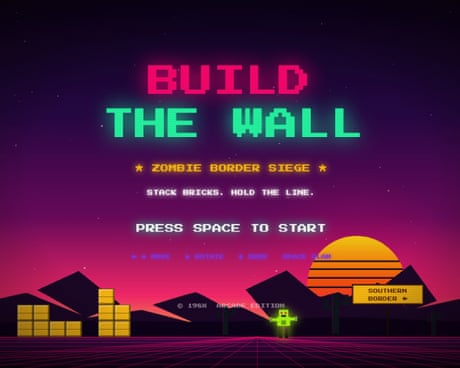
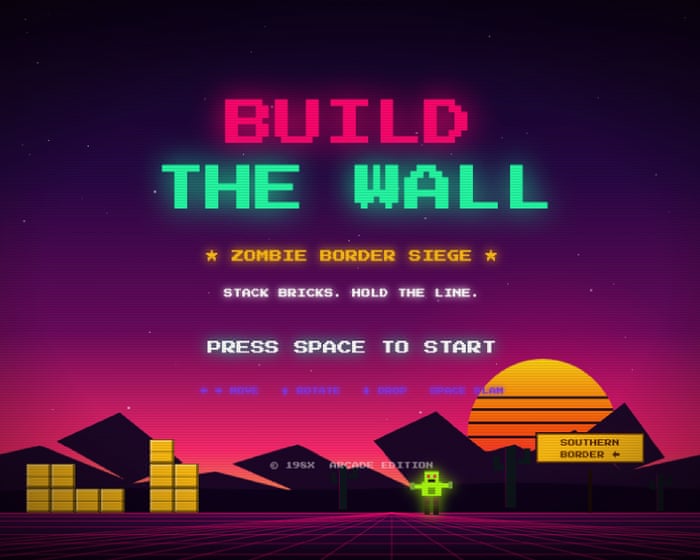
The Trump White House on Thursday released a horrible little propaganda arcade via its website, a collection of nasty riffs on popular games. Wrapped in the cutesy, nostalgic aesthetic of early-90s pixel art, these mindless fascist diversions are harmless-looking, but their intent is stomach-turning: this is the appropriation of play in service of propaganda. It’s just the latest in a series of attempts from Trump’s administration to use video game memes and imagery to further its messaging.

Having riffed on Halo and Pokémon in social media ads last year, inviting potential ICE recruits to “stop the flood” and “catch ’em all”, this time the administration has ripped off a series of recognisable games. Flappy Bill, perhaps the least gross, is a version of the old mobile hit Flappy Bird, except here you’re an eagle with a scroll in its claws. Supply Line could almost be an educational game about healthy food in schools, where you sort junk food off a conveyor belt destined for school lunches, except for some reason you play as a boxer who becomes more bloodied with every seed-oil containing, ultra-processed food item that you fail to punch into the garbage chute.

Continue reading...

© Photograph: The White House

© Photograph: The White House

© Photograph: The White House

  •  
❌