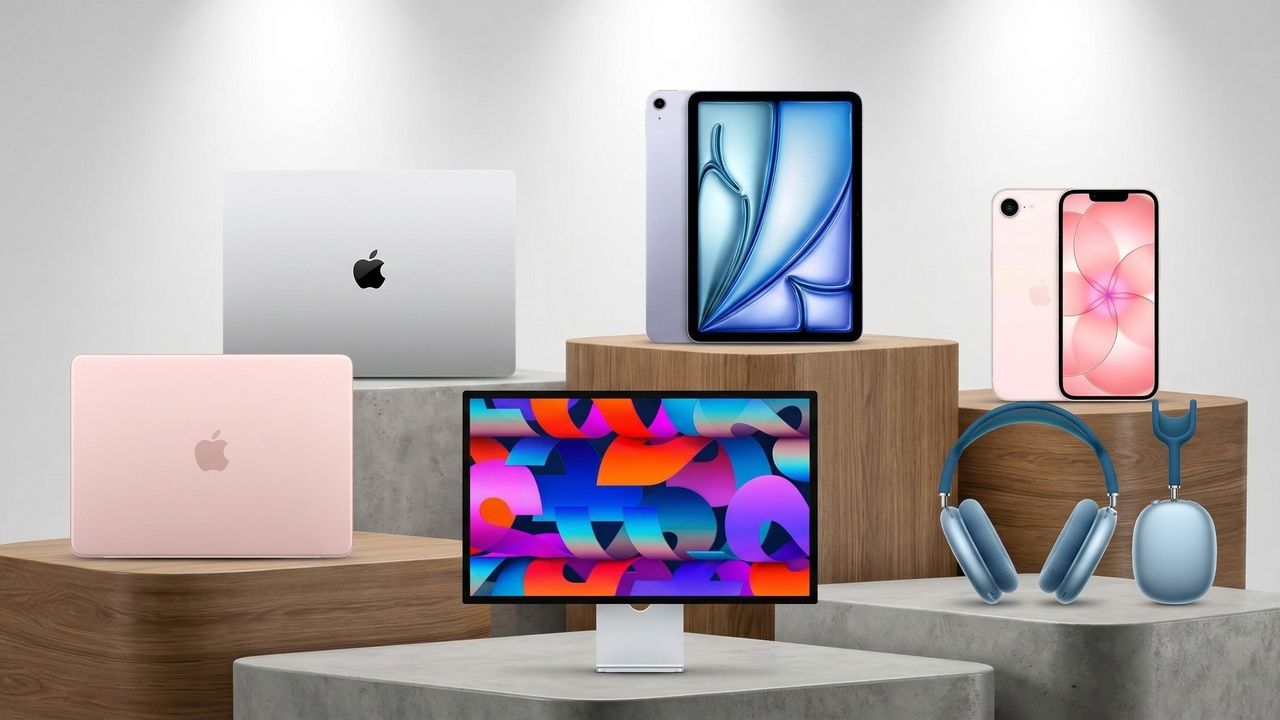
Apple’s announced new Pro controls and Photographic Styles for iPhone
They’re limited to the new iPhone Duo and iPhone 18 Pro and series
But Apple is extending its free satellite coverage for older iPhones
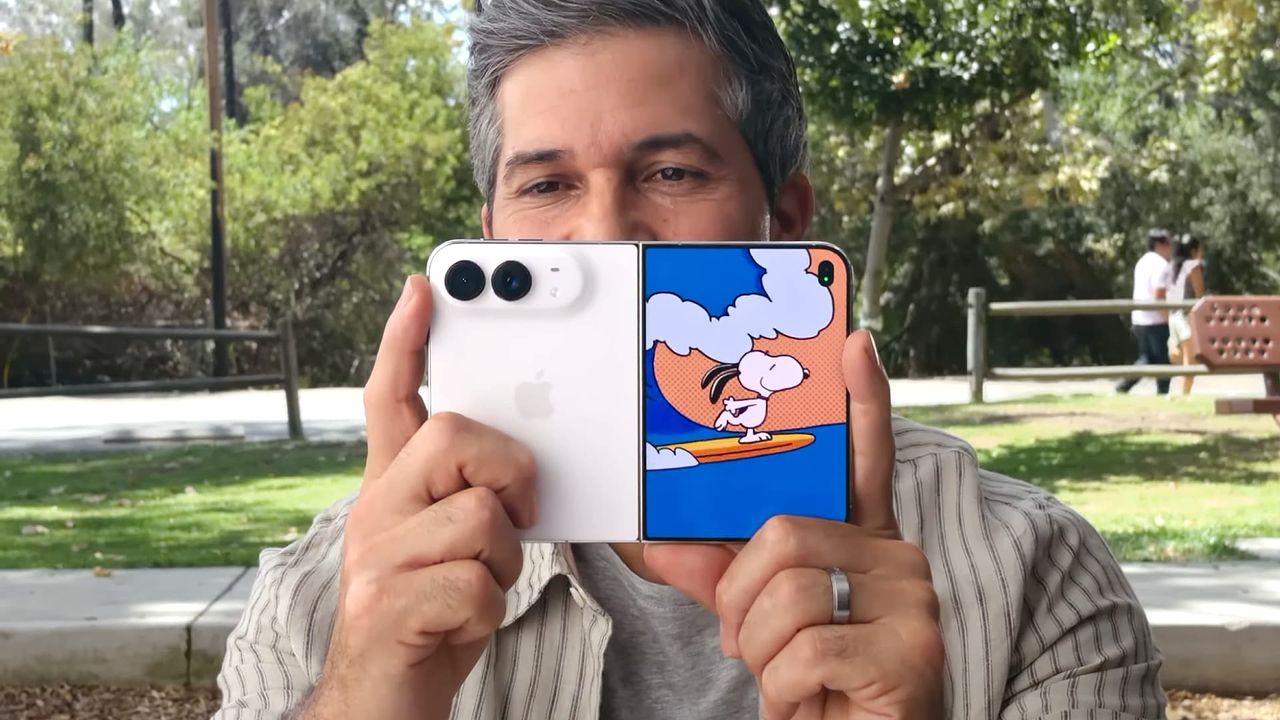
I take a lot of photos on my iPhone, so watching Apple’s iPhone Duo event yesterday, I was naturally intrigued by the news of fresh Photographic Styles and the introduction of Pro controls, both of which give you more power over your smartphone images. But it now looks like there’s a serious catch that wasn’t apparent at the time of the event.
In the hours since newly instated Apple CEO John Ternus wound down his keynote speech, iPhone fans have taken to social media to point out that both Pro controls and the third-generation Photographic Styles are limited to the current batch of iPhones.
Specifically, you’ll only be able to access them if you have an iPhone 18 Pro, iPhone 18 Pro Max or an iPhone Duo. Users of last year’s iPhone 17 series — or anything released before that — will be shut out of the new features.
And that’s a shame, because they look like they could be a real boon for photography enthusiasts. Pro controls include useful tools to adjust white balance, manually tweak aperture and shutter speeds, consult histograms, and more. Photographic Styles, meanwhile, are handy presets and filters you can apply to your images and now come with precise controls for grain and texture. But if you don’t have one of the latest iPhones, they’ll be out of reach.
Extended satellite coverage
(Image credit: Apple)
Despite this disappointing development, it wasn’t all bad news for owners of older iPhones. After the event, it emerged that Apple has quietly extended its free satellite connectivity features for another year, and that applies all the way back to the iPhone 14.
Specifically, you’ll get another year of satellite coverage if you have any device from the iPhone 14, iPhone 15 or iPhone 16 ranges, despite the fact that this deal was meant to have expired for these devices. Apple originally launched its satellite features for the iPhone 14 in 2022 and said that product would get two years of coverage, but has instead repeatedly extended its free terms for the iPhone 14 as well as the iPhone 15 and iPhone 16.
This extension applies to features including Emergency SOS via satellite, Messages via satellite, Find My via satellite, and Roadside Assistance via satellite. There’s no news regarding how much Apple might charge if it ever decides to end its free coverage, but now that’s not something you’ll have to worry about for at least another year.
With these features remaining free for the time being, owners of older iPhones have been granted a little ray of tech sunshine. Apple might be gatekeeping new Photographic Styles and Pro controls behind its latest devices, but the arguably more important satellite tools still won’t require a pricey upgrade.
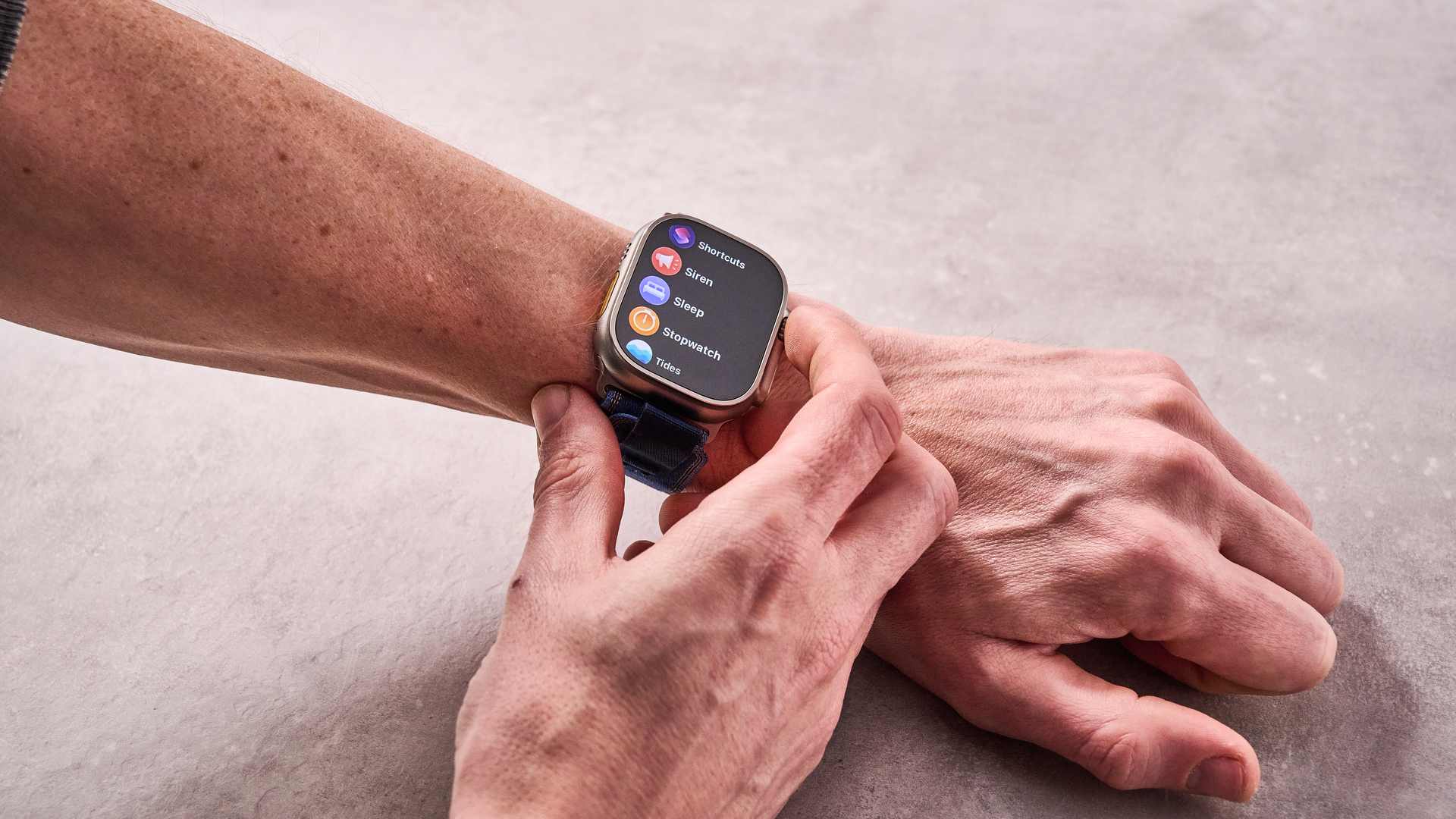
These days, millions of us have smart devices strapped to our wrists, fingers and arms, measuring our metrics and building a picture of the “quantified self” to make us healthier, more active and better prepared for a medical emergency.
Wearables can help improve our wellbeing and nudge us towards better habits, but it’s less common to hear about the flipside: the anxiety at failing to close your rings, the frantic exercise to ensure you maintain your streak, and the obsession with meeting your targets on a daily basis.
These are feelings I know all too well. Having worn some of the best Apple Watches for close to a decade, I’ve watched it become an essential part of my life — so much so that I’ve tried closing my rings when I’m ill, on vacation, or should otherwise be resting and recuperating. I obsess over those little rings on my watch.
I know this is a problem for me. But what I wanted to find out was whether this is a more widespread issue, and if it is, what can be done about it. Is wearable tech making us more anxious? And can it be redesigned to push back against these tendencies and help us feel more relaxed, not less?
To find out, I spoke to tech and wellness experts who shared their thoughts on the ways wearables can impact our health — for better or worse.
The endless streak
(Image credit: DMstudio House / Shutterstock)
During the FIFA World Cup in July, I was preparing to wake up in the early hours to watch England play Mexico at 1am local time. I set my alarm, went to bed early, and got ready to cheer on my team without waking the neighbors.
Yet there was one thought that I couldn’t get out of my mind as I contemplated the looming disruption to my sleep: my Apple Watch is going to hate this.
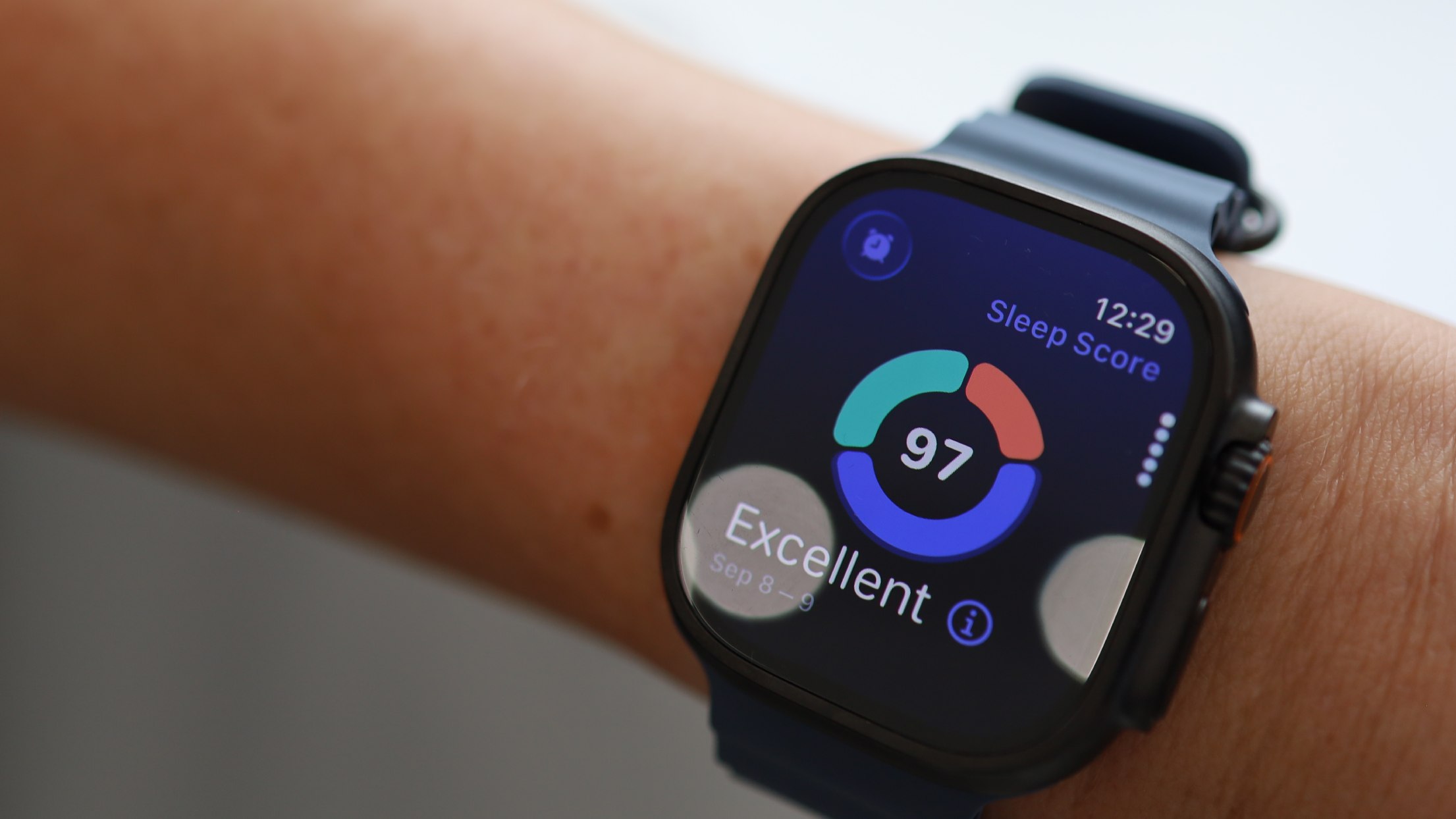
It’s now become part of my morning ritual to check my sleep score on my Apple Watch. Every high score gives me a little dopamine hit, every low result a crushing sense of disappointment. And I knew that waking up at 1am and staying awake for two hours in the middle of the night was going to make my Watch very disappointed indeed.
In the end, I rolled over and went back to sleep when my alarm woke me for the game. I didn’t watch it, and I know that was only partly because I was woken at some ungodly hour — it was also because, to a certain extent, I’ve allowed the scores and metrics on my Watch to govern the way I live my life.
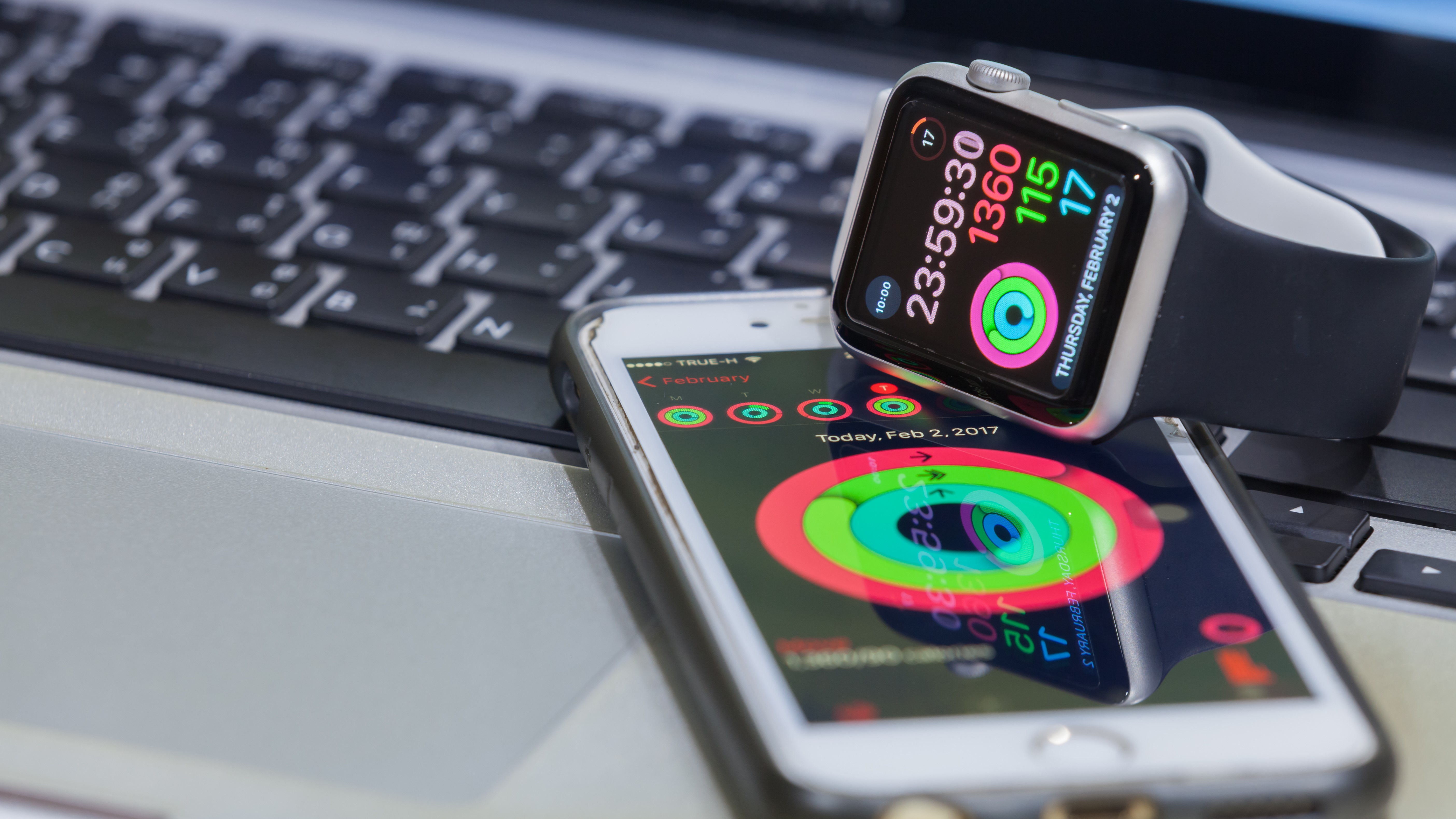
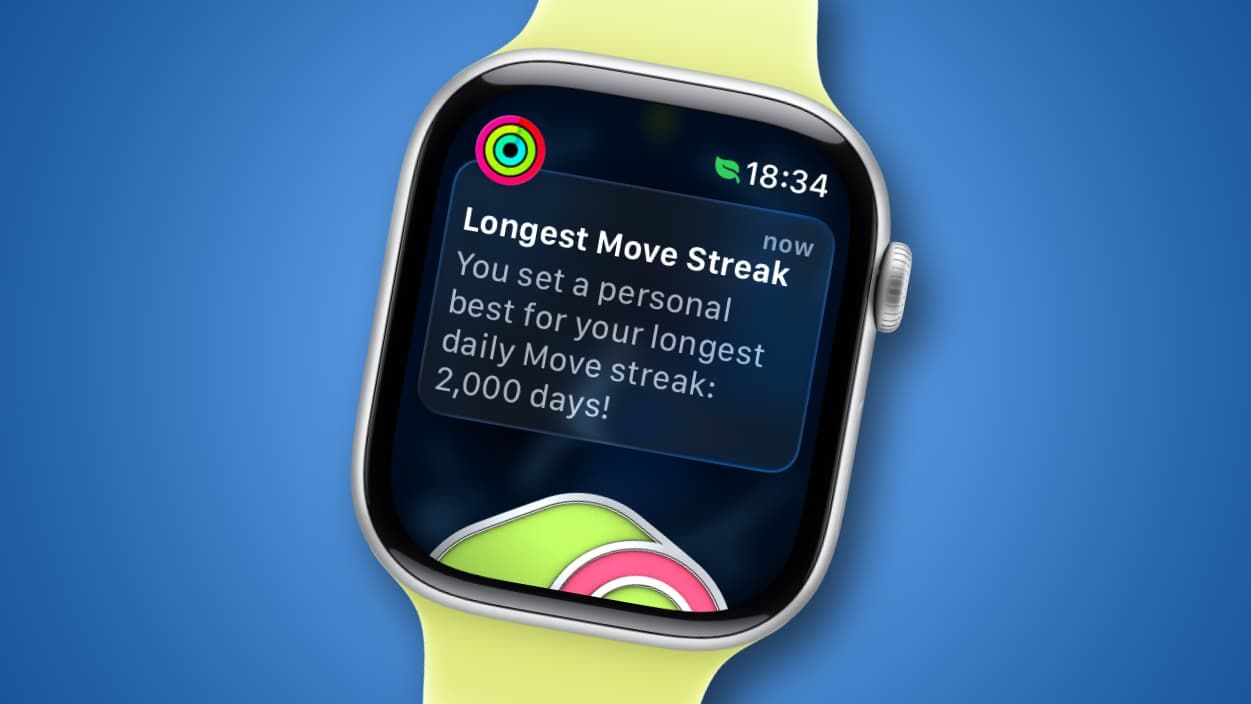
That’s not the only way this has happened to me. I recently hit a streak of closing my Move ring for 2,000 consecutive days. But I’d be lying if I said there weren’t some days when I entered a fake exercise to get me past my calorie goal on a day when I was ill, tired or simply unmotivated.
Why cheating is fine, but resting is not, is something I admit doesn’t make much sense. But what I do know is that the thought of losing my streak absolutely fills me with dread. 2,000 consecutive days on my Move streak sounds like a lot, but knowing myself, I’m sure I’m going to try to continue it until the day I die, such is the anxiety associated with the idea of my streak ending.
The dark side of wearable tech
(Image credit: Future)
I’ve long had perfectionist tendencies, but it’s through observing the way I interact with my Watch that it’s really become clear to me how strongly my device’s gamification of fitness has struck a chord with me — and led me into some unhealthy, possibly obsessive behaviors.
I spoke to Dr Dana McKay, Associate Dean of Interaction, Technology & Information at RMIT University in Australia, to get her opinion.
“These technologies are often designed to help us form habits,” McKay pointed out. "They often use tools for so called ‘persuasive design’.... to persuade us to do something we wanted to anyway when we bought the device."
There are two problems with this:, Dr McKay points out: the possibility of becoming “unhealthily focused” on the device, and the prospect of being convinced to don a wearable by an outside party, like an insurance company, and sharing data we don’t want to share. Some private health insurance companies may subsidise the purchase of a wearable in exchange to access to lower premiums, and sharing your tracker's information to an insurer's app.
Yang Wei, Professor of Wearable Technology at Nottingham Trent University in the UK, agreed, saying that while wearables can help us form positive habits, we also need to be careful around them.
“For many people, wearables can be motivating and empowering,” Wei noted, “but for some users they can also create pressure, anxiety, guilt, or unhealthy dependence on data.” After all, wearables “create a framework for what counts as ‘good’ or ‘bad’ activity, sleep, recovery, or productivity,” Wei said. If that data is framed the wrong way, it can push users in an unhelpful direction.
Wei also warned that “One of the risks is that people may start to trust the device more than their own body. For example, someone may feel they slept badly because their watch gave them a poor sleep score, even if they felt fine. Or they may feel they have failed because they did not close a ring or reach a step target, even if they had a perfectly reasonable day.”
That certainly resonates with me: I consciously work to close my Apple Watch’s rings, viewing it as a requirement for each day. A full set has almost become a condition for having a ‘good’ day, regardless of how I’m feeling or what I’ve achieved. And this overreliance on a piece of tech strapped to my wrist feels key to the negative habits I seem to have formed. So what can I do about it?
How to push back
(Image credit: Kanut Photo / Shutterstock)
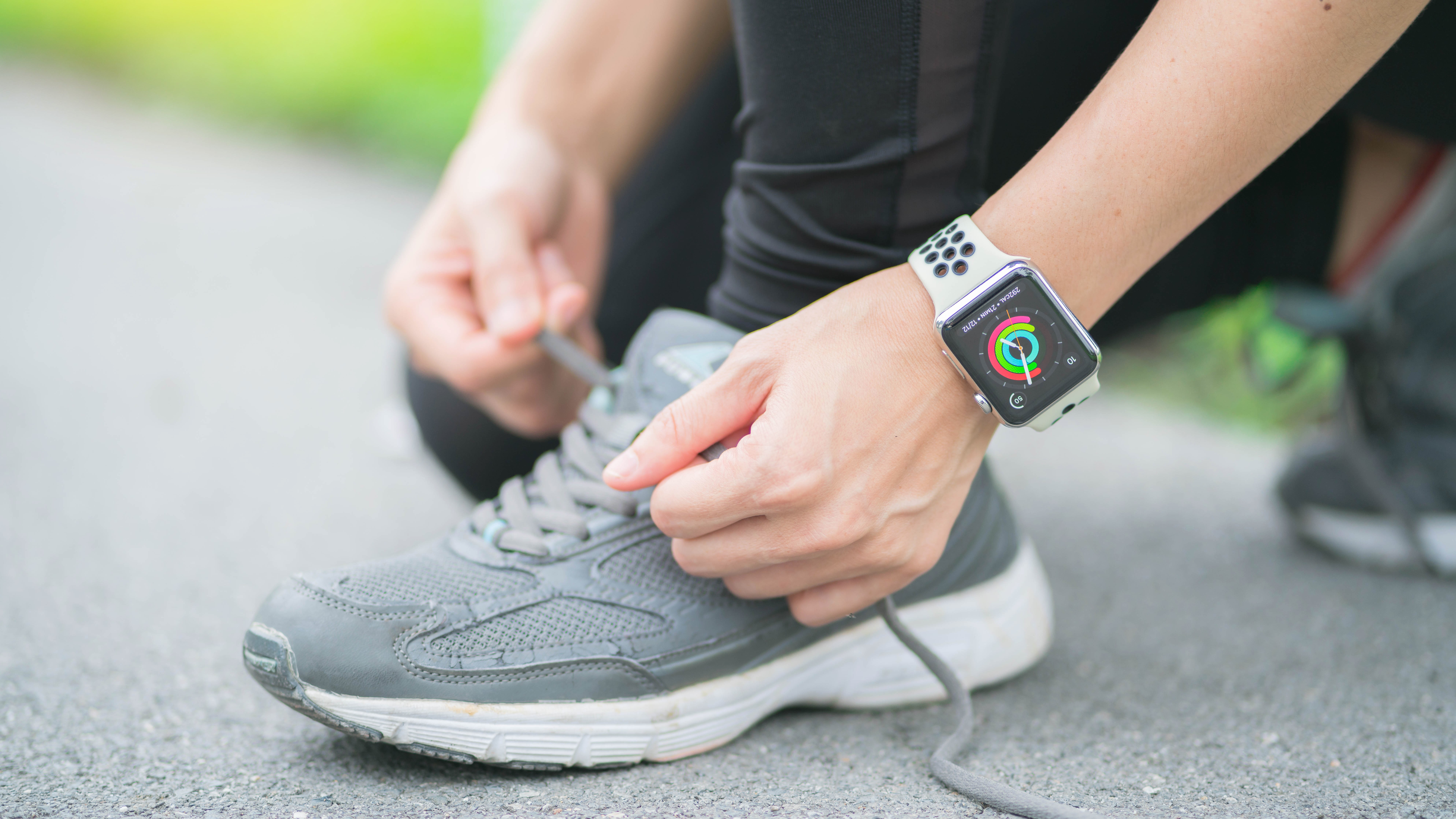
If wearables have the potential to form negative habits, what can we do to put things right? The answer is often remarkably simple, both McKay and Wei believe: take your watch off from time to time.
“There is no need to wear your device while on vacation unless a health practitioner recommends it,” McKay advised. If your relationship with your fitness tracker has become a problem, “start by turning all the notifications off, limit checking of goals to help reduce obsession, and consider not using the device at all if possible.”
You also need to understand why you are using the device in the first place, Wei contends. “Is it to be more active? To understand sleep? To monitor a specific health concern? Or simply to be more aware of daily patterns? Having a purpose makes it easier to keep the technology in perspective.”
“I would also encourage people to treat wearable data as guidance, not judgement,” said Wei. “These devices can be useful, but they are not perfect and they do not understand the full context of a person’s life. Illness, stress, caring responsibilities, disability, travel, recovery, or simply needing rest can all affect what a ‘good’ day looks like.”
And both McKay and Wei said that if your device is causing significant anxiety or obsessive behavior, it might be best to speak to a medical professional. As Wei put it, “The aim should be for the wearable to support the person, not control how they feel about themselves.”
(Image credit: Future)
But this has to go beyond the user’s own actions — wearables themselves should be designed to better support healthy habits and discourage negative ones. For McKay, that includes “allowing people who use trackers to set the number of notifications they get” and hide those they don’t want to see, as well as “removing gamification elements like badges and sharing (competing) with friends and family.”
Many of these features, like push notification controls, are already buried in the watch's settings, but a lot of smartwatch users don't go looking for them.
“I think we need to move from a data-driven relationship with wearables to a more reflective and human-centered one,” Wei added. That means designers should “move away from purely addictive or performance-based features” and towards focusing on “long-term wellbeing rather than daily judgement.”
Ultimately, Wei said, “I think the best wearable technologies will be those that help people feel more confident and informed, not more anxious or dependent.”
I can’t change how Apple designs its smartwatches, but I can reduce the pressure on myself to hit my goals day after day, even when my body is telling me to rest. Staying fit and healthy is a worthwhile pursuit, but when it comes at the cost of anxiously worrying what will happen if your streak ends, it might just be time to bite the bullet, take off the watch, and enjoy some tech-free time with friends and family. After all, losing a streak is not the end of the world.
Key specs for the Google Pixel Watch 5 have just leaked
They suggest the device could use the same chip Google has used for years
The RAM might be boosted by 50%, though
If you’ve been eyeing up the Google Pixel Watch 5, you might want to think twice before heading to the checkout. That’s because a new leak has shed light on the upcoming smartwatch’s specs, and while there’s one welcome change, another alteration has left some fans deeply disappointed.
The discovery was made by 9to5Google, with the outlet claiming to have unearthed the specs in a Google Play Console listing. There, the outlet says it came across a device codenamed “godric,” which it says is the Pixel Watch 5.
The entry apparently recorded the device’s chip as the Qualcomm SW5100. If that sounds familiar, it’s because it’s the same chip used in the Pixel Watch 2, Pixel Watch 3 and Pixel Watch 4 — in other words, there’s unlikely to be any significant performance uptick in the Pixel Watch 5, if this rumor is correct.
But it wasn’t all bad news. 9to5Google also found that the forthcoming Pixel Watch 5 will allegedly come with 3GB of memory, which is a 50% increase on the 2GB of RAM previous Pixel Watches were equipped with. That might go some way to offsetting the chip limitations and could help the device feel a little snappier in use.
A mixed reaction
This is what the Google Pixel Watch 5 could look like, according to previous leaks. (Image credit: The TideChart)
The news has received a mixed reception among Pixel Watch fans. Some Reddit users, for instance, were pleased to see the memory increase, with one saying “More RAM is a great move, if confirmed. It should make everything run more smoothly on the [Pixel Watch 5].” Another added that bumping up the memory “should help make Gemini more responsive for people who care about that.”
But not everyone was satisfied with the news. “As a Pixel Watch 2 owner, this is disappointing,” said one user on Reddit, before continuing: “Support for my watch is ending, but if I upgrade then I will have [the] same CPU.”
It’s not too surprising that the news that Google plans to use the same chip for four generations of the Pixel Watch has disappointed plenty of people. Any user holding out for a decent performance bump after so many years might feel a little let down, at least if the leak comes to fruition.
Still, it’s good news to see the memory finally bumped up by 1GB. With artificial intelligence (AI) models like Google Gemini now making their way onto all of the best smartwatches, the extra RAM should improve their operations on your wrist.
Will that be enough to make up for the subpar chip situation? We’ll have to see once Google finally lifts the lid on the Pixel Watch 5, which is expected to happen in August. Keep your eyes peeled.
Apple avoids setting off your iPhone when its execs say “Hey Siri” at events
One enterprising engineer decided to find out why
By analyzing the keynote’s audio, they solved an intriguing mystery
Siri has just been given the brain transplant it's needed for years, but it's always been good at detecting the words "Hey Siri" — so much so that accidental summonings have been a common problem. But an audio engineer has just explained how Apple cleverly avoided Siri popping up on your phone during its recent WWDC 2026 keynote.
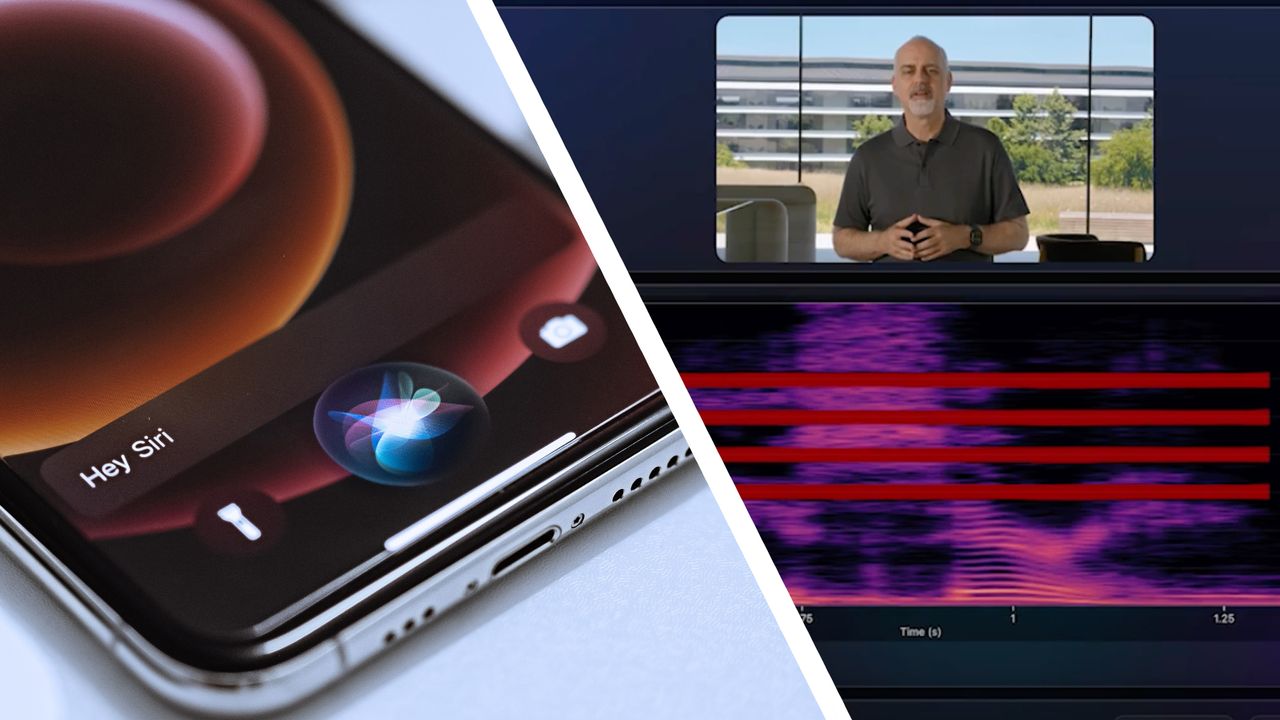
As revealed by Techexplain on Substack, it all comes down to the audio frequencies embedded in Apple’s keynote video. Once Apple’s audio engineers made a few subtle tweaks, the company’s presenters could say “Hey Siri” as much as they liked without risking millions of phones going off around the world.
To find out what was going on, Techexplain downloaded the audio and video from the WWDC event. They fed that into a spectrogram analyzer, which is an app that can visualize audio frequencies as colored graphs and bands. When the WWDC video was examined, it revealed that a few frequency bands in the 3kHz to 6kHz range had been removed from the audio.
And this is the key to the video not invoking Siri. Without those four frequency bands, the Siri assistant lurking on your device did not hear the phrase “Hey Siri” — even though Apple’s presenters said it repeatedly throughout the show.
Wait, how exactly does this work?
(Image credit: Apple)
Apple’s solution might sound odd. After all, doesn’t Siri listen out for the trigger words being spoken? If those words were present in Apple’s video, shouldn’t Siri have been activated?
Well, not quite. Your iPhone contains an “always-on processor” chip whose job is to constantly sample background audio, which is then fed into a neural network. The audio is converted into a spectrogram and the neural network analyzes it to look for a specific frequency pattern — in this case, the sibilant sound that occurs when you say “Siri.” And yep, you guessed it, those sibilant sounds mostly exist in the 3kHz to 6kHz range.
In other words, what Siri is actually listening out for is a frequency rather than the words being spoken. It means that if Apple’s engineers remove the 3kHz to 6kHz bands from the WWDC keynote, Siri won’t “hear” its name being spoken — even if that’s exactly what the presenters are doing.
It’s a clever trick that helps ensure Apple’s presenters can speak naturally without the need to avoid saying “Siri.” At the same time, it avoids setting off millions of iPhones and annoying their owners when “Hey Siri” is uttered. It’s an ingenious solution that solves a thorny problem in a satisfyingly elegant way — and we wouldn’t expect anything less from Apple.

 Login