Where it is: 2.5 million light-years away, in the constellation Andromeda
When it was shared: July 27, 2026
Andromeda is the only major galaxy in the universe that is speeding closer to the Milky Way as all the others rush away. Now, a new analysis of Hubble Space Telescope data hints that our galactic next-door neighbor may be winding down from a big burst of activity as it draws toward a possible collision with our galaxy.
The new study found that the Andromeda galaxy (M31) has been steadily slowing its production of new stars over the past 500 million years. The findings suggest that the galaxy is naturally winding down after a more active period, offering astronomers valuable clues about how large spiral galaxies evolve.
Andromeda is a giant spiral galaxy similar to the Milky Way, but with around twice its mass. As the nearest large spiral galaxy to Earth, it provides an ideal laboratory for studying galaxy formation and evolution. An understanding of when and where stars form is essential for explaining how galaxies develop and change over time.
The new research, published July 27 in The Astrophysical Journal, combines two major Hubble surveys that mapped roughly two-thirds of Andromeda's disk, including around 200 million stars. It's already known that Andromeda experienced a dramatic burst of star formation about 2 billion years ago, which is thought to have formed about a fifth of all the stars in the galaxy. That starburst is thought to be the result of a merger with another galaxy, probably the compact elliptical galaxy M32, which now orbits Andromeda.
The new study found that Andromeda formed stars at a rate of around one solar mass per year 500 million years ago. By 40 million years ago, that rate had halved, while today the rate has fallen to just one-fifth of a solar mass each year. Researchers found that most recent star formation in Andromeda has been concentrated within a ring about 32,000 light-years from the galaxy's center and that the decreasing activity within this region is largely responsible for the overall decline. That suggests the galaxy is gradually winding down from its previous burst of star formation rather than suddenly running out of material.
Scientists also investigated whether M32 may have contributed to the slowdown. Regions closest to M32 show a more recent decline in star formation, making the companion galaxy a possible influence, although the evidence remains inconclusive.
"We need to measure the individual stars because they are the fossil record of the galaxy's formation," study co-author Ben Williams, an astronomer at the University of Washington, said in a NASA statement. "Hubble is the only telescope that can give you high enough spatial resolution over a large enough area to be able to do that in Andromeda."Although the team will continue studying Hubble's archive, they will also target observations from NASA's Nancy Grace Roman Space Telescope, which will launch on a SpaceX Falcon Heavy rocket as soon as Aug. 30. With a field of view at least 100 times larger than Hubble's, Roman will survey the entire Andromeda galaxy and its surrounding halo in unprecedented detail.
Andromeda is best observed in November and is visible to the naked eye, even from locations with moderate light pollution. The galaxy may collide with the Milky Way about 5 billion years from now, though its ultimate trajectory is still uncertain.
Climate change's impacts are being felt everywhere, from health and food security to extreme weather, sea level rise and collapsing ecosystems. World leaders have been slow to adapt to the warnings, despite an ever-growing body of evidence showing the compounding risks of greenhouse gas emissions.
But despite fossil fuels remaining the world's primary source of energy and emissions continuing to rise, there are changes afoot.
In his book "Despite it All" (Granta, 2026), author and journalist Fred Pearce looks at the shifts that have taken place over the last 40 years, highlighting how far humanity has come in the green transition. He believes this progress gives us reason to hope that we can eventually overcome the challenges we face today.
Pearce spoke with Live Science about his book, which has been shortlisted for the 2026 Royal Society Trivedi Science Book Prize.
Hannah Osborne: There are a lot of positive environmental stories throughout the book, including those that aren't necessarily being told. Do you think that there is a growing appetite for positive climate news now? And will it help us?
Fred Pearce: I detect a kind of desire to be told something other than it's all hopeless and there's nothing we can do. Some people are therefore saying, "Well, what can I do?" And they're very sort of personal stories about how they can contribute. But also people who think more, if you like, strategically: What can the world do, what can governments do, what, how can we influence that?
I try not to write what I think people want to read. I try to write what I want to say. And it seems to me that we do so many things so badly, whether it's managing our resources or water or handling forests or the climate, or pollution or whatever. We do things so badly that there is a great deal of scope for doing things a lot better. So, we need optimists and we need pessimists. We need pessimists to point out the problems. We need optimists to come up with some solutions or suggest where [there are] half open doors that we can push open.
I wrote this book in that kind of spirit to say "Look, yes, things are bad, yes, I'm not denying that they're bad, but there's an awful lot that we can do about it and in some cases are doing about it." That then divides into whether we're talking about human activity, our technical solutions to climate change. Tech fixes are good, not bad, which is something that can be a hard sell in the environment community sometimes, so I want to stress that.
I went to the Earth Summit 30 years ago where they agreed [upon] the original climate change convention. Back then they said we [need to] prevent dangerous climate change, but they really didn't know much about how to do it. Wind turbines were just, you know, a few masts on a hill in California. Nobody was dealing much in solar power because it was just so expensive. It had been developed for powering satellites and electric cars. Nobody was talking about [it].
We have made quite a lot of progress and it's not fast enough and CO2 emissions are stable, they're not going down. We need to do a hell of a lot more and we may have passed climate tipping points. I'm not denying any of that, but rather than throwing up our hands or saying it's hopeless, let's get on with the tech, let's also recognize that nature is very good at recovering. You destroy a forest, a rainforest, it doesn't mean that it's destroyed forever. It will, given the chance, come back if we give it room. So let's give forests room to recover.
In large parts of the world it's already happening — in Europe, even in North America. Agricultural land is being abandoned, and when it's abandoned nature comes back and not necessarily in the sort of ways that we might think. But nature does come back, stuff regrows. We can see how evolution is being kickstarted, if you like, by the chaos that we're creating. That's not to say we shouldn't stop creating the chaos, but we can see how nature recovers.
These are things that we can recognize and respond to; giving nature room to recover, rewilding projects, therefore I'm all in favor of [them]. We're not rewilding where we're trying to garden nature to get back to some sort of perfected past, a pristine system where we thought that everything was great — pre-industrial revolution or before Europeans arrived in North America or whatever it might be. But, we can give nature room to evolve and adapt and change. We can see that nature's doing that all the time, with or without climate change and with or without humans. Nature is constantly, if you like, remaking itself.
I'm not saying nature always comes back in ways that we approve of. Let's recognize the distinction between our sort of slightly romanticized idea of what nature should be and what nature actually is.
HO: You talk about rewilding and letting nature take its course, but how do humans fit in with this? Can we adapt our own perceptions of what nature is allowed and what's not?
FP: I think we can probably forget about what's allowed and what's not. Nature will do what it wants to do. We pride ourselves on our ability to garden nature in a way, or manage ecosystems. We're not really very good at it. Nature will very often take over and do what it wants to do.
Some of the world's biggest rewilding projects have gone quite badly wrong because we haven't quite thought it through. The one I'm thinking of really is the large project in the Netherlands where they're trying to sort of recreate ancient European ecosystems and they ended up with mass deaths of animals because their conception of the ecosystem didn't quite figure out. They then largely abandoned the project because they didn't like to see large numbers of animals dying.
A hardline rewilder would say let nature take its course. I see the case for that, and often I would support that, but we have our own sensibilities and our own concerns and we are living in a world where we are very much in charge of what's going on. So while I'm in favor of standing back and letting nature take its course, we have our own sensibilities, and it's not wrong for us to want to intervene sometimes.
The UN International Conference on Population and Development in Cairo in 1994. (Image credit: Getty Images)
HO: There's a chapter on human population and fertility rates, and how this is very much a climate change story as well. We're now seeing a lot of the rhetoric around this, and rights being stripped back and taken away. What's it like for you, having seen the changes from the UN International Conference on Population in Mexico in the 80s, to Cairo in the 90s to now?
FP: It's an extraordinary story. I've been working on these issues for 40 years now so I've seen a number of changes. Some of the changes I've seen are how technical fixes somehow became a reality when they seemed very distant a while ago.
But our perceptions change too on many things. We are, in many ways, more attuned to environmental issues now than we were 30 or 40 years ago. One of the big changes that I've seen is the notion of the population bomb, which for much of the 20th century was seen as the number one issue. People would say, "Well, there's no point in fixing the climate, there's no point in reducing our pollution because there are more and more people on the planet, and we're kind of doomed for that reason."
Well, it hasn't [happened]. When I went to my first international conference, which was the UN Population Conference in Mexico City in 1984, that was all the rage. They gave the UN Population prize to the mastermind of China's one child policy, which — in terms of human rights and what I would regard as acceptable human behavior — was dreadful. But such was the concern about population issues that they wanted to give a prize to the operator of that program.
A lot has changed. A feminist agenda, if I could put it that way, and I would say that approvingly, has taken over in reproductive politics. I saw it at a UN population conference in Cairo in 1994, 10 years after the Mexico event, that we need to assert reproductive rights. Many environmentalists said that's a cop out. It was all "it's feminist perspective, but it's dooming us."
Well, it didn't, because what we found was that by and large, women wanted to have smaller families because their children got to grow up. Medical improvements meant that you didn't have to have four or five children to secure the next generation. Two would usually do, sometimes you just wanted one. Women wanted to have lives outside the home. The population people seemed to be a bit surprised by that.
The environmental agenda was a very male-dominated one for a long time. So that came as a bit of a surprise, but the net result is that we've halved our fertility rates. They're more or less down to replacement levels [of reproduction] now globally.
I'm not just talking about Europe or North America. I'm talking about almost everywhere except Africa, and African levels have come down. Sometimes they're coming down to super low levels, so that people are now talking about not having enough babies and how we can encourage people to have babies. There are parts of the world where we're down to one child per woman and even a bit less.
My argument is that we need to carry on. Not take a sort of Elon Musk approach [or] send the women back to the home and [do] reproduction and that's what their job is. We need to complete the feminist revolution so that women have more rights, can make better choices, and indeed couples can make more and better choices about the family size that they want. We can arrange things so that it is possible to have children and a career, or make it easier to do that, and at that point probably reproduction levels will come back up.
What I'm really saying is that the agenda is now vastly different from what it was as recently as the 1980s and, and into the 1990s. The population bomb is being defused, to put it simply, there's a residual momentum effect which means that our numbers will carry on going up a bit. Sure, that creates strains on the planet, but we're not now talking about double the world population every 30 years, which is what was being talked about back in the mid 20th century. It's tailing off.
We now have, if you like, a consumption bomb more than a population bomb. The global issue is consumption in the rich world, and that's what's stressing the planet now — not too many babies in poor parts of the world.
It's important to level up, but also level down from the obscene riches that we see among a small number of individuals
HO: Inequality between the super rich and people in developing countries is becoming more and more stark. How do we bridge the gap to make sure there's a reasonable living standard for regular people without a huge cost to the environment?
FP: The truth is, and the numbers have been done by a number of different people, a reasonable standard of living for everybody on the planet is perfectly feasible without destroying the planet.
We need to do some things better, we need to have better technology, but for me, right up there with climate change is an issue of global inequality. When I was young, it was taken [that] inequalities were diminishing and it was taken almost as read that they would carry on diminishing, and a lot of aid policies were directed towards that. That's kind of disappeared since the sort of Reaganomics of the 1980s, all the changes in the finance system and perhaps the fall of the Berlin Wall, which meant that the sort of socialist or, or equality-based agendas collapsed politically.
We're now finding increased inequality, and that, it seems to me, is a threat to the lives of millions and billions of humans, but also to global stability and our ability perhaps to manage.
Serious global issues like climate change and many others are all undermined by the political stresses and economic stresses created by rising inequality. I see them going together.
It's also clear that it's important to level up, but also level down from the obscene riches that we see among a small number of individuals, who seem to be accumulating a greater share of the world's wealth, whether we're talking about dollars or natural resources.
HO: You have a whole chapter on renewables and how they're outpacing fossil fuels. They're the cheaper alternative. How do you see the political opposition to clean energy panning out over the next five to 10 years?
FP: It's fizzling out. It's a weird political backlash and yes, any big social trend or economic trend, they all have backlashes and it feels to me like this is it. What we see in the real world is that the U.S. — not just the U.S., but principally the U.S. — are in a state of near denial about climate and they're wanting to go back to fossil fuels.
In the rest of the world, if you look at it in terms of geopolitics of [the] U.S. versus China, then the U.S. is pushing this rather old agenda of fossil fuels, and China is absolutely going to reap the benefits in many, many ways in its drive towards renewables. China has been a really bad story in the past with its coal burning — and it's still building a few coal-fired power stations. But the really big story is how China has been principally responsible for bringing down the costs of renewable energy, particularly solar power.
You can now go to the most remote corners of rural Africa and you find people putting up their solar panels to recharge car batteries so that they can run their lights in the evening or whatever it is. And then you've got megacities operating using increasing amounts of solar power. India is getting on the bandwagon as well. It's got the fastest growing solar energy economy in the world.
In the real world, renewable [energy] is mostly cheaper than fossil fuels. It is also quicker to install, you don't have to build a huge power station, you can do it in bits and pieces, bolt bits on.
Yes, there are grid issues and they need to be addressed, and there are limits on operating. There are challenges, but renewables are just growing so fast, and it is growing so fast because it is so cheap.
And it's become so cheap, to put it very simply, because the Chinese 20 or 30 years ago decided this is what's going to happen. While everybody else was sort of talking about it and fussing about it and doing it in research labs, the Chinese kind of got to grips with it. I remember back in the 1990s talking about people who were going into China and coming back and telling me stories about how the Chinese are really serious about renewable energy. To be honest, I didn't quite believe them, but they were right, and 30 years on, the world is living with the benefits. That's true whether you're talking about Europe or rural Africa or big cities in Asia or wherever. It's coming.
There will be different solutions in different places and there are undoubtedly things that are harder to do than, you know, running our national grids on renewable energy, which is becoming really quite easy and something that everybody wants to do. The cement industries, fertilizers perhaps, some of these industries will take some more technical innovation. But it's happening, these are technical fixes that are working in the real world. Will we do it in time? Well, we're a bit late on the case, but we are on the case.
A large data center being built in Vernon, California. (Image credit: Myung J. Chun/Getty Images)
HO: We're now seeing a massive rise in AI data centers as well. Is this bad tech, shall we say?
FP: It's a serious issue. Partly because they're growing so fast — they can't just plug into the grid because the grid really can't deliver, so these companies are developing their own energy systems. Even in the U.S. they are very often renewable systems because they're cheaper. If you've got a data center out in Texas, then you're going to use wind power or solar power because it's cheaper and you're in control of it.
I suppose we reach a point where [we have to decide], do we want to reduce our use of energy or have almost as much energy as we want, but just green it and green it very fast. It is true that if all the renewable investment is going into electricity for data centers, that leaves less investment for other sectors of the economy, so I'm sure there are trade-offs, and I'm not saying that we should embrace data centers. But they can be a driving force for adoption of different forms of energy, renewable energy, and for perhaps changes in the grid systems as well.
I think we can have both. I think we need to have both because we're probably not going to stop the data engines, so we've got to find ways of greening them. There are issues and there are challenges ahead, and I don't want to diminish any of those, but you know, let's, let's be hopeful.
The title of the book uses the word hopeful rather than optimist because I don't want to sound Panglossian, but I do want to inject some hope.
HO: When you started writing the book, what did you hope people would take from it, and did that change after you'd finished?
FP: Well it kind of evolved. It began as an idea to sort of [be a] retrospective of my reporting, and then the publisher said, "Well, the story changes rather a lot along the way, so rather than just showcasing your reporting over 40 years, why don't you showcase the change, and be hopeful in the context of how things have changed over the last 40 years?"
That was [the] kind of starting point, and we sharpened up on it, as we went along it did become "Despite It All" and you know, the title is important, and not diminishing the "All." There's a lot of bad stuff out there, but despite it all we can have hope and we can find, develop and demand solutions.
HO: Did you find anything during the process of writing the book that surprised you?
FP: As I say, it started as a sort of retrospective project and going through it, [there were places I went years ago] and it did look bad, then I checked up on what had happened over the intervening years and suddenly things looked a lot better.
I went to Alaska and saw how the conflicts over managing caribou herds and the huge migrations that go on and it felt like that was doomed. I was talking to people who were hunting the animals and they were trying to protect them because they wanted to hunt them, therefore they wanted them still to be there, which is kind of counterintuitive for many environmentalists, but you know, they were the best defenders of the caribou because they ate them.
But it felt doomed, and yet 20 years later I checked out the numbers and the population of that herd has doubled and tripled. So stuff does happen and I suppose my surprise was how much good change I found when I looked into it further. Maybe that's me being better at looking for good news stories. I've written quite a lot of "bad news" books over the years and done a lot of "bad news" journalism over the years, so I certainly don't discount that. But if you step back and you think, well did good stuff happen? Well, yeah, sometimes it did.
The bison herds are coming back on the plains of parts of North America, if you go to Montana. The ranches are disappearing and big areas are being set aside for bison, and I've been seeing how farmland in parts of southern and eastern Europe has been abandoned over the years. It's not necessarily good news that we're abandoning farmland, but again, the way that nature comes back and woodlands are growing, there are more forests in Europe than there have been for probably centuries.
There's a lot of bad stuff to say. But it does seem to me that we have to not just cling onto, but embrace good stuff and try [to] take it forward.
Something I really hadn't thought about till I went back was what were the big issues in the 1980s, 1970s when I started out. Well, all our industrial rivers in Britain were filthy. Now our industrial rivers are relatively clean. It's our agricultural rivers that are filthy, so, I mean, there's been a big change there.
Nobody has to talk much about the ozone layer now. That was the number one issue in the mid 1980s, and the absolutely terrifying prospect if we hadn't fixed that. But it's been fixed.
We banned the chemicals that were doing it.
Remember acid rain, lead in petrol. They were hot topics, headline news, part of the rise of the environmental agenda in the 1980s — and they're the ones that we don't have to talk about anymore.
Now we're talking about climate change. I think there are other things coming up. I think the issue of nitrogen pollution is a fast growing one, and we need technical solutions to that.
The green revolution of crops, the high-yielding crops, which got us out of a cycle of ever worsening hunger and famines in the mid 20 century. That was a solution which created new problems. Those crops grew very well, but they required large amounts of inputs, including water, and water is now a growing issue — finding enough irrigation water, but also fertilizer and other agrichemicals. We're now reaping some of the bad effects of that, and we need to solve that. Scientists I know are working on, if you like, high-yielding crops that don't require so much fertilizer and don't require so much water.
It's doable because as I think I said at the start, we do a lot of things really very badly, but that does give us a lot of scope to do things a lot better, so let's get on with it.
This interview has been condensed and edited lightly for clarity.
Granta Books
Despite It All
In "Despite it All," Fred Pearce looks at the positive environmental changes that have taken place over the last four decades, from the defused population bomb to the unstoppable rise of renewables. While acknowledging there is still an enormous amount of work to prevent the worst impacts of climate change, Pearce shows there is hope for the future — HO
Biodiversity loss has been recognized as a threat to global stability for decades. The decline in overall diversity of species on our planet, either through extinction or a fall in abundance, can culminate in ecosystem collapse.
But in this excerpt from "Despite it All" (Granta, 2026), author and journalist Fred Pearce looks at the remarkable resilience of nature. If we can put aside our notions of what should and shouldn't be in a given environment and leave nature to adapt and thrive, we may begin to see the gains needed to support a healthy biosphere.
"Despite it All" has been shortlisted for the 2026 Royal Society Trivedi Science Book Prize.
If we are serious about rewilding, then we need to accept that it will take its own course.
Often invasive species are just the first stage of an ecological resurgence. They are the first movers, and their infestations are short-lived. In time, diversity usually returns — even if it's not always the same diversity as was there before. We should recognize that. We need to be as adaptable as nature itself, and jettison our more romantic notions about biodiversity and pristine environments.
So do many oldschool ecologists, says Chris Thomas, an ecologist at the University of York. They too often simply ignore any bits of nature that do not meet their expectations of what "should" be present. "The establishment of successful species in new locations is commonly interpreted as further evidence that the Earth's system is departing from a more desirable state," he told me.
So when biodiversity assessments are conducted, "alien" species lurking in the undergrowth are simply not counted. As outsiders, they are deemed not to belong to the ecosystem they inhabit. Thomas says that, in Britain, official records show biodiversity in decline, even though, if we add all losses and all gains together, "it is unequivocally true that the total number of species in Britain is increasing."
Most of the gains — the weeds, pests and alien species — are kept off the biodiversity books. This amounts to an ecological catch-22. Biodiversity can only ever decrease, as new species are seen as inimical to the local environment, and each year millions of pounds, dollars and euros are being spent to eliminate them.
We spend huge amounts of money trying to eradicate weeds, many of which may be beneficial for the environment. (Image credit: Catherine Falls Commercial/Getty Images)
Of course, it sometimes makes practical sense to eradicate invaders. I don't say we shouldn't try to keep out pests that cause short-term ecological mayhem and economic damage. But if we choose to get rid of new species, we can't then hold up our hands in horror at declining biodiversity. And besides, ecologically as much as socially, migrants can stir things up to good effect. They interact with other species — eating or being eaten, pollinating, and rotting after death to nurture new organisms.
We should embrace novel ecosystems that contain both what we regard as native species and the feral, opportunistic interlopers that find their new environment congenial. In his book about weeds, British naturalist Richard Mabey celebrated what he called these "outlaw plants" and showed how they have had a hand in shaping not only our landscape but our civilization, becoming crops, medicines and sources of beauty and creative inspiration.
It is easy to be nostalgic about past ecosystems as a golden age. But what we imagine to be the perfect ecological state — a supposedly natural order of things that often gets called "the balance of nature" — was mostly itself a passing phase. Nature is always moving on. And more often than we realize, humans have had a hand in what we now like to regard as natural.
We should be careful not to let our reverence for the pristine blind us to the environmental potential of today's wastelands
Environmental scientist Erle Ellis, who runs the Anthroecology Lab of the University of Maryland, argues persuasively that most of the planet has been heavily influenced by human activity for thousands of years, including places such as the Amazon that we often think of as untouched. We have, in effect, long lived on a "used planet," and humans and nature have not historically been at odds. The most biodiverse places are often those where people have lived the longest. By constantly tending the land, past civilizations created ever-changing mosaics of habitats where more species thrived than in places with less human interference.
So, we should be careful not to let our reverence for the pristine blind us to the environmental potential of today's wastelands, backwoods, abandoned fields, scrublands and no-go areas. In a Good Anthropocene we are likely to need more of them.
There is a final reason for believing that nature is equipped for recovery from almost anything we can throw at it. The apparent chaos of the Anthropocene is turbocharging evolution itself. Every perturbation of our environment creates an opportunity for existing species to adapt or for new ones to evolve, says Chris Thomas.
Plant evolution is happening at an increasing rate as species adapt to changing conditions. Allowing it to happen could help increase biodiversity. (Image credit: Rosmarie Wirz/Getty Images)
I first met Thomas in 2004, when he had just published an influential paper warning that climate change could wipe out a quarter of the world's species this century. He called it "terrifying." It was headline news. Two decades later, he has not changed that forecast, but he has added an important rider. Despite the coming extinction holocaust, he told me, "the Anthropocene could raise biological diversity."
His research is showing that evolution in the twenty-first century is speeding up to fill the gaps left by the extinctions — delivering new and better-adapted species. "The seeds of recovery are already visible," he told me. "Genes are jumping around. New species are beginning to emerge." Rob Dunn, an ecologist at North Carolina State University, agrees. In his book "A Natural History of the Future," he says that this evolutionary spurt is happening fastest in urban landscapes, where species are adapting to city life with almost as much alacrity as newly arrived humans.
This urban ecological renaissance resembles the story of the finches on the Galápagos archipelago, which Charles Darwin observed to have evolved different beaks to match the food on the different islands. In modern cities, house mice have evolved to produce saliva with a chemical make-up better able to digest the carbohydrates available in urban food; cockroaches and bedbugs have developed resistance to pesticides and even learned to avoid sugar-impregnated bait; London's pigeons have learned to commute on the Underground. We have clothes moths and carpet beetles.
Such natural innovations may not always be cuddly, but they do show that nature is on the prowl in the Anthropocene. So where is biodiversity headed? It is undeniable that most species of plants and animals are currently in numerical decline in a human-centric world.
This global disturbance is favouring some generalists — so-called superspecies — that can occupy a wide range of habitats, displacing local, rare and specialist species. Locally, however, biodiversity has sometimes increased substantially, especially in the rich kaleidoscopes of gardens, parks, toxic brownfield sites, roadside verges and so on that humanity has helped create.
Such places may become crucibles for a biodiversity rebound. Understanding this reality should change how we do conservation. We should not abandon nature to its fate. Some of our favourite species will pass into history unless we act to save them, and I'd vote for action any day. But it does mean embracing rather than rejecting the processes of change. Change in the Anthropocene is good. We should be grateful that nature is finding a way.
This is an extract from Despite it All by Fred Pearce, published by Granta.
amazon
Despite It All: A Handbook for Climate Hopefuls
In "Despite it All," Fred Pearce looks at the positive environmental changes that have taken place over the last four decades, from the defused population bomb to the unstoppable rise of renewables. While acknowledging there is still an enormous amount of work to prevent the worst impacts of climate change, Pearce shows there is hope for the future — HO
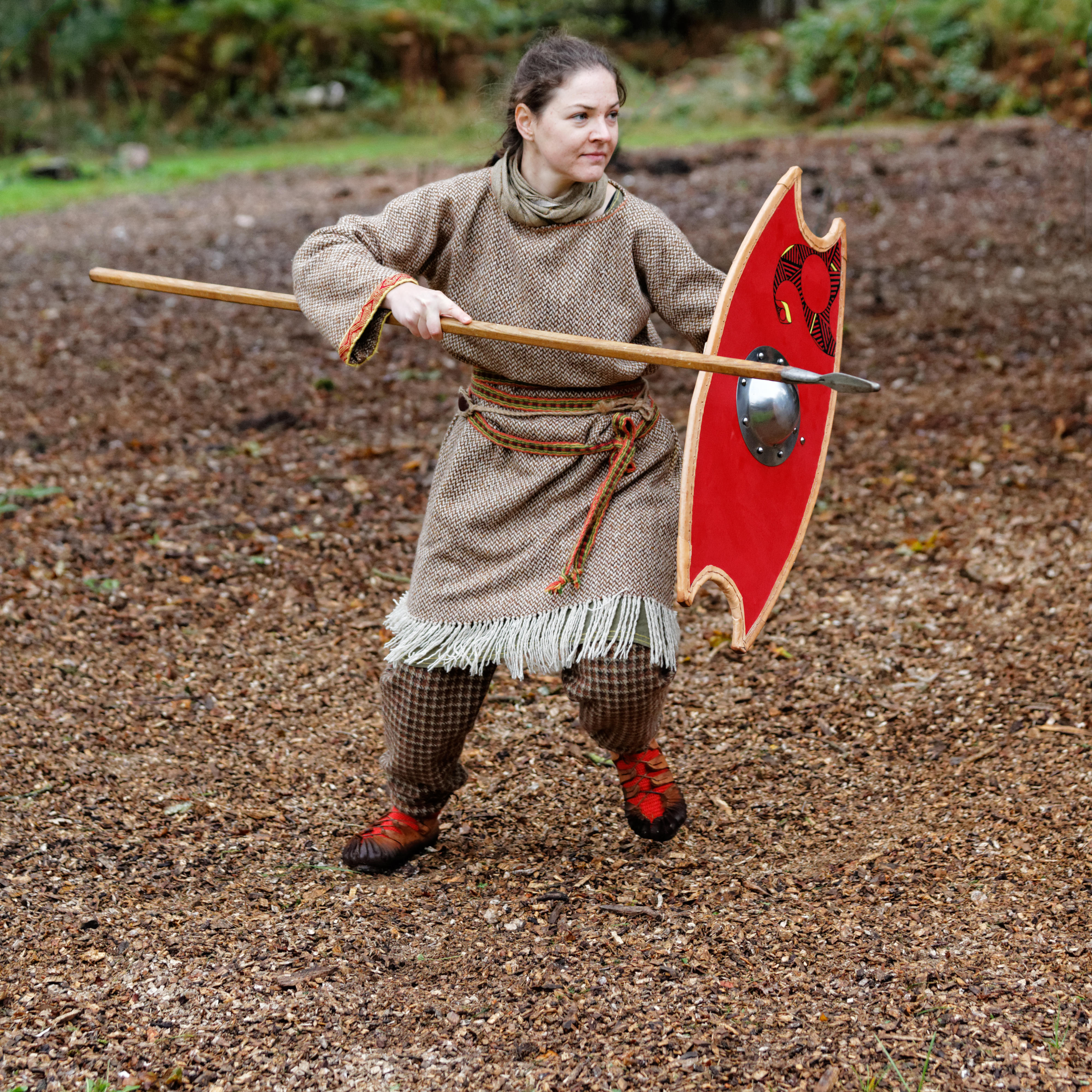
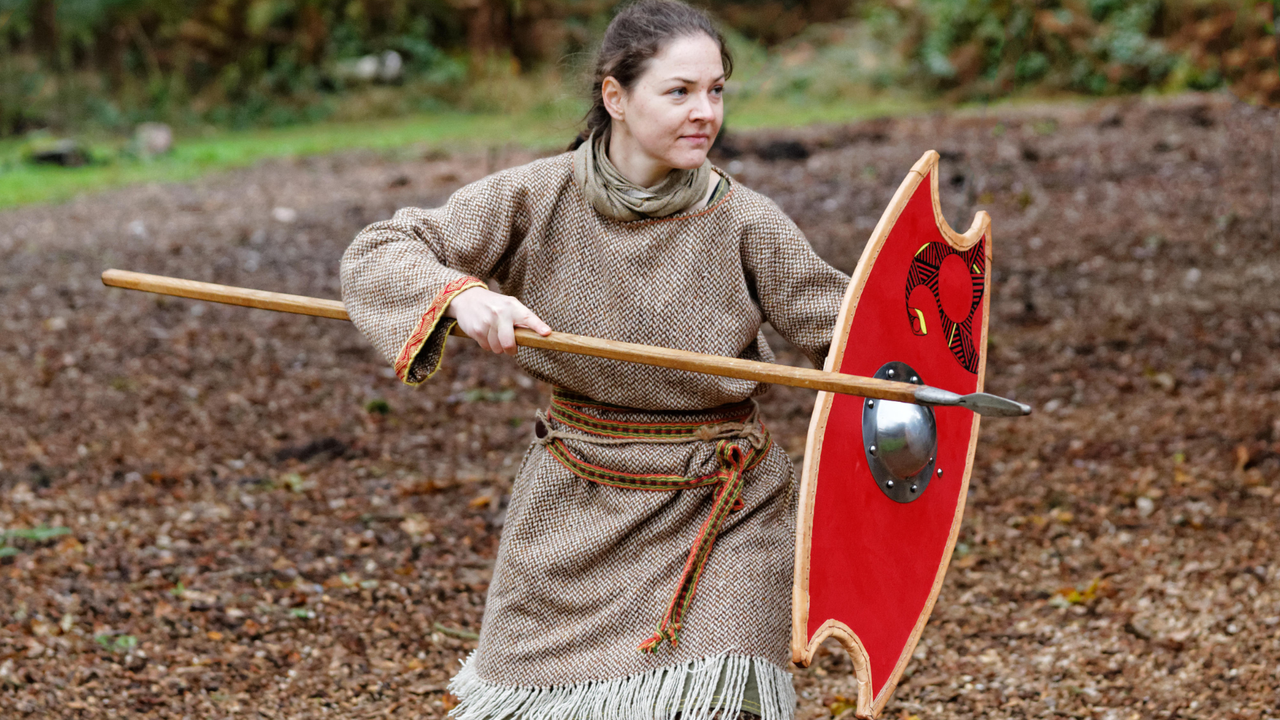
A modern-day re-creation of how a woman in Britain may have fought around the first century A.D. (Image credit: Alamy)
The ancientCelts thrived in Europe, earning a reputation as fierce warriors. They sacked Rome around 390 B.C. and, decades later, were received by Alexander the Great while he was conquering his empire.
It's no surprise, then, that archaeologists find many weapons in Celtic graves. However, over the decades, some of those weapons have been found in burials of women, hinting that they may have used these weapons. What's more, recent genetic studies suggest that elite Celts inherited power through maternal lines.
The Celts lived throughout Europe, from what is now Spain to Turkey. They shared a similar language and culture, and clues of female power have been found throughout their old lands and hinted at in ancient texts. This raises an interesting question: Did the Celts have women who fought in battle?
Opinions vary, but some experts Live Science interviewed thought it was possible that Celtic women could have fought in battle, although perhaps not regularly. One problem is that there is an ongoing debate among scholars as to whether the inhabitants of the British Isles around 2,000 years ago were, in fact, Celtic.
Genetic hints
Although it's not directly related to answering the question about Celtic women warriors, a few recent genetic studies have found that elite Celtic women held powerful roles. A 2024 study in the journal Nature Human Behaviour that looked at ancient DNA in several Celtic burials from Germany found a matrilineal inheritance of power, and a 2025 study of burials from Iron Age England revealed that men married into local, powerful female lineages.
This supports textual evidence that Celtic women had more power than many of their female counterparts across Europe. Women "of the Celts did generally enjoy more freedom and opportunity than their counterparts in the Greek and Roman world," Philip Freeman, a humanities professor at Pepperdine University, wrote in his book "War, Women and Druids: Eyewitness Reports and Early Accounts of the Celts" (University of Texas Press, 2002). "It is hard to imagine a Greek wife joining her husband on the battlefield or even leading an army, as did the British queen Boudicca."
A statue depicting Queen Boudica, who led a revolt against Rome around A.D. 60. Whether she and her people can be considered Celtic is a matter of debate. (Image credit: Heritage Images via Getty Images)
"Flashing-eyed" women
Another piece of possible evidence is a particularly colorful ancient quote about the Gauls, a Celtic group that lived in what is now France.
The Roman soldier and historian Ammianus Marcellinus (who lived circa A.D. 330 to 395) wrote in his book "Res Gestae" ("Achievements") that "a whole group of foreigners cannot stand against one of them in a quarrel if he involves his wife, stronger than him by far and flashing-eyed — least of all when she swells her neck and gnashes her teeth and, swinging her vast, white arms, proceeds to rain down punches mixed with kicks, like shots discharged from the twisted cords of a catapult" (translation by Gavin Kelly).
In other words, don't mess with a Gallic wife.
But we have to be careful with the Ammianus quote as it refers to brawling rather than warfare, said Gavin Kelly, a professor of Latin literature and Roman history at the University of Edinburgh. We shouldn't take the quote to mean that Celtic women fought in battle, Kelly said. He doesn't know if Celtic women fought in battle but, if they did, Kelly suspects it was rare.
Rachel Pope, an archaeology professor at the University of Liverpool who has studied the Celts extensively, told Live Science in an email that "we have good evidence now across Europe that a small number of women were buried with weapons." In a 2021 Journal of Archaeological Research study, she mentioned cases in which women were buried with daggers or spears, including a 2,500-year-old cemetery in eastern France where some women were buried with daggers.
Some of the best evidence is from Britain, where "we have osteological evidence from three hillforts now that [some] women took part in combat," Pope said, noting that there "is evidence too for women fighters in northern Britain, where women are buried with chariots."
Simon Mays, a senior human skeletal biologist at Historic England who has studied a woman buried with weapons on the Isles of Scilly, off the southwest coast of Britain, said women in the region were probably involved in battle. There "is little doubt that violence was a routine part of Iron Age life, and [thus] female involvement is likely," Mays told Live Science in an email.
However, just because someone fought in battle doesn't make them a "warrior," Emmet Taylor, a lecturer at the School of Irish Learning at University College Cork, told Live Science in an email. Taylor noted that it "is important for us to think about martial identities complexly," and in ancient and early medieval Ireland, there is little evidence that women were allowed to join social groups that could be considered warriors.
Roman and Gallic soldiers fight in a battle scene depicted on a Roman archway in France. It's debated whether Gallic women also fought in battle. (Image credit: Alamy)
Can ancient Britons be considered Celts?
Most famously, there isBoudica (sometimes spelled Boudicca), a queen of the Iceni (a people in England) who led a revolt against the Roman Empire around A.D. 60. She led her forces to several victories against the Romans before being defeated at the Battle of Watling Street in A.D. 61, after which she died — either by illness or by taking poison to avoid being captured by the Romans.
However, whether the Iceni or other ancient groups in Britain were Celtic is a matter of debate among scholars. The ancient geographer Strabo (who lived circa 64 B.C. to A.D. 24) actually "distinguished Britons from Celts," John Collis, a professor emeritus of archaeology at the University of Sheffield, wrote in his book "The Celts: Origins, Myths and Inventions" (Tempus, 2003).
Terms such as "Celt" and "Gaul" were "never used for the inhabitants of the British Isles except in the most general way for all the inhabitants of western Europe including non Indo-European speakers such as Basques," Collis wrote.
However, although ancient writers didn't refer to people in Britain as Celts, they did note their cultural and linguistic similarities, Freeman wrote. Following this line of thought, it's not too far-fetched to call Boudica a Celt.
Miranda Aldhouse-Green, a professor emeritus of archaeology at Cardiff University in the U.K., told Live Science in an email that she prefers "to refer to Boudica as British rather than Celtic" but noted that Boudica's rebellion is part of substantial evidence for warrior women in Britain.
"There is archaeological evidence for war-women in Britain in the form of Iron Age chariot [burials]," she said. For example, she noted the story of Cartimandua of the Brigantes in Yorkshire, who allied herself with Rome and fought against anti-Roman groups in the region.
"So yes, women did fight particularly in Britain," Aldhouse-Green said. But there is "less evidence" on the European continent for women fighting in battle, she noted.
In Britain the evidence for women in battle is very strong. "In the texts, we have Boudica, raising an army and razing three cities, and [the ancient writer] Tacitus tells us women commanding combat was not unusual," Pope said.
See how much you know about the celts with our Celtic quiz!
LONDON — In the packed halls of the recent Alzheimer's Association International Conference in mid-July, over 10,000 experts in brain research discussed strategies to beat dementia. But in one room, attendees gathered to watch a video from a nonscientist named Isabel Beltre, whose life was transformed by a recent trial.
Beltre was one of 1,200 participants ages 60 to 77 who took part in the Latin American Initiative for Lifestyle Intervention to Prevent Cognitive Decline (LatAm-FINGERS), the first trial to test a culturally adapted lifestyle intervention to prevent cognitive decline in Latin America. Rather than attempting to treat dementia after it has developed, the trial tackled risk factors that raise the likelihood of the condition, like smoking and a sedentary lifestyle.
In her native Spanish, Beltre thanked both God and the project for its impact on her life. There was a celebratory air in the conference room as the trial's results were released. The lifestyle interventions, which included exercise programs and brain training, had statistically improved participants' thinking skills, compared with a control group who received only bare-bones support, like general health advice.
Trials like LatAm-FINGERS — including a related U.S.-based trial called the POINTER study — ultimately aim to cut rates of dementia around the world. The LatAm trial is the most successful of these trials to date, raising hopes that this approach could help to prevent dementia en masse.
Whether that promise pans out remains to be seen, though, experts told Live Science.
The lifestyle factors that increase dementia risk
When it comes to dementia prevention, few guidelines are as influential as those written by the Lancet Commission, an expert-led review of the available evidence on dementia. Three editions of this review have provided comprehensive overviews of risk factors; the most recent, published in 2024, identified 14 factors, including smoking, infrequent social contact, and a lack of physical activity.
The commission estimated that, together, the identified risk factors contribute to 45% of dementia cases at a population level.
Long before the 2024 report, Dr. Miia Kivipelto, a professor of clinical geriatrics at the Karolinska Institute in Sweden, wanted to tackle these risk factors at the individual and population level in her work as a medical doctor and epidemiologist.
"I felt that I wanted to move on to interventions to really show that if you do something, you can change the risk," Kivipelto told Live Science.
The two-year project recruited 1,260 participants ages 60 to 77 and divided them into two groups. The first group received general health advice, such as tips on healthy eating and exercise, at the start of the study and then again after six and 12 months.
The other group additionally received a multipart intervention consisting of meetings with nutritionists to discuss personalized meal plans, brain training, exercise programs, social activities, and metabolic and vascular tests. These programs lasted throughout the study period, with the brain training alone including 144 sessions over 12 months of the study.
At the end, the two groups' cognitive skills, such as thinking speed and memory, were tested; the trial did not track dementia rates, only overall cognition. In both groups, these skills improved by the end of the study. But the headline finding was that in the group given the comprehensive intervention, overall brain function was judged to be 25% stronger than in the control group.
What did that difference mean in concrete terms? It turns out, the improvement was relatively small.
I felt that I wanted to move on to interventions to really show that if you do something, you can change the risk.
Miia Kivipelto, professor of clinical geriatrics at the Karolinska Institute
It was calculated in terms of a statistical measure called a z-score, which represented the extent of the improvement in brain-function test scores in each group. In the end, the difference in z-scores between the two groups was just 0.04 points, which a 2021 review defined as "small."
However, Kivipelto maintained that the improvement is significant. "It's as big as anti-amyloid treatments," she said.
Despite criticism of the trial's moderate effects, Kivipelto's FINGER intervention has since been repeated all over the world, including by the U.S.-based POINTER study, and, most recently, LatAm-FINGERS.
Dr. Gill Livingston, a psychiatrist at University College London who led the 2024 Lancet Commission report, told Live Science that the data from these trials shows that dementia interventions need to be tailored to the risks the participants actually face.
In the POINTER study, 70% of the participants had a college degree, compared with roughly 43% of the wider U.S. population. "People who are usually in randomized controlled trials are usually highly educated people who are very interested in health," Livingston noted. "And that means they're at less risk of developing dementia, and therefore, less can be done to help them" through lifestyle interventions.
The difference between the test group and the control group in the POINTER study was even smaller than in the original FINGER trial — just 0.029 points.
LatAm-FINGERS tried to maximize flexibility in its approach by better tailoring its interventions to its study participants, said study first author Dr. Lucía Crivelli, a neuropsychologist at the neurology center FLENI in Argentina. Dietary advice reflected the produce available in each region. Exercise programs considered local environmental factors; for example, sessions were held outside, avoiding hot gyms during the sweltering summers in Ecuador and Mexico.
Regular exercise and social interaction are associated with a lower risk of dementia, compared to infrequent exercise and social contact. (Image credit: FG Trade Latin via Getty Images)
The trial recruited volunteers across Argentina, Brazil, Bolivia, Chile, Colombia, Costa Rica, Ecuador, Mexico, Peru, Puerto Rico, the Dominican Republic and Uruguay. The participants were less highly educated than the POINTER cohort had been; 37% had no education beyond a high school diploma, compared to just 5% in the POINTER study. That likely made the study participants more representative of people who might benefit from the trial's interventions.
When Crivelli announced the results of the trial at the conference, a large cheer filled the room. The intervention had achieved a difference of 0.11 points between the test and control groups' z-scores — more than twice the difference seen in the FINGER trial.
That difference corresponded to a relative 55% improvement in overall brain function in the test group compared to the control group at the end of the study.
What made the difference?
Crivelli, Kivipelto and Livingston all pointed to one key factor in explaining the project's relative success. "In Latin America, there are more modifiable risk factors," Kivipelto summarized.
The study participants had lower academic attainment and higher cardiometabolic risk factors, such as high BMI, than the participants in previous studies. The trial had reaped the rewards of delivering the intervention to people who needed it most, experts concluded.
But the approach wasn't perfect. said Dr. Claudia Suemoto, a neuroscientist at the University of São Paulo who presented a detailed breakdown of the trial's results. They found that the intervention didn't improve men's overall cognitive ability, compared with the control group. Only women benefited.
The difference may be that men simply didn't engage in the trial as much as women did, Suemoto's data suggested. Livingston pointed to the trials' exercise classes as an example of an activity that men may not be as likely to participate in, although that's an assumption rather than being based on the trial data.
Experts think that women may be more likely than men to participate in these types of lifestyle interventions. (Image credit: FG Trade Latin via Getty Images)
Can we really prevent dementia?
The LatAm-FINGERS results show that addressing the dementia risk factors that people face is the most effective way to prevent dementia, Livingston said.
And Livingston is leaning into the idea. She's planning a dementia prevention trial in the U.K. that will ask participants about their risk factors and then give them tailored interventions based on the risks they can realistically avoid.
"We ask them to choose which ones they want," Livingston said. "If somebody doesn't want to stop drinking or smoking, then they're not going to."
While LatAm-FINGERS has been the most successful of the FINGER trials to date, it's still unclear whether such projects actually reduce dementia rates.
Only two previous preventiontrials have attempted to measure dementia incidence, and neither saw a notable change in their test group. That said, neither trial included cognitive training interventions like FINGER did; they instead focused on cardiovascular risk factors, such as low exercise rates and high body weight.
Measuring changes in dementia rates requires trials much longer than two years, and they also need massive recruitment. Implementing an intensive study like LatAM-FINGERS in the wider community "is not practical," Crivelli said. Instead, she said the study's interventions would need to be distilled into their essential parts so that they could be implemented at scale.
Kivipelto is optimistic that advances in Alzheimer's screening, including new blood-based tests, could provide an early biological measure to show that FINGERS-style interventions can help stave off dementia. This would be an indirect measure but wouldn't require as long a trial as tracking dementia rates.
Some of the risk factors the Lancet Commission identified, like air pollution, can't be modified at an individual level, Livingston noted. A combination of personal and governmental change could address this, she said, as it has in the realm of infectious-disease prevention.
While the scientific field still has uncertainty about the scale of change that trials like FINGERS can bring about, Beltre has little doubt about the trial's impact.
While she previously relied on help from family members like her grandson to complete everyday activities, she said, "I do everything myself now."
This article is for informational purposes only and is not meant to offer medical advice.
See how much you know about the most complex organ in the human body with our brain quiz!
Skywatchers across North America and Europe should mark Wednesday, Aug. 12 on their calendars. From a daytime solar eclipse to the peak of the Perseid meteor shower beneath a moonless sky, the date offers an exceptionally rare combination of celestial events within a 24-hour period. Add brilliant Venus and the glowing band of the Milky Way after sunset, and the result is a full day of astronomy that could become one of the standout skywatching opportunities of the year.
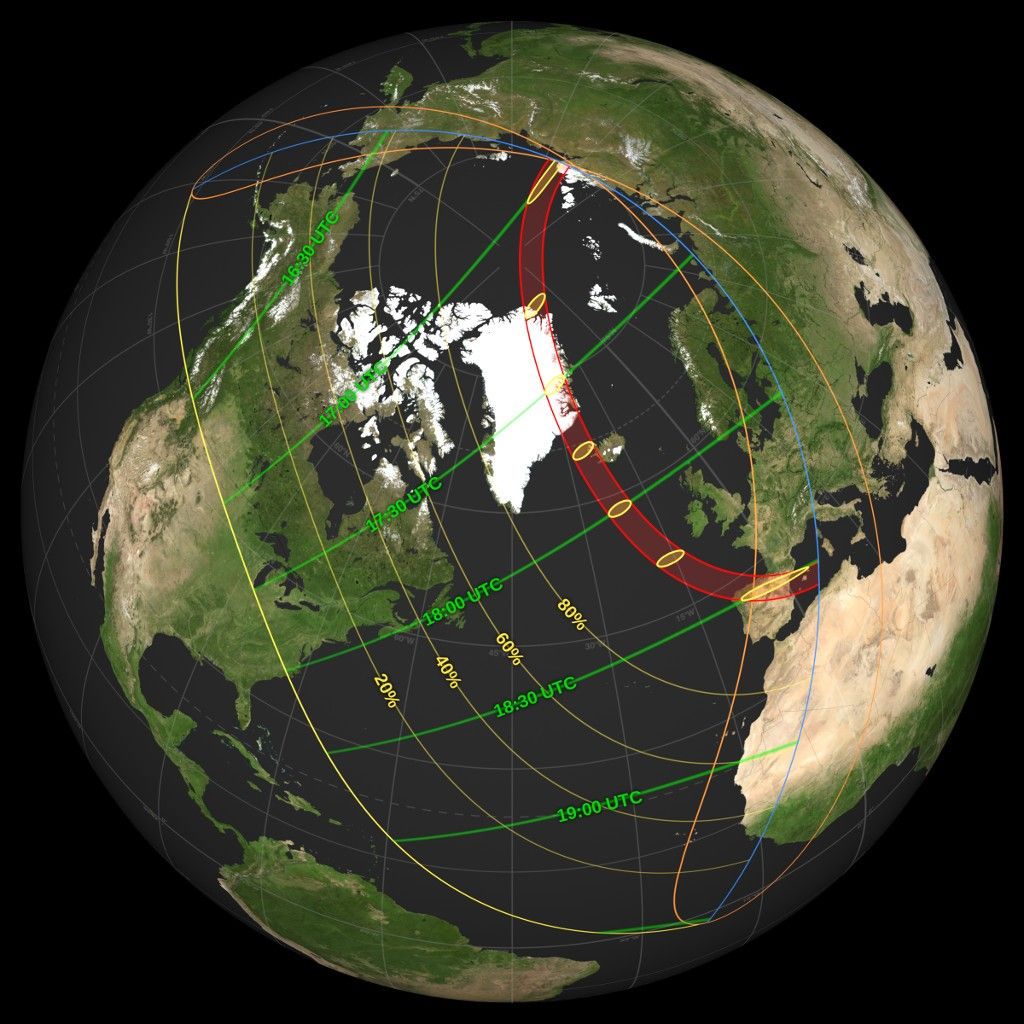
The first spectacle arrives during daylight as the moon partially covers the sun across Alaska, eastern Canada and parts of the northeastern U.S. A dramatic total solar eclipse will be visible along a narrow path stretching across eastern Greenland, western Iceland and northern Spain — and that's where eclipse chasers will be. However, about 779 million people in North America, Europe and North Africa will see at least a 10% partial eclipse, according to Time and Date.
Northern Canada will experience North America's deepest partial eclipse, with parts of Nunavut in the Canadian Arctic seeing up to 93% of the sun covered, according to Time And Date; large eastern cities like Toronto, Ottawa and Quebec will see between 8% and 24% coverage. The best views in the U.S. will be from Alaska and the Northeast, with Fairbanks, Alaska, seeing 37% of the sun covered, and Boston seeing 16%.
This NASA map shows who will see a total solar eclipse (red line) and who will see a partial eclipse (yellow lines) on Aug. 12. (Image credit: NASA)
In Europe, London will see a 91% eclipse and Paris will get 92%. No matter your viewing location, it's important to use ISO 12312-2 certified solar eclipse glasses throughout the entire partial eclipse. Also remember to fit binoculars, telescopes and cameras with solar filters before pointing them at the sun. (Here’s a great selection of gear that will help you safely watch the eclipse from anywhere).
After sunset, the day's second major event begins. Brilliant Venus will be easy to spot as it reaches dichotomy, the point at which the planet appears half illuminated. Through a small telescope or large stargazing binoculars, skywatchers should see Venus resembling a tiny half-moon as it moves closer to Earth.
Once darkness falls, the day's third and fourth major events will begin. The annual Perseid meteor shower will peak during the overnight hours of Aug. 12-13, and this year's display benefits from one crucial advantage: a new moon. With no moonlight washing out faint meteors, observers under truly dark skies could see between 50 and 75 meteors per hour, while even suburban locations should enjoy frequent "shooting stars," according to The Planetary Society.
The best time to look is from midnight to 2 a.m. local time, when the sky is darkest and the constellation Perseus is highest in the sky. As a final bonus, those under dark, rural skies will see the Milky Way arch overhead, providing one of the finest views of our home galaxy all year.
A daytime solar eclipse, a moon-free Perseid meteor shower, a dazzling Venus and spectacular views of the Milky Way make Aug. 12 a great opportunity for anyone with an interest in the night sky. If skies are clear, it could be the single greatest day and night for skywatching in years.
See how much you know about the sun with our sun quiz!
We also have an update of our own: Live Science has launched Live Science Pro, a paid membership that gives you access to our exclusive features, analyses, interviews, book excerpts and opinion pieces, all without ads And to celebrate, we're offering an introductory price of only $3 for the first three months! You can subscribe here.
While the Northern Hemisphere battled heat waves and wildfires, Antarctica just experienced the lowest temperature recorded on Earth in over a decade. High-altitude research station Concordia, located in the icy continent's interior, logged a low of minus 119.4 degrees Fahrenheit (minus 84.1 degrees Celsius) on July 18, just shy of the coldest temperature ever recorded at the station.
"Even here, where extreme cold is expected, temperatures below minus 84 C are remarkable and highlight how variable Antarctic weather can still be," Gabriele Carugati, the station leader at Concordia for Italy's National Antarctic Research Program, told Live Science from the station.
Cats are known for having whiskers on their faces. But if you look closely, you'll see they also have them on their legs. So what are these leg whiskers for? And how do they differ from the ones on their face?
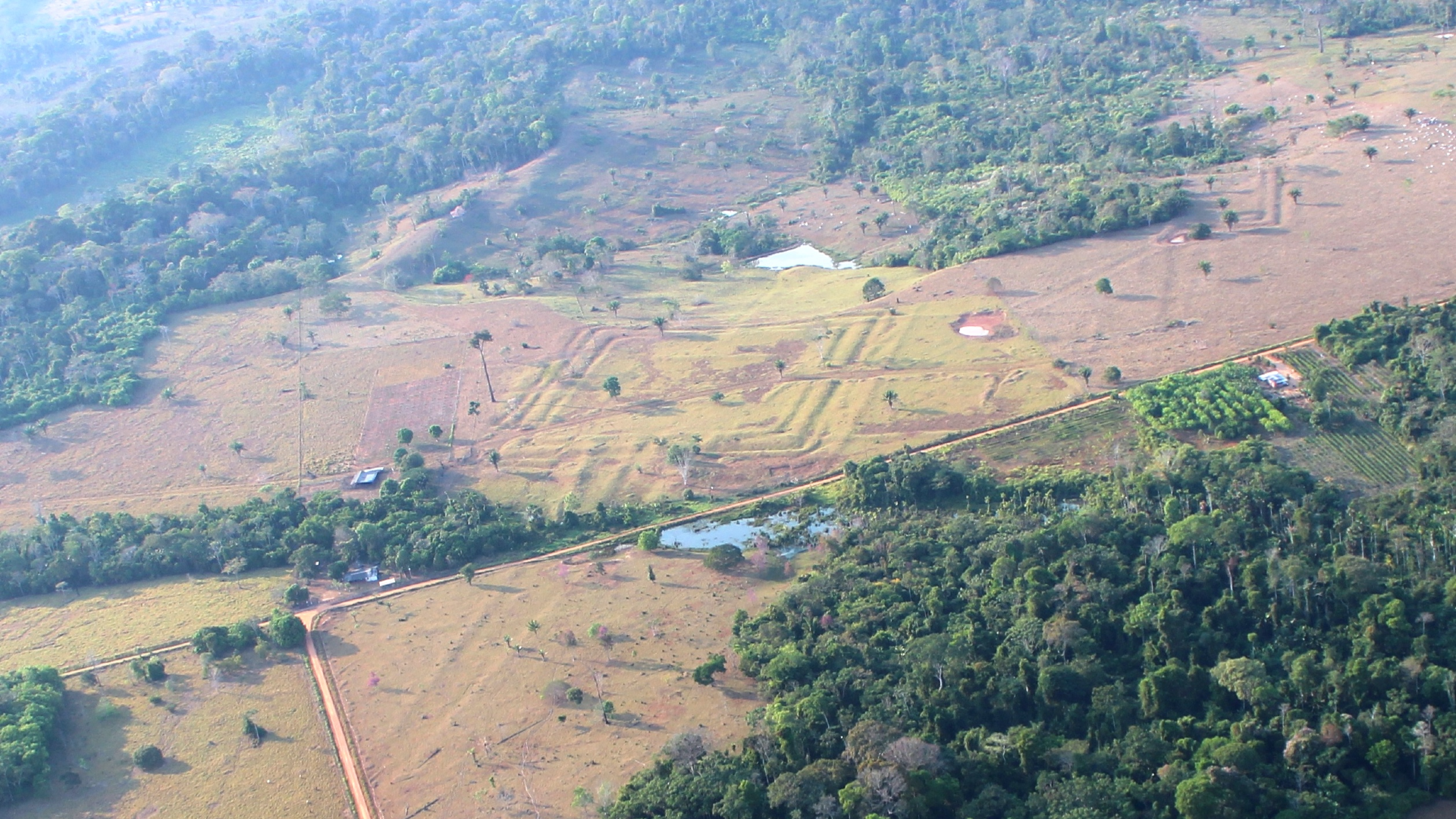
A significant portion of the Amazon rainforest remains unexplored, and even from above, it's almost impossible to see through the trees' thick canopies to find out what lies beneath. However, thanks to modern laser scanning technology, scientists have peered through this wall of leaves — and what they've found may offer new insight into lost human civilizations.
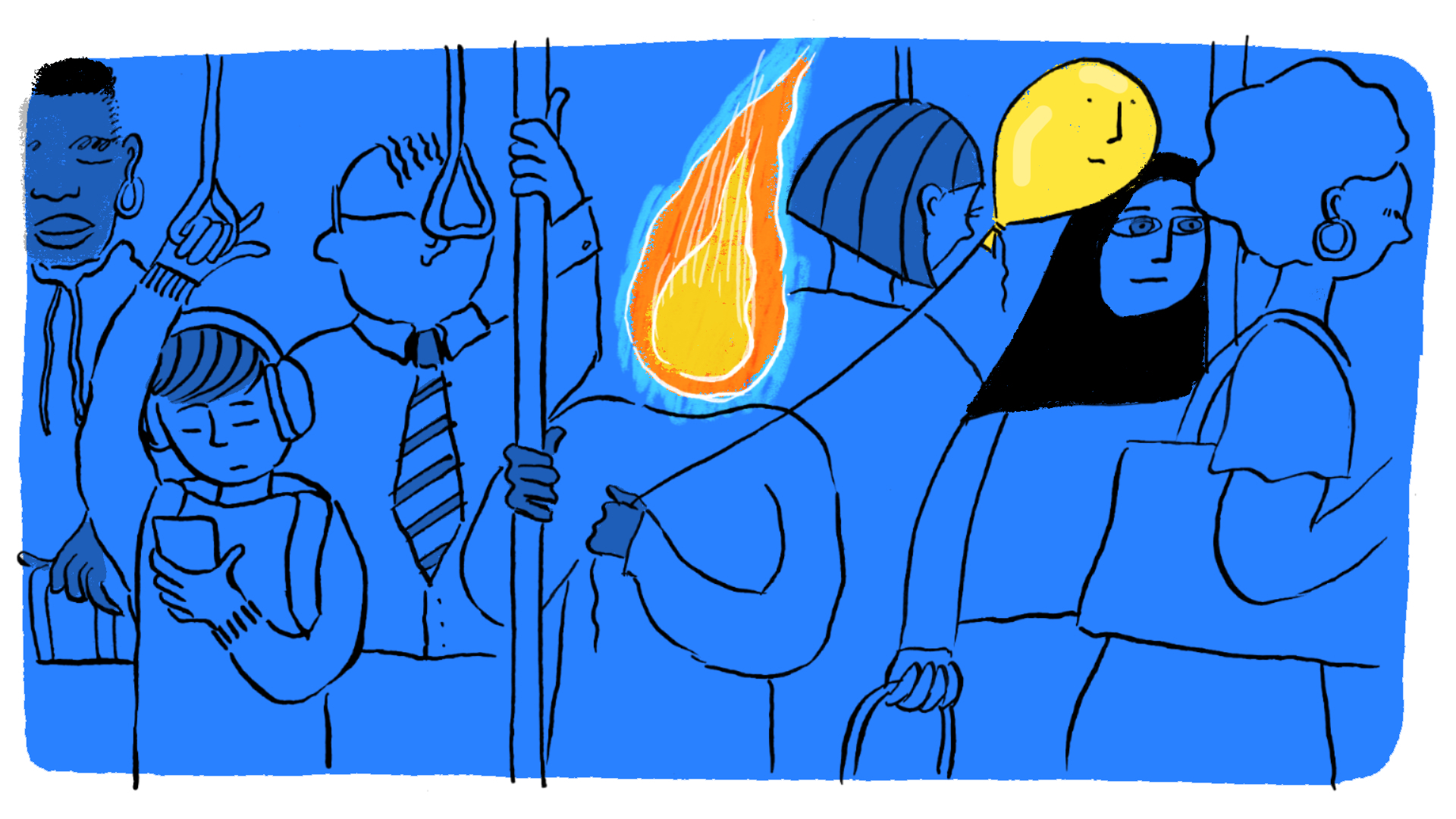
We're increasingly learning about the role of chronic inflammation in a range of diseases, from autoimmune conditions like rheumatoid arthritis to neurodegenerative diseases like Alzheimer's. However, scientists may have now added a new surprising side effect to this immune response: "out-of-body" experiences.
If you're looking for things to keep you busy over the weekend, here's a selection from our best interviews, explainers, skywatching guides and crosswords that we published this week.
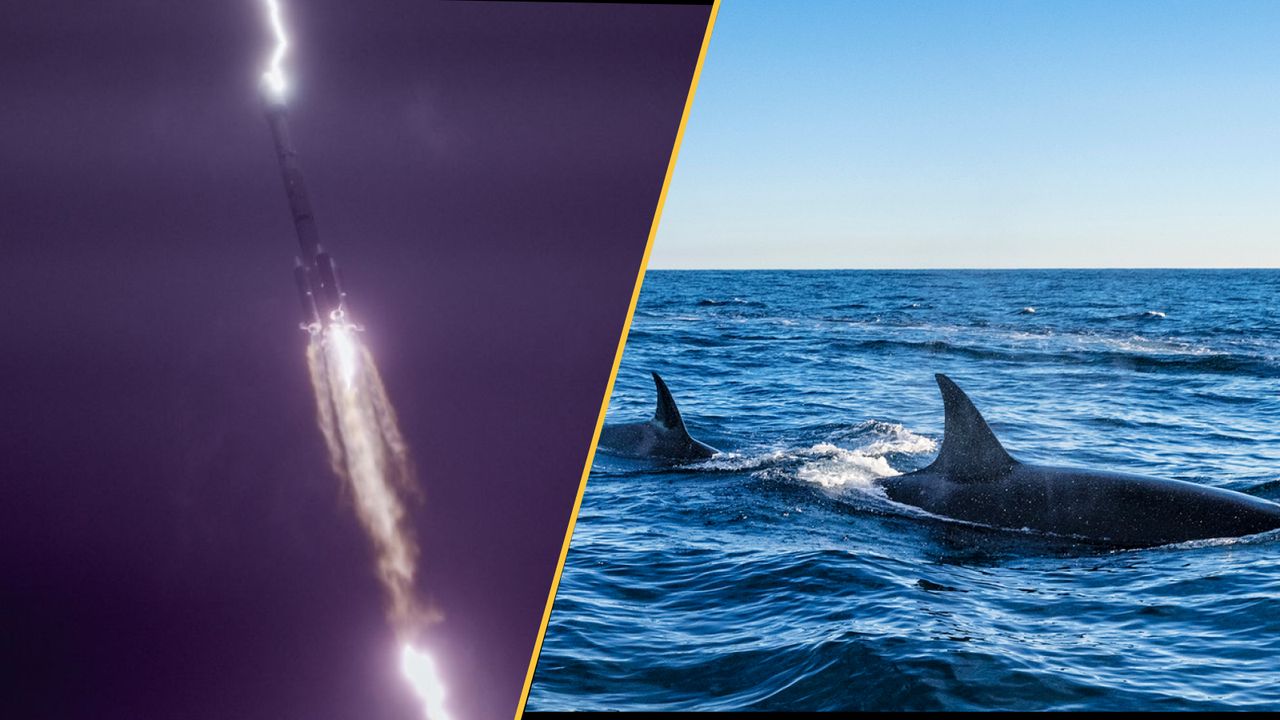
It's like something from a movie: Seconds after China's Long March 3B rocket launched on July 23, the spacecraft was struck by lightning. Hundreds of spectators watched in shock as at least 100 million volts of electricity hit the craft and surged around its fuselage and through its exhaust plume, before shooting down to Earth.
Despite the strike, the uncrewed rocket safely reached space and successfully deployed its payload into orbit.
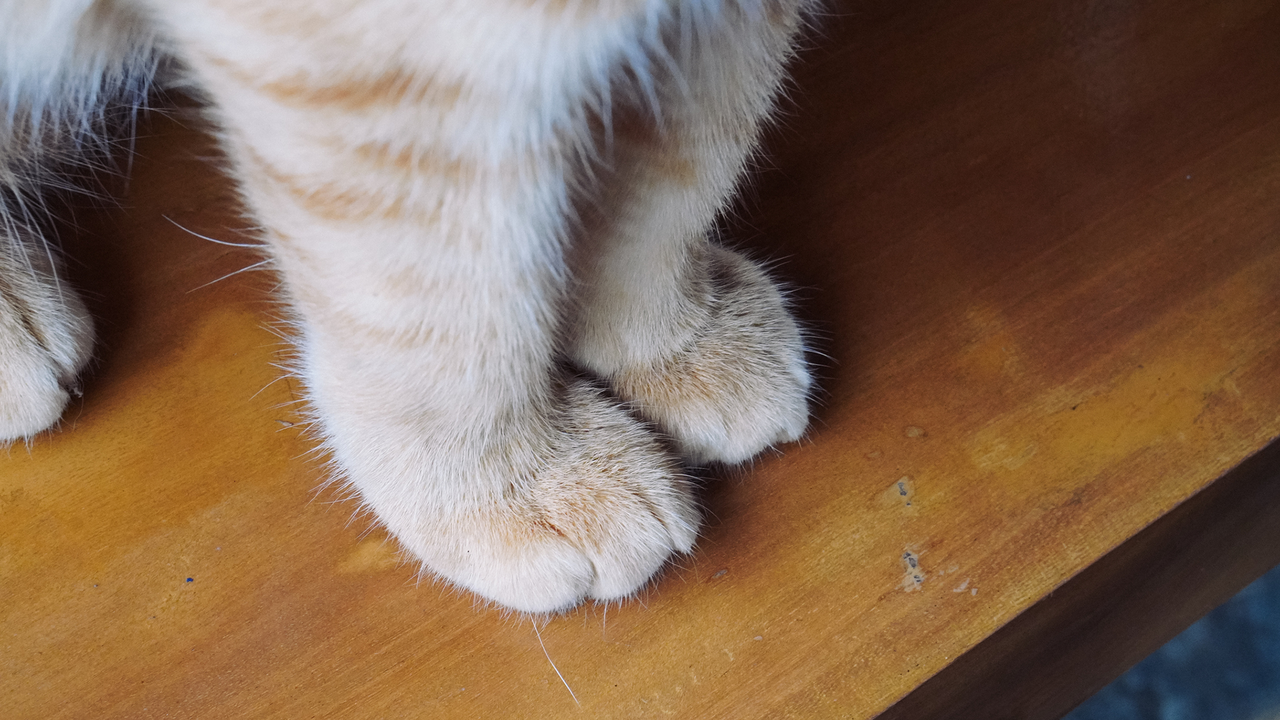
Cats are known for the whiskers on their faces. However, if you look closely, you can see that they also have whiskers on their legs. So why do cats have leg whiskers?
To answer why they're useful, it's important to understand what whiskers are. Technically known as vibrissae, whiskers are specialized hairs that are stiffer and several times thicker than other hairs. Although whiskers themselves do not contain nerves, their bases are rooted in specialized receptacles loaded with nerve endings, making whiskers very sensitive.
"Facial whiskers are as sensitive as human fingertips," Robyn Grant, a sensory biologist at Manchester Metropolitan University in the U.K., told Live Science.
A cat's whiskers around the nose, which are also known as the mystacial vibrissae, are the longest whiskers they have, according to the veterinary reference book "The Feline Patient" (Wiley, 2025). Although there is variation among cats, on average there are 12 mystacial whiskers set in four rows on each side of the muzzle.
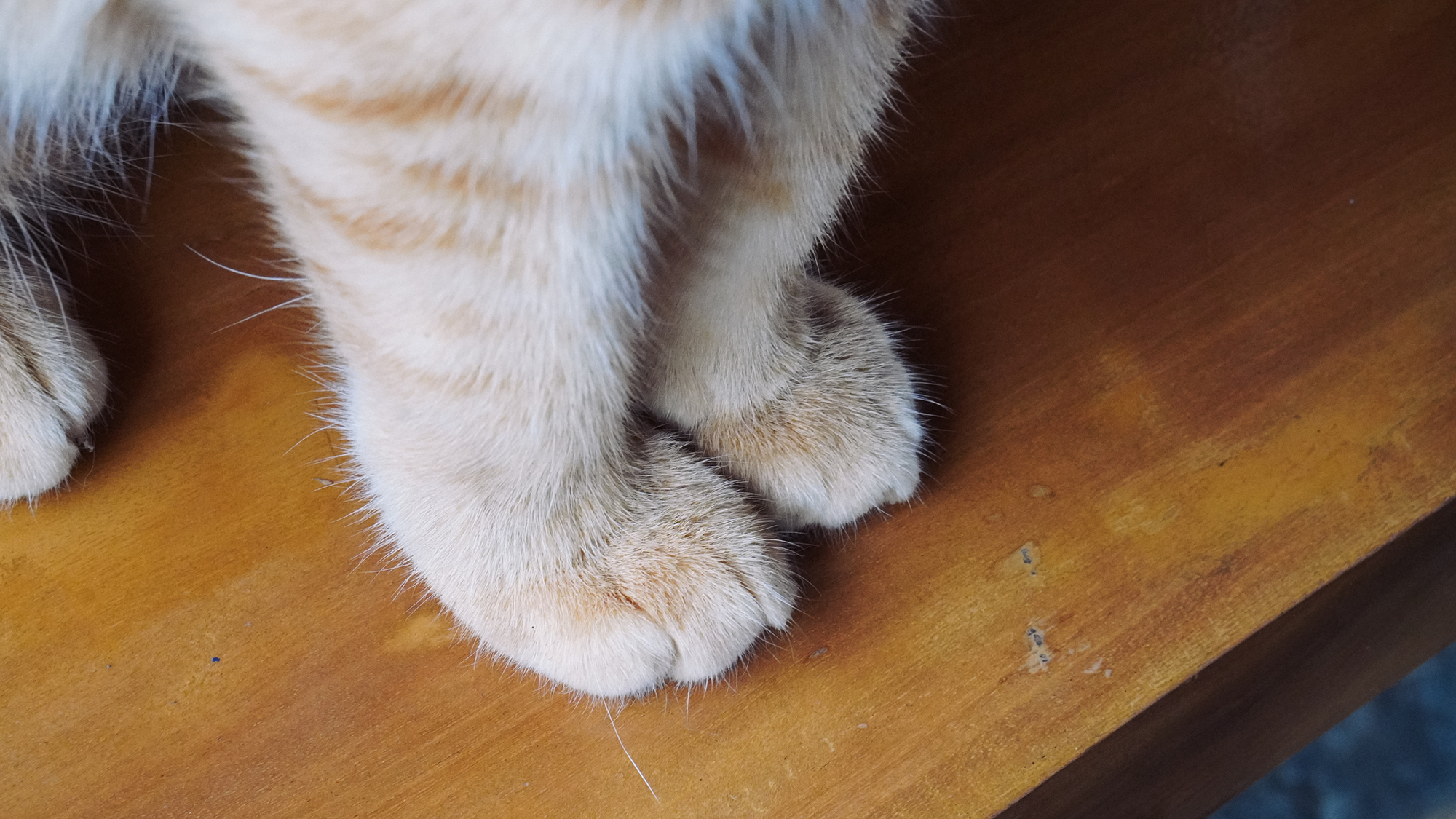
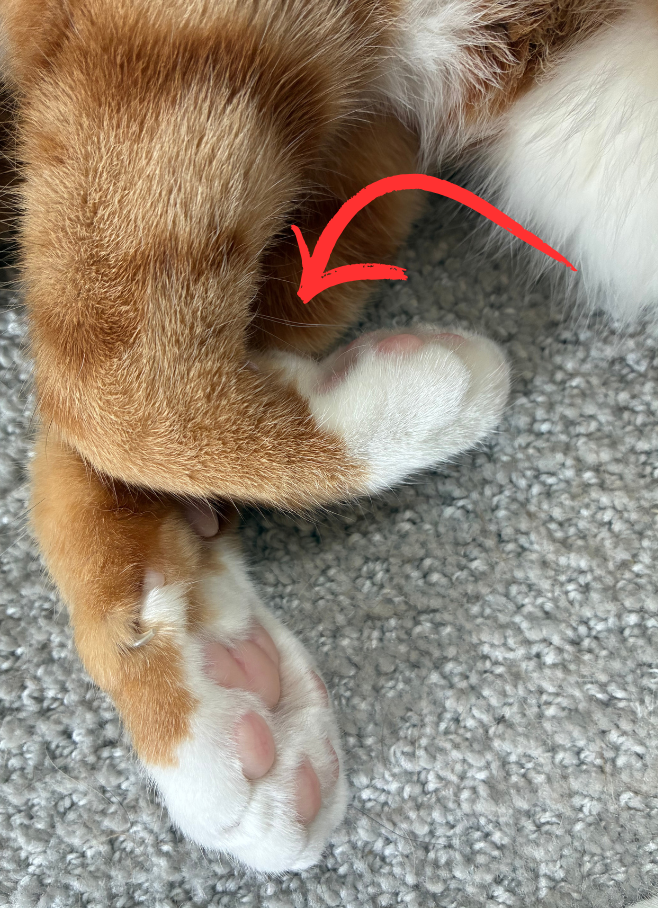
Cat leg whiskers, scientifically known as carpal vibrissae, are attached to their forelegs. (Image credit: Future)
Facial whiskers help cats hunt when light is limited or when their vision is poor. Although cats are good at seeing distant objects, "cats can't really focus on anything less than 10 inches (25 centimeters) from their eyes, so they use their whiskers to figure out where things are," Jonathan Losos, an evolutionary biologist at Washington University in St. Louis and author of "The Cat's Meow: How Cats Evolved from the Savanna to Your Sofa" (Viking, 2023), told Live Science.
In addition, cats have a tuft of whiskers known as superciliary vibrissae above each eye. These whiskers help protect the cat's vision by triggering a blink when stimulated by anything that might fly into their eye, according to The Feline Patient.
Cats also have chin whiskers (mandibular vibrissae) and whiskers on each side of the head, between the ear and chin (genal vibrissae). These also help cats stay aware of the space around them.
Leg whiskers
Cats also possess a tuft of four to six whiskers on the back of each front leg, each about 0.8 to 1.2 inches (2 to 3 centimeters) long. These are known as carpal vibrissae.
"Carpal refers to the bones that, in humans, are in our wrists," Losos said. "Carpal whiskers are attached to cat forelegs near the carpal bones." However, in cats, the carpal bones are not located in the same place as the human wrist. Rather, they "are further up the leg, because cats essentially walk on their toes and not their palms," he explained.
Cats are not the only animals with carpal whiskers. "Most carnivores have them, and many rodents do, as do lemurs and armadillos," Losos said. "Dogs don't have them, but other canine species do. Rabbits don't have them either, nor do ungulates — that is, hooved animals, such as horses and cattle."
The species that have carpal whiskers "tend to be the ones that either grasp things with their forelimbs or climb up trees," Losos said. "The idea is that if it's hard for the animals to see what they're grasping, carpal whiskers can help supplement their vision. Perhaps cats have them and dogs don't because cats can move their forearms laterally from side to side and put their palms together to grab things, whereas dogs can't."
It remains uncertain what role carpal whiskers play in cats, but they likely "guide locomotion — that is, safe forepaw placement — especially during complex locomotion, such as climbing," Grant said. "They might guide prey handling too."
How much of a cat fan are you? Find out by taking our cat quiz!
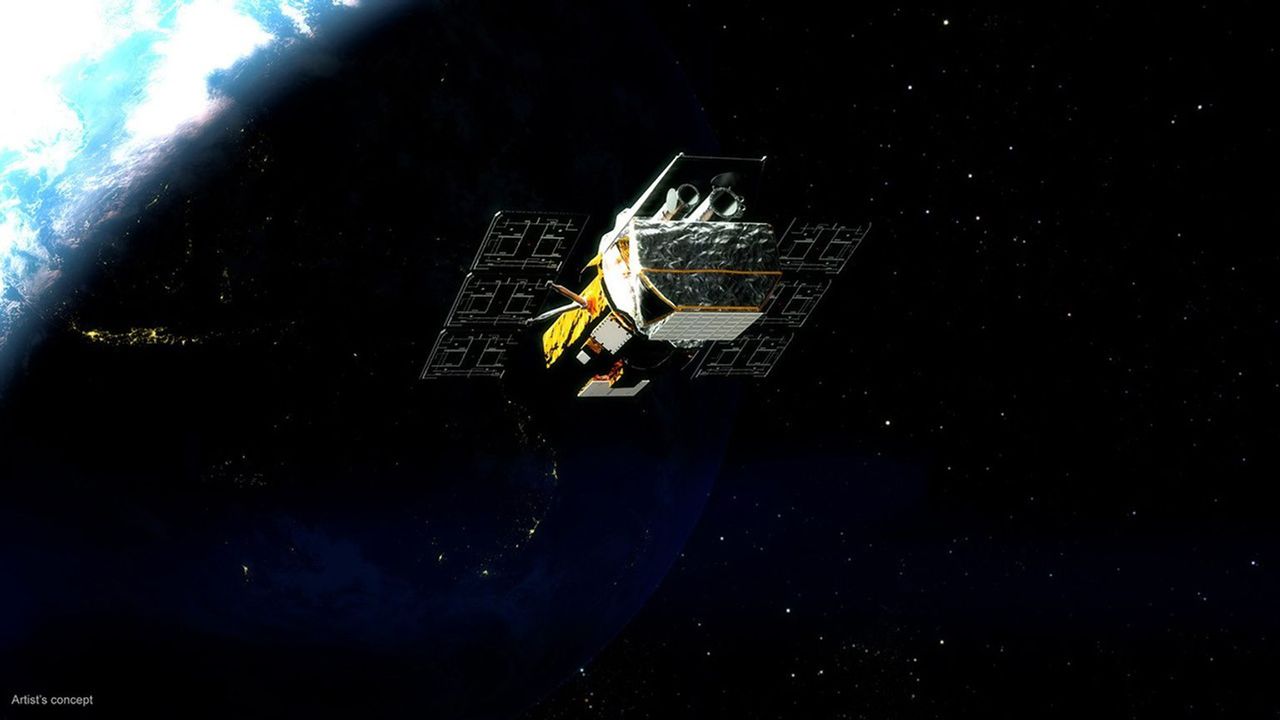
A private mission to rescue an ailing NASA space telescope may now need a rescue of its own. The LINK spacecraft — designed by private company Katalyst Space to boost the orbit of NASA’s ageing Swift Observatory — is reportedly spinning unexpectedly in the weeks after its launch, so much so that stabilizing the spacecraft will likely delay the telescope rescue.
Katalyst’s LINK spacecraft launched July 3 from a mid-air Northrop Grumman Pegasus XL rocket mounted aboard a modified Lockheed Martin L-1011 airliner. The spacecraft lifted off after less than a year of development, on a mission to catch NASA's nearly 22-year-old Neil Gehrels Swift Observatory before the telescope falls back to Earth.
While teams at NASA and Katalyst are working hard to stabilize the new LINK spacecraft, the next few weeks will be a delicate balance of getting LINK ready before Swift falls back to Earth (which is expected to occur this autumn), while not putting Swift at undue risk.
NASA administrator Jared Isaacman said there’s still time. "We are not giving up yet," he wrote late Thursday (July 30) on X. "This remains a very cool, very low-cost, high-potential, high-reward mission, and another step toward a more autonomous future where missions like this routinely upgrade, repair, service, and boost satellites."
LINK was supposed to rendezvous with Swift about a month after its early-July launch, but now it looks like late August is the earliest possible date, according to the latest update. That’s because the $30-million LINK began spinning in recent days after electrical power issues affected two of the devices that control the spacecraft’s orientation, known as reaction control system (RCS) wheels. Only one of the three RCS is working properly.
As of Thursday (July 30), Katalyst’s mission blog said engineers reduced the rotation with engine fires from the spacecraft, and that work is ongoing to stabilize the spacecraft. LINK is now spinning at four degrees a second, instead of the previous nine.
"Over the last 48 hours, the Katalyst team has worked to reduce LINK’s rotation while assessing current spacecraft functionality and its control system," Katalyst representatives wrote.
All the troubleshooting has delayed LINK’s expected arrival near NASA's Swift Observatory — a legacy telescope designed to detect gamma-ray outbursts — into late August. Time is of the essence, as Swift is expected to fall too far for help by autumn. The observatory has already reduced its science work to stay as streamlined as possible, so that drag doesn’t pull it into the atmosphere this summer.
Swift must stay above a minimum rescue altitude of 185 miles (298 kilometers) for the mission to succeed, agency models suggest. For comparison, the International Space Station typically operates at about 250 miles (400 kilometers) in altitude.
NASA has noted that other systems on LINK are working well. "The spacecraft remains power positive and in communication with the Katalyst team," NASA officials wrote in a Tuesday (July 28) update. Assuming LINK’s attitude stabilizes and the spacecraft is healthy enough, teams "will then evaluate revised plans to approach and capture Swift," NASA stated.
Katalyst’s ultimate goal is to refuel and reboost Swift so that the observatory, worth roughly $450 million today when accounting for inflation, will be able to continue its mission. (The mission cost $250 million in 2004, which is much cheaper than the $10 billion James Webb Space Telescope that launched almost five years ago.)
Swift was initially mainly tasked with looking at gamma-ray bursts, which are huge explosions that happen after a dying and massive star collapses into a black hole. Swift has gathered many observations of these bursts, but it also looks at other stellar changes (like supernovas or X-ray flares) as well as moving objects like comets and asteroids.
Its science remains valuable, a recent NASA statement noted. "Swift is NASA's multitool when it comes to studying the cosmos,"S. Bradley Cenko, Swift's principal investigator and an astrophysicist at NASA's Goddard Space Flight Center, said in the statement. "It observes the sky using a wide range of light, and rapidly points at short-lived outbursts, alerting other facilities in space and on the ground to help coordinate follow-up observations."
If successful, the rescue mission could give Swift many more years — potentially decades — to continue surveying the cosmos, as long as its science instruments continue to function.
Surfer, spear-fisher and free-diver Riley Elliott and marine biologist, shark diver and underwater photographer Kori Burkhardt put themselves in harm's way in don't-try-this-at-home "Shark Week" 2026 special "Secrets of the Great White Kill", and Live Science is here with all the TV and streaming details.
How to watch "Secrets of the Great White Kill" — Quick Guide
It doesn't always go to plan, as this seal uprising and vengeful turtle demonstrate, but great white sharks (Carcharodon carcharias) are known for attacking prey from below with such frightening speed and power it can propel their enormous bodies clear out of the water and stun or even kill their prey upon impact.
However, closer inspection has revealed that they can be a little more subtle when the need arises
In "Secrets of the Great White Kill," Eliott and Burkhardt aim to capture and unpack the full range of great white hunting techniques, including one or two surprising methods, the nuances of which have never been fully appreciated before.
How to watch "Secrets of the Great White Kill" in the U.S.
"Secrets of the Great White Kill" airs on Discovery at 8 p.m. ET/PT on Friday, July 31.
If you don't have the Discovery channel on cable, it's available on a streaming basis from several cable alternatives. Best of all, many of the services offer a free trial to new customers.
YouTube TV usually costs $82.99 per month but comes with a free trial and $15 off each of your first five months.
The DirecTV MyEntertainment genre pack costs $42.99 per month after a 5-day free trial, and Hulu + Live TV costs $89.99 per month after a 3-day free trial.
Alternatively, the HBO Max streaming service starts at $10.99 per month.
Can you watch "Secrets of the Great White Kill" in the U.K.?
"Shark Week" programming typically airs on Discovery+ in the U.K. at a later date.
At the time of publication, plans for "Secrets of the Great White Kill" and the other 2026 specials are still firmly under wraps.
If you're currently in the U.K. for work or on vacation from the U.S., you can still catch "Secrets of the Great White Kill" by using a VPN, such as Surfshark.
Watch "Secrets of the Great White Kill" from anywhere
If you're travelling abroad you can access your usual streaming services from anywhere with a good VPN.
A VPN, or virtual private network, is a piece of internet security software that can alter your device's digital location, unlocking the geo-restrictions on most streaming platforms.
Our expert colleagues at TechRadar rate Surfshark as one of the best VPNs. Not only is it great for unblocking streaming services, it has top-level security features, a reasonable price tag and, right now, a big discount.
Live Science x Surfshark Exclusive "Shark Week" Deal
Whether you're tuning into Discovery's Shark Week or diving deep into the web, privacy matters. Surfshark keeps your connection encrypted and your data out of sight – no matter what waters you're navigating.
Protect unlimited devices for just $2.39/mo + 4 Extra Months. Save 85%! Shark Week Special runs from July 26 to August 1, 2026.
🥇 From $2.39 per month ✅ Block ads, trackers, scams, and malware 🤝 30-day money-back guarantee 🏆 4 Extra monthsView Deal
We test and review VPN services in the context of legal recreational uses. For example: 1. Accessing a service from another country (subject to the terms and conditions of that service). 2. Protecting your online security and strengthening your online privacy when abroad. We do not support or condone the illegal or malicious use of VPN services. Consuming pirated content that is paid-for is neither endorsed nor approved by Future Publishing.
Scientists at IBM and partner institutions say they've reached "quantum advantage" in a trio of experiments demonstrating quantum computing capabilities that even the fastest classical supercomputers can't match.
In a purported major milestone for quantum computing, the experiments show how these machines could perform useful computational tasks, such as computing chemical reactions, within minutes. By comparison, a supercomputer would take years.
In a statement, IBM representatives said these experiments show that quantum computers can provide trusted solutions more efficiently, more cheaply or more accurately than any classical computing method.
Trust and verification
At a July 28 news conference, representatives from IBM, Algorithmiq, Qedma, and the University of Chicago described three experiments demonstrating quantum advantage over classical computers in three different challenges.
Each used IBM's Quantum Heron R3 superconducting quantum computer system running novel error mitigation techniques. The experiments focused on both demonstrating and verifying quantum advantage.
The first study, conducted in partnership with Qedma, investigated the Floquet transverse-field Ising model, a system physicists use to study how a material's magnetic properties evolve when rhythmically driven by external pulses. This is an extremely difficult problem for classical computers because the model's math becomes exponentially more difficult to process as the problem scales. Scientists published the study, which has not been peer-reviewed, on the arXiv preprint server July 27.
But quantum computers can perform deeper computations using the Floquet transverse-field Ising model than their classical counterparts due to quirks of quantum mechanics that allow quantum bits (qubits) to represent not just the 1s and 0s of binary data but also a superposition of the two values, so that calculations can run in parallel.
When physicists use a classical supercomputer to run the model — in this case, the Fugaku supercomputer in Kobe, Japan — they have some trust that the results will be computed correctly and without significant error.
Quantum computers, by contrast, are far more prone to error. They're extremely sensitive to any form of noise, including interference from Earth's magnetic field. One of the chief challenges in quantum computing is finding ways to mitigate the errors caused by this noise.
Scientists can compare a classical supercomputer's results with those of a quantum computer using the Floquet transverse-field Ising model, but only to a certain point. When the classical computer reaches the limit of its ability to compute complex problems, the quantum computer still has plenty of runway left.
But, as IBM principal research scientist Abhinav Kandala explained in an interview with Live Science, the problem lies in trusting the results.
These experiments were powered by IBM's Quantum Heron R3 superconducting quantum computer system. (Image credit: IBM)
"You want to perform computations that outperform classical, right? But you've relied on classical results for the longest time," he said. "So when you now begin to outperform, or you go beyond classical, how do you know you had the right result? This is a question that's independent of application. For any computation that you want to do, you want to [ask], 'OK, is this really something that I can trust?"
The experiment was designed to create a trusted stack that essentially allowed scientists to verify the quantum computer's results. They used Qedma's quantum error suppression and error mitigation (QESEM) software to provide consistent results, and then compared those results against the Fugaku supercomputer's.
Once the results matched, they cranked up the difficulty until the classical computer could not keep up. Then, to replicate the results, they brought in additional quantum computers.
The team ran the same experiment on multiple quantum computers. To ensure they were getting enough errors to test the error mitigation strategy, Kandala said, they purposely injected each system with different levels of artificial noise and corruption.
"We measured the same circuit on five different quantum computers," Kandala told Live Science, including a superconducting quantum computer from IBM Boston and another at IBM Pittsburgh.
They also ran the experiments on two of Quantinuum's quantum computers, using the same error mitigation techniques. In each measurement, the noise and corruption injected into the system was different, but the computational results were consistent.
Quantum building blocks
In the second experiment, conducted by IBM and Algorithmiq, researchers applied the Floquet transverse-field Ising model to a different set of problems and used a different method for error mitigation. As the researchers scaled the problem on both the classical and quantum computers, the classical systems began to produce inconsistent results. The quantum systems, by contrast, maintained consistency at measured intervals, thus demonstrating verifiable outputs, the team reported in a preprint paper posted to arXiv July 28.
The third study, uploaded to arXiv July 28 and conducted in partnership with the University of Chicago, approached quantum advantage from a different angle. Researchers designed a system of "Clifford gates," a type of circuit that is intentionally easy for classical computers to simulate. Then, they made the circuits progressively harder for classical systems to solve by injecting them with more difficult gates called T gates.
The nature of the experiment allowed physicists to guarantee error mitigation at complexities beyond what a classical supercomputer could handle. Any computations run through the circuit — even those that would be impossible for a classical computer — would be trustworthy by design.
Based on these three technical papers and other press information provided by IBM, it appears that each of the experiments demonstrated a clear quantum advantage over classical computers. Whether it will stay that way, however, remains to be seen.
There have been numerous reports of laboratories achieving "quantum supremacy," "quantum utility" and "quantum advantage" over the past few years — each, essentially, claiming to have surpassed the abilities of classical computing. However, most of those achievements ended up being topped. It isn't possible for physicists to imagine every possible mathematical method for conducting classical computations when they test quantum computers against state-of-the-art supercomputers.
IBM and its partners said they expect classical computer scientists to try disproving their claims.
"The classical back-and-forth — that'll keep going on, I think," Kandala said. "And that should; that's how science progresses. And that's precisely [why we have] the Quantum Advantage Tracker, a benchmark for measuring quantum advantage. "A lot of these problems have been on the tracker for a while now," Kandala said, "and I'm sure getting the papers out will get more eyes on it."
LONDON — New blood tests for Alzheimer's disease aim to catch the condition in its earliest stages. Scientists hope that, someday, by spotting very early signs of dementia and enabling earlier treatments, these tests could significantly improve patients' prognoses.
But how well do current blood tests work for that purpose?
At the Alzheimer's Association International Conference in London on July 12-15, Live Sciencespoke with researchers and clinicians who study and use blood tests for Alzheimer's disease. Here's their take on the current state of these tests and their practicality for real-world use
Scientists' big hopes for the tests
People diagnosed with Alzheimer's disease face an incurable condition, but their outlook is marginally more hopeful than it was 10 years ago. That's because the first "disease-modifying" drugs for Alzheimer's, which target the disease's causes rather than its symptoms, have been approved in recent years.
Alzheimer's disease researchers hotly debate the exact causes of the condition, but they are united on the idea that early intervention is likely to produce the best possible outcome for patients. The aim is to remove disease-linked proteins before they can damage the brain.
That's why new blood tests for Alzheimer's disease, some of which have been approved in the past year, are exciting so many scientists. These tests, which measure chemical signals of the disease circulating through the bloodstream, are currently paired with other clinical exams to provide an accurate Alzheimer's diagnosis for patients with early symptoms, such as subtle changes to memory or personality.
The hope is that if these patients could be identified at this stage, they could access clinical trials and treatments when they might be the most helpful.
New blood tests for Alzheimer's can help patients get diagnosed earlier, which experts think could help boost the degree to which treatments help them. (Image credit: Iparraguirre Recio via Getty Images)
What do Alzheimer's blood tests measure?
The U.S. Food and Drug Administration (FDA) has approved two blood tests for Alzheimer's disease: Roche's Elecsys pTau181 assay and Fujirebio's Lumipulse G pTau217/ß-Amyloid 1-42 Plasma Ratio test.
An additional test from Roche (the Elecsys pTau217 test) has received a basic safety certification in the European Union and U.K., which allows it to be sold but is not equivalent to FDA approval. This test is not approved in the U.S. yet. A second test from Fujirebio (the Lumipulse G pTau 217 Plasma assay) is in the same boat.
Plus, there are a host of other tests made in specific clinical laboratories; these are not FDA-approved but they are available in certain specialist clinics.
All of these tests in varying stages of approval measure "a core part of the pathology of Alzheimer's disease in the brain," said Dr. Sebastian Palmqvist, a clinical neurologist at Lund University in Sweden. These include two proteins that build up in the brains of Alzheimer's patients: tau and amyloid.
The Elecsys tests and the FDA-approved Lumipulse test measure levels of tau in the blood, while the other Lumipulse test measures the ratio of tau to amyloid. Both measurements can be used to indirectly assess the presence of amyloid plaques, sticky deposits in the brain that are associated with the disease's progression.
It's important to note that the blood tests alone aren't diagnostics for Alzheimer's disease, said Dr. Jemma Hazan, an old-age psychiatrist at University College London. Instead, "the test is telling you whether you have certain abnormal proteins in your brain." This, she said, makes it important to use the test in a setting where patients can be properly directed to the next steps of diagnosis and treatment.
How are Alzheimer's disease blood tests used?
Currently in the U.S., Alzheimer's blood tests are approved for use only for adults ages 55 and older who have signs of cognitive impairment, like memory problems. Palmqvist said these tests are best used by specialists with knowledge of dementia, such as doctors in memory clinics. They aren't approved for use by primary care doctors in the U.S.
"The clinicians working there [at memory clinics] have many, many years of experience of interpreting these types of biomarkers," he explained.
Before the advent of these blood tests, memory clinics had to rely solely on expensive brain scanning technology or invasive lumbar punctures to identify physical signs of Alzheimer's disease. The new tests greatly simplify diagnosis, Palmqvist said, but they still need to be used in combination with other tests.
So currently, if a patient receives a positive blood test, they must undergo further cognitive testing, brain scans or invasive biomarker analyses to confirm the diagnosis.
While for now the blood tests are best used by specialists, data that Palmqvist presented at the conference suggested that access to a blood test result may improve a primary care physician’s diagnostic accuracy to levels closer to a memory clinic specialist's. That hints that the test may eventually be usable in primary care, without more invasive diagnostics.
The blood tests look for Alzheimer's-related proteins, including tau and amyloid, which form tangles in the brains of patients with the condition. (Image credit: wildpixel via Getty Images)
How well do the approved Alzheimer's tests work?
In clinical trials, the approved Lumipulse test had a sensitivity of 97.6% and a specificity of 90.8%. Sensitivity refers to the percentage of people who do have amyloid in their brains that test positive — so it's the rate of true positives. Specificity refers to the percentage of healthy people who test negative, meaning true negatives.
However, the test was recalled in February because it returned an unusually high percentage of false-positive results when it was used in the real world, compared to clinical trials. Palmqvist said there's now a newer version of the same test that avoids this problem.
Analyses comparing pTau217 and pTau181, the two tau biomarkers that Roche uses in its tests, have concluded that pTau217 is a more accurate indicator of Alzheimer's disease. That means it more closely matches results from gold-standard amyloid brain scans.
Dr. Ashton Harper, global medical affairs lead for neurosciences at Roche Diagnostics, said the Roche pTau217 test correctly spotted Alzheimer's-linked proteins 96.1% of the time and accurately ruled out that pathology 94.7% of the time in trials. By comparison, pTau181 — the Roche test approved in the U.S. — correctly identified Alzheimer's pathology 83.6% of the time and ruled out pathology in healthy brains 72.2% of the time.
Patients who take this more-accurate test are given one of three possible results based on two cutoff points, Harper said. If their tau level comes back above the upper cutoff — giving a positive result — clinicians can be "highly certain" that the patient has disease-linked amyloid in their brain, he said.
Below the lower of the two cutoffs, clinicians can be confident that their patient doesn't have any disease-linked amyloid in their brain. If the reading comes back in between the two cutoffs, though, the result is uncertain.
Someday, the blood tests could help flag patients in the earliest stages of Alzheimer's before they show any symptoms, scientists hope. (Image credit: stefanamer via Getty Images)
Current guidelines set by the Alzheimer’s Association require that patients end up in that gray area no more than 20% of the time, and the pTau217 test meets that requirement, Harper said. As with patients who get a positive test result, patients who receive these uncertain results are also advised to undergo further testing, such as scans or cognitive tests.
There are other reasons a person without Alzheimer's disease might get a positive test result; rare cases of severe kidney disease, for example, can artificially inflate the test's readings.
Harper said early data suggests that Roche's pTau217 test is roughly as accurate at detecting Alzheimer's disease proteins in cognitively unimpaired people as it is in those with symptoms. This may someday open the door to prevent Alzheimer's in patients who have not yet developed symptoms, he suggested, clarifying that Roche's test is not intended for that use yet.
How do Alzheimer's tests actually affect patients' care?
In the U.S., these tests can help patients get a diagnosis more quickly, but treatment options for the condition remain limited.
The approved antibody drugs are available through both private and government insurers, but they still cost the patient thousands of dollars each month. And again, these drugs only slow, rather than stop, the progression of the disease.
Researchers hope that early treatment with the drugs will enhance their effectiveness, but as of yet, there's no published data to back this idea up.
Diagnostic accuracy is important in its own right so that people feel more certain about the diagnosis and also there are management implications.
Dr. Jemma Hazan, an old-age psychiatrist at University College London
In the U.K., disease-modifying drugs like the antibodies have not been approved by the U.K.'s National Health Service (NHS) yet. Because the drugs only modestly slow Alzheimer's progression, ultimately, the NHS determined that they were too costly to cover without clearer signs of efficacy. That means British patients cannot access the drug for free.
Still, Hazan said a positive test could be beneficial for patients.
"Diagnostic accuracy is important in its own right so that people feel more certain about the diagnosis and also there are management implications," Hazan said. While they can't access antibody drugs, patients do have access to drugs that help ease the condition's cognitive and behavioral symptoms, as well as non-pharmacological treatments like behavior management.
Diagnosed patients can also access one of the many clinical trials for the condition. It's estimated that 50,000 patients are needed to populate these ongoing trials worldwide.
Hazan and Palmqvist agreed that, despite the blood tests' accuracy, they should not be used to preventively screen for Alzheimer's in people with no symptoms. That's because testing in a wider population, where fewer people will have Alzheimer's disease, naturally increases the number of false-positive results, even while the assay itself retains the same level of accuracy. This could lead many healthy people to be incorrectly diagnosed with Alzheimer's disease, which would cause stress for patients and have significant financial implications for healthcare systems.
Newer tests that are still in development may help reduce the likelihood of false positives by measuring only a subset of tau protein that comes directly from the brain rather than from the rest of the body, Palmqvist said. But for now, mass screening remains a goal, rather than a reality, for these blood-based Alzheimer's diagnostics.
"I think that's the next frontier," Palmqvist said.
This article is for informational purposes only and is not meant to offer medical advice.
See how much you know about the most complex organ in the human body with our brain quiz!
What it means: In chemistry, a covalent bond occurs when two atoms share a pair of electrons. Electrons zip around atomic nuclei at different energy levels, or "shells." An atom fills its shells with electrons starting from the lowest-energy shell to the highest-energy one, which is called the valence shell. Valence-shell electrons can interact with the valence shells of other atoms. When two atoms get close enough, their valence electrons can feel the pull from both nuclei at once, binding the two atoms together into a stable molecule.
How to use it in a sentence: When atoms share electrons in a covalent bond, they form some of the most stable bonds in chemistry — which is good news, because these bonds are also the basis of most organic molecules and organisms, including you.
Can you crack our science word of the day puzzle, Chain Word?
Astronomers may have just found a first-of-its-kind phenomenon buried in the shadow of one of the Milky Way's most famous stellar explosions: two stars that died in separate supernovas, after spending millions of years orbiting each other.
Using 16 years of data from NASA's Fermi Gamma-ray Space Telescope, researchers detected high-energy gamma rays coming from a faint, previously overlooked supernova remnant called G189.6+3.3, which sits right beside the well-studied remnant IC 443 (nicknamed the Jellyfish Nebula). Their analysis suggests that the two remnants aren't just neighbors by coincidence. Instead, they may be the leftover wreckage of a binary star system, making this the first confirmed case of two supernova remnants traced to the same stellar pair.
"We weren't really looking for a binary supernova remnant," study first author Miltiadis Michailidis, an astrophysicist and postdoctoral fellow at Stanford University, told Live Science. The team originally set out to characterize G189.6+3.3, which had long been overshadowed by its brighter neighbor. IC 443 is one of the best-studied remnants in the galaxy and among the first ever confirmed to accelerate protons — one of the key ingredients thought to produce cosmic rays, the high-energy particles that constantly strike Earth's atmosphere.
By combining Fermi's gamma-ray data with X-ray, radio, ultraviolet and optical observations, the team teased out G189.6+3.3's faint signal and found something strange: Instead of glowing uniformly, its northern half was dominated by accelerated protons, while its southern half was dominated by electrons. It's the first time such a clean split has been spotted within a single remnant.
The explanation, they found, came down to the environment: The northern edge of the remnant presses against a dense cloud of hydrogen gas, which gives fast-moving protons something to collide with, thereby producing gamma rays, Michailidis said. The southern half lacks that dense material, letting a different, electron-driven process take over instead. Ultraviolet observations showed that the northern shock wave had slowed after slamming into the cloud, backing up that interpretation.
A dense cloud of hydrogen gas helped astronomers uncover clues that two neighboring supernova remnants may share the same origin. (Image credit: M. Michailidis et al. 2026)
Earlier work had already shown that IC 443 interacts with the same cloud, which implies that both remnants sit at roughly the same distance from Earth. To rule out coincidence, the researchers simulated 1 million hypothetical binary star systems and calculated how often two unrelated remnants would wind up this close together purely by chance. Depending on the method used, the odds came out to somewhere between 1 in 1,000 and 1 in 100. In other words, it's highly likely that the two supernova remnants are related.
The team also estimated when each star likely exploded, finding that the two blasts were probably separated by tens of thousands of years. That finding is consistent with one star in a binary pair going supernova first, with its companion following suit long afterward.
Rather than relying purely on computer models, astronomers can use this real-world system to test long-standing theories about how massive binary stars live, interact and eventually explode.
Michailidis said the team's next step is to search for similar binary remnant pairs elsewhere in the galaxy, to understand why this system has stood alone until now. He pointed to one particular payoff: Measuring the distance between two remnants' explosion centers can reveal how much energy a supernova actually released — a quantity that, until now, astronomers could only estimate from theory. "Now we can actually test it," he said.
Traces of two "ghost lineages" of extinct human populations lie hidden within our genome, a new study reveals.
One of these ghost lineages left its DNA scattered in all present-day people. The other, a "super-archaic" lineage, dates back nearly 2 million years, researchers reported Thursday (July 30) in the journal Science.
"These extinct populations may have lived hundreds of thousands — or even more than a million — years ago, yet traces of their genetic legacy remain preserved in our genomes today," study co-author Priya Moorjani, a human evolutionary geneticist at the University of California, Berkeley, told Live Science.
For decades, experts have found DNA evidence that our species, Homo sapiens, once mated with now-extinct relatives such as Neanderthals and Denisovans. Most people not of sub-Saharan ancestry living today possess about 1% to 2.4% Neanderthal ancestry, and Asians and Oceanians (people from the island nations of the Pacific Ocean) harbor about 0.1% to 6% Denisovan ancestry.
But scientists have suspected that modern humans may have interbred with other now-extinct human groups that have not been identified yet. However, the scarcity of ancient DNA samples makes it challenging to identify what these unidentified groups, often called ghost lineages, might have contributed to our species.
"Ancient DNA has transformed our understanding of human evolution, but it can only tell us about populations for which DNA has been preserved," Moorjani said. "DNA survives only under very specific conditions — typically in cold, dry environments — which means that much of our evolutionary history, particularly in Africa, other tropical regions, and at very deep timescales, remains inaccessible."
Looking for "long-extinct ancestors"
In the new study, Moorjani and her colleagues reasoned that everyone's genome contains a record of their ancestry. They investigated whether it was possible to uncover signs of "long-extinct ancestors preserved within the genomes of present-day people," Moorjani said.
The researchers developed a new technique to scan and compare more than 500 complete genomes of present-day humans from around the world. Using this data, they reconstructed the complete genealogies of each spot in each person's genome, developing family trees of the people's ancestors that mapped out every time genetic lineages diverged and merged. They focused on ancestors who had profound genetic differences from modern humans — a sign they evolutionarily split from the modern human lineage a long time ago.
"Most regions of our genome share a common ancestor relatively recently in our evolutionary history," Moorjani said. "Occasionally, however, we find stretches of DNA whose common ancestor lies much farther back in time, indicating they originated from a long-separated human lineage."
Unlike previous approaches, this new method does not require DNA samples from fossils in order to spot ancient genetic sequences in the modern-human genome. "We no longer have to wait for extraordinary fossil preservation to learn about extinct human populations," Moorjani said. "Instead, the genomes of living people contain traces of these ancient ancestors, and genealogical methods allow us to recover some of that hidden history."
The researchers experimentally tested the new method, which correctly identified Neanderthal and Denisovan ancestors in modern-human genomes. However, it also uncovered previously unknown instances of interbreeding with now-extinct groups.
The researchers said one ghost lineage's DNA was found in all modern humans. This finding suggested that the lineage interbred with modern humans in Africa more than 50,000 years ago, before the most recent migration of H. sapiens out of Africa and into the rest of the world.
"Previous publications suggested that there might be ghost ancestry — ancestry from unknown archaic lineages in modern humans — but they hadn't concluded whether this unknown ancestry is present only in Africans or not, and when this introgression event happened," study co-author Yulin Zhang, a computational biologist at UC Berkeley, said in a statement. "We were actually able to find and map genomic locations in modern humans that are from this ghost lineage and show that this ghost ancestry is in all modern humans, not only in Africans."
This newfound lineage's DNA constitutes about 0.5% to 1% of the genomes of modern humans, comparable to the amount of Neanderthal DNA in many people living today. The scientists estimated that this ghost lineage diverged from the ancestors of modern humans about the same time Neanderthals and Denisovans did, about 800,000 years ago.
Ghost candidates
One possible candidate for the ghost lineage is Homo heidelbergensis, the researchers wrote in the study. This human species lived from about 700,000 to 200,000 years ago in Africa and Europe.
"I agree with their speculation that this ghost could have been the species Homo heidelbergensis, which was present in Africa as recently as 300,000 years ago," Chris Stringer, a paleoanthropologist at the Natural History Museum in London who was not involved in the study, told Live Science.
The scientists also found evidence that people from Oceania inherited traces of a "super-archaic" human lineage that diverged from the ancestors of modern humans about 1.8 million years ago, before the emergence of the common ancestor of modern humans, Neanderthals and Denisovans. This super-archaic DNA, on average, made up about 0.002% of the Oceanian genomes investigated and appeared within regions of Denisovan DNA, suggesting that the super-archaic DNA got into modern humans through interbreeding with Denisovans.
The age of this super-archaic DNA suggests it may have come into Denisovans, and then modern humans, from Homo erectus, the longest surviving human species to date, Fernando Villanea, a population geneticist at the University of Colorado Boulder who was not involved in the study, told Live Science. That could make sense, because H. erectus skulls found in Yunxian, China, share some features with Denisovan fossils, Villanea added. But to date, only a limited amount of H. erectus genetic material has been analyzed.
The study's findings highlight that modern humans are the product of multiple species and that "hybridization is the norm and not the exception," Villanea said. "We see hybridization being a common trait in the evolution of many other species, and these findings help us reframe our scientific thinking away from a mentality of human exceptionalism."
The DNA segments from these newfound lineages are spread throughout the human genome, but they are most numerous in parts of the genome associated with the immune system and metabolic function. Moorjani said this makes sense, as the need to adapt to new germs and sources of food has been one of the strongest drives in human evolution. Interbreeding with other now-extinct human groups allowed modern humans to acquire potentially beneficial DNA.
"This work reinforces a fundamental shift in how we think about human evolution," Moorjani said. "Rather than a simple branching tree, human history is increasingly emerging as a complex web of populations connected by repeated episodes of divergence, migration and mixing."
Stringer agreed, adding that this new technique provides "indirect ways of reconstructing parts of the genomes of more primitive species like H. erectus and H. heidelbergensis."
In the future, the scientists hope to use their new method to detect signs of more ghost lineages, "particularly those from regions such as Africa and South Asia that remain underrepresented in ancient-DNA studies," Moorjani said. The new technique can also help researchers "study evolutionary history in other species where fossil DNA is scarce or absent," she added.
Whale sharks may be the biggest fish in the ocean, but their feeding habits have remained mysterious. Now, new camera footage from the backs of these gentle giants has captured them doing something scientists rarely get to see: hunting for food far below the surface.
The footage reveals that whale sharks (Rhincodon typus) spend far more time feeding underwater than scientists realized and that they use a surprising variety of foraging techniques that had never been documented before.
The videos show whale sharks filtering food while cruising through open water, gliding downward as they feed during dives, climbing back toward the surface with their mouths still open, and cruising just above the seafloor to feed. Slow, steady underwater feeding turned out to be one of the sharks' most common activities.
Philip Motta, a professor emeritus of biology at the University of South Florida who was not involved in the study, said the videos provide "very valuable" new information on the variability of whale shark feeding behaviors, which have been poorly documented to date.
Cameras reveal whale shark feeding
Before this study, whale sharks had been studied from boats, from planes and by divers swimming alongside them. But those methods shared a blind spot: They could only follow the sharks when they were near the surface.
Earlier research had hinted that whale sharks spend a lot of time feeding out of view, at varying depths. In a 2020 study, researchers estimated that whale sharks may forage at these depths for up to 20% of the day and feed at the surface for less than 1% of their time.
In the new study, scientists strapped cameras directly onto the whale sharks, offering a rare shark's-eye view beneath the waves.
They deployed camera tags on 10 whale sharks at Ningaloo Reef in Western Australia and gathered more than 22 hours of footage from the sharks' own perspective. They combined that footage with a review of 106 previously published studies to build the most comprehensive catalog of whale shark behavior to date. Ultimately, they cataloged 36 distinct behaviors — 12 were related to feeding, and of those, six had never been recorded before. The findings were published July 21 in the journal Marine Biology.
Whale sharks can grow to 60 feet (18 meters) in length. And yet, this enormous fish survives on tiny prey — like krill, fish eggs and plankton — in tropical waters that are notoriously poor in nutrients. The ability to switch between so many feeding techniques may help to explain the long-standing puzzle of how such a large species can survive in these nutrient-poor waters.
However, even with a shark's-eye view, the cameras captured only part of the story. Whale sharks are known to dive hundreds of feet below the surface, where sunlight disappears and conventional cameras can no longer record.
"The most important new discoveries could be what these gentle giants are doing when they perform really deep dives," Motta said.
Two Chilean mummies have provided scientists with the earliest known smallpox genomes found in the Americas, dating between 1492 and 1631.
The genomes are the first-ever DNA evidence that proves European colonization introduced smallpox to the Americas, according to a paper that published Thursday (July 30) in the journal Science.
Smallpox, an infection caused by the variola virus, was one of the deadliest diseases in the world until it was completely eradicated in 1980. While the disease has been found in 3,000-year-old Egyptian mummies, the first documented outbreak in the Americas was in 1518, during the Spanish conquest of the Caribbean. The virus then spread rapidly throughout Central and South America.
Experts have estimated that the disease caused the deaths of three to four million Indigenous people with no prior immunity to the disease.The combination of smallpox, violence, slavery and other diseases wiped out about 90% of the original inhabitants of the Americas by 1600.
While historians and scientists have long understood the toll of the disease, the story of smallpox's spread comes primarily from historical records, which were written by European colonizers and may not have fully captured transmission among Indigenous peoples. There's also a lot scientists don't know about the specific viral strains responsible for the pandemic because of the lack of ancient smallpox DNA evidence in the Americas.
In the new study, the researchers identified ancient smallpox virus DNA from the bones of two mummified Indigenous Inca individuals from northern Chile: an adult female and an adult male who lived between 1492 and 1631.
"None of us expected to find variola virus DNA from the sample that they collected, so it was completely a surprise," study co-author Shigeki Nakagome, a geneticist at Trinity College Dublin, told Live Science. The research team was not targeting ancient pathogens but rather looking to understand human population history in the region. "I don't think there was any historical record documenting smallpox in this particular community, so no one expected the smallpox evidence."
Analysis of the two ancient viral genomes showed them to be almost identical, suggesting the two individuals were likely infected during the same outbreak or by the same circulating strain.
A view of Camarones 9, the Inca period cemetery in northern Chile where the mummies were discovered. (Image credit: Bernardo Arriaza)
Comparing the genomes of ancient and modern variola viruses, the researchers found that the genome matched an extinct lineage that split from another European strain around 1296, but that predates modern strains. That means the variola virus found in the mummies is an evolutionary step between medieval European strains and modern strains, proving that Europeans brought smallpox to the Americas.
"We provide the first molecular evidence of smallpox introduction to the Americas through colonization," Nakagome said.
"This paper is really lovely because we know from the historical record that smallpox had a huge impact on Indigenous populations in the Americas," Anne Stone, an anthropologist at Arizona State University who was not involved in the study, told Live Science. "This paper gives us the first description of the pathogen during the colonial period," she said, adding that it corroborates the "historical record that a smallpox epidemic went through [the Americas]."
The genome also showed that, through a series of mutations, the genes that enable variola to infect species other than humans — genes present in related viruses that infect animals, like mpox or cowpox — were inactivated, Bruno Romero González, a computational biologist at Trinity College Dublin and lead author of the study, told Live Science. Over time, this ancient variola strain became less able to infect animals. "Because of that, variola started to focus on targeting only humans," Romero González said, ultimately adapting to become more successful in infecting people.
The researchers hope that more samples of ancient variola virus are found throughout the Americas, to complete the picture of smallpox's evolution and movement.
Studying ancient DNA can also give scientists insight into how modern day diseases might behave, Stone said. Understanding the evolution of this pathogen is particularly important because Mpox is in the same group and closely related, she said. Studies have suggested Mpox might behave similarly to the historical variola virus, in that it seems to mutate to adapt to human hosts. "It's always useful to study ancient pathogens," Stone said, "helping us learn how these pathogens adapt to us."
The study adds to growing evidence for smallpox on ancient Indigenous skeletons, including two 16th-century toddlers buried in Peru whose bones have lesions suggestive of smallpox infection.
How much do you know about the first people to reach the Americas? Find out with our First Americans quiz.
Archaeologists excavating in the famous prehistoric Hohle Fels cave in Germany have uncovered two bird figurines carved from mammoth ivory. The thumbnail-size carvings add to the existing evidence that ice age humans had a sophisticated artistic sense 40,000 years ago.
"The figurines demonstrate that the earliest artists were skilled ivory-carvers, who could depict delicate motifs in miniature form," Nicholas Conard, an archaeologist at the University of Tübingen in Germany and director of excavations at Hohle Fels, said in a July 29 statement.
When the birds were found in 2025, they were lying just 5 feet (1.5 meters) from each other in a layer dating back 40,000 years, according to the statement. The sculptures bring the total number of bird figurines from Hohle Fels up to three; a small water bird was found there in 2001.
Hohle Fels was occupied by early Homo sapiens during the Aurignacian period of prehistory (43,000 to 28,000 years ago), following the decline and disappearance of Neanderthals from Europe. At that time, humans launched a creative explosion, creating the world's first musical instruments, jewelry and small sculptures. The Venus of Hohle Fels, a 41,000-year-old statuette of a woman with exaggerated breasts and buttocks discovered in the cave in 2008, is generally considered the oldest figurative sculpture in Europe. Archaeologists have also found figurines of animals and an ivory rope-making tool at Hohle Fels, a German name that means "hollow rock" in English.
At roughly thumbnail-size, the two new bird carvings are significantly smaller than the figurines found previously at Hohle Fels. Despite their tiny dimensions, "the carvings are not highly stylized but instead include many specific and unique features," Conard said. "The artist has recorded detailed observations that allow us to consider which kind of bird is represented and what the bird could be doing."
One bird appears to be lying on the ground, possibly brooding over its eggs. This position suggests the bird is a ptarmigan, a game bird that is related to chickens and grouse and whose bones have been discovered in the prehistoric layers at Hohle Fels. The second bird has spread wings that are suggestive of flight or posturing in courtship, according to the statement. This bird may also be a ptarmigan, or possibly a bird of prey.
The two tiny ptarmigans raise many new questions about early humans in Europe, Conard said. They are among the earliest evidence of modern humans in Europe, suggesting art was a major feature of early human life. Archaeologists do not know what meaning the carvings held for the Aurignacian people who lived at Hohle Fels, but the objects may have been personal talismans or a symbol of a specific group of people.
Hohle Fels is unique among ice age cave sites because, to date, it is the only one with bird figurines. This may reflect people's keen observations of the natural world around them.
"Our region and landscape have always been the home of a vast range of birds," Stefanie Kölbl, managing director of the Museum of Prehistory and Ice Age Art, said in the statement. "Their calls signaled warnings, and the residents of the region often used their hollow bones and even mammoth ivory to make flutes that produced magical sounds."
Bats have long posed an immunological mystery: They can harbor viruses that cause severe diseases in other animals, including humans, yet they rarely show signs of illness. Now, scientists have discovered a big clue as to why that is.
Researchers uncovered an unusual feature of bat immunity that could help to explain how these mammals evade infections. Vesper bats, the world's largest family of bats, may possess two separate genetic systems for producing the building blocks of antibodies, the immune proteins that latch onto germs. This configuration has never been found before in mammals.
"It was really surprising," study co-author Hannah Frank, an associate professor of ecology and evolutionary biology at Tulane University, told Live Science. "The only other vertebrates we see something similar in are fish."
The findings, published Wednesday (July 29) in the journal Science Advances, could open new avenues for studying viral infections and the evolution of immunity.
"The study provides a novel view into the evolution and diversity of adaptive immunity in bats," said Daniel Becker, an associate professor of biology at the University of Oklahoma who was not involved in the study. "The duplication seen in vesper bats is really intriguing and suggests that we need more immunological study of this globally distributed family of bats," Becker told Live Science in an email.
'More diversity in their antibodies'
Antibodies are Y-shaped proteins that help the immune system recognize and neutralize foreign invaders, including viruses, as well as other threats, like toxins. Each antibody contains two "heavy chains" and two "light chains," structures that work together to recognize and bind to specific features of viruses, bacteria or other targets.
The tips of the Y shape are responsible for recognizing the targets, while other parts of the antibody help determine how the immune system responds — by blocking pathogens from infecting cells or flagging them for destruction by other immune cells, for instance.
In humans and most other mammals, the genes that build antibody heavy chains are organized into a single region of the genome, called a locus. Cells create a wide range of antibodies by mixing and matching the proteins encoded in different segments of that locus.
But when Frank and her team examined 26 bat species, they found two complete heavy-chain loci located on different chromosomes. The team then showed that both sets of genes were functional and actively used by immune cells to build antibodies. The finding was initially surprising enough that the researchers considered whether it could be an error in how they'd assembled the bats' genomes after sequencing them.
However, Frank's collaborator and former graduate student Dr. Taylor Pursell thought the finding might be genuine, rather than an experimental fluke.
"She said, 'No, Hannah; this is really weird — like, this doesn't happen,'" Frank recalled. "And I said, 'Oh my God; you're right. This is not just an experimental annoyance. This is actually super cool.'"
Hannah Frank holds a bat skeleton in her laboratory. (Image credit: Kenny Lass/Tulane University)
Using genetic analysis, the team found that one of the two loci contained a larger and more varied collection of gene segments that could be used to create a broad, ready-made repertoire of antibodies. The other had fewer of these building blocks but appeared to rely more heavily on a process called somatic hypermutation, in which antibody-producing cells make small genetic changes after encountering a pathogen.
Those changes can help antibodies become more "customizable" to whatever threatens the immune system, Frank said.
She compared this system to the different layers of defense seen in the 1998 Disney movie "Mulan."Upon seeing invaders at the Great Wall of China, guards raised an alarm to alert others without yet knowing the specific threat; this is like the innate immune system, the body's first, broad line of defense. The adaptive immune system is more like the heroine Mulan: highly targeted and capable of responding to a specific enemy, but slower to develop.
This study suggests bats have more diversity to start with, which may allow for faster and more effective responses from the start of an infection.
Michael Letko, molecular virologist at Washington State University
These two layers of immune defense are not unique to bats, but bats' two antibody systems may provide an additional layer of protection.
From each loci, bats can create a "cache of trainable, customizable cells," Frank said. This degree of customization could help the bats immune system ward off a wider range of threats than other mammals can.
"This extra set of genes gives the animals more diversity in their antibodies," said Michael Letko, a molecular virologist at Washington State University who was not involved in the study. "This study suggests bats have more diversity to start with, which may allow for faster and more effective responses from the start of an infection," Letko told Live Science in an email.
Letko added that the genetic analysis in the study was impressive and lends credibility to the results. "It is hard to dispute the validity of information solidly founded on the genetic organization of these bats," he said.
That interpretation remains a hypothesis, though; Frank and her team will need to study how these two systems behave when bats are exposed to viruses before they can determine exactly what advantages they provide.
"We think this discovery is an important piece of the puzzle," Frank said in a statement. "It doesn't fully explain why bats are such effective viral reservoirs, but it reveals a level of immune variety we didn't know existed and gives us an entirely new direction to explore."
Understanding how bats tolerate viruses could help scientists predict which kinds of bats are most likely to affect human health and how we can mitigate those risks, Becker noted. Separately, bats have a notably low incidence of tumors and cancer, Letko said, and he wonders if their unique immune systems might hold clues as to why.
While bats are often viewed through the lens of the infectious diseases they carry, their story is far more complex, Frank said.
"Let's learn from the guys who've been evolving with them [viruses] for millions and millions of years," Frank said. "But let's try not to villainize them for surviving for millions and millions of years."
Inflammation may be behind a mysterious phenomenon known as dissociation, a mental state that includes "out-of-body" experiences and the feeling that the world is "unreal," emerging research suggests.
Scientists have long known that this altered state of consciousness is often triggered by trauma. But new research hints at how: Trauma triggers a stress response, which dials up chronic inflammation. The findings are part of a broader shift in psychiatric research as experts increasingly examine how the immune system may play a role in mental health conditions.
The research, which has been accepted for publication and is currently under peer review, is still preliminary, and it is based on correlations between blood markers and symptoms, which cannot prove inflammation causes dissociation. But if follow-up work shows inflammation fuels dissociation, that raises the possibility that anti-inflammatory drugs could treat disorders in which people spend much of their time feeling detached from themselves or reality, experts told Live Science. Interventions that broadly target reducing inflammation could also be beneficial, the study suggests.
Research in this area could provide a "whole new avenue for potential treatment options," study lead author Evelyn Dilkes, a psychology researcher at the University of Essex in England, told Live Science.
A common experience, a rare disorder
Dissociation encompasses both out-of-body experiences, known as depersonalization, and the feeling that everything around you is unreal, called derealization, said Dr. Ruth Lanius, a psychiatry professor and Harris-Woodman chair of mind-body medicine at Western University in Ontario. Both of these experiences are related to a person's sense of self and embodiment.
As a short-term phenomenon, it is common; between a quarter and three-quarters of the population may experience dissociation at some point in their lives. It can also be a symptom of many conditions, such as schizophrenia, depression, anxiety, panic disorders and epilepsy.
In around 1% of the population, people may experience prolonged dissociation, in what's known as depersonalization-derealization disorder (DPDR). People with this condition may frequently feel detached from their body or from reality for hours, weeks, months or years at a stretch.
Research suggests DPDR is often associated with past trauma, such as a life-threatening event or childhood abuse. During a traumatic event, dissociation may be helpful because it may offer "a psychological escape when a physical escape is not possible," Lanius told Live Science. It may also help a person stay calm and focused on the threat at hand.
The problem arises when dissociation continues after the threat has passed.
"[Dissociation] helps you to survive, but in the aftermath of trauma, it leaves you detached from all of your emotions, positive and negative, and so often individuals lose the capacity to feel fully alive," Lanius said.
So why does dissociation linger long past the immediate trauma for some people?
From stress to inflammation and then dissociation
Past research showed that inflammation, which can be the immune system's response to infection or injury, seems to be dysregulated in individuals with dissociative conditions. So Dilkes wondered whether the link between trauma and prolonged dissociation runs through the body's response to stress as a kind of "biological embedding," in which life experiences alter a person's physiology. That hypothesis proposes that trauma initially triggers a stress response. When that stress response doesn't subside, the body's stress system stays activated, continually releasing the hormone cortisol from the adrenal glands.
Cortisol is typically anti-inflammatory in short exposures, but when it remains elevated over long periods, it can contribute to chronic inflammation. This can show up in blood levels of interleukin-6 and C-reactive protein.
So Dilkes' lab looked for those inflammatory markers in the blood of children in the U.K. who were followed, starting in the 1990s, as part of the Avon Longitudinal Study of Parents and Children. The study collected samples at age 9 and 12 and again at age 17 and 24. The study asked participants when they were adults whether they “ever felt that they were not a real person, not part of the living world,” or if they “ever felt that the world was unreal, that things around them were like a stage set.”
Early results suggest that high interleukin-6 levels at age 9 seem to be correlated with people experiencing depersonalization in adulthood, while elevated C-reactive protein levels in earlier childhood, but lower ones in adulthood, are linked with experiencing derealization as an adult.
In the latter case, the study authors suggest that chronic stressors could dampen the immune response, leading C-reactive protein levels to drop over time even as symptoms linger.
Interleukin-6 levels in childhood have been tied to depersonalization, or the feeling that you are detached from your body, in adulthood. (Image credit: ALFRED PASIEKA / SCIENCE PHOTO LIBRARY)
The researchers also speculated that interleukin-6 and C-reactive protein may differentially act on the different brain regions affected in depersonalization and derealization, respectively. These findings may reflect differences in how stress and immune activity shift across the lifespan following trauma. "It's suggestive of a very intricate system," Dilkes said.
Affected brain regions and networks
Dilkes' research can't answer which brain regions and networks are likely affected, but past research suggests dissociation involves emotional blunting in the brain. In this response, the prefrontal cortex, which is involved in planning and decision-making, acts as a brake on the limbic system, which helps people experience emotions, Lanius said.
According to this theory, dissociation occurs because circuits in the amygdala, the fear-processing part of the brain, hyperactivate the prefrontal cortex. The overactive prefrontal cortex then disrupts normal signaling to the limbic system. The overall result is a dampening of emotions, which may enable people to stay focused and rational during a scary event.
This brain activation pattern, which is characteristic of DPDR, is the opposite of that classically found in post-traumatic stress disorder (PTSD), in which the amygdala is hyperactive, while parts of the prefrontal cortex are underactive. (There is, however, a subtype of PTSD associated with dissociation.)
Some early research hints that the default mode network and the temporoparietal junction, which are thought to be involved in maintaining a sense of self, may be affected in dissociation.
In the new study, the researchers speculate that interleukin-6 exposure in youth may influence the development of the default mode network, which could result in depersonalization symptoms later in life.
Many unanswered questions
While Dilkes' findings are intriguing, outside experts cautioned against overinterpreting early results.
Some researchers think that the link between out-of-body experiences and traumatic life experiences runs through inflammation. But what that means for diagnosis or treatment is unclear. (Image credit: 3DMEDISPHERE / SCIENCE PHOTO LIBRARY)
Extrapolating results from studies that investigate dissociative disorders is difficult because patient groups with different diagnoses differ a lot from each other, said Judith K. Daniels, a professor of clinical psychology at the University of Groningen in the Netherlands. What's more, many symptoms can overlap between different dissociative disorders. Dissociation fueled by childhood abuse may differ biologically from dissociation found in a panic disorder, but current research isn't able to distinguish these groups.
What's more, biomarkers of inflammation like C-reactive protein and interleukin-6 are often elevated in other inflammatory and autoimmune conditions — such as rheumatoid arthritis, lupus and multiple sclerosis, while, most people who experience trauma do not develop a dissociative disorder, which suggests that additional genetic or environmental factors are likely involved, Lanius said.
The nonspecific nature of these blood markers would also make it challenging to use them to diagnose DPDR, though in the future they could potentially be used alongside traditional DPDR screening tools, experts told Live Science.
One big limitation is that scientists do not yet fully understand how the brain constructs conscious reality in the first place.
"In my opinion, if we don't understand altered states of consciousness and dissociation, we can't understand psychopathology fully," Lanius said.
For now, more research is needed to determine whether therapies targeting inflammation would benefit people with dissociative disorders. Conditions like DPDR are thought to be rare, but symptoms are often overlooked, which can make it hard to both determine how common it is and to find study participants. But Dilkes thinks dissociation is underdiagnosed.
"So many people experience this, but no one has the words or knowledge of what it is," Dilkes said.

 Login