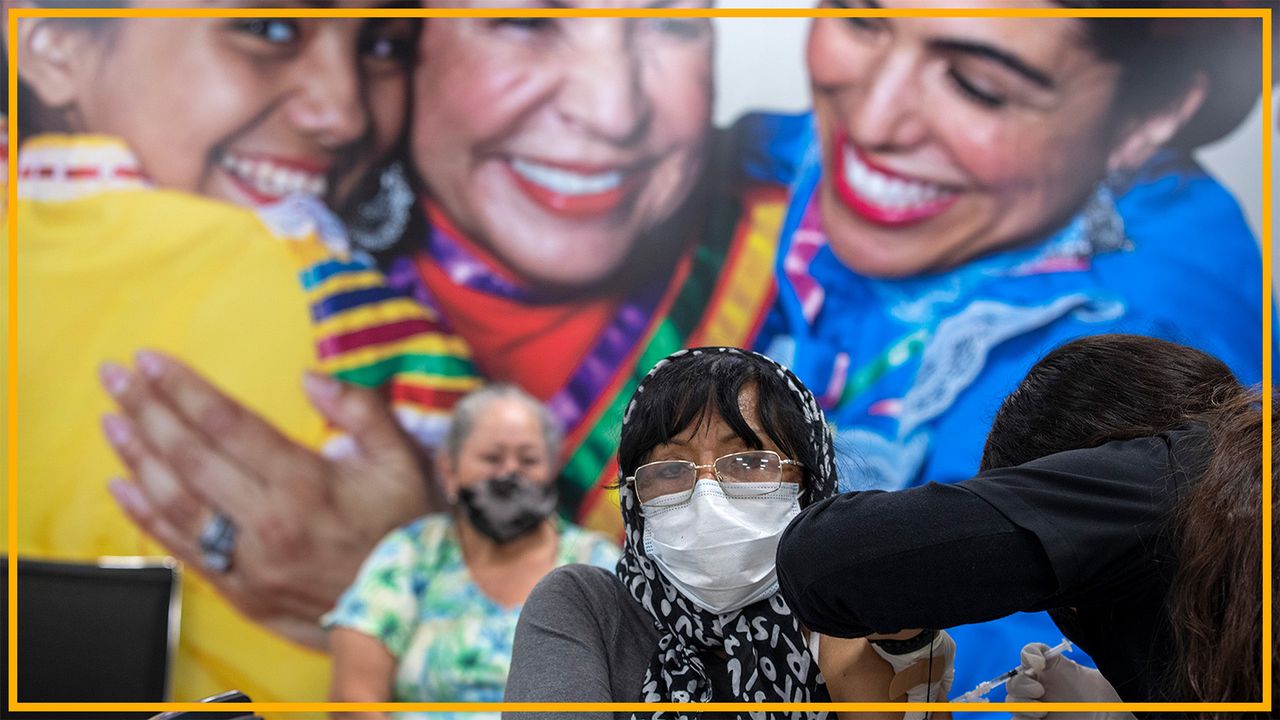
The Bundibugyo virus driving the current Ebola outbreak has no approved vaccine, but researchers are leveraging decades of vaccine innovation in an effort to change that.
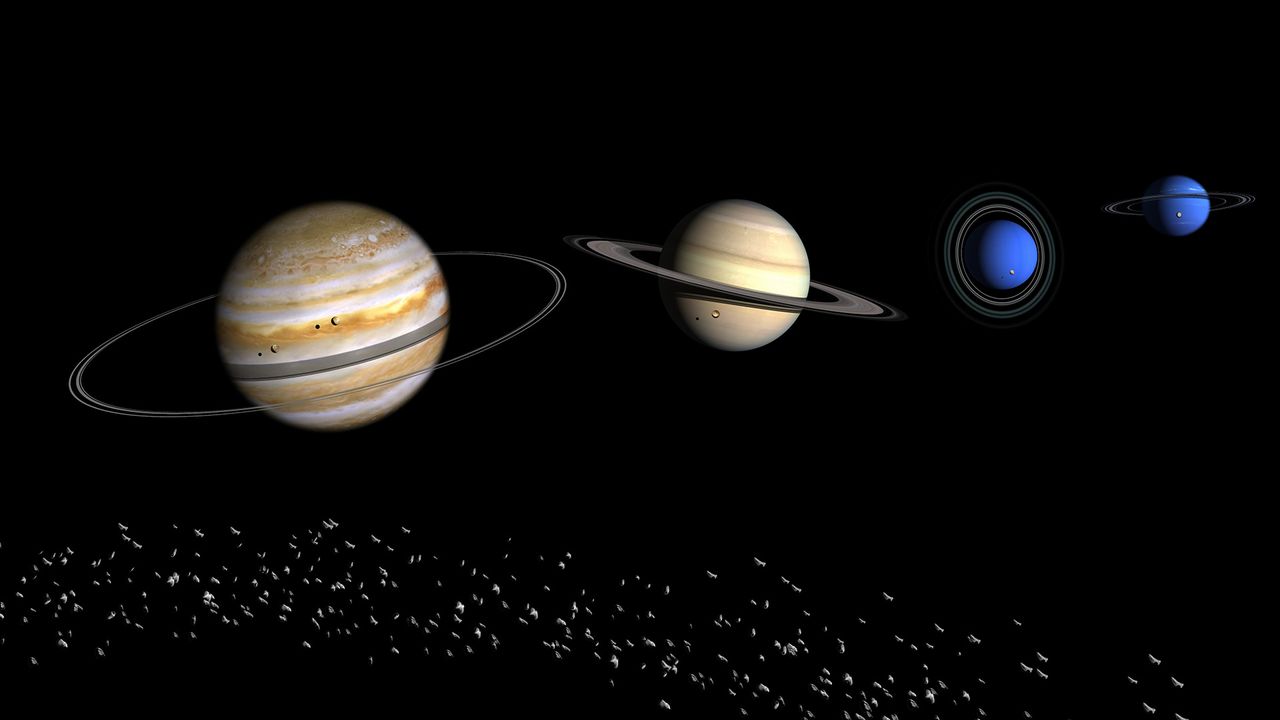
Our solar system may have hosted up to six giant planets in its first hundred million years, a new study suggests. The findings paint a more crowded picture of the early outer solar system than previously thought.
A new Chinese quantum computing system pairs two independent neutral-atom arrays in one processor, aiming to boost stability, efficiency and scalability.
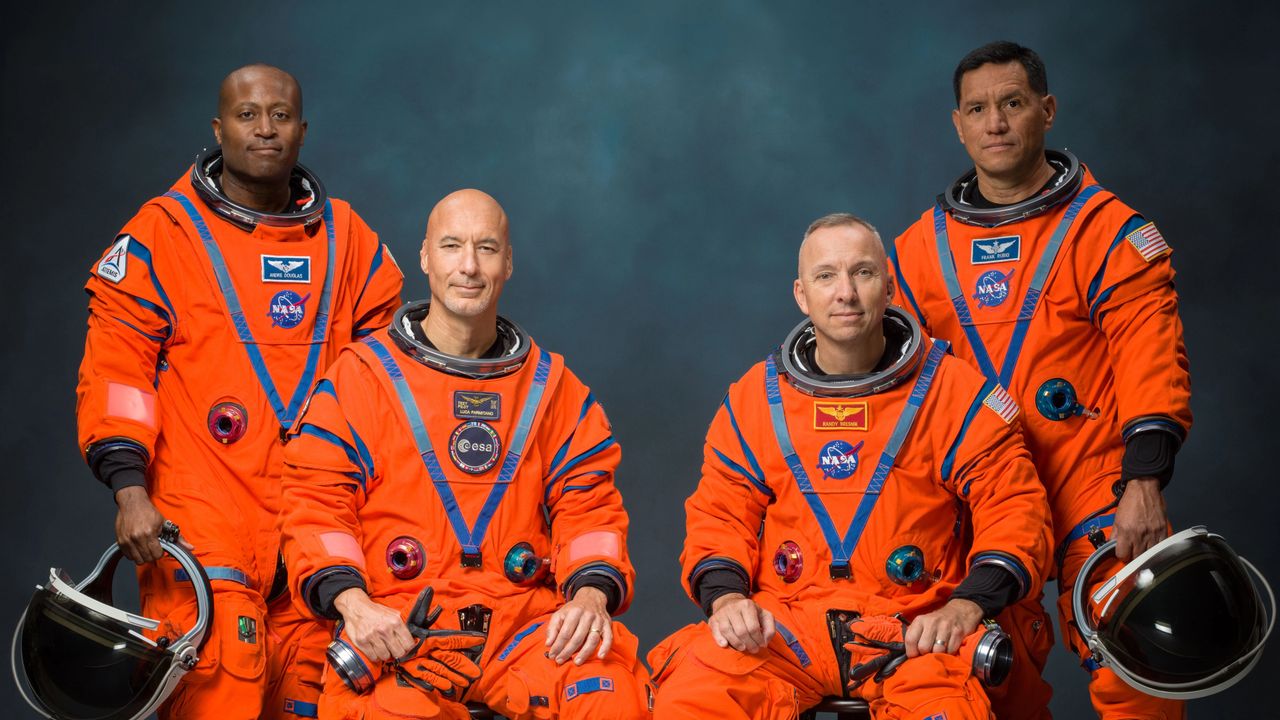
NASA's Artemis III crew has been revealed. The astronauts will launch into low Earth orbit next year to test docking with commercial lunar landers being developed by SpaceX and Blue Origin.
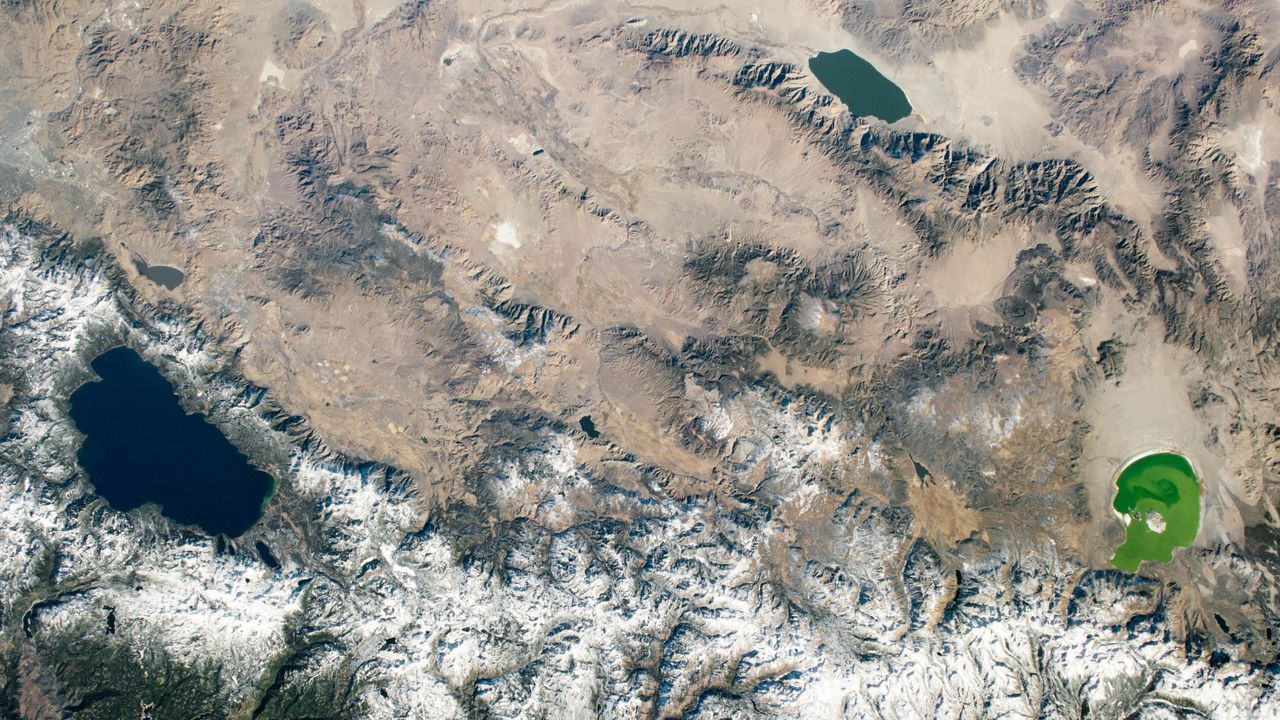
A 2020 astronaut photo shows three uniquely colored lakes — Tahoe, Walker and Mono — straddling contrasting biomes on either side of the California-Nevada border.
Researchers cracked a 50-year-old math problem scribbled by Richard Feynman over lunch. The equations show that humans are better decision-makers than scientists once thought.
Live Science spoke with Dr. Ali S. Khan, an epidemiologist and former assistant surgeon general of the U.S. Public Health Service, about the ongoing Ebola epidemic and the U.S.'s preparedness for future outbreaks.
Researchers say the Arctic Ocean crossed a biological tipping point in 2009, when nitrate levels in the water suddenly started dropping due to a drastic reduction in sea ice extent.
The board that accredits medical schools is poised to take away requirements that doctors learn about factors, such as income, neighborhood, and culture, that can affect medical treatment approaches. These requirements are necessary to ensure the highest quality of care.
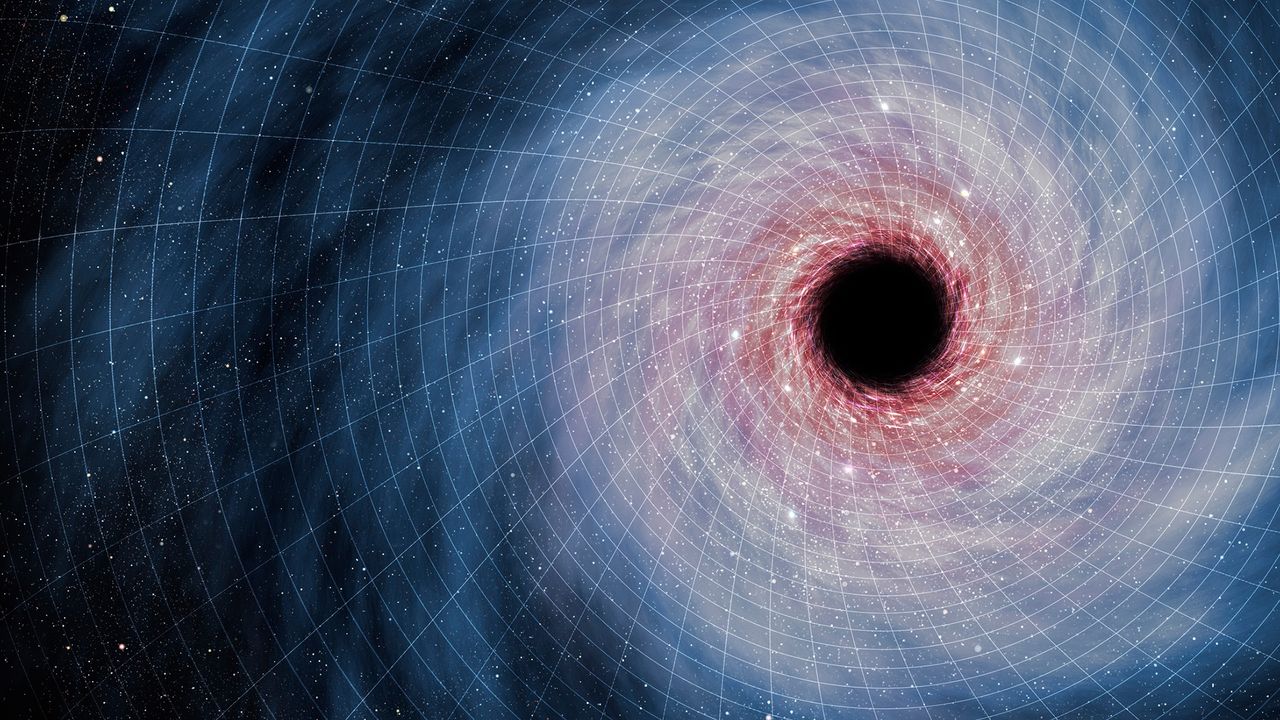
By taking general relativity into higher dimensions, a trio of physicists has proven that a mathematical pattern of ripples in space-time geometry could give rise to naked singularities and microscopic black holes.
A rare meteorite found in the Sahara Desert may be evidence of a long-lost "protoplanet" that formed in the early solar system before being destroyed in a colossal collision, a new study suggests
As temperatures rise, some creatures pick fights while others struggle to learn. The consequences of these behavioral changes may ripple through ecosystems.
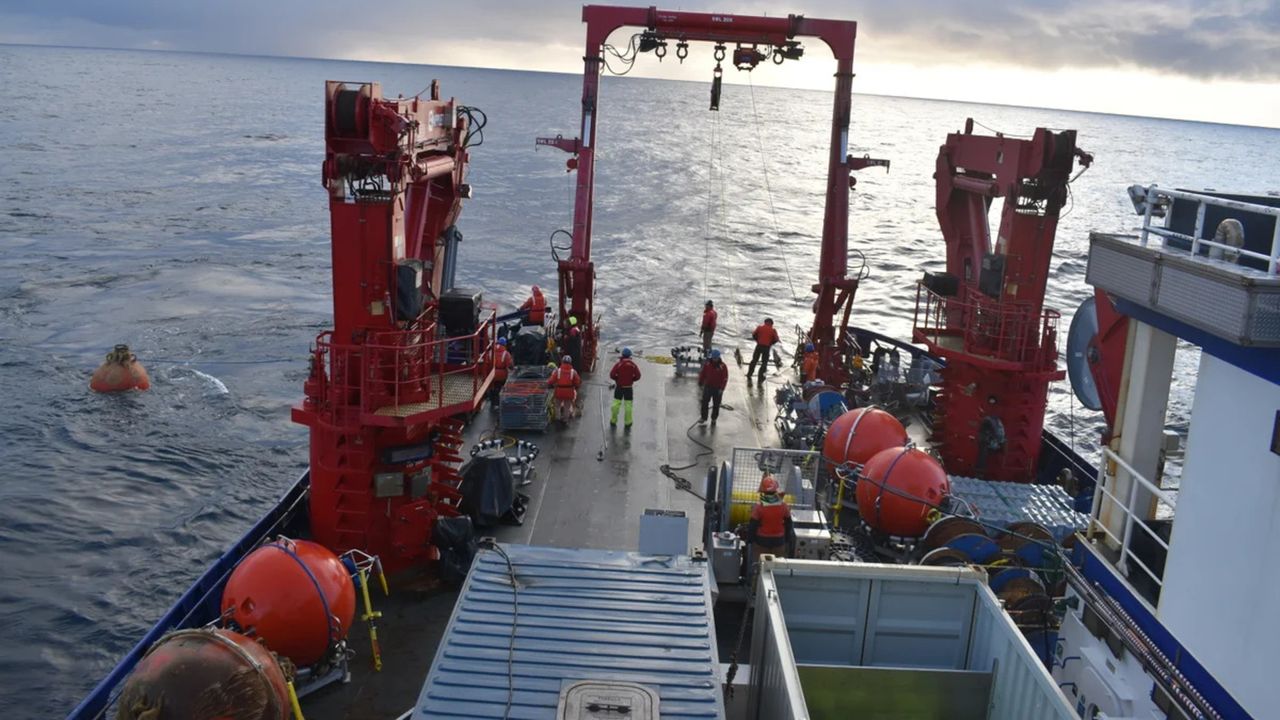
The Ocean Observatories Initiative has been collecting data on physical, chemical, geological and biological conditions in the Atlantic and Pacific Oceans for the past decade

 Login