❌

Reading view

Errant SpaceX rocket stage set to smash into the moon at 5,400 mph, seven times the speed of sound — NASA and South Korean orbiters prepare to track 3-ton TNT impact

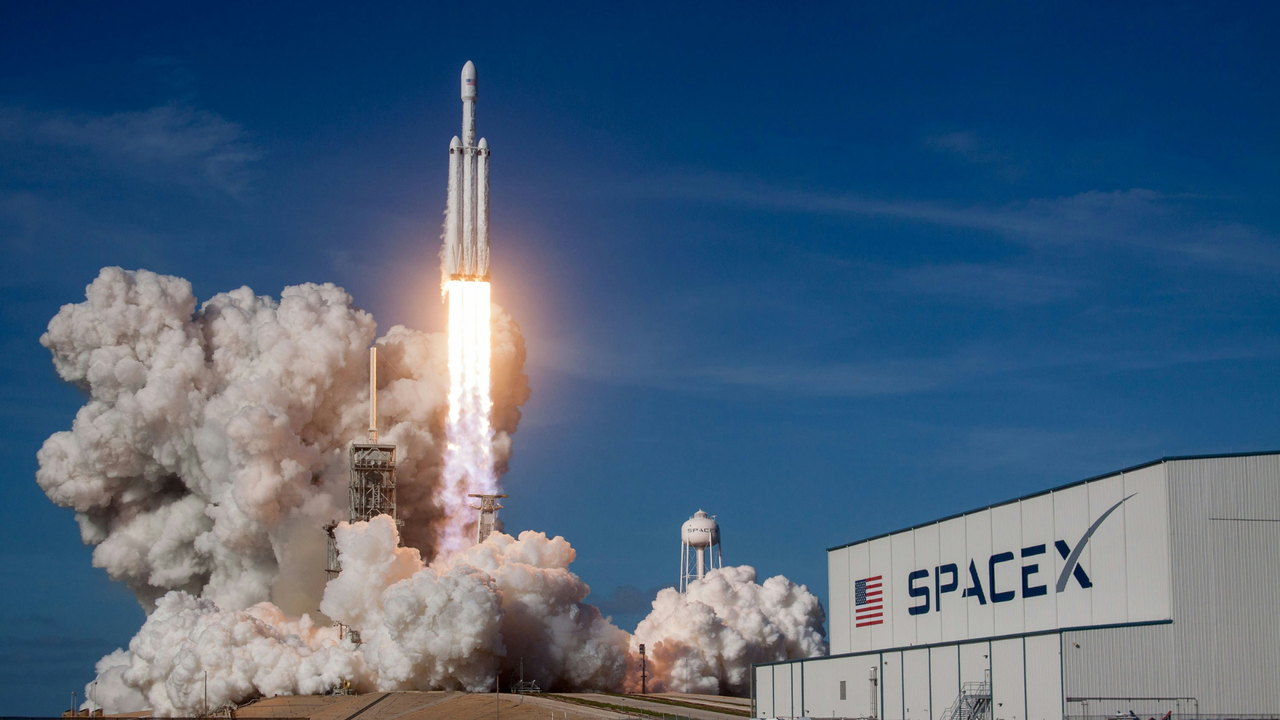
The upper stage of a SpaceX rocket that delivered two lunar landers in early 2025 is set to come crashing down on the lunar surface several months after it ended its mission. According to Japan Today, the large piece of rocket debris is expected to hit the moon at an estimated 5,400 mph or 8,690 kph, which is seven times the speed of sound.

While a piece of debris hitting the moon might seem like an inconsequential event for most people, scientists and astronomers are keeping a close eye on it because this will be one of the few times that an object will impact the moon while being observed. NASA’s Lunar Reconnaissance Orbiter and South Korea’s Danuri lunar orbiter will take before-and-after photos of the impact site, while the latter will also fly close to the stricken SpaceX rocket a few minutes before it begins its final descent.

NASA has previously deliberately crashed objects on the moon — it did this with sections of the Saturn V rocket and discarded Lunar Landers to conduct seismic experiments during the Apollo missions in the 70s. It repeated the experiment in 2009 with its LCROSS mission, where it crashed the probe near the south pole of the moon in search of ice.

What interests researchers this time is how the impact will affect the surface of the moon, which is expected to deliver energy that’s equal to about three tons of TNT. Even though this might seem like a huge amount of energy, we likely cannot see the actual crash from Earth. But because the moon does not have wind or an atmosphere, the ejected material could stretch for miles and be visible on telescopes.

“The gravity on the moon is low and there is no wind to blow the dust away,” said Benjamin Fernando of the Los Alamos National Laboratory. “Part of the reason for our interest in this event is to figure out how much of a hazard debris impacts pose to future astronauts.”

Space debris is not a major concern for the moon as it is for our planet at the moment, but this might change in the near future. As the U.S. and China are locked in a space race to see who will be the first one to land on people on the moon again after more than half a century, there will soon come a time when operators cannot just leave their rocket debris in an orbital decay, lest it come crashing down on their settlements and data centers.
  •  

Iran suspected of conducting cyberattacks on US water suppliers in 45 municipalities — small towns mostly targeted, with utilities switching to manual control

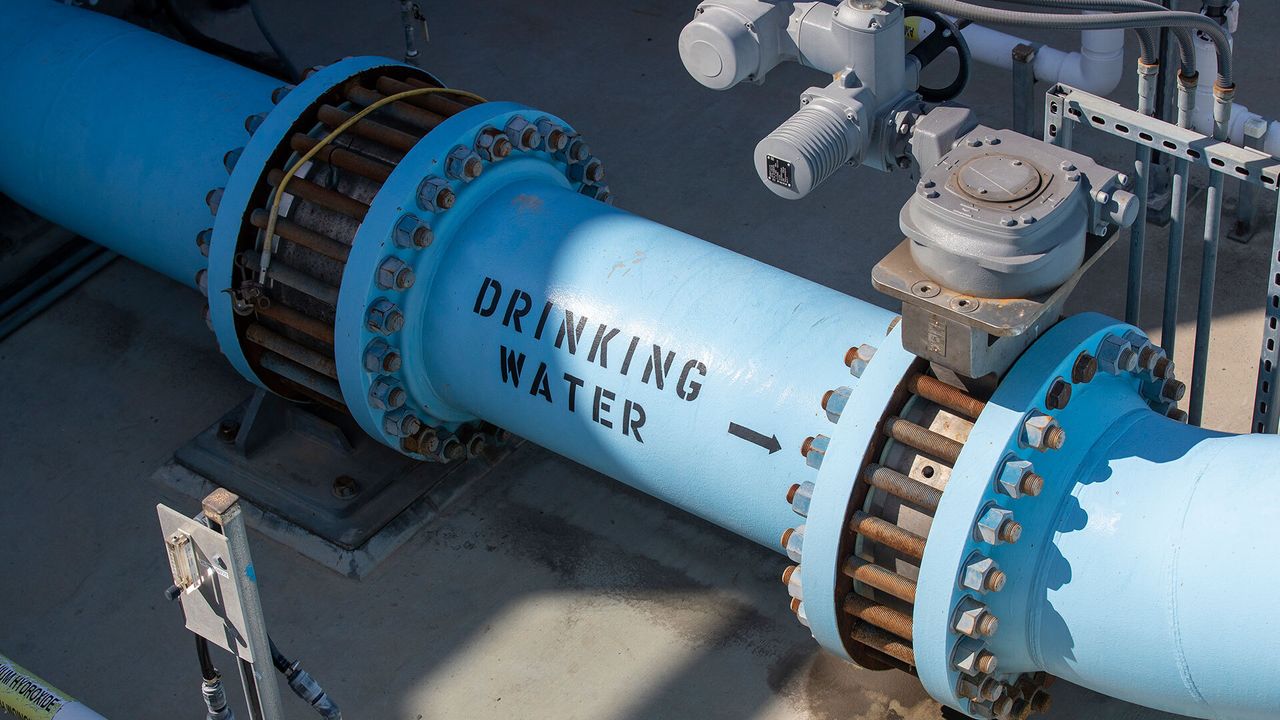
Seven states have reported cyberattacks on their water supply control systems, with some officials suspecting that Iran is behind these actions. According to the New York Times, there isn’t any definitive proof yet that Iran orchestrated these attacks but it said that moves like this have been escalating since the U.S. began its bombing campaign of the country. It was also noted that the attackers made zero financial demands, making it more likely to have been conducted by state actors that aren’t just motivated by money.

Minnesota was the first to report this kind of attack, with Michigan soon saying that it was targeted, too. While there have been no major disruptions that have made tap water unsafe to drink, the authorities across local and state governments are still on the lookout for potential problems. They’re particularly concerned about older computer systems that monitor water quality, adjust chemical treatments, and control water pressure, especially those that are connected to the internet.

Braham, Minnesota, is one of the areas affected by the cyberattacks. The mayor of the small city, which has a population of less than 2,000 people and is located about 50 miles north of Minneapolis, said it has already received guidance on how to resolve the issue and strengthen its defenses against future attacks. It’s currently using manual control to keep the water service on, but its mayor, Nate George, told the publication, “I think the troubling thing on the horizon is how do we move forward to a more secure system. IT infrastructure upgrades are very costly, and we are a very small municipality.”

He also repeated the suspicions that some federal officials had but declined to confirm. “We’re getting bits and pieces of information from the state of Minnesota and the F.B.I. They are pretty sure it’s Iranian actors.”

While states scramble to protect their utilities and other critical infrastructure, the White House has downplayed the suspected state-sponsored cyberattacks. President Donald Trump told a reporter, “I think Minnesota is behind it. I don’t think there was an Iranian cyberattack.”

This isn’t the first time that Iranian hackers have hit a U.S. institution during the 2026 war, but it’s the first time that essential services and infrastructure within the mainland have been affected. The U.S. Cybersecurity and Infrastructure Security Agency (CISA) has previously warned about potential Iranian cyberattacks, but smaller municipalities remain vulnerable.

Iran was also once on the receiving end of a cyberattack that many experts link to the U.S. The most famous of these was Stuxnet, which was supposedly used in 2009 to significantly damage and destroy critical tools used by the Iranian nuclear program. More recently, the CanisterWorm malware attacked Iranian machines and wiped them clean for no apparent reason. Again, no one has claimed responsibility for this attack.

Wars have always been fought on land and on sea, and more recently, in the air and in space. But as the internet has become indispensable for society, cyberspace has quickly become a fifth domain that states must protect and dominate. “This is what modern warfare looks like,” Gov. Tim Walz said on X.

  •  

SpaceXAI says it will remove all 69 of its unpermitted turbine power generators, but expects process to take a year — trailer-mounted generators to be replaced by 1.2GW power plant

Elon Musk’s Colossus data centers that sit near the border between Tennessee and Mississippi will finally be removed starting this month. According to the company, the 69 temporary mobile turbines, which have been the subject of a lawsuit that claims they have been causing pollution, are going to be completely removed by July 2027, meaning it will take the company 12 months to withdraw the trailer-mounted generators from its premises. This may sound confusing, as they’re “portable” generators, after all, but it seems that SpaceXAI is removing them in phases as its 1.2GW power plant slowly comes online.

SpaceXAI achieved one of the fastest data center deployments ever after it set up 100,000 Nvidia H200 GPUs in 19 days — something that Nvidia CEO Jensen Huang said usually takes four years or more. Musk achieved this by bringing in his own power instead of waiting to get connected to the grid, which was considered a novel idea at that time. Today, a few data center operators, like OpenAI, are following Musk’s footsteps and deploying their own turbines to power their servers without relying on other providers.

But even though the idea feels innovative, the community surrounding the Colossus 1 and Colossus 2 data centers has been complaining about the pollution that these mobile turbines bring. They say that these turbines didn’t have the required permits to operate, although the company argued that the mobile and temporary nature of these units exempted them. The EPA said earlier this year that these units aren’t exempt from permits, but SpaceXAI continued to operate them anyway. It has even got to the point that the NAACP filed a case over these unpermitted turbines, although the DOJ weighed in, saying that removing them would put national security at risk as Colossus 2 “supports mission-critical operations.”

Despite that, it seems that SpaceXAI has finally settled into an agreement with the Mississippi Department of Environmental Quality. It’s if the 1.2GW power plant replacing these mobile turbines is the same one that Musk is importing from overseas, but the important part is that it’s approved under a Clean Air Act permit. Aside from that, the company also said that it’s equipping all its mobile turbines with “advanced emission control technologies,” which should reduce the environmental impact of its power sources.

  •  

Gem Mint signed 1983 Steve Jobs business card opens at $70,000 — second signed card from that era after $180,000 record sale

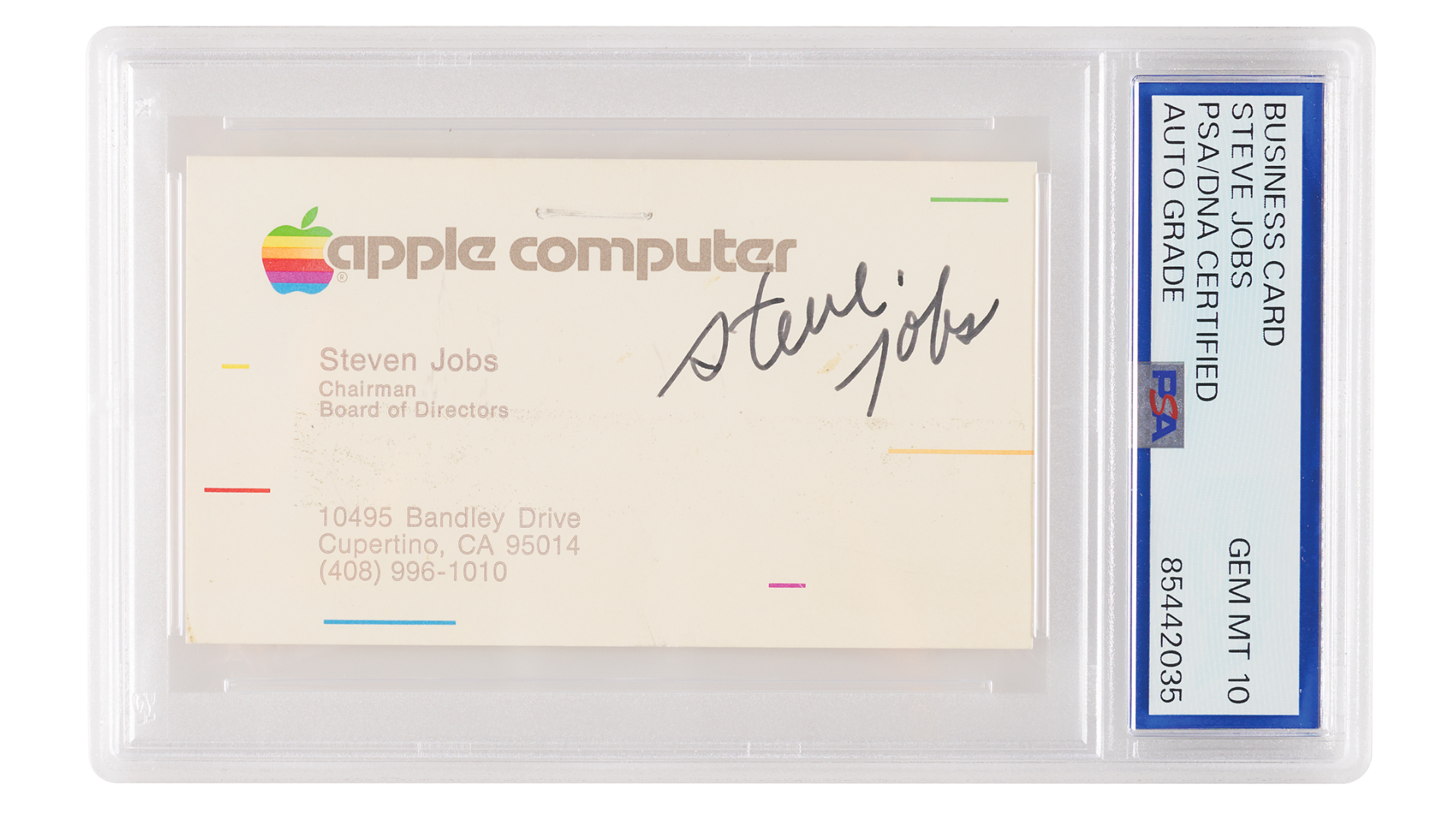
Tech enthusiasts are a passionate bunch, and the rich ones among them are willing to put their money where their mouth is. This is exactly what we see with a signed Steve Jobs business card from 1983, which is posted on RR Auction and is going for $70,741 at the time of writing. What made this relic special is that Job’s business cards from 1983 are a rare commodity and remain in high demand from collectors. It also received a Gem Mint 10 grade — the highest possible rating from PSA/DNA and is certified to be authentic.

the signed Steve Jobs business card from 1983 undergoing auction at RR Auction
RR Auction
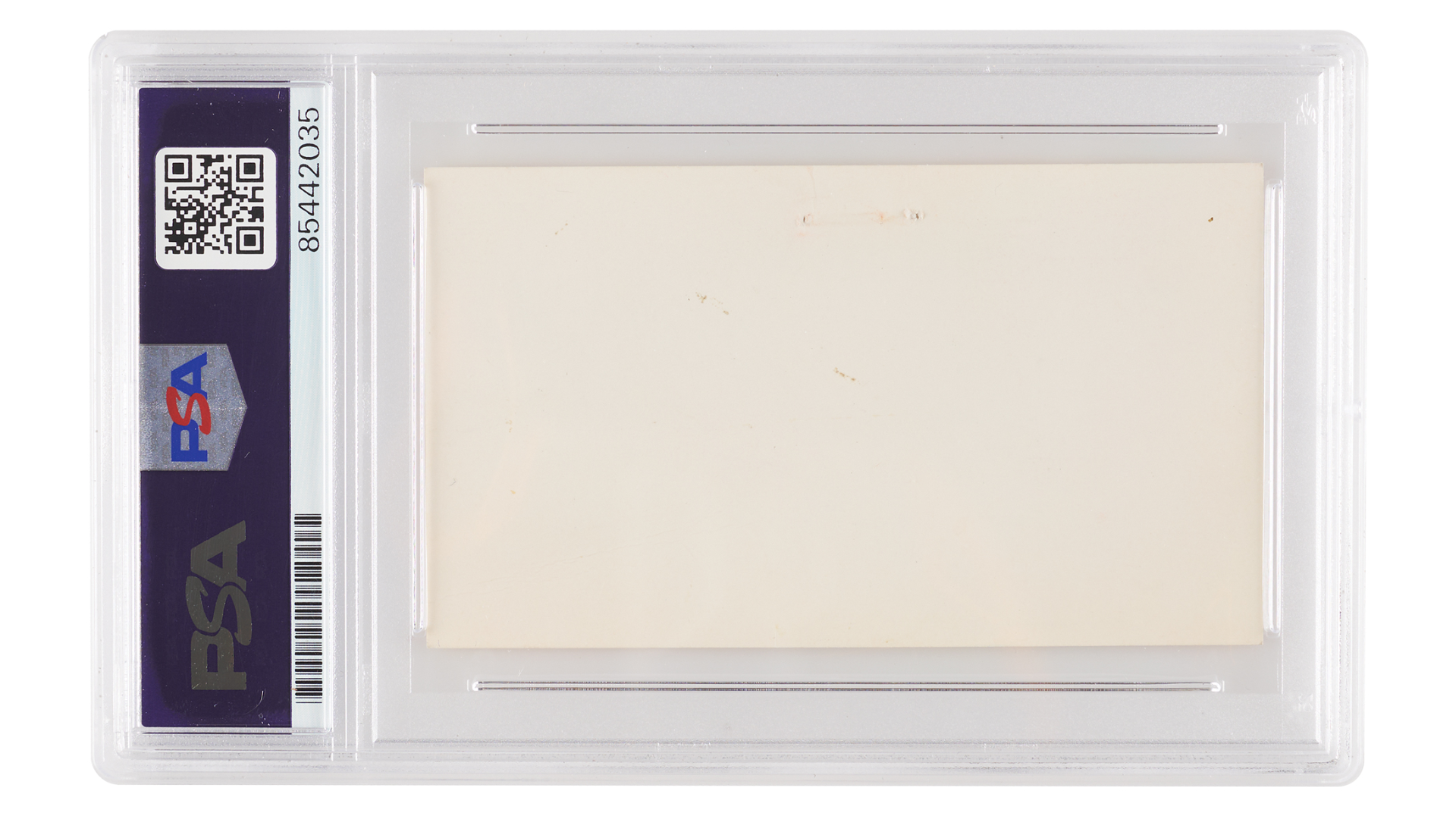
the rear of the signed Steve Jobs business card from 1983 undergoing auction at RR Auction
RR Auction

RR Auction says that it has auctioned off 15 Steve Jobs business cards in its history, but only four of those come from 1983. This is also only the second one to bear the signature of Apple’s founder, which was put on the auction block in 2024 and fetched an eye-watering $180,000. The card on auction right now isn’t exactly perfect, with the website describing it as “In fine condition, with light soiling and staple holes to the upper section, none of which affect the bold signature.” Still, there’s at least 16 bids on the item, and the next bid is currently listed at $77, 816.

This isn’t the first time that an item related to an iconic founder has fetched thousands of dollars on the auction block. Just last month, Sotheby’s estimated that Nvidia CEO Jensen Huang’s iconic Tom Ford leather jacket, which costs $9,000 if you buy it new, would get up to $60,000. However, when the hammer finally closed the auction, the winning bid hit $960,000, which, we believe, is driven by Jensanity.

Unfortunately, if you’re not into the personal effects of CEOs and want something more substantial, you’ll probably have to fork out a lot more money. One example we have is the Apple-1 ‘Prototype Board #0,’ which sold for $2,750,000. Aside from costing a lot of money, these are rare finds, and you’ll have to wait years, if not decades, to get a chance at owning something so exceptional. But if you have a hole burning in your pocket and want to start a tech-related collection, but find the Steve Jobs business card a bit above your budget, an unreleased batch of 97 Duck Hunt and Super Mario Bros. NES cartridges has recently been discovered at a retro shop, most of which are graded 9.6 or higher by PSA. Three examples are about to enter auction on August 12, and they’re estimated to start at four figures, which might make it more “attainable” to fledgling collections.

  •  

Dell founder shows how a $100 billion empire started 42 years ago — CEO says ‘This one page changed my life’

Michael Dell, the founder of Dell Technologies Inc., shared his company’s quarterly earnings report dated July 31, 1984, saying, “This one page changed my life.” The billionaire said on his X post that the numbers on that piece of paper convinced his parents that they didn’t need to go back to college. He started the company in 1984, originally known as PC’s Limited, in his dorm room at the University of Texas at Austin, upgrading PCs and building clones of IBM PCs from stock parts.

As we see from his X post below, his venture seemed to be successful from the get-go, with Dell selling almost a million dollars’ worth of parts and computers, which resulted in a net income of $134,762.75 for just one quarter — equal to $433,150.05 in 2026 dollars. This is an achievement for any startup not backed by millions of dollars, much less by a 19-year-old college freshman backed by just $1,000, with the investment returning 13,500% in less than a year.

Dell went public four years after it was founded, but after a quarter of a century of being listed on the stock market, Michael Dell and Silver Lake Partners decided to take the company private again in 2013 in a $24.9 billion deal as it struggled with the rise of smartphones and tablets. After five years without mandatory quarterly reports, Dell decided to go public again, and it currently has a market capitalization of around $261.92 billion.

This one page changed my life.42 years ago today, it convinced my parents I shouldn't go back to college.I started by upgrading PCs from a dorm room.Today @Dell is helping build the infrastructure that powers AI, from the edge to some of the world's largest AI factories.… pic.twitter.com/OF3KTMrBeHJuly 31, 2026

The fledgling dorm-room startup has turned from a niche supplier of off-brand IBM-compatible computers into a massive tech giant. It owns iconic computer brands like Alienware and XPS, and has also jumped on the AI bandwagon, supplying servers to hyperscalers and data centers. Its latest income statement also lists total net revenue of $43 billion and a net income of $3.4 billion. Dell’s risk in 1984 also paid handsomely for him. He’s currently the fifth richest person on Forbes’ real-time billionaires list, with a net worth of $229.2 billion.

The computer company has also had its fair share of controversies. This includes an SEC investigation into improper accounting practices in 2005, a lawsuit and massive recall related to laptop batteries catching fire in 2007, and a security vulnerability in 2015 that could have exposed customer data to bad actors. Despite all that, the company continues to thrive today and release new products like the $699 XPS 13 and an affordable OLED gaming monitor in the Alienware AW3426DW. Dell has made a significant impact on PCs, laptops, and other systems for gaming, productivity, enterprise, and more.

  •  

Microsoft vows to make Windows 11 fly on 8GB RAM amid memory shortage — optimizations to reduce OS memory footprint have begun

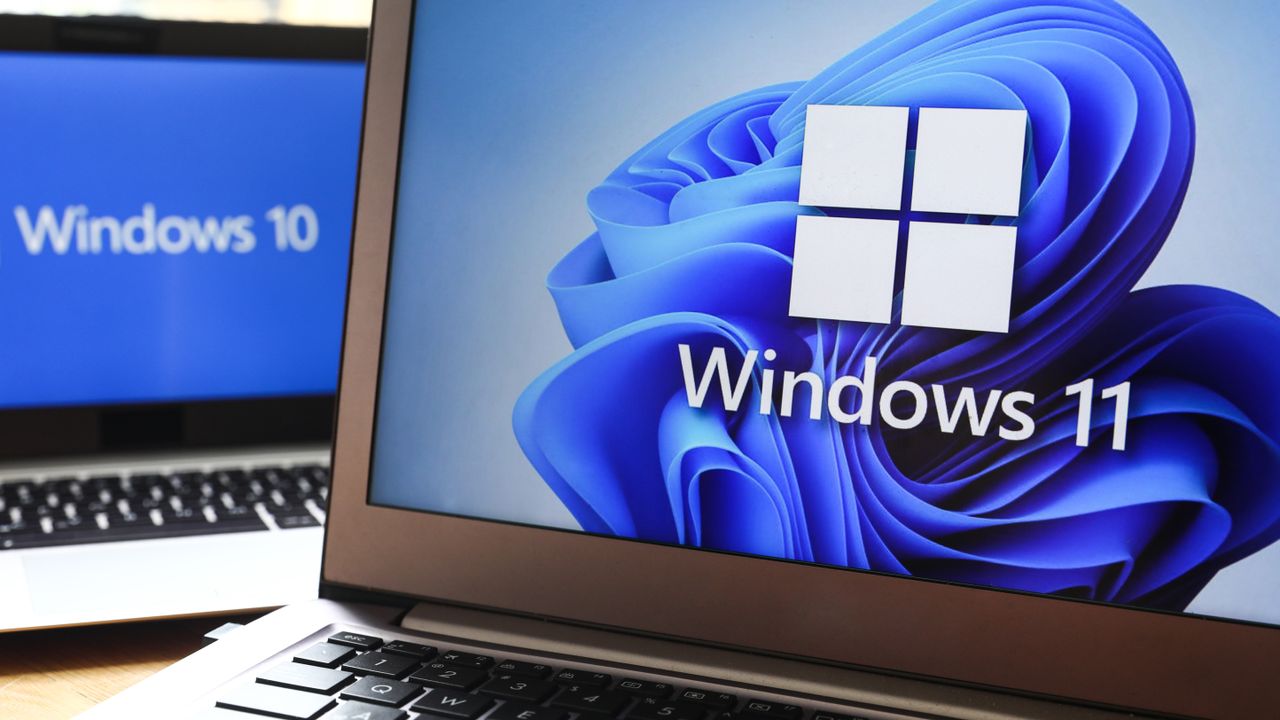
Microsoft said that it’s planning to optimize Windows 11 for systems with 8GB of RAM and above as part of its promise to improve Windows 11 in March 2026. The company said in its latest update that the optimization is part of expanding its focus on operating system upgrades, which include a faster out-of-the-box experience, easier parental controls, and improved voice interactions.

While the official minimum specifications for Windows 11 sit at just 4GB of RAM, most PC builders advise getting at least 16GB if you want to have a smooth experience. In fact, Microsoft has previously recommended 32GB of RAM for Windows 11 for gamers, especially if they want a system that can handle games in the near future. Unfortunately, the RAMpocalypse has forced both users and manufacturers to stick with slower DDR4 memory and lower capacities. Some experts predict that the entry-level PC will disappear by 2028, and we’ve even seen some manufacturers, including Apple, reintroduce 8GB laptops just to hit a specific price point.

The resurgence of 8GB systems will likely deliver a bad experience for users who stick with Windows 11, which is the likely reason why Microsoft is pushing for the optimization of its operating system. If Windows 11 performs poorly on these systems, it could draw users towards macOS or Linux alternatives as they blame the operating system for underperforming on limited hardware. In fact, we’ve already seen this happen before — after Microsoft ended support for Windows 10, MacBooks saw an uptick in sales as users migrated towards macOS instead of going for Windows 11. SteamOS is also encouraging some gamers to ditch Windows, and Valve is working on a general release for the OS, which many say contains less bloat and is a bit snappier than what Microsoft offers.

The RAM shortage crisis, alongside increasing competition, is forcing Microsoft to do better with Windows 11. Hopefully, these optimizations arrive sooner and don’t introduce new bugs, allowing both new and existing users to get more out of their systems.

The Windows blog post also gave an update on what improvements the company has made to Windows 11 so far. This includes a better Windows Search experience, more Taskbar and Start customizations, a more responsive and reliable File Explorer, among others. Many of these changes are still in preview, though, so unless you’re part of the Windows Insider Program, you’ll have to wait a few more weeks to months before you can start enjoying these changes.

  •  

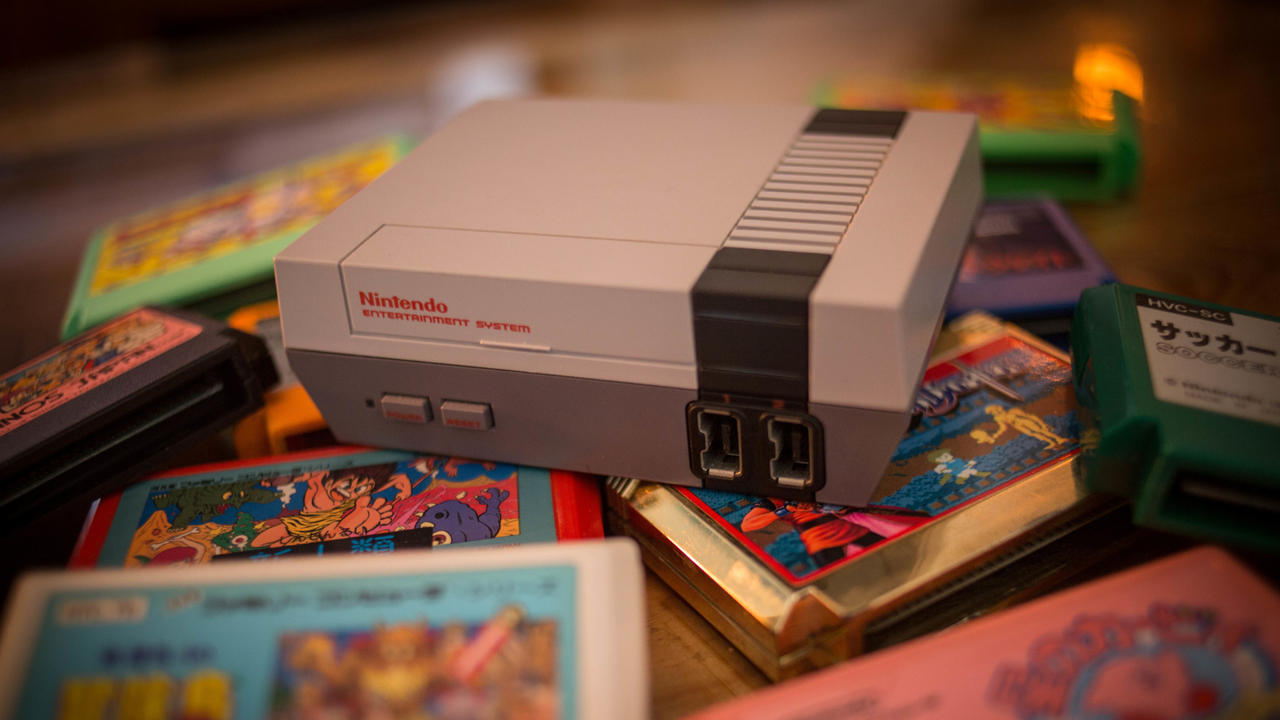
97 untouched Duck Hunt and Super Mario Bros. cartridges worth thousands discovered in retro shop storage room — never-before-seen version of popular NES games include five perfect 10 PSA items

A retro shop owner based in Waukesha, Wisconsin, located some 15 miles west of Milwaukee, discovered that he was holding on to a rare stash of NES carts in his storage room. According to Nintendo Wire, these cartridges were never-before-seen versions of Duck Hunt and Super Mario Bros., which were some of the most popular games on the Nintendo Entertainment System. What’s more important is that these haven’t been opened, and the original owner said that these supposedly came directly from Nintendo of America. Their condition is so pristine that PSA (Professional Sports Authenticator) gave them extremely high grades of no less than 9.6, with five units getting the coveted perfect 10.

Kevin Braun, the owner of the retro shop OneStopWonders, said that a person sold him the cartridges years ago and that they’ve just been sitting untouched in his storage unit. The man said that his grandfather owned a business that recovered precious metals from circuit boards, and that this box was supposedly sold to him for salvaging. It’s unknown how it ended up in storage instead of recycling, but Braun bought it from the seller, thinking he could resell it in his shop for around $10 to $15 each.

Thankfully, he forgot about these cartridges until his friend and EIC of Nintendo Wire, Jason Ganos, got a chance to look at them. When he saw the carts for the first time, Ganos knew that he was looking at something special but didn’t realize how exceptional they were until he shared the find on a high-end gaming Facebook group. Two different people working as directors at different grading companies then reached out to him, telling him that there was something strange about these cartridges. They then asked for more photos of one cartridge and the manual and even told him to disassemble one unit for a deeper inspection.

This is where he discovered that these cartridges were some of the last produced units made during the 40th week of 1993. The manuals weren’t seen before, either, with the back page saying, “maintenance or service,” whereas previous known versions said, “maintenance or repair.” Because of these finds, he proceeded to take a flight to PSA in California early the next morning, where the grading company confirmed its authenticity.

It seems that the cartridges in the box were made as replacements for warranty repairs or refurbished consoles, or as part of a bundle that never saw release. We would never know which is true, though, unless Nintendo of America confirms why they were made. If you’re an avid collector or simply want to get your hands on an original Nintendo game that hasn’t been released, three carts will be auctioned off at Goldin Auctions starting August 12.

It’s unclear how much these carts will go for, but it’s estimated that they’d cost at least four digits, with the perfect 10s possibly hitting five digits. This is possible, given that an ultra-rare NES Gold Nintendo World Championships cartridge auction sat at $77,000 and probably sold for a much higher price. So, if you want to get your hands on this, you’d better have a war chest of at least $100,000 to guarantee that you can get one — just don’t blow on it if you insert it in your NES console and it doesn’t work for the first time.

  •  

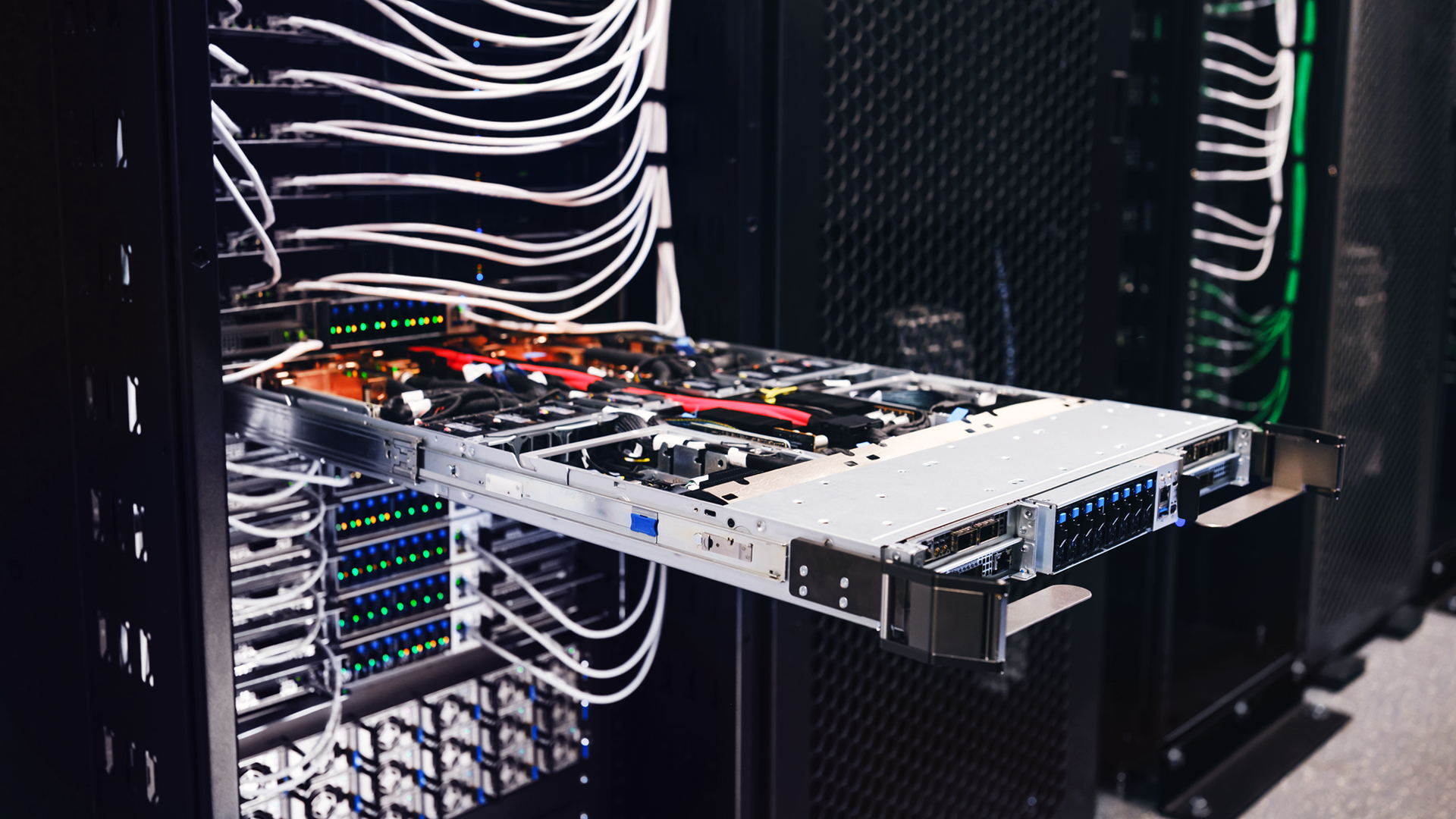
Big tech spends more than $1 trillion on AI infrastructure — additional $745 billion expected to be added to the figure in 2026 alone

Amazon, Google, Meta, and Microsoft have spent more than a trillion dollars on AI infrastructure, including data centers, the chips inside them, and the power needed to run the facilities, since 2023. The Financial Times said that these four big companies have already hit $1.1 trillion in capital expenditure based on their latest earnings reports, and that an additional $745 billion is expected to be added to this figure just this year.

“There is basically no end in sight for the growth in capex,” RBC Capital analyst Rishi Jaluria told the publication. “Investors need these companies to toe the tight line between investing in AI and not compromising the things that have made them successful.” This massive investment has upended several other industries — namely electricity prices and memory and storage chips. The massive power demand that data centers have put on the power grid has forced many U.S. utility companies to spend billions of dollars to upgrade their respective infrastructure, which they then passed on to all consumers, not just the big ones that forced the upgrade.

This, alongside other environmental issues, has caused many Americans to push back against data center projects near their communities. The White House instituted the “ratepayer protection pledge” and made AI hyperscalers, utility operators, data center companies, and individual states promise that they will protect the average consumer from electricity cost increases. But so far, no state has taken a step to codify this pledge into law. Oregon actually enacted the POWER Act, which resulted in a 30% increase in the power bill of users that consumed more than 20MW while slashing the bills of residents by 1.3%, but the state did this in 2025, way before President Donald Trump called the tech giants into the White House and told them to “pay their own way.”

The mountains of cash that these tech giants are pouring into AI are also affecting the memory and storage chip industry. Since these AI hyperscalers have a lot of liquidity from investors, they are willing to pay top dollar for the HBM they need to run their data centers. Because of this, it made sense for Micron, Samsung, and SK hynix to prioritize them over DRAM, especially as they can charge a premium for these chips and there are customers who are willing to pay at those prices. This resulted in a shortage of consumer memory that started in 2025 — while this initially affected PC builders and enthusiasts, it has started to affect other industries that require memory as well, including cars and smartphones. Even Apple, which historically had huge sway over its suppliers, was forced to increase prices because of the shortages.

Aside from skewing other industries, the massive CAPEX the big four are going into is alarming some experts, warning that the promises and contracts they’re making are leading to “hidden debt” not listed in their balance sheets. The amount, worth around $1.65 trillion, is annotated in their quarterly financial statements as future obligations that will only come into play as the related asset or service comes online. The current value is 122% of the actual debt reflected on their balance sheets, which could give investors the wrong impression that they have fewer obligations than they actually have.

While the amount of money that the big four are spending on AI might seem dizzyingly high, we must note that these companies are raking in massive amounts of cash quarterly themselves. Microsoft’s latest quarterly revenue is $90 billion, while Meta made $60 billion in the same period. Alphabet (Google) announced revenue of nearly $120 billion, while Amazon made $200 billion. That is a total of nearly $470 billion for these companies in just the last quarter.

Still, that does not mean that they can just keep on spending on AI. For example, even though Google’s cloud business had a revenue of $11 billion last year, its price dropped after it announced that it spent more than it made last quarter — the first time this happened in the 20 years since it went public. Meta is also planning to rent out its AI compute, apparently following in the footsteps of Amazon, Google, and Microsoft, which have growing cloud businesses. However, this announcement caused a drop in its stock price. “They are a bit all over the place,” SLC Management managing director Dec Mullarkey told FT. “For investors it’s no longer growth at any cost; they want to see the spending flowing through to results, like at the Big Three.”

  •  

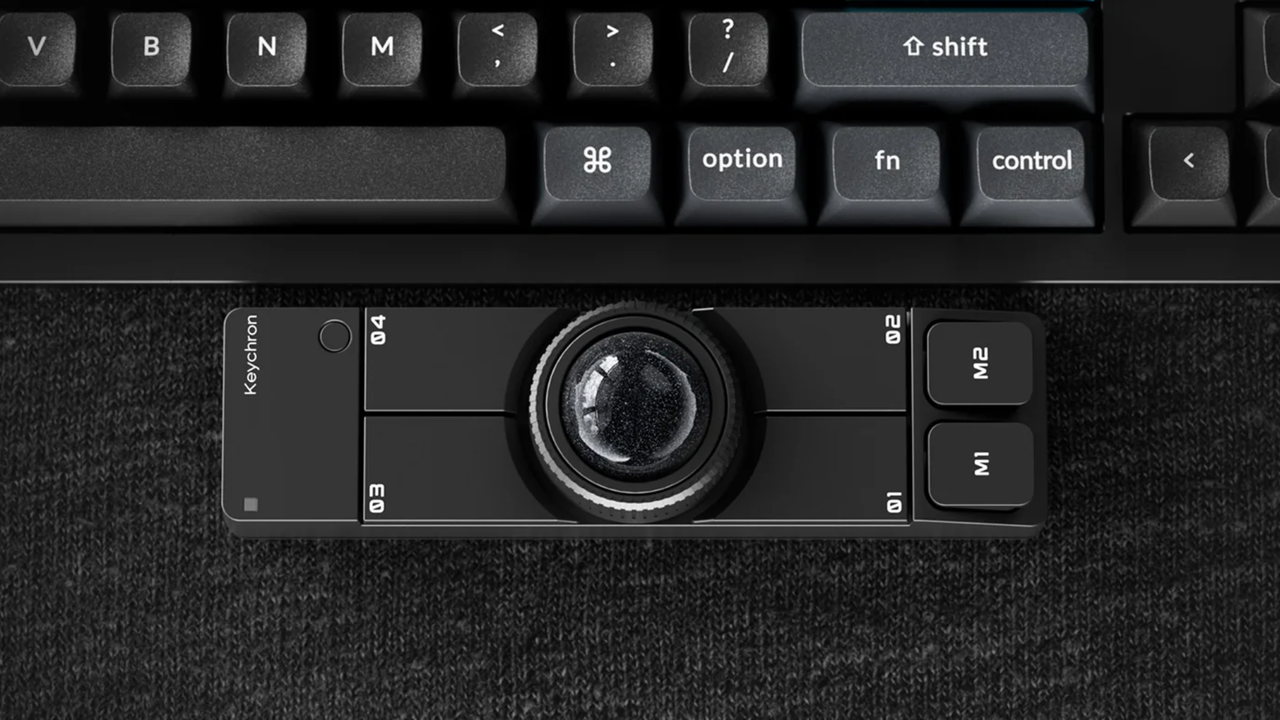
Keyboard giant Keychron launches Nape Pro wireless trackball mouse — rectangular form factor designed to sit under spacebar gives users six customizable buttons and a control dial

Keychron, which is known for its mechanical keyboards, just launched a wireless trackball mouse designed to comfortably sit underneath your space bar, complete with six programmable buttons. The Nape Pro wireless trackball mouse is now available on Amazon for $89.99. Although it may look pricey, with comparable ergonomic trackball mice often priced significantly lower, its unique rectangular design makes it the perfect companion for programmers, writers, and those who primarily use the keyboard for productivity. The placement means you don’t have to lift your hands from the keyboard to move the cursor, although it will get in the way if you prefer using a wrist rest.

The keyboard maker revealed the quirky trackball mouse earlier this year at CES, and it’s finally available for those who are interested. It’s wireless, sports six customizable buttons and a control dial, so you can also use it as a macro pad that you can place to the left or right of your keyboard or drawing tablet (or even center, if you have a split keyboard) and pair it with one of the best gaming mice for regular use. But what makes the Nape Pro more useful and powerful is the customizability that Keychron offers. You can change the functions of each button and the dial on the trackball mouse to exactly match what you need. It also has up to seven layers, so you can change what each button does based on what you need.

There are other trackball mice available on the market, like the Elecom Huge Plus with its 52mm ball and 10 programmable buttons (by comparison, the Nape Pro only has a 25mm ball), but they’re mostly designed to replace your mouse with their ergonomic designs. The Keychron trackball, on the other hand, feels like it’s there to complement your current ergonomic mouse and not replace it entirely.

This trackball mouse is another unique product from Keychron, which is known for making one of the best wireless and best budget mechanical keyboards. The keyboard company also makes different types of mice for basic use, productivity, and gaming, but it seems that it hasn’t hit the home run yet on these models. Perhaps the Nape Pro, which is like a hybrid macro pad and trackball mouse, would help elevate its mice to the same level as some of its mechanical keyboards, like the Keychron K3 Ultra.

  •  

Startup plans to put nuclear-powered data centers in the sea — modular units could be much faster to deploy, but questions about reliability and longevity remain

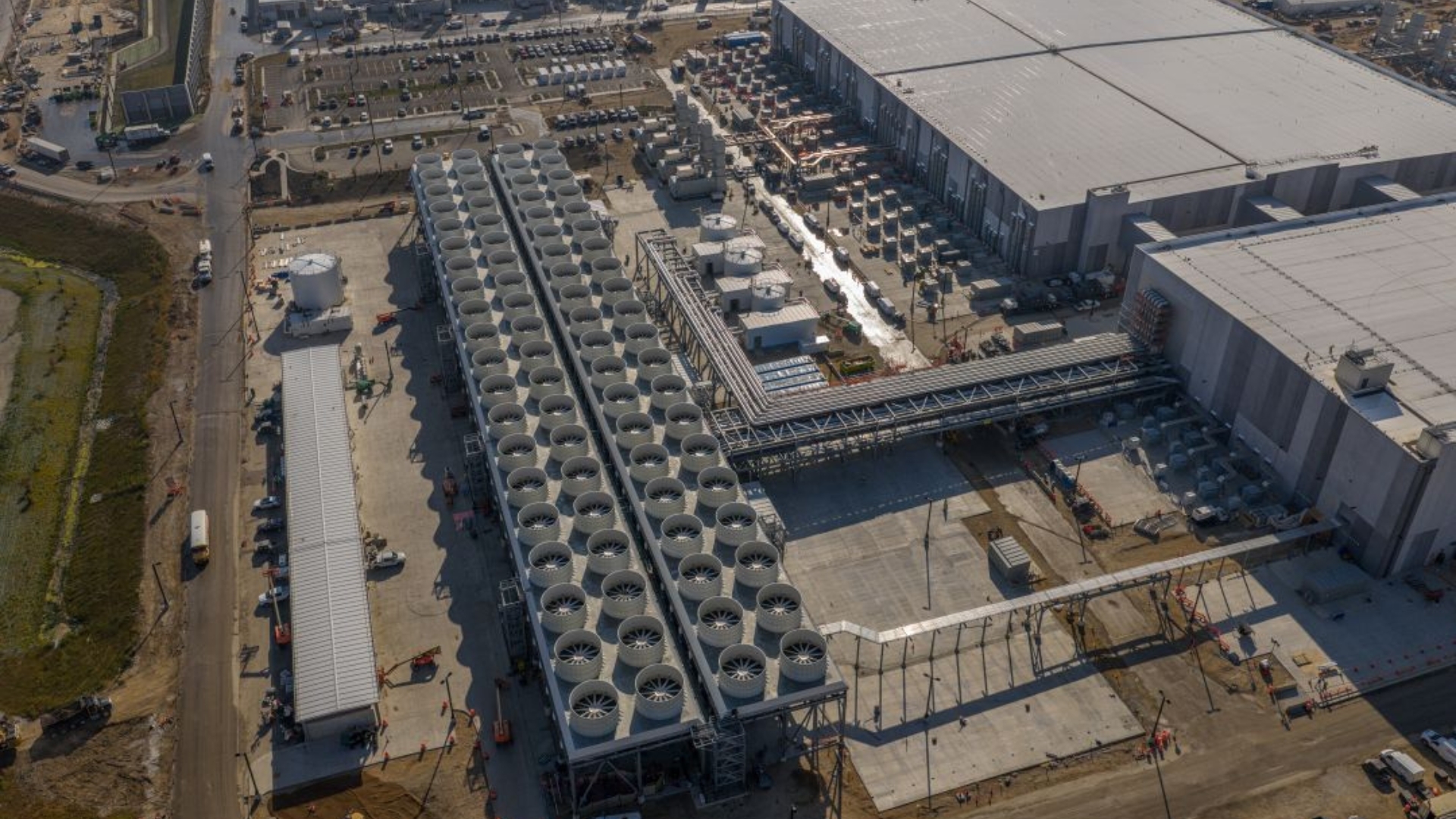
Data centers on land are facing increasing opposition and having a hard time getting off the ground — from power connection issues that can take months or years to resolve, to neighborhood concerns about noise and air pollution, as well as their impact on the local water supply. One startup called Atomarine wants to solve this by building nuclear-powered data centers on barges and deploying them at sea.

There have already been various proposals to put data centers out at sea (or even submerged) from established names and startups. We’ve seen conventional examples from companies like Samsung Heavy Industries and Japanese shipping company MOL who to put the servers on dedicated ships and are powered by liquefied natural gas (LNG). There are also more innovative solutions from startups that want to put them in the bases of ocean-based wind turbines or in wave energy converters.

Atomarine differs by building data centers as floating barges, similar to floating oil platforms, which can be deployed anywhere — even in international waters. This should help cut down on the permitting process, and it doesn’t have to worry about disturbing neighbors. The electricity needed to run the infrastructure is then delivered by a power ship moored alongside the barge supplied by LNG ships. Once small modular nuclear reactors (SMRs) become commercially available and certified for shipboard use, operators can then swap out the conventionally powered electricity suppliers with a nuclear one relatively quickly. And because these data center barges are modular in nature, it would be relatively easy to upgrade and scale the floating data center.

While this project sounds promising, building a megastructure like this comes with several challenges. The biggest one is that the ocean is massive and unpredictable, so these barges must be engineered to face extreme weather conditions, making them quite expensive to deploy. It must also be connected to high-speed internet (unless the operators plan to ship tons of drives daily), so they’ll have to lay undersea cables, as well. Furthermore, data servers are particularly sensitive equipment, so they must be upgraded to ensure that they can withstand the continuous rolling motion and the salty environment of the sea. There’s also the question of an SMR’s viability in shipborne use, although the U.S. Navy already has a good track record of running nuclear reactors aboard massive vessels.

The mounting opposition against data centers, both by the general public and politicians, is making it harder and more time-consuming to build new projects across the U.S. While an ocean-based data center like this is likely going to be significantly more expensive and technically challenging than land-based developments, this might become the fastest option in the future if the idea proves to be viable.

  •  

Amazon accidentally spent $1.8 million using Claude for menial coding task, went 860% over budget —'catastrophically expensive' coding blunders discovered in internal Amazon AI usage metrics

Amazon has several internal reports that show how AI is causing the company to overspend on various projects. The Financial Times reports that the cost overruns reached $1.8 million, and that is just for one project. These mistakes used to be “trivially cheap,” but AI models made them “catastrophically expensive,” especially as token spending drastically increased with the deployment of AI agents.

The biggest blunder, so far, is the $1.8-million bill that came from a failed Claude Sonnet AI deployment, which was supposed to match author details with listings on Amazon, representing an 860% increase over the allocated budget that was only detected some five months after the issue started happening. Other problems that surfaced include a $541,000 additional cost that came from a project building, ironically, a financial auditing tool, and a $134,000 extra expense for a system designed to reduce delivery times in the company’s logistics network.

“As with any new technology, we’re experimenting, learning and improving how we use it, including how we drive cost efficiencies,” Amazon said in an internal presentation, according to FT. “Cherry-picking small, isolated examples where teams are learning from one another and portraying them as business as usual doesn’t reflect how teams across Amazon are using AI.” And even though overspending more than a million dollars on failed AI projects might seem excessive for the average person, the tech giant’s latest quarterly revenue sits at more than $181 billion, meaning these excess AI expenses don’t even account for 0.1% of what it makes in a month.

This is not the first time that AI-related issues have cropped up in Amazon’s workflow. Earlier this year, AWS reported several outages that were driven by AI coding bot blunders, but the company fixed this by limiting the access of AI agents instead of giving them the same permissions as the senior engineers that they’re tied to. It also used to have an internal leaderboard that showed which employees used AI the most, but has since dropped it as spiraling AI costs made them think twice about the policy.

Many tech companies have been pushing their people to use AI, supposedly to increase productivity through tokenmaxxing. However, the Uber CTO said that there is no link between this policy and shipping successful products. And as agents took over and AI providers switched from subscription to per-token models, costs have become so great that companies are using up their annual budgets in a matter of weeks. While this might not be an immediate issue for tech giants like Amazon and Microsoft, it is unsustainable for most other companies out there.

  •  
❌