❌

Reading view

Rewriting the rules of heteroepitaxy with a flexible crystal

Building electronic devices often requires stacking different crystalline materials on top of one another with atomic precision. This process, called heteroepitaxy, works best when the two crystals share similar atomic patterns. When their symmetries differ, the upper crystal tends to grow in several orientations at once instead of a single one, creating defects that degrade device performance. Engineers have long dealt with this problem by treating the surface of the lower crystal beforehand, for example by etching steps into it, exposing it to plasma, or adding a buffer layer, to help the two materials bond more effectively. Now, a team of researchers explores 1 a different route: rather than forcing the two crystals to fit together, it takes advantage of a crystal that is naturally flexible at the atomic scale.

Flexible by design
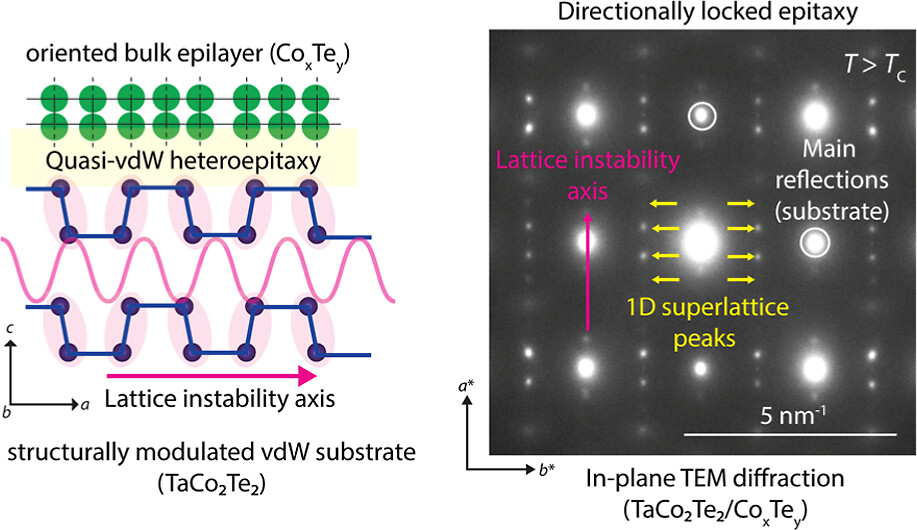
flexible

The material at the center of this approach is a layered compound called TaCo2Te2. Like graphite, its layers are held together by weak van der Waals forces, which makes it easy to combine with other materials without demanding a perfect chemical match. Unlike most layered crystals, though, its atoms are not arranged in a perfectly regular pattern. At room temperature they undergo a small, periodic shift known as a Peierls distortion, a phenomenon first described in the 1930s by the physicist Rudolf Peierls, who showed that in some materials the electrons and the surrounding lattice can lower their combined energy by nudging atoms slightly out of their ideal positions. When TaCo2Te2 is heated above about 523 kelvin, or 250 degrees Celsius, this distortion disappears and the crystal adopts a more symmetric structure, although traces of the original pattern linger as fleeting, temperature-driven fluctuations.

These fluctuations are not random. Calculations of how the crystal vibrates, backed up by Raman spectroscopy and electron diffraction experiments, show that the lattice is especially unstable along one crystallographic direction, meaning atoms can shift more easily there than in the perpendicular direction. This directional softness turns out to be the key ingredient that controls how a second material grows on the surface.

Heating TaCo2Te2 also sets its atoms in motion across the surface. Tantalum atoms drift away, while cobalt and tellurium reorganize into a thin crystalline layer whose composition resembles cobalt telluride. Rather than clumping into isolated islands, this new layer spreads sideways first and only then thickens, producing a smooth, continuous interface with the crystal beneath it, a layer-by-layer growth style that electron microscopy confirms is energetically favorable.

Directionally locked

The most striking result is that the new crystal does not settle into just any orientation. Even though its symmetry differs from that of the underlying TaCo2Te2, it becomes directionally locked. Along one in-plane direction, the atomic spacings of the two materials match closely, giving a tight, well-ordered registry. Along the perpendicular direction the mismatch is far larger, but this happens to be exactly the direction where TaCo2Te2 is most flexible, thanks to its lattice instability. Instead of rotating to relieve that mismatch, as symmetry-mismatched interfaces typically do, the interface absorbs it through a gentle, ongoing structural adjustment. The result is a crystal that stays aligned while only one direction bears most of the strain.

That flexible direction does not settle into a simple repeating pattern either. Instead, it forms what is called a one-dimensional incommensurate superlattice: the repeating atomic spacings of the two crystals never line up exactly, yet they stay locked together over long distances. Physicists have long recognized this kind of arrangement as an efficient way to accommodate mismatched lattice spacings without piling up large numbers of defects, since the strain is spread out through a slowly changing modulation rather than concentrated at sharp boundaries. Diffraction measurements and a geometric analysis of the two lattices both confirm that no perfectly repeating, shared lattice can account for what is observed, so the incommensurate description fits best.

Directional lattice instability is key

To check that the lattice instability is truly responsible for this behavior, the same experiment was repeated with a closely related compound, TaNi2Te2, which has nearly the same crystal structure but lacks the structural instability. Under similar heating, a surface layer still forms, but its orientation varies from spot to spot, and rotational disorder sets in. This comparison shows that matching crystal symmetry is not enough on its own to produce a locked, well-ordered interface. The directional lattice instability is the extra ingredient that guides the growth.

The local reconstruction effect

One more effect helps stabilize the interface. Even above the temperature where the bulk crystal should be fully symmetric, the atomic layers right beneath the interface partly slip back into the low-temperature distorted structure. This local reconstruction stays confined to the surface rather than spreading through the whole crystal, and it appears to strengthen the bond between the two materials, keeping the aligned structure stable even at high temperature.

As we have just seen, structural instabilities, usually considered as a liability because they signal that a crystal is on the verge of changing shape, can instead become useful design tools. A substrate whose atoms rearrange more easily in certain directions can guide the growth of otherwise incompatible materials, producing well-aligned interfaces without extensive surface treatment. This idea could widen the range of material combinations available for future electronic, optical, and quantum devices, where the atomic arrangement at an interface often determines how well the whole device performs.

Author: César Tomé López is a science writer and the editor of Mapping Ignorance

Disclaimer: Parts of this article may have been copied verbatim or almost verbatim from the referenced research paper/s.

References

  1. Nitish Mathur, Guangming Cheng, Francesc Ballester, Gabrielle Carrel, Vincent M. Plisson, Fang Yuan, Jiangchang Zheng, Caiyun Chen, Scott B. Lee, Ratnadwip Singha, Sudipta Chatterjee, Kenji Watanabe, Takashi Taniguchi, Kenneth S. Burch, Berthold Jäck, Ion Errea, Maia G. Vergniory, Nan Yao, Sanfeng Wu, and Leslie M. Schoop (2026) Directionally Locked Heteroepitaxy with a Structurally Modulated van der Waals Material ACS Nano doi: 10.1021/acsnano.6c04146 ↩

The post Rewriting the rules of heteroepitaxy with a flexible crystal appeared first on Mapping Ignorance.

  •  

A giant space mirror to test ‘sunlight on demand.’

Auhtors: Samantha Lawler, Associate Professor, Astronomy, University of Regina and Aaron Boley, Professor, Physics and Astronomy, University of British Columbia

sunlight
Reflect Orbital’s plans to have more than 50,000 satellites reflecting sunlight back to earth could disrupt the circadian rhythms of plants, animals and humans.
(Unsplash/Mariana Proença)


A giant mirror to create “sunlight on demand” was just approved by the United States Federal Communications Commission (FCC), despite opposition from astronomers and the public, and real safety concerns.

The FCC approved the company Reflect Orbital to test one satellite, named Earendil-1, as a means of reflecting the sun’s rays back to Earth for extra solar energy and wide-area lighting. The light is expected to cover an area about five kilometres wide, and will require repointing every four minutes.

And this is just the start. Reflect Orbital plans to have more than 50,000 satellites in action by 2035, which they claim will be used across agricultural, emergency response and other industrial sectors.

There are many problems with this proposal, including impacts these satellites will have on human health and safety, as well as on astronomy and the low-Earth environment.

Flashes during mirror repointing could disrupt pilots and drivers. The light could also disrupt circadian rhythms of plants, animals and humans. Sensitive detectors in research telescopes, as well as star-tracking cameras on lower altitude satellites, could be overloaded and fried.

The FCC said that the “risks of harm raised on the record regarding Reflect Orbital’s solar reflector are unrelated to the Commission’s role in authorizing use of radiofrequency spectrum.”

sunlight
Reflect orbital brands itself as, ‘the sunlight company.’
(Reflect Orbital)

‘Weird space stuff’

Satellite proposals for “emergent space activities” in low-Earth orbit are becoming increasingly outlandish. The proposals have become so weird, in fact, that the FCC recently published a document called “Spectrum Abundance for Weird Space Stuff.”

“Once the province of science fiction,” this document states, “American companies are now upgrading, relocating and servicing satellites; manufacturing pharmaceuticals in space; building private inhabitable spacecraft; and conducting private robotic missions to the surface of the Moon.”

Millions of orbital AI data centres are also planned. Corporations seem to be scrambling to launch anything that might persuade investors throw money at them: space advertising, hotels for billionaires, artificial meteor showers, space burials for cremated remains, solar-powered infrared beams to power data centres and a variety of orbital missiles.

The phrase “weird space stuff” is refreshingly truthful. So, how did we get here?

SpaceX controls orbit

There are close to 11,000 SpaceX Starlink satellites currently in orbit above our heads. Anyone who wants to launch into low-Earth orbit needs to carefully consider SpaceX operations, or directly co-ordinate with them.

Otherwise they risk collisions, like the near-miss between a Starlink and Chinese satellite in December 2025.

Even the Artemis I launch in 2022 and Artemis II launch in 2026 had small “cutout” windows in their launch timing to avoid satellites, including those belonging to Starlink.

Co-ordination is good. Forcing it because one corporation has effectively occupied low-Earth orbit is not. Indeed, the 1967 Outer Space Treaty, which was signed by more than 100 countries including the United States, China and Russia, states that, “outer space is not subject to national appropriation by claim of sovereignty, by means of use or occupation.”

Whether SpaceX’s extensive use of Earth orbits violates this principle is now being tested in real time.

Copycat megaconstellations

In February, SpaceX filed with the FCC for one million more satellites, for “AI data centers.”

One million. That is 40 times as many satellites as have ever been launched — for a single megaconstellation consisting of completely untested technology that may not even work in space.

Not only did the FCC accept SpaceX’s filing, but they did so at ludicrous speed. Scientists worldwide then had just 30 days to model the effects with woefully incomplete information on masses, sizes, compositions and orbital distributions.

At the time of writing, four other copycat AI data centre proposals have been filed by rival companies, for tens of thousands of satellites each. And SpaceX just proposed another 100,000 satellites to interface with the million AI data centres that it already asked for.

Solar energy from space

The U.S. Federal Communications Commission was originally set up to regulate radio broadcasts. But it is now being asked to evaluate many non-radio effects, including orbital safety, which it may not have the required expertise for. It would make sense to move some of this evaluation to the U.S. Office of Space Commerce. However, recent budget cuts make that infeasible.

Consequently, the FCC will soon be asked to judge a daunting range of satellite proposals. They include a cluster of proposals to gather solar energy from space.

One idea is to send solar power down to earth through high energy beams. These could change atmospheric chemistry and kill birds and other wildlife that stray into the beam.

They would also require no-fly zones around receiving stations for airplanes and also satellites on lower altitude orbits (such as the orbits SpaceX just requested for 100,000 more Starlink satellites).

Environmental costs

While many of these projects claim to solve environmental problems by creating clean energy or capturing it in space, they function as a form of greenwashing.

The solar energy generated is only clean if you ignore the environmental costs of building, launching, maintaining and burning satellites up in Earth’s atmosphere. The daily operations of all these proposed systems will have huge environmental consequences.

sunlight
The goal of many ‘weird’ space projects is beaming the sun to Earth at night to power solar farms.
(Unsplash/Andreas Gucklhorn)

There are companies that have tested plans for removing space debris from orbit. This is helpful for avoiding Kessler Syndrome — a runaway chain reaction of collisions. But where will the debris go once removed from orbit?

It will fall into Earth’s atmosphere, where it will deposit metal and possibly impact Earth’s surface. It is unclear who is responsible for any resulting damage or deaths.

For all humankind

The majority of satellites in orbit today are American, and the main federal agency regulating satellites is not set up to do that well. We are now seeing the consequences.

While outer space is effectively infinite, low-Earth orbit most definitely is not. Satellites orbit the Earth around once every 90 minutes. This means the collision potential between two objects in orbit is large.

The many satellites and rocket bodies that have burned up in Earth’s atmosphere over the last few years have already measurably altered it. Preliminary studies show that using Earth’s atmosphere as a crematorium for tens of thousands of satellites will have devastating effects on ozone and other atmospheric chemistry.

Astronomy is also under threat from some of the “weirder” ideas like space mirrors, solar sails and diffuse sky brightening from orbital debris.

An innovation challenge

We are not here to argue against satellites. Indeed, they provide a wide range of beneficial services to science and society. But each satellite comes with a cost that must be taken into account.

Ultimately, this is an innovation challenge. Unfettered growth and exploitation of any environment comes with serious consequences, including to the long-term sustainability of the operations that depend on that environment.

Doing more with less is the engineering challenge that needs to be met if we want to continue to use satellites in orbit.The Conversation


This article is republished from The Conversation under a Creative Commons license. Original article.

The post A giant space mirror to test ‘sunlight on demand.’ appeared first on Mapping Ignorance.

  •  

Sugar in interstellar space

Sugars are key biomolecules in living organisms, as they form the backbone of DNA and RNA and play a fundamental role in metabolic processes. In theories of the origin of life, sugars are also essential for the synthesis of the first nucleic acids. Despite their importance, one of the major questions in origin-of-life research is how the first sugars formed on Earth, since laboratory experiments show that they do not form in enough quantities under prebiotic conditions. Sugars such as ribose and glucose have previously been detected in meteorite and asteroid samples, suggesting that some of these molecules may have originated in the primordial molecular cloud from which our Solar System formed. However, until now, no sugar had ever been directly detected in the interstellar medium.

sugar
Composite image of the Galactic Center. Green and yellow: 8 µm and 24 µm emission observed with Spitzer (Churchwell et al. 2009; Carey et al. 2009). Red: 20 cm emission imaged with MeerKAT (Heywood et al. 2019, 2022) and the Green Bank Telescope (GBT; Law et al. 2008). Image adapted from Henshaw et al. (2023; doi: 10.48550/arXiv.2203.11223) and Longmore et al. (2026; 10.48550/arXiv.2602.20340). Source: Ashley Barnes/Izaskun Jiménez-Serra/Juan García de la Concepción

An international team led by Centro de Astrobiología (CAB, CSIC-INTA) researcher Izaskun Jiménez-Serra has now identified 1 the first sugar in interstellar space: erythrulose. This molecule is the only possible four-carbon ketose, and on Earth it is commonly found in raspberries and sunless tanning products. Erythrulose was detected toward the molecular cloud G+0.693−0.027, located near the centre of our Galaxy, the Milky Way. The discovery was made possible by ultra-sensitive, broadband spectroscopic surveys carried out with the 40-m Yebes radio telescope and the 30-m telescope of the Institute for Radio Astronomy in the Millimeter Range (IRAM).

The team identified 12 spectral lines matching the laboratory spectrum of erythrulose measured at the University of the Basque Country. The study also shows that this sugar is at least eight times more abundant than similar three-carbon sugars, none of which were detected in the same region. “This finding was unexpected, as the prevailing view in astrochemistry is that interstellar molecules grow in size through the sequential addition of carbon atoms”, says Izaskun Jimenez-Serra.

Working in collaboration with chemists from the University of Extremadura and Radboud University (the Netherlands), the CAB team discovered that erythrulose can form within interstellar ices from simpler two-carbon alcohols and aldehydes.

Based on the abundance of erythrulose measured in the G+0.693−0.027 molecular cloud, the researchers estimate that between 0.5 and 50 million tonnes of this sugar could have reached Earth’s surface during the Late Heavy Bombardment, which occurred approximately 4.1 to 3.8 billion years ago. The presence of erythrulose in interstellar space therefore provides an alternative source of sugars that may have contributed to the emergence of the first metabolic and replication processes on the early Earth.

“The detection of erythrulose is very exciting because it opens up the possibility of discovering in space other sugars such as ribose, which is part of RNA, and other important molecules for the origin of life,” says Carlos Briones, co-author of the study.

References

  1. Jiménez-Serra, I., García de la Concepción, J., Cuppen, H.M. et al. (2026) Detection of a four-carbon sugar in interstellar space. Nat Astron doi: 10.1038/s41550-026-02905-7 ↩

The post Sugar in interstellar space appeared first on Mapping Ignorance.

  •  

Inflammation-driven changes in bone marrow: An early indicator of leukemia?

bone marrow
Photo: Roger Brown / Pexels.com

What if we could stop blood cancers before they even start? New research reveals 1 that chronic inflammation dramatically reshapes the bone marrow environment years before leukemia emerges, potentially offering a window for early intervention.

The Hidden Life of the Bone Marrow

Every second, your bone marrow produces millions of new blood and immune cells through delicate cooperation between blood stem cells and supportive stromal cells. Over time, aging, inflammation, or genetic mutations can disrupt this partnership, allowing mutated stem cells to silently expand.

This leads to a condition called clonal hematopoiesis, or CHIP, which affects roughly 10–20% of adults over 60 years old. Despite the lack of symptoms, the condition increases blood cancer risk tenfold and doubles the risk of cardiovascular disease. In some cases, it can progress to myelodysplastic syndrome, where bone marrow fails to produce healthy blood cells, and up to 30% of these advance to acute myeloid leukemia—an aggressive and often fatal blood cancer.

Uncovering the Culprit: Inflammation

Researchers conducted an in-depth molecular analysis of human bone marrow samples from healthy donors, people with CHIP, and patients with myelodysplastic syndrome (leukaemia). Using advanced techniques including single-cell sequencing and biopsy imaging, they built a high-resolution map of the bone marrow environment across these different stages.

The results revealed a striking cellular transformation beginning well before clinical disease appears. Researchers identified inflammatory stromal cells instead of normal stem-cell-supporting cells. Unlike healthy stromal cells, these inflammatory cells release signaling molecules that attract and activate certain immune cells (T cells). In turn, these T cells amplify the inflammatory signal, creating a self-reinforcing loop that sustains chronic inflammation, suppresses healthy blood formation, and promotes abnormal blood vessel development.

Surprisingly, the mutated blood cells do not directly drive inflammation. Instead, the inflammatory network in the surrounding microenvironment becomes dominant, replacing much of the bone marrow’s regenerative structure. As diseased stem cells also fail to trigger production of important signaling molecules, this could explain why bone marrow function deteriorates.

This discovery indicates inflammation has a central force in early blood disease stages and establishes the bone marrow microenvironment as a critical therapeutic target. Based on these findings, anti-inflammatory treatments may help preserve bone marrow function in older adults with CHIP. In addition, the distinct molecular signatures of these inflammatory cells may serve as biomarkers to identify at-risk individuals long before clinical symptoms emerge, possibly preventing progression to leukemia.

What I find particularly interesting about the research is that it shows yet another example of how deadly chronic infammation can be. I would not be surprised if the incidence of this disease were to increase in the next years, as we are most living under chronic stress conditions, which is one of the biggest contributors to chronic inflammation. To me, this is more of a health issue, it is a social issue and to get rid of it, we need much more than antiinflammatory drugs.

References

  1. Prummel, K.D., Woods, K., Kholmatov, M. et al. (2025) Inflammatory stromal and T cells mediate human bone marrow niche remodeling in clonal hematopoiesis and myelodysplasia. Nat Commun doi: 10.1038/s41467-025-65803-y ↩

The post Inflammation-driven changes in bone marrow: An early indicator of leukemia? appeared first on Mapping Ignorance.

  •  

Overcoming bottlenecks in bio-interface simulations: The MartiniSurf Approach

Enzymes and other biomolecules are often anchored onto solid materials so they can be reused, purified more easily, and made more stable, a strategy biotechnology has relied on since industrial-scale immobilized enzymes first appeared in chemical manufacturing in the mid-twentieth century. Immobilized enzymes today drive processes from food and pharmaceutical production to biosensors and medical diagnostics. Fixing a biomolecule in place, however, is not as simple as gluing it down. The exact spot where it attaches, the direction it faces, and how much freedom it retains to move can all change how well it works. Testing every possible arrangement in the laboratory is slow and costly, which is why computer simulation has become such a valuable complement to experiments.

The Martini force field

One of the main tools for this kind of study is molecular dynamics simulation, which calculates how atoms move over time by applying the basic laws of physics. Simulating every single atom of a protein, its surrounding water, and a supporting material gives rich detail, but is extremely demanding on computing power, especially when many attachment geometries need comparing. A widely used shortcut is coarse-grained modeling, in which small clusters of atoms are grouped into single, simplified particles. This keeps the essential physical behavior of the system while making the calculations far cheaper. The most established coarse-grained approach for biological molecules is the Martini force field, first developed in 2004 to describe fatty, membrane-forming molecules and later extended to proteins and, more recently, to a more accurate third generation of the model. Martini has since become a standard tool for simulating large biological assemblies that would otherwise be out of reach.

Introducing MartiniSurf

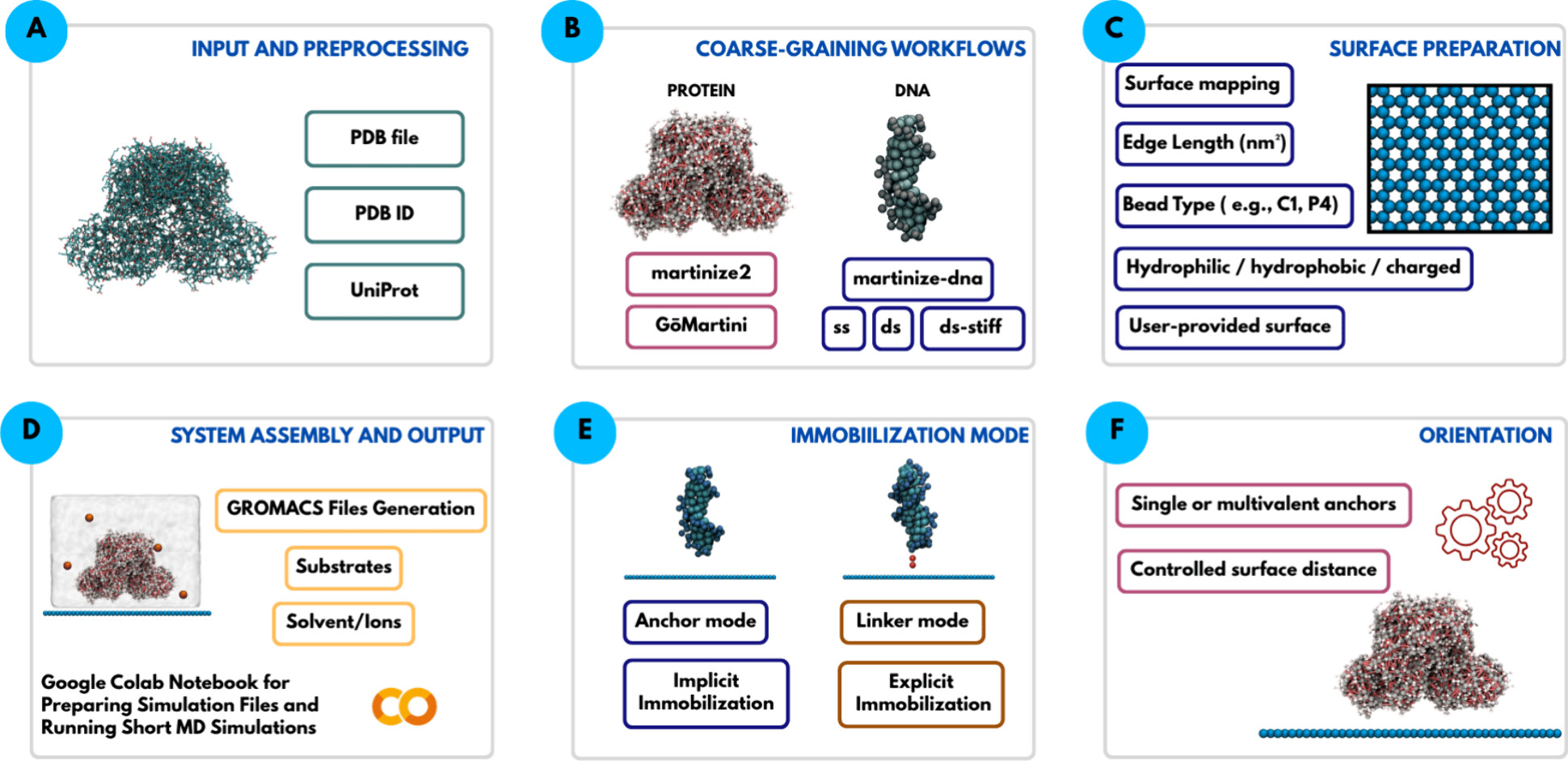
A team of researchers now introduces MartiniSurf 1, an open-source software package that automates the preparation of these coarse-grained simulations for biomolecules attached to surfaces. Building such a system by hand normally involves several separate programs and many manual steps, which makes it hard to reproduce results or compare different setups fairly. MartiniSurf instead combines the whole process into a single, streamlined workflow. Starting from the structure of a protein or a DNA strand, it converts the molecule into its coarse-grained form, builds a model of the supporting surface, positions the molecule in a chosen orientation, adds water and dissolved ions, and produces all the files needed to run the simulation with GROMACS, a molecular dynamics program that has been developed and refined for decades. Because every step is controlled by explicit settings rather than manual adjustments, two researchers using the same settings should obtain the same starting system, making comparisons across studies far more reliable.

MartiniSurf
Overview of the MartiniSurf workflow for constructing surface-immobilized biomolecular systems for coarse-grained molecular dynamics.

Restraining forces or linkers

A central feature of the software is its flexibility in representing how a biomolecule is attached. In one mode, selected regions of the molecule are held near the surface through simple restraining forces, without modeling the physical connector itself. In another mode, an explicit molecular linker is placed between the biomolecule and the surface, so that the linker’s own length and flexibility can influence the simulation. Because the properties of such linkers are known to affect how active and stable an attached enzyme remains, this second option offers a more realistic picture whenever the necessary coarse-grained description of the linker is available.

Variety of supporting surfaces

The supporting surfaces themselves can also be varied widely. The software can generate simple flat reference surfaces or draw on previously developed coarse-grained models of real materials such as graphene, graphite, carbon nanotubes, and agarose-like gels, the type of porous material commonly used to immobilize enzymes in the laboratory. Properties such as surface chemistry, electric charge, particle spacing, and added chemical groups can all be adjusted. Recent studies have shown that surfaces built without care can cause water molecules near the interface to line up in unrealistic, almost frozen patterns, an artifact rather than genuine physical behavior. The software includes options that let users introduce controlled irregularity into the surface to reduce this problem, while staying consistent with the wider Martini modeling framework.

In practice

To demonstrate how the approach works in practice, the study presents examples involving both proteins and DNA. For an enzyme attached to an agarose-like surface, the software reproduces several different attachment arrangements, including a complete system containing the enzyme together with its natural helper molecule and reaction substrate. These examples show how changing the attachment point or adding chemical groups to the surface can be explored systematically, without needing to reconstruct every model from scratch by hand.

The approach is also extended to DNA tethered to a graphene-like surface, comparing an electrically neutral surface with a positively charged one. The coarse-grained simulations reproduce the same general behavior previously reported in much more computationally demanding all-atom studies: the DNA strand remains mostly upright above the neutral surface but bends progressively toward the surface when it carries a positive charge, drawn in by electrostatic attraction. This comparison is not meant to reproduce exact experimental values, but rather to confirm that the automated setup captures the right physical trends, providing a check on the reliability of the workflow.

Reproducibility

Every simulation generated by the software automatically records the settings, software versions, and modeling choices used to build it, so that another researcher can repeat or directly compare a given calculation later. Importantly, the software does not introduce new physical models or new force-field parameters of its own. Instead, it draws on already validated Martini tools and organizes them into a consistent, automated pipeline.

Overall, MartiniSurf addresses a practical bottleneck in computational chemistry rather than proposing a new simulation method. By automating the construction of surface-bound protein and DNA systems, it makes coarse-grained molecular dynamics studies faster to set up, easier to reproduce, and simpler to scale across many attachment geometries. This kind of tool should make it easier to systematically study how surface properties, attachment geometry, and molecular flexibility shape the behavior of immobilized biomolecules, supporting the design of better catalysts, biosensors, and other biotechnology applications.

Author: César Tomé López is a science writer and the editor of Mapping Ignorance

Disclaimer: Parts of this article may have been copied verbatim or almost verbatim from the referenced research paper/s.

References

  1. J. C. Jimenez-Garcia, F. Lopez-Gallego, X. Lopez, and D. De Sancho (2026) MartiniSurf: Automated simulations of surface-immobilized biomolecular systems with Martini J. Chem Inf. Model. doi:10.1021/acs.jcim.6c00953 ↩

The post Overcoming bottlenecks in bio-interface simulations: The MartiniSurf Approach appeared first on Mapping Ignorance.

  •  

Enhanced BCMA – CAR T-cell therapeutic efficacy in multiple myeloma

Author: Marta Irigoyen is a postdoctoral researcher at CIC bioGUNE

Chimeric antigen-specific receptor (CAR) T-cell immunotherapy targeting B-cell maturation antigen (BCMA; BCMA-CAR T cells) has produced remarkable clinical responses in advanced multiple myeloma (MM), with a substantial fraction of patients achieving complete remission 1. However, many patients relapse within months, largely due to insufficient CAR T-cell persistence, a recognized mechanism of acquired resistance 2. A major barrier to durable responses is the tumor microenvironment (TME), which is profoundly reshaped by tumor metabolic reprogramming 3. In fact, many tumor types, specially MM, are highly dependent on glutamine (Gln) metabolism for cell survival and proliferation 4. Thus, Gln “addiction” depletes local Gln levels and availability, impairing antitumor T-cell effector functions and promoting immune escape.

Based on these observations, a team of researchers hypothesized 5 that Gln deprivation within the TME limits the efficacy of CAR T-cell therapies. Indeed, antigen-specific T cells fail to proliferate and to produce interferon gamma (IFN-γ) under Gln-restricted conditions. They therefore investigated whether enhancing Gln uptake via overexpression of the Human SLC1A5 (ASCT2) amino acid transporter could improve the metabolic fitness and the antitumor activity of BMCA-CAR T cells in MM.

CAR T cell
Glutamine metabolism, BCMA-CAR T cell fitness and treatment effectiveness in multiple mieloma (MM). Glutamine deprivation in the tumor microenvironment (TME) limits the therapeutic efficacy of CAR T cells. Overexpression of ASCT2 improves the metabolic fitness and antitumor efficacy of BCMA-CAR T cells for treating multiple mieloma. Source: Navarro F et al. (2025) Blood 146:2931-2944. PMID: 40971494 DOI: 10.1182/blood.2024027496 CC BY-NC-ND 4.0

To assess the functional impact of ASCT2 overexpression in T cells, the authors infected CD8+ and CD4+ T cells from mice with an expression vector containing Asct2. To assess the impact of enhanced Gln uptake on T-cell function, CD4+ and CD8+ T cells from mouse spleens were stimulated with anti-CD3/CD28 beads at varying Gln concentrations. Interestingly, Asct2 overexpression significantly improved T-cell proliferation and IFN-γ production. Similar enhancements were observed in CD8+ OT-I (these cells contained a transgenic TCR designed to recognize ovalbumin (OVA) peptide 257-264 on MHC class I, modeling thus cytotoxic T-cell responses) and CD4+ OT-II T cells (these cells contained a transgenic TCR designed to recognize OVA peptide 323-339 on MHC class II, modeling the helper T-cell responses). Thus, Asct2-overexpressing OT-I T cells showed increased cytotoxicity against B16OVA cells. B16OVA cells are a well established in vitro model for cancer immunotherapy, expressing ovalbumin in order to facilitate strong immune responses to tumor antigens. The authors found that, even at low Gln levels, Asct2-overexpressing CD4+ OT-II T cells were more efficient lysing B16OVA cells.

Next, to assess the potential of Asct2 overexpression to enhance ACT therapy in vivo, B16OVA tumor-bearing mice were treated with either control or Asct2 CD8+ OT-I T cells. Interestingly, 14 days after tumor injection they found lower levels of Gln in the interstitial fluid, confirming a Gln-deficient TME. Then, mice were subcutaneously injected with B16OVA cells and, 7 days later, treated with control or Asct2 CD8+ OT-I T cells. Remarkably, mice treated with Asct2 CD8+ OT-I T cells exhibited a delay in tumor growth as evidenced by tumor weight and survival rate analysis. Moreover, mice treated with Asct2 CD8+ OT-I T cells showed a higher number of IFN-γ–producing antigen-specific T cells in the spleen compared with control T cells.

Given the well-established Gln “addiction” of MM 6 and the consequent Gln depletion in the bone marrow (BM), the authors next evaluated whether Asct2 overexpression in BCMA-CAR T cells could improve Gln uptake and potentially benefit CAR T-cell immunotherapy in MM. Because MM expresses BCMA, they generated a murine anti–Bcma-CAR T-cell therapy effective against MM in vivo. They tested whether Asct2 overexpression could improve their efficacy in vivo and observed that Bcma-CAR cells exhibited robust proliferation and high IFN-γ secretion when stimulated with Bcma. Besides, subsequent co-culture experiments with Bcma-expressing MM cells confirmed that Bcma-CAR T cells selectively secreted IFN-γ, and displayed cytolytic activity against MM cells. Replacement of the GFP reporter with ASCT2 yielded BCMA-CAR/ASCT2 T cells with enhanced Gln transport capacity. In coculture assays, ASCT2-expressing BCMA-CAR T cells exhibited superior cytolytic activity against MM cells, particularly under low-Gln conditions.

To evaluate if Asct2 overexpression could enhance ACT immunotherapy with Bcma-CAR T cells in vivo, they used a murine model in which mice were challenged with MM cells and treated IV with CD8+ and CD4+Bcma-CAR T cells (1:1 ratio) or Asct2 Bcma-CAR T cells. Interestingly, Asct2 Bcma-CAR T cells significantly improved overall survival (OS) in mice challenged with tumors, achieving 90% survival at day 100 after treatment. Besides, fourteen days after CAR T-cell transfer, there was a significant reduction in tumor cells in the BM of both CAR T-cell–treated mice groups, being more significant in the BM of mice treated with Asct2 Bcma-CAR T cells compared with those treated with Bcma-CAR T cells. Moreover, there was a higher number of infiltrating CAR T cells in both the spleen and BM of mice receiving Asct2 Bcma-CAR T cells. Then, they next evaluated the antitumor effect of the Bcma-CAR T cells in a genetic MM preclinical model that closely mimics common genetic alterations observed in human MM and, similarly, treatment with Asct2 Bcma-CAR T cells significantly enhanced OS compared with conventional Bcma-CAR T cells.


Finally, the authors explored the clinical relevance of ASCT2 expression in MM. RNA-seq analysis of BM aspirates of untreated patients with MM compared ASCT2 expression levels in various B-cell subtypes obtained from healthy donors as previously described, showed a marked upregulation in MM cells compared with normal B-cell subsets, suggesting a potential prognostic relevance of ASCT2 expression in MM. Next, to explore the clinical relevance of ASCT2 overexpression in human CAR T cells, they created 2 lentiviral constructs encoding an antihuman BCMA-CAR. They prepared a conventional BCMA-CAR and the ASCT2 BCMA-CAR construct coexpressing ASCT2. Notably, ASCT2 BCMA-CAR T cells showed greater proliferation and higher IFN-γ production upon BCMA stimulation at various Gln concentrations, and they had a higher proportion of naïve stem cell memory and central memory subsets. To further demonstrate the importance of ASCT2, they performed cytotoxicity assays with BCMA-CAR T cells against tumor cells with different ASCT2 levels. Silencing ASCT2 in MM cells reduced Gln uptake and confirmed the functional importance of this transporter in tumor–immune metabolic competition.


In summary, Asct2 overexpression enhances T-cell and CAR T-cells metabolic fitness and effector function under Gln-restricted conditions. In both B16OVA melanoma and MM in vivo tumor models, this strategy improved antitumor immunity and increased overall survival. These findings support metabolic engineering of CAR T cells as a rational approach to overcome nutrient deprivation in the TME an to enhance durable tumor control.


References

  1. Rodriguez-Otero P, Ailawadhi S, Arnulf B, Patel K, Cavo M, Nooka AK, Manier S, Callander N et al. (2023) Ide-cel or standard regimens in relapsed and refractory multiple myeloma N Engl J Med.  388:1002-1014. doi: 10.1056/NEJMoa2213614. ↩
  2. Ledergor G, Fan Z, Wu K, McCarthy E, Hyrenius-Wittsten A, Starzinski A, Chang H, Bridge M et al. (2024) CD4+ CAR-T cell exhaustion associated with early relapse of multiple myeloma after BCMA CAR-T cell therapy. Blood Adv. 8:3562-3575. doi: 10.1182/bloodadvances.2023012416. ↩
  3. Hanahan D. (2022) Hallmarks of cancer: new dimensions. Cancer Discov. 12:31-46. doi: 10.1158/2159-8290.CD-21-1059. ↩
  4. Zhang J, Pavlova NN, Thompson CB. (2017) Cancer cell metabolism: the essential role of the nonessential amino acid, glutamine. EMBO J. 36:1302-1315. doi: 10.15252/embj.201696151. ↩
  5. Navarro F, Lozano T, Fuentes-García A, Sánchez-Moreno I, Larrayoz M, Justicia P, Perucha B, Martinez-Tabar M, Martinez-Turrillas R, Casares N et al. (2025) Reprogramming glutamine metabolism enhances BCMA-CAR T-cell fitness and therapeutic efficacy in multiple myeloma Blood 146:2931-2944. PMID: 40971494 DOI: 10.1182/blood.2024027496. ↩
  6. Bolzoni M, Chiu M, Accardi F, Vescovini R, Airoldi I, Storti P, Todoerti K, Agnelli L et al. (2016) Dependence on glutamine uptake and glutamine addiction characterize myeloma cells: a new attractive target. Blood 128:667-679. doi: 10.1182/blood-2016-01-690743. ↩

The post Enhanced BCMA – CAR T-cell therapeutic efficacy in multiple myeloma appeared first on Mapping Ignorance.

  •  

Gabor-embedded PINN for overcoming spectral bias in high-frequency acoustic simulations

Artificial intelligence is increasingly being used to solve the mathematical equations that describe the physical world, not only to recognize images or generate text. One promising approach, developed over the last decade, is the physics-informed neural network, or PINN: a type of neural network trained not on labeled examples but on the governing equations of a physical system. Instead of learning from many recorded solutions, the network learns by minimizing how badly its output violates the equation it is meant to satisfy. This makes it possible to obtain solutions when little or no experimental data exist even in high dimensions, which is why the approach has attracted so much attention across physics and engineering.

A new study applies 1 the idea to the simulation of acoustic waves of geophysical interest, like seismic imaging subsurface exploration. All of these applications rely on the Helmholtz equation, named after the nineteenth-century physicist Hermann von Helmholtz, which describes how a wave spreads out once its frequency is fixed. Higher frequencies mean more rapid oscillation, and more rapid oscillation is far harder to compute accurately. Conventional numerical methods handle this by using extremely fine computational grids, which quickly become slow and expensive as the frequency rises.

Neural networks offer an appealing alternative because they need no such grid, but they come with a stubborn flaw. Left to their own devices, they learn smooth, slowly changing patterns long before they learn rapidly oscillating ones, a well-documented tendency known as spectral bias, or low-frequency bias. For wave problems, where the interesting behavior is exactly the rapid oscillation, this bias means standard PINNs can take a very long time to train and often still miss fine detail.

Gabor-embedded PINN

The new approach addresses this by building oscillation into the network from the start, using Gabor functions. A Gabor function pairs a wave-like oscillation with a Gaussian envelope that fades toward zero away from its center, so the oscillation stays confined to a small region of space. These functions were introduced in 1946 by the Hungarian-British engineer Dennis Gabor, who later won the Nobel Prize in Physics for inventing holography, as a way to describe signals that are localized in both time and frequency; the same mathematical shape turns out to suit wavefields just as well. Instead of asking the network to invent every oscillation from nothing, the method hands it oscillations that already look like waves and asks it only to work out how they should be positioned and combined across space.

PINN
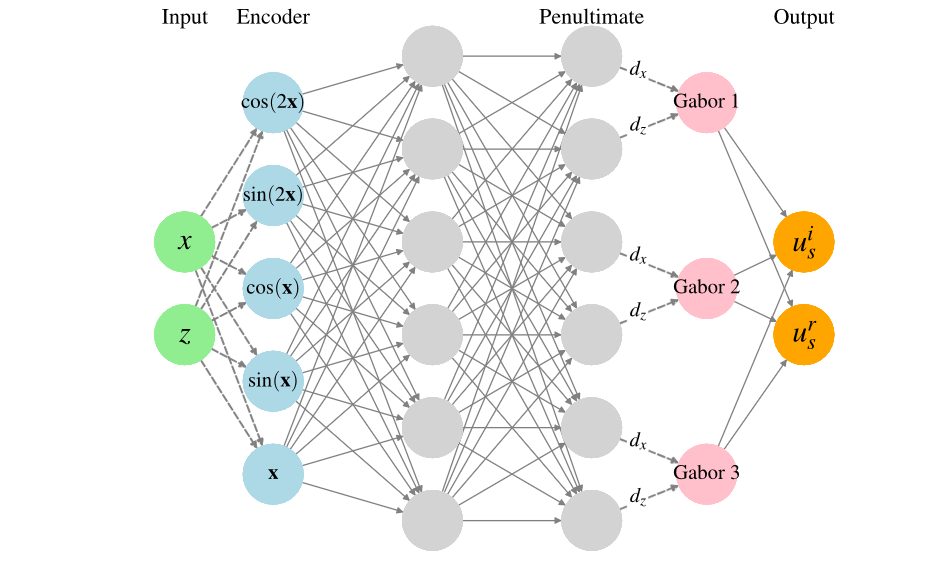
Schematic representation of the neural network architecture. Dashed connections have no associated weight. The network learns a mapping from the input (𝑥, 𝑧) to (𝑑𝑥, 𝑑z) in the Gabor functions that produce the oscillatory behavior of the wave field 𝑢s. Source:

The central innovation is in how that positioning is learned. Rather than having the network output the wavefield directly, it is trained to output a transformed set of coordinates, and the Gabor functions applied in that transformed space produce the final oscillating solution. This shifts the burden of representing the wave’s fine structure into a coordinate mapping, which turns out to be much easier for the network to learn smoothly. Earlier attempts to combine Gabor functions with neural networks needed extra networks or additional parameters to control the position and strength of each function, adding complexity and, at times, instability during training. The new formulation avoids this: it needs no additional trainable parameters beyond what a conventional network of the same size would already have.

An absorbing boundary

A second contribution deals with the edges of the simulated region. Real waves can travel forever, but any simulation must stop somewhere, and naive boundaries send waves bouncing back into the domain as unwanted reflections. The established solution, first devised in 1994 for electromagnetic wave simulations and since adopted across many wave-based numerical methods, is a perfectly matched layer: a boundary region that gradually absorbs outgoing waves instead of reflecting them. Applying this technique inside a neural network training scheme usually calls for cumbersome complex-number arithmetic; the study works around this by splitting the calculation into separate, real-valued components and by supplying an approximate mathematical formula for the wave that would exist in a uniform medium, which keeps the training efficient without sacrificing accuracy near the boundary.

Fewer training steps, better results

PINN
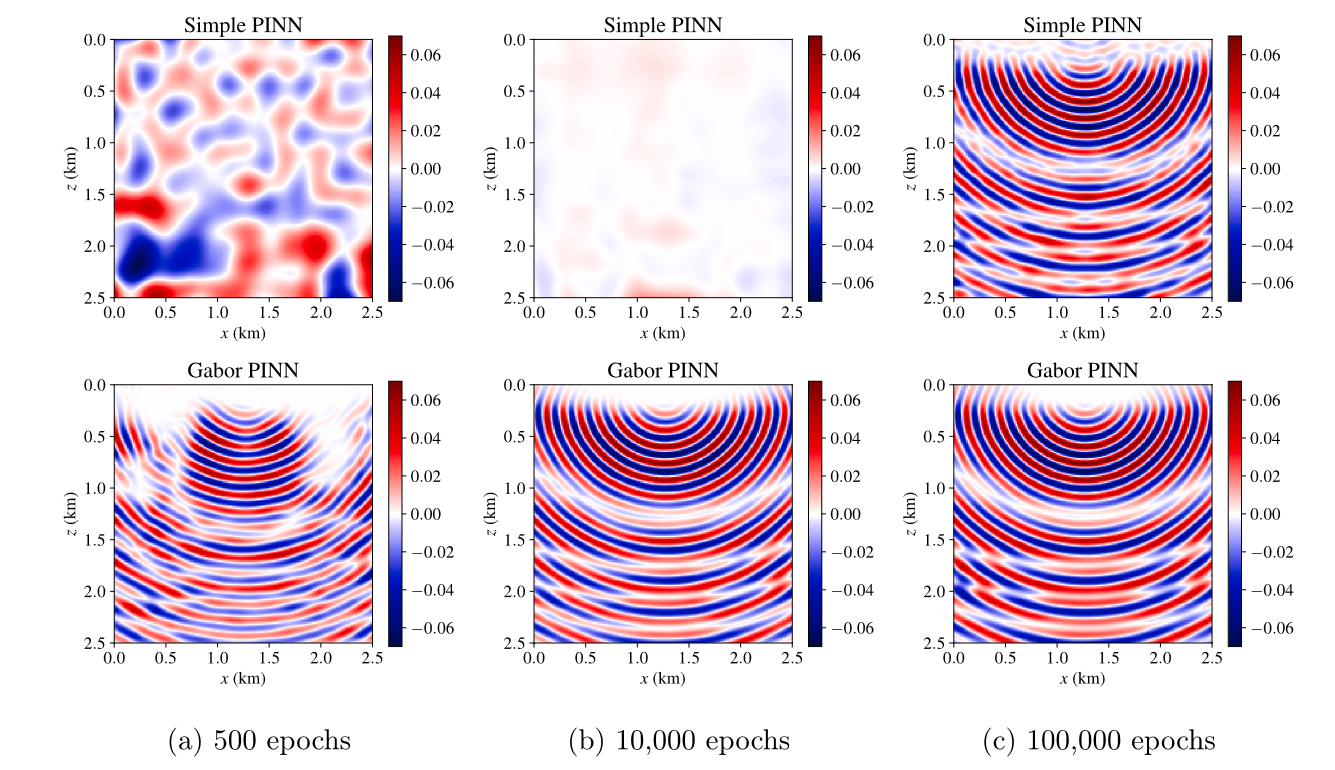
Real part of the predicted 10 Hz wavefield from the proposed simple PINN and the proposed Gabor-PINN at different training epochs (500, 10,000, and
100,000). Source:

The method was tested across velocity structures of increasing complexity, from a simple layered medium to benchmark models resembling real, geologically folded terrain, and across a range of frequencies. In every case it was compared against an otherwise identical standard network trained the same way. It consistently reached accurate results in far fewer training steps, produced smaller errors, and stayed stable even when the network’s size or the random starting values of its weights were changed, an area where conventional networks, and earlier Gabor-based attempts by other researchers, tended to falter. The gap was largest precisely where standard methods struggle most: at higher frequencies.

Notably, these improvements did not come from making the network bigger. They came from embedding a piece of mathematical knowledge about how waves behave directly into the network’s structure, freeing its limited capacity to focus on learning spatial relationships rather than reinventing basic oscillations over and over. Because the Helmholtz equation also governs electromagnetic waves and other oscillatory phenomena, the same strategy could plausibly extend beyond acoustics, provided the physical equations involved are adapted accordingly. Combining mathematical structure with machine learning can produce methods that are simultaneously faster, more accurate, and less computationally demanding than relying on general-purpose neural networks alone.


Author: César Tomé López is a science writer and the editor of Mapping Ignorance

Disclaimer: Parts of this article may have been copied verbatim or almost verbatim from the referenced research paper/s.

References

  1. Mohammad Mahdi Abedi, David Pardo & Tariq Alkhalifah (2026) Gabor-enhanced physics-informed neural networks for fast simulations of acoustic wavefields Neural Networks doi: 10.1016/j.neunet.2025.107978 ↩

The post Gabor-embedded PINN for overcoming spectral bias in high-frequency acoustic simulations appeared first on Mapping Ignorance.

  •  

International scientific institutions between war and peace. One hundred years of IUPAP (1)

Author: Jaume Navarro is an Ikerbasque Research Professor at the University of the Basque Country

A few weeks after the invasion of Ukraine by the Russian army, many scientific institutions felt the need to issue public statements against that war. At the time, I was president of the Commission for the History of Physics within the International Union of Pure and Applied Physics (IUPAP) and, as such, I took part in the discussions leading to the final declaration. The timing could not be better for historians of science to make a significant, albeit small, contribution: my commission was working on a project to seriously study the origins and development of IUPAP, which was about to celebrate its centenary. Paying attention to history was important so as to articulate a statement that would avoid past mistakes and incorporate positive experiences of the Union in its one-hundred-year history. Because, like other scientific international unions, IUPAP was born with an idea of peace in mind, yet it had to maneuver through times of war, both hot and cold.


It was after the tragedy of the Great War (1914-1918) that a new wave of internationalism in science took shape. If excessive nationalism had drawn Europe to its worse carnage in history, so the argument went, it was time for international institutions to collaborate in the construction of peace. And scientific research, understood as a cultural enterprise, was one such area in which collaboration rather than competition was to play a key role. In hindsight, one of the ironies of this search for peace was that the losers (Germany, Austria, Hungary, Bulgaria, and what remained of a now highly unstable Ottoman Empire) both collectively and individually, were banned from taking part in the new international order. That meant not only that their national academies could not join the new international unions, but also that individual scientists from those countries were excluded from meetings and collaborations sponsored by the unions. This was particularly poignant in the case of physics.


Indeed, international collaboration had a somewhat long tradition in fields like astronomy or geodesy due to the global scale of some of their research projects. But physics, while the “king of the sciences” in the nineteenth century, had not seen the international cooperation of national academies in the same way. That partly explains why, with the creation of the International Research Council (IRC) by delegates of twelve nations in July 1919, the International Unions of Astronomy (IAU), Geodesy and Geophysics (IUGG) and Pure and Applied Chemistry (IUPAC) immediately approved their initial statutes, soon to be followed by the Mathematical Union (IMU) and the Union for Scientific Radio Telegraphy (URSI); yet, a union of physics would have to wait, both in form and, especially, in practice.


In 1922, a number of physicists from France, Belgium, Britain, the USA and a few other countries met in Paris and came up with a first draft of statutes for an International Union of Physics. It was the young American experimentalist, Robert A. Millikan, who pushed for a name that included both pure and applied physics. The main goals of the Union were the promotion of up-to-date scientific bibliographies, the coordination of fundamental units, and the organization or sponsorship of international conferences. Those present at the meeting to celebrate the fiftieth anniversary of the Société française de physique (SFP) in Paris in December 1923 finally approved the statutes of IUPAP nominating the British and Nobel prize winner William H. Bragg as president, and Henri Abraham, professor of physics at the École Normale Supérieure, as secretary general. But it was informally agreed that the Union would remain basically dormant until it could be fully international; i.e., include German physicists.

IUPAP
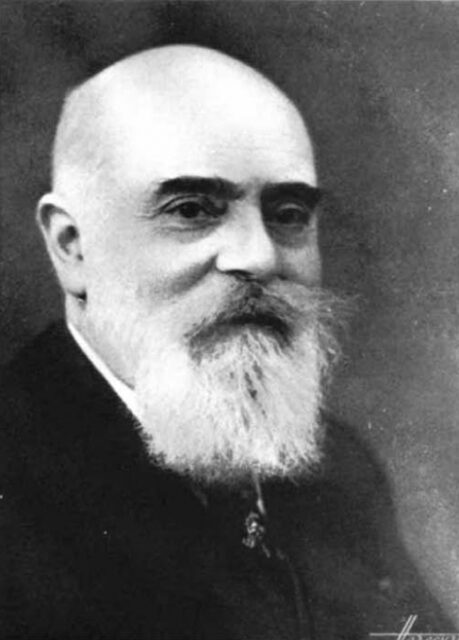
Henri Abraham (1868-1943) in 1935. Source: Estudio Harcourt / Public Domain / Wikimedia Commons

By 1924, the vindictive philosophy of the IRC against the Central Powers was being challenged. The Council had grown and now included national academies from up to twenty countries, mostly neutral during the war and who did not see the need for such exclusionary policy. Also, an increasing number of individual scientists were pushing towards a more reconciliatory and inclusive internationalism. French and Belgian representatives were the most reticent to amend the statutes of the IRC and lift the foundational ban. So much so that real changes only came in 1931 when the IRC dissolved and the new International Council of Scientific Unions (ICSU) took its place. From then on, not only was internationalism a real possibility but also each individual scientific union was freer to organize itself as they saw fit.


In the 1920s, however, internationalism in physics materialized in other forms. Two are the best-known and most influential institutions on this aspect: the Solvay Conferences and Niels Bohr’s Institute for theoretical physics in Copenhagen. The former were the initiative of the Belgian industrialist Ernest Solvay to promote relatively small, truly international, by-invitation-only conferences to address pressing issues in both physics and chemistry. After the success of the first two meetings in physics in 1911 and 1913, the third and fourth Solvay meetings in 1921 and 1924 took part in the boycott against the Germans. But, by 1927, the mood had changed and the fifth Solvay conference in Brussels, which eventually became one of the most influential events in shaping the transformation of the early quantum physics into the new quantum mechanics, saw the presence of five German physicists: Max Planck, Albert Einstein, Wolfgang Pauli, Werner Heisenberg and Max Born. In a way, that success was partly due to the tradition that Bohr had managed to create in his institute in Copenhagen. Indeed, Denmark had been a neutral country during the war and the Carlsberg Foundation had generously funded a research center for theoretical physics to keep Bohr in the country. Thanks to both elements, Copenhagen became the central point for physicists and mathematicians to meet and freely exchange ideas on the new quantum physics.


But let us go back to the early history of IUPAP because, while Bohr had played a significant role in bringing together physicists from both sides of the war, he was also partly responsible for the failure of IUPAP to take off. In 1931, Bragg resigned and Millikan was appointed president. His plan was to use his tenure as a springboard for American physicists to become more and more internationally relevant, as well as to materialize the inclusion of the German physical society into IUPAP. He expected to achieve both goals with the organization of a major international physics conference in Chicago in 1933, year in which the wind city was celebrating its centenary. With the presence of a large number of invited physicists IUPAP might finally formalize the German membership.

IUPAP
Source: Weimer Pursell, silkscreen print by Neely Printing Co., Chicago (1933) Source: Public Domain / Wikimedia Commons

Millikan’s grand plan did not succeed. First, the recession after the crash of 1929 affected the organization of events during the “Century of Progress” celebrations and money to invite scientists from abroad was short. Second, IUPAP and all other unions had one national scientific institution representing the country. But Germany had two such societies, the Deutsche Physikalischer Gesellschaft (DPG) and Gesellschaft für Technische Physik (GTP), and the attempts by Millikan and, especially Abraham, who was still serving as secretary, in correspondence with Planck and other German representatives could not settle the question as to which German society was to represent the country in the Union. And, third, the political climate in Germany was changing and the nazi ideology taking hold of the country was certainly not keen on internationalism.


Chicago did finally organize a minor scientific meeting, but it was far from being the major event Millikan had envisaged to expand and consolidate IUPAP. Promoters of the Union did not, however, give up and decided to use a major physics conference organized by the British Institute of Physics and the Royal Society in both London and Cambridge in October 1934 as the place to formalize German membership. And as a sign to underline the true international character of the Union, they offered the presidency to Bohr as icon of internationalism. The correspondence between Millikan, Abraham, Bohr, Schrödinger and a few other physicists show an amusing yet sad chain of misunderstandings: Abraham and Bohr thought Millikan had accepted the presidency by misreading a telegram of the latter; but Bohr did not want to get involved unless the German membership was fully signed, not simply promised. And that never happened.


So, Millikan having resigned and Bohr having rejected the presidency, the soul of the dormant union was its long-serving secretary, Abraham, who worked hard to find a candidate to act as president while things were clarified. In 1937, the Swedish physicist and Nobel Prize winner Manne Siegbahn agreed to be the president of IUPAP, but the Union was still short of activities, cohesion and a clear goal. It was also the indefatigable Abraham who continued his search for ways to keep the Union alive. He proposed a conference in Copenhagen in 1938, with the support of Bohr, or in Stockholm, organized by Siegbahn or, even as late as late as May 1939 he was thinking of a conference in Paris for 1940. None of them ever materialized and World War II not only destroyed the hopes and dreams of having a fully functional and international Union of Pure and Applied Physics, but even more poignantly, ended with the life of its most ardent defendant: Abraham was murdered in Auschwitz in 1943. As we shall see in the next installment, the Union reinvented itself after the war and had to learn how to navigate the new peace of the Cold War.


Further reading:


Lalli, R. and Navarro, J. (2024). Globalizing Physics: One Hundred Years of the International Union of Pure and Applied Physics. Oxford University Press. [Available in open access: https://academic.oup.com/book/58182]


The post International scientific institutions between war and peace. One hundred years of IUPAP (1) appeared first on Mapping Ignorance.

  •  

The Particle Odyssey: ITACA and the quest for neutrinoless double beta decay

One of the great unanswered questions in physics concerns the nature of neutrinos, the lightest known particles with mass. A process called neutrinoless double beta decay could provide the answer. In ordinary double beta decay, two neutrons inside a nucleus transform into two protons, emitting two electrons and two antineutrinos. In the neutrinoless version, only the electrons emerge. The idea has deep roots: in 1937 the Italian physicist Ettore Majorana proposed that some particles could be their own antiparticles, and two years later Wendell Furry realized that if neutrinos were such particles, double beta decay could occur without releasing any neutrinos at all. Observing this neutrinoless process today would confirm that neutrinos are indeed their own antiparticles and would show that a fundamental rule of particle physics, known as lepton number conservation, is not exact after all.

Chasing a decay that may never happen

The process, if it happens, must be extraordinarily rare. Current experiments are already sensitive to decays with half-lives greater than 10²⁶ years, far longer than the age of the Universe, and future detectors aim to probe even rarer events still.

One of the most promising technologies for this search uses xenon gas compressed to high pressure. When a charged particle moves through the gas, it ionizes xenon atoms and creates flashes of ultraviolet light. Electric fields then guide the liberated electrons toward sensors, allowing the event to be reconstructed in three dimensions. Xenon gas also allows exceptionally precise measurements of the energy deposited by the decay.

A neutrinoless double beta decay would release two electrons from a common point. As they travel through the gas, they follow winding paths and lose most of their energy at the ends of their trajectories, producing two small regions of concentrated energy deposition. This double-ended structure gives a characteristic signature that distinguishes the sought-after events from most background processes, which typically produce only a single electron track.

The main obstacle is that the drifting electrons spread out as they move through the gas. This diffusion blurs the image of the tracks, especially for events that occur far from the sensors. The amplification process used to make the faint electron signal detectable introduces further smearing. As a result, the distinctive two-electron pattern can become difficult to recognize, particularly deep inside large detectors.

ITACA (Ion Tracking with Ammonium Cations Apparatus)

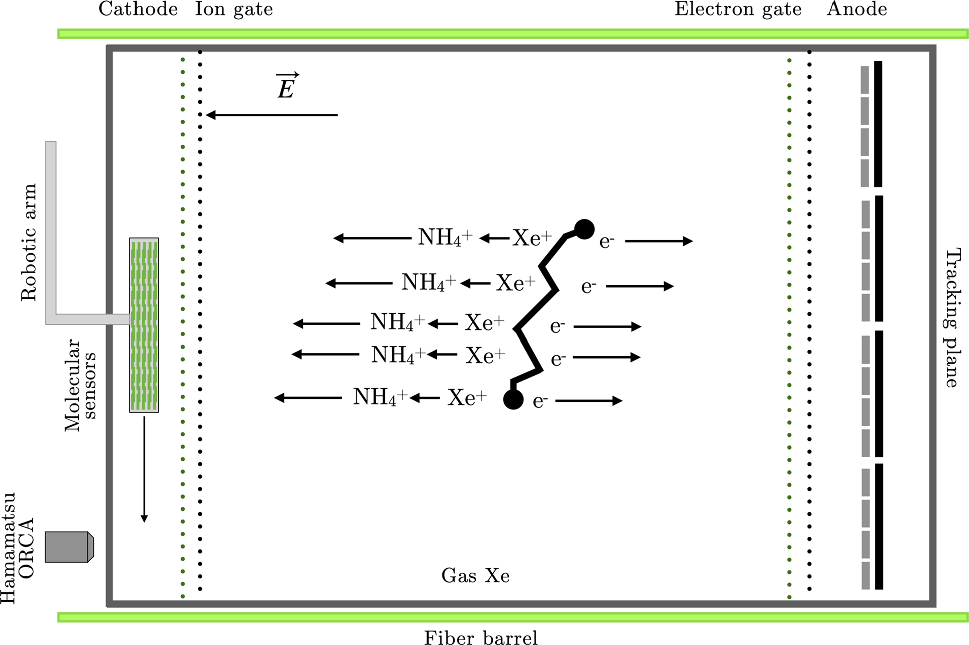
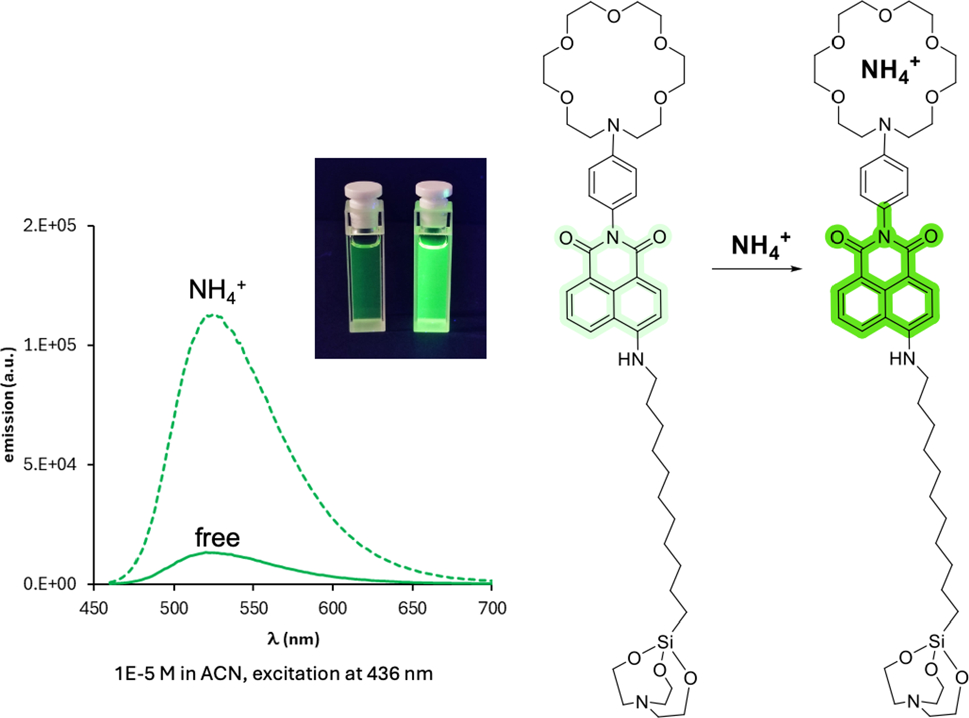
An alternative approach 1 is to image not only the electrons but also the positive ions left behind by the ionization process. Tiny amounts of ammonia (NH3), around one hundred parts per billion, can be added to the xenon gas. Rapid chemical reactions convert the positive xenon ions into ammonium ions (NH4+)almost as soon as they form, without significantly affecting the light signals or the transport of the electrons.

Itaca
Principle of operation of ITACA. Source: J. J. Gomez-Cadenas et al. (2026) Eur. Phys. J. C  doi: 10.1140/epjc/s10052-026-15501-w CC BY 4.0

These ammonium ions move far more slowly than electrons and diffuse much less along the way. Electrons cross the detector in a few milliseconds, whereas the ions can take anywhere from a fraction of a second to several seconds to reach their own collection point. Because the ion cloud stays comparatively compact, it can preserve fine details of the original interaction that may already be lost in the blurred electron image.

The two effects turn out to work against each other in a useful way. Wherever an electron happens to be born close to its collecting sensors, its own image stays sharp, while the corresponding ions still have most of their long journey ahead of them and their image comes out blurred. Deep in the gas, far from the electron sensors, the opposite happens: the electron image becomes badly smeared over its long drift, but the ions in that region have only a short remaining distance to travel and arrive with their picture largely intact. Because the two blurring effects are anti-correlated in this way, at least one of the two pictures, electron or ion, stays sharp no matter where in the detector a decay occurs, keeping the overall reconstruction quality close to uniform throughout the full detector volume.

itaca
Emission spectra of the free and chelated species (with NH4+) of NAPH3 (Naphthalimide) sensors. Source: J. J. Gomez-Cadenas et al. (2026) Eur. Phys. J. C  doi: 10.1140/epjc/s10052-026-15501-w CC BY 4.0

The ion image itself is recorded by letting the ions land on specially prepared molecular surfaces coated with fluorescent sensors that respond specifically to ammonium ions. When illuminated by a laser, only the molecules that have actually captured an ion light up. A microscope and camera system can then scan this surface and reconstruct the ion track with very high spatial resolution.

The researchers call this system ITACA, after Ion Tracking with Ammonium Cations Apparatus. The researchers themselves would be Penelope, waiting for a husband and king who may, or may not, appear.

Would ITACA be the final destination?

Simulations indicate that these ion images preserve the characteristic two-endpoint structure expected from neutrinoless double beta decay, even in the presence of background noise from unbound sensor molecules that occasionally glow on their own. The sharper topology this provides should make it substantially easier to reject events produced by natural radioactivity and other processes that can otherwise mimic the sought-after signal.

Taken together, the additional information carried by the ion tracks could reduce troublesome background events by roughly an order of magnitude beyond what current xenon-gas detectors achieve, and by close to a factor of twenty for some of the most problematic radioactive backgrounds, those whose energy lies dangerously close to the signal itself. Improvements of this size would substantially increase the chances of finally catching neutrinoless double beta decay in the act, and with it, the chance to learn whether the neutrino holds one of the most unusual properties in all of particle physics.


Author: César Tomé López is a science writer and the editor of Mapping Ignorance

Disclaimer: Parts of this article may have been copied verbatim or almost verbatim from the referenced research paper/s.


References

  1. J. J. Gomez-Cadenas, L. Arazi, M. Elorza, Z. Freixa, F. Monrabal, A. Pazos, J. Renner, S. R. Soleti, and S. Torelli (2026) A journey to ITACA Eur. Phys. J. C  doi: 10.1140/epjc/s10052-026-15501-w ↩

The post The Particle Odyssey: ITACA and the quest for neutrinoless double beta decay appeared first on Mapping Ignorance.

  •  

Human activity has not always harmed biodiversity – quite the opposite

For millennia, farming in Switzerland did not reduce plant diversity but helped increase it, researchers have shown in a detailed reconstruction covering the past 7000 years. Only recent decades paint a different picture.

Switzerland
Aerial view of Hüttwilersee, one of three lakes in Switzerland that provided insights into 7000 years of plant diversity. Photo: Thomas Stadler, Zurich

The fall of the Roman Empire and major plague outbreaks: These events not only affected people but also reduced plant diversity on the Swiss Plateau, as human land use temporarily declined. Researchers led by Dr. Fabian Rey and Professor Oliver Heiri at the University of Basel report 1.


Their analyses are based on sediment deposits in three Swiss lakes: Moossee near Bern, Burgäschisee near Herzogenbuchsee, and Hüttwilersee in Thurgau. The researchers extracted sediment cores from these lakes and then analyzed the material deposited in the sediments over the course of millennia. This allowed them to infer and date variations in both plant diversity and agricultural land use in the areas surrounding the lakes.


“This is an exceptionally comprehensive and precisely dated dataset,” says Oliver Heiri. “It allows us to reconstruct changes in plant diversity around the lakes over the past 7000 years at a time resolution comparable to long-term ecosystem studies in modern ecology – and for a period long before modern ecology existed.”


Agriculture made the landscape more diverse


Since the Neolithic period, plant diversity increased with increasing agricultural activity. “You might think that human impact must be bad for plant diversity, because that’s what we see today,” says Fabian Rey. “But agriculture back then made the landscape more diverse.” Before early agricultural activities, the Swiss Plateau was largely covered by forest and was therefore a relatively uniform ecosystem.


“As agriculture expanded, a mosaic of habitats emerged over time,” says Rey. Fields, pastures, hedgerows, and later orchards of tall fruit trees alternated across relatively small areas. This provided varied conditions for plants adapted to those specific environments.


However, there were also recurring periods when plant diversity declined sharply: For example, during the Migration Period following the fall of the Roman Empire, or when plague outbreaks claimed many lives in the Middle Ages. “In times when people were less able to continue farming, the forest grew back and plant diversity declined at the landscape level,” explains Heiri.


Times of crisis caused diversity to decline


More agriculture, more biodiversity: However, this parallel trend lasted only until around World War II. Over the past 80 years, plant diversity has declined sharply. The research team attributes this to the intensification of agriculture since then.


Instead of a fragmented mosaic of habitats, large, uniform areas have emerged that are easier to farm using heavy machinery. The increasing use of fertilizers and pesticides also caused many specialized plant species to retreat.


“However, our data also show that plant diversity has recovered from earlier declines when people returned to farming practices that included varied landscapes,” says Rey. This suggests that the trend of the past 80 years could also be reversed if farming practices change again.


Pollen from seven millennia


The data for the study are based on more than a decade of analyses of sediment cores, conducted in close collaboration with researchers from the University of Bern and the Department of Archaeology of Canton Thurgau. To collect the data, Fabian Rey extracted pollen samples from every centimeter of the cores, which he chemically processed, prepared, and analyzed under a microscope. For each sample, he identified 500 pollen grains, enabling him to determine the diversity of plants around the lake.


The intensity of agricultural use during each period was determined based on the presence of specific pollen in the samples – including both cultivated plants and species that thrive on farmland – as well as a comparison with archaeological and historical data.


The scientists dated the layers using the 14C method, a technique for determining the age of organic material. The sediment cores date back approximately 7000 years, to the Neolithic period.

&nbsp

References

  1. Rey, F., Tinner, W., Wick, L. et al. (2026) Decadal-scale pollen records link land use and plant diversity change across European lowlands over seven millennia Nat Commun doi:  10.1038/s41467-026-74214-6 ↩

The post Human activity has not always harmed biodiversity – quite the opposite appeared first on Mapping Ignorance.
  •  

The mathematical secrets of Barcelona’s Sagrada Familia

Authors: Sergi Muria Maldonado, Professor de Didàctica de les Matemàtiques, Universitat de Barcelona; Anton Aubanell Pou, Professor de l’Institut de Formació Continuada i professor jubilat de Didàctica de les Matemàtiques, Universitat de Barcelona, and Jordi Font González, Professor de Didàctica de les Matemàtiques, Universitat de Barcelona

Sagrada Familia
The basilica’s columns branch out, imitating the natrual structure of a tree.
David Herraez Calzada/Shutterstock


2026 marks 100 years since the death of Antoni Gaudí, the architect of the Basilica of the Sagrada Familia in Barcelona. While the temple’s beauty is extraordinary in its own right, it becomes even more profound when we explore the numerical patterns that lie behind its striking forms.

By contemplating the mathematical principles that underpin its structure, the visual harmony of the whole takes on a new dimension, endowing it with a renewed functionality, balance and coherence.

Mathematician Claudi Alsina i Català deeply studied the mathematics of the Sagrada Família. He undertook his initial studies in this field at the University of Barcelona, and supervised the doctoral thesis of Jordi Faulí, the architect currently in charge of the temple’s ongoing construction.

In his memoirs, Alsina stated:

Many had wondered whether the design of the Sagrada Família contained some module or system of proportions that guided the building’s metric relationships. (…) One Saturday afternoon, sitting at my desk at home, with all the data and documents on this mysterious proportional system – if indeed it existed – I discovered it. The 7.5-metre module and the ratios between the divisors of 12 (1:4, 1:3, 1:2, 3:4, 2:3, 1) seemed to explain a great deal.

12: the magic number

It is no surprise that the number 12 plays a prominent role in the structure of the church. Gaudí conceived the Sagrada Família as a synthesis of architecture and religious symbolism, and the number 12 features heavily in the Bible: Jacob’s 12 sons, the 12 tribes of Israel, the 12 apostles and the crown of 12 stars in the Book of Revelation are just a few examples.

But its significance is not merely symbolic. From a mathematical point of view, 12 is a number particularly well-suited to establishing proportions, as it has many divisors. According to Alsina, the relationships between these divisors account for much of the basilica’s proportional system.

The 7.5-metre module

Drawing on Alsina’s work, we invite you to take a brief mathematical tour of the Sagrada Família.

The temple’s dimensions are based on the number 12 and a module of 7.5m. It is 90m long (7.5 × 12) and 60m wide (7.5 × 8). The width of the main nave is 45m (7.5 × 6).

In terms of height, the highest vault is that of the apse, at 75m (7.5 × 10), followed by the vault of the transept at 60 metres (7.5 × 8). The nave vault is 45m high (7.5 × 6), the side aisle 30m (7.5 × 4), and the choir 15m (7.5 × 2).

The Tower of Jesus Christ is the central and tallest of the cathedral. It stands at 172.5 metres (7.5 x 23), close to the height of the landmark hill of Montjuïc. It is crowned by a four-armed cross, 17m high and 13.5m wide. Surrounding this are the four Evangelist Spires, which reach a height of 135m (7.5 x 18).

Sagrada Familia
The Star of the Virgin Mary sits atop the tower of the same name.
Canaan, CC BY

The 138-metre high Tower of the Virgin Mary is the second tallest in the basilica. It is crowned by a 12-pointed star, which rests on three supporting arms. This star has a diameter of 7.5m, and is made up of a regular dodecahedron, with pyramid-shaped pentagonal points rising from each face. Its reflections of daylight and night-time illumination lend this star a unique beauty.

Polyhedral towers

Polyhedrons also feature prominently in the towers of the Sagrada Família. The four towers of the Glory façade are topped by dodecahedrons, the four towers of the Nativity façade by truncated irregular octahedrons, and the four towers of the Passion façade by truncated cubes.

On each of the 12 towers, a spire rises above these polyhedrons. Those dedicated to the evangelists are crowned with regular icosahedrons containing spotlights that illuminate the large cross that sits atop the Tower of Jesus Christ. Just above each icosahedron is a sculpture that symbolically depicts each evangelist. There are numerous star-shaped polyhedrons throughout the church, particularly on the Nativity façade.

Sagrada Familia
The towers of the Nativity façade, crowned by octahedrons.
Yura Tarasovskyy/Shutterstock

A forest of towers

Catenary arches feature prominently as key structural elements of the church, as they are a highly effective way to transfer loads to the ground without the need for additional support. They can be seen in the system of sloping columns that support the vaults of the interior naves, the vaults and ceilings themselves, and the Nativity façade.

Inside the Sagrada Família, there are four different types of column. All are double-helix torsion columns – each has a rounded, star-shaped polygonal base, and is formed by the intersection of two opposing Solomonic columns. Above each one is a knot from which different branches emerge, similar to those of a tree, which very efficiently support the towers and the roof of the church.

The skylights in the roof are also one-sheet hyperboloids. Made up of straight lines, they are easy to construct, and optimise the capture and projection of light.

The symbolism of 7 and 33

The church has other deeply symbolic hidden features. Take, for instance, the canopy above the high altar, which forms a regular heptagon 5 metres in diameter, whose seven sides symbolise the seven gifts of the Holy Spirit.

A montage of Melancholia I by Albrecht Dürer, showing a numerical grid in the top right-hand corner, and the real-life magic square designed by the sculptor Josep Maria Subirachs.
On the left, Melancholia I by Albrecht Dürer, with a numerical grid visble in the top right-hand corner. On the right, the magic square designed by the sculptor Josep Maria Subirachs.
Jordi Domènech/Wikimedia Commons/, CC BY-SA

On the Passion façade there is a magic square in which the sum of all rows, columns and diagonals is 33. It appears to be inspired by the magic square featured in the engraving Melancholia I by Albrecht Dürer.

The mathematics that underpins the Sagrada Família makes it all the more beautiful. While the building itself is a sight to behold, a deeper understanding of the principles behind it inspires even greater admiration for the enduring genius of Antoni Gaudí.


This article is republished from The Conversation under a Creative Commons license. Original article.

The post The mathematical secrets of Barcelona’s Sagrada Familia appeared first on Mapping Ignorance.

  •  

Why storing heat may be as important as storing electricity

Author: Tamara Cruz Tena, strategy consultant, CIC  energiGUNE


When energy storage is discussed in the context of the energy transition, the conversation almost invariably turns to electricity. Solar and wind power have made the temporal mismatch between energy production and energy demand one of the defining challenges of low-carbon energy systems, and technologies capable of storing electrical energy have consequently become central to discussions about decarbonization.

Yet this emphasis on electricity raises an interesting question. If a substantial fraction of the energy ultimately consumed by modern societies is required not as electricity but as thermal energy, should future energy systems necessarily store energy in electrical form?

thermal energy
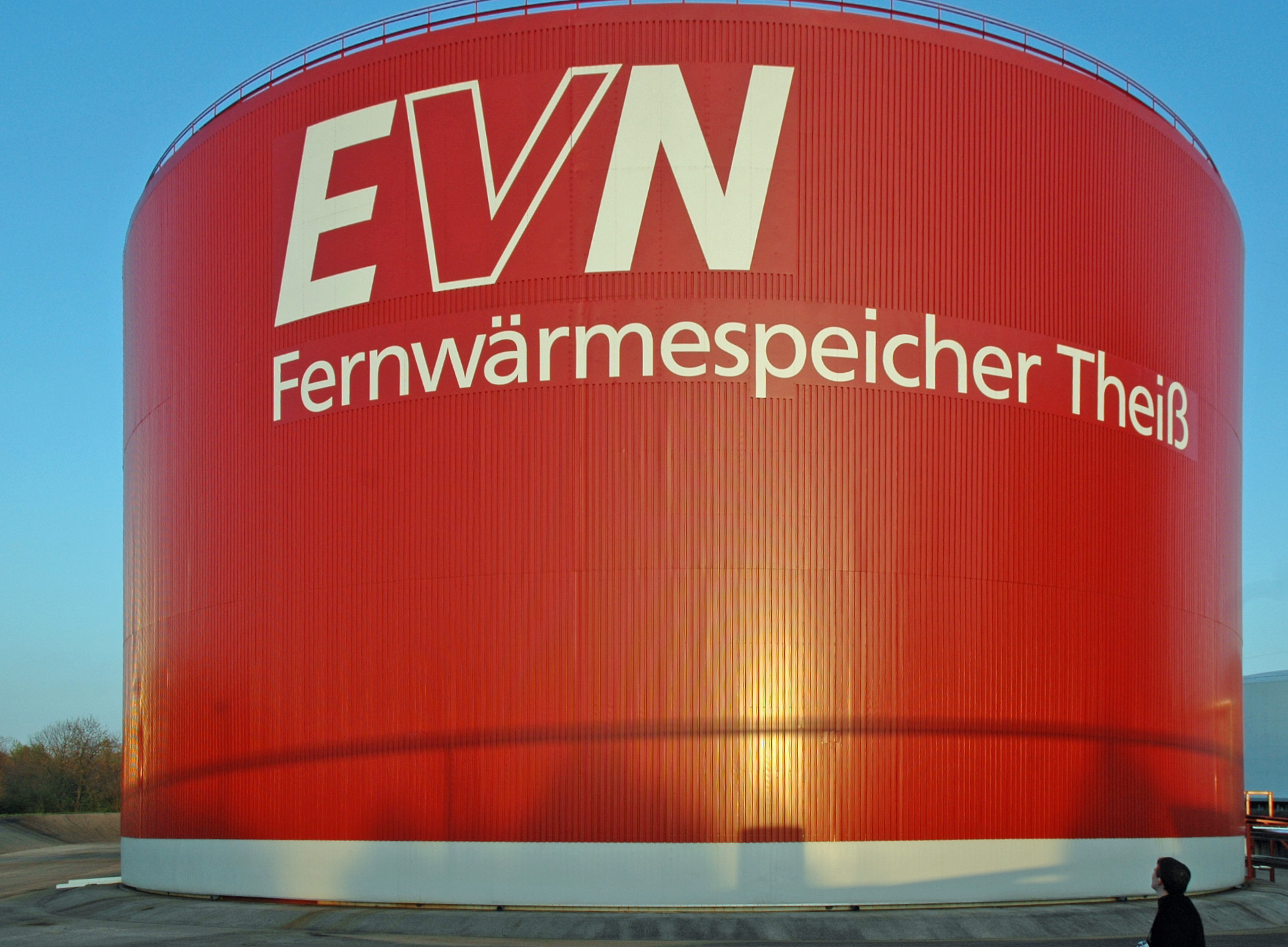
District heating accumulation tower from Theiss near Krems an der Donau in Lower Austria with a thermal capacity of 2 GWh. Source: Ulrichulrich CC BY-SA 3.0 / Wikimedia Commons

The question may appear deceptively simple. Electricity plays a visible role in modern economies, powering everything from communications and transportation to industrial equipment and domestic appliances. Thermal energy, by contrast, often remains hidden within industrial processes, heating systems and manufacturing operations. Nevertheless, many of the activities that sustain modern societies depend primarily on heat rather than electricity.

Steelmaking, cement production, chemical manufacturing, food processing, paper production and numerous other industrial activities require thermal energy delivered under specific conditions of temperature, power and duration. In many cases, fossil fuels have historically fulfilled this role not because alternative energy sources were unavailable, but because combustion offers a relatively direct means of producing high-temperature thermal energy where and when it is required.

As renewable electricity becomes increasingly available, this situation may encourage a different way of thinking about energy storage. Rather than focusing exclusively on how electricity can be stored and later returned to the grid, it may also be worth considering whether part of that energy could instead be stored in forms intended for later thermal use.

Such an approach would not eliminate the need for batteries, nor would it necessarily be appropriate for every application. It does, however, suggest that thermal energy storage may represent a distinct scientific and engineering problem whose requirements differ from those associated with conventional electrical storage technologies.

Storing energy for later thermal use

At the heart of the discussion lies a relatively straightforward physical observation. Electrical energy can be converted into thermal energy with high efficiency through a variety of heating technologies. Once this conversion has taken place, the resulting energy may be stored within a material or chemical system and later recovered when thermal energy is required.

Importantly, what is stored is not temperature itself. Temperature is an intensive thermodynamic property and therefore cannot be accumulated in the same way as energy. Instead, thermal energy storage systems retain energy through changes in the state of a material, whether by increasing its temperature, inducing a phase transition or driving a reversible chemical reaction.

The simplest of these approaches is generally known as sensible heat storage. In such systems, energy is stored through an increase in the temperature of a material. Water provides the most familiar example, although industrial applications may employ molten salts, rocks, ceramics, graphite or other materials capable of operating under more demanding thermal conditions. The amount of energy stored depends on the mass of the storage medium, its heat capacity and the temperature interval over which it operates.

A second possibility involves latent heat storage, where energy is absorbed or released during a phase transition. Because phase transitions may involve substantial enthalpy changes while temperature remains relatively constant, these systems can store significant amounts of energy within comparatively narrow temperature ranges. This characteristic has made phase change materials attractive for applications in which thermal energy must be supplied near a particular operating temperature.

Even more ambitious concepts involve thermochemical storage. In these systems, thermal energy drives reversible chemical reactions, allowing energy to be stored in chemical form and later recovered when the reverse reaction occurs. Under certain conditions, such approaches could potentially enable storage over much longer timescales than conventional thermal systems, although their practical implementation remains associated with significant scientific and engineering challenges.

At first sight, these approaches may appear to offer relatively straightforward solutions. However, as is often the case in energy research, the situation becomes considerably more complicated once practical constraints are taken into account.

Materials operating at elevated temperatures may experience degradation through corrosion, thermal fatigue, creep, phase instability or other mechanisms whose importance depends on the operating conditions and storage medium. Repeated thermal cycling can gradually alter material properties, while large-scale systems introduce additional challenges related to heat transfer, containment and long-term reliability. In thermochemical systems, reaction kinetics, cycling stability and reactor design may become equally important considerations.

As a result, the central question is not whether thermal energy can be stored. It clearly can. The more difficult question is whether such storage can remain technically reliable, economically viable and operationally robust under the conditions required by industrial applications.

A maturity paradox

Interestingly, many of the technologies that could contribute to this objective are no longer at an early stage of development. Electric heat pumps, electric boilers, electric resistance heaters and several forms of sensible and latent thermal energy storage have reached relatively high levels of technological maturity. From a purely technological perspective, the challenge is therefore not always one of invention. In many cases, the relevant technologies already exist.

Yet this observation introduces a different question. If a number of these technologies are already mature, why does their future role remain difficult to assess?

Part of the answer may lie in the complexity of modern energy systems themselves. The behaviour of a heat pump, an electric boiler or a thermal storage unit can often be described in considerable detail. However, energy systems contain thousands of interacting components operating across multiple spatial and temporal scales. Incorporating detailed representations of thermal technologies into large-scale energy models may therefore become computationally challenging, particularly when such models are intended to optimize entire electricity, heating and industrial sectors simultaneously.

This creates an interesting tension. The physical behaviour of thermal technologies is often governed by complex thermodynamic processes, yet large-scale energy planning frequently requires simplified mathematical representations that remain computationally tractable. Determining how much detail can be removed without losing essential information remains an active area of research and may influence how the future role of thermal energy storage is assessed.

This distinction may help explain why thermal energy storage has attracted increasing scientific interest in recent years. A significant fraction of industrial energy demand is thermal rather than electrical, and many industrial processes require heat directly. Under such circumstances, converting electrical energy into thermal energy, storing it, and subsequently using it as heat may sometimes prove more practical than repeatedly converting energy between different forms.

Beyond storage

The implications extend beyond individual storage technologies. Some researchers have suggested that thermal energy storage could also contribute to system flexibility by partially decoupling heat demand from the instantaneous availability of renewable electricity. During periods of abundant renewable generation, electrical energy could be converted into thermal energy and stored for later use. If such approaches prove technically and economically viable at scale, they could potentially help reduce some of the temporal mismatches that arise in renewable-dominated energy systems.

Whether this possibility ultimately becomes significant remains uncertain. Industrial sectors differ substantially in their temperature requirements, operating schedules and process constraints. Storage technologies that appear promising in one context may prove less suitable in another. Likewise, systems that perform well under laboratory conditions may encounter unexpected limitations when deployed at industrial scales.

For this reason, thermal energy storage may be best understood not as a single technology but as a broad collection of approaches aimed at addressing a common problem. The details differ from one system to another, but the underlying question remains remarkably simple: if much of the energy consumed by modern societies is ultimately required in thermal form, what is the most effective way of ensuring that such energy remains available when it is needed?

Viewed from this perspective, the challenge is not simply one of storage. The objective of an energy system is not merely to retain energy for later use, but to ensure that energy remains available in a form compatible with the process that ultimately consumes it. In some cases that form may be electrical. In others, it may be thermal. Determining when each option is preferable remains an active area of research.

Whether any particular thermal energy storage technology ultimately becomes a major component of future energy systems remains unclear. What already appears increasingly difficult to ignore, however, is the observation from which the entire discussion emerges. A substantial fraction of the energy consumed by modern societies is required in thermal form. This fact alone may justify a closer examination of how such energy can be stored, transported and recovered efficiently. As researchers continue to investigate the materials, mechanisms and constraints involved, thermal energy storage may offer a useful reminder that decarbonization involves more than replacing one source of electricity with another. It may also require a deeper understanding of how energy itself is used.

The BRTA is a consortium that remains a step ahead of future socio-economic challenges worldwide and in the Basque Autonomous Community; it addresses them through research and technological development, thus projecting itself internationally. The BRTA centres collaborate to generate knowledge and transfer it to Basque society and industry so as to make them more innovative and competitive. The BRTA is an alliance of 17 R&D centres and cooperative research centres with the support of the Basque Government, the SPRI and the Chartered Provincial Councils of Araba, Bizkaia and Gipuzkoa.


References

  1. Maruf, M. N. I., Morales-Espana, G., Sijm, J., Helistö, N., and Kiviluoma, J. (2021) Classification, potential role, and modeling of power-to-heat and thermal energy storage in energy systems: A review. arXiv. Available at: https://arxiv.org/abs/2107.03960
  2. CIC energiGUNE (2022) Thermal energy storage: a key factor in energy transition. Available at: https://cicenergigune.com/en/blog/thermal-energy-storage-key-energy-transition
  3. International Energy Agency (2024) Energy Efficiency 2024. International Energy Agency. Available at: https://www.iea.org/reports/energy-efficiency-2024


The post Why storing heat may be as important as storing electricity appeared first on Mapping Ignorance.
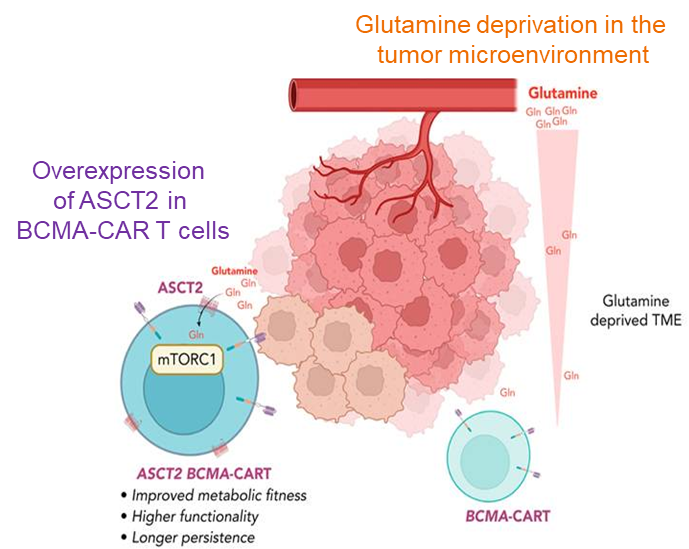
  •  
❌