❌

Reading view

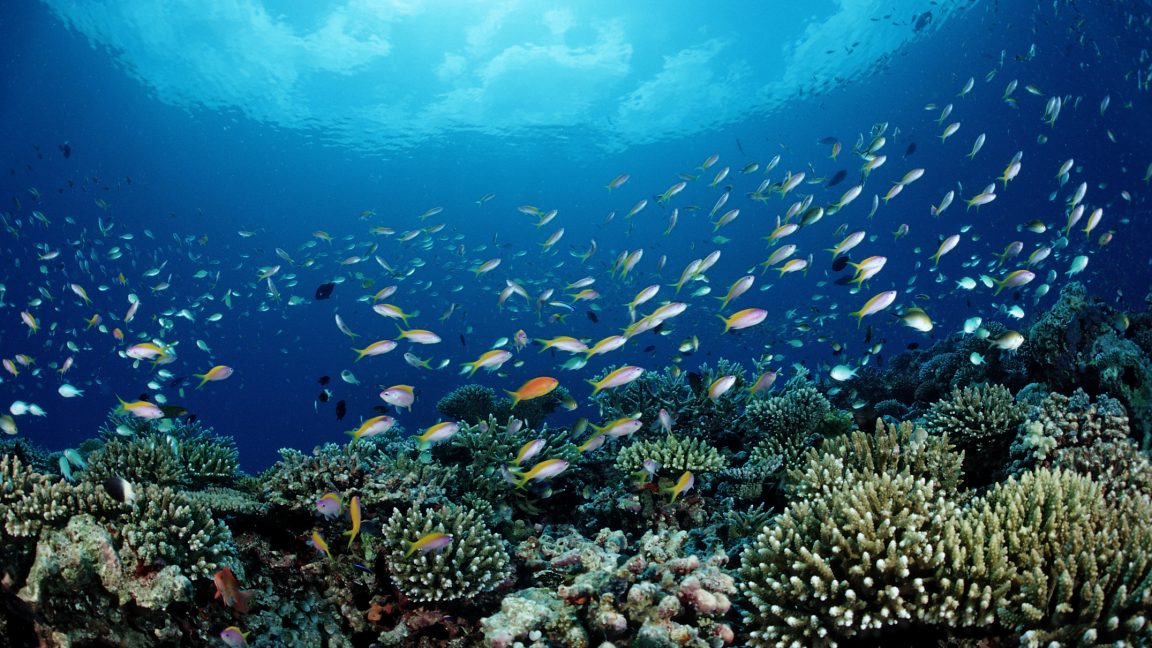
NOAA is putting commercial fishing ahead of conservation

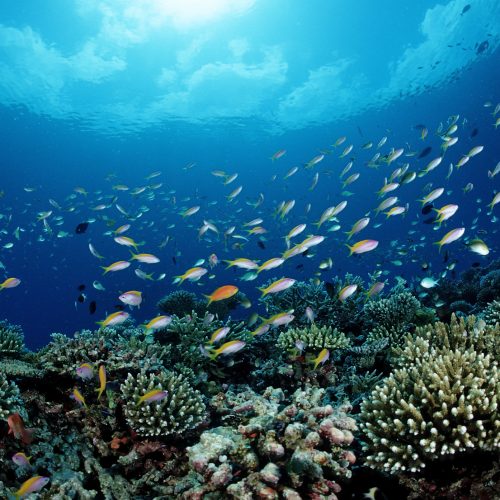
In July, the Trump administration relegated endangered leatherback turtles, sea lions, and whales to mere collateral damage in its race to profit from the oceans. Now, fisheries science is in the government’s crosshairs.

The National Oceanic and Atmospheric Administration (NOAA) announced new agency priorities last week that they say are a commitment to “cutting bureaucracy, modernizing our science, and putting our fishing communities first.” But experts say the agency’s actions will erode fish stocks, threaten endangered species, and surrender marine habitats to destructive trawlers.

The agency-level reforms serve as a self-proclaimed “operational roadmap” to fulfilling President Donald Trump’s “Restoring American Seafood Competitiveness” executive order, signed in April 2025.
Read full article

Comments

© Reinhard Dirscherl
  •  

NIH to use part of its budget to pay for Department of Defense research

Late last week, word started leaking that the National Institutes of Health (NIH) had reached an agreement with the Department of Defense that would see part of the NIH's budget used to fund research at the Department of Defense. So, on the Friday just prior to a US holiday weekend, the Department of Defense released a copy of the agreement and confirmed that it had been signed roughly a month earlier. The move is striking for a number of reasons, ranging from the existing budget disparities between the two parties involved to the fact that the money would be used for projects that the current NIH leadership has explicitly rejected.

The agreement itself sets up a system where the NIH would transfer money to the Department of Defense to fund staff and projects that would "support the advanced development of medical countermeasures against pandemic influenza, chemical, biological, radiological, and nuclear (CBRN) threats, and emerging infectious diseases." The money would come out of the budget for the NIH's National Institute of Allergy and Infectious Diseases, or NIAID, to which Congress has allocated $6.6 billion in 2026. The agreement is set to run for a decade.

Left unspecified is just how much of the NIAID budget will be spent on Defense projects. Reporting by Nature suggests that the Department of Defense was looking for up to a third of its total budget but was being told to settle for about 10 percent. There's obviously an enormous disparity between the budgets of these two agencies, given that the 2026 Defense budget is roughly $1 trillion. That budget is under considerable strain, however, due to the open-ended nature of the conflict with Iran. The deal has also been announced at a time when the NIH has been struggling to issue sufficient grants to use the money that Congress allocated to it.

Read full article

Comments

© Artem Onoprienko

  •  

Update to Google’s AI weather model improves forecast accuracy

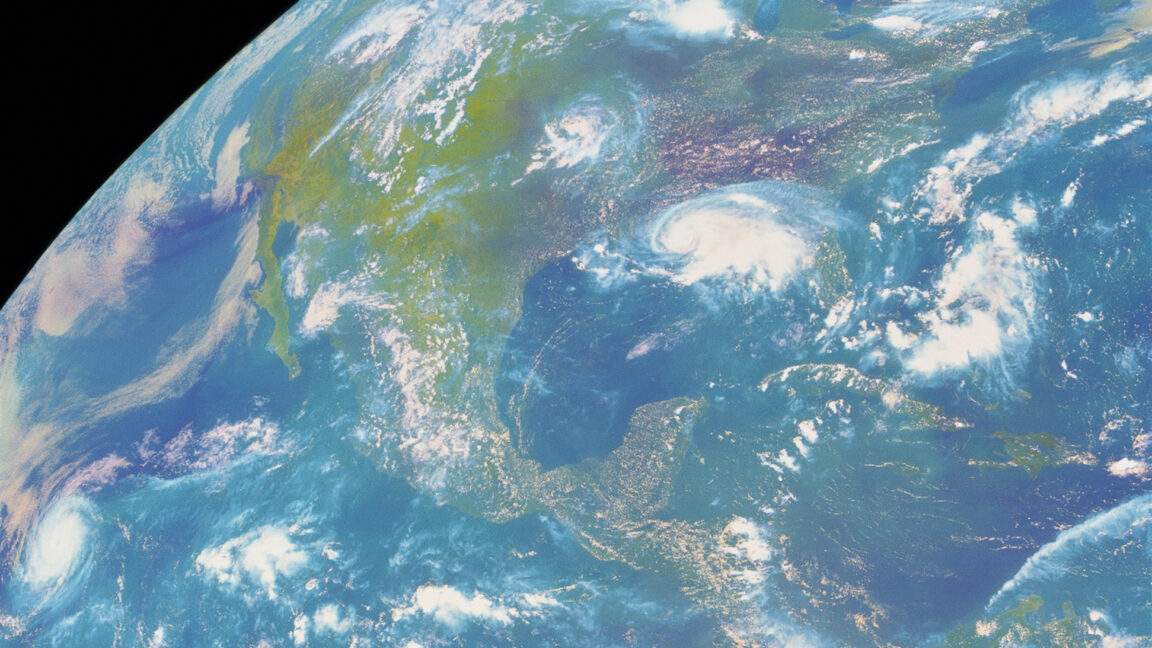
Google is one of the major players in AI (meaning machine learning) weather forecast model space. The models it and others generate have their strengths and weaknesses, but the main advantage is that they can have forecast performance similar to traditional models while requiring far less computing horsepower to run. That means they can be run more frequently.

Google recently released version 3 of its WeatherNext model, with the biggest change being that it now ingests some satellite weather data, shortening the lag time between current weather conditions and generating a new forecast. The update is detailed in a white paper.

Reanalysis

Many weather models make use of what’s called a “reanalysis,” which is a sort of model of its own. Reanalyses take in all kinds of weather data and combine them into a single, consistent global snapshot of the atmosphere. That requires that they provide estimates for conditions over locations without real-world measurements, because weather forecast models need to work with a global picture.

Read full article

Comments

© NASA/JPL

  •  

The secret to protecting next-gen spacecraft might be eggshells

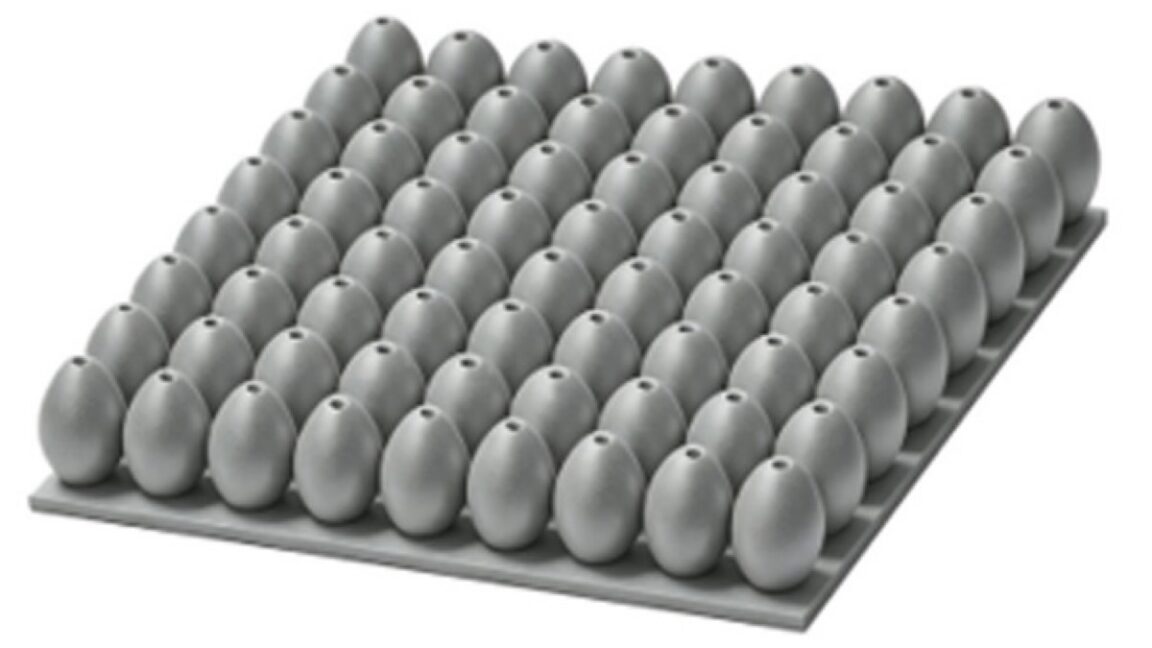
In 2007, a piece of space debris punched a bullet-like hole through the radiator panel of the US space shuttle Endeavor. The shuttle program ended in 2011, but the space debris problem has only intensified as we launch more and more satellite constellations, telescopes, and spacecraft into orbit. That's why Chinese scientists have devised a new aluminum material inspired by eggshells that they believe could offer enhanced protection against debris fragments, according to a new paper published in the Journal of Applied Physics.

Eggshells have long fascinated scientists because of their mechanical properties. For instance, it's well known that cracking an egg requires applying just enough force to the center to achieve a clean break without completely shattering the shell. In 2012, MIT mechanical engineer Pedro Reis co-authored a paper demonstrating the link between an egg's ovoid geometry and its rigidity, a major factor when predicting how much force an object can endure before cracking. (As I wrote for Slate at the time, rigidity is related to, but distinct from, strength. If one eggshell has tiny cracks and the other doesn't, both shells have different strengths—the cracked one will break more easily—but the same rigidity.)

Reis started studying eggshells after participating in a popular physics demonstration: walking on cartons of eggs without breaking them. The key, he learned, was to align the eggs with their narrow tip (the most crack-resistant part) pointing up, and then carefully place one's feet to distribute one's weight over the entire surface area. This ensures that no single egg is overloaded. While it takes around 5.5 pounds of force to crack an egg, that depends on the direction in which the force is applied, as well as its distribution over the shell's surface.

Read full article

Comments

© Wang et al., 2026

  •  

German company becomes first in Europe to launch fully commercial orbital rocket

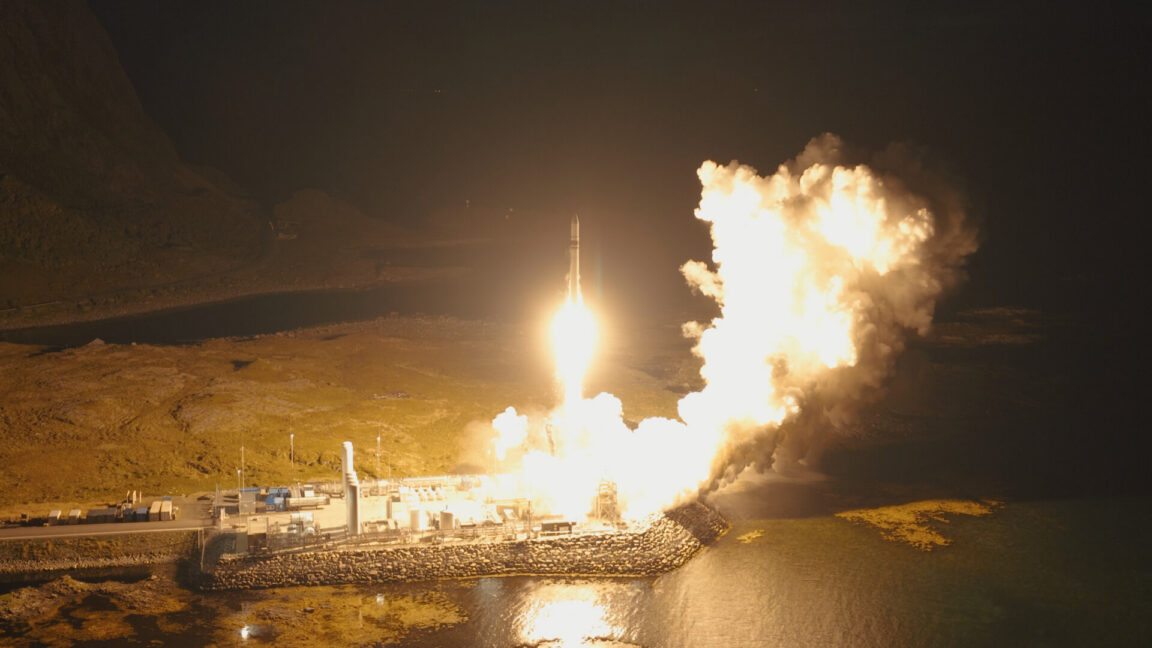
Isar Aerospace, founded in 2018 by three students at a German university, successfully launched a privately developed rocket into low-Earth orbit Saturday from a Norwegian spaceport inside the Arctic Circle.

The two-stage rocket, named Spectrum, became the first fully commercial launch vehicle in Europe to reach orbit. With Saturday's success, Isar is the clear leader among a pack of several European launch startups vying to inject some competition into Europe's stagnant launch market.

Isar's 92-foot-tall (28-meter) Spectrum rocket lifted off at 4:12 pm EST (20:12 UTC) Saturday from Andøya Spaceport in northern Norway, where it was 10:12 pm local time and the final bluish hues of daylight faded from the late summer sky. Seven minutes later, the rocket was in orbit.

Read full article

Comments

© Isar Aerospace

  •  

Farmed salmon may not be as nutritious as it once was, new research suggests

Eat more fatty fish.

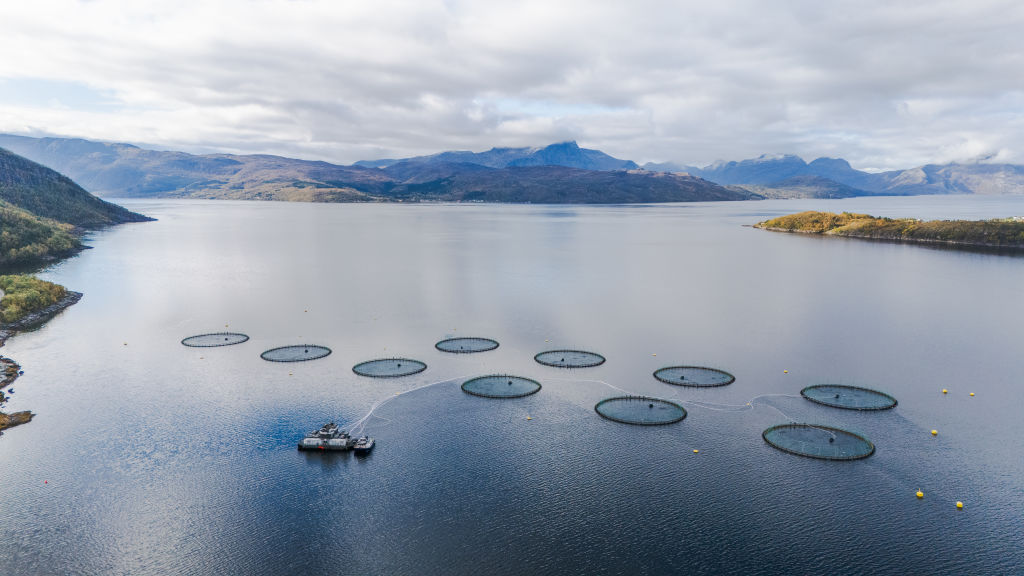
That dietary advice has changed the way the world consumes salmon, pushing consumer demand ever upward and production to higher and higher levels. Most of that demand is being met with farmed salmon: Today, nearly 70 percent of the salmon consumed on the planet are raised in pens and cages.

The US Department of Agriculture’s Dietary Guidelines for Americans recommend eating at least 8 ounces of fish a week and urges people to choose salmon or other species that are similarly high in “heart-healthy” Omega-3 fatty acids. But new research led by USDA scientists finds that levels of these fatty acids in farmed salmon have dropped considerably, potentially making the agency’s own advice, and similar recommendations, including from the American Heart Association, outdated and insufficient.

Read full article

Comments

© Manuel Romano/NurPhoto

  •  

Medieval manuscripts are "biological time capsules" for deadly sheeppox virus

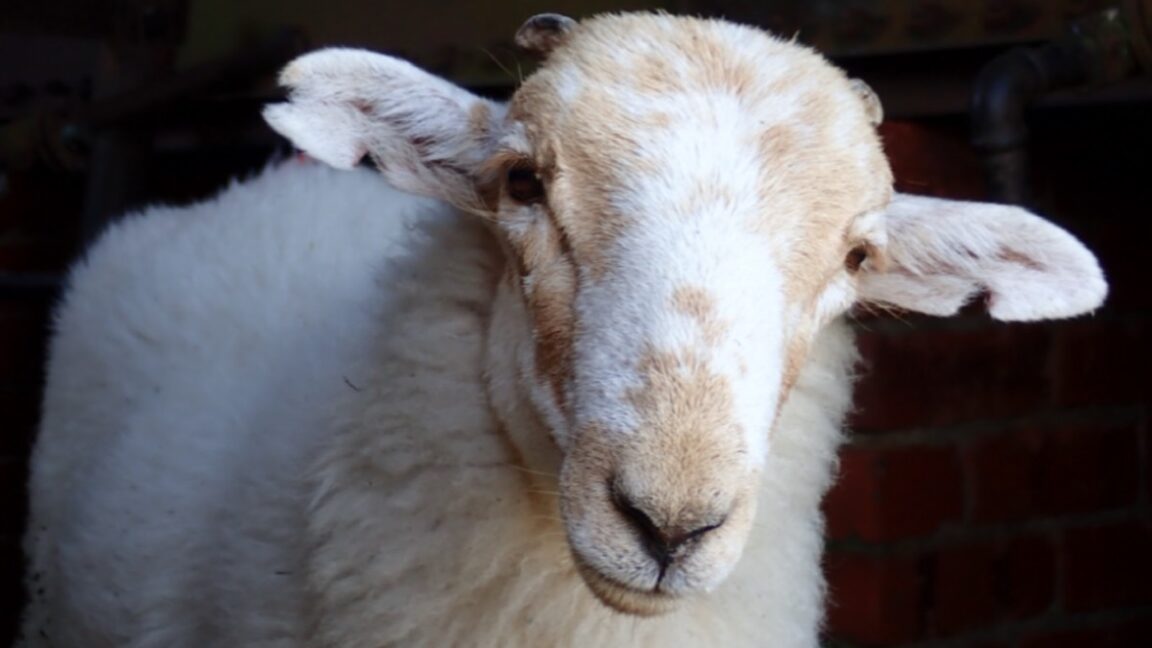
Sheeppox is a highly contagious, often fatal viral disease that was largely eradicated from much of European livestock in the 20th century. But there is still the occasional regional outbreak, such as the one that afflicted many flocks of sheep in Greece last year. In order to reconstruct how the virus has evolved over the last 3,500 years, scientists extracted and sequenced sheeppox DNA preserved in the animal skins used for the parchment of numerous medieval manuscripts. They reported their findings in a new paper published in the journal Science Advances.

“The recording of ancient DNA of pathogens has completely changed our understanding of infectious disease in the past, and here we show that parchment can also preserve animal pathogen DNA. It is possible that archives and libraries around the world also contain the genetic traces of disease outbreaks in animals in the past,” said co-author Louis L’Hôte, a graduate student at University College Dublin. “These genomes help us understand how these pathogens evolved and how they impacted past societies—such as sheeppox virus, which we show has been affecting Eurasian sheep herds for at least three and a half millennia.”

Per the authors, the earliest known written evidence of sheeppox infection dates to the first century CE, when Roman accounts described outbreaks of skin lesions ("pustules") in the animals. There are more frequent mentions of deadly outbreaks of "pockes" or "variola" in sheep by the Middle Ages, recorded in various agricultural texts and accounting documents in France, Spain, and England. There seemed to be a decline in outbreaks in 17th-century France, although frequent outbreaks re-emerged in the 18th and 19th centuries, often with high mortality rates in the flocks. Great Britain did not experience a sheeppox resurgence until 1847.

Read full article

Comments

© Seraaron/CC BY-SA 4.0

  •  

Second complete map of a fruit fly brain completed

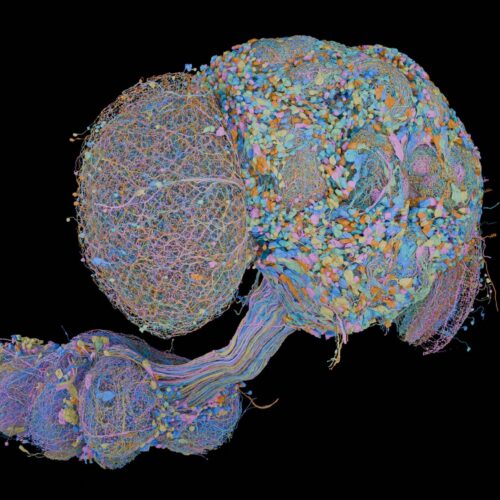
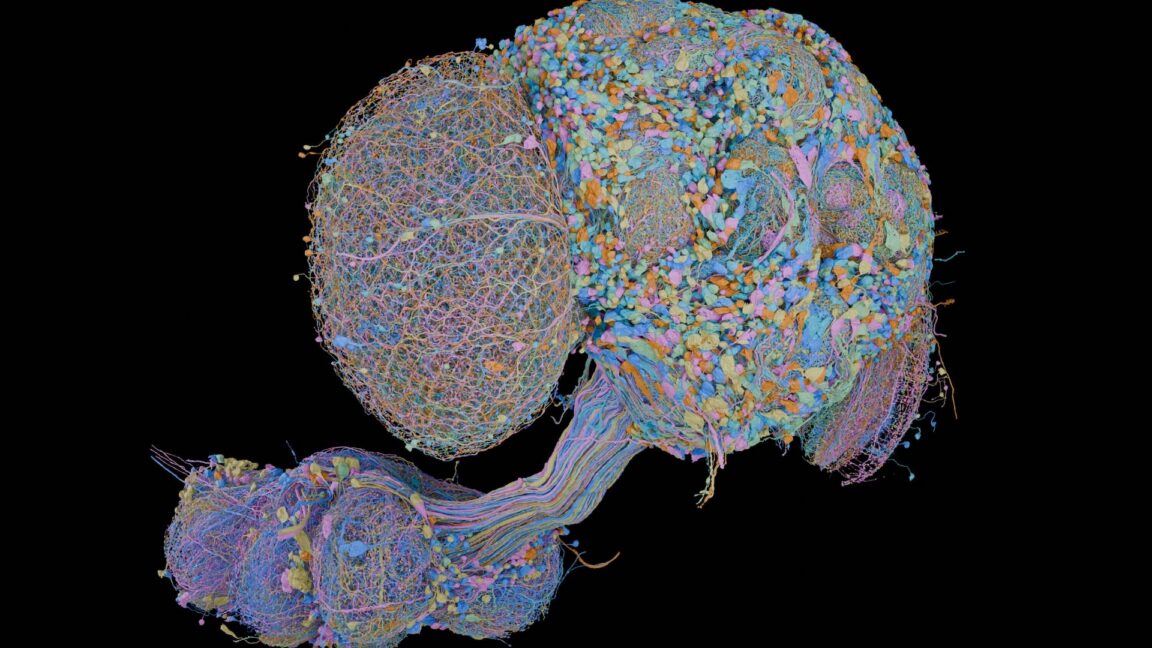
On Friday, researchers announced the completion of a map of every neuron in the brain of a male fruit fly. The "connectome" provides a tool that can accelerate neurobiology research. But it also provides an opportunity to do some science on its own, as the connectome of a female Drosophila had been completed earlier this year. The work also provided the team behind it the opportunity to refine tools that are likely to be applied to ever-more complex nervous systems, including (potentially) those of vertebrates.

The new work involved a collaboration between biologists at the Howard Hughes Medical Institute's Janelia Research Campus and computer scientists at Google—both acknowledge that neither could have done the project without the other. Preparation of an entire brain for imaging at the necessary resolution requires a distinct set of skills, as does interpreting what those images indicate. But building a complete picture of the hundreds of millions of synapses in a brain as small as the fruit fly's is a task that can't be achieved by humans in a manageable amount of time.

The people behind the effort expect that in the long term, the effort will be worth it, as the connectome could give neurobiologists a valuable tool for understanding how the brain works.

Read full article

Comments

© Philip Hubbard/HHMI Janelia

  •  

Just like a fruit fly, a new algorithm never forgets old scents

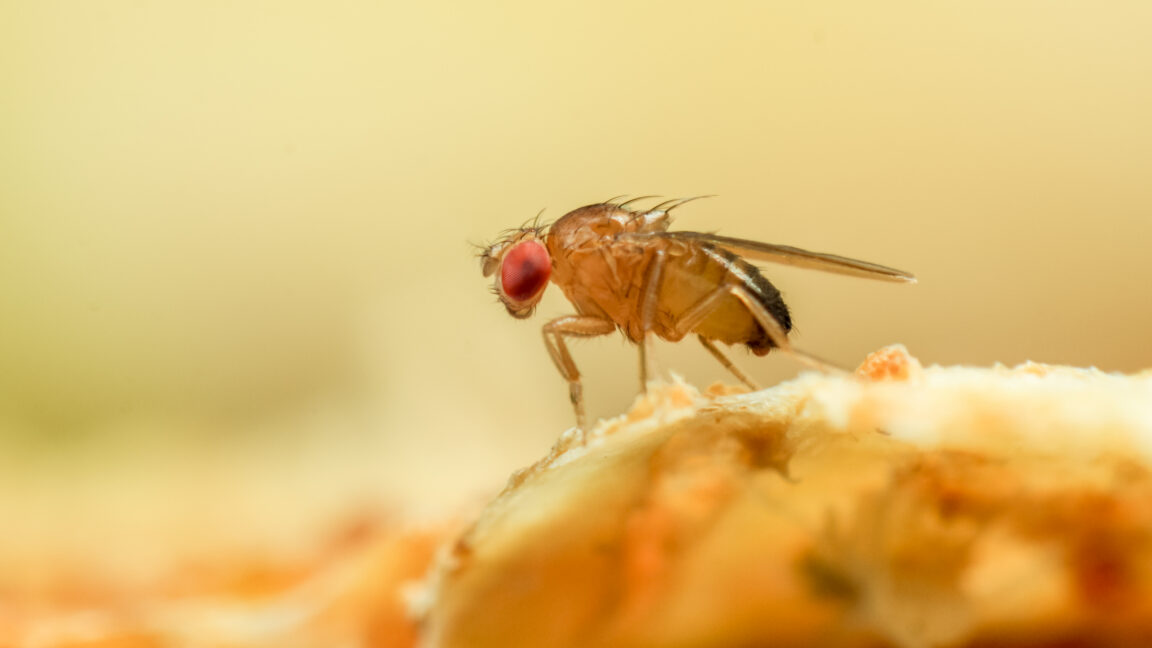
Fruit flies aren't exactly famous for their brainpower; you've probably drowned more than one in a wine glass left too long on the patio table. And yet, working with roughly 140,000 neurons—a brain smaller than a poppy seed—Drosophila can sort through a huge range of smells in a fraction of a second, and then retain the memory of that scent for a long time.

In this, they do much better than current "electronic noses." Even the most advanced ones on the market tend to be expensive, painfully narrow in what they can detect, and quick to forget an odor the moment they learn a new one.

So why not just copy the fly? That's the question a growing number of researchers have been asking—including Kevin Max and Yang Shen at the Okinawa Institute of Science and Technology, whose new algorithm, Spi-Fly, is described in a paper recently published in the journal Neuromorphic Computing and Engineering.

Read full article

Comments

© Joao Paulo Burini

  •  

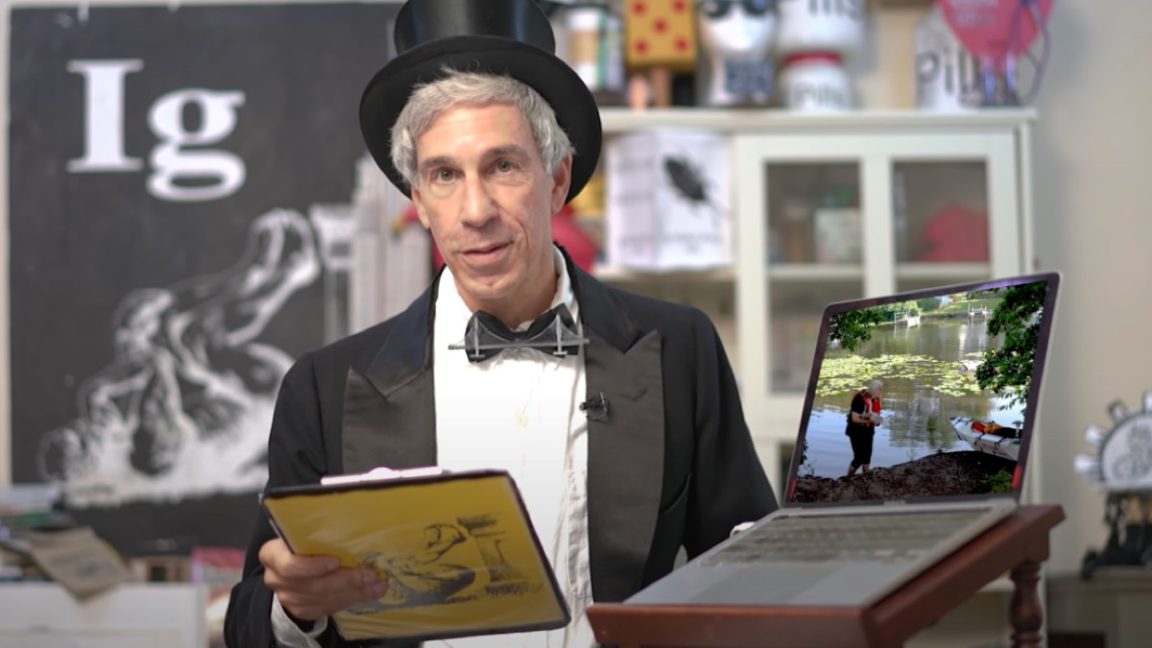
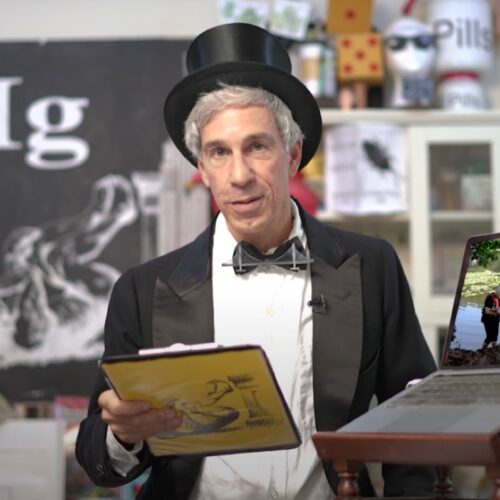
Meet the 2026 Ig Nobel Prize winners

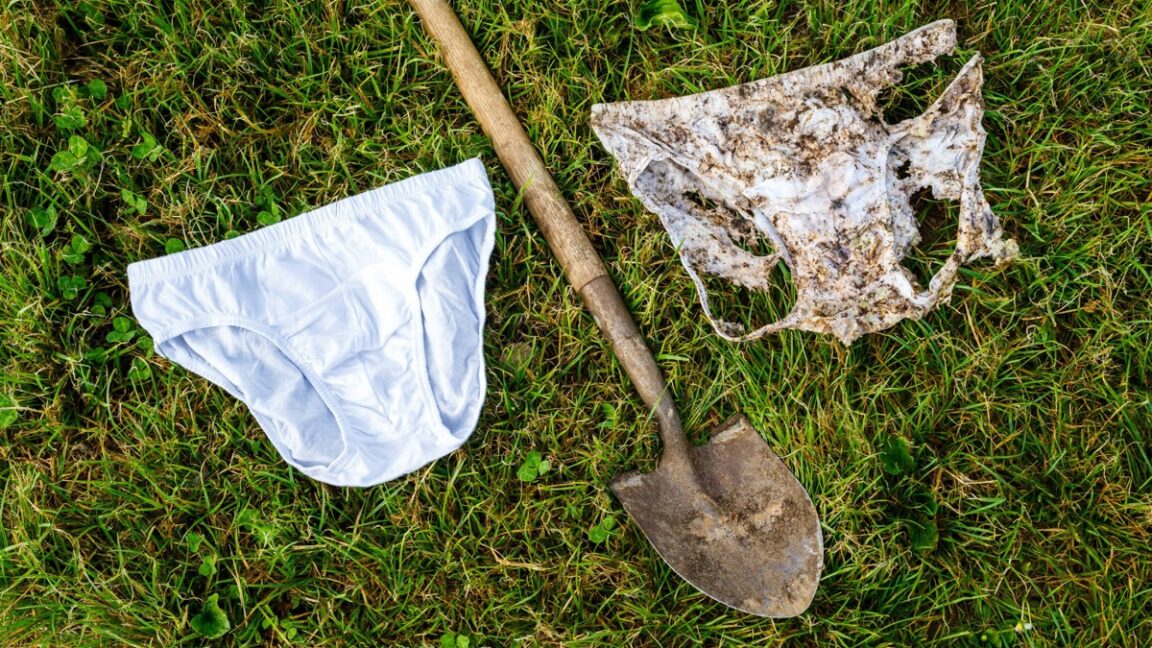
It's that time of year again, when we learn which lucky scientists are among the winners of the Ig Nobel Prizes. This year, the prizes honor research on designing the perfect splash-free urinal; using mosquito proboscises to "necroprint" tiny nozzles; studying composition rates of buried cotton underwear; and the aerodynamics of a healthy nose-blow, among other highlights.

Established in 1991, the Ig Nobels are a good-natured parody of the Nobel Prizes; they honor “achievements that first make people laugh and then make them think.” The unapologetically campy awards ceremony features miniature operas, scientific demos, and "24/7 lectures," whereby experts must explain their work twice: once in 24 seconds and the second in just seven words.

Acceptance speeches are limited to 60 seconds. And as the motto implies, the research being honored might seem ridiculous at first glance, but that doesn’t mean it’s devoid of scientific merit. In the weeks following the ceremony, the winners will also give free public talks, which will be posted on the Improbable Research website.

Read full article

Comments

© YouTube/Improbable Research

  •  

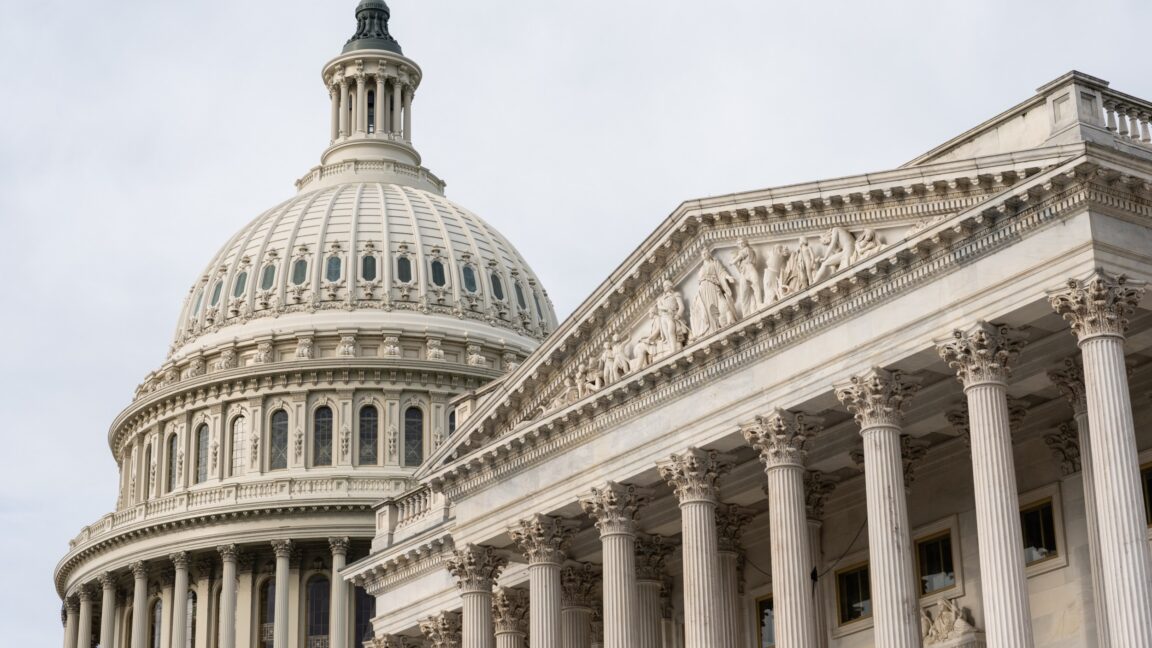
Spending deal comes with a bonus: Blocking political control of grants

On Tuesday, the House of Representatives passed a stopgap measure that would continue funding the US government through early December. While the measure still requires the signature of President Trump, it's widely expected that he will act to avoid a government shutdown immediately before the midterm elections.

This is a normal part of how the US government has operated in recent years, as it's often difficult to build the political support needed to pass a full year's budget in advance. In fact, dissent within the House's Republican caucus prevented them from agreeing on their own measure to keep the government open; instead, the House simply adopted a version of the spending bill that had previously passed the Senate.

From the perspective of scientists and their supporters, that adoption turned out to be a very good thing, because the Senate's budget bill, passed in early August, contains a provision that blocks the Office of Management and Budget (OMB) from implementing new rules that would give political appointees full control over what science is funded and allow them to cancel any grant at any time. The proposed rule has been widely decried as catastrophic for science, and it faced widespread opposition from scientific and health-focused organizations.

Read full article

Comments

© Getty Images | Bloomberg

  •  

Research roundup: 7 cool science stories we almost missed

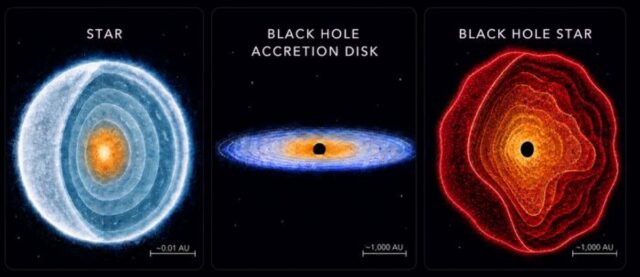
It’s a regrettable reality that there is never enough time to cover all the interesting scientific stories we come across. So every month, we highlight a handful of the best stories that nearly slipped through the cracks. August’s list includes the discovery of a new celestial object astronomers have dubbed a "black hole star"; breaking down plastics with microbes and turning them into edible cookies; how whale calls are connected to Einstein's special theory of relativity; and how avocado tree flowers switch sex during the day, among other highlights.

Discovery of a "black hole star"

Credit: Rohan Naidu (University of Hawai'i)

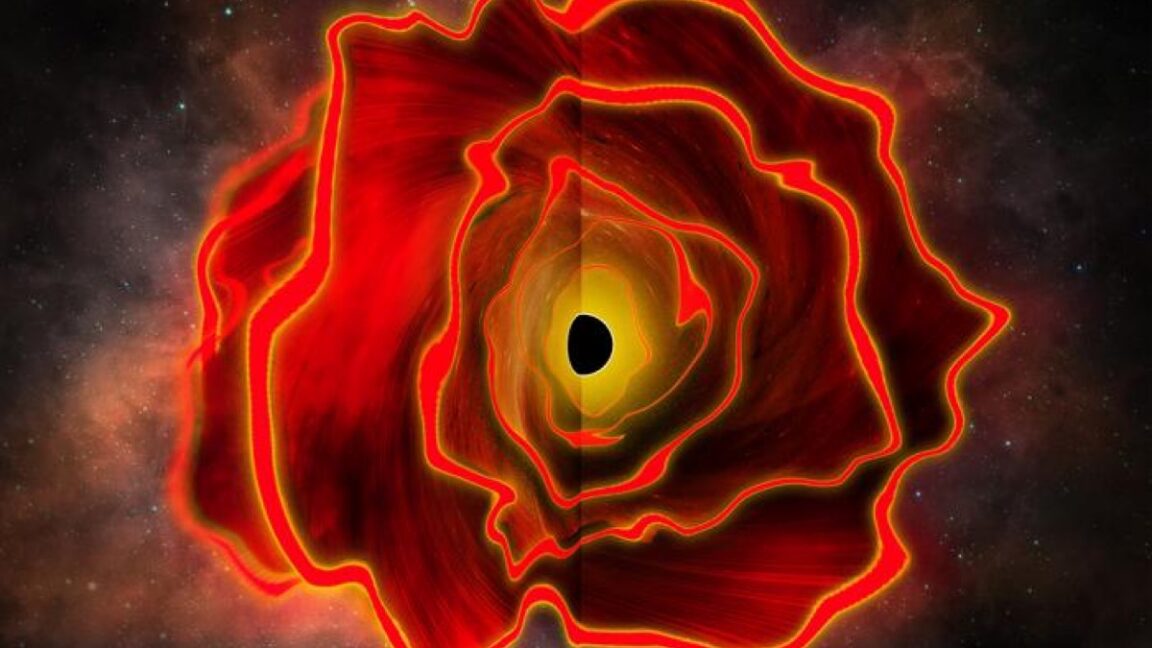
In 2024, astronomers combing through datasets taken by the James Webb Space Telescope noticed hundreds of mysterious little red dots lurking therein, believed to be baby quasars. They existed when the Universe was just a few hundred million years old. One such object in particular captured scientists' interest: a red dot that was extremely red and very bright, but whose properties didn't fit with any known astrophysical object. Astronomers have now concluded that the little red dot is a "black hole star," so named because it is the size of a large star but produces far more energy than would be possible via nuclear fusion—energy comparable to what an active black hole would produce.

Read full article

Comments

© ose-Luis Olivares, MIT

  •  

Without new landers or rovers, it's helicopters or bust for NASA's Mars program

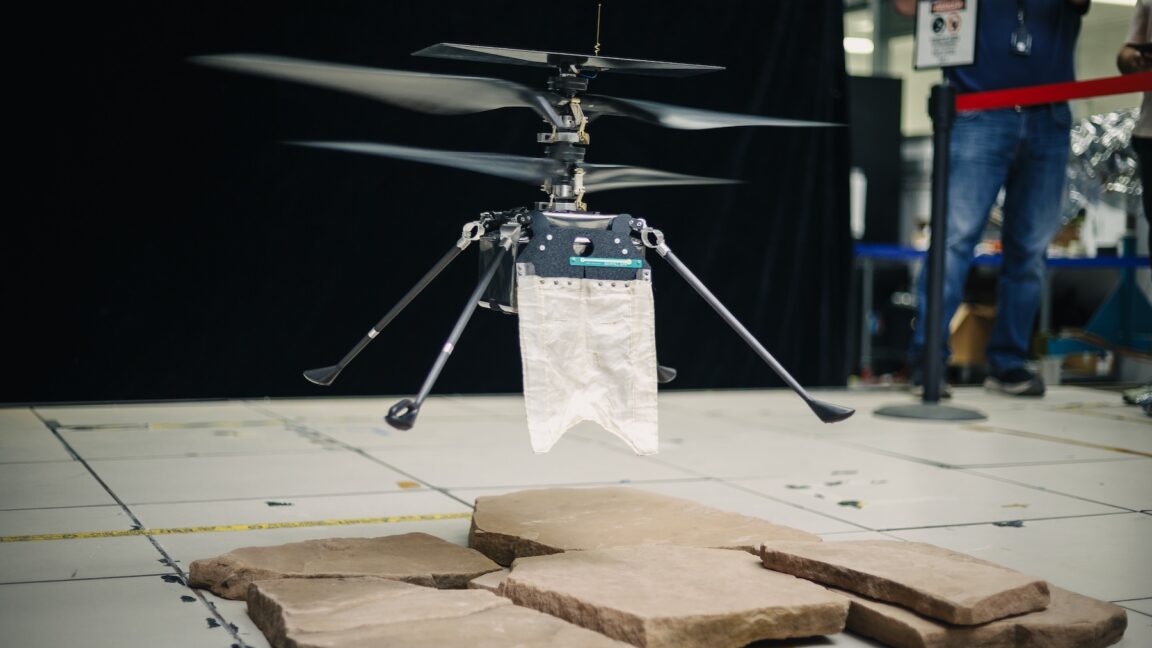
For the first time in more than 30 years, NASA has no firm plans to send any new landers or rovers to Mars. Instead, the agency's near-term focus at the red planet is on aerial drones, a pioneering mode of exploration that didn't seem realistic until a few years ago.

The first real use of drones for science at Mars will come with the SkyFall mission, a fleet of three helicopters set for launch as soon as late 2028. SkyFall's helicopters will ride to the red planet with NASA's Space Reactor-1 "Freedom" mission, which has the primary objective of demonstrating nuclear electric propulsion in deep space.

The launch schedule is aggressive for SR-1 Freedom and SkyFall, projects that didn't even exist in NASA's portfolio six months ago. NASA's plan for the SR-1 Freedom mission, estimated to cost $2.1 billion, calls for repurposing the core module of the canceled Gateway lunar space station into a testbed for nuclear electric propulsion. SkyFall will build on NASA's success with the Ingenuity helicopter, an experimental vehicle that became the first rotorcraft to fly on another world in 2021.

Read full article

Comments

© AeroVironment

  •  

Raindrops are tiny lightning bolts, and they’re corroding cars, study finds

The standard explanation for why rain causes corrosion is that water carries dissolved salts and acids to a surface, constant drumming of raindrops abrades whatever protective coating is on it, and oxygen does the rest. Nearly all our tools to prevent this—paints, polymer films, or oxide layers—are built around this idea. But we’ve apparently been missing something important about the rain.

A new study led by Zhongyuan Ni, Rüdiger Berger, and Hans-Jürgen Butt at the Max Planck Institute for Polymer Research in Mainz, Germany, has shown that water drops routinely arrive at a surface carrying an electrical charge large enough to punch through an insulating coating. Not scratch it. Not slowly dissolve it. Electrically blow a hole in it, the way a spark jumps a gap.

Charged rain

The starting point of the study is a phenomenon called "slide electrification," which has only been properly quantified in the past few years. When a water drop slides across an insulating surface like a leaf, a painted wall, a windowpane, or a plastic panel, it strips charge from that surface and leaves an opposing charge behind. The voltages involved are not trivial. Drops charged this way have been measured at up to 9,000 volts.

Read full article

Comments

© simonkr/Getty Images

  •  

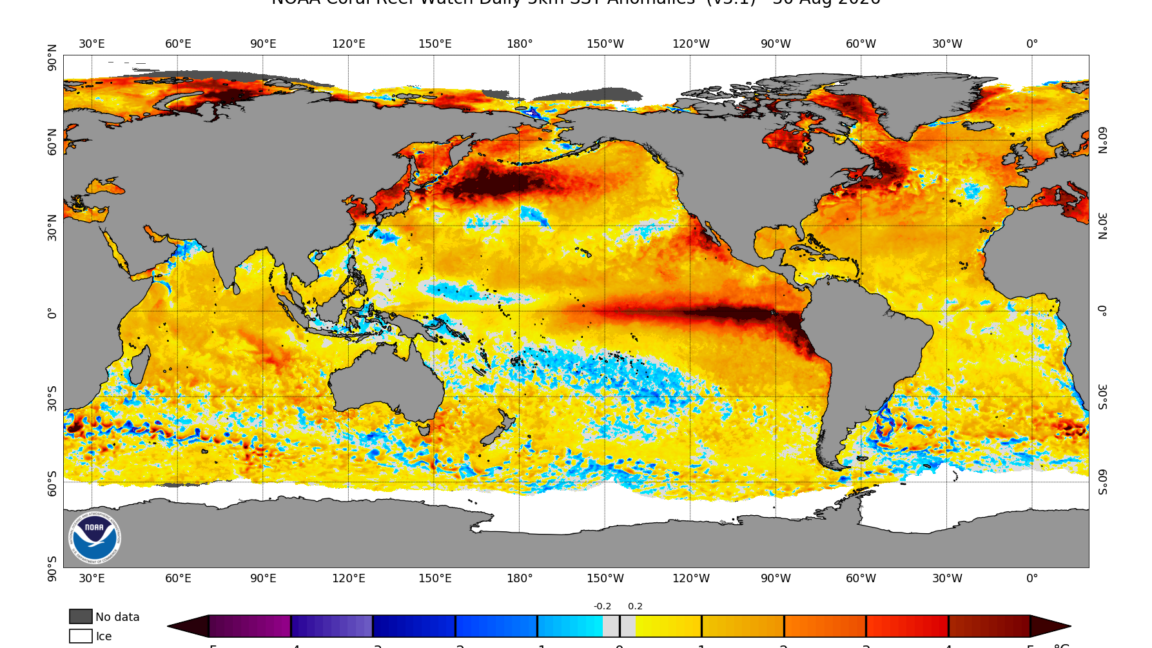
El Niño is now stronger than at any point in the last 1,000 years, study finds

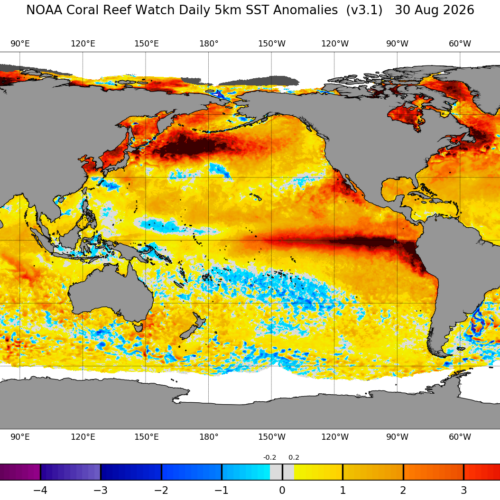
Every few years, El Niño or its cool counterpart, La Niña, shifts rainfall across the tropics, dries out Australia, floods parts of Peru, and rearranges the weather on most of the planet. The two are the warm and cold swings of a single system, the El Niño–Southern Oscillation, or ENSO, and that system is the largest source of year-to-year climate variation on Earth. Its swings sit atop the steadily rising temperatures driven by global warming.

But we didn't know whether global warming was making it stronger. It’s possible that the added energy in the atmosphere and oceans was causing its swings to be more dramatic.

“We've been seeing some very strong El Niño events in the late 20th and early 21st century, and what we didn't know was how unusual those are,” said Julie Cole, an environmental scientist at the University of Michigan. Because models disagree with one another and the instrumental data are too short to separate a trend, Cole’s team reconstructed a thousand-year-long ocean surface temperature record by analyzing fossilized Galápagos corals.

Read full article

Comments

© NOAA

  •  

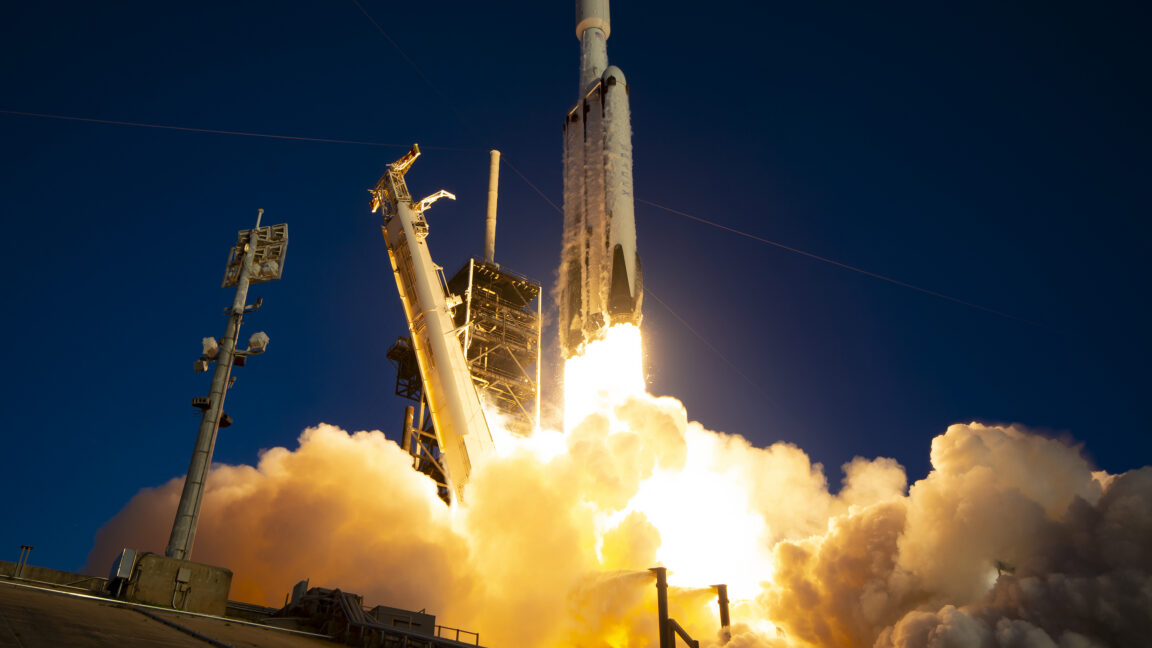
NASA's next "great observatory" begins mission to widen our view of the Universe

NASA's $4.3 billion Nancy Grace Roman Space Telescope, equipped with a 300-megapixel camera sighted through a refurbished spy mirror, launched Sunday from Kennedy Space Center in Florida on a mission to reveal the mysterious forces driving the Universe.

The new mission will extend the vision of NASA's other famous observatories, providing a field of view 100 times wider than the Hubble Space Telescope and complementing the groundbreaking work of the James Webb Space Telescope. Roman is just the second NASA-led astrophysics mission to launch this century, following the launch of Webb in 2021.

Unlike Webb, which suffered many years of delays before reaching space, Roman arrived at the launch pad nine months before NASA's commitment to send it skyward by May 2027.

Read full article

Comments

© SpaceX

  •  

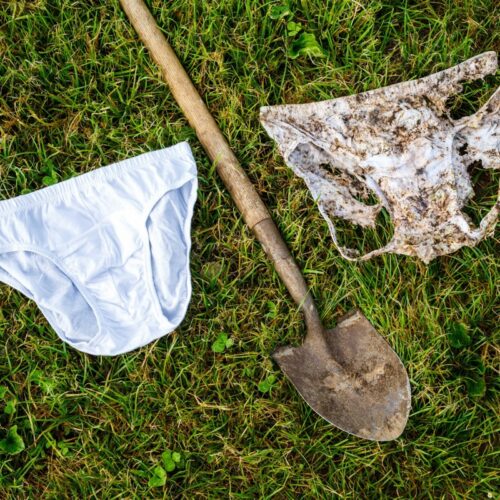
Why did 1,000 world citizens bury their underpants?

A thousand people voluntarily buried their cotton underpants for two months—not to keep the Underpants Gnomes from stealing them, but as part of a citizen science project to map out soil health in 25 countries around the world. The results of this unique experiment were reported in a new paper published in the journal Plants People Planet.

“Our results show that how soil is managed can significantly affect both soil life and soil quality,” said co-author Marcel van der Heijden, an agroecologist at the University of Zurich. “Healthy, biologically active soil is crucial for fertility, nutrient cycling and many other ecosystem services.”

Soil health is critical for agriculture and, by extension, food security, not to mention a healthy global ecosystem, but it has been declining worldwide, per the authors. One key indicator of soil health is decomposition rates of complex organic matter, breaking down stuff like leaves, wood, even cadavers into simpler organic and inorganic compounds, releasing C02 and nutrients in the process. There have been relatively few large-scale national decomposition studies involving different land use types, although smaller studies have shown that how humans use a site can significantly affect the soil's biological diversity.

Read full article

Comments

© Nicolas Zonvi

  •  

Traders brought Central American cacao to Georgia 1,000 years ago

A thousand years ago, feasts in what’s now northern Georgia state included cacao from Central America.

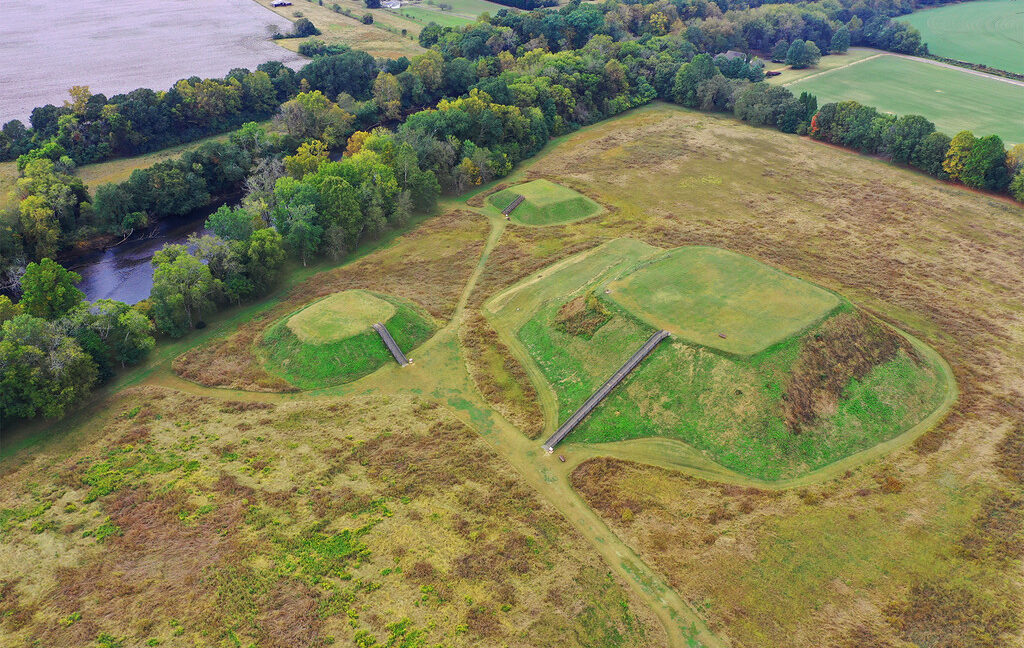
Potsherds discarded after an 11th-century feast at Etowah—an Indigenous city just north of what’s now Atlanta—contained traces of cacao, a raw ingredient of chocolate. The chemical residue and ancient DNA reveal that not only did the Mississippian people who built the city have excellent taste, they also had trade connections that reached at least 3,000 kilometers to Central America. And in a sense, chocolate may have helped build the Mississippian mounds.

Ancient dirty dishes

University of South Carolina archaeologist Adam King and his colleagues found fragments of ancient DNA from Theobroma cacao in the inner surfaces of potsherds from long-ago feasts at Etowah. Fruit from the cacao tree contains beans that, when dried and roasted, produce chocolate in all its glorious forms. Cacao only grows in the tropics, which means the nearest actual cacao trees would have been at least a 3,000-kilometer trek away from the woodlands of the eastern US. And that means the Mississippian people who lived in Etowah must have had continent-spanning trade connections.

Read full article

Comments

© Georgia Department of Natural Resources

  •  

Researchers get two genetic codes to work at the same time

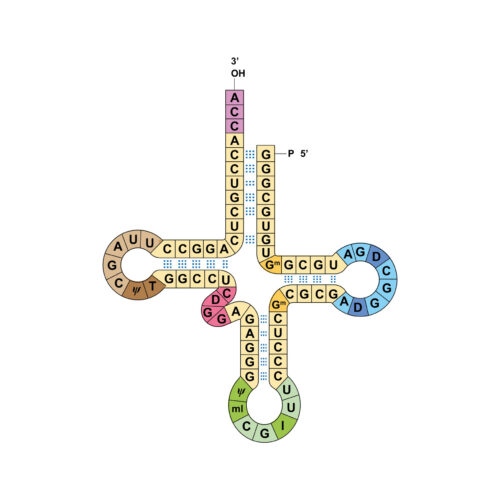
The genetic code is what life everywhere uses to convert the information contained in DNA into specific protein sequences. With minor variations, the same genetic code is used by every living thing on Earth, suggesting it was already present in the last common ancestor of all of them. It's not an easy thing to change, because so many things in every cell depend on it.

Nevertheless, some preliminary steps have been taken. Researchers have managed to add some new amino acids to a bacterial cell and were able to make proteins that were one amino acid less than usual. But it's a slog; for some of this work, people have had to re-engineer every single gene in a bacterial genome.

Now, researchers have found a way to operate two separate genetic codes simultaneously, avoiding the need to do any work to compensate for altering the code that every protein in a cell relies on. They didn't test it in an actual cell, and it might cause some problems there. But it's a creative solution that should accelerate some synthetic biology work.

Read full article

Comments

© ALI DAMOUH/SCIENCE PHOTO LIBRARY

  •  

Preserving glow-in-the-dark art and fashion for future generations

Fashionistas of a certain age no doubt remember the late designer Stephen Sprouse, who gave Blondie's Debbie Harry her distinctive Bowery punk style. Sprouse's first collections in the mid-1980s made a major splash, melding graffiti prints, a playful '60s aesthetic, and bright Day-Glo colors that won admirers such as Andy Warhol.

Several examples of Sprouse's work are preserved in the textiles collection of the Indianapolis Museum of Art at Newfields, where conservationists are trying to learn more about the phosphorescent and fluorescent pigments the designer used in his creations in order to keep the colors from dulling over time. They described recent advances in that research at a meeting of the American Chemical Society (ACS) held this week in Chicago.

Scientists began describing minerals that glowed in the dark as phosphors in the Middle Ages. Typically, such materials take on a charge when exposed to light, storing the absorbed energy and releasing it gradually as re-emitted light. Henri Becquerel discovered radioactive decay in 1896 because of his work with phosphorescent uranium salts: He left the salts in a closed drawer with photographic plates, which fogged up even without a light source. DayGlo paints and similar materials exploit the related phenomenon of fluorescence. DayGlo pigments fluoresce in daylight by essentially converting UV light into visible light to produce brighter, more vibrant colors.

Read full article

Comments

© Indianapolis Museum of Art at Newfields, Gift of Joanne Sprouse, in memory of her son Stephen Sprouse, 2020.58

  •  
❌