❌

Reading view

Eno humanoid robot aims to become the general-purpose machine for every workplace
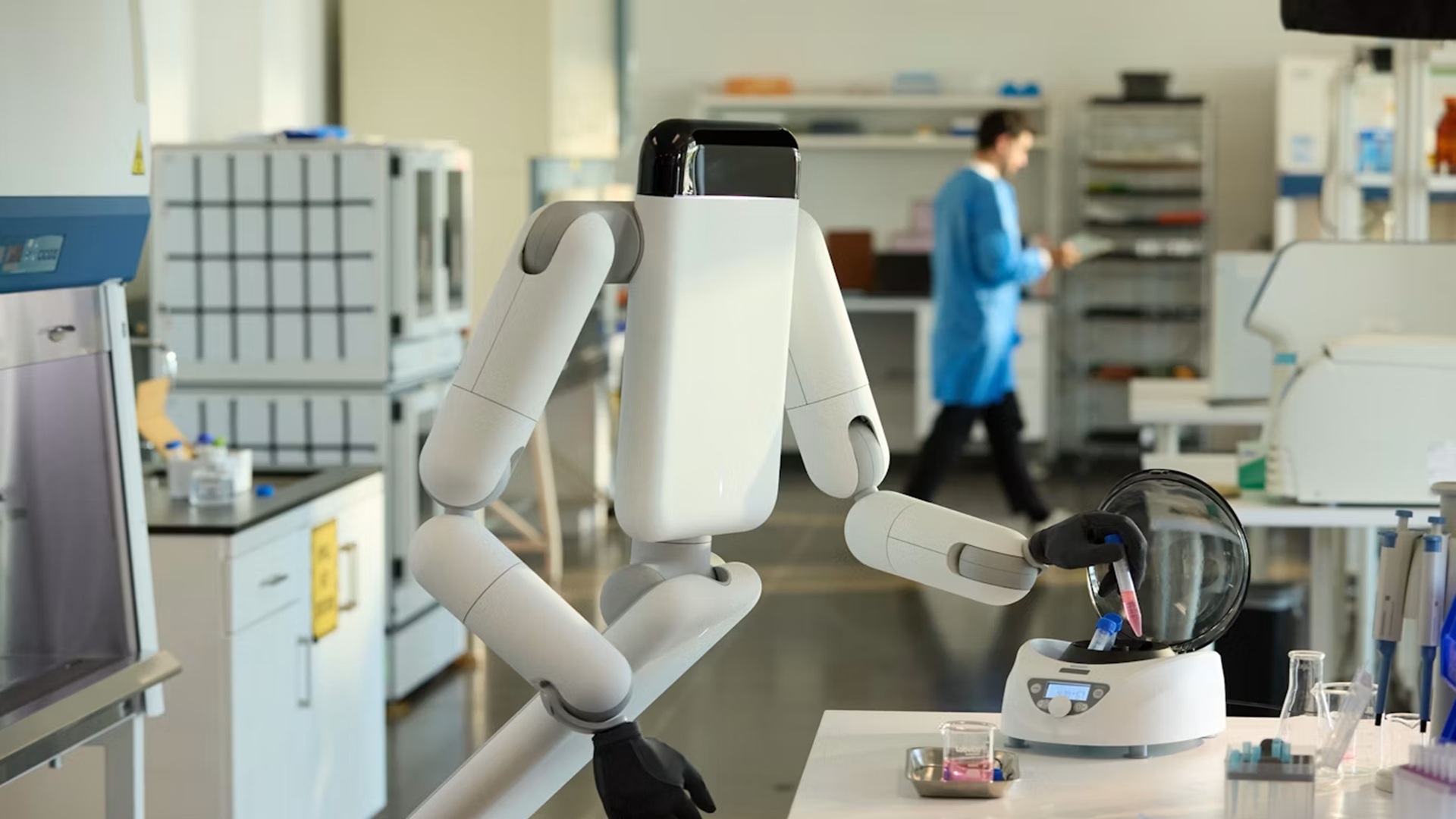
Genesis AI has unveiled Eno, its first general-purpose robot, as the company pushes toward building machines that can work across factories, laboratories, hospitals, hotels and eventually homes.

The robot combines Genesis AI’s custom hardware with GENE, the company’s robotics foundation model, which serves as Eno’s control system. According to the company, the robot is designed to perform complex tasks, adapt to changing environments and complete objectives with minimal human intervention.

Genesis AI said Eno differs from traditional industrial robots because it is built to operate as a physical agent rather than execute a fixed set of commands. The company claims the system can understand goals, reason through changing conditions, retain memory and carry out multi-step tasks over extended periods.

The announcement comes as companies across the robotics sector race to develop humanoid and general-purpose robots capable of handling a wider range of real-world jobs with less specialized programming.

Built beyond humanoids

Instead of closely resembling a human, Eno uses a wheeled base topped by an adjustable tower structure. The robot can change its height and reach in real time and fold into a more compact form when not in use.

Its most human-like features are its robotic hands. Genesis AI says the hands match the form and function of human hands, allowing Eno to use existing tools and interact with environments already designed for people.

“The only path to creating a robot that can truly deliver value to society and excel in the real world is through intentional design and a single, comprehensive system,” said Zhou Xian, co-founder and CEO of Genesis AI.

“From day one we’ve approached our design and engineering through a production mindset built around bringing our hardware, software and intelligence together as a whole.”

The company said Eno was designed alongside GENE so that the robot’s body and intelligence system function as a single platform. GENE is intended to give the robot human-level dexterity and the ability to handle long-horizon tasks that require planning and adaptation.

Showing robotic intent

One of Eno’s distinguishing features is an optional built-in screen that displays the robot’s reasoning process, operational status and intended actions in real time.

Genesis AI said the feature is designed to improve transparency and help people understand what the robot is doing as it works alongside human operators.

“What Genesis is building with Eno is a fundamentally new model for extending human capability through advanced robotics,” said Eric Schmidt, former Google CEO and Genesis AI investor.

“The breakthrough is not replacing human expertise, but amplifying it — making advanced robotics genuinely useful, accessible, and scalable across industries.”

According to the company, Eno could eventually manage entire workflows rather than perform isolated actions. Examples include keeping production lines supplied, coordinating tasks across facilities and preparing workspaces for the next shift.

Genesis AI plans to begin production and targeted customer deployments before the end of 2026. Initial deployments will focus on manufacturing, logistics and laboratory environments, followed by hospitality and healthcare settings. Consumer-focused applications are expected at a later stage.

The company recently raised $105 million in seed funding and says additional robotic platforms are already under development as part of its broader roadmap for general-purpose robotics.

💾

French startup Genesis AI unveils Eno, a general-purpose robot designed to handle complex tasks across industries.
  •  

Belgium unveils low-cost laser-guided rocket with proximity sensor for drone hunts

Countering small drones has become as much a financial challenge as a military one. Armed forces increasingly find themselves using costly interceptors against targets that are cheap to build and easy to deploy. Thales says its newest guided rocket was developed to restore that balance.

The company has unveiled the LGR275 Proxy, a 70mm laser-guided rocket designed specifically to intercept small unmanned aerial systems. Unlike traditional air defense interceptors, the new weapon aims to bring down drones without imposing unsustainable costs on military budgets.

Designed for drone hunts

At the heart of the LGR275 Proxy is a proximity sensor designed to improve engagements against aerial targets, adding a new capability to Thales’ established 70mm guided rocket family.

Instead of relying solely on direct impact, the sensor increases the chances of neutralizing fast-moving drones by triggering the rocket at the optimal moment. Thales paired the sensor with a military-grade warhead engineered to engage smaller airborne threats.

The result is a weapon designed to strike a balance between effectiveness and affordability. Modern militaries often deploy expensive missiles against low-cost drones. That mismatch can drain inventories and stretch defense spending during prolonged operations. Thales says the LGR275 Proxy addresses that problem by offering a more economical interception option.

The rocket supports both surface-to-air and air-to-air missions, giving commanders greater flexibility in how they deploy it. Forces could integrate the system into layered defense networks to engage threats before higher-end interceptors become necessary.

Class 1 and Class 2 drones have emerged as some of the most persistent threats on contemporary battlefields. They conduct reconnaissance missions, direct artillery fire, and carry explosive payloads. Their low cost and widespread availability make them difficult to counter using traditional methods alone.

Production set to expand

Thales Belgium plans to significantly increase the output of its guided rocket family over the next several years. The company expects production capacity to triple between 2026 and 2028. It also intends to strengthen its industrial footprint to support international customers seeking faster deliveries and dependable supply chains.

The production ramp-up reflects growing global demand for counter-drone capabilities. Recent conflicts have shown how quickly drone attacks can overwhelm traditional defenses and deplete interceptor stockpiles.

For defense manufacturers, production capacity has become almost as important as technical performance. Armed forces increasingly seek suppliers that can deliver at scale while maintaining consistent quality and shorter lead times.

Part of a broader shield

The LGR275 Proxy will also reinforce SkyDefender, Thales’ multi-layered Integrated Air and Missile Defence architecture. By adding a lower-cost interception layer, the company aims to provide customers with more sustainable protection against evolving aerial threats. Layered defenses allow operators to match the right weapon to the right target rather than relying on a single interceptor type.

Alain Quevrin, Country Director for Thales Belgium and Luxembourg, said the company developed the new rocket to help nations strengthen their readiness against the expanding drone threat.

He said Thales Belgium remains a leading producer of NATO-standard rockets and noted that the planned production increase would help meet the operational requirements of armed forces facing increasingly complex security environments.

  •  

‘Superconducting puddles’: Diamond’s hidden networks could power future quantum chips

US scientists have shed light on the physics behind diamond’s superconductivity, which could help engineers develop more powerful quantum devices, including multifunction quantum chips.

The joint research team consisted of experts from the US Department of Energy’s (DOE) Argonne National Laboratory (ANL), Pennsylvania State University, and the University of Chicago Pritzker School of Molecular Engineering. It discovered new insights into how electricity can flow through a diamond without resistance under the right conditions.

The findings could lead to multifunctional quantum chips capable of combining several quantum technologies within a single material. “This offers a new way of thinking by integrating superconducting and semiconductor behavior to create opportunities for multifunction quantum devices,” David Awschalom, PhD, from UChicago PME, said.

According to Awschalom, who is the Liew Family Professor of Quantum Science and Engineering and Physics at UChicago PME and the director of the Chicago Quantum Exchange, the breakthrough could make quantum technologies more efficient and better integrated with classical technologies. 

An unexpected discovery

Diamond is valued in advanced technology because of its exceptional hardness, optical properties, and thermal conductivity (Tc). It features the highest thermal conductivity and mineral hardness of any material known. It can also become superconducting when doped with boron, an element that alters its electrical conductivity.

More than two decades ago, scientists discovered that diamond can also become superconducting when doped with atoms of boron, an element that can alter its electrical behavior. Until now, however, the mechanisms behind the phenomenon remained largely unclear.

To analyze the phenomenon, the researchers synthesized high-quality diamond thin films, which contained carefully distributed boron atoms. They were stunned to find that despite appearing structurally uniform, the films had a hidden mosaic of microscopic superconducting regions.

The research team called these regions “puddles.” It was further discovered that they eventually connect with one another, therefore allowing electrical current to travel through the material without resistance.

“This serendipitous discovery caught us totally by surprise because these are structurally homogeneous, crystalline films,” Nitin Samarth, PhD, the Verne M. Willaman Professor of Physics and Materials Science and Engineering at Penn State, and co-corresponding author of the paper, said. “So, the question was: Where is this granularity coming from?”

A new quantum platform

According to the researchers, these superconducting regions are not fixed. Their shape and behavior can be modified by changing magnetic fields, temperature, and electrical currents. The researchers believe they can learn to connect them more efficiently by identifying how electrons move between them.

This could boost the performance of future quantum devices and allow them to operate at higher temperatures. Meanwhile, several parameters can be adjusted independently to tailor the material’s properties, including boron concentration, crystal orientation, mechanical strain, and dimensionality.

“We now have a reliable roadmap for engineering diamond superconductors by independently adjusting the material’s core properties,” Samarth said in a press statement. “There are a lot of exciting possibilities here, for both quantum and classical technology.”

Awschalom noted that the discovery could lead to the creation of multifunctional quantum-on-chip devices. “Imagine a future technology that combines light, spin, superconductivity, and magnetism, all in a single material that one could also integrate with today’s microelectronics,” he concluded.

The study has been published in the journal Proceedings of the National Academy of Sciences (PNAS).

💾

Scientists in the US have mapped the hidden superconducting behavior inside diamond films that could lead to more powerful quantum tech.
  •  

DSA’s 1,650-dish grid to survey universe 100x faster with real-time GPU data processing

The California Institute of Technology (Caltech) has finalized design plans for the Deep Synoptic Array (DSA), an unprecedented radio observatory that will be the most sensitive radio telescope ever built.

Following a successful final design review funded by Schmidt Sciences, construction is slated to begin in a remote, radio-quiet valley floor located in Spring Valley, Nevada. The massive facility is engineered to survey the celestial sphere 100 times faster than any existing radio telescope, fundamentally altering how astronomers map the universe.

Historically, radio astronomy has faced a compromise between sensitivity and image clarity. Large single-dish telescopes excel at capturing incredibly faint cosmic signals but lack spatial resolution, while traditional multi-dish arrays take sharp photos but take longer to sweep wide areas.

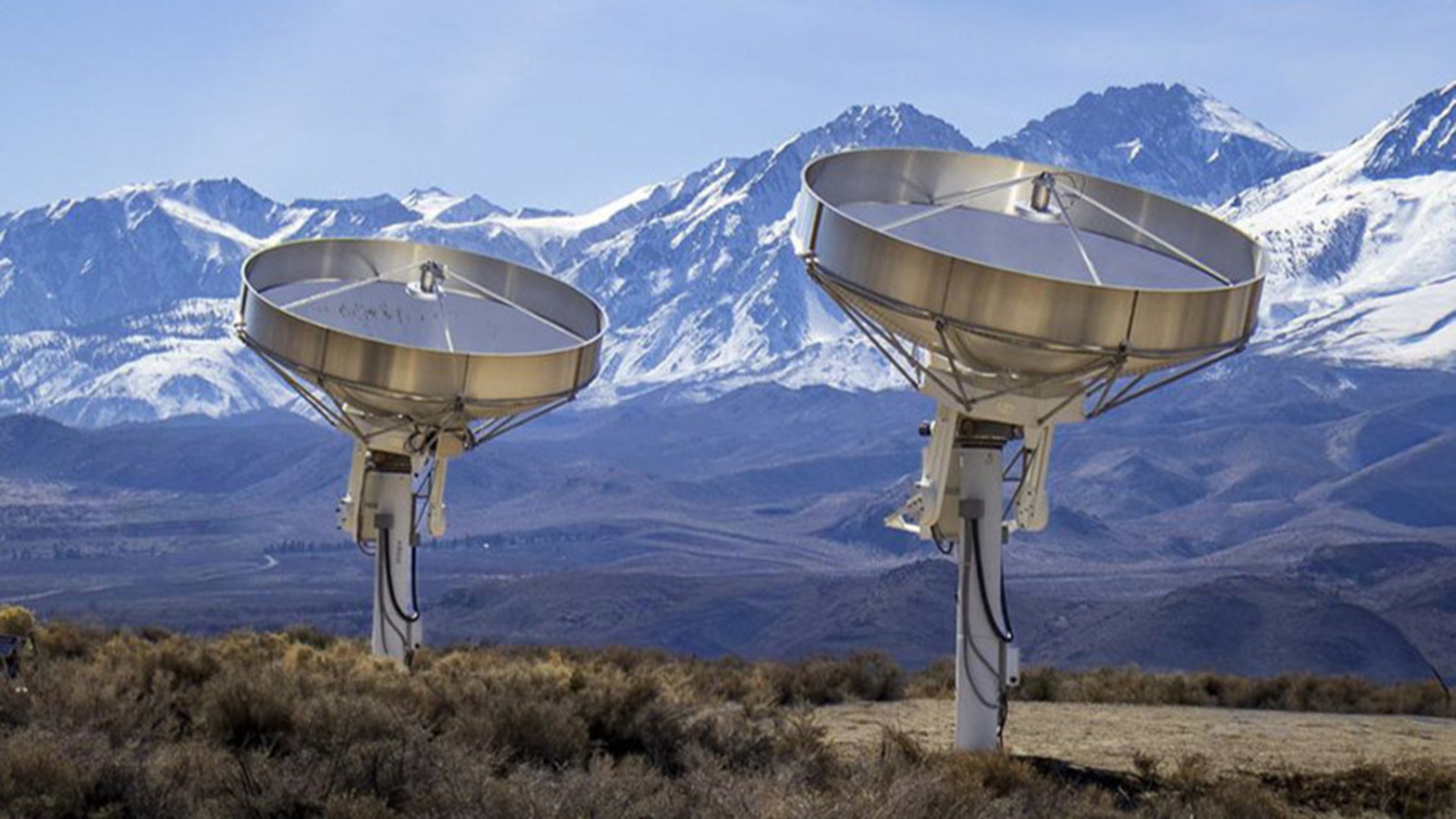
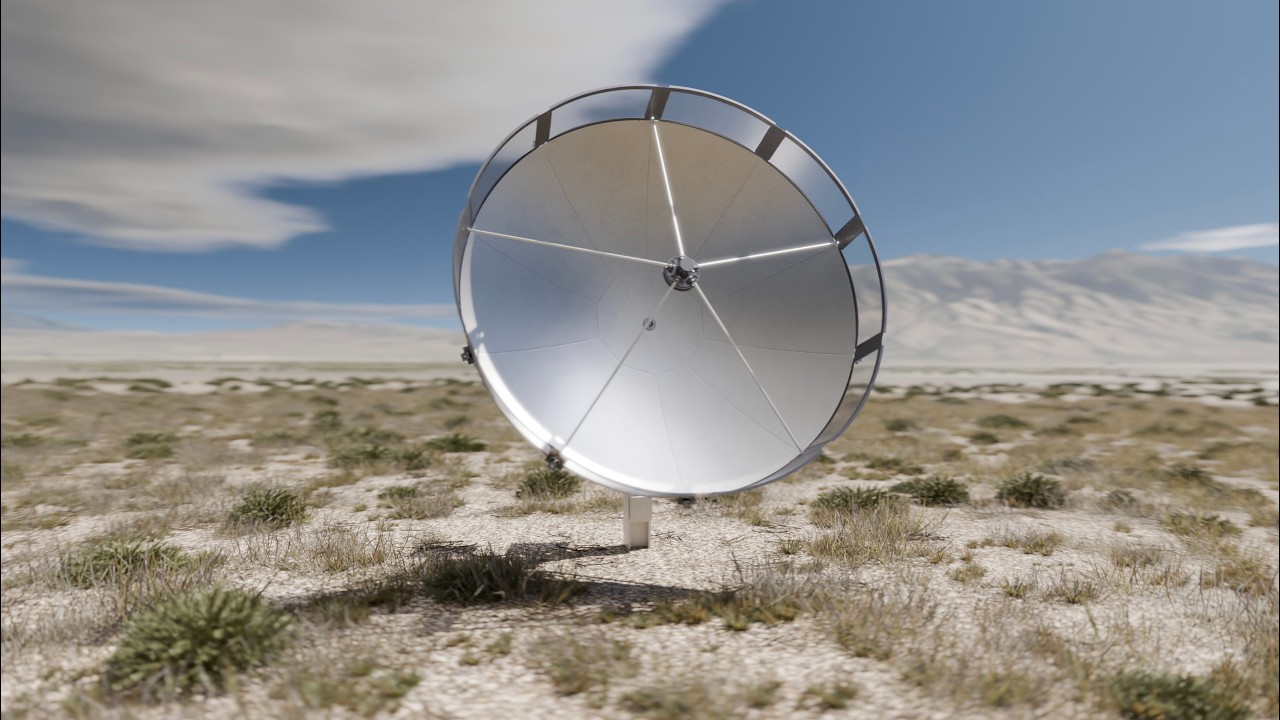
The DSA resolves this layout bottleneck by deploying a sprawling constellation of 1,650 steerable satellite dishes, each measuring roughly 6.1 meters in diameter, distributed across a geometric grid spanning 20 kilometers (~12.5 miles) by 16 kilometers (~10 miles).

The ‘radio camers’ solution

Operating an array of this magnitude creates a staggering logistical obstacle: data volume. Combined, the 1,650 dishes generate raw electronic data equivalent to the entire current internet traffic of the United States.

To prevent a system crash, storing this information conventionally would require a multi-billion-dollar storage facility housing five million hard drives to hold roughly 100 exabytes of data.

To overcome this issue, Caltech researchers developed a specialized “radio camera” architecture. Utilizing an on-site network of graphics processing units (GPUs), the telescope automatically flags, cleans, and synthesizes the incoming streams of radio waves into finished, high-fidelity images in real time.

This pipeline immediately strips away raw data clutter, reducing the long-term storage footprint to just tens of petabytes per year. Furthermore, the electronics are kept highly stable through the use of specialized indium phosphide transistors that achieve exquisite sensitivity while operating at room temperature, eliminating the need for complex cryogenic cooling systems.

Cataloging a billion cosmic objects

The raw speed of the array will drastically reshape the catalog of known space phenomena. Over the last several decades, all global radio telescopes combined have cataloged approximately 20 million unique radio sources.

The DSA is projected to match that entire historical benchmark on its very first day of operational testing. Over its initial five-year all-sky survey window, the facility is expected to discover more than one billion previously unrecorded radio sources.

Led by Principal Investigator Gregg Hallinan, the telescope will provide critical open-source tracking data to help astrophysicists study fast radio bursts (FRBs), track moving pulsars, and observe black hole explosions. Project managers anticipate full construction to be finished with science operations commencing by 2029.

💾

Caltech’s Deep Synoptic Array will become the world’s most sensitive and fastest radio telescope, mapping over 1 billion cosmic objects.
  •  

Europe’s answer to the Tomahawk? MBDA unveils cruise missile with 600+ mile range

European missile manufacturer MBDA has unveiled a new long-range strike weapon that could significantly expand Europe’s ability to hit targets deep behind enemy lines without relying on US-made systems.

Introduced at the Eurosatory defense exhibition in Paris, the new Naval Cruise Missile–Land Cruise Missile (NCM-LCM) Mk2 combines MBDA’s combat-proven Naval Cruise Missile with a mobile ground-launch capability, creating what many analysts describe as Europe’s closest equivalent to the US Tomahawk cruise missile.

The company says the missile can strike targets at ranges exceeding 1,000 kilometers (621 miles) while maintaining precision even in heavily jammed electronic warfare environments. A first operational ground launch system is expected to become available from 2029.

Why the new missile matters

The unveiling comes as European militaries seek greater strategic autonomy and long-range strike capabilities amid growing geopolitical tensions.

Long-range cruise missiles allow militaries to destroy command centers, air-defense systems, logistics hubs, and critical infrastructure far behind enemy lines without exposing aircraft or troops to enemy defenses.

While Europe already fields air- and sea-launched deep-strike weapons such as SCALP/Storm Shadow and the Naval Cruise Missile, it has lacked a dedicated ground-launched cruise missile with comparable range and operational flexibility. The LCM Mk2 is designed to fill that gap.

Unlike conventional artillery systems, which typically reach tens or hundreds of kilometers, the new missile can engage targets more than 1,000 kilometers away, allowing commanders to project firepower across entire theaters of operation.

Built for GPS-denied warfare

One of the most significant upgrades in the Mk2 variant is its ability to operate in highly contested electronic warfare environments. Modern battlefields increasingly feature GPS jamming and spoofing systems designed to disrupt precision-guided weapons. Rather than relying solely on satellite navigation, the NCM-LCM uses multiple guidance methods.

The missile uses a combination of inertial navigation, terrain-reference navigation, satellite positioning, and an imaging infrared seeker. In the terminal phase of flight, the seeker compares the target area against stored reference imagery, helping maintain precision even when satellite navigation signals are degraded or unavailable.

This multi-layered approach allows the weapon to maintain accuracy even in GPS-denied environments. MBDA has also equipped the Mk2 with a new-generation anti-jamming system, upgraded avionics, and enhanced mission electronics designed for high-intensity conflict scenarios.

How the missile survives enemy defenses

Unlike hypersonic weapons that rely on extreme speed, the NCM-LCM survives by remaining difficult to detect.

The missile flies at low altitude, closely following terrain features such as hills, valleys, and coastlines to remain below enemy radar coverage. MBDA says the Mk2’s redesigned nose section and updated electronics allow even lower-altitude flight, further improving survivability.

The missile also incorporates stealth features that reduce its radar signature, making interception more difficult. MBDA has also showcased a complementary concept known as Deluge, a low-cost expendable drone designed to saturate enemy air-defense networks and create opportunities for long-range missiles to penetrate contested airspace.

A mobile launcher designed to disappear

The land-based version is designed for rapid deployment and survivability. According to MBDA, a launcher vehicle can move into an unprepared location, deploy, and have four missiles ready to fire in under 15 minutes. Once launched, the battery can relocate before enemy forces identify its position. 

This “shoot-and-scoot” capability has become increasingly important in modern conflicts, where drones and counter-battery systems can rapidly detect and target static launch sites. The company also notes that the missile can be integrated into synchronized multi-domain strike operations, enabling launches from ships, submarines, and ground batteries to coordinate attacks on the same set of targets.

NCM-LCM Mk2 signals Europe’s growing ambition to field sovereign long-range strike systems capable of operating in the highly contested battlefields of the future.

  •  

Video: Ceiling-mounted DIY robot picks up toys, clothes, and household clutter

An engineer has developed an open-source ceiling-mounted robotic claw designed to tackle one of the constant challenges of family life—cleaning up clutter.

Called Stringman, the system uses cables suspended from four corners of a room to move a robotic gripper across the ceiling, locating and collecting items such as toys, clothing, and other household mess.

Powered by LeRobot-based firmware, the robot can identify objects, pick them up, and transport them to designated drop-off points.

According to its maker, the project’s software, hardware designs, and build instructions are available on GitHub. At the same time, ready-to-use kits are also being offered for users who prefer not to build the system themselves.

Stringman tackles clutter

The DIY cleaning robot is designed to tackle one of the most common household challenges—clutter left behind by children and pets.

Stringman is a cable-driven robotic crane that moves across a room using high-strength lines suspended from anchors mounted in its four corners. Rather than relying on a humanoid design or a mobile robot, Stringman uses a lightweight gripper that travels through the room’s airspace, identifying and collecting objects from the floor before transporting them to designated drop-off locations.

The project was created by Nathaniel Nifong, who believes many household tasks can be automated without the complexity and cost associated with humanoid robots. According to the project’s website, reducing the number of actuators significantly lowers the overall cost of robotics hardware. Stringman relies on just four motors and a two-finger gripper with a wrist mechanism, allowing it to perform basic pick-and-place tasks while remaining relatively affordable.

The robot is built on the open-source LeRobot platform and uses imitation learning to improve its grasping capabilities. Users can train the system through teleoperation, teaching it how to pick up various household objects. The software, firmware, mechanical designs, and build instructions are publicly available under an Apache 2.0 license, allowing enthusiasts to build, modify, and contribute to the project.

To organize items, users simply designate destinations such as laundry baskets, toy bins, or trash cans using clip-on fiducial markers. Stringman’s vision system maps these locations and generates a list of objects it believes should be collected. Users can review and modify these selections through an interface or manually click objects they want the robot to remove.

Open-source robot

One of the system’s biggest advantages is its reach. Unlike robotic arms that are confined to a limited workspace, Stringman can access much of an entire room. Its cable-driven architecture enables it to move from floor-level pickups to elevated shelves without requiring rails, wheels, or articulated limbs. Because it is powered directly from a wall outlet, it also avoids the charging downtime that limits many mobile robots.

The design incorporates active swing-cancellation algorithms to stabilize the gripper as it moves. This is particularly important because the gripper hangs approximately 50 centimeters below the suspension point, allowing it to reach beneath furniture and alongside obstacles. The software continuously compensates for momentum, helping maintain accurate positioning during movement, according to its website.

Privacy has also been a focus of the project. Stringman supports a fully local operating mode in which video processing and telemetry remain within the home network. Users who prefer remote access can connect the robot to an online account and monitor or control it through a web-based interface.

Despite its promise, the system remains a work in progress. The machine-vision models still require refinement, and certain objects—particularly flat items such as books—can be difficult for the gripper to handle reliably. The suspended cables also descend into the room while the robot is operating, creating practical limitations for occupied spaces.

Even with these challenges, Stringman represents an intriguing alternative to humanoid domestic robots. By focusing on a single household task and simplifying the hardware, the project demonstrates how practical home automation may emerge from specialized, low-cost designs rather than human-shaped machines. Future developments could potentially allow the robot not only to collect clutter into bins but also to return items directly to their proper storage locations.

💾

Stringman DIY robot uses ceiling-mounted cables and AI vision to pick up toys, clothes, and clutter around the home.
  •  

SpaceX acquires Cursor in $60B stock deal as race for coding tools intensifies

SpaceX has agreed to acquire coding startup Cursor in a $60 billion all-stock deal, according to a filing with the U.S. Securities and Exchange Commission (SEC). The acquisition deepens the Elon Musk-led company’s push into artificial intelligence software and developer tools just days after its record-breaking Nasdaq debut.

The deal brings San Francisco-based Anysphere, the company behind Cursor, under the SpaceX umbrella as thje company looks to strengthen its position against rivals such as OpenAI and Anthropic in the fast-growing AI coding market.

SpaceX announced the massive deal in a post on X, saying: “SpaceX has exercised the option to acquire @cursor_ai in an all-stock transaction with the goal of building the world’s most useful AI models.”

SpaceX has exercised the option to acquire @cursor_ai in an all-stock transaction with the goal of building the world’s most useful AI models.

For the past few months, SpaceXAI has been jointly training a model with Cursor, which will be released in Cursor and Grok Build soon.… https://t.co/X5mepgXgjJ

— SpaceX (@SpaceX) June 16, 2026

The company added that it has been jointly training a model with Cursor over the past several months and plans to release it in both Cursor and Grok Build, xAI’s coding agent, in the near future.

Code meets compute

The acquisition comes after an agreement between the two companies in April that gave SpaceX the right to acquire Cursor at a predetermined valuation. According to SpaceX’s SEC filing, the companies also entered into a compute partnership under which SpaceX would provide GPU cluster capacity and collaborate on improving existing models, including Grok, while potentially developing new AI products together.

In the filing, SpaceX described software development as a strategically important AI use case because it generates structured, verifiable data and frequent user feedback. The company said Cursor’s coding workflows provide valuable developer interaction data, including coding prompts, iteration cycles and software architecture decisions that could help improve model training and inference.

Cursor has emerged as one of the fastest-growing AI software companies since its founding in 2022. Reports suggest that the company has reached roughly $2.6 billion in annualized business-to-business revenue and has recently been discussing a funding round that would have valued it at $50 billion.

The startup’s coding assistant is widely used by developers to generate, edit, and review software code. Cursor counts major companies such as Stripe, Adobe and Nvidia among its users, while Nvidia CEO Jensen Huang has described it as his “favourite enterprise AI service.”

Data powers expansion

SpaceX said the acquisition will help advance its broader AI strategy by integrating its models more directly into developer workflows and expanding distribution through high-engagement software products.

“We look forward to working closely with the Cursor team to advance our frontier AI capabilities,” SpaceX said in its announcement.

Cursor also welcomed the deal, posting on X: “We’re excited to join forces with @SpaceX to advance the frontier of useful AI. Expect significant improvements to Cursor soon.”

We're excited to join forces with @SpaceX to advance the frontier of useful AI. Expect significant improvements to Cursor soon. https://t.co/62IMr2sgEy

— Cursor (@cursor_ai) June 16, 2026

The acquisition follows SpaceX’s blockbuster stock market debut last week. Reuters reported that the company’s valuation climbed above $2 trillion after the listing. The company’s shares surged further Tuesday, briefly pushing SpaceX past Amazon by market value.

SpaceX expects the transaction to close during the third quarter of 2026, subject to regulatory approvals. Once completed, the deal would give the company direct control of one of the industry’s most prominent AI coding platforms while expanding access to developer data that it believes can strengthen future versions of Grok and other AI models.

  •  

New cost-effective internal cooling solution solves semiconductor chip overheating

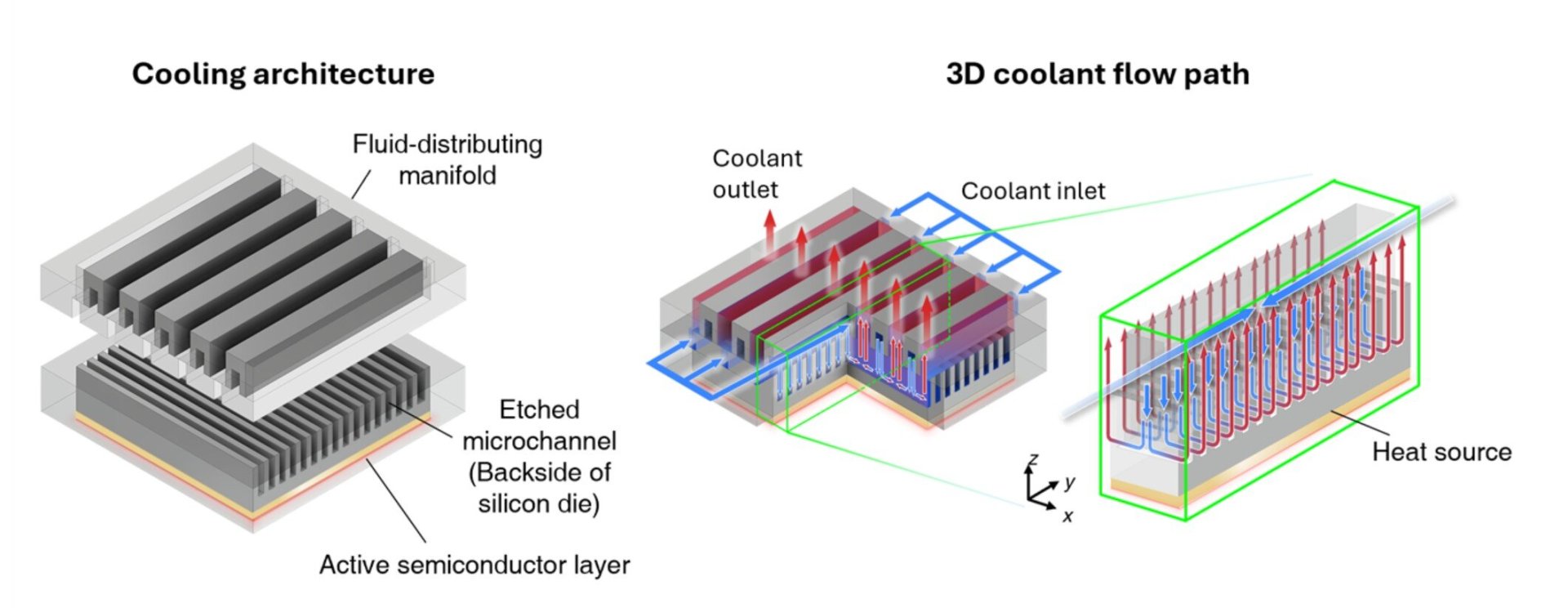
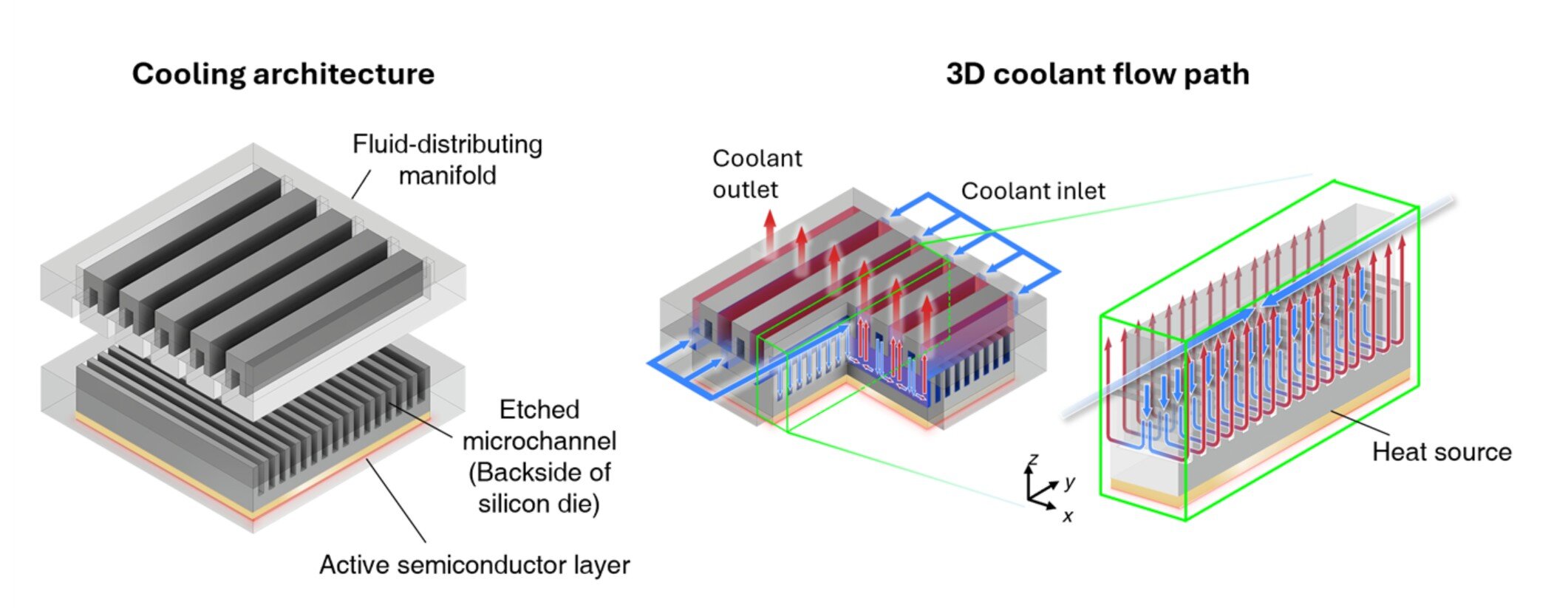
Researchers at the Korea Advanced Institute of Science and Technology (KAIST) have developed a technique to carve microscopic liquid-cooling channels directly inside silicon semiconductor chips. 

Interestingly, the computer architecture slashed the energy required for cooling by pumping ordinary, room-temperature water straight through the chip’s internal structure.

“As the performance of AI semiconductors and advanced electronic packaging becomes increasingly limited by heat, we expect this technology to serve as a foundational cooling solution for future high-performance computing systems,” said Professor Sung Jin Kim. 

Cooling system design. Cedit: KAIST

Micro-channel tech

The rapid advancement of high-performance AI chips has created a severe energy crisis for data centers, which require massive amounts of electricity both to power intensive computations and to cool down the resulting heat. 

Typical cooling methods, such as roaring air fans and external copper heat spreaders, are reaching their physical limits. Hence, the industry is urgently looking for thermal alternatives. 

To appreciate this development, you have to understand why standard liquid cooling is flagging.

Most modern liquid systems rely on an external “cold plate” pressed against the outside of a chip. The coolant has to travel from one end of the hardware to the other. This long trek creates immense fluid resistance.

It requires heavy-duty pumps pushing with massive pressure, which consumes a ton of energy. And at times, the fluid warms up along the way, leaving some parts of the processor chilled and others dangerously hot.

The KAIST team developed a liquid-cooling technology that cools semiconductors from the inside out. It uses ordinary room-temperature water to tackle high-heat-flux conditions at the source.

The design features multiple tiny inlets and outlets scattered uniformly across the chip.

The innovation centers on a “manifold microchannel” structure embedded directly inside the silicon, which mimics an efficient logistics network by using multiple strategic inlet and outlet points. 

This decentralized design shortens the fluid’s travel distance, reducing flow resistance and pumping pressure. The researchers used a multi-fidelity optimization framework to perfectly balance channel dimensions and flow rates.

10x higher efficiency

The KAIST team combined rapid 1D computational models with heavy-duty simulations to map an optimal, perfectly uniform flow. And the experimental results blew past expectations.

Notably, the system registered a cooling Coefficient of Performance (COP) of 106,000. That is an abstract engineering metric, but the context is historic: it is ten times higher than the previous world record published in Nature in 2020. 

In plain terms, it means chip manufacturers need just one-tenth of the pumping power to remove the same amount of heat from a machine. Even under an extreme thermal load of 2,000 watts per square centimeter, the system kept the chip comfortably below 100°C (212°F).

Yet, the most disruptive detail of the experiment is how it’s made.

The researchers didn’t use exotic, hyper-expensive materials like synthetic diamond; instead, they used plain water. Furthermore, the entire fabrication process happens below 350°C (662°F).

It means the process is entirely compatible with existing commercial semiconductor manufacturing lines. Foundries can integrate this plumbing technique into current chip designs without buying billions of dollars in new machinery.

The development was published in the journal Energy Conversion and Management.

💾

KAIST researchers have developed a technique to carve microscopic liquid-cooling channels directly inside silicon semiconductor chips. 

  •  

The robot takeover of warfare is already happening and it doesn’t look like Hollywood

Will AI robot soldiers take over the battlefield? If your image of a robot soldier comes from The Terminator, the answer is probably no. If your image is a swarm of AI-guided drones, autonomous ground vehicles, robotic tanks, and software making battlefield decisions faster than humans ever could, then the answer is that it is already happening.

There is no doubt that warfare in our times is increasingly becoming a contest between machines. The war in Ukraine has demonstrated this more clearly than any conflict in history. Millions of drones are now being produced annually by both Ukraine and Russia, transforming reconnaissance, logistics, artillery spotting, and strike missions. 

Unmanned systems already outnumber human combatants in active zones like Ukraine, where tens of thousands of drones and autonomous platforms are deployed. While this conflict points to a future in which sensors, drones, and weapons are integrated into unified, AI-assisted networks, the US-Israel war on Iran highlights a the economic reality of modern warfare. 

Cheap drones and missiles costing tens of thousands of dollars have repeatedly forced defenders to launch interceptors worth hundreds of thousands, or even millions, of dollars, proving that future conflicts may be determined as much by cost-exchange ratios as by technological superiority.

The robot takeover has already begun

The first generation of battlefield robots does not look human. Instead, it looks like first-person-view drones carrying explosives, autonomous reconnaissance aircraft, robotic ground vehicles delivering ammunition, and uncrewed boats attacking warships.

In April, Ukraine announced that one operation to capture a Russian position was conducted entirely using unmanned systems, including aerial drones and robotic ground vehicles, without direct human assault troops. While humans still planned and supervised the mission, the operation offered a glimpse into how future battles may unfold.

This is where military investment is currently focused. The United States, China, Russia, Ukraine, and many NATO countries are developing autonomous aircraft, robotic vehicles, uncrewed submarines, and AI-powered targeting systems designed to reduce risk to soldiers while increasing battlefield effectiveness.

What about humanoid robot soldiers?

That future remains much further away. One of the most closely watched examples is the Phantom MK-1, a humanoid robot developed by the US company Foundation. In early 2026, two units were sent to Ukraine for battlefield evaluation, primarily for reconnaissance and logistics missions. The deployment marked one of the first known attempts to test a humanoid robot in an active war zone. But the tests also highlighted the technology’s limitations.

The Phantom MK-1 can carry only modest payloads, has limited battery endurance, and still struggles with many tasks humans perform effortlessly. Reports from the Ukrainian trials suggest the robots were mainly useful for logistics and support missions rather than combat.

Even Foundation’s leadership argues that humanoid robots are more likely to serve as a first line of defense, reconnaissance platform, or force-protection system than as replacements for infantry soldiers. The company’s philosophy is simple: “Don’t send a human where you can send a robot first.”

Why do humanoids still struggle

The problem is that battlefields are among the most demanding environments imaginable. A humanoid robot must walk over rubble, mud, snow, trenches, stairs, and debris. It must manipulate unfamiliar objects, survive electronic warfare, operate for hours without recharging, and make decisions in rapidly changing environments.

Robots may need to master household chores before they master warfare. Folding laundry, loading dishwashers, cleaning kitchens, and navigating cluttered homes require many of the same perception, manipulation, and reasoning capabilities that would eventually allow robots to operate independently on a battlefield.

That is one reason why companies such as Tesla, Figure, Agility Robotics, and Unitree continue to focus heavily on factories, warehouses, and logistics operations rather than combat applications.

The real future of AI warfare

The future battlefield is unlikely to be dominated by armies of humanoid robots carrying rifles. Instead, it will probably consist of human soldiers working alongside large numbers of autonomous systems. AI software will process intelligence, drones will conduct surveillance and strikes, robotic vehicles will handle dangerous missions, and uncrewed platforms will increasingly take on tasks once assigned to humans.

The biggest transformation may not be robotic bodies at all. It may be AI becoming the invisible operating system behind military decision-making. In other words, robot soldiers are coming. They just may not look anything like the ones in Hollywood movies.

  •  

China’s ‘Origin Wukong’ hits 1 million tasks with quantum-safe security shield

Origin Wukong, China’s independently developed series of superconducting quantum computers, has completed more than 1 million computing tasks, according to a statement from the Anhui Provincial Key Laboratory of Quantum Computing Chips and the Anhui Quantum Computing Engineering Research Center in Hefei. The milestone is special as it also demonstrates the post-quantum cryptography (PQC) protection framework, which will be a must for quantum computers of the future. 

As quantum computers move from the laboratory to real-world applications, there is a major fear of their impact on encryption systems. It is well known that quantum computers can rapidly solve computations that the fastest supercomputers might take decades to complete.  

Modern-day encryption systems have relied on mathematical problems that are difficult for classical computers to compute quickly. However, the arrival of commercial quantum computers will crash encryption protections if they are not upgraded. This is why PQC protection frameworks need to be rapidly developed and deployed before quantum computing becomes mainstream. 

Origin Wukong’s feat

Powered by superconducting qubits, the Origin Wukong has been operational for over two years and has received more than 49 million visits from over 192 countries globally. During this time, it has completed over 1 million quantum computing tasks. While doing so, it has also demonstrated the effectiveness of its safety infrastructure. 

Back in April 2024, Origin Wukong integrated Origin Rock, China’s first PQC protection framework.  A software cryptographic model, it was China’s first attempt to build an anti-quantum-attack shield that can resist attacks from both quantum and classical computers. 

According to the statement, Origin Rock is an early-stage ‘spear and shield’ model that combines strong quantum computing services with defensive security measures, creating a quantum computing service system capable of performing both tasks. 

China has also deployed this PQC protection framework at other enterprises and public institutions in the country. 

PQC ready now

The US National Institute of Standards and Technology (NIST) has previously estimated that quantum computers could disrupt existing cryptographic systems within the next 5-10 years. However, the US National Security Agency has urged federal agencies to switch to PQC as early as possible, as it has become an operational requirement and is not something that can be decided in the future.

Earlier this year, the NIST announced that nine candidates had qualified for the third round of evaluation for post-quantum digital signature algorithms. It has also previously approved three PQC cryptographic standards. 

China is reportedly working to develop its own national standards for PQC within the next three years, and lessons from Origin Wukong will play a major role in shaping them. “I personally think that the next three-to-five-year period is potentially one of explosive growth for post-quantum cryptography industry migration,” said Wang Xiaoyun, a professor at Tsinghua University’s Institute for Advanced Study. 

 Origin Wukong will also help advance scalable programmable computing, the researchers associated with the project told Global Times. It is one of the areas where the Chinese government is expected to nurture future industries alongside embodied artificial intelligence, brain-computer interfaces, energy, and 6G technologies, the annual Government Work Report said. 

  •  

Prosthetic hands’ data helps robots get finer control for precise manipulation

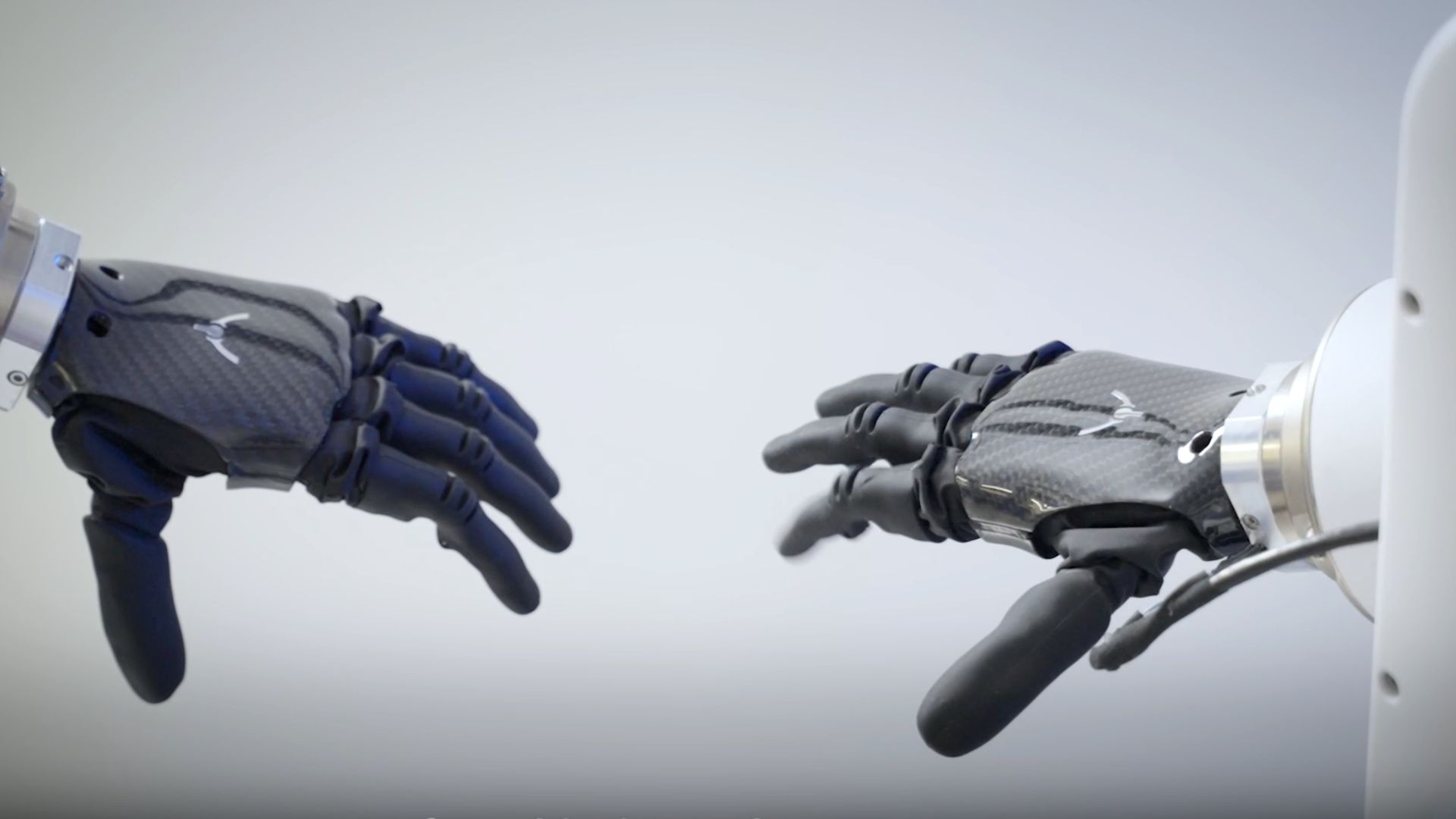
ABB Robotics has partnered with California-based bionic company PSYONIC to develop more dexterous robotic systems by leveraging real-world data from human prosthetic use.

The collaboration combines PSYONIC’s Ability Hand, a touch-sensitive prosthetic hand, with ABB’s GoFa collaborative robot to study how human-generated touch and motion data can train robots to perform delicate and variable tasks.

The initiative aims to address one of industrial robotics’ biggest challenges—grasping and manipulation—while improving automation capabilities and potentially reducing engineering time for handling applications by up to 30 percent.

“Human dexterity and the instinctive understanding of how to handle different objects is one of the most difficult things to replicate in industrial-grade robotics, but it’s a fundamental need for truly autonomous and versatile robots,” said Marc Segura, President, ABB Robotics, in a statement.

Human data dexterity

ABB Robotics and PSYONIC aims to tackle one of the biggest challenges in industrial automation: robotic dexterity. The collaboration combines ABB’s GoFa collaborative robot with PSYONIC’s Ability Hand, an advanced prosthetic hand equipped with touch sensing and compliant design, to train robots using real-world manipulation data generated by human prosthetic users.

Unlike conventional robotic training methods that rely heavily on simulations, the project uses human-derived touch and motion data to teach robots how to grasp, manipulate and interact with objects more naturally. The approach is aimed at improving robots’ ability to perform delicate, variable tasks that have traditionally been difficult to automate, such as handling fragile components, adapting to changing object shapes and operating in dynamic environments.

The initiative supports ABB Robotics’ vision for Autonomous Versatile Robotics (AVR), where robots can sense, reason, move and manipulate objects with greater autonomy. It also contributes to the development of physical AI systems capable of learning from real-world interactions and applying that knowledge with industrial-grade reliability.

According to ABB, dexterity remains a major technical bottleneck in robotics, and improved handling capabilities could reduce engineering time for automation projects by up to 30 percent. The companies are exploring applications across sectors including automotive, aerospace, packaging, logistics and life sciences.

PSYONIC is working closely with ABB’s research and development team to integrate touch-enabled manipulation technologies into robotic platforms. The partnership aims to narrow the gap between human and robotic dexterity, enabling more adaptable, productive and safer automation systems for industrial environments.

Touch powered robotics

The ABB GoFa is a collaborative robot designed to work safely alongside humans in manufacturing, assembly, material handling, packaging, and laboratory environments.

It can handle payloads of up to 26 pounds (12 kilograms) and reach up to 1.62 meters, offering a combination of speed, precision, and flexibility. Built-in force and power limitation technology enables safe human-robot collaboration with minimal safety barriers, while intuitive programming tools simplify deployment. With repeatability of up to 0.02 mm, GoFa is well suited for precision tasks and improving productivity.

On the other hand, the Psyonic Ability Hand is an advanced bionic prosthetic that provides multi-touch sensory feedback, helping users experience a more natural sense of touch. Its 200-millisecond closing speed allows fast, secure grasping, while 32 grip patterns—19 pre-programmed—support activities ranging from handling small objects to typing. The hand automatically adjusts thumb positioning for a stable grip and can be configured remotely via Bluetooth-enabled iPhone and Android apps.

Powered by a 2200mAh battery, it charges through USB-C in about an hour and delivers 6–8 hours of use. Its durable, IP64-rated design resists impacts, dust, and splashes. Beyond prosthetics, organizations such as NASA, Meta, and Apptronik use it for robotics research.

💾

ABB Robotics and PSYONIC use prosthetic hand data to improve robot dexterity, boosting automation and reducing engineering time.
  •  

Foam-backed floating solar array delivers 7.7 MWh in freezing conditions

Researchers at Canada’s Western University designed a foam-backed floating photovoltaic (FPV) system. 

It was tested in a stormwater pond in Ontario, Canada. The system generated 7.7 megawatt-hours of electricity over a year, outperforming a standard reference floating system by about 2.7 percent.

“The results of this study established foam-based FPV as a promising and adaptable platform for renewable energy generation,” the team noted in the study paper. 

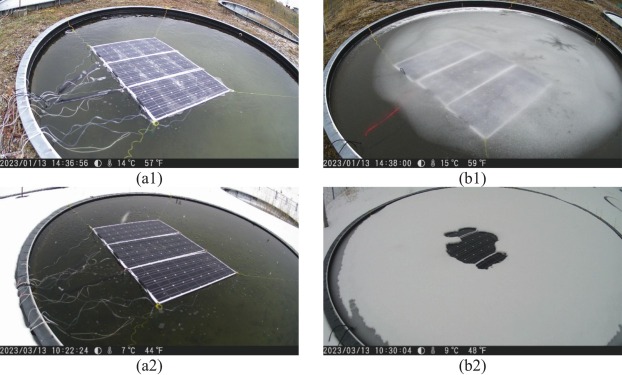
Impact of air bubbling on ice formation in foam-based FPV systems. Credit: Applied Energy

The ice solution

Solar power has long had a geography problem.

To build the massive solar farms required to displace fossil fuels, developers need land. Usually, that means competing with agriculture or cutting into natural conservation areas. The solution in warmer climates has been “floatovoltaics“—placing solar panels on giant plastic pontoons over lakes and reservoirs.

But if you try that in a Canadian winter, thick moving ice will crush the structures like aluminum cans.

Now, researchers have solved the cold-weather problem using a deceptively simple combination of materials: shipping foam and hot tub bubbles. In particular, a monocrystalline foam-backed FPV system was fabricated.

It shows that floating solar can not only survive freezing temperatures but actually thrive in them. 

Compared with tilted plastic rafts used in warmer climates, this design attaches flexible solar panels directly to thick, waterproof foam sheets, reducing wind exposure.

To prevent ice damage, an underwater air-bubbler system was installed. A shore-based pump pushes bubbles from the bottom of the pond, carrying warmer deep water to the surface to keep the area around the panels ice-free. It acted like a localized defroster.

The results showed that on days when the rest of the pond was frozen, the water directly surrounding the solar array remained completely clear. 

Higher energy yield

Keeping the ice away didn’t break the energy bank, either. Over a year of continuous monitoring, the air-bubbler system consumed as little as 0.02 percent of the total energy the panels generated. At its peak during the worst winter storms, it reduced yield by only 14.5 percent. 

“A regression model developed in this study indicated that the foam-based FPV system generated 7.7. MWh/year, representing up to 2.7% more energy than other PV models,” the study noted. 

It also pulled double duty as a water conservation tool.

In sitting flat against the water’s surface, the foam-backed array acted as a physical shield, blocking direct sunlight and cutting off the wind that typically drives evaporation. The researchers calculated that the relationship between solar coverage and water savings is linear, meaning that every additional square meter of panel added results in a predictable drop in water loss.

“FPV coverage linearly reduced pond evaporation, aiding agricultural water conservation,” the study stated.

If scaled up to cover just half of the Ontario stormwater pond, this innovative setup would trap and save roughly 927 cubic meters of water annually. 

For local communities and farmers, that means keeping hundreds of thousands of gallons of precious water in the reservoir to support agricultural irrigation when it is needed most.

With the concept proven on a small scale, the researchers are looking to take their foam-and-bubble design out of the pond. The next step is testing the technology on a larger scale across harsher, more diverse bodies of water. 

The findings were published in the journal Applied Energy.

💾

Researchers at Canada's Western University designed a foam-backed floating photovoltaic (FPV) system. 
  •  

China’s neighbor tests 2-layer ballistic missile defense shield for nuclear threats

India’s Defence Research and Development Organisation (DRDO) has completed three back-to-back flight tests of its Phase 2 Ballistic Missile Defence (BMD) system, marking a major step in the country’s effort to build a credible multi-layered missile shield.

The trials were carried out on June 10 and 11 and saw interceptors destroy targets in both the endo-atmospheric and exo-atmospheric regions.

In simpler terms, the system demonstrated its ability to engage incoming missile threats both within Earth’s atmosphere and outside it.

The Phase 2 shield is designed to counter faster and longer-range ballistic missiles than the earlier version of the program. It is also expected to eventually scale up toward intercepting intercontinental ballistic missile threats.

“The interceptors successfully engaged their respective targets. The systems are designed and developed with the latest technologies to address the emerging missile threats,” the ministry stated.

“These tests have put the country in the elite group of nations having BMD capability to engage up to Intercontinental Ballistic Missiles.”

Designed for longer-range threats

The Phase 2 system includes two interceptors, AD-1 and AD-2, which are meant to destroy ballistic missile threats during different phases of flight. The system is network-centric, relying on launchers, long-range radars, launch control centers, and a mission control center.

While the Ministry of Defense said the system can engage threats up to the ICBM class, the latest demonstrations reportedly involved targets in the 2,000 to 5,000-kilometer range.

Missiles in this range are generally classified as intermediate-range ballistic missiles, while ICBMs are usually defined as missiles with ranges above 5,500 kilometers.

The trials still represent a significant step up from the earlier Phase 1 system, which was developed to defend against shorter-range ballistic missile threats.

Two decades in the making

India’s BMD program began in the late 1990s, after Pakistan’s 1998 nuclear tests. Its first major success came in 2006, when a Prithvi-II ballistic missile target was intercepted in an endo-atmospheric test at an altitude of around 48 kilometers.

Phase 1 of the missile shield was completed in 2019 and was designed to protect key cities such as Delhi and Mumbai.

It used the Prithvi Defense Vehicle for high-altitude interception and the Advanced Air Defense interceptor for lower-altitude engagements.

Phase 3 eyes hypersonic weapons

DRDO is already working on the next stage of the program. Phase 3 is expected to focus on more complex threats, including hypersonic glide vehicles and missiles carrying Multiple Independently Targetable Re-entry Vehicles, or MIRVs.

Hypersonic glide vehicles are especially difficult to intercept because they travel above Mach 5 and can maneuver during flight. MIRV-equipped missiles pose another challenge because a single missile can release multiple warheads aimed at different targets.

The next-generation interceptors, reportedly designated AD-AH and AD-AM, are still at an early conceptual stage, with flight testing yet to begin.

The latest BMD trials come as China continues to field advanced missile systems and Pakistan develops longer-range and MIRV-capable weapons. For New Delhi, the tests mark another step toward a more advanced defensive shield against evolving missile threats.

  •  

95% manufacturing time saved with new origami-inspired 3D printing method

Researchers at Oak Ridge National Laboratory (ORNL) have developed a hybrid 3D printing process that combines origami-inspired design with composite materials.

The technique, demonstrated at the Department of Energy’s Manufacturing Demonstration Facility, eliminates the need for costly molds while enabling lightweight, foldable structures.

The researchers deposited materials directly onto a flexible fabric base. This created flat panels that can be folded into complex three-dimensional forms, merging flexible and rigid elements in a single integrated component.

Their approach addresses key limitations in traditional composite manufacturing, which often requires expensive molds and long lead times.

New method ‘redefines’ 3D printing

The ORNL team’s process uses a high-strength fabric substrate, such as nylon, glass fiber, or resin-infused fibers. An integration layer, typically thermoplastic polyurethane, meanwhile, ensures adhesion.

Reinforcing materials are then deposited, including thermoplastic carbon-fiber acrylonitrile butadiene styrene (ABS) for lightweight strength or thermoset resins like epoxy for greater stiffness and durability. The materials form molecular-level bonds, resulting in a robust, unified structure.

“This pioneering method redefines advanced manufacturing by fusing material science with transformative design principles,” Steven Guzorek, lead researcher at ORNL, explained in a statement. “By applying origami-inspired principles to hybrid composites, we are improving the efficiency and scalability of large-structure manufacturing and achieving forms unattainable with traditional additive approaches.”

Guzorek added that material compatibility is key to the new method. “By understanding the materials science, we chose materials that we knew would bond effectively, producing a truly integrated component,” he said.

Cutting fabrication time and cost

The new method is capable of producing complex geometries and structures larger than the printing equipment itself.

In tests, the mold-free method cut fabrication time by 95 percent and reduced costs by 90 percent for a specific design when compared with conventional approaches. It also eliminated challenges associated with mold storage and enabled rapid production of both thermoplastic and thermoset composites.

The technology has the potential to expand design flexibility for industries requiring strong, lightweight parts, such as aerospace, automotive, and construction. Flat printing followed by folding supports efficient transport and on-site assembly, potentially transforming how large-scale components are manufactured.

ORNL has filed a patent for the innovation and is preparing it for licensing to manufacturers. Next, the research team aims to scale the process for broader industrial adoption. They hope it will unlock whole new design possibilities.

“Our goal is to make this innovation scalable so manufacturers across industries can harness its potential,” Guzorek said. “By broadening access to mold-free hybrid composites, we’re empowering manufacturers to explore new design possibilities and unlock entirely new applications for this transformative technology.”

As industries seek lighter and more adaptable materials, ORNL’s origami-inspired method could accelerate innovation in high-performance applications.

  •  

Rolls-Royce’s small nuclear reactors chosen for adding 1.5 GW power in Sweden

Sweden’s Videberg Kraft selected Rolls-Royce SMR to supply three small modular reactors (SMRs) for a planned nuclear power station on the Värö Peninsula near the existing Ringhals nuclear plant. The decision, announced by state-owned energy company Vattenfall, marks a key milestone in what is set to become Sweden’s first new nuclear power project in more than four decades.

The new plant is expected to add about 1.5 gigawatts of electricity to Sweden’s grid, with the first reactor planned to start running in the mid-2030s. By choosing Rolls-Royce SMR, Sweden becomes the third European country to select this technology, after the United Kingdom and the Czech Republic.

Three-year review narrows field to final two contenders

Videberg Kraft, owned by Vattenfall and Industrikraft, made its decision after three years of reviewing 75 possible reactor options. In the end, the decision came down to two technologies: the pressurized water reactor from Rolls-Royce SMR and the BWRX-300 reactor from GE Vernova Hitachi.

The new plant, called the Videberg Project, will be built next to the Ringhals nuclear power station, one of Sweden’s main electricity sources. When finished, the reactors should help secure Sweden’s energy supply and meet rising demand for electricity.

Desirée Comstedt, acting CEO of Videberg Kraft, pointed out the strong network of companies working with the British reactor developer.

“Rolls-Royce SMR offers a robust network of subcontractors, the majority of which are located in our geographical vicinity. By choosing to move forward with Rolls-Royce SMR, Videberg Kraft and its owner companies also become part of a European program, where we can benefit from shared experience.”

Familiar reactor technology seen as key advantage

Company leaders said that the proven track record of the chosen reactor technology was a key reason for their decision.

Anna Borg, Board member of Videberg Kraft and CEO of Vattenfall, said:

“Overall, the board’s assessment is that Rolls-Royce SMR is the supplier that can give Videberg Kraft the best prerequisites for delivering a successful project. The reactor, a pressurized water reactor (PWR), is the same type used at Ringhals today and is a well-proven technology. Moreover, Rolls-Royce SMR has a commercially attractive contractual set-up.”

Tom Erixon, a board member of Videberg Kraft and Industrikraft, also stressed the project’s focus on industrial methods.

“Rolls-Royce SMR offers an efficient and industrialized concept that reduces the risk of delays. Videberg Kraft, together with Rolls-Royce SMR, is now paving the way for a new nuclear power on the Värö peninsula – something that would not have been possible without a historically unique collaboration between Swedish industry and the energy sector.”

Rolls-Royce expands European nuclear footprint

The Swedish decision gives Rolls-Royce SMR even more momentum as it expands in Europe.

Chris Cholerton, CEO of Rolls-Royce SMR, said, “We are delighted to have been selected by Videberg Kraft as its partner to bring new nuclear power to Sweden. This is a strong endorsement of our transformational approach to the delivery of a standardized fleet of SMRs … [and] further demonstrates growing market confidence in our technology.”

The company’s reactor design can generate 470 megawatts of electricity and is built to provide steady power for at least 60 years. Much of the plant will be made in factories and then brought to the site for assembly. This method aims to reduce construction risks and accelerate the project. Nuclear energy is seeing a revival across Sweden.

This news comes as Sweden is working to speed up the development of its nuclear power. In 2022, the new center-right government became more supportive of nuclear energy. The next year, a roadmap was released calling for new nuclear capacity equal to at least two large reactors by 2035 and up to ten by 2045.

Government support programs introduced in August 2025 have already drawn interest from several developers. Videberg Kraft was the first to apply for state aid in December. More recently, Blykalla, a Swedish reactor developer, asked for funding for a six-reactor project in Norrsundet, and Studsvik submitted plans for up to 1,400 megawatts of new nuclear capacity in southern Sweden.

  •  

New Archimedes laser weapon system for low-cost drone kill trialed for Pentagon

US firm Aurelius Systems has completed live testing of its Archimedes autonomous directed-energy system for the Pentagon, demonstrating the laser weapon’s ability to counter unmanned aerial system threats in a live exercise.

The test was held at Camp Atterbury in Indiana and formed part of a broader evaluation effort involving nearly 60 platforms being assessed for their potential to improve warfighter protection, operational effectiveness, and next-generation defense capabilities.

During the exercise, Archimedes engaged more than 20 quadcopter drones and five U.S. Army-supplied unmanned aerial systems. According to the company, the event marked the first time the system was tested against military-provided targets.

Laser tested against army drones

The California-based defense firm said Archimedes successfully neutralized the simulated aerial threats during the demonstration.

The result, it said, validated the system’s readiness as a counter-drone tool at a time when small unmanned aircraft are becoming a growing concern for military bases, frontline units, and critical infrastructure.

The live test also showed the system’s ability to autonomously detect, identify, track, and defeat drone threats without relying on traditional missile-based interceptors.

“Archimedes proved that autonomous directed energy systems are ready to play a meaningful role in modern air defense operations,” said Michael LaFramboise, CEO of Aurelius Systems.

Built for Group 1 and 2 UAS

Archimedes is designed to counter Group 1 and Group 2 unmanned aerial systems.

These include smaller drones and UAS platforms weighing up to 1,320 pounds (599 kilograms), with speeds of up to 250 knots, or around 288 miles per hour (463 kilometers per hour).

The system combines high-energy laser output with advanced sensing technology, allowing it to repeatedly engage targets at ranges beyond 1,000 meters, or about 3,281 feet.

Unlike missile interceptors, which can be expensive and limited by magazine depth, directed-energy systems offer a different approach.

They use concentrated energy to disable or destroy threats and can potentially deliver multiple shots at a much lower cost per engagement.

That cost advantage is becoming increasingly important as relatively cheap drones are being used in large numbers across modern battlefields.

Low-cost air defense option

Aurelius Systems has positioned Archimedes as a compact, scalable counter-UAS system that can support force protection missions.

The company says the platform offers low size, weight, power, and cost characteristics, making it easier to deploy than larger air defense systems.

“The ability to autonomously acquire, identify, track, and defeat aerial threats in a compact, [low size, weight, power, and cost] platform at a significantly lower cost than traditional systems provides America with a powerful new option for protecting military forces,” La Framboise said.

The demonstration comes as the Pentagon continues to search for faster, cheaper, and more sustainable ways to defeat drones.

Small UAS threats can be difficult to detect and expensive to counter with conventional weapons, especially when launched in swarms or used repeatedly.

With its latest live test, Archimedes has now shown that it can operate against both commercial-style quadcopters and Army-supplied targets, giving Aurelius Systems a stronger case for the laser weapon’s role in future layered air defense.

  •  

Electric cars vs hydrogen cars: The real winner is becoming clear

Electric cars and hydrogen cars are often compared as rival technologies. However, both are electric at the wheel. The main difference is how they store and deliver energy.

Battery-electric vehicles, or BEVs, store electricity directly in a battery pack. Hydrogen fuel-cell vehicles, or FCEVs, store energy as hydrogen and convert it into electricity inside the vehicle.

Both offer zero tailpipe emissions, but they differ sharply in efficiency, infrastructure, cost, and likely use cases.

Over the next two decades, battery EVs are expected to dominate passenger cars. Hydrogen vehicles are more likely to serve specific transport sectors such as long-haul trucks, buses, coaches, and high-use commercial fleets.

How the technologies work

A battery EV is charged by plugging into the electricity grid. The electricity is stored in a lithium-ion battery and then sent to an electric motor that drives the wheels. Because the process is direct, BEVs are highly efficient. Their electricity-to-wheel efficiency is often above 70 percent.

Hydrogen vehicles use a more complex chain. Hydrogen is produced elsewhere, compressed, stored, transported, and then refuelled into the vehicle. Inside the vehicle, a fuel cell combines hydrogen with oxygen to produce electricity. That electricity powers the motor.

The fuel-cell stack itself is usually below 70 percent efficient. When the full green hydrogen chain is included, from electricity generation to hydrogen production, compression, transport, and conversion, the final well-to-wheel efficiency can fall closer to 20–30 percent.

This means hydrogen vehicles use much more primary energy than battery EVs when both are powered by the same renewable electricity. This efficiency gap is one of the strongest arguments in favor of battery EVs for regular passenger transport.

Efficiency, range, and cost

Battery EVs have a clear advantage in energy use and running costs. Since fewer conversion steps are involved, more of the original electricity reaches the wheels. This usually makes BEVs cheaper to operate per kilometer.

Hydrogen vehicles have an advantage in refueling time and potential range. Many FCEVs can be refueled in about 5 minutes, and some models offer 300–400 miles of range or more. 

This makes hydrogen attractive for vehicles that need long range and cannot afford long charging breaks.

For private cars, this advantage is less decisive. Most daily driving distances are short enough for modern battery EVs. Home charging, workplace charging, and public fast charging can cover most passenger vehicle use cases.

For commercial transport, the calculation changes. Trucks, buses, and fleet vehicles often run for long hours and need quick turnaround. In these cases, refueling speed, payload, and route flexibility can matter more than maximum energy efficiency.

Infrastructure challenge

Infrastructure is another major difference.

Battery EVs can use the existing electricity network. Charging infrastructure still needs major expansion, and power grids will require upgrades, but the basic system already exists. EVs can be charged at homes, offices, depots, highways, and public charging stations.

Hydrogen needs a new supply chain. It requires clean hydrogen production, compression, storage, transport, and dedicated refueling stations. This makes deployment slower and more expensive.

There is also the emissions issue. Hydrogen cars produce no tailpipe emissions, but most hydrogen today is still produced using fossil fuels, especially natural gas.

Low-emissions hydrogen accounted for less than 1 percent of global production in 2024/2025. For hydrogen vehicles to deliver major climate benefits, the fuel must increasingly come from low-emission or renewable sources.

Market outlook

The market already shows a major lead for battery EVs. Global electric car sales exceeded 20 million in 2025, reaching about 25 percent of total car sales. The IEA expects sales to grow to 23 million in 2026, representing around 28 percent of total car sales.

Hydrogen vehicles are growing from a much smaller base. One estimate values the hydrogen fuel-cell vehicle market at about $0.2 billion in 2024, rising to around $2.1 billion by 2030. That shows rapid growth in percentage terms, but the market remains tiny compared with battery EVs.

Some forecasts suggest fuel-cell vehicles may account for only around 4 percent of zero-emission vehicles by 2044. However, hydrogen could have a stronger role in heavy transport, especially in long-distance trucks and high-use commercial fleets.

Final verdict

Battery EVs are likely to go further in mainstream adoption. They are more efficient, easier to scale, cheaper to run, and already supported by a fast-growing charging network.

Hydrogen is unlikely to replace battery EVs in normal passenger cars. Its future is more specialized. It can be useful in sectors where battery technology is limited, including long-haul trucking, intercity coaches, industrial fleets, shipping, and possibly aviation.

The future is not a simple electric-versus-hydrogen battle. Battery EVs are set to dominate everyday road transport, while hydrogen will compete in the harder-to-electrify parts of the transport system.

  •  

US Army backs General Atomics’ artillery shell that can strike targets 74 miles away

The US Army has awarded General Atomics Electromagnetic Systems (GA-EMS) a contract to advance a next-generation 155 mm artillery projectile capable of hitting targets at significantly greater distances than conventional shells while maintaining accuracy even when GPS signals are unavailable.

The award falls under the Army’s Extended Range Artillery Projectile (ERAP) program, an effort to develop a new class of long-range precision munitions that could dramatically increase the reach of existing artillery systems. 

According to General Atomics, the project will fund a series of flight demonstrations to validate the projectile’s performance before the Army moves toward achieving initial operational capability by fiscal year 2030.

The announcement follows earlier testing that demonstrated the munition’s potential. During trials conducted at Yuma Proving Ground in Arizona, a version of the projectile successfully struck targets more than 74 miles (119 kilometers) away after being fired from an M777 howitzer, far beyond the range of standard 155 mm artillery rounds.

Extending artillery range without rockets

One of the most notable aspects of the GA-EMS design is its ability it achieve extended range without relying on rocket assistance. Most modern long-range artillery rounds use rocket motors to extend their reach after launch. General Atomics has instead developed a glide-based approach that employs deployable wings and advanced aerodynamic design to travel farther while remaining compatible with existing artillery systems.

According to the company, the projectile can be fired from legacy cannons and loaders already in service, potentially allowing the Army to increase battlefield range without replacing large portions of its artillery fleet.

The design also incorporates redundant guidance systems and maneuvering capabilities. Unlike conventional artillery shells that largely follow a fixed ballistic trajectory, maneuvering projectiles can alter their course during flight, improving accuracy and increasing survivability against countermeasures.

Designed for GPS-denied battlefields

Future conflicts may occur in environments where satellite navigation systems are degraded, jammed, or entirely unavailable. The new projectile must retain the ability to engage targets even when GPS signals cannot be used. General Atomics says its munition includes advanced guidance technologies designed to maintain precision under those conditions.

That capability is becoming increasingly important as high-tech electronic warfare systems have the ability to disrupt navigation, communications, and targeting networks across large areas of the battlefield.

According to reports, the Army’s 2024 ERAP solicitation stated that future projectiles should be capable of engaging a broad range of targets, including infantry fighting vehicles, self-propelled artillery, multiple-launch rocket systems, air defense systems, main battle tanks, and even maritime targets.

Significance and broader push of long-range artillery   

Over the past decade, the service has invested heavily in programs designed to increase the range of cannon artillery, missiles, and hypersonic weapons. The goal is to allow US forces to strike targets from greater distances while reducing exposure to enemy fire.

General Atomics has also attracted interest from other branches of the military. In late 2024, the US Navy selected the company to continue development of a maritime version of the projectile, highlighting the technology’s potential beyond traditional land warfare.

  •  

U.S. Army transforms Alaska cavalry unit into airborne mobile assault force

In a major structural realignment aimed at maximizing rapid deployment capabilities, the United States Army has officially converted a key cold-weather cavalry unit into a dedicated airborne assault force.

The strategic transition, executed within the 11th Airborne Division based in Alaska, shifts the unit’s operational focus from ground-based reconnaissance to high-mobility vertical insertions.

This pivot is specifically designed to project power across two highly challenging environments: the frozen terrain of the Arctic and the sprawling, island-dotted waters of the Indo-Pacific region.

The restructuring centers on the inactivation of the 1st Squadron, 40th Cavalry Regiment, a unit long trained in specialized cold-weather scouting and ground reconnaissance. In its place, the Army has activated the 3rd Battalion, 509th Infantry Regiment.

While the personnel remain stationed in the critical sub-Arctic theater, their core tactical mandate has been completely overhauled, turning them into a light, paratrooper-driven infantry asset that can be air-dropped into austere locations at a moment’s notice.

Shifting focus to vertical mobility

Traditional cavalry units rely heavily on ground vehicles, such as light armored transports and tactical trucks, to scout ahead of main forces and screen large geographic sectors. However, the unique geography of the Arctic—defined by extreme permafrost, shifting mountain ranges, and a lack of developed road infrastructure—frequently limits the mobility of heavy wheeled or tracked vehicles.

Similarly, the Indo-Pacific theater demands a force that can bypass vast oceanic stretches to quickly seize isolated airfields or secure contested coastal bridgeheads.

By transitioning into an airborne light infantry configuration, the battalion eliminates its dependence on heavy ground transport. The unit can now pack its entire operational footprint into long-range military transport aircraft, allowing forces to deploy via parachute directly onto objectives.

This vertical mobility ensures that the 11th Airborne Division can insert a combat-ready force into remote regions without roads, providing commanders with a rapid-response option for sudden regional crises.

Strategic alignment and global readiness

The re-designation is more than a change in naming conventions; it represents a comprehensive overhaul of the unit’s training pipeline and logistics. The transformed battalion will undergo rigorous airborne qualification cycles, focusing on cold-weather parachute operations and small-unit tactics tailored for high-altitude or sub-zero environments.

This specialized preparation ensures that the soldiers can operate effectively immediately after landing, maintaining structural cohesion despite harsh environmental stressors.

Military leadership noted that this transformation directly aligns with the broader defense strategy of maintaining a highly agile, lethal force capable of multi-domain operations. As global interests intensify across both the Arctic shipping lanes and Indo-Pacific maritime borders, the availability of a modernized, air-droppable infantry unit based in Alaska bridges a critical logistical gap.

The successful activation of the 3rd Battalion, 509th Infantry Regiment establishes a flexible, highly scalable framework for projecting American military readiness into the world’s most isolated geographic corridors.

  •  

New light-analysis chip gives cameras advanced spectral vision capabilities

Cameras have long been limited to capturing images exactly as the human eye perceives them, but a collaborative research breakthrough is fundamentally changing that dynamic.

Researchers from Zhejiang University, in collaboration with RMIT University, have successfully developed a tiny, integrated chip that gives imaging hardware the ability to analyze light wavelengths directly, unlocking capabilities far beyond standard color photography.

Standard imaging systems excel at capturing high-resolution photos but often struggle with specialized tasks such as automated industrial inspection, precise material classification, and granular environmental monitoring.

These applications require the ability to detect subtle differences in light wavelengths—data that reveals the hidden chemical composition or specific surface conditions of an object, even if it looks identical to the human eye. Historically, extracting this level of detail required bulky, external laboratory equipment, making it difficult to deploy in real-world or portable scenarios.

Embedding light analysis into Hardware

The new device solves this by embedding light-analysis capability into the hardware itself. The research effort combined expertise in nanomanufacturing and applied photonics from RMIT’s Centre for Atomaterials and Nanomanufacturing (CAN), led by Distinguished Professor Baohua Jia, and the team at Zhejiang University, led by Professor Jianrong Qiu.

The collaboration relied on highly specialized nanofabrication lab equipment at RMIT, which is capable of building and imaging structures roughly 1,000 times smaller than a human hair in real time. This unique synergy between ultrafast laser fabrication and applied photonics was instrumental in transforming the physical concept into a functional prototype.

How micro-vortices sort light

The core innovation lies in how the researchers manipulate light at the micro-scale. Using ultrafast laser pulses, the team created precise, spiral-shaped structures within transparent materials. These structures act as microscopic “light sorters,” breaking incoming light into distinct patterns that a standard image sensor can interpret.

By separating light very close to the sensor, the device functions as an integrated microspectrometer. This approach works effectively across both visible and near-infrared light spectra and, crucially, remains largely unaffected by viewing angles—a common limitation in many existing microscale optical technologies.

From prototype to future sensing

To prove the feasibility of this strategy, the researchers integrated the spiral structure with a commercial image sensor. This successful integration demonstrated that the chip could capture spectral information and support microscopic spectral imaging without the need for additional bulky equipment or moving parts.

While the project is currently in the development phase, the team views this chip-level success as a critical milestone. It validates that complex sensing tools can be realistically miniaturized for future consumer and industrial electronics.

The corresponding authors, including Professors Jianrong Qiu, Bo Zhang, and Zhuo Wang from Zhejiang University, alongside co-author Dr. Han Lin from RMIT, noted that the current work establishes a robust new strategy for compact sensing technology.

Future development steps for the team include scaling up the fabrication processes, testing different materials to expand the sensor’s range, and refining the software algorithms required to reconstruct light information.

As fabrication techniques improve, this technology could move from a laboratory prototype to a fundamental component in the next generation of smart vision systems.

The research was first published in the journal Nature Electronic.

  •  
❌