❌

Reading view

Perseverance Watched Earth Disappear Behind Mars’ Moon Phobos

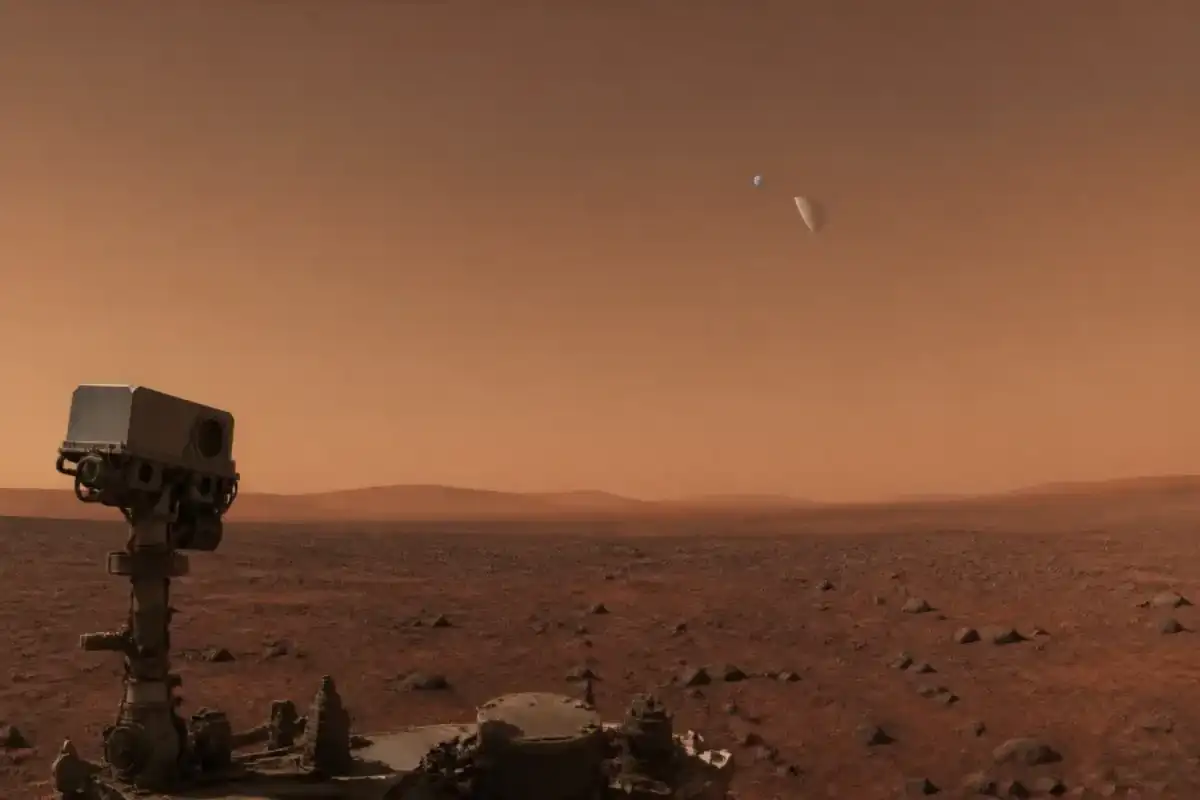
From the rim of Jezero Crater, Earth is only a bright point in the sky. On July 2, NASA’s Perseverance rover watched that point vanish behind Phobos, Mars’ larger moon, and recorded the event with its Mastcam-Z camera. The sequence is the first time humanity has observed Earth disappearing behind an object from the surface […]

The post Perseverance Watched Earth Disappear Behind Mars’ Moon Phobos appeared first on Curiosmos.
  •  

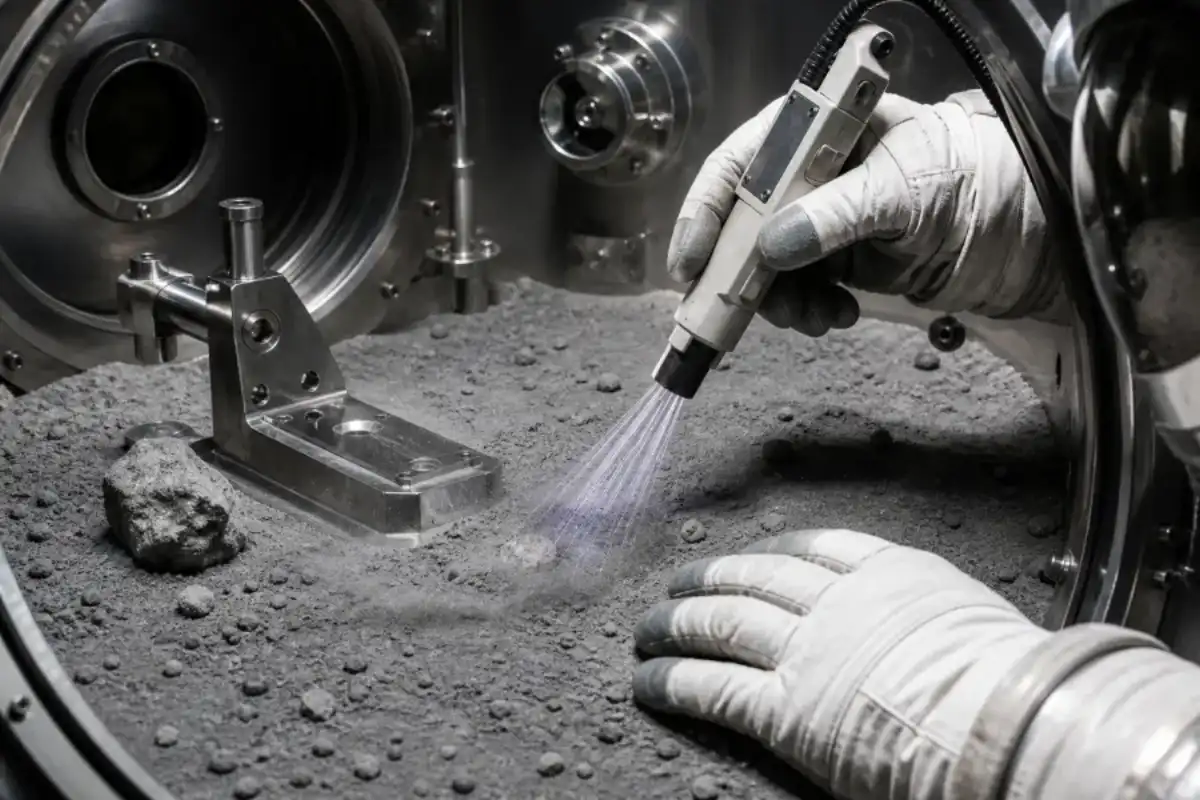
NASA’s Lunar Test Facility Is Trying to Keep Moon Dust Out of Artemis Hardware

Moon dust looks soft in photographs, but it is a difficult material for machines and people. The grains are sharp, abrasive and electrically clingy. NASA engineers at Johnson Space Center are using a dedicated test facility to find out how tools, joints and spacesuits will cope with it before Artemis astronauts return to the lunar […]

The post NASA’s Lunar Test Facility Is Trying to Keep Moon Dust Out of Artemis Hardware appeared first on Curiosmos.

  •  

NASA Is Testing the Antennas for Its Next Mars Aircraft

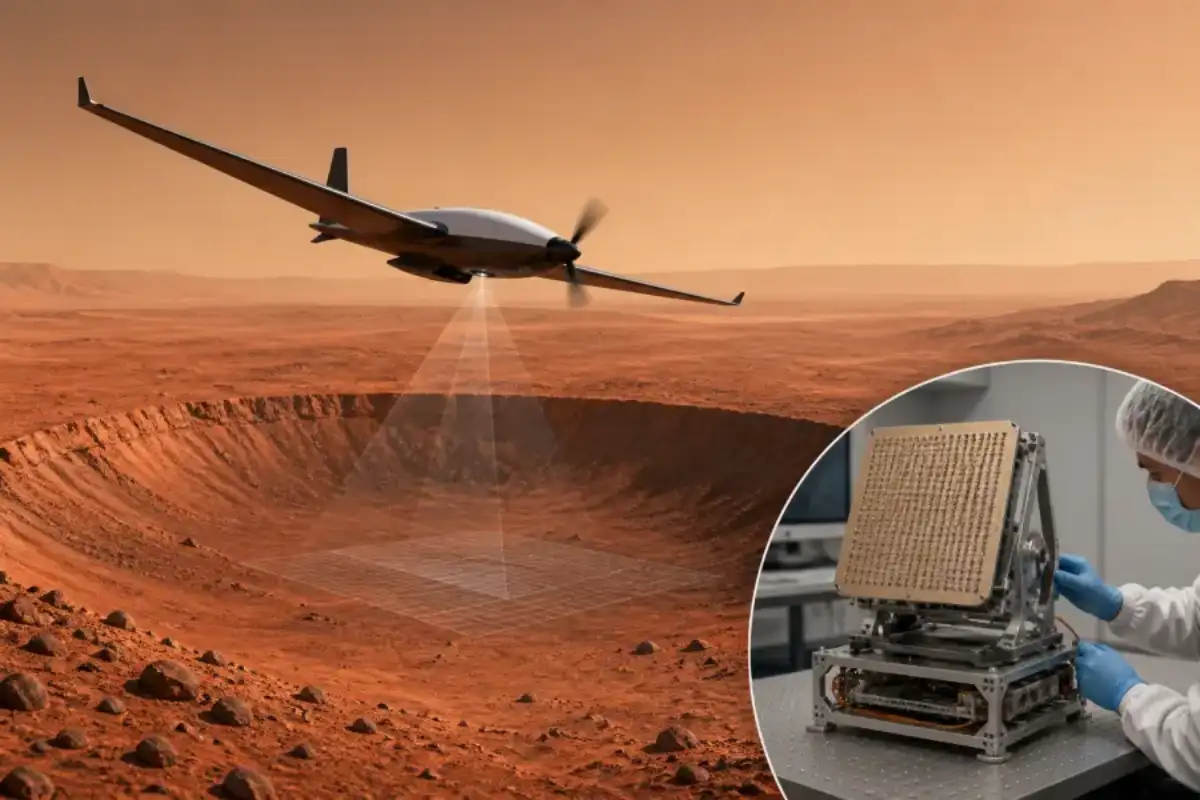
NASA is testing the communications and radar hardware for a proposed Mars aircraft mission called SkyFall. The project is still on Earth, but its engineers are working through the details that would allow three small aircraft to fly in the thin Martian atmosphere and send useful data back to a rover or an orbiter. A […]

The post NASA Is Testing the Antennas for Its Next Mars Aircraft appeared first on Curiosmos.

  •  

NASA’s PREFIRE Satellites Show How the Poles Trade Heat With Space

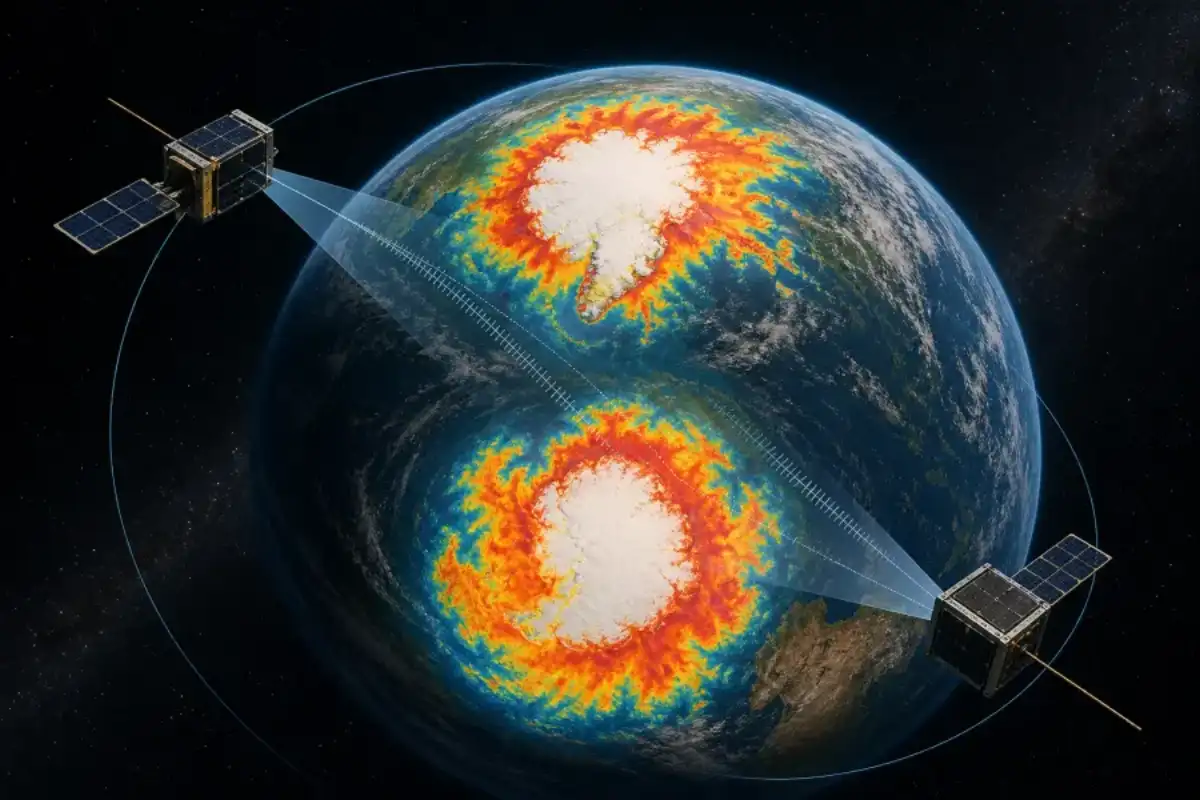
At Earth’s poles, much of the heat leaving the planet is invisible to human eyes. NASA’s two PREFIRE CubeSats are measuring that far-infrared energy directly, and a new animation built from two complete seasonal cycles shows just how differently the Arctic and Antarctic warm and cool. The Polar Radiant Energy in the Far-InfraRed Experiment began […]

The post NASA’s PREFIRE Satellites Show How the Poles Trade Heat With Space appeared first on Curiosmos.

  •  

Did Neanderthals and Modern Humans Share a Culture for 20,000 Years?

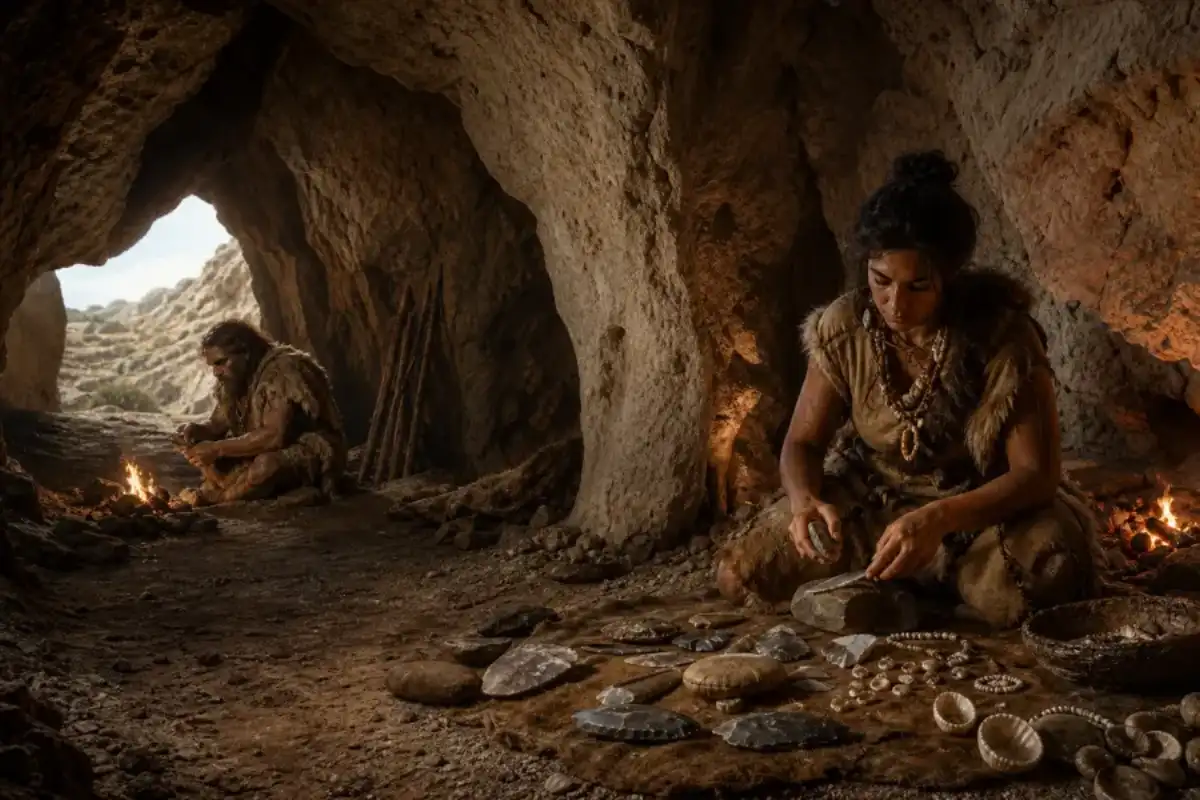
Neanderthals and modern humans did not simply occupy the same landscape and disappear from one another’s story. A study of Üçağızlı II Cave in southern Türkiye points to a longer period of cultural continuity in the northern Levant, where stone tools, shell ornaments and other remains appear across a sequence spanning more than 20,000 years. […]

The post Did Neanderthals and Modern Humans Share a Culture for 20,000 Years? appeared first on Curiosmos.

  •  

A Magnetar May Have Bent Empty Space—NASA’s IXPE Tests a 90-Year-Old Prediction

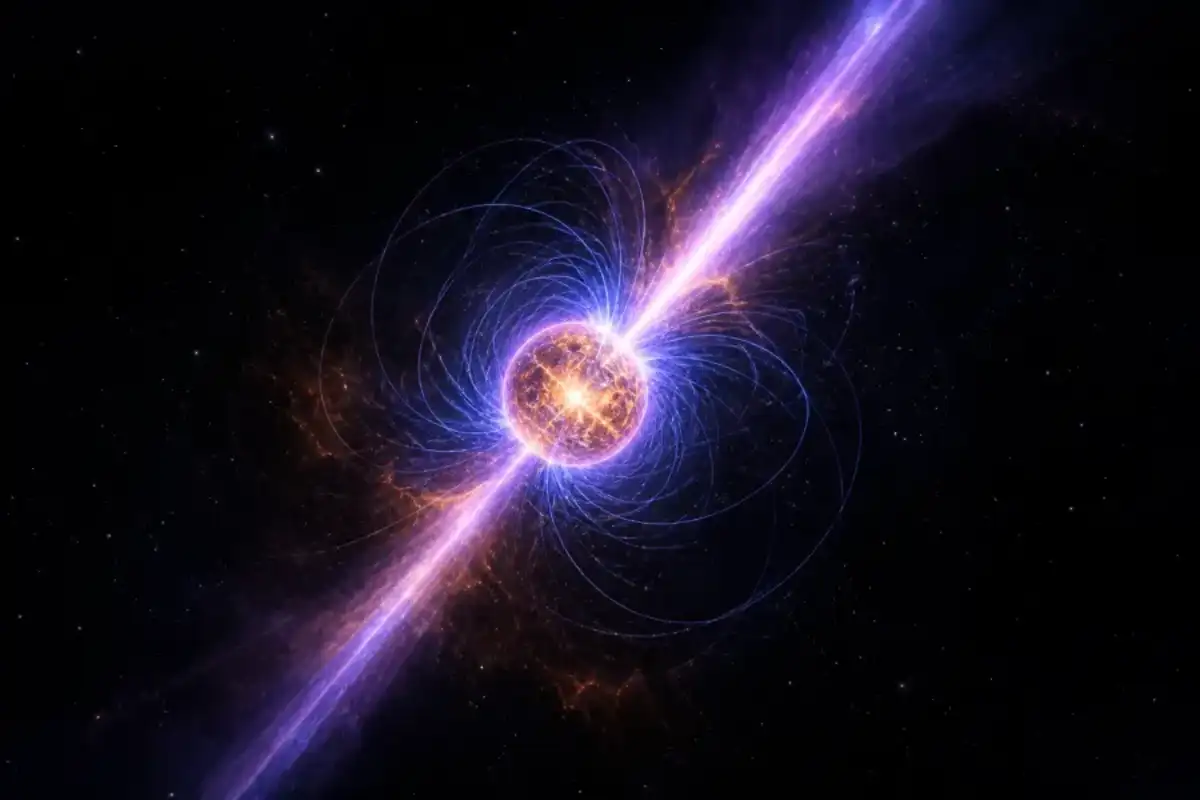
Empty space is not completely empty in the equations of quantum physics. Under an ordinary magnetic field, that distinction is impossible to notice. Near a magnetar—a neutron star with a magnetic field trillions of times stronger than Earth’s—space itself can alter the way light travels. NASA’s Imaging X-ray Polarimetry Explorer (IXPE) has measured unusually strong […]

The post A Magnetar May Have Bent Empty Space—NASA’s IXPE Tests a 90-Year-Old Prediction appeared first on Curiosmos.

  •  

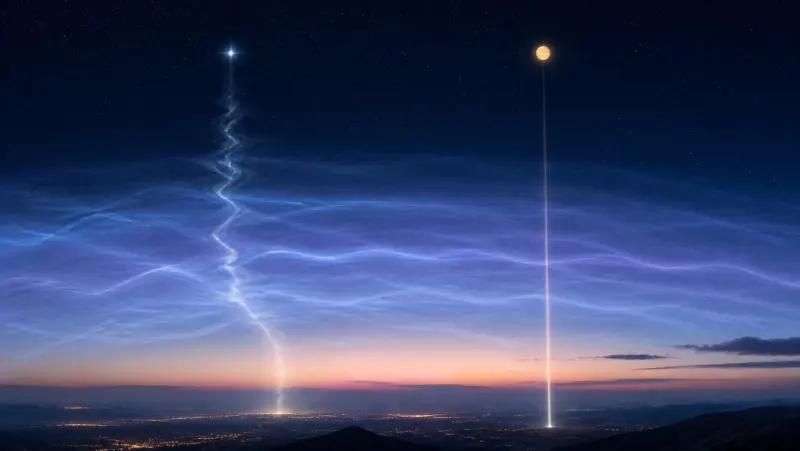
NASA’s PUNCH Mission Cut Solar-Storm Arrival Uncertainty to 30 Minutes

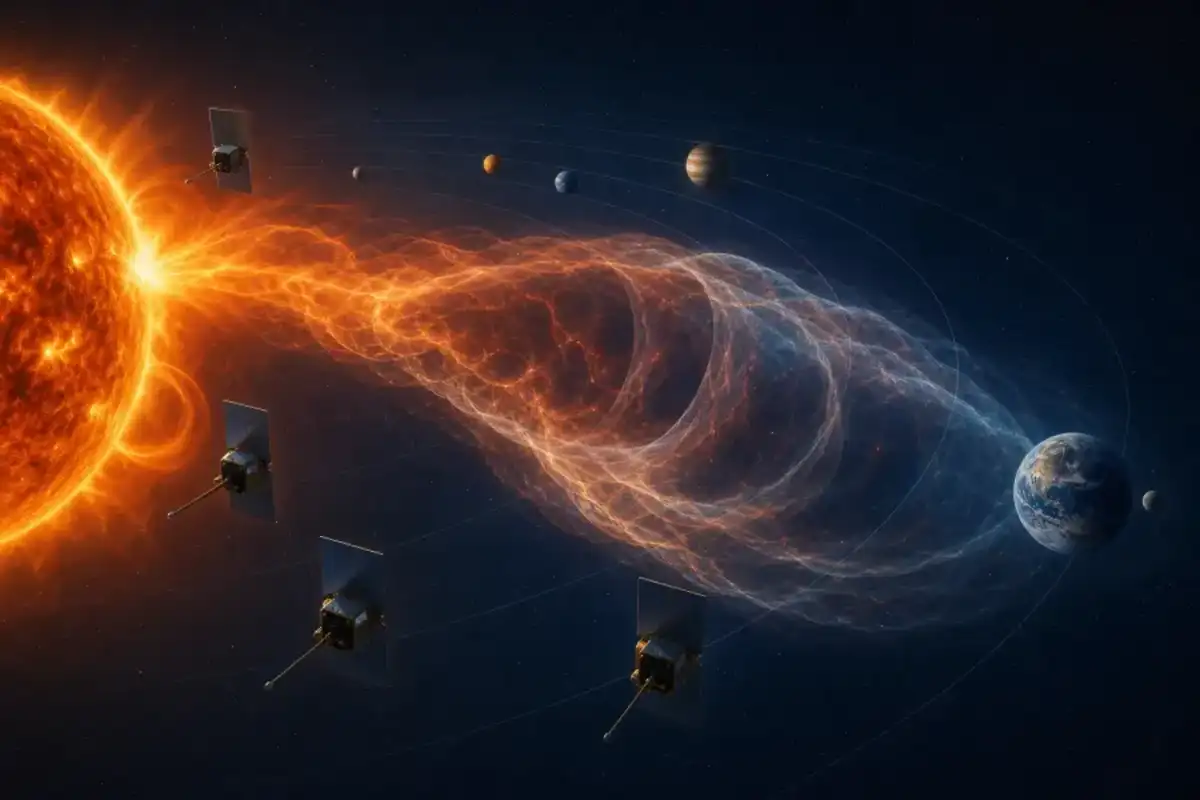
Forecasting a solar storm is a little like watching a wave leave a distant coast and trying to guess when it will reach the beach. Scientists can see a coronal mass ejection (CME) leave the Sun, but its speed and shape can change as it crosses space. By the time it reaches Earth, the warning […]

The post NASA’s PUNCH Mission Cut Solar-Storm Arrival Uncertainty to 30 Minutes appeared first on Curiosmos.
  •  

A Rare Iron Age Marsh Fort Is Being Excavated Again After 40 Years

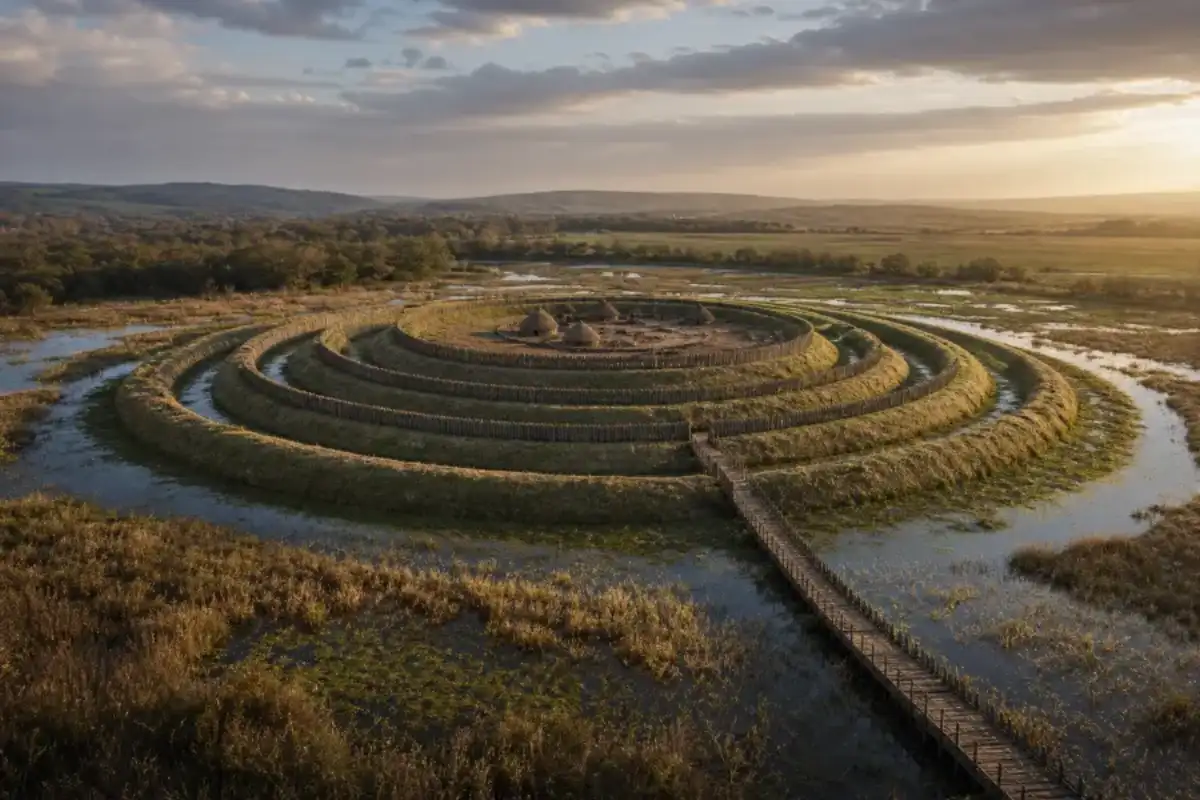
Archaeologists have returned to a rare Iron Age fort in Shropshire that sits in a wetland landscape rather than on a hill. The University of Birmingham has begun a new, ten-year project at Wall Camp near Telford, reopening a site that had not seen a major excavation since the 1980s. The first three-week season took […]

The post A Rare Iron Age Marsh Fort Is Being Excavated Again After 40 Years appeared first on Curiosmos.
  •  

How Radiocarbon Dating Works—and What It Can Actually Tell Us

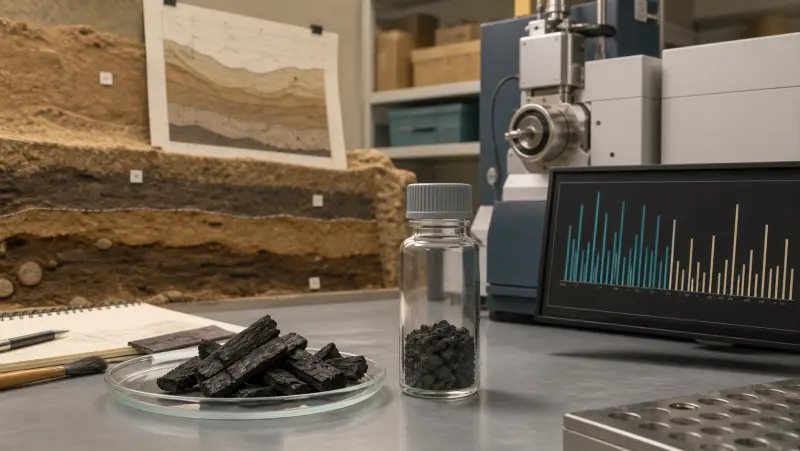
Radiocarbon dating is one of archaeology’s most useful tools, but it is often described as if a laboratory can place an exact year on any ancient object. The method is narrower and more interesting than that. It measures the remaining carbon-14 in material that was once alive, then uses calibration and archaeological context to estimate […]

The post How Radiocarbon Dating Works—and What It Can Actually Tell Us appeared first on Curiosmos.
  •  

Why Do Stars Twinkle While Planets Usually Look Steady?

Stars do not actually switch their lights on and off when they twinkle. The flicker happens between the star and your eyes, as its light passes through Earth’s moving atmosphere. Planets are affected by the same air, but they usually look steadier because their light arrives from a small disk rather than a single point. […]

The post Why Do Stars Twinkle While Planets Usually Look Steady? appeared first on Curiosmos.

  •  

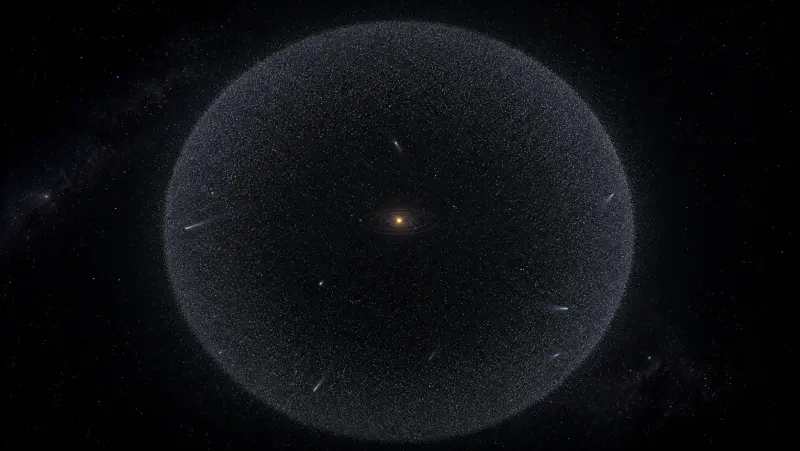
The Oort Cloud: The Distant Shell of Comets We Have Never Seen Directly

The Oort Cloud is one of the strangest places in the Solar System because it has never been seen directly. Astronomers infer its existence from the paths of long-period comets: icy bodies that spend most of their lives in deep space and only occasionally fall toward the Sun. NASA describes the Oort Cloud as a […]

The post The Oort Cloud: The Distant Shell of Comets We Have Never Seen Directly appeared first on Curiosmos.

  •  

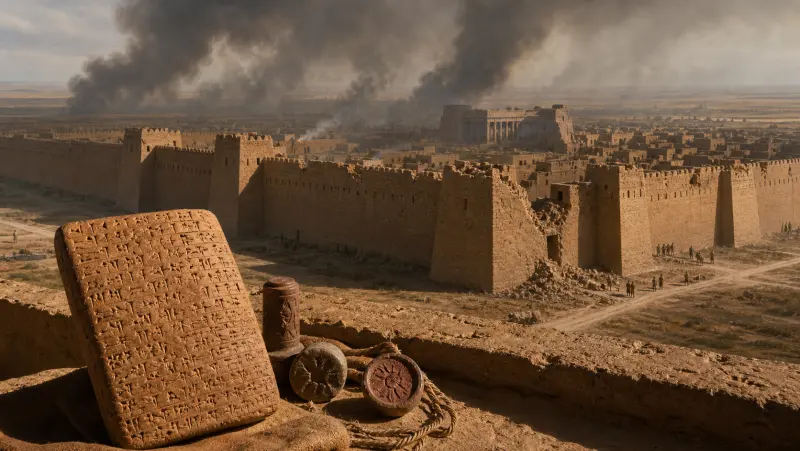
Cuneiform Tablets and Destruction Layers Reconstruct a Mesopotamian Siege

At Kurd Qaburstan in northern Mesopotamia, archaeologists are finding the kind of evidence that allows a destroyed city to be read from several directions at once. Cuneiform tablets, administrative sealings, a fortified wall and human remains are appearing together in layers associated with the ancient city of Qabra. The project, led by researchers from the […]

The post Cuneiform Tablets and Destruction Layers Reconstruct a Mesopotamian Siege appeared first on Curiosmos.

  •  
❌