❌

Reading view

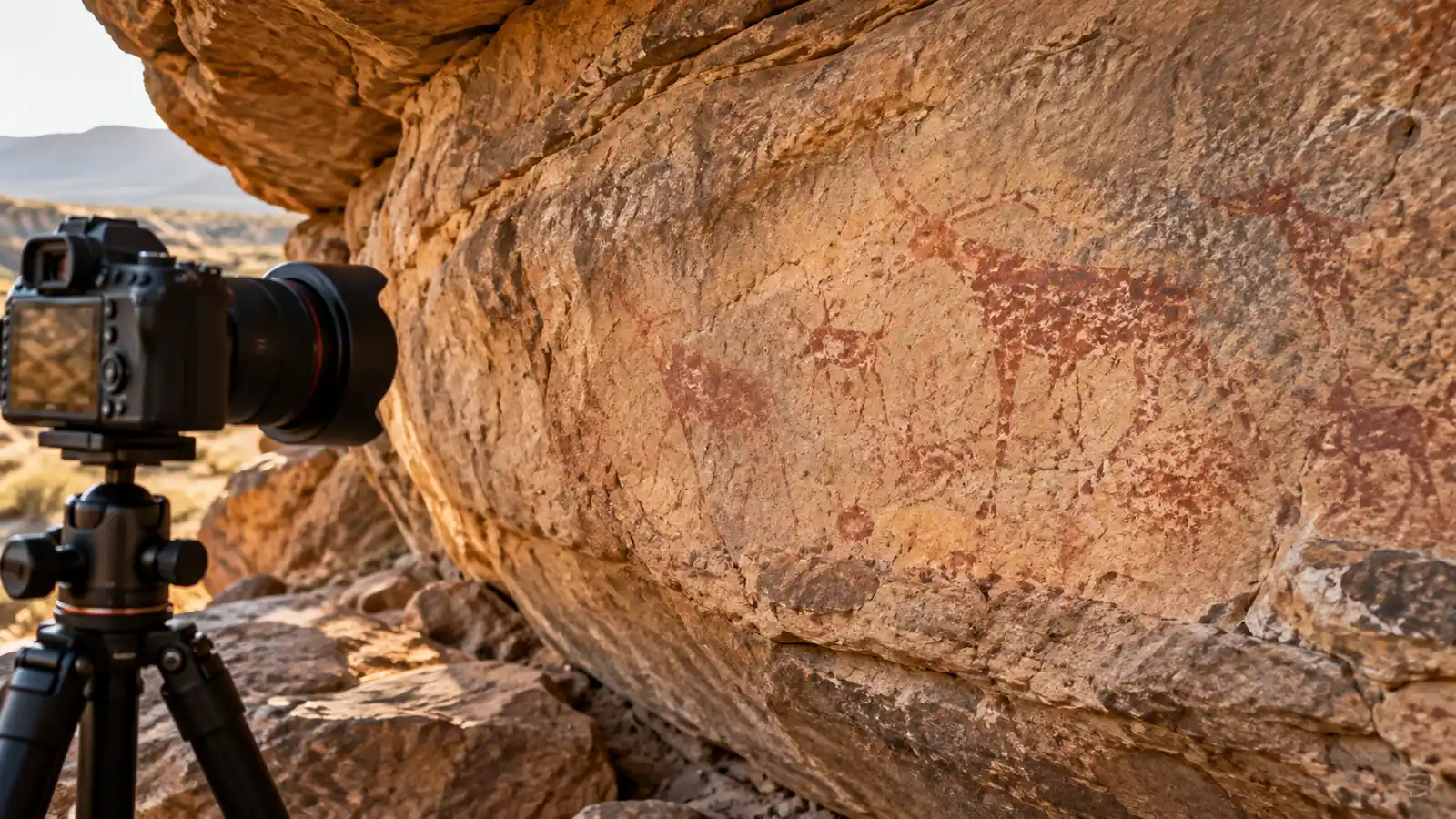
How Image Enhancement Reveals Faded Rock Art—and What It Cannot Recover

A faded painting may look almost indistinguishable from the rock beneath it while a photograph still records small color differences. Digital enhancement can amplify those differences, making an outline or patch of pigment easier to inspect. The vivid result is useful evidence about the image, but it is not a restored view of what an […]

The post How Image Enhancement Reveals Faded Rock Art—and What It Cannot Recover appeared first on Curiosmos.
  •  

Neutron Star or Black Hole? The Signals Astronomers Use to Tell Them Apart

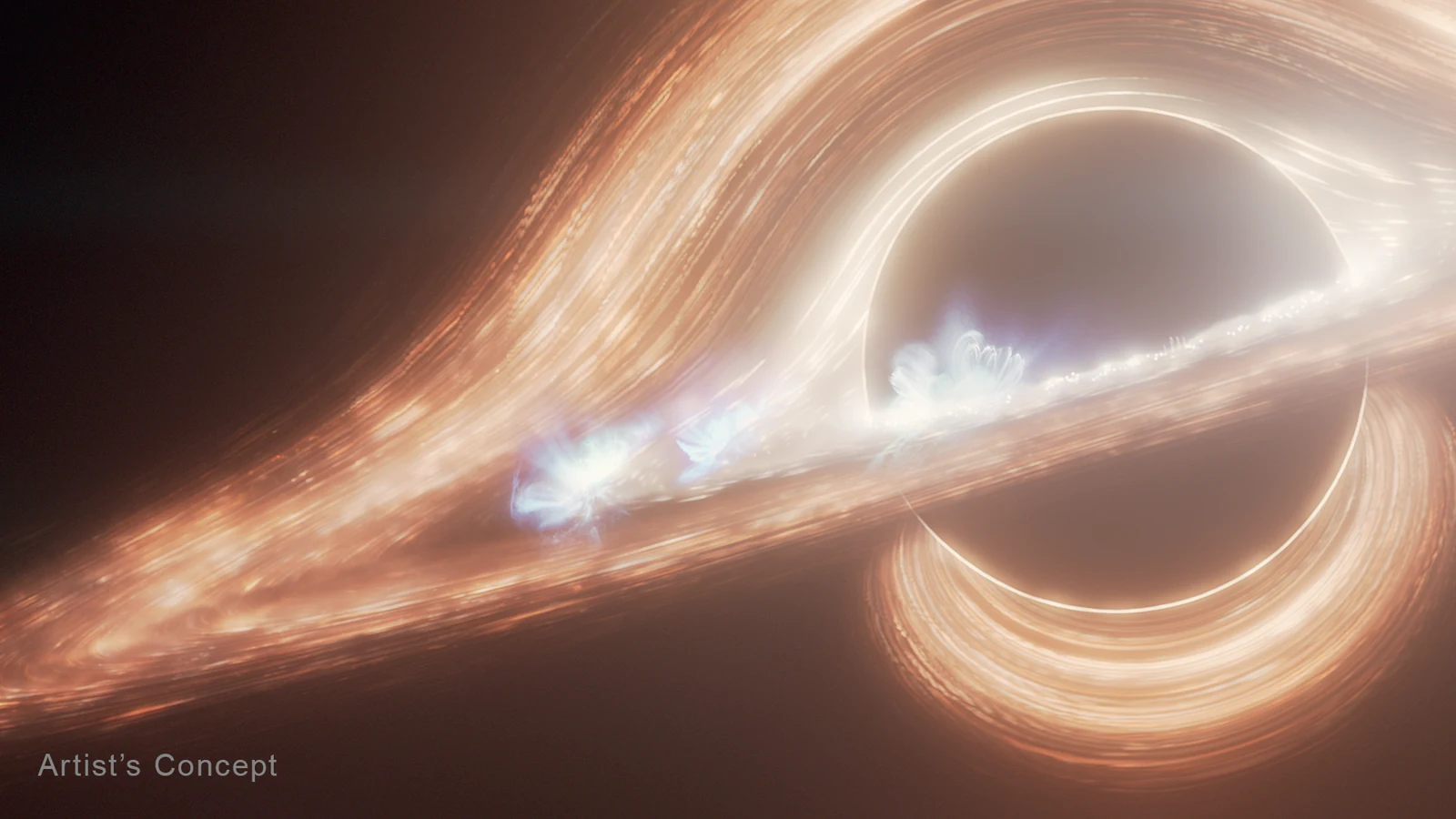
A brilliant X-ray source is not automatically a black hole. Matter falling toward a neutron star can also become intensely luminous, and some neutron stars have surprised astronomers by producing far more radiation than expected. Identifying the object requires evidence about its mass, its rotation and whether incoming gas encounters a material surface. The distinction […]

The post Neutron Star or Black Hole? The Signals Astronomers Use to Tell Them Apart appeared first on Curiosmos.
  •  

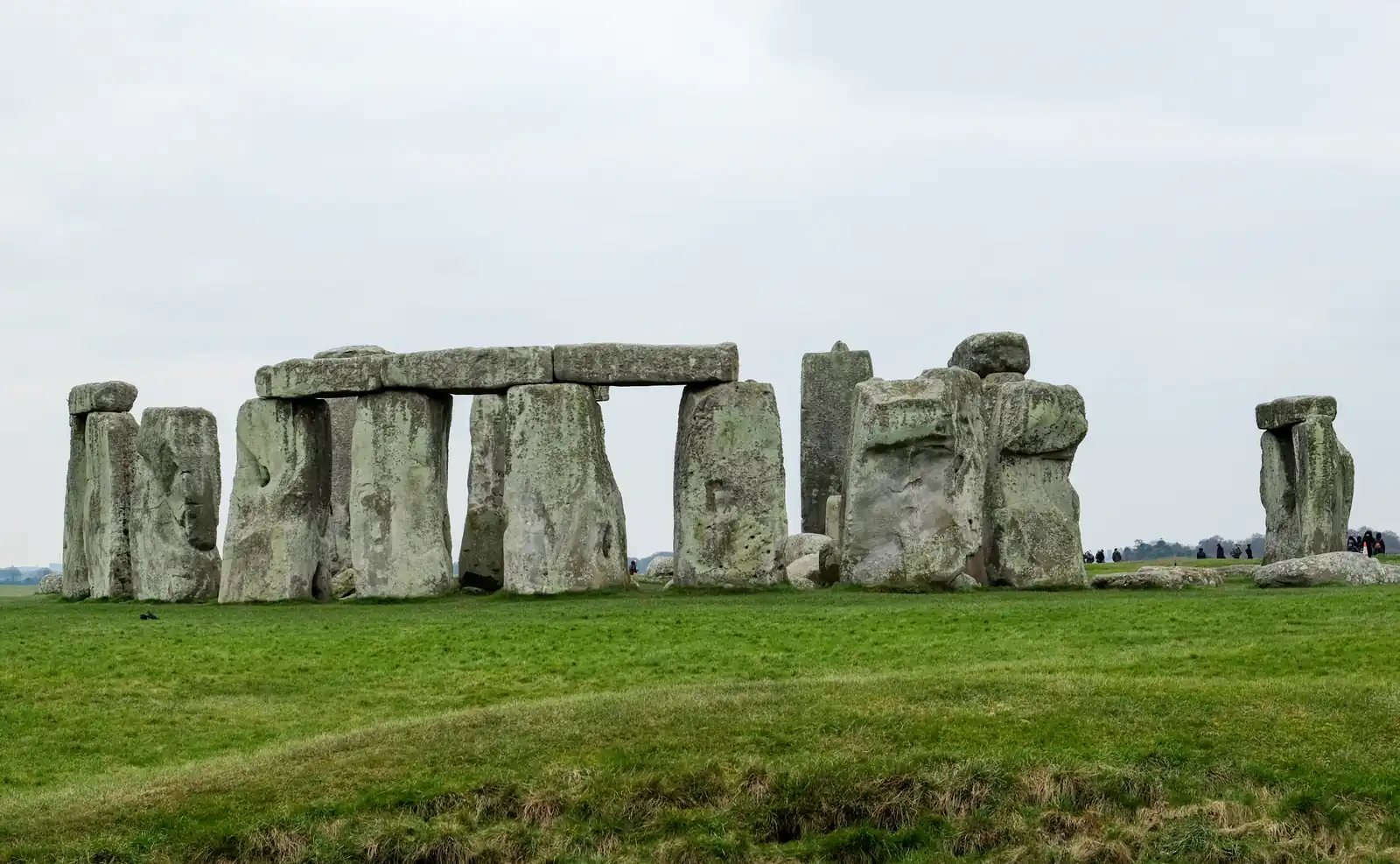
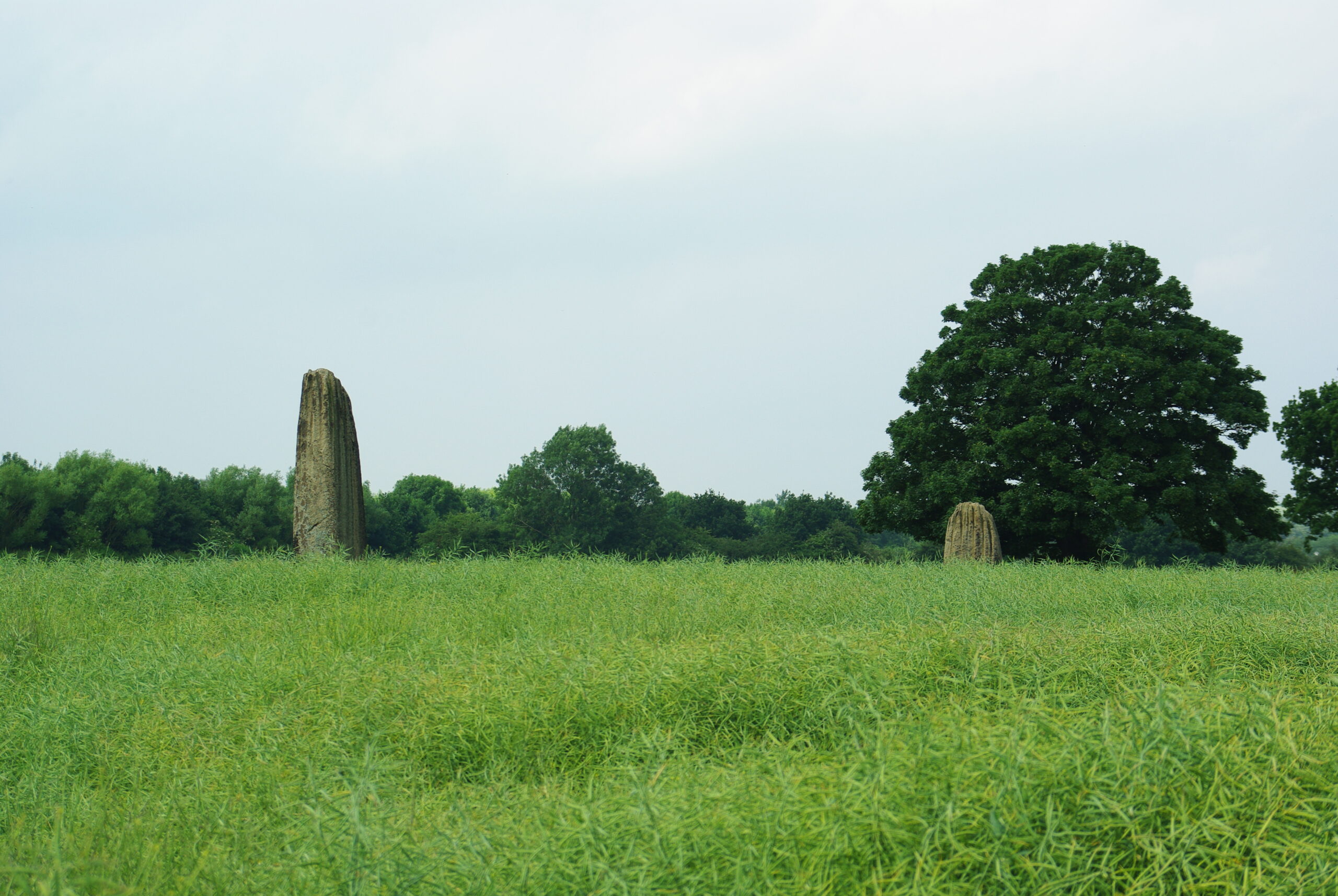
How Archaeologists Date a Stone Circle When the Stones Are Millions of Years Old

A stone can be millions of years older than the monument built from it. Measuring when its minerals formed therefore cannot, on its own, reveal when people dragged it into place. To date a stone circle, archaeologists usually reconstruct the building event from the deposits and objects associated with it. That task involves several different […]

The post How Archaeologists Date a Stone Circle When the Stones Are Millions of Years Old appeared first on Curiosmos.
  •  

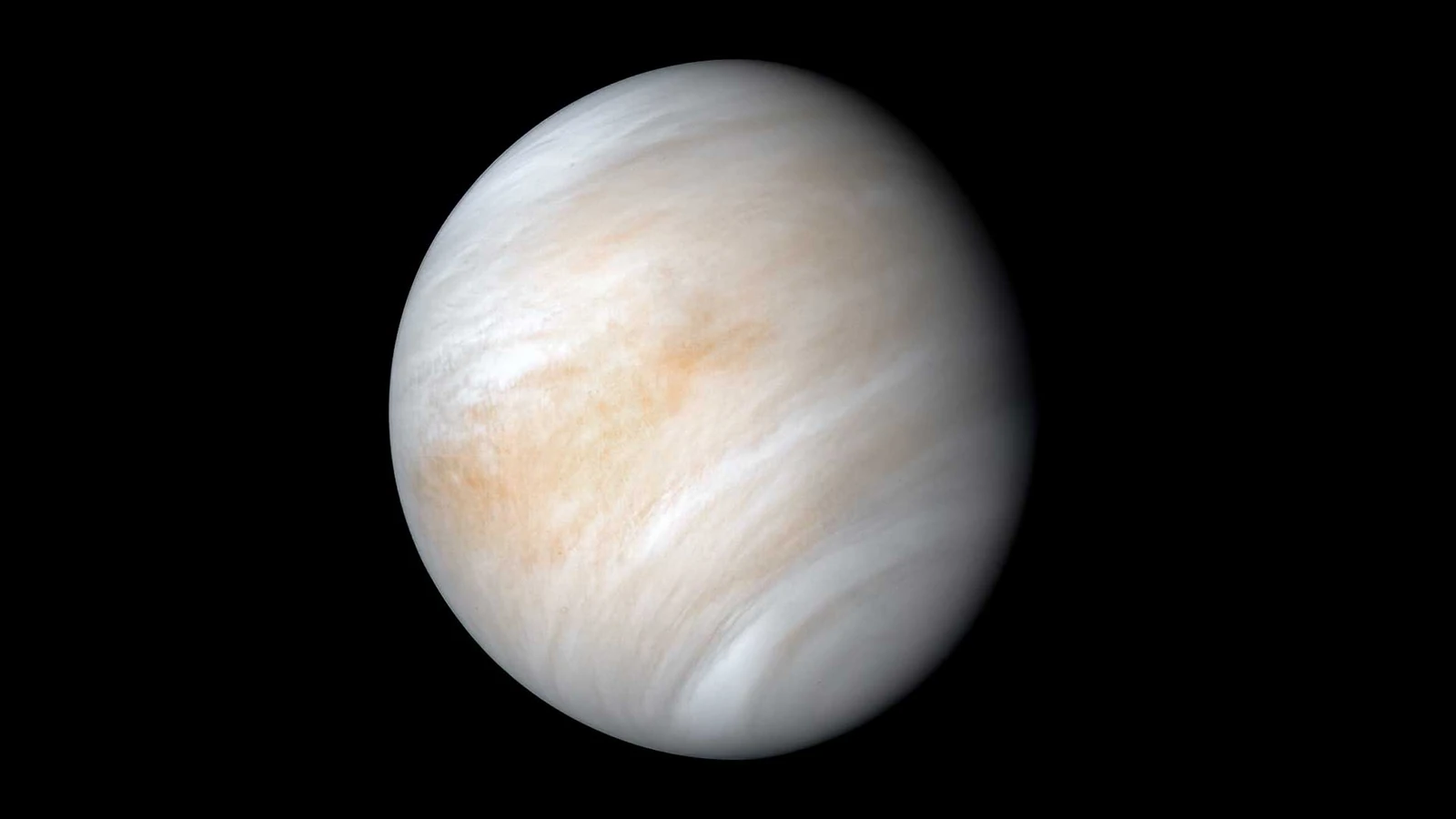
Why Venus Can Shine Brightest When It Looks Like a Crescent

Venus can reach its greatest brilliance while a telescope shows only a crescent. A nearly full Venus exposes more of its sunlit hemisphere, yet that does not necessarily deliver more light to Earth. The missing part of the explanation is distance: a closer crescent can look much larger than a distant, almost fully illuminated disk. […]

The post Why Venus Can Shine Brightest When It Looks Like a Crescent appeared first on Curiosmos.
  •  

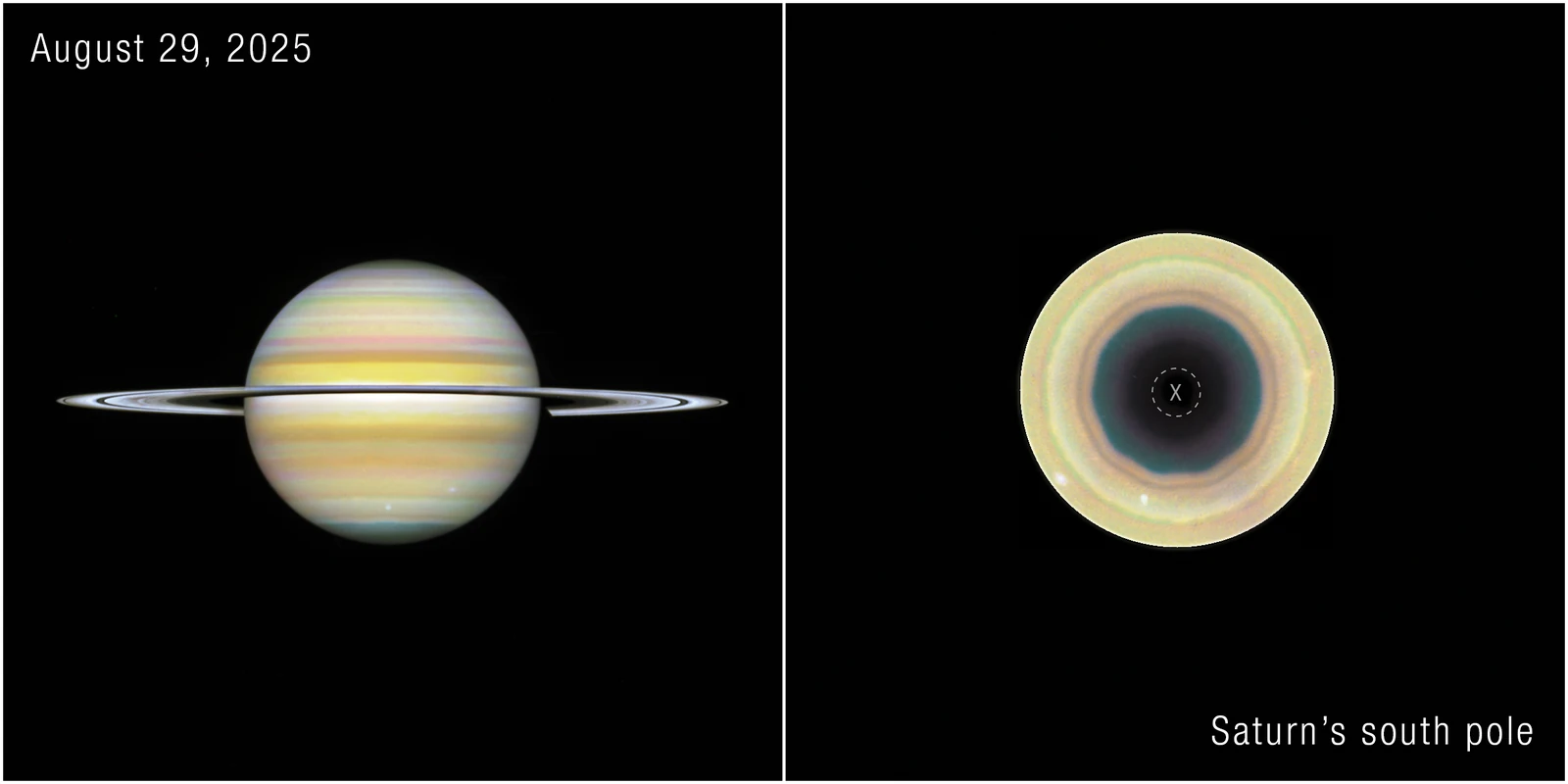
Saturn Has a Ten-Sided Wave at Its South Pole. How Does It Compare With the Hexagon?

Saturn’s south pole has a ten-sided atmospheric wave, giving astronomers a new counterpart to the planet’s famous northern hexagon. The southern pattern appears to be evolving, raising a question that a single striking image cannot answer: will it become another enduring feature of the planet’s weather? A study announced on September 2 traces the feature […]

The post Saturn Has a Ten-Sided Wave at Its South Pole. How Does It Compare With the Hexagon? appeared first on Curiosmos.

  •  

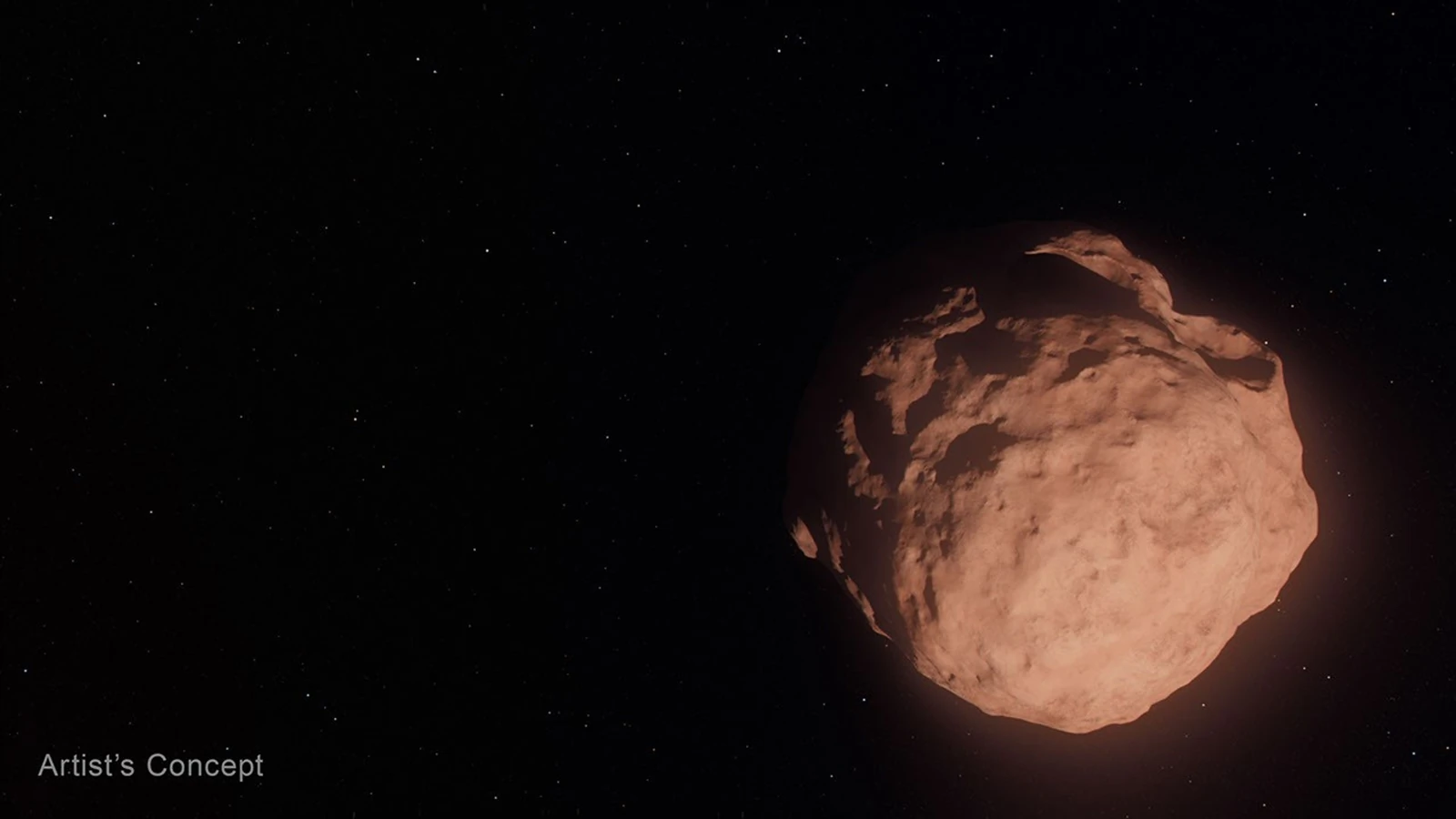
Webb Finds 27 Tiny Worlds Beyond Neptune. Their Colors Hold a Clue to the Solar System’s Past

Twenty-seven faint objects beyond Neptune have emerged from a deep James Webb Space Telescope survey, extending the search for the solar system’s building blocks to worlds only kilometres across. Hubble observations of part of the sample add a second clue: their colors resemble those of larger objects, suggesting that size alone has not erased the […]

The post Webb Finds 27 Tiny Worlds Beyond Neptune. Their Colors Hold a Clue to the Solar System’s Past appeared first on Curiosmos.
  •  

Britain’s Tallest Stone Row Was Built With 25-Tonne Blocks Hauled 11 Miles

Prehistoric builders moved the enormous stones of the Devil’s Arrows at least 18 kilometres across Yorkshire, according to new research that identifies where the blocks came from. The finding connects Britain’s tallest surviving prehistoric stone row with Brimham Rocks, rather than closer sandstone outcrops. The study, published in Proceedings of the Royal Society A, traces […]

The post Britain’s Tallest Stone Row Was Built With 25-Tonne Blocks Hauled 11 Miles appeared first on Curiosmos.
  •  

What Is Dark Energy? The Mystery Behind the Universe’s Accelerating Expansion

Dark energy is one of the least satisfying names in astronomy because it sounds more specific than it is. Scientists did not discover a glowing substance called dark energy. They gave that name to the unknown influence associated with the accelerating expansion of the universe. The evidence is strong that the expansion is speeding up […]

The post What Is Dark Energy? The Mystery Behind the Universe’s Accelerating Expansion appeared first on Curiosmos.
  •  

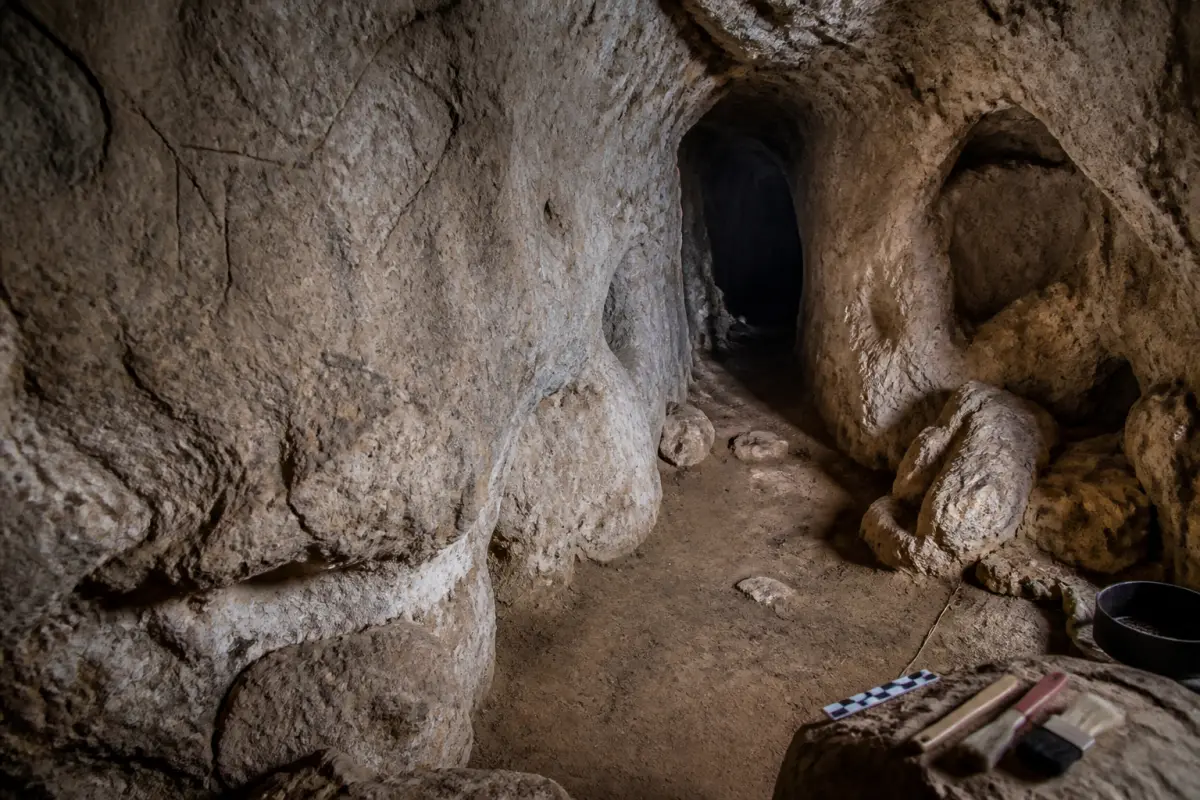
Why Archaeologists Leave Some Discoveries Unexcavated

Finding an ancient structure does not always mean that archaeologists should uncover all of it immediately. In some cases, the most responsible decision is to leave part of a site in the ground. Soil can protect fragile walls, organic material and pigments, while future researchers may have better tools for studying them without causing irreversible […]

The post Why Archaeologists Leave Some Discoveries Unexcavated appeared first on Curiosmos.
  •  

How Fast Does Light Travel? The Cosmic Speed Limit Explained

In empty space, light travels at exactly 299,792,458 meters per second. That is about 300,000 kilometers per second, or 186,282 miles per second. It is the fastest speed at which matter, energy, or information can travel through the universe. The number is so large that it is easy to treat light as instantaneous. Across cosmic […]

The post How Fast Does Light Travel? The Cosmic Speed Limit Explained appeared first on Curiosmos.
  •  

What Is a Neutron Star? The City-Sized Remnant of a Stellar Explosion

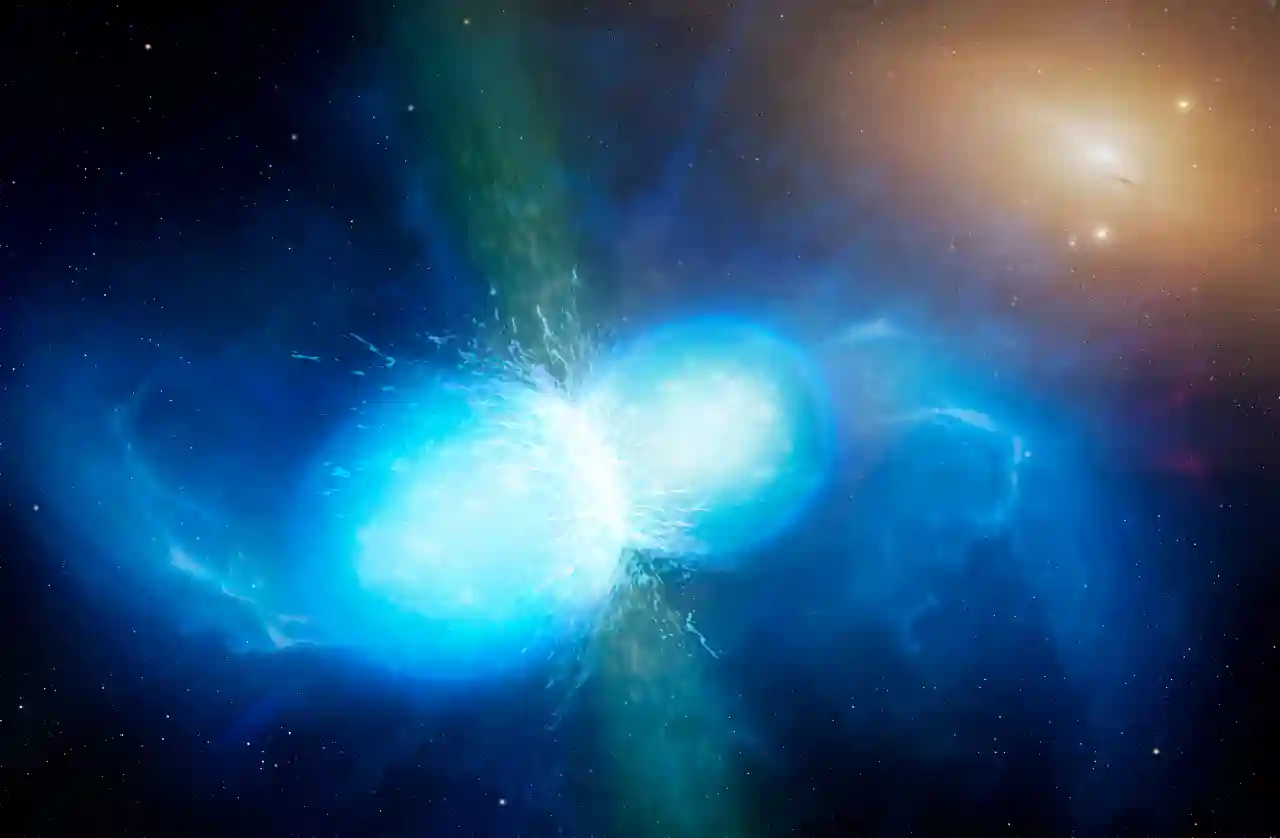
A neutron star is what remains after the core of a massive star collapses. It is not a small ordinary star. It is the crushed core of a dead one, compressed until protons and electrons are forced together and most of the material becomes neutrons. The result is one of the strangest objects in the […]

The post What Is a Neutron Star? The City-Sized Remnant of a Stellar Explosion appeared first on Curiosmos.
  •  

Perseverance Watched Earth Disappear Behind Mars’ Moon Phobos

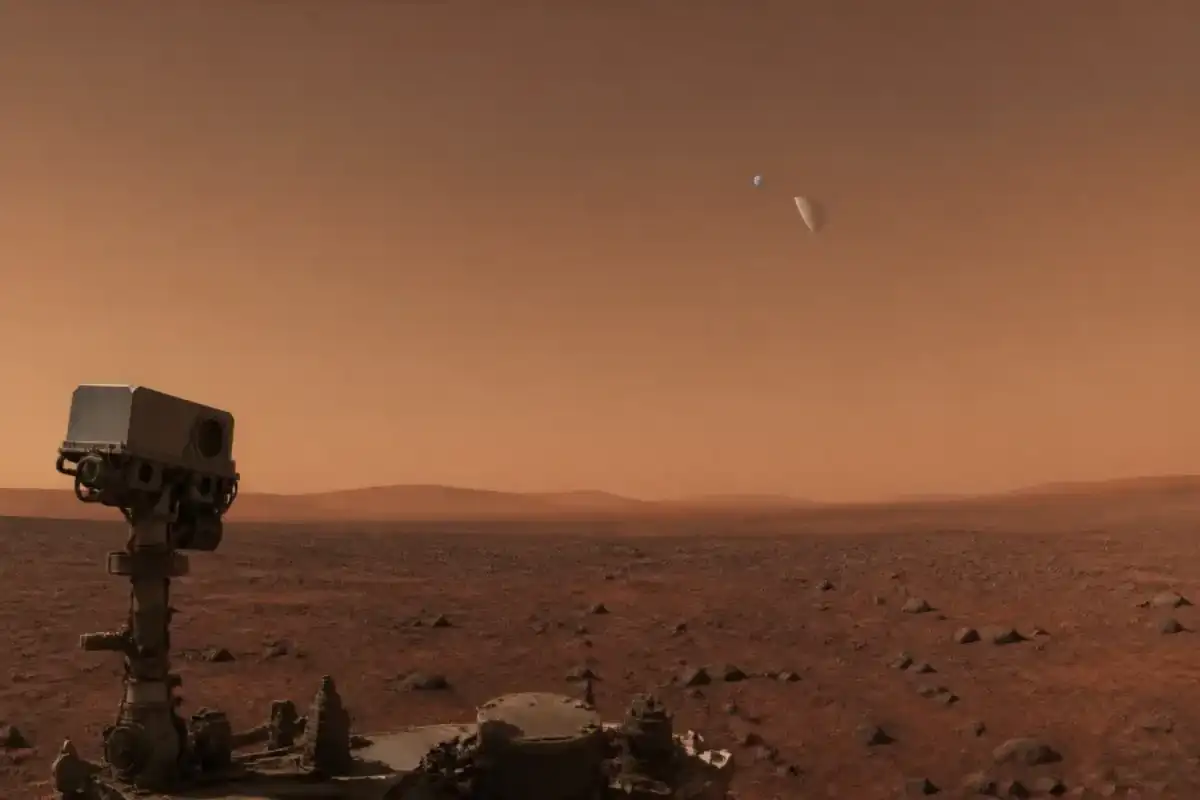
From the rim of Jezero Crater, Earth is only a bright point in the sky. On July 2, NASA’s Perseverance rover watched that point vanish behind Phobos, Mars’ larger moon, and recorded the event with its Mastcam-Z camera. The sequence is the first time humanity has observed Earth disappearing behind an object from the surface […]

The post Perseverance Watched Earth Disappear Behind Mars’ Moon Phobos appeared first on Curiosmos.

  •  

NASA’s Lunar Test Facility Is Trying to Keep Moon Dust Out of Artemis Hardware

Moon dust looks soft in photographs, but it is a difficult material for machines and people. The grains are sharp, abrasive and electrically clingy. NASA engineers at Johnson Space Center are using a dedicated test facility to find out how tools, joints and spacesuits will cope with it before Artemis astronauts return to the lunar […]

The post NASA’s Lunar Test Facility Is Trying to Keep Moon Dust Out of Artemis Hardware appeared first on Curiosmos.

  •  

NASA Is Testing the Antennas for Its Next Mars Aircraft

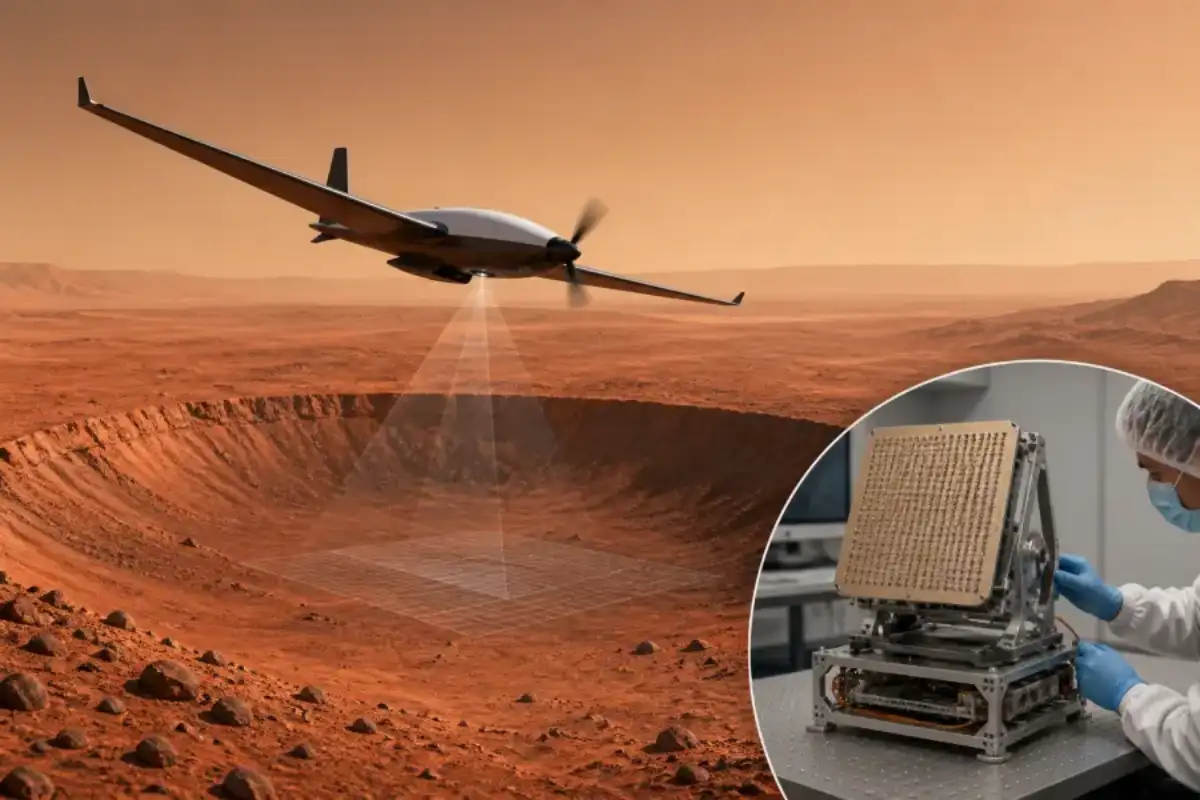
NASA is testing the communications and radar hardware for a proposed Mars aircraft mission called SkyFall. The project is still on Earth, but its engineers are working through the details that would allow three small aircraft to fly in the thin Martian atmosphere and send useful data back to a rover or an orbiter. A […]

The post NASA Is Testing the Antennas for Its Next Mars Aircraft appeared first on Curiosmos.

  •  

NASA’s PREFIRE Satellites Show How the Poles Trade Heat With Space

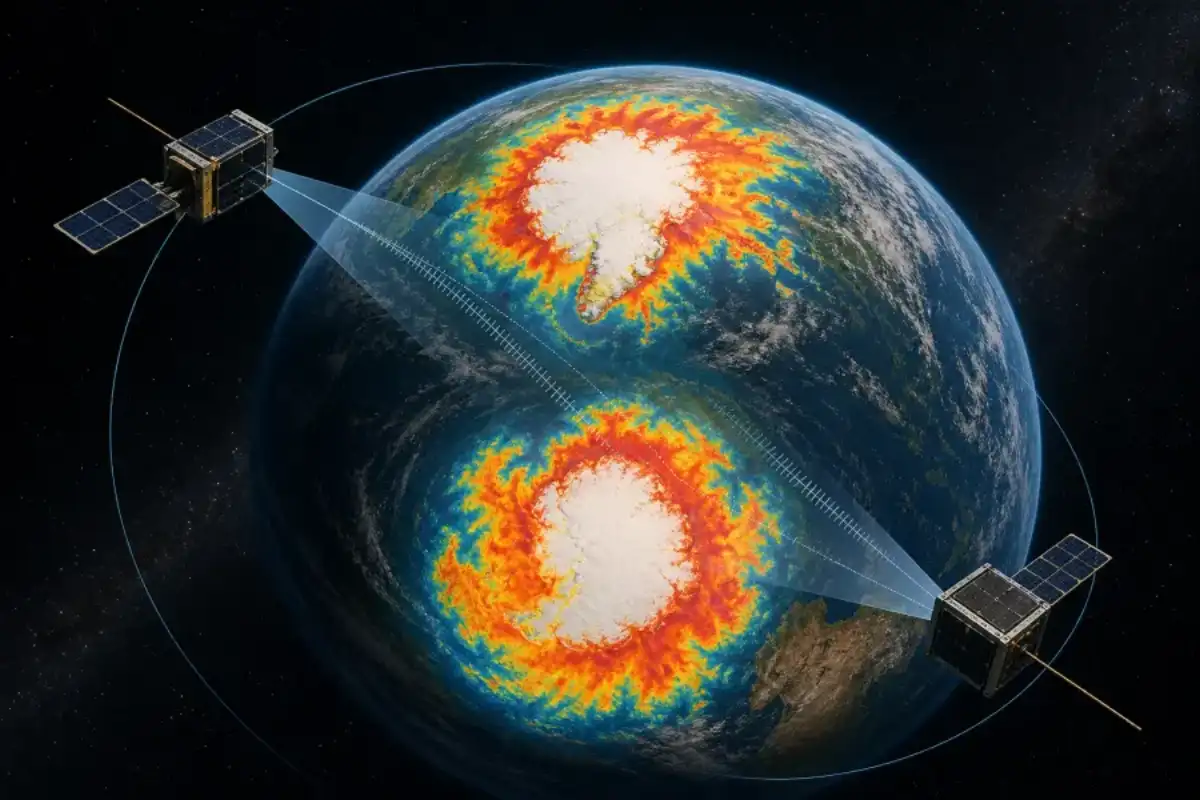
At Earth’s poles, much of the heat leaving the planet is invisible to human eyes. NASA’s two PREFIRE CubeSats are measuring that far-infrared energy directly, and a new animation built from two complete seasonal cycles shows just how differently the Arctic and Antarctic warm and cool. The Polar Radiant Energy in the Far-InfraRed Experiment began […]

The post NASA’s PREFIRE Satellites Show How the Poles Trade Heat With Space appeared first on Curiosmos.

  •  

Did Neanderthals and Modern Humans Share a Culture for 20,000 Years?

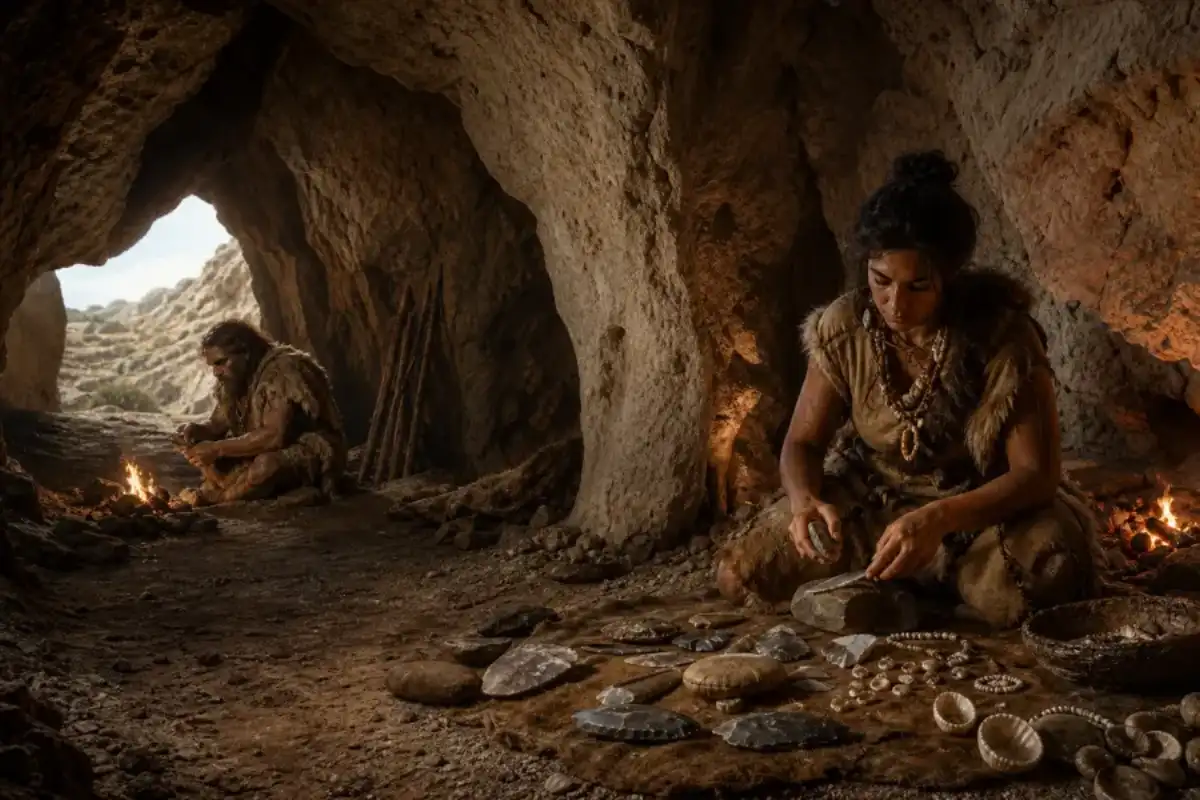
Neanderthals and modern humans did not simply occupy the same landscape and disappear from one another’s story. A study of Üçağızlı II Cave in southern Türkiye points to a longer period of cultural continuity in the northern Levant, where stone tools, shell ornaments and other remains appear across a sequence spanning more than 20,000 years. […]

The post Did Neanderthals and Modern Humans Share a Culture for 20,000 Years? appeared first on Curiosmos.

  •  

A Magnetar May Have Bent Empty Space—NASA’s IXPE Tests a 90-Year-Old Prediction

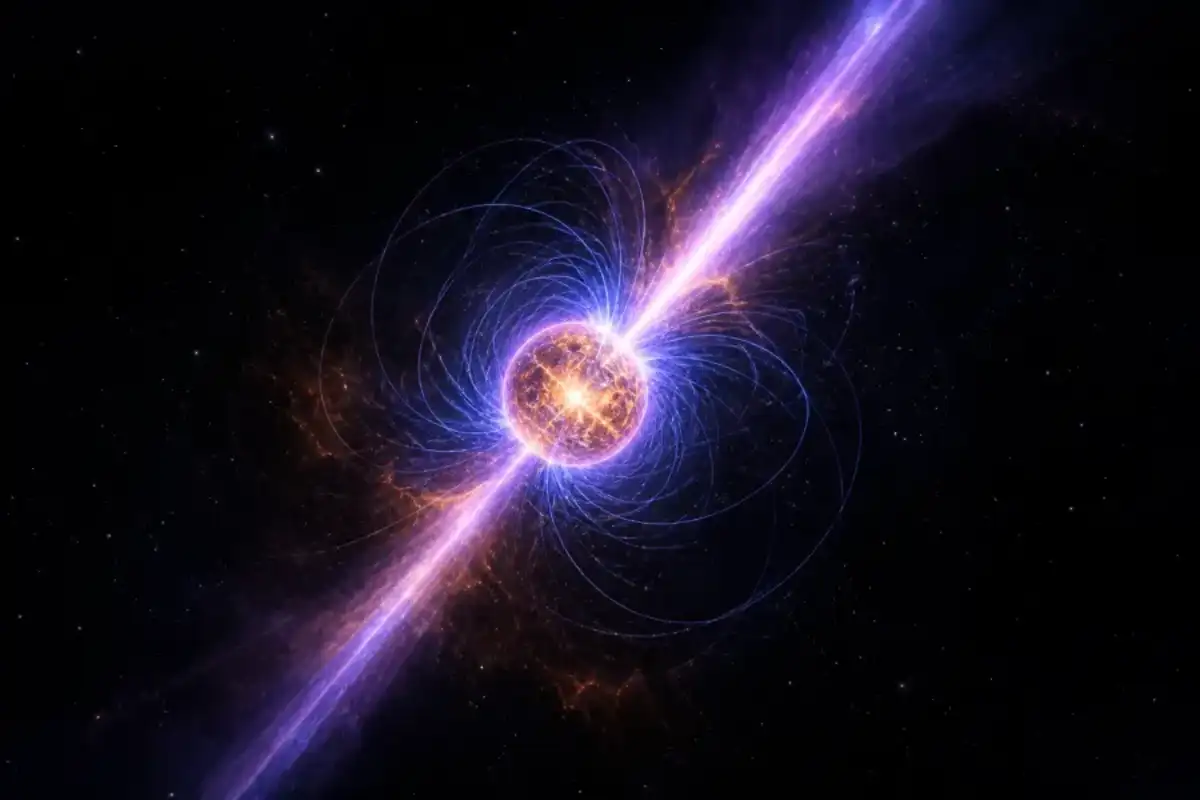
Empty space is not completely empty in the equations of quantum physics. Under an ordinary magnetic field, that distinction is impossible to notice. Near a magnetar—a neutron star with a magnetic field trillions of times stronger than Earth’s—space itself can alter the way light travels. NASA’s Imaging X-ray Polarimetry Explorer (IXPE) has measured unusually strong […]

The post A Magnetar May Have Bent Empty Space—NASA’s IXPE Tests a 90-Year-Old Prediction appeared first on Curiosmos.

  •  

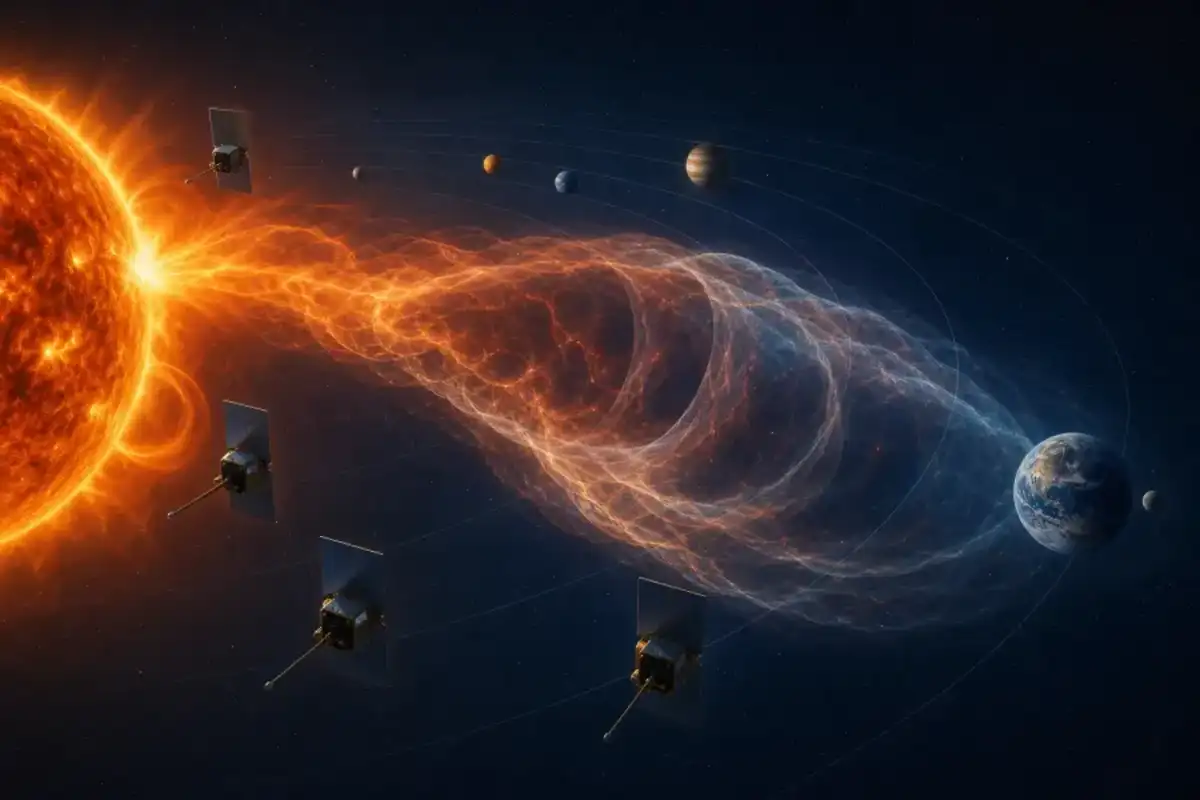
NASA’s PUNCH Mission Cut Solar-Storm Arrival Uncertainty to 30 Minutes

Forecasting a solar storm is a little like watching a wave leave a distant coast and trying to guess when it will reach the beach. Scientists can see a coronal mass ejection (CME) leave the Sun, but its speed and shape can change as it crosses space. By the time it reaches Earth, the warning […]

The post NASA’s PUNCH Mission Cut Solar-Storm Arrival Uncertainty to 30 Minutes appeared first on Curiosmos.

  •  

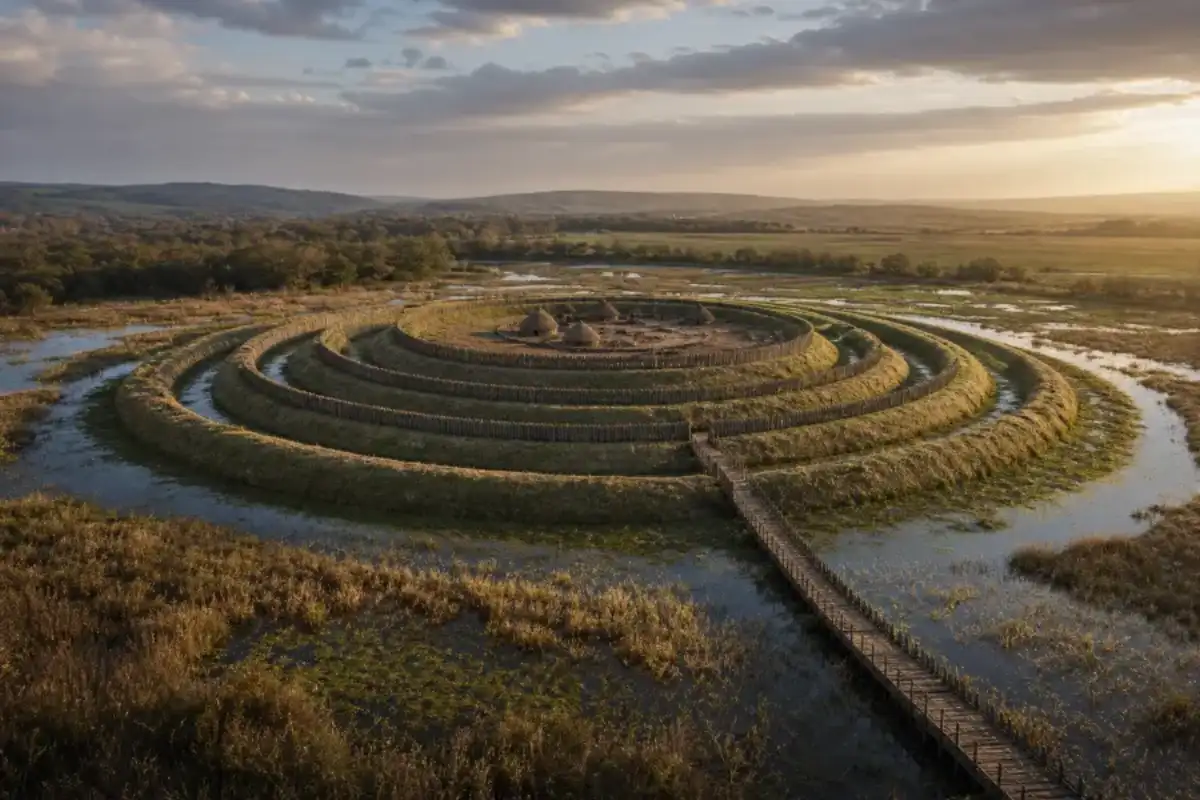
A Rare Iron Age Marsh Fort Is Being Excavated Again After 40 Years

Archaeologists have returned to a rare Iron Age fort in Shropshire that sits in a wetland landscape rather than on a hill. The University of Birmingham has begun a new, ten-year project at Wall Camp near Telford, reopening a site that had not seen a major excavation since the 1980s. The first three-week season took […]

The post A Rare Iron Age Marsh Fort Is Being Excavated Again After 40 Years appeared first on Curiosmos.

  •  
❌