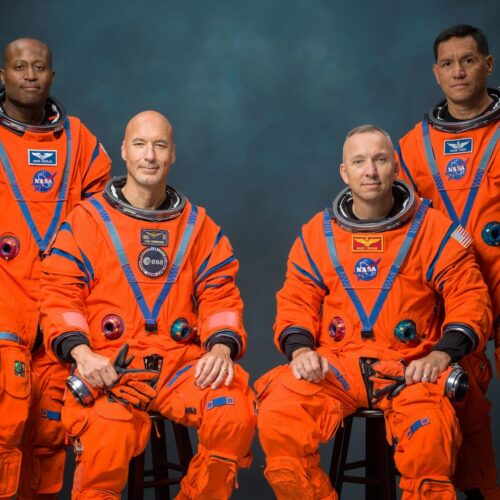
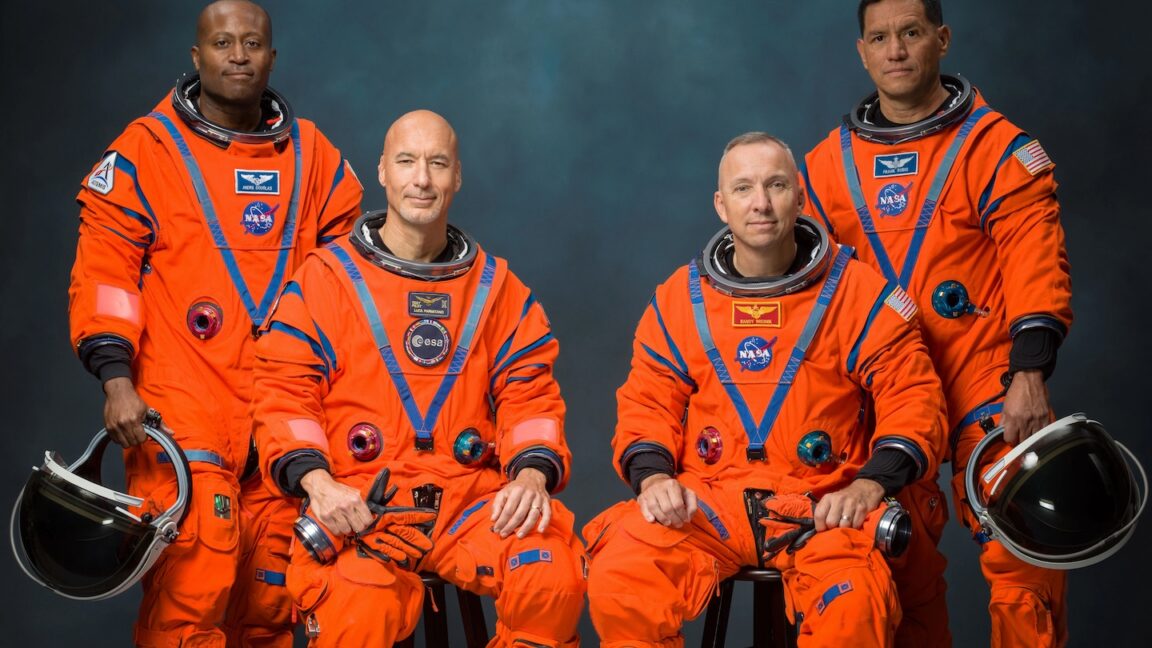
On Tuesday, NASA announced the crew for the Artemis III mission, which is scheduled to be flown no earlier than summer 2027. As part of the announcement, space agency officials also discussed plans for the crew to dock with both a Blue Origin lander and a SpaceX Starship lander during the spaceflight in low-Earth orbit.
The presentation, although informative, still left open key questions about the landers' readiness and what exactly they'll look like. After the crew announcement, Ars sat down with Jeremy Parsons, NASA's Artemis program manager, to answer some of these questions.
This interview, conducted at NASA's Johnson Space Center, has been lightly edited for clarity.
The US space agency unveiled the crew for its Artemis III mission on Tuesday during an enthusiastic event at Johnson Space Center in Houston.
For this spaceflight into low-Earth orbit, which will see the Orion spacecraft rendezvous and dock with lunar lander prototypes, NASA chose an experienced, all-male crew with military backgrounds. They were revealed inside a darkened Teague Auditorium where hundreds of friends, family members, and NASA employees cheered enthusiastically.
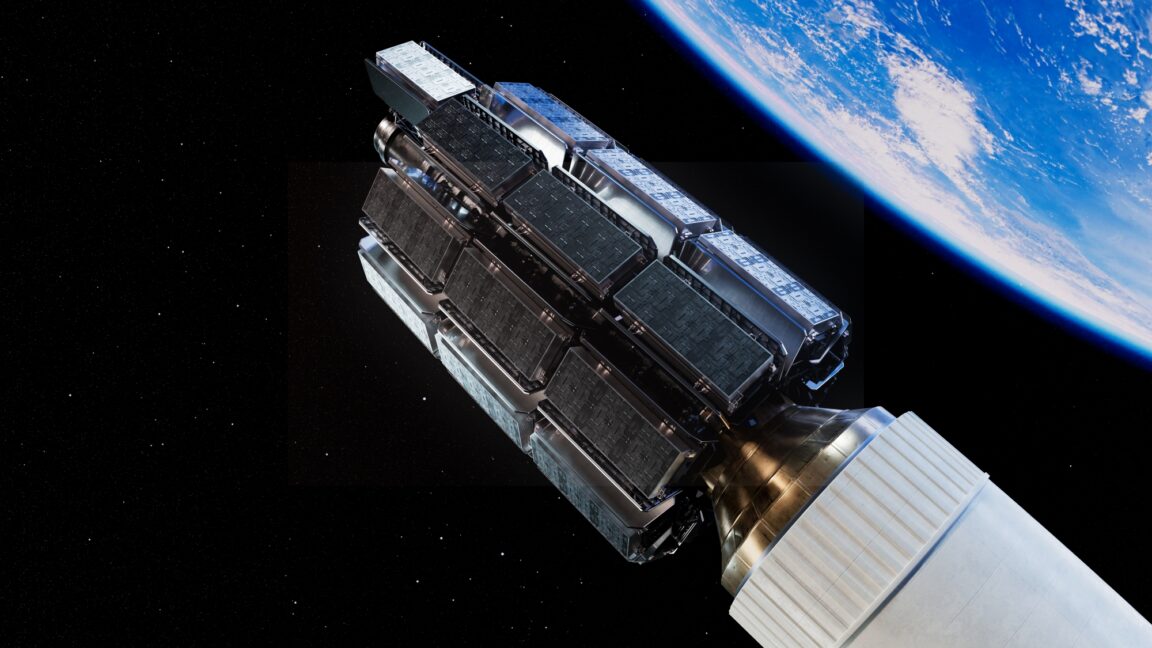
The Federal Communications Commission has waived a requirement for Amazon to launch half of its satellite broadband constellation by the end of July, a key regulatory reprieve that buys the tech giant time to get more of its spacecraft into orbit.
Amazon won regulatory approval for the Amazon Leo network in July 2020. The FCC's authorization came with two deadlines. First, Amazon had to launch half of its 3,232 satellites by July 30, 2026, in order to maintain authorization to launch the rest of the network. The regulator gave Amazon a deadline of July 30, 2029, to have all of its first-generation satellites in orbit.
It has been apparent for some time that Amazon would not meet the FCC's requirement to launch half of its satellites—1,616 spacecraft—by the end of next month. Amazon filed an application in January requesting the FCC extend the deadline to July 2028 or waive it altogether. The commission decided on the latter option, removing any time limit for the 50 percent deployment milestone, but keeping the July 2029 deadline in place for the entire constellation.
Russian satellites have been identified as the cause of mysterious, seconds-long bursts of GPS interference across Europe—a rare example of human-made GPS interference coming from space. But uncertainty still hangs over whether such interference is intentional and if it could be more powerfully weaponized as GPS jamming with continental reach in the future.
The discovery came from an investigation detailed in a June 2 preprint paper by Todd Humphreys and his student Zach Clements at The University of Texas at Austin, along with Argyris Kriezis at Stanford University in California. By sifting through public data from ground-based stations with global navigation satellite system (GNSS) receivers, they identified a pattern of high-powered interference lasting less than 10 seconds each time but simultaneously detectable by ground stations across Europe from Norway to Spain to Poland, and even reaching as far west as Greenland and Canada.
By analyzing the ground station data from January 2019 to April 2026, the researchers found 75 days with at least one widespread GNSS interference event overlapping with the GPS L1 frequency band centered on 1575.42 megahertz. That represents the main band used for signal transmission by the US-made GPS satellite constellation and GNSS constellations from other countries.
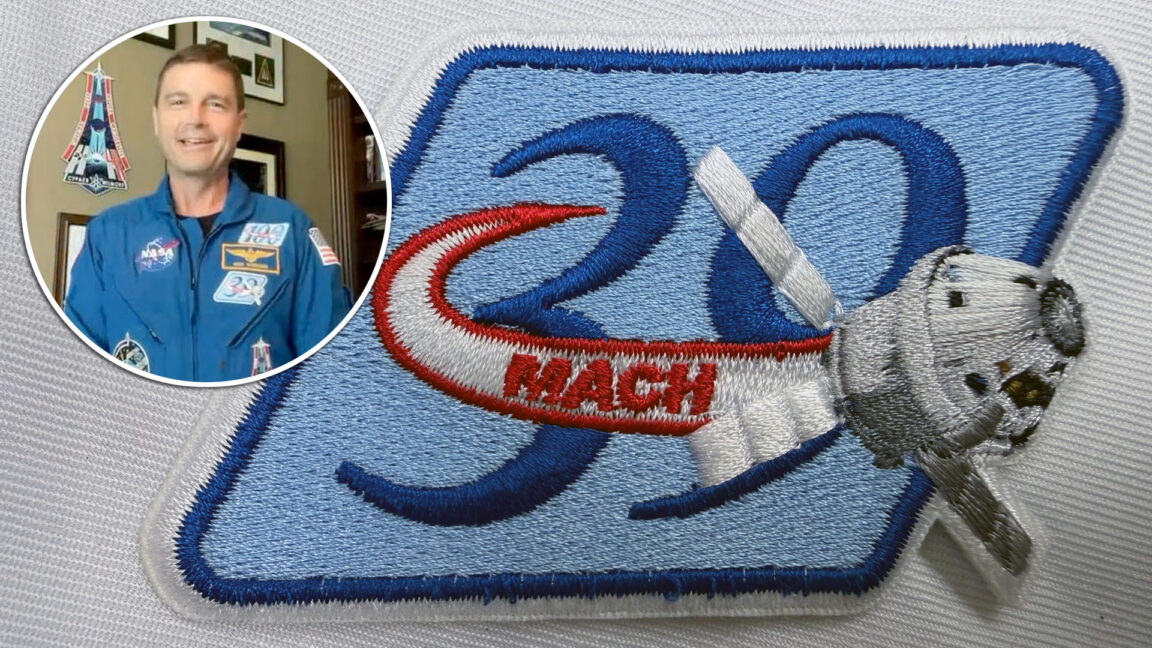
NASA's Artemis II crew are the fastest people alive, and now they have the patch to prove it.
Mission Commander Reid Wiseman, pilot Victor Glover, and mission specialists Christina Koch and Jeremy Hansen (the latter with the Canadian Space Agency) spent 10 days in early April flying by the Moon. Their journey took them farther away from Earth than any humans have gone (52,756 miles [406,771 km]) and then, on the way back on board their Orion spacecraft Integrity, they sped up to about 24,664 miles per hour (39,693 k/ph) reentering the atmosphere.
Only three other people in history have traveled faster. NASA's Apollo 10 astronauts Thomas Stafford, John Young, and Eugene Cernan set the record for the highest speed attained by a crewed vehicle relative to the Earth's surface: 24,791 mph (39,897 kph) on May 26, 1969.
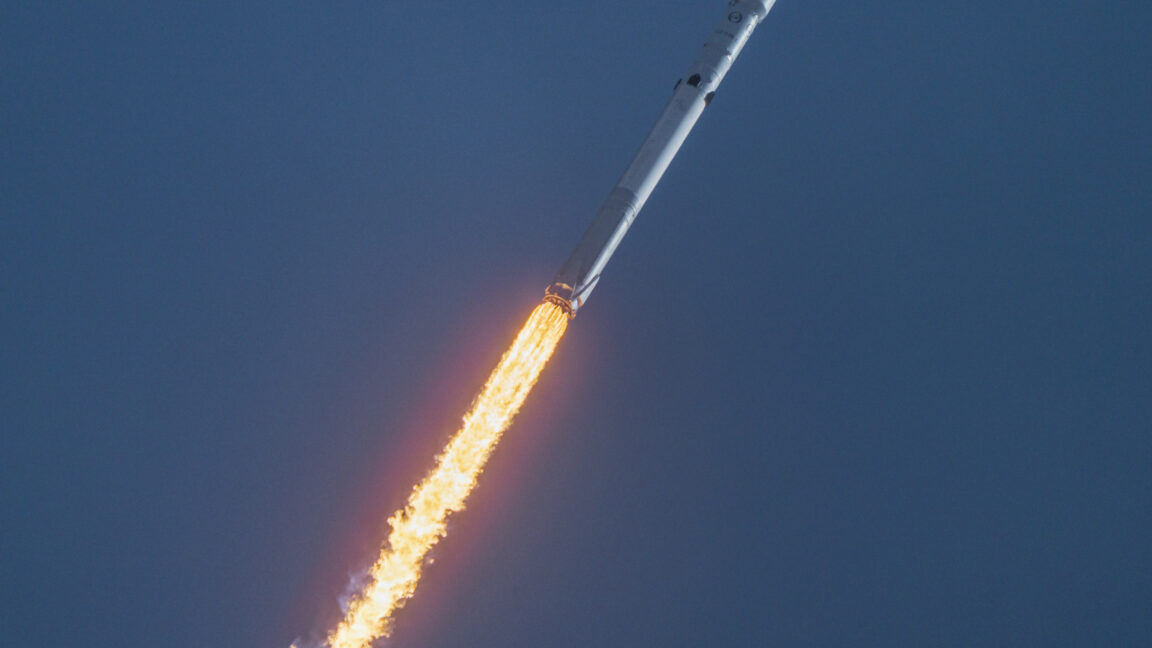
A little more than five years ago, a shiny white Falcon 9 rocket made its debut flight, boosting a Cargo Dragon spacecraft to the International Space Station. Over the next year, it would launch a pair of astronaut missions and a handful of commercial spacecraft.
But since then, this first stage booster, designated B 1067, has mostly flown Starlink missions. It has launched them one after another, always returning safely to a drone ship before undergoing refurbishment and flying again. Sometimes it has flown twice in a single month.
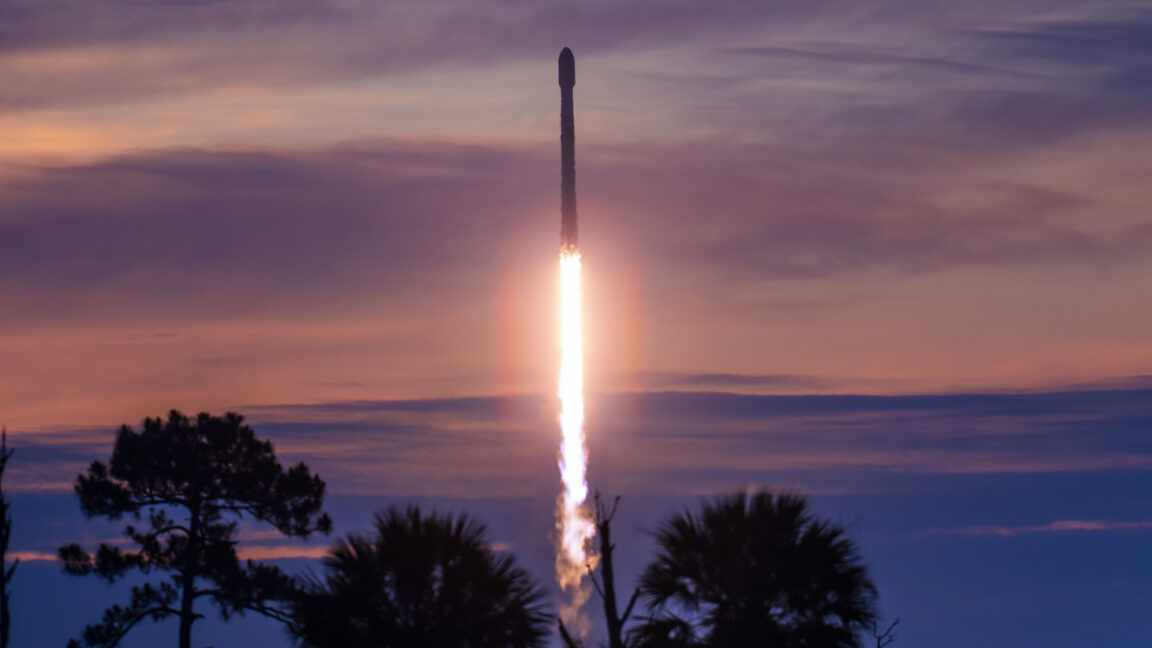
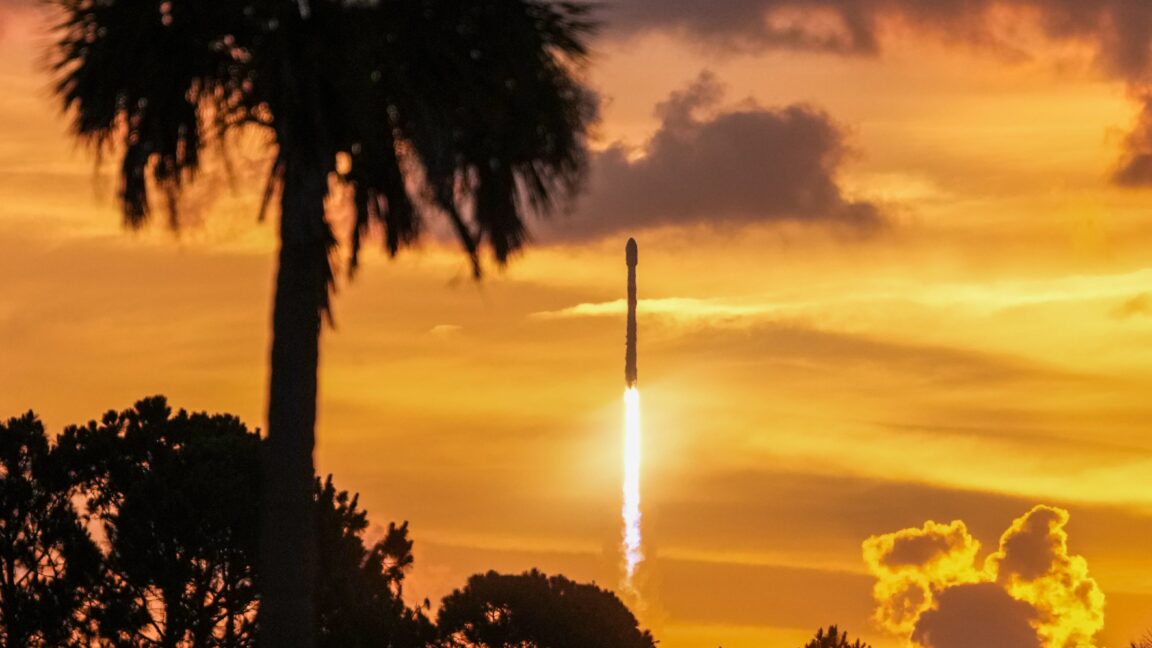
On Monday morning, B 1067 once again took to the skies, launching 29 Starlink Internet satellites into low-Earth orbit from Florida. Upon landing on the A Shortfall of Gravitas drone ship in the Atlantic Ocean, the vehicle completed its 35th mission overall, retaining its title as fleet leader for SpaceX.
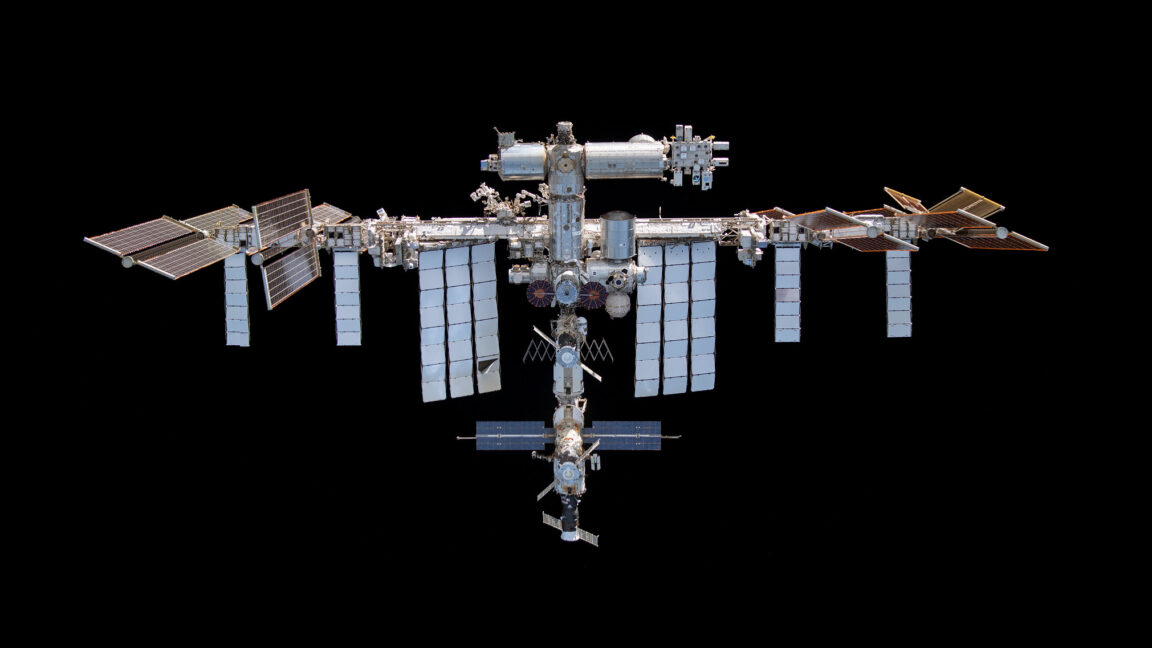
Five of the seven crew members on the International Space Station briefly sought refuge inside a SpaceX return capsule Friday morning as two Russian cosmonauts worked on an air leak on the other end of the complex.
NASA ordered US astronauts Jessica Meir and Jack Hathaway, French astronaut Sophie Adenot, and Russian cosmonaut Andrey Fedyaev into SpaceX's Crew Dragon Freedom spacecraft around 9 am EST (14:00 UTC) on Friday. The foursome launched aboard the SpaceX crew capsule on the Crew-12 mission in February, and the ship serves as their lifeboat until the crew's scheduled return to Earth in September.
NASA astronaut Chris Williams, who flew to the station in a Russian Soyuz ferry ship, joined the Crew-12 astronauts inside the Dragon spacecraft.
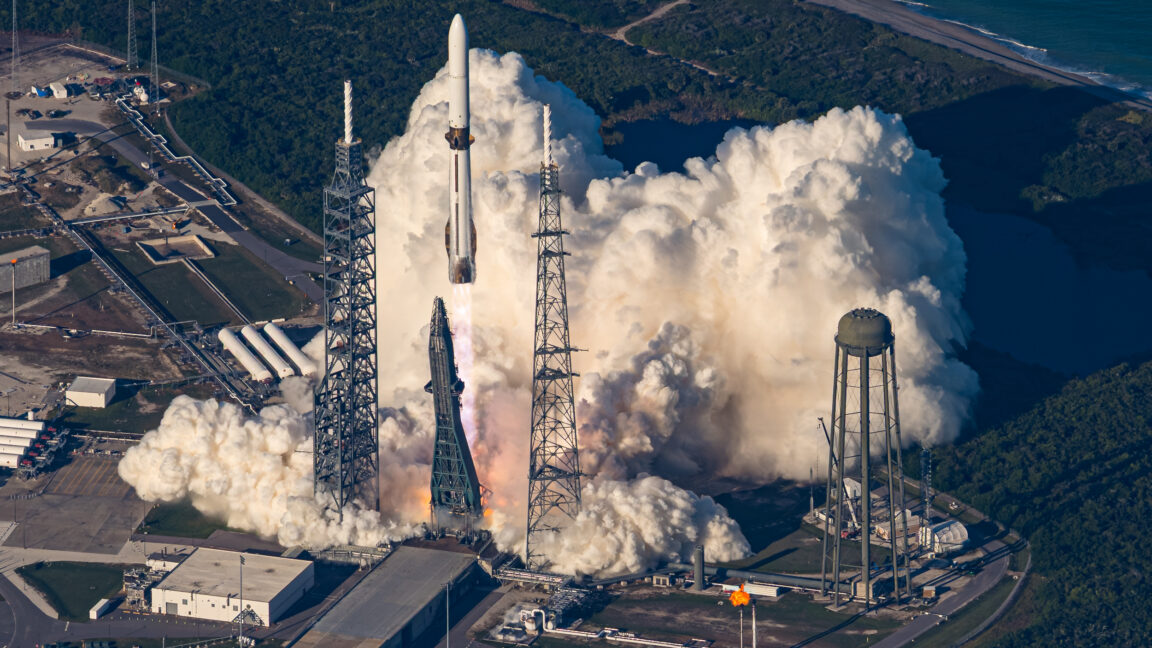
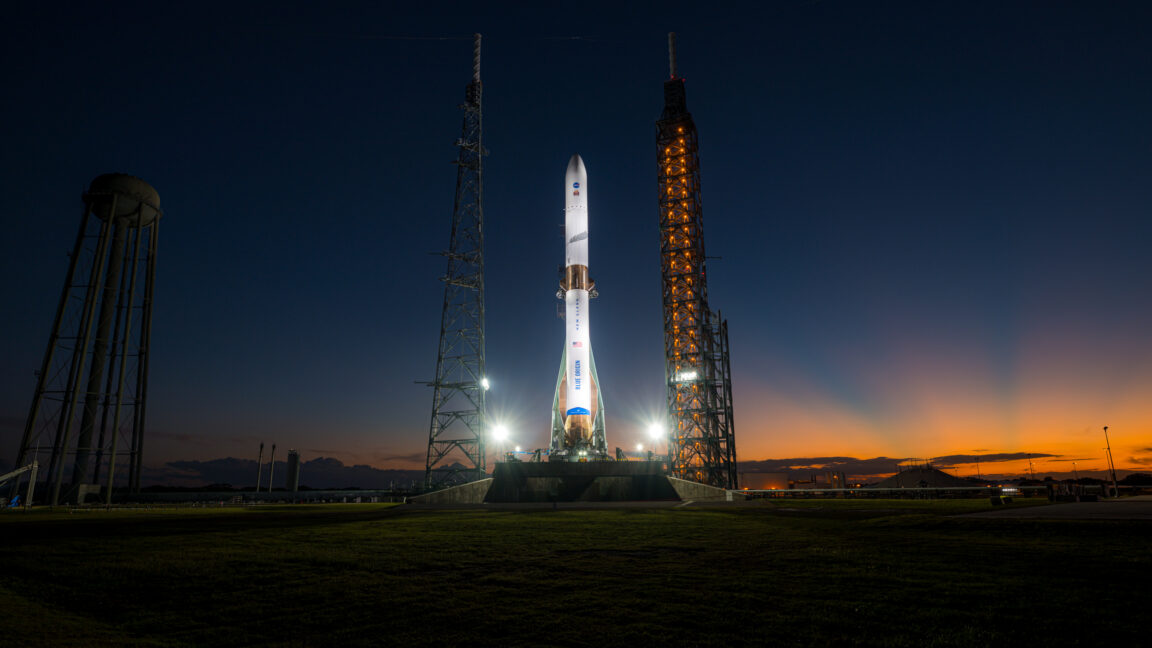
Welcome to Edition 8.44 of the Rocket Report! The news this week is decidedly weighted in favor of heavy-lift rockets, largely due to the fallout from last Thursday's explosion of Blue Origin's New Glenn on its launch pad in Florida. Blue Origin aims to resume launches at the badly damaged launch facility by the end of the year, but there's good reason to be skeptical of this timeline. With New Glenn grounded, will Blue Origin founder Jeff Bezos approach Elon Musk's SpaceX to launch his Blue Moon lander to the lunar south pole? It sure sounds like NASA is pushing for that.
As always, we welcome reader submissions. If you don't want to miss an issue, please subscribe using the box below (the form will not appear on AMP-enabled versions of the site). Each report will include information on small-, medium-, and heavy-lift rockets, as well as a quick look ahead at the next three launches on the calendar.
Spaceport development moves forward in Canada. There's been a lot of talk about the Canadian government's recent commitment to invest in a sovereign launch capability. There was the announcement last year of a federal budget of 182.6 million Canadian dollars ($131 million) over three years to establish a sovereign launch program. In March, the government said it would lease a dedicated launch pad at a commercially developed spaceport in Nova Scotia for national defense purposes, committing 200 million Canadian dollars ($144 million) to the deal. The agreement is a boon for Maritime Launch Services, which is developing Spaceport Nova Scotia after years of slow progress at the coastal site, SpaceQ reports.
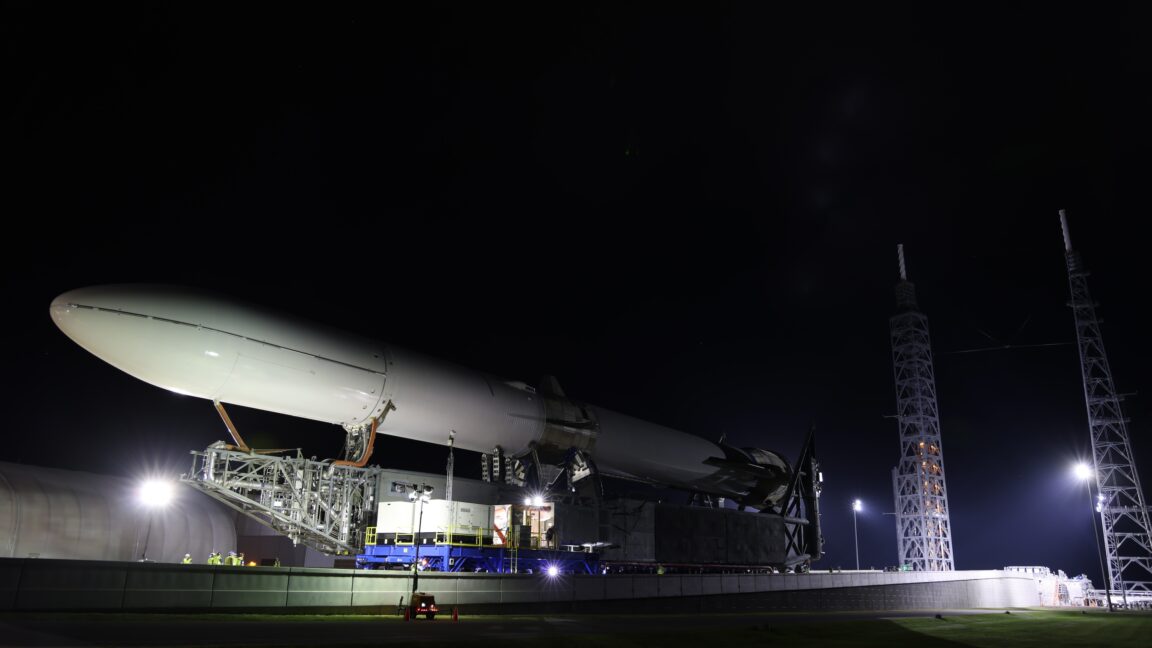
Last week's explosion of a New Glenn rocket at Cape Canaveral, Florida, was clearly a setback for Blue Origin and NASA, but it was a learning experience for safety officials looking to open up the spaceport to hundreds more launches per year.
The launch base on Florida's Space Coast is gearing up for a flurry of new arrivals. SpaceX is building multiple launch pads for its super-heavy Starship rocket, which will operate within a few miles of launch pads operated by SpaceX rivals Blue Origin and United Launch Alliance. Two other companies, Stoke Space and Relativity Space, are also developing launch sites along a narrow stretch of coastline at Cape Canaveral Space Force Station.
All of them have, or will soon have, rockets burning methane or liquified natural gas, replacing legacy launch vehicles fueled by kerosene, liquid hydrogen, or solid propellants. There are good technical reasons for making the switch, but until last week, engineers had scant real-world data on the damage that millions of pounds of methane and liquid oxygen would cause if a fully loaded rocket exploded on the launch pad or soon after liftoff.
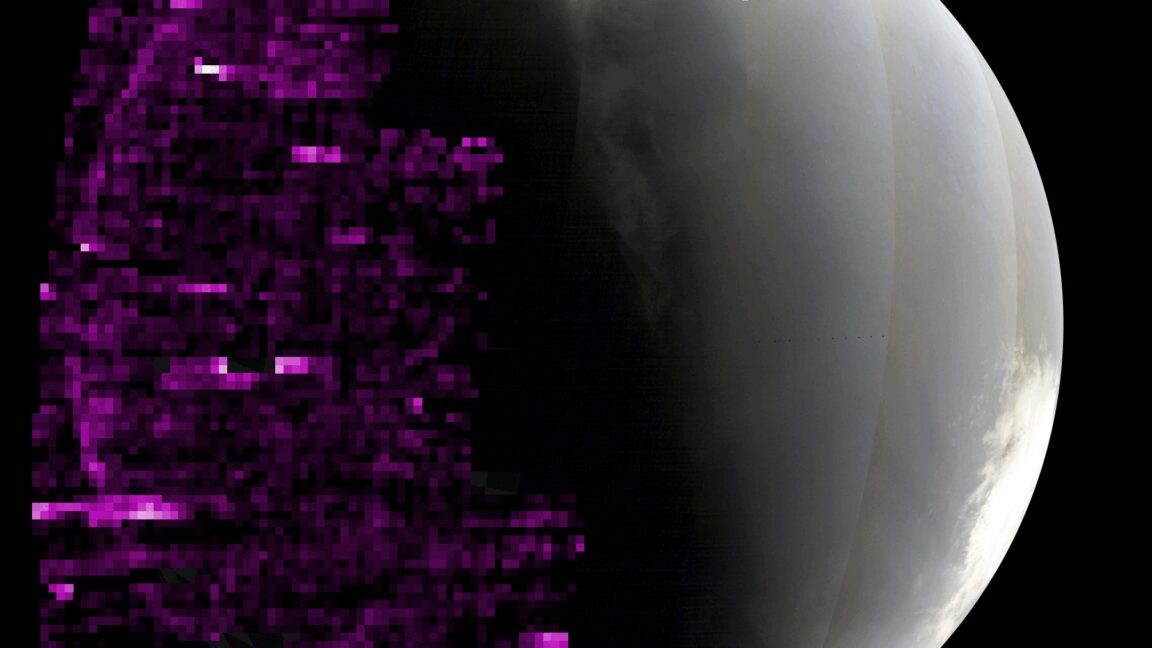
NASA's MAVEN spacecraft was in excellent shape when it disappeared behind Mars on December 6 of last year. The routine passage, called an occultation, was supposed to last less than an hour, but ground teams didn't hear from the spacecraft when it was supposed to regain contact with Earth.
The loss of communication triggered contingency plans for engineers to try to restore a link with MAVEN, which orbits Mars more than 200 million miles from Earth. To no avail, they listened for faint signals and uplinked commands in the blind. Hopes of saving the mission faded over time, and NASA officials announced Wednesday that they're giving up on it.
"NASA has ceased efforts to search for the MAVEN spacecraft and are beginning activities to decommission the mission," said Mike Moreau, MAVEN's project manager at NASA's Goddard Space Flight Center in Maryland.
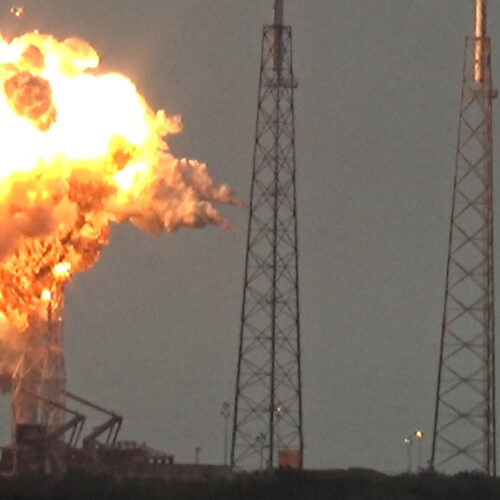
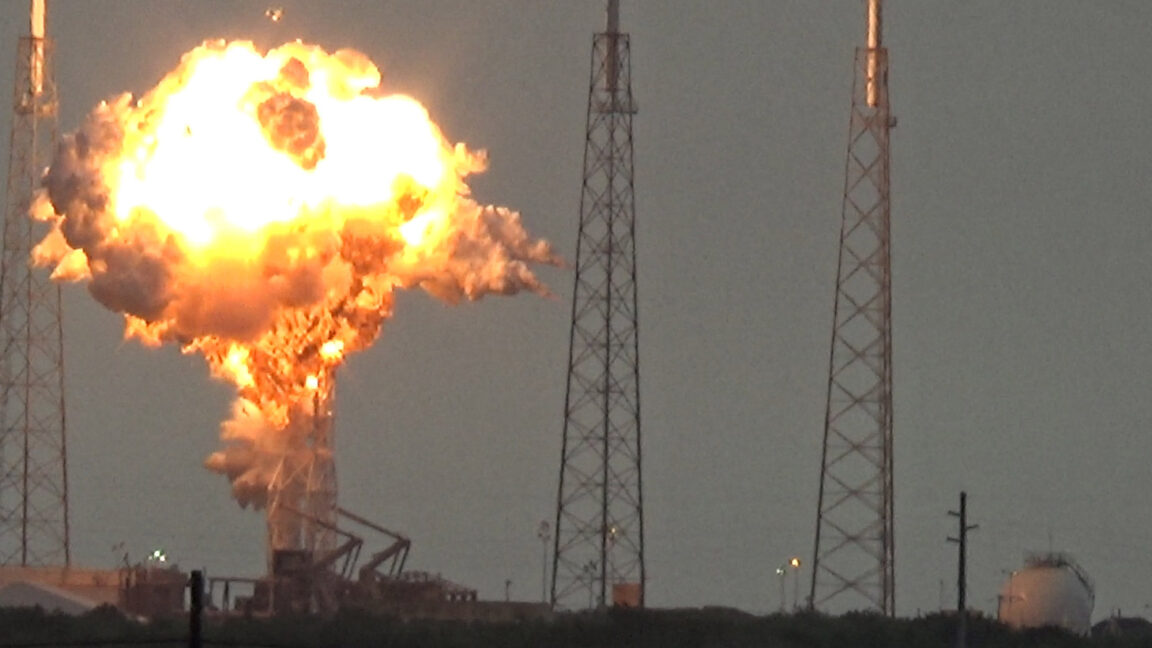
A former NASA engineer named John Muratore sat on console as launch director in early September 2016 as propellant flowed onto a Falcon 9 rocket in Florida. Ahead of a planned launch two days later, SpaceX was preparing for a static fire test of the vehicle.
Then, all of a sudden, the rocket exploded. "It came out of nowhere, and it was really violent," Muratore said. This fireball resulted in the destruction of the rocket, much of its launch site, and the AMOS-6 satellite already attached to the vehicle.
Nearly a decade later, on May 28, Blue Origin conducted a static fire test of a new rocket, with its larger New Glenn vehicle a few miles down the Florida coast. The company had gotten further into its test, reaching engine ignition, before its rocket also exploded.
The race to field China's first reusable launch vehicle is far less predictable than a similar competition that played out in the United States a decade ago.
There was never any real question of which company would develop and demonstrate the first reusable orbital-class rocket in the United States. SpaceX landed a Falcon 9 booster for the first time in 2015, and a little more than a year later, it launched it back into space. It took nearly 10 years for anyone else to do the same. Blue Origin celebrated its first orbital-class booster landing last November with the successful recovery of one of its New Glenn boosters, followed by a relaunch of the same rocket in April.
In China, several companies and state-owned enterprises have a realistic shot at landing an orbital-class booster stage this year. For a time, it seemed like China's new crop of privately funded launch companies might have the advantage in accomplishing the first landing of an orbital-class booster. But Monday's launch of China's Long March 12B rocket, backed by the nearly unrestricted resources of the country's vast state-owned aerospace enterprise, suggests the industry's legacy players may now have a leg up.
The chief executive of Blue Origin, whose large New Glenn rocket exploded spectacularly less than a week ago at the company's launch site in Florida, vowed Monday night that the company would launch again before the end of 2026.
Writing on the social media site X, Blue Origin's Dave Limp said the company had been able to complete a preliminary survey of the LC-36A launch site.
"Now that we’ve had access to the pad and integration facility, we can share a bit of good news," Limp said. "The propellant farm, oxygen, liquid hydrogen and LNG tanks are all in good shape. This is good luck because these are very long lead items. The water tower is also good."
Getting around space, as it turns out, is kind of a big deal.
On Tuesday, Impulse Space, a company dedicated to improving space mobility, announced it has raised $500 million in Series D funding. Since it was founded five years ago by SpaceX veteran Tom Mueller, the company has now raised more than $1 billion.
"Timing is everything," Mueller said in an interview about the new round of funding. By this, he means the company has found its way into a lot of markets.
Forty years ago, the future seemed just around the corner—and the vehicle that was going to take us there was NASA's Space Shuttle. Originally envisioned as part of a larger integrated space transportation system, the shuttle was billed as a fully reusable vehicle, totally unlike the one-and-done capsules of the fading Apollo era, capable of making monthly (and perhaps even weekly) ferry flights to low Earth orbit.
The loss of Challenger in January 1986—carrying educator Christa McAuliffe, who would have been the first private citizen in space—put the kibosh on all of that. The shuttle, while fantastically advanced, would never be the vehicle to help humankind slip all of our surly bonds, so to speak. Even operating at its most frantic peak in 1985 just before Challenger's loss, the shuttle hardware managed a maximum of nine flights in one calendar year; for most of the 1990s, it performed at five or six flights per year. Civilians in space—to say nothing of Big Bird—would have to wait.
Welcome to Edition 8.43 of the Rocket Report! A disclaimer: No one yet fully appreciates the ramifications of Blue Origin's New Glenn rocket explosion Thursday night on its launch pad at Cape Canaveral, Florida. What we know as of this writing is that much of Blue's sole orbital-class launch pad has been destroyed, and the New Glenn rocket will be grounded for an extended period of time. It is too soon for any hot takes, at least until the Sun rises at the Cape on Friday morning. One thing I am sure of is that we will be writing about this event for weeks, months, and years to come.
As always, we welcome reader submissions. If you don't want to miss an issue, please subscribe using the box below (the form will not appear on AMP-enabled versions of the site). Each report will include information on small-, medium-, and heavy-lift rockets, as well as a quick look ahead at the next three launches on the calendar.
Charting China's contribution to space junk. There's a problem with the drastic uptick in Chinese space launches over the last decade. China appears to be ignoring long-established norms about disposing of the upper stages of rockets, Ars reports. These are the parts of the vehicle that separate from the first stage of a rocket and push a satellite or spacecraft into orbit. In the early decades of spaceflight, launch operators routinely left upper stages in orbit after they released their payloads. But most launch companies today reserve enough propellant in their rockets to remove them from orbit to avoid the risk of spent upper stages becoming a source of space debris. But China is not following this trend. There has been striking growth in China’s rocket body mass. In the past five years, the mass of Chinese rocket bodies in long-lived orbits has risen from less than 100 metric tons to 252, according to a new analysis by Space Domain Awareness expert Jim Shell.
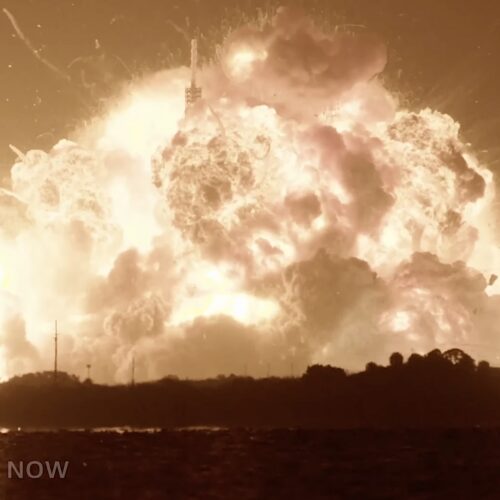
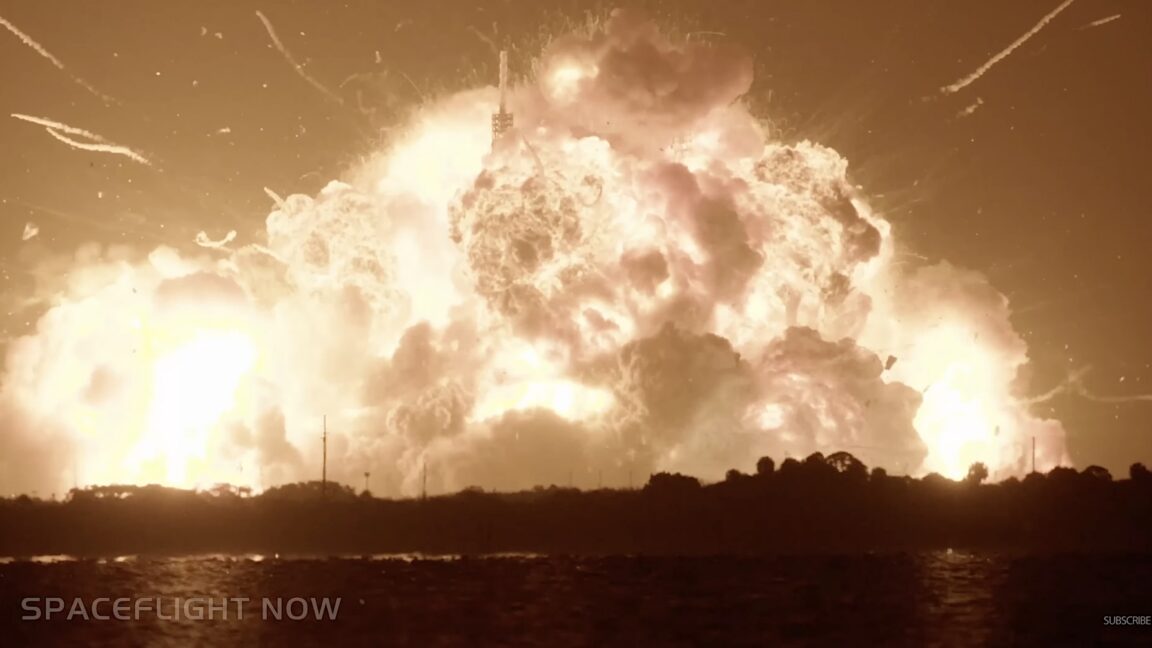
Thursday night's detonation of Blue Origin's New Glenn rocket during a static-fire test produced a spectacular fireball over Florida, sending shards of the rocket flying far and wide, into the sea and across the coastal scrubland nearby.
With sunrise on Friday teams from Blue Origin, the US Space Force, and NASA will be able to begin more thoroughly assessing the damage to Blue Origin's facilities and begin picking up pieces of the rocket.
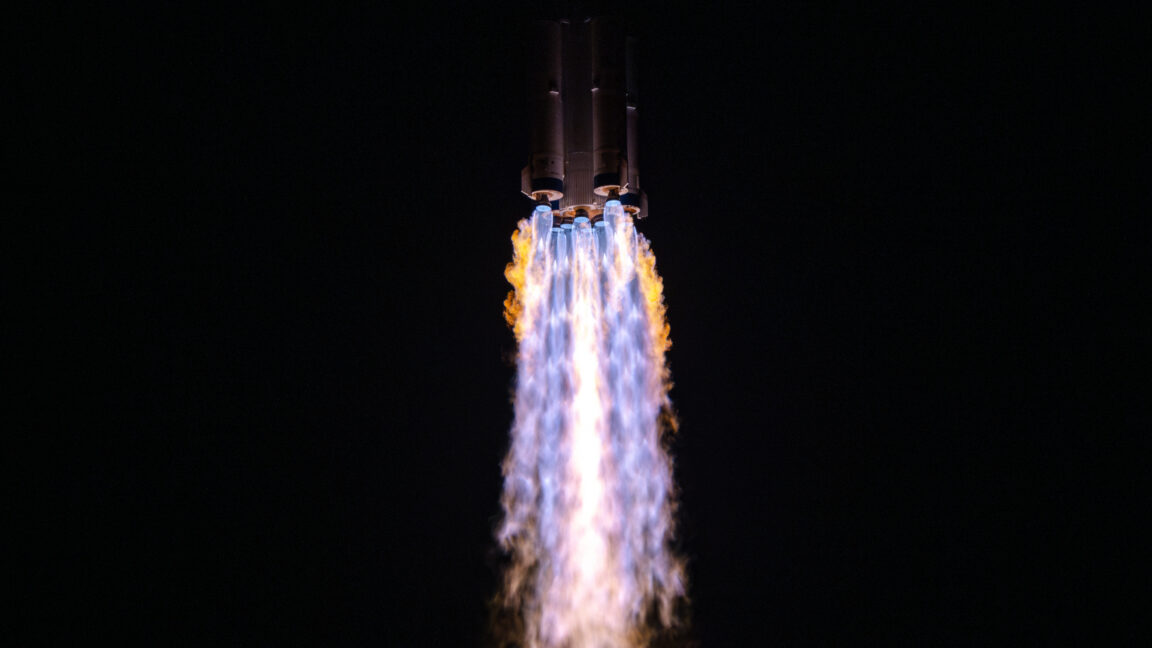
On Thursday evening, Blue Origin attempted to test fire its massive New Glenn rocket at its Florida launch site, but something went very wrong after engine ignition. The super heavy lift rocket exploded in spectacular and disastrous fashion.
The static fire test was being filmed by NASASpaceflight.com on its Space Coast Live feed, which captured video of the conflagration that followed the destruction of the booster. The first stage of New Glenn, fueled with methane, produced a massive fireball above the launch site along the Florida coast, LC-36A. It is possibly the most dramatic and powerful rocket explosion since the Soviet Union's N1 rocket was destroyed during a launch attempt in 1969.
It was less than two months ago that the third flight of Blue Origin's heavy-lift New Glenn rocket left a customer's payload in an unusable orbit. Investigators have now identified the cause of the failure, and Blue Origin is preparing to launch the next New Glenn mission as soon as next week.
The Federal Aviation Administration and Blue Origin announced the closure of the failure investigation May 22. Yesterday, officials confirmed Blue Origin's next launch will loft a payload of 48 commercial satellites for Amazon's broadband network in low-Earth orbit. This will be the most satellites Amazon has launched on a single rocket, surpassing previous flights on United Launch Alliance's Atlas V, SpaceX's Falcon 9, and Europe's Ariane 6.
Blue Origin and Amazon, each founded by Jeff Bezos, have not officially revealed a target launch date, but public notices of airspace and maritime closures suggest the mission is set to lift off from Cape Canaveral Space Force Station, Florida, as soon as next Thursday, June 4. Blue Origin is expected to roll the New Glenn rocket to its launch pad in the coming days for a test-firing of its seven main engines, fueled by liquified natural gas and liquid oxygen.
NASA satellites designed to observe cyclone wind speeds and collapsing ice sheets have also proven capable of identifying the approximate locations of GPS jammers. That could help monitor high-risk areas for aircraft and ships navigating the growing prevalence of GPS interference worldwide.
Two different NASA satellite systems showed how they could locate a known but mysterious GPS jammer within several kilometers of its position in Iran, according to an experiment by Sean Gorman, CEO and cofounder of the location-based technology company Zephr.xyz that was detailed in the magazine GPS World. Such jammers use strong signals to overpower the weaker radio signals coming from US-operated GPS satellites and other global navigation satellite systems.
Such NASA satellites cannot perform “near-real time monitoring” or pinpoint the exact location of GPS jammers, said Clara Chew, principal scientist and lead of the GNSS systems and data team at the California-based satellite manufacturer Muon Space, who was not involved in the study. But Chew told Ars that identifying the approximate locations of GPS jammers “could potentially be helpful for flight planning” or for “indicating high risk areas for maritime shipping.”

 Login