❌

Reading view

The Roman telescope has enough gas for 22 years, double NASA's expectations

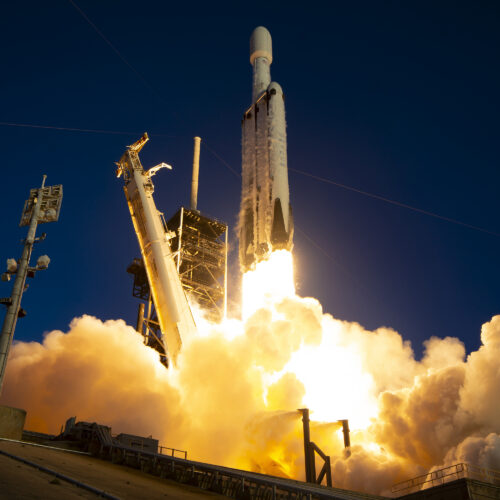
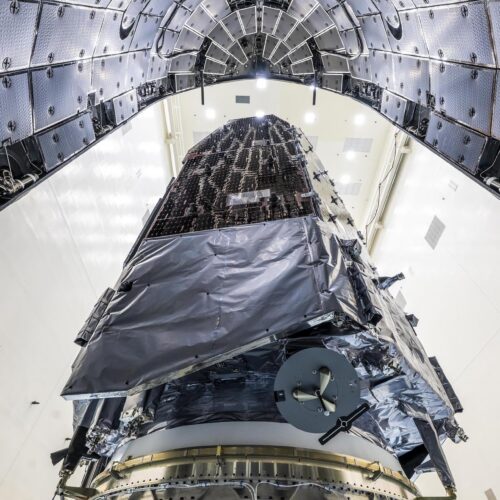
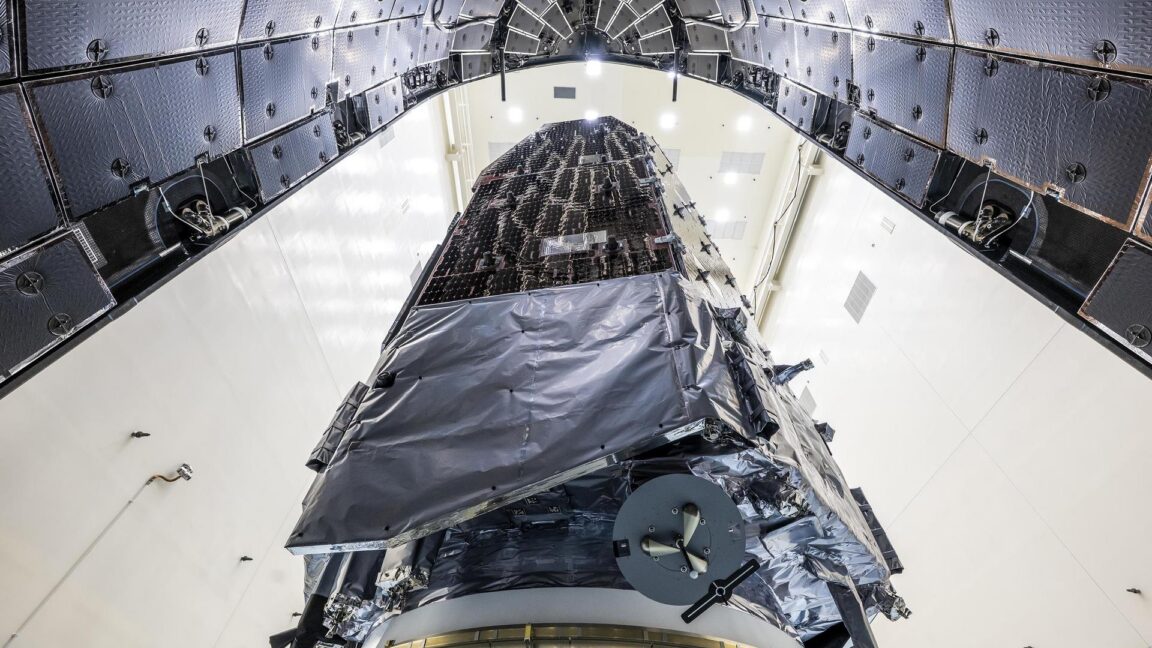
NASA's Nancy Grace Roman Space Telescope is gliding toward its distant observation post on a pinpoint trajectory so precise that engineers estimate the spacecraft's fuel load will last twice as long as their initial expectations, the space agency confirmed Monday.

The $4.3 billion observatory's designers originally planned to load enough propellant into Roman's four fuel tanks for a minimum lifetime of five years, plus a potential five-year mission extension. That was a conservative estimate. NASA officials knew an on-target launch and perfect execution of the observatory's first post-launch course correction maneuver would leave Roman with a hearty fuel reserve.

"As a result of exquisite planning by our orbital dynamics team, brilliant execution by the operations team, and a precise launch from SpaceX, Roman has fuel for at least 22 years of potential science operations," Jamie Dunn, center director at NASA's Goddard Space Flight Center, said in a press release.
Read full article

Comments

© SpaceX
  •  

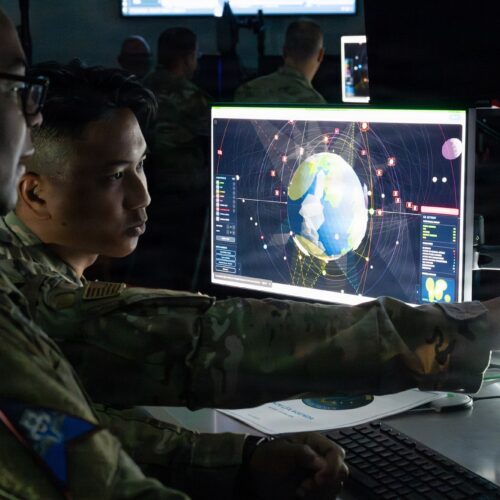
For the first time, the US military confirms it has deployed weapons in orbit

Air Force Secretary Troy Meink made the first public declaration Monday that the United States has placed "space control weapons" in orbit, an announcement that will surely reverberate in the power centers of Beijing and Moscow.

Space Force officials have previously expressed their interest in acquiring space-based weapons, and Pentagon leaders have become more open to discussing space warfare in recent years. Therefore, Meink's announcement Monday at the Air and Space Forces Association's annual Air, Space & Cyber Conference near Washington, DC, was not entirely unexpected.

“Today, we continue to ensure we remain ready to meet the challenges of evolving threats, wherever they exist. This is why the United States now has on-orbit space control weapons capable of defending the joint force against hostile adversary action,” Meink said in prepared remarks.

Read full article

Comments

© US Space Force/David Dozoretz

  •  

Some satellite companies still have an appetite for boutique launch services

If you ask most satellite companies aside from SpaceX, they will tell you the world doesn't have enough capacity for launching payloads into orbit. This is despite the blistering launch cadence we've seen around the world in recent years, led by SpaceX's Falcon 9 rocket.

Customers in any sector will, of course, usually welcome competition. Theoretically, competition will lead to lower prices and allow the best to rise to the top. It seems like the customers buying launch services were right. SpaceX is dialing back its Falcon 9 launch program, and there is no certainty about when SpaceX's reusable next-generation super-heavy-lift rocket, Starship, will carry anything to orbit besides the company's own Starlink satellites.

So it's no surprise satellite operators are cheering the success of a new launch provider. This was especially the case a few days ago, when Germany's Isar Aerospace reached orbit for the first time with its Spectrum rocket. The launcher delivered a batch of CubeSats to low-Earth orbit from a spaceport in northern Norway, and Isar tasted success after its first test flight ended in failure last year.

Read full article

Comments

© Isar Aerospace

  •  

Could United Launch Alliance's money problems finally force its owners to sell?

Pretty much every rocket company in the United States, save one, has embraced two fundamental tenets: reusability and diversification.

Most famously, SpaceX branched out from reusable rockets to pursue and dominate a growing spectrum of space services: cargo delivery, human spaceflight, satellite production, broadband, and, perhaps soon, orbital data centers and in-space manufacturing. Blue Origin is evolving from a pure rocket company into a satellite manufacturer, robotics developer, and, most recently, a potential competitor for SpaceX's Starlink network.

Rocket Lab used a different approach to diversify after achieving success with its small Electron launch vehicle. The company relocated its headquarters from New Zealand to Southern California, started building spacecraft and payloads, and then went on a spree of corporate acquisitions to expand into satellite communications and take on a new role as a merchant supplier of satellite components and sensors. It's now in a stage of advanced development of its partially reusable next-generation Neutron launch vehicle.

Read full article

Comments

© United Launch Alliance

  •  

Europe will go it alone on Venus mission after NASA yanks radar instrument

The European Space Agency is moving "full steam ahead" with development of a robotic mission to Venus after NASA officials determined they were unlikely to fulfill a commitment to provide a US-built radar instrument for the spacecraft, the mission's project scientist said.

The European orbiter, named Envision, will map the Venusian surface at 10 times higher resolution than the last radar mission sent to Venus by NASA in the 1990s. The planet is enshrouded in a blanket of thick clouds of sulfuric acid, rendering its mysterious surface unseen by optical cameras in orbit. Radar is the most effective way to penetrate the clouds of Venus to reveal the terrain below, and scientists will use Envision to look for signs of active volcanism.

NASA and ESA signed a memorandum of understanding in 2024 outlining their partnership on Envision. NASA agreed to supply a US-made synthetic aperture radar instrument, Envision's primary means of mapping the surface of Venus, along with providing tracking and communications support through NASA's Deep Space Network. In exchange, ESA would include US researchers on Envision's science team. Europe would build the Envision spacecraft and the rest of its science instruments and provide the launch on an Ariane 6 rocket.

Read full article

Comments

© ESA/Paris Observatory/VR2Planets

  •  

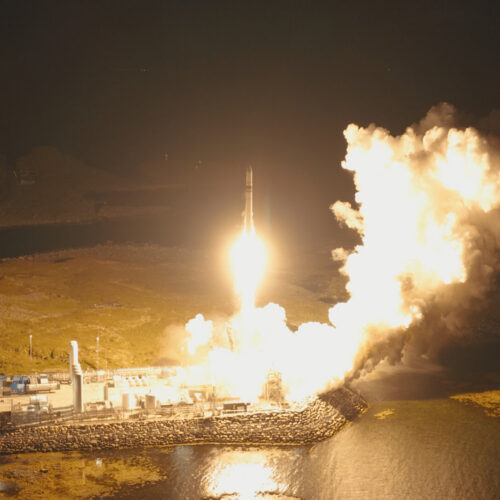
German company becomes first in Europe to launch fully commercial orbital rocket

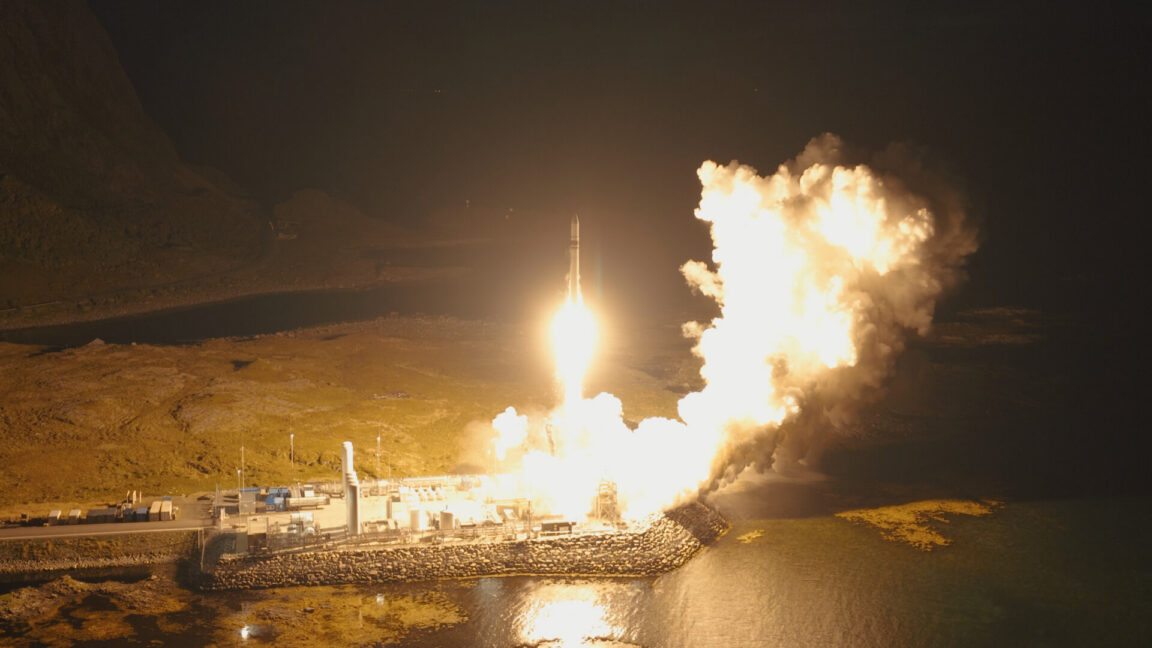
Isar Aerospace, founded in 2018 by three students at a German university, successfully launched a privately developed rocket into low-Earth orbit Saturday from a Norwegian spaceport inside the Arctic Circle.

The two-stage rocket, named Spectrum, became the first fully commercial launch vehicle in Europe to reach orbit. With Saturday's success, Isar is the clear leader among a pack of several European launch startups vying to inject some competition into Europe's stagnant launch market.

Isar's 92-foot-tall (28-meter) Spectrum rocket lifted off at 4:12 pm EST (20:12 UTC) Saturday from Andøya Spaceport in northern Norway, where it was 10:12 pm local time and the final bluish hues of daylight faded from the late summer sky. Seven minutes later, the rocket was in orbit.

Read full article

Comments

© Isar Aerospace

  •  

After 8 years, Europe's BepiColombo mission is on final approach to Mercury

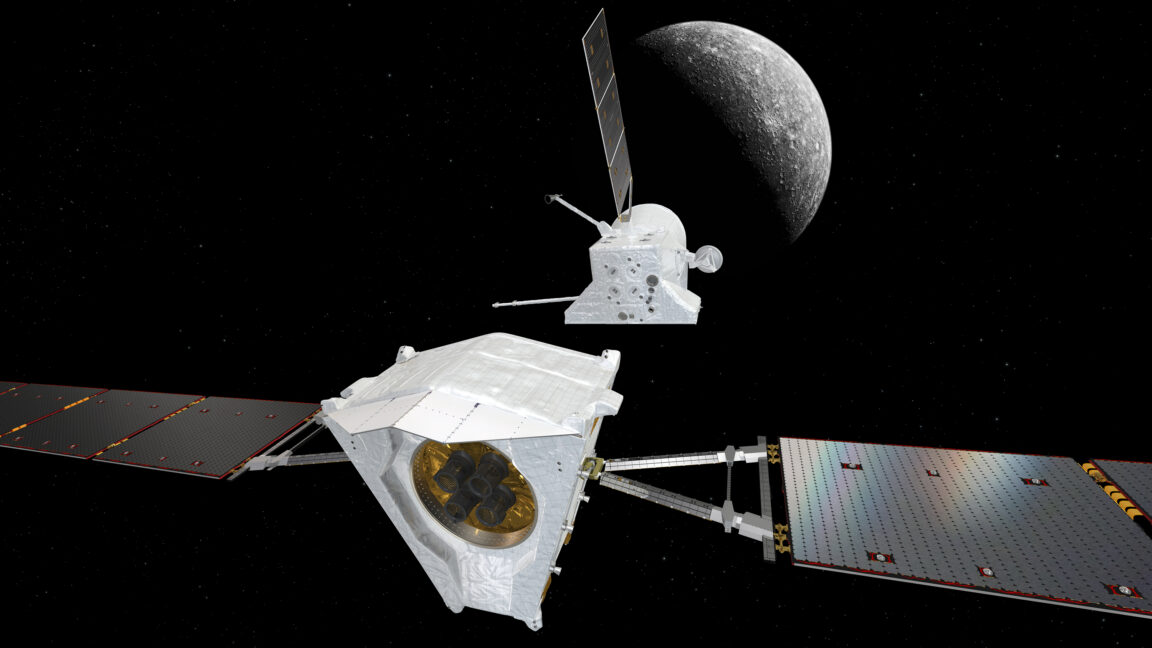
The BepiColombo mission cleared a major milestone this week in the final stretch of an eight-year interplanetary voyage to Mercury, the hard-to-reach, scorching hot iron world at the Solar System's innermost frontier.

The robotic science mission, with a price tag of nearly $2 billion, is led by the European Space Agency with contributions from Japan and the United States. Since its launch in 2018, BepiColombo has spiraled closer to the Sun using a combination of plasma propulsion and a series of flybys of Earth, Venus, and Mercury. The maneuvers changed the spacecraft's velocity and steered it toward a final encounter with Mercury later this year.

Next time it reaches Mercury, BepiColombo will be traveling at just the right speed for the planet's gravity to capture the spacecraft into orbit. Scientists working on interplanetary missions are accustomed to long waits for scientific payoffs. It took nearly 10 years for NASA's New Horizons spacecraft to travel from Earth to Pluto. It turns out traveling to fleet-footed Mercury and then entering orbit requires more energy, or delta-v, than sending a probe to fly by Pluto.

Read full article

Comments

© ESA/ATG medialab and NASA/JPL

  •  

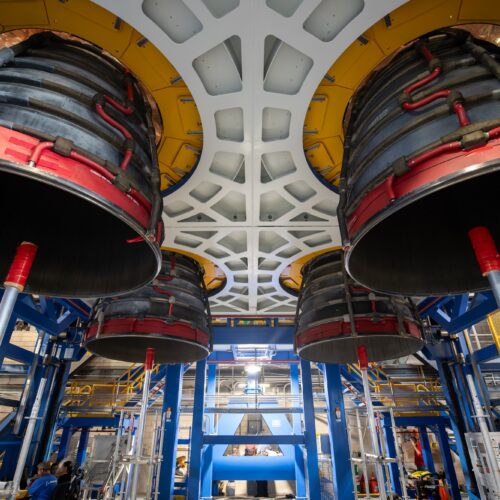
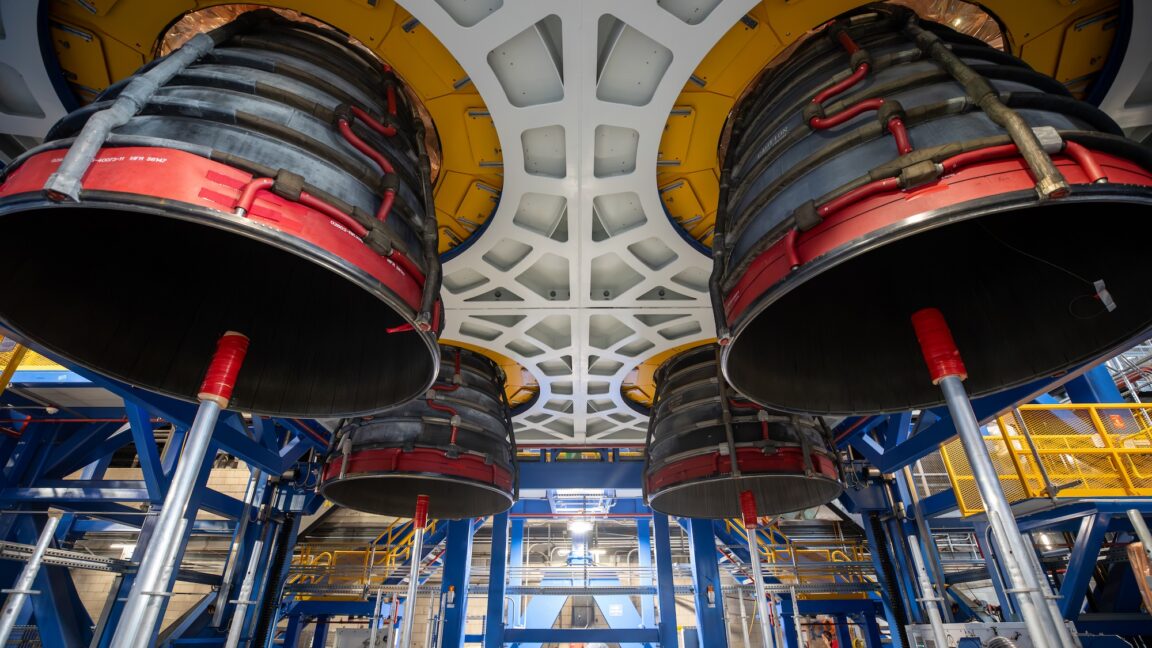
Rocket Report: Engines installed for Artemis III; Long March 6C breakup in LEO

Welcome to Edition 9.09 of the Rocket Report! This edition includes an update from Blue Origin on the groundbreaking of a new Payload Processing Facility in Florida. It has been about a month since the company offered any meaningful news on its heavy-lift New Glenn rocket, which remains grounded after an on-pad explosion at Cape Canaveral Space Force Station in May. The official line from Blue Origin is that the company is targeting a return to flight with New Glenn by the end of the year, but there's good reason for skepticism.

As always, we welcome reader submissions. If you don't want to miss an issue, please subscribe using the box below (the form will not appear on AMP-enabled versions of the site). Each report will include information on small-, medium-, and heavy-lift rockets, as well as a quick look ahead at the next three launches on the calendar.

Isar Aerospace is ready to try again. Isar Aerospace is about to make the next attempt to launch the Spectrum rocket into orbit, with a weeklong launch window set to open Friday at Andøya Spaceport in Norway, the Norwegian Broadcasting Corporation (NRK) reports. The German launch company aims to deliver several small CubeSats to orbit with the two-stage Spectrum rocket. A test flight of the privately funded launcher failed shortly after liftoff last year, and Isar has attempted to launch the second Spectrum rocket several times since January, only to be thwarted by technical problems and the unavailability of the launch range in northern Norway.

Read full article

Comments

© NASA/Clayton Rougelot

  •  

Is Russia's rival to Starlink failing? Here's what we know.

Russia's attempt to replicate SpaceX's Starlink satellite network seems to be moving as slowly as the front lines in eastern Ukraine.

The Rassvet program, often billed as Russia's answer to Starlink, started launching its first operational satellites earlier this year. Two launches, one in March and a second in July, have delivered 32 Rassvet satellites to low-Earth orbit, some 10 percent of the roughly 300 Rassvet spacecraft Russia aims to put into orbit by the end of next year to provide connectivity for military and civilian users. The company in charge of Rassvet, Bureau 1440, wants to deploy 924 satellites by 2035.

But none of the 32 satellites launched so far have reached the 500-mile (800-kilometer) orbit they were designed to operate in. The rockets that launched the first two batches of Rassvets released the satellites much closer to Earth, and the satellites were expected to use their own plasma engines to raise their orbits over the next few months.

Read full article

Comments

© Bureau 1440

  •  

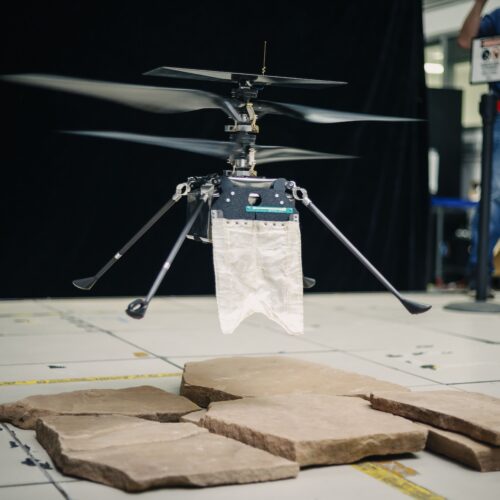
Without new landers or rovers, it's helicopters or bust for NASA's Mars program

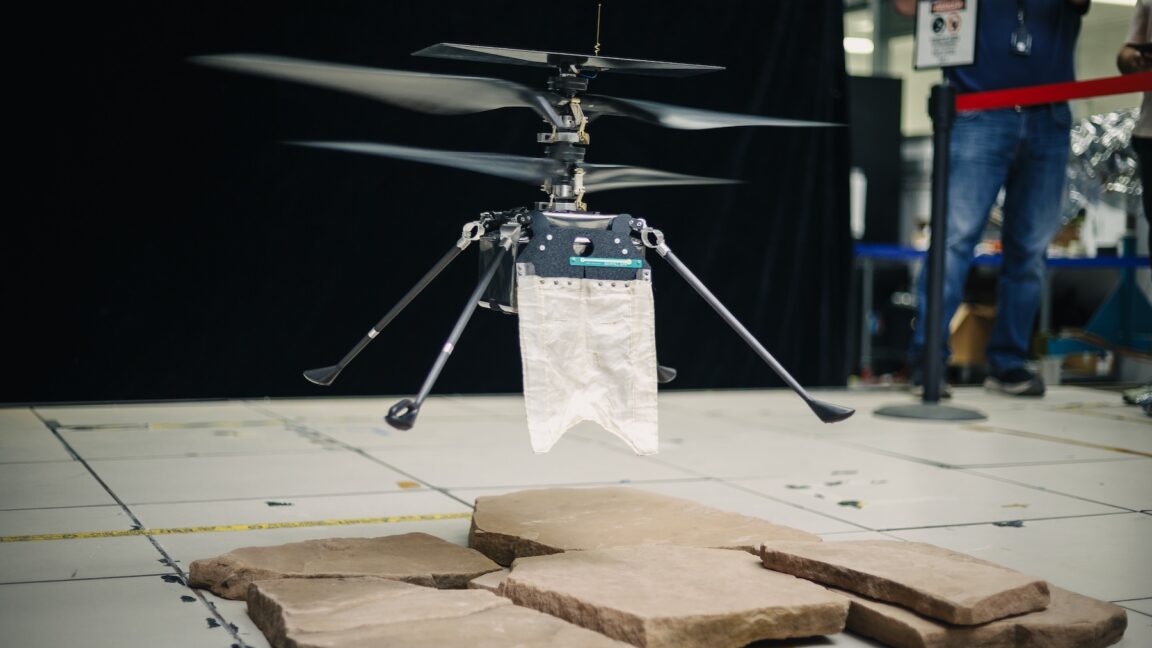
For the first time in more than 30 years, NASA has no firm plans to send any new landers or rovers to Mars. Instead, the agency's near-term focus at the red planet is on aerial drones, a pioneering mode of exploration that didn't seem realistic until a few years ago.

The first real use of drones for science at Mars will come with the SkyFall mission, a fleet of three helicopters set for launch as soon as late 2028. SkyFall's helicopters will ride to the red planet with NASA's Space Reactor-1 "Freedom" mission, which has the primary objective of demonstrating nuclear electric propulsion in deep space.

The launch schedule is aggressive for SR-1 Freedom and SkyFall, projects that didn't even exist in NASA's portfolio six months ago. NASA's plan for the SR-1 Freedom mission, estimated to cost $2.1 billion, calls for repurposing the core module of the canceled Gateway lunar space station into a testbed for nuclear electric propulsion. SkyFall will build on NASA's success with the Ingenuity helicopter, an experimental vehicle that became the first rotorcraft to fly on another world in 2021.

Read full article

Comments

© AeroVironment

  •  

NASA's next "great observatory" begins mission to widen our view of the Universe

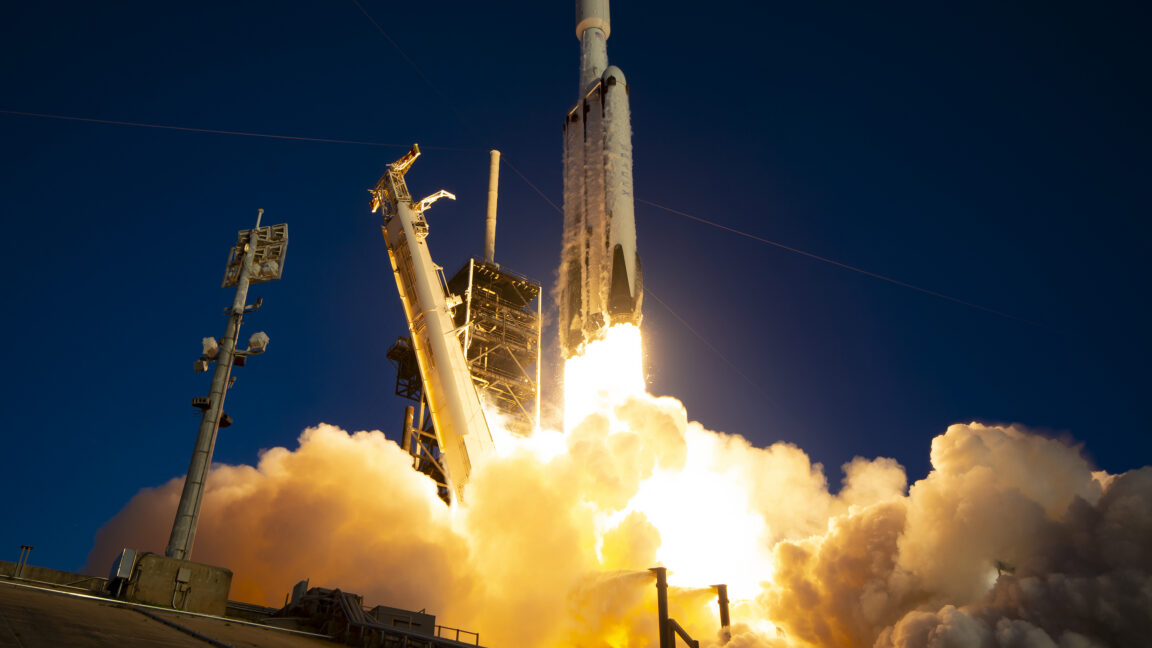
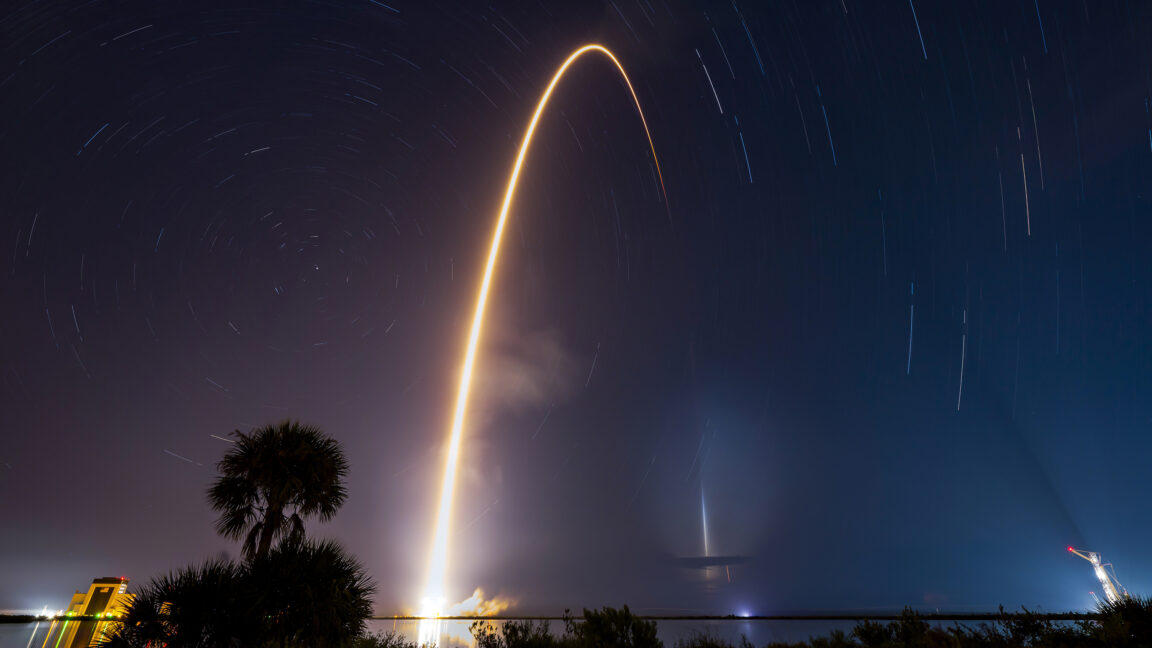
NASA's $4.3 billion Nancy Grace Roman Space Telescope, equipped with a 300-megapixel camera sighted through a refurbished spy mirror, launched Sunday from Kennedy Space Center in Florida on a mission to reveal the mysterious forces driving the Universe.

The new mission will extend the vision of NASA's other famous observatories, providing a field of view 100 times wider than the Hubble Space Telescope and complementing the groundbreaking work of the James Webb Space Telescope. Roman is just the second NASA-led astrophysics mission to launch this century, following the launch of Webb in 2021.

Unlike Webb, which suffered many years of delays before reaching space, Roman arrived at the launch pad nine months before NASA's commitment to send it skyward by May 2027.

Read full article

Comments

© SpaceX
  •  

The world's busiest spaceport is about to get a lot quieter, at least for now

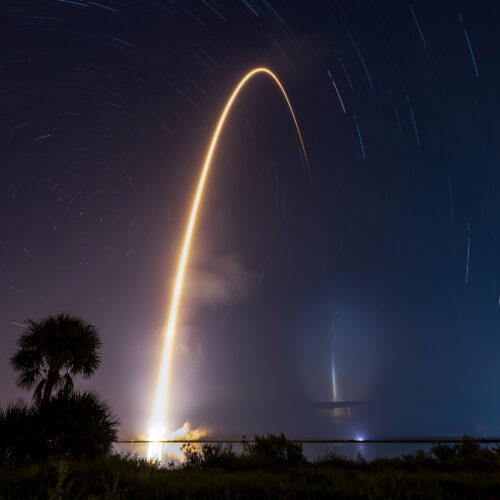
SpaceX made Florida's Space Coast home to the world's busiest spaceport for a decade, but that will change this year. The company is significantly cutting the number of launches from Florida until Starship arrives, a senior SpaceX official confirmed Tuesday.

The Falcon 9 rocket has been SpaceX's workhorse, routinely launching batches of satellites for the company's Starlink network, primarily from launch pads at Cape Canaveral Space Force Station and NASA's Kennedy Space Center in Florida. There were 165 Falcon 9 launches last year—about three flights per week—and about 75 percent of them carried Starlink satellites.

This year is different. SpaceX has launched more missions from its West Coast launch pad at Vandenberg Space Force Base in California since January, and this trend will amplify for the rest of the year.

Read full article

Comments

© SpaceX
  •  

Here's how engineers plan to save the satellite sent to save NASA's Swift mission

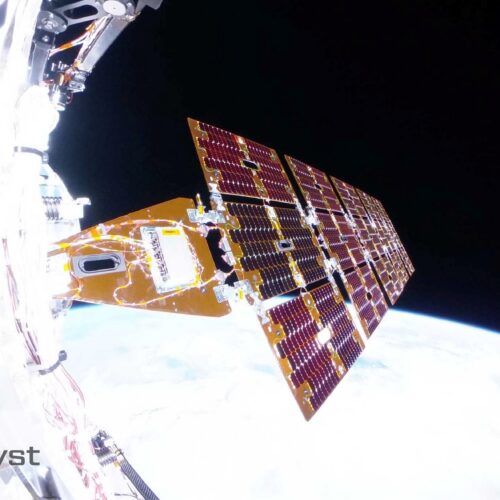
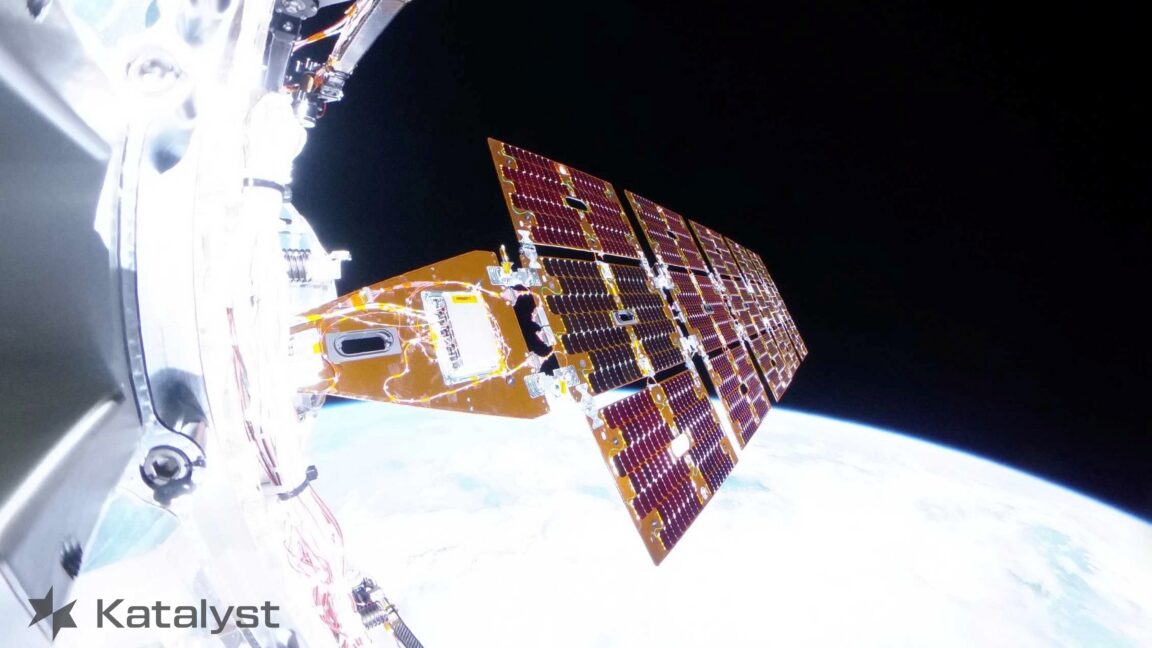
One week ago, more than 200 miles above the Earth, a refrigerator-size satellite making its way toward an attempted rescue of NASA's $500 million Swift gamma-ray observatory suddenly spun out of control.

It didn't look good. The spacecraft, named Link, was rotating on multiple axes, rendering it unable to maintain a reliable communications link with the ground and complicating efforts to arrest the spin. Two of the satellite's three reaction wheels, used for pointing, also stopped working. Through sporadic radio contact, engineers discovered a problem with some of the spacecraft's cold gas thrusters used for finer attitude control.

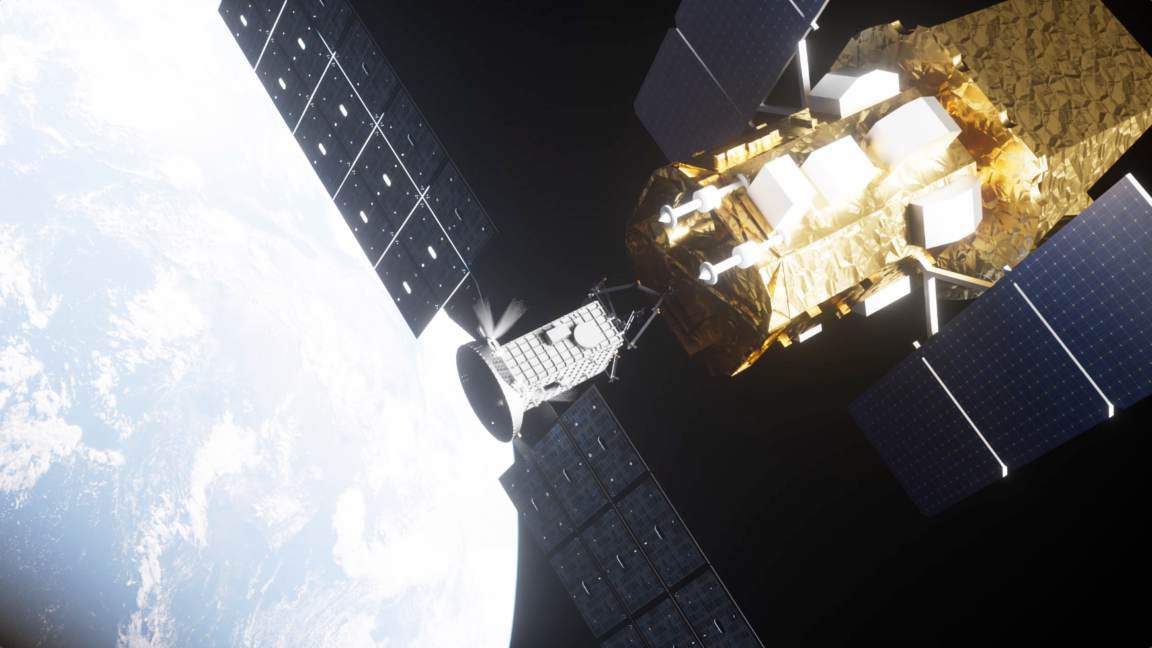
The Link satellite is built, owned, and operated by Katalyst Space Technologies, a satellite servicing startup that won a $30 million contract from NASA to fly up to the Swift observatory, grab onto it, and boost its orbit before succumbing to aerodynamic drag and burning up in the atmosphere.

Read full article

Comments

© NASA

  •  

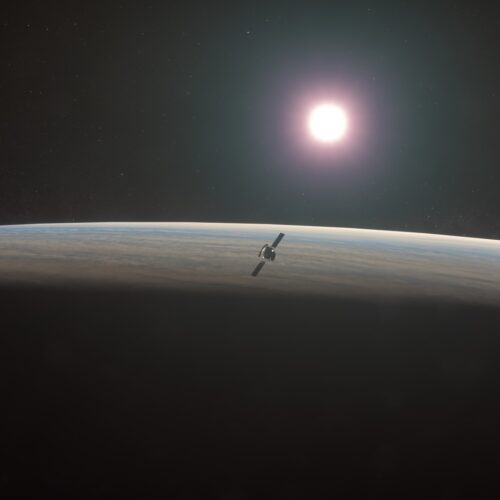
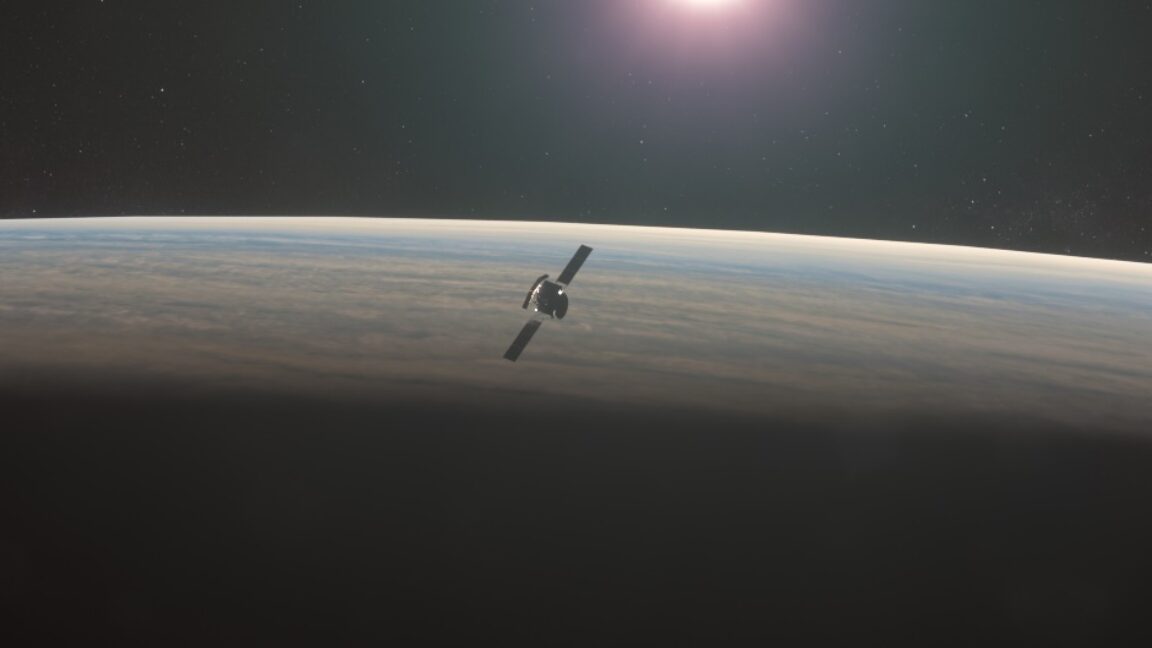
Space Force-backed mission does its best impression of Top Gun in orbit

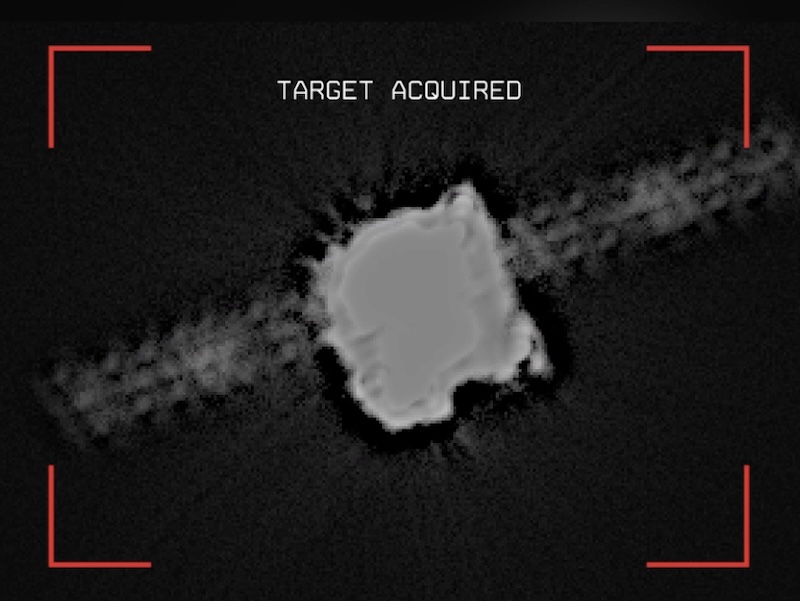
An ongoing military exercise happening hundreds of miles above Earth has—for the first time in an unclassified setting—demonstrated how future satellites might evade and pursue one another in a future conflict.

That was the announcement Wednesday from True Anomaly, one of the companies involved in the exercise. True Anomaly's Jackal satellite, also known as Panther, played the cat-and-mouse game with another spacecraft named Puma, based on Rocket Lab's Pioneer satellite platform.

"This is what we've really been building towards for the past four years," said Even Rogers, True Anomaly's co-founder and CEO.

Read full article

Comments

© Rocket Lab

  •  

Attitude control issues leave Swift rescue mission spinning in orbit

Nearly a month since its launch, a first-of-its-kind commercial satellite built to save NASA's Swift gamma-ray telescope from a fiery reentry is having problems of its own, the agency announced Tuesday.

The Link satellite developed by Katalyst Space Technologies "experienced issues with attitude control" over the weekend, NASA said, causing the spacecraft to spin and resulting in sporadic communications.

"Preliminary investigation shows that two of Link's three reaction wheels currently are not operable, and there is some loss of functionality in its cold gas thruster system," NASA said.

Read full article

Comments

© Katalyst Space Technologies

  •  

SpaceX eyes tower catch for next Starship after auspicious end to 13th flight

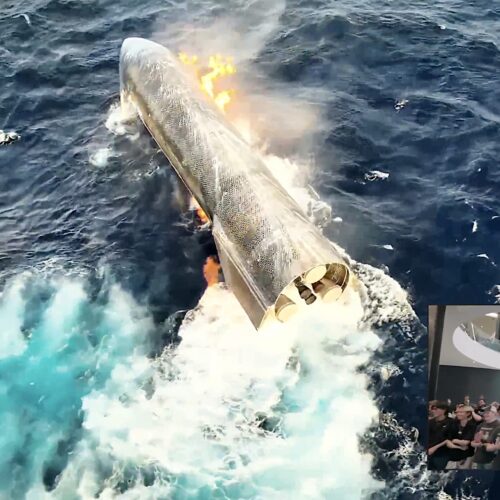
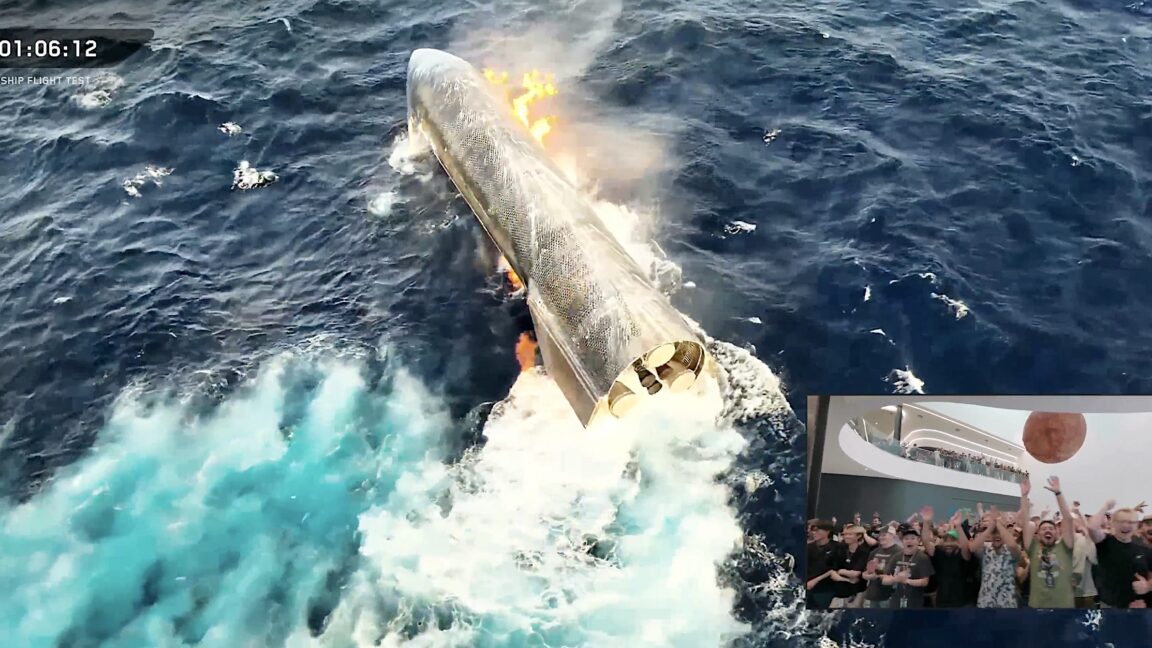
SpaceX was more than lucky Friday, sending its 13th full-scale Starship test flight halfway around the world from South Texas to an on-target, intact splashdown in a remote section of the Indian Ocean.

Starship has made precise splashdowns before. This time, however, the ship gently tipped over and came to rest floating in a remote stretch of ocean west of Australia. Previous splashdowns ended with conflagrations, an outcome SpaceX officials have come to expect with each water landing of Starship.

The buoyant Starship looked to be in fine shape after reaching the Indian Ocean. SpaceX engineers flew drones over the vehicle to inspect its heat shield, getting their best look yet at how more than 18,000 ceramic tiles insulating the ship's stainless steel airframe weathered the trip to space and back. The tiles withstood temperatures up to 2,600° Fahrenheit (1,430° Celsius) as Starship streaked back into the atmosphere at the end of its hourlong flight from Starbase, Texas.

Read full article

Comments

© SpaceX
  •  

Wildfire forces evacuation of NASA's Deep Space Network complex in Spain

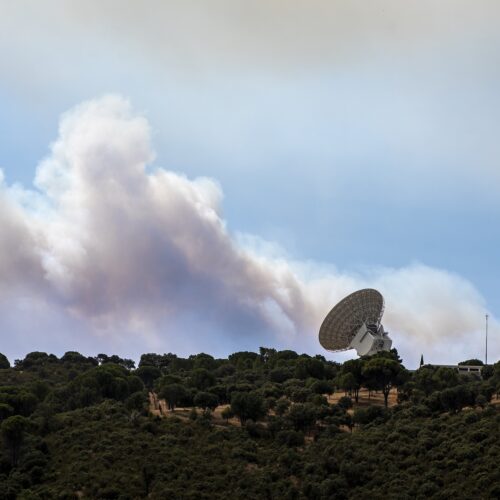
A fast-moving wildfire, one of many raging across Spain, bore down on the Madrid Deep Space Communications Complex on Friday, forcing an evacuation and temporarily suspending operations at one of NASA's most important tracking stations.

The tracking station is part of NASA's Deep Space Network, operating in concert with similar facilities in California and Australia to provide global coverage as Earth's rotation brings the planets, stars, and deep space probes in and out of view. The network supports more than 40 missions from the Moon to the edge of the Solar System, including Artemis, the James Webb Space Telescope, and NASA's twin Voyager spacecraft.

A NASA spokesperson confirmed the tracking station in Spain, located in the hills nearly 40 miles (65 kilometers) west of central Madrid, was evaluated Friday "due to ongoing wildfires in the region. Photos and video from the area showed flames and smoke plumes rising over the ground station's antenna array, anchored by a 230-foot-diameter (70-meter) radio dish and a collection of smaller 112-foot (34-meter) antennas.

Read full article

Comments

© Gabri Solera/Europa Press via Getty Images

  •  

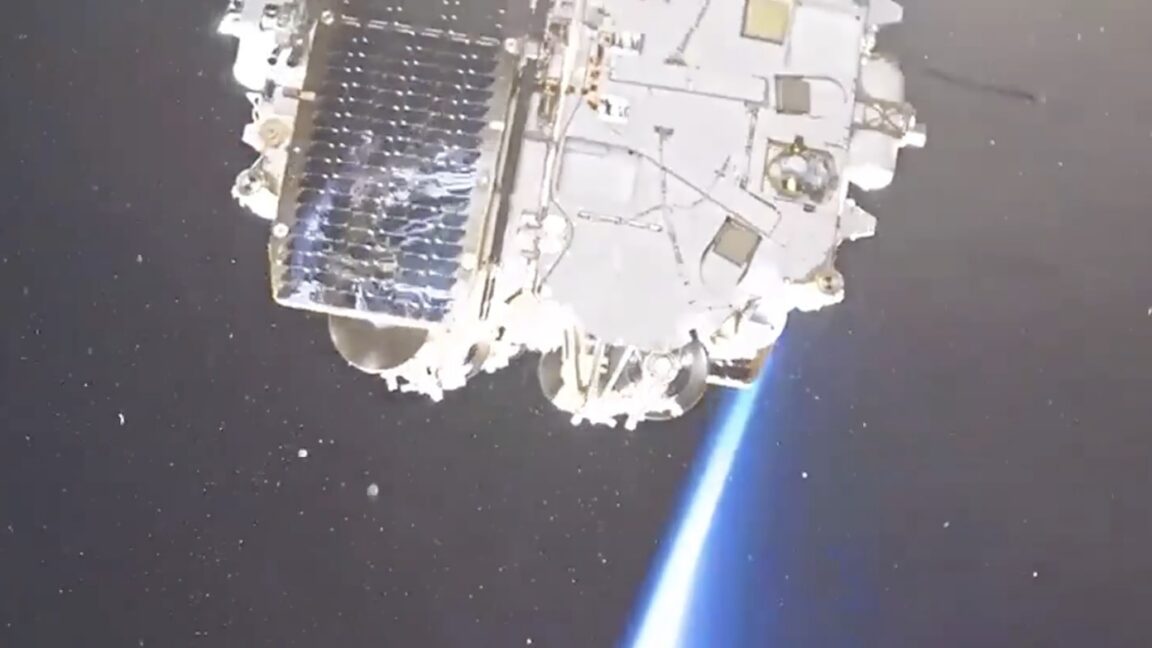
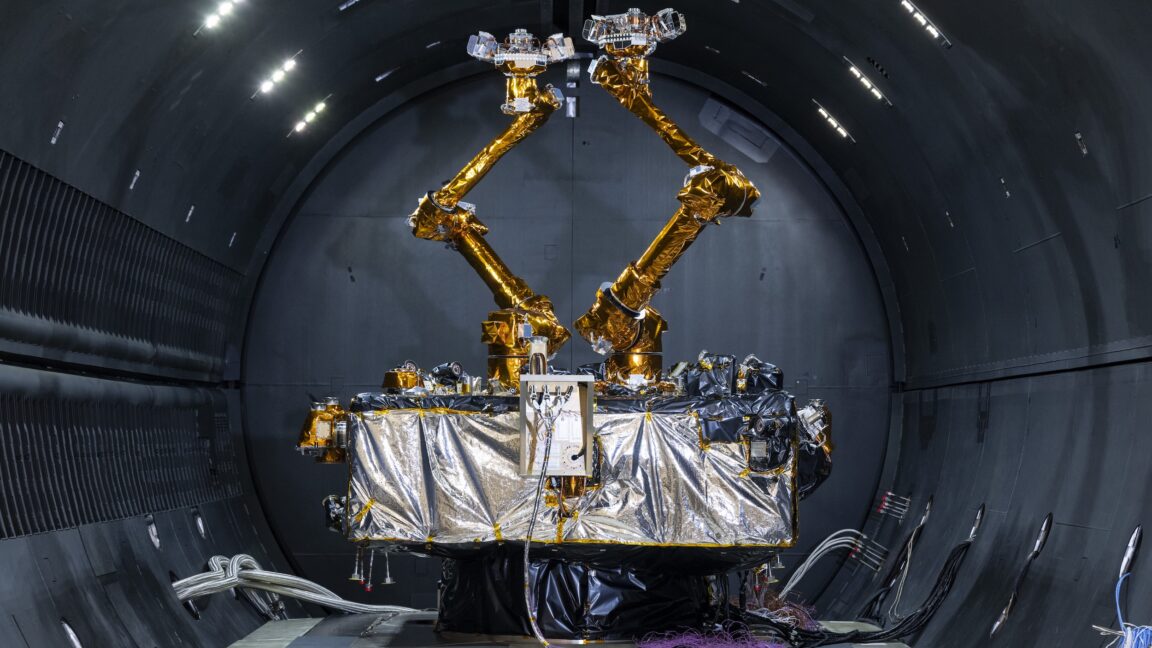
This is the world's most advanced robotic servicing satellite—that we know about

A spacecraft fitted with two flexible robotic arms is on the way to geosynchronous orbit after launching earlier this week on a SpaceX Falcon 9 rocket, kicking off a planned decade-long mission to open new frontiers in satellite servicing.
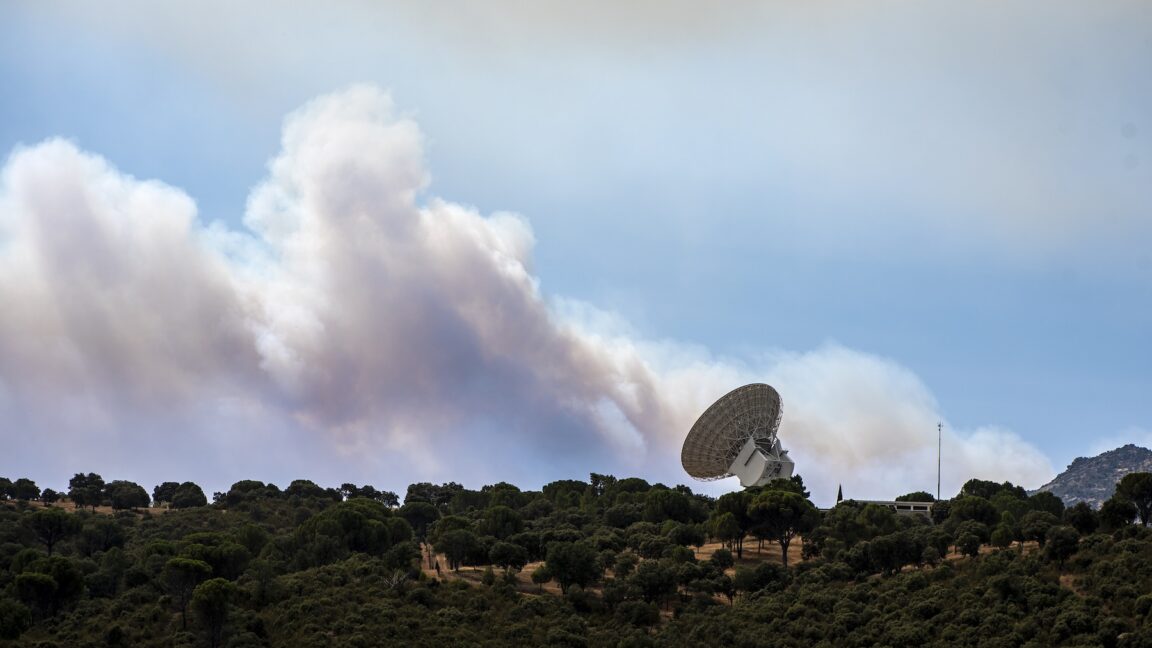
The Mission Robotic Vehicle, owned and built by Northrop Grumman, rocketed into orbit from Cape Canaveral Space Force Station in Florida on Tuesday. Three small propulsion pods, each functioning as standalone spacecraft, accompanied the MRV aboard the Falcon 9 rocket.

The Falcon 9 deployed all four payloads within about an hour of liftoff. It will take about a year for the satellites to maneuver from their initial elliptical drop-off orbit into a circular orbit more than 22,000 miles (nearly 36,000 kilometers) over the equator. At this altitude, the MRV and the three Mission Extension Pods (MEPs) will travel in lockstep with Earth's rotation, operating in the same kind of orbit as numerous civilian and military communications satellites, missile warning platforms, and a growing number of spy satellites.

Read full article

Comments

© US Navy/Sarah Peterson

  •  

Rocket Report: Lightning strikes in China; Starship launch on deck

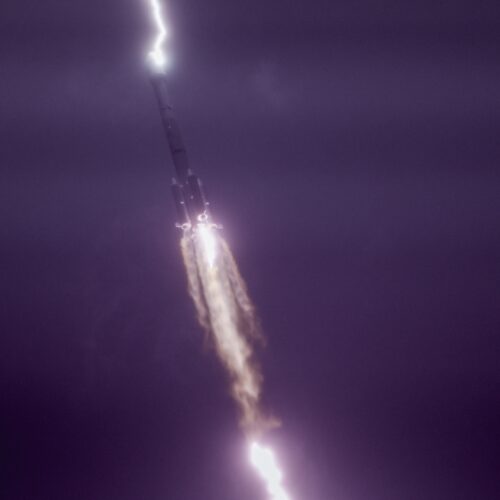
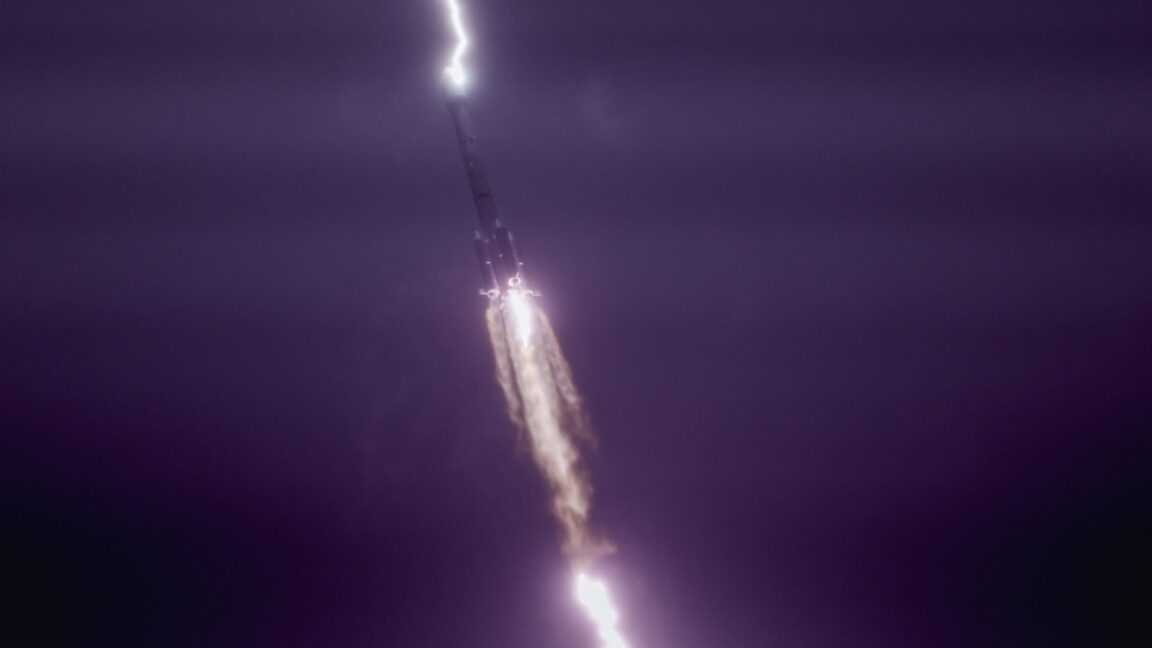
Welcome to Edition 9.04 of the Rocket Report! We've had to wait an extra week for SpaceX to get its 13th Starship test flight off the ground. A last-second abort on July 16 led engineers to roll the booster back to its hangar in South Texas to swap out engines. Starship is now back on the launch pad. Liftoff is set for Friday evening. A flawless launch and reentry will put SpaceX on the cusp of an orbital flight later this year. Ars will have a comprehensive recap story after the completion of the test flight.
As always, we welcome reader submissions. If you don't want to miss an issue, please subscribe using the box below (the form will not appear on AMP-enabled versions of the site). Each report will include information on small-, medium-, and heavy-lift rockets, as well as a quick look ahead at the next three launches on the calendar.

India's first private rocket reaches orbit. Indian space officials celebrated the debut flight of Skyroot Aerospace’s Vikram-1 rocket, India’s first fully commercial satellite launcher, as a “grand success” Saturday after an on-target climb into a 280-mile-high orbit following liftoff from an island spaceport in the Bay of Bengal, Ars reports. The Vikram-1 lifted off from India’s primary spaceport on Sriharikota Island around midday local time. The launch was delayed more than a half-hour to resolve a last-minute technical problem. The countdown resumed, culminating in the command to ignite Vikram-1’s solid-fueled first stage booster to propel the rocket off the launch pad.

Read full article

Comments

© Zhou Quan/VCG via Getty Images

  •  

Next Space Force chief throws cold water on the idea of space privateers

In the early years of the United States, when the nascent US Navy was still getting its sea legs, several presidents used privateers to capture or destroy enemy warships when armed naval vessels were unable to do so.

President John Adams was one of the most vigorous proponents of commissioning private vessels for national ends. His administration issued letters of marque and reprisal during the so-called "Quasi-War" with France in the final years of the 18th century. These letters created the legal distinction between privateering and piracy.

One of the letters signed by Adams, dated November 1799, authorized the use of a merchant ship to "subdue, seize, and take any armed French vessel" found near US coastal waters of "elsewhere on the high seas." France also routinely used privateers against US shipping at the time.

Read full article

Comments

© MPI/Getty Images

  •  
❌