❌

Reading view

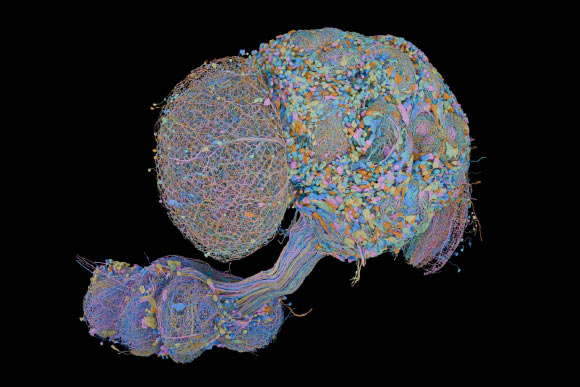
Researchers Unveil Complete Fruit Fly Connectome

The wiring diagram of the central nervous system of an adult male fruit fly will help researchers better understand how the brain enables complex action, from sensory perception to behavior. Image credit: FlyEM Project Team, HHMI’s Janelia Research Campus / Cambridge Connectomics Group / Google Research / Philip Hubbard, HHMI Janelia Research Campus.

After nearly two decades of work, scientists have completed a wiring diagram of the central nervous system of an adult male fruit fly (Drosophila melanogaster).

The post Researchers Unveil Complete Fruit Fly Connectome appeared first on Sci.News: Breaking Science News.

  •  

Un nuovo allarme sul futuro dell’intelligenza artificiale arriva da Jacob C…

Un nuovo allarme sul futuro dell’intelligenza artificiale arriva da Jacob Coxon, ex ricercatore di Anthropic, che in un messaggio pubblicato su X ha sostenuto che i sistemi di IA potrebbero diventare presto così potenti da rappresentare un rischio per l’umanità.Secondo Coxon, le aziende tecnologiche stanno sviluppando sistemi sempre più avanzati, capaci in futuro di migliorarsi […]
  •  

Open-source software tracks wrist bone motion in 3D and 4D CT scans

In a development that could reshape how scientists study the mechanics of human movement, a team of biomedical engineers and computer scientists has unveiled an open-source software tool capable of tracking the tiny, intricate bones of the wrist as they glide and rotate during motion. The new tool, called Hierarchical 3D Registration, or 3DH, is a module within the SlicerAutoscoperM extension of the widely used 3DSlicer computing environment. Described in a study published in BioMedical Engineering OnLine, the software was validated against previously established methods using both sequential three-dimensional computed tomography, or 3DCT, scans of living participants performing thumb tasks and dynamic four-dimensional CT, or 4DCT, images of cadaveric wrists moving through flexion and extension. The results demonstrate that the open-source approach can match the accuracy of independent, previously published methodologies while offering researchers everywhere a free and reproducible path to quantifying skeletal kinematics.

The wrist has long been one of the most challenging joints for biomechanists to study. It contains eight small carpal bones, including the scaphoid and lunate, along with the radius of the forearm and the metacarpal bones of the hand, all articulating in a tightly packed arrangement that allows the remarkable range of motion humans rely on every day. Understanding how these bones move relative to one another, a field of study known as arthrokinematics, is essential for unraveling the causes of wrist instability, osteoarthritis, ligament injuries and the long-term outcomes of surgical repairs. Yet measuring those movements in living, moving joints has historically required either invasive techniques, labor-intensive manual analysis or proprietary software that few laboratories can access or verify.

Quantitative tracking of skeletal structures in vivo, with both efficiency and high temporal resolution, matters to a wide range of questions in biomechanical research, and the authors of the new study argue that the field has been held back by a shortage of accessible, semi-automated registration tools. Image registration, the computational process of aligning one three-dimensional image volume to another, lies at the heart of motion tracking from CT data. When a bone moves between two scans, its position and orientation change, and a registration algorithm must find the transformation that best overlays the bone’s image from one time point onto the next. Done well, this yields precise measurements of rotation and translation. Done poorly or inconsistently, it introduces errors that can swamp the small movements of carpal bones, which may shift by only a few millimeters and a few degrees during normal function.

The new 3DH module addresses this problem with a hierarchical strategy for registering bones across sequences of image volumes. The researchers presented and evaluated the software using two distinct classes of data drawn from previous studies. The first consisted of sequential 3DCT datasets of human participants performing various thumb tasks, in which the radius, the first metacarpal and the trapezium were the target bones. The second consisted of dynamic 4DCT datasets capturing simulated flexion-extension motion in cadaveric wrists, providing time-resolved, three-dimensional image volumes of the scaphoid and lunate in motion. By testing the tool on both static sequential scans and true dynamic imaging, the team was able to demonstrate that 3DH is not limited to a single imaging paradigm but can serve as a unified tracking solution across modalities.

To determine whether the new open-source tool could be trusted, the investigators compared the arthrokinematics computed with 3DH against values that had been previously calculated using independent approaches for the same 3DCT and 4DCT datasets. The statistical framework for this comparison was the Bland-Altman analysis, a standard method for assessing agreement between two measurement techniques. Rather than simply correlating the two sets of results, Bland-Altman analysis quantifies the mean bias, the systematic difference between methods, and the 95 percent limits of agreement, the range within which most individual differences between the methods are expected to fall. This approach is particularly well suited to method-comparison studies because it reveals whether a new technique introduces systematic error and how widely individual measurements might deviate from those of the established gold standard.

The performance figures reported in the study are striking. For the 3DCT data, in which the radius, first metacarpal and trapezium were tracked, the mean bias for the helical angle, a single-axis description of three-dimensional rotation, was just minus 0.06 degrees, with 95 percent limits of agreement ranging between minus 1.87 degrees and 1.74 degrees. Translation measurements fared nearly as well: the mean bias was 0.12 millimeters, with limits of agreement spanning from minus 2.23 millimeters to 2.00 millimeters. In practical terms, the open-source tool reproduced the rotational and translational measurements of the earlier methods to within roughly two degrees and two millimeters at the extremes, differences small enough to preserve the biological signal in most wrist kinematics experiments.

The dynamic 4DCT results told a similar story for the carpal bones. Tracking the scaphoid and lunate through simulated flexion-extension, 3DH produced mean biases of the Euler angle rotations, which decompose three-dimensional rotation into three orthogonal components, of less than 0.77 degrees about any direction. The widest 95 percent limits of agreement ranged between minus 7.11 degrees and 8.65 degrees. For translations, mean biases were less than 0.5 millimeters in any direction, with the widest limits of agreement ranging between minus 2.36 millimeters and 1.43 millimeters. The wider limits of agreement for rotations in the dynamic data likely reflect the added challenges of time-resolved imaging, including motion blur and the smaller, more complexly shaped carpal bones, but the near-zero mean biases indicate that the tool does not systematically drift away from established values.

Crucially, all target bones were successfully tracked in both the 3DCT and 4DCT datasets, meaning the hierarchical registration algorithm converged on correct solutions in every case tested. This robustness matters because registration algorithms can occasionally fail, locking onto incorrect alignments or diverging entirely, and such failures typically demand time-consuming manual intervention. A semi-automated tool that reliably succeeds across diverse bones, motion tasks and imaging protocols removes a significant bottleneck. Manual bone tracking in CT volume sequences can take hours per bone per trial, and the labor multiplies rapidly in studies involving multiple participants, multiple bones and dozens of motion cycles. By automating this process within a validated framework, 3DH promises to accelerate the pace at which wrist biomechanics data can be collected and analyzed.

The choice to build the module inside 3DSlicer, and specifically within the SlicerAutoscoperM extension, is a deliberate strategic decision with implications well beyond the wrist. 3DSlicer is a free, open-source platform for medical image computing and visualization with a large international user base spanning research, clinical and educational communities. By embedding 3DH in this ecosystem, the developers have made the tool immediately available to any laboratory already working with 3DSlicer, complete with the platform’s established infrastructure for loading DICOM data, segmenting anatomical structures and visualizing results. The authors note that the ability to track bones from both 3DCT and 4DCT data sources, with agreement to prior methodologies, demonstrates that the 3DH approach is a capable tool that could promote collaboration and consistency of results through open-source software.

Consistency is a quietly urgent issue in biomechanics. When different laboratories use different proprietary tools with undisclosed algorithms, it becomes difficult to distinguish true biological differences between study populations from mere methodological discrepancies. Open-source registration changes that calculus: the code can be inspected, verified, extended and reused, and results from different institutions become directly comparable because they are produced by identical algorithms. This transparency also lowers the barrier to entry for research groups in settings that cannot afford commercial licenses, potentially broadening the global community capable of conducting rigorous skeletal kinematics research.

The study itself emerged from a collaboration spanning several institutions. The team included Joseph J. Crisco, Amy M. Morton and John D. Holtgrewe of the Department of Orthopedics at The Warren Alpert Medical School of Brown University and Rhode Island Hospital; Cesar Lopez, Andrew Thoreson and Kristin D. Zhao of the Assistive and Restorative Technology Laboratory and the Department of Physical Medicine and Rehabilitation at the Mayo Clinic in Rochester, Minnesota; and Jean-Christophe Fillion-Robin and Beatriz Paniagua of Kitware Inc. in Clifton Park, New York. The involvement of Kitware, a company known for its leadership in open-source scientific computing, underscores the blend of academic rigor and software engineering expertise required to produce a research tool robust enough for widespread distribution. Funding was provided by the National Institute of Arthritis and Musculoskeletal and Skin Diseases of the National Institutes of Health under award numbers AR059185, AR078924 and AR071338.

The implications of this work extend naturally to the future of musculoskeletal imaging. As newer CT technologies, including photon-counting detector systems, deliver ever-finer spatial resolution and as dynamic 4DCT becomes more widely available, the volume of image data available for kinematic analysis will grow dramatically. Tools like 3DH, which are fast, semi-automated and validated across modalities, will be essential for converting that imaging bounty into quantitative biomechanical knowledge. For patients with wrist disorders, the downstream promise is equally tangible: better measurements of how carpal bones actually move in living joints can inform more accurate diagnoses, improved surgical planning, more realistic computational models of joint loading and ultimately better-designed treatments for conditions ranging from scapholunate instability to thumb-base arthritis. With the tool now openly available in the 3DSlicer environment, researchers around the world can begin putting it to work.

Subject of Research: Open-source kinematic tracking of the small bones of the wrist in sequential 3DCT and dynamic 4DCT images using Hierarchical 3D Registration

Article Title: Kinematic tracking of the small bones of the wrist in sequential 3DCT and dynamic 4DCT volume images using open-source Hierarchical 3D Registration, a module within SlicerAutoscoperM

Article References: Crisco, J. J., Morton, A. M., Lopez, C., Thoreson, A., Zhao, K. D., Holtgrewe, J. D., Fillion-Robin, J.-C., & Paniagua, B. (2026). Kinematic tracking of the small bones of the wrist in sequential 3DCT and dynamic 4DCT volume images using open-source Hierarchical 3D Registration, a module within SlicerAutoscoperM. BioMedical Engineering OnLine. https://doi.org/10.1186/s12938-026-01601-x

Image Credits: AI Generated

DOI: 10.1186/s12938-026-01601-x

Keywords: Computed tomography, 3DCT, 4DCT, Bone tracking, 3DH, 3DSlicer, Image registration, Wrist kinematics, Arthrokinematics, Open-source software, SlicerAutoscoperM, Bland-Altman analysis

  •  

Windows 11 otimizado vai a ligar mais rápido e rodar melhor com apenas 8 GB de RAM

A Microsoft reforçou a promessa de melhorar o desempenho do Windows 11 durante a feira IFA 2026, na Alemanha. A empresa destacou que a inicialização do sistema será mais rápida com atualizações futuras e muitas mudanças vão otimizar os computadores com 8 GB de RAM, de acordo com o site PC World.

O chefe de Windows e Dispositivos na Microsoft, Mark Linton, confirmou durante a IFA que a empresa já teve avanços significativos para diminuir o tempo ao ligar o PC e deixou o Windows Hello mais responsivo para autenticar as contas. 

Aos poucos, o sistema fica mais rápido para algumas de suas tarefas básicas. A Microsoft já liberou uma função para acelerar a abertura de apps e do Menu Iniciar e testa remover as janelas repetitivas de backup ao ligar o PC.

Melhorias de olho nos 8 GB de RAM

Linton também destacou que a MS segue com o objetivo de otimizar computadores com 8 GB de RAM, algo mencionado pela empresa no começo do ano diante da crise mundial que encareceu o componente.

Windows notebook home office Teams


A Big Tech ainda não trouxe mais detalhes, mas a expectativa é de que os ajustes de velocidade tragam um ganho de performance para PCs mais simples com menos travamentos e maior velocidade para tarefas simples. 

Quer deixar o computador com visual transparente similar ao da Apple? Confira como aplicar o efeito Liquid Glass no Windows.


{{WHATSAPP_CHANNEL}}

  •  

Preço derreteu: Monitor Samsung Odyssey G40 240Hz por menos de R$ 1000!

Se você está cansado de perder partidas porque a imagem da sua tela engasga nos momentos cruciais, essa oferta foi feita para você. O Mercado Livre derrubou o preço do Monitor Gamer Samsung Odyssey G40 de 27", e essa é a sua oportunidade de resolver a lentidão gráfica de uma vez por todas.

Com uma promoção agressiva, o valor caiu de indigestos R$ 1.819,00 para apenas R$ 972,25 no Pix com cupom. É uma janela de compra curtíssima para garantir uma enorme vantagem competitiva pagando muito pouco.

🛒 Compre o Monitor Samsung Odyssey G40 27" por R$ 972 no Mercado Livre

Como é o Monitor Gamer Samsung Odyssey G40

Esqueça os rastros na tela e a imagem borrada durante a ação. A grande força deste equipamento está na taxa de atualização ultrarrápida de 240 Hz combinada ao tempo de resposta de 1ms. Na prática, isso significa que você vai reagir muito mais rápido que seus adversários em jogos de tiro ou corrida, enxergando cada movimento com uma clareza impressionante e livre de atrasos.

Monitor Gamer Samsung Odyssey G40 27

Além da velocidade extrema, o modelo entrega uma qualidade de imagem excelente em Full HD, preenchendo muito bem o painel espaçoso de 27 polegadas. As cores são vivas e o nível de contraste ajuda você a localizar adversários escondidos pelo mapa. O design moderno também inclui ajuste de altura, garantindo que você jogue ou trabalhe por horas a fio mantendo a postura correta e evitando as temidas dores no pescoço.

Para quem busca desempenho liso, o suporte às tecnologias G-Sync e FreeSync elimina aquelas quebras de quadro irritantes. Sendo bem transparente, vale notar que a troca de sinal entre dispositivos nas portas HDMI precisa ser feita manualmente, e suportes de braço mecânico de terceiros podem exigir adaptações. Detalhes pequenos se colocados lado a lado com a performance bruta e a fluidez que a tela entrega no dia a dia.

Vale a pena comprar o Monitor Gamer Samsung Odyssey G40?

Sim, a compra é uma decisão inteligente para quem precisa de um equipamento rápido e focado em desempenho. Os próprios compradores destacam o excelente custo-benefício e a experiência visual impecável que os 240 Hz proporcionam, mudando completamente a forma como você joga.

Levar uma tela com essa ficha técnica e de uma marca consolidada por menos de mil reais é algo muito raro. A oferta no Mercado Livre simplesmente esmaga o valor original e transforma esse monitor na escolha perfeita para atualizar o seu setup hoje mesmo. Não deixe para depois, pois o estoque promocional a esse preço pode acabar a qualquer segundo.

🛒 Garanta seu Monitor Samsung Odyssey G40 com desconto antes que acabe

{{WHATSAPP_CHANNEL}}

  •  

Air pollution and lack of green space linked to substance use disorders

Long-term exposure to common air pollutants may significantly raise the risk of developing substance use disorders, while living surrounded by greenery appears to offer a measure of protection, according to a large new population-based study drawing on nearly a quarter of a million participants from the UK Biobank.

The research, published in BMC Psychiatry, analyzed data from 247,138 UK Biobank participants who were free of substance use disorders at baseline, tracking them over a median follow-up period of 10.9 years. During that time, 4,982 participants went on to develop a substance use disorder, providing the researchers with a robust dataset to examine the relationship between environmental exposures and mental health outcomes.

The study, led by Huan Liu and Bolun Cheng of Xi’an Jiaotong University in China, along with colleagues including Feng Zhang, represents one of the most comprehensive investigations to date into how the air people breathe and the greenness of their neighborhoods may influence vulnerability to addiction. The findings arrive at a moment when urban planners and public health officials are increasingly recognizing that the built and natural environments shape health in ways that extend well beyond respiratory and cardiovascular disease.

To assess air pollution exposure, the team employed Land Use Regression modeling to estimate concentrations of five pollutants at each participant’s residential address: fine particulate matter known as PM2.5, coarse particulate matter classified as PM2.5−10, the larger particulate fraction PM10, nitrogen dioxide (NO2), and nitrogen oxides (NOX). These pollutants, produced primarily by traffic, industry, and combustion sources, have long been associated with a range of physical health problems, but their role in psychiatric and behavioral conditions has remained far less certain.

For residential greenness, the researchers turned to the 2005–2007 Land Cover Map, measuring three distinct aspects of the environment within a 300-meter buffer around each home: the proportion of green space, the presence of a domestic garden, and the extent of natural environment. This tripartite approach allowed the investigators to distinguish between different types of vegetation and their potentially different effects on health.

Using Cox proportional hazards models, the team calculated hazard ratios with 95 percent confidence intervals to quantify the association between each exposure and the risk of developing a substance use disorder. The results were striking in their consistency. All five air pollutants were positively associated with incident SUD in fully adjusted models that controlled for a wide range of potential confounders.

Fine particulate matter, or PM2.5, showed the strongest effect, with a hazard ratio of 1.111 (95 percent CI: 1.081–1.142), followed by PM10 with a hazard ratio of 1.070 (95 percent CI: 1.054–1.086). These figures indicate that higher exposure to particulate pollution was associated with a measurable increase in the likelihood of developing a substance use disorder over the follow-up period, even after accounting for demographic, socioeconomic, and behavioral factors.

On the protective side of the ledger, two of the three greenness measures emerged as significant. Green space was inversely associated with SUD risk, showing a hazard ratio of 0.997 (95 percent CI: 0.996–0.998), and the natural environment measure produced an identical finding, with a hazard ratio of 0.997 (95 percent CI: 0.995–0.998). While these effect sizes appear modest on a per-unit basis, they represent population-level signals across a very large cohort, suggesting that even incremental increases in neighborhood greenness may contribute to reduced vulnerability.

Perhaps the most intriguing finding of the study concerns the interaction between pollution and greenery. The researchers tested whether residential greenness modified the association between air pollutants and SUD risk by introducing cross-product terms into their models and evaluating them with likelihood-ratio tests. The results pointed to a buffering role for domestic gardens specifically. Among participants in the high-exposure subgroup, the presence of a domestic garden attenuated the positive associations between pollutants and SUD, with cross-product terms of 0.979 (95 percent CI: 0.963–0.996) for PM2.5 and 0.987 (95 percent CI: 0.980–0.995) for PM10.

In practical terms, this suggests that having access to a private garden may partially offset some of the harm associated with living in areas of elevated particulate pollution, offering a form of environmental resilience that public health advocates have long hypothesized but rarely demonstrated with prospective cohort data.

The associations were not uniform across the population. The positive relationships between air pollution and substance use disorder risk were most pronounced among males, participants aged 65 and older, and individuals with a history of smoking. These findings highlight the importance of considering demographic and behavioral modifiers when assessing the health consequences of environmental exposures, and they suggest that certain subgroups may benefit disproportionately from interventions aimed at reducing pollution or increasing green cover.

To ensure the robustness of their findings, the team conducted a series of sensitivity analyses. These included restricting the sample to long-term residents to minimize exposure misclassification from relocation, using alternative outcome definitions based on ICD-10 codes F10-F19 and F11-F19 to capture different ranges of substance-related diagnoses, and recomputing greenness measures at a wider 1000-meter buffer around each residence. The core conclusions held across these variations, strengthening confidence in the results.

The study was performed in accordance with the ethical principles of the Declaration of Helsinki and was registered with the UK Biobank under application number 46478. Ethical approval for the UK Biobank was granted by the North West Multi-centre Research Ethics Committee under approval reference 11/NW/0382. All participants provided written informed consent before any study-related procedures were initiated.

The work was supported by the China Postdoctoral Science Foundation, the Natural Science Basic Research Plan in Shaanxi Province of China, and the Fundamental Research Funds for the Central Universities. Corresponding authors are Bolun Cheng and Feng Zhang, both affiliated with Xi’an Jiaotong University, with Zhang also holding a position in the Department of Psychiatry at the First Affiliated Hospital of Xi’an Jiaotong University.

The findings come amid growing scientific interest in the neurological and psychiatric consequences of air pollution. Particulate matter, particularly PM2.5, is small enough to cross the blood-brain barrier and has been implicated in neuroinflammation, oxidative stress, and alterations in brain structure and function. These biological mechanisms could plausibly influence reward processing, impulse control, and stress reactivity, all of which are central to the development and perpetuation of substance use disorders.

Conversely, greenness has been associated with stress reduction, improved mental well-being, greater opportunities for physical activity and social interaction, and lower levels of psychological distress, each of which may buffer against the onset of addictive behaviors. The current study adds a significant piece of evidence to this emerging picture by demonstrating the relationship prospectively in one of the world’s largest and most deeply phenotyped biobanks.

The authors conclude that long-term exposure to ambient air pollutants was associated with a higher risk of incident substance use disorders and that residential greenness showed protective associations, with the most pronounced patterns observed among older males and individuals with a smoking history. They argue that the findings support integrating greenness exposure into environmental frameworks for the prevention of substance use disorders, a recommendation that carries implications for urban design, housing policy, and environmental regulation.

As cities around the world continue to grapple with the twin challenges of air quality and mental health, studies of this scale provide an evidence base for interventions that address both simultaneously. The prospect that something as tangible as a garden could offer measurable protection against the psychiatric consequences of polluted air adds a compelling dimension to ongoing debates about how the environments we build shape the minds that inhabit them.

The article is published open access under a Creative Commons Attribution 4.0 International License, permitting broad sharing and adaptation with appropriate credit to the original authors and source. It was received on 08 December 2025, accepted on 28 August 2026, and published on 09 September 2026.

Subject of Research: The association between long-term exposure to ambient air pollutants (PM2.5, PM2.5−10, PM10, NO2, NOX), residential greenness, and the risk of incident substance use disorders in a prospective UK Biobank cohort.

Article Title: Various ambient air pollutants, residential greenness, and risk of substance use disorders: a population-based cohort study

Article References: Liu, H., Cheng, B., Wei, W., Qin, L., & Zhang, F. (2026). Various ambient air pollutants, residential greenness, and risk of substance use disorders: a population-based cohort study. BMC Psychiatry. https://doi.org/10.1186/s12888-026-08588-8

Image Credits: AI Generated

DOI: 10.1186/s12888-026-08588-8

Keywords: air pollution, residential greenness, substance use disorders, PM2.5, PM10, nitrogen dioxide, UK Biobank, prospective cohort, environmental health, domestic garden, mental health

  •  

Al largo della costa della California, le Channel Islands stanno offrendo a…

Al largo della costa della California, le Channel Islands stanno offrendo agli archeologi importanti testimonianze sul passato del Nord America. Tra le scoperte più significative ci sono i resti dell’Uomo di Arlington Springs, risalenti a circa 13.000 anni fa e considerati tra le più antiche testimonianze di un adulto presenti nel continente.I resti furono scoperti […]
  •  

AI predicts prolonged air leak after lung surgery in elderly patients

When surgeons remove a portion of a cancerous lung, one of the most frustrating complications they can face is air. A persistent leak from the lung’s cut surface or staple lines — known as prolonged air leak — keeps chest tubes in place far longer than anyone would like, extends hospital stays, inflates costs, and elevates the risk of infection and other downstream problems. Now, a research team in China has developed a machine learning tool that predicts, with striking accuracy, which older lung cancer patients are most likely to develop this complication before it ever occurs. The study, published in BMC Cancer, combines cardiopulmonary exercise testing data with an interpretable artificial intelligence model and could reshape how thoracic surgical teams prepare for and manage one of the most common postoperative challenges in lung surgery.

The research was led by Zixiao Wang, Jiabao Ding, Huagang Liang and colleagues at the First Hospital of Qinhuangdao, in collaboration with Kai Wang of Tianjin Chest Hospital. It addressed a well-recognized gap in thoracic surgical practice. While prolonged air leak — typically defined as air leaking from the chest drainage system for more than five days after surgery — is among the most frequent complications following video-assisted thoracoscopic anatomical lung resection, the prediction models available to clinicians have historically lacked rigorous external validation and, critically, interpretability. Surgeons have been asked to trust risk scores without understanding where those risks come from, a barrier that has limited clinical uptake of computational tools in the operating room planning process.

To build their model, the investigators enrolled patients aged 60 and older with lung cancer who underwent thoracoscopic anatomical lung resection — either lobectomy, the removal of an entire lung lobe, or segmentectomy, the removal of a smaller anatomical segment. The study was designed as a dual-centre cohort investigation with both retrospective and prospective components. A total of 471 patients treated at Qinhuangdao First Hospital between January 2024 and June 2025 formed the model development cohort. A separate group of 140 patients from Tianjin Chest Hospital, enrolled prospectively between June and August 2025, provided the external validation set — a crucial test of whether the model generalized beyond the institution where it was built.

The methodology followed the emerging best-practice playbook for clinical machine learning. After preliminary data processing, the development cohort was randomly split into a training set containing 70 percent of patients and an internal validation set holding the remaining 30 percent. Because prolonged air leak affects only a minority of surgical patients, the training data were inherently imbalanced, with far more non-leak cases than leak cases — a condition that can fool machine learning algorithms into simply predicting that no one is at risk. The researchers countered this with SMOTE, the Synthetic Minority Over-sampling Technique, which generates synthetic examples of the underrepresented class to rebalance the dataset and force the algorithms to learn the genuine signature of risk.

Feature selection was performed using LASSO regression — least absolute shrinkage and selection operator — a statistical technique that penalizes model complexity and drives the coefficients of irrelevant variables to zero, effectively filtering a large panel of candidate variables down to the most predictive few. From this process, four predictors of prolonged air leak emerged: a history of emphysema, the smoking index, a previous history of thoracic surgery or chest trauma, and the ventilatory equivalent for carbon dioxide, abbreviated VE/VCO₂. This last variable is drawn directly from cardiopulmonary exercise testing, a stress test performed on a bicycle or treadmill that measures how the heart, lungs, and circulatory system respond together to increasing exertion. VE/VCO₂ reflects the efficiency of ventilation during exercise — how much air a patient must move to eliminate a given amount of carbon dioxide — and elevated values signal impaired pulmonary gas exchange and often underlying parenchymal lung disease.

With the four features in hand, the team constructed six competing machine learning models: logistic regression, support vector machine, decision tree, extreme gradient boosting, and artificial neural networks, among others. Each was evaluated using a battery of metrics including the area under the receiver operating characteristic curve, or AUC, the F1 score, and the Brier score, which measures the accuracy of probabilistic predictions. The winner was XGBoost, an ensemble method that builds a sequence of decision trees, with each new tree trained to correct the residual errors of its predecessors. In internal validation, XGBoost achieved an AUC of 0.903 (95 percent confidence interval, 0.834 to 0.960) — well within the range conventionally considered excellent discrimination — along with the highest F1 score of 0.717 and the lowest Brier score of 0.092 among all six candidates.

The external validation was arguably the study’s most important test. A model can memorize the quirks of its home institution’s patient population, equipment, and surgical practices, only to falter elsewhere. Yet when applied to the 140 previously unseen patients from Tianjin Chest Hospital, the XGBoost model maintained an AUC of 0.800 (95 percent confidence interval, 0.656 to 0.913), with a sensitivity of 0.700, a specificity of 0.833, and a Brier score of 0.133. In practical terms, the model correctly flagged seven out of ten patients who went on to develop prolonged air leak while correctly reassuring more than eight out of ten of those who did not — performance that, if replicated in routine practice, would give surgeons a meaningful window to intervene preemptively.

Interpretability was treated not as an afterthought but as a core design requirement. The researchers applied SHAP — Shapley Additive Explanations — a technique borrowed from cooperative game theory that assigns each feature a contribution value for every individual prediction. Rather than presenting clinicians with an opaque probability, SHAP reveals how much each of the four variables pushed a given patient’s risk up or down, and in which direction. Through this analysis, VE/VCO₂ emerged as the single most influential feature, followed by the other three predictors ranked by correlation. The finding is physiologically plausible: patients whose lungs ventilate inefficiently under the stress of exercise are precisely those whose lung tissue is most fragile and least likely to seal spontaneously after surgical manipulation. A history of emphysema, a heavy smoking history, and prior chest surgery or trauma each independently compound this tissue vulnerability.

The clinical utility of the work extends beyond prediction to prevention. Armed with a preoperative risk estimate, surgical teams can tailor their approach for high-risk patients. Options include more meticulous staple-line reinforcement, the use of sealants or pledgeted sutures on fragile lung tissue, choosing segmentectomy over lobectomy where oncologically appropriate, planning for ambulatory drainage systems on discharge, or scheduling earlier follow-up to catch and manage leaks before they become complicated. To lower the barrier to bedside use, the team built a web-based risk calculator that allows clinicians to enter a patient’s four variables and receive an individualized probability of prolonged air leak — no programming expertise required.

The significance of incorporating cardiopulmonary exercise testing into a surgical prediction model deserves particular emphasis. Traditional preoperative pulmonary assessment in lung cancer surgery has relied on static spirometric measures such as forced expiratory volume in one second, or FEV1, and the diffusing capacity for carbon monoxide, DLCO. These tests measure lung function at rest and provide only a partial picture of cardiopulmonary reserve. CPET, by contrast, captures the integrated response of multiple organ systems under physiological stress, and the VE/VCO₂ slope in particular has gained recognition as a sensitive marker of ventilatory inefficiency in chronic obstructive pulmonary disease and heart failure. The present study suggests that this dynamic measure carries prognostic information for surgical outcomes that static tests do not fully capture — a finding with implications well beyond air leak prediction.

Several caveats frame the work appropriately. The study population was limited to Chinese patients aged 60 and above undergoing video-assisted thoracoscopic resection, and generalization to younger patients, other surgical techniques such as robotic-assisted resection, or different health care systems remains to be demonstrated. The external validation cohort, while methodologically essential, comprised 140 patients, and wider multicenter prospective trials would strengthen confidence in the model’s performance. The published article is an accepted, peer-reviewed author manuscript shared early ahead of the final version of record. The study was funded by the Beijing Kechuang Medical Development Foundation, with the funder playing no role in study design, analysis, or manuscript preparation, and the authors declare no competing interests.

Even so, the study stands as a compelling example of where predictive medicine is heading. By pairing a rigorous dual-centre validation strategy with explainable artificial intelligence and a physiologically grounded predictor, the researchers have moved machine learning in thoracic surgery closer to genuine clinical utility rather than proof-of-concept novelty. For the growing population of older patients facing lung cancer surgery, a simple preoperative test and a few clicks in a web calculator may soon determine who needs extra surgical vigilance — and spare many of them the days of tethered chest drainage that have long been an accepted, if unwelcome, part of recovery.

Subject of Research: Machine learning-based prediction of prolonged air leak after video-assisted thoracoscopic anatomical lung resection in older lung cancer patients using cardiopulmonary exercise testing

Article Title: Machine learning-based prediction of prolonged air leak after video-assisted thoracoscopic anatomical lung resection in older patients using cardiopulmonary exercise testing: a dual-centre development and validation study

Article References: Wang, Z., Wang, K., Zhu, N., liu, H., Li, J., Liang, H., & Ding, J. (2026). Machine learning-based prediction of prolonged air leak after video-assisted thoracoscopic anatomical lung resection in older patients using cardiopulmonary exercise testing: a dual-centre development and validation study. BMC Cancer. https://doi.org/10.1186/s12885-026-16933-z

Image Credits: AI Generated

DOI: 10.1186/s12885-026-16933-z

Keywords: Machine learning, Prolonged air leak, Cardiopulmonary exercise testing, XGBoost, Lung cancer surgery, Video-assisted thoracoscopic surgery, Prediction models, VE/VCO₂, SHAP interpretability, Thoracic surgery, Predictive medicine, COPD

  •  

Top NFL Receiver Insists There’s “Another Civilization” Living Deep Under Antarctica

After an ego-bruising stint with the New York Jets, it seems like seasoned quarterback and chief NFL conspiracy crank Aaron Rodgers is finally in good company with the Pittsburgh Steelers.

In a recent interview with the Athletic, the team’s veteran wide receiver DK Metcalf admitted that he’s a “big conspiracy theorist.”

“Shout out to my quarterback,” the two-time pro bowler said, referring to Rodgers, whose infamous conspiracy takes range from 9/11 skepticism to belief in a hollow Earth. That latter idea — known in conspiratorial Facebook groups as the “Inner Earth theory” — evidently has a supporter not only in Rodgers, but also in his receiver.

“I think there is another civilization inside of Earth,” Metcalf told the Athletic. “I think it’s another world.”

Following the basic outline of the Inner Earth theory, Metcalf outlined his concept of a civilization thriving deep beneath the crust, which can only be accessed via passageways in Antarctica.

“You can go to Alaska. You could go to the North Pole,” the wide receiver continued. “But why not Antarctica? Why can’t you just book a trip to Antarctica? Why is there a secret meeting — well, it’s not secret, but why is there a meeting between every world leader of every country in Antarctica, specifically?”

While it shouldn’t take an expert to tell you that this scenario is impossible, the Athletic asked one anyway. As Brent Christner, a rabid Steelers fan and associate professor of microbiology at the University of Florida told the publication, one can easily book a trip to Antarctica (in fact, Antarctic tourism is growing faster than environmental monitors can realistically keep up with, resulting in a notable rise in pollution on the white continent.)

As for any sort of UN-style meeting-of-the-minds at McMurdo Station, Christner says forget it.

“There are definitely some distinguished visitors that come down to Antarctica,” the researcher told the Athletic. “When they would come down, they would get the royal treatment and get thrown in helicopters and shown all the excellent sites. But there’s not like a G7 that occurs down there.”

More on conspiracy theories: Conspiracy Theorists Are Creating Special AIs to Agree With Their Bizarre Delusions

The post Top NFL Receiver Insists There’s “Another Civilization” Living Deep Under Antarctica appeared first on Futurism.

  •  

Denisovans in southwestern China reveal their ancient subsistence strategies

The Denisovans, the enigmatic archaic human relatives first identified from a finger bone and a handful of teeth in a Siberian cave, have long been known almost exclusively through their DNA. Now, a landmark study published in Nature has pulled back the curtain on how these ancient hominins actually lived — what they ate, how they hunted, what tools they made, and the environments they braved — through an extraordinary assemblage of fossils and artefacts from Bianfu Cave in Yunnan Province, southwestern China. The findings paint the most detailed portrait to date of Denisovan biology, behaviour and ecology in eastern Asia, and suggest that these vanished people left a deep genetic and cultural imprint on later populations across Southeast Asia and Oceania.

The research team, led by Qingfeng Ruan, Hua Li and Song Xing and their colleagues, conducted a comprehensive analysis of hominin fossils and the associated archaeological remains recovered from Bianfu Cave. The hominin fossils themselves date to roughly 167,000 to 134,000 years ago, placing them firmly in the Middle Pleistocene. But the cultural sequence preserved in the cave’s sediments is far longer, stretching from approximately 190,000 years ago to about 70,000 years ago. That span — some 120,000 years of continuous or near-continuous occupation — makes Bianfu Cave one of the longest cultural records that can most parsimoniously be attributed to Denisovans anywhere in the world.

The Denisovan identity of the fossils was established through two independent and technically demanding lines of evidence. The first involved analysis of the enamel–dentine junction, the internal boundary between the enamel cap and the underlying dentine of the teeth. This three-dimensional morphological interface acts something like a fingerprint of evolutionary relationships, revealing diagnostic traits of the tooth’s internal architecture that are invisible from the outside but characteristic of particular hominin lineages. The second line of evidence came from palaeoproteomics, the recovery and identification of ancient proteins preserved within fossilized tissues. Because proteins are far more abundant and durable than DNA, they can survive in warm, humid environments like those of southern China, where genetic material degrades rapidly. Sequencing these ancient proteins allowed the researchers to place the Bianfu hominins on the Denisovan branch of the human family tree with confidence.

The fossil collection itself is remarkable. It includes four teeth that substantially expand the known range of dental variation within the Denisovan lineage — a critical contribution, since Denisovans were previously represented by a very small number of dental specimens, making it difficult to gauge how variable their teeth could be. The new fossils also include two cranial fragments and a radius, a forearm bone, providing rare glimpses of Denisovan skull and postcranial anatomy that were previously almost entirely unknown. Together, these remains transform Denisovans from a genome and a scatter of isolated teeth into a population with recognizable skeletal biology.

Beyond the fossils, the archaeological record from Bianfu Cave offers something equally precious: a window into Denisovan daily life. The researchers reconstructed the ancient environment using faunal remains and pollen preserved in the cave deposits. These records indicate that across Marine Isotope Stages 6 through 4 — a period encompassing major glacial–interglacial climatic swings between roughly 190,000 and 57,000 years ago — the landscape around the cave was dominated by coniferous forest or a mosaic of forest and steppe. This was a cool, variable environment that Denisovans exploited successfully across tens of thousands of years, demonstrating a resilience to climatic change that adds to growing evidence of their adaptability, from the high altitudes of the Tibetan Plateau to the subtropical latitudes of mainland Southeast Asia.

The subsistence evidence is particularly striking. Analysis of the animal bones from the cave shows that its inhabitants practised specialized hunting focused on medium- to large-bodied prey. This was not opportunistic scavenging but a sustained, targeted hunting strategy — one that would have required knowledge of animal behaviour, coordinated effort and effective weaponry. Specialized big-game hunting of this kind has often been associated with modern humans and late Neanderthals in western Eurasia, so finding it in a Denisovan context more than 150,000 years ago dramatically narrows the perceived behavioural gap between these archaic lineages and our own species.

Yet the technological strategy documented at Bianfu Cave is, at first glance, surprisingly simple. The stone tool assemblage is characterized by expedient core reduction and tool production — that is, the inhabitants struck flakes from cores as needed, used them, and discarded them, rather than investing in carefully shaped, curated tools that were carried, maintained and resharpened over time. Alongside this, the Denisovans of Bianfu Cave made pervasive use of unmodified bones, employing skeletal elements of their prey directly as tools without altering them beforehand.

Taken together, the researchers interpret this pattern as an adaptive system that prioritized the exploitation of what they call object affordance — the inherent functional possibilities already present in a raw material or object — over intensive tool manufacture. A suitably shaped bone fragment could serve as a hammer, a digging implement or a scraping tool with little or no modification; a sharp flake struck from a convenient core could cut and butcher without further refinement. In the rich, resource-diverse environments of subtropical southwestern China, where raw materials and animal resources were plentiful, such a flexible, low-investment strategy may have been not a sign of simplicity but a highly efficient way of life. It suggests that Denisovans measured success not by the sophistication of their toolkit but by how skilfully they read and exploited the opportunities their landscape provided.

This behavioural portrait gains added significance when set against the wider geography of Denisovan presence. Over the past decade and a half, Denisovans have been documented across a staggering range: from the original genomic discoveries in the Altai Mountains of Siberia, first reported in 2010, to the mandible from the Tibetan Plateau described in 2019, Denisovan DNA recovered from sediments at Baishiya Karst Cave in 2020, a molar from the Annamite Chain of northern Laos announced in 2022, a male Denisovan mandible from Pleistocene Taiwan reported in 2025, and proteomic identification of the 146,000-year-old Harbin cranium, also in 2025. Bianfu Cave now anchors this story firmly in southwestern China, a region long suspected to have been a Denisovan heartland and a critical corridor for hominin movements between mainland Asia and Southeast Asia.

The study’s authors argue that the region’s Denisovans point to a substantial genetic and cultural legacy in later human populations. Modern populations in Southeast Asia and Oceania carry the highest known proportions of Denisovan ancestry anywhere in the world — a legacy of interbreeding that occurred as modern humans moved through and beyond island Southeast Asia. The new evidence from Bianfu Cave suggests that the ways of life practised by Denisovans in this region — their hunting strategies, their flexible technological approaches, their hard-won knowledge of tropical and subtropical environments — may have been part of the inheritance, alongside their genes, that helped later human populations thrive as they spread across the diverse and challenging landscapes of Asia and the Pacific.

For palaeoanthropologists, the significance of the Bianfu Cave discoveries is difficult to overstate. Denisovans have been the least anatomically documented of all known hominin groups — a lineage defined first by DNA and only slowly fleshed out with fragmentary fossils. The new teeth, cranial fragments and radius from Yunnan, combined with an unmatched 120,000-year archaeological sequence, mean that researchers can finally study Denisovans not just as a genome or a set of molecular signatures but as a living, adapting population: hunters of large game, makers and users of expedient tools, and inhabitants of conifer forests that swung between glacial cold and interglacial warmth. As analysis of the Bianfu material continues, it promises to reshape our understanding of how archaic humans lived in eastern Asia and how deeply their story is woven into our own.

Subject of Research: Denisovan fossils and archaeological remains from Bianfu Cave, Yunnan Province, southwestern China, revealing Denisovan biology, technology, subsistence strategies and palaeoecology

Article Title: Denisovans from southwestern China and their subsistence strategies

Article References: Ruan, Q., Li, H., Xing, S., Zhao, K., Liu, J., Zanolli, C., Doyon, L., Delpiano, D., Peresani, M., d’Errico, F., Demeter, F., Hublin, J.-J., Xiao, P., Wang, Y., Jia, Z., Yang, Q., Fu, Q., Sun, Q., Zhao, Y., … Chen, F. (2026). Denisovans from southwestern China and their subsistence strategies. Nature. https://doi.org/10.1038/s41586-026-10997-4

Image Credits: AI Generated

DOI: 10.1038/s41586-026-10997-4

Keywords: Denisovans, Bianfu Cave, Yunnan, palaeoproteomics, enamel–dentine junction, Middle Pleistocene, subsistence strategies, expedient tool use, object affordance, specialized hunting, Marine Isotope Stages, Southeast Asia ancestry

  •  

Encontro com o filho e velhas IAs de Tony Stark: o que esperar de VisionQuest

O Marvel Studios se prepara para retornar ao Disney+ em outubro com o lançamento de VisionQuest, nova série do estúdio focada no Visão. Com o retorno do ator Paul Bettany como o protagonista, o programa promete apresentar uma viagem surreal pela mente do herói, além de um encontro emocionante com o filho e as famosas tecnologias de Tony Stark.

Situado alguns anos depois dos eventos finais de WandaVision, VisionQuest vai acompanhar o Visão Branco em uma jornada para entender a si mesmo, especialmente depois de desaparecer em meio a uma crise de identidade na conclusão da primeira série do MCU. 

Para deixar as coisas ainda mais complexas, a produção ainda tem uma ligação direta com Vingadores: Era de Ultron (2015), pois James Spader volta a interpretar o vilão que infernizou a vida dos heróis no passado, trazendo um teor mais tecnológico para a trama. 

Em entrevista ao Polygon, o showrunner Terry Matalas falou um pouco sobre o que os fãs podem esperar de VisionQuest, que promete mostrar um reencontro com seu filho, Tommy, e ainda “brincar” com as IAs criadas por Tony Stark, o Ultron sendo uma delas.

“Tivemos a oportunidade de brincar com todos os brinquedos . Vocês terão que esperar para ver”, antecipou Matalas.

Embora não tenha oferecido muitos detalhes sobre como as IAs de Stark serão introduzidas na série, o produtor executivo comentou que a inteligência artificial é um tema recorrente em VisionQuest por mostrar que a tecnologia “acabará sendo um reflexo de nós”.

visionquest

Crise de identidade e novos desafios

Ao longo da entrevista com o Polygon, Terry Matalas também falou um pouco sobre o que o público pode esperar dessa “nova versão” do Visão. Sem dar muitas informações, o produtor executivo comentou que existem diferenças entre o Visão de antes e o Visão Branco, mas que ambos ainda mantêm a essência do personagem. 

“Desde o início, ficou muito claro para mim o que deveríamos fazer com esse novo Visão: ele não estaria tão em sintonia com a humanidade quanto sua encarnação anterior. Ele é, sem dúvida, o Visão em muitos aspectos, e não é em muitos outros”, explicou o showrunner. 

Matalas deixou no ar como essa diferença irá impactar a jornada do Visão na série, mas garantiu que os episódios irão responder as principais dúvidas dos fãs a partir do dia 14 de outubro, data que VisionQuest estreia no Disney+.

Enquanto isso, aproveite para saber quais são os próximos lançamentos da Marvel depois do novo Homem-Aranha.

{{WHATSAPP_CHANNEL}}

  •  

Between 1989 and 1997 the United States shipped more than 50 million pet turtles abroad, and enough of the red-eared sliders were later dumped in ponds and rivers when they grew too big that the species now outcompetes native turtles on every continent but Antarctica, listed among the 100 worst invaders on Earth.

The story begins with a cartoon. In late 1987 a low-budget animated series called Teenage Mutant Ninja Turtles began airing on American children’s television, and within eighteen months it had become the most successful children’s franchise of its decade. Sales of turtle-themed toys, lunchboxes, video games, and Halloween costumes went through the roof. And so did sales of actual pet turtles. American reptile farms, most of them clustered along the Mississippi River basin where the red-eared slider is native, ramped up production to meet the demand. Hatchlings the size of a fifty-cent piece were shipped by the tens of millions to pet stores across the United States and around the world.

What almost nobody selling the turtles bothered to mention was that a hatchling red-eared slider grows into an adult red-eared slider weighing up to three kilograms, requiring a hundred-gallon tank with filtration, and living for forty years or longer. Within a few years, unwanted adult sliders started turning up in ponds, rivers, and public parks in countries where the species had never existed before.

How 52 million turtles left the country

According to the International Union for Conservation of Nature’s Global Invasive Species Database entry on Trachemys scripta elegans, compiled by the IUCN Species Survival Commission’s Invasive Species Specialist Group and citing the original Telecky 2001 tally of the United States pet turtle export trade, more than 52 million red-eared sliders were exported from American turtle farms to overseas pet markets between 1989 and 1997. The primary destination was China, though large numbers also went to Japan, Taiwan, Thailand, South Korea, and Singapore, along with substantial shipments to France, Spain, Italy, Germany, the United Kingdom, Australia, South Africa, and Brazil. The reason American farms could produce sliders at that scale was that the species is remarkably easy to breed in captivity. The reason they were so easy to ship was that a hatchling turtle weighs almost nothing and can be packed into ventilated boxes by the hundreds.

The European Union, watching this happen in real time, banned the import of Trachemys scripta elegans on 22 December 1997. That single regulatory decision effectively ended the American export trade to Europe overnight. By the time it came into effect, however, the damage across the European continent was already done. Feral populations had established themselves in France, Spain, Italy, Portugal, Slovenia, Greece, Germany, Austria, Switzerland, the Netherlands, Belgium, Poland, Latvia, and the United Kingdom. Similar populations were showing up in the wetlands of every country the trade had reached. The turtles that had already been sold were still alive. Their owners were still tiring of them. The ponds behind their houses were still available.

If our animal kingdom fascinates you, you’ll enjoy this video we made on the recorded adventure of a young elephant bull, and what his route revealed: 

What happens when a tank turtle meets a lake

The red-eared slider turns out to be an unusually well-equipped invader. It reaches sexual maturity in three to four years, which is faster than most native freshwater turtles it competes with. Females can lay up to six clutches per year of up to thirty eggs each, giving the species a reproductive rate roughly two or three times higher than the European pond turtle it is now displacing across much of the continent. Adults tolerate a wide range of water conditions, from clean rural rivers to heavily polluted urban canals. They are omnivorous and will eat almost anything a freshwater environment can offer. They are aggressive at basking sites and will physically displace smaller native turtles from the sunning logs they need for thermoregulation.

The competitive dynamic has been most extensively studied in France, where researchers from the University of Paris-Sud have been documenting the interaction between introduced sliders and the native European pond turtle (Emys orbicularis) for the past two decades. What they have found is that in ponds where sliders are present, the native pond turtles are pushed to lower-quality basking sites, tend to survive at lower rates, and produce fewer offspring per breeding season. The European pond turtle is classified as Near Threatened on the IUCN Red List. Every additional slider in a European wetland adds to the pressure. Similar competitive displacement has been documented in Washington State against the Pacific pond turtle, in Australia against native short-necked turtles, and across Asia against a dozen freshwater species that had evolved in the absence of anything resembling a Mississippi-basin generalist.

According to The Nature Conservancy’s 2019 Cool Green Science article on American species invading other countries, written by staff science journalist Justine E. Hausheer, the geographic reach of the red-eared slider now covers essentially every continent where freshwater habitat and moderate temperatures exist. Established feral populations have been confirmed in the western United States, Australia, New Zealand, Europe, Great Britain, South Africa, the Caribbean, the Middle East, Southeast Asia, and several Pacific island groups. Only Antarctica remains slider-free, and even that exemption is only because Antarctica has no freshwater ponds and does not get above freezing for most of the year. If it did, and it had ponds, the sliders would probably be there too.

The IUCN Species Survival Commission’s Invasive Species Specialist Group formally listed the red-eared slider on the Global Invasive Species Database’s roster of the hundred worst invasive species anywhere in the world. The species now ranks number 93 on that list. It sits alongside brown rats, feral cats, cane toads, and the emerald ash borer as a species whose global spread has caused measurable and lasting ecological harm. Australia’s Vertebrate Pests Committee has assigned it a threat category of EXTREME. Multiple European countries have banned its sale, its keeping as a pet, or both. Illegal shipments continue anyway. Buddhist mercy ceremonies in parts of East Asia continue to release captive-bred sliders into rivers as an act of religious devotion, unaware or unbothered that the specific animal being released is an invasive species that will outcompete the native turtles the ceremony was originally designed to protect.

What the whole episode represents is one of the more improbable ecological consequences of a late-1980s children’s television programme. The Ninja Turtles cartoon ran for ten years. American reptile farms produced tens of millions of live turtles to meet the resulting demand. The turtles grew larger than their owners expected. The owners released them into the nearest available water. And forty years later, a native North American reptile that once occupied the freshwater ponds of a few states along the Gulf Coast now occupies almost every freshwater pond on the planet warm enough to support it. The turtles never asked to be there. They just weren’t given much choice. And once they arrived, they turned out to be remarkably well-suited to staying.

The post Between 1989 and 1997 the United States shipped more than 50 million pet turtles abroad, and enough of the red-eared sliders were later dumped in ponds and rivers when they grew too big that the species now outcompetes native turtles on every continent but Antarctica, listed among the 100 worst invaders on Earth. appeared first on Space Daily.

  •  

Lorenzo Roca: “Nos creemos superiores, pero somos una especie reciente”

Hubo un paréntesis de largos años en la vida de Lorenzo Roca Moreno en los que se dedicó a crear empresas, trabajar como químico y vender productos a laboratorios. Pero al margen de su trayectoria profesional, lo que más lo define es su afición por la naturaleza. Aprendió a respetar a los animales de pequeño cuando vivía en el Pirineo, donde también salía a pescar o buscar setas. Los llama “mis amigos, los bichos”.

Con cierta holgura económica, en 2019 como entretenimiento decidió aportar algo que consideraba inexistente en el mundo de la divulgación: una enciclopedia sobre la comunicación de los animales. Dice que le ha dedicado 10.000 horas y ahora presenta el séptimo libro de la serie.

La parte técnica de la obra ha sido revisada por Luis Palomo Muñoz, doctor en Ciencias Biológicas de la Universidad de Málaga, el Dr. Antonio Román Muñoz Gallego, profesor titular de Biología Animal de la Universidad de Málaga; Alfonso López-Solano (investigador de CSIC); y Mario García Paris (biólogo del Museo Nacional de Ciencias Naturales). Roca define su trabajo de “escribano” de bibliografía sobre la que otros han investigado.

En el primer tomo reconstruyó la cronología de la comunicación del homo sapiens -de las pinturas rupestres hasta el fax-; en el segundo, se detuvo en los mamíferos; luego siguieron las aves, los anfibios, los reptiles, los peces y ahora está presentando el séptimo, dedicado a los invertebrados para finalizar la colección.

“Una araña macho cuando quiere comunicarse con la hembra para reproducirse mueve la patita que pesa 0,00001 gramo y la hembra, que es la tejedora, la observa desde un rinconcillo. Imagínate lo que pesa su pata y a pesar de ser tan pequeñito sabe qué especie es. Eso es espectacular, comunicación por ondas vibratorias”, cuenta Lorenzo Roca a National Geographic, absolutamente fascinado con su campo de estudio y argumentando que este último es su libro preferido. Luego añade:

“Las luciérnagas también son maravillosas. La hembra emite luz desde el abdomen para que el macho vaya a buscarlas. Se dice que hoy en día tienen problemas para procrear porque con las luces de las farolas ahora los machos tienen dificultades para encontrarlas”.

Pregunta. ¿Es cierto que el principal objetivo de comunicación de las especies es la reproducción?

Respuesta. Los animales tienen el único sentido importante que es conseguir la continuación de la especie. Primero, se comunican para reproducirse, pero también para defenderse de otras especies y sobrevivir. Nosotros nos creemos superiores, pero somos una especie reciente en comparación a las demás.

P. Siempre se habla de la comunicación de los cetáceos. ¿Con qué te has encontrado estudiándolo?

R. Me ha impresionado que las orcas entienden su comunicación en grupos concretos, pero si llega una desde otro sitio, no. No sólo han construido un sistema de comunicación como especie, sino un lenguaje dentro un grupo y lugar concreto. Lo mismo pasa con los orangutanes: los de Borneo del sur se comunican diferente a los del norte, pero puede haber cosas comunes como señales de alarma o miedo.

P. ¿Desarrollan mejor su comunicación los animales en mayor peligro?

R. Los peces han entendido que deben poner millones de huevos porque su descendencia está desprotegida. El pez luna produce 30 millones de huevos al año, pero la mayoría los comen otros peces, un pájaro o lo pescan. El objetivo es que sobreviva la especie.

P. ¿Has comprobado la comunicación interespecie?

R. Sí, hay casos, por ejemplo, entre aves y mamíferos. El cuervo negro tiene un pico enorme y robusto, que no es puntiagudo. Solo come las partes blandas porque no puede desgarrar la carne. Entonces cuando observan un animal muerto, busca lobos y el jefe de la manada de lobos capta el mensaje de su vuelo en círculos y lo sigue. Cuando llegan, el cuervo espera que los lobos coman y cuando se marchan, bajan a buscar las partes blandas.

R. Otro caso es el mero y la morena. La morena vive en agujeros, sale para cazar y vuelve a su sitio. El mero, que tiene una cabeza grande, a veces se pone en forma vertical y le envía un mensaje a la morena para llevarlo a coger una presa que él no puede.

P. Los loros tienen una comunicación muy desarrollada, pero no suele pensarse que son los más inteligentes. ¿Por qué?

R. Imitar palabras no quiere decir que sea su lenguaje. Cuando repiten “hola” no está asociado a lo que tú conoces. El lenguaje también son los gestos, la mirada y las expresiones. Algunas aves utilizan cánticos o cambios de plumas para anunciar el período reproductivo. Los delfines hacen bailes o movimientos con la cabeza y se comunican con ultrasonidos por el agua.

© Cedida

  •  

Una scoperta archeologica in Bulgaria potrebbe aver restituito la drammatic…

Una scoperta archeologica in Bulgaria potrebbe aver restituito la drammatica storia degli ultimi istanti di vita di un giovane vissuto circa 1.600 anni fa. I suoi resti sono stati rinvenuti all’interno di un enorme recipiente di ceramica durante gli scavi dell’antica città romana di Deultum. Il ritrovamento è avvenuto il 10 agosto, all’interno di una […]
  •  

Genetic insights point toward druggable targets underlying suicide risk

In one of the most comprehensive investigations of its kind, researchers have taken a major step toward untangling the biology underlying suicide risk, moving the field beyond long-standing debates about whether suicidal behavior is simply a consequence of psychiatric illness. By integrating large-scale genetic data with cutting-edge approaches that map how genes act in specific brain cells and circuits, an international team has identified shared genetic liability that cuts across psychiatric diagnoses while also pinpointing druggable biological pathways that could one day inform prevention strategies. The study, published in Translational Psychiatry, offers a sweeping synthesis of how inherited risk factors may translate into molecular vulnerabilities, and it does so with a level of resolution that previous candidate-gene approaches could never achieve.

Suicide remains one of the leading causes of death worldwide, claiming more than 700,000 lives each year according to global health estimates. Despite decades of research, clinical prediction remains stubbornly imprecise, and biological models of suicidal behavior have historically been hampered by small sample sizes, inconsistent findings, and a tendency to conflate suicide risk with the psychiatric disorders with which it so often co-occurs. Major depression, bipolar disorder, schizophrenia, and substance use disorders all carry elevated suicide risk, yet most people with these conditions never attempt suicide, while some individuals who die by suicide have no diagnosed psychiatric illness at all. This paradox has long suggested to researchers that suicidal behavior may possess partially distinct biological underpinnings, and the new study set out to test that hypothesis with unprecedented statistical power.

At the heart of the work lies genome-wide association study methodology, or GWAS, which scans hundreds of thousands to millions of genetic variants spread across the entire genome in very large groups of people, comparing individuals who have experienced suicidal thoughts or behaviors with those who have not. Each variant is tested for statistical association with the outcome, and the results can be combined into polygenic risk scores, numerical summaries of a person’s inherited liability based on the cumulative small effects of thousands of variants. Because no single common variant exerts a large effect, the field depends on aggregating data across massive biobanks and cohorts, a strategy that has only become feasible in the past decade as datasets containing hundreds of thousands of individuals became available.

The research team took particular care to address a central confound: psychiatric disorders themselves are highly heritable, and any genetic signal linked to suicide could simply reflect inherited liability to depression or schizophrenia rather than to suicide specifically. To disentangle this, the investigators applied sophisticated statistical techniques, including genetic correlation analysis and conditional modeling, which allow researchers to ask how much genetic overlap remains between suicidal behavior and psychiatric conditions after accounting for their shared heritability. Their findings revealed a complex architecture. Substantial genetic correlations confirmed that suicide risk shares a meaningful fraction of its inherited basis with major psychiatric disorders, supporting the idea of a common pool of genetic liability. Yet the analyses also uncovered signals that persisted beyond what could be explained by those disorders, pointing to biological mechanisms that may be more specific to the emergence of suicidal thoughts and actions.

A key conceptual innovation of the study is its framing of “shared genetic liability” as a bridge between diagnoses. Rather than treating suicide as an epiphenomenon of any single disorder, the researchers modeled it as a transdiagnostic phenomenon, one whose risk emerges partly from inherited vulnerabilities that cut across diagnostic categories. This perspective aligns with a growing movement in biological psychiatry that emphasizes symptom dimensions and mechanisms over traditional diagnostic boundaries. From this vantage point, the genetic variants that raise risk for depression, PTSD, and schizophrenia may do so partly because they converge on shared molecular pathways, and those same pathways may govern an individual’s threshold for suicidal crises regardless of which diagnosis they carry.

Identifying genetic variants, however, is only the first step. A GWAS signal typically points to a genomic region rather than a specific causal gene or mechanism, since many associated variants fall in non-coding stretches of DNA that regulate gene activity from a distance. To translate statistical associations into biological insight, the team deployed a battery of functional genomics approaches. Transcriptome-wide association studies, known as TWAS, integrate gene expression data to identify genes whose genetically predicted expression levels are linked to suicide risk. Tissue and cell-type enrichment analyses then ask whether the implicated genes are unusually active in particular organs or cell populations. The results converged strikingly on brain tissue, and more specifically on neuronal populations, providing support for the idea that inherited suicide risk is mediated largely through gene regulation within the central nervous system.

The study’s most clinically provocative findings concern druggable biology. Using databases that catalog the protein targets of approved and investigational medications, the researchers examined whether genes implicated in suicide risk were over-represented among known drug targets. The analysis identified several classes of candidate targets, including components of neurotransmitter signaling systems, ion channels, and intracellular signaling cascades that are already the focus of pharmacological development for other conditions. This “druggable genome” approach, which has gained traction in genetics research across many diseases, offers a pragmatic shortcut for translational science: rather than waiting decades for entirely new therapeutic classes to be invented, researchers can prioritize existing or in-development compounds whose molecular targets intersect with genetically implicated pathways.

Among the pathways receiving attention in the analysis were those involving glutamatergic and GABAergic neurotransmission, the primary excitatory and inhibitory systems of the brain, which have repeatedly surfaced in studies of mood disorders and stress response. The endocannabinoid system and inflammatory signaling pathways also appeared in the convergent analyses, consistent with a broader literature linking immune dysregulation and allostatic load to suicidal ideation. Importantly, the authors emphasize that these findings identify hypotheses rather than ready-made treatments. Genetic association with a drug target does not guarantee that modulating that target will reduce suicide risk, and any therapeutic application would require extensive preclinical validation and carefully designed clinical trials. Nevertheless, the work provides a principled, data-driven map for where to look, replacing decades of largely failed candidate-gene speculation with a genome-wide evidence base.

The methodological rigor underpinning the study deserves emphasis, because the genetics of suicidal behavior has a troubled history. Early candidate-gene studies, which typically examined a handful of variants in genes related to serotonin signaling, produced findings that largely failed to replicate and in some cases were later shown to reflect statistical artifacts, small samples, and publication bias. The field has since undergone a reckoning, and modern efforts adhere to far stricter standards: preregistered analyses, very large and ancestrally diverse cohorts, replication in independent samples, and conservative multiple-testing corrections that demand genome-wide significance thresholds on the order of five times ten to the negative eighth power. The new study reflects these lessons, applying sensitivity analyses to guard against confounding from psychiatric comorbidity and examining whether findings generalize across ancestral groups, an issue of considerable importance given that most genetic discovery to date has been conducted in populations of European ancestry.

The implications for clinical practice, while still distant, are worth considering. Polygenic risk scores for suicide-related outcomes currently explain only a small fraction of individual differences in risk, far too little to be used as stand-alone screening tools, and their predictive performance is degraded in populations not represented in the discovery data. Researchers in the field are careful to stress that genetic risk is not destiny: suicidal behavior arises from an intricate interplay of inherited vulnerability, mental illness, trauma, substance use, social isolation, access to lethal means, and the availability of support. What genetics offers is not a crystal ball but a window into mechanism, and mechanistic knowledge is the raw material from which better biomarkers, risk stratification tools, and ultimately targeted interventions are built. In the near term, the druggable pathway findings are most valuable as a guide for laboratory science, directing neurobiologists toward molecular systems whose manipulation might alter suicide-relevant phenotypes in animal models and cellular assays.

Looking forward, the study signals where the field must go next. Sample sizes for suicide-specific genetic analyses remain smaller than those for major psychiatric disorders, and expanding representation across ancestries is essential if the benefits of this research are to be shared equitably. Integrating genetic data with longitudinal measures of life stress, neural imaging, and digital phenotyping may eventually allow researchers to model how inherited liability interacts with environmental triggers across the lifespan. Functional experiments in induced pluripotent stem cell-derived neurons and brain organoids could test whether the implicated genes genuinely alter stress-response circuitry or resilience. And randomized trials in patients carrying high genetic liability, though ethically and logistically complex, represent the logical endpoint of the druggable-target approach.

What the study ultimately delivers is a reframe. Suicide risk, in this analysis, is not an amorphous clinical outcome but a measurable, partly heritable trait whose genetic architecture is now being resolved with the same tools that have transformed our understanding of heart disease, diabetes, and schizophrenia. By demonstrating that shared genetic liability links suicide risk across diagnostic boundaries and by mapping that liability onto specific, pharmacologically tractable biology, the researchers have converted a long-standing clinical puzzle into a concrete research agenda. The path from genetic correlation to effective prevention is long, and no genetic finding will soon replace the human work of crisis intervention, connection, and care. But for a problem that has defied biological explanation for generations, the identification of shared, druggable mechanisms represents a genuine and hard-won advance, one that may shape suicide research for years to come.

Subject of Research: Shared genetic liability and druggable biological pathways underlying suicide risk across psychiatric disorders

Article Title: From shared genetic liability to druggable biology in suicide risk

Article References: Yao, K., Zhuo, C., Chen, X., Li, C., Song, H., Zou, J., & Tian, H. (2026). From shared genetic liability to druggable biology in suicide risk. Translational Psychiatry. https://doi.org/10.1038/s41398-026-04428-1

Image Credits: AI Generated

DOI: 10.1038/s41398-026-04428-1

Keywords: suicide risk, genetic liability, genome-wide association study, polygenic risk score, druggable genome, transdiagnostic psychiatry, TWAS, brain gene expression, glutamatergic signaling, psychiatric genetics, Translational Psychiatry

  •  

DOJ wants more answers on Fox’s $22B Roku deal

Fox’s $22 billion plan to buy Roku has hit a new hurdle. The Justice Department sent Fox and Roku what’s known as a “second request” on Tuesday, asking the companies to turn over more data and documents as it takes a closer look at the deal. That’s a fairly standard step in a major antitrust […]
  •  

Work ability and mental health in Taiwanese adults with post-COVID conditions

Even years after the acute phase of the COVID-19 pandemic faded from daily headlines, one of its most stubborn legacies continues to shadow millions of working adults: post-COVID conditions, the cluster of persistent symptoms now broadly known as long COVID. A new cross-sectional study from Taiwan, published in BMC Psychology, offers a sobering snapshot of what these conditions mean for mental health and the capacity to work, even among people who were highly vaccinated and infected predominantly during the milder Omicron era. The findings challenge a lingering assumption that vaccination and less virulent variants have fully neutralized the long-term occupational and psychological costs of SARS-CoV-2 infection.

The research, led by Jhe-Ping Lin of the Department of Occupational Medicine at Linkou Chang Gung Memorial Hospital in Taoyuan City, together with Chia-Cheng Chang, Chen-Chang Yang, Ting-An Yang and corresponding author Yu-Chung Tsao, set out to answer a question that has become increasingly urgent for occupational health practitioners worldwide: how do employed adults who report persistent post-COVID symptoms differ, in measurable psychological and functional terms, from infected peers who consider themselves fully recovered? Much of the existing long COVID literature emerged from populations infected with earlier viral variants, before widespread vaccination, and focused heavily on physical sequelae. Relatively less is known about the psychological and occupational footprint of post-COVID conditions under contemporary epidemiological conditions, which is precisely the gap the Taiwanese team sought to fill.

The study design was straightforward but methodologically deliberate. Employed adults with prior confirmed SARS-CoV-2 infection were recruited through clinical and occupational-health channels using non-probability sampling, a practical approach for reaching workers with documented infection histories. All participants completed a battery of validated questionnaires assessing four core domains: health-related quality of life, fear of COVID-19, insomnia severity and work ability. The investigators then divided the cohort into two groups based on whether participants reported persistent symptoms consistent with post-COVID conditions, and statistically compared the two groups on every psychological and occupational measure. This symptom-based categorization mirrors the approach increasingly favored internationally, since no single laboratory biomarker can yet reliably define long COVID.

The results were striking in their consistency. Participants reporting post-COVID conditions demonstrated significantly lower quality of life, with a mean difference of 13.9 points on the quality-of-life instrument compared with fully recovered peers. They also scored higher on the Fear of COVID-19 Scale, a validated measure of pandemic-related anxiety, and reported greater insomnia severity, suggesting that disturbed sleep is a common companion of persistent post-viral illness. Perhaps most consequential for employers and policymakers, the post-COVID group showed reduced scores on the Work Ability Index, a well-established instrument that quantifies how well a worker perceives themselves able to meet the physical and mental demands of their job. The mean difference of 3.3 points on this index may sound modest, but in occupational medicine research, shifts of this magnitude on the Work Ability Index are considered clinically meaningful and are associated with elevated risks of reduced productivity, prolonged sickness absence and early exit from the labor force.

To appreciate why these numbers matter, it helps to understand what each instrument measures. Health-related quality-of-life scales capture how illness erodes daily functioning across physical, emotional and social dimensions; a 13.9-point deficit represents a substantial perceived deterioration in wellbeing, not a marginal statistical blip. The Fear of COVID-19 Scale taps illness-related anxiety that can itself become disabling, feeding avoidance behaviors and hypervigilance. Insomnia severity indices quantify difficulties falling asleep, staying asleep and feeling restored by sleep, and chronic insomnia is strongly linked to depression, impaired concentration and workplace accidents. The Work Ability Index synthesizes a worker’s self-assessed physical and mental capacity, diagnosed illnesses and resources relative to job demands, making it one of the most predictive single measures available for future work disability. That all four domains moved in the same negative direction among the post-COVID group paints a coherent picture of a population under compounding psychological and functional strain.

Crucially, these associations emerged within a population that reflects the current reality of the pandemic rather than its early, pre-vaccine chapter. Taiwan maintained exceptionally high vaccination coverage, and the overwhelming majority of infections in the study cohort occurred during the Omicron-dominant period, when the variant itself was generally associated with less severe acute disease. The persistence of measurable psychological and occupational burden under these comparatively favorable conditions suggests that the risk of long-term impairment has been reduced but not eliminated. For the millions of workers globally who have been infected with Omicron-lineage viruses despite vaccination, the Taiwanese data imply that lingering symptoms remain a genuine occupational health concern rather than a relic of earlier pandemic waves.

The authors are careful about what their study can and cannot claim. Because the design is cross-sectional, capturing participants at a single point in time, causal relationships cannot be inferred. It remains possible, for instance, that pre-existing anxiety, poor sleep or low work ability influenced how participants recalled and reported persistent symptoms, rather than the symptoms driving the psychological burden. The non-probability recruitment strategy, while effective for reaching the target population, also limits generalizability; workers who chose to participate in an occupational health study may differ systematically from those who did not. Self-reported symptom status, the standard for long COVID research given the absence of a definitive diagnostic test, introduces additional subjectivity. The researchers openly acknowledge these constraints and call for longitudinal studies to clarify recovery trajectories and functional outcomes over time, which would allow investigators to determine whether reduced work ability precedes, follows or merely co-occurs with post-COVID symptomatology.

Even with those caveats, the study carries practical implications that extend well beyond Taiwan. The authors argue that mental health assessment deserves a central place in post-COVID follow-up care, not as an afterthought but as a routine component of clinical evaluation. This recommendation aligns with a growing body of international evidence linking long COVID to depression, anxiety and sleep disorders, and it reframes post-COVID conditions as a psychosomatic and occupational problem in equal measure with a physical one. For occupational physicians, the message is that a worker presenting with persistent fatigue or brain fog should not only be evaluated for physical sequelae but also screened for insomnia, pandemic-related fear and diminished work capacity. For employers, the findings underscore the value of graded return-to-work programs, workplace accommodations and access to psychological support, since untreated mental health burdens may prolong functional impairment even after physical symptoms begin to subside.

The policy stakes are considerable. Post-COVID conditions affect a substantial fraction of infected individuals worldwide, and because the condition disproportionately impairs the ability to sustain full-time work, its economic ripple effects touch social insurance systems, disability programs and national productivity. Studies conducted in vaccinated, Omicron-era populations are especially valuable for forecasting the forward-looking burden, since they describe the risk profile relevant to new infections rather than historical ones. By demonstrating a 13.9-point quality-of-life deficit and a 3.3-point reduction in work ability under exactly these modern conditions, the Taiwanese study provides quantitative anchors that health economists and policymakers can use to model the ongoing costs of long COVID in the workforce.

The research also highlights the importance of studying long COVID outside the Europe-North America axis, where much of the literature has concentrated. Taiwan’s pandemic trajectory, characterized by early containment followed by a large, late Omicron wave in a highly vaccinated population, offers a distinct natural experiment. The fact that measurable occupational and psychological impairment still emerges in this setting strengthens the argument that post-COVID conditions are a global phenomenon requiring coordinated surveillance, standardized assessment tools and sustained investment in rehabilitation services. The study received no external funding and was approved by the Institutional Review Board of the Chang Gung Medical Foundation, with all participants providing informed consent under protocols compliant with the Declaration of Helsinki.

For now, the study’s central contribution is to quantify, with validated instruments, the invisible toll that persistent post-viral symptoms exact on working adults: poorer perceived health, greater fear, worse sleep and a weakened sense of capacity to meet job demands. As health systems worldwide transition from emergency response to long-term management of COVID-19’s aftermath, evidence of this kind, gathered under the most favorable epidemiological conditions yet seen, serves as a reminder that the pandemic’s occupational and psychological dimensions are far from over. The authors’ call for longitudinal follow-up is the natural next step, and its findings will help determine whether the burdens documented here fade with time or harden into chronic disability for a vulnerable segment of the working population.

Subject of Research: Mental health outcomes and work ability among employed adults with post-COVID conditions in Taiwan

Article Title: Mental health and work ability among employed adults with post-COVID conditions in Taiwan: a cross-sectional study

Article References: Lin, J.-P., Chang, C.-C., Yang, C.-C., Yang, T.-A., & Tsao, Y.-C. (2026). Mental health and work ability among employed adults with post-COVID conditions in Taiwan: a cross-sectional study. BMC Psychology. https://doi.org/10.1186/s40359-026-05575-2

Image Credits: AI Generated

DOI: 10.1186/s40359-026-05575-2

Keywords: Post-COVID conditions, Long COVID, Mental health, Insomnia, Work ability, Quality of life, Fear of COVID-19, Occupational health, Omicron, Vaccination, Taiwan, Cross-sectional study

  •  

Wait, Did Zuckerberg Just Steal Muse the Band’s Instagram Handle For His New AI?

Muse, the popular English rock band that’s been selling out arenas for decades, is no longer @muse on Instagram, where it boasts nearly three million followers.

That’s because on Tuesday, Meta, which owns Instagram, announced a new “personal AI agent” also called Muse — which is now taking the rock band’s original handle, in an act of what appears to be corporate eminent domain for a long-established username.

Indeed, an archived version of the band’s website shows that just last month, it held the @muse handle on Instagram. Now it’s going by @museband, because Mark Zuckerberg apparently couldn’t settle for his new tool being stuck with the handle @museAI. A similar swap happened on X. Meta’s newfangled AI got the @muse handle, while Muse had to settle for even clunkier @musetheband.

The changes were immediately noticed by the band’s fans, who largely didn’t sound impressed by Meta’s naming scheme. One viral Reddit post claimed Muse were “forced” to change its social media handles, fomenting further outrage.

“That’s genuinely the worst,” fumed one bewildered fan.

“Mark Zuckerberg is such a loser,” another said.

Others, in classic music fan fashion, accused the English rockers of being “sellouts,” seemingly under the impression that Muse took a Big Tech payday in exchange for giving up its social media handles.

It’s not clear what happened to facilitate the username swap. Given that this happened on both Instagram and X, it seems possible that Meta came to some sort of agreement with Muse to take its handle, which the band has been sitting on for over a decade now.

Meta didn’t immediately respond to a request for comment about whether the handover was consensual, and whether the band was paid for the handle.

The actual band hasn’t commented on the situation either, adding to the confusion.

Of course, it wouldn’t be unprecedented for a social media site to jack someone’s username without compensation or recourse. When Elon Musk rebranded Twitter into X in 2023, he took the username @X from someone who had been holding onto it since 2007. The only thing the company offered in return was some merch and a chance to visit X’s headquarters.

The recent swap didn’t go as smoothly as Zuckerberg may have hoped. As New York Times tech journalist Mike Isaac noticed, Zuckerberg apparently copied his Muse announcement from his platform Threads, where his AI agent already had the @muse handle, pasted it onto X, and accidentally tagged the rock band. This appeared to be because of a bug on X’s end, and it also caused people trying to tag the new AI to autofill the rock band’s new handle. Gaffes ensued.

“I’ve been using @museband for the last few months and can honestly say it’s the best AI agent I’ve tried,” lauded a senior director at Meta, in a post that’s since been corrected.

More on Meta: Facebook Is Hosting Huge Numbers of Horrifying AI-Generated Videos of Violent Child Abuse, and Meta Is Barely Even Pretending to Care About Taking Them Down

The post Wait, Did Zuckerberg Just Steal Muse the Band’s Instagram Handle For His New AI? appeared first on Futurism.

  •  
❌