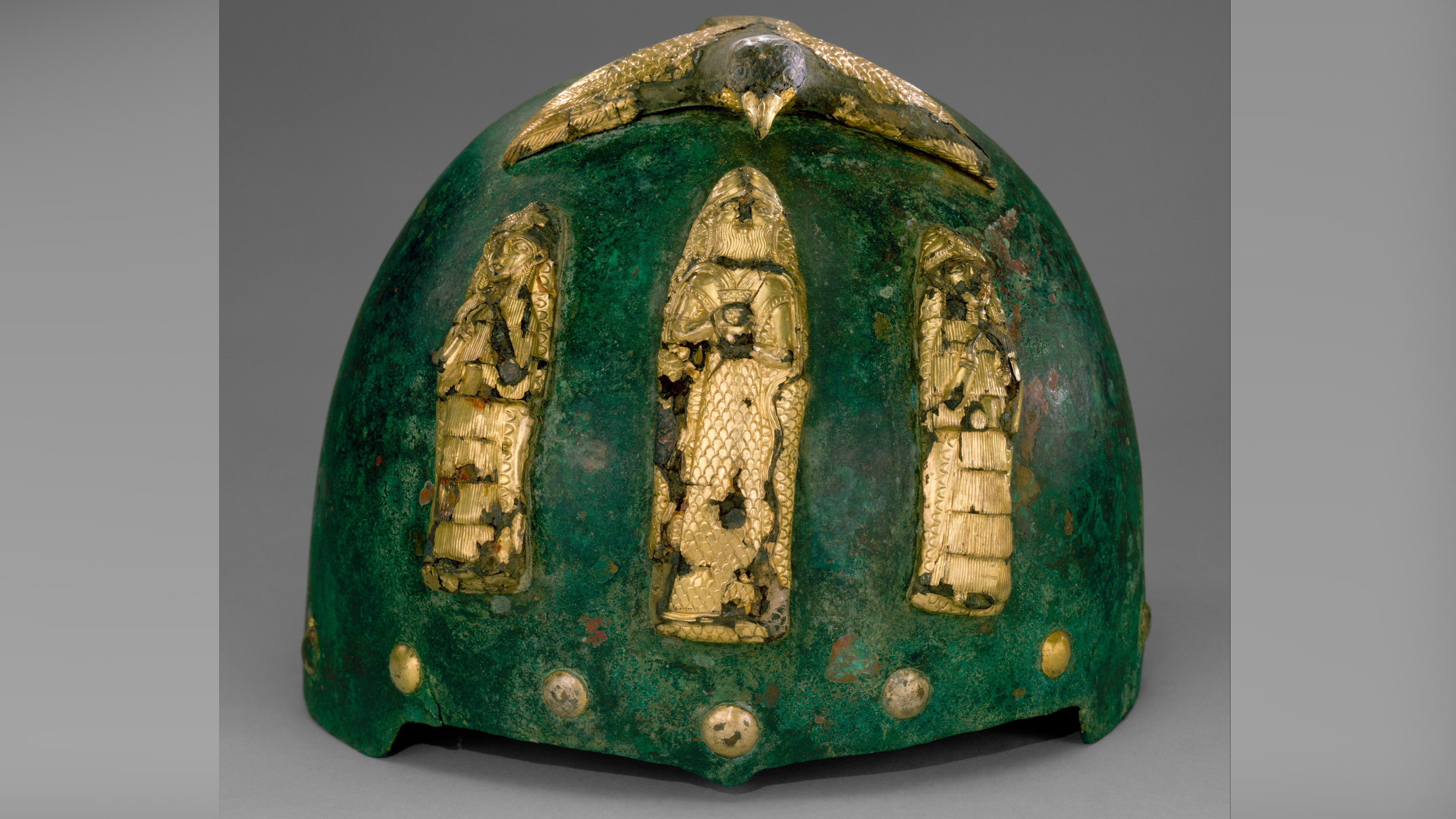
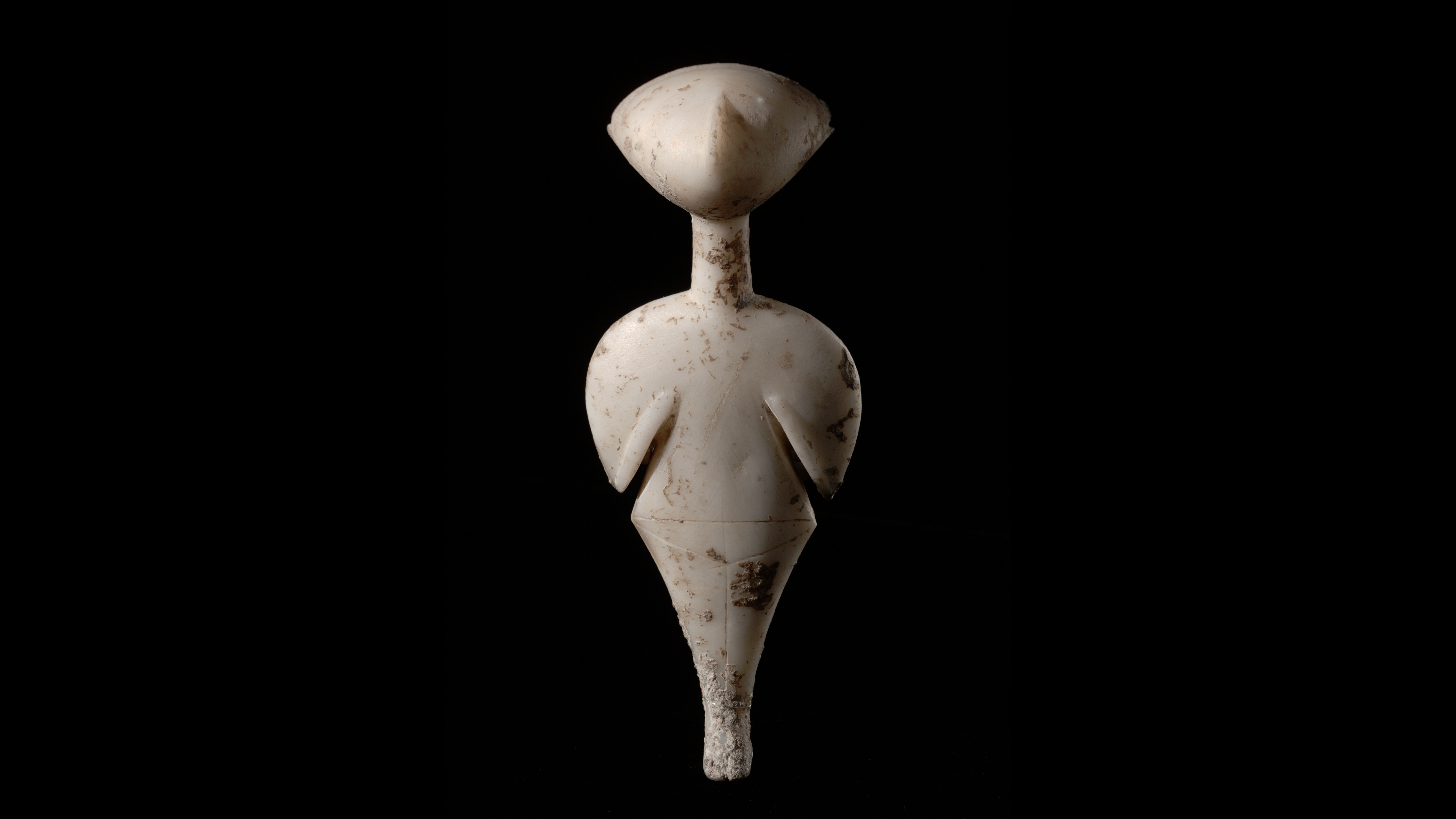
Las excavaciones realizadas durante 2025 en la cueva de Hohle Fels, enclavada en el área declarada Patrimonio de la Humanidad por la UNESCO del Jura Suabo, al suroeste de Alemania, han proporcionado dos nuevos hallazgos de extraordinaria relevancia para la comprensión del arte paleolítico. Se trata de dos representaciones de aves talladas en marfil de […]
Ray Williams, supervisor of test support operations at NASA’s Stennis Space Center near Bay St. Louis, Mississippi, poses for a photograph on July 16, 2026. Williams is among the first engineers and technicians sworn in as new NASA civil servants at Stennis as part of the administrator’s directive to strengthen technical core competencies within the civil service workforce.
NASA/Danny Nowlin
Ray Williams’ progression at NASA’s Stennis Space Center near Bay St. Louis, Mississippi, has uniquely prepared him for his new role.
As part of NASA’s plan to restore core competencies by converting contractors to civil service, the New Orleans native and Grambling State University graduate now works as a supervisor for test operations support at the agency’s E-Complex.
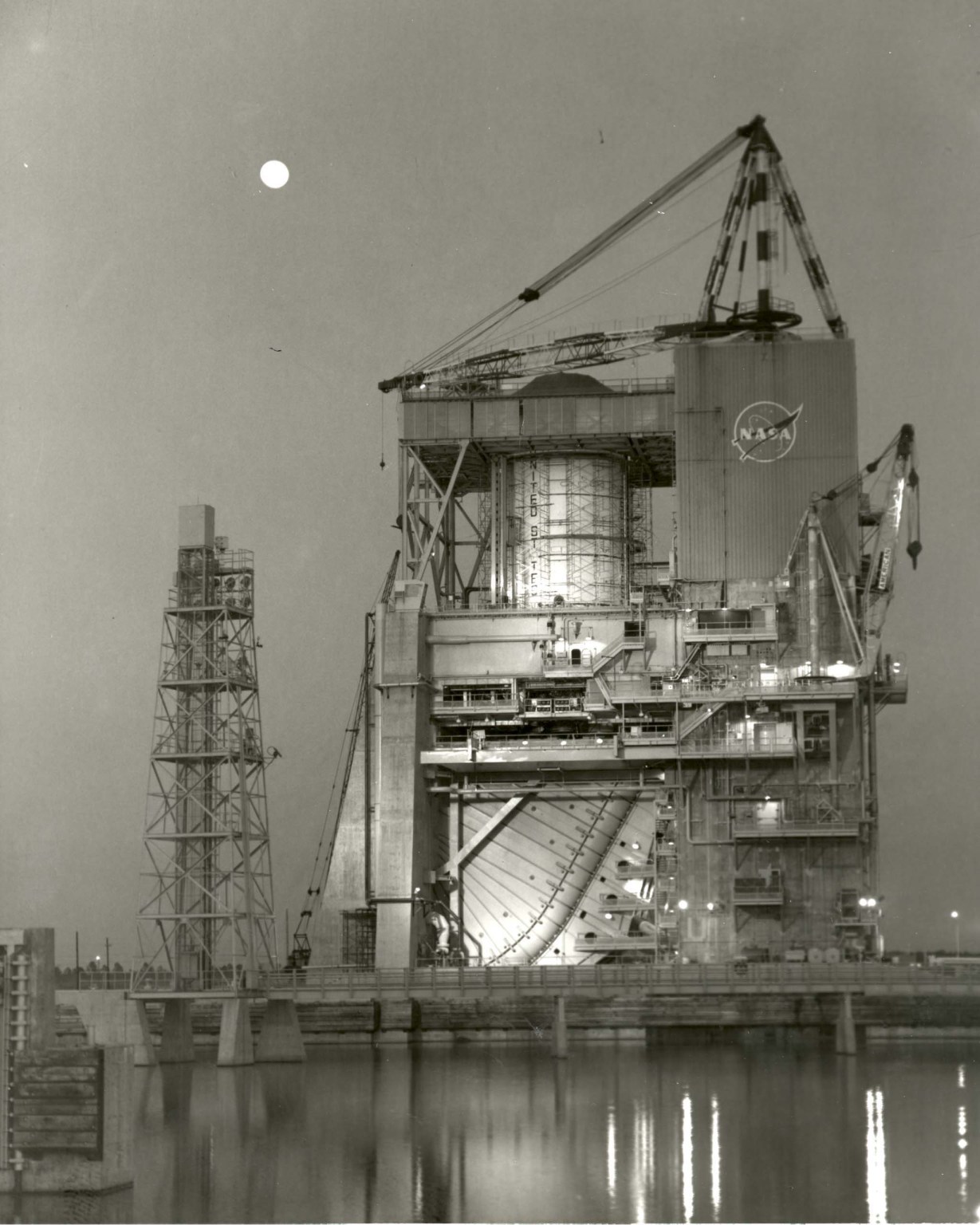
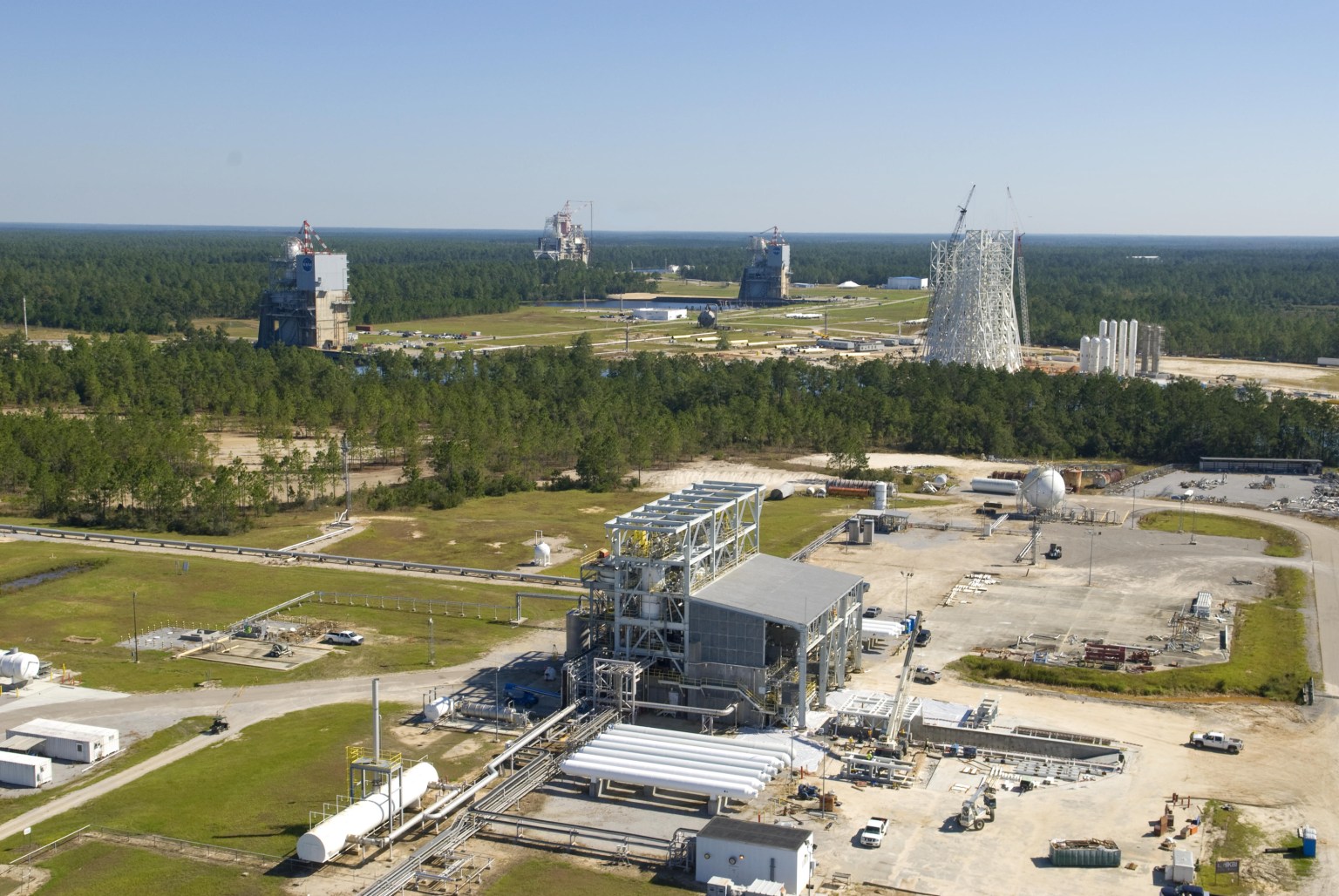
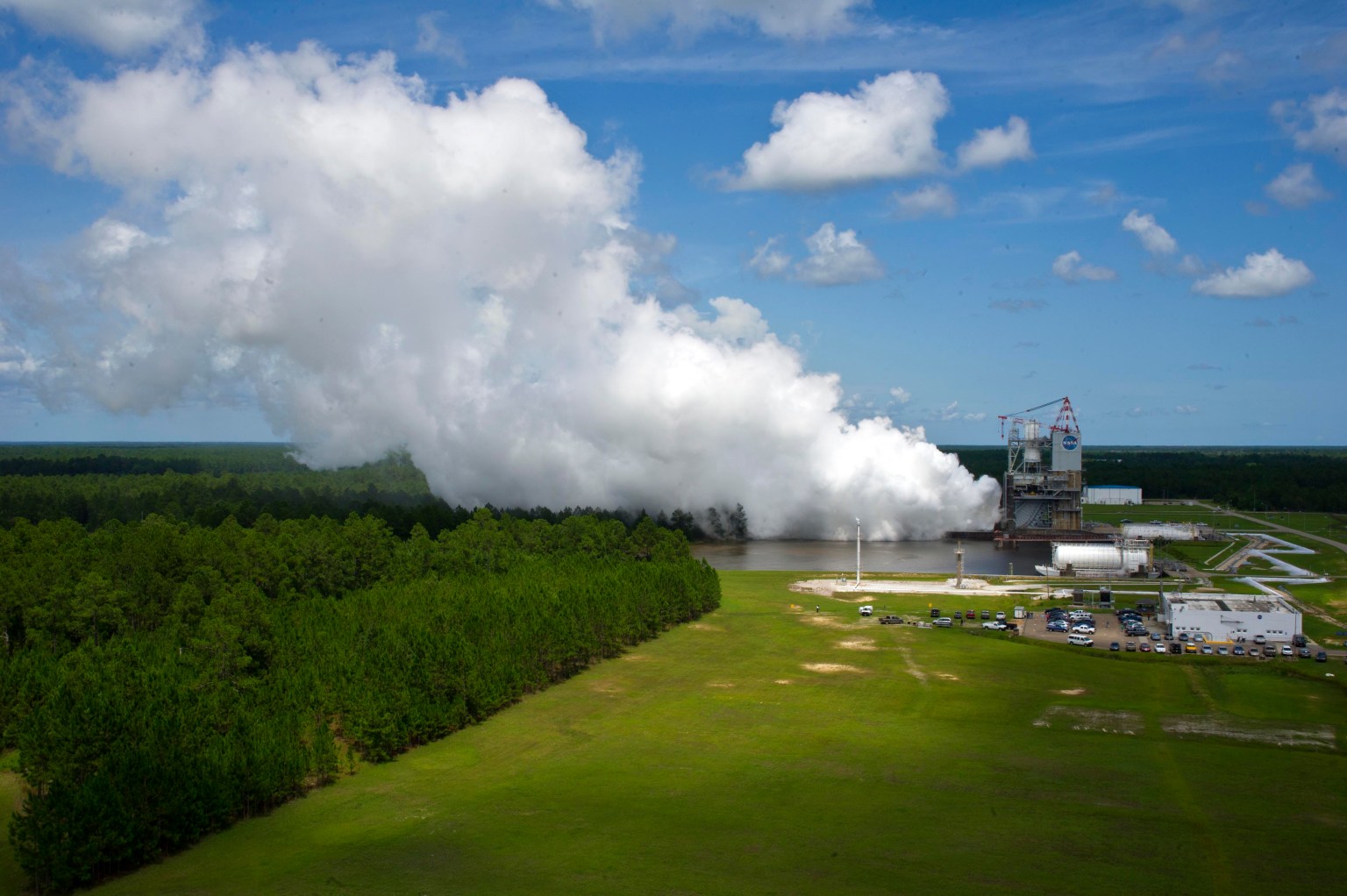
This propulsion testing facility provides mission-critical engineering capabilities to NASA. Through the use of high- and low-pressure propellant systems, engineers are able to focus on development testing of propulsion system components before integration into complete engine systems. Thanks to the versatility of its infrastructure and test team, the complex is uniquely equipped to support projects for the growing commercial aerospace industry and is capable of supporting a wide range of component, engine, and stage test activities.
“Ultimately, my goal is to continue to grow within my own abilities as an engineer and as a supervisor, and to help grow those that I have the opportunity to lead,” said Williams. “I want to align myself with the agency’s goals as a whole to continue to utilize our unique skillset to grow, build, evolve, and innovate.”
Williams began his career at the E-Complex in 1998 as an electrical technician contractor during the facility’s design and build phase. He quickly became familiar with the facility layout, the various systems under development, and the requirements involved in designing, building, and integrating those systems. He later advanced to the role of instrumentation and electrical engineer, gaining extensive institutional knowledge while developing expertise in the principles and importance of data validation.
In total, he brings 28 years of experience to NASA, along with an intimate understanding of the daily challenges his team of technicians faces.
Williams’ primary work location is the E-1 test stand, which is able to handle extremely high pressures and massive flow rates of super cold cryogenics.
Unlike the A and B test complexes at NASA Stennis, where a fully built engine or stage can be installed, fueled, and fired, the E-Complex is highly adaptable.
When commercial partners need to validate large, complex components, they provide specific requirements. The team then customizes the test facility to replicate the exact extreme conditions the hardware is expected to encounter during operation. NASA collects and analyzes data from these precisely controlled test conditions to validate design predictions and determine whether design modifications are needed throughout the development process, from subscale testing through full-scale testing.
Whether validating valve timings, ensuring facility instrumentation is properly calibrated, supporting ultra-high pressure pumping and cryogenic transferring operations, or troubleshooting electrical and mechanical support systems, Williams and his team must execute each task with precision. By retaining Williams’ facility specific expertise in-house as a civil servant, NASA reduces long term operational risk.
Williams describes the opportunity to perform this mission critical work in public service as a dream come true, a dream that began decades ago during an elementary school field trip to NASA Stennis. Today, he finds himself working at NASA just as the agency returns to the Moon to stay through Artemis missions and builds a Moon Base, humanity’s first lunar outpost.
“Having the opportunity to play a role at NASA means a lot,” said Williams. “To this day, I am still a kid at heart looking out at the sky and the galaxy. Being a part of the mission and doing things I know we are capable of doing is an amazing, but also humbling, opportunity.”
Daniel Blumstein, a professor of ecology and evolutionary biology at U.C.L.A., faced a funding issue amid federal cuts to scientific research. To raise money for its marmot research, his team started “OnlyMarms,” a free, G-rated account of cute videos that collects money through tips.
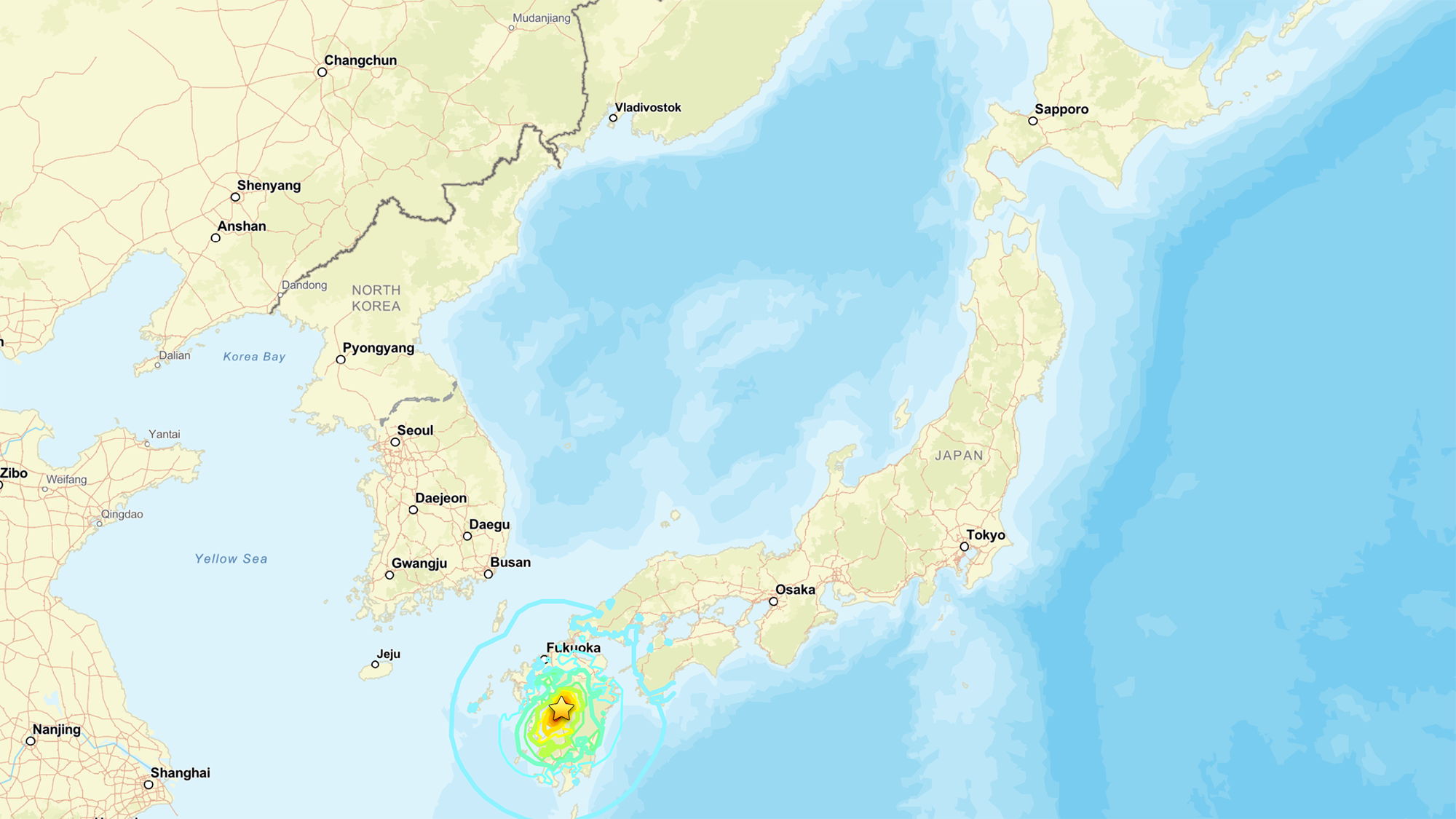
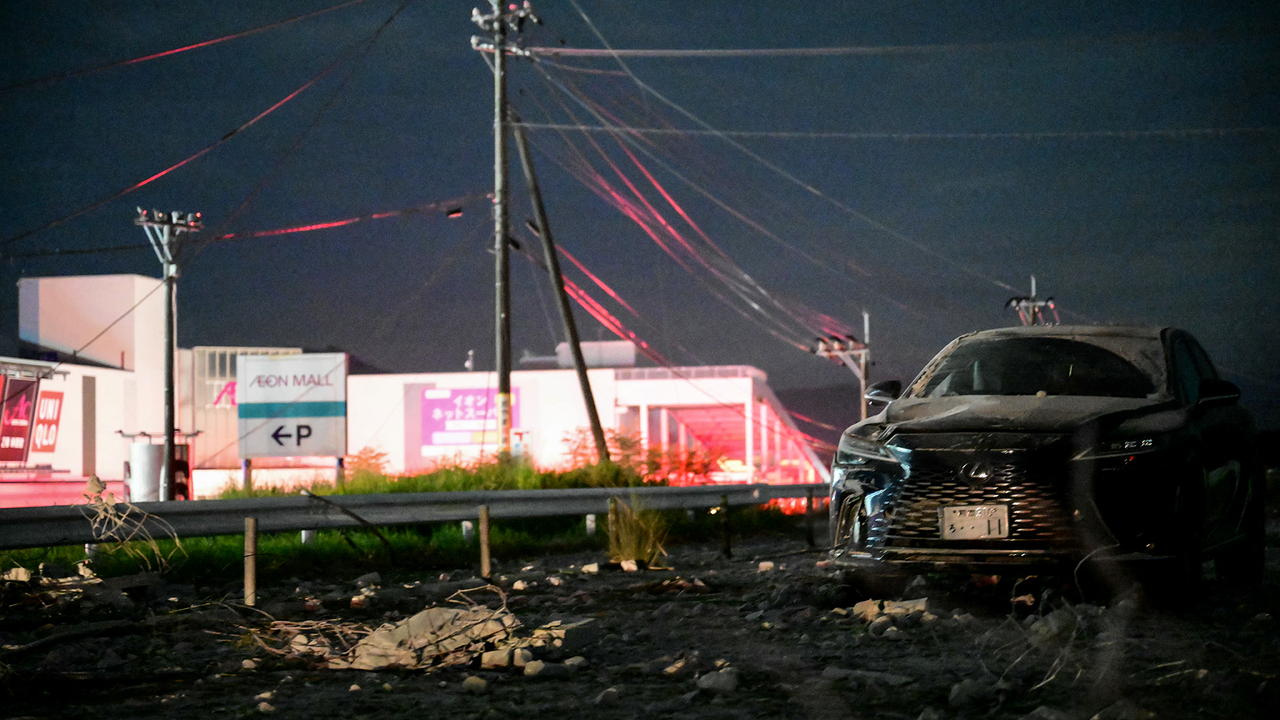
A powerful earthquake struck southwestern Japan Tuesday afternoon local time, collapsing part of a shopping mall, toppling a stone wall at the centuries-old Kumamoto Castle, and sending more than 150,000 people to evacuation shelters, the BBC reported.
The quake, which the U.S. Geological Survey (USGS) measured as a magnitude 6.8, hit at 4:27 p.m. local time near Kumamoto, a city of more than 700,000 people located on the island of Kyushu in southern Japan.
Thousands of homes lost power, and roads buckled across the region. The second floor of a shopping center collapsed, trapping shoppers inside, according to the BBC report; some of these people were evacuated and later hospitalized. A brief tsunami warning was issued and lifted within an hour.
A map showing the location of the July 2026 earthquake. (Image credit: National Tsunami Warning Center (ATWC), Pacific Tsunami Warning Center (PTWC), USGS National Earthquake Information Center, PDE)
The USGS measurement is different from the magnitude 7.1 reported by the Japan Meteorological Agency, "primarily because the agencies are reporting different magnitude types," the USGS reported. While Japan is looking at local magnitude, the USGS measured the moment magnitude, which is derived from the physical size of the fault rupture and gives the "most reliable estimate of earthquake size" for large earthquakes, since local-magnitude scales can lose accuracy once a rupture grows big enough, the USGS reported.
These measurements are helpful, as "different magnitude types capture different characteristics of earthquake source processes," the USGS noted. Local magnitude, for example, reflects how strongly the ground shook nearby, while moment magnitude reflects the total energy released across the fault.
Why this quake is scientifically interesting
Japan sits atop one of the most active plate boundaries on Earth, where the Philippine Sea Plate dives beneath the Eurasia Plate. That process, known as subduction, is responsible for the massive, tsunami-generating earthquakes that periodically strike offshore Japan, and it's been studied intensively for decades.
But Tuesday's earthquake didn't occur at the boundary itself. Instead, the rupture happened within the Eurasia Plate, more than 60 miles (100 kilometers) inland from where the plates meet, Jeffrey Park, a theoretical seismologist at Yale University, told Live Science. Roughly 90% of earthquakes happen at plate boundaries, where the constant grinding of two plates builds up stress until a fault gives way. Quakes that strike farther inside a plate — sometimes called intraplate earthquakes — are rarer and less understood, though scientists suspect that stress transmitted through the plate can reactivate old, dormant faults far from the boundary that produced it.
According to Park, the fault in Tuesday's earthquake moved in a way that suggests the plate tore horizontally as it was twisted by subduction occurring at an angle.
The USGS describes this event as shallow strike-slip faulting: the two sides of the fracture slid past each other horizontally, rather than one side thrusting up and over the other. This faulting style, combined with the shallow depth of just 6 miles (10 kilometers) down, points to the same type of rupture behind Kyushu’s deadly 2016 Kumamoto earthquake sequence.
That inland location is also why the quake didn't generate a damaging tsunami, despite the brief precautionary warning. Tsunamis are produced when a big event — such as an earthquake, volcanic eruption or landslide — displaces water; the force from that displacement then propagates as a wave.
Tuesday's rupture stayed entirely on land, so it never pushed the seafloor up the way offshore quakes do. That's why the tsunami risk stayed low, even with the brief precautionary warning. Still, an inland quake isn't automatically off the hook: if the shaking triggers a landslide that spills into the sea, that alone can generate a tsunami.
The depth mattered just as much as the location. The quake was shallow enough to concentrate its energy near the surface, which Park said explains the structural damage.
"Because it is shallow it will cause more structural damage than a similar-sized event that might occur deeper and offshore," he told Live Science in an email.
Earthquake country
Severalearthquakeshave already clustered in the area, and numerous aftershocks are expected over the coming days. Japan experiences roughly 1,500 earthquakes annually, making it one of the most seismically active countries on the planet — a byproduct of sitting at the junction of several tectonic plates.
To protect itself, Japan has spent decades — and learned from painful lessons from disasters like the 2011 Tohoku earthquake and tsunami — engineering a response system built for exactly this scenario.
Bullet trains are programmed to halt automatically the instant seismic sensors detect a major earthquake, a safeguard Park pointed to as a defining feature of the country's earthquake readiness. That automatic shutdown extends to other transit and utility systems, part of a broader early-warning network that alerts the public within seconds of a quake's detection, giving people crucial time to take cover before shaking arrives.
Japan's investment in its infrastructure may help to explain why, even after a magnitude 7 event near a city of 700,000, Japan's death toll and damage have historically been far lower than those from comparable quakes elsewhere in the world.
Search-and-rescue efforts are continuing in Kumamoto, with CNN reporting that between 20 and 30 employees remained unaccounted for at the Aeon Mall in Kashima Town, where the building’s second floor had collapsed. Firefighters were also working to reach the site and contain nearby fires.
More light at the day’s end comes at a price: much later winter sunrises across much of the U.S. Scientists have documented consequences for public health and the economy.
Claude Mythos Preview discovered new attacks in testing against weakened cryptographic algorithms, which protect online financial transactions, private communications and more.
CapuchinAI, a portable testing station equipped with a touch screen and facial recognition software, could help scientists study primate intelligence in the wild.
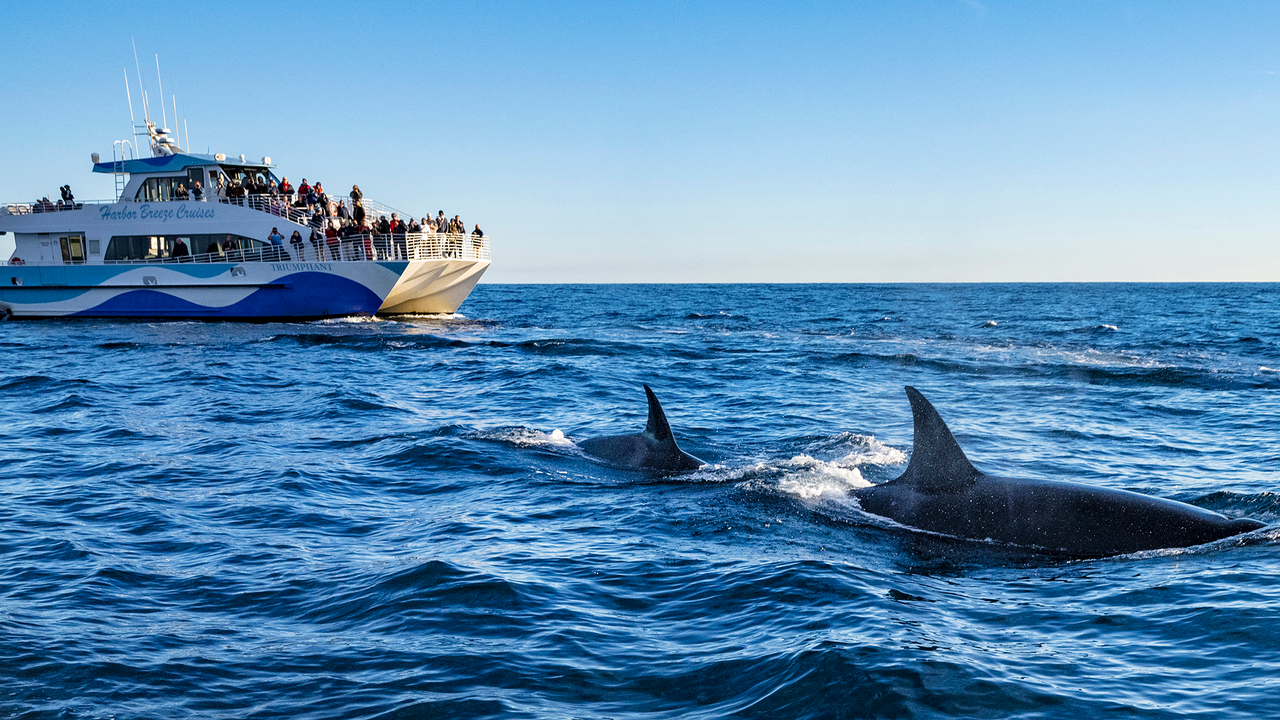
A pod of killer whales has sunk another yacht off northwestern Spain, reinforcing a bizarre pattern of vessel encounters that has stretched on for more than six years along the Iberian coast.
In the incident, reported Friday (July 24), the whales destroyed the rudder of a 46-foot-long (14 meters) Swedish-flagged yacht off Galicia in northwestern Spain, forcing the two people aboard to send a mayday call. A Spanish coastguard vessel towed them to safety, Spain-based news outlet Sur in English reported.
The incident came after several other encounters in the same waters earlier that week, including one in which a pleasure craft called the Idem sank near Estaca de Bares, the northernmost point of the Iberian Peninsula. The ship sank after the killer whales, also known as orcas (Orcinus orca), destroyed its rudder. Both occupants were rescued.
That makes the Idem at least the eighth boat lost to these encounters since they began, according to groups that track the incidents. More than 700 interactions between orcas and vessels have been logged since 2020, ranging from a brief nudge to a multihour rudder-ramming session, according to the Atlantic Orca Working Group, the Spanish-Portuguese research collective that has coordinated data collection on the phenomenon from the start.
Researchers have identified roughly 15 individual killer whales involved in these incidents, out of an Iberian subpopulation of fewer than 50. The group is so small that the International Union for Conservation of Nature lists it as critically endangered, as it is dependent mainly on Atlantic bluefin tuna for its food.
The family-like cluster is thought to be led by a female known as White Gladis. That name comes from an early theory researchers themselves once floated: that White Gladis suffered some kind of traumatic run-in with a boat and that the encounter flipped a behavioral switch, with her being the first in the group to start ramming rudders.
Alfredo López Fernandez, a biologist with the Atlantic Orca Working Group, told Live Science in 2023 that this kind of defensive, trauma-driven origin was gaining traction among researchers at the time. But "defensive" isn't "vengeful" — and the idea has since curdled online into a punchier revenge story most scientists studying the population don't endorse.
So why do orcas go after the boats? Nobody knows for certain, but the leading explanation is simple: Orcas are some of the most social animals on the planet, and social animals pick up habits from one another the way trends spread through a friend group. Researchers describe the behavior as socially learned — young orcas appear to watch adults ram a rudder and then try it themselves, and the habit has spread through the group over time.
A 2022 study in the journal Marine Mammal Science found that the killer whales usually targeted sailing boats and often lost interest after striking the rudder and causing the boat to stop.
None of that makes the encounters any less disruptive for the people living through them. The standard guidance from authorities like the Maritime Safety and Rescue Society and the Atlantic Orca Working Group, refined over repeated encounters, is to cut the engine, drop the sails if possible, disengage the autopilot, and let go of the wheel entirely, giving the orcas nothing to push against. Boats that follow this protocol tend to sustain less damage than those that don’t.
Sailors are asked to report every encounter. Each one adds to the data scientists are using to try to solve a years-long mystery.
Scientists managed to confirm pregnancies in three giant mantas with underwater ultrasound scans, offering clues to the animals’ elusive reproductive habits.
For over 20 years, Live Science has been committed to bringing you the latest breakthroughs and incredible discoveries with clarity, authority and good humor (when appropriate, of course). In that time, we've evolved through a modernized website design, a transition to more deeply reported stories, and the addition of engaging videos produced by a dedicated team.
Over the years, we have relied on advertising to support our team of journalists. However, the fast-changing economic landscape has pushed us to continue evolving so we can deliver quality science journalism. That is why I am proud to say we have launched Live Science Pro,a new space on Live Science that allows you to directly support our award-winning team of science journalists so we can continue writing best-in-class stories.
Right now, the world needs credible, rigorous science more than ever. Our mission is to responsibly communicate that science with the highest degree of accuracy, informing the scientific community and sparking the fascination of those who can't wait to learn about our world and the universe beyond. By joining Live Science Pro, your subscription supports this goal and allows us to produce high-quality journalism that is written and fact-checked by our experienced writers and editors, without ever seeing an advertisement on our articles. This means you get all the science, and none of the distractions.
While you can still read the latest science news for free, written to the same high standards as our Pro content, as a part of your paid membership, a Live Science Pro subscription gives you access to our Science Spotlight features, which take an in-depth look at the paradigm shifts and breakthroughs that will transform science in the coming years. Your subscription puts must-reads at your fingertips, including our insightful analyses, which give you crucial context for the biggest science headlines; and interviews and exclusive book excerpts, which provide a more personal look at the people driving progress. You also get access to our opinion pieces, which reveal how experts are thinking about the biggest issues in their fields.
Plus, you'll receive our exclusive, members-only weekly newsletter, which provides a curated look at the stories our writers and editors are most excited about and their take on what matters most in their areas of expertise.
To mark the launch of Live Science Pro, we're offering an introductory price of $3 for the first three months, or for an even better value, you can sign up for an annual subscription for just $30 for the first year. You can find more details on how to subscribe here: livescience.com/subscription
Right now, there are more voices and options than ever. We know you demand credibility and accuracy from your science reporting, and we thank you, again, for placing your trust in ours.
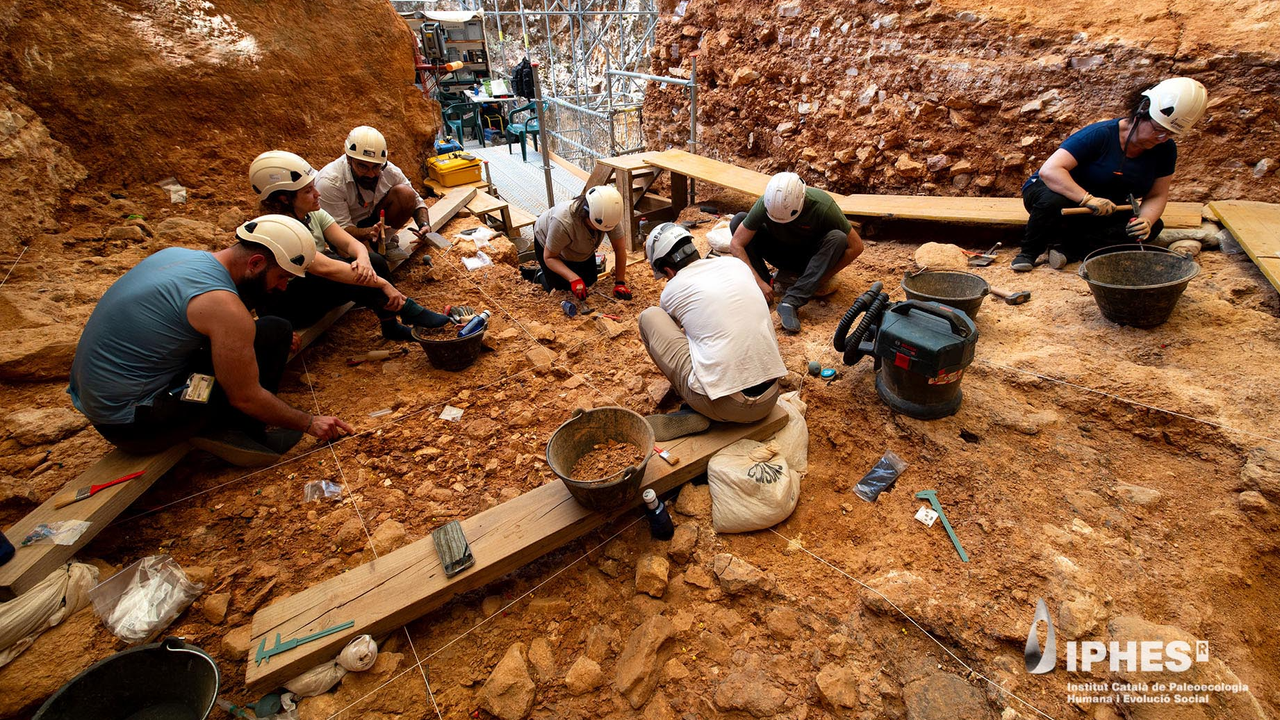
Cut marks suggestive of cannibalism have been discovered on the fossils of an ancient human relative in a cave in Spain, new research finds. But many of the bones from the species, known as Homo antecessor, were from adults — not just children, as previous discoveries had found — adding a new dimension to the cannibalism that was practiced in this area 850,000 years ago.
The two dozen bones and teeth were recently found in Gran Dolina cave, part of the Sierra de Atapuerca archaeological complex in northern Spain, according to a July 24 translated statement from the Catalan Institute of Human Paleoecology and Social Evolution (IPHES). Among the remains were fragments of a skull, spine, arm and leg bones, as well as three teeth from several members of the now-extinct H. antecessor, a relative of modern humans that lived in Europe between about 1.2 million and 770,000 years ago. Several of the bone fragments had cut marks from stone tools.
Over the past few decades, researchers have identified numerous cases of cannibalism at Gran Dolina, meaning H. antecessor is the oldest known human relative to eat its own group members for nutritional reasons. In a 2010 study, researchers noted that most of the evidence of cannibalism at Gran Dolina came from the bones of infants and juveniles, who would have been easier to capture and kill as the young, defenseless members of a rival group. But the newly excavated fossils have upended that assumption.
"The discovery of more adult individuals, some of whom also bear cut marks, demonstrates that cannibalism was not restricted to younger individuals," Palmira Saladié, a biological anthropologist at the IPHES who coordinated the work, said in the statement.
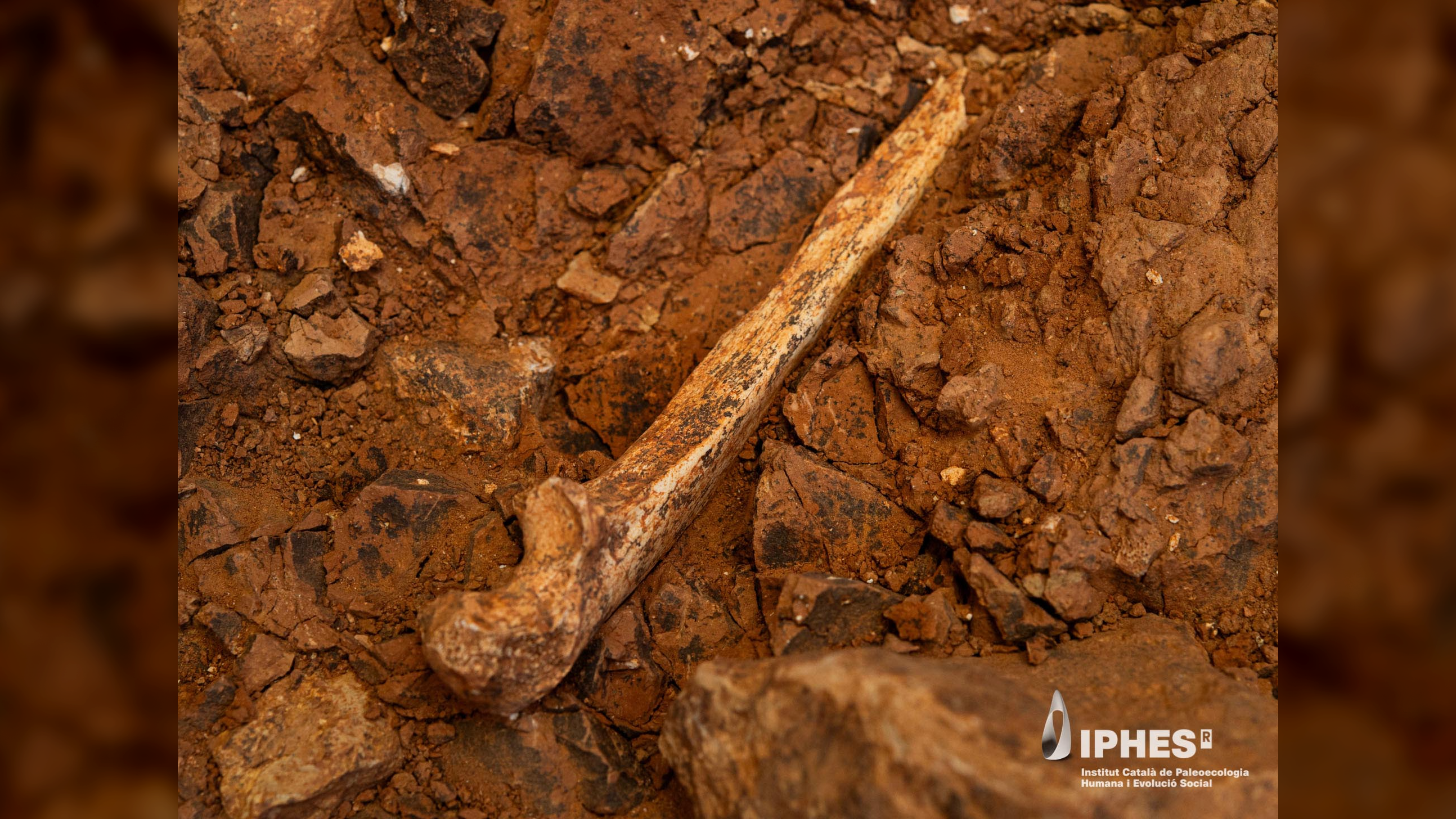
The first-ever ulna (forearm bone) discovered from an adult Homo antecessor individual at Gran Dolina in Atapuerca, Spain. (Image credit: Maria D. Guillén / IPHES-CERCA)
The number of individuals found at Gran Dolina has now risen to at least 13, and about half of them are adults. "The increase in the number of individuals, and especially the addition of more adults, allows us to begin understanding this population from a much more complete perspective than ever before," Andreu Ollé, an archaeologist at the IPHES, said in the statement.
Excavation at Gran Dolina has also brought to light an assemblage of stone tools made from flint, quartzite and sandstone, along with animal bones from hyenas, beavers, deer, horses and rhinoceroses, according to the statement.
Evidence of cannibalism at the site is extensive. Stone tools found in the cave are consistent with the cut marks on the human bones, and the animal bones have revealed butchering techniques that were also used on humans. Some of the human bones also had human bite marks, Saladié told Live Science in 2025, which is the "most reliable evidence that the bodies found at the site were indeed consumed."
But while the practice of cannibalism at Gran Dolina has been confirmed, the reason for it is still unclear. Researchers hope the newly discovered adult bones may help them better understand the practice among H. antecessor groups.
"We have only just begun excavating this new area" at Gran Dolina, Marina Mosquera, an archaeologist at the IPHES, said in the statement, "and the first results already demonstrate its enormous scientific potential."
Further analyses on the bones are now underway to explore questions about age-related differences in cannibalism, the number and length of cannibalistic episodes, and the social organization of H. antecessor, according to the statement.
What do you know about early humans? Test your knowledge with our human origins quiz!
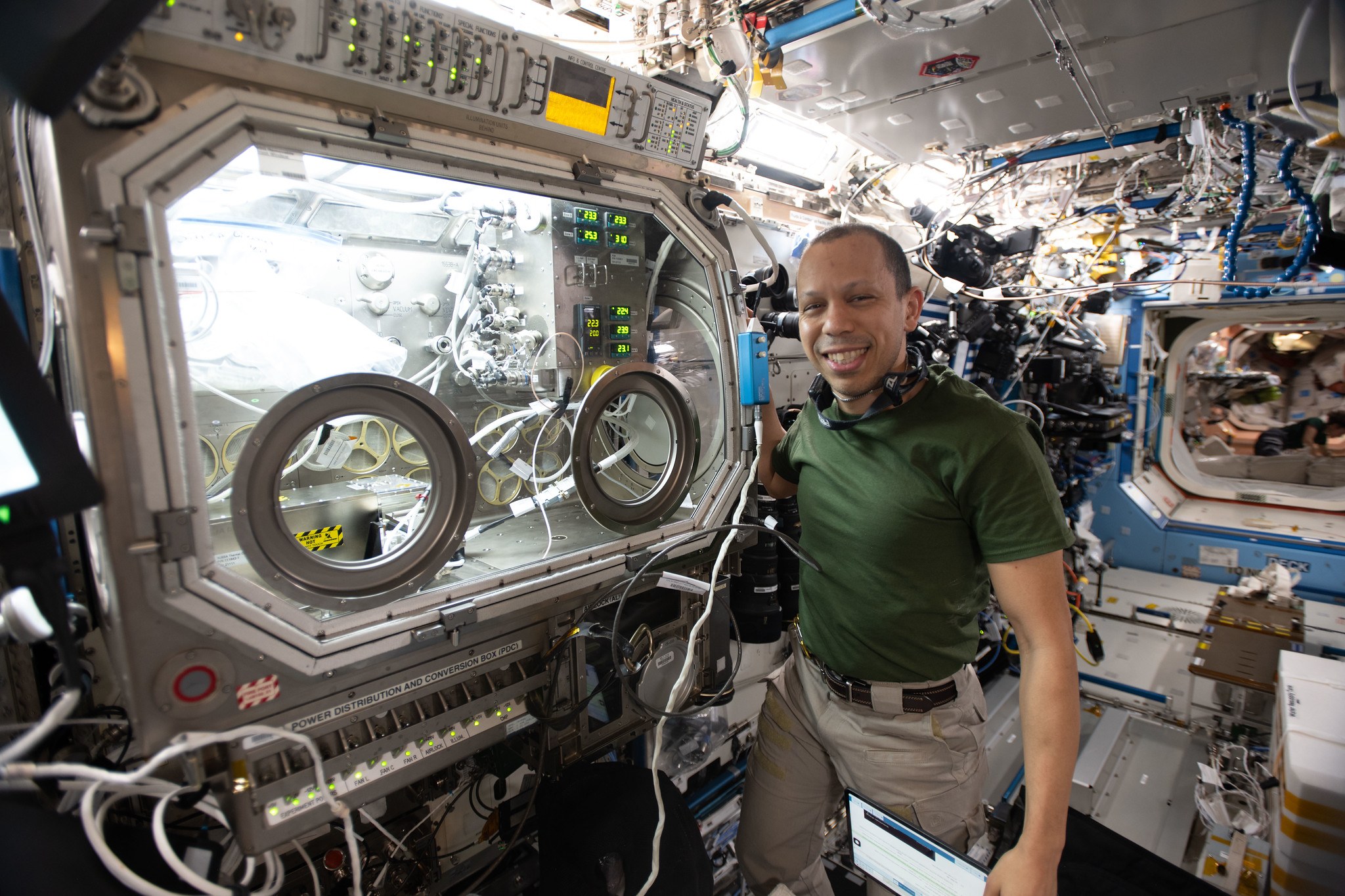
NASA astronaut and Expedition 74 flight engineer Chris Williams shows off the Destiny laboratory module’s Microgravity Science Glovebox aboard the International Space Station. Williams was supporting semiconductor crystal research to help advance the commercial space economy and promote Earth-based industries.
NASA/Chris Williams
NASA astronaut Chris Williams will recap his recent eight-month mission aboard the International Space Station during a news conference at 2:45 p.m. EDT Tuesday, Aug. 4, from the agency’s Johnson Space Center in Houston.
NASA will stream this event live through a variety of platforms. Learn where to watch online:
United States-based media interested in attending in person must contact the NASA Johnson newsroom no later than 5 p.m., Friday, July 31, at jsccommu@mail.nasa.gov.
Media wishing to participate by phone must contact the Johnson newsroom no later than two hours before the start of the event. To ask a question by phone, media must dial into the news conference no later than 15 minutes prior to the start of the call. NASA’s media accreditation policy is available online.
Williams returned to Earth on July 26, after logging 241 days as an Expedition 73/74 flight engineer during his first spaceflight. He returned along with Roscosmos cosmonauts Sergey Kud-Sverchkov and Sergei Mikaev, completing 3,856 orbits of the Earth over the course of their more than 102-million-mile journey. They also saw the arrival of six visiting spacecraft and the departure of eight.
During his mission, Williams supported a wide range of scientific investigations and technology demonstrations. He helped advance research for new cancer treatments and improved in-space manufacturing of materials used in high-performance computers and electronics. Williams also completed two spacewalks to prep for space station power system upgrades and to replace a faulty joint on the Canadarm2 robotic arm. The crew’s work aboard the space station helps improve life on Earth and prepare for future human missions to the Moon and Mars.
To learn more about International Space Station research, operations, and its crews, visit:
NASA astronaut Jessica Meir works inside the International Space Station’s Quest airlock in March, her reflection visible in a spacesuit helmet visor as she installs leg and arm components and swaps parts between suits.
Credit: NASA/Jack Hathaway
Editor’s note: This media advisory was updated July 27, 2026 to reflect an updated start time for the spacewalk on Thursday, Aug. 6.
NASA will provide coverage as astronauts venture outside the International Space Station during three spacewalks in August to continue upgrading solar arrays, replace a communications antenna, and connect power and data cables in support of space station operations.
Experts will preview the upcoming spacewalks during a news conference at 2 p.m. EDT, Thursday, July 30, from NASA’s Johnson Space Center in Houston.
NASA will stream these events through a variety of platforms. Learn where to watch online:
Bill Spetch, deputy manager of Commercial, Low Earth Orbit Program
Chris Dobbins, spacewalk flight director
Chloe Mehring, spacewalk flight director
United States-based media interested in attending in person must contact the Johnson newsroom no later than 3 p.m., Wednesday, July 29, at jsccommu@mail.nasa.gov. Media joining by phone should request dial-in details by the same deadline. To ask a question, media must dial in no later than 15 minutes before the start of the news conference.
Thursday, Aug. 6
NASA astronauts Jessica Meir and Anil Menon will exit the Quest airlock to install hardware that will modify the station’s 3B power channel and prepare it for the future installation of an International Space Station Roll-Out Solar Array (IROSA). The solar array, scheduled for delivery later this year, will be the seventh IROSA and will provide additional power to support critical station operations, including its safe and controlled deorbit.
Watch NASA’s live coverage of U.S. spacewalk 96 beginning at 7 a.m. The spacewalk is expected to start at 8:35 a.m. and last about six and a half hours.
This spacewalk will be the sixth for Meir and the first for Menon. Meir will serve as spacewalk crew member 1 and will wear a suit with red stripes. Menon will serve as crew member 2 and will wear an unmarked suit.
Thursday, Aug. 13
During U.S. spacewalk 97, two astronauts will replace a Space-to-Ground antenna on the orbital complex. The antenna is a critical communication system NASA uses to transmit data and high‑speed communication between the Mission Control Center in Houston and the space station.
Tuesday, Aug. 25
The U.S. spacewalk 98 crew members will connect power channel cables and data relay systems as part of ongoing maintenance, including preparations for the space station’s future deorbit. The astronauts also will replace a navigational aid used for spacecraft docking on the Harmony module’s forward port.
NASA will share additional details about U.S. spacewalks 97 and 98, including timing, assigned crew members, and coverage information, closer to each operation.
The spacewalks will be the 281st, 282nd, and 283rd conducted in support of space station assembly, maintenance, and upgrades.
To learn more about International Space Station research, operations, and its crews, visit:
How are traditional canoes built? Join National Geographic photographer, Kiliii Yuyan, to learn about the beautiful Wabanaki designs, and then take a canoe out on the water to experience Maine's incredible fly fishing.
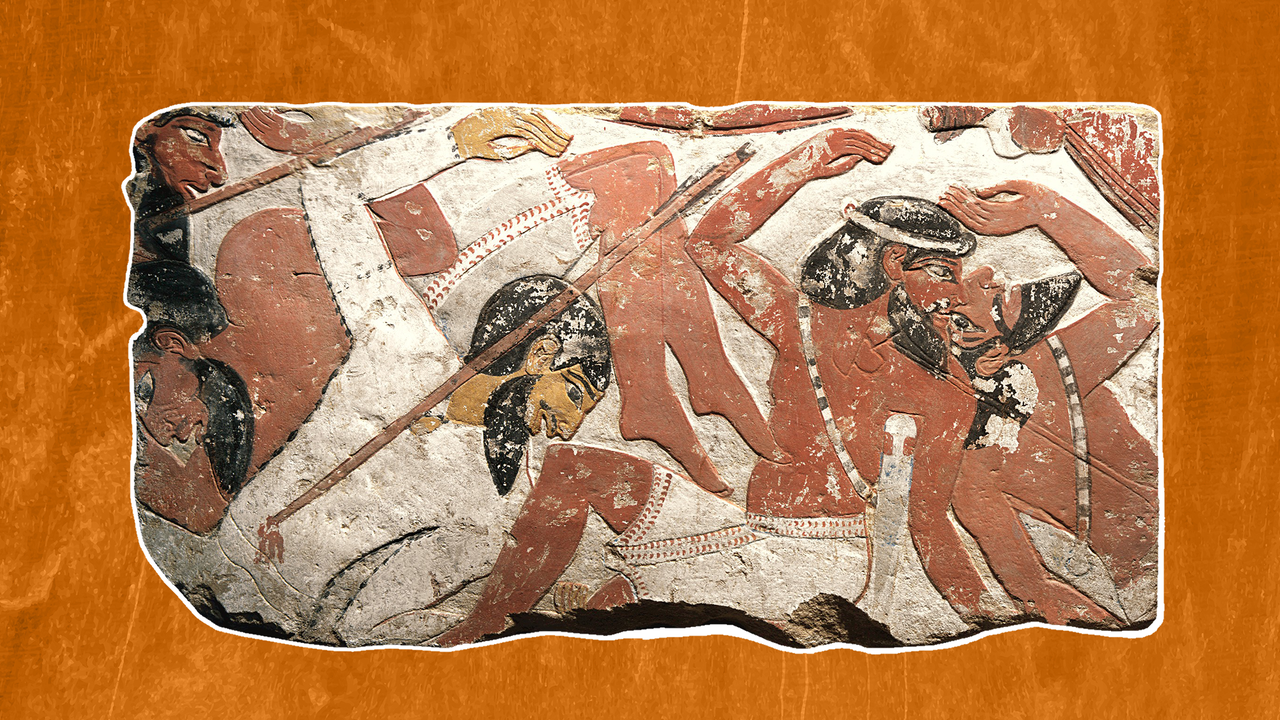
The ancient Egyptians sometimes reused crafted materials. This block, which features a battle scene, was likely created during the reign of Amenhotep II between 1427 and 1400 B.C., during the 18th dynasty. But when it was discovered, the block was being used as part of the foundation of the unfinished mortuary temple of Ramesses IV (who ruled from 1153 to 1147 B.C., during the 20th dynasty).
The painted sandstone slab was discovered in Luxor in 1912 by Egyptologist Herbert E. Winlock, who later became the director of the Metropolitan Museum of Art, which has the block in its collection. In his original publication describing the artifact, Winlock wrote that it featured a scene of an Egyptian pharaoh slaying his enemies with a bow and arrow. "The block may be taken as one of the best preserved specimens of the great imperial pictorial-relief yet discovered," he wrote.
The excellent preservation of the artifact and its vibrant colors was likely due to its reuse in Ramesses IV's temple foundations, Catharine Roehrig, the Met's curator emerita of Egyptian art, wrote in a 2008 explanation of the relief fragment.
Measuring roughly 24 by 45 inches (61 by 115 centimeters), the painted sandstone carving was likely part of a larger scene depicting an Egyptian pharaoh vanquishing an enemy army, according to Roehrig. The pharaoh's chariot and horses appear in the upper-right corner, while a rival soldier tries to avoid being trampled to death. Three of the enemies have been pierced by arrows.
The pointed beards and distinctive clothing suggest the enemies were ancient Syrians or possibly the Hyksos, a Semitic-speaking foreign dynasty that ruled Egypt from around 1640 to 1530 B.C., during the Second Intermediate Period, James P. Allen, former curator of Egyptian art at the Met, wrote in 2005. The battle scene may therefore reflect historical conflicts fought between dynasty 18 pharaohs like Amenhotep II and Asiatic rulers.
But the relief was unlikely to have been created as a commemoration of a specific historical battle. "Their primary purpose was to portray the pharaoh in his role as the victorious defender of Egypt," Roehrig wrote.
For more stunning archaeological discoveries, check out our Astonishing Artifacts archives.
An annual convention in the California desert offered a safe space for believers to discuss extraterrestrial encounters, crop circles and other paranormal phenomena.

 Login