❌

Reading view

Five-Year Disease Progression in Synuclein-Positive Sporadic Parkinson’s Disease

Parkinson’s disease has long been a diagnosis of observation and inference. Doctors watched for tremor, rigidity, and slowness of movement, and only at autopsy could the telltale clumps of alpha-synuclein protein—the pathological signature of the disease—be confirmed inside the brain. That diagnostic fog may finally be lifting. A new five-year study drawing on the landmark Parkinson’s Progression Markers Initiative (PPMI) has followed patients whose disease was defined not by their symptoms alone, but by biology: a positive cerebrospinal fluid seed amplification assay, the test that detects misfolded alpha-synuclein circulating in the nervous system. The results, published in Annals of Clinical and Translational Neurology, offer one of the clearest longitudinal pictures yet of how biologically confirmed Parkinson’s disease actually progresses in the era of modern treatment—and the findings are already reshaping how scientists think about staging, enrollment in clinical trials, and the very definition of the disease.

The research team set out with two central questions. First, what happens clinically to patients who test positive for synuclein seeding in their spinal fluid over five years of careful observation? Second, does a patient’s baseline stage on a new biological staging system—the Neuronal Synuclein Disease Integrated Staging System, or NSD-ISS—predict how quickly they will cross meaningful clinical milestones? Both questions cut to the heart of a quiet revolution in neurology. For more than a century, Parkinson’s was classified by what patients looked like in the examination room. Now, thanks to validated biomarkers, researchers can classify it by what is happening at the molecular level, potentially years before disabling symptoms emerge.

The seed amplification assay, or SAA, is the technological engine behind this shift. The test exploits a peculiar property of misfolded alpha-synuclein: it acts as a template that recruits normal, healthy synuclein proteins and forces them to misfold as well, seeding the aggregates known as Lewy bodies that riddle the brains of Parkinson’s patients. In the laboratory, a tiny sample of cerebrospinal fluid is mixed with synthetic alpha-synuclein and monitored for hours. If pathological seeds are present, the reaction accelerates into a detectable fluorescence signal. The assay has been validated across multiple international cohorts and, critically, against postmortem brain tissue, giving neurologists a window into pathology they previously could only glimpse after death. A complementary technique—detecting phosphorylated alpha-synuclein in small skin biopsies—has added a second, less invasive line of biological evidence.

Armed with these tools, two research groups have proposed frameworks for redefining Parkinson’s disease biologically. The SynNeurGe criteria classify patients by the combined presence of pathological alpha-synuclein biomarkers, neuroimaging evidence of neurodegeneration, and disease-relevant genetic variants. The Neuronal Synuclein Disease criteria take a parallel approach, defining disease by the presence of pathological synuclein as measured by a validated biomarker, with or without evidence of dopaminergic dysfunction detected through dopamine transporter imaging. The integrated staging system then arranges these biological anchors along a seven-stage ladder: Stage 0 reserved for carriers of fully penetrant mutations in the SNCA gene; Stages 1A and 1B for people with synuclein pathology but no symptoms, depending on whether dopaminergic dysfunction is present; Stages 2A and 2B for those with subtle signs that stop short of functional impairment; and Stages 3 through 6 capturing progressively severe clinical disability.

PPMI, the international observational study launched in 2010, provided the ideal laboratory for testing whether this staging framework means anything in the real world. The researchers focused on the sporadic Parkinson’s cohort: participants diagnosed within two years of enrollment who had never taken dopaminergic medication, whose examinations showed cardinal motor features, and whose dopamine transporter scans confirmed the characteristic deficit in the striatum. Crucially, the team selected only those participants who met biological NSD criteria through a positive CSF seed amplification assay, recruited before 2020 to guarantee at least five years of follow-up. This design deliberately stripped away a longstanding source of noise in Parkinson’s research: the clinical heterogeneity that arises when a “Parkinson’s” diagnosis might actually encompass unrelated neurodegenerative processes that mimic the disease but follow entirely different biological courses.

Over the five-year observation window, participants underwent an unusually thorough annual workup. Motor and non-motor function was tracked with the Movement Disorders Society Unified Parkinson’s Disease Rating Scale across all four of its parts, alongside the Hoehn and Yahr staging scale and the Schwab and England activities of daily living score. Smell was measured with the University of Pennsylvania Smell Identification Test, autonomic function with the SCOPA-AUT, mood with the Geriatric Depression Scale, and REM sleep behavior disorder risk with a dedicated screening questionnaire. Cognition was assessed with the Montreal Cognitive Assessment and, from the study’s third year onward, formal clinician diagnoses of normal cognition, mild cognitive impairment, or dementia. Medication burden was quantified as levodopa equivalent daily dose, and dopamine transporter imaging was repeated at years one, two, and four, quantified both in the putamen—the region most affected in Parkinson’s—and across the striatum as a whole.

The broad message from the five-year trajectories is one of measurable, biologically anchored progression. Patients recruited as freshly diagnosed, biologically confirmed sporadic Parkinson’s patients showed the expected decline across motor scales and dopaminergic imaging, with the earlier PPMI analysis by Simuni and colleagues having already documented significant—though modest—correlation between worsening clinical scores and falling DAT binding over five years. What the new analysis adds is the biological filter: by restricting the cohort to synuclein-seeding-positive individuals, the study reduces the contamination from look-alike conditions that has historically muddied progression estimates. When a cohort is defined by its underlying pathology rather than its outward symptoms, the resulting disease course becomes a truer reflection of what alpha-synuclein itself does to the nervous system over time.

Perhaps the most consequential findings concern prediction. If the NSD-ISS staging system is to earn its place in research clinics and, eventually, in therapeutic trials, it must do more than organize patients neatly on a page—it must forecast what comes next. The study analyzed whether a patient’s baseline stage predicted survival and the time required to reach clinically meaningful disease milestones: crossing thresholds on the clinical rating scales, advancing in Hoehn and Yahr stage, slipping in daily living independence, or developing cognitive impairment. The logic is straightforward and powerful. A patient sitting at Stage 2B—with confirmed synuclein pathology, dopaminergic dysfunction, and subtle signs but no functional impairment—should, in theory, march down the staging ladder at a predictable pace. Demonstrating that baseline stage genuinely stratifies risk would give trial designers a rational tool for enrichment, allowing them to recruit patients at the stage where a candidate drug is most likely to show benefit.

That trial-design implication is not academic. Across neurodegenerative disease research, therapeutic development is pivoting decisively toward biomarker-defined enrollment. The bitter lessons of Alzheimer’s trials—where anti-amyloid therapies only proved effective once trials recruited based on biological confirmation rather than syndrome alone—have not been lost on the Parkinson’s community. Drugs targeting alpha-synuclein directly, whether through immunotherapy, aggregation inhibition, or other mechanisms, are entering trials that increasingly require positive seed amplification assays or other biological confirmation as a gate for entry. A validated staging system that predicts five-year trajectory would allow sponsors to select participants early enough in the disease process for neuroprotective strategies to matter, while reserving later-stage patients for symptomatic interventions. The five-year PPMI data provide exactly the kind of naturalistic benchmark that such enrichment strategies demand.

The study also marks a conceptual milestone: the description of Parkinson’s disease under contemporary management. Patients diagnosed today are treated differently than those diagnosed twenty years ago, and their disease course may differ as a result. Describing outcomes in a biologically defined, prospectively observed cohort establishes a modern baseline against which future disease-modifying therapies can be judged. When an experimental drug claims to slow progression, the comparison will be against trajectories like those documented here—precise, biomarker-anchored, and free of the diagnostic uncertainty that plagued earlier natural history studies. In that sense, the paper functions simultaneously as a clinical report and as a foundation stone for the next generation of Parkinson’s trials.

What emerges from five years of watching synuclein-positive patients is a disease that can now be seen, staged, and tracked before it fully announces itself. The combination of CSF seed amplification assays, dopamine transporter imaging, and structured clinical assessment has converted a syndrome defined in the examination room into a biological disease measurable in the laboratory. If the staging system validated in this cohort continues to predict who declines fastest and who reaches milestones soonest, neurologists may one day tell a newly diagnosed patient not only what they have, but with unprecedented confidence what lies ahead—and researchers may finally test neuroprotective drugs in the early biological window where they stand the best chance of changing the story. For a disease that has resisted precise definition since James Parkinson first described it in 1817, that is a transformation worth watching.

Subject of Research: People

Article Title: Five-Year Disease Progression in Synuclein Seeding Positive Sporadic Parkinson’s Disease

Article References: Gonzalez‐Latapi, P., Gochanour, C., Choi, S. H., Cho, H., Caspell‐Garcia, C., Coffey, C., Brumm, M., Lafontant, D.-E., Xiao, Y., Tropea, T., Seibyl, J., Tanner, C., Venuto, C. S., Kieburtz, K., Chahine, L. M., Poston, K. L., Siderowf, A., Marek, K., Simuni, T., & The Parkinson's Progression Markers Initiative (2026). Five‐Year Disease Progression in Synuclein Seeding Positive Sporadic Parkinson's Disease. Annals of Clinical and Translational Neurology, 13(9), 1791-1806. https://doi.org/10.1002/acn3.70323

Image Credits: AI Generated

DOI: 10.1002/acn3.70323

Keywords: Parkinson’s disease, alpha-synuclein, seed amplification assay, Neuronal Synuclein Disease, NSD-ISS staging, PPMI, biomarkers, dopamine transporter imaging, disease progression

  •  

Thinking like a hacker is key to strengthening resilience

If you've worked in cybersecurity for as long as I have, then you'll know there are a couple of things you can count on. First, the threats that are out there never stop evolving. And second, sooner or later, you're going to be in the bullseye.

What makes life so much harder today is that AI and other automated tools have dramatically narrowed the gap between vulnerability discovery and the time it takes to exploit them.

And when this can now be measured in minutes – seconds, even – you know you have a problem. This fundamental change in the way adversaries operate means we no longer have the luxury of time to understand an attack, assess the risk and decide what to do next.

Which means we have to be better prepared and have resiliency for whatever is thrown at us.

Visibility is key

For me, that starts with accepting a simple reality: you cannot defend what you cannot see. And it’s why visibility is one of the most important capabilities an organization can develop.

After all, if you understand what exists within your environment – how those systems interact and what normal looks like – then you're in a much stronger position to identify unusual behavior before it develops into something more serious.

Observability, on the other hand, takes that visibility to the next level. It provides the context security teams need to make informed decisions quickly, especially when time is working against them.

In other words, visibility tells you what is happening, while observability helps you understand why it's happening.

And that’s crucial. Today's organizations operate across on-premises infrastructure, cloud environments, networks, and an increasing number of connected technologies.

As those environments become more distributed, understanding what's happening across them becomes significantly harder.

Without that visibility, it's difficult to understand where your risks are, how systems interact, or where an attacker may be able to exploit a weakness.

Think like a hacker

Which leads me neatly onto my next point. Throughout my career, including my time working in offensive cyber operations in the intelligence community, I've found that the most effective way to understand risk is to think like the adversary.

I start by asking how someone would attack an organization and then work backwards to identify and close gaps.

That’s because attackers don't see organizations in the way that you or I might do. They’re always on the hunt for a toehold in. They look for weaknesses in people, processes and technologies.

They look for the easiest route first to achieve their objective. And then they exploit that weakness.

And it’s an approach I would urge all security leaders to adopt if they want to stay one step ahead.

That means continuously asking where an attacker would start, how they would move through the organization and what controls would slow them down or stop them altogether.

But for this to work, it also requires organizations to design resilience into the way they operate. And that’s something we’ve embedded across our organization.

For instance, we have internal and external teams that conduct continuous product, enterprise, spear-phishing and physical penetration testing.

For us, it's about educating the team across the business to ensure they remain vigilant. But it’s also about inoculating people so that when they see something suspicious online, they have that instinct that something might be wrong and they report it.

We also want to make it easy for people to report events so we can analyze them quickly and better understand the targeting.

Secure by design

We’ve also invested heavily in Secure by Design to ensure that all the products we deliver to customers are as secure as humanly possible. In practice, it means being able to trace every piece of code back to its source and verify its integrity throughout the development process.

It's similar to maintaining a chain of custody for evidence. We want to know exactly where software components come from, how they're verified and how they're protected throughout the entire build process.

More broadly, Secure by Design is increasingly being adopted across our industry as organizations recognize the importance of software integrity, traceability and transparency throughout the development lifecycle.

This is important because, as I said at the beginning, there are two certainties in cybersecurity: threats will continue to evolve, and organizations will continue to be targeted. Businesses across the world must adapt quickly to the grim reality that a cybersecurity incident isn’t a matter of if, but a matter of when. And AI is supercharging the pace at which all this is happening and broadening the blast radius of any attack.

That’s why you need to understand your environment well enough to reduce unnecessary risk, detect malicious activity quickly and limit the blast radius when something does happen. Pair that with a clearly defined and tested plan for recovery and that's what robust cyber resilience looks like in practice.

We've featured the best endpoint protection software.

This article was produced as part of TechRadar Pro Perspectives, our channel to feature the best and brightest minds in the technology industry today.

The views expressed here are those of the author and are not necessarily those of TechRadarPro or Future plc. If you are interested in contributing find out more here: https://www.techradar.com/pro/perspectives-how-to-submit

  •  

Could United Launch Alliance's money problems finally force its owners to sell?

Pretty much every rocket company in the United States, save one, has embraced two fundamental tenets: reusability and diversification.

Most famously, SpaceX branched out from reusable rockets to pursue and dominate a growing spectrum of space services: cargo delivery, human spaceflight, satellite production, broadband, and, perhaps soon, orbital data centers and in-space manufacturing. Blue Origin is evolving from a pure rocket company into a satellite manufacturer, robotics developer, and, most recently, a potential competitor for SpaceX's Starlink network.

Rocket Lab used a different approach to diversify after achieving success with its small Electron launch vehicle. The company relocated its headquarters from New Zealand to Southern California, started building spacecraft and payloads, and then went on a spree of corporate acquisitions to expand into satellite communications and take on a new role as a merchant supplier of satellite components and sensors. It's now in a stage of advanced development of its partially reusable next-generation Neutron launch vehicle.

Read full article

Comments

© United Launch Alliance

  •  

Dropping a dead solar panel into a U.S. landfill costs $1 to $5, while recycling the same panel has been estimated at $15 to $45. That gap helps explain why most go into the ground, even though a plant that opened in Georgia this year says it recovers 96 percent of a panel’s material value.

What does it actually cost to throw away the future? For a retired solar panel in the United States, the answer is surprisingly small, and that small number is deciding where the panel ends up.

The National Renewable Energy Laboratory (NREL) estimates it costs roughly $1 to $5 to landfill a silicon module and $15 to $45 to recycle one. Faced with that spread, most panel owners do the obvious thing. Fewer than 10% of decommissioned US panels are recycled.

That gap is worth naming, because it isn’t really about whether recycling is possible. It plainly is. The gap is about who pays, and when, and that turns out to be a very different kind of problem.

Why the cheap option keeps winning

A solar panel is not a mysterious object. Roughly 75% of a crystalline silicon panel by weight is glass, with an aluminum frame, a junction box, silicon cells, and small amounts of copper and silver threaded through it. The trouble is that the parts worth money are the parts hardest to get at, and the part that’s easy to handle, the glass, is worth almost nothing on its own.

So the economics run backwards from what you’d hope. NREL’s own behavioral modeling of US modules through 2050 found that, under baseline conditions, about 80% end up landfilled, 1% reused, and 10% recycled. Landfilling wins not because anyone prefers it, but because it’s the option that clears at the lowest price on the day the panel comes down.

Contrast that with the European Union, where producer-responsibility mandates fold the cost of end-of-life handling into the product from the start. Under those rules, recycling a panel has been put at about $0.75 per panel, and EU recycling rates reach 95%. Same physics, same materials, wildly different outcome. The variable is policy, not chemistry.

What actually costs money when you take a panel apart

Pulling the aluminum frame and the junction box off a panel is straightforward. The expensive step is what comes after: cleanly separating the glass from the silicon cells, then extracting the tiny quantities of silver and copper that sit inside. Those metals are where the recoverable value lives, and they are present in vanishingly small amounts. Silver sits at well under a tenth of a percent of a panel’s weight, yet it drives the recycling math.

Because clean separation is hard, many operations skip it. They shred the whole panel and sell the low-value glass cullet, capturing a fraction of what’s there. And the prize for doing the harder work isn’t large: an electrical engineer writing in The Conversation estimates the recoverable silver and copper in a single panel are worth only about $10 to $12, which is why recycling loses money under current processes. Layers glued together make the glass reclamation harder still.

The field’s own practitioners have been candid about the limits. As of 2022, Arizona State University’s Meng Tao, who works on PV recycling, told Chemical & Engineering News that “The recycling technologies we have today are still rudimentary.” That was an assessment of a young field, and the field has moved since. The same Conversation piece notes that advanced methods like salt etching can now recover over 99% of silver and 98% of silicon at high purity. The capability is arriving. Whether the economics arrive with it is the open question.

The Georgia plant’s bet

Which brings us to Cedartown. On January 29, 2026, SOLARCYCLE began commercial operations at a 255,000-square-foot plant that the company says recovers 96% of a panel’s material value and achieves 100% landfill diversion. According to CEO Suvi Sharma, the ” recycling facility in Cedartown represents a step-change in how we’re delivering end-of-life infrastructure.”

The more interesting move, to our eye, is what’s planned next door. SOLARCYCLE intends to feed the recovered glass into an adjacent solar-glass factory, with more than 80% of that plant’s planned 5 GW capacity already committed and first glass production slated for 2028. That vertical integration matters because it changes the value of the least-valuable material. If the glass has a buyer waiting rather than a landfill, the whole equation shifts. Sharma frames the ambition plainly: “The next phase of our growth is all about bringing solar recycling to industrial scale and delivering winning economics for our customers.” That’s a stated aim, not a demonstrated result, but it names the actual barrier: scale.

Not everyone is sold on the crush-and-separate approach. Terry Ko, chief operating officer of PV Circonomy, whose company markets a layer-by-layer alternative, has argued that “Once glass, silicon, metals, and polymers are reduced into mixed particles, contamination becomes a significant challenge regardless of the subsequent separation technology employed.” Ko has a commercial stake in that critique, and the trade coverage it appeared in noted the absence of industry-wide purity standards. Worth hearing, not yet settled.

The retirement wave that’s already loading

All of this would be an academic argument if the panels weren’t coming. They are.

NREL’s Garvin Heath put the timing plainly: “Installations two decades ago are nearing their end of life, and that becomes a challenge for the waste industry.” Roughly one million tons of US panel waste is expected by 2030, and NREL’s global assessment projects the volume of retired modules could reach up to 80 million metric tons by 2050. That’s a forecast, not a certainty, but the trend line under it is firm: US utility-scale solar is set to add 70 GW of new solar capacity across 2026 and 2027. Every panel installed is a panel that will one day retire.

There’s also a supply-chain angle that reframes the whole thing. Several of the metals inside panels appear on US critical-minerals lists and are largely imported. Recovered silver, copper, and silicon are not just waste avoided; they’re domestic material that didn’t have to be dug up or shipped in. Heath’s argument is that the lead time here is long, so the work has to start early: “Because it takes a long time to develop technology and policy and solutions to dealing with end-of-life products, this is something we need to start to address today.”

Incentive, not inevitability

The technology to recover most of a panel exists, salt etching hits high-purity numbers, and a plant in Georgia is now claiming near-total value recovery. What keeps most panels in the ground is that landfilling is cheap on the day the decision gets made, and the cost of recycling lands on whoever is holding the panel at end of life rather than on whoever profited from it at the start.

The EU’s $0.75-per-panel figure is the tell. When the cost is built in early and the value chain is closed, the same object that looks like expensive waste in one system looks like feedstock in another. Cedartown’s bet on selling its recovered glass next door is a private-sector version of the same logic: make the low-value material worth something, and the math stops fighting you.

The $1-to-$5 number isn’t telling us that recycling is too hard. It’s telling us who currently pays for the easy way out. Change that, through mandates, through scale, or through a buyer waiting on the other side of the shredder, and the cheap option stops being the only rational one.

The post Dropping a dead solar panel into a U.S. landfill costs $1 to $5, while recycling the same panel has been estimated at $15 to $45. That gap helps explain why most go into the ground, even though a plant that opened in Georgia this year says it recovers 96 percent of a panel’s material value. appeared first on Space Daily.

  •  

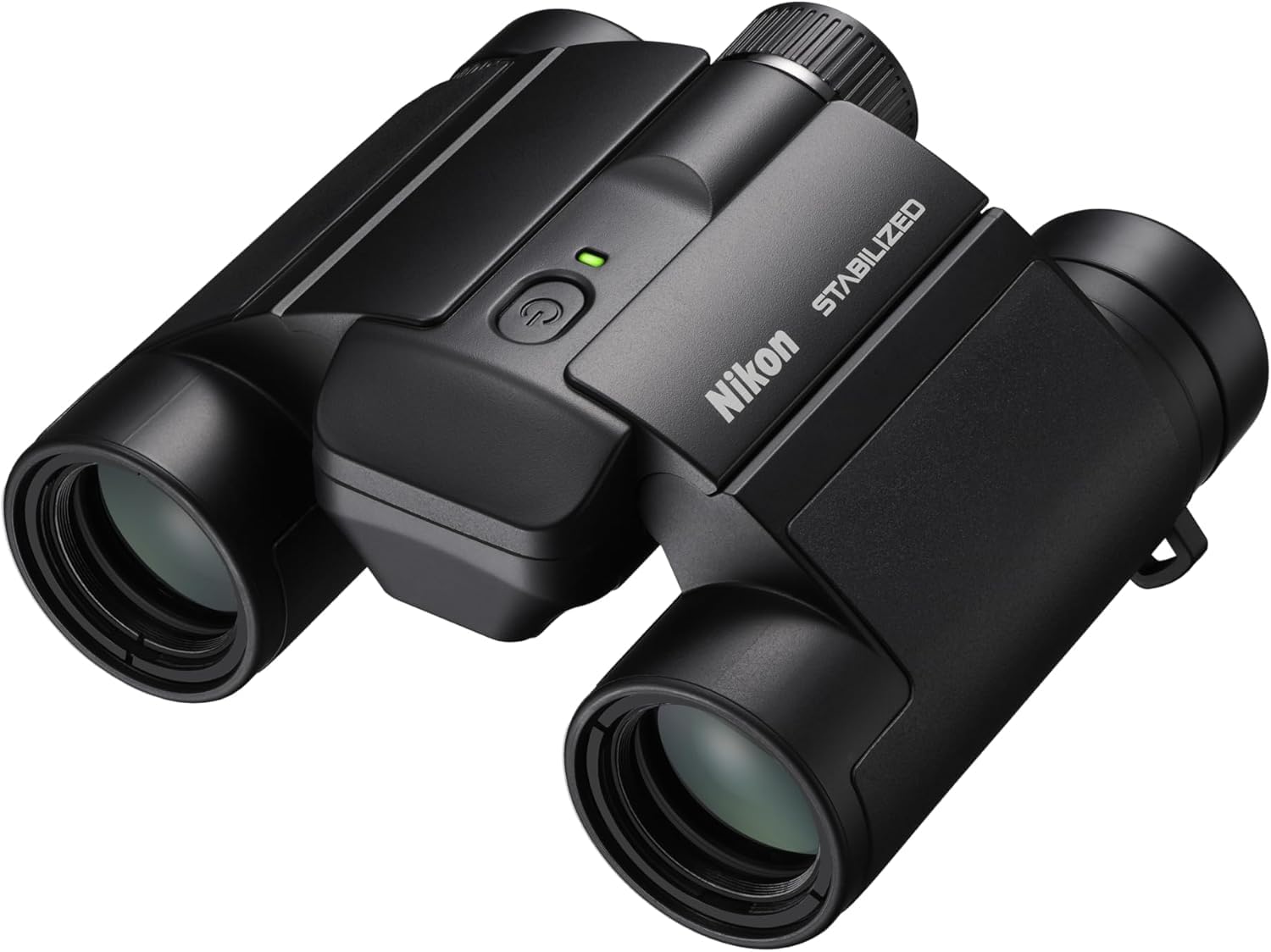
'I take the compact Nikon Stabilized 12x25 binoculars with me everywhere' — they now have $73 off, the best we've seen this year

Jase Parnell-Brookes has reviewed a huge range of skywatching optics, including the best telescopes, binoculars and image-stabilized binoculars. As our trusted authority and expert tester, when they recommend a product and you're in the market for it, their opinions and recommendations are worth paying attention to.

In their Nikon Stabilized 12x25 binoculars review, Jase reckoned they were without doubt the best compact image-stabilized (IS) binoculars they had ever tested. Right now they have $73 off and are at the best price we've seen since Black Friday 2025.

Get the Nikon S 12x25 binoculars, available for just $627 at Best Buy.

Jase awarded them with a perfect 5-star rating, which was mostly thanks to their excellent stabilization, their unobtrusive controls and incredibly small form factor. They also earned a place on our best binoculars guide as the best compact IS binoculars. This Best Buy deal is worthy of your attention if you're in the market for an incredibly versatile pair of binoculars that deliver still views in a compact body.

Save $73 on these pocket-sized image-stabilized (IS) binoculars from Nikon. They offer a strong 12x magnification and are portable enough to just slip into your pocket. In our review, we noted that the compact size and amazing IS system delivered amazing stargazing performance and earned them a perfect five-star review.

Read our Nikon Stabilized 12x25 Binoculars review.View Deal

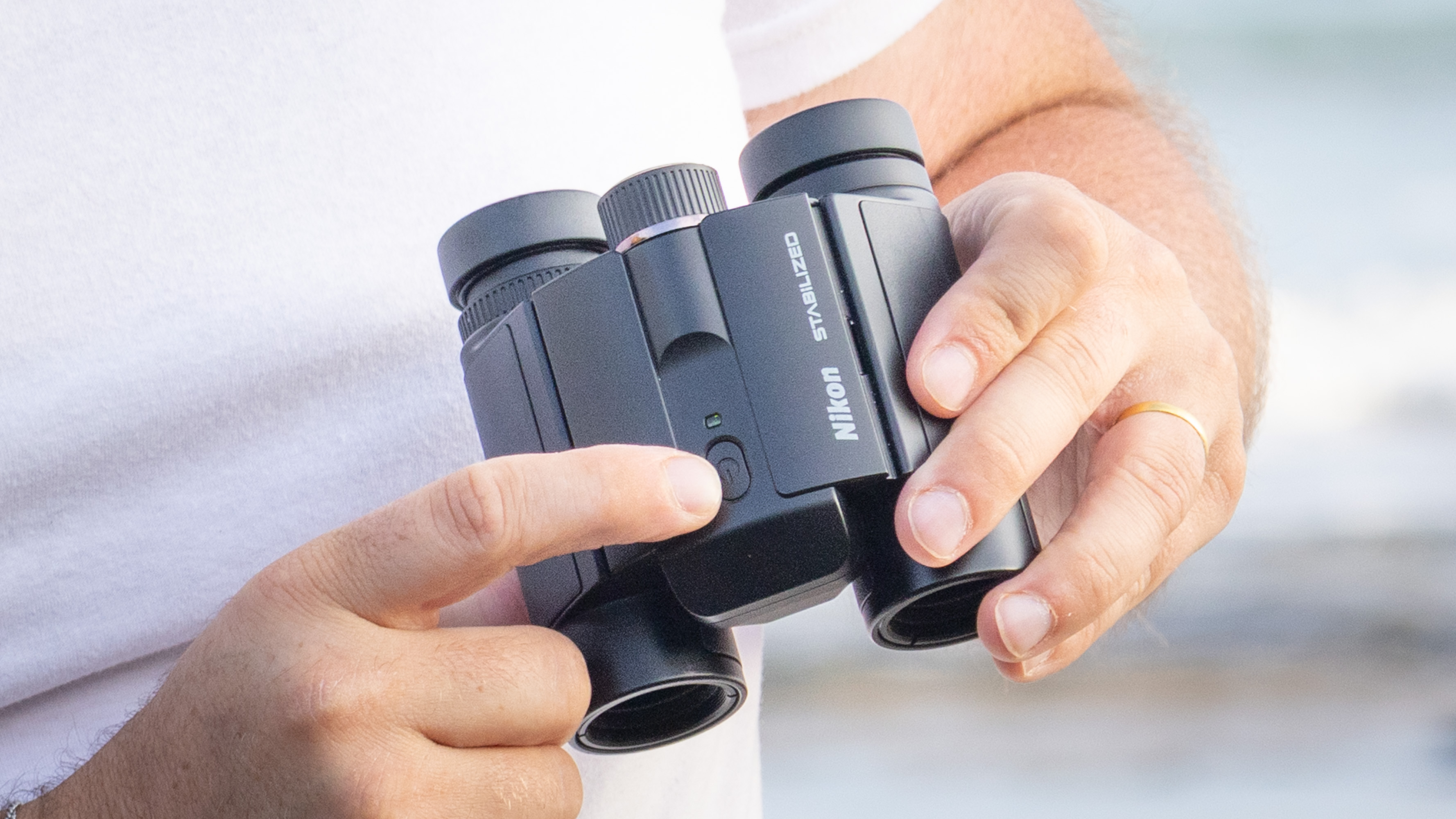
Nikon Stabilized 12x25 S binoculars held in the hands of the reviewer in front of breaking waves at the beach
The Nikon Stabilized 12x25 S binoculars are incredibly compact and are a handy pair to take wherever you go. Kimberley Lane
Nikon Stabilized 12x25 S binoculars held in the hands of the reviewer in front of breaking waves at the beach
The smaller objective lenses mean that the image looks a stop darker than viewing with the naked eye. Kimberley Lane
Nikon Stabilized 12x25 S binoculars held in the hands of the reviewer in front of breaking waves at the beach
The eyecups rotate freely to adjust the amount of eye relief. Kimberley Lane
Nikon Stabilized 12x25 S binoculars held in the hands of the reviewer in front of breaking waves at the beach
The binoculars are incredibly lightweight, considering their onboard image-stabilization system. Kimberley Lane

These image-stabilized (IS) binoculars punch well above their weight. Tipping the scales at a feathery 13.9 oz (395 g), they pack effortlessly into any bag, giving you rock-steady views wherever you roam. While the compact objective lenses yield a slightly dimmer view than the naked eye, they still deliver fantastic, crisp performance for casual stargazing.

In their testing, Jase managed to see the Andromeda galaxy (M31) with averted vision and the Orion nebula (M42), so these are worth taking out with you at night for a better look at the stars and some of the brighter deep sky objects.

They are also relatively cheap in the image-stabilized world where models can easily go for $1000 and up, depending on the model. Jase was happy to recommend these over another compact IS model, the Canon 8x20 IS binoculars, and they are actually lighter and smaller too. With their silky smooth steadying and clear views, they highly recommended them for anyone looking to get image-stabilized binoculars but doesn't want to spend big bucks.

Key features: 12x magnification, 25mm objective lens diameter, 4.5-degree angular field of view, 12.3mm eye relief, 13.9 oz (395 g) weight.

Product launched: November 2024

Price history: The Nikon Stabilized 12x25 binoculars usually retail for $699.95 on Amazon. This deal from Best Buy beats the Amazon price easily and, at just $626.95, is the best price we've seen since Black Friday 2025.

Price comparison: Best Buy: $626.95 | Newegg: $629.95 | Amazon: $699.95

Reviews consensus: Space: ★★★★★ | Digital Camera World: ★★★★

Featured in guides: Best binoculars, Best compact binoculars

✅ Buy it if: You are looking for an affordable way into image-stabilized binoculars and need a pair that you can slip into your pocket.

❌ Don't buy it if: You need really high magnification or bigger objective lenses. For more powerful image-stabilized binoculars, try the Canon IS 15x50 binoculars.

Check out our other guides to the best telescopes, binoculars, cameras, star projectors, drones, lego and much more.

  •  

Star Trek na Netflix: qual é a ordem certa para assistir aos filmes clássicos?

Uma das sagas mais influentes da cultura pop desembarcou no catálogo da Netflix: os seis filmes clássicos de Star Trek estarão disponíveis na plataforma para apresentar Spock e companhia para uma nova geração e ainda fazer a alegria dos fãs de longa data. 

Iniciada na televisão com a série clássica de 1966, Star Trek, ou Jornada nas Estrelas, foi exibida pela NBC por três temporadas que acompanhavam as aventuras espaciais da tripulação da nave USS Enterprise, que viaja pelo espaço em busca de novos mundos e civilizações. 

Apesar da trajetória curta da série original, não demorou muito para que Star Trek ganhasse uma expansão, dando origem a um universo extenso de produções derivadas, como filmes, novos programas, animações e uma das marcas mais adoradas pelo público até os dias de hoje. 

Em meio a tantos spin-offs, um dos projetos iniciais do movimento que ajudou a consolidar Star Trek na indústria do entretenimento foi Jornada nas Estrelas: O Filme (1979), o primeiro longa-metragem da franquia. Com o retorno do elenco do programa dos anos 1960, a produção foi apenas o começo de uma série de filmes que chegam neste mês à Netflix. 

Qual é a ordem certa para assistir aos filmes clássicos de Star Trek?

Se você nunca assistiu aos filmes de Star Trek, mas quer aproveitar o lançamento dos clássicos na gigante do streaming para fazer isso, pode ser que esteja se perguntando por onde começar. Afinal, existe uma ordem correta para que sua experiência seja a melhor possível?

A resposta é mais simples do que parece. Com seis filmes clássicos estrelados pelo elenco original, a melhor maneira de maratonar os filmes de Star Trek é pela ordem de lançamento, que segue exatamente a ordem cronológica estabelecida no começo da franquia. 

star-trek

Veja a seguir a ordem correta dos filmes de Star Trek:

  1. Jornada nas Estrelas: O Filme (1979)
  2. Jornada nas Estrelas II: A Ira de Khan (1982)
  3. Jornada nas Estrelas III: À Procura de Spock (1984)
  4. Jornada nas Estrelas IV: A Volta para Casa (1986)
  5. Jornada nas Estrelas V: A Última Fronteira (1989)
  6. Jornada nas Estrelas VI: A Terra Desconhecida (1991)

Preciso assistir à série original de Star Trek para entender os filmes clássicos?

Embora a série original de Star Trek tenha sido a responsável por lançar a franquia ao mundo, você não precisa obrigatoriamente assisti-la para entender os filmes clássicos. Isso porque Jornada nas Estrelas: O Filme retoma pontos importantes desse universo, como se estivesse apresentando novamente os personagens, seus arcos e as relações entre eles. 

Sem contar que cada filme possui uma história única, em que Spock, o Capitão Kirk e o restante da tripulação embarcam em uma missão específica, com começo, meio e fim. Com essa dinâmica sendo estabelecida, você não precisa necessariamente ter maratonado o programa dos anos 1960 para entender os filmes, pois eles se sustentam sozinhos.  

star trek

No entanto, caso queira mergulhar profundamente neste universo, assistir à série original vai te oferecer um contexto maior da franquia, especialmente do lado emocional. Além de fazer com que você entenda piadas internas ou referências, ver as três temporadas do programa vai te ajudar a conhecer mais as relações entre os personagens, assim como as regras que regem esse mundo tão fantástico. 

Jornada estelar na Netflix

Para quem nunca se aventurou pelas viagens espaciais de Star Trek, conhecer esse universo pelos filmes é uma ótima forma de entender o porquê a franquia se tornou tão influente e importante para a formação da cultura pop. 

Com a lendária performance de Leonard Nimoy como Spock, a saga da Jornada nas Estrelas segue na ativa até os dias de hoje com novas gerações, personagens e perspectivas atuais que ajudam a manter uma franquia tão importante viva. Iniciar essa jornada com os clássicos é apenas o começo de uma aventura marcante e cheia de reflexões pertinentes. 

Os seis filmes clássicos de Star Trek estreiam na Netflix no dia 11 de setembro. Aproveite também para conhecer outros lançamentos da Netflix em setembro de 2026: veja o que chega ao catálogo.

{{WHATSAPP_CHANNEL}}

  •  

3D imaging techniques reveal hidden damage in soybean seeds

Scientists in Brazil have demonstrated that a combination of three non-destructive imaging techniques, visible-spectrum (RGB) photography, X-ray radiography, and three-dimensional magnetic resonance imaging (MRI), can detect and characterize hidden damage in soybean seeds that conventional quality tests frequently miss. The study, published in Smart Agricultural Technology, comes at a critical moment: Brazil is the world’s largest soybean producer and exporter, with an estimated harvest of 166 million tons for the 2024/2025 growing season, and seed quality is increasingly under threat from the very climate extremes that help drive the country’s agricultural productivity.

The research, led by Rafael Mateus Alves and colleagues at institutions including the Seed Technology Center of Embrapa Soybean and the University of São Paulo, was funded by the São Paulo Research Foundation (FAPESP). Its central premise is deceptively simple: because seed quality is largely determined in the field, before harvest even begins, researchers and seed companies need tools that can look inside a seed without killing it. Destructive assays such as the tetrazolium viability test, which stains metabolically active tissue red, are the industry standard, but they end the life of the sample. That is a particular problem for breeding programs, where each seed represents a unique genetic combination that must survive analysis if it is to be planted.

The seed itself is a small miracle of engineering. A protective coat, derived from the ovule integuments and marked by a scar called the hilum, regulates water uptake and shields the embryo within. The embryo contains the plumule, which gives rise to the plant’s first true leaves; the apical meristem, precursor of the aerial plant; and the hypocotyl–radicle axis, which breaks through the soil and forms the primary root. Flanking this axis are the cotyledons, storage organs packed with macromolecules that are metabolized and shipped to the growing axis during germination. Damage to any of these structures, from insects, fungi, drought, heat, or rough handling during harvest, can silently reduce a seed lot’s vigor, the capacity for rapid, uniform germination that underpins successful crop establishment.

To interrogate this architecture non-invasively, the team assembled ten representative seeds from production fields, commercial lots, and storage samples, each embodying a distinct damage category: stink bug injury, purple seed stain caused by fungi, green seeds from incomplete maturation, wrinkled seeds from heat and drought stress, weathering-related coat ruptures, severe structural failure, mechanical harvest damage, and internal galleries bored by the cigarette beetle (Lasioderma serricorne) during storage. Every seed was imaged sequentially with each of the three modalities and then subjected to the tetrazolium test as a qualitative reference standard.

The technical pipeline was meticulously standardized. For visible-light imaging, seeds were mounted on acetate sheets and photographed with a Leica DMLB microscope equipped with a DFC 310FX digital camera, oriented in four standardized positions with the hilum consistently to the right. X-ray radiographs were acquired on a Faxitron MX-20 DC-12 system operating at 34 kilovolts, with a nine-second exposure and an object-to-source distance of 11.4 centimeters; uniform contrast settings were applied to all images to make damaged tissues directly comparable. The MRI work used a horizontal 2 Tesla superconducting magnet coupled to a Bruker Avance III spectrometer operating at 85.24 megahertz for proton nuclei. Before scanning, seeds were conditioned to raise their moisture content from roughly 8–10 percent (wet basis) by incubation on moistened germination paper for three hours at 25 °C, a step that ensured sufficient hydrogen signal for imaging. A three-dimensional FLASH pulse sequence, with a 3-millisecond echo time and 75-millisecond repetition time, collected data on a 128×128×128 matrix over a 12.8-millimeter field of view, yielding isotropic voxels of 100 micrometers per side. Datasets were zero-padded to 256³ before Fourier transformation and rendered in three dimensions using ImageJ with the 3Dscript plugin.

The resulting image galleries are striking. On seeds punctured by stink bugs, the dominant pest of Brazilian soybean fields, RGB images revealed darkened patches on the cotyledons and near the plumule, the visible legacy of insect feeding that lacerates tissue and injects yeasts that degrade it from within. X-ray images flagged zones of reduced radiation absorption in the same darkened regions, while MRI cross-sections exposed the depth of tissue destruction with unusual clarity, precisely because degraded tissue no longer absorbs water and therefore produces no magnetic resonance signal. The tetrazolium test confirmed that these zones lacked respiratory activity, meaning they were metabolically dead.

Not every symptom tells the same story, however, and the multimodal approach proved especially powerful at distinguishing superficial from structural damage. Seeds with purple seed stain, caused by Cercospora fungi that secrete the toxin cercosporin, showed internal structures that appeared entirely normal in both X-ray and MRI. Yet the tetrazolium test produced an unusually intense red coloration at the stained coat, indicating that fungal activity had compromised the seed coat’s ability to regulate water uptake, allowing the staining solution to penetrate more deeply into the embryo. Similarly, green seeds, which retain chlorophyll because heat and drought interrupted maturation, showed no structural anomalies under X-ray or MRI, but their membranes proved unusually permeable to the tetrazolium solution, hinting at the physiological deterioration typical of immature tissue.

Where MRI truly distinguished itself was in detecting damage invisible to every other method. One seed that appeared flawless in visible light and radiographically normal in X-ray images revealed, in its three-dimensional MRI reconstruction, internal ruptures running through the central cotyledons, the likely consequence of rapid, uneven drying that forces differential cellular expansion and eventual tissue collapse. In mechanically damaged seeds, the X-ray images showed a crack in the hypocotyl–radicle axis that the camera could not see, but MRI went further, revealing the full extent of the fissure and the displacement of the axis relative to the cotyledons. The team also documented a dramatic structural failure nicknamed the “popcorn effect,” in which alternating wetting and rapid drying cycles tear the seed coat and force the cotyledons apart, a phenomenon increasingly reported in Brazilian seed lots as late-season weather grows more erratic.

To move beyond qualitative observation, the researchers extracted grayscale histograms from each X-ray image, normalizing pixel frequencies across the full 0–255 intensity range. Two statistical descriptors, mean gray level and Shannon entropy, were then compared across damage categories using one-way ANOVA followed by Tukey’s honest significance test. The analysis yielded clear separation: undamaged seeds showed the narrowest distributions with peaks at high grayscale values, while beetle-infested seeds and wrinkled seeds displayed the broadest distributions with heavy weight in the lower gray ranges, reflecting hollowed-out tissues and sparse, deformed structures. Mean gray level differed significantly across categories, peaking in undamaged seeds and bottoming out in wrinkled ones, while Shannon entropy, a measure of histogram complexity, was highest in beetle-damaged seeds and lowest in healthy ones. Because each damage category produced a characteristic radiographic fingerprint, the authors suggest these histogram metrics could support automated, quantitative screening in commercial seed laboratories.

Each modality, the authors stress, occupies a distinct niche. RGB imaging is fast, cheap, and ideal for surface screening but blind to anything beneath the coat. X-ray radiography, already a mainstay of seed testing labs, reveals internal voids, malformations, and cavities rapidly and non-destructively, though it cannot report on metabolic viability and demands careful standardization. MRI, with its superb soft-tissue contrast and genuine three-dimensional resolution, excels at detecting subtle physiological and structural alterations, latent mechanical injury, hydration-induced ruptures, and moisture redistribution, but its cost and acquisition time currently confine it to research settings. The tetrazolium test remains valuable as a reference but is destructive and subject to interpreter bias.

The authors argue the techniques should be viewed as complementary rather than competing, and they sketch a future in which RGB and X-ray screening handle high-throughput commercial quality control while MRI resolves ambiguous or high-stakes cases, such as breeding lines and seed physiology studies. Advances in imaging hardware, automation, and artificial intelligence-based analysis, they note, could eventually fuse these modalities into scalable phenotyping workflows. For now, the message is clear: in an era when a single season of heat, drought, and hungry insects can undermine an entire seed lot, the ability to see damage in all three dimensions, without sacrificing the seed itself, may prove as transformative for agriculture as it has been for medicine.

Subject of Research: Non-destructive multimodal imaging (RGB, X-ray, and MRI) for detecting abiotic- and biotic-stress-induced damage in soybean seeds

Article Title: When damage goes deep: a multi-technique approach including 3D for soybean seed damage assessment

Article References: Alves, R. M., Teixeira, J. M., Marassi, A. G., Henning, F. A., Umburanas, R. C., Gomes-Junior, F. G., & Tannús, A. (2026). When damage goes deep: a multi-technique approach including 3D for soybean seed damage assessment. Smart Agricultural Technology, 15, Article 102523. https://doi.org/10.1016/j.atech.2026.102523

Image Credits: AI Generated

DOI: 10.1016/j.atech.2026.102523

Keywords: soybean seeds, seed quality, MRI, X-ray imaging, RGB imaging, seed vigor, multimodal imaging, stink bug damage, tetrazolium test, non-destructive testing, seed coat rupture, cigarette beetle

  •  

IONOS Plus : une base web simple pour publier un portfolio ou une page projet

Publier un portfolio professionnel ou une page dédiée à un projet personnel ne devrait pas transformer la soirée en séance de bricolage technique. C'est justement l'angle choisi par IONOS avec sa formule Plus : une base web pensée pour ceux qui dépassent le simple site vitrine, sans pour autant...

  •  

Chiamato Global Glacier Extinction Explorer, lo strumento è stato sviluppat…

Chiamato Global Glacier Extinction Explorer, lo strumento è stato sviluppato da ricercatori dell’ETH di Zurigo e della Vrije Universiteit Brussel. nei prossimi decenni. Solo pochi ghiacciai, indicati in azzurro, potrebbero La mappa permette di selezionare diversi livelli di riscaldamento, da +1,5 °C fino a +4 °C, e di vedere quali ghiacciai rischiano di scomparire e […]
  •  

Hybrid graphene–MXene–WS₂ terahertz metasurface detects chikungunya virus via machine learning

Scientists have unveiled a computational design for a terahertz metasurface biosensor that combines five distinct materials—graphene, MXene, tungsten disulfide, gold, and copper—into a single multilayer architecture capable of detecting refractive-index changes associated with chikungunya virus infection. The study, published in Results in Optics by G. Arunachalam, A.R. Kalaiarasi, Giri.G. Hallur, and V. Parthasarathy, reports a numerically predicted sensitivity of 907 GHz per refractive-index unit, among the highest values reported for hybrid-material terahertz biosensors, and couples the electromagnetic design to an XGBoost machine-learning surrogate model that predicts sensor behavior with accuracies exceeding 99.8 percent.

Chikungunya virus is an enveloped, positive-sense single-stranded RNA alphavirus transmitted primarily by Aedes aegypti and Aedes albopictus mosquitoes. While mortality remains low, generally below 0.1 percent, the broader public health burden arises from severe polyarthralgia that can persist for months or even years in a substantial fraction of patients across tropical and subtropical regions. With no approved antiviral therapy or licensed vaccine currently available, diagnostic accuracy sits at the center of clinical management and transmission control. Yet existing diagnostic tools face significant practical constraints, particularly in point-of-care and field settings.

Serological methods such as enzyme-linked immunosorbent assay suffer from cross-reactivity with related alphaviruses, including Ross River and O’nyong-nyong viruses, reducing diagnostic specificity. Real-time reverse transcription polymerase chain reaction offers high sensitivity during the acute phase but depends on laboratory infrastructure, trained personnel, and controlled sample handling. Virus isolation in cell culture provides confirmatory results but requires biosafety level-3 facilities and extended processing time. These limitations have motivated the search for rapid, label-free sensing approaches capable of operating at clinically relevant concentrations in decentralized environments.

The new work turns to the terahertz band, spanning roughly 0.1 to 10 THz, which lies between microwave and infrared regions of the electromagnetic spectrum. Terahertz radiation is non-ionising, with photon energies in the millielectronvolt range, allowing interaction with biological samples without causing ionising damage. Crucially, terahertz waves couple to low-frequency vibrational and rotational modes of biomolecules such as proteins, nucleic acids, and polysaccharides, producing measurable spectral features that support label-free detection. Because biological media including blood plasma and viral suspensions exhibit refractive-index variations in this domain, differences on the order of 0.01 to 0.02 refractive-index units can shift resonance frequency and field distribution when coupled to resonant sensing structures.

The proposed sensor is built around a periodically repeated square unit cell containing two identical square resonators, 2000 nanometers on a side, coated with tungsten disulfide—a two-dimensional transition metal dichalcogenide with strong light–matter interaction, high carrier mobility, and excellent dielectric confinement. This layer localizes the electric field in the sensing region and increases the interaction volume between the resonant field and the surrounding analyte. A pair of concentric circular rings, 3200 and 3800 nanometers in diameter and functionalized with MXene, surrounds the resonators, enhancing electromagnetic coupling, promoting efficient charge transport, and strengthening plasmonic interactions between resonator elements. An outer gold ring, 6000 nanometers in diameter, serves as the main plasmonic resonator supporting strong localized surface plasmon resonances with low optical loss. The entire multi-resonant assembly is embedded within a monolayer graphene sheet measuring 14,000 by 14,000 nanometers, which acts as a broadband absorber and a high-mobility charge transport medium whose electrically tunable chemical potential allows dynamic, active control of the resonance characteristics. Copper elements woven into the architecture provide supplementary conductive pathways that reinforce current distribution and coupling among the hybrid resonators. The structure rests on a silicon dioxide substrate, chosen for its low dielectric loss and mechanical robustness, which preserves the resonance quality factor.

The authors stress that the multilayer design is compatible with established microfabrication techniques. Fabrication would begin with a cleaned silicon dioxide substrate, followed by polymer-assisted transfer of monolayer graphene and thermal annealing. Gold and copper resonators can be deposited through electron-beam evaporation or magnetron sputtering with lift-off patterning, MXene rings through solution-based deposition, and the tungsten disulfide layer through chemical vapor deposition or thin-film transfer. With a unit-cell dimension of approximately 14 micrometers, the required feature sizes fall comfortably within conventional photolithography capabilities, and because fabrication imperfections remain far smaller than the operating terahertz wavelength, moderate tolerances are expected to have only limited influence on the electromagnetic response. For biosensing, the graphene surface could subsequently be functionalized with chikungunya-specific antibodies or aptamers using EDC/NHS or pyrene-based linker chemistries.

The electromagnetic modeling, performed in COMSOL Multiphysics, reveals a pronounced resonance at 0.355 THz, where electric-field simulations show the strongest and most spatially extensive enhancement. Varying the graphene chemical potential from 0.1 to 0.9 electronvolts produced dramatic modulation of the transmission contrast, which increased roughly 36-fold at the highest bias, from less than one percentage point to more than 27 percentage points, while peak transmission remained essentially unchanged above 98.6 percent. This asymmetric response—stable maxima paired with strongly modulated minima—arises because increasing chemical potential enhances graphene’s intraband conductivity, deepening resonant absorption through stronger light–matter interaction. The sensor also demonstrated remarkable angular robustness, maintaining peak transmittance above 97.8 percent across incident angles from 0 to 80 degrees, an important tolerance for realistic deployment where normal incidence cannot always be guaranteed.

Geometric optimization identified an outer circular resonator radius of 2500 nanometers and a square resonator side length of 2500 nanometers as the dimensions that maximize resonance strength, driving minimum transmittance down to approximately 65 to 67 percent and signifying optimal electromagnetic confinement within the active sensing region. When evaluated across refractive indices from 1.33 to 1.39, a range encompassing reported values for healthy plasma (approximately 1.35 RIU), healthy platelets (1.39 RIU), chikungunya-infected plasma (1.33 RIU), and infected platelets (1.38 RIU), the optimized configuration achieved a maximum sensitivity of 907 GHz/RIU, a figure of merit of 18.519 RIU⁻¹, a minimum detection limit of 0.061 RIU, a sensor resolution of 55.178, and a refractive-index resolution of 0.001 RIU. In comparative benchmarks against recently reported graphene- and hybrid-material-based terahertz biosensors—including graphene/copper/aluminum, graphene/silicon dioxide, MXene–graphene–black phosphorus, and graphene-integrated copper–silver designs—the proposed architecture’s sensitivity exceeded most published values, reflecting the synergistic field confinement produced by the five-material stack.

The machine-learning component addresses one of the central bottlenecks in metasurface development: the computational cost of repeated full-wave finite-element simulations during structural optimization. The team trained an XGBoost regressor, an ensemble method based on gradient-boosted decision trees, on simulation data covering incidence-angle variation and circular-ring dimension variation, using stratified sampling with 80 percent of data for training and 20 percent held out for independent testing, alongside five-fold cross-validation and grid-search hyperparameter optimization. The model captured more than 99.7 percent of response variance on unseen data, with mean absolute percentage errors below 0.162 percent and prediction accuracies from 99.838 to 99.959 percent. Acting as a computational surrogate, the trained model enables rapid interpolation across the design space without sacrificing the fidelity of the underlying electromagnetic model.

The authors are careful to frame the work as a computational proof-of-concept rather than an experimentally validated diagnostic. The sensor detects changes in the local dielectric environment surrounding the resonators, not viral particles or nucleic acids directly, and refractive-index sensing alone cannot intrinsically distinguish chikungunya from other viruses with similar dielectric properties. Analytical specificity in practice will depend on surface biofunctionalization with chikungunya-specific recognition molecules immobilized on the graphene or gold sensing surface. Future work will focus on device fabrication, biofunctionalization, calibration with reference refractive-index standards, experimental validation with clinically relevant plasma and platelet samples, and systematic evaluation of selectivity against related arboviruses—steps that would transform this numerically validated platform into a practical tool for rapid, label-free infectious disease diagnostics in the field.

Subject of Research: Label-free terahertz metasurface biosensing for chikungunya virus detection using a hybrid graphene–MXene–WS₂–Au–Cu architecture with machine-learning-assisted optimization

Article Title: Hybrid graphene–MXene–WS₂ terahertz metasurface detects chikungunya virus via machine learning

Article References: Arunachalam, G., Kalaiarasi, A., Hallur, G., & Parthasarathy, V. (2026). Machine learning-assisted hybrid graphene–MXene–WS₂ terahertz metasurface biosensor for highly sensitive label-free chikungunya virus detection. Results in Optics, 25, Article 101149. https://doi.org/10.1016/j.rio.2026.101149

Image Credits: AI Generated

DOI: 10.1016/j.rio.2026.101149

Keywords: chikungunya virus detection, computational biosensor design, high sensitivity biosensors, hybrid graphene MXene WS₂, machine learning in biosensing, multilayer architecture, nanomaterial-based sensors, public health diagnostics, refractive index sensing, terahertz metasurface biosensor, virus diagnosis in field settings, XGBoost surrogate model

  •  

Gli archeologi hanno scoperto una necropoli dell’XI secolo vicino al villag…

Gli archeologi hanno scoperto una necropoli dell’XI secolo vicino al villaggio di Ostriv, a sud di Kiev, in Ucraina, contenente oltre cento sepolture e numerosi oggetti funerari. Il sito è stato individuato nel 2017 durante una spedizione dell’Istituto di Archeologia ucraino. Tra il 2017 e il 2022 sono state rinvenute 107 tombe, risalenti alla fine […]
  •  

New Electrochemical Method Boosts Ocean Alkalinity to Capture Carbon

The ocean has quietly absorbed billions of tons of humanity’s carbon emissions over the past two centuries, but scientists and companies racing to supercharge that natural service have long been hampered by a stubborn and costly engineering problem. Now researchers at Stony Brook University, working with the Research Foundation for the State University of New York, have unveiled a method for electrochemical ocean alkalinity enhancement that they say can dramatically lower the cost of ocean-based carbon dioxide removal by eliminating one of the most expensive steps in the entire process: the pretreatment of seawater before it enters an electrochemical reactor. The innovation, now available for licensing through SUNY TechConnect, promises high-quality carbon offsets at a substantially reduced cost while simultaneously helping to counteract the acidification that threatens marine ecosystems worldwide.

At the heart of the challenge is a delicate chemical balancing act. As atmospheric carbon dioxide dissolves into seawater, it forms carbonic acid, which lowers the ocean’s pH and erodes the carbonate chemistry that corals, shellfish and other calcifying organisms depend upon. Ocean carbon dioxide capture exploits a simple principle: if the ocean becomes more alkaline, it can absorb more CO2 from the air and lock it away safely as bicarbonate, one of the most stable and abundant forms of inorganic carbon on Earth. This process, known as ocean alkalinity enhancement, effectively turns the surface ocean into a vast, distributed carbon sink. But adding alkalinity to seawater is not trivial, and doing it in a way that is energy-efficient, scalable and safe has become one of the central engineering puzzles of the emerging carbon removal industry.

One of the most promising approaches relies on electrochemistry, specifically a technique called bipolar membrane electrodialysis. In this system, ion-selective membranes are stacked between two end electrodes, and the arrangement allows operators to split ordinary saltwater into its constituent acid and base. When brine containing sodium chloride flows through the stack, the process generates hydrochloric acid on one side and sodium hydroxide, a strong base, on the other. The elegance of the scheme lies in its product handling: if the hydrochloric acid is kept on land, where it can be stored, neutralized or put to industrial use, and only the sodium hydroxide along with the treated seawater is returned to the ocean, the receiving waters gain a net infusion of alkalinity. That added alkalinity shifts the carbonate equilibrium, allowing the ocean to draw down carbon dioxide from the atmosphere and convert it into dissolved bicarbonate that remains stable for millennia.

This electrochemical pathway has attracted serious commercial interest precisely because it produces what carbon markets call negative emissions, meaning carbon dioxide is durably removed from the atmosphere rather than merely avoided. Companies pursuing net-zero targets increasingly rely on such carbon removal credits to offset their residual emissions, and ocean alkalinity enhancement is widely regarded as one of the largest-capacity avenues available, given the sheer scale of the world’s oceans. Yet the technology has been held back by a deceptively mundane problem: what flows into the reactor matters just as much as what flows out.

Seawater, and many other brine streams that might feed these systems, contains divalent cations, most notably calcium and magnesium ions, alongside the sodium and chloride that the process is designed to split. When these divalent ions encounter the high-pH conditions created at the base-producing side of a bipolar membrane stack, they precipitate as solid calcium and magnesium compounds that coat the membranes in a crust known as scale. The consequences are cascading. Scaled membranes lose their ion-selective efficiency, forcing the system to push harder and consume more electricity to achieve the same output. Over time, the deposits shorten membrane lifetime, increasing maintenance frequency and replacement costs. The conventional answer has been water softening pretreatment, in which the incoming seawater is stripped of calcium and magnesium before it ever reaches the electrodialysis unit. While effective, such pretreatment adds significant capital and operating expense, undermining the economic case for the entire carbon removal operation and eroding the value proposition of the resulting carbon credits.

The Stony Brook researchers behind the new method have essentially designed around this bottleneck. Their technology enables electrochemical enhancement of ocean alkalinity without any pretreatment of the incoming seawater at all. By rethinking how the electrochemical system handles brine streams laden with divalent cations, the researchers have created a process that tolerates raw seawater directly, sidestepping the water softening infrastructure that previous designs demanded. According to the announcement from the Research Foundation for SUNY, the result is a system that produces negative emission carbon offsets of very high quality at a substantially reduced cost, simply because the most expensive upstream step has been engineered out of existence. The advantages claimed for the approach are straightforward and commercially significant: it is cheaper, more energy efficient, and requires no expensive water softening pretreatment.

The implications ripple across both the carbon markets and the broader climate technology landscape. Carbon offset buyers, including corporations striving to meet net-zero commitments, place a premium on removal credits that are durable, verifiable and cost-competitive. Ocean alkalinity enhancement already offers exceptional permanence, since bicarbonate dissolved in seawater represents one of the most long-lived forms of carbon storage known. By cutting costs at the front end, the Stony Brook method could help push the price of these high-quality ocean-based offsets toward levels that make them viable at gigatonne scale, a threshold that analysts consider essential if carbon removal is to play a meaningful role in stabilizing the global climate. Cheaper alkalinity generation also strengthens the second major application of the technology: mitigating ocean acidification directly, without necessarily framing it as a carbon market product at all.

Ocean acidification itself is a mounting crisis. Since the industrial revolution, the average surface ocean pH has dropped measurably as the sea has absorbed roughly a quarter to a third of anthropogenic CO2 emissions. The consequences have been documented across coral reefs, oyster hatcheries, pteropods and other calcifying organisms whose shells and skeletons become harder to build in increasingly acidic waters. A technology that adds alkalinity to coastal waters and open ocean regions simultaneously addresses this chemical stress and harvests the carbon removal benefit, a dual function that distinguishes ocean alkalinity enhancement from many other carbon removal approaches. In regions where fisheries, aquaculture and reef ecosystems are economically vital, localized deployment of alkalinity-enhancing electrochemical systems could offer both environmental resilience and revenue through carbon credit sales.

The scientific pedigree of the work reflects the growing maturity of the carbon removal field. Stony Brook University, a flagship research institution within the SUNY system, has become an active hub for climate and energy innovation, and the new method is protected under intellectual property identified in the licensing announcement. The Research Foundation for the State University of New York, the nation’s largest research foundation supporting the nation’s largest public university system, is actively seeking development partners, commercial partners and licensees to translate the laboratory advance into deployed systems. The foundation describes a broad portfolio of SUNY-led research spanning artificial intelligence for the public good, quantum technologies, next-generation semiconductors, biotechnology and medicine, and energy and climate solutions, with system-wide research expenditures approaching 1.5 billion dollars in fiscal year 2025.

For the carbon removal industry, the timing of the announcement is notable. As voluntary and compliance carbon markets mature, buyers are demanding higher fidelity in the offsets they purchase, favoring durable removal over avoidance-based credits. Electrochemical ocean alkalinity enhancement, with its well-understood chemistry and measurable inputs and outputs, is well positioned to meet rigorous monitoring, reporting and verification standards. The obstacle has always been cost, and the pretreatment bottleneck has been a substantial contributor. If the Stony Brook design performs as described at industrial scale, it could remove one of the largest cost wedges standing between laboratory demonstration and commercial deployment, accelerating a technology class that many climate analysts view as indispensable to achieving deep decarbonization.

The broader lesson of the advance may be as important as the technology itself. In the race to scale carbon removal, progress often comes not from exotic new chemistry but from eliminating the hidden costs and fragilities that make promising concepts uneconomic in practice. Water softening pretreatment is exactly the kind of unglamorous engineering detail that determines whether a climate technology remains a paper exercise or becomes infrastructure. By designing a bipolar membrane electrodialysis system that thrives on untreated seawater, the Stony Brook researchers have addressed one of those decisive details. The ocean, meanwhile, stands ready. Every unit of alkalinity added is an invitation for the sea to take up more carbon dioxide and, in doing so, to heal a little of the acidification that a warming world has inflicted upon it. What remains now is the work of scaling, partnering and commercializing, and the SUNY licensing announcement signals that the researchers and their institution intend to see this chemistry leave the laboratory and reach the sea.

Subject of Research: Electrochemical ocean alkalinity enhancement for carbon dioxide removal and ocean acidification mitigation

Article Title: Method for electrochemical ocean alkalinity enhancement

Article References: Method for electrochemical ocean alkalinity enhancement. Research Foundation for the State University of New York, via EurekAlert! News by Subject: Tech & Engineering. Available at: SUNY TechConnect (https://suny.technologypublisher.com/) Original publication

Image Credits: AI Generated

DOI: Not provided

Keywords: ocean alkalinity enhancement, carbon dioxide removal, bipolar membrane electrodialysis, ocean acidification mitigation, carbon offsets, Stony Brook University, negative emissions, seawater pretreatment, net-zero goals, electrochemistry, Research Foundation for SUNY

  •  

Connecting defense capability for operational advantage

Defense is operating in an environment where the pace of change continues to increase. Adversaries are adapting quickly and technology development cycles are becoming shorter. The boundaries between physical and digital operations are also becoming harder to define, while military commanders have more information available to them than ever before.

This changes how operational advantage is achieved. The performance of an individual platform or system remains important, but so does its ability to work effectively within the wider operational environment. Information needs to move securely to where it is needed, supporting decisions and action across different domains.

As new technologies are introduced, integration will become an increasingly important part of defense capability. The challenge is making sure innovation can be put to practical use alongside the systems and infrastructure already supporting operations.

Connecting technology across defence

Conversations around defense innovation often focus on AI, autonomous systems, advanced sensors, cyber capability and space assets. Each has a significant role to play, but none operates in isolation.

Information gathered by one system may need to be shared across multiple domains before it supports an operational decision. Networks, data, command systems and people all contribute to that process. The value of any individual technology is linked to how effectively it connects with the wider operational environment.

This principle also applies to the infrastructure supporting military operations. Communications networks, operational facilities and digital systems all contribute to creating an environment where information can move securely and reliably. As these environments evolve, resilience and security must be designed from the outset though approaches such as secure-by-design and zero-trust principles.

Strengthening the foundations of operational capability

AI has become one of the defining topics in defense. Its ability to process information and support decision-making has significant potential, but those capabilities depend on the quality of the data available and the resilience of the infrastructure that carries it.

Reliable communications, trusted data and secure networks remain fundamental to operational effectiveness. If those foundations are unavailable or compromised, the benefits of advanced technologies are reduced.

Therefore, creating decision advantage is not simply a technology challenge. It is an infrastructure and digital challenge and increasingly, a collaboration challenge.

For organizations supporting critical infrastructure, this has become an increasingly familiar challenge. Communications, operational technology, and digital infrastructure must work together to create environments where reliability cannot be compromised.

Keeping people at the heart of automation

Automation is attracting considerable attention across defense as organizations are looking to improve efficiency and increase operational tempo. However, automation should never be viewed as an end.

Its greatest value often comes from reducing routine activity rather than replacing people. Predictive maintenance, autonomous monitoring, automated network management and logistics optimization all help reduce the time spent on repetitive tasks, allowing highly trained personnel to focus on areas where experience and judgement remain essential.

The most effective technologies do not replace human capability - they amplify it.

The infrastructure supporting multi-domain operations

As operations become increasingly integrated across land, sea, air, cyber and space, infrastructure is taking on greater strategic importance. Communications, transport, energy, and digital systems all contribute to operational capability, showing how infrastructure and technology are becoming increasingly interdependent.

The movement of people, information, energy, and capability all contribute to operational readiness. Reliable infrastructure enables those elements to function as a single system, ensuring capability can be delivered when and where it is needed.

One example can be seen in the Falkland Islands, where runway infrastructure forms part of maintaining long-term strategic capability and readiness. It illustrates how infrastructure and operational capability are becoming increasingly interconnected.

Bringing innovation into operational use

The UK benefits from an established community of innovators, with government, industry, academia, SMEs and the Armed Forces all contributing to the development of new ideas and technologies. The opportunity now is to ensure those innovations can be adopted enough to meet operational needs.

Collaboration is still a critical part of this process. Bringing together different perspectives helps ensure technology is developed with practical application in mind and can be integrated more effectively into future capability.

Delivering the next phase of defense capability

Much of the technology required to support future defense operations already exists. The focus now needs to be on how quickly it can be integrated and put to operational use, giving the Armed Forces the advantage they need as threats and operating environments continue to change. That requires stronger connections across networks, data, platforms, people and infrastructure.

Collaboration between government, industry, academia, SMEs and the Armed Forces will remain central to moving capability from development into deployment. Technologies also need a clearer and faster route beyond demonstrations and pilots, so useful capability reaches operators when it is needed.

The organizations that succeed will be those able to bring people and technology together across the wider defense environment. Doing that securely, reliably and at pace will determine how effectively innovation translates into operational advantage.

We've featured the best AI tool.

This article was produced as part of TechRadar Pro Perspectives, our channel to feature the best and brightest minds in the technology industry today.

The views expressed here are those of the author and are not necessarily those of TechRadarPro or Future plc. If you are interested in contributing find out more here: https://www.techradar.com/pro/perspectives-how-to-submit

  •  
❌