Faquir es un término de origen árabe traducible como «pobre» y que designa a un morabito musulmán, un santón sufí, aunque desde la Era Mogol se aplica también a los sadhus o ascetas hindúes, generalmente indigentes sin hogar fijo que mortifican sus cuerpos por penitencia, para renunciar a los vínculos con lo terrenal, siendo capaces […]
It takes a lot to get your typical white-bread American riled up enough that they’re willing to go to jail. Getting arrested is a massive pain, bringing court dates, fines, and a record that can shadow your job and housing prospects for the rest of your life.
For most folks, just the threat of jail time is enough to keep them on their best behavior. Yet in 2026, data centers have become one of the rare issues pushing more and more of Americans to risk it anyway.
So far in the US, Futurism has counted at least 37 arrests stemming from protests related to data centers this year. There were an additional 12 cases where police intervened to prevent protestors or speakers from confronting civic leaders, though in reality that number is likely much higher, as these cases aren’t as likely to make the news.
Unlike in othermoments of political unrest in recent memory, it’s hard to pigeonhole these anti-data center activists demographically. They range from landowning farmers to physics teachers, zoomers to boomers, rural townspeople to suburban parents.
Despite their differences, the arrestees all have one thing in common: they each felt the actions of democratically elected officials are failing to reflect the wishes of their constituents, instead deferring to massive tech corporations.
Take the case of 42-year old Pablo Payan, a maintenance manager from Indiana. During a public meeting in May held to discuss plans to erect a massive Amazon data center in the city of Hobart, Payan refused to identify himself for the record before speaking, resulting in an attempted removal by police.
As officers were escorting him out, Payan says he asked why he was being removed, which prompted officers to place him under arrest for criminal trespass and disorderly conduct.
“In my opinion, I was kicked out to prove a point that the law is on their side and if people continue to try and express themselves and speak, they will also be intimidated or arrested by law enforcement,” Payan told Fox32 after the fact. “So I think it was a flex of power.”
Far from the “anti-tech extremism” that law enforcement agencies and the Trump administration have warned about, these demonstrations are overwhelmingly peaceful, escalating into physical confrontations only when police lay hands on a person to remove them. Many of the charges come when anti-data center activists break petty clerical rules, like going slightly over the allotted time for a public comment.
Lux Claridge, a physics teacher from Emporia, Kansas, is an exemplar of the absurd ways civic leaders can weaponize police to stifle dissent. At a public meeting earlier this month, Claridge was arrested after clapping in support of another community member speaking out against a proposed 1,000 acre data center campus — running afoul of a commissioner’s rule against “snapping” and “clapping.”
“I am fully of the notion that clapping is a First Amendment right that I have,” Claridge said in an interview with 404 Media after the fact. “I can exercise that as long as I’m not disrupting, and I still argue that I was not disrupting at all.”
“I have a right to clap,” Claridge continued, “and if you want me out, you’re going to have to drag me out.”
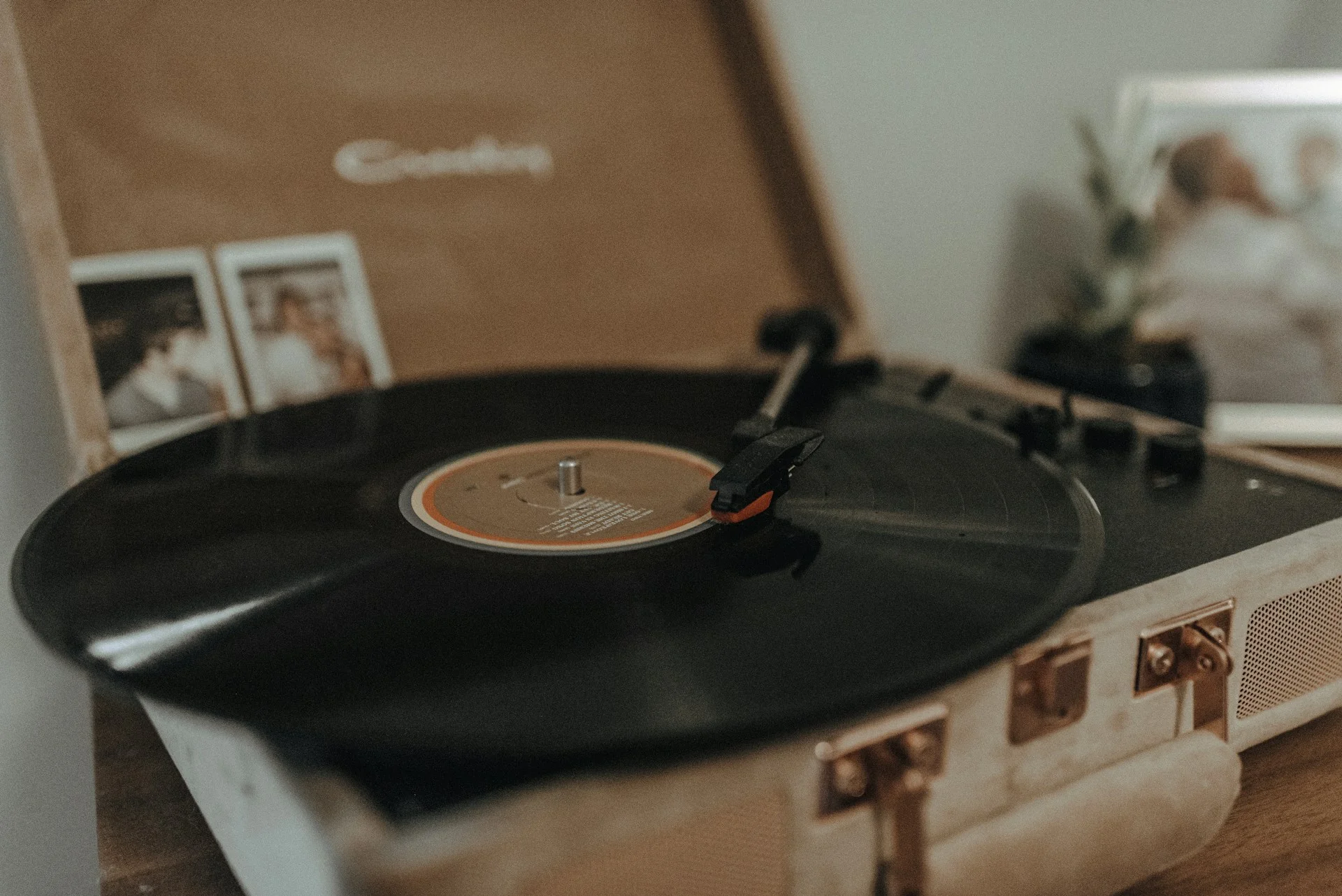
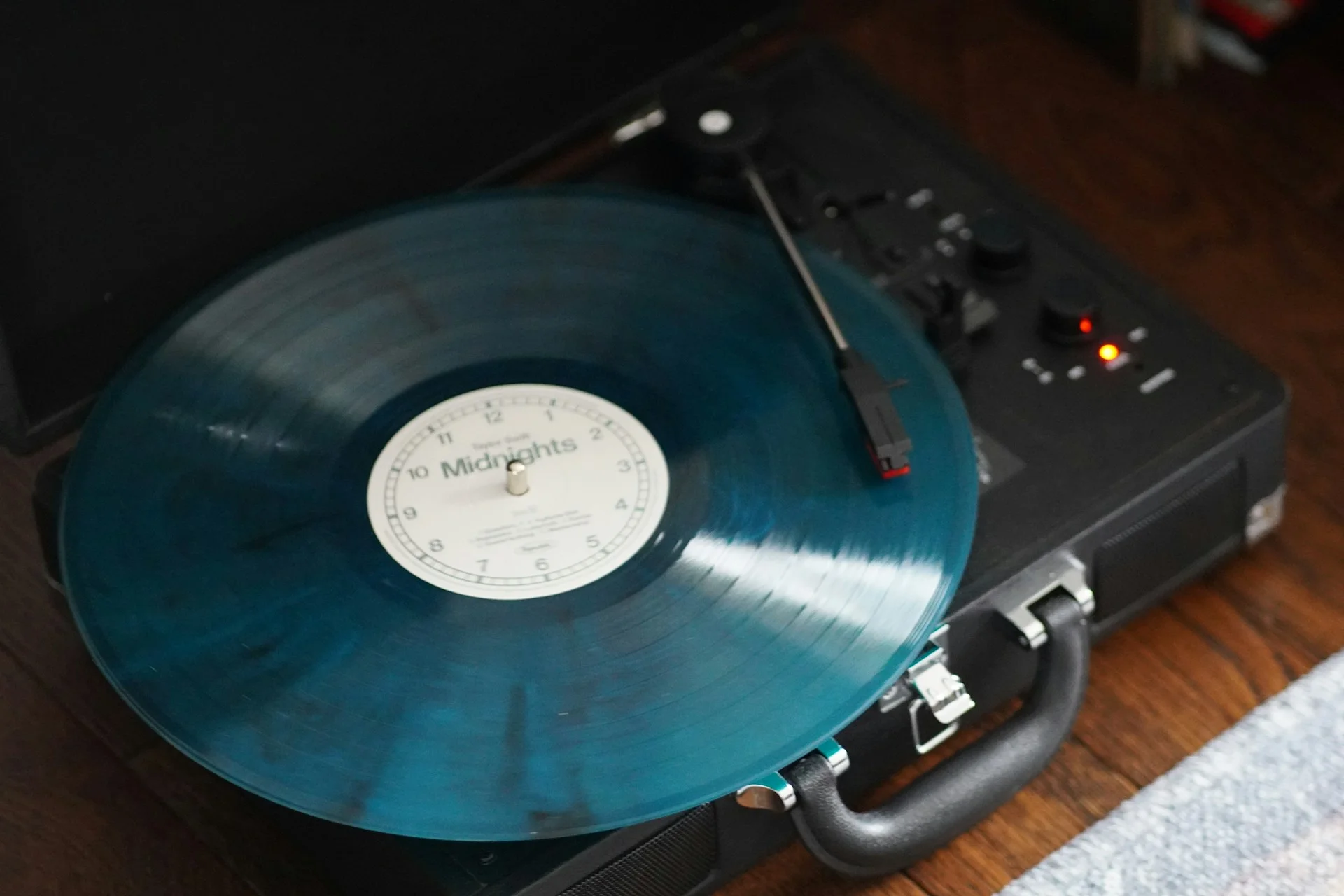
O retorno da mídia física e da tecnologia analógica trouxe uma grande dúvida para quem deseja entrar no mundo dos LPs: a famosa "vitrola" de maleta é uma boa opção ou pode estragar o disco de vinil? Essa discussão ganha ainda mais espaço porque muitas pessoas já adquiriram equipamentos de áudio desse tipo.
Esses toca-discos geralmente são vendidos em diferentes cores e formatos, quase sempre com design retrô, e dominaram as redes sociais nos últimos anos. Boa parte desse sucesso se deve aos preços atrativos, que normalmente variam entre R$ 500 e R$ 600.
Ou seja, muitas pessoas enxergam nesses dispositivos uma porta de entrada acessível para começar a ouvir discos de vinil sem gastar muito. Mas, por trás do charme vintage, existe uma mecânica mais modesta que levanta debates técnicos sobre esse tipo de equipamento.
O problema está na mecânica dos equipamentos
Quando analisamos os toca-discos instalados nessas maletas, a principal questão gira em torno da qualidade das peças que compõem o sistema de reprodução. Esses equipamentos costumam vir equipados com alto-falantes embutidos de pouca definição, além de cápsulas de cerâmica e agulhas de baixa qualidade.
Outro ponto é que a estrutura do braço não possui um contrapeso ajustável na base, o que impede o controle preciso da força aplicada pela agulha sobre o disco. João Augusto, consultor da Polysom, a maior fábrica de discos de vinil da América Latina, explica que a principal limitação dessas "vitrolas" está justamente na simplicidade do conjunto mecânico.
"Esses toca-discos não estragam o vinil, mas não conseguem reproduzi-lo da forma ideal por faltar a robustez necessária. Eles foram desenvolvidos originalmente para tocar compactos de 7 polegadas, que são mais leves e exigem menos do motor. Com os LPs, a história é outra, porque são mais pesados e precisam de um motor mais potente para manter a rotação saudável", destaca o especialista.
Por que discos novos "pulam" na maleta?
Uma das maiores frustrações de quem compra uma vitrola portátil é colocar um disco novo, especialmente modelos de 180 gramas, e perceber que a agulha começa a "pular" durante a reprodução das músicas. A primeira reação do usuário pode ser achar que o disco veio com defeito, mas o problema costuma estar no próprio aparelho.
João explica que isso acontece porque o conjunto mecânico desses toca-discos é bastante simples e não foi projetado para reproduzir LPs mais pesados.
Em comparação com toca-discos mais robustos, os modelos instalados nas maletas costumam ter um braço mais curto, não contam com contrapeso ajustável nem com recursos como o anti-skating, sistema que ajuda a manter a agulha corretamente posicionada no sulco do disco durante a reprodução.
Na prática, todas essas limitações dificultam uma leitura estável do sulco e favorecem pulos e distorções, principalmente nas últimas músicas de cada lado do disco, quando a agulha já está mais próxima do centro do LP.
Agulha desgastada e "gambiarra da moeda": os verdadeiros riscos
João Augusto afirma que um disco de vinil não será arruinado por ser reproduzido em uma vitrola de maleta. Ainda assim, o especialista destaca que existem riscos associados a algumas práticas dos usuários.
Uma delas é continuar utilizando o toca-discos quando a agulha já está desgastada ou esgarçada. Outro alerta é em relação à famosa "gambiarra da moeda", em que muitos usuários colocam uma moeda sobre a cápsula para aumentar o peso do braço e evitar que o disco pule.
Essa adição de peso para compensar a fragilidade do equipamento é justamente o que pode maltratar e desgastar o PVC do disco.
Diante disso, o consultor da Polysom afirma que a recomendação para quem pretende investir no hobby e aproveitar todo o potencial da mídia física é priorizar aparelhos mais robustos, e não escolher um modelo apenas pela aparência.
“A orientação é optar por toca-discos mais completos. Não só pela saúde do disco, que sobreviverá, mas pela qualidade do que o usuário vai ouvir com um equipamento mais avançado”, destaca João.
Na prática, a avaliação do especialista mostra que, antes de comprometer a coleção de LPs, as vitrolas de maleta costumam limitar justamente aquilo que tornou o vinil tão popular novamente: o prazer de ouvir música com clareza, riqueza de detalhes e sem distorções.
En 1845, deux navires taillés pour affronter la banquise quittent l’Angleterre pour forcer le mythique passage du Nord-Ouest. À leur bord, 129 hommes commandés par Sir John Franklin. Aucun ne reviendra.
Certaines des caractéristiques du Système solaire, à commencer par l'origine de la Lune, s'expliquent par des événements et des scénarios violents. Que faut-il en penser dans le cas de certaines des lunes de Neptune depuis que le télescope James-Webb a pris le relais de Hubble ?
Boy, sure is a hot one today, huh? Okay, I get the irony: that's a take so cold you could use it to replace your freezing Wim Hof showers. But when the metaphorical mercury creeps this high, you've got to keep your cool. The same goes for your laptop, which is why you might want to grab a laptop cooling pad this summer.
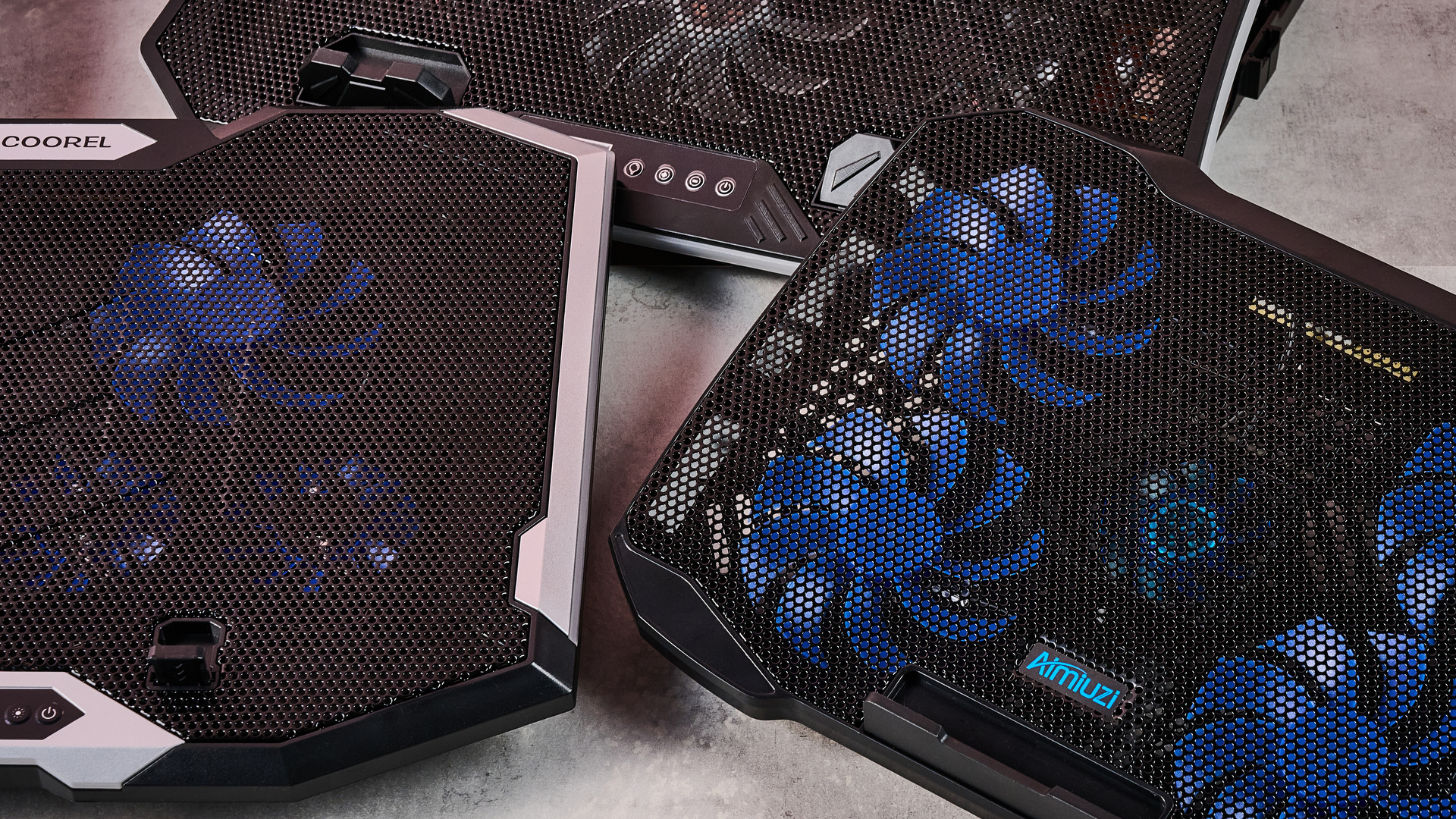
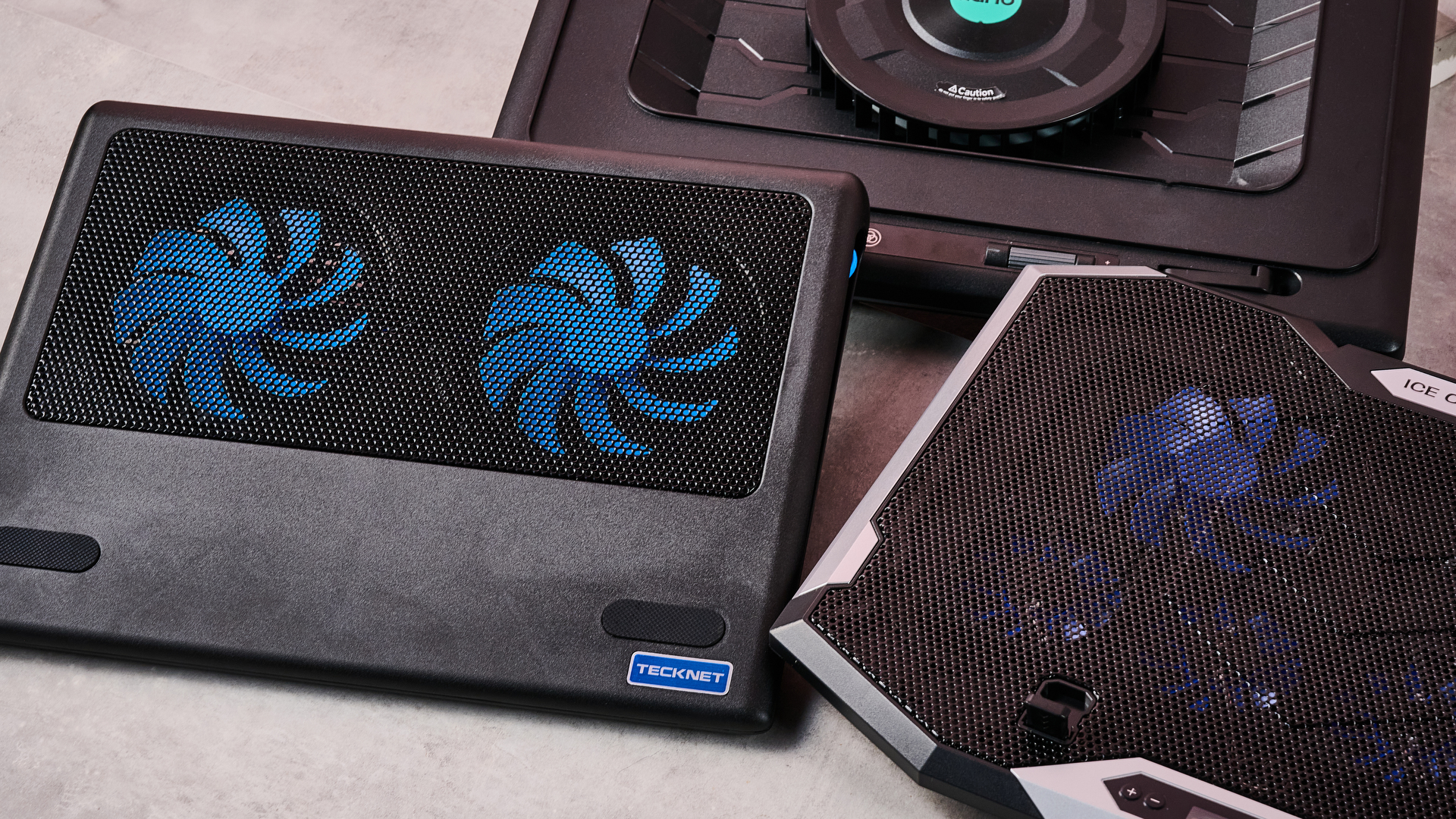
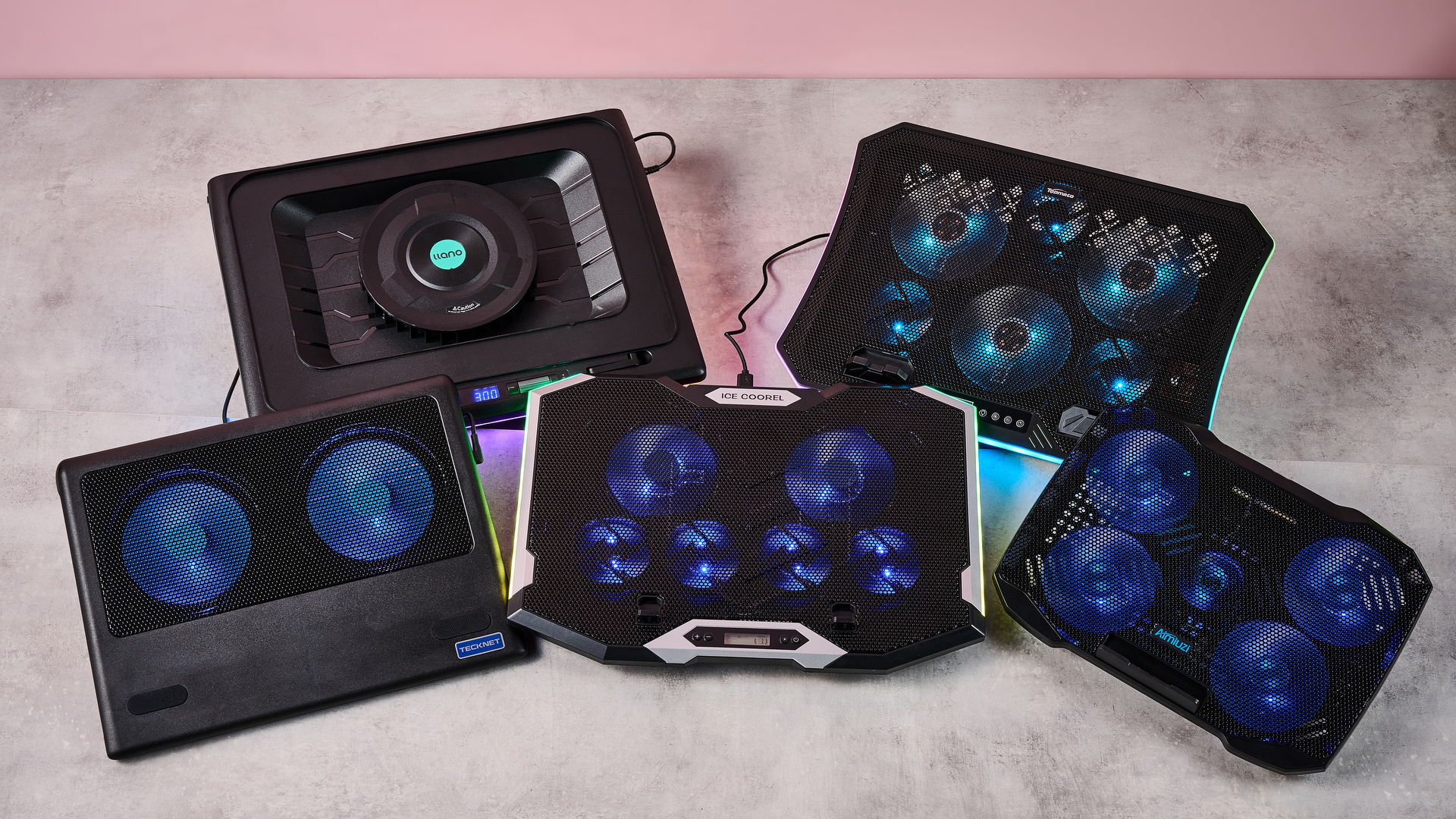
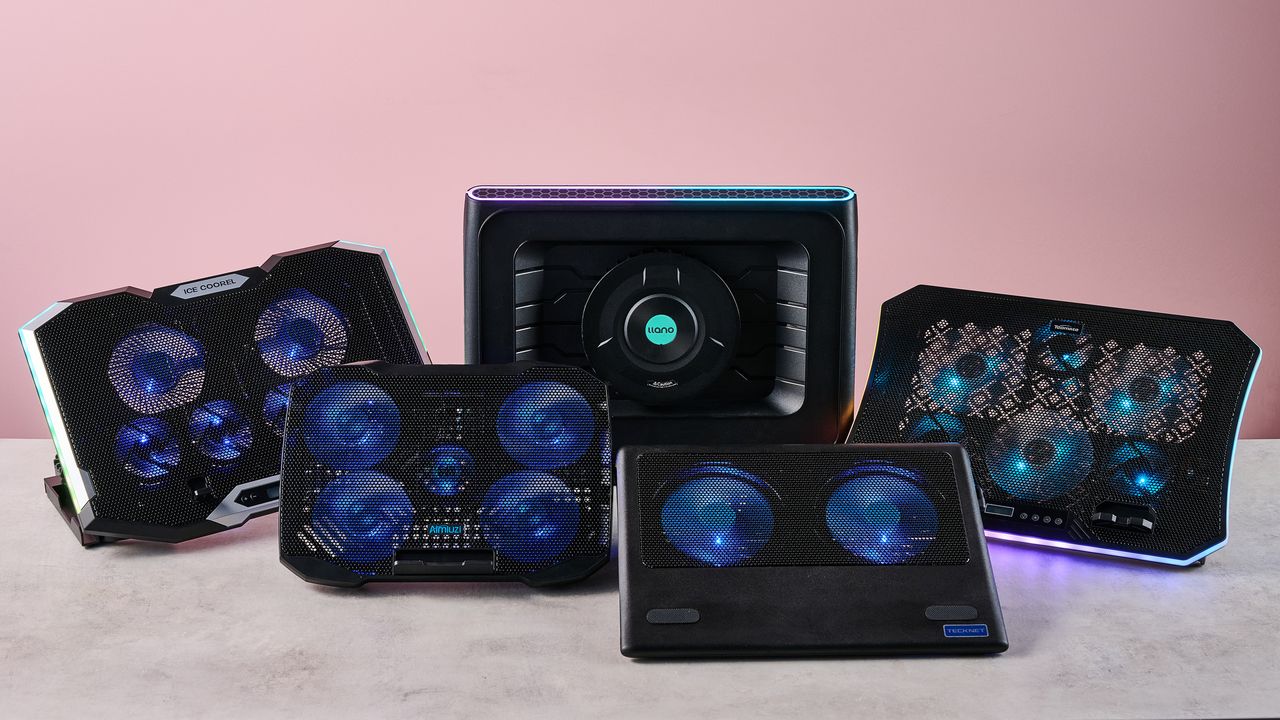
Fortunately for you, I've spent this week testing every laptop cooling pad I can get my hands on to see which offers the superior AC for your computer. Not only that, but I've brought receipts — this piece has more graphics and graphs than election night coverage. So if you want objective numbers about which pad is genuinely gusty and which is all bluster, I've got the data you need.
I get that it can be tempting to overlook cooling your laptop during warm weather — I've been more worried this summer about tracking down a fan to keep myself cool than my laptops. But you overlook the best laptop cooling pads at your peril.
I still have vivid memories of the summer I redlined my laptop during a heatwave. While the video skittering should have been a hint, it was only when it stopped booting up and started bleeping SOS in Morse code that I began questioning my life choices. Turns out I'd burnt out the memory — quite literally: there were scorch marks on the inside of the case.
So at this time of year, it's worth considering whether a laptop cooling pad can help you out. And I can definitely help out there.
Laptop cooling pads: cooling
Temperature Rise Using Laptop Cooling Pad
The temperature rise during a stress test while using the laptop cooling pad on max settings
Baseline
31.9
TopMate C12 Laptop Cooling Pad
22.8
Klim Mistral
20.4
Klim Wind
19.5
Almiuzi F2 Plus Laptop Cooling Pad
18.4
TECKNET Laptop Cooling Pad
17.9
Klim Ultimate
15.5
Liangstar Laptop Cooling Pad
15.3
Llano V10 Gaming Laptop Cooling Pad
12
Llano RGB Laptop Cooling Pad
8
010203040
Temperature difference (°C) Data
Product
Value
Baseline
31.9
TopMate C12 Laptop Cooling Pad
22.8
Klim Mistral
20.4
Klim Wind
19.5
Almiuzi F2 Plus Laptop Cooling Pad
18.4
TECKNET Laptop Cooling Pad
17.9
Klim Ultimate
15.5
Liangstar Laptop Cooling Pad
15.3
Llano V10 Gaming Laptop Cooling Pad
12
Llano RGB Laptop Cooling Pad
8
Baseline
57.4
TopMate C12 Laptop Cooling Pad
41
Klim Mistral
36.7
Klim Wind
35.1
Almiuzi F2 Plus Laptop Cooling Pad
33.1
TECKNET Laptop Cooling Pad
32.2
Klim Ultimate
27.9
Liangstar Laptop Cooling Pad
27.5
Llano V10 Gaming Laptop Cooling Pad
21.6
Llano RGB Laptop Cooling Pad
14.4
015304560
Temperature difference (°F) Data
Product
Value
Baseline
57.4
TopMate C12 Laptop Cooling Pad
41
Klim Mistral
36.7
Klim Wind
35.1
Almiuzi F2 Plus Laptop Cooling Pad
33.1
TECKNET Laptop Cooling Pad
32.2
Klim Ultimate
27.9
Liangstar Laptop Cooling Pad
27.5
Llano V10 Gaming Laptop Cooling Pad
21.6
Llano RGB Laptop Cooling Pad
14.4
Lower values indicate better cooling.
How I tested
To test each laptop cooling pad's performance, I ran a 3DMark Steel Nomad stress test on an Acer Predator Helios 300 gaming laptop with an Nvidia GeForce RTX 3080 GPU. The test ran for 15 minutes, with each cooling pad set to maximum. Using a thermal camera, I clocked the hottest point before and after the test, then calculated the temperature differential between the two to determine how much warming each cooling pad allowed.
Assessing which laptop cooling pad is a breezy wonder and which is a wheezy blunder ultimately comes down to how frosty each model's cooling is. That's why I went through every pad I could get my hands on to see how much each one prevented our gaming laptop from heating up during a 3DMark stress test.
As you can see, by far the weakest cooling offered by any laptop cooling pad I tested was from the TopMate C12 Laptop Cooling Pad. Compared to the 57.4°F / 31.9°C baseline rise of our gaming laptop alone, the C12 was only able to limit it to a 41°F / 22.8°C rise — that might be better than frantically waving a dish towel in its general direction, but only barely.
Probably the biggest disappointment of these tests was how the Klim Mistral performed. Not only did it seem to perform worse than the more affordable Klim Wind — resulting in 36.7°F / 20.4°C warming compared to the Wind's 35.1°F / 19.5°C — but it was pretty inconsistent to boot, achieving even worse results on a retest.
Skipping ahead a little, the laptop cooling pad I was most surprised by was the TECKNET. Although it's cheaper than quite a few of the pads I tested here, setting me back just $21.59 / £21.99, the 32.2°F / 17.6°C warming it presided over put it firmly in the top half of the pack. It's the little laptop cooling pad that could.
(Image credit: Future)
Given that the Liangstar Laptop Cooling Pad and Klim Ultimate both achieved an almost photo finish, it would be easy to assume there's not much daylight between them. However, like a bottle of wine, you really need to weigh up what you're spending here to calculate its true value. And as the Liangstar costs $20.99 / £23.59 versus the Klim Ultimate's $44.97 / £44.97 price tag, that definitely takes the edge here.
But, frankly, there's a reason Llano is the absolute GOAT in my eyes. As you can see, it took both first and second place on my cooling pad podium. While the Llano V10 Gaming Laptop Cooling Pad stopped our gaming laptop from warming up more than 21.6°F / 12°C, the Llano RGB Laptop Cooling Pad kept it down to just 14.4°F / 8°C of warming. This boi makes liquid nitrogen look positively toasty.
Laptop cooling pads: noise levels
1 / 2
Noise Level — cooling pad alone
Noise level of the cooling pad or laptop alone taken at head height and from 3 inches away
Llano RGB Laptop Cooling Pad
71
Llano V10 Gaming Laptop Cooling Pad
64.5
Klim Mistral
52.6
Liangstar Laptop Cooling Pad
45
TopMate C12 Laptop Cooling Pad
43.5
Laptop alone
42
Almiuzi F2 Plus Laptop Cooling Pad
37.4
Klim Wind
36.2
TECKNET Laptop Cooling Pad
36
Klim Ultimate
36
020406080
dB
Head height Data
Product
Value
Llano RGB Laptop Cooling Pad
71
Llano V10 Gaming Laptop Cooling Pad
64.5
Klim Mistral
52.6
Liangstar Laptop Cooling Pad
45
TopMate C12 Laptop Cooling Pad
43.5
Laptop alone
42
Almiuzi F2 Plus Laptop Cooling Pad
37.4
Klim Wind
36.2
TECKNET Laptop Cooling Pad
36
Klim Ultimate
36
Llano RGB Laptop Cooling Pad
85
Llano V10 Gaming Laptop Cooling Pad
77
Klim Mistral
62.6
Liangstar Laptop Cooling Pad
59
TopMate C12 Laptop Cooling Pad
58
Laptop alone
60
Almiuzi F2 Plus Laptop Cooling Pad
50.2
Klim Wind
48.8
TECKNET Laptop Cooling Pad
60
Klim Ultimate
46
0255075100
dB
Near Data
Product
Value
Llano RGB Laptop Cooling Pad
85
Llano V10 Gaming Laptop Cooling Pad
77
Klim Mistral
62.6
Liangstar Laptop Cooling Pad
59
TopMate C12 Laptop Cooling Pad
58
Laptop alone
60
Almiuzi F2 Plus Laptop Cooling Pad
50.2
Klim Wind
48.8
TECKNET Laptop Cooling Pad
60
Klim Ultimate
46
Noise Level — cooling pad & laptop
Combined noise level of the cooling pad and laptop taken at head height and from 3 inches away
Llano RGB Laptop Cooling Pad
64
Llano V10 Gaming Laptop Cooling Pad
57.5
Klim Mistral
51.5
TopMate C12 Laptop Cooling Pad
45
TECKNET Laptop Cooling Pad
45
Liangstar Laptop Cooling Pad
45
Klim Ultimate
44.4
Klim Wind
44
Almiuzi F2 Plus Laptop Cooling Pad
44
020406080
dB Head height Data
Product
Value
Llano RGB Laptop Cooling Pad
64
Llano V10 Gaming Laptop Cooling Pad
57.5
Klim Mistral
51.5
TopMate C12 Laptop Cooling Pad
45
TECKNET Laptop Cooling Pad
45
Liangstar Laptop Cooling Pad
45
Klim Ultimate
44.4
Klim Wind
44
Almiuzi F2 Plus Laptop Cooling Pad
44
Llano RGB Laptop Cooling Pad
79
Llano V10 Gaming Laptop Cooling Pad
69
Klim Mistral
61.5
TopMate C12 Laptop Cooling Pad
58.5
TECKNET Laptop Cooling Pad
58
Liangstar Laptop Cooling Pad
59
Klim Ultimate
55.2
Klim Wind
58.5
Almiuzi F2 Plus Laptop Cooling Pad
61
020406080
dB Near Data
Product
Value
Llano RGB Laptop Cooling Pad
79
Llano V10 Gaming Laptop Cooling Pad
69
Klim Mistral
61.5
TopMate C12 Laptop Cooling Pad
58.5
TECKNET Laptop Cooling Pad
58
Liangstar Laptop Cooling Pad
59
Klim Ultimate
55.2
Klim Wind
58.5
Almiuzi F2 Plus Laptop Cooling Pad
61
How I tested
When it came to noise levels, I measured the noise of each cooling pad from 3 inches away and from my head height when sitting in front of it. I also recorded the combined noise of each cooling pad and the testing laptop's fans 10 minutes into each stress test from the same distances.
You may think that your gaming laptop makes a lot of noise. But believe me: that's scarcely more than a murmur compared to some cooling pads. Given they're essentially just an LED-adorned box with a whopping great fan inside, they can get pretty shouty. That's why I grabbed the sound level meter from my utility belt and started measuring like the world's nerdiest superhero.
Perhaps predictably, the pad that blows coolest blows loudest. While I love the Llano RGB Laptop Cooling Pad's glacial chilling, I can't get away from the fact that it's pretty noisy. I'm 5 foot 11 inches tall, and from my head height, I clocked it at 71dB — according to the Center for Hearing and Communication, that's roughly as loud as a coffee grinder or freeway traffic. In my book, that's a worthy price to pay for keeping your laptop cool, but it might not be ideal if you're planning to use it in the office.
In fact, you might assume there's an inverse relationship between cooling and fan noise. And while that does hold true for the most part, there are some interesting exceptions. For example, while I found the Liangstar Laptop Cooling Pad offered the third best cooling in my tests overall, it was substantially quieter than either of the Llanos, clocking in at a much less brash 45dB.
Conversely, the Klim Mistral manages to buck the trend in the other direction, running surprisingly loud compared to some of the other competitors here. At 52dB, it kicks out a similar level of noise as a fridge — which is pretty ironic given it offered some of the worst cooling in my testing.
(Image credit: Future)
And there are some surprising candidates for the winner's podium when it comes to sound levels. The TECKNET offers far from the worst cooling, and yet it ties for first place as the quietest pad on test here at 36dB — again, not at all bad given its super affordable price tag.
Honestly, though, if you want whisper-quiet running without sacrificing performance, my pro tip would be to check out the Klim Ultimate. Unlike Klim's two cheaper cooling pads, it offers very credible chilling while also measuring noise levels of 36dB from head height — that's apparently quieter than a library, which isn't known for being a raucous place.
Fundamentally, noise levels probably shouldn't be the deciding factor when picking your perfect laptop cooling pad. Both cooling power and budget come higher up the pecking order in terms of my personal preferences. But that doesn't mean you should ignore it completely — depending on where and how you use your laptop, you could find strapping a jet engine to the bottom of it to be a bit of a deal breaker.
Do I even need a laptop cooling pad?
1 / 2
MacBook Air M5 encode test
Performance after an hour during a standard encode test both with and without cooling
Versus Comparison Data
Attribute
Benchmark — MacBook Air M5
Klim Ultimate — MacBook Air M5
Average FPS
2.52
2.77
Estimated encode time
122
114
VS
Average FPS (fps)
2.52
2.77+10%
Estimated encode time (minutes)
+7%122
114
Re-encoding a 4K stereo .mov file at highest quality, the MacBook Air M5 showed a modest reduction in throttling in terms of average FPS and encode time when using the Klim Ultimate laptop cooling pad.
Acer Predator Helios 300 encode test
Performance after an hour during a standard encode test both with and without cooling
Versus Comparison Data
Attribute
Benchmark — Acer Predator Helios 300
Klim Ultimate — Acer Predator Helios 300
Average FPS
2.8
2.8
Estimated encode time
115
113
VS
Average FPS (fps)
2.8
2.8
Estimated encode time (minutes)
+2%115
113
Re-encoding a 4K stereo .mov file at highest quality, the Acer Predator Helios 300 showed essentially no reduction in either average FPS or estimated encode time, suggesting limited heat-related throttling took place.
How I tested
Here I used a standard encoding test. I re-encoded the 4K stereo version of the Creative Commons animated movie Big Buck Bunny at 4K 120fps at the slowest encode speed, then ran it for an hour to allow throttling to take place and recorded the total estimated encode time and average encode rate. I ran this on both my MacBook Air M5 and our testing Acer Predator Helios 300, uncooled and cooled with the Klim Ultimate, to see the impact it had on performance.
So it's pretty clear which cooling pads offer ice-cold AC and which sound like a tumble dryer breaking the sound barrier. But I've left the biggest question until last — do you actually need one at all?
Aiming to prove my theorem that 'cold CPU = good', I whipped up a quick encode test designed to stress out the CPU of several laptops over a longer period. In theory, after an hour, their core temperature should have risen, their CPUs throttled, and the length of the encode spiked and the encode rate dropped. Running the same test with one of our top cooling pads, the Klim Ultimate, would then show how much it could reduce this throttling.
On my MacBook Air M5, after an hour of using its passive cooling alone, the total estimated encode time had crept up to 122 minutes, and the average encode rate was sitting at 2.52 FPS. When I reran the test with the Klim Ultimate running on max cooling, that total encode time was trimmed to 114 minutes, and the encode rate had increased to 2.77 FPS. That's not a huge difference, but it shows the Klim Ultimate was able to trim back some of that temperature-related throttling.
Running the same test on our Acer Predator Helios 300 was a much more ambiguous experience. During my first run, the encode crashed within minutes, and during the second it crashed moments after the test concluded. So it was honestly far from stable.
I was able to eventually get some results, however, and they showed... nothing. Whether I was using the Klim Ultimate or not, the test results were essentially identical, with Handbrake clocking an estimated encode time of 115 minutes uncooled and 113 with the Klim's help. Meanwhile, the encode rate remained steady, sitting at a reasonable 2.8 FPS.
(Image credit: Future)
What does that mean? That I've wasted several hours of my life? Not quite. There are a couple of key conclusions to take away from this. One is that a performance laptop with whacking great fans built in is already pretty good at keeping itself cool. Shocking revelation, I know.
But probably the more critical takeaway is that the mileage you get out of a laptop cooling pad is going to vary depending on how well optimized it is for handling heat, as well as the kind of tasks you're doing. Had I tried to run Cyberpunk 2077 on max graphics settings with ray-tracing switched on, the Predator Helios 300 would likely have caused it to melt into the earth's core.
There's also another caveat. While it's definitely been warm the last week or so in the TechRadar testing lab, it hasn't reached the kind of desiccating highs that have hit both the US and UK in recent months. Past a certain point, any laptop will struggle in the heat. Forget CPU throttling — in that heat, I'd be more worried about your components liquefying like a chocolate bunny on the launch pad at Cape Canaveral.
In light of that, I'd say a laptop cooling pad is still worth exploring, especially if you tend to do a lot of resource-intensive tasks like 3D work, Photoshopping or gaming.
Any thoughts or personal experiences you'd like to share? Please feel free to chime in down in the comments!
Une éclipse totale de Soleil, c’est un spectacle saisissant. D’autant plus si l’on prend le temps de penser à la mécanique céleste qui se cache derrière. Et que l’on découvre au passage comment un jour, les éclipses totales… disparaîtront à jamais !
Futura a suivi pendant presque un quart de siècle plusieurs des grands événements scientifiques de la noosphère, comme les premières images de la surface de Pluton ou celles prises par les rovers martiens et, bien sûr, les découvertes du Cern, des ondes gravitationnelles aussi bien que celles...
O processo que seleciona a publicação de pesquisas em dois dos periódicos científicos mais importantes do mundo é afetado por uma série de vieses relevantes, facilitando a vida dos cientistas que já trabalham nas instituições de mais prestígio, dos que vivem na América do Norte e, em menor grau, dos que são homens.
Leia mais (08/02/2026 - 06h00)
A Post analysis shows that about 20 percent of the land area — covering around 7.5 million square miles — experienced moderate or greater concentrations of the soot released by wildfires at some point during July.
« Je m’ennuie ! » Une phrase redoutée par bien des parents pendant les vacances, surtout lorsqu’elle interrompt un rare moment de tranquillité. Pourtant, loin d’être un problème à résoudre à tout prix, l’ennui pourrait être précieux pour les enfants. Imagination, créativité, connaissance de soi,...
Since the launch of Flock Safety in 2017, the ACLU estimates the company installed some 100,000 automatic license plate readers throughout the United States. The dragnet comes with plenty of downsides to privacy and civil liberties: it’s ripe for abuse by crooked cops, powered by sweatshop labor, and nearly impossibleto escape once it designates you a target.
But police officials insist it’s worth the trade off — because at it least it helps them catch the bad guys, right? Unfortunately, the reality isn’t quite that peachy.
Atlanta, Georgia has experienced far and away the largest influx of ALRPs in the country, with over 5,000 various Flock cameras now blanketing the city. Yet as bombshell data released by the FBI shows, the city’s massive web of surveillance has had virtually zero impact on the Atlanta Police Department’s ability to solve crime, with some clearance rates for offenses like homicide even experiencing a decline over the past few years as the cameras have proliferated.
First reported by the Atlanta Community Press Collective, the FBI data is a damning refutation of Flock’s primary claim: that ALPRs are necessary to help officers keep the public safe.
According to the ACPC, the rates at which the APD resolves crimes like homicide, robbery, miscellaneous larceny, and shoplifting have actually decreased between 2021 and 2025, when the city’s ALPR build-out hit its full stride.
For homicide, the numbers are especially embarrassing, with the FBI reporting case closures at just 48 percent in 2025, down from 53.4 percent in 2021. Meanwhile, rape remained flat year over year, holding steady at a pitiful 37.7 percent closure rate from 2021 to 2025, and dipping down to just 21.2 percent at its lowest point in that four-year span.
Though the APD actually did show improvement on some crime categories as Flock’s cameras sprouted all over the city, the changes from 2021 to 2025 amount to little more than rounding errors.
For example, case closures on crimes like aggravated assault and motor vehicle theft ticked up by just 0.2 and 0.3 percent, respectively. One would think motor vehicle theft solve rates would be an easy win for a technology designed to track cars, specifically. Yet in 2025, the APD was solving just one in tencases of auto theft, even with thousands of Flock ALPRs at its disposal.
Len Phillips, head of the anti-ALPR community group DeFlock Atlanta told ACPC that the “public has been asked to accept a significant expansion of surveillance based on the promise that it would dramatically improve public safety.”
In reality, Phillips continues, that tradeoff between safety and civil liberties “was just a one-way transaction.”
Les symptômes de cette femme de 60 ans étaient dus à des complications d'une intervention chirurgicale réalisée quelques jours seulement après sa naissance. Ce que les médecins ont découvert dans son intestin s’était formé pendant presque toute sa vie.
Life is clearly rough for the working class, stuck navigating Kafkaeqsue hiring infrastructure while billionaires devour an ever-larger slice of the world’s wealth. But frustratingly, the data being used to steer the economy tells a rosier story than the one workers actually live. The latest unemployment numbers — a flawed metric, admittedly — showed a slight improvement from May to June, at least on paper. And even as the economy appears to cool its jets, Americans keep spending like there’s no tomorrow, even in the face of aggressive inflation.
With so much data — anecdotal and empirical — swirling around, it’s hard to find the pulse of the US labor force. Luckily, one enterprising AI startup found a perfect barometer. There’s no conflicting data or tedious calculations involved — just a little ink, and the vibrating sting of a tattoo machine.
On Thursday, the Y Combinator-backed AI startup LemonLime hosted a bizarre recruitment event in which attendees were offered an “instant interview” in exchange for getting the company’s logo tattooed on their body.
It sounds like a joke, but LemonLime co-founder Jordan Zietz bragged on a LinkedIn post that an astonishing seven people took them up on the offer.
According to his post, the goal was to “meet exceptional people,” and sort out “which of them are just as crazy as we are.”
“That’s why we brought an actual tattoo artist to our party and offered an instant interview to anyone who got a LemonLime tattoo,” Zietz continued. “If you’re reaching out to us to apply for a job, you might want to take notes.”
While coercive body art has become increasingly common in the 21st century, there’s usually at least some form of financial compensation involved. The idea that it takes getting a permanent tattoo just to get one foot in the door for an interview is especially galling, and reveals a lot about the sorry state of the US job market.
One of the people who received a free tattoo, Dimple Amitha Garuadapuri, clarified on LinkedIn that while she didn’t get the company’s logo inked on her skin, “almost everyone else got a LemonLime tattoo.”
Regardless, news of the stunt spread quickly on social media, prompting a lightning-fast apology from the founder, who admitted on X-formerly-Twitter that he “messed up.”
“Even though participants chose their own tattoos and no one was asked to get our logo, I should have understood the pressure and power dynamic created by connecting tattoos to hiring,” Zietz said. “We’ve taken the posts down and have spoken to everyone who participated. We’re also ready to cover associated removal costs with anyone facing any delayed regret.”
Just for good measure, the founder stressed that “interviews were available to everyone regardless,” though it remains to be seen if the seven share that view.
Did you attend the YC afterparty with LemonLime? If so, we’d love to hear from you.Reach out at tips@futurism.com. We can keep you anonymous.
For a time, it appeared as if AI would find broad acceptance among the American masses.
The peanut gallery on social media happily embraced early image generation models as researchers appeared to make significant breakthroughs with the aid of their newfound tools. On paper, surveys found public attitudes toward the tech continued to improve into 2025 — before sharply reversing.
In 2026, America’s honeymoon phase with AI seems to be quickly wearing off. According to a joint poll conducted by Bentley University and Gallup, the percentage of US adults who think AI does “more harm than good” is rising, from 31 percent in 2025 to 39 percent this year, while a piddling 9 percent still think the tech does “more good than harm.”
As outlooks sour, the Bentley-Gallup poll found that Americans’ familiarity with AI continues to grow. In 2026, 70 percent of those polled said they’re “somewhat or extremely knowledgeable” about AI, up 6 percent compared to 2024. The implication probably gives OpenAI Sam Altman a migraine: the more people learn about AI, the less they seem to want it in their lives.
Meanwhile, Americans are increasingly wary about data centers, with a recent Politico survey finding that 41 percent of US adults would oppose a data center being built within three miles of their home, up drastically from 28 percent in January. At the same time, the volume of support for data centers plummeted, down 13 percent over the past six months alone.
Speaking to Bloomberg about the rising aversion to AI, professor of ethics at Carnegie Mellon University’s Tepper School of Business Derek Leben said the attitude is increasingly taking root along social lines. Not only do AI haters dislike the tech in their own personal sphere, but they’re increasingly scrutinizing their friends, family, and coworkers about their attitudes.
“The most obvious social effect is suspicion,” Leben told Bloomberg. “There is also a moral and political judgment that is coming along with AI usage, especially in creative industries where the stigma is the strongest.”
Carla Milan, a 37-year-old public health professional in New York City, told the publication she’s frustrated that family and friends deploy AI reflexively, without considering its social or environmental costs.
“I hear people champion AI and I’m like, ‘sure, why don’t we all participate in our collective downfall?'” Milan told Bloomberg. “Why don’t we all play a part in diminishing our humanity and degrading the environment?”
As unpopular as SpaceX and Tesla CEOElon Musk has become in the popular eye, some say the vitriol doesn’t go nearly far enough.
In an episode of his podcast Ones and Tooze, Columbia University economic historian Adam Tooze picked apart the increasingly expensive AI arms race and its consequences for humanity. Among Tooze’s observations: the AI boom is completely upending the long-standing social contract under capitalism, a shift embodied most dramatically by Musk.
During the podcast, co-host Cameron Abadi asked what a “best case scenario” for AI might look like — where a human-level superintelligence emerges that can automate the world’s jobs. In response, Tooze pointed to a report from the Bank of International Settlements: under that scenario, labor’s share of income could collapse from an already paltry 54 percent to just 20 percent, meaning workers would be forced to fight over the remaining crumbs that drop from billionaires’ tables.
“The share in the total pie collapses, and that’s obviously a huge transformation in political power,” Tooze explained. And though that’s a future projection, the economic historian notes we’re already seeing symptoms of this extreme reversal of fortunes today, chiefly in the extreme wealth accumulation of Musk.
“I don’t understand frankly why the event of Musk’s enrichment isn’t more of a scandal, isn’t more a historic moment,” Tooze said. “Like this — to have a trillionaire in our midst ruptures the social bargain in such a — just such a dramatic way, like how can we even be any longer talking about being in the same society as this group of individuals who’ve unleashed this technology on the world.”
“It goes beyond Luddism,” Tooze continued, referring to the 19th-century labor movement that saw workers smash textile looms to fight back against economic exploitation. “It’s not about resisting the technology per se, it’s about asking ‘which social contract this belongs to?'”
Though it remains to be seen how severe an impact AI actually has on the labor market, one scenario keeps surfacing: superintelligent AI fuels a drastic rise in economic inequality, with tech billionaires on one end, and the working class on the other.
Comparing the current “AI arms race” to the actual nuclear arms race, Tooze asks the listener to imagine a “private Manhattan Project, developing a thermonuclear weapon,” calling superintelligent AI “kind of like a labor-market neutron bomb.”
And where the Manhattan Project was funded, organized, and staffed by the US government, the current AI boom takes almost the exact opposite approach, following the whims of the ultra-rich.
“Clearly, government money has gone into Silicon Valley in various ways,” Tooze caveats. “But nevertheless, the contrast between the Manhattan Project… and the realities of the current moment, spearheaded by a figure like Elon Musk, who literally has eviscerated the state apparatus of that first [nuclear] race… it strikes me that it’s really a regression away from the mid-century arms race model to something that’s much more like the ‘Merchants of Death’ vision.” (The Merchants of Death was a moniker for 1930s-era war profiteers.)
“We’re back in that space” Tooze continues, “of private, unfettered, oligarchic — but global — arms race… to my mind, the [AI arms race] analogy is interesting not because of the similarities, but because of the differences it reveals.”

 Login