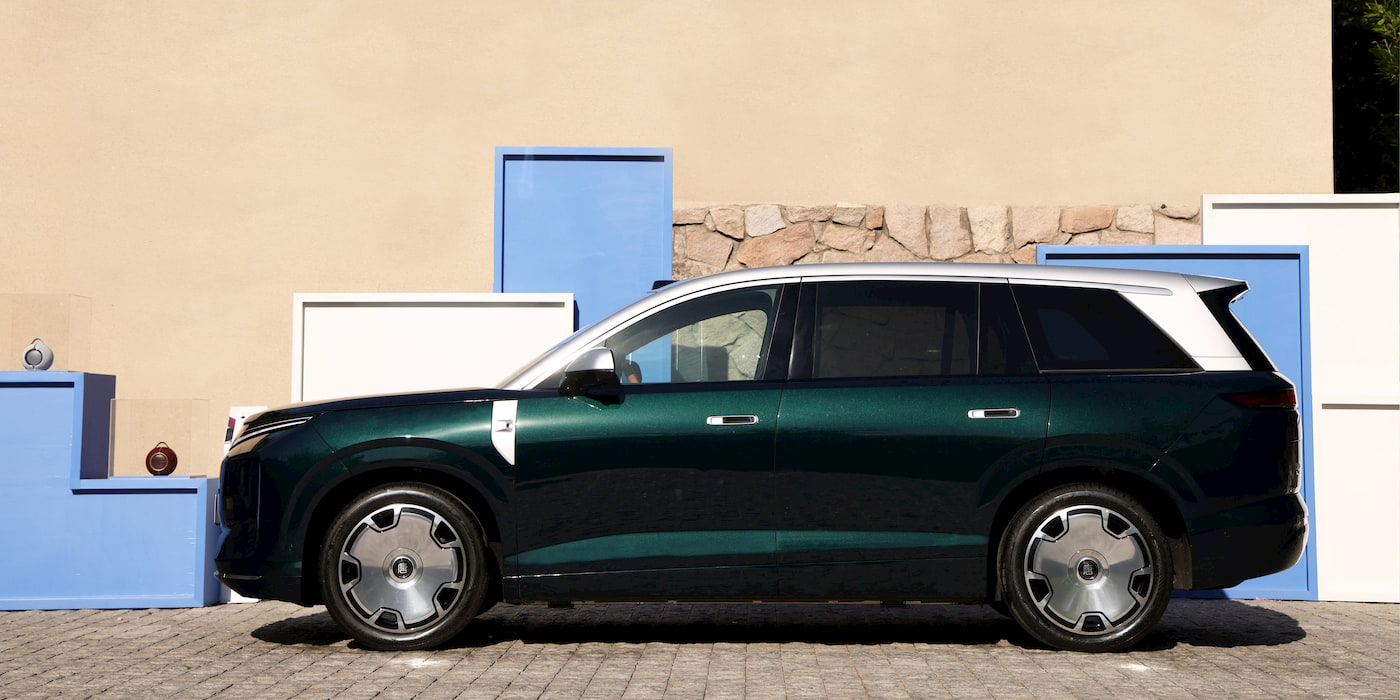
The GV90 is set to arrive as the biggest, most prestige Genesis electric SUV to date. With its official debut coming up, the flagship EV was spotted charging alongside a Kia EV9, revealing its true size.
When the US Department of Justice approved Paramount Skydance's proposed acquisition of Warner Bros. Discovery on Friday, a DOJ press release said "a rigorous eight-month investigation led by the [Antitrust] Division’s career staff" showed that the $111 billion deal would not harm competition or American consumers.
But according to The Wall Street Journal, the DOJ career lawyers who led that investigation "were leaning toward recommending a lawsuit challenging it on the grounds that the combination of the two movie studios would be anticompetitive and violate antitrust law." DOJ senior leaders closed the investigation "before career staffers who were concerned about the acquisition had an opportunity to object, according to people familiar with the matter," the WSJ reported.
Commenting on the report that the decision to allow the deal surprised staff investigators, Sen. Elizabeth Warren (D-Mass.) wrote that "the American people need to know if this merger was approved as a political favor. This reeks of corruption."
Des terriers restés prisonniers du pergélisol pendant des centaines de milliers d’années ont livré un témoignage exceptionnel sur les écosystèmes de l’ère glaciaire. Grâce à l’ADN préservé dans des excréments fossilisés d’écureuils terrestres, des chercheurs ont reconstitué une partie de leur...
Hyundai is on track for its sixth straight year of record sales in the US. In the EV market, Hyundai has its sights set on Chevrolet as it looks to become the second-best-selling brand behind Tesla.
Pour observer les spectacles astronomiques que nous réserve le mois de juillet 2026, munissez-vous de notre carte du ciel. Ce mois-ci, Vénus traverse lentement la constellation du Lion, dominée par les étoiles Régulus, Algieba et Denebola.
Demain soir, le spectacle ne sera pas sur le terrain. À la tombée de la nuit, Vénus aura rendez-vous avec la Lune. Que vous y voyiez un symbole ou pas, cette conjonction vaudra bien le coup d’œil.
An engineer has developed an open-source ceiling-mounted robotic claw designed to tackle one of the constant challenges of family life—cleaning up clutter.
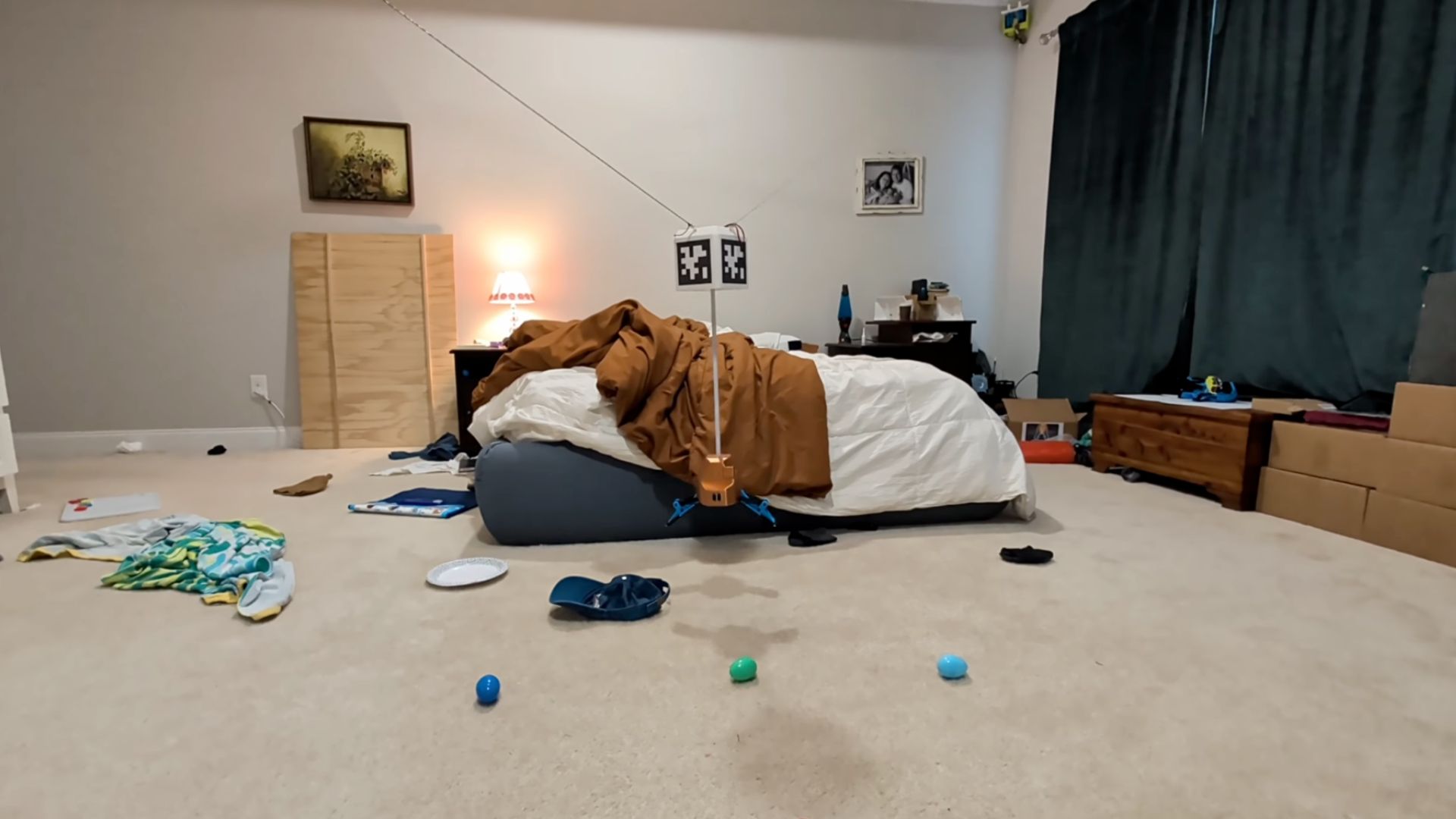
Called Stringman, the system uses cables suspended from four corners of a room to move a robotic gripper across the ceiling, locating and collecting items such as toys, clothing, and other household mess.
Powered by LeRobot-based firmware, the robot can identify objects, pick them up, and transport them to designated drop-off points.
According to its maker, the project’s software, hardware designs, and build instructions are available on GitHub. At the same time, ready-to-use kits are also being offered for users who prefer not to build the system themselves.
Stringman tackles clutter
The DIY cleaning robot is designed to tackle one of the most common household challenges—clutter left behind by children and pets.
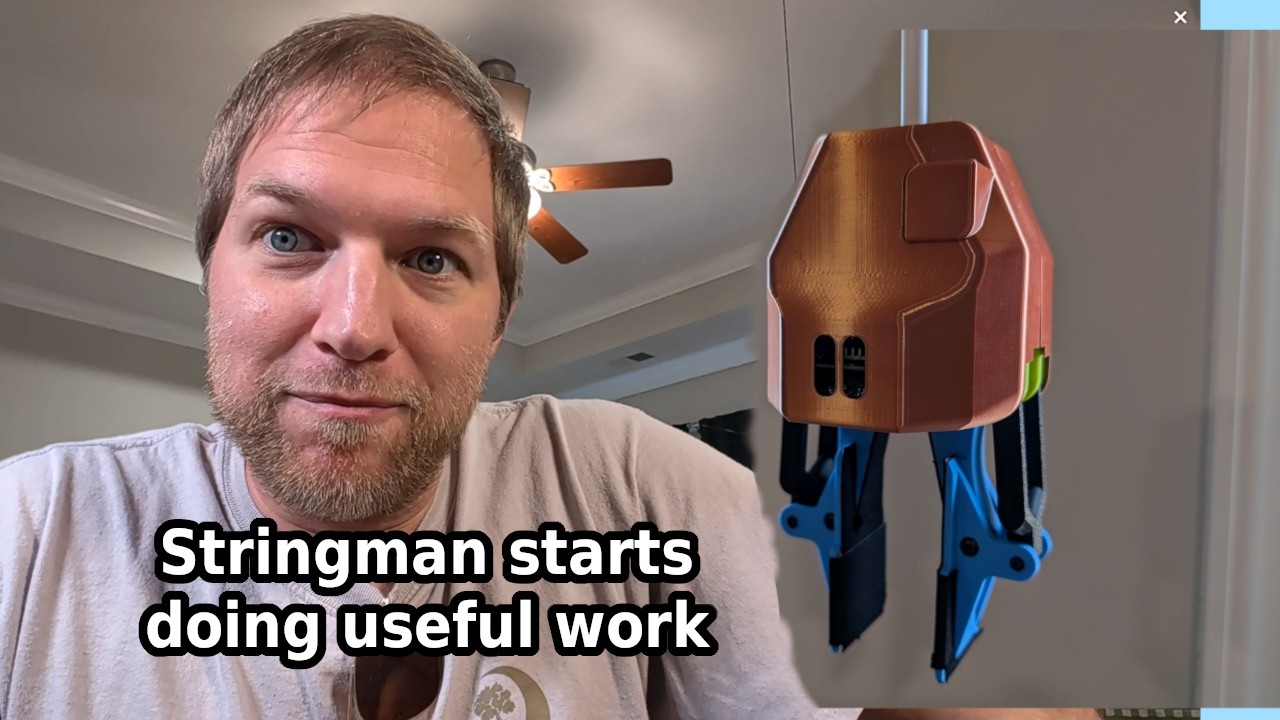
Stringman is a cable-driven robotic crane that moves across a room using high-strength lines suspended from anchors mounted in its four corners. Rather than relying on a humanoid design or a mobile robot, Stringman uses a lightweight gripper that travels through the room’s airspace, identifying and collecting objects from the floor before transporting them to designated drop-off locations.
The project was created by Nathaniel Nifong, who believes many household tasks can be automated without the complexity and cost associated with humanoid robots. According to the project’s website, reducing the number of actuators significantly lowers the overall cost of robotics hardware. Stringman relies on just four motors and a two-finger gripper with a wrist mechanism, allowing it to perform basic pick-and-place tasks while remaining relatively affordable.
The robot is built on the open-source LeRobot platform and uses imitation learning to improve its grasping capabilities. Users can train the system through teleoperation, teaching it how to pick up various household objects. The software, firmware, mechanical designs, and build instructions are publicly available under an Apache 2.0 license, allowing enthusiasts to build, modify, and contribute to the project.
To organize items, users simply designate destinations such as laundry baskets, toy bins, or trash cans using clip-on fiducial markers. Stringman’s vision system maps these locations and generates a list of objects it believes should be collected. Users can review and modify these selections through an interface or manually click objects they want the robot to remove.
Open-source robot
One of the system’s biggest advantages is its reach. Unlike robotic arms that are confined to a limited workspace, Stringman can access much of an entire room. Its cable-driven architecture enables it to move from floor-level pickups to elevated shelves without requiring rails, wheels, or articulated limbs. Because it is powered directly from a wall outlet, it also avoids the charging downtime that limits many mobile robots.
The design incorporates active swing-cancellation algorithms to stabilize the gripper as it moves. This is particularly important because the gripper hangs approximately 50 centimeters below the suspension point, allowing it to reach beneath furniture and alongside obstacles. The software continuously compensates for momentum, helping maintain accurate positioning during movement, according to its website.
Privacy has also been a focus of the project. Stringman supports a fully local operating mode in which video processing and telemetry remain within the home network. Users who prefer remote access can connect the robot to an online account and monitor or control it through a web-based interface.
Despite its promise, the system remains a work in progress. The machine-vision models still require refinement, and certain objects—particularly flat items such as books—can be difficult for the gripper to handle reliably. The suspended cables also descend into the room while the robot is operating, creating practical limitations for occupied spaces.
Even with these challenges, Stringman represents an intriguing alternative to humanoid domestic robots. By focusing on a single household task and simplifying the hardware, the project demonstrates how practical home automation may emerge from specialized, low-cost designs rather than human-shaped machines. Future developments could potentially allow the robot not only to collect clutter into bins but also to return items directly to their proper storage locations.
Political correctness has been blamed for the failure of social workers to stop a gay couple murdering their adopted baby, with the child's grandmother and a social worker suggesting officials' judgement was clouded.
Après avoir présenté son nouveau modèle comme une version sécurisée d’une IA jugée trop sensible pour être ouverte au public, Anthropic se retrouve confrontée à une décision radicale. Une restriction imposée par Washington relance le débat sur la dépendance technologique et la souveraineté...
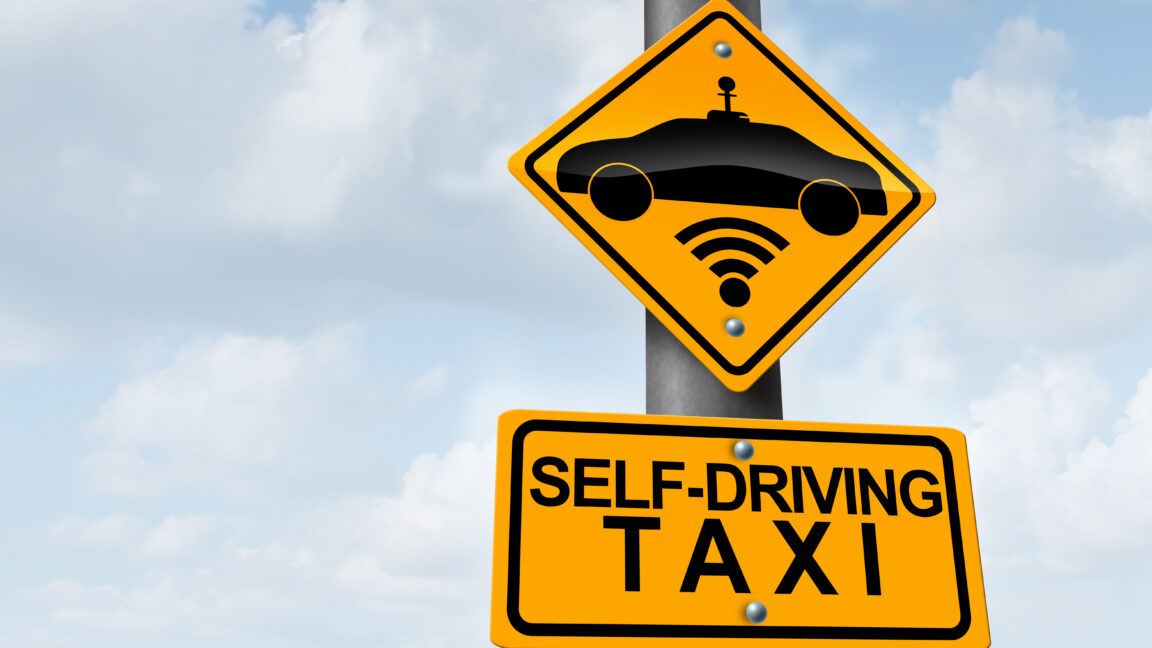
The driving technology company Mobileye plans to launch a robotaxi service in an as-yet-unnamed US city in 2027, it said earlier today. The service will be vertically integrated, using Mobileye's Moovit mobility platform to interact with customers booking rides, coordinate drivers, and so on. The Israeli company, which was bought by Intel in 2017 before going public again in 2022, says it will start with around 100 robotaxis early next year.
"Mobileye has spent more than two decades building the technologies required for autonomous driving," said Amnon Shashua, founder and CEO of Mobileye. "Today we are taking the next step: combining those technologies with operational ownership to create a financially and geographically scalable robotaxi business designed from the ground up for global deployment."
The company first rose to prominence in the mid-2010s, when Tesla began using Mobileye's advanced driving assistance systems (ADAS) as part of Autopilot. That relationship lasted until 2016, when Mobileye dropped Tesla as a customer after being alarmed that a driver assistance system was being sold to end users as driverless technology. Since then, Mobileye has continued to work with other partners on ADAS and autonomous vehicles.
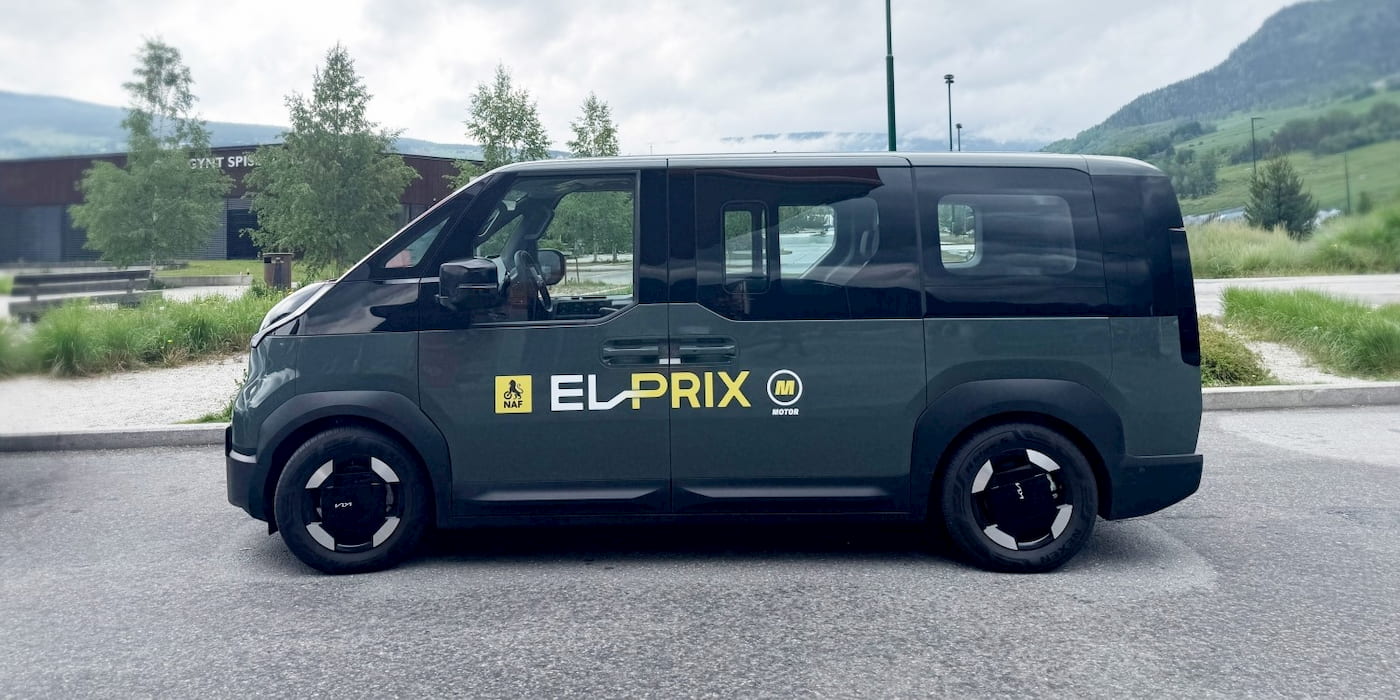
It’s no wonder the PV5 is flying off dealer lots. With more than enough driving range, fast charging, and a high-tech, spacious interior, Kia’s electric van may be the ultimate people mover.
Le 31 mai 2002, c’est l’humiliation pour les Bleus. Presque 25 ans plus tard, ce match contre le Sénégal reste gravé dans les mémoires comme l’un des plus grands upsets du football. Comment une rencontre de Coupe du monde peut-elle ainsi transcender le temps ? La science avance...
Vert fluo, goût d'enfance et promesse de fraîcheur : le sirop de menthe cache pourtant un secret méconnu. Yuka alerte sur la présence massive d'un colorant artificiel suspecté d'effets indésirables chez les enfants. Entre inquiétudes légitimes, données scientifiques encore limitées et principe...
ABB Robotics has partnered with California-based bionic company PSYONIC to develop more dexterous robotic systems by leveraging real-world data from human prosthetic use.
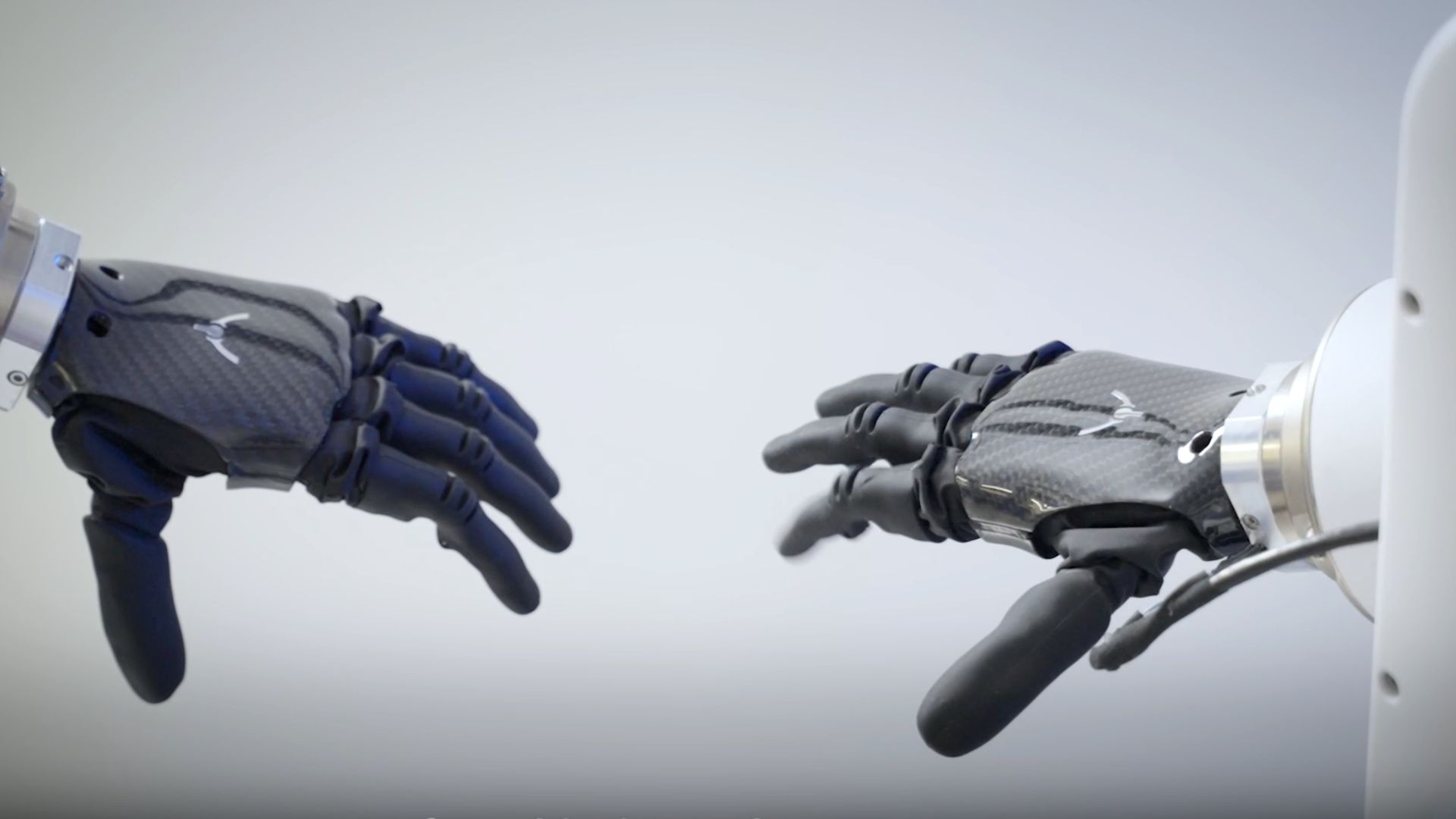
The collaboration combines PSYONIC’s Ability Hand, a touch-sensitive prosthetic hand, with ABB’s GoFa collaborative robot to study how human-generated touch and motion data can train robots to perform delicate and variable tasks.
The initiative aims to address one of industrial robotics’ biggest challenges—grasping and manipulation—while improving automation capabilities and potentially reducing engineering time for handling applications by up to 30 percent.
“Human dexterity and the instinctive understanding of how to handle different objects is one of the most difficult things to replicate in industrial-grade robotics, but it’s a fundamental need for truly autonomous and versatile robots,” said Marc Segura, President, ABB Robotics, in a statement.
Human data dexterity
ABB Robotics and PSYONIC aims to tackle one of the biggest challenges in industrial automation: robotic dexterity. The collaboration combines ABB’s GoFa collaborative robot with PSYONIC’s Ability Hand, an advanced prosthetic hand equipped with touch sensing and compliant design, to train robots using real-world manipulation data generated by human prosthetic users.
Unlike conventional robotic training methods that rely heavily on simulations, the project uses human-derived touch and motion data to teach robots how to grasp, manipulate and interact with objects more naturally. The approach is aimed at improving robots’ ability to perform delicate, variable tasks that have traditionally been difficult to automate, such as handling fragile components, adapting to changing object shapes and operating in dynamic environments.
The initiative supports ABB Robotics’ vision for Autonomous Versatile Robotics (AVR), where robots can sense, reason, move and manipulate objects with greater autonomy. It also contributes to the development of physical AI systems capable of learning from real-world interactions and applying that knowledge with industrial-grade reliability.
According to ABB, dexterity remains a major technical bottleneck in robotics, and improved handling capabilities could reduce engineering time for automation projects by up to 30 percent. The companies are exploring applications across sectors including automotive, aerospace, packaging, logistics and life sciences.
PSYONIC is working closely with ABB’s research and development team to integrate touch-enabled manipulation technologies into robotic platforms. The partnership aims to narrow the gap between human and robotic dexterity, enabling more adaptable, productive and safer automation systems for industrial environments.
Touch powered robotics
The ABB GoFa is a collaborative robot designed to work safely alongside humans in manufacturing, assembly, material handling, packaging, and laboratory environments.
It can handle payloads of up to 26 pounds (12 kilograms) and reach up to 1.62 meters, offering a combination of speed, precision, and flexibility. Built-in force and power limitation technology enables safe human-robot collaboration with minimal safety barriers, while intuitive programming tools simplify deployment. With repeatability of up to 0.02 mm, GoFa is well suited for precision tasks and improving productivity.
On the other hand, the Psyonic Ability Hand is an advanced bionic prosthetic that provides multi-touch sensory feedback, helping users experience a more natural sense of touch. Its 200-millisecond closing speed allows fast, secure grasping, while 32 grip patterns—19 pre-programmed—support activities ranging from handling small objects to typing. The hand automatically adjusts thumb positioning for a stable grip and can be configured remotely via Bluetooth-enabled iPhone and Android apps.
Powered by a 2200mAh battery, it charges through USB-C in about an hour and delivers 6–8 hours of use. Its durable, IP64-rated design resists impacts, dust, and splashes. Beyond prosthetics, organizations such as NASA, Meta, and Apptronik use it for robotics research.
En cherchant à remonter toujours plus loin dans le temps pour observer les développements précoces des quasars, ces prodigieux phares cosmiques, les astrophysiciens tentent de reconstituer les conditions qui ont permis la formation des premiers trous noirs supermassifs, lesquels ont influencé...
Europe is taking decisive steps to strengthen its control over the technology that underpins its societies. It is concerned about the digital infrastructure that sits behind everything from energy grids and water supplies to public transport, healthcare and the apps in people’s phones.
The backdrop is stark. Around 80% of Europe’s digital infrastructure and technology comes from outside the EU. An estimated €264 billion (£228 billion) a year is spent on cloud and software services that are mostly non-European.
Europe produces only about 10% of global semiconductors (the technology behind computer chips). In cloud computing, European providers hold roughly 15% of the market, while three US firms account for around 70%.
These imbalances were long seen as a natural outcome of globalisation. But in a world of geopolitical tension, they increasingly represent a strategic vulnerability. Export controls, sanctions and political pressure risk rippling through digital supply chains. The recent US ban on foreign access to advanced AI models sends a small yet clear signal.
What once looked efficient now looks risky. At the same time, the EU stresses that this is not about isolationism.
A central shift proposed by the European Commission’s digital sovereignty package is to make digital dependencies visible and measurable. Through tools such as sovereignty risk assessments for cloud and AI services, organisations are pushed to look beyond performance and price and at the level of “sovereignty” a service or product provides.
Questions of ownership, jurisdiction, supply chains, data location and the ability to switch providers here become central when procuring digital services. The Computer & Communications Industry Association, which represents tech companies such as Amazon, Meta and Google, said the plans would undermine the EU’s goals of bolstering its digital infrastructure. On the other hand, European counterparts say the language in the tech sovereignty plans is soft.
This changes the role of buyers – especially in the public sector. Governments would no longer be just customers. Instead, they would start to shape markets. Through procurement and infrastructure investment, they can influence which technologies succeed and how digital ecosystems evolve.
The Commission wants to ensure that the expected expansion of data centres is environmentally sustainable.Snehit Photo
Public sector demand for open technologies has been shown to stimulate competition and economic growth. In this sense, the sovereign technology agenda is not just about building alternatives but about reshaping the rules of the digital economy.
The EU is trying to give organisations more freedom to switch between different technology providers and negotiate with them. This shifts the control back towards users – helping ensure continuity even in times of crisis.
Turning this vision into reality will not be straightforward. Much of the content of the tech sovereignty plan relies on encouragement rather than binding measures, especially around open source software and procurement. This creates a risk that “sovereignty” becomes more of a political label than an operational shift, with uneven implementation across Europe.
Nor is this the first attempt at promoting a similar vision of change. Earlier initiatives – in the form of the Tallinn, Berlin and Strasbourg declarations, to more recent EU legislation – have outlined similar ambitions but these have struggled to materialise. Without clearer requirements, there is a risk of repeating this pattern.
Another challenge is fragmentation. If member states interpret sovereignty differently, the result could be a patchwork of approaches that weakens impact. Coordinated action is needed to grow both supply and demand across Europe. Public procurement will be central, but not sufficient. Organisations also need capabilities – the knowledge and structures to assess dependencies and act strategically.
Current frameworks tend to focus on evaluating technology providers, rather than whether organisations themselves can make and sustain sovereign choices.
The Commission’s funding levels for its tech sovereignty package raise further questions. Through an envisaged public-private (mostly the latter) funding model, around €2 billion (£1.7 billion) is calculated for open source over seven years, €120 billion (£103 billion) to semiconductors, €200 billion (£172 billion) to data centres – significant, but modest compared to the money invested in global technology platforms and the digital economy. Practical constraints remain: switching systems is costly, alternatives may lag behind, and shortages in skills and cybersecurity capacity add pressure.
National policies reflect these tensions. Sweden’s recent cloud computing strategy, for example, recognises the need to reduce dependencies but remains cautious in how far it goes – illustrating how national differences could limit Europe’s collective impact.
Whether the EU’s package of measures can succeed will depend less on ambition and more on implementation, and whether the supply and demand for sovereign tech is able to nudge. Negotiations to follow will show how things fall out.
Ultimately, this is not just a European issue, but one for any government or organisation. It is about who controls the digital systems modern societies depend on – and how those systems remain resilient, secure and aligned with public values in an uncertain world.
Johan Linåker does not work for, consult, own shares in or receive funding from any company or organisation that would benefit from this article, and has disclosed no relevant affiliations beyond their academic appointment.
Vénus est la seule planète du Système solaire à tourner aussi lentement et dans le sens opposé à celui de la plupart de ses voisines. Selon une nouvelle étude, cette étrange rotation pourrait être l'héritage d'un impact titanesque survenu aux débuts du Système solaire.
China’s Tianwen-2 spacecraft has carried out a series of small propulsive maneuvers following a main burn June 7, setting up an asteroid rendezvous in July.

 Login