❌

Normal view

Suno Hack and Audio Scraping

16 July 2026 at 20:42

Jason Koebler (tweet, Reddit):

The AI music generation tool Suno scraped millions of songs and lyrics from YouTube Music, Deezer, and Genius, as well as from the stock music libraries Pond5, Jamendo, Freesound, the International Music Score Library Project, and podcasts via RSS feeds, according to a hacker who breached the company and shared data about Suno’s training libraries with 404 Media. The hacker was also able to access user information for hundreds of thousands of Suno’s customers, as well as Stripe payment information, they said.

[…]

As part of these legal proceedings, Suno previously admitted that it was trained on “essentially all music files of reasonable quality that are accessible on the open internet,” which included a total of “tens of millions of recordings.” Suno has been making the argument that it is allowed to train on copyrighted works as fair use in those cases, one of which has been settled.

Corbin Bolies:

Suno has long acknowledged that its AI music generator relied on the scraping of millions of songs available across the internet, but a new hack reveals just how the company pulled from streaming services and websites[…] all while user information remained vulnerable.

[…]

“Our goal has always been to help people create original new music, not replicate someone else’s. That’s why we build our models around what we call ‘Original Creation, By Design,’” the spokesperson said in a statement. “For example, we intentionally do not use artist names as a category of training metadata because we want our models to help people create brand new songs, not music that replicates other artists’ existing work. It’s also why we built Suno with detection filters that block or prevent a user from using specific artist, song, or album names as prompts, and prevent users from uploading lyrics or sound recordings that match existing works.”

Previously:

Meta and YouTube Addiction Lawsuits

1 July 2026 at 21:05

Cecilia Kang, Ryan Mac, and Eli Tan (March, Hacker News):

The social media company Meta and the video streaming service YouTube harmed a young user with design features that were addictive and led to her mental health distress, a jury found on Wednesday, a landmark decision that could open social media companies to more lawsuits over users’ well-being.

[…]

Citing features like infinite scroll and algorithmic recommendations, K.G.M. sued Meta, which owns Instagram and Facebook, and Google’s YouTube, claiming they led to anxiety and depression.

Nick Heer:

For its part, the Wall Street Journal editorial board is standing up for beleaguered social media companies in an editorial today criticizing everything about these verdicts, including this specific means of liability, which it calls a “dodge” around Section 230.

[…]

Product design, though, is a different question. It would be a mistake, I think, to read Section 230 as a blanket allowance for any way platforms wish to use or display users’ posts. (Update: In part, that is because it is a free speech question.) From my entirely layman perspective, it has never struck me as entirely reasonable that the recommendations systems of these platforms should have no duty or expectation of care.

Nick Heer, on an April Massachusetts lawsuit:

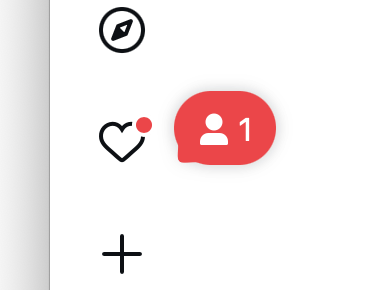
To me, a non-lawyer, much of the actual text of the ruling (PDF) explaining why this lawsuit was not immediately turfed on Section 230 grounds seems pretty reasonable. For example, the judge says “[u]nder the default settings, Meta enables approximately forty types of notifications” for the Instagram app, which the government alleges “is designed to overwhelm young users and compel them repeatedly to reopen Instagram”. We can argue whether this is a meaningful thing for a government to police or if it is just another example of Meta resorting to tacky growth-hacking techniques instead of trusting their product is sufficiently compelling on its own. (Most days when I open Instagram in my browser, it puts a red badge over the notifications tab and suggests I have one new follower. I do not; I never have. It lies to me every time, presumably because it knows most people, including me, will usually click on that, thereby increasing a number on a dashboard somewhere.)

Mike Masnick:

couple weeks back, Jonathan Haidt published another entry in his ongoing campaign to convince the world that social media is inherently ruining kids’ lives. This one was a victory lap titled “Seven Lines of Evidence Against Social Media,” treating recent developments — including the social media addiction verdicts against Meta that most people are misunderstanding — as vindication of his thesis.

[…]

But then something inconvenient happened for Haidt’s thesis: Pew went and did a brand new study exploring teens’ experiences on TikTok, Instagram, and Snapchat. This one asked the kids themselves.

[…]

Indeed, the research repeatedly suggests that for the very small number of kids who are facing mental health problems and overrelying on social media in response, the answer is a targeted intervention to help those individuals — not a broad “ban kids from social media” program.

Previously:

Filmada com o iPhone 17 Pro, “Nido de Villanas” é a aposta da Apple no mundo das micronovelas

22 July 2026 at 14:13

As novelas verticais já são um fenômeno à parte na América Latina, e a Apple parece estar ciente disso: brincando com o gênero, ela disponibilizou no seu canal do YouTube “Nido de Villanas”, uma micronovela mexicana dividida em 14 partes e filmada com o iPhone 17 Pro.

Cada um dos 14 episódios, com duração estimada de 2 minutos, faz uso dos principais recursos de gravação do iPhone, como o modo Ação (Action mode), o zoom óptico de 8x ou até mesmo o modo de câmera lenta do aparelho.

A Maçã compartilhou um vídeo apresentando a produção:

Com uma trama “repleta de ambição, segredos e traições, na qual quatro mulheres estão dispostas a fazer de tudo para ficar com a fortuna dos Iturribiaga”, “Nido de Villanas” oscila entre emular as novelas mexicanas — referência histórica do gênero — e apresentar as principais funcionalidades de vídeo disponíveis no iPhone 17 Pro.

Esse enquadramento em termos de formato, diga-se de passagem, proliferado especialmente por estúdios asiáticos em plataformas de vídeos curtos (como o TikTok ou o Kwai) movimenta uma indústria que disputa a longeva hegemonia das telenovelas.

Foi o suficiente para que conglomerados conhecidos por sua dominância no segmento, como a TV Globo (no Brasil) e a Televisa (no México), oferecessem suas contrapartidas na transformação pela qual as novelas passam diante da mudança de hábito de consumo na América Latina e em todo o mundo. A opção da Maçã, evidentemente, carrega menos desse peso, mas demarca um possível interesse de presença nesse mercado.

“Nido de Villanas” está disponível no canal da Apple no YouTube, podendo ser visualizada na seção de Shorts da plataforma.

iPhone 17 Pro Max

Cores: prateado, laranja-cósmico ou azul-intenso
Armazenamento: 256GB, 512GB, 1TB ou 2TB
R$ 10.999,00
R$ 12.499,00

iPhone 17 Pro

Cores: prateado, laranja-cósmico ou azul-intenso
Armazenamento: 256GB, 512GB ou 1TB
R$ 9.777,77
R$ 11.499,00

NOTA DE TRANSPARÊNCIA: O MacMagazine recebe uma pequena comissão sobre vendas concluídas por meio de links deste post, mas você, como consumidor, não paga nada mais pelos produtos/serviços usando os nossos links de afiliado.

❌