Desde que a Apple levou a OpenAI aos tribunais por uma suposta violação de segredos industriais e propriedade intelectual, a ausência do nome de Jony Ive no processo tem sido motivo de especulações, considerando que o ex-executivo da Maçã e braço direito de Steve Jobs é uma peça relevante para o desenvolvimento de hardwares da dona do ChatGPT.
No ano passado, a startup de Ive, a io Products, foi adquirida pela OpenAI por US$6,5 bilhões. Desde então, o estúdio de design independente LoveFrom (também comandado pelo ex-Apple) passou a ser o espaço da gigante de inteligência artificial (IA) para a supervisão do design da sua linha de hardware. Nesse processo, mais de 400 funcionários trocaram a Maçã pela empresa de Sam Altman — entre eles, Tang Tan e Chang Liu, acusados de instruírem a revelação de protótipos da Maçã para quem estivesse em entrevista com a empresa de IA.
Para Mark Gurman, jornalista da Bloomberg, existem duas explicações lógicas para Ive ter ficado de fora das acusações: a ausência de provas que comprovem seu vínculo com o esquema e a sua relação de proximidade com a viúva de Jobs, Laurene Powell Jobs.
Próxima de Tim Cook e de outros executivos da empresa — além de manter uma relação de longa data com Ive —, ela continua circulando com naturalidade entre ambos os lados, tendo inclusive participado da última WWDC como convidada.
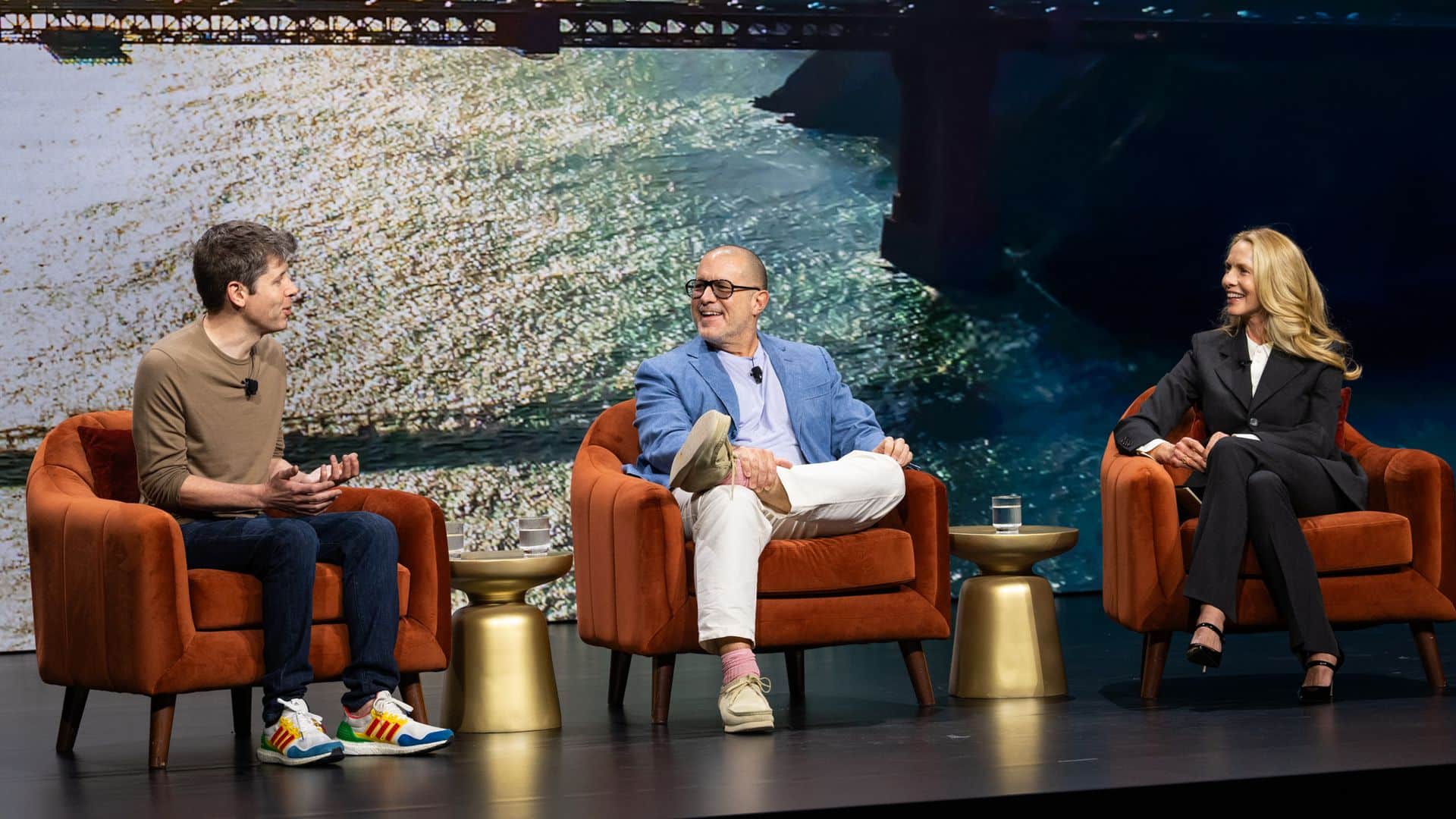
Laurene também é uma das principais investidoras dos projetos de Ive e esteve ao lado dele e de Altman quando os dois revelaram que o primeiro dispositivo de IA da OpenAI já estava em desenvolvimento. Para Gurman, esse conjunto de relações pode ter contribuído para evitar que o nome do ex-chefe de design da Apple fosse envolvido diretamente na disputa judicial, especialmente na ausência de evidências que o ligassem ao suposto vazamento de informações.
According to Bloomberg News‘ Mark Gurman, Apple’s aggressive lawsuit accusing OpenAI of systematically stealing its intellectual property poses a significant threat to the AI company’s efforts to develop consumer hardware devices that could rival the iPhone — potentially disrupting those plans long before any courtroom resolution.
The Core Allegations
Apple filed the blockbuster suit last week, claiming OpenAI orchestrated a coordinated effort to misappropriate trade secrets. Key details include:
• OpenAI allegedly encouraged former and prospective Apple employees to bring unreleased product information, prototypes, CAD designs, and supplier details to interviews and new roles.
• OpenAI instructed hires on evading Apple’s security protocols, reportedly using a checklist tied to its former iPhone design leadership.
• Specific individuals named include OpenAI’s Chief Hardware Officer Tang Tan (a 24-year Apple veteran who led iPhone and Apple Watch design) and engineer Chang Liu, who allegedly retained access to Apple systems post-departure to download confidential files on unreleased products.
Apple claims it has uncovered a “pattern of theft” involving more than 400 former employees now at OpenAI. The suit also implicates io Products (Jony Ive’s hardware startup, acquired by OpenAI for $6.5 billion), describing OpenAI’s emerging hardware efforts as “rotten to its core” due to reliance on misappropriated secrets.
Why This Matters for OpenAI’s iPhone Rival Plans
OpenAI has been aggressively building a hardware division to create AI-powered consumer devices — potentially including a smartphone or agent-based hardware that could bypass traditional app ecosystems and compete directly with Apple’s ecosystem dominance. This push gained momentum with the io Products acquisition and talent poaching from Cupertino.
Gurman’s reporting highlights how the lawsuit creates immediate headwinds:
• Talent and Reputation Risks: Even without a final verdict, the public accusations could slow recruiting, damage partnerships, and invite scrutiny from suppliers wary of legal entanglement.
• Injunctive Relief: Apple is seeking court orders to bar OpenAI from using the alleged secrets, return materials, and preserve evidence—moves that could force redesigns or delays in OpenAI’s device timeline.
• Broader Competitive Tension: The clash comes amid a strained partnership (Apple integrates ChatGPT into Siri and Apple Intelligence), with both sides eyeing greater independence in AI hardware. OpenAI’s ambitions to reduce reliance on the iPhone now face a major legal and PR obstacle.
OpenAI’s Response and Context
OpenAI has denied the claims, stating it has “no interest in other companies’ trade secrets” and remains focused on innovative technology.
The suit escalates existing frictions, including reports of OpenAI previously considering legal action against Apple over their integration deal.
MacDailyNews Take: OpenAI has always been skeevy, from eschewing its open source roots to Sam Altman to desperately overpaying for a washed Jony Ive. Just plain skeevy.
If ever a Skynet would arise, we expect it would spring from the diseased loins of OpenAI.
This isn’t just a legal spat, it’s a flashpoint in the intensifying battle for the future of AI devices. Apple is fiercely protecting the decades of innovation behind its hardware supremacy, while OpenAI bets big on disrupting it with AI-first experiences. As Gurman notes, the disruption to OpenAI’s plans could be swift and substantial, regardless of how the case ultimately resolves in court.
Please help support MacDailyNews — and enjoy subscriber-only articles, comments, chat, and more — by subscribing to our Substack: macdailynews.substack.com. Thank you!

 Login