Login
States File 2 Lawsuits Over Trump’s Cuts to Endangered Species Act
9 September 2026 at 23:38
Two lawsuits seek to reverse the Trump administration’s moves to open the habitats of imperiled wildlife to commercial activities.


Australia’s extinct thylacine, also known as the Tasmanian tiger, was not the powerful predator European settlers had assumed based on experiences with the dogs and wolves of their homeland, scientists say.
In a recent study of the skull of this creature, famously hunted to extinction, researchers from Flinders University and the University of Melbourne found something unexpected: the thylacine likely hunted only small prey. The team presented these findings in a paper published in Nature Communications, challenging the assumption that the Tasmanian tiger targeted large animals like sheep.
According to the new research, false European assumptions brought to a new land led to the overhunting and extinction of the thylacine species.
The primary discovery in the work was that the thylacine’s long, deep jaw shape would be poorly suited to holding down large animals. Instead, it would be more effective at delivering a powerful snap to a much smaller animal.
“Our latest findings on their feeding adaptations counter the myths that drove the thylacine to extinction,” said lead author Professor Vera Weisbecker, from the College of Science and Engineering at Flinders University. “Thylacines were often compared to Northern Hemisphere predators such as wolves, jackals and foxes from the dog family Canidae. This resemblance gave them their species name ‘cynocephalus’, meaning ‘dog-head.’”
While the animal may have had some superficial resemblance to a wolf or dog, they followed a quite different evolutionary trajectory. Instead of being closely related to canines, they were more similar to kangaroos. Thylacines were marsupials, pouch-bearing mammals that separated from the broader mammalian lineage in the time of the dinosaurs.

The researchers say the thylacine skull combines a set of features seen in no other living carnivorous mammal, making it a true outlier. At a glance, the team noted the extinct animal’s large skull, with its long, tall upper jaw that protrudes and ends in a wide snout—an unusual feature that is worthy of more detailed study.
“Even though the average thylacine may have weighed only half as much as the average wolf, its vastly oversized skull is about as large as a grey wolf’s skull,” said co-author Dr Douglass Rovinsky. “But while it was big, it wasn’t really shaped like the skull of a big predator. Instead, the thylacine’s snout was long and slender, almost delicate – not robust like the snout of a grey wolf. It very much looks like the snout of a fox or jackal, which can be much smaller than thylacines.”
Instead of holding down large animals, the researchers say these jaws would be better suited to capturing bandicoots, an animal similar in size to a rabbit, with a powerful snap.
“The longer a jaw is, the faster its tip moves when an animal bites. This increases the impact of the strike. We think that the thylacine’s huge skull size allowed it to withstand these bite forces,” says Professor Weisbecker.
Intriguingly, while this skull configuration is not seen in carnivorous mammals, large-headed hunters with powerful snapping jaws are common outside of the mammal group. This shape is particularly useful in aquatic environments, where fast, slippery fish are a primary target for predators.
Long, tall jaws with a wide tip are frequently found in crocodiles and some predatory fish. While the shape is conducive to hunting, it is typically used to capture smaller, highly agile prey.
“Thylacines were hunted because of myths that they were ferocious predators of livestock, when there was little evidence for this. Their extinction is a story of ignorance and lack of respect for Australia’s unique wildlife and its Indigenous custodians,” Professor Weisbecker concluded. “As a country at the global forefront of mammal extinctions, we need to do all we can to safeguard equally irreplaceable surviving species.”
The paper, “Skull Morphology of the Extinct Tasmanian Tiger Suggests Unique Biting Style,” appeared in Proceedings of the National Academy of Sciences on August 31, 2026.
Ryan Whalen covers science and technology for The Debrief. He holds an MA in History and a Master of Library and Information Science with a certificate in Data Science. He can be contacted at ryan@thedebrief.org, and follow him on Twitter @mdntwvlf.
© American Bird Conservancy
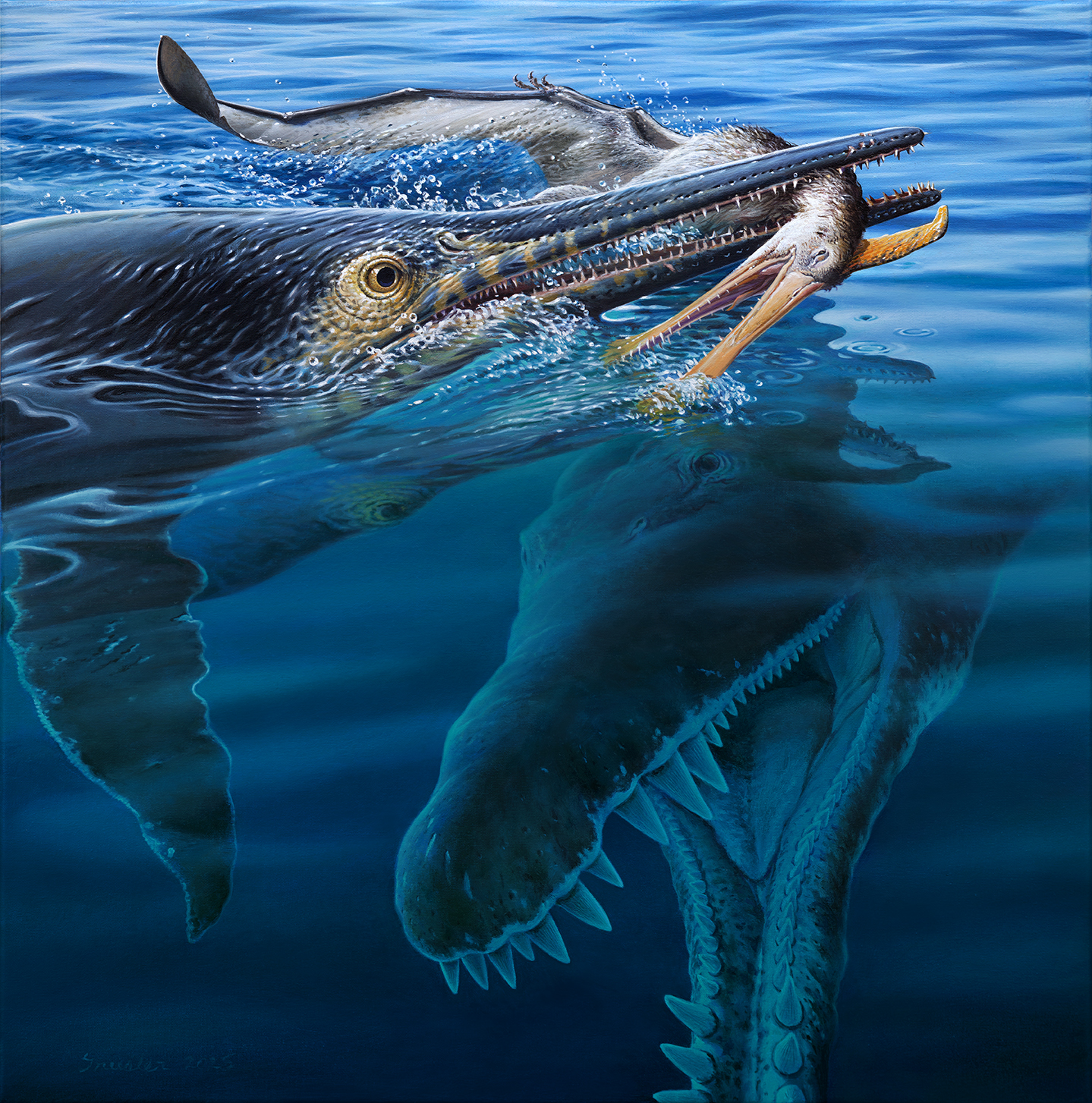
An ichthyosaur fossil found in Australia's outback may preserve a rare snapshot of a prehistoric food chain. Around 100 million years ago, the enormous marine reptile swallowed a flying pterosaur before being attacked by a giant ocean predator, new research suggests.
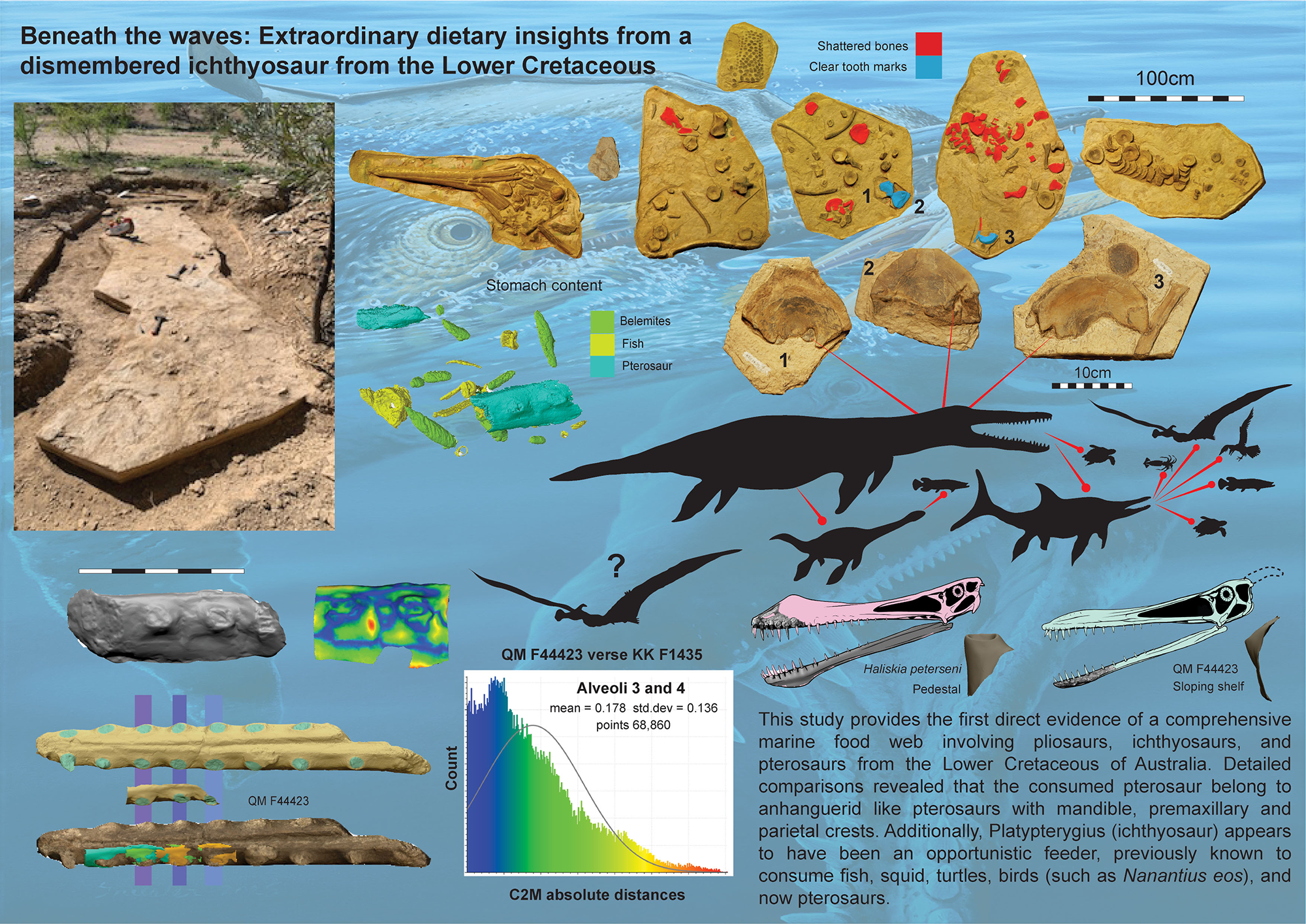
The fossil set, nicknamed "BOB" or "Bag of Bones," belonged to a 20- to 23-foot-long (6 to 7 meters) ichthyosaur, an animal that belonged to a group of dolphin-shaped marine reptiles that lived alongside the dinosaurs during the Mesozoic era, from about 250 million to 90 million years ago. But in a new study, researchers discovered fragments of a pterosaur's jaw — along with fish and cephalopod remains — preserved inside the animal's body cavity.
The finding is the first confirmed evidence that ichthyosaurs ate pterosaurs, an extinct group of flying reptiles that ruled the ancient skies, according to the new study, published July 28 in the journal Gondwana Research.
The fossils may also hint at the ichthyosaur's violent end. Its skeleton — discovered in 2019 in Queensland's outback — contains shattered bones, missing ribs and large crushing injuries. Researchers think the gruesome wounds may have been inflicted by Kronosaurus queenslandicus, a colossal crocodile-like apex predator that lived 120 million to 100 million years ago in the ancient Eromanga Sea in Australia.
Fossilized stomach contents are a rare find because they can be preserved only under very specific conditions.
"Rapid burial after death is essential to prevent decay and scattering of remains," study co-author Matt White, a research associate at the University of New England in Australia, told Live Science in an email. "The animal must have died soon after its last meal so stomach acids don't fully digest the prey."
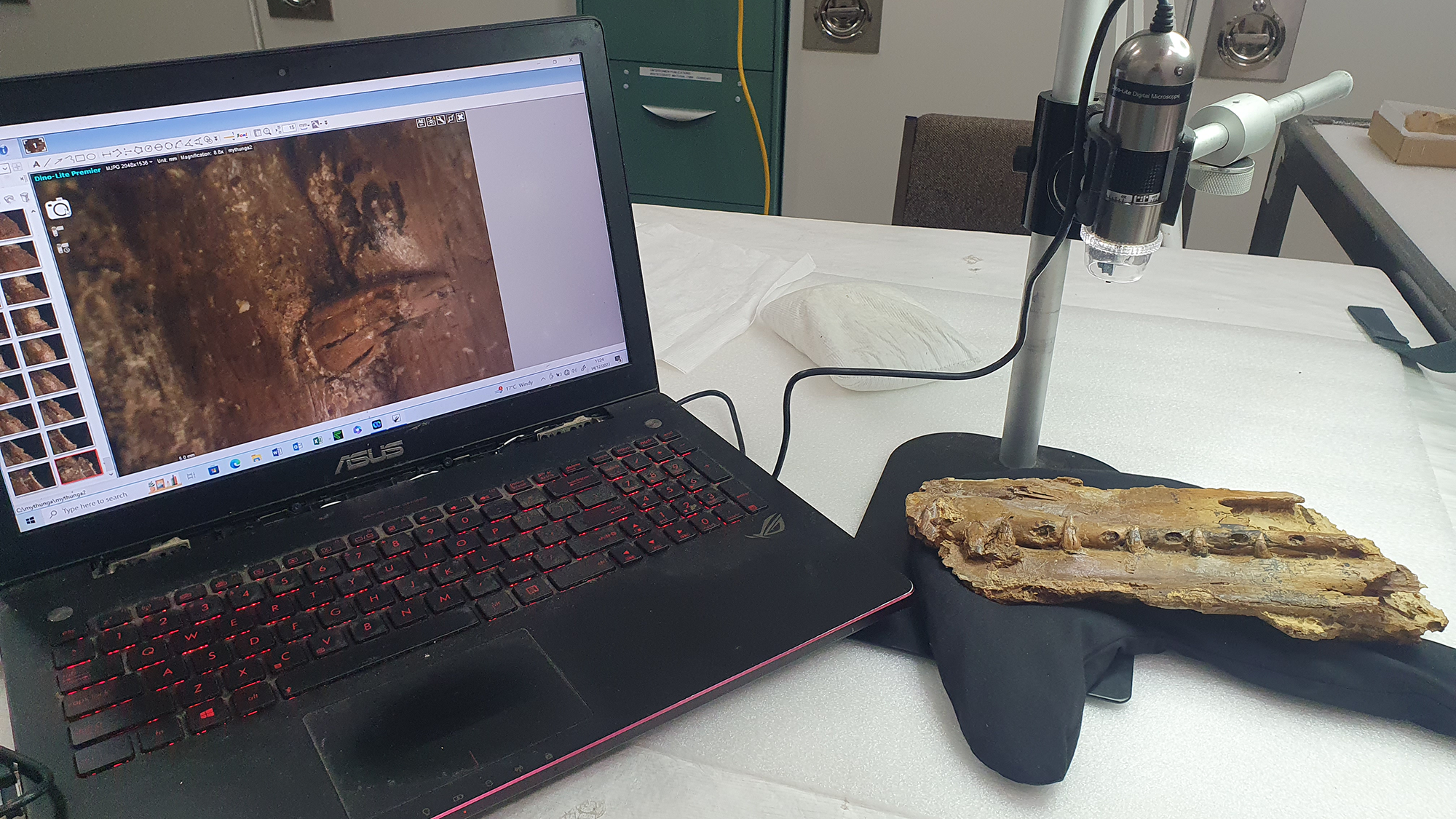
Researchers used advanced neutron imaging to peer inside BOB's stomach contents without breaking any of the fossilized formations. The scans revealed hidden bones and helped scientists determine that the remains were likely associated with the ichthyosaur's digestive system.
White said that advances in imaging technology are making it possible to uncover evidence that would previously have remained hidden inside fossils.
"Scanning techniques have also improved, which has enabled us to see inside specimens and reveal what they potentially ate," White said. The methods can also reveal "the shape of various organs" and internal bone structures, he added.
The pterosaur remains were found near the front of the ichthyosaur's body cavity rather than in their expected position as digested prey, which White and his colleagues think may be because the ichthyosaur struck the seafloor headfirst shortly after its last meal, shifting some of its stomach contents forward.
"We believe the animal died in the water column — perhaps from a pliosaur (Kronosaurus) attack or natural causes — and then sank," White said. "It impacted the seafloor with its rostrum, and connected soft tissues kept most of the body in sequence."
The fossil offers a rare glimpse into the food web of the ancient Eromanga Sea, which covered much of central Australia during the early Cretaceous period around 145 million to 100 million years ago.
Although ichthyosaurs are known to have eaten fish and squidlike animals, evidence that they ate pterosaurs, a common predator of the ancient skies, has been elusive. The new fossil suggests that at least some ichthyosaurs may have fed on flying reptiles that landed on the water or died and floated to the surface.
"Such discoveries yield valuable information about trophic interactions and allow us to reconstruct ancient ecosystems in greater detail," White said.
© Joel Sartore/National Geographic Photo Ark
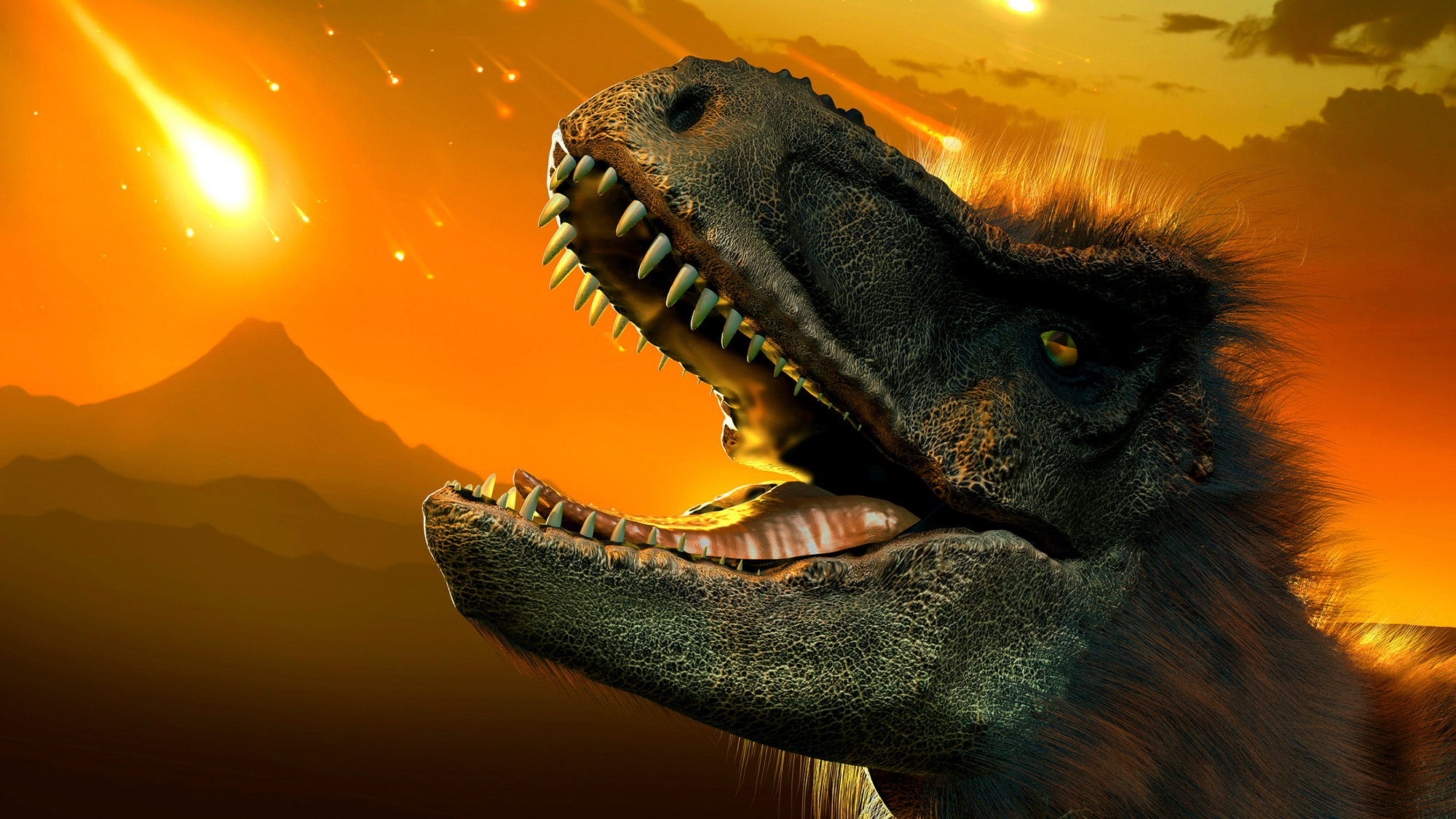
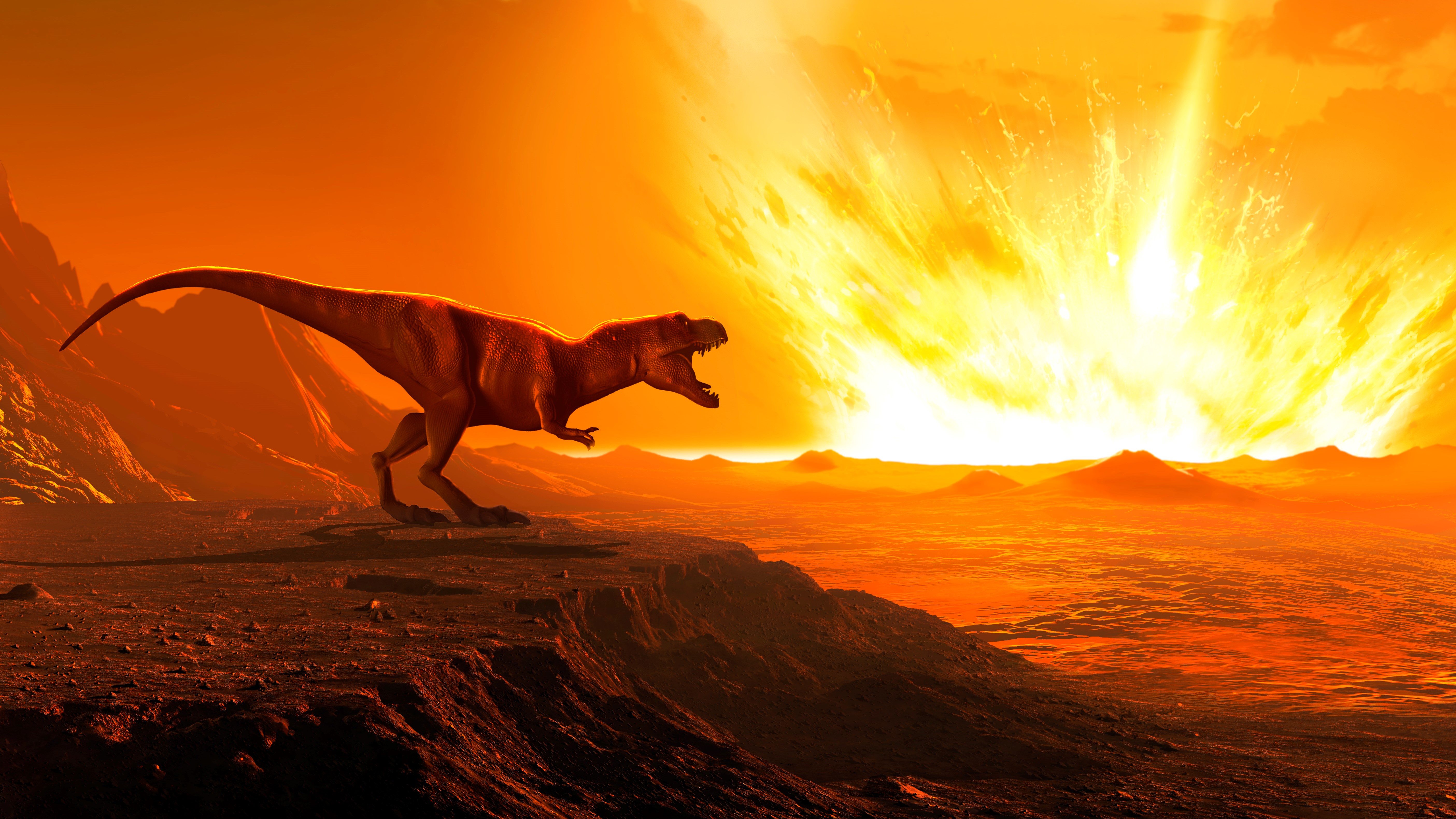
When the famous Chicxulub asteroid struck what is now Mexico's Yucatán Peninsula 66 million years ago, it ended the reign of the nonavian dinosaurs. As ecosystems recovered, small, adaptable mammals rapidly spread into newly vacant niches, evolving new diets, larger bodies and more diverse ways of life until they dominated the land within a few million years.
Now, new evidence suggests that even before the asteroid hit, Earth was already beginning to rot.
A study published May 12 in the journal PNAS found evidence of environmental fungal blooms before and after the Cretaceous-Paleogene (K-Pg) mass extinction event. Looking at microscopic fossils from rocks dating to the K-Pg event in North America, a team of researchers led by Dr. Arturo Casadevall, chair of the Molecular Microbiology and Immunology Department at Johns Hopkins University, identified an earlier fungal bloom dating to roughly 30,000 to 100,000 years before the asteroid hit, during a period of cooling linked to intense volcanic activity in the Deccan Traps in what is now India.
The researchers also found a fungal spike immediately after the Chicxulub impact exactly when dead plants and animals would have littered devastated ecosystems. The finding adds to earlier evidence from New Zealand that suggests the fungal bloom wasn't just a local event.
This idea feeds into a controversial idea called the fungal infection-mammalian selection (FIMS) hypothesis. First proposed two decades ago by Casadevall and subsequently updated in 2018 and 2026 papers, the FIMS hypothesis suggests that the abundance of fungus before the asteroid impact may have helped mammals gain an evolutionary advantage over the dinosaurs that remained after that cataclysm.
The hypothesis doesn't argue that fungus wiped out the dinosaurs. Instead, it proposes that mammals' live births and immune systems may have helped them withstand the rise of fungus in ways egg-laying reptiles and nonavian dinosaurs could not, thereby giving them the upper hand in disrupted ecosystems full of rot, cold, starvation and polluted air.
"The fungal infection mammalian selection hypothesis is focused on how the mammals became the dominant land animals," Casadevall told Live Science via email, "not dinosaur extinction."
But not all experts are convinced. Mary O'Connell, the Chair of the Zoology department at the University of Manchester told Live Science via email that the hypothesis doesn't fit all the evidence and that "it emerges from a chain of plausibility arguments rather than direct evidence, and the links in the chain are weaker than the framing may suggest."
To find this pre-asteroid fungal bloom in their new study, Casadevall and Rosanna Baker, who researches fungus at Johns Hopkins, focused on palynomorphs — tiny fossilized organic remains, including fungal spores, fungal hyphae and plant pollen — preserved in ancient sediment layers from the Denver Basin in Colorado dating back to the K-Pg extinction.
Baker counted between 100 and 500 microfossils per sample across sediment layers spanning about 60,000 years before the K-Pg mass extinction event to 30,000 years after it. Most samples were dominated by plant material, but some layers contained 50% or more fungal spores. The researchers interpreted this high proportion of fungal spores as a sign of ecological disturbance — more dead material and more fungi feeding on it, especially after the dinosaur-killing asteroid.
Baker and Casadevall also found an earlier fungal bloom dating to roughly 10,000 to 30,000 years before the asteroid impact.
"What surprised us was the proliferation in association with Deccan volcanism, which implies ecological disruption prior to [the] meteor impact," Casadevall told Live Science via email.
In other words, ecosystems may have already been under stress — and faced with a fungal overgrowth — before the asteroid delivered the final blow.
When Casadevall first proposed the FIMS hypothesis, it rested on a simple observation: Mammals are unusually resistant to invasive fungal diseases.
Fungi are major pathogens of plants, insects, amphibians and many reptiles, but life-threatening systemic fungal infections are relatively rare in mammals with healthy immune systems. Casadevall argued that mammals' relative resistance to fungi came from their sophisticated immune systems. In mammals, first-line, relatively nonspecific defenses such as neutrophils recognize fungal cell walls, engulf spores and attack invasive filaments, while the adaptive arm of the immune system excels at building customized antibodies that selectively target specific fungi, and then creating immune memory so the invaders are recognized the next time they're encountered.
Casadevall also initially believed that mammals' high, stable body temperatures — generally around 97 to 104 degrees Fahrenheit (36 to 40 degrees Celsius) — could prevent many environmental fungi from growing well enough to establish an infection.
"The success of mammals made no sense given their high energy needs and this idea provided a plausible mechanism for their success," Casadevall said.
After the asteroid hit, forests burned, plants died, darkness fell and dead matter piled up, providing a feast for fungi. If fungal spores filled the air, surviving animals may have inhaled enormous, possibly dangerous doses.
However, the FIMS hypothesis proposes that mammals had several possible adaptations against these fungal invaders that other animals did not. In addition to having warm body temperatures and complex immune systems, mammals who could maintain stable body temperatures could forage during the cold "impact winter," when ash and dust blocked out the light of the sun. Meanwhile the dinosaurs, who were originally thought to be the "cold-blooded," would have struggled to stay active and find food, leading them to become weaker and more susceptible to disease.
Differences in gestation may have mattered, too. Many mammals protect developing embryos inside the mother's body, where warmth and immunity could shield them from fungi. In contrast, all dinosaurs laid eggs. Those eggs developed in nests, which were often in contact with soil and decaying plant matter — the exact environments where fungi thrive. Modern fungi can invade reptile eggs, and fossilized hyphae, a type of fungus, was described in dinosaur eggshells in a 2008 study.
That does not prove fungi wiped out dinosaur nests. Fossilized hyphae could suggest either that fungi invaded a living egg, or that fungi colonized the egg after death. Still, eggshells provide one clue that fungi were a problem for the survival of dinosaur young..
Another potential line of evidence to buttress the FIMS hypothesis came from dinosaur bones that showed evidence of fungal infection.
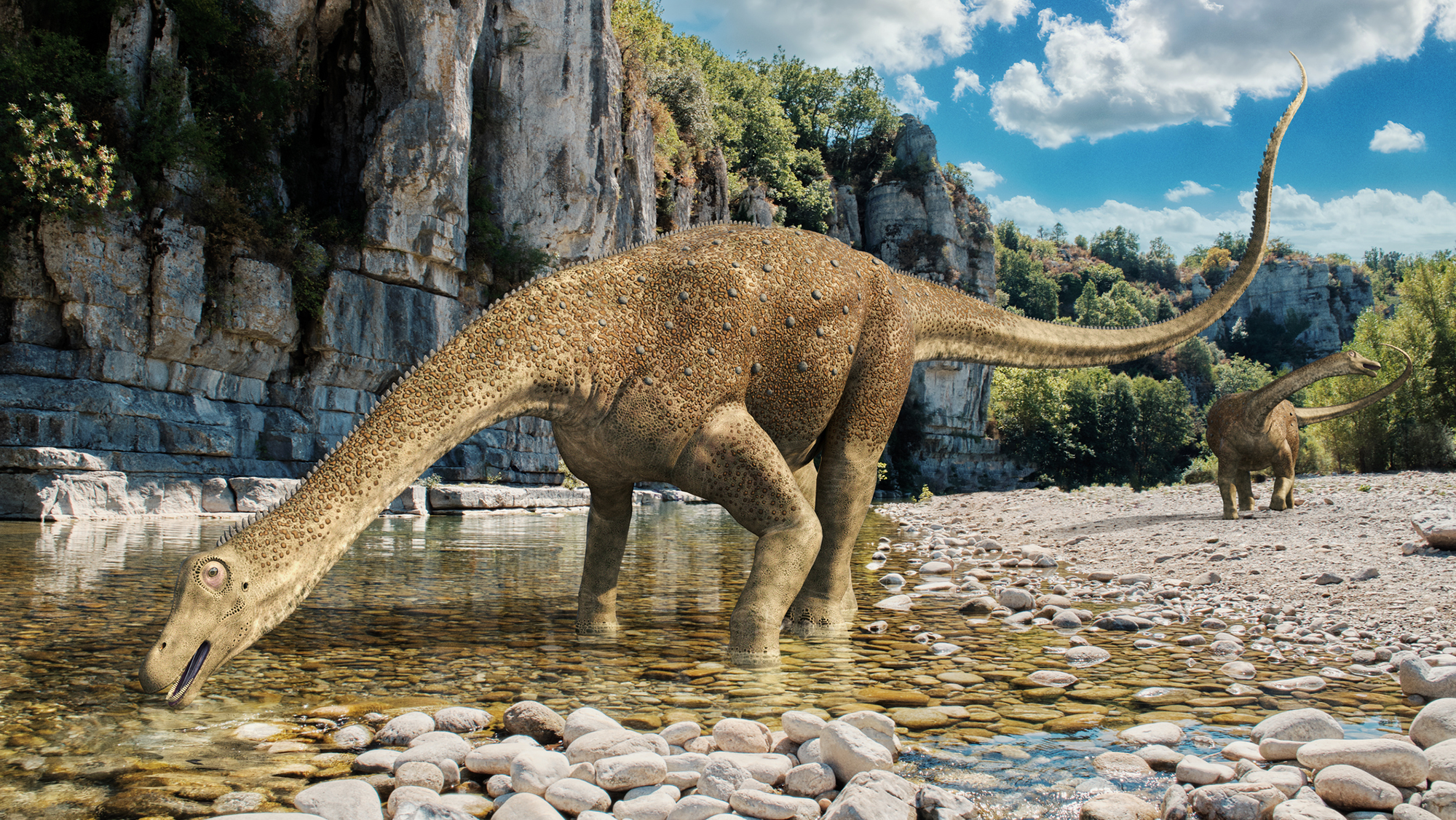
In 2022, a team led by Cary Woodruff, curator of vertebrate paleontology at the Phillip and Patricia Frost Museum of Science in Miami, described a Late Jurassic sauropod fossil from Montana with unusual lesions in its neck vertebrae. The dinosaur, an immature diplodocine known as MOR 7029, lived roughly 150 million years ago, long before the asteroid impact.
Sauropods had long, air-filled neck bones connected to their respiratory system. In fossils of healthy sauropods, the places where air-sac tissue met bone are smooth, sometimes glass-like, Woodruff told Live Science.
But in this animal, the normally smooth sockets were rough and irregular. "Coming out of the socket — like imagine coming out towards you —it looked like fossilized heads of broccoli florets," Woodruff said. "And I had never seen that."
Unsure what he was looking at, Woodruff posted a photo online and asked whether anyone had seen anything similar. Other anatomists and paleontologists quickly weighed in. Their response, he recalled, was essentially, "That's exactly what we would have predicted a respiratory infection to look like," he said.
By comparing the fossil lesions with respiratory diseases in modern birds, which are living dinosaurs, the team tentatively flagged the condition as airsacculitis with associated osteomyelitis — air-sac inflammation that had spread to nearby bone.
However, the researchers could not identify the exact disease that caused the inflammation. In modern birds, airsacculitis can be caused by fungal infections such as aspergillosis, but also by bacterial infections. Without preserved soft tissue or fungal structures, they stopped short of confirming a fungal infection diagnosis.
Either way, Woodruff thinks the sauropod was probably sick enough that the infection contributed to its death. It may have become too weak to keep up, too ill to eat or drink properly, or too vulnerable to escape predators.
Even so, many experts remain skeptical of Casadevall's hypothesis. For one thing, the asteroid and its aftermath already explain a tremendous amount. The impact triggered tsunamis, earthquakes and a global food-web collapse. Those disasters alone would have killed off large dinosaurs at the top of disrupted food chains.
Another problem revolves around body temperature. In 2005, when Casadevall first proposed his hypothesis, dinosaurs were often thought of as "cold-blooded," while mammals were "warm-blooded." But over the years, research has uncovered that many nonavian dinosaurs, such as Velociraptor, T. rex and Brachiosaurus, were likely warm-blooded, too — so body temperature wouldn't explain why fungus would have been a big problem for many dinosaurs.
Complicating the picture, birds — the only surviving dinosaurs — often have higher body temperatures than mammals do. So the FIMS theory rests on an assumption that living examples of dinosaurs don't support, Flynn said.
If everything we know that suggests dinosaurs are more susceptible to fungal infections is based on living dinosaurs (birds) and they survived, doesn't that rather undermine this hypothesis?
Jingmai O'Connor, paleontologist at the Field Museum in Chicago
Around the time of the asteroid impact, cold-blooded creatures like turtles and crocodilians that lived in the water "don't really suffer as severely as other groups, even including mammals," Andrew Flynn, an assistant professor of paleobotany at New Mexico State University, told Live Science. "Clearly this fungal thing is not probably what's causing mammals to rise up and go on to dominate the ecosystem."
The FIMS hypothesis also has a contradiction at its heart, said Jingmai O'Connor, a paleontologist at the Field Museum in Chicago.
"It's just a hypothesis I had vaguely heard about but was not popular, not often mentioned, and I guess I would say 'out of favor,'" O'Connor told Live Science via email. "If everything we know that suggests dinosaurs are more susceptible to fungal infections is based on living dinosaurs (birds) and they survived, doesn't that rather undermine this hypothesis?"
Dr. Isabel Jimenez, an assistant professor at Johns Hopkins University and a proponent of FIMS, agrees that this discrepancy must be explained.
"For the FIMS hypothesis to still hold water, we have to consider alternative mechanisms by which dinosaurs could have been more susceptible to fungal diseases than mammals," Jimenez told Live Science in an email.
Modern-day birds are avian theropods — the surviving branch of the dinosaur family tree — and likely faced the same fungal pressures as their extinct relatives. More recently, in 2026, Jimenez and Casadevall have suggested a tweak to their theory: that some of the small-bodied, beaked, flying or semiflying theropods may have been able to pull through, despite some baseline higher susceptibility to fungal disease. That's because they were small, had feathers to better insulate their bodies, and maintained generalist diets that enabled them to use more food sources than the dinosaur lineages that died out.
Working with Jimenez, Casadevall outlined an updated version of the FIMS hypothesis in a paper published earlier this year. In it, they propose that dinosaurs' respiratory systems may have made them more at risk than their mammalian counterparts.
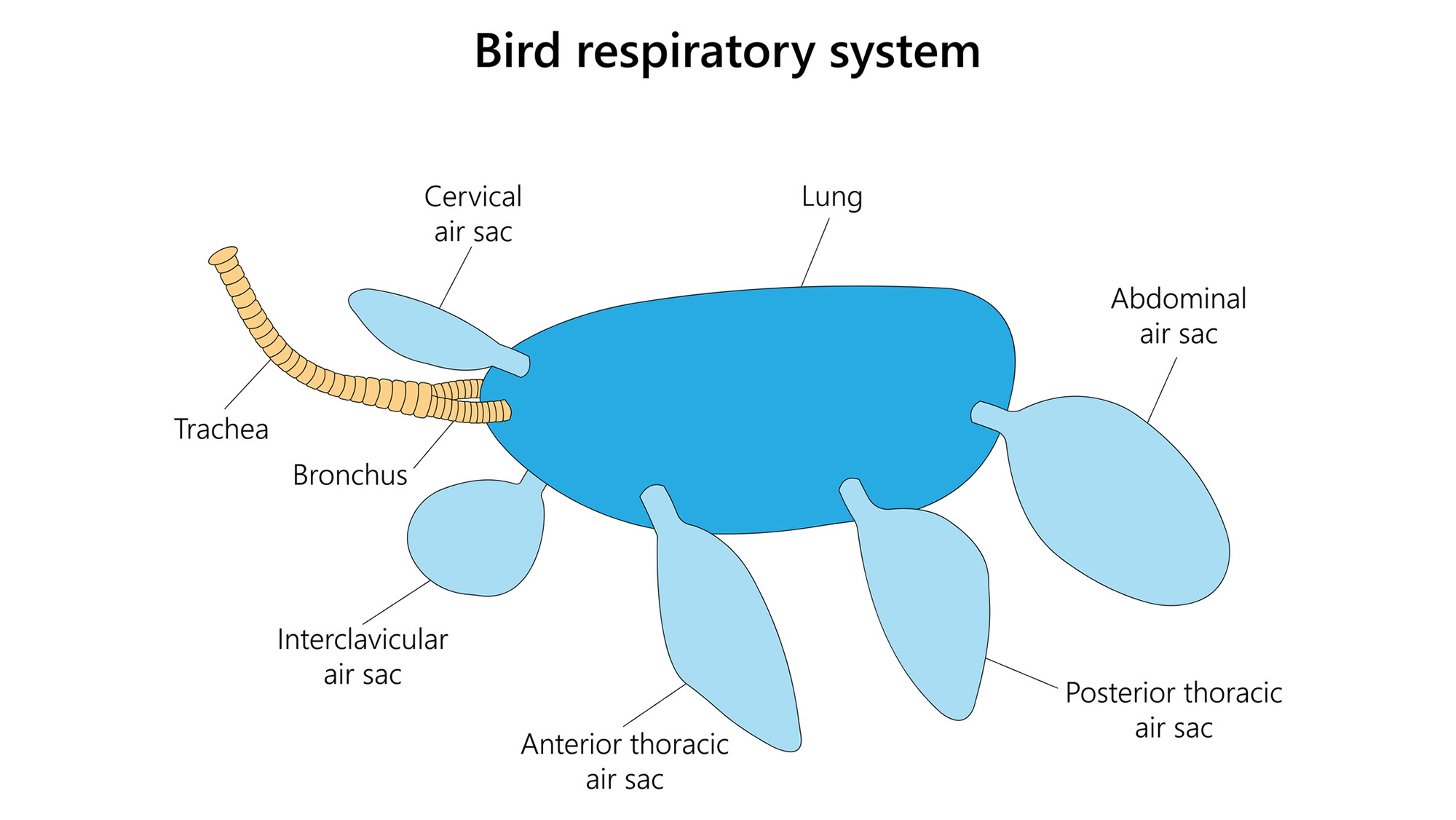
Whereas mammals breathe by expanding and contracting flexible lungs filled with blood-rich alveoli, modern birds — and probably many dinosaurs — have rigid lungs ventilated by a network of thin-walled air sacs. The air sacs act as bellows, maintaining one-way airflow through the lungs, but they perform little gas exchange and have relatively poor blood supply. This system could have also carried inhaled fungal spores deep into the respiratory tract, where they may have settled in air sacs that are harder for circulating immune cells to reach and clear.
While birds have a similar sophisticated immune system as mammals — including macrophages and antibodies — their air sacs extend throughout the body and sometimes into the bones, making fungal infections easier to spread beyond just the respiratory system.
This possible weakness is what Jimenez and Casadevall suggest is what made air-sac-bearing dinosaurs vulnerable to fungal infections, similar to modern birds.
After the asteroid strike, there would have been soot and sulfur polluting the air and dinosaurs would have been nutritionally stressed. "So secondary fungal infections are certainly possible," Jimenez said, referring to infections that take root after the body's defenses are weakened.
But skeptics argue that even with these updates in the FIMS hypothesis, more evidence is needed to show it's not just possible but likely.
The idea that their air-sac respiratory systems made them more vulnerable to fungus is "a more testable claim," but its likely impact on dinosaurs would also be more limited, because of competing environmental factors, O'Connell said.
And because only a handful of fungal species actually cause disease in animals, to show that fungi worsened dinosaur deaths, researchers would need to find evidence of elevated fungal disease in dinosaur fossils from right after the asteroid struck, O'Connell said.
"We would also need to be able to identify elevation of pathogenic fungal spores in the sedimentary record at that boundary, rather than just more spores," she said.
Overall, "the fungal infection-mammalian selection hypothesis feels like a conjecture in search of any supporting evidence," paleontologist and science writer Riley Black, told Live Science in an email.
How much do you know about the king of the dinosaurs? Test your knowledge with our T. rex quiz!
Science word of the day: Coprolite
Pronunciation: KAHP'-ruh-lite
What it means: Coprolites are fossilized poop. Scientists have found coprolites from animals as diverse as fish, dinosaurs and saber-toothed cats. Teeth in the saber-toothed cat poop indicated that it had been eating baby sloths, which frankly feels a bit unfair from a creature with 11-inch-long (28 centimeters) teeth.
These fossils form when poop gets rapidly buried and mineralized instead of rotting away. Coprolites can be hard to match to the animal that produced them, but undigested bones and teeth in the fossilized poop can often provide clues to the kinds of animals that other animals eat.
How to use it in a sentence: If you're ever in a science museum and a volunteer, with a twinkle in their eye, asks you what you think a chunky, rock-looking thing is, the answer is always coprolite.
Can you crack our science word of the day puzzle, Chain Word?
© Adriana Loureiro Fernandez for The New York Times
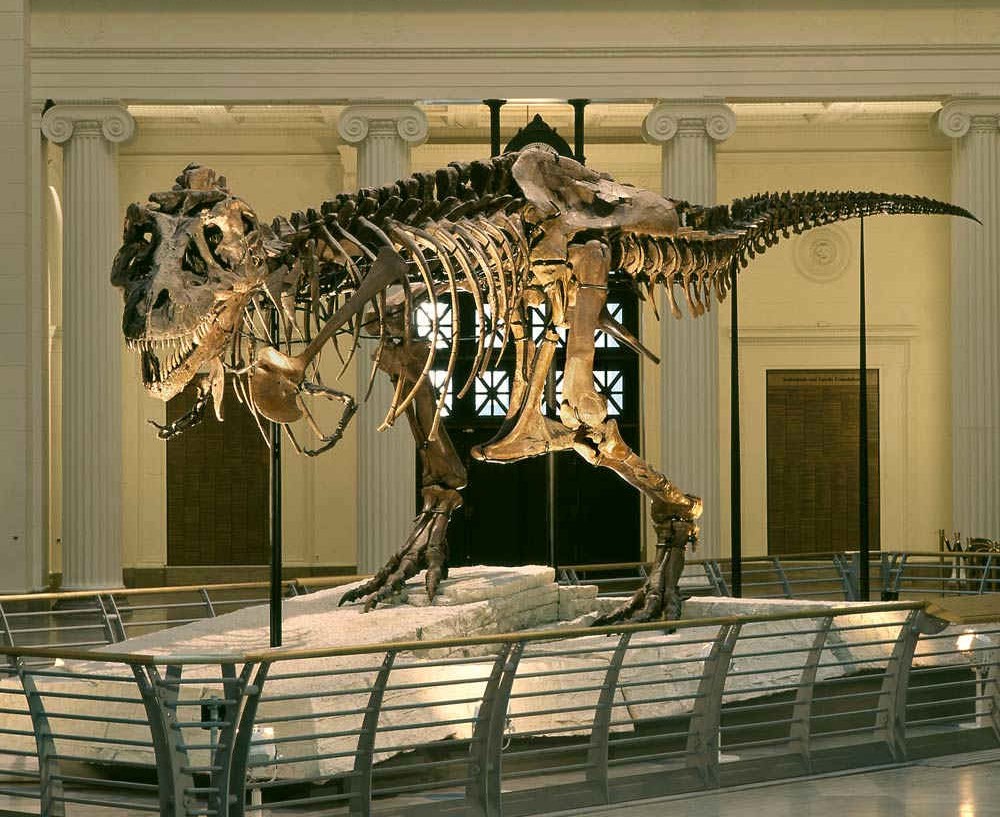
On July 14, 2026, "Gus," one of the most complete specimens of Tyrannosaurus rex, went to an as yet unidentified buyer for US$50.1 million. This auction at Sotheby's set a record for most valuable fossil ever sold. Another dinosaur has entered the luxury collectibles market, a reminder that even Earth's deepest history can be sold to the highest bidder.
To paleontologists like me, however, a fossil like "Gus" — excavated from the Hell Creek Formation in South Dakota over three years starting in 2021 by commercial collector Thomas Heitkamp and his team — is not a trophy or a work of art. It is an irreplaceable scientific archive. Fossils preserve evidence of evolution, extinction, growth, disease, injury and ancient ecosystems. They are finite, nonsubstitutable records of life’s history on Earth.
Science depends on independent verification of claims and healthy debate. Researchers must be able to revisit specimens, test earlier conclusions and ask new questions.
But once a scientifically important fossil enters a private collection, access for researchers is no longer guaranteed. Collectors typically sequester their fossils in their homes. Even when privately owned specimens are loaned to museums, the owners can change their minds, ending access at any time. This issue is especially of note when it comes to Tyrannosaurus rex; a 2025 study found that while there were 61 T. rex fossils in public trusts at that time, 71 were privately held.
That is why the Society of Vertebrate Paleontology, of which I'm a long-term member and president-elect, has long argued that scientifically significant vertebrate fossils belong in the public trust, curated in museums and universities that preserve them permanently, make them available for research and share them with the public.
Supporters of commercial fossil sales often argue that without sales to private collectors, specimens like "Gus" would remain buried or erode away. They’re right about one thing: Discovery matters. Many extraordinary fossils have been found by ranchers, hikers, amateur collectors and commercial excavators. Paleontology is accessible to everyone who has an eye for observing nature — you don't need to be an expert with academic credentials to make an important discovery.
But discovery is only the beginning. A fossil's scientific value depends on careful documentation of where it was found, the rocks surrounding it, and the plants and animals preserved alongside it. Those details allow scientists to reconstruct ancient ecosystems, understand how an animal lived and died, and interpret how its remains became fossilized. When that contextual information is incomplete or lost, much of the fossil's scientific value is lost as well.
Yet even discovery, excavation and publication barely scratch the surface of a fossil's scientific importance. The greatest scientific value of a specimen often comes decades later, when researchers ask new questions and apply new technologies that earlier generations never imagined. A specimen that seems fully studied today may yield surprising new information tomorrow, but only if it is still available for study.
Consider the iconic dinosaurs, including T. rex, Triceratops, Diplodocus and Stegosaurus, first collected more than a century ago. Early paleontologists could describe their shapes but had no way to dig deeper by peering inside the bones. Because those specimens were preserved in museum collections, later generations could revisit them with technologies that didn't exist when they were discovered.
Paleontologist Larry Witmer and his collaborators at Ohio University started using CT imaging 20 years ago to reconstruct the internal anatomy of historic dinosaur fossils without damaging them, based on how X-rays travel through specimens. Brain cavities, inner ears, air spaces, nerves and blood vessels became visible for the first time, revealing how dinosaurs balanced, heard, smelled and perceived their world.
Henry Fricke, Thomas Cullen and other geochemists have used isotopic signatures preserved in fossil teeth and eggshells to reconstruct dinosaur diets, migration patterns and body temperatures. This research has revealed how dinosaurs lived: what they ate, how they moved through ancient landscapes, and even how warm their bodies were.
More recently, molecular paleontologist Jasmina Wiemann and her collaborators have identified chemical traces preserved in fossil bone, eggshell and skin that reveal aspects of dinosaur biology unimaginable even a generation ago. Until now, paleontologists had no way to know details about metabolic rates and reproduction or the colors of skin, feathers and eggs.
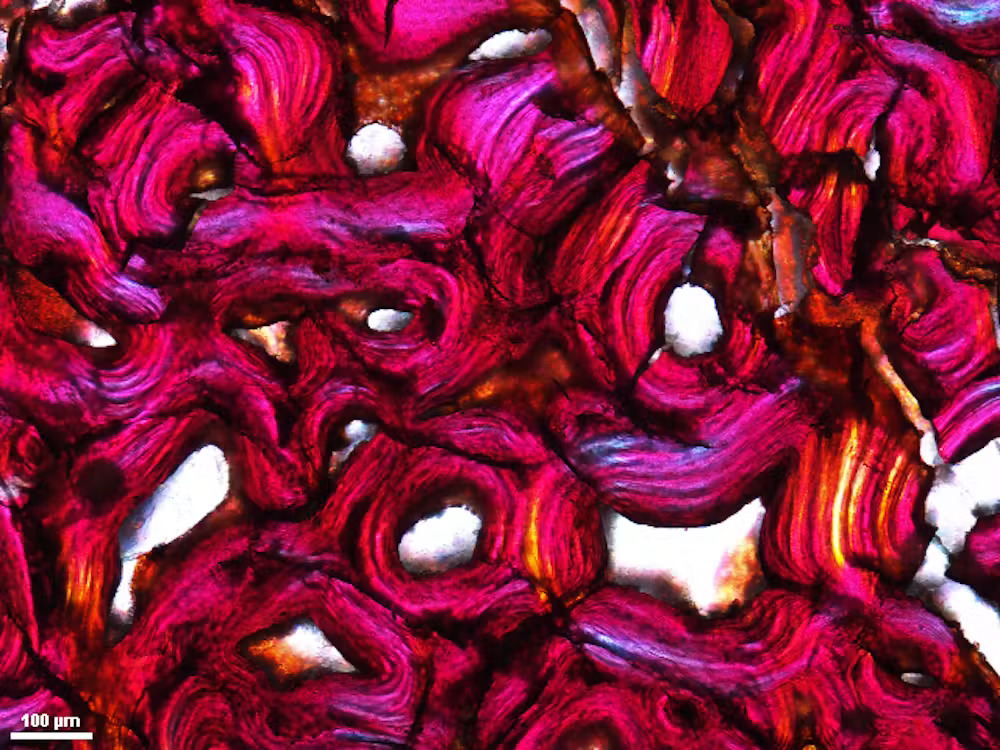
In my own research I use microscopes to uncover the hidden stories preserved inside dinosaur bones and teeth. Thin sections of fossil bones reveal that dinosaurs grew more like mammals and birds than like oversized reptiles. Microscopic modifications to bones capture traces of ancient scavenging, and tiny signatures deep inside baby dinosaur bones indicate the moment of hatching.
None of these discoveries would have been possible if the original fossils had vanished into inaccessible private collections.
Fossils are not static objects whose scientific value is exhausted once they are described. Their value grows as science advances, but only if future researchers can continue to examine the original specimens.
Of course, sometimes dinosaur fossils are rescued from obscurity through purchase and immediate deposition or donation to natural history museums. Some of the world's most important dinosaur fossils are accessible today because individuals, companies or organizations with the means to acquire extraordinary specimens recognized that they belong where scientists can continue to study them and where future generations can learn from them.
Purchasing a fossil in order to place it permanently in the public trust is fundamentally different from acquiring it as a private collectible: One expands access, the other leaves access uncertain.
But as fossil prices rise into the millions, museums increasingly cannot compete. The most significant fossils are no longer reliably entering public collections. Instead, they are becoming luxury assets whose market value supersedes their scientific value.
Dinosaurs belong to our shared natural heritage. They inspire wonder because they connect all of us to a world unimaginably older than our own. For me, the question raised by auctions like the one on July 14 of "Gus" is not who can afford to own these relics of the past. It is whether future generations have the chance to study and learn from them.
This edited article is republished from The Conversation under a Creative Commons license. Read the original article.
How much do you know about the king of the dinosaurs? Test your knowledge with our T. rex quiz!
© Dave Sanders for The New York Times
© Pool photo by Yui Mok
© Lenny Ignelzi/Associated Press
The first dinosaur found in Antarctica belonged to a group that included the largest animals ever to walk the planet, a new study finds.
A backbone from the 82 million-year-old giant was discovered more than 40 years ago, but at the time, researchers assumed it came from an ancient marine reptile. Now a new study, published June 29 in the journal Acta Palaeontologica Polonica, has revealed that it was actually a titanosaur — the group of long-necked sauropods that included the largest land animals on record.
"At first glance this appears to be an unremarkable fossil, but it holds an important place in the history of Antarctic exploration as the first dinosaur fossil found on the continent," study first author Paul Barrett, a paleontologist at the Natural History Museum in London, said in a statement.
While this fossil now holds the record for the first dinosaur fossil found in Antarctica, other dinosaur fossils were identified on the continent after its discovery, so it's not the only known Antarctic dinosaur. In fact, researchers have identified a variety of dinosaurs on Antarctica, with another sauropod fossil identified as a titanosaur in 2011.
The newly identified dinosaur was around 20 to 23 feet (6 to 7 meters) long. That's very small compared with the largest-known titanosaurs, which could grow up to 123 feet (37.5 m) long. However, as the fossil is just a fragment of a vertebra, researchers are unable to narrow down which species the Antarctic titanosaur belonged to, and it's possible that the individual was only a juvenile when it died.
Mike Thomson, a British Antarctic Survey geologist, found the fossil during an expedition to James Ross Island in 1985. The island, which has been the site of multiple dinosaur discoveries, is located off the northeastern Antarctic Peninsula, south of the 600-mile-wide (965 kilometers) Drake Passage that separates South America from Antarctica.
Antarctica is well known for its icy landscapes, but when titanosaurs roamed Earth, the continent was still attached to South America and full of temperate forests. Antarctica's dinosaurs were so far south that they would have lived in constant twilight during the winter months, according to a news article published by the Natural History Museum.
The authors of the new study identified the dinosaur using high-resolution CT scans, which enabled them to look inside the fossil. Dating back to the Cretaceous period (143 million to 66 million years ago), the titanosaur lived in the last age of the non-avian dinosaurs, before an enormous asteroid hit what is now Mexico's Yucatan Peninsula 66 million years ago and wiped them out.
The Antarctic titanosaur helps researchers better understand how dinosaurs spread across Earth's southern continents, which at the time were combined into a supercontinent called Gondwana. The presence of titanosaurs on Antarctica suggests that they may have used Antarctica to travel from what is now South America to New Zealand.
Other dinosaurs identified on Antarctica include small herbivores, armored ankylosaurs and bipedal predators like Imperobator, which would have shared the forests with the newly identified titanosaur. While researchers are beginning to piece together Antarctica's ancient ecosystems, they still have a lot to learn about the dinosaurs that lived there.
"There are likely many more dinosaurs to be discovered on the continent," Barrett said. "As climate change causes ice to retreat we may indeed find further evidence of this past biodiversity."