Interest in psychedelic medicine has increased rapidly, with several compounds now being tested in clinical trials for conditions such as depression, PTSD, and addiction. Most previous studies have focused on individual drugs, leaving it unclear how the effects of different psychedelics actually overlap. To address this, researchers at the University of Southern Denmark designed a study to directly compare the effects of different psychedelics side by side.
The recent researchers relied on PET scans to monitor brain metabolism and connectivity in rats after giving them LSD, psilocybin, or a synthetic psychedelic known as 2C-B. They recorded changes during the immediate effects of each drug and again one week later, allowing a direct comparison of the resulting brain activity patterns.
Different Drugs, Different Fingerprints
Each drug produced its own distinct pattern of brain activity, and only a handful of changes showed up across all three.
“Psychedelic drugs are often discussed as if they work in the same way. But when we look at the brain, the differences are clear,” said Mikael Palner, associate professor at the University of Southern Denmark’s Department of Clinical Research and senior author of the study. “Each drug appears to affect its own networks, and that is new knowledge.”
2C-B and LSD drove the most changes while the drugs were active, but the more striking result showed up after the drugs had worn off. At the one-week mark, 2C-B primarily affected regions of the brain associated with reward, while LSD showed effects in areas involved in habits and motivation. Meanwhile, psilocybin primarily affected regions associated with emotion.
“What is interesting is that the differences do not only appear while the drugs are active. We can also see different traces in the brain afterwards,” said Frederik Gudmundsen, the study’s first author, who completed his PhD at the University of Southern Denmark and now works as a postdoc at Aarhus University’s Translational Neuropsychiatry Unit.
Not Better, Just Different: and Still a Long Way From the Clinic
None of this means one drug is better than another, but it does suggest psychedelics may not be one interchangeable category when it comes to developing them for medical practice.
“If the drugs affect the brain differently, it is also possible that they may eventually prove better suited to different disorders,” Palner said. “We do not know that yet, but our study provides a biological starting point for investigating it.”
Despite these intriguing findings, the research does not determine if these distinct patterns of brain activity from different psychedelic substances apply to human patients. The researchers acknowledge this limitation, noting that the results are based on animal models and that further studies in humans are necessary to determine if the same differences apply.
The authors also disclosed that Mikael Palner holds shares in the psychedelic drug companies Compass Pathways and AtaiBeckley, but neither company was involved in the research.
The study still offers a detailed biological picture of how different psychedelic substances alter brain metabolism and network activity and could help researchers investigate whether specific compounds might eventually prove better suited to particular disorders.
For now, researchers have yet to determine whether LSD, psilocybin, and 2C-B will ultimately have distinct roles in medicine or whether the differences between them are less important in humans.
Austin Burgess is a writer and researcher with a background in sales, marketing, and data analytics. He holds an MBA, a Bachelor of Science in Business Administration, and a data analytics certification. His work focuses on breaking scientific developments, with an emphasis on emerging biology, cognitive neuroscience, and archaeological discoveries.
Chemotherapy can save lives, but for many cancer patients, it leaves behind a painful legacy: damaged nerves that burn, tingle or go numb. Now, researchers report that a psychedelic compound may protect those nerves — not through its mind-bending effects, but by helping neurons keep their internal power supplies moving.
A new mouse study, published Thursday (Sept. 3) in the journal Science, suggests that psilocybin, the psychedelic compound in "magic mushrooms," may help prevent this painful and sometimes permanent side effect of chemotherapy, known as chemotherapy-induced peripheral neuropathy (CIPN).
In experiments in mice, psilocybin prevented nerve damage from CIPN that can cause pain, numbness and heightened sensitivity to cold and touch. Two doses of the drug given prior to chemotherapy garnered protection that persisted through as many as six rounds of the cancer treatment, according to the study.
CIPN affects roughly one-third to one-half of people receiving certain chemotherapies, said Dr. Thomas Strouse, a professor of clinical psychiatry and a neuropathy researcher at UCLA who was not involved in the study. In severe cases, the neuropathy can force doctors to reduce or stop chemotherapy. It can also contribute to mobility problems, which raise the risk of falls and fractures.
"It's a big deal, big problem," Strouse said. Researchers have been searching for a way to prevent it for a long time, he added.
Keeping nerve cells fueled
Initially, the researchers weren't looking for a neuropathy treatment, said study co-author Dr. Moran Amit, a cancer surgeon and researcher at The University of Texas MD Anderson Cancer Center. His team was investigating whether compounds that promote neuroplasticity — the nervous system's ability to change and adapt — might protect nerves and improve existing cancer treatments.
After testing several psychedelic compounds, they "very early on focused on psilocybin because this was the most effective one" for relieving neuropathy symptoms, Amit told Live Science. The psychedelic has been explored as a treatment for psychiatric disorders such as depression, in which it might promote "hyperconnectivity" between certain brain regions.
In the new study, protection against CIPN emerged as an unexpected effect of the drug.
To investigate how that protection worked, the researchers studied mice treated with cisplatin, a chemotherapy drug known to frequently cause neuropathy. Two doses of psilocybin — given nine days and two days before the first chemotherapy session, respectively — completely prevented the mice from developing hypersensitivity, and it also reduced cold sensitivity and preserved nerve endings in the skin.
The team then ran experiments using human sensory neurons and peripheral nerves that had been removed during surgery. These analyses pointed to a possible explanation: a process called mitochondrial trafficking.
Mitochondria generate the energy that cells need, but neurons present an unusual logistical challenge. Some peripheral nerves extend over enormous distances, so their mitochondria must be transported along structural tracks, called microtubules, to reach far-flung nerve endings. That in itself is an energy-intensive process.
Amit compared those microtubules to a railroad system: Chemotherapy can damage both the mitochondria themselves and the tracks they travel along.
In further experiments with human neurons, the team found that cisplatin depleted mitochondria and ATP (adenosine triphosphate) — cells' main energy currency — from the wires that extend from nerves. Psilocybin didn't restore the mitochondria's overall energy-producing capacity. Instead, it preserved their ability to travel and maintained their normal levels of ATP production, specifically within the nerve projections. That suggests the drug may help keep energy supplies where they're needed most.
The effect depended on the serotonin receptor 5-HT2A, which is responsible for many of psilocybin's psychedelic effects as well. Intriguingly, a compound called TBG — designed to activate 5-HT2A without causing hallucinations — also protected mice from neuropathy.
However, Amit cautioned that psilocybin's psychedelic effects may also be playing a neuroprotective role that we have yet to understand, so it's unclear if the effect should be avoided in humans.
Chemotherapy can have a wide range of side effects, including nerve damage. (Image credit: Fly View Productions via Getty Images)
A long way from patients
Strouse noted that mitochondrial damage in CIPN isn't a new idea. "What's novel is looking at psilocybin as a protectant," he said.
He also cautioned that different chemotherapy drugs may cause neuropathy through distinct mechanisms, so the protection demonstrated against one chemotherapy drug may not translate broadly.
Most importantly, the researchers have not shown that psilocybin prevents neuropathy in humans yet.
"The main thing is that it was never tested for this indication specifically in a systematic way in humans," Amit said. His team is now preparing a clinical trial at MD Anderson to test the approach. The research is part of MD Anderson's Cancer Neuroscience Program, a multidisciplinary effort that studies interactions between cancer and the nervous system, with an emphasis on improving patients' quality of life.
Human trials will need to establish both the effectiveness and safety of using psilocybin for this purpose, Strouse said, particularly before oncologists would consider giving a psychedelic drug alongside cancer treatment.
This article is for informational purposes only and is not meant to offer medical advice.
When penicillin was first introduced to the public, it earned the nickname "the wonder drug" because it cured infections that had once been deadly. It ushered in the golden era of antibiotics, during which the bacteria-killing drugs entered widespread use, driving down rates of severe disease and death from infections.
Unfortunately, the sweeping adoption of these medicines also set the stage for their obsolescence. Once hailed as miracles, antibiotics are now losing their power as bacteria evolve strategies to evade them.
Today, the world is contending with a "silent pandemic" of antibiotic resistance, driven largely by the misuse and overuse of these critical medicines. Curbing resistance, then, means changing how doctors prescribe — and patients use — antibiotics.
I traveled to Japan because a government initiative aimed at correcting antibiotic misuse has helped slash unnecessary prescribing and I wondered if a similar approach could work in the U.S. The program offers "tips" of 800 yen (about $5) to the clinics of pediatricians and ear, nose and throat doctors (ENTs) who withhold antibiotics in cases when they're likely not needed.
My findings suggest that many of the factors that drive antibiotic misuse in outpatient clinics overlap in the U.S. and Japan. But the cultural, governmental and insurance landscape may differ too greatly between the two countries for America to copy-and-paste Japan's approach. Instead, here's what I think could work to close the gaps in antibiotic overprescription in the U.S., based on my conversations with doctors.
Similar pressures, different systems
In both Japan and the U.S., sick visits are mere minutes long, so doctors must determine quickly whether an antibiotic is needed. Few rapid tests exist for bacterial infections, introducing a degree of diagnostic uncertainty. Children's caregivers sometimes request antibiotics when they're not needed, and depending on the doctor, that social tension can be enough to prompt an unnecessary prescription, research has found.
I learned that children's caregivers value doctors who can answer questions and clearly explain their reasoning. They don't necessarily arrive at an appointment expecting a specific "solution," such as an antibiotic prescription — even if they sometimes request one. When faced with parents who request a prescription, doctors can often defuse the tension by explaining why antibiotics aren't necessary, my reporting found.
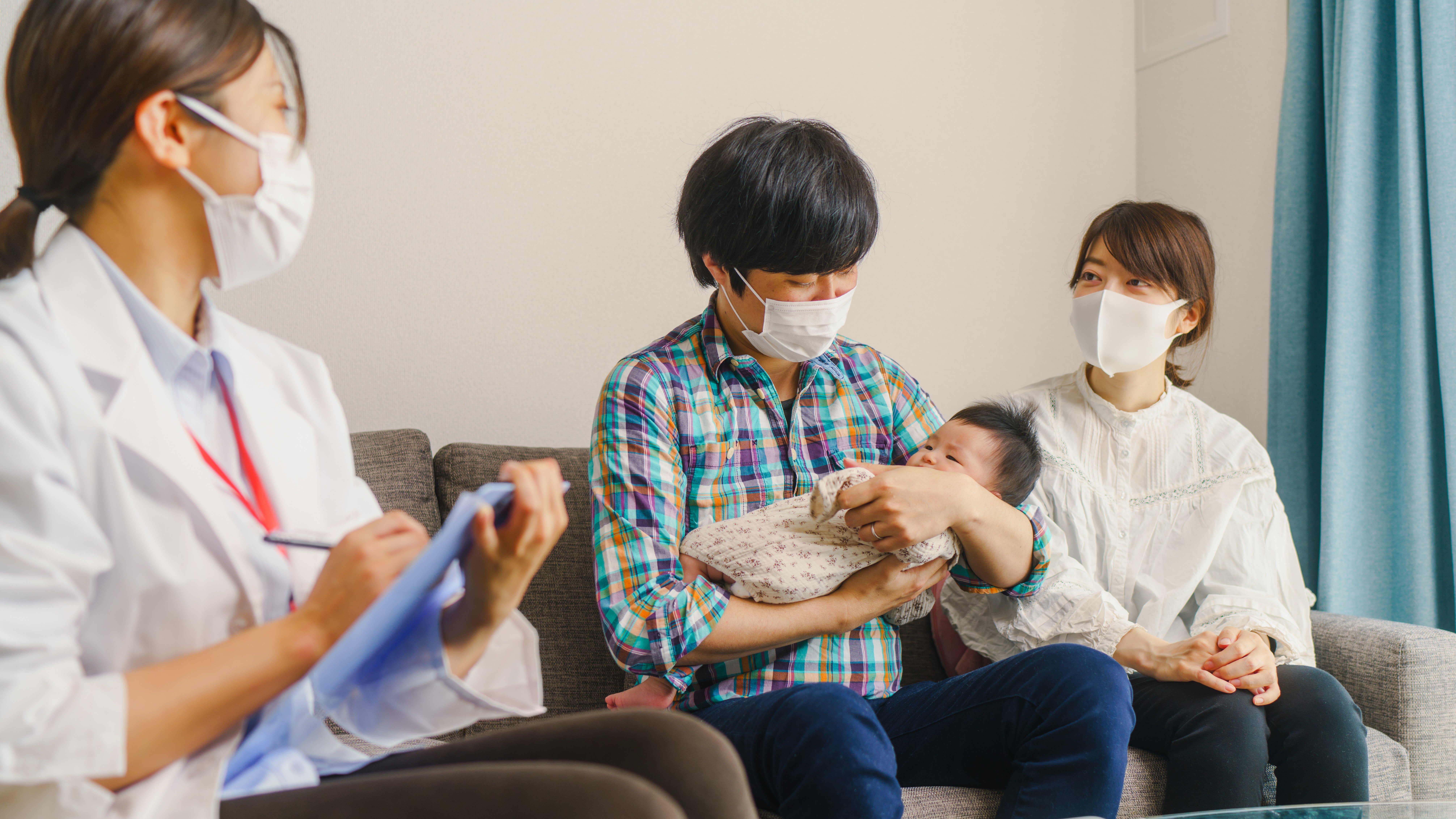
In Japan and the U.S., children's caregivers value doctors who can explain their rationale for opting for one treatment course over another. (Image credit: Jessica Peterson via Getty Images)
On paper, Japan's antibiotic incentive gets at both halves of this pediatrician-parent dynamic. It offers pediatricians and ENTs extra payment to avoid antibiotics for certain types of infections. To claim that cash for their clinics, the doctors must explain their reasoning for withholding antibiotics to the child's caregivers, to help educate them about appropriate antibiotic use.
Although the pressures that lead to overprescription are similar in the U.S., the countries have several big differences.
These layers of complexity are baked into the U.S. healthcare system, whereas in Japan, the federal government can introduce an insurance policy and affect change across the whole system at once. That's how the 800-yen incentive for pediatric clinics was implemented.
Hesitations from U.S. doctors
Japanese doctors readily accepted the notion of "tips" for withholding unneeded antibiotics, in part because those types of small-scale incentives already exist in Japanese healthcare.
Clinics earn incentives by claiming an add-on fee when they seek insurance reimbursement for a given appointment. That reimbursement rate is dictated by Japan's federal government, which sets healthcare pricing, so it's simple to introduce such incentives at scale. Similar add-on fees have been used to encourage doctors to prescribe cheaper "biosimilars" over costlier drugs with the same effects and to adopt better treatment approaches for conditions like hip fractures and painful periods.
In contrast, reimbursement rates in the U.S. are set by a dizzying array of agencies and private companies, all with their own goals.
I do not believe that financial incentives should dictate clinical practice.
Dr. Erik Blutinger, emergency medicine physician for the Mount Sinai Health System
I asked U.S.-based doctors whether a similar incentive could work here. Their responses were mixed.
"I think a program like the Japanese one could work in the U.S.," Dr. Conor Blanco, a pediatric ENT based in New Jersey, told me in an email. He noted that many physicians' pay is determined partially by patient satisfaction scores, so there are existing financial incentives that steer their behavior. If you set up a similar incentive around proper antibiotic use, "maybe it makes a difference, it's tough to say," he said.
Dr. Dmitry Volfson — chief medical officer of CityMD, a large urgent care provider in New York and New Jersey — agreed that it might work. "But [it] may be difficult to implement" given America's multitude of insurance payers, Volfson told me in an email.
Other doctors were less open to the idea.
"On first pass, it feels very unethical to me," said Dr. Morgan Leafe, a pediatrician who worked in both inpatient and outpatient settings for 11 years. Children's caregivers might be upset to hear that clinics get paid more when they don't prescribe an antibiotic, given that some are already under the impression that U.S. doctors are overly motivated by money, she told me in a direct message.
Doctors already widely criticize insurers for denying what physicians deem necessary care. Dr. Jennifer Shu, a pediatrician with Children's Medical Group in the Atlanta metro area, worries that insurers might set up the incentive in a way that restricts doctors' prescribing patterns too aggressively or doesn't align with current scientific evidence.
"I do not believe that financial incentives should dictate clinical practice," said Dr. Erik Blutinger, an emergency medicine physician for the Mount Sinai Health System in New York who also works in its urgent care centers. "It should boil down to the patient's health and ultimate well-being over finances."
Dr. Ilan Shapiro, a community pediatrician at AltaMed Health Services in Southern California, said he could see an incentive driving down unnecessary antibiotic prescriptions, but he added that it could also overcorrect, encouraging doctors to hold back antibiotics that are actually needed.
"I'm not a believer in the carrot or the stick," Shapiro told me.
Professional groups and regulatory bodies like the Centers for Disease Control and Prevention issue protocols to help guide doctors' antibiotic prescriptions. Several U.S. clinicians told me that they'd be wary of insurers setting incentives that might conflict with those established protocols. (Image credit: Johner Images via Getty Images)
How incentives work in the U.S.
Notably, many U.S. doctors are already financially incentivized to improve antibiotic prescribing — but those incentives apply at a high level, rather than case by case.
For example, many American health insurance plans use a tool called the Healthcare Effectiveness Data and Information Set (HEDIS) to assess patients' quality of care at the medical centers they visit. The tool is used by many commercial insurers, as well as by private groups that manage Medicare and Medicaid plans.
Some insurers incentivize providers to achieve higher HEDIS scores by offering higher reimbursement in exchange, "but this is not universal," Volfson explained. There are HEDIS metrics that track how often antibiotics are used for ailments that are frequently viral, like upper respiratory infections, sore throat and bronchitis, he added.
These incentives fall under "value-based care," which aims to reward behaviors that tend to improve patient outcomes and lower healthcare costs. That's opposed to the more dominant "fee-for-service" model, which compensates practices for individual services provided.
Science Spotlight takes a deeper look at emerging science and gives you, our readers, the perspective you need on these advances. Our stories highlight trends in different fields, how new research is changing old ideas, and how the picture of the world we live in is being transformed thanks to science.
Medicare has its own value-based care approach that includes metrics to track antibiotic use, including for upper respiratory infections. These metrics get factored into one composite score that can boost reimbursement (if the score is high) or lower it (if the score is low) for eligible clinicians and practices covered by the program.
Medical practices' participation in value-based care is growing, but fee-for-service remains dominant. Some doctors are skeptical of the alternate approach, Leafe noted, because they feel it puts them on the hook for outcomes that are not completely within a healthcare team's control. But Shapiro, whose healthcare system uses value-based care, sees it as a way to encourage doctors to consider the long-term trajectory of a patient's health rather than only the acute ailment at hand.
"You have to have some sort of guardrail"
U.S. doctors were often put off by the idea of clinical decisions being steered by a potential bump in payment. "Patient-related outcomes are more important than financial incentives when it comes to shaping my clinical decision-making," Blutinger said.
Shapiro embraces value-based care but expressed doubts about the Japanese approach to incentives. My interviews suggested that incentives awarded for individual actions — such as offering $5 to not prescribe antibiotics for a given child's cold — might not be accepted as easily in the U.S. as they are in Japan.
As Shu expressed, that may partially come down to a lack of trust in insurance companies. There may also be a lack of trust in other doctors and practices; multiple doctors I spoke with expressed worries about underprescription.
"What if people become disincentivized to give antibiotics at all, even when they need them?" asked Dr. Shruti Gohil, an infectious-disease specialist with UCI Health who has designed antibiotic stewardship interventions for hospitals. "You have to have some sort of guardrail on that."
Gohil noted that, in Japan's case, the government incentive aims to promote a "culture of safety, whereas with an insurance company, it's just about finance." In other words, she worries that U.S. insurance companies mainly care about their bottom line, not public health. An insurer incentivizing doctors to provide less care struck her as "unsettling."
In contrast, the pediatricians I spoke with in Japan expressed concerns about other doctors overusing antibiotics, not underusing the drugs, and they argued that some doctors still don't take antibiotic resistance seriously. Their salaries are also lower than those of other medical specialties, and the doctors explicitly stated that they appreciate that the antibiotic add-on boosts their practices' profits.
Alternative approaches?
U.S. doctors may not accept a clone of Japan's incentive program, and given America's complex mix of insurance providers and systems, a similar incentive could be difficult to implement uniformly and at scale. But based on my research, I think that incentives that fit more comfortably within our existing infrastructure could still move the needle.
Doctors are already incentivized to record certain metrics, such as body mass index (BMI) and ongoing weight-management plans, in their notes, Shu said. For example, Medicare and HEDIS bake this documentation into quality measures that affect reimbursement, as well as other calculations that help dictate insurance payments.
Borrowing from Japan's approach, I propose that clinicians and health systems could be paid more when they document that they've explained key facts about appropriate antibiotic use to patients' caregivers. These facts might include that childhood illnesses are often viral and that symptoms like fever or green mucus don't necessarily mean bacteria are to blame. They could note that unnecessary antibiotics can cause side effects like diarrhea and make the medicines less effective over time. These talking points could be added to the electronic medical record, where clinicians could easily access them.
This parent-education requirement could incorporate follow-up plans for further learning. That might include providing parents with physical materials, like pamphlets, or links to vetted websites like the American Academy of Pediatrics' HealthyChildren.org.
In the electronic medical record, in-built tools and prompts can help guide clinicians' antibiotic prescriptions. They could potentially help steer patient education around antibiotic use, too. (Image credit: Morsa Images via Getty Images)
Gohil's practice regularly uses those types of patient-directed materials. "Nothing beats the conversation," she said, "but they [the materials] give you talking points and then allow the patient to reference something."
Particularly effective trials combine parent education with efforts aimed at healthcare providers: in-office materials and presentations about antibiotics, guidelines within the electronic medical record that point doctors toward best practices, data on antibiotic resistance rates in the community, or "audit and feedback," where clinicians get report cards comparing their prescription rates with those of others in their practice.
This approach would not specifically incentivize nonprescribing over prescribing, but it would prompt clinicians to educate patients and caregivers about appropriate antibiotic use while providing them a simple script to follow. U.S. adults report placing more trust in health information from their own healthcare providers than from government entities, suggesting that these messages are more likely to stick when doctors deliver them.
Targeting caregivers
Incentives might also help by rewarding children's caregivers for educating themselves about antibiotics. That approach might be less ethically dubious than directly incentivizing doctors' prescribing habits, and the infrastructure for such incentives already exists, my reporting suggests.
Major U.S. health insurers — includingprivate and publicinsurance — now offer their members cash, gift cards or reward points when they engage in certain "health promoting" behaviors. Even life insurers are getting in on the idea. Participants earn rewards by completing an annual well visit, getting a routine cancer screening, logging a certain number of steps per day, or completing courses on healthy eating or nicotine cessation.
The hope is that, by rewarding such healthy habits, insurers can reduce their members' medical costs. Evidence suggests that these programs can motivate people to change their behavior and improve related health measures, especially in the short term. Their long-term and systemic impacts are understudied, although some research — about quitting smoking, for example — demonstrate long-term behavioral changes.
This same infrastructure could be used to enhance patients' understanding of antibiotics, and thus relieve some of the pressure on doctors to explain why the drugs may not be necessary. Children's caregivers could earn rewards for engaging with short, interactive courses or informational pages about the basics of antibiotics — what the drugs treat, what they don't, what "watchful waiting" is, and why antibiotic resistance is a problem. Short quizzes and surveys could check parents' understanding and prompt further rewards from the insurer.
These resources could explain that many common childhood infections are viral and resolve on their own or, similar to an app about childhood illness created in Japan, lay out the recommended care for acute viral infections and describe the signs that a bug might actually be bacterial. The creator of the app, Dr. Masahiko Sakamoto of Saku Central Hospital, has found that the platform changes how parents understand childhood illness and interact with the health system.
Presumably, with that kind of continuing education of patients, they would perhaps seek antibiotics less and less and understand when they're necessary.
Dr. Shruti Gohil, infectious-disease specialist with UCI Health
Such information is already available to parents via trusted sources like the American Academy of Pediatrics; the difference in this scenario is that caregivers would be paid to use it. Gohil thinks that incentivizing this type of patient education would be a "boon," especially when combined with strategies aimed at improving providers' antibiotic use, such as audit and feedback.
"Presumably, with that kind of continuing education of patients, they would perhaps seek antibiotics less and less and understand when they're necessary," she said. "I think that [idea] is so compelling."
This approach could benefit insurers by averting unnecessary doctors' visits and prescription costs, and on a larger scale, potentially help lower the risk of resistant infections.
Beyond pediatrics
Japan's incentive program focuses on pediatricians and ENTs, because the government recognized a pattern of overprescription in those groups. In the U.S., pediatrics clinics aren't the main source of overprescription — but urgent care centers may be a significant one.
Compared with other outpatient medical settings, like doctor's offices, urgent care centers are more likely to write unnecessary antibiotic prescriptions, severalstudiessuggest. One study of millions of urgent care visits found that prescriptions were written for 15% of bronchitis cases, for which antibiotics are nearly never needed.
Unlike primary care pediatricians, who see children's caregivers many times and have the opportunity to build trust, urgent care providers may see them only once. In a 2026 study of pediatric urgent care providers across the country, many reported feeling pressured to satisfy parental requests for antibiotics, and over 50% admitted to altering their care plans in response to such requests.
That said, 66% of those participants said parents are open to education about antibiotics, even when the provider's care plan didn't align with the caregiver's initial expectations. That suggests that prioritizing — and perhaps incentivizing — parent education in urgent care settings could help prevent unnecessary prescriptions.
"It does become challenging when you have a queue of patients waiting to be seen," Blutinger noted. Nonetheless, his practice aims to prioritize such education. He's found that parents are receptive to explanations about antibiotics, especially if he carefully listens to and addresses their concerns. "I've never found it helpful to make it a one-way, information-sharing conversation. It has to be two-way," he said.
The 2026 study included physicians, physician assistants (PAs) and nurse practitioners (NPs), with the latter two groups making up about half of the participants. (In Japan, only doctors can prescribe antibiotics, and there are no equivalent roles to NPs and PAs.)
In the U.S. setting, physician assistants and nurse practitioners may be logical targets for strategies to optimize antibiotic use. (Image credit: Maskot via Getty Images)
Urgent care centers are often staffed largely by PAs and NPs, with one doctor on-site along with various medical assistants. That might be relevant to their antibiotic prescribing.
That's because some studies suggest that PAs and NPs are more likely to prescribe antibioticsthan physicians are. In one study of acute respiratory tract infections, the providers were 30% more likely than doctors to write an antibiotic prescription for the same ailments, and that difference was more pronounced for visits with pediatric patients. In another study of outpatient providers, PAs and NPs had the highest likelihood of inappropriate prescriptions and pediatricians had the lowest.
The reasons for this difference aren't fully understood, although the study authors pointed out that efforts to improve antibiotic use have been aimed mostly at doctors. NP and PA education and training also tends to vary more widely than doctors' training, suggesting potential knowledge gaps.
These trends point to an opportunity to tailor interventions to NPs, PAs and urgent care providers. These might be easiest to implement in urgent care facilities affiliated with larger hospital systems, representing about 35% of U.S. urgent cares. These systems set the metrics that factor into bonuses that doctors, NPs and PAs frequently earn on top of their base salaries.
One metric that's already used widely is clinical documentation, which could be required to note when rationale for denying antibiotics was provided to patients. A large Utah urgent care network recently took a similar approach and gave their clinicians a goal to decrease antibiotic use for respiratory illnesses. They made a certain threshold of antibiotic use in a year a quality metric that clinicians could earn extra compensation for hitting.
That financial incentive didn't stand alone, though. It coincided with new educational materials for clinicians and patients about antibiotics, new guidance on antibiotics in the medical record, and the introduction of peer-to-peer comparisons of prescribing rates. Together, these strategies drove a substantial decrease in overall antibiotic use for respiratory ailments. Clinicians initially prescribed antibiotics for 48% of respiratory conditions; that fell to 33% within one year and to 26% the next.
It takes time for new antibiotic-use guidelines to filter down to individual providers, particularly when there's an existing culture of overprescription. Japan's experiment demonstrated that targeted incentives can reduce antibiotic misuse — at least in Japan. The exact same approach may not be acceptable or feasible in the U.S. But we can still take inspiration from the idea and explore it as one tool among many to fight this silent pandemic.
"Antimicrobial resistance is one of the world's most urgent public health threats," Dr. Sarah Kabbani, director of the Centers for Disease Control and Prevention's Office of Antibiotic Stewardship, told me in an email. "Because outpatient prescribing is so common, even small improvements can have a large impact on patient safety and population health."
This article is for informational purposes only and is not meant to offer medical advice.
Does the approval of a new mRNA vaccine signal a shift in this sentiment? Not necessarily, experts told Live Science.
"I don't read this as a shift in the administration's stance on mRNA," Jeff Coller, a distinguished professor of RNA biology and therapeutics at Johns Hopkins University, said in an email. Coller is also a co-founder of the Alliance for mRNA Medicines, an international association aimed at advancing mRNA technology, and he advises several RNA companies.
The approval does suggest, however, that the FDA's approval process isn't completely compromised by anti-mRNA sentiment, Coller said.
"What the approval does signal, and I think this is the more useful story: the statutory machinery still works when it is allowed to run," Coller said. "For companies and investors deciding whether to keep building in this space in the United States, that matters more than any statement from HHS."
A "tortured" approval process
The new flu vaccine, called mFlusiva, was made by Moderna. The company filed for the shot's approval in February, but initially, the FDA denied Moderna's request to have its materials reviewed.
Reporting by STAT News later found that career FDA scientists had planned to do the review but they had been overruled by Dr. Vinay Prasad, then director of the FDA's Center for Biologics Evaluation and Research (CBER). (Live Science has contacted the FDA for comment.)
"It's been a little tortured," Dr. Paul Offit, director of the Vaccine Education Center at Children's Hospital of Philadelphia, said of the approval process. In April 2024, before starting its final trial of the vaccine, Moderna ran its plans past the FDA, and the FDA confirmed in writing that the trial's design was acceptable. But when Moderna filed for approval using data from the trial, "Vinai Prasad, who had just been put in place at CBER … said no," Offit told Live Science.
"That didn't last long, nor did he last long, after that," Offit added. The denial was reversed within the month, and Prasad left the FDA in April.
"That refusal was reversed fifteen days later," Coller said. "Nothing about the evidence changed in those fifteen days." What changed were the choices made by FDA leadership, he said.
Once allowed to do so, the FDA's vaccine advisory committee, called the Vaccines and Related Biological Products Advisory Committee (VRBPAC), met to discuss the shot's safety and effectiveness. The group voted unanimously to recommend approving the vaccine for adults ages 50 and up. The FDA then followed this advice, making the approval official.
"They're experts in the field," Offit said of the VRBPAC members. He personally sat on the committee from 2017-2025. "It's a pleasure to go to those meetings because, you know, it's the way it's supposed to work," he said.
mRNA-based vaccines can be made more quickly than conventional flu vaccines can, and trials suggest that the newly approved shot offers more protection, too. (Image credit: Catherine Falls Commercial via Getty Images)
Next step for the new mRNA flu vaccine
Now that mFlusiva is FDA approved, the data must be reviewed by the CDC, which issues recommendations about how the vaccine should be given and to whom. Normally, a vaccine advisory committee would review the data first and then give the CDC guidance, but it's unclear how that might look in this case, Offit said.
That's because ACIP is in the midst of a lawsuit, which recently prompted a federal judge to put a freeze on several of the committee's recent changes. Those changes include the appointment of new committee members by Kennedy and a major revision of the childhood immunization schedule. While the litigation plays out, the committee could still issue new vaccine guidance if it appoints enough new members to compensate for the ones who are currently in limbo — but that hasn't happened yet.
The CDC could issue its own recommendations for mFlusiva without ACIP's help, Offit noted. It's within the agency's power to do so. But will that happen?
"I don't know," Offit said. "Robert F. Kennedy Jr. has ultimate say, and he's a science denialist and an anti-vaccine activist. So I don't know." Offit predicts that Kennedy "will do nothing to encourage vaccination, period, independent of what the vaccine technology is."
It would be useful to have an mRNA vaccine option available this upcoming flu season, Offit said, in part because trials suggest that the shot is more protective than existing options, especially for adults 50 to 64. There's also strong evidence that that's true for adults over 64, but for that age group, more data will be collected in the coming season to see how well mFlusiva stacks up against existing high-dose flu shots for older adults. Offit expects those upcoming results will likely be positive and back up the existing evidence, which involved measuring antibody levels in older adults given either vaccine.
Other strengths of mRNA-based flu vaccines are that they can be produced in about half the time that existing flu shots are made and they can be better tailored to match the targeted flu strains, Offit noted.
Looking to the future of mRNA vaccines in the U.S., mFlusiva's approval suggests that vaccine regulatory bodies still have the means and will to review mRNA vaccine trials and approve new products, as Coller said. However, this stand-alone approval doesn't necessarily mark a sea change in the federal government's sentiment toward the technology, he noted.
"An approval is a legal determination on one application. It tells you the data met the standard, which everyone involved in reviewing it already knew," he said. "A genuine shift would look like the 22 canceled mRNA contracts being restored, or a retraction of the claim that these vaccines fail against respiratory viruses. As far as I know, neither has happened."
Live Science contacted the HHS for comment on the mFlusiva approval.
"Secretary Kennedy has been clear that he believes mRNA products warrant heightened scientific scrutiny. That's why this vaccine is entering the market with some of the strongest post-market study commitments FDA has required, particularly for individuals 65 years of age and older," HHS Press Secretary Emily Hilliard responded in an email.
"CDC has not yet issued its recommendations, and this vaccine is not mandated. Americans deserve transparent information, informed consent, and the ability to work with their physician to decide whether — and which — seasonal flu vaccine is right for them," she continued. "HHS will continue to follow the evidence and make safety and effectiveness data publicly available as additional information emerges."
This article is for informational purposes only and is not meant to offer medical advice.
A battery-free sweat sensor could make levodopa monitoring faster and more personalized for people with Parkinson’s disease. For people with Parkinson’s disease, the effect of a levodopa dose can fade abruptly, allowing movement problems to return before the next scheduled dose. Engineers and neuroscientists at the University of California San Diego have developed a soft [...]
The U.S. Food and Drug Administration (FDA) has approved a new seasonal flu vaccine that uses mRNA as its base.
Moderna, the vaccine's maker, announced Wednesday (Aug. 5) that a vaccine advisory committee to the FDA unanimously agreed that the shot is safe and effective for preventing illness from seasonal influenza. The shot, called mFlusiva or mRNA-1010, has been approved for people ages 50 and older.
Similar to mRNA vaccines against COVID-19, the vaccine uses the genetic molecule mRNA to encode instructions for cells in the body. In this case, it prompts the cells to build hemagglutinin (HA), a protein found on the surface of influenza viruses. Flu viruses use this protein to infiltrate human cells, and it's the same protein targeted by conventional flu vaccines. Following vaccination with mFlusiva, the immune system learns to recognize the HA protein on targeted flu strains, thereby improving its ability to block the viruses from infecting cells.
The HA protein poses a major challenge for conventional flu vaccines because it mutates very rapidly as the viruses multiply and spread — and these existing vaccines take months to manufacture. That's one reason the resulting shots aren't always a great match for the flu viruses that end up circulating in any given year. A benefit of the mRNA platform is that vaccines can be produced very quickly and thus made to better match the season's dominant strains.
mFlusiva's approval was based in part on a late-stage clinical trial involving over 40,000 people ages 50 and up who were vaccinated for the 2024-2025 Northern Hemisphere flu season. Half received the mRNA-based shot, and half received a standard dose of a conventional flu vaccine (as opposed to the higher-dose option available to older adults in the U.S.).
Of the 40,000 participants, about 970 got sick with flu, including 2% of the mRNA group and 2.8% of the standard group. That means the mRNA vaccine was 26.6% more protective than the conventional vaccine against illness from flu in this trial.
mFlusiva also offered superior protection against each of the three flu subtypes included in the vaccine. And in participants ages 65 and up, the vaccine was 27.4% more protective, overall.
More people in the mRNA group experienced side effects like injection-site pain, headache, fatigue and achiness, compared with the standard group, but these effects were mostly short-lived and mild to moderate in severity. These side effects were consistent with what was seen in earlier trials of the vaccine.
An additional trial involved a group of adults ages 65 and older and directly compared mFlusiva to an existing high-dose flu vaccine, which is approved only for older adults in the U.S. The findings suggested that the mRNA vaccine generated superior immune protection than the conventional option, based on antibody levels.
These results led the FDA advisory committee to decide that the vaccine's benefits outweigh its risks, and the agency ultimately approved it. For adults ages 50 to 64, the vaccine earned standard approval, and for adults 65 and up, it earned "accelerated approval," meaning further trials will be conducted to confirm the benefit of the shot over the high-dose option for this population.
"Flu remains a significant public health challenge, and mFLUSIVA provides an important new option for America's seniors," Moderna CEO Stéphane Bancel said in a statement.
The approval appears to mark a shift in the government's stance on mRNA vaccines.
In the past 20 years, an increasing number of bacterial infections caught by children have been resistant to antibiotics, a new study finds.
The research, published in July in the journal JAMA Pediatrics, looked back at the past two decades, as well as looked forward, to predict how resistance rates might change in the decade to come. By 2035, some critical antibiotics will be met with "steep increases" in resistance among common bacteria, such as Acinetobacter baumannii and Klebsiella, the analysis found.
Antibiotic resistance contributed to 840,000 deaths among children under 5 in 2021, global estimates suggest, so if resistance continues to increase, that number could grow.
"These forecasts are warning scenarios, not inevitable outcomes," said study co-author Dr. Yanhong Jessika Hu, a clinical epidemiologist and public health researcher at Murdoch Children's Research Institute (MCRI) in Australia. "The projections broadly assume that historical patterns continue without a major change in direction," Hu told Live Science in an email.
If significant action is taken, that trajectory could be altered, she said.
"Resistance increased across all regions"
Antibiotic resistance is sometimes called "a silent pandemic," as it poses a formidable threat without stirring as much concern as other health crises, such as viral outbreaks. Resistance has gained attention in recent years, but the data on how it has affected children is patchy, said study co-author Dr. Penelope Bryant, a clinician-researcher at MCRI, Royal Children's Hospital Melbourne, and the University of Melbourne.
"It's perceived as being a lesser problem in children," Bryant told Live Science. "It's not a theoretical problem; it's real, and it's happening. But I think the visibility is just substantially less than in adults."
That's partly because many resistance-tracking efforts combine adult and pediatric data, and the adult data ends up obscuring trends in children, Hu said. "Adult findings cannot simply be applied to children because children have different infection patterns, antibiotic exposure and treatment options," she noted.
Meanwhile, studies aimed only at children tend to vary in the age groups and clinical settings they include, making direct comparisons difficult, Hu said. This lack of granularity hinders efforts to counter resistant infections in children through changes in policy or clinical protocols. Children also have fewer antibiotic options than adults do at baseline, which makes preserving those options even more important, Bryant added.
The analysis found that resistance rates were highest in ICUs, in children under 3 with the most severe infections, and in resource-limited settings. (Image credit: Jacob Wackerhausen via Getty Images)
To help fill the gap, the researchers turned to the Antimicrobial Testing Leadership and Surveillance database, which contains clinical samples from children and teens ages 0 to 18 across 82 countries. These bacterial samples were collected between 2004 and 2022 from a variety of medical settings, including hospital wards, intensive care units and outpatient clinics. The included countries ranged from high-income, such as the U.K. and the U.S., to low-income, such as Malawi and Uganda.
The analysis included over 106,000 bacterial samples and assessed which antibiotics these germs were resistant to. The antibiotics were grouped based on the World Health Organization's Access, Watch, Reserve (AWaRe) system: "Access" antibiotics target few bacteria and are recommended as the first choice for most bacterial infections, "Watch" antibiotics have broader effects and should be used selectively for more-resistant infections, and "Reserve" antibiotics are considered last-resort options to use when all alternatives have failed.
"Resistance increased across all regions, showing that this is not only a problem in lower-income countries," Hu said. "However, the highest resistance levels and some of the steepest increases were seen in lower-resource settings."
A wake-up call
Part of the analysis zoomed in on eight bacteria that are considered "critical" or "high" priority by the WHO, meaning they impose a particularly high healthcare burden due to their resistance. Across these germs, resistance rates were similar across high- and low-income countries in 2004, but those trends diverged by 2022.
Overall, resistance to Access antibiotics declined across the study period, but that improvement wasn't the same across all settings. In high-resource countries, resistance to Access drugs fell from 48% to 29% among the eight bacteria, while it rose slightly — from 44% to 47% — in low-income settings. These percentages correspond to the number of bacterial samples from each year that showed resistance to at least one Access drug.
The decline seen in some countries is "almost certainly because of the large investment that high-income countries have put into controlling MRSA," Bryant said, referencing methicillin-resistant Staphylococcus aureus. MRSA can cause painful skin infections as well as life-threatening complications, like sepsis.
With low-income countries, the problem is amplified because of poor sanitation and because of unregulated access to antibiotics.
Dr. Penelope Bryant, clinician-researcher at MCRI, Royal Children's Hospital Melbourne, and the University of Melbourne
Modeling future trends, the team predicts that resistance to Access antibiotics will stabilize or decline across most regions by 2035. However, resistance against Watch antibiotics rose between 2004 and 2022 and is projected to continue increasing. Among the eight critical and high-priority bacteria, it rose from 14% to 24% in high-income countries and from 16% to 48% in low-income nations.
Resistance to Reserve drugs also increased among these germs, rising from 9% to 25% in high-income countries and from 4% to 37% in low-income ones.
While the model predicted "steep increases" in Watch resistance, it projected slower increases in Reserve resistance over the next decade, by comparison. These trends were driven largely by increases in low-income settings, but high-income settings were not spared.
"With low-income countries, the problem is amplified because of poor sanitation and because of unregulated access to antibiotics," Bryant noted. Easy access to over-the-counter antibiotics makes it more likely for the medicines to be misused, which ultimately pressures more bacteria to evolve resistance.
This analysis gives a snapshot of how antibiotic resistance is affecting kids now and how it might do so in the future. However, the data it's based on has some limitations. For instance, the samples collected from each country aren't necessarily representative of the entire nation; they came from only certain participating medical centers and each country contributed different numbers and types of samples. So "the results should therefore not be interpreted as precise national prevalence estimates," Hu cautioned.
"But it's the first large dataset, really, to look specifically at children," Bryant said. And "it gives us an idea that things are getting worse."
One winter night in 2011, pediatrician Dr. Masahiko Sakamoto met two parents and a feverish infant who would shape the course of his career.
Sakamoto was working at a rural hospital in Japan's Fukushima prefecture, roughly 160 miles (260 kilometers) northeast of Tokyo. Around midnight, as a heavy snowfall coated the ground outside, two parents arrived with their young child. The infant had a mild fever but was otherwise in good shape, Sakamoto determined. There were no signs of an emergency that warranted a doctor's attention.
Then, Sakamoto learned that the parents had driven 1.5 hours from a small mountain village to reach the hospital.
"Driving a car, with such snow accumulated on the road — that's a very risky behavior," Sakamoto said. He told me he was shocked by the "imbalance" between the infant's mild case and the parents' decision to make a three-hour round trip on dangerous roads out of concern that their child might need emergency medical care.
The experience alerted Sakamoto to a broader pattern: Parents with a limited understanding of childhood illnesses can become especially anxious when their child gets sick and end up seeking unnecessary medical care. Pediatricians in both Japan and the U.S. have described a similar trend to me in the context of antibiotics; parents sometimes request antibiotics that aren't needed, in part because they believe the drugs will alleviate their child's suffering.
Many doctors make the effort to explain the basics of childhood illnesses and appropriate antibiotic use to children's caregivers. But given that they're pressed for time and those conversations can be tricky to navigate, doctors told me that it would be helpful if parents came to appointments equipped with that information. Since that snowy night, Sakamoto has made it his mission to help educate parents about childhood illnesses before they arrive at a medical facility.
"What I am currently most interested in as a pediatrician," he said, "is how to provide accurate medical information to the parents or guardians of the children."
By the time parents arrive at a doctor's office or hospital, the chance to avert an unnecessary visit has been missed, Sakamoto recognized. So he wanted to help give caregivers the information needed to weigh whether a visit is necessary. He hoped to relay which symptoms of serious disease should prompt medical intervention and teach them appropriate at-home care for mild symptoms.
He started giving public lectures on these topics. Later, he wrote manuals of childhood illness, featuring adorable illustrations and plain-language explanations. In 2016, those manuals went digital. The free "Oshiete! Doctor" app, whose name translates to "Teach me! Doctor," has been downloaded more than 500,000 times in Japan, with approximately 100,000 active users, Sakamoto told me.
"It's quite famous around here," Risa*, a mother of two in Saku, Japan, said of the app. Sakamoto now works at Saku Central Hospital, and the city provides funding for the app's operation and promotes its use at health centers and events aimed at children and their caregivers.
"As a parent, I'm really grateful to have something like that — a resource that makes it easy to access information — right at my fingertips," said Rie Shinohara, another mother of two in Saku.
The app's content gets updated annually and applies to children and teens up to about 15 years old. It provides information on hygiene, immunization schedules and disaster preparedness, such as how to care for kids' health while evacuating for a natural disaster. (The team translated the app's disaster preparedness content for caregivers affected by the war in Ukraine.)
The app also includes guidance on when children should visit a hospital and explanations of common childhood illnesses and injuries, such as what medications might reasonably be prescribed and how to manage mild symptoms at home.
As a parent, I'm really grateful to have something like that — a resource that makes it easy to access information — right at my fingertips.
Sakamoto and colleagues have studied the app's impact on caregivers. For instance, they've found evidence that app users utilize the emergency department more appropriately than nonusers do. In that study, 87% of users said the app made it easier to decide whether to visit the hospital, and 94% said they'd recommend it to others.
Challenges of educating parents
The team has also studied how the app's users feel about fever — the symptom that compelled the infant's parents to drive on snow-laden roads that night.
"The phenomenon known as 'fever phobia' among parents has long been recognized, and it is not unique to Japan," Sakamoto said. Notably, the American Academy of Pediatrics offers similar guidance to the "Oshiete! Doctor" app regarding fever, emphasizing that the symptom doesn't always require medical care and giving tips for when a doctor should be called.
Parents' worries about pediatric fever can be outsize compared with the threat it poses. Most fevers in kids are caused by viral infections that go away on their own, Sakamoto said, but caregivers can be compelled to seek care because they're concerned about fever triggering seizures or brain damage. This is especially true of first-time parents and parents with other children who'd had febrile seizures in the past, he added.
"With the first child, you just don't know. Why does he have a fever?" Shinohara noted. Of her firstborn, she added, "I probably took him to the doctor more often than necessary." But by her second, she felt she developed a better sense of when to seek medical care. Sakamoto's hope is that his app can help fill that information gap sooner.
Courtesy of Dr. Masahiko SakamotoCourtesy of Dr. Masahiko SakamotoCourtesy of Dr. Masahiko Sakamoto
In a survey-based study, Sakamoto and colleagues polled hundreds of caregivers in Saku about their understanding of fever, taking stock of which parents had downloaded "Oshiete! Doctor." Between 2017 and 2024, a greater proportion of parents understood that fever alone does not necessarily mean a child needs medical care. Plus, a lower percentage of parents thought that antibiotics are always needed to treat fever. On the latter point, users of the app were most likely to answer correctly, although nonusers also improved between the two survey years.
Sakamoto credits some of that improvement to the incentive offered to pediatricians to avoid unnecessary antibiotics, which requires that doctors explain appropriate antibiotic use to caregivers. He thinks the message is likely more powerful for parents when it comes from their pediatrician, rather than government information campaigns. That said, Sakamoto emphasized that it's important to have strong educational materials available to help support doctors' explanations to parents.
Despite these improvements, Sakamoto also observed that parental anxiety about fever complications increased between the two survey years — although, notably, the COVID-19 pandemic took place in that time frame, which could be a piece of the puzzle.
"Their knowledge about fever, how to manage fever, and also the appropriate use of antibiotics was enhanced, whereas the fear about the children's fevers worsened," Sakamoto said. "Even when knowledge improves, emotional anxiety does not easily disappear; this is one of the challenges of public education."
Other challenges include the rising use of AI chatbots among parents, Sakamoto noted. He's encountered parents whose anxiety was triggered by erroneous information from a chatbot that suggested their child's prognosis was worse than it was, for instance. "It is rather rare to see that the parents have holistically accurate information from AI," he told me.
If he can secure more funding for "Oshiete! Doctor," Sakamoto hopes to someday make the app multilingual. In the long run, he remains committed to providing parents with this vetted information to both alleviate their worries and optimize their use of the healthcare system.
"We have the responsibility to check how the information is delivered to the parents or guardians and how it leads to behavioral changes," Sakamoto said. "So it is not just us disseminating information but whether or not it is truly received."
Editor's note: Risa (marked with an asterisk) asked that only her first name be used for privacy.
This article is for informational purposes only and is not meant to offer medical advice.
The first proper brain scan involving the effects of mescaline found the drug ignoring the regions where psychedelic research has spent a decade studying, settling instead on the one structure no one really expected.
Sometime around 3,700 BC, someone in what is now southwest Texas cut two tops off a peyote cactus and dried them. They spent most of the twentieth century in a drawer at the Witte Museum in San Antonio, and when chemists finally analyzed them in the early 2000s, the mescaline was still detectable — roughly 2% alkaloids by weight, 5,700 years on.
Those dried-out cactus tops, where the drug compound is concentrated, remain the oldest plant drug ever to give up a major bioactive compound to chemical analysis. And with thousands of years of use, mescaline remains a bit of a scientific mystery.
Mescaline became a Schedule 1 substance under the Controlled Substances Act in 1970, and the classification effectively ended research on it. LSD and psilocybin eventually clawed their way back into laboratories for scientific research, but mescaline, the older compound by several thousand years, doesn’t have the same level of lab testing.
Dried peyote (Lophophora williamsii), containing ~5 to 6% mescaline by weight (Image: WikiLinuz/Wikimedia Commons)
Researchers at Northeastern University’s Center for Translational Neuroimaging scanned 24 rats, evenly split by sex. After a single dose of mescaline, while the animals were awake (anesthesia flattens the very signals a drug study is trying to read), the drug largely ignored the forebrain. It went almost entirely for the cerebellum, which is a strange location for a psychedelic.
The cerebellum is the lump at the back and bottom of the brain where balance and motor coordination live. It also holds more than half of all the neurons in the brain, and everything it computes leaves through just three narrow output channels.
An interpretation, proposed by neuroscientist Anna Devor in 2002, is that the cerebellum is the “Great Gate.” As the brain receives sensory information, it acts as a filter that suppresses the sensory information that the brain already predicted and passes along only what it did not expect. A working brain spends most of its time discarding what it saw coming.
Under mescaline, the gate appeared to come off its hinges.
Activity inside the cerebellum dropped sharply, while its connections outward multiplied to the hippocampus, the thalamus, the sensory cortex, and the midbrain. Quieter on the inside, wired to far more on the outside. The researchers read this as a filter that has stopped filtering and started broadcasting, pushing raw sensory information into regions that normally receive it neatly packaged.
“Wouldn’t it be devastating if you didn’t ‘gate’ all of that sensory information out?” senior author Craig Ferris explained in a university press statement.
The clearest evidence for that reading came from a smell test. Rats were given almond odor, a reliably rewarding stimulus, and in the control group, it lit up 48 of the 169 brain regions the team tracked. Under mescaline, the response was essentially abolished, flattened close to nothing across the board.
Broken down by modality, smell, touch, and hearing were all measurably blunted, while the visual system showed no significant change at all — a peculiar result for a compound whose entire cultural reputation rests on what it does to sight.
The authors put the discrepancy down to species differences, reasonably enough given that rats navigate by nose and whisker, but it remains one of the odder findings in the paper. What makes this significant is the comparison.
Mescaline, LSD, and psilocybin all act on the same target, the 5-HT2A serotonin receptor, and all three produce broadly similar experiences in people, which has encouraged researchers to treat findings from one as transferable to the others. However, brains don’t seem to cooperate.
Earlier work from this same lab found LSD acting on the prefrontal cortex, thalamus, and hippocampus, and psilocybin engaging cortico-striato-thalamic circuits. Mescaline’s acute signature sat in neither place.
“The power of mescaline to me is that it is doing something different than other psychedelics,” said lead author Noah Cavallaro. “Essentially, the cerebellum is being shut down internally, but it’s talking more to other parts of the brain.”
The distinctiveness is narrower than it first appears, though. The lab’s own psilocybin work also produced pronounced cerebellar hyperconnectivity, so the sprawling network changes are not unique to mescaline; what looks specific to it is the acute suppression, the cerebellum falling quiet while the rest of the brain carried on largely unaffected.
“If two compounds produce similar hallucinogenic symptoms through different neural pathways, comparing them could help us pinpoint what’s actually causing those specific experiences,” Cavallaro said.
That being said, there are some cautions offered in the paper. First, these were rats, and rat and human brains differ most in the cerebellar-cortical wiring. Second, only one dose was tested. Third, the team did not monitor heart rate or breathing during scanning, so ordinary cardiovascular effects cannot be cleanly separated from neural ones.
Lastly, the researchers also flagged recent work showing that the scanner signal itself can run opposite to a brain region’s actual oxygen use, which complicates reading any of these images as direct neural activity. The one previous attempt to image mescaline in humans, a small study decades ago, found a different pattern entirely.
With all that being said, the paper presents a key social issue. Mescaline’s status as a drug has left it largely untested, and only now are we learning about what it can do to the brain, outside of the anecdotes of its users.
After fifty years of regulatory silence, scientists are just starting to answer a question people have arguably been asking since the Neolithic.
MJ Banias is a co-founder of The Debrief, covering science and technology news. You can email him at mj@thedebrief.org or follow him on LinkedIn.
There has been talk of "rescheduling" cannabis for years, a regulatory move that would significantly ease federal restrictions on the drug. Now, with a recent push from the White House to expedite the rescheduling process, we may see that change come to pass.
Moving cannabis to Schedule III — a less-restrictive classification for drugs — would represent a very important shift in how the federal government treats cannabis research, in that it would officially state that cannabis has medical use. This landmark decision would encourage some of the largest scientific investment in cannabis research to date and help build some of the strongest evidence of the value of cannabis-based therapies.
However, the move to Schedule III should be viewed as a transition rather than an endpoint.
How cannabis is regulated, today
Cannabis has existed in a complicated space in medicine, policy and public perception for decades.
More than 6 million Americans are registered to use cannabis through state medical programs. Clinicians participating in state medical cannabis programs generally "certify" and "recommend" specific cannabis products to certain patients, rather than write traditional prescriptions. Additionally, a handful of cannabis-derived and cannabinoid-based medications have received formal Food and Drug Administration (FDA) approval.
However, since the Controlled Substances Act was enacted in 1970, cannabis has been classified as a Schedule I substance. This category is associated with the highest level of restriction, including substances such as heroin, MDMA, and LSD.
Under federal law, Schedule I drugs are defined as having a high potential for abuse and no currently accepted medical use. Given some cannabis-derived drugs are FDA approved, it may seem contradictory that cannabis remains a Schedule I substance. The key is that federal drug scheduling, FDA drug approval and state cannabis laws are separate legal and regulatory systems.
Federal law classifies cannabis as a Schedule I drug. Separately, the FDA evaluates and approves individual cannabinoid medications for specific medical conditions. Independently, states can authorize cannabis for medical or adult use under their own laws, even though cannabis remains illegal under federal law.
This three-tiered regulatory landscape can be confusing for patients, clinicians and the general public alike.
Federal law currently classifies cannabis as a Schedule I drug. (Image credit: Martin Deja via Getty Images)
Rescheduling would be a boon for research
For a few years, federal officials have recommended moving cannabis to Schedule III, which includes drugs with accepted medical uses that are subject to fewer federal restrictions. Ketamine and anabolic steroids, like testosterone, are examples. Compared with Schedule I substances, Schedule III drugs are considered to have a lower potential for abuse and can be prescribed for accepted medical uses under federal law.
Rescheduling cannabis would thus create a regulatory environment that's more favorable to research, which could support the development of future FDA-approved cannabis-based medicines. Researchers are already exploring cannabinoids as potential treatments for conditions including chronic pain, post-traumatic stress disorder, inflammatory bowel disease and sleep disorders, but the available evidence remains limited for many uses.
Evidence is limited, in part, because for decades researchers studying cannabis have faced regulatory hurdles that extend beyond those encountered with many other controlled substances.
Studies using cannabis often require additional federal, institutional and local approvals, compared to research with less-restricted drugs. They have extra requirements around securely storing and handling cannabis. They require detailed record-keeping to document how research materials are received, stored and used, as well as Drug Enforcement Administration registration for the principal investigator conducting Schedule I research.
Additionally, federal restrictions have historically limited researchers' access to cannabis products that reflect those people regularly use, such as commercially available flower, vape products and edible formulations.
This regulatory burden has historically discouraged some universities, healthcare systems and funding organizations from investing in cannabis research. These hurdles have made cannabis studies slower, more costly and smaller in scale than those conducted with more loosely controlled drugs.
Federal restrictions have historically limited researchers' access to cannabis products that reflect those people regularly use, such as commercially available flower, vape products and edible formulations.
Shifting cannabis to Schedule III would help to reduce these barriers, opening opportunities for more universities and healthcare systems to conduct much-needed clinical studies for medical cannabis. It could help researchers conduct the larger, more rigorous clinical trials needed to determine which therapies are truly safe and effective — and which are not.
Such gold-standard studies would better evaluate cannabis' potential benefits and risks, as well its effects in specific medical conditions and appropriate dosing for each. This evidence could, in turn, help reduce the stigma associated with cannabis use.
What rescheduling won't accomplish
Rescheduling cannabis will not automatically make cannabis more accessible to patients or immediately establish where cannabis is beneficial, what doses are most appropriate or which patients are most likely to benefit.
It would not automatically convert existing state cannabis programs into the conventional prescription model used for most Schedule III drugs. And it would not immediately resolve the complexities surrounding state medical cannabis programs, which operate outside the traditional FDA-approved medication pathway.
Unlike most prescription drugs, medical cannabis is an umbrella term that includes hundreds of products that differ in cannabinoid content, formulation, dose and route of administration. Most of those products have not been approved by the FDA, so rescheduling would not automatically place them into the traditional prescription drug system or immediately resolve many of the financial and access barriers patients face when trying to use them.
Without robust follow-up research, rescheduling alone would do little to resolve the uncertainty surrounding many cannabis products.
In short, the greatest benefit of moving cannabis to Schedule III would not be the policy change itself; it would be the opportunity to build a stronger evidence base for cannabis science and medicine. Policymakers may open the door to Schedule III, but researchers, clinicians and regulatory agencies will determine whether this opportunity will actually lead to the appropriate and meaningful advances in cannabis science and medicine.
The value of rescheduling will be measured not by how quickly it changes patients' access to cannabis, but by whether it helps create the scientific foundation needed to guide responsible medical use.
This article is for informational purposes only and is not meant to offer medical advice.
Opinion on Live Science gives you insight on the most important issues in science that affect you and the world around you today, written by experts and leading scientists in their field.
It's a Tuesday morning, and you're getting your toddler ready for daycare. But as you brush her hair into a ponytail, you notice that her cheeks are flushed, her nose is runny and her breathing is phlegmy. Instead of daycare, you head to your pediatrician, who offers a solution: a prescription for antibiotics.
This scenario has played out many times in clinics around the world. The problem is that most common childhood infections are caused by viruses, which antibiotics don't treat. In the long term, unnecessary antibiotic prescriptions can foster resistance in bacteria, thereby reducing the drugs' potency and fueling the rise of dangerous superbugs.
That's why, in recent years, there's been a huge push in many countries to raise awareness of antibiotic misuse among doctors and to reduce the overprescription of these drugs. In Japan, the government noticed that the country's pediatricians were prescribing too many antibiotics, especially to young children, and offered them a financial incentive to break the habit.
It's been working remarkably well. Among young kids directly affected by the incentive, it slashed antibiotic prescriptions by 20%; it also contributed to a spillover effect in older kids and teens, as under-20s have seen a 50% reduction in prescriptions in recent years. I went to Japan to examine why the program has been so effective and to learn whether similar approaches could work in the U.S.
Understanding why a fairly modest incentive of 800 yen (about $5) a visit is so effective requires unpacking why Japanese doctors overused antibiotics in the first place. If doctors face similar pressures stateside, maybe the same strategy could work here too.
I spoke with Fumie Kuchiba, a mother whose daughter can be seen here playing with a toy doctor's kit. Kuchiba and other Japanese parents told me about their views on antibiotics and pediatric care. (Image credit: Nicoletta Lanese)
A culture of overprescription
Japan started out with a big problem of antibiotic misuse, especially among prescriptions for kids. From 2013 to 2016, over 30% of children with respiratory tract infections were given antibiotics, despite most of those infections being viral. (The U.S. started at a slightly better baseline regarding antibiotics given for respiratory conditions, with about 23% of outpatient prescriptions being unnecessary.)
For decades, it was common in Japan to routinely prescribe antibiotics for sniffles and tummy bugs, Dr. Takemi Murai, deputy head of the Infectious Diseases Division at Nagano Children's Hospital in Azumino, told me. That's in part because medical education there didn't emphasize the risk of "superbugs," meaning bacteria that can withstand many antibiotics.
"When I trained, antimicrobial stewardship wasn't yet a formalized part of the curriculum in the way it is now," said Murai, who finished medical school in 2006.
There also may be a generational divide, Dr. Tatsuki Ikuse, a pediatric infectious disease specialist at the National Center for Child Health and Development in Tokyo, told me. Ikuse, who finished medical school in 2013, suspects that older doctors "experienced many cases of bacterial infections when there was no vaccination."
Dr. Tatsuki Ikuse, a pediatric infectious disease specialist, said parents sometimes request antibiotics for their children when the drugs are not needed. "I try to convince them and try not to prescribe antibiotics as much as possible," he said, "but I think some doctors cannot convince them and end up prescribing antibiotics." (Image credit: Nicoletta Lanese)
Now that vaccines for whooping cough, diphtheria and pneumococcal disease are routine, children face a lower risk from the bacteria that cause those illnesses. But those early experiences treating children with serious bacterial infections may still be shaping doctors' prescribing patterns, even decades later, Ikuse thinks.
Surveys conducted in Japan suggest that doctors under 50 are more likely than doctors over 50 to see antimicrobial resistance as an urgent issue. Clinic doctors — those likeliest to see kids as outpatients for acute illnesses — also skew older than doctors in hospitals; in 2024, clinic doctors averaged about 60 years old, while those in academic and nonacademic hospitals averaged 40 and 48 years old, respectively.
Historically, Japanese doctors also had a strong bias toward prescribing antibiotics for "feverish" diseases, noted Dr. Norio Ohmagari, director of disease control and prevention at Japan's National Center for Global Health and Medicine.
Murai agreed with that sentiment. "If doctors saw a fever and a high CRP level [a sign of inflammation], they prescribed antibiotics," Murai said. "Doctors were following such a practice for a long time, so they didn't question it."
Concerns over secondary infections were also a big driver of unnecessary antibiotic use, said Dr. Masahiko Sakamoto, a hospital pediatrician in Saku, a highland city about an hour northwest of Tokyo by bullet train. Even if doctors suspected a viral infection, like the common cold, they worried that the illness could open the door for secondary bacterial infections, such as bacterial pneumonia. However, recent studies suggest this scenario is uncommon and shouldn't prompt doctors to use antibiotics preventatively.
Is antibiotic misuse still a problem in the U.S.?
Young children in the U.S. were once the most likely group to receive unneeded antibiotics, but now, those unnecessary prescriptions have "dropped dramatically," Dr. Sarah Kabbani, director of the U.S. Centers for Disease Control and Prevention's (CDC) Office of Antibiotic Stewardship, told me in an email.
Between 2011 and 2016, children's antibiotic prescriptions decreased 13% overall. "Overall declines in antibiotic use over the past decade have been driven in large part by reductions in prescribing for children," Kabbani noted.
Japan has also decreased its overall antibiotic use in younger populations, halving its outpatient prescription rates for patients under 20 between 2011 and 2022, Dr. Yusuke Okubo, division chief of clinical epidemiology and health services research at the National Center for Child Health and Development in Tokyo, told me.
The decrease in antibiotics overuse syncs with parents' lived experiences in both countries.
"I was taking antibiotics quite often" as a kid, Tatsuya Kanno, a software engineer and father of two in Tokyo, told me. "Nowadays, we don't get really prescribed those antibiotics easily."
"It has definitely been different from my childhood," said Gabby Brown, an apparel consultant and mother of two in Littleton, Colorado. "There was always a bottle of pink stuff in the fridge, you know? And now they're very hesitant to give it out."
Brown's pediatrician actually has an explicit policy on their website stating that they don't overprescribe antibiotics and instead follow evidence-based guidelines to determine when the drugs are truly necessary. I've found a number ofother U.S. pediatric clinics that do the same.
One reason U.S. pediatricians have been able to improve several key metrics of antibiotic use is that the issue has been on their radar for a while.
Pediatricians in the U.S. have greatly improved their use of antibiotics over the years, but still, not all antibiotics that children get prescribed are actually needed. (Image credit: Halfpoint Images via Getty Images)
"Antibiotic stewardship was a core tenant of my residency training 20 years ago," Dr. Morgan Leafe, a U.S.-based pediatrician who worked in inpatient and outpatient settings for 11 years after residency, told me in a direct message. "So I would say it's not new in pediatrics."
Nowadays in the U.S., urgent care clinics might be a hotspot for antibiotic misuse. These and other walk-in clinics serve an increasing number of pediatric patients, with an estimated 26% of children visiting one in the past 12 months. Urgent cares may prescribe antibiotics to children at a higher rate than other ambulatory settings do; in one study, 42% of the children seen at urgent cares were prescribed antibiotics at their visit, while the national average across all pediatric ambulatory visits is 21%.
It may be that urgent cares are more likely to prescribe antibiotics for conditions that they're explicitly not recommended for. One national analysis found that urgent cares prescribed antibiotics for 20% of allergy cases, 42% of viral upper respiratory infections and 52% of uncomplicated ear infections, while doctor's offices wrote far fewer of these inappropriate prescriptions. Other studies highlight similar patterns.
Among children, inappropriate prescriptions are less likely at urgent cares that specialize in pediatrics, highlighting doctors at general clinics as a potential population to target. Additionally, researchhas found that visits with nurses or physician assistants are more likely to end in an antibiotic prescription than those with doctors. (Only licensed doctors can write prescriptions in Japan, so this factor is more unique to the U.S.)
Different systems, similar pressures
Dr. Yusuke Shibata, who runs the clinic pictured above, notes that children's caregivers don't often understand that antibiotics are specifically used for bacterial infections. (Image credit: Nicoletta Lanese)
Japan's nationalized healthcare provides a staggering degree of choice, because insurance coverage doesn't tie you to specific clinics or require you to get referrals to access certain care. Young children's care is virtually free thanks to national and local subsidies. So on paper, parents can easily shop around for a pediatrician that best suits their family's needs, as well as pop into any healthcare facility with flexibility should the need arise.
While this system is convenient, it has its downsides, some parents told me.
"In the U.S. and in Switzerland, they try to get to know you and know your child," said Reid, a fundraiser and father of two based in Okinawa, who recently moved to Japan with his sons and husband. "They don't at all in Japan."
In contrast, about 9 in 10 children in the U.S. have a primary care provider, although that percentage has fallen in recent years as the use of urgent care has increased. Primary care providers can be a go-to for sick visits as well as an ongoing monitor of kids' health via annual check-ups. (Annual check-ups in Japan are handled by local municipalities, not by children's regular doctors, Reid noted.)
In some ways, pediatric clinics in Japan can be considered more analogous to urgent care in the U.S., in that they're intended to address acute cases of illness as they emerge. For more serious illnesses, caregivers bring their children to hospitals, parents in Japan told me.
Diagnostic uncertainty
For a typical respiratory or tummy bug, doctors in both the U.S. and Japan make diagnoses based largely on a patient's symptoms and timeline of illness. In the U.S., most minor infections are "generally assumed to be viral unless certain criteria are present," Leafe said. These criteria are spelled out in manuals used by pediatricians.
The Karugamo Clinic in Tokyo (pictured here) is run by Dr. Atsushi Miyahara, a pediatrician who consistently uses the government incentive aimed at improving antibiotic use. (Image credit: Nicoletta Lanese)
The criteria enable doctors to "feel reassured" that they've correctly classified an infection as viral or bacterial, even in the absence of a highly sensitive diagnostic test, said Dr. Ilan Shapiro, a community pediatrician at AltaMed Health Services, a nonprofit health network in Southern California.
Rapid tests are available for only a handful of bacteria, including Streptococcus pyogenes (also called group A strep), a common culprit behind strep throat and scarlet fever. These tests are "definitely underutilized" by Japanese clinics, Ohmagari noted, while U.S. clinicians are encouraged to use them more widely.
"For strep throat, we never treat [give antibiotics], now, without a positive test," said Dr. Jennifer Shu, a pediatrician with Children's Medical Group, a group of pediatric offices in the Atlanta metropolitan area. (That said, electronic medical records suggest that not all doctors' offices use these tests before prescribing antibiotics, despite these recommendations.)
In both countries, doctors can use rapid tests to diagnose common viral infections, such as influenza and RSV. But those tests don't always catch every case. And even if they come back positive, they can't rule out the possibility of simultaneous infections with viruses and bacteria, Shu noted.
Shu's practice also uses a 45-minute test that looks for multiple viruses and bacteria in the nose and throat, including the bacteria behind whooping cough and Mycoplasma, which causes "walking pneumonia." Not all clinics use this type of test, though, because they require a special certification and equipment to run on-site, Shu said.
Such panel tests can be helpful but also tricky to interpret. Bacteria can sometimes be detected in a patient's nose without being the cause of their symptoms. "That's where clinical judgment comes in," Shu said, emphasizing that a doctor must combine test results with the timeline of a patient's symptoms.
Time crunches
The lack of quick, surefire diagnostic tests for bacterial infections can leave doctors with a degree of uncertainty, which can sometimes prompt unnecessary prescriptions, Szymczak said.
"Our number one motivation is to not harm somebody; that's the main thing," said Dr. Shruti Gohil, an infectious-disease specialist at UCI Health who designs interventions to improve doctors' antibiotics use. Worries about potential missed diagnoses can prompt doctors to reach for an antibiotic now "in exchange for a potential future, untoward consequence," such as a greater chance of resistant infections, she said.
In both countries, doctors must make diagnoses and treatment plans in a limited amount of time. "Pediatric outpatients in Japan are very busy and can only secure a few minutes for each patient," Ikuse told me.
Such time crunches are common in the U.S., too.
"I had a pediatrician who said they had — I can't remember the figure — but it was like 800 seconds for a sick visit," said Szymczak, who studies the factors that drive clinicians to misuse antibiotics. "They broke it down into seconds."
Given that antibiotics are generally very safe drugs, pediatricians can be tempted to prescribe them "just in case" in these situations, even if the need isn't certain, a 2019 review found. In these scenarios, patients end up taking courses of antibiotics they likely don't need.
Doctor shopping and bad reviews
One factor driving antibiotic misuse that might be unique to Japan is the competition between clinics and the customer service culture it motivates.
Japan's mandatory national health insurance makes it easy to "doctor shop." Depending on where a family is based, there may be a glut of pediatric specialists to choose from — as in metropolitan centers like Tokyo — or very few. For instance, in Okinawa, general family doctors are easier to come by than pediatricians, said Sandra Miller*, a researcher and mother of one based in the prefecture.
But across all settings, families can still flexibly choose which clinic they go to. Meanwhile, pediatricians in Japan, who make less than their peers who care for adults, can worry about losing clients to nearby practices.
Dr. Yusuke Okubo of the National Center for Child Health and Development said that, historically, doctors were often wary of bad clinic reviews and also fearful of a patient's prognoses getting worse if they denied them antibiotics. (Image credit: Nicoletta Lanese)
Japanese clinicians used to worry that, after being denied antibiotics for their sick kids, dissatisfied parents would leave poor reviews online — particularly in Google Reviews — and thus drive away business, Okubo said. "They feared such clinic reviews."
Parents frequently used to demand antibiotics from their children's pediatricians, Okubo added. "Ten years ago, it was a common situation," he told me.
Among the clientele of Shu's Atlanta clinic, she's "seeing a trend where people aren't asking for antibiotics as much." But still, parents sometimes request the drugs when she's determined they're not needed. These requests often stem from the parents' past experiences.
"They'll say, 'Well, last time they took an antibiotic they got better faster, the next day,'" Shu said. Because mild viral infections often go away on their own in a few days, that timing could have just been a coincidence, but it leaves an impression on the caregiver nonetheless.
Tatsuya Kanno, a father of two in Tokyo, said he recently learned about antibiotic resistance through a television program. He said he'd learned that using too many antibiotics could cause bacteria to gain strength while the drugs become less effective. (Image credit: Nicoletta Lanese)
A parent in Japan told me about the other side of this conversation.
Kanno once brought his daughter into a clinic after she developed a bad cough after catching the flu. Their doctor prescribed antibiotics, and the cough resolved within days. Later, Kanno's son had similar symptoms, but the doctor didn't recommend an antibiotic in his case. When his son's coughing and wheezing persisted, "I asked him to prescribe that antibiotic, the same one that my daughter took," Kanno said.
The pediatrician said it likely wouldn't help but didn't explain why. The doctor said he would provide the antibiotic if the family wanted it. He ultimately prescribed it, and it didn't help. "He got my trust after that," Kanno said.
In Japan, parents' awareness of antibiotic resistance has grown in recent years, Japanese doctors told me, but research suggests many still don't know much about it.
"I don't think parents generally understand that antibiotics don't work for colds, much less [understand] antibiotic resistance," said Dr. Yusuke Shibata of the Shibata Pediatric Clinic in Tokyo. "Explaining antibiotic resistance to parents is difficult," though he still tries to do so, he told me in an email after I visited his clinic.
Studies ofU.S. parents suggest that many don't understand resistance or proper antibiotic use and that a misunderstanding of the purpose of antibiotics can drive requests for the drugs. In my interviews, I found that parents in both countries had some grasp of the concept of antibiotic resistance, but the depth of that understanding varied.
Risa, a mother of two in Saku, generally prefers to limit her children's exposure to medications in the interest of strengthening their immunity. But if their symptoms seem serious or long-lasting, she brings them to a doctor to see if medicine is needed. (Image credit: Nicoletta Lanese)
Tomomi Sato*, a New York City-based teacher and mother of two who lived in Japan as a child, said she'd heard that taking antibiotics too often could make it so your body didn't respond to them well in the future. She likened it to an urban legend about roaches that she heard from her mother and others from her hometown of Tokyo.
"You know how they talk about, in Japan, roaches are getting bigger and bigger?" she said. "They just build immunity … they don't respond to the old type of roach spray, so you have to get a new version."
Some parents are cautious about overusing medications in general but don't worry about antibiotic resistance, specifically.
"I want them to recover by trusting their own immunity, rather than relying on medication," said Risa, an HR representative and mother of two in Saku, Japan. But that said, "if it's something that's difficult to heal naturally, I think professional judgment and a prescription are necessary," she added.
Fumie Kuchiba and her three-year-old daughter play on the floor of their living room in Saitama. Kuchiba trained as a pharmaceutical salesperson and understands that antibiotics only treat bacterial infections. She said she doesn't think most parents consider the germ at play in a given infection. (Image credit: Nicoletta Lanese)
Risa told me she thinks antibiotics may be medically appropriate when an illness is particularly severe or prolonged. She doesn't weigh whether the cause is likely viral or bacterial, even though antibiotics don't treat viral illnesses.
"I think that's probably the general mindset," said Fumie Kuchiba, a mother of one in Saitama, Japan, who previously worked as a registered pharmaceutical salesperson.
Other parents have a clear sense of the threat resistance poses.
"Resistance is a threat because if something is powerful enough to beat our current modern medicine, then it can wreak real havoc," said Malcolm, an editor and father of one in Atlanta. On the individual scale, he knows that resistance can emerge within an individual, potentially raising their personal risk of resistant infections. But on a global scale, he thinks of resistance as a threat as formidable as that posed by viral pandemics, such as COVID-19.
Difficult conversations
When parents seek an antibiotic that isn't medically needed, that can prompt difficult conversations with their children's doctors.
A Philadelphia-based doctor summed up the dynamic in an interview with researchers: "If patients feel like they need an antibiotic, it's very, very hard to talk them down from that. So, antibiotics are definitely overprescribed. And, you know, it's easier to say yes rather than taking time and, like, so much time to say no." This doctor and several other participants in that study felt they had "little autonomy to stand up to patient demand."
Some studies find that, when a pediatrician withholds antibiotics and a parent questions them, doctors can perceive that as negative pushback and give the drug against their initial judgment. But if a pediatrician denies antibiotics while also providing guidance for symptom relief, that conflict can be avoided and prescription becomes less likely.
Shapiro, the pediatrician in California, told me he handles such requests by walking parents through his diagnostic process and explaining the downsides of using unnecessary prescriptions. He also offers options for seeking further care — via phone, telehealth or an in-person visit — should the infection not improve as expected.
These conversations take time, and they can stir up conflict, which Shapiro said he's grown more comfortable navigating over his career. Early on, "you don't want conflict; you feel that conflict is bad, and you want everybody to be happy," he said. But ultimately, "the objective is for them to be healthy."
Multiple parents in Japan told me their doctors don't usually talk through their reasoning for checking for a given symptom or prescribing X drug over Y. "If we don't ask, he won't explain," Kanno said of their current pediatrician; but if prompted, their doctor provides good explanations, he said.
Nicoletta LaneseNicoletta Lanese
Similarly, Japanese parents told me their doctors don't often say whether or why they suspect an infection is viral or bacterial — a clarification that might help caregivers feel more comfortable forgoing an antibiotic.
Notably, Japan's antibiotic incentive program, which allows pediatricians to earn "tips" for withholding unnecessary antibiotics, provides the payment only if the doctors also explain responsible antibiotic use to children's caregivers. That requirement may be necessary to prompt that conversation.
Some doctors in Japan who claim the incentive provide verbal explanations about resistance or give parents a slip of paper that explains the basics and includes links to further information. Dr. Atsushi Miyahara of the Karugamo Clinic in Tokyo told me that, over time, his clients have become more knowledgeable about antibiotics, and insurance data related to the incentive also hints that this learning takes place. But it's unclear if these interactions can always move the needle.
Shu, the Atlanta-based pediatrician, finds that some parents ask for antibiotics because they think the drugs will speed their child's recovery, without considering whether a bacterium is the culprit. Caregivers in both the U.S. and Japan also told me that they know parents who seek antibiotics as a quick remedy for illnesses.
Parents I spoke to who understood that antibiotics only treat bacterial infections added that it can be frustrating that there aren't many medicines available for viral ailments. Waiting for an infection to clear up can be stressful because you don't want your child to suffer, parents said, and the sickness also disrupts the family's normal routine of work, school or daycare.
"When your kid gets sick, things just kind of fall apart, and you need your life to get back to normal," said Katie, a journalist and mother of one in Jacksonville, Florida, who added that many parents may lack support that would help them take time off to care for their kids.
In both countries, pediatricians feel pressure to leave caregivers satisfied. While clinics in the U.S. aren't necessarily competing for patients in the same way Japanese clinics are, there is still a degree of customer service at play, Szymczak said. "That clinical encounter is very transactional, particularly in the United States," she said.
Doctors want to provide something of value — a diagnosis, medicine, reassurance — in exchange for the caregiver's time and money. Sometimes, pediatricians assume that what the caregiver wants is antibiotics, when really, they want a treatment plan to help their child, Szymczak said.
While the U.S. has made progress in curbing antibiotic misuse, there's room for improvement. Could we close those gaps by using a similar approach to Japan's 800-yen incentive?
Similar dynamics are at play in both countries, with parents and pediatricians in both places dealing with similar issues. But while these pressures are similar in the clinic, a key difference sets America's situation apart: Our complex healthcare system, funded through a patchwork of insurers, can be difficult for patients and doctors to fully trust.
In the final installment, I'll talk with U.S. doctors to see what they think about Japan's approach and explain solutions that would suit our own fragmented healthcare system.
Editor's note: The names of some parents quoted in this story have been abbreviated or changed to protect their privacy. Altered names are marked with asterisks (*).
In the weeks around the 2026 annual meeting of the American Society of Clinical Oncology, my phone kept buzzing with alerts about GLP-1 drugs and cancer. The headlines were everywhere — from NPR and The Washington Post to Substack and heated exchanges on social media — all circling the same claim: Ozempic might lower the risk of cancer.
Behind those headlines is a real wave of studies, involving millions of patients. I'm a physician and clinical epidemiologist, and my team and I design and interpret these same kinds of studies that test what widely used drugs actually do.
The excitement around the idea that GLP-1 drugs can prevent cancer is running well ahead of the evidence. Not wrong, necessarily. Just not yet earned.
Cancer is among the hardest things to study, because it is not one disease but more than a hundred. Breast cancer, lung cancer and blood cancers are not variations of the same disease; each has its own distinct biology and its own mix of genetic, environmental and behavioral risks.
A single drug never gets one verdict on how it affects cancer. It gets a hundred, raising the risk of some, lowering it for others and leaving most untouched.
The early cancer concerns
Before the current buzz that GLP-1 drugs could reduce cancer risk, the worry ran in the opposite direction: that they might raise cancer risk.
Researchers were originally concerned about thyroid cancer. Studies in rodents found that Ozempic caused thyroid C cell tumors, which is why U.S. regulators added a black box warning in June 2026 to the drug that advises against its use among those with a personal or family history of related conditions.
But rodents are not people. Human thyroid C cells are less sensitive to GLP-1 drugs compared to rodent C cells because they have far fewer GLP-1 receptors. Long-term studies in monkeys did not show the same abnormal thyroid cell growth seen in rodents.
A 2025 analysis of data from 93 clinical trials found no clear link between taking certain GLP-1 drugs and thyroid cancer. European regulators reached the same conclusion in 2023 after reviewing available research on GLP-1s.
Pancreatic cancer was another concern. Here, too, researchers found no consistent increased risk from taking GLP-1 drugs in a 2025 analysis of data from 62 studies.
A 2025 study of about 87,000 adults found that overall cancer rates among those who started a GLP-1 drug were roughly 17% lower, with the clearest reductions in endometrial and ovarian cancers as well as a type of brain cancer called meningioma. The risk of kidney cancer was 38% higher among patients taking GLP-1 drugs, though larger studies are needed to confirm its significance.
A 2026 study of more than 110,000 women undergoing breast imaging found a roughly 30% lower risk of breast cancer among those who use GLP-1 drugs compared to those who do not.
Researchers are also studying how GLP-1 drugs affect a patient's chances of surviving cancer. Among more than 6,800 colon cancer patients in a 2024 study, around 16% of the 103 on a GLP-1 drug died within five years compared to 37% of those who were not taking one. A study presented at the 2026 American Society of Clinical Oncology reported a 34% lower risk of death across six cancer types for those taking GLP-1 drugs.
Why the evidence is so easy to misread
While these findings are exciting, studies on the effects of GLP-1 drugs on cancer risk have three features that make them especially easy to misread.
The first is healthy user bias. People who start a GLP-1 drug tend to be healthier and wealthier than those who do not. A person with obesity who has insurance, sees doctors regularly and can afford Ozempic is far more likely to start the drug than someone with the same height and weight who lacks those advantages.
Healthy user bias is very difficult to scrub out of observational studies, which compare people as they are treated in real life rather than assigning the drug at random. The very advantages that made it possible to receive a GLP-1 prescription, not the drug itself, may be what lowered a patient's cancer risk.
The second is the choice of the comparison drug. To understand the effect of a drug, it has to be measured against something else. What it's measured against will shape the results of the study. The 2024 study reported that patients taking GLP-1 drugs saw large reductions in cancer risk compared to those taking insulin. But comparing patients on GLP-1 drugs with patients taking the diabetes drug metformin showed no clear reduction in cancer risk.
Insulin is reserved for patients with more advanced diabetes, a condition that is itself a risk factor for cancer. In these studies, patients on insulin start out with a higher risk of cancer. Measured against a group at higher risk of developing cancer, almost anything can look protective. The apparent benefit came from the comparison drug, not the GLP-1 drug.
The third is timing. It is not so much another source of bias as a clue that other biases may be at work. Cancer can take decades to develop, yet most GLP-1 studies follow people for only a handful of years. In some studies, the apparent cancer benefits of GLP-1 drugs show almost immediately. But prevention doesn't work that quickly. A drug that truly lowered the risk of developing cancer would show its effect gradually as fewer tumors surface over time, not within the first few months of taking a drug.
When cancer risk appears to drop almost as soon as a patient starts treatment, the speed is not a magical triumph of GLP-1 drugs. Rather, in my view, it is the tell: People who start these drugs were already at lower cancer risk, and the GLP-1 drugs are getting credit for that preexisting advantage.
Moreover, almost all of this research comes from a handful of high-income countries, even as uptake of these drugs is increasing globally and the burden of cancer has disproportionately grown in lower-income countries. The idea that GLP-1s may reduce cancer risk for much of the world is being inferred from data generated almost entirely in a few rich ones.
What do randomized trials show?
The cleanest way around these study biases is randomized trials, which by design make comparison groups alike from the start.
Available clinical trials tell a quieter story than the headlines. Two 2025 meta-analyses, which pool data from multiple studies — one covering 50 trials and a second covering 48 — found little evidence that GLP-1 drugs either raise or lower cancer risk.
There are many GLP-1 brands available for consumers. (Image credit: Iuliia Burmistrova via Getty Images)
The findings of these meta-analyses are generally more reliable than those of observational studies because their total amount of data increases their statistical power. Despite their strengths, these analyses inherit the limitations of the trials they include. Most of the trials in these 2025 studies had a short follow-up of a year or two and recorded too few cancer cases to settle the question.
Randomized clinical trials designed to answer the question of whether GLP-1 drugs affect cancer risk would need to enroll tens of thousands of people and follow them for many years. Short of that, the next best evidence will come from observational studies designed to emulate randomized trials.
Until then, the idea that GLP-1 drugs lower cancer risk is a hypothesis worth testing but not a conclusion to act on.
Based on the available evidence, the clearest conclusion is the reassuring one: GLP-1 drugs do not appear to raise overall cancer risk. However, more ambitious claims that GLP-1s actively prevent cancer or improve survival after diagnosis remain unproven.
The surest thing I can say is also the least satisfying: It's still too early. These drugs are far younger than the cancers they are being credited with preventing.
Researchers have developed a visible-light-driven method that could help chemists build more complex drug-like molecules in fewer steps. A blue light commonly used in aquariums and indoor gardens could help chemists solve one of drug discovery’s persistent challenges: building more intricate molecules without adding a long series of costly reactions. Many medicines are based on [...]
Alcohol risk appears to increase beyond one drink per day, even at levels often described as moderate. Alcohol is often treated as a routine part of social life, but a new analysis suggests that even levels many Americans consider moderate carry measurable health risks. The study links drinking with a higher chance of death, disability, [...]
The use of nicotine pouches is increasing among teenagers and young adults in the U.S. As researchers who study nicotine use among young people and develop strategies to prevent it, we worry these discreet products might be driving a new public health crisis. It may be that more and more teens are becoming addicted to nicotine pouches under our watch.
To stop that crisis in its tracks, we need to act now. Myriad strategies would help, including eliminating flavored pouches and reducing the amount of nicotine in the products, as well as regulating their marketing and stopping companies from making deceptive claims. And while we await such regulation, informing educators, parents and teens about the harms of nicotine pouches will be key.
Why worry now? Nicotine pouches — small, pillow-like products that users place between their gum and lip — are now the second most used tobacco product among U.S. adolescents. In a recent survey, 2.3% of high school and about 1% of middle school students, an estimated 460,000 students total, reported using a pouch in the past month. More than 9 in 10 pouch users opted for flavored pouches, with mint being the most popular.
While rates of pouch use remain behind e-cigarette use, more students reported using pouches than cigarettes, cigars, smokeless tobacco or any other form of nicotine. Nicotine pouches were the only product whose use increased in the survey, while the popularity of other products declined or remained stable.
What makes nicotine pouches particularly tricky is how invisible they are to the outside observer. Unlike cigarettes, they produce no smoke. Unlike e-cigs, they generate no visible aerosol. They are small and easy to conceal. That invisibility is not a coincidence; it's part of big tobacco companies' intentional design. An adolescent can use nicotine pouches during class and no one around them would know.
Each pouch contains nicotine powder that is either derived from tobacco plants or synthetically produced, as well as other ingredients like acidity regulators and flavorings. Those flavors can be dessert-like, fruity, minty, and reminiscent of coffee or cocktails — all of which appealto young people.
The amount of nicotine per pouch varies by brand, but generally, using one pouch is roughly equivalent to smoking one to four — or more — cigarettes. That's a problem because, although pouches don't produce smoke, nicotine is still very addictive and harmful to the developing brain.
Tobacco companies are employing the same advertising tropes that they've successfully used to lure young users in the past. (Image credit: Peter Dazeley via Getty Images)
It may be tempting to wave away concern because the percentage of adolescents using these pouches appears relatively small. However, that would be a mistake, as doing so would mean watching history repeat itself.
Rates of e-cigarette use also started low, and by the time national data finally showed a clear increase, their use was already a deeply entrenched behavior among adolescents, with many addicted. Furthermore, national surveillance studies are, by design, snapshots in time and often lag behind what is happening in real time in classrooms and communities.
We're concerned that more teens are becoming addicted to nicotine pouches, now, and want to curb the trend. At Stanford Medicine's REACH lab, we work with thousands of schools and teachers across the U.S. every year, providing free, evidence-based tobacco prevention curriculums. We've spoken with hundreds of educators, parents and students across the country who have raised significant concerns about nicotine pouches, and presented talks to over 1,200 people on the subject.
The free course is designed to be used in schools or by anyone who works with teens. It explains the different types of oral nicotine and smokeless tobacco products and their many health effects, including addiction. It also lays out the marketing tactics employed by the tobacco industry to attract youth in the first place. In just a few short weeks of releasing the curriculum, we already have over 1,500 active users.
We're heartened that people are already engaging with the course, because we might already have a public health crisis on our hands.
Today's nicotine pouch market in the U.S. is dominated by three brands: the top seller, ZYN; On!; and VELO. These brands are owned by Philip Morris International, Altria, and British American Tobacco, respectively. The companies have decades of knowledge in marketing nicotine products that they are now deploying to sell nicotine pouches.
They're falling back on successfuladvertising tropes, telling consumers that nicotine pouches could help them socialize, unwind, or appear cool to potential romantic partners. Ads also emphasize the discreet nature of the pouches, which allows them to be used anywhere without drawing too much attention.
Through these marketing strategies, nicotine pouches have soared in popularity and sales, Zyn has become a household name, gaining nicknames like Zynnie, Zynfluence and Zyndulgence. Zyn has effectively become the "Coke" of colas, the Kleenex of tissues, the Juul of e-cigs.
What's more, the Food and Drug Administration just authorized various Zyn products to be marketed with the claim that using Zyn instead of cigarettes puts you at a lower risk of mouth cancer, heart disease, lung cancer, stroke, emphysema and chronic bronchitis. But when it comes to teenagers, we see many using Zyn or other nicotine pouches alone or alongside other nicotine products that aren't cigarettes. Unlike adult smokers who may be switching to pouches, teens may be newly introduced to nicotine addiction through products like Zyn.
It is not a matter of cigarettes versus Zyn for many teens; it is Zyn versus nothing.
Nicotine pouches might come in tantalizing flavors, but they are not sweet — they are dangerous, especially for adolescents. Reminiscent of what we've seen for decades with cigarettes and over the last decade with e-cigarettes, we once again have a nicotine product that is very appealing to and being increasingly used by young people. Yet, they contain a great deal of nicotine and are unsafe. We need to work together, now, to ensure we don't perpetuate another generation of addicted kids.
Editor's note: Bonnie Halpern-Felsher has served as an expert witness in litigation against various tobacco companies.
This article is for informational purposes only and is not meant to offer medical advice.
Opinion on Live Science gives you insight on the most important issues in science that affect you and the world around you today, written by experts and leading scientists in their field.
'A silent pandemic': How Japan is curbing antibiotic resistance, $5 at a time
This interview is the second article in a series comparing antibiotic use in Japan and the United States, with a focus on outpatient pediatrics. It was supported by a reporting fellowship from the Association of Health Care Journalists and The Commonwealth Fund. The first piece described a unique incentive program in Japan that reduces antibiotic misuse by shifting doctors' default behaviors in the clinic.
On paper, doctors should know better — antibiotics treat only bacterial infections, and yet, physicians sometimes give them to patients who have viral infections. For patients, an unnecessary antibiotic can mean short-term side effects, like diarrhea, or more-persistent impacts, like microbiome disruption. But on a grand scale, the overuse and misuse of antibiotics pressure bacteria to gain resistance, the ability to thwart the drugs intended to kill them.
That can fuel the evolution of "superbugs" that evade most, if not all, antibiotics. In the worst-case scenario, this could contribute to tens of millions of extra deaths over the next 15 years, caused by illnesses that were once easily treated.
Given that antibiotic resistance is one of the world's leading public health threats, earlier this year, I went to Japan to investigate a program that has been remarkably effective at curbing the overuse and misuse of the drugs. I wanted to understand why doctors sometimes prescribe antibiotics when they're not needed and what approaches have been shown to improve their prescribing habits.
To answer those questions, I took a deep dive into the research on the topic and found the work of Julia Szymczak, a medical sociologist at the University of Utah School of Medicine, whose studies shed light on why doctors prescribe these medicines when they're not needed. I spoke with Szymczak about the complex social dynamics behind this behavior and whether there are reliable strategies for reining in antibiotic misuse.
Nicoletta Lanese: Could you explain the focus of your work?
Julia Szymczak: All of my work is really focused on two things. One, understanding why it is difficult for clinicians in real-world practice to use antibiotics the way that medical guidelines or evidence suggests they should be used. And then, more recently in my career, it's focused on developing interventions or strategies to help clinicians apply evidence that's informed by all that work.
I think about the decision-making about how an antibiotic is used as not simply a decision that is about pathophysiology or microbiology — it's about social dynamics. Clinicians are sensitive to a lot of other features in the care delivery environment beyond what they know to be true about antibiotics, what they know to be true or apparent about the potential infection that a patient has.
Julia Szymczak is a medical sociologist at the University of Utah School of Medicine. (Image credit: Courtesy of Julia Szymczak)
NL: What are some factors that shape that dynamic?
JS: Diagnostic uncertainty is a major challenge for clinicians. Differentiating viral versus bacterial is not [straightforward] — you don't have a slam-dunk perfect test. There are attempts to develop things to help, but the diagnostic uncertainty piece is really challenging.
Then there's the organizational characteristics around clinician decision-making, which is that everybody is incredibly time pressured, and so decision-making about antibiotics happens very quickly.
In the ambulatory or the outpatient setting, where the vast majority of human antibiotic use occurs, one of the more common themes that you will hear when you talk to clinicians is that patients often want antibiotics that are not needed. That relationship is more complicated than it appears on its face, but that is a major pressure point for clinicians.
NL: Are there other pressures that are unique to the outpatient setting, where most antibiotics are used?
JS: The major one is time pressure. I had a pediatrician who said they had — I can't remember the figure, but it was like 800 seconds for a sick visit. They broke it down into seconds. Their experience of time in the outpatient setting is so intense. Certainly clinicians in the inpatient setting [hospitals] feel time pressure, but the decision-making is distributed over an admission, which still might only be two days, but two days is different than literally five minutes.
The other thing is your interaction with that patient. That clinical encounter is very transactional, particularly in the United States, particularly for those clinicians who work in, for example, telemedicine, which is a whole other context but has similar features to urgent care or sick visits. This idea that "I'm trying to provide you with something of value" [is a big factor]. That could be a proper diagnosis. That could be the provision of a prescription. It could be reassurance that you're going to be fine. In some scenarios, people are looking for information that they can share with their employer.
Someone is coming to you to get something for a problem. Oftentimes, your assumption is that what they're coming to you for is an antibiotic. The encounter is already shaped by the patient's expectation — or your [the doctor's] expectation of the patient's expectation. There's literature that shows that, in many scenarios, clinicians might perceive that a patient wants an antibiotic when the patient actually doesn't.
Efforts to reduce doctors' antibiotic use have been very successful over the past decade, but there is still room for improvement. (Image credit: Tanja Ivanova via Getty Images)
Oftentimes, clinicians will say that [when] somebody has what is very likely a viral infection and they don't need antibiotics, the act of explaining why they don't need antibiotics is very difficult, particularly if they seem to want them or if they've had multiple similar episodes and they've always gotten antibiotics in the past. That discussion, the literal conversation, is difficult. It takes time. It's draining.
Then, you're in an environment where there are competing priorities around how that patient is going to evaluate your care. If a patient is unhappy because you didn't give them an antibiotic and you're concerned about the patient-satisfaction score, which is being watched by your leadership, but no one's monitoring your antibiotic use, that could tip you into the prescription of an antibiotic that isn't needed.
Then, of course, there's also the fear of missing something. On the off chance the patient has an infection and it helps them, that staves off a whole bunch of other imagined or real bad scenarios down the line.
NL: You said it's often difficult for doctors to explain their reasoning around antibiotics. Do you think that's because the technicalities of resistance are hard to explain, or something else?
JS: I don't think it's necessarily that they aren't confident in the medical explanation. A paper of mine called "I Never Get Better Without an Antibiotic" goes through all the reasons why the discussion is difficult.
Briefly: The biomedical stuff is often not the hard part. What's difficult is countering a patient who you think has already made up their mind about what they need and convincing them that they don't need it. It involves not just the provision of microbiological facts but having to explain why their past diagnoses might not have been accurate or their previous clinicians didn't make a good decision. Or people might talk about their social network: "Well, so and so got antibiotics for that." And it's like, I'm not their doctor. I didn't see them. I'm making a decision about you.
There are social reasons why that discussion is just difficult, and then you throw that into the time pressure and potentially add in even the glimmer of antagonism or conflict, and people just don't want to go there because they're exhausted.
I don't think it's about the education, about the likelihood of this being viral and "antibiotics don't work for viral infections." It's a lot more countering beliefs that aren't necessarily accurate [such as antibiotics always being needed for certain symptoms] and dealing with social awkwardness.
NL: I feel like that breaks with the common stereotype of doctors being very cold, calculating and logical.
JS: In my life of explaining to people, mostly clinical and epidemiologic audiences, there is a bit of a professional pride about evidence-based practice. Clinicians are educated deeply, and they're experts; they should be applying this evidence to every patient every time. But I always start [by saying], "You guys are human too, right?"
With antibiotics, emotions play a large role in how people are using these drugs. I've had many clinicians describe antibiotics as some of the best anti-anxiolytics — so like it's an anti-anxiety medicine for the clinician.
This idea of the cold, logical, rational actor, I mean, doesn't apply anywhere in medicine. But in particular, I think this is a great [example of a] scenario where that perfect model of decision-making just gets completely upended by contextual and structural factors, as well as social and emotional factors.
The dynamic between parents and pediatricians can shape how and when antibiotics get prescribed. (Image credit: Cavan Images / Ladanifer via Getty Images)
NL: Are there additional factors to consider in the context of pediatrics?
JS: A lot of my portfolio is in pediatrics, and in fact, that's where I started my work. I was a postdoctoral fellow at the Children's Hospital of Philadelphia, so I have spent a lot of time doing pediatric research.
As pediatricians say, "We have two patients: there's the child and the caregiver, the parent or the guardian." Maybe two. And so you're navigating the patient and their parents, and the interactions have a lot of complexity. There's often the challenge where the patient can't communicate what's wrong; it's difficult to convey symptoms. It adds a layer to the diagnostic uncertainty.
Then, of course, the fragility of children [is a factor], and the concern of the illness going off the rails. That feels more fearful than it does for a middle-aged adult.
But I would say one thing with pediatrics is that parents are more open to the idea of not wanting to give their kids medication that they don't need. The origins of that may come from different places than what an antibiotic steward would necessarily think of as the main reason why you want to avoid antibiotics, because it's often just about avoiding any medication. But I think that parents can be a partner in stewardship, engaging with clinicians around whether or not an antibiotic is necessary or potentially being open to this "watch and wait" — this idea of holding off to see if the body fights off the infection on its own.
When you look nationally [in the U.S.], pediatricians have done the best at improving their prescribing. Some of the biggest leaps and bounds in outpatient stewardship, it started in pediatrics. So pediatricians tend to be on the cutting edge, I would say.
NL: In pediatric outpatient settings, are there any strategies that work really well?
JS: One of the most common ones is the use of "audit with feedback," this idea of prescribing report cards where you give clinicians information at regular intervals about how well they use antibiotics and then compare it to their colleagues in their practice or in their entire health system. That's been demonstrated to work, but not in isolation.
[Editor's note: Szymczak's research suggests that certain social factors make this approach more likely to work. For instance, clinicians who respond best trust that the data they're being given is accurate, feel supported by their leadership, don't feel overly stressed or surveilled by the feedback, and are comfortable fielding patients' demands for antibiotics.]
Another piece that has been demonstrated to work, if clinicians use it, is that many electronic health records have pathways or order sets or guidelines embedded. So, if a clinician's like, "I'm going to diagnose [urinary tract infection] UTI in this patient," there's a UTI pathway that they can click on that will give them evidence-based laboratory testing and management strategies. It takes them fewer clicks to get the stuff that they need.
So, it's multifactorial, but [effective stewardship] usually involves some combination of data, education and making the right choice the easy choice.
NL: When it comes to interventions for outpatient settings, are there strategies that just don't seem to work?
JS: Education on its own, targeting clinicians or patients, is not sufficient to move the needle on prescribing.
I do think that the surrounding cultural context will always play a role, to some degree, in how interventions to improve clinical decision-making will fare.
Julia Szymczak, medical sociologist at the University of Utah School of Medicine
NL: Could you elaborate on why educating patients isn't the best approach?
JS: Patient education is important but has not been demonstrated to move the needle very much. I think partially that is because the approach we have taken to education has been connected to abstract concepts like antimicrobial resistance, which is important at the population level, of course, but can be difficult to understand for the lay public and can be less motivating [for them to change their personal behaviors].
I do think we are seeing more interest from the lay public in things like the microbiome and gut health and the role of antibiotics in potentially disrupting those things. I think education to the public that directly connects to individual-level harms is more motivating than population-level harms.
NL: When it comes to interventions, do you think the surrounding cultural context affects which strategies work best? I'm thinking of the U.S. versus Japan, for instance.
JS: I do think that the surrounding cultural context will always play a role, to some degree, in how interventions to improve clinical decision-making will fare. I have also written a bit about that in another commentary that delves into the observation in the United States that we have considerable regional variation in antibiotic use that is not explained by clinical factors.
I am cautious, though, about how we think about the concept of "culture" in relation to clinical decision-making. When it comes to antibiotic prescribing, I do think there are universal factors that shape how people respond to efforts to intervene, including the management of diagnostic uncertainty; fears of missing something, leading to "just in case" prescribing; a desire to offer patients something of value; and the difficulty explaining why antibiotics are needed or not.
NL: Regarding Japan's incentive program, which pays pediatricians "tips" for improving their antibiotic use, do you think a similar approach would be motivating for U.S. pediatricians? Would it be feasible to implement that kind of strategy here?
JS: I think it could be difficult to implement here, but the details of how the program is operationalized would be very important.
We know, in general, that financial incentives have [a] mixed impact on physician decision-making. You especially have to be careful about unintended consequences. For antibiotics, it would be very important to have a clear definition of the outcome that will be incentivized and how it would be measured. With antibiotics, there can be gray areas and you don't want to incentivize undertreatment, especially if it is individual-level financial incentives.
A better approach may be in aggregate and [to] reward health systems or clinics for improved antibiotic use for conditions in which antibiotics are never needed, for example.
Editor's note: This interview has been condensed and edited for clarity.
Want to speed up your recovery after an injury or a workout? Some influencers are fans of shots of BPC-157 and TB-500 for that. Want scar-free, youthful skin and thick hair? Reddit posts rave about GHK-Cu and KPV. Want to build beautiful, bulky biceps? Some fitness influencers swear shots of ipamorelin will do wonders. This is the world of peptides — an assortment of chemicals that promise to boost your body and health — and people are self-injecting them in a growing wellness trend.
Promoted by bodybuilders and influencers, supporters of the "Make America Healthy Again" movement and Silicon Valley early adopters, peptides promise results that leave people better than well, fitter than fit. Yet despite getting glowing reviews on social media, most peptides have limited clinical evidence to support health benefits, whether it's helping to heal a rotator cuff injury, improving libido or building muscles. There's not much information out there on the drugs' effectiveness and even less on their safety.
In 2023 the Food and Drug Administration banned several peptides, including BPC-157, GHK-Cu, KPV and ipamorelin, from being produced in the U.S. by compounding pharmacies — facilities that legally make non-FDA-approved medications for individual use — because of "significant safety risks." Many peptides are imported from outside of the country, and many made here are marketed for research use only. People who desperately want the promise contained in the tiny vials seek them out on online on legally dubious gray markets.
But accessing the shots might soon get easier. On the podcast The Joe Rogan Experience on February 27, Robert F. Kennedy, Jr., secretary of the Department of Health and Human Services, proposed legalizing the compounding of 14 peptides — and the FDA seems poised to grant his wish. Earlier this week the agency released plans to hold a meeting with independent advisers in July to review whether some U.S. pharmacies should be allowed to manufacture certain peptides, including BPC-157, TB-500 and KPV.
If the lift on peptides happens, a flood of people could start using the drugs, regardless of any safety concerns.
A Peptide by Many Names
A peptide is a chain of two or more amino acids — building blocks of proteins. The body's cells can produce numerous peptides, which perform various tasks or serve as signaling molecules.
Insulin is a peptide. So is human growth hormone — and semaglutide, the active ingredient in glucagonlike peptide 1 (GLP-1) receptor agonist drugs such as Ozempic and Wegovy. (GLP-1s are FDA-approved for managing type 2 diabetes and for weight loss). Buzzy new injections such as BPC-157 and GHK-Cu — touted for tissue repair — are derivations or synthetic versions of naturally occurring peptides. The public and online health retailers are starting to use "peptides" as a catchall term for any chemical taken for well-being, energy, exercise recovery, and more, says Luke Turnock, a criminologist who studies how people use enhancement drugs at the University of Lincoln in England.
And while people are using them as treatments, peptides aren't often described as drugs. "'Drug' has a certain stigma or negative connotation attached to it," Turnock says. The popularity of peptides has its roots in the bodybuilding and powerlifting communities, he explains, where "drug" has historically been tied to steroids — which are generally banned for professional athletes.
The term "peptides," meanwhile, stresses the natural origin of the molecules, says Flynn McGuire, who studies sports medicine at the University of Utah. "Because it's 'natural,' it is better or different, even though they're just drugs," McGuire says.
A Surge in Popularity
In the past few years, orthopedic surgeon Omar Rahman has seen a spike in interest in peptides. "I'm seeing more patients asking about peptides, often driven by the longevity and wellness space," says Rahman, who practices at Pacific Coast Sports Medicine in Los Angeles.
Because peptides encompass many products — some available by prescription, others on the gray market — the exact number of people trying them is hard to pin down. The subreddit r/peptides currently has more than 70,000 weekly visitors, and the related subreddit r/biohackers, which frequently hosts conversations on peptides, has more than 600,000. A scroll through TikTok offers pages of people sharing their "stacks" — combinations of injections people take to meet their personal goals, from muscle-building and exercise recovery to increased brainpower or a better tan.
"The real cultural tipping point in my mind seems to have been around 2022, when the GLP-1s really blew up," says Turnock, who is researching the peptide boom. He says injecting drugs became "normalized" when GLP-1 drugs approved to treat diabetes, such as Ozempic, were also shown to be effective for weight loss — and eventually became an approved treatment for obesity.
Some are turning to peptides because they feel doctors aren't giving them the help they need, says Dan Cushman, a sports medicine doctor at the University of Utah. Injuries to certain tissues, such as tendons, "are very slow to heal" with conventional treatments, he says. Mainstream treatment can also be expensive and painful. To someone desperate for relief, peptides might seem worth a try.
Peptide use is also linked to a growing interest in health autonomy, Turnock says. This is the idea "that doctors, if they're not prescribing what you ask for or they're not offering you these solutions, are acting as a barrier to your good health."
Stacking Up
McGuire, Cushman and colleagues published a review last year on one peptide they encountered frequently: BPC-157. The peptide is promoted as a way to stimulate multiple cellular pathways involved in blood vessel formation, cell growth, muscle repair and inflammation. Their review, however, found that most of the evidence of such health effects was from rodent studies, and only three small pilot studies had looked at BPC-157 use in humans.
In a regimen called the "Wolverine" stack, many people combine BPC-157 with injections of TB-500, another peptide that is supposed to promote healing but has even less research behind it. The "Wolverine" stack is named after the rapidly healing X-Men character. Add injections of GHK-Cu and KPV, and the stack is called "glow" or "KLOW." People claim that GHK-Cu increases wound healing, decreases scarring and helps regenerate collagen — and that KPV, derived from a hormone naturally found in the body, reduces inflammation. GHK-Cu is found in blood plasma and is an FDA-approved ingredient in topical antiaging cosmetics — but it is currently banned as an injectable because of safety concerns, such as the risk of immune reactions caused by impurities.
For muscle-building, the peptides ipamorelin and CJC-1295 are advertised as stimulating growth hormone release. Both have little clinical evidence behind them, however. Some people stack ipamorelin with GLP-1 drugs to try to lose fat while building muscle, though the effects of taking these injections together have not been studied.
Use at Your Own Risk
Clinical trial data for most of these peptides are thin. Not only are the effects anecdotal, but so are the doses. FDA-approved drugs, Cushman says, have been tested and reviewed not just for their efficacy but also for their safety. There is very little existing information on most of these peptides, he says, let alone on what happens if they are combined.
In many cases, the provenance of these peptides is even grayer than the gray market would suggest. "Patients are accessing peptides through online vendors, wellness clinics and compounding pharmacies," Rahman says. "That variability in sourcing is one of the biggest concerns, particularly when it comes to purity, dosing consistency and overall quality control."
The FDA does not allow production of BPC-157, GHK-Cu, KPV and ipamorelin in the U.S., for example, by compounding pharmacies because of safety concerns, so people are ordering them from overseas — usually from China. Some are buying peptides labeled as "for research only." Not all are stuck in the legal gray areas; other peptides are available from compounding pharmacies.
In Kennedy's February remarks about his aim to allow compounding of more than a dozen peptides in the U.S., he suggested that peptides made within the country would be safer than ones acquired abroad.
"Americans deserve to know the quality of the products they are buying and deserve drugs that have been proven to be safe and effective," an HHS spokesperson told Scientific American in response to questions about Kennedy's comment and the timing of the lift. "The FDA's goal is to ensure that patients can obtain FDA-approved products, and when those aren't available or can't work because of a patient's unique situation, are made by licensed U.S. pharmacies."
But even if Kennedy's plan to make some peptides easier to compound in the U.S. is enacted, it does not necessarily mean the drugs are safe or effective. The FDA does not approve or review drugs from compounding pharmacies — it just monitors the active ingredients the facilities use.
If peptides become more readily available in the U.S. market, Cushman predicts, more "people are going to just start trying [them]" — whether there are data to back them up or not. The public may experience any benefits — and perils — of peptides before scientists quantify them in the clinic.
'A silent pandemic': How Japan is curbing antibiotic resistance, $5 at a time
Antimicrobial resistance is a "silent pandemic," posing huge threats to public health while raising little attention. To curb resistance, doctors must use antibiotics sparingly and responsibly. This report is the first in a series comparing antibiotic use in Japan and the United States, with a focus on outpatient pediatrics. It was supported by a reporting fellowship from the Association of Health Care Journalists and The Commonwealth Fund.
About a decade ago, the Japanese government spotted a worrying pattern: Pediatricians were doling out a ton of antibiotics, well beyond what should be needed to treat the bacterial infections coming through their doors.
Antibiotics treat bacterial infections, not those caused by viruses, fungi or parasites. Yet doctors were often sending young patients home with antibiotics for illnesses unlikely to be bacterial. Treating nonbacterial infections with antibiotics can fuel antimicrobial resistance (AMR) and the rise of superbugs by unnecessarily exposing bacteria to the drugs, pressuring those bacteria to evolve strategies to survive. Resistant bacteria can then spread their adaptations to others, thereby compounding the problem.
In the long run, resistance could make common infections impossible to treat with existing drugs, raising the risk of serious illness and death across the population.
When pediatricians in Japan did treat bacterial infections, they were overusing the antibiotics that are likely to fuel resistance — "broad-spectrum" drugs that target many bacteria at once. When compared against 35 other high-income countries in 2015, Japan ranked dead last in the appropriateness of antibiotic choices for kids under 5.
One way to slow the development of AMR is to get antibiotic prescriptions under control. So Japan focused on one of its biggest sources of problematic antibiotic use: pediatric outpatient clinics.
"The clinics are a particular problem," said Dr. Yusuke Okubo, chief of clinical epidemiology and health services research at the National Center for Child Health and Development, a research center and hospital in Tokyo. Looking at Japan's overall antibiotic use, "90% of prescriptions are [from] outpatient clinics, not hospitals," Okubo told me. (Outpatient practices account for a similar proportion of antibiotic prescriptions in the U.S.)
A large proportion of problematic prescriptions were being written for children under 3 years old, especially those with upper respiratory tract infections, which nine times out of 10 are caused by viruses, Okubo said. The stomach bug gastroenteritis was another biggie for overprescription, despite most often being caused by a virus.
Government officials hatched an idea: What if each time a pediatrician chose not to prescribe an antibiotic in these cases, they earned a small financial reward — a tip for making a better choice? Each tip would be small, amounting to about $5 per claim at today's exchange rate, but could translate to thousands of extra dollars of annual income for individual clinics. That's no small matter for Japanese pediatricians, who Okubo estimates earn roughly $90,000 to $100,000 a year.
This incentive program, rolled out in 2018, has proved a success, so much so that it's since been expanded to cover more patients, more clinics and a wider variety of diseases. But what made the program work? I went to Japan to find out what systemic and cultural factors contributed to the program's success. Ultimately, I wanted to see whether other countries, like the U.S., could learn from this nationwide experiment.
Japanese pediatricians historically overused antibiotics, but an insurance policy is helping to change that. (Image credit: Susumu Yoshioka via Getty Images)
The quietly rising threat of resistance
With bacteria, as with animals, it's survival of the fittest. When exposed to antibiotics, a percentage of bacteria die, while others survive. That surviving population has traits that help them withstand the drug's effects, which are encoded in "resistance genes." Bacteria can transfer those genes to the next generation by multiplying, as well as physically pass those genes to nearby bacteria. Plus, they can pick up new resistance genes through random DNA mutations.
All antibiotics come with the risk of pressuring bacteria to evolve resistance — it's an inherent feature of the drugs. However, broad-spectrum drugs carry the greatest risk, because they place pressure on a wider variety of bacteria than narrow-spectrum drugs do. The 2015 cross-country comparison found that Japanese doctors prescribed antibiotics with the lowest risk of resistance only 35% of the time, meaning most antibiotic prescriptions were for broader-spectrum drugs.
It's sometimes necessary to use broad-spectrum drugs — such as when an infection is resistant to narrow-spectrum options — but using broad-spectrum antibiotics when they're not needed hastens the development of AMR. So does using antibiotics for nonbacterial infections. In both scenarios, you're introducing evolutionary pressure that could have otherwise been avoided.
Data showed that pediatricians in Japan often prescribed antibiotics for common childhood infections that were likely viral. Overprescription was a particularly big problem for children under 3. (Image credit: recep-bg via Getty Images)
Japan's youngest residents are also at risk, though, as resistant bacteria can sometimes pass from mothers to newborns at birth and can cause serious complications, like sepsis. Resistance has also been detected among respiratory bugs that frequently infect kids, such as Mycoplasma pneumoniae, said Dr. Takemi Murai, deputy head of the Infectious Diseases Division at Nagano Children's Hospital in Azumino. "There have been outbreaks of Mycoplasma that are resistant to antibiotics," he said.
Yet not long ago, the unrestrained use of antibiotics was a mainstay of Japanese medicine. (I'll dig into the myriad reasons why in later installments of this series.)
National insurance data sampled from 2005 showed that 60% of patients in Japan with nonbacterial upper respiratory tract infections were prescribed antibiotics, mostly broad-spectrum ones like third-generation cephalosporins, macrolides and quinolones. Most of those prescriptions came from clinics.
Something had to shift.
Tips for appropriate treatment
In 2016, Japan got serious about reducing its antibiotic misuse, releasing its first National Action Plan on Antimicrobial Resistance. It aligned with a global plan from the World Health Organization, which aimed to raise awareness of AMR and optimize the use of antimicrobials, including antibiotics, among its member states.
Two of Japan's big goals were to slash overall antibiotic use by 33% and broad-spectrum antibiotic use by 50% by 2020. The country came very close to hitting those ambitious targets by the deadline, and doing so was no small feat. The tipping program was just one of a slew of initiatives introduced to improve AMR awareness and antibiotic use.
The Japanese government created posters to raise awareness of AMR. This example features the popular anime character Amuro Ray, whose first name is similar to "AMR," so his inclusion in the campaign plays off of a pun. (Image credit: Courtesy of Dr. Yusuke Okubo)
Prior to the incentive's introduction, Japan's Ministry of Health, Labour and Welfare (MHLW) — whose role is somewhat analogous to the U.S. Department of Health and Human Services — rolled out educational campaigns for doctors and patients and wrote a manual for antibiotic use, with the first edition directed primarily at outpatient doctors. It emphasized that most acute respiratory tract infections and acute diarrheal diseases don't require antibiotics.
Among kids, children under 5 saw the highest antibiotic prescription rates, often receiving the drugs for respiratory infections. Data showed this overprescription problem was the worst in children under 3 being assessed for upper respiratory infections or acute gastroenteritis. The government's solution? Pay doctors extra to withhold antibiotics when faced with cases that don't warrant them.
"If the clinicians provide more appropriate medical services, we add additional payment," said Dr. Takuma Kato, a counselor at the Permanent Mission of Japan to the United Nations who previously worked on the incentive program for MHLW. In this case, they pay "a little bit more" when doctors don't give patients antibiotics for illnesses that are likely viral, he said.
A "little bit more" is accurate. Each tip is 800 yen, equivalent to about $7.20 when the program launched in April 2018 and about $5 at today's exchange rate.
Here's how it works: A caregiver brings in their sick infant or toddler for an initial visit, and the pediatrician determines the child likely has an acute upper respiratory tract infection or gastroenteritis. These illnesses are typically caused by viruses, so the doctor decides not to provide an antibiotic. The doctor explains this rationale to the caregiver and provides guidance for home care. If the appointment checks those boxes, the clinic can claim an extra 800 yen when they seek reimbursement.
Because mild viral infections typically resolve on their own in a few days, a strategy called "watchful waiting" can help clarify if a bacterium is actually at fault. So if a doctor does prescribe an antibiotic at the first visit, they'll often encourage the caregiver to bring the child back if their condition remains the same or worsens within a few days. The incentive and this "waiting" strategy go hand in hand.
There are a few technicalities. For example, the children being assessed must have no underlying conditions that might complicate their case, such as a weakened immune system. If children test positive on a formal diagnostic test for influenza or COVID-19, the incentive cannot be claimed. To qualify for the incentive, clinics must specialize in pediatrics and use a "comprehensive" payment system, meaning patients pay a standardized amount for the whole appointment rather than the itemized "fee for service" that is ubiquitous in the U.S.
Despite this fine print, the perk is pretty appealing for the clinics that claim it. "I think pediatric doctor associations are really happy," Okubo said.
Doctors say "small incentives add up"
The Japanese government generally incentivizes doctors to adjust their behaviors, rather than penalizing them for poor practices, Okubo said.
"It's a constructive message from the government: 'You changed your behavior, so we'll pay something,'" Okubo said. "This constructive approach motivates physicians, especially pediatricians, to apply their common sense to their actual practice."
This system is readily accepted by Japanese doctors, who have historically held a lot of political power, Kato noted. Just like in the U.S., their professional groups, such as the Japan Medical Association, lobby the government and typically push against policy proposals that they view as potential threats to their bottom line.
By contrast, an incentivizing approach is "very, very welcome, especially by the doctors' associations," said Dr. Norio Ohmagari, director of disease control and prevention at the National Center for Global Health and Medicine, part of the Japan Institute for Health Security (JIHS) in Tokyo. Ohmagari also leads the AMR Clinical Reference Center, which collaborates with the WHO on AMR countermeasures.
Dr. Yusuke Shibata has been treating patients at the Shibata Pediatric Clinic in Tokyo since the 1990s. He appreciates the incentive in that it both boosts his profits and aligns with his stance that the careless use of antibiotics should be avoided. (Image credit: Nicoletta Lanese)
Doctors I asked confirmed that they like the incentive, namely because it boosts their profits.
"I apply for the pediatric antibiotic appropriate use support premium each time" it's applicable, said Dr. Yusuke Shibata, who runs the Shibata Pediatric Clinic in Asakusa, a historic district in Tokyo's Taito ward. "I appreciate the premium, as pediatric clinics already have low profits" compared with clinics that care for adults, Shibata told me in an email after I visited his clinic.
For first visits with kids under 6, clinics are paid a base rate of 6,040 to 7,210 yen, or about $38 to $45 at current exchange rates. An extra 800 yen (about $5) increases that fee by more than 10% — "a huge amount," Okubo emphasized.
Shibata estimates that his clinic sees about 30 to 40 patients with an acute respiratory infection or diarrhea each week, depending on the season. He can potentially claim the incentive for the first visit with each of these patients, assuming they don't have any conditions that would disqualify the claim.
On the high end, Shibata estimates that he might claim the incentive 180 times in a single busy month, which would total 144,000 yen, or about $900.
Dr. Atsushi Miyahara of the Karugamo Clinic in Tokyo frequently claims the antibiotic incentive. He's long been careful about antibiotic use, and the incentive rewards him for those efforts. (Image credit: Nicoletta Lanese)
Dr. Atsushi Miyahara, who runs the Karugamo Clinic in the Setagaya ward in Tokyo, said he was already conservative about using antibiotics so the incentive rewards him for sticking with his status quo.
Fifteen years ago, when Miyahara opened his clinic, he noticed that other physicians prescribed a lot of antibiotics, and he questioned the practice due to the potential to fuel resistance. He provides his patients with informational flyers that explain the risks of resistance and how avoiding unnecessary prescriptions can reduce that risk. When antibiotics are needed, he predominantly uses narrow-spectrum drugs that pose a relatively low risk of resistance.
Miyahara said the local government and medical associations announced the antibiotic incentive when it was launched, and he felt its introduction has been very positive. It's increased his revenue and encouraged him to continue his stewardship practices. He estimates that for every 50 of his first visits with patients, he claims the incentive 10 to 15 times, so it applies to at least 20% of those visits.
An informational flyer Dr. Atsushi Miyahara provides to his clients. It states that the clinic takes measures against AMR, explaining that antibiotics are not used for viral illnesses, and for bacterial infections, the narrowest-spectrum options are prioritized. (Image credit: Nicoletta Lanese)
The incentive's impact
Because some pediatric clinics qualified and others didn't — due to fee-for-service clinics being excluded — Okubo and his colleagues could directly measure whether the policy worked.
To assess the incentive's effects in its first year, the researchers looked at insurance claims from over 10,000 medical facilities from just before and after the policy's introduction. About 3,000 of the facilities qualified and claimed the incentive 316,770 times, totaling 253 million yen ($2.29 million at the time). These eligible clinics saw a 17.8% reduction in their total antibiotic use over a year without any negative effects for patients, such as higher hospitalization rates.
Science Spotlight
(Image credit: Marilyn Perkins / Future)
Science Spotlight takes a deeper look at emerging science and gives you, our readers, the perspective you need on these advances. Our stories highlight trends in different fields, how new research is changing old ideas, and how the picture of the world we live in is being transformed thanks to science
To see if those effects lasted, the team drew years of data from over 165,000 young children who went to either eligible or ineligible clinics. Within the first month of the policy's implementation, the former group of children saw a nearly 45% reduction in total antibiotic prescriptions, compared with the other kids. Cumulatively over the next four years, their overall antibiotic use and broad-spectrum-antibiotic use was 20% and 24% lower, respectively.
The decrease in antibiotic prescriptions did not come with an uptick in hospitalizations or healthcare costs, although there was a slight increase in the total number of doctor's visits. But that's what you'd expect as doctors track an infection over time, Okubo explained, meaning they likely employed the watchful-waiting strategy and had parents bring their kids back in if they didn't improve quickly.
Okubo's team has continued to track pediatricians' antibiotic use, and he noted that they're seeing "spillover effects" among age groups not covered by the incentive. In the under-20 age group, outpatient antibiotic prescriptions fell by 50% between 2011 and 2022. He thinks the incentive is a key driver of this trend, directly reducing prescriptions for the youngest kids while also triggering ripple effects in older groups. (This research will soon be published in a peer-reviewed journal.)
That said, there's room to improve doctors' selection of antibiotics when they are used, as the ratio of broad- to narrow-spectrum drugs is still too high. "Total antibiotic use was reduced, but its quality should be improved further," Okubo said.
Okubo conducts research at the National Center for Child Health and Development in Tokyo. As a research center and Japan's largest children's hospital, it aims to deepen the understanding of children's health and development while providing advanced medical care. (Image credit: Nicoletta Lanese)
The incentive's evolution
While the 800-yen tip has proved significant to clinicians, the incentive represents a very small slice of overall government healthcare spending, which totaled 468 billion yen ($3.1 billion) in 2022.
"This program is not large compared to the whole budget," Dr. Kosuke Sasaki, who works in the MHLW's health insurance bureau, told me. The program's budget has no upper limit, so if the number of claims from clinics increased, there isn't a cap on how many could be paid out. "The number of doctors using this program has increased while the number of antibiotic prescriptions has decreased since the start," Sasaki's colleague Dr. Tomonori Aoki added, noting that the government isn't concerned about how to pay that rising bill.
The program's measurable impact and low price tag may explain its growth over the years.
Every two years, Japan's Ministry of Finance hands the MHLW its slice of the government budget, and MHLW then revises the pricing for drugs, medical devices and healthcare services. The antibiotic incentive falls under this revision process and has been expanded several times.
The Ministry of Health, Labour and Welfare is housed in an unremarkable building in Central Tokyo. It sets the prices for pharmaceuticals, medical devices and healthcare services nationwide. (Image credit: Nicoletta Lanese)
During its first revision in 2020, the incentive was extended to children under 6. In 2022, ear, nose and throat specialists (ENTs) newly qualified for the incentive; like pediatricians, they treat many acute infections in kids and tend to overuse antibiotics, insurance data suggested. That same year, doctors could start claiming the fee for ear infections and sinus infections.
"I see a tendency for pediatric clinics to avoid prescribing antibiotics, but I do see some ENT clinics prescribing antibiotics carelessly," Shibata, the clinic owner in Asakusa, Tokyo, told me. So ENTs seem to be a logical next target.
In 2024, a separate, facility-level incentive was introduced as a complement to the 800-yen incentive. It encourages clinics to submit data to a government database that tracks antibiotic use. If first-line, narrow-spectrum antibiotics make up a certain percentage of the clinic's overall prescriptions, that clinic earns extra money, Okubo explained.
Ultimately, the 800-yen incentive helped put AMR on the radar of doctors who didn't take it as seriously as experts like Kato, who told me "AMR is kind of my life's work." Kato and researchers like Okubo see the program as a success, although they pointed to room for improvement in antibiotic selection. Ministry officials like Sasaki and Aoki said the program is easy to implement and makes a difference. Clinic doctors like Shibata and Miyahara appreciate the incentive and use it consistently. All in all, at just $5 a claim, the incentive has been remarkably effective.
In speaking with experts in Japan and the U.S., I've learned that U.S. doctors have historically faced the same pressures and showed similar lapses in antibiotic use that Japanese doctors have. However, the U.S. does not have an incentive program like Japan's. Should it launch one?
In the next installment of this series, I'll explore a central feature of this problem: the motivations behind pediatricians' antibiotic misuse. What are they, and do those motivations differ between doctors in the U.S. and Japan? Answers to those questions will help determine whether a similar incentive might have the same impact in both places.
The symptoms: The man visited a hospital because two months earlier, some foods and beverages began to taste extremely unpleasant to him. Over time, more foods had become difficult for him to stomach. Sour and salty flavors were the first to trigger disgust. Oily foods were next, followed by fresh vegetables, cold water and juice, warm water and, finally, sweets.
The man ate less due to the taste aversions, and he unintentionally lost a few pounds. He told doctors at the hospital that he felt lethargic, they wrote in a report of the case.
What happened next: The patient, who was a physician himself, reported that eight years ago, he had been diagnosed with bipolar disorder. For the prior three years, he had been managing the condition with lithium, a mood stabilizer commonly used to treat bipolar disorder.
He was taking a prescribed dosage of 800 milligrams per day and historically hadn't had any unusual side effects. (This is slightly higher than the typical dose recommended for chronic management of bipolar disorder, but that said, doctors may tweak patients' doses based on their individual needs.)
The diagnosis: Doctors performed bloodwork and found that the level of lithium in the patient's blood was 1.28 milliequivalents per liter (mEq/L). Safe levels of lithium are between 0.6 and 1.2 mEq/L; any higher than that can cause a condition called lithium toxicity, which can be fatal if untreated.
When the doctors checked the man's medical records, they found that prior to the onset of his symptoms, the levels of lithium in his blood were between 0.4 and 0.9 mEq/L. In the report, the authors did not investigate the cause of the toxicity, nor did they hypothesize as to why lithium was accumulating in the patient's blood.
The treatment: The doctors told the man to stop taking lithium, and they instead prescribed another mood-stabilizing drug, called valproate. As the lithium levels in his blood dropped, the patient's energy returned and the foods and beverages that previously disgusted him recovered their normal flavors. Notably, this happened in the reverse order that their flavors had changed.
At a follow-up visit one year later, the man was still taking valproate and his symptoms of fatigue and taste changes had not returned.
What makes the case unique: Although they're uncommon, side effects of lithium use can include confusion, increased thirst, frequent urination, irregular or slow heartbeat, tiredness and weight gain. Rarer side effects include dizziness, headaches, vision problems and heat loss in the arms and legs. Lithium toxicity, also known as lithium intoxication, is known to increase the risk of these adverse symptoms.
Nevertheless, "it has not been generally known that lithium can lose or change taste in some patients," the case report authors wrote. Based on their findings, they suggested that in the future, taste loss or changes in taste perception should be flagged as a potential indicator of mild lithium intoxication.
This article is for informational purposes only and is not meant to offer medical advice.
Using drugs to induce a hypothermia-like state may slow stroke-related brain damage, according to a new study involving lab animals and human patients.
The study used two existing drugs: the antipsychotic chlorpromazine and the sedative promethazine, called "C+P" when they're used together. This drug combo induced hypothermia and protected brain tissue in mouse and monkey models of stroke.
Additionally, an infusion of C+P was safe in an early trial including 32 human stroke patients, causing no notable side effects. However, no significant improvements in stroke outcomes were reported in a paper describing the results, which was published June 17 in the journal Science Translational Medicine.
More research is needed to determine what benefits C+P treatment may offer stroke patients. But the research sheds new light on the metabolic dynamics believed to be responsible for hypothermia's therapeutic effects, said Dr. Eric Landsness, an assistant professor of neurology at the Washington University School of Medicine in St. Louis who was not involved in the work.
"What's exciting about this study is that it's clear that it's not just the hypothermia, but it's the hypometabolism," said Landsness, who reviewed the paper before it was published.
Brain freeze?
The researchers tested C+P as a therapy for acute ischemic stroke, in which blood flow to the brain is blocked. Ischemic strokes are the most common form of stroke, accounting for over 85% of cases; "acute ischemic stroke" specifically refers to the medical emergency brought about by a sudden loss of blood flow to the brain and corresponding loss of neurologic function.
When blood flow is restored through a therapy called reperfusion treatment, "you can get significant injury from a lot of processes that were set in motion during the ischemia," said Dr. Patrick Lyden, a professor of physiology and neuroscience, neurology, and neurosurgery at the University of Southern California Keck School of Medicine who was not involved in the study.
To protect brain tissue from this double whammy of ischemia and reperfusion injury, some researchers have tried to harness hypothermia, which is "one of the most powerful ways of protecting the brain that we've ever studied in lab animals," Lyden told Live Science. "It's the standard by which all other brain protectants are measured."
In hypothermia, body temperature drops below 95 degrees Fahrenheit (35 degrees Celsius). Under normal circumstances, this can be very dangerous because the cold can slow down the heart and nervous system to the point that the body's cardiac and respiratory systems fail.
But one of the biggest theories for why hypothermia works in a therapeutic context is that it slows down our metabolism, similar to what's seen in animals during hibernation, Lyden said. "Because the metabolism is slowed, the death process in the brain is also slowed down."
Acute ischemic strokes damage brain tissue by cutting off blood flow to part of the organ, but reintroducing blood to the brain can also trigger injury. (Image credit: Douglas Sacha via Getty Images)
The C+P approach may be a more effective way to slow metabolism in stroke patients, the researchers hypothesized. In previous experiments, C+P reduced neuroinflammation in rodent models of stroke, possibly through changes in metabolic activity independent of hypothermia.
In the new study, the treatment was compared with two other methods of reducing core temperature in mice: a different drug, called adenosine 5'-monophosphate, and surface cooling using cold water and ice packs. While all three approaches induced hypothermia in the mice, only C+P treatment reduced their overall oxygen consumption and energy expenditure, two important indicators of slowed metabolism.
The paper highlights metabolism as more than a mere secondary effect of hypothermia, Landsness said; it's a process worth studying in its own right.
In mice, C+P treatment reduced the burning of sugar by the brain and brown fat, which burns fuel to generate heat. The treatment was also associated with less brain tissue damage and lactate accumulation, which can drive cell death, after stroke. These effects were also observed in rhesus monkeys treated with C+P.
According to the small safety trial with humans, the metabolic effects of C+P appear to extend to people.
The researchers measured lower levels of metabolism-associated proteins in the blood of patients who received the highest dose of the treatment tested. These were also the only patients to experience a significant decrease in body temperature at four hours after treatment, although their temperatures never dipped into true hypothermia. (Temperatures did fall that dramatically in the mice and monkeys.)
In people, C+P infusion did not reduce the degree of brain damage seen 72 hours after treatment, nor did it affect the participants' ability to perform daily activities without assistance after 90 days. Alongside the C+P treatment, the patients had also received standard reperfusion therapies.
The study authors, based at Capital Medical University in Beijing, did not respond to Live Science's request for comment. In their paper, they wrote that future trials could potentially establish the protective value of the C+P treatment in stroke.
In the current study, C+P did not trigger notable side effects in humans, but Lyden worried that the medications may still pose a risk of worrying effects. The two drugs could potentially interact in ways that cause symptoms like muscle spasms, seizures or changes in heart rhythm, for example. For that reason, it may be best to find different drugs that still slow metabolism but don't come with those risks, Lyden suggested.
To find an alternative to the C+P regimen, researchers will need a better sense of how the drugs exert their effects. The new paper "happened to fall upon a drug [combo] that happens to induce hypothermia and hypometabolism, but we don't necessarily know why," Landsness said. His lab is studying the neural circuits involved in hypothermia and hypometabolism, which could reveal new therapeutic targets.
This article is for informational purposes only and is not meant to offer medical advice.
See how much you know about the most complex organ in the human body with our brain quiz!

 Login