 Login
Frenzy for Solar Eclipse Glasses Takes Over London
12 August 2026 at 11:37
Ahead of Wednesday’s rare cosmic event, thousands of people in London are searching for protective eyewear, as prices surge and stocks sell out.

6 min read
This article is for students grades 5-8.
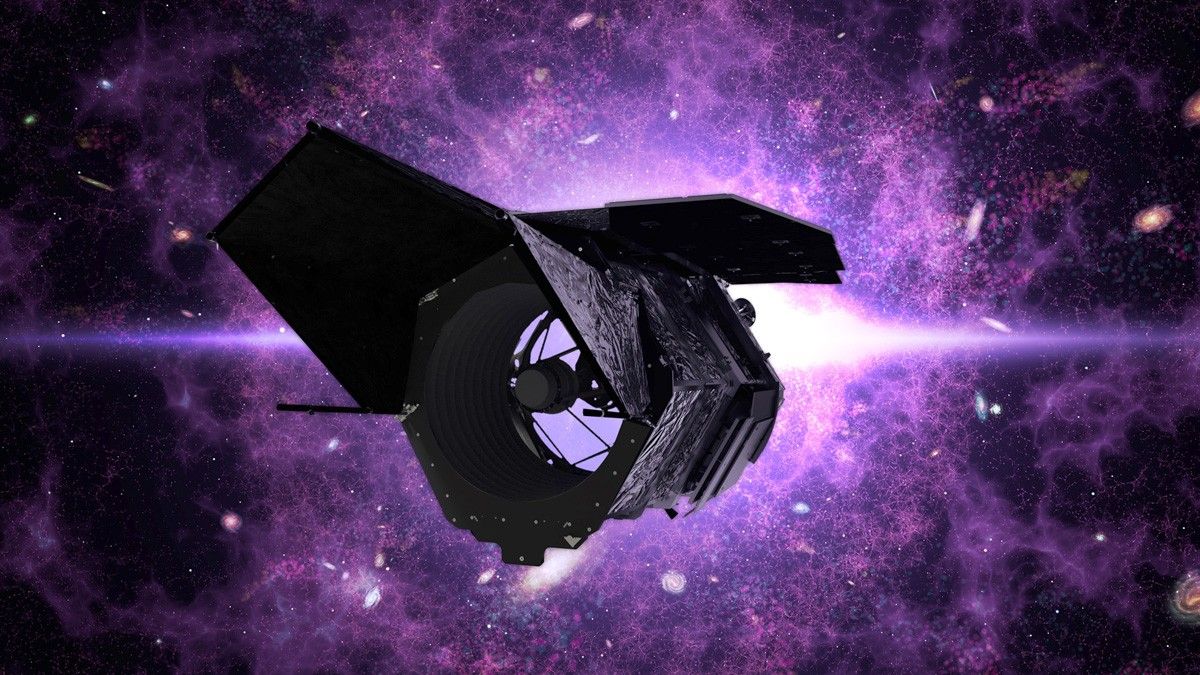
The Nancy Grace Roman Space Telescope is NASA’s newest astrophysics observatory. The telescope will scan large sections of space. Roman will help astronomers answer questions about dark energy, dark matter, exoplanets, and more.
______________________________________________________________________
Words to Know
Astrophysics: a branch of space science that applies physics and mathematics to study the universe.
Lagrange point: a position in space where the gravitational forces of a two-body system, such as the Sun and Earth, are balanced. This point creates an “orbital parking spot” where minimal fuel is needed to maintain a spacecraft’s position.
Infrared light: light that is completely invisible to the human eye but can be felt as heat. It’s the area on the electromagnetic spectrum where wavelengths are longer than visible red light, but shorter than microwaves.
Dark energy: the mysterious force that is causing the universe to expand at an accelerated rate.
Exoplanet: a planet outside of our solar system.
Dark matter: the mysterious gravitational “glue” that holds cosmic structures together.
______________________________________________________________________
The Nancy Grace Roman Space Telescope is scheduled to launch Aug. 30, 2026. It will launch aboard a SpaceX Falcon Heavy rocket. Liftoff will take place from Launch Complex 39A at NASA’s Kennedy Space Center in Florida.
The Nancy Grace Roman Space Telescope will orbit about 930,000 miles (1.5 million kilometers) away from Earth. It will orbit around a special place in space called the second Sun-Earth Lagrange point, or L2. This gravitational sweet spot is perfect for unobstructed views of the universe.
The Nancy Grace Roman Space Telescope will peer through dust and across vast stretches of space using infrared light. Roman’s primary mirror is 7.9 feet (2.4 meters) across. The large surface of the telescope mirror gathers lots of light. More light equals finer details.
The primary mirror will send light to Roman’s two science instruments: the Wide Field Instrument and the Coronagraph Instrument.
The Wide Field Instrument is a 300-megapixel infrared camera. It allows scientists to look very far back in time because the light captured by the camera has been traveling for billions of years before reaching the instrument. Seeing the universe in its early stages will help unravel how it has expanded throughout its history. This will give scientists hints about how the universe may continue to evolve.
The Coronagraph Instrument uses technology that blocks the glare from a star. This lets astronomers see planets in orbit around it. This instrument is the most powerful coronagraph ever flown in space. It will allow astronomers to see planets that are almost a billion times fainter than their host star.
Scientists using the Nancy Grace Roman Space Telescope will focus on three main topic areas: dark energy, exoplanets, and dark matter.
Dark energy is a mysterious part of the universe. Scientists aren’t sure what it is, but it makes up about 68% of the universe’s total contents. It is believed to be responsible for the accelerating rate at which our universe is expanding. But recent observations seem to show that the pressure from dark energy is shifting over time. Scientists hope to use the Roman Space Telescope to help solve the mystery of dark energy’s true nature.
Exoplanets are planets outside of our solar system. Scientists have discovered more than 6,000 exoplanets. But they believe that billions could exist. Most of the exoplanets detected so far are wildly different than the planets in our solar system. Scientists expect Roman to find more unusual exoplanets. It will also allow astronomers to find planets in the habitable zone of their stars. This will be key to finding planets similar to Earth.
Dark matter is the invisible glue that holds the universe together. Scientists aren’t sure what dark matter is made of. Roman will allow scientists to peer back in time to trace how galaxies and galaxy clusters formed. If dark matter consists of heavy, sluggish particles, it would clump together readily and Roman should see galaxy formation early in cosmic history. If dark matter is made up of lighter, faster-moving particles, it should take longer to settle into clumps and for large-scale structures to develop. If astronomers can narrow down the candidates for dark matter particles, we’ll be one step closer to finally detecting them directly in experiments on Earth.
Nancy Grace Roman was NASA’s first chief astronomer and the first female executive at the agency. Roman championed the making of the first space-based telescope — the Hubble Space Telescope. She was involved in every crucial decision about the telescope from its funding to where it was built to the details of its instruments. Her vital role in making the project a reality led her to be known as “the mother of the Hubble Space Telescope.”
Roman was born May 16, 1925, in Nashville, Tennessee. She died Dec. 25, 2018.

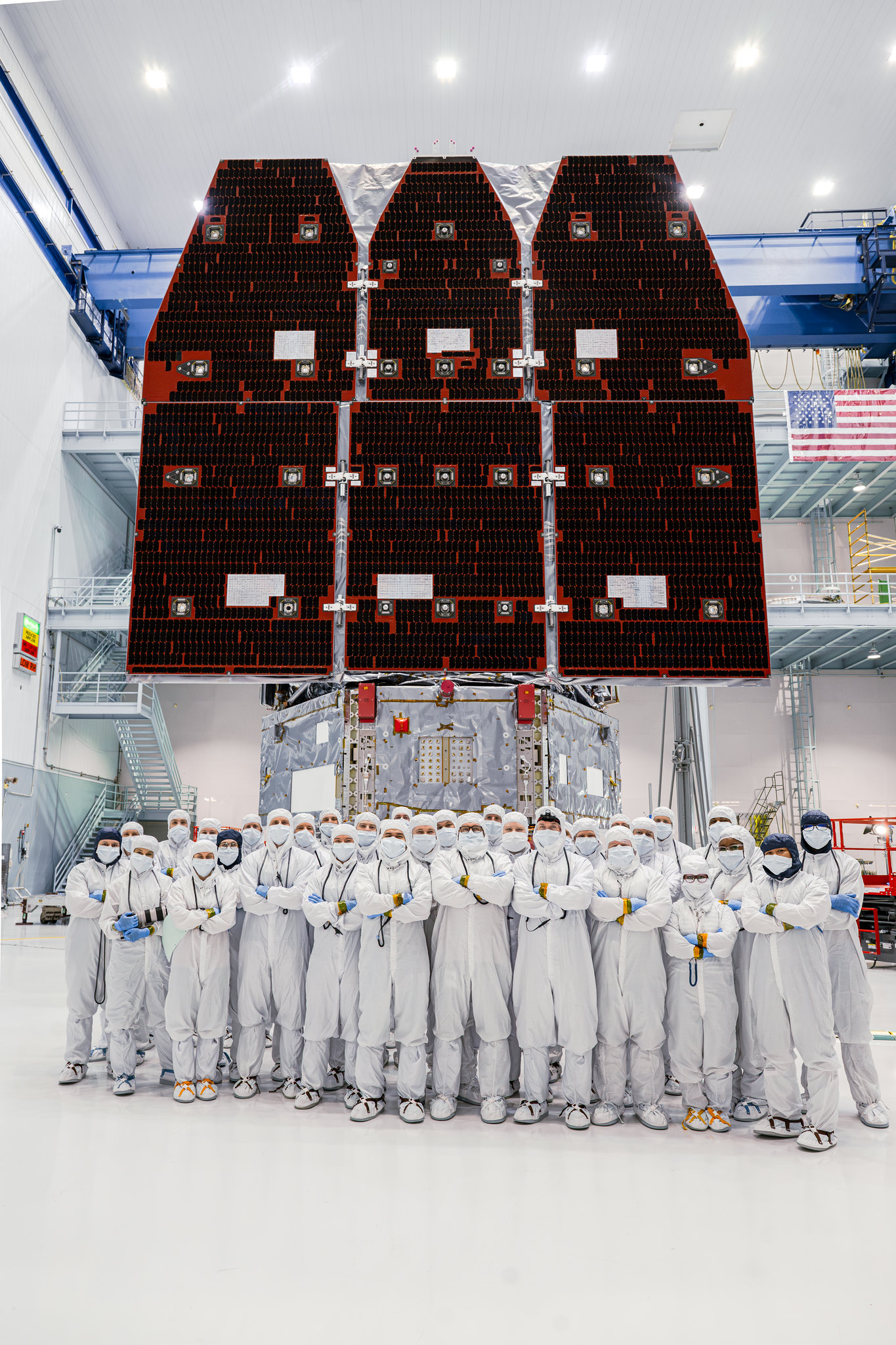
More than a thousand technicians and engineers assembled Roman from millions of individual components. Here are a few examples of the careers that shaped NASA’s newest space telescope:
Instrument technician: These experts install, calibrate, and maintain sensors and control systems. They troubleshoot issues that might come up with delicate systems and equipment. This career path often starts with an apprenticeship or hands-on training alongside experienced technicians. An associate’s degree is often required.
Mechanical engineer: This branch of engineering focuses on complex machines and engines. Mechanical engineers design, build, test, and improve mechanical systems. They play an essential role in making a complex observatory like the Roman Space Telescope a reality. A career in engineering demands a strong understanding of math and complex problem-solving and usually requires an advanced college degree.
Astrophysicist: These scientists study the physics of the universe. They are interested in learning how the universe began, how it is evolving, and how it works. Becoming an astrophysicist requires advanced college degrees.
NASA also needs people who work in photography, management, social media, videography, and much more. Learn about some of the people who have made the Roman mission possible here!
Mission Website: Nancy Grace Roman Space Telescope
Animal testing has shaped modern drug development for decades, but its limitations become especially visible when scientists evaluate cancer immunotherapies. These treatments are designed to stimulate the immune system to recognize and destroy malignant cells, yet the same powerful immune activation can trigger life-threatening complications in patients. Researchers at the University of Rochester are developing a human-cell-based alternative: miniature tissue models known as organs-on-a-chip that could help predict these toxicities before experimental medicines reach clinical trials.
The work is being led through the university’s Translational Center for Barrier Microphysiological Systems, or TraCe-bMPS. The center is building drug-development tools around modular µSiM tissue chips, devices that contain ultrathin membranes populated with human cells. Unlike conventional laboratory cultures, these systems are engineered to reproduce key features of biological barriers, including the physical separation between tissues, controlled exposure to drugs, and measurable inflammatory responses. Their modular construction also allows the devices to be manufactured in large quantities with consistent dimensions and materials.
The platform is based primarily on acrylic components and incorporates membranes designed to mimic interfaces found in the human body. Such barriers regulate the movement of molecules and immune cells between compartments, making them central to drug absorption, toxicity, and inflammation. By assembling reproducible chips with human cells, researchers can study how a therapy affects a tissue under conditions that more closely approximate human biology than many animal models. The design also makes it possible to modify individual components for different organs or disease settings.
A major feature of the Rochester system is the integration of sensors directly into the chips. Developed in part through the work of biomedical engineering professor Benjamin Miller, these sensors can track barrier function and inflammatory signaling in real time. Instead of waiting until the end of an experiment to examine damaged cells, researchers can observe how a tissue responds as a drug is introduced. Changes in electrical or molecular signals may reveal that a barrier is becoming more permeable or that inflammatory pathways are being activated, providing an early warning of toxicity.
The immediate focus is on two severe complications associated with some cancer immunotherapies. Cytokine release syndrome, commonly called CRS, occurs when activated immune cells release large quantities of signaling proteins known as cytokines. The resulting systemic inflammation can cause fever, low blood pressure, breathing difficulties, and, in the most serious cases, organ failure. Immune effector cell-associated neurotoxicity syndrome, or ICANS, can affect the nervous system, producing confusion, seizures, impaired speech, or other neurological symptoms. Both conditions are difficult to predict reliably with animal testing because species differ in immune signaling networks and cell-surface receptors.
“The goal is to predict these toxicities from human cells on a chip, before a drug ever reaches a patient, and to do it without relying on animal models that have repeatedly failed to predict CRS in people,” says James McGrath, director of TraCe-bMPS and the William R. Kenan Jr. Professor of Biomedical Engineering. The approach does not simply attempt to reproduce a whole human body in miniature. Instead, it focuses on specific biological barriers and immune interactions that are directly relevant to the safety question being studied.
The project has now reached an important regulatory stage. The team was accepted into the US Food and Drug Administration’s Innovative Science and Technology Approaches for New Drugs, or ISTAND, pilot program. ISTAND is intended to help evaluate emerging methods that could improve drug development and eventually support regulatory decisions. Acceptance does not mean that the tissue-chip platform has already been approved for routine use, but it creates a formal pathway for the researchers to work with the FDA on defining the evidence needed for qualification.
The Rochester group is preparing a detailed qualification plan that will describe clinical considerations, timelines, data-sharing procedures, and statistical methods for evaluating the technology. If the platform ultimately receives FDA qualification, pharmaceutical companies could use its results as part of the evidence submitted in support of new drug applications. Such recognition would represent a significant step for organs-on-a-chip research, which has expanded rapidly but has only rarely progressed into formal regulatory programs.
The effort comes as US regulators seek alternatives to animal testing in preclinical safety studies. The FDA Modernization Act 2.0, enacted in 2022, opened the door for non-animal methods, while the agency’s 2025 roadmap outlined further efforts to reduce reliance on animal models. Researchers say pharmaceutical companies are showing strong interest because many immunotherapies are already in clinical development and carry risks of CRS or ICANS. The Rochester team collaborated with Graham Marsh of the Critical Path Institute and consulted with scientists at Pfizer about how the tool could fit into real-world drug development. If successful, the technology could give researchers a more human-relevant way to identify dangerous immune reactions early, helping developers eliminate unsafe candidates and refine promising treatments before patients are exposed.
Subject of Research: Human-cell tissue chips for predicting cancer immunotherapy toxicities.
Web References: University of Rochester; Translational Center for Barrier Microphysiological Systems; University of Rochester Biomedical Engineering; FDA ISTAND pilot program; FDA Modernization Act 2.0.
Image Credits: URochester photo / J. Adam Fenster.
Keywords: Drug discovery, tissue chips, organs-on-a-chip, cancer immunotherapy, cytokine release syndrome, CRS, ICANS, neurotoxicity, animal testing alternatives, biomedical engineering, microphysiological systems, human-cell models.

A tiny microscope weighing just five grams could give neuroscientists an unprecedented view of how individual brain cells control behavior while animals move naturally. Researchers at the University of Colorado Anschutz Medical Campus and the University of Colorado Boulder have developed a head-mounted device that can both record neural activity and selectively activate individual neurons during movement. The technology could help scientists investigate how brain circuits generate behavior and how those circuits become disrupted in conditions such as Alzheimer’s disease, Parkinson’s disease and epilepsy.
The device, called Opto2P-FCM, combines two powerful techniques that have traditionally been difficult to use together in a freely moving animal. Two-photon microscopy provides detailed images of living brain tissue at cellular resolution, while optogenetics uses light-sensitive proteins to control selected neurons. By integrating both capabilities into a miniature instrument, the researchers can observe specific cells as they become active and then stimulate chosen neurons to test how they influence the surrounding network.
“These miniature microscopes have been increasingly used to study the neural basis of behavior in freely moving animals,” said Emily Gibson, PhD, associate professor of biomedical engineering at CU Anschutz and the study’s senior author. “This new microscope allows deeper penetration and higher resolution images in the brain. Importantly, it can also excite select neurons using optogenetics.”
For decades, conventional two-photon microscopes have been regarded as the gold standard for imaging neurons in living brains. These systems use infrared laser light to produce high-resolution images deep within tissue, allowing researchers to track calcium signals and other indicators of neural activity. However, conventional microscopes are generally large, stationary instruments. Animals must often remain immobilized beneath the objective, making it difficult to study brain activity during walking, exploration, social interaction or other natural behaviors.
Miniature microscopes have helped overcome that limitation by moving the imaging system onto the animal’s head. Yet reducing the size and weight of the equipment has often required compromises. Some compact systems provide lower-resolution images, while others can record neural activity but cannot stimulate precisely selected cells. The Colorado team designed Opto2P-FCM to address both problems through a dual-path optical architecture that separates imaging from stimulation.
In the imaging pathway, infrared light is directed through the brain to generate two-photon signals from fluorescent markers inside neurons. These markers can report changes in calcium concentration, which occur when neurons fire. The resulting signals are collected to create detailed images of neural activity at the level of individual cells. A separate optical pathway delivers patterned light for optogenetic stimulation, allowing researchers to activate specific neurons without disrupting the imaging beam or overwhelming the detectors.
This separation is technically important because imaging and stimulation place different demands on an optical system. High-resolution imaging requires precise focusing, efficient light collection and minimal optical distortion. Optogenetic activation, by contrast, requires intense, accurately positioned light capable of reaching the light-sensitive proteins expressed by selected neurons. Designing both functions into a device small enough to be carried by an animal required careful control of the alignment, geometry and weight of every optical component.
“This microscope is a game changer,” said Juliet Gopinath, PhD, professor of electrical, computer and energy engineering and physics at CU Boulder and a study co-author. “Being able to demonstrate a state-of-the-art instrument for both read-out and photo-stimulation of neurons is amazing.” The research team included engineers, physicists and neuroscientists who worked together to solve problems involving miniature lenses, mechanical tolerances, optical alignment and three-dimensional fabrication.
The device weighs approximately five grams, but its small size made construction unusually demanding. Mo Zohrabi, PhD, a senior research scientist at CU Boulder and co-first author, said the team initially thought such an instrument might be impossible to build because of the tight tolerances required by the optics and available 3D-printing technology. Gregory Futia, PhD, a senior research associate at CU Anschutz and co-first author, said that every component had to be designed and accounted for with extreme precision. Even slight misalignment could reduce image quality or prevent the stimulation beam from reaching the intended cells.
The researchers believe the platform could transform experiments designed to distinguish correlation from causation in the brain. Recording a neuron’s activity can show that it is associated with a behavior, but it does not prove that the cell helps produce that behavior. With optogenetic stimulation, scientists can activate a selected population and observe whether movement, decision-making or other actions change. At the same time, the microscope can record how neighboring neurons respond, providing a view of how local circuits coordinate activity.
The current Opto2P-FCM system is a prototype, and the researchers are working on future versions that could be smaller, lighter and faster. They also hope to expand the field of view so that more neurons can be monitored at once. Such improvements could make it possible to track larger networks over longer periods while animals engage in increasingly complex behaviors. By combining cellular-resolution observation with targeted manipulation in a freely moving subject, the technology may help reveal how healthy neural circuits operate and how neurological disease changes the communication between them.
Subject of Research: Miniature two-photon microscopy, optogenetics, neural circuits and brain activity during natural movement
Article Title: New Miniature Microscope Allows Scientists to Watch and Control Brain Cells During Natural Movement
News Publication Date: Aug. 11, 2026
Web References: University of Colorado Anschutz Medical Campus; University of Colorado Boulder; Optica study
References: Optica, “New Miniature Microscope Allows Scientists to Watch and Control Brain Cells During Natural Movement,” article publication date: Aug. 7, 2026
Miniature microscope, two-photon microscopy, optogenetics, neuroscience, brain imaging, neural circuits, freely moving animals, biomedical engineering, applied physics, neurological disease, brain research
Around 11,000 years ago, communities in southwest Asia began one of the most consequential experiments in human history: growing their own food. Wild cereals, legumes and fruit-bearing plants were gradually brought under human management, setting in motion the transition from mobile hunter-gatherer lifeways to farming societies. For decades, archaeologists have assumed that one of the earliest signs of this transformation was an increase in cereal grain size. A new study, however, suggests that some of the biggest grains found at the dawn of agriculture may not have been genetically altered at all. They may simply have grown in wetter conditions.
The findings, published in the Proceedings of the National Academy of Sciences, challenge a central assumption about how cereal domestication began. Researchers studying charred barley and emmer wheat grains from the Early Neolithic sites of el-Hemmeh and Sharara in the southern Levant found that the plants still possessed fully wild characteristics during the earliest phases of the Pre-Pottery Neolithic. Their ears had brittle rachises, the structures that naturally break apart when mature, allowing seeds to disperse in the wild. There was no evidence of the tough, non-shattering rachis that later became one of the defining features of domesticated cereals.
The absence of non-shattering forms is significant because a tough rachis makes harvesting far more efficient. In wild cereals, the rachis fractures as the plant ripens, scattering seeds before people can collect them. A mutation that keeps the grains attached would have offered major advantages to human harvesters and could then have spread through repeated cultivation and replanting. Researchers have therefore often treated the appearance of non-shattering cereals as a key marker of domestication. Grain size, by contrast, has frequently been interpreted as an earlier signal that people were already selecting plants through cultivation.
At el-Hemmeh and Sharara, however, grain size told a more complicated story. Barley and emmer wheat remained morphologically wild, yet their grains varied dramatically. Some were as small as typical wild cereals, while others fell within the size range commonly associated with domesticated plants. If large grains were the product of genetic selection caused by systematic tillage, the researchers expected to find other evidence of intensive cultivation. Instead, the ecological evidence pointed toward relatively low-disturbance environments.
The team examined the weed species preserved alongside the cereal remains. Weeds are valuable archaeological indicators because different plants thrive under different environmental conditions. Species associated with heavily tilled or frequently disturbed soils were not dominant in the assemblages from these early sites. This weakened the argument that repeated ploughing or intensive soil preparation had already created strong selection for larger seeds. The researchers began looking for another explanation for the striking variation in grain size.
Their answer came from stable carbon isotope analysis. Carbon exists in several naturally occurring forms, or isotopes, and plants incorporate these isotopes in ways that are influenced by their growing conditions. In cereals, the stable carbon isotopic composition of a grain can reflect the balance between carbon uptake and water loss during photosynthesis. When plants experience water stress, changes in gas exchange through their leaves alter the carbon isotope signal recorded in their tissues. By measuring this signal in ancient grains, scientists can reconstruct aspects of the moisture conditions under which the plants grew.
The results showed a strong relationship between grain size and water availability. Barley grains that reached domestic-sized dimensions had carbon isotope values indicating that they developed under wetter conditions. Smaller, wild-sized grains carried signatures consistent with considerably drier growth environments. The difference suggests that environmental moisture, rather than inherited genetic change, was responsible for much of the early increase in cereal grain size. In other words, the same wild plant population could produce grains of very different sizes depending on the conditions it experienced during development.
This phenomenon is known as developmental plasticity: the ability of a single genotype to produce different physical traits in response to the environment. It is widespread in plants and can affect characteristics such as height, leaf area, flowering time and seed production. In the Early Holocene southern Levant, developmental plasticity may have created the visual impression that cereals were already becoming domesticated. People collecting and replanting the largest grains might eventually have generated genetic selection, but the initial size increase itself appears to have been ecological rather than evolutionary.
“Environmental conditions provided a much better explanation for the observed variation in grain size than genetic selection under tillage,” said Dr Jade Whitlam of the University of Oxford, who led the study. The researchers propose that genetic selection for larger grains may have occurred later than previously thought, perhaps after selection for non-shattering rachises had already begun. This reverses the sequence often assumed in models of domestication and places greater emphasis on the complex interaction between climate, plant biology and human harvesting practices.
The study also reframes the origins of agriculture as a gradual process of niche construction rather than a sudden decision to domesticate plants. Early communities altered their relationship with wild vegetation through harvesting, protection, transport and repeated use of particular landscapes. These practices may have changed plant populations long before crops displayed unmistakable domestication traits. By combining archaeobotany, weed ecology and stable isotope evidence, the researchers argue that the first steps toward agriculture were not necessarily driven by deliberate genetic engineering of crops, but by prolonged human management operating within a variable environment. The result is a more nuanced picture of farming’s origins—one in which climate could temporarily make wild cereals look domesticated before their genomes caught up.
Subject of Research: The environmental and biological processes that influenced cereal grain size and plant domestication in the Early Holocene southern Levant.
Article Title: Developmental plasticity under human management shaped cereal evolution prior to domestication in the Early Holocene southern Levant
News Publication Date: 4-Aug-2026
Web References: https://www.eurekalert.org/multimedia/1146086
References: Proceedings of the National Academy of Sciences. DOI: 10.1073/pnas.2535274123
Image Credits: Jerome Poulalier, www.jerome-poulalier-photography.com
Keywords: Archaeology, archaeobotany, cereal domestication, agriculture, Neolithic, Early Holocene, southern Levant, barley, emmer wheat, stable carbon isotopes, developmental plasticity, plant evolution, climate, hunter-gatherers
The University of Houston has launched UH Health, a cross-disciplinary academic health enterprise intended to reshape how healthcare professionals are educated, how medical research is conducted and how care reaches communities across Texas. The initiative brings together medicine, nursing, pharmacy, optometry, psychology, social work, population health, biomedical research and health systems science under a single interprofessional framework. University leaders say the model is designed to confront a rapidly intensifying combination of population growth, healthcare worker shortages, chronic disease and unequal access to medical services.
Rather than treating healthcare disciplines as separate academic and clinical systems, UH Health is built around team-based care. In this approach, physicians, nurses, pharmacists, optometrists, behavioral health specialists, social workers and public health experts contribute to a shared understanding of each patient’s needs. The model reflects the growing recognition that health outcomes are shaped not only by disease biology, but also by mental health, housing, income, nutrition, transportation and access to preventive services. By training students to work across professional boundaries, the University hopes to prepare graduates for a healthcare system increasingly focused on coordinated and personalized care.
“Healthcare is no longer delivered in isolation, and complex health challenges require coordinated solutions,” said Jonathan McCullers, vice president for health affairs at UH and dean of the Tilman J. Fertitta Family College of Medicine. The university’s academic health strategy is intended to place students in an environment where clinical reasoning, behavioral science, population health and scientific discovery interact. Such integration can help future clinicians identify the underlying drivers of illness, select more appropriate interventions and communicate more effectively with specialists and community organizations.
The launch comes as Texas faces a widening gap between healthcare demand and workforce capacity. Rapid population growth, an aging population and shortages of trained professionals have placed pressure on hospitals and clinics throughout the state. The Texas Hospital Association has reported that 64% of hospitals were operating with fewer beds or reduced services because of staffing shortages. UH Health aims to expand the pipeline of physicians, nurses, pharmacists, optometrists, social workers and other professionals while emphasizing workforce readiness, collaborative practice and the ability to manage complex cases.
UH’s location near the Texas Medical Center gives the initiative access to one of the world’s largest concentrations of hospitals, research institutes and specialized clinical programs. Partnerships with organizations including HCA Healthcare, Memorial Hermann Hospital, Baylor College of Medicine and MD Anderson Cancer Center are expected to provide students and researchers with expanded opportunities for clinical training, translational research and collaboration. Translational research—the process of moving discoveries from laboratories into diagnostics, treatments and public health programs—depends heavily on this type of interaction between universities, hospitals and industry.
The university is also positioning UH Health as a platform for research that reaches beyond traditional medical departments. Scientists in chemistry, physics and biomedical engineering are working alongside health researchers on problems ranging from cancer and infectious disease to substance-use disorders and neurodegeneration. UH researchers have received more than $11 million from the Cancer Prevention and Research Institute of Texas for work involving cancer prevention, diagnosis and treatment. A fentanyl vaccine developed at the university is advancing toward human trials, although its clinical effectiveness and safety will need to be established through carefully controlled studies.
Brain health is another major focus. Texas ranks fourth nationally in the number of Alzheimer’s cases and second in Alzheimer’s-related deaths, according to the Texas Department of State Health Services. More than 100 faculty members across 12 of UH’s 16 colleges are involved in research related to prevention, early detection, caregiving and treatment, supported by $62.5 million in active grants. Their work may involve diverse technologies and methods, including biological markers, computational analysis, behavioral interventions, biomedical engineering and the study of social factors that influence cognitive decline and caregiver health.
To strengthen this research ecosystem, UH is investing $77 million in a new 55,000-square-foot medical research building. The facility is expected to support interdisciplinary laboratories and shared scientific infrastructure, allowing investigators from different fields to exchange data, equipment and expertise more efficiently. In modern biomedical science, discoveries often emerge at the boundaries between disciplines—for example, when engineering approaches are applied to drug delivery, physical sciences are used to study disease mechanisms or data science improves early diagnosis.
UH Health’s community programs are intended to connect these academic and research activities with practical healthcare needs. The UH Health Family Care Center provides primary care and mental health services to the university and surrounding communities, including Third Ward, East End and South Houston. The Household-Centered Care program gives students experience through home visits with community caregivers, while the 3rd Ward Place of Wellness offers screenings, preventive services and health education. The College of Optometry extends access to vision care through community clinics and outreach programs serving children and families.
The enterprise is also expanding beyond Houston through a partnership with DHR Health in the Rio Grande Valley, a rapidly growing region that continues to face significant medical access challenges. University officials say the collaboration could support healthcare education, workforce development and research tailored to local needs. By linking professional training, scientific discovery and community partnerships, UH Health is presenting an academic health model designed for a state where medical demands are growing faster than conventional systems can respond.
Subject of Research: Academic healthcare education, biomedical research, healthcare workforce development and community health access
Article Title: University of Houston Launches UH Health to Integrate Education, Research and Community Care
Web References: https://mediasvc.eurekalert.org/Api/v1/Multimedia/ed42117d-36c9-45cf-b2e3-443e4e08b680/Rendition/low-res/Content/Public
References: Texas Hospital Association; Texas Department of State Health Services; University of Houston
Image Credits: University of Houston and UH Health
Keywords: UH Health, University of Houston, healthcare workforce shortage, academic health, team-based care, biomedical research, cancer research, fentanyl vaccine, Alzheimer’s disease, community healthcare, nursing, optometry, pharmacy, medical education, Texas Medical Center

Avast One ist nach unseren Tests eine der besten Allround-Sicherheitssuiten für den Mac. Die Lösung bietet eine exzellente Malware-Erkennung, einen herausragenden Phishing-Schutz sowie auf Wunsch ein leistungsfähiges VPN. Auswirkungen auf die Systemleistung sind dabei minimal. Die Funktionen „Email Guard“, „Web Guard“ und „Real Site“ sorgen für einen wirksamen Schutz vor Spam und Phishing in der Praxis. Der gute Eindruck wird leider durch ständige Werbung für Zusatzprodukte, ein fragmentiertes Abonnementmodell und einen enttäuschenden KI-Assistenten getrübt.
Preis zum Zeitpunkt der Bewertung
This value will show the geolocated pricing text for product undefined
Aktuell bester Preis
Für wen es am besten geeignet ist: Avast One eignet sich am besten für Mac-Nutzer, die eine umfassende Sicherheitssuite mit hervorragendem Malware- und Phishing-Schutz, integrierten VPN-Funktionen und unkompliziertem Alltagsschutz für mehrere Apple- und Mobilgeräte suchen.
Für wen es nicht geeignet ist: Es ist nicht ideal für preisbewusste Nutzer, die ein einziges All-inclusive-Abonnement wünschen, oder für Mac-Besitzer, die fortschrittliche KI-Tools und umfassende Bereinigungsprogramme suchen, ohne für zusätzliche Zusatzdienste zu bezahlen.
Auf einen Blick
Schutz: ★★★★★
Leistung: ★★★★★
Funktionen: ★★★★☆
Benutzerfreundlichkeit: ★★★★☆
Preis-Leistungs-Verhältnis: ★★★★☆
Avast One ist die All-in-One-Sicherheitsplattform von Avast für macOS, die Virenschutz mit Phishing-Schutz, einer Firewall, VPN, Identitätsüberwachung und Tools für die Netzwerksicherheit kombiniert. Die Premium-Sicherheitsversion (eigentlich die Standard-Version) umfasst die wichtigsten Schutzfunktionen, die die meisten Mac-Nutzer benötigen, während die Ultimate-Version zusätzliche Funktionen wie VPN, Aufräum-Tools und Anti-Trackingdienste bietet.
In unseren Tests bot Avast One einen hervorragenden Schutz vor Malware und Phishing bei minimalen Leistungseinbußen. Aufgrund des fragmentierten Abonnementmodells sind für einige Funktionen aber zusätzliche Käufe erforderlich.
Obwohl Avast sein Markenkonzept vereinfacht hat, kann die Produktpalette nach wie vor verwirrend sein. Avast One ist die übergeordnete Plattform, während „Free“, „Premium Security“ und „Ultimate“ die Abonnementstufen sind, zwischen denen sich die meisten Mac-Nutzer entscheiden müssen. Lesen Sie weiter, um zu erfahren, wie das Produkt im Vergleich zu anderen von uns getesteten Mac-Antivirenlösungen abschneidet.
Avast One umfasst nahezu alles, was die meisten Mac-Nutzer von einer Premium-Sicherheitssuite erwarten. Zu den Kernfunktionen gehören Echtzeit-Malware-Schutz, geplante und bedarfsgesteuerte Scans, Ransomware-Schutz, eine Firewall, Network Inspector, Email Guard, Web Guard sowie Real Site zum Schutz vor Phishing. Der „Smart Scan“ überprüft zudem auf Datenmüll und häufige Systemprobleme, während „SecureLine VPN“ verschlüsseltes Surfen in öffentlichen WLAN-Netzen ermöglicht. Zusammen bieten diese Tools umfassenden Schutz bei nur sehr geringen Auswirkungen auf die Mac-Leistung.
Das Scannen und Entfernen von Viren und Malware war schon immer das Kerngeschäft von Avast One, und diese Version meistert diese Aufgabe hervorragend, auch wenn noch etwas Raum für Verbesserungen besteht. Die Scan-Geschwindigkeiten sind zügig: Die interne SSD eines Macbook Pro mit mehr als 848 Gigabyte gespeicherten Daten wird in weniger als 10 Minuten durchforstet, wobei das Programm reibungslos im Hintergrund läuft.
Leider gibt es bei Antiviren-Scans keine Angabe der voraussichtlichen Zeit bis zum Abschluss. Das Programm hatte einige Schwierigkeiten, die InQtana-Malware zu entfernen, nachdem diese in Quarantäne verschoben worden war, und es waren mehrere Versuche erforderlich. Es war jedoch in der Lage, mehr als 98 Prozent der getesteten Malware zu lokalisieren und unter Quarantäne zu stellen, obwohl es die Entwicklerdateien für CrateDepression, Hovdy, Rubilyn und Siggen unberührt ließ und den Zugriff darauf sowie deren potenzielle Ausführung zuließ.
Die Funktion lässt sich gut mit den in macOS integrierten Funktionen „Gatekeeper“ und „XProtect“ kombinieren, und es ist einfach, geplante Scans einzurichten sowie bei Bedarf externe Laufwerke zu scannen.
Foundry
Die „Smart Scan“-Funktion deckt allgemeinere Anforderungen ab und bietet neben einem Schnellscan auf Viren, Malware auch eine Prüfung auf komplexe Probleme sowie Leistungsprobleme. In unserem Fall konnten 5,33 GB an Anwendungs-Caches, 147,5 MB an Protokolldateien und 128,7 MB an Papierkorb-Einträgen entfernt werden. Der Smart Scan löst zwar nicht jedes Leistungsproblem, ist jedoch nützlich, um schnell Speicherplatz freizugeben und grundlegende Wartungsaufgaben zu identifizieren.
Damit kommen wir zum ärgerlichen Bereich der À-la-carte-Struktur von Avast One: So werden Sie nämlich mit dem „Avast One Premium“-Konto bald aufgefordert, das Paket „Cleanup Premium“ zu buchen, das zusätzlich die Tools „Disk Cleaner“, „Duplicate Finder“, „Photo Cleaner“, „App Uninstaller“, „Startup-Manager“ und „System Monitor“ enthält. Dieses kostet je nach Wahl eines Ein-, Zwei- oder Dreijahresabonnements ab 2,89 Euro im Monat.
Kostenlose Tools wie der Browser-Cleaner und die Statistik funktionieren aber gut und bereinigen Cache-Dateien sowie den Verlauf des Webbrowsers. Allerdings scheinen die Browser-Cleaner-Tools keine Unterstützung für Google Chrome anzubieten, sondern nur für die Webbrowser Safari, Microsoft Edge und Mozilla Firefox.
Foundry
Die SecureLine-VPN-Funktion ist vielleicht nicht das beste VPN, doch die in Avast One Ultimate integrierte Lösung funktioniert einwandfrei, verfügt über eine gute Auswahl an Einstellungen und ermöglicht reibungsloses Streaming. Dabei bietet sie Zugriff auf Server in verschiedenen Regionen. Ein übergreifender Kill-Switch und die VPN-Protokolle bieten Unterstützung für „Automatic“, IPSec und „Mimic“. Beim Zugriff auf nicht vertrauenswürdige Netzwerke sowie für Bankgeschäfte, Online-Einkäufe, den Zugriff auf sensible Inhalte, Streaming und Torrenting können dabei verschiedene Konfigurationen aktiviert werden.
Die vorhandene Funktion ist übersichtlich, bietet eine gute Leistung und lässt sich unterwegs nach Bedarf nutzen – auch wenn sie nicht alle Extras einer Anwendung bietet, die sich ausschließlich auf die Rolle als VPN-Client konzentriert.
Der BreachGuard-Dienst von Avast bewegt sich im mittlerweile altbekannten Bereich der Erkennung und Prävention von Identitätsdiebstahl, der heutzutage zum Standard gehört – doch das Unternehmen setzt dies gut um. Der Dienst scannt etwa E-Mail-Adressen, um festzustellen, ob diese in Datenschutzverletzungen verwickelt waren und wo Ihre Privatsphäre gefährdet wurde. Ist dies geschehen, wird eine Nachverfolgung der Vorfälle angeboten.
Die Software bietet zudem die kostenlose Webbrowser-Erweiterung „Online-Sicherheit und -Privatsphäre“ für den Avast Secure Browser, Google Chrome und Microsoft Edge an. Derzeit gibt es allerdings keine Browser-Erweiterung für Safari oder Firefox, was etwas enttäuschend ist.
Avast AntiTrack ist im Ultimate-Paket enthalten und ein Datenschutz-Tool, das darauf ausgelegt ist, es Werbetreibenden, Websites und Datenhändlern zu erschweren, Ihre Online-Aktivitäten zu verfolgen. Es blockiert Tracking-Versuche, verschleiert den digitalen Fingerabdruck Ihres Browsers und reduziert die Menge an identifizierbaren Informationen, die Websites sammeln können. Im Gegensatz zu einem VPN, das Ihre IP-Adresse verbirgt, konzentriert sich AntiTrack darauf, die Erstellung von Nutzerprofilen und gezielte Werbung zu verhindern, während Sie im Internet surfen.
Was den Secure Web Browser von Avast betrifft, so handelt es sich um einen weiteren Chromium-basierten Webbrowser, der für ein sichereres Surferlebnis sorgen soll. Der Browser ist in das Ökosystem und die Produkte von Avast eingebunden (beispielsweise wird die Nutzung des firmeneigenen VPNs gefördert) und läuft recht zügig, scheint jedoch nicht so konsequent auf ein Sicherheitsziel ausgerichtet zu sein wie das Brave-Projekt.
Auch wenn er Safari oder Chrome wohl kaum ersetzen wird, bietet der Secure Browser eine sichere, auf Chromium basierende Alternative mit einer Handvoll nützlicher integrierter Tools.
Die drei Funktionen, die Avast One wirklich auszeichnen, sind „Email Guard“, „Web Guard“ und „Real Site“. Diese arbeiten zusammen, um Weblinks zu überprüfen, und konnten nahezu alle Phishing-E-Mails in meinem Gmail-Spam-Ordner aufdecken. Zum ersten Mal seit langer Zeit wurden bei fast allen fragwürdigen E-Mails, auf die geklickt wurde, Warnungen vor Malware und Spyware ausgegeben. Hier zeigte sich die kombinierte Funktionspalette von Avast One während des Tests von ihrer stärksten Seite.
Der Avast-Assistent ist leider ein Beispiel dafür, wie eine gute Idee im Sande verläuft. Die Funktion arbeitet als chatbasierter KI-Assistent, überprüft Nachrichten, Links oder Bilder auf virenbefallene Inhalte, ist jedoch nahezu nutzlos, wenn man sie nach bestimmten Malware-Varianten (wie InQtana, Genieo und AdWind) fragt.
Dies ist nicht der praktische Assistent, den ich mir wünsche. Er scheint im Wesentlichen auf einem Skript mit einigen wenigen Antworten zu basieren, das etwa erklärt, was ein Betrugsversuch ist, sowie einige allgemeine Tipps zur Online-Sicherheit liefert. Die KI-Revolution bleibt hier sehr hinter dem zurück, was hier versprochen und tatsächlich geliefert wird.
Avast One enthält eine integrierte Firewall, die eingehende und ausgehende Netzwerkverbindungen überwacht und gemeinsam mit dem Netzwerk-Inspektor verbundene Geräte identifiziert. Sie lässt sich leicht aktivieren und konfigurieren, auch wenn der Testbericht darauf hinweist, dass sie im Vergleich zu spezialisierten Firewall-Tools nur begrenzte Einblicke in einzelne Geräte bietet.
Dennoch gibt es einige interessante Tools, die vielversprechend sind und Avast One zu einer erwägenswerten Option machen. Der Netzwerk-Inspektor ist genauso gut wie in früheren Versionen und listet die in einem bestimmten Netzwerk vorhandenen Geräte auf. Zwar können Sie damit nicht in die Einzelheiten jedes Geräts eintauchen, doch erfahren Sie, welche Geräte vorhanden sind. In Kombination mit der Firewall-Funktion können Sie Ihre jüngsten Internetaktivitäten auf einer Weltkarte einsehen. Diese lässt sich zudem leicht bearbeiten und konfigurieren.
Die Installation ist unkompliziert, allerdings erfordert macOS mehrere Sicherheitsberechtigungen, bevor der Schutz vollständig aktiviert ist. Nach der Konfiguration präsentiert sich die Benutzeroberfläche übersichtlich und reaktionsschnell, doch häufige Upselling-Versuche, feste Fenstergrößen und die verwirrende Trennung zwischen den Produkten beeinträchtigen das allgemeine Benutzererlebnis leicht.
Foundry
Avast One erwies sich im Test als äußerst zuverlässig und erkannte mehr als 98 Prozent der Malware-Beispiele, ohne dabei Stabilitätsprobleme oder spürbare Verlangsamungen zu verursachen. Zwar hatte das Programm gelegentlich Schwierigkeiten, bestimmte Bedrohungen zu entfernen, und übersah einige Installationsdateien, doch handelte es sich dabei um relativ geringfügige Probleme, die den durchweg starken Malware- und Phishing-Schutz nicht beeinträchtigten.
Trotz aller Aufgaben, die Avast One zu bewältigen hat, läuft es dennoch zügig und bietet erstklassige Scan-Geschwindigkeiten. Es arbeitet reibungslos im Hintergrund, und es gibt wirklich nichts, was zu Abstürzen oder Verzögerungen führen könnte. Zudem harmonierte es gut mit macOS Tahoe 26.5.1, und obwohl es die Systemauslastung etwas erhöhte, gab es während des Testverfahrens nichts, was meinen Mac beeinträchtigte.
Trotz seines beeindruckenden Schutzes ist Avast One nicht ganz frei von Frustmomenten. Mehrere Probleme bei der Benutzerfreundlichkeit und das fragmentierte Abonnementmodell verhindern, dass es eine uneingeschränkte Fünf-Sterne-Empfehlung erhält.
Für manche ist die Größenanpassung von Fenstern eine Frage der Ästhetik. Für andere ist sie eine wichtige Funktion, um den verfügbaren Bildschirmplatz effektiv zu nutzen. Die Tatsache, dass Sie die Fenster von Avast One lediglich auf das Dock minimieren, aber nicht in der Größe anpassen können, ist doch ärgerlich.
Der KI-Assistent von Avast scheint auf einige sehr grundlegende Fragen beschränkt zu sein, und bei den 130 getesteten Proben gab es gelegentlich Lücken bei der Erkennung einiger Malware-Installationsprogramme.
Avast One Free für Mac erhielt:
Wir haben Avast One unter macOS Tahoe 26.5.1 mit mehr als 130 realen Mac-Malware-Beispielen aus dem Objective-See-Archiv getestet. Der Schwerpunkt der Tests lag auf der Malware-Erkennung, dem Phishing-Schutz, der Systemleistung, der Benutzerfreundlichkeit und den allgemeinen Auswirkungen auf den täglichen Mac-Gebrauch. Soweit verfügbar, wurden unsere Ergebnisse mit unabhängigen Tests von AV-Test und AV-Comparatives verglichen.
Die Preisgestaltung von Avast ist komplexer als bei den meisten Mitbewerbern, da die Avast-One-Plattform in mehreren Abonnementstufen erhältlich ist und noch weitere Zusatzpakete angeboten werden. „Premium Security“ umfasst nur die hier getesteten Kernschutzfunktionen, während „Ultimate“ zusätzlich SecureLine VPN, Cleanup Premium und AntiTrack beinhaltet. Mehrere optionale Dienste, wie BreachGuard, sind als separate Abonnements erhältlich.
| Tarif | Geräte | Was ist enthalten | Was fehlt | Erstes Jahr | Verlängerung |
|---|---|---|---|---|---|
| Premium Security (1 Mac ,1 Mobilgerät) | 1 Mac, 1 iPhone / Android | Virenschutz, Ransomware-Schutz, Firewall, Web Guard, E-Mail-Schutz, Betrugsschutz, KI-Assistent | VPN, Cleanup Premium, AntiTrack, Breach Guard, Secure Identity | 41,88 Euro | 72,99 Euro |
| Premium Security (10 Geräte) | Bis zu 10 Geräte | Gleiche Funktionen auf Mac, Windows, iPhone und Android | VPN, Cleanup Premium, AntiTrack, Breach Guard, Secure Identity | 54,04 Euro | 99,99 Euro |
| Avast Ultimate (10 Geräte) | Bis zu 10 Geräte | Premium-Sicherheit plus SecureLine VPN, Cleanup Premium und AntiTrack | Breach Guard, Secure Identity | 79,04 Euro | 139,99 Euro |
| Tarif | Am besten geeignet für | Beinhaltet |
|---|---|---|
| Kostenlos | Grundlegender Schutz | Virenschutz, Smart Scan |
| Premium-Sicherheit | Die meisten Nutzer | Kern-Sicherheitssuite |
| Ultimate | Datenschutzbewusste Nutzer | VPN, Aufräum-Tools, AntiTrack |
Premium Security: Für die meisten Mac-Nutzer bietet Premium Security alles, was sie benötigen: hervorragende Malware-Erkennung und im Unterschied zur kostenlosen Version zusätzlich herausragenden Phishing-Schutz, eine leistungsfähige Firewall, E-Mail-Schutz, Web-Schutz. Da der Test ergab, dass die Kernfunktionen im Sicherheitsbereich die größten Stärken von Avast sind, werden die meisten Nutzer die optionalen Extras für Datenschutz und Leistung wahrscheinlich nicht vermissen.
Ultimate: Nur, wenn Sie die Zusatzfunktionen tatsächlich nutzen werden. Ultimate umfasst zusätzlich SecureLine VPN, Cleanup Premium und AntiTrack. Ihr Testbericht deutet jedoch darauf hin, dass die Bereinigungstools auf zusätzliche Abonnements verteilt sind und das VPN, obwohl gut, nicht marktführend ist. Wenn Sie ausdrücklich eine integrierte VPN- und Datenschutz-Suite wünschen, bietet „Ultimate“ ein angemessenes Preis-Leistungs-Verhältnis. Andernfalls ist „Premium Security“ die sinnvollere Wahl.
Bestes Preis-Leistungs-Verhältnis: „Premium Security“ bietet insgesamt das beste Preis-Leistungs-Verhältnis. Es bietet denselben erstklassigen Schutz vor Malware, Phishing und Netzwerkbedrohungen, der in unseren Tests durchweg überzeugt hat, ohne dass Sie für Extras bezahlen müssen, die viele Mac-Nutzer nicht benötigen. „Ultimate“ lohnt sich für Haushalte, die VPN, AntiTrack und Cleanup Premium wünschen, doch „Premium Security“ bietet das beste Gleichgewicht zwischen Preis und Schutz.
Avast One ist eine der leistungsstärksten derzeit erhältlichen Mac-Sicherheitssuiten und vereint hervorragende Malware-Erkennung, herausragenden Phishing-Schutz und minimale Auswirkungen auf die Systemleistung. Auch wenn die Abonnementstruktur nach wie vor verwirrend ist und einige Extras überteuert wirken, ist der Kernschutz erstklassig. Für die meisten Nutzer bietet „Premium Security“ das beste Verhältnis zwischen Funktionen und Preis-Leistungs-Verhältnis, sodass Avast One eine klare Empfehlung für alle ist, die einen umfassenden Mac-Schutz suchen.
Italian archaeologists have discovered a previously unidentified, nearly 4,000-year-old “Tomb of the Giants,” or “Giant’s Tomb,” at Carrarzu Iddia in central-western Sardinia.
The researchers behind the historic discovery said the new structure is part of a larger group of ancient, ‘enigmatic’ burial complexes on the island known as Giant’s Tombs erected by the Nuragic civilization as collective burial sites beginning around 1800 B.C. due to their megalithic structure.
According to Finestre sull’Arte, the newly discovered Giant’s Tomb had been covered by thick vegetation, helping it to remain hidden for nearly four millennia. However, surveyors from Sardinia’s two Superintendencies of Archaeology, Fine Arts, and Landscape were already involved in the restoration and excavation of the nuraghe located at the same site when they made the unexpected discovery.
Located at an elevation of approximately 800 yards, the newly identified Giant’s Tomb is located on the southern slope of Crastu Littu. The Italian team suspects the site “is of particular interest” due to its strategic location.
For example, the Giant’s Tomb offers a sweeping view of the Macomer plain. The location also includes a clear vantage point to observe the highlands of Abbasanta and Paulilatino, and an unobstructed view as far as the hills of the Nuoro area and the Gulf of Oristano. The team said this view likely conveys the site’s importance within the wider settlement network of Nuragic Sardinia.
After identifying and surveying the new Giant’s Tomb’s location, the two project leaders worked with the landowners to clear away the dense overgrowth and earthen debris that had kept it hidden. Ironically, once the site was fully revealed, the team noted that the covering had likely helped to maintain and preserve its excellent condition over the nearly 4,000 years since its construction.
The most prominent features identified on the vast site were two large stone platforms, called protonuraghi, a sacred well, a residential settlement, and an extensive burial ground. A closer examination confirmed that the Giant’s Tomb, which is made from trachyte blocks, retained the expected architectural elements found in similar collective burial sites.
One identifying feature is the site’s exedra preceding its entrance. According to the Italian team, this architectural component is one of the most representative aspects of previously identified Giant’s Tombs, distinguishing this “monumental” construction type clearly within that of protohistoric Sardinia
Unfortunately, the excavation revealed that some portions of the ancient site had not survived the intervening four millennia completely intact. The authorities suspect that past illegal excavations that have affected many ancient sites could be part of the cause.
Luckily, previous illegal invasions of the site did not remove everything of historical value. For example, the team found ceramic materials inside the structure that document human occupation of the site, in some cases dating back to the earliest stages of the Nuragic civilization.
Alongside the site’s more familiar features, the team also identified an internal feature they described as ‘rare’ for a Giant’s Tomb: a second level near the entrance. Future studies of this unusual feature may offer insights into this society’s funerary practices and its construction techniques, which the team notes are still poorly understood.
The Italian team also noted the site’s greater significance when within the larger archaeological context of Carrarzu Iddia, noting that the area has yielded traces of human use and occupation covering the times before, during, and after the Roman era.
When discussing the site’s historical significance, the Italian team pointed to the value of so many extraordinary structures and monuments concentrated within one specific area. This overlap allows researchers to chronologically date the new Giant’s Tomb and place its significance within the wider context of the Island’s inhabitants.
Christopher Plain is a Science Fiction and Fantasy novelist and has spent the last six years as Associate News Editor and Head Science Writer at The Debrief. Follow and connect with him on X, learn about his books at plainfiction.com, or email him at christopher@thedebrief.org
Users looking for the best VPN want the perfect balance of security and speed. According to two newly released independent evaluations, NordVPN is currently delivering exactly that on a global scale.
Over the summer, testing firm West Coast Labs (WCL) awarded NordVPN's built-in antivirus tool its highest AAA certification. Back in June, London-based Artifact Security crowned the vendor as the fastest and most reliable provider in a comprehensive global performance test, proving NordVPN continues to score all-positive results on independent audits.
For everyday users, these results are incredibly reassuring. It means you don't have to sacrifice your browsing speeds to stay safe online. The evaluations simulated real-world conditions, proving the app can swiftly block malicious sites and high-severity threats and handle high-speed downloads without breaking a sweat or leaking your personal data.
NordVPN – the best VPN overall
NordVPN came out on top in our 2026 round of VPN tests. We think it's the best VPN for most people. We’re confident that virtually anyone can sign up for NordVPN and get what they need from it. It’s easy to use, very secure, fast enough for gaming, and offers flawless streaming service unblocking.
Subscriptions start from $3.49 per month, and you can try it out risk-free with a 30-day money-back guarantee.View Deal
Under its WCL Validated methodology, West Coast Labs threw 934 malware samples at NordVPN's next-gen antivirus. The software successfully detected 926 of them, achieving an impressive 99.1% detection rate, well above the 95% threshold required for certification.
This latest achievement builds on the tool's previous successes, having already aced independent testing for its high phishing block rate in past assessments.
Crucially, the testing evaluated the product using its default configuration, meaning no custom tuning or vendor-supplied exclusions were used to artificially boost the score. NordVPN passed all 22 Core and 12 Augment lifecycle requirements across six stages, including deployment, functionality, and removal.
Because a single Core failure results in instant disqualification, this sweep earned NordVPN the highest available AAA certification rating.
"These results tell us the product is doing its job where it matters," said Marijus Briedis, chief technology officer at NordVPN. "What we’re most proud of is that this was tested under default configuration with no exclusions applied. That’s how most users actually run it, and that’s the standard we hold ourselves to."
Security is only half the battle; a VPN must also be fast. Artifact Security's 2026 VPN Performance World Tour evaluated five major VPN providers (NordVPN, Surfshark, ExpressVPN, Proton VPN, and Mullvad) across five origin regions (Germany, Singapore, US West, US East, and the UK) spanning 55 route-pinned highways.
NordVPN dominated the field, finishing first with an overall score of 91 and taking home the test's only Platinum award. On its Windows VPN, the provider led the pack with an average download speed of 271.9 Mbps and a peak download median of 568.4 Mbps. It also proved highly responsive, averaging just 1.8 seconds to establish a working tunnel with a 98% success rate.
Most importantly for privacy advocates, all tested providers, including NordVPN, passed every standard and advanced leak scenario. Across IP, DNS, IPv6, WebRTC, server-switch, and split-tunneling tests, no traffic escaped the encrypted tunnel.
"Performance testing at this scale is a much harder standard to meet than a single-location benchmark," said Briedis. "Coming out first overall and winning three regions outright gives us confidence that the infrastructure improvements we’ve been making are translating into something users can actually feel, regardless of where they connect from."
Wear OS ganha atualização do Google Play Services para rotas de treino mais precisas e melhorias para apps e tablets Android.
O post Atualização do Google Play Services aprimora rotas de treino no Wear OS apareceu primeiro em Blog do Edivaldo - Informações e Notícias sobre Linux.
