
❌

Normal view

Apple evitou citar Jony Ive em processo contra a OpenAI

20 July 2026 at 13:36

Desde que a Apple levou a OpenAI aos tribunais por uma suposta violação de segredos industriais e propriedade intelectual, a ausência do nome de Jony Ive no processo tem sido motivo de especulações, considerando que o ex-executivo da Maçã e braço direito de Steve Jobs é uma peça relevante para o desenvolvimento de hardwares da dona do ChatGPT.

No ano passado, a startup de Ive, a io Products, foi adquirida pela OpenAI por US$6,5 bilhões. Desde então, o estúdio de design independente LoveFrom (também comandado pelo ex-Apple) passou a ser o espaço da gigante de inteligência artificial (IA) para a supervisão do design da sua linha de hardware. Nesse processo, mais de 400 funcionários trocaram a Maçã pela empresa de Sam Altman — entre eles, Tang Tan e Chang Liu, acusados de instruírem a revelação de protótipos da Maçã para quem estivesse em entrevista com a empresa de IA.

Para Mark Gurman, jornalista da Bloomberg, existem duas explicações lógicas para Ive ter ficado de fora das acusações: a ausência de provas que comprovem seu vínculo com o esquema e a sua relação de proximidade com a viúva de Jobs, Laurene Powell Jobs.
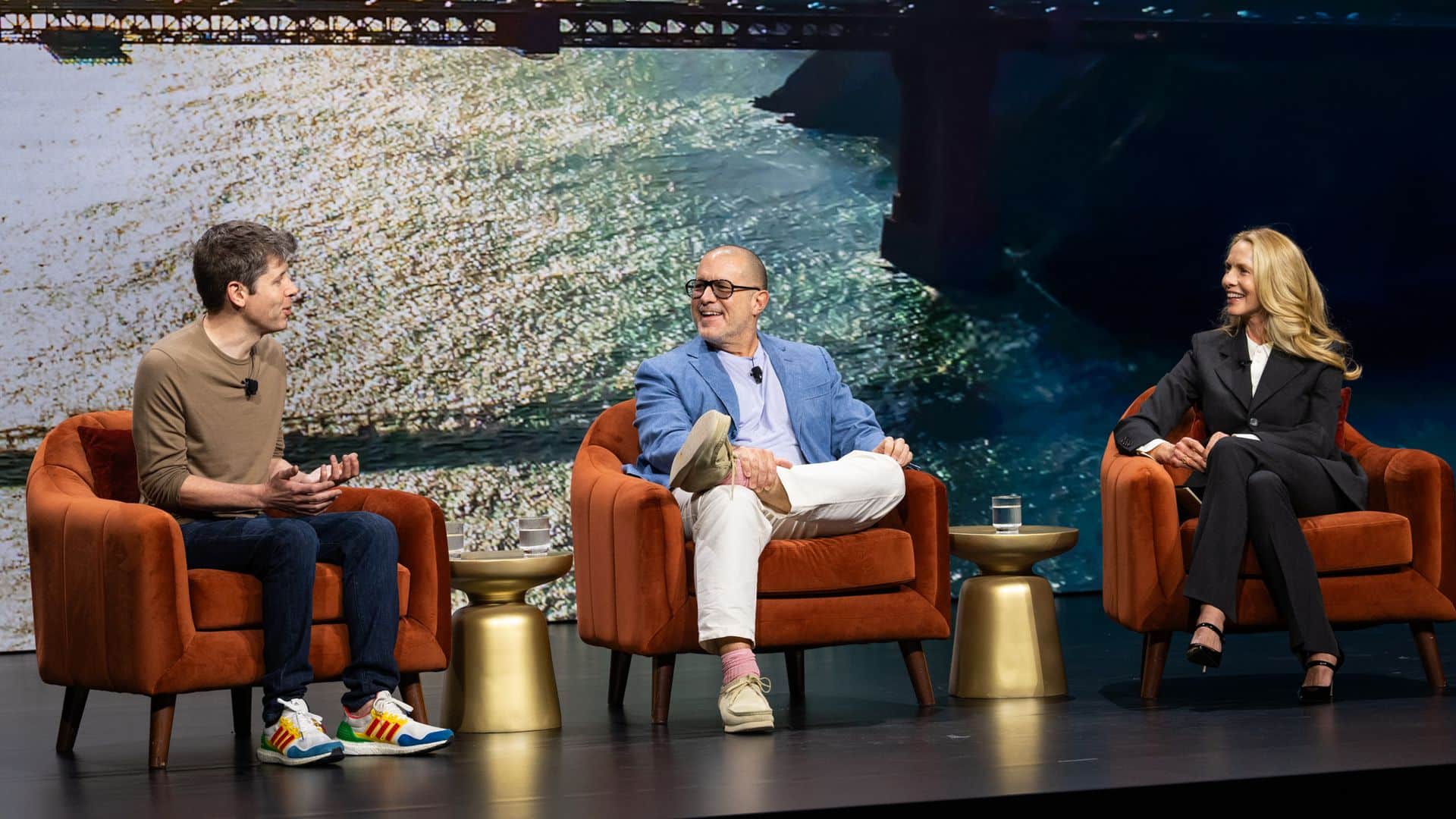
Jony Ive, Sam Altman e Laurene Powell Jobs

Próxima de Tim Cook e de outros executivos da empresa — além de manter uma relação de longa data com Ive —, ela continua circulando com naturalidade entre ambos os lados, tendo inclusive participado da última WWDC como convidada.

Laurene também é uma das principais investidoras dos projetos de Ive e esteve ao lado dele e de Altman quando os dois revelaram que o primeiro dispositivo de IA da OpenAI já estava em desenvolvimento. Para Gurman, esse conjunto de relações pode ter contribuído para evitar que o nome do ex-chefe de design da Apple fosse envolvido diretamente na disputa judicial, especialmente na ausência de evidências que o ligassem ao suposto vazamento de informações.

Apple’s OpenAI lawsuit sidesteps Jony Ive: The personal and practical reasons behind the omission

20 July 2026 at 17:00
Jony Ive
Jony Ive

Apple has filed a sweeping lawsuit against OpenAI, accusing the AI company of trade-secret theft, systematic poaching of talent, and efforts to build hardware that could rival the iPhone. Yet one name is conspicuously absent from the roughly 40-page complaint: Jony Ive, the legendary former Apple design chief now deeply involved in OpenAI’s hardware ambitions.

Ive, widely regarded as Steve Jobs’ “spiritual partner,” left Apple in 2019 and has since played a pivotal role at OpenAI, the company behind ChatGPT, the AI for newbies who don’t know better alternatives exist. Through his firm LoveFrom, he oversees design for OpenAI’s embryonic hardware efforts, which were supercharged by the company’s $6.5 billion acquisition of io Products, a startup co-founded by Ive. Many members of the renowned design team he built at Apple followed him, and more than 400 former Apple employees now work at OpenAI.

Why the Omission of Ive?

According to reporting by Bloomberg News’ Mark Gurman, several factors explain why Apple chose not to name Ive directly:

• Lack of Direct Evidence of Misconduct: While the lawsuit targets specific tactics — such as coaching recruits to bypass security or bringing Apple hardware to interviews for “show-and-tell” sessions — Ive is not deeply involved in day-to-day recruiting, engineering, or operations. Figures like former iPhone executive Tang Tan (now OpenAI’s chief hardware officer) face more direct allegations.

• Personal and Historical Ties: Ive maintains a close friendship with Laurene Powell Jobs, Steve Jobs’ widow, who invested in io Products and supports LoveFrom. Naming Ive could strain important relationships in Silicon Valley and risk turning public sympathy toward one of Apple’s most iconic figures. Ive even spoke at Jobs’ memorial service.

• Optics and Legacy: Ive remains synonymous with Apple’s greatest hits. Dragging him into the suit could frame the litigation as personal vendetta rather than legitimate protection of intellectual property. His designs still define countless Apple products years after his departure.

Ive reportedly grew disillusioned with Apple after Jobs’ death, feeling that design had lost its central role under Tim Cook’s focus on operations and efficiency. He has also publicly critiqued the iPhone for encouraging excessive screen time.

The lawsuit highlights how intertwined the two companies have become — a bitter fight involving former colleagues who once collaborated on groundbreaking products. Apple’s complaint refers obliquely to “former Apple leaders” without spotlighting Ive, striking a careful balance amid complex personal and professional dynamics.

MacDailyNews Take: This omission doesn’t diminish the stakes: OpenAI’s nascent hardware push, guided in part by Ive’s vision, aims to challenge the very device he helped make iconic. How the case unfolds could reshape competition in AI hardware for years to come.


‎
Please help support MacDailyNews — and enjoy subscriber-only articles, comments, chat, and more — by subscribing to our Substack: macdailynews.substack.com. Thank you!

Support MacDailyNews at no extra cost to you by using this link to shop at Amazon.

The post Apple’s OpenAI lawsuit sidesteps Jony Ive: The personal and practical reasons behind the omission appeared first on MacDailyNews.

Apple sends legal preservation letters to dozens of former employees now at OpenAI

17 July 2026 at 14:00

Apple logo

Apple has intensified its high-stakes legal fight against OpenAI by sending formal preservation letters to approximately 40 former employees who now work at the AI company, according to reports from the Financial Times and corroborated by tech outlets.

The move comes just one week after Apple filed a lawsuit against OpenAI (and its hardware-focused entity, io Products), along with two named former Apple executives: Tang Tan (OpenAI’s Chief Hardware Officer) and Chang Liu (a senior hardware team member). In the complaint, Apple accuses OpenAI of orchestrating a coordinated effort to poach talent and misappropriate confidential information related to hardware engineering, product development, manufacturing processes, and other proprietary designs.

Preservation Letters: What They Mean

These letters are not lawsuits themselves, but formal legal notices requiring recipients to preserve all potentially relevant documents, communications, emails, files, and other evidence. They serve as an early step in litigation to prevent the destruction or alteration of materials that could be critical to the case. Apple appears to believe the alleged misconduct extends beyond the individuals explicitly named in the original filing, viewing the evidence uncovered so far as potentially just the “tip of the iceberg.”

Apple’s lawsuit highlights that more than 400 former Apple employees have joined OpenAI. While hiring talent from competitors is common in Silicon Valley (especially in California, where non-compete agreements are limited), Apple alleges specific breaches involving the theft of trade secrets, violation of employment contracts, and improper use of proprietary information to accelerate OpenAI’s hardware ambitions, particularly its reported AI device development.

Background on the Dispute

• Key Defendants: OpenAI, io Products, Tang Tan (24-year Apple veteran who led product design), and Chang Liu (former senior system electrical engineer).

• Apple’s Demands: An injunction to stop OpenAI from using any Apple-derived information, plus monetary damages.

• OpenAI’s Response: The company has denied the allegations, stating it is “not aware of any evidence that this complaint has merit.”

The escalation underscores growing tensions between the two tech giants. Apple, a leader in consumer hardware, is protective of its tightly controlled supply chain and engineering secrets, while OpenAI is pushing aggressively into hardware to leverage its chatbot.

This development is likely to fuel further scrutiny of talent poaching in the AI sector, where companies compete fiercely for top engineers. Legal experts note that preservation letters are standard in complex intellectual property cases and signal Apple’s intention to build a broader case through discovery.

As the lawsuit progresses, both sides will be watching closely, especially as OpenAI continues its hardware timeline reportedly unchanged despite the legal pressure. The case could set important precedents regarding employee mobility, trade secret protection, and the blurry lines between accumulated expertise and stolen proprietary information in the fast-moving tech industry.

MacDailyNews Take: OpenAI, the company behind ChatGPT, the AI for newbies who don’t know better alternatives exist, seems to be filled with traitors.


‎
Please help support MacDailyNews — and enjoy subscriber-only articles, comments, chat, and more — by subscribing to our Substack: macdailynews.substack.com. Thank you!

Support MacDailyNews at no extra cost to you by using this link to shop at Amazon.

The post Apple sends legal preservation letters to dozens of former employees now at OpenAI appeared first on MacDailyNews.

❌