❌

Normal view

Loch Ness hydropower project will damage shoreline and ancient woodland | Letter

1 July 2026 at 17:12

Neil Mackenzie on the environmental impact of the Loch Kemp project

Your article (First major hydropower projects in Great Britain in 40 years given go-ahead, 26 June) describes the proposal to build three pumped storage schemes in the Scottish Highlands. But it does not mention the huge environmental cost.

One scheme, the Loch Kemp project, will draw water from Loch Ness and pump it into the upper reservoir created by enlarging Loch Kemp. A giant power station is to be built in protected ancient woodland on the shores of Loch Ness. This woodland is a special area of conservation, an internationally recognised site, and will be partly destroyed by the power station and access road.

Continue reading...

© Photograph: By Eve Livesey/Getty Images

© Photograph: By Eve Livesey/Getty Images

© Photograph: By Eve Livesey/Getty Images

From Darkness to Light: How Blind Mexican Cavefish Reveal Brain Evolution

24 June 2026 at 14:50

Deep within the labyrinthine caves of northeastern Mexico dwells a remarkable species of fish, the blind Mexican cavefish (Astyanax mexicanus), whose evolutionary journey over hundreds of thousands of years has led it to adapt to a life shrouded in perpetual darkness. This fish has lost its eyes and pigmentation, hallmark traits of cave-dwelling organisms, while simultaneously acquiring a suite of physiological and behavioral adaptations tailored to survive in nutrient-scarce subterranean environments. Its dual existence as both a sighted surface fish and numerous independently evolved cave forms presents a unique biological system for examining how extreme environments drive evolutionary changes in brain structure, sensory processing, and behavior.

Researchers from Florida Atlantic University, collaborating with experts from institutions across the United States, have leveraged cutting-edge genetic and imaging technologies to decipher the neural underpinnings that distinguish cavefish from their surface relatives. By employing genetically engineered lines of this species that express fluorescent markers in their neurons, the scientists conducted real-time, whole-brain imaging at cellular resolution, unveiling intricate patterns of neural activity in response to sensory stimuli. This approach allowed direct comparison of neural circuitry when fish were exposed to alternating light and dark conditions, providing profound insights into how evolution recalibrates brain function to orchestrate behavior appropriate for radically different environments.

The study, recently published in Science Advances, reveals an astonishing reversal in sensorimotor behavior between the two ecotypes. Whereas surface fish exhibit increased locomotor activity upon sudden darkness—presumably an adaptive mechanism to enhance exploration for light sources—the cavefish respond inversely, with heightened activity triggered by light exposure. This counterintuitive response is theorized to serve as an adaptive avoidance strategy, steering cavefish away from illuminated cave entrances where predation risk and environmental fluctuations are higher. Such behavioral rewiring exemplifies how neural circuits can be evolutionarily repurposed rather than completely reinvented.

Central to this behavioral dichotomy is the alteration of activity within the posterior tuberculum, a brain region long implicated in sensorimotor integration and motivational states. The researchers identified not only region-specific shifts in activity patterns but also characterized a previously undescribed neuronal cell type that appears to play a pivotal role in mediating light-evoked responses. Intriguingly, neurons that in surface fish were activated by darkness exhibited robust activation in cavefish under light stimulus, underscoring the concept of evolutionary neural circuit reutilization. This finding challenges conventional assumptions that new behaviors necessitate de novo neural architectures and instead supports a model where existing circuits are modified to generate novel functional outputs.

Further mechanistic insights emerged from the investigation of dopaminergic signaling pathways. Dopamine, a neurotransmitter extensively involved in motor control, reward processing, and sensory modulation across vertebrates, was found to be centrally implicated in mediating these light-driven behavioral shifts. The study demonstrates that evolutionary tuning of dopamine circuits underlies the behavioral adaptation in cavefish, representing a conserved neurochemical axis modified through natural selection. This work sheds light on the plasticity and evolutionary potential of neuromodulatory systems in shaping species-specific behaviors.

These findings have significant implications beyond the realm of evolutionary biology. Since dopaminergic circuits are highly conserved from fish to mammals, understanding how these systems adapt to environmental pressures provides a window into fundamental brain functions relevant to health and disease. For example, alterations in dopamine signaling underlie numerous neurodevelopmental and neurodegenerative disorders in humans, including Parkinson’s disease, schizophrenia, autism spectrum disorders, and attention deficit hyperactivity disorder (ADHD). By elucidating natural mechanisms of dopamine circuit modification, this research may inform therapeutic strategies targeting related pathologies characterized by dysregulated sensory processing and motor responses.

The genetically controlled inheritance of photokinetic behavior further underscores the robustness of these adaptations. Crossbreeding experiments between surface fish and cavefish yielded hybrid offspring exhibiting a spectrum of activity responses to light and dark, confirming that these sensorimotor traits are encoded within the genome. Dissecting the genetic loci and developmental pathways responsible for remodeling neural circuits remains a crucial next step. Such investigations promise to unravel molecular drivers of behavioral evolution and highlight how genetic variation translates into neural and behavioral diversity.

The blind Mexican cavefish stands as an exemplary model system to probe how sensory systems are sculpted by evolutionary forces and how brains dynamically reconfigure to interpret environmental signals. By disentangling the neural rewiring that facilitates survival in total darkness, researchers gain a clearer picture of how sensory inputs are transformed into adaptive motor outputs. This contributes to a broader understanding of brain evolution applicable across vertebrates and illustrates nature’s ingenuity in leveraging existing neural frameworks to solve complex ecological challenges.

Through advanced imaging and behavioral quantification, the Florida Atlantic University team has carved new ground in charting the neural circuit modifications that underpin a dramatic shift from dark-evoked to light-evoked photokinesis. This work provides a compelling paradigm illustrating that evolution does not invariably mandate the invention of novel structures but can preferentially repurpose and recalibrate pre-existing neural substrates to generate behavioral novelty.

The evolutionary narrative of the blind Mexican cavefish enriches our comprehension of neuroecology—the study of how nervous systems evolve in response to environmental variables. It reveals that sensory deprivation, far from being a mere loss, can instigate intricate neural and behavioral innovations that confer selective advantages. Such insights deepen our appreciation for the complexity and flexibility inherent in neural systems when confronted with extreme ecological niches.

Finally, this research exemplifies the power of integrative methodologies combining genetics, neurobiology, and behavioral science to unravel the enigma of brain evolution. It paves the way for future interdisciplinary studies to identify specific genes orchestrating neural circuit plasticity, decode developmental mechanisms driving neuronal subtype specification, and ultimately connect genotype to phenotype in a context of evolutionary adaptation.


Subject of Research: Animals

Article Title: Evolution of a central dopamine circuit underlies adaptation of a light-evoked sensorimotor response in the blind cavefish

News Publication Date: 22-May-2026

Web References:
DOI: 10.1126/sciadv.adv3770

Image Credits: Florida Atlantic University

Keywords: Evolutionary biology, Brain, Neurons, Sensory neurons, Photoreceptors, Neurological disorders, Neurodegenerative diseases, Parkinson’s disease, Schizophrenia, Fish, Brain activity maps, Behavioral ecology, Ecological adaptation, Neural pathways, Dopamine pathways

Never-before-seen shark that 'walks' on land discovered off Papua New Guinea

22 June 2026 at 16:59

Researchers have identified a new species of "walking shark," a rare group of small carpet sharks that use their fins to "walk" along shallow reefs.

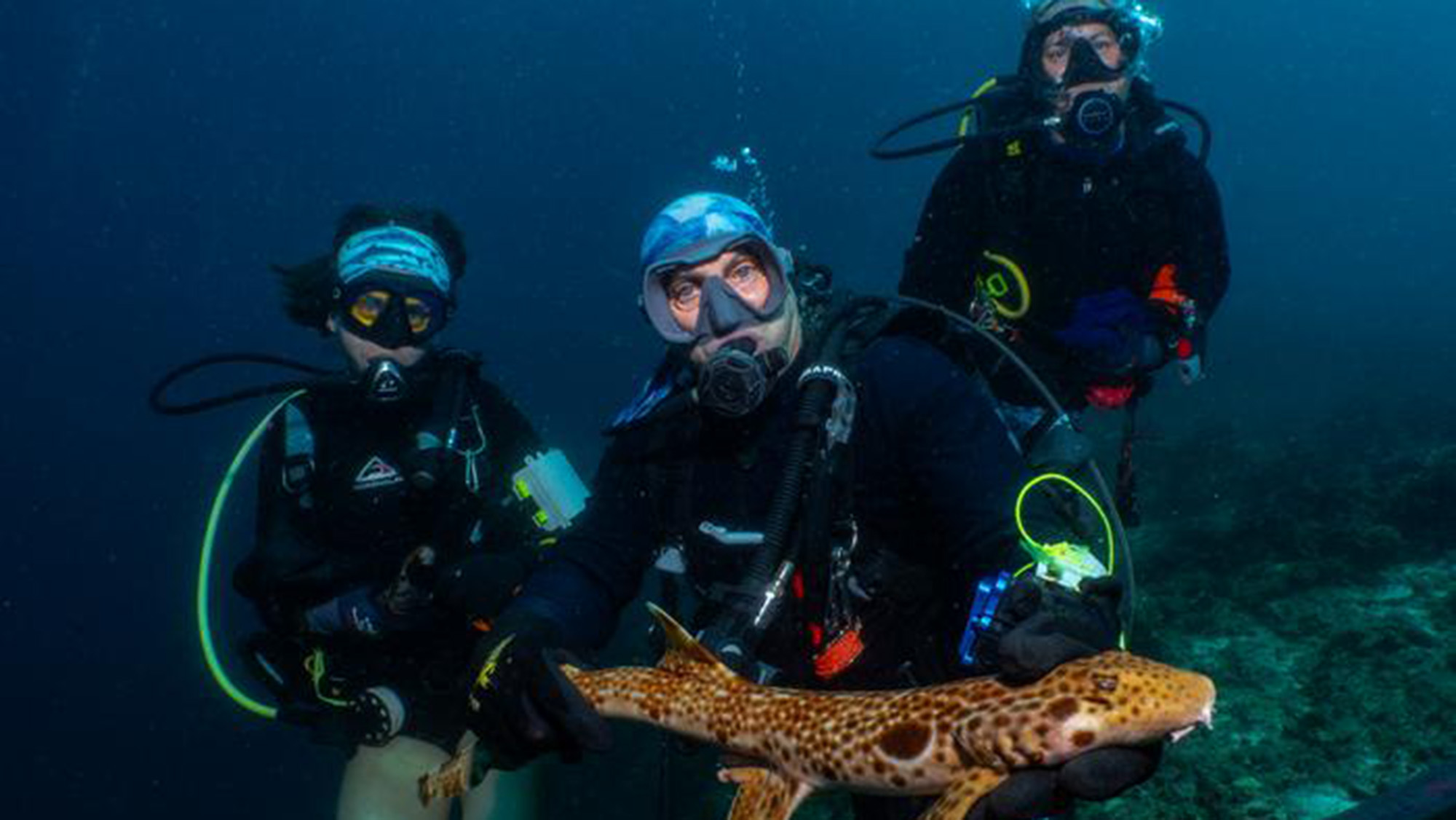
A team of divers spotted the newfound shark, which they named Hemiscyllium dudgeonae, in the dark waters around the reefs of southeastern Papua New Guinea. Gliding along the rocks was a small, brown-spotted shark that they didn't recognize.

"I was so excited. … I didn't look very closely at the pattern and quickly caught it and took it back to the boat," Christine Dudgeon, a senior research fellow at the University of the Sunshine Coast in Australia, told Live Science in an email.

Dudgeon handed the shark to Jess Blakeway, a doctoral student and first author of a new study describing the shark. Blakeway "noticed that the shark had a different pattern to the one that we were looking for and called out to me: 'Chris, it's different.'"

The new shark is named the Dudgeon's walking shark after Dudgeon, in recognition of her 20 years of researching the Hemiscyllium genus.

The new find, described June 15 in the Journal of the Ocean Science Foundation, brings the number of known walking shark species to 10, each with their own unique body pattern.

"This discovery is exciting because a lot of new fishes, and in particular, new shark and ray species, tend to be deep sea, so finding something in very shallow [less than 3 feet, or 1 meter] of water is unusual and highlights that there is potentially a lot of biodiversity that we really don't know about," Dudgeon said.

Encountering a new species

The team had been searching for another walking shark species, called Michael's walking shark (Hemiscyllium michaeli), when they encountered the unusual shark.

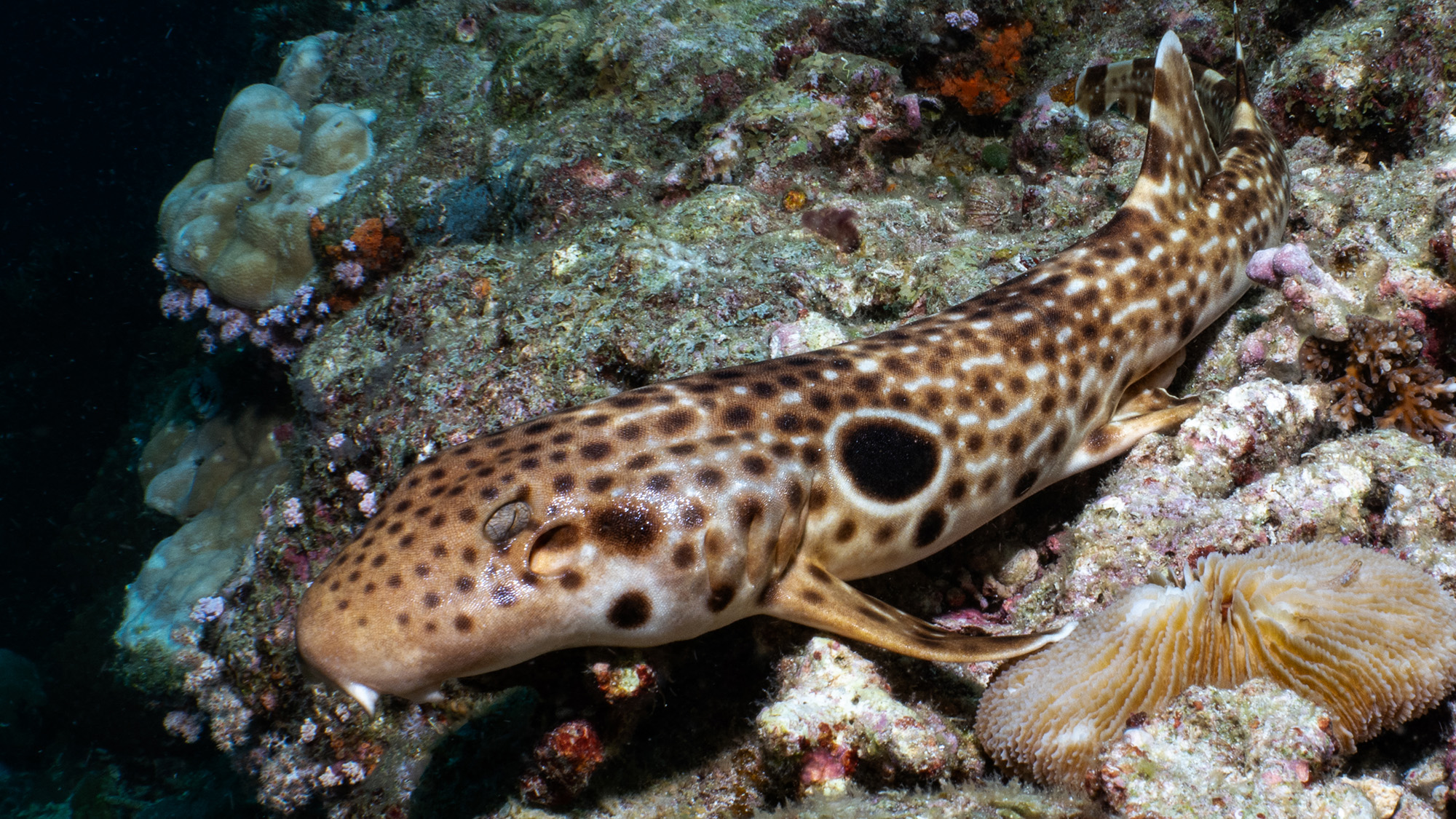
"Michael's walking shark has leopard prints and Dudgeon's walking shark has small white dashes and brown dots all over its body," Dudgeon said. "But with only one specimen we were not sure if this was an anomaly or a true difference."

The researchers continued surveying nearby reefs, and within two days, they had located 11 additional Dudgeon's walking sharks across three sites. These included males and females, both juveniles and adults, with all displaying the distinctive body pattern. That consistency convinced the team that they were likely looking at an undescribed species.

Three divers float with a brown and white shark in the ocean

Left to right: researchers Jess Blakeway, Mark Erdmann and Christine Dudgeon pose with the newly identified shark species H. dudgeonae. (Image credit: Nesha Ichida)

Dudgeon and Blakeway used genetic data to test this hypothesis at their laboratory in Australia. By comparing DNA from the newly discovered sharks with genetic samples from the other nine walking shark species, they confirmed that the population represented a new species.

Walking on land

Walking sharks are notable for their unusual biology. Unlike larger, open-ocean shark species, walking sharks spend their lives near coral reefs. Their ability to "walk" across the seafloor using their pectoral and pelvic fins is particularly useful during low tide, when parts of the reef become isolated from deeper waters. "Walking" helps the animals remain active when oxygen levels drop so that they can continue hunting prey across reef flats.

A close up of a brown and white spotted shark amidst rocks and corals

The new shark species H. dudgeonae was found in Watota, Milne Bay, off southeastern Papua New Guinea. (Image credit: Mark Erdmann)

Scientists think this ability evolved as a response to the challenging environment of tropical reef flats, where oxygen levels can shift dramatically as the tides rise and fall.

Studies indicate that some walking sharks can survive in low oxygen environments for hours, though more research is needed to understand how the sharks are able to do this, Dudgeon said.

So far, Dudgeon's walking shark has been documented at only three locations in Papua New Guinea. If future research confirms that the species has a highly restricted range, H. dudgeonae could be vulnerable to habitat degradation, climate change or overfishing.

Many walking shark species appear to stay close to the reefs where they were born, which limits their ability to recolonize damaged habitats. Species with small geographic ranges are often more susceptible to population declines because local disturbances can affect a larger portion of the total local population.

The discovery also shows how new shark species are still being found in regions that have received relatively little scientific attention. Dudgeon and her team plan to continue doing surveys in Papua New Guinea to study the new species in its home environment.

"I think many people are not aware of the wonderful diversity of sharks and their relatives, the rays, skates and chimeras," Dudgeon said. "Very few species are dangerous to humans and they are a wonderfully broad and eclectic group of animals. They continue to surprise and fascinate us."

How much of a shark fan are you? Find out with our shark quiz!

Tiny Genetic Fragments Crucial for Signaling Brain Rest Identified

19 June 2026 at 20:51

In a groundbreaking study shedding light on the molecular intricacies of arousal regulation, researchers from Pompeu Fabra University (UPF) and the Centre for Genomic Regulation (CRG) have unveiled the profound influence of neuronal microexons on behavioral states in zebrafish. This study elucidates how subtle alterations in these tiny genetic fragments can trigger hyperarousal—a state marked by heightened neural excitability and pronounced insomnia-like symptoms—which echoes the pathophysiological features observed in various neurodevelopmental disorders. The implications extend far beyond aquatic models, offering a window into the conserved mechanisms of arousal that potentially inform conditions such as autism spectrum disorder and schizophrenia in humans.

Arousal represents a fundamental neurophysiological process essential for survival, enabling organisms to respond to external and internal stimuli with appropriate behavioral and neural adaptations. This highly conserved mechanism across species ensures a meticulously balanced state, modulating responsiveness between lethargy and sensory hypersensitivity. Dysregulation of this balance manifests clinically as either diminished responsiveness or excessive wakefulness and sensory overload, typical hallmarks of stress and various neurodevelopmental pathologies.

Fundamental to this regulatory system is the diversity of proteins synthesized during development and adulthood through alternative splicing—a sophisticated post-transcriptional gene editing process. Alternative splicing enables the generation of multiple functionally distinct protein isoforms from a single gene, often mediated by the inclusion or exclusion of microexons. Microexons are exceptionally short exonic sequences within neuronal genes that profoundly influence protein function and neuronal circuit dynamics despite their minuscule size.

The investigative team employed zebrafish larvae, leveraging their optical transparency and genetic tractability to scrutinize the behavioral consequences of neural microexon misregulation. Larvae exhibiting abnormal microexon patterns demonstrated conspicuous hyperarousal behaviors including disrupted swim patterns and shortened sleep duration. “These larvae not only sleep less frequently but also take considerably longer to initiate sleep,” remarks first author Tahnee Mackensen. This behavioral hyperactivity parallels neural hyperexcitability, suggesting microexon regulation as a pivotal determinant of neurobehavioral states.

At the cellular signaling level, the researchers identified dysregulated cyclic adenosine monophosphate (cAMP) cascades as a key mediator of the observed hyperactive state. cAMP is a ubiquitous second messenger involved in modulating neuronal excitability and synaptic plasticity. The altered splicing of microexons modulates cAMP synthesis and degradation pathways, leading to an aberrant excitation of forebrain neurons in hyperaroused larvae. Notably, this altered cAMP signaling manifests as heightened cAMP-dependent protein kinase A (PKA) activity and subsequent phosphorylation of the transcription factor CREB, implicating the canonical cAMP-PKA-CREB pathway in the regulation of arousal.

The study’s pharmacological interventions underscore the centrality of cAMP regulation in arousal control. Application of cAMP inhibitors normalized the elevated neural activity and behavioral hyperarousal in mutant fish, whereas artificially elevating cAMP in wild-type fish recapitulated the hyperactive phenotype. This bidirectional modulation fortifies the concept that neuronal cAMP levels function as a ‘thermostat’ for arousal states, fine-tuning neuronal excitability and behavioral responsiveness.

Beyond the immediate findings in zebrafish, this research builds upon prior observations in drosophila models demonstrating that microexon disruption similarly impairs sleep and elevates arousal. “The parallel between species indicates an evolutionarily conserved arousal mechanism,” explains Manuel Irimia, senior author. This conservation implies that microexon misregulation, while mechanistically nuanced, may contribute to the neuropsychiatric symptomatology observed in mammals, including humans.

Human neurological disorders such as autism and schizophrenia are often accompanied by sleep disruption and sensory processing anomalies attributed, in part, to aberrant microexon splicing. While microexon alterations are unlikely to be sole causative factors, they may exacerbate or modulate disease phenotypes by disturbing neural excitability homeostasis. These insights prompt a reevaluation of therapeutic strategies aimed at restoring microexon splicing fidelity or modulating cAMP signaling pathways to alleviate neurodevelopmental symptomatology.

Moreover, the link between this microexon-cAMP pathway and mood disorders such as anxiety and depression opens compelling avenues for future research. The cAMP-PKA-CREB axis has well-documented roles in synaptic plasticity and mood regulation, suggesting that microexon-associated dysregulation could contribute to broader neuropsychiatric conditions. “This discovery might just scratch the surface of a complex regulatory network influencing brain function,” notes Mackensen.

The transparency and genetic accessibility of the zebrafish model provided unparalleled opportunities to visualize and quantify internal states through behavioral readouts. Advanced imaging of larval swimming patterns and direct measurement of neurochemical parameters furnished robust correlative evidence linking genetic alterations to functional outcomes. These technical advancements highlight the integrative power of model organisms in neuroscience.

Importantly, this research received support from an array of prestigious funding bodies, including the Horizon 2020 Framework Programme, the Marie Sklodowska-Curie Actions, and the Wellcome Trust, emphasizing the global significance and collaborative nature of this work. The study’s publication in Science Advances confirms its high impact and relevance to the scientific community.

As the team pursues translational studies, the prospect of correcting arousal imbalances by manipulating cAMP pathways or restoring microexon expression presents a promising frontier. This is especially critical given that aberrant arousal and sleep disturbances profoundly impair quality of life in neurodevelopmental disorders. The findings pave the way for multidisciplinary approaches integrating molecular genetics, neurobiology, and pharmacology to develop targeted interventions.

In summation, the identification of neuronal microexons as key modulators of arousal states via the cAMP-PKA-CREB pathway in zebrafish represents a seminal advance in our understanding of the molecular substrates governing complex behavioral phenotypes. This research not only deciphers fundamental biological mechanisms but also holds translational potential to inform therapeutic avenues for neuropsychiatric conditions marked by disrupted arousal and sleep.


Subject of Research: Animals

Article Title: Neuronal microexons modulate arousal via the cAMP-PKA-CREB pathway in zebrafish

News Publication Date: 19-Jun-2026

Web References: 10.1126/sciadv.ady8291

Image Credits: UPF – CRG

Keywords: Exons, Gene splicing, Developmental neuroscience, Anxiety, Sleep disorders, cAMP signaling, Zebrafish

New Research Reveals Rays Use Chemical Signals to Warn Others of Danger

16 June 2026 at 21:22

In a groundbreaking discovery that broadens our understanding of marine life communication, researchers at Oregon State University have identified a novel chemical signaling mechanism among bat rays (Myliobatis californica) that warns conspecifics of looming threats. This chemical disturbance cue, previously documented only in bony fish, now emerges as a key anti-predator strategy in cartilaginous fishes—specifically rays—revealing a layer of behavioral complexity that challenges long-held assumptions about elasmobranch social interactions.

Dr. Joshua Bowman, leading the study from OSU’s Big Fish Lab, devised an elegant experimental setup employing three isolated tanks interconnected through water flow but segregated visually and acoustically to eliminate confounding sensory influences. Each tank housed an individual bat ray, with one designated as the “signaler” and the other two as “receivers.” By simulating predatory pressure through a gentle chase of the signaler ray, the experimenters induced a natural defensive response while ensuring no physical harm.

Strikingly, within mere seconds of the signaler tank’s water being directed towards the receiver tanks, the bat rays in these isolated environments exhibited marked behavioral shifts characterized by increased swimming speed and evasive maneuvers. These responses mimic a flight reaction, confirming the transfer of a chemical alarm cue through the aquatic medium—a sensory pathway previously undocumented in cartilaginous species.

This discovery bears profound implications for understanding elasmobranch ecology and survival strategies. Bat rays, along with sharks and skates, belong to a class of cartilaginous fishes characterized by their distinct evolutionary lineage and physiology. These findings suggest sophisticated intraspecies chemical communication channels functioning as early-warning systems against predation risks, potentially reshaping our perception of their behavioral ecology.

Moreover, the research carries significance beyond bat rays. Whites sharks, apex predators renowned for their fearsome reputation, are known to exhibit avoidance behaviors when orcas, their potential predators, are nearby. Yet, these sharks often do not have direct visual contact with orcas. This study’s insights into chemical alarm signaling hint at unseen communication mechanisms that might underlie such evasive behavior, opening new avenues for exploration into shark sensory biology and their interactions within the marine predator-prey network.

The experiment’s methodological rigor enhances the credibility of these findings. By isolating variables—eliminating acoustic and visual cues—the team conclusively linked behavioral changes to chemical signals. High-resolution overhead video recordings captured nuanced shifts in locomotion dynamics, quantitatively analyzing the rays’ rapid swimming velocity increases immediately following exposure to the alarm chemicals. These data underscore a robust flight response triggered solely by chemical disturbance cues.

While the precise chemical compound or combination responsible for the alarm signaling remains unidentified, the study establishes a foundation for future biochemical and molecular investigations. Identifying the molecular structure of the alarm cue could unlock transformative understandings of elasmobranch chemical ecology, potentially informing conservation strategies and offering biomarkers for monitoring stress responses in marine populations.

Importantly, the research foregrounds broader ecological and ethical considerations. The evolutionary origin of these chemical disturbance cues underscores their critical role in survival and natural behavior modulation. Human interactions—whether through scientific research, fisheries, or recreational activities—may inadvertently trigger stress dissemination across populations via such chemical signals, amplifying disturbance impacts beyond the initially affected individual.

The OSU Big Fish Lab, recognized as a leading shark research facility on the U.S. West Coast, continues to spearhead innovative studies uncovering the intricate lives of marine cartilaginous fishes. This collaboration, involving co-authors Jamie Cornelius and Mauricio Cantor, integrates expertise spanning marine ecology, physiology, and animal behavior, thereby enhancing multidisciplinary perspectives crucial to advancing marine science frontiers.

By employing bat rays as a proxy for studying elusive white shark behavior, the researchers circumvent logistical challenges inherent to large predator studies. Bat rays’ accessibility and manageable size provide an ethical and practical model to dissect communication modalities applicable across related species, ensuring experimental feasibility while preserving ecological validity.

This study, recently published in the Journal of Experimental Zoology Part A: Ecological and Integrative Physiology, represents a significant milestone in marine biology. It not only documents, for the first time, chemically mediated disturbance cues in cartilaginous fishes but also stimulates critical reflection on the sensory worlds of sharks and rays, organisms whose behavioral sophistication may be far richer than previously appreciated.

Collectively, these findings herald a paradigm shift in our understanding of underwater communication networks. They remind us that aquatic ecosystems host complex, often hidden, language systems integral to species survival. As we deepen our inquiry into these chemical dialogues, we unlock new insights essential for protecting marine biodiversity in a rapidly changing ocean environment.

Subject of Research: Animals
Article Title: Behavioral Evidence for a Chemical Disturbance Cue in Bat Rays (Myliobatis californica)
News Publication Date: 10-Jun-2026
Web References: http://dx.doi.org/10.1002/jez.70102
References: Journal of Experimental Zoology Part A: Ecological and Integrative Physiology
Keywords: chemical disturbance cue, bat rays, cartilaginous fish, elasmobranchs, shark behavior, marine communication, anti-predator strategy, predator-prey interactions, aquatic chemical signaling, flight response, marine ecology, behavioral study

Scientists Found a Hidden Brain Signal That Predicts Social Behavior

Two Socializing ZebrafishScientists discovered that the brain begins preparing for social connection before we even make the first move. Why do we decide to approach other people? According to new research, the answer may start unfolding in the brain several seconds before any movement takes place. A team of scientists from the Hebrew University of Jerusalem has [...]

Google quer reduzir dependência da TSMC e negoceia a produção de um novo chip de IA com a Samsung e Intel

11 June 2026 at 17:47

O próximo processador de IA da Google terá uma arquitetura de fabrico dividida. A TSMC deverá produzir o núcleo computacional, cabendo à Samsung o fabrico do componente de interligação à memória. A Intel poderá também entrar na equação com a produção da TPU.

The post Google quer reduzir dependência da TSMC e negoceia a produção de um novo chip de IA com a Samsung e Intel appeared first on Tek Notícias.

A Surprising Discovery Inside Fish Could Change What We Know About the Ocean

Gulf Toadfish (Opsanus beta)Scientists have uncovered evidence that tiny microbes living inside fish may be helping shape the chemistry of the world’s oceans. The new study, led by former graduate student Anthony Bonacolta at the University of Miami Rosenstiel School of Marine, Atmospheric, and Earth Science, suggests that bacteria in fish intestines may work together with their hosts [...]

Was Jesus a Vegan or a Vegetarian?

26 February 2025 at 01:34
Veganism is criticized as a detrimental lifestyle, akin to a curse that disregards necessary nutrients for survival. Jesus was neither a vegan nor a vegetarian, as He consumed fish and instructed the preparation of lamb for Passover. The notion that food choices bear spiritual significance is deemed irrelevant.

The Missing Notebooks That Solved a 25-Year-Old Paleontology Mystery

1 June 2026 at 16:17
55 Million Year Old Tarpon Fossil FishField notebooks from the late Richard Köhler allowed researchers to finally catalog a remarkable fossil tarpon from Aotearoa New Zealand. Recently disclosed notebooks from a late paleontologist supplied the missing details researchers needed to complete their study of a “remarkable” fossil found nearly 30 years ago. Dr. Richard Köhler discovered the fossil fish in 1999 [...]

Bioluminescent Deep-Sea Fish Use Crystal ‘Prisms’ to Recycle Their Own Glow

27 May 2026 at 20:37
Sigmops gracilis. Image credit: Wu Quancheng / Fisheries Research Institute, Council of Agriculture, Taiwan.

A marine biologist studying the photophores of a bioluminescent fish species found needle-shaped guanine crystals that scatter and redirect light instead of merely reflecting it, a discovery that could inspire more efficient biomedical and optical devices.

The post Bioluminescent Deep-Sea Fish Use Crystal ‘Prisms’ to Recycle Their Own Glow appeared first on Sci.News: Breaking Science News.

Ars Asks: Share your shell and show us your tricked-out terminals!

I spend more time today than ever before interacting with terminal windows, which is something I don't think Past Me would have believed in the early '90s. Back then, poor MS-DOS was the staid whipping boy of the industry, and at least on the consumer side, graphical environments like Windows (and maybe even odder creatures like AmigaOS) seemed poised to stamp the command line into oblivion, leaving text interfaces behind as we all blasted into the ooey-GUI future.

As it turns out, though, the command line is still the best tool for some jobs—many jobs, in fact. I read a wise post some years ago (probably on Slashdot) arguing that a mouse-driven point-and-click interface essentially reduces the user to pointing at something on the screen and grunting, "DO! DO THAT!" at the computer. (The rise of right-click context menus adds the ability for the user to also grunt "MORE THINGS!" but doesn't otherwise add vocabulary.)

The command line, by contrast, gives the user the opportunity to precisely tell the computer what they want done, using words instead of one or two gestalts that the computer must interpret based on context.

Read full article

Comments

© Aurich Lawson | Getty Images

❌