Want to speed up your recovery after an injury or a workout? Some influencers are fans of shots of BPC-157 and TB-500 for that. Want scar-free, youthful skin and thick hair? Reddit posts rave about GHK-Cu and KPV. Want to build beautiful, bulky biceps? Some fitness influencers swear shots of ipamorelin will do wonders. This is the world of peptides — an assortment of chemicals that promise to boost your body and health — and people are self-injecting them in a growing wellness trend.
Promoted by bodybuilders and influencers, supporters of the "Make America Healthy Again" movement and Silicon Valley early adopters, peptides promise results that leave people better than well, fitter than fit. Yet despite getting glowing reviews on social media, most peptides have limited clinical evidence to support health benefits, whether it's helping to heal a rotator cuff injury, improving libido or building muscles. There's not much information out there on the drugs' effectiveness and even less on their safety.
In 2023 the Food and Drug Administration banned several peptides, including BPC-157, GHK-Cu, KPV and ipamorelin, from being produced in the U.S. by compounding pharmacies — facilities that legally make non-FDA-approved medications for individual use — because of "significant safety risks." Many peptides are imported from outside of the country, and many made here are marketed for research use only. People who desperately want the promise contained in the tiny vials seek them out on online on legally dubious gray markets.
But accessing the shots might soon get easier. On the podcast The Joe Rogan Experience on February 27, Robert F. Kennedy, Jr., secretary of the Department of Health and Human Services, proposed legalizing the compounding of 14 peptides — and the FDA seems poised to grant his wish. Earlier this week the agency released plans to hold a meeting with independent advisers in July to review whether some U.S. pharmacies should be allowed to manufacture certain peptides, including BPC-157, TB-500 and KPV.
If the lift on peptides happens, a flood of people could start using the drugs, regardless of any safety concerns.
A Peptide by Many Names
A peptide is a chain of two or more amino acids — building blocks of proteins. The body's cells can produce numerous peptides, which perform various tasks or serve as signaling molecules.
Insulin is a peptide. So is human growth hormone — and semaglutide, the active ingredient in glucagonlike peptide 1 (GLP-1) receptor agonist drugs such as Ozempic and Wegovy. (GLP-1s are FDA-approved for managing type 2 diabetes and for weight loss). Buzzy new injections such as BPC-157 and GHK-Cu — touted for tissue repair — are derivations or synthetic versions of naturally occurring peptides. The public and online health retailers are starting to use "peptides" as a catchall term for any chemical taken for well-being, energy, exercise recovery, and more, says Luke Turnock, a criminologist who studies how people use enhancement drugs at the University of Lincoln in England.
And while people are using them as treatments, peptides aren't often described as drugs. "'Drug' has a certain stigma or negative connotation attached to it," Turnock says. The popularity of peptides has its roots in the bodybuilding and powerlifting communities, he explains, where "drug" has historically been tied to steroids — which are generally banned for professional athletes.
The term "peptides," meanwhile, stresses the natural origin of the molecules, says Flynn McGuire, who studies sports medicine at the University of Utah. "Because it's 'natural,' it is better or different, even though they're just drugs," McGuire says.
A Surge in Popularity
In the past few years, orthopedic surgeon Omar Rahman has seen a spike in interest in peptides. "I'm seeing more patients asking about peptides, often driven by the longevity and wellness space," says Rahman, who practices at Pacific Coast Sports Medicine in Los Angeles.
Because peptides encompass many products — some available by prescription, others on the gray market — the exact number of people trying them is hard to pin down. The subreddit r/peptides currently has more than 70,000 weekly visitors, and the related subreddit r/biohackers, which frequently hosts conversations on peptides, has more than 600,000. A scroll through TikTok offers pages of people sharing their "stacks" — combinations of injections people take to meet their personal goals, from muscle-building and exercise recovery to increased brainpower or a better tan.
"The real cultural tipping point in my mind seems to have been around 2022, when the GLP-1s really blew up," says Turnock, who is researching the peptide boom. He says injecting drugs became "normalized" when GLP-1 drugs approved to treat diabetes, such as Ozempic, were also shown to be effective for weight loss — and eventually became an approved treatment for obesity.
Some are turning to peptides because they feel doctors aren't giving them the help they need, says Dan Cushman, a sports medicine doctor at the University of Utah. Injuries to certain tissues, such as tendons, "are very slow to heal" with conventional treatments, he says. Mainstream treatment can also be expensive and painful. To someone desperate for relief, peptides might seem worth a try.
Peptide use is also linked to a growing interest in health autonomy, Turnock says. This is the idea "that doctors, if they're not prescribing what you ask for or they're not offering you these solutions, are acting as a barrier to your good health."
Stacking Up
McGuire, Cushman and colleagues published a review last year on one peptide they encountered frequently: BPC-157. The peptide is promoted as a way to stimulate multiple cellular pathways involved in blood vessel formation, cell growth, muscle repair and inflammation. Their review, however, found that most of the evidence of such health effects was from rodent studies, and only three small pilot studies had looked at BPC-157 use in humans.
In a regimen called the "Wolverine" stack, many people combine BPC-157 with injections of TB-500, another peptide that is supposed to promote healing but has even less research behind it. The "Wolverine" stack is named after the rapidly healing X-Men character. Add injections of GHK-Cu and KPV, and the stack is called "glow" or "KLOW." People claim that GHK-Cu increases wound healing, decreases scarring and helps regenerate collagen — and that KPV, derived from a hormone naturally found in the body, reduces inflammation. GHK-Cu is found in blood plasma and is an FDA-approved ingredient in topical antiaging cosmetics — but it is currently banned as an injectable because of safety concerns, such as the risk of immune reactions caused by impurities.
For muscle-building, the peptides ipamorelin and CJC-1295 are advertised as stimulating growth hormone release. Both have little clinical evidence behind them, however. Some people stack ipamorelin with GLP-1 drugs to try to lose fat while building muscle, though the effects of taking these injections together have not been studied.
Use at Your Own Risk
Clinical trial data for most of these peptides are thin. Not only are the effects anecdotal, but so are the doses. FDA-approved drugs, Cushman says, have been tested and reviewed not just for their efficacy but also for their safety. There is very little existing information on most of these peptides, he says, let alone on what happens if they are combined.
In many cases, the provenance of these peptides is even grayer than the gray market would suggest. "Patients are accessing peptides through online vendors, wellness clinics and compounding pharmacies," Rahman says. "That variability in sourcing is one of the biggest concerns, particularly when it comes to purity, dosing consistency and overall quality control."
The FDA does not allow production of BPC-157, GHK-Cu, KPV and ipamorelin in the U.S., for example, by compounding pharmacies because of safety concerns, so people are ordering them from overseas — usually from China. Some are buying peptides labeled as "for research only." Not all are stuck in the legal gray areas; other peptides are available from compounding pharmacies.
In Kennedy's February remarks about his aim to allow compounding of more than a dozen peptides in the U.S., he suggested that peptides made within the country would be safer than ones acquired abroad.
"Americans deserve to know the quality of the products they are buying and deserve drugs that have been proven to be safe and effective," an HHS spokesperson told Scientific American in response to questions about Kennedy's comment and the timing of the lift. "The FDA's goal is to ensure that patients can obtain FDA-approved products, and when those aren't available or can't work because of a patient's unique situation, are made by licensed U.S. pharmacies."
But even if Kennedy's plan to make some peptides easier to compound in the U.S. is enacted, it does not necessarily mean the drugs are safe or effective. The FDA does not approve or review drugs from compounding pharmacies — it just monitors the active ingredients the facilities use.
If peptides become more readily available in the U.S. market, Cushman predicts, more "people are going to just start trying [them]" — whether there are data to back them up or not. The public may experience any benefits — and perils — of peptides before scientists quantify them in the clinic.
'A silent pandemic': How Japan is curbing antibiotic resistance, $5 at a time
Antimicrobial resistance is a "silent pandemic," posing huge threats to public health while raising little attention. To curb resistance, doctors must use antibiotics sparingly and responsibly. This report is the first in a series comparing antibiotic use in Japan and the United States, with a focus on outpatient pediatrics. It was supported by a reporting fellowship from the Association of Health Care Journalists and The Commonwealth Fund.
About a decade ago, the Japanese government spotted a worrying pattern: Pediatricians were doling out a ton of antibiotics, well beyond what should be needed to treat the bacterial infections coming through their doors.
Antibiotics treat bacterial infections, not those caused by viruses, fungi or parasites. Yet doctors were often sending young patients home with antibiotics for illnesses unlikely to be bacterial. Treating nonbacterial infections with antibiotics can fuel antimicrobial resistance (AMR) and the rise of superbugs by unnecessarily exposing bacteria to the drugs, pressuring those bacteria to evolve strategies to survive. Resistant bacteria can then spread their adaptations to others, thereby compounding the problem.
In the long run, resistance could make common infections impossible to treat with existing drugs, raising the risk of serious illness and death across the population.
When pediatricians in Japan did treat bacterial infections, they were overusing the antibiotics that are likely to fuel resistance — "broad-spectrum" drugs that target many bacteria at once. When compared against 35 other high-income countries in 2015, Japan ranked dead last in the appropriateness of antibiotic choices for kids under 5.
One way to slow the development of AMR is to get antibiotic prescriptions under control. So Japan focused on one of its biggest sources of problematic antibiotic use: pediatric outpatient clinics.
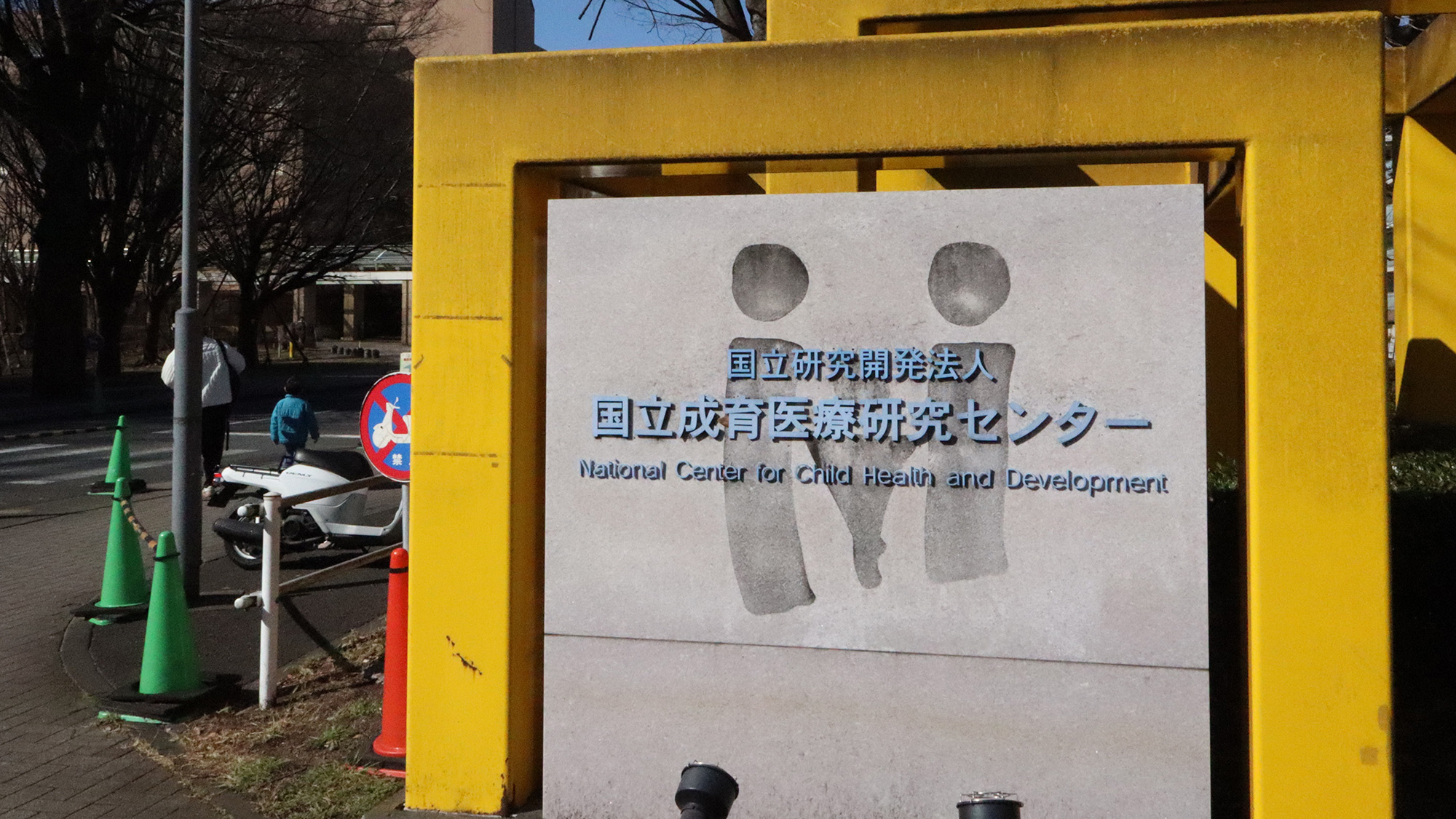
"The clinics are a particular problem," said Dr. Yusuke Okubo, chief of clinical epidemiology and health services research at the National Center for Child Health and Development, a research center and hospital in Tokyo. Looking at Japan's overall antibiotic use, "90% of prescriptions are [from] outpatient clinics, not hospitals," Okubo told me. (Outpatient practices account for a similar proportion of antibiotic prescriptions in the U.S.)
A large proportion of problematic prescriptions were being written for children under 3 years old, especially those with upper respiratory tract infections, which nine times out of 10 are caused by viruses, Okubo said. The stomach bug gastroenteritis was another biggie for overprescription, despite most often being caused by a virus.
Government officials hatched an idea: What if each time a pediatrician chose not to prescribe an antibiotic in these cases, they earned a small financial reward — a tip for making a better choice? Each tip would be small, amounting to about $5 per claim at today's exchange rate, but could translate to thousands of extra dollars of annual income for individual clinics. That's no small matter for Japanese pediatricians, who Okubo estimates earn roughly $90,000 to $100,000 a year.
This incentive program, rolled out in 2018, has proved a success, so much so that it's since been expanded to cover more patients, more clinics and a wider variety of diseases. But what made the program work? I went to Japan to find out what systemic and cultural factors contributed to the program's success. Ultimately, I wanted to see whether other countries, like the U.S., could learn from this nationwide experiment.
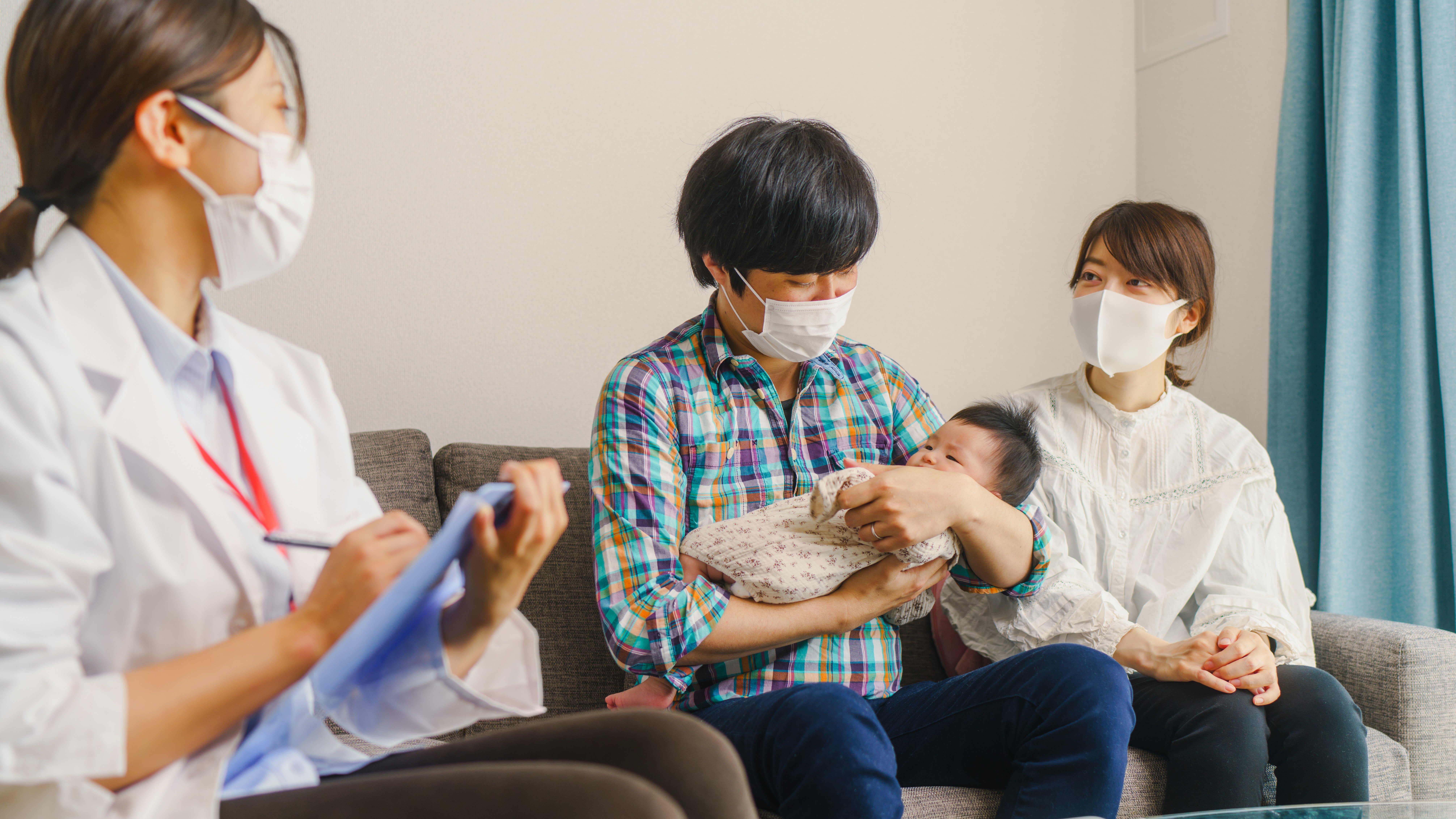
Japanese pediatricians historically overused antibiotics, but an insurance policy is helping to change that. (Image credit: Susumu Yoshioka via Getty Images)
The quietly rising threat of resistance
With bacteria, as with animals, it's survival of the fittest. When exposed to antibiotics, a percentage of bacteria die, while others survive. That surviving population has traits that help them withstand the drug's effects, which are encoded in "resistance genes." Bacteria can transfer those genes to the next generation by multiplying, as well as physically pass those genes to nearby bacteria. Plus, they can pick up new resistance genes through random DNA mutations.
All antibiotics come with the risk of pressuring bacteria to evolve resistance — it's an inherent feature of the drugs. However, broad-spectrum drugs carry the greatest risk, because they place pressure on a wider variety of bacteria than narrow-spectrum drugs do. The 2015 cross-country comparison found that Japanese doctors prescribed antibiotics with the lowest risk of resistance only 35% of the time, meaning most antibiotic prescriptions were for broader-spectrum drugs.
It's sometimes necessary to use broad-spectrum drugs — such as when an infection is resistant to narrow-spectrum options — but using broad-spectrum antibiotics when they're not needed hastens the development of AMR. So does using antibiotics for nonbacterial infections. In both scenarios, you're introducing evolutionary pressure that could have otherwise been avoided.
Data showed that pediatricians in Japan often prescribed antibiotics for common childhood infections that were likely viral. Overprescription was a particularly big problem for children under 3. (Image credit: recep-bg via Getty Images)
Japan's youngest residents are also at risk, though, as resistant bacteria can sometimes pass from mothers to newborns at birth and can cause serious complications, like sepsis. Resistance has also been detected among respiratory bugs that frequently infect kids, such as Mycoplasma pneumoniae, said Dr. Takemi Murai, deputy head of the Infectious Diseases Division at Nagano Children's Hospital in Azumino. "There have been outbreaks of Mycoplasma that are resistant to antibiotics," he said.
Yet not long ago, the unrestrained use of antibiotics was a mainstay of Japanese medicine. (I'll dig into the myriad reasons why in later installments of this series.)
National insurance data sampled from 2005 showed that 60% of patients in Japan with nonbacterial upper respiratory tract infections were prescribed antibiotics, mostly broad-spectrum ones like third-generation cephalosporins, macrolides and quinolones. Most of those prescriptions came from clinics.
Something had to shift.
Tips for appropriate treatment
In 2016, Japan got serious about reducing its antibiotic misuse, releasing its first National Action Plan on Antimicrobial Resistance. It aligned with a global plan from the World Health Organization, which aimed to raise awareness of AMR and optimize the use of antimicrobials, including antibiotics, among its member states.
Two of Japan's big goals were to slash overall antibiotic use by 33% and broad-spectrum antibiotic use by 50% by 2020. The country came very close to hitting those ambitious targets by the deadline, and doing so was no small feat. The tipping program was just one of a slew of initiatives introduced to improve AMR awareness and antibiotic use.
The Japanese government created posters to raise awareness of AMR. This example features the popular anime character Amuro Ray, whose first name is similar to "AMR," so his inclusion in the campaign plays off of a pun. (Image credit: Courtesy of Dr. Yusuke Okubo)
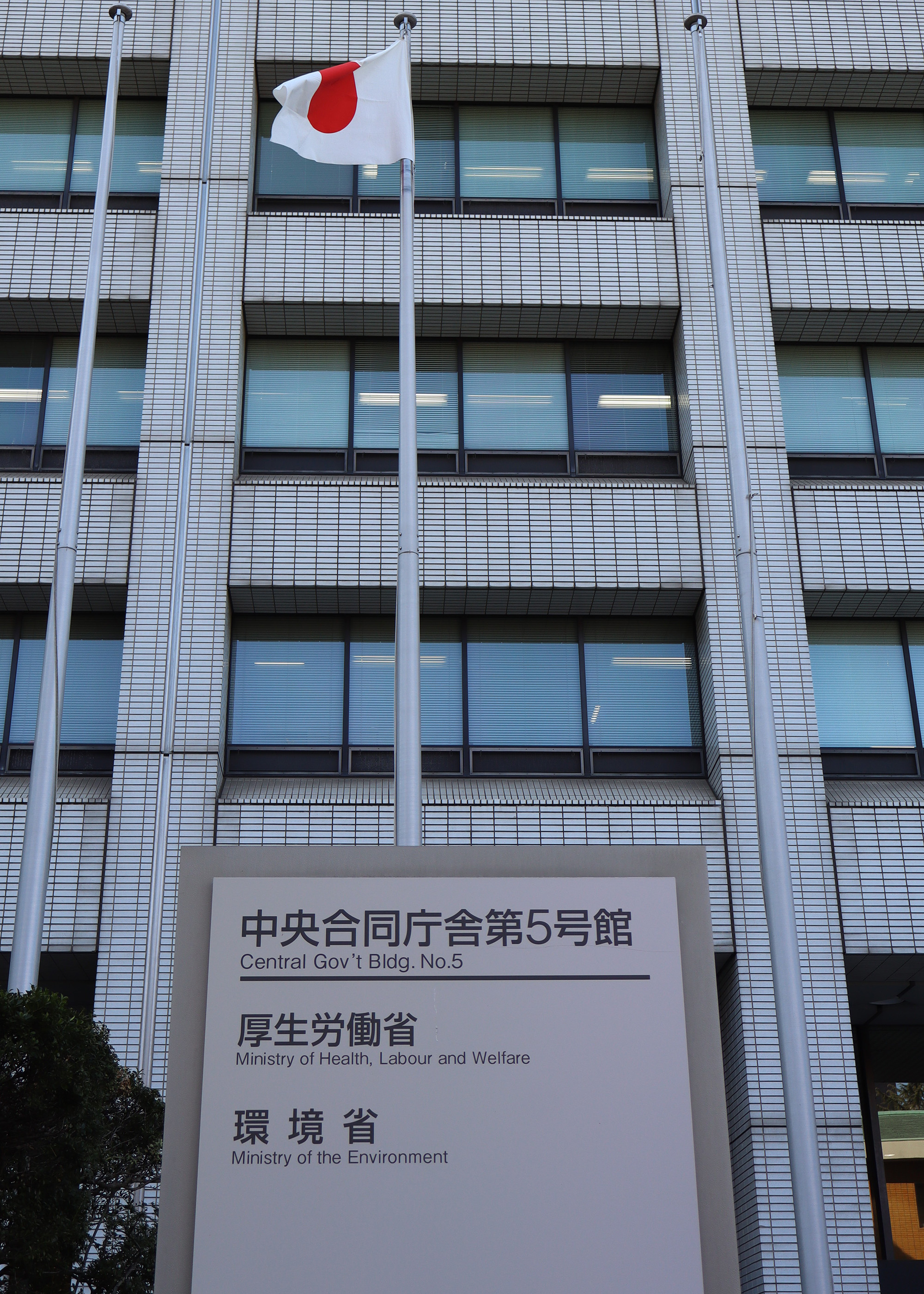
Prior to the incentive's introduction, Japan's Ministry of Health, Labour and Welfare (MHLW) — whose role is somewhat analogous to the U.S. Department of Health and Human Services — rolled out educational campaigns for doctors and patients and wrote a manual for antibiotic use, with the first edition directed primarily at outpatient doctors. It emphasized that most acute respiratory tract infections and acute diarrheal diseases don't require antibiotics.
Among kids, children under 5 saw the highest antibiotic prescription rates, often receiving the drugs for respiratory infections. Data showed this overprescription problem was the worst in children under 3 being assessed for upper respiratory infections or acute gastroenteritis. The government's solution? Pay doctors extra to withhold antibiotics when faced with cases that don't warrant them.
"If the clinicians provide more appropriate medical services, we add additional payment," said Dr. Takuma Kato, a counselor at the Permanent Mission of Japan to the United Nations who previously worked on the incentive program for MHLW. In this case, they pay "a little bit more" when doctors don't give patients antibiotics for illnesses that are likely viral, he said.
A "little bit more" is accurate. Each tip is 800 yen, equivalent to about $7.20 when the program launched in April 2018 and about $5 at today's exchange rate.
Here's how it works: A caregiver brings in their sick infant or toddler for an initial visit, and the pediatrician determines the child likely has an acute upper respiratory tract infection or gastroenteritis. These illnesses are typically caused by viruses, so the doctor decides not to provide an antibiotic. The doctor explains this rationale to the caregiver and provides guidance for home care. If the appointment checks those boxes, the clinic can claim an extra 800 yen when they seek reimbursement.
Because mild viral infections typically resolve on their own in a few days, a strategy called "watchful waiting" can help clarify if a bacterium is actually at fault. So if a doctor does prescribe an antibiotic at the first visit, they'll often encourage the caregiver to bring the child back if their condition remains the same or worsens within a few days. The incentive and this "waiting" strategy go hand in hand.
There are a few technicalities. For example, the children being assessed must have no underlying conditions that might complicate their case, such as a weakened immune system. If children test positive on a formal diagnostic test for influenza or COVID-19, the incentive cannot be claimed. To qualify for the incentive, clinics must specialize in pediatrics and use a "comprehensive" payment system, meaning patients pay a standardized amount for the whole appointment rather than the itemized "fee for service" that is ubiquitous in the U.S.
Despite this fine print, the perk is pretty appealing for the clinics that claim it. "I think pediatric doctor associations are really happy," Okubo said.
Doctors say "small incentives add up"
The Japanese government generally incentivizes doctors to adjust their behaviors, rather than penalizing them for poor practices, Okubo said.
"It's a constructive message from the government: 'You changed your behavior, so we'll pay something,'" Okubo said. "This constructive approach motivates physicians, especially pediatricians, to apply their common sense to their actual practice."
This system is readily accepted by Japanese doctors, who have historically held a lot of political power, Kato noted. Just like in the U.S., their professional groups, such as the Japan Medical Association, lobby the government and typically push against policy proposals that they view as potential threats to their bottom line.
By contrast, an incentivizing approach is "very, very welcome, especially by the doctors' associations," said Dr. Norio Ohmagari, director of disease control and prevention at the National Center for Global Health and Medicine, part of the Japan Institute for Health Security (JIHS) in Tokyo. Ohmagari also leads the AMR Clinical Reference Center, which collaborates with the WHO on AMR countermeasures.
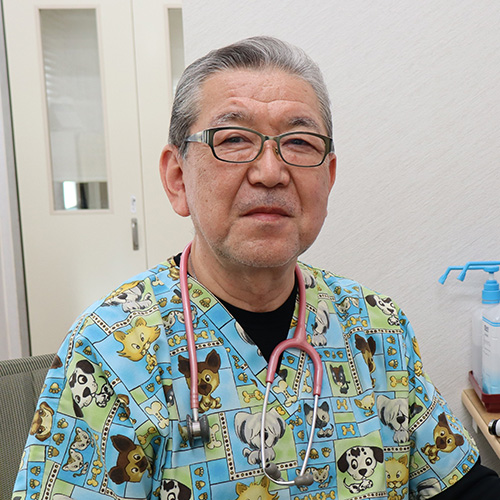
Dr. Yusuke Shibata has been treating patients at the Shibata Pediatric Clinic in Tokyo since the 1990s. He appreciates the incentive in that it both boosts his profits and aligns with his stance that the careless use of antibiotics should be avoided. (Image credit: Nicoletta Lanese)
Doctors I asked confirmed that they like the incentive, namely because it boosts their profits.
"I apply for the pediatric antibiotic appropriate use support premium each time" it's applicable, said Dr. Yusuke Shibata, who runs the Shibata Pediatric Clinic in Asakusa, a historic district in Tokyo's Taito ward. "I appreciate the premium, as pediatric clinics already have low profits" compared with clinics that care for adults, Shibata told me in an email after I visited his clinic.
For first visits with kids under 6, clinics are paid a base rate of 6,040 to 7,210 yen, or about $38 to $45 at current exchange rates. An extra 800 yen (about $5) increases that fee by more than 10% — "a huge amount," Okubo emphasized.
Shibata estimates that his clinic sees about 30 to 40 patients with an acute respiratory infection or diarrhea each week, depending on the season. He can potentially claim the incentive for the first visit with each of these patients, assuming they don't have any conditions that would disqualify the claim.
On the high end, Shibata estimates that he might claim the incentive 180 times in a single busy month, which would total 144,000 yen, or about $900.
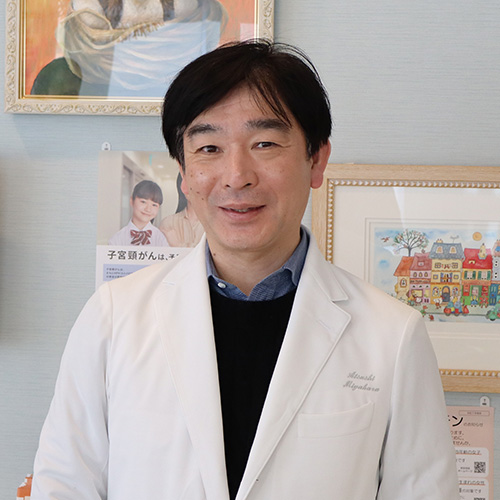
Dr. Atsushi Miyahara of the Karugamo Clinic in Tokyo frequently claims the antibiotic incentive. He's long been careful about antibiotic use, and the incentive rewards him for those efforts. (Image credit: Nicoletta Lanese)
Dr. Atsushi Miyahara, who runs the Karugamo Clinic in the Setagaya ward in Tokyo, said he was already conservative about using antibiotics so the incentive rewards him for sticking with his status quo.
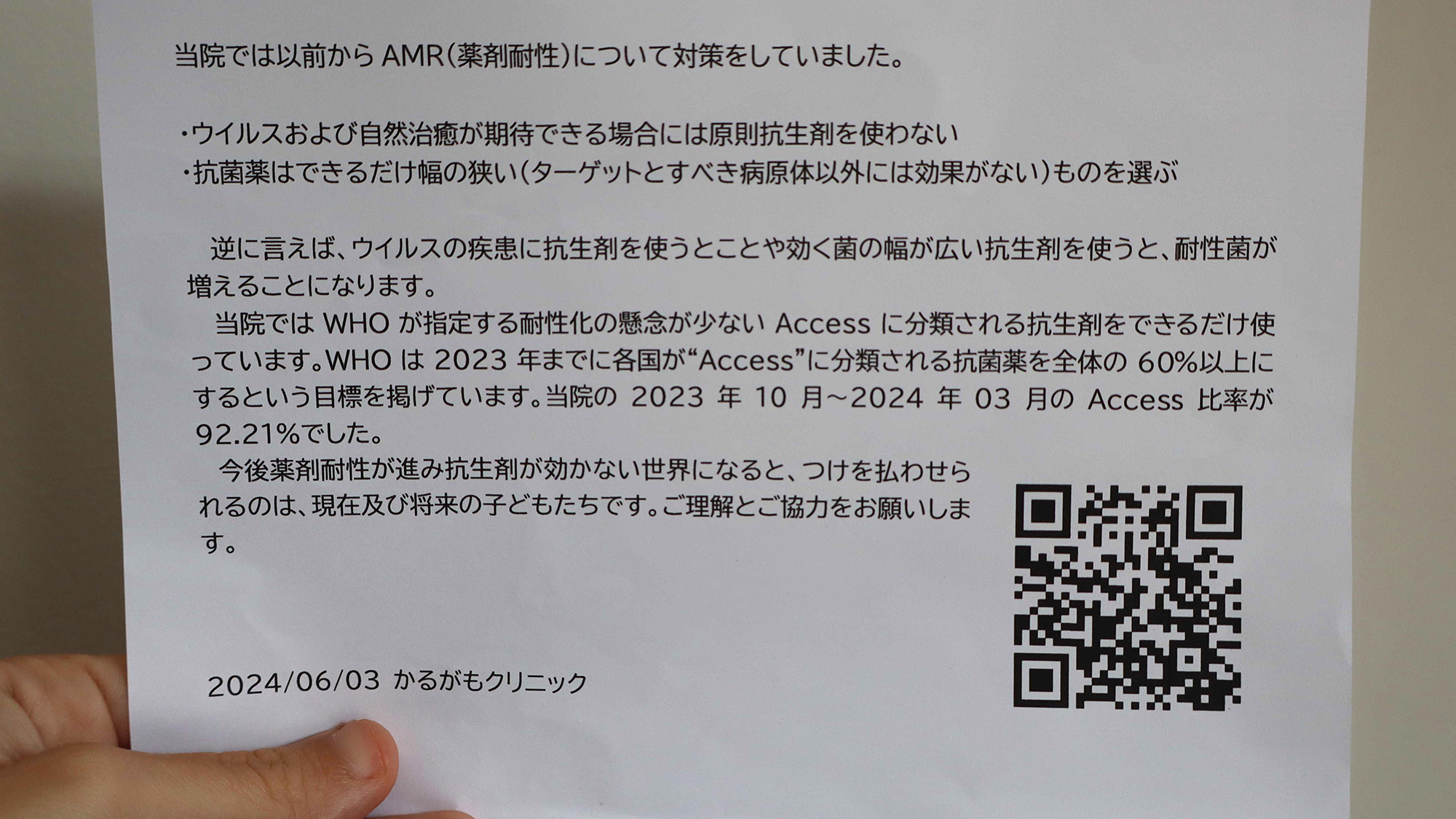
Fifteen years ago, when Miyahara opened his clinic, he noticed that other physicians prescribed a lot of antibiotics, and he questioned the practice due to the potential to fuel resistance. He provides his patients with informational flyers that explain the risks of resistance and how avoiding unnecessary prescriptions can reduce that risk. When antibiotics are needed, he predominantly uses narrow-spectrum drugs that pose a relatively low risk of resistance.
Miyahara said the local government and medical associations announced the antibiotic incentive when it was launched, and he felt its introduction has been very positive. It's increased his revenue and encouraged him to continue his stewardship practices. He estimates that for every 50 of his first visits with patients, he claims the incentive 10 to 15 times, so it applies to at least 20% of those visits.
An informational flyer Dr. Atsushi Miyahara provides to his clients. It states that the clinic takes measures against AMR, explaining that antibiotics are not used for viral illnesses, and for bacterial infections, the narrowest-spectrum options are prioritized. (Image credit: Nicoletta Lanese)
The incentive's impact
Because some pediatric clinics qualified and others didn't — due to fee-for-service clinics being excluded — Okubo and his colleagues could directly measure whether the policy worked.
To assess the incentive's effects in its first year, the researchers looked at insurance claims from over 10,000 medical facilities from just before and after the policy's introduction. About 3,000 of the facilities qualified and claimed the incentive 316,770 times, totaling 253 million yen ($2.29 million at the time). These eligible clinics saw a 17.8% reduction in their total antibiotic use over a year without any negative effects for patients, such as higher hospitalization rates.
Science Spotlight
(Image credit: Marilyn Perkins / Future)
Science Spotlight takes a deeper look at emerging science and gives you, our readers, the perspective you need on these advances. Our stories highlight trends in different fields, how new research is changing old ideas, and how the picture of the world we live in is being transformed thanks to science
To see if those effects lasted, the team drew years of data from over 165,000 young children who went to either eligible or ineligible clinics. Within the first month of the policy's implementation, the former group of children saw a nearly 45% reduction in total antibiotic prescriptions, compared with the other kids. Cumulatively over the next four years, their overall antibiotic use and broad-spectrum-antibiotic use was 20% and 24% lower, respectively.
The decrease in antibiotic prescriptions did not come with an uptick in hospitalizations or healthcare costs, although there was a slight increase in the total number of doctor's visits. But that's what you'd expect as doctors track an infection over time, Okubo explained, meaning they likely employed the watchful-waiting strategy and had parents bring their kids back in if they didn't improve quickly.
Okubo's team has continued to track pediatricians' antibiotic use, and he noted that they're seeing "spillover effects" among age groups not covered by the incentive. In the under-20 age group, outpatient antibiotic prescriptions fell by 50% between 2011 and 2022. He thinks the incentive is a key driver of this trend, directly reducing prescriptions for the youngest kids while also triggering ripple effects in older groups. (This research will soon be published in a peer-reviewed journal.)
That said, there's room to improve doctors' selection of antibiotics when they are used, as the ratio of broad- to narrow-spectrum drugs is still too high. "Total antibiotic use was reduced, but its quality should be improved further," Okubo said.
Okubo conducts research at the National Center for Child Health and Development in Tokyo. As a research center and Japan's largest children's hospital, it aims to deepen the understanding of children's health and development while providing advanced medical care. (Image credit: Nicoletta Lanese)
The incentive's evolution
While the 800-yen tip has proved significant to clinicians, the incentive represents a very small slice of overall government healthcare spending, which totaled 468 billion yen ($3.1 billion) in 2022.
"This program is not large compared to the whole budget," Dr. Kosuke Sasaki, who works in the MHLW's health insurance bureau, told me. The program's budget has no upper limit, so if the number of claims from clinics increased, there isn't a cap on how many could be paid out. "The number of doctors using this program has increased while the number of antibiotic prescriptions has decreased since the start," Sasaki's colleague Dr. Tomonori Aoki added, noting that the government isn't concerned about how to pay that rising bill.
The program's measurable impact and low price tag may explain its growth over the years.
Every two years, Japan's Ministry of Finance hands the MHLW its slice of the government budget, and MHLW then revises the pricing for drugs, medical devices and healthcare services. The antibiotic incentive falls under this revision process and has been expanded several times.
The Ministry of Health, Labour and Welfare is housed in an unremarkable building in Central Tokyo. It sets the prices for pharmaceuticals, medical devices and healthcare services nationwide. (Image credit: Nicoletta Lanese)
During its first revision in 2020, the incentive was extended to children under 6. In 2022, ear, nose and throat specialists (ENTs) newly qualified for the incentive; like pediatricians, they treat many acute infections in kids and tend to overuse antibiotics, insurance data suggested. That same year, doctors could start claiming the fee for ear infections and sinus infections.
"I see a tendency for pediatric clinics to avoid prescribing antibiotics, but I do see some ENT clinics prescribing antibiotics carelessly," Shibata, the clinic owner in Asakusa, Tokyo, told me. So ENTs seem to be a logical next target.
In 2024, a separate, facility-level incentive was introduced as a complement to the 800-yen incentive. It encourages clinics to submit data to a government database that tracks antibiotic use. If first-line, narrow-spectrum antibiotics make up a certain percentage of the clinic's overall prescriptions, that clinic earns extra money, Okubo explained.
Ultimately, the 800-yen incentive helped put AMR on the radar of doctors who didn't take it as seriously as experts like Kato, who told me "AMR is kind of my life's work." Kato and researchers like Okubo see the program as a success, although they pointed to room for improvement in antibiotic selection. Ministry officials like Sasaki and Aoki said the program is easy to implement and makes a difference. Clinic doctors like Shibata and Miyahara appreciate the incentive and use it consistently. All in all, at just $5 a claim, the incentive has been remarkably effective.
In speaking with experts in Japan and the U.S., I've learned that U.S. doctors have historically faced the same pressures and showed similar lapses in antibiotic use that Japanese doctors have. However, the U.S. does not have an incentive program like Japan's. Should it launch one?
In the next installment of this series, I'll explore a central feature of this problem: the motivations behind pediatricians' antibiotic misuse. What are they, and do those motivations differ between doctors in the U.S. and Japan? Answers to those questions will help determine whether a similar incentive might have the same impact in both places.
The symptoms: The man visited a hospital because two months earlier, some foods and beverages began to taste extremely unpleasant to him. Over time, more foods had become difficult for him to stomach. Sour and salty flavors were the first to trigger disgust. Oily foods were next, followed by fresh vegetables, cold water and juice, warm water and, finally, sweets.
The man ate less due to the taste aversions, and he unintentionally lost a few pounds. He told doctors at the hospital that he felt lethargic, they wrote in a report of the case.
What happened next: The patient, who was a physician himself, reported that eight years ago, he had been diagnosed with bipolar disorder. For the prior three years, he had been managing the condition with lithium, a mood stabilizer commonly used to treat bipolar disorder.
He was taking a prescribed dosage of 800 milligrams per day and historically hadn't had any unusual side effects. (This is slightly higher than the typical dose recommended for chronic management of bipolar disorder, but that said, doctors may tweak patients' doses based on their individual needs.)
The diagnosis: Doctors performed bloodwork and found that the level of lithium in the patient's blood was 1.28 milliequivalents per liter (mEq/L). Safe levels of lithium are between 0.6 and 1.2 mEq/L; any higher than that can cause a condition called lithium toxicity, which can be fatal if untreated.
When the doctors checked the man's medical records, they found that prior to the onset of his symptoms, the levels of lithium in his blood were between 0.4 and 0.9 mEq/L. In the report, the authors did not investigate the cause of the toxicity, nor did they hypothesize as to why lithium was accumulating in the patient's blood.
The treatment: The doctors told the man to stop taking lithium, and they instead prescribed another mood-stabilizing drug, called valproate. As the lithium levels in his blood dropped, the patient's energy returned and the foods and beverages that previously disgusted him recovered their normal flavors. Notably, this happened in the reverse order that their flavors had changed.
At a follow-up visit one year later, the man was still taking valproate and his symptoms of fatigue and taste changes had not returned.
What makes the case unique: Although they're uncommon, side effects of lithium use can include confusion, increased thirst, frequent urination, irregular or slow heartbeat, tiredness and weight gain. Rarer side effects include dizziness, headaches, vision problems and heat loss in the arms and legs. Lithium toxicity, also known as lithium intoxication, is known to increase the risk of these adverse symptoms.
Nevertheless, "it has not been generally known that lithium can lose or change taste in some patients," the case report authors wrote. Based on their findings, they suggested that in the future, taste loss or changes in taste perception should be flagged as a potential indicator of mild lithium intoxication.
This article is for informational purposes only and is not meant to offer medical advice.
Using drugs to induce a hypothermia-like state may slow stroke-related brain damage, according to a new study involving lab animals and human patients.
The study used two existing drugs: the antipsychotic chlorpromazine and the sedative promethazine, called "C+P" when they're used together. This drug combo induced hypothermia and protected brain tissue in mouse and monkey models of stroke.
Additionally, an infusion of C+P was safe in an early trial including 32 human stroke patients, causing no notable side effects. However, no significant improvements in stroke outcomes were reported in a paper describing the results, which was published June 17 in the journal Science Translational Medicine.
More research is needed to determine what benefits C+P treatment may offer stroke patients. But the research sheds new light on the metabolic dynamics believed to be responsible for hypothermia's therapeutic effects, said Dr. Eric Landsness, an assistant professor of neurology at the Washington University School of Medicine in St. Louis who was not involved in the work.
"What's exciting about this study is that it's clear that it's not just the hypothermia, but it's the hypometabolism," said Landsness, who reviewed the paper before it was published.
Brain freeze?
The researchers tested C+P as a therapy for acute ischemic stroke, in which blood flow to the brain is blocked. Ischemic strokes are the most common form of stroke, accounting for over 85% of cases; "acute ischemic stroke" specifically refers to the medical emergency brought about by a sudden loss of blood flow to the brain and corresponding loss of neurologic function.
When blood flow is restored through a therapy called reperfusion treatment, "you can get significant injury from a lot of processes that were set in motion during the ischemia," said Dr. Patrick Lyden, a professor of physiology and neuroscience, neurology, and neurosurgery at the University of Southern California Keck School of Medicine who was not involved in the study.
To protect brain tissue from this double whammy of ischemia and reperfusion injury, some researchers have tried to harness hypothermia, which is "one of the most powerful ways of protecting the brain that we've ever studied in lab animals," Lyden told Live Science. "It's the standard by which all other brain protectants are measured."
In hypothermia, body temperature drops below 95 degrees Fahrenheit (35 degrees Celsius). Under normal circumstances, this can be very dangerous because the cold can slow down the heart and nervous system to the point that the body's cardiac and respiratory systems fail.
But one of the biggest theories for why hypothermia works in a therapeutic context is that it slows down our metabolism, similar to what's seen in animals during hibernation, Lyden said. "Because the metabolism is slowed, the death process in the brain is also slowed down."
Acute ischemic strokes damage brain tissue by cutting off blood flow to part of the organ, but reintroducing blood to the brain can also trigger injury. (Image credit: Douglas Sacha via Getty Images)
The C+P approach may be a more effective way to slow metabolism in stroke patients, the researchers hypothesized. In previous experiments, C+P reduced neuroinflammation in rodent models of stroke, possibly through changes in metabolic activity independent of hypothermia.
In the new study, the treatment was compared with two other methods of reducing core temperature in mice: a different drug, called adenosine 5'-monophosphate, and surface cooling using cold water and ice packs. While all three approaches induced hypothermia in the mice, only C+P treatment reduced their overall oxygen consumption and energy expenditure, two important indicators of slowed metabolism.
The paper highlights metabolism as more than a mere secondary effect of hypothermia, Landsness said; it's a process worth studying in its own right.
In mice, C+P treatment reduced the burning of sugar by the brain and brown fat, which burns fuel to generate heat. The treatment was also associated with less brain tissue damage and lactate accumulation, which can drive cell death, after stroke. These effects were also observed in rhesus monkeys treated with C+P.
According to the small safety trial with humans, the metabolic effects of C+P appear to extend to people.
The researchers measured lower levels of metabolism-associated proteins in the blood of patients who received the highest dose of the treatment tested. These were also the only patients to experience a significant decrease in body temperature at four hours after treatment, although their temperatures never dipped into true hypothermia. (Temperatures did fall that dramatically in the mice and monkeys.)
In people, C+P infusion did not reduce the degree of brain damage seen 72 hours after treatment, nor did it affect the participants' ability to perform daily activities without assistance after 90 days. Alongside the C+P treatment, the patients had also received standard reperfusion therapies.
The study authors, based at Capital Medical University in Beijing, did not respond to Live Science's request for comment. In their paper, they wrote that future trials could potentially establish the protective value of the C+P treatment in stroke.
In the current study, C+P did not trigger notable side effects in humans, but Lyden worried that the medications may still pose a risk of worrying effects. The two drugs could potentially interact in ways that cause symptoms like muscle spasms, seizures or changes in heart rhythm, for example. For that reason, it may be best to find different drugs that still slow metabolism but don't come with those risks, Lyden suggested.
To find an alternative to the C+P regimen, researchers will need a better sense of how the drugs exert their effects. The new paper "happened to fall upon a drug [combo] that happens to induce hypothermia and hypometabolism, but we don't necessarily know why," Landsness said. His lab is studying the neural circuits involved in hypothermia and hypometabolism, which could reveal new therapeutic targets.
This article is for informational purposes only and is not meant to offer medical advice.
See how much you know about the most complex organ in the human body with our brain quiz!
In the ever-evolving quest to unlock the therapeutic potential of G protein-coupled receptors (GPCRs), a groundbreaking study has emerged, offering fresh insights and revolutionary tools. Researchers have unveiled a novel heterochiral design strategy that yields potent and biased agonists targeting class B1 GPCRs, a receptor family pivotal to numerous physiological processes and implicated in a myriad of diseases. This approach not only amplifies the efficacy of these signaling molecules but also finely tunes their signaling bias, opening new frontiers in drug discovery and precision medicine.
GPCRs constitute one of the largest and most versatile families of membrane proteins, serving as molecular sentinels that detect a diverse array of extracellular signals—from hormones and neurotransmitters to sensory stimuli—and transduce them into intracellular responses. Among these, class B1 GPCRs, which include receptors such as the glucagon and parathyroid hormone receptors, are crucial regulators of metabolic homeostasis, calcium balance, and cardiovascular function. However, designing ligands that can selectively modulate their activity has been notoriously challenging due to their complex and dynamic conformational landscapes.
The pioneering strategy developed by Gibadullin, Tran, Niu, and colleagues harnesses the power of heterochirality, incorporating both L- and D-amino acid residues into peptide agonists. This structural innovation confers enhanced stability against enzymatic degradation and imposes unique conformational constraints that optimize receptor engagement. By deftly alternating the stereochemistry of amino acids within synthetic peptides, the researchers have engineered molecules capable of triggering precise receptor conformations that favor beneficial signaling pathways over potentially deleterious ones.
Central to the study is the concept of signaling bias, where ligands preferentially activate certain intracellular cascades downstream of GPCRs, such as G protein or β-arrestin pathways. This biased agonism holds immense therapeutic promise, as selective pathway activation can minimize side effects while maximizing desired physiological outcomes. Through meticulous structure-function analyses, the team demonstrated that heterochiral peptides exhibit remarkable bias profiles, selectively steering class B1 GPCR signaling in ways previously unattainable with conventional ligands.
Employing an arsenal of biophysical and pharmacological techniques, including cryo-electron microscopy, molecular dynamics simulations, and live-cell signaling assays, the researchers revealed detailed mechanisms underlying ligand-receptor interactions. High-resolution structural snapshots illuminated how heterochiral residues manipulate the receptor’s extracellular domain and transmembrane helices, stabilizing agonist-bound states that dictate downstream signaling specificity. These insights represent a quantum leap in understanding how subtle modifications in ligand stereochemistry translate into functional selectivity.
Beyond the molecular scale, the heterochiral agonists exhibited robust pharmacological profiles in cellular and animal models, showcasing enhanced potency and prolonged activity compared to their all-L analogs. Importantly, treatment with these tailored peptides elicited therapeutic effects aligned with receptor-mediated homeostatic processes, such as improved glucose regulation and bone density, highlighting their translational potential. The durability of signaling and resistance to proteolytic cleavage further positions heterochiral peptides as attractive candidates in the drug development pipeline.
This study not only underscores the transformative impact of stereochemical engineering in peptide therapeutics but also sets a precedent for rational design of next-generation GPCR ligands. By expanding the chemical space accessible to drug designers, heterochirality provides a powerful lever to modulate receptor pharmacology with unprecedented precision. It challenges traditional notions that naturally occurring L-amino acids are the sole building blocks for bioactive peptides, pushing the boundaries of molecular innovation.
Moreover, the versatility of this heterochiral strategy extends beyond class B1 GPCRs, holding promise for a broad spectrum of receptor targets implicated in diverse pathologies, including neurological disorders, cancer, and inflammatory diseases. With GPCRs accounting for a significant fraction of current pharmaceuticals, the ability to craft bespoke agonists that tailor receptor function has far-reaching implications for personalized medicine and therapeutic safety.
The implications of this work ripple through both fundamental science and drug discovery realms. It enriches the understanding of allosteric modulation, receptor dynamics, and functional selectivity, while providing a robust framework to engineer molecules that reconcile potency with therapeutic precision. This paradigm shift could revolutionize how medicinal chemists approach the design of peptide-based therapeutics, catalyzing a wave of innovations that better harness the subtleties of receptor biology.
As the scientific community digests these findings, the excitement is palpable. This heterochiral design approach represents a convergence of synthetic chemistry, structural biology, and pharmacology, exemplifying the interdisciplinary synergy needed to surmount longstanding challenges in receptor-targeted drug development. The meticulous work by Gibadullin et al. shines as a beacon guiding future endeavors in receptor-selective agonist engineering, poised to accelerate the advent of safer and more effective medicines.
While further studies are warranted to explore long-term safety, pharmacokinetics, and clinical efficacy, the foundational principles outlined by this research provide a robust launching pad. With the increasing accessibility of stereochemical synthesis and computational modeling, the heterochiral paradigm could soon become a mainstream platform for generating highly specialized ligands against a variety of receptor classes.
In summary, this remarkable study carves a new niche within the GPCR domain, leveraging the power of stereochemical diversity to unlock selective and potent receptor activation. By balancing molecular innovation and biological insight, it promises to reshape the landscape of therapeutic development and deepen our comprehension of signaling complexity. The era of heterochiral agonists marks a thrilling chapter in molecular pharmacology, poised to deliver tangible benefits to patients worldwide.
Subject of Research: Development of potent and biased agonists targeting class B1 G protein-coupled receptors using heterochiral peptide design.
Article Title: Potent and biased agonists of class B1 GPCRs from a heterochiral design strategy.
Article References:
Gibadullin, R., Tran, L.ML., Niu, J. et al. Potent and biased agonists of class B1 GPCRs from a heterochiral design strategy. Nat. Chem. (2026). https://doi.org/10.1038/s41557-026-02182-x
Hurty words on social media will bring the police to your door. But when a landlord discovered a cannabis farm in her property, officers didn't want to know. Welcome to two-tier Britain.
Repeated doses of a tuberculosis vaccine lowered insulin needs in patients with two forms of diabetes, new trial data show. But more research is needed to prove the benefit.
In a proof-of-concept lab experiment, scientists demonstrated that intestinal parasites could make and release therapeutic agents inside a living host.
The Bundibugyo virus driving the current Ebola outbreak has no approved vaccine, but researchers are leveraging decades of vaccine innovation in an effort to change that.
A vitamin D-based therapy may help remodel the protective barrier surrounding pancreatic tumors, offering a potential new treatment strategy. Pancreatic cancer is notoriously difficult to treat in part because tumors surround themselves with a dense, protective barrier that blocks drugs and suppresses immune activity. Now, a small clinical trial led by researchers at Dana-Farber Cancer [...]
An arthritis drug reduces the amount of RSV in human respiratory cells, but experts say it's too early to say if it will actually treat the common infection.
Two new tool compounds may help scientists study TAOK proteins linked to Alzheimer’s disease and other neurological disorders. Alzheimer’s disease is the leading cause of dementia and affects more than seven million people in the United States. Some treatments can slow the disease, but most address symptoms rather than the root biology, and none can [...]

 Login