❌

Normal view

Neanderthals and modern humans may have shared culture 59,000 years ago in Turkey, study finds

Deep in a limestone cave on Turkey's Mediterranean coast, archaeologists have uncovered evidence that Neanderthals and the modern humans who moved in later left behind surprisingly similar traces of their daily lives — evidence that they hunted the same animals, crafted the same stone tools and collected the same type of seashells.

The findings, published Monday (July 6) in the journal PNAS, feed into some of the biggest questions in human evolution: How similar were the cultures of Neanderthals and Homo sapiens, given that we're so closely related? And did we share information with one another?

A series of archaeological finds over the past few decades, including the new paper's finding that the two had similar cultural practices, suggests that Neanderthals and H. sapiens behaved far more similarly in the Middle East than once assumed.

The new evidence comes from Üçağızlı II Cave (pronounced Ooch-ah-UHZ'-luh), on a stretch of coastline just north of Syria that served as a prehistoric corridor between the Levant (an area of land east of the Mediterranean) and Eurasia. Although the team found only teeth and a partial jawbone within the cave, they were able to distinguish between the remains of Neanderthals and H. sapiens by analyzing the internal structure of the fossilized teeth. Meanwhile, they dated the sediment at the site using optically stimulated luminescence, a technique that reveals how long ago buried mineral grains last saw sunlight.

The team found that the Neanderthals had lived within the cave between approximately 77,000 and 59,000 years ago, while H. sapiens stayed there between about 59,000 and 47,000 years ago. Despite the different time periods, the layers from both of these periods show "substantially uniform hunting-gathering strategies and lithic technology," showing how similar the Neanderthals and H. sapiens were in their hunting-gathering strategies and stone-tool use, the team wrote in the study.

A group of archaeologists in a cave with tools.

The research team performs excavations at the Üçağızlı II cave site in 2024. (Image credit: KyotoU/Naoki Morimoto)

What's more, Neanderthals and H. sapiens got raw materials, such as flint, from the same local sources and hunted the same prey: wild goats (Capra aegagrus), fallow deer (Dama mesopotamica), roe deer (Capreolus capreolus) and wild boar (Sus scrofa). Layer after layer also turned up 29 shells of a small marine snail, Columbella rustica, carried into the cave not for food but seemingly as ornaments. Some were pierced as if meant to be strung, and one shell dating to the Neanderthal occupation showed signs of deliberate heating that altered its color.

"Our findings indicate a deep level of cultural interaction," study co-author Naoki Morimoto, paleoanthropologist at Kyoto University, said in a statement. "These two distinct but closely related human groups were not just adapting to the same environment: they were probably sharing symbolic preferences."

That pattern breaks from findings at Mandrin Cave in France, where Neanderthals and modern humans are thought to have alternated occupation in distinct pulses from about 56,800 and 41,500 years ago, but did not leave evidence of a continuous culture. Instead, it echoes evidence from Tinshemet Cave in Israel, where researchers recently reported similar signs of shared behavior between the two groups tens of thousands of years earlier, from about 130,000 to 80,000 years ago.

Turquoise waters surrounding rocky entrance to a cave in Turkey.

A view of Turkey's Üçağızlı II Cave, which housed Neanderthals and Homo sapiens at different times. (Image credit: KyotoU/Naoki Morimoto)

Üçağızlı II Cave in Turkey and Tinshemet Cave in Israel suggest that even though there was a "biological" turnover as the caves went from being occupied by Neanderthal groups to modern humans, there weren't major cultural turnovers, too.

"Rather, we hypothesize that the two human species that coexisted in the region were in contact and shared cultural aspects," the researchers wrote in the study.

"A fascinating region"

Sites like these are forcing a rethink of how these two types of human were culturally related to each other, April Nowell, a Paleolithic archaeologist at the University of Victoria in Canada who was not involved in the new study, told Live Science in an email. "By demonstrating cultural continuity and elevated levels of interaction, sites such as Tinshemet and Üçağızlı II are changing what we thought we knew about Neandertals, Homo sapiens and other contemporary Homo groups … a fascinating region just got even more so!" she said.

But that cultural continuity only heightens the mystery of how modern humans and Neanderthals interacted, with Neanderthals eventually going extinct around 40,000 years ago. Two types of human can't occupy the same ecological niche indefinitely, Nowell noted, and some research into Neanderthal cognition suggests Neanderthals were less-flexible thinkers than modern humans, with more limited capacity for language and less of the kind of self-awareness and creativity that may have given H. sapiens an edge. (However, there is pushback against the idea that Neanderthals weren't as cognitively complex as H. sapiens.)

If the archaeological record at sites like Üçağızlı II shows this much overlap in behavior, Nowell said, the real differences between the two may be ones the fossil record simply hasn't revealed yet.

The authors noted that many big questions remain, including when and where these shared cultural practices took place and whether these cultural similarities happened because modern humans mated with Neanderthals.

Ongoing and future excavations at sites like Üçağızlı II Cave may help to answer these questions and build a "more comprehensive picture of human evolution and cultural development during the Late Pleistocene," the team wrote in the study.

How much do you know about our closest relatives? Find out with our Neanderthal quiz!

Heart issues tied to 'microdamage' in the brain might raise risk of memory loss, study hints

6 July 2026 at 22:20

Scientists uncovered a link between mild heart trouble and microscopic signs of brain damage that may raise the risk of memory problems down the line.

The new study, published Monday (July 6) in The Journal of Neuroscience, did not prove that the heart issues directly caused memory problems. But it "adds to the overall picture that preserving healthy brain-heart communication is key for healthy aging," said Dr. Jan Scheitz, a consultant stroke neurologist and head of the Brain-Heart Lab at the Charité University Hospital in Germany, who was not involved in the study.

"A healthy lifestyle that protects the cardiovascular system will not only benefit the heart but also the brain," he told Live Science in an email.

The work could one day help doctors identify patients at risk of memory problems early on through routine heart-function tests, said study co-author Dr. Xia Zhang, a doctoral researcher at the Max Planck Institute for Human Cognitive and Brain Sciences in Germany.

"The broader implication is that the brain may show subtle tissue-level changes related to cardiac dysfunction before we see obvious brain shrinkage or clinical dementia," Zhang told Live Science in an email.

Early warning signs

Researchers already knew that heart and brain function are closely interconnected. Heart diseases such as heart failure, atrial fibrillation and heart attack impair communication between the heart and the brain. This can contribute to thinking problems and dementia by restricting blood flow to the brain and causing chronic inflammation.

So far, though, scientists have only studied changes in the brain in people already diagnosed with heart conditions. They haven't necessarily assessed the changes that take place earlier on.

In the new study, researchers followed 73 patients who had sought care for heart-related symptoms at the Heart Center Leipzig in Germany, some of whom had confirmed coronary artery disease and/or heart failure. They also assessed 95 people without any heart-related symptoms. The researchers measured heart function at the start of the study. Then, about 3.5 years later, they performed cognitive testing and an MRI scan of the brain to take a snapshot of its structure.

Among all 168 study participants, those whose hearts pumped blood less efficiently at the start of the study showed greater signs of tissue damage in their gray matter years later. This was true regardless of whether or not they had diagnosed heart failure.

The cognitive tests were given only to the heart-disease patients, and they assessed attention, executive function, learning and memory. Only memory showed a link to weaker heart pumping. The participants with weaker heart pumping showed more microscopic damage in memory-related brain regions, and those brain changes correlated with worse memory scores.

The degree of brain damage also correlated with the levels of stress hormones released by the heart, but this link was only seen in patients who already had heart failure.

"What surprised us most" was that subtle reductions in the heart's ability to pump were tied to later brain changes, even in patients who did not meet clinical criteria for heart failure, Zhang said.

One limitation of the study is that the researchers didn't take MRI scans at the start. That means "we do not know whether some changes were already present at the beginning of the study period," Scheitz noted. This is something that Zhang and her colleagues plan to test in future studies.

"The next step for the field is replication in larger cohorts with multiple time points, so that cardiac function, brain microstructure, and cognition can be followed more precisely over time," she said.

The brain damage flagged in the 73 patients happened in parts of the brain that are important for memory and are vulnerable in Alzheimer's disease. "These regions helped identify a possible brain pathway through which poorer cardiac function may contribute to later memory problems," Zhang said.

However, until this idea is tested directly in future studies, it is too soon to say if the heart function-related brain changes seen on the MRI scans point to a higher risk of Alzheimer's, Zhang cautioned. The team did not measure proteins related to Alzheimer's, so they cannot conclude that the patients with measurable brain changes are developing Alzheimer's disease.

The study also did not directly test the effect of exercise on heart and brain health, but the findings may help explain why regular exercise is often linked to better brain health and cognitive aging, Zhang said.

"Regular exercise supports cardiovascular function, vascular health, and cerebral blood-flow regulation," she said, "all of which may help protect brain tissue over time."

This article is for informational purposes only and is not meant to offer medical advice.

What do you know about the body's hardest-working muscle? Find out with our heart quiz!

Diminutive species 'the Hobbit' did not hunt or control fire, deepening the mystery of its ancestry, dwarf elephant bones reveal

The diminutive, now-extinct humans known as the "hobbits" were scavengers who dined on dwarf elephants after Komodo dragons took the best cuts, archaeologists have discovered. The finding upends the assumption that Homo floresiensis, a human species that arrived on the Indonesian island of Flores at least 700,000 years ago, hunted big game.

First discovered in 2003, H. floresiensis has been nicknamed the hobbit because of its small size, averaging around 3 feet, 6 inches (106 centimeters) tall, along with its small brain, large teeth and big feet. But archaeologists also found stone tools, animal bones with cut marks, and charred bones that seemed to add up to sophisticated behavior common within our genus, Homo. The hobbits disappeared around 50,000 years ago as Homo sapiens began spreading around Southeast Asia.

But in a study published Friday (July 3) in the journal Science Advances, an international team of researchers questions whether the behavior of H. floresiensis was really as advanced as previously assumed.

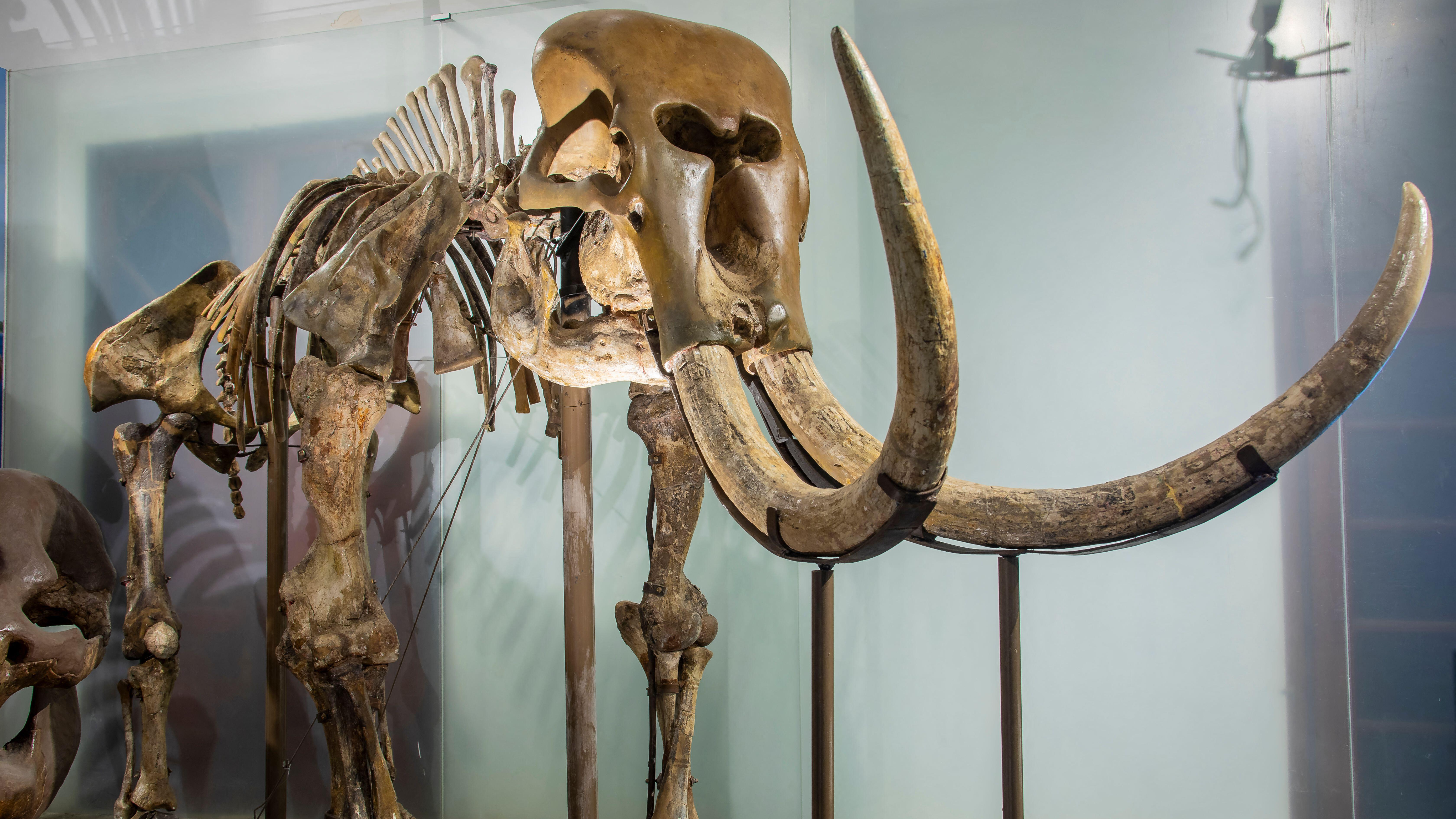
The researchers looked at fossil bones of Stegodon florensis insularis, an extinct dwarf species of elephant relative discovered at Liang Bua cave, where bones from H. floresiensis and stone tools have also been found, to determine whether the cut marks were from hunting Stegodon meat or from scavenging the remains of the feasts of the only other carnivore on the island: the Komodo dragons (Varanus komodensis).

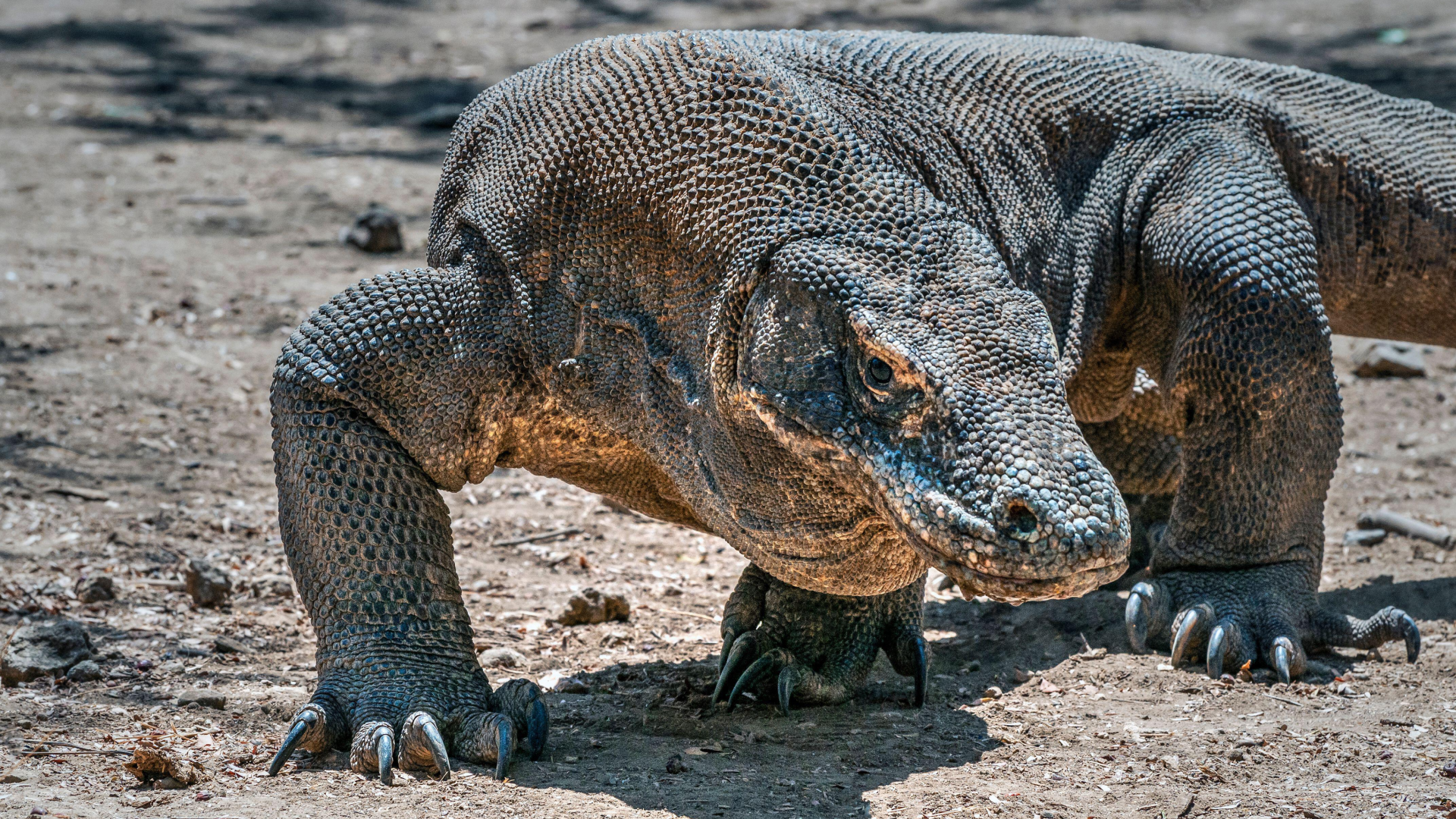
To distinguish the hobbit cut marks from Komodo dragon tooth marks, the researchers first conducted an experiment, feeding a goat carcass to a captive Komodo dragon at Zoo Atlanta. Then, they recovered the goat skeleton and painstakingly documented all of the marks, pits, notches and furrows the Komodo dragon's teeth made in the bones. The tooth marks were concentrated in areas with substantial amounts of goat flesh, the researchers wrote in the study, suggesting the Komodo dragon had a preference for meaty areas.

a Stegodon skeleton in a museum

An extinct species of dwarf elephant called Stegodon florensis insularis inhabited the Indonesian island of Flores. (Image credit: Alamy)

The researchers then investigated the ancient Stegodon bones for evidence of cut marks made by H. floresiensis' stone tools and tooth marks from Komodo dragons. They found 54 cut marks on the Stegodon bones and nearly twice as many Komodo dragon tooth marks. More importantly, they discovered that the Komodo dragon marks were focused on meaty areas, while the human cut marks were made primarily in areas without a lot of meat, suggesting H. floresiensis did not hunt and kill the Stegodon.

The overall patterns of cut marks and tooth marks suggest "a combination of mostly primary access by Komodo dragons and secondary access by H. floresiensis where both predators consumed Stegodon," the researchers wrote. And the hobbits likely ate this meat raw, according to the researchers, as they found no evidence on the Stegodon bones that they had been cooked. Nor did they find any evidence of burning on over 4,000 mouse bones from the site, suggesting the previous evidence of charring was actually natural manganese staining.

A lack of hunting and fire-making technology suggests that the hobbits were not as behaviorally sophisticated as previously thought and raises questions about their ancestry, the researchers said.

a komodo dragon looking super creepy

The Komodo dragon (Varanus komodoensis) lived on the island of Flores and was the only other carnivore along with Homo floresiensis. (Image credit: Alamy)

It's possible that the ancestor of H. floresiensis branched from the Homo genus before humans accomplished the control of fire and hunting, study first author E. Grace Veatch, a paleoanthropologist at the University of Tübingen in Germany, told Live Science in an email.

One hypothesis for the origin of the hobbits is island dwarfism, which occurs when a large species' average body size evolves to be smaller over generations due to the limited availability of natural resources. Another theory is that hobbits descended from an earlier Homo species that was already small-bodied.

"I think our study highlights the importance of considering behavior in these debates," Veatch said. "Our study suggests that H. floresiensis evolved from a hominin population that did not require these dietary strategies [of hunting and cooking], such as a form of early Homo."

But the new study has not entirely settled the debate about the hobbits' ancestry, because very little is known about the behavior of early hominins in Southeast Asia, such as Homo erectus on Java and other areas of Sunda or Sundaland, a landmass between the South China Sea and the Indian Ocean that has been exposed off and on over the past 2.6 million years.

If H. floresiensis really did branch off from H. erectus, that would suggest many evolutionary changes occurred.

"Taking place on an island that was cut off from contact with the Sunda mainland, this evolution from Homo erectus to Homo floresiensis may have involved not just profound anatomical transformations, such as reduced body size and brain volume, but also behavioural adaptations," Adam Brumm, an archaeologist at Griffith University in Australia who was not involved in the study, told Live Science in an email.

"Flores was clearly a wild card in the story of early human evolution, the sort of place where almost anything could have happened — including, potentially, the loss of deeply-rooted hominin behaviours, such as hunting and fire use," Brumm added.

Where H. floresiensis fits in with the rest of the Homo genus is still an open question, Veatch said. "Importantly, this study highlights the contribution of taphonomy [the study of what happens to organic remains after death] to speak to these larger questions about ancestry."

What do you know about early humans? Test your knowledge with our human origins quiz!

Scientists propose launching a giant 'airbag' into space to protect us from solar superstorms ‪— and experts say it's 'quite feasible'

1 July 2026 at 15:13

Researchers have proposed creating a novel satellite constellation, dubbed StormWall, that could shield Earth from the worst effects of solar "superstorms" that we are otherwise unable to mitigate. The innovative idea, which would essentially create a giant airbag in front of our planet, could prevent trillions of dollars in potential damage and is "quite feasible," experts say.

Over the past few years, we have been bombarded by dozens of solar storms as the sun reached the most active phase of its roughly 11-year solar cycle, called solar maximum. These events are often triggered by large clouds of incoming plasma, or coronal mass ejections (CMEs), which often follow powerful explosions on the sun's surface known as solar flares. Such storms frequently paint vibrant auroras across our skies, but their effects are not always benign.

Every century or so, the sun spits out a supercharged storm, such as the Carrington Event of 1859, that is several orders of magnitude stronger than a typical CME. If such a storm were to hit us today, it could wipe out every satellite orbiting Earth, dose astronauts with lethal levels of radiation, damage power grids and even knock out the internet.

Currently, the only way we can prepare for the next superstorm is to get better at forecasting them and design our spacecraft and ground-based infrastructure to deal with their arrival as best as possible. However, a new study published June 2 in the journal Space Weather presents a more proactive approach.

In the new paper, researchers propose launching six bus-sized satellites into a geosynchronous orbit, around 22,500 miles (36,000 kilometers) above Earth. At this altitude — far above the International Space Station and most other satellites — the mini spacecraft swarm would sit and wait for the next "big one." If and when such a storm were spotted, the satellites would empty giant canisters of gas around the edge of Earth's invisible magnetic shield, or magnetosphere, creating a giant wall of plasma that would cushion and divert an incoming CME.

A photo of a Russian satellite orbiting Earth with auroras covering our planet

Earth-orbiting satellites can be knocked out of the sky during solar storms due to increased drag from our planet's inflated atmosphere. (Image credit: ESA/NASA–T. Pesquet)

The team’s simulations show that this plasma wall could cut the intensity of a superstorm down by more than half. This would not completely shield us, but it could help avoid any worst-case scenarios, similar to having an airbag during a car crash, study co-author Daniel Welling, a space physicist at the University of Michigan, told Science magazine. "It's as if you could install an airbag in the magnetosphere," he said.

Because we currently have no way to defend ourselves against these storms, the researchers argue that such a system is vital and should be constructed as soon as possible.

"It's like people in a village who see a river flooding — maybe they can predict when that will happen, but probably what's even better is if they could build a storm wall. That's what we're proposing here," study first author Brian Walsh, a plasma physicist and space weather expert at Boston University, said in a statement. The only difference is that "it would help all people on the planet," he added.

Protecting the planet

StormWall was inspired by Earth's natural response to a solar storm. When CMEs impact our planet, they temporarily weaken the magnetosphere — known as a geomagnetic disturbance — allowing solar radiation to flood the upper atmosphere and trigger auroras. But this also causes oxygen ions to rise into the magnetosphere, where they accumulate on the sun-facing side of our planet, creating a bubble that helps shield us from incoming radiation while the magnetosphere is compromised.

The idea of StormWall is to create this protective barrier before the storm arrives so that the geomagnetic disturbance is not as strong as it otherwise would be. To do this, the proposed satellites would dump around a dozen oil trucks' worth of a reactive gas — such as barium, lithium, sodium or calcium — into the magnetosphere. This gas would accumulate on the sun-facing edge of the magnetosphere and quickly become ionized by the sun, creating a massive plasma barrier that would not only push back against an incoming CME but also help divert it around our planet.

Photo of a giant red plume of plasma erupting from the sun

The sun is constantly firing explosive solar flares into space and experts warn it is only a matter of time before the next "big one." (Image credit: Michael Jäger)

To demonstrate StormWall's potential effectiveness, the team simulated how the satellites would have impacted the May 2024 solar storm (also known as the Mother's Day storm), which occurred when a series of CMEs struck our planet in quick succession, triggering the most powerful geomagnetic disturbance since 2003. They found that the satellites could have reduced the intensity of the resulting geomagnetic disturbance by as much as 84%.

"When you apply some really serious physics to it, it does work," Walsh said. "And the amount of mass we need, the launch capacities — it's all within our capabilities."

One of the most surprising aspects of the new proposal is the amount of gas being released by the satellites: It equates to only around one-millionth the weight of a typical CME, yet this can cut a solar storm's power in half — so the "scheme punches far above its weight," according to Spaceweather.com.

"I definitely would want this"

Some concerns need to be addressed before StormWall could become a reality. For example, similar geoengineering projects — most of which have been proposed to tackle the effects of human-caused climate change — have been criticized for the inadvertent impacts they may have on our planet.

However, while follow-up studies will be needed to make sure it is safe, the researchers are confident that the ionized gas would not affect Earth's magnetosphere or upper atmosphere in any way. Once deployed, the plasma wall would quickly dissipate and be blown clear of our planet by solar wind.

A photo of SpaceX's Starship rocket launching from the ground with plume of fire and smoke

Launching the StormWall satellites would require massive rockets like SpaceX's Starship. But researchers argue that the cost of such an endeavor would be well worth it in the long run. (Image credit: RONALDO SCHEMIDT/AFP via Getty Images)

There is also the issue of money. The StormWall satellites, with their massive gas canisters, would be among the heaviest spacecraft ever launched and would likely require massive rockets, such as SpaceX's Starship, to put them into geosynchronous orbit. While a proper cost analysis has yet to be completed, this would likely cost billions of dollars.

However, considering the potential damages from solar storms, the researchers argue that StormWall would be well worth the money. The May 2024 solar storm, for example, cost U.S. farmers around $500 million due to malfunctions with GPS equipment. And that's just a drop in the bucket compared with what a Carrington-level storm would cost; the study researchers estimate that such a superstorm could cause up to $3.4 trillion in damage.

Another issue is that StormWall is a one-and-done solution. Once the gas canisters are empty, they need to be refilled or completely replaced, which would create a substantial additional cost. But again, if the benefits significantly outweigh the cost, this would be a no-brainer.

Even when taking all of these challenges into account, several experts believe StormWall is not only a good idea but also achievable on a relatively short timescale.

The proposal is "highly innovative and appears to be quite feasible in the near term," Allison Jaynes, a space physicist at the University of Iowa who was not involved in the study, told Science magazine.

And given that there are currently no viable alternatives, it would help put people at ease about the next superstorm.

"If I knew that a 100-year disturbance was coming and it would knock out power grids, I definitely would want this," David Sibeck, chief of heliophysics at NASA's Goddard Space Flight Center, told Science magazine.

Comprehensive Microbiome Analysis Uncovers Reliable Colorectal Cancer Biomarkers

24 June 2026 at 16:26

For decades, the scientific community has recognized the gut microbiome—the intricate ecosystem of bacteria and microorganisms residing within the human intestine—as a potential key player in colorectal cancer development. Yet, the complexity and variability of microbiome data have often obscured clear, reproducible links. Now, an ambitious new study spearheaded by the Mi-EOCRC consortium, which includes pioneering teams at EMBL Heidelberg, has transcended these obstacles by analyzing an unprecedented breadth of data to unearth a universal microbiome signature associated with colorectal cancer.

Garnering insights from an extensive meta-analysis of 27 studies with over 6,700 gut microbiome profiles, the researchers uncovered microbial patterns that remain consistent across diverse populations, sequencing methodologies, and age groups—illuminating a microbial footprint intrinsic to colorectal cancer itself. Their integrative approach not only encompassed stool samples but also expanded to 906 intestinal tissue specimens, revealing striking similarities between microbes colonizing tumors and those present in fecal matter.

This landmark research fundamentally shifted microbiome science by developing innovative computational tools capable of harmonizing heterogeneous datasets produced by different sequencing technologies. Such methodological rigor was critical in overcoming previous barriers of reproducibility that have long plagued microbiome studies. Central to their approach was a bespoke machine learning algorithm adept at categorizing microbiomes along a continuum from ‘healthy’ to ‘cancer-like,’ yielding a quantifiable score that can be leveraged across disparate human gut microbiome datasets, including those derived from dietary interventions.

This algorithmic precision allowed the consortium to isolate a colorectal cancer-associated microbiome signature that transcends traditional cohort boundaries. Intriguingly, the signature appears robust not only in late-stage disease but also in early-onset cases, dispelling prior uncertainty surrounding the microbiome’s role throughout the disease timeline. The discovery underscores the microbiome’s potential as an informative biomarker capable of reflecting the intricate disease ecology.

Moreover, by comparing tumor tissue microbial profiles with those detected in stool, the study illuminated how colorectal cancer’s microbial hallmarks are mirrored across sample types. Although the microbial signature was more readily detectable in advanced tumors or those proximal to the rectum, early-stage lesions exhibited a detectable microbial presence as well. This finding deepens our understanding of tumor-microbiome crosstalk and raises critical questions regarding how microbial communities might influence tumor progression via metabolic and signaling pathways.

Despite these advances, the researchers caution that pre-cancerous adenomas—often the target of preventive strategies—remain notoriously elusive in stool-derived microbiome analyses. The microbial alterations associated with adenomas were subtler and less consistent than those observed in full-fledged cancers. Sophisticated machine learning models specifically aimed at adenoma detection showed variable success across cohorts, highlighting the need for methodological refinement before such tools can make meaningful clinical contributions.

Diet emerged as another pivotal factor shaping cancer-associated microbial patterns. A compelling link was established between low dietary fiber intake and a heightened presence of the colorectal cancer microbiome signature. Conversely, dietary interventions increasing fiber consumption correlated with marked reductions in this cancer-associated microbial pattern. These findings reinforce the concept that diet—and particularly fiber—modulates the gut environment in ways that could impact cancer risk and progression, opening avenues for microbiome-focused preventive strategies rooted in nutrition.

Delving further into microbial taxonomy, the study provided high-resolution insights into Fusobacterium species, bacteria recurrently implicated in colorectal cancer. The researchers delineated notable differences among subspecies, with Fusobacterium nucleatum subsp. animalis exhibiting consistent cancer enrichment worldwide, whereas others showed distinct geographic distributions, predominantly in Asian populations. This nuanced understanding challenges the oversimplification of grouping all Fusobacteria uniformly and underscores the importance of subspecies-level resolution for future microbiome research and therapeutic targeting.

Open science was a cornerstone of this monumental undertaking. By consolidating thousands of publicly available microbiome profiles, the researchers achieved a scale of analysis previously unattainable, setting a new standard for evidence synthesis in microbiome studies. This collective data sharing facilitates reproducible science and paves the way for scalable, global approaches to understanding the microbiome’s role in human disease.

While the study stops short of proposing an immediate diagnostic application, it lays critical groundwork for the development of microbiome-informed clinical tools. Compared to existing non-invasive colorectal cancer screening tests like the fecal immunochemical test, microbiome-based classifiers are not yet on par for sensitivity or specificity. However, the reproducible microbial signature defined here could serve as a foundational reference for future machine-learning models, enabling improved risk stratification and early detection when integrated with other clinical markers.

The implications of this research ripple beyond colorectal cancer alone. The computational tools and conceptual frameworks unveiled may be applied to myriad disease contexts where the microbiome plays a role. Furthermore, the iterative feedback loop between dietary modulation and microbial signatures encourages a personalized medicine approach that incorporates lifestyle factors into disease management.

Finally, this research highlights the intricate dance between host, microbes, and environment that shapes disease landscapes. As microbiome science marches forward, studies like this exemplify the power of interdisciplinary collaboration, computational innovation, and open data stewardship to unravel complex biomedical puzzles, bringing us closer to novel interventions and preventive strategies that could transform patient outcomes worldwide.

Subject of Research: People
Article Title: Meta-analysis reveals microbiome signatures for colorectal cancer that are universal across onset age and sequencing method
News Publication Date: 24-Jun-2026
Web References: http://dx.doi.org/10.1016/j.chom.2026.05.030
Image Credits: Daniela Velasco/EMBL
Keywords: Colorectal cancer, Human microbiota, Gut microbiota

SwRI and St. Mary’s University Partner to Forecast Durability of Metal Hydride Hydrogen Storage

24 June 2026 at 16:21

Southwest Research Institute (SwRI) and St. Mary’s University have embarked on a groundbreaking collaboration aimed at revolutionizing the future of hydrogen storage technology. This joint venture seeks to develop a comprehensive, physics-based forecasting tool capable of predicting the degradation and long-term durability of titanium-iron (TiFe)-based metal hydride vessels. Leveraging a chemical and thermo-mechanical modeling framework, the project represents a significant leap forward in tackling one of the most persistent challenges in hydrogen storage materials science. This initiative is made possible through a $125,839 grant from the St. Mary’s-SwRI Technology and Applied Research (S²TAR) Program, designed to foster impactful research collaborations.

Metal hydrides are pivotal materials in the hydrogen energy landscape, serving as one of the few safe and compact solid-state options for hydrogen storage. These materials function by chemically binding hydrogen to metal lattices through chemisorption, effectively locking hydrogen atoms within the structure. Unlike high-pressure gaseous tanks or cryogenic liquid hydrogen storage, metal hydrides offer improved safety profiles and reduce energy-intensive requirements. However, despite these advantages, their widespread application is hindered by their limited durability and performance degradation resulting from repeated hydrogen absorption and desorption cycles.

At the heart of this ambitious research endeavor is the intricate problem of metal hydride vessel degradation. Over numerous charge and discharge cycles, physical changes ensue within the alloy powders comprising the metal hydride bed. These changes include fracturing of particles, densification of the powder bed, and mechanical stresses that collectively impair hydrogen storage capacity and vessel performance. Traditional evaluation methods rely heavily on prolonged, costly experimental testing to assess long-term vessel integrity—a bottleneck that impedes innovation and commercialization.

The project team, headed by Dr. Richard S. Fu of SwRI and Dr. Mohamed Shaat of St. Mary’s University, seeks to transcend these limitations by integrating advanced physics-based simulations with targeted experimental validation. This dual approach aims to create a robust modeling framework capable of forecasting the lifecycle and operational durability of TiFe metal hydride vessels. The predictive tool will account for the coupled chemical, thermal, and mechanical phenomena driving hydrogen cycling performance over hundreds or even thousands of cycles.

Dr. Shaat is spearheading the development of an intricate, multiphysics computational framework at St. Mary’s University. This model is designed to encapsulate the complex interplay between hydrogen diffusion, chemisorption reactions, phase transformations within the metal hydride, heat generation and transfer, and the evolution of mechanical stress within the vessel. By accurately simulating these interconnected processes, the framework seeks to facilitate precise performance predictions, while also identifying design parameters and operational regimes that optimize both efficiency and vessel longevity.

Central to the team’s vision is the translation of fundamental physical and chemical principles of hydrogen interaction into computationally efficient predictive models. Dr. Shaat emphasizes the importance of capturing the coupling mechanisms—particularly how hydrogen transport influences thermal and mechanical responses and vice versa—in order to provide reliable simulations that replace and reduce the dependence on lengthy physical testing. This innovative approach promises to significantly reduce costs, accelerate development cycles, and improve hydrogen storage system designs.

On the experimental front, SwRI’s team, under Dr. Fu’s guidance, is undertaking controlled, long-term cycling experiments to collect essential validation data. By subjecting metal hydride vessels to realistic charge-discharge scenarios, they aim to quantitatively monitor performance degradation mechanisms as they unfold. These experiments will provide the empirical backbone necessary to calibrate and refine the modeling framework, ensuring that simulation outputs faithfully represent real-world behavior under operational conditions.

The synergy between modeling efforts and experiments forms the cornerstone of the project’s iterative design loop. As Dr. Fu explains, modeling insights will direct the focus of experimental tests to critical phenomena, while the resulting data will feedback to correct and enhance the models. This dynamic interplay is expected to unravel previously obscure degradation mechanisms by illuminating the coupled chemical, thermal, and mechanical interactions at work within the metal hydride vessels. Ultimately, this feedback-driven methodology will yield a predictive tool capable of guiding material improvements and engineering decisions.

Hydrogen’s emergence as a clean, versatile energy carrier is a key cornerstone of global efforts to decarbonize energy and transportation sectors. However, to fulfill its potential, advances in storage technology are imperative. Unlike batteries or fossil fuels, hydrogen storage demands novel materials and engineering solutions due to its unique physical and chemical characteristics. By focusing on metal hydride vessels, this project addresses a promising yet underdeveloped storage pathway that could unlock safer, more efficient hydrogen deployment across diverse applications.

The S²TAR funding mechanism plays an instrumental role in enabling this interdisciplinary collaboration by providing seed resources that draw on the expertise strengths of both SwRI and St. Mary’s University. This partnership is not only poised to produce high-impact scientific outcomes but also lays the foundation for sustained cooperation. Through this collaboration, the team is well-positioned to attract larger external funding sources from federal agencies and industry players focused on advancing hydrogen infrastructure and clean energy technology.

As work progresses, the team anticipates that their predictive modeling tool will be an invaluable resource for the hydrogen storage community. It will offer designers and researchers an evidence-based platform to evaluate new materials, optimize vessel designs, and predict operational lifetimes with higher confidence. By systematically addressing the core durability challenges of metal hydride storage, this project represents a wide-reaching advancement that could significantly accelerate solid-state hydrogen storage adoption worldwide.

In conclusion, this joint initiative by Southwest Research Institute and St. Mary’s University epitomizes the cutting edge of hydrogen storage research. Through combining rigor in experimental validation and sophistication in physics-based modeling, the project champions a future where hydrogen is stored more safely and efficiently. The knowledge generated here promises to not only rewrite the fundamentals of storage vessel degradation understanding but also to catalyze practical applications in the global hydrogen economy.


Subject of Research: Physics-based modeling and experimental validation of TiFe-based metal hydride hydrogen storage vessel degradation and durability.

Article Title: Advancing Solid-State Hydrogen Storage: Predictive Modeling and Experimental Synergy for Metal Hydride Vessel Durability

News Publication Date: June 24, 2026

Web References: https://www.swri.org/markets/energy-environment/power-generation-utilities/advanced-power-systems/hydrogen-energy-research?&utm_medium=referral&utm_source=eurekalert!&utm_campaign=s2tar-metal-hydrides-pr

Image Credits: Southwest Research Institute

Keywords

Hydrogen storage, metal hydrides, TiFe alloys, chemisorption, physics-based modeling, thermo-mechanical framework, hydrogen diffusion, phase transformation, performance degradation, solid-state hydrogen storage, experimental validation, multiphysics simulations

'A weird result from an already weird hominin': Archaeologists discover all Homo naledi skeletons found in South African cave are female

For the first time, archaeologists have analyzed the genetic material of Homo naledi, a mysterious 300,000-year-old relative of modern humans discovered deep in a South African cave system. What they found is unique in human evolution studies: Every skeleton known from the species is female.

"I think it is fair to say that they surprised us," Lee Berger, a National Geographic explorer-in-residence, told Live Science in an email, but H. naledi "has always been an enigmatic discovery."

Since 2013, Berger has headed the Rising Star project, which discovered nearly two dozen skeletons of small-brained, two-legged creatures, which the research team named H. naledi, within a cave system in South Africa's Cradle of Humankind.

Research over the past decade has revealed that H. naledi was unusual for having a small brain and upper body, similar to earlier australopithecines like Lucy, but a face, hands and lower limbs that were more human-like. In 2023, the Rising Star team suggested H. naledi may have used fire in the cave, and in 2025, they advanced the controversial claim that H. naledi buried their dead — a complex behavior unexpected for a human relative with such a small brain.

But a new study of H. naledi teeth published Wednesday (June 24) in the journal Cell may bolster the team's interpretation of the Rising Star cave as a burial site.

An international team of experts studied 20 teeth from H. naledi skeletons using proteomic analysis, a minimally destructive technique that sequences genetic material from ancient proteins. Proteomics is a burgeoning field, especially because these proteins can last longer than DNA. The team focused on amelogenin genes (AMEL), which code for proteins in dental enamel and vary by sex. While the gene variant called AMELX is found in both males and females, another one, AMELY, is found only in biological males.

In analyzing the H. naledi teeth, the team found no AMELY genes but plenty of AMELX ones, suggesting that all of the skeletons were from females. These included the nearly complete skeleton of Neo and DH1, the main representative of the species, both originally assumed to be male.

The result is surprising because there are no known ancient human cemeteries or collections of nonhuman primate skeletons that contain only females.

"The most likely reason for these robust results are, in my opinion, cultural selection after death for burial by sex and perhaps gender," Berger said. "There are many past human societies with sex-specific burial practices," study co-author John Hawks, a paleoanthropologist at the University of Wisconsin-Madison, said in a statement, but the H. naledi skeletons "are older than any known Neanderthal or modern human burial site, and it's remarkable to see that they may all be female."

ancient teeth in a jaw on the floor of a cave

A partial jawbone with teeth from Homo naledi lies was found in the Rising Star cave system. (Image credit: Mathew Berger / Rising Star Program)

"An already weird hominin"

The discovery that everything we know about H. naledi comes from female skeletons has surprised paleoanthropologists.

"The bottom line is this is a weird result from an already weird hominin," Elizabeth Sawchuk, curator of human evolution at the Cleveland Museum of Natural History, who was not involved in the study, told Live Science in an email. "The key thing to remember is that failure to detect evidence of AMELY does not mean there are no males in the sample — it just means that none were detected."

One possible reason for the lack of this gene in H. naledi skeletons is an AMELY gene deletion that is known to occur very rarely in some modern-human populations and that has been found in one Neanderthal male. If the AMELY gene doesn't exist in this H. naledi group, then the protein profiles of males would look identical to the profiles of females.

However, "it's very unlikely that this would be the case among even half of the 20 individuals we studied or for an entire population," study co-author Enrico Cappellini, a paleoproteomics professor at the University of Copenhagen in Denmark, said in the statement. "Either scenario, namely the absence of H. naledi males in the Rising Star cave system or a systematic deletion of their AMELY gene, is fascinating and would have deep implications for a better understanding of the biology and evolution of this species."

Studies of H. naledi, a species known from a single site, "continue to yield more questions than answers," Sawchuk said. "As the authors point out, this is a surprising result that requires more investigation."

Other hominins in South Africa

A second surprising result in the proteomic analysis was that H. naledi shares a gene variant with Paranthropus robustus, a human relative with a massive face and teeth that lived in South Africa around 1 million to 2 million years ago.

Proteomic analysis of four P. robustus skeletons in 2025 proved that limited genetic material could be recovered from ancient human relatives in Africa. The new study has revealed that some members of this species and H. naledi shared a gene variant related to collagen production, which is different from the genes found in modern humans, Neanderthals and Denisovans.

While H. naledi and P. robustus inhabited the same general geographic area, it is unclear if they lived there at the same time and overlapped or if they may have had an ancestor-descendant relationship.

"It is early days for sampling fossil hominins with ancient proteins, and until we build a better, bigger sample, we just don't know" what the shared genetic variant means, Berger said.

Building a larger database of ancient proteins from other human relatives that evolved in Africa, such as Australopithecus africanus and Homo erectus, may clarify where H. naledi fits into the picture of human evolution.

"Key data are missing from H. erectus and A. africanus that would help put this evidence into context," Sawchuk said. "For now, this is another curious finding that bears further investigation."

a scientist with dark skin and glasses wears white scrubs and blue gloves to test something

Study lead author Palesa Madupe has pioneered techniques to extract proteins from fossils. (Image credit: Alberto Taurozzi / Rising Star Program)

What does sex change?

In 2015, Berger and colleagues named the new hominin H. naledi and described what they presumed to be male and female variants of the species based on the skeletons' sizes. In many groups of human relatives and in modern humans, males are physically larger than females, on average. This assumption led the researchers to classify the presumed male individual DH1, discovered in the Dinaledi chamber of the cave, as the main representative of the new species.

But a 2024 study was the first to question the assumption that the H. naledi skeletons came from two sexes. In that study, researchers found variation in the teeth of H. naledi that was "so low that the possibility that one sex is represented by few or no individuals in the sample cannot be excluded," they wrote.

"Our study helps resolve the long-standing mystery of why Homo naledi lacked significant variation," study first author Palesa Madupe, a researcher at the Max Planck Institute for Evolutionary Anthropology in Germany, said in the statement. "It's probably because they could have all belonged to one sex."

If the proteomic sex analysis is correct and H. naledi does not have AMELY deletion issues, it means everything we know about the species comes from females. But this doesn't mean interpretations of the species are wrong.

"The only thing that has changed is that we have never seen a male!" Berger said. "When and if we do, we will have to extend the description to include male sex characters and the likely extension of certain aspects of variation."

The researchers hope their study paves the way for more proteomic analyses of human relatives in the future.

The new analysis proves that protein analysis of fossils from the Pleistocene (2.58 million years ago to 11,700 years ago) can be done in a minimally destructive way, Madupe said. "This means potentially opening the door to a whole new way of sustainably investigating the differences between sexes in groups of extinct hominins and other animals without causing visible damage to these priceless fossils."

What do you know about early humans? Test your knowledge with our human origins quiz!

Zoox’s purpose-built robotaxi is getting a refresh

24 June 2026 at 16:00
Zoox robotaxi

Zoox, the autonomous vehicle company owned by Amazon, unveiled a new look for its boxy, bidirectional robotaxi, calling it the "next evolution" of the vehicle intended for mass production. The company is currently operating a free robotaxi service in San Francisco, Las Vegas, Austin, and Miami while it waits for the federal government to approve its request for an exemption from safety rules that require production vehicles to have traditional controls, like steering wheels and pedals.

While other robotaxi operators have typically relied on vehicles with familiar nameplates for their fleets, Zoox is unique in its embrace of a purpose-built …

Read the full story at The Verge.

DARPA’s X-plane designed to maneuver with bursts of air gets new wings attached

24 June 2026 at 15:14

Boeing subsidiary Aurora Flight Sciences has begun installing the wings on the X-65, an experimental drone developed under DARPA’s Control of Revolutionary Aircraft with Novel Effectors (CRANE) program.

The installation brings DARPA and Aurora a step closer to flying the unconventional uncrewed aircraft, which was designed to test flight control using only bursts of pressurized air instead of conventional moving surfaces.

The X-65’s active flow control

The X-65’s key innovation lies in its active flow control (AFC) system. Fourteen AFC effectors embedded across the aircraft’s lifting surfaces use jets of high-pressure air to manage roll, pitch, and yaw.

This will either replace or supplement traditional flaps and rudders. The X-65 incorporates both systems to establish performance baselines before transitioning to AFC-only operation. Essentially, it will allow researchers to flight test the technology while minimizing risk.

An artist’s render of the X-65 drone. Source: Aurora Flight Sciences / X

“The X-65 conventional surfaces are like training wheels to help us understand how AFC can be used in place of traditional flaps and rudders,” Dr. Richard Wlezien, former CRANE program manager at DARPA, said in a 2024 press statement. Sensors will compare the two approaches to evaluate potential benefits.

Aurora Flight Sciences announced the wing’s arrival on social media, noting that the components were built at its West Virginia facility. Integration is underway in Virginia, with the first flight now targeted for 2027.

Novel effectors to enhance survivability

The X-65 features a co-planar joined wing configuration with triangular wing sections on each side that merge at the tips, plus small extensions for a total wingspan of 30 feet.

The triangular wings support testing across multiple sweep angles and feature modular, swappable sections for future AFC configurations.

The aircraft also includes a twin vertical tail, a chin air intake, and a single exhaust. The uncrewed aircraft has a gross weight of approximately 7,000 lbs.

DARPA kick-started the CRANE program in 2020. Though Aurora has advanced to the detailed design and fabrication phases, the program has encountered delays and cost overruns, as reported by The War Zone.

Original flight plans for 2025 slipped after higher-than-expected prototype costs and supply chain issues. Pentagon funding for the effort since fiscal year 2024 has reached nearly $63 million.

Eliminating moving control surfaces could yield multiple advantages. Removing moving parts could result in improved aerodynamics and efficiency, particularly at high altitudes. Reduced mechanical complexity also offers potential weight savings, lower maintenance demands, and greater reliability. For military applications, such systems could have enhanced survivability against battle damage.

The technology holds particular promise for stealth aircraft. Traditional control surfaces create gaps and protrusions that increase radar cross-section and require constant adjustments in fly-by-wire systems. AFC effectors embedded flush with the airframe could help maintain smoother external contours and lower observability.

As Aurora vice president Larry Wirsing stated last year: “The X-65 platform will be an enduring flight test asset, and we’re confident that future aircraft designs and research missions will be able to leverage the underlying technologies and flight test data.”

We got a sneak peek of the final space shuttle set to go on public display

24 June 2026 at 15:04

There are some sights in this world that no photograph can truly capture.

Think of the rolling ribbons of the aurora in the northern and southern skies, the depth and breadth of the Grand Canyon, or the sense of immersion when diving on the Great Barrier Reef. Astronauts will tell you that not even large-format cameras can truly capture the blackness of outer space or the majesty that is our planet as seen from orbit or beyond.

It's not every day that a new one of those sights debuts. But such will be the case on Friday, November 13, when the California Science Center in Los Angeles finally reveals the launch-pad-like display of the space shuttle Endeavor inside the new Samuel Oschin Air and Space Center.

Read full article

Comments

© California Science Center/Mike Kelley

Asylum Accommodation is Ripping off the Taxpayer 

24 June 2026 at 15:03

Asylum accommodation costs have more than trebled to over £15 billion and made a billionaire out of Clearsprings owner Graham King. This scandalous racket needs to end, says Madeleine Gillies.

The post Asylum Accommodation is Ripping off the Taxpayer  appeared first on The Daily Sceptic.

Public Climate Support Undervalued in German Politics

24 June 2026 at 15:00

In a groundbreaking study challenging prevailing assumptions about climate policy, German politicians appear to underestimate public support for climate action, suggesting a disconnect that could shape future legislative efforts. This research, recently published in Communications Earth & Environment, involved a comprehensive survey of over 6,000 German political figures combined with two robust population samples, shedding new light on the perceptions of climate-related public opinion within political domains.

The study’s core methodology involved contacting 6,074 German politicians via official email addresses between September and November 2024. These emails invited recipients to participate in a concise, five-minute online survey on “Trends in German Society,” deliberately omitting any direct reference to climate change in an effort to reduce bias. Despite the considerable size of the outreach, the overall final completion rate after stringent data cleaning—including a threshold where respondents completing less than half of the survey were excluded—yielded 1,599 high-quality responses. This cohort formed the backbone of the political sample for in-depth analysis.

Respondents were first provided a clear, scientific definition of global warming to ensure a consistent understanding across participants. This standardization was essential for eliciting valid attitudes relating to perceived problem awareness, policy acceptance, and willingness to engage in financial contributions toward climate mitigation efforts. The survey asked about politicians’ perceptions of how problematic the average German citizen finds climate-damaging behaviors and the corresponding desire for government intervention to reduce such actions. This dual focus aimed to assess both the perceived societal concern and the appetite for political support in addressing climate issues.

One of the critical findings centers on the perceived public acceptance of climate policies. Politicians were queried about communication and informational initiatives, the imposition of taxes on environmentally harmful products and behaviors, as well as stricter laws and regulations. Results indicated that politicians systematically underestimated the level of public support for each type of intervention, revealing a sizable perception gap that may influence hesitancy or delay in implementing ambitious policies.

Additional layers of the survey explored perceived willingness among citizens to contribute financially to climate action. Two specific metrics were used: the number of people believed to be willing to donate 1% of their household income monthly toward climate causes, and the expected amount of microdonations from a hypothetical €1 earned by survey participation. The politicians’ conservative estimates in these financial willingness measures contrasted with actual data derived from representative surveys of the German population, underscoring a potential underappreciation of public commitment.

Complementing the political survey, two population samples were simultaneously analyzed. The first was a nationally representative online cohort of 1,034 German residents aged 16 and older, recruited through the professional survey company Kantar. This sample’s data helped benchmark real public attitudes toward climate problem awareness, governmental support desires, and acceptance of policy measures. The second incorporated 1,000 participants from the global Gallup World Poll, representing a broad cross-section of the German populace, further reinforcing the validity of the findings.

The population samples consistently demonstrated higher levels of problem recognition and stronger endorsement for governmental action on climate change than the political respondents presumed. Notably, willingness to financially support climate initiatives was markedly higher among the general public than politicians estimated. This disparity points toward a systemic underestimation within the political elite regarding their constituents’ readiness for meaningful climate policies.

Such findings hold significant implications for political decision-making. By misjudging the public’s attitudes, legislators and party leaders may refrain from advancing or supporting robust climate legislation for fear of voter backlash or electoral risk. This dynamic could partly explain the sluggish pace of climate policy adoption in Germany despite mounting scientific urgency and popular concern.

The study also incorporates demographic variables from the political cohort—party membership, mandate level, government versus opposition status—but the perception gap in climate support appears pervasive across these strata. The researchers carefully mitigated selection biases by anonymizing survey topics and limiting survey length to encourage participation, thus strengthening the generalizability of their conclusions.

Moreover, the research underscores a broader phenomenon in democratic governance: the critical importance of accurate awareness of public opinion among policymakers. Misperceptions can skew policy priorities and stall necessary systemic transformation, especially in deeply divisive or complex issues such as climate change. This study contributes empirical evidence to the discourse, advocating for enhanced communication channels and feedback mechanisms between citizens and their elected representatives.

The implications extend beyond Germany, serving as a cautionary tale for democracies worldwide. As climate crises accelerate, aligning political perceptions with grassroots realities is paramount to fostering effective, timely policy responses. Future research might explore interventions that improve politicians’ insight into public sentiment or measure the impacts of corrected perceptions on policy enactment.

Researchers also highlight the need for continuous, high-resolution public opinion tracking using varied methodologies, including direct surveys with policymakers and general population samples. This multi-angle approach ensures robust cross-validation and prevents siloed misunderstandings from dampening political momentum on urgent environmental challenges.

By revealing that German politicians substantially undervalue public backing for climate action, this study challenges political assumptions and calls for strategic reforms in policymaker engagement with constituents. Increased awareness of genuine public support could embolden policymakers to champion ambitious climate initiatives, potentially reshaping Germany’s environmental trajectory.

The convergence of rigorous survey methods, large sample sizes, and thorough demographic controls lends significant credibility to these revelations. Ultimately, bridging the gap between political perception and public reality represents a critical step to unlocking proactive climate governance capable of meeting the demands of planetary stewardship.

As Germany positions itself as a leader in climate policy, this study’s insights serve as a powerful reminder that public opinion is not only a metric but a dynamic resource to be understood and harnessed. Greater transparency and dialogue between politicians and citizens might unlock untapped political will, enhancing collective climate action efficacy.

In conclusion, the evidence points to a pervasive issue: political misjudgment of climate support that risks impeding crucial policy advancements. Addressing this perceptual shortfall may catalyze transformative environmental legislation, aligning political action with the robust enthusiasm evident among the German populace.


Subject of Research: Public perceptions of climate action support among German politicians compared to the general population

Article Title: Public support for climate action is underestimated in the German political domain

Article References:
Sevincer, A.T., Hostlowsky, L., Styhler, F. et al. Public support for climate action is underestimated in the German political domain. Commun Earth Environ 7, 543 (2026). https://doi.org/10.1038/s43247-026-03721-7

Image Credits: AI Generated

DOI: https://doi.org/10.1038/s43247-026-03721-7

UofL Scientists Reveal How Combining Fruits and Nuts with Specific Gut Microbes Promotes Intestinal Healing

24 June 2026 at 14:55

In a groundbreaking study poised to reshape the landscape of inflammatory bowel disease (IBD) treatment, researchers at the University of Louisville have elucidated the molecular mechanisms by which a natural metabolite derived from dietary sources orchestrates a protective immune response in the gut. IBD, encompassing debilitating conditions such as Crohn’s disease and ulcerative colitis, affects millions globally and is characterized by persistent inflammation and compromised intestinal barrier integrity. The intestinal barrier plays a critical role in maintaining homeostasis by allowing nutrient absorption while preventing the translocation of harmful microbial agents. In patients with IBD, this barrier is disrupted, leading to exacerbated inflammation and tissue injury.

Central to this new discovery is urolithin A (UroA), a microbial metabolite produced in the human gut following the ingestion of ellagitannin-rich foods such as pomegranates, walnuts, and berries. The research team led by Dr. Venkatakrishna Rao Jala unveiled how UroA selectively activates the aryl hydrocarbon receptor (AHR), a ligand-activated transcription factor expressed in various cell types, including those that constitute the intestinal epithelium. Unlike conventional views of AHR as a mediator of toxicological responses to environmental contaminants, this study highlights a nuanced role for AHR signaling in immune modulation and barrier function maintenance.

In their experimental design, investigators employed a combination of cell culture models, intestinal organoids, and human tissue samples from IBD patients to delineate the cellular and molecular pathways engaged by UroA. This comprehensive approach allowed them to pinpoint intestinal epithelial cells as the primary sites of AHR activation by UroA. Activated epithelial AHR, in turn, stimulates the assembly of the NLRP6 inflammasome, a multiprotein complex traditionally associated with inflammatory cytokine maturation and pyroptotic cell death. Contrary to the canonical inflammatory paradigm, NLRP6 activation here initiates a controlled release of protective mediators that promote epithelial repair, mucus production, and antimicrobial peptide secretion, collectively enhancing barrier integrity.

This dualistic nature of inflammasome signaling reveals an elegant example of cellular context-determined outcomes of innate immune pathways. While systemic inflammasome activation is linked to pathological inflammation, its epithelial-specific engagement appears to serve as a homeostatic mechanism preserving mucosal immunity and preventing microbial dysbiosis. This insight furthers our understanding of the immune microenvironment in the gut and challenges existing dogmas that broadly classify inflammatory signaling as detrimental in chronic intestinal diseases.

The exploration of UroA’s mechanism also sheds light on the intricacies of diet-microbiota-host interactions that underpin gut health. Dietary metabolites have emerged as critical modulators of signaling networks that maintain tissue equilibrium. This study positions urolithin A as a pivotal molecular bridge linking dietary intake to cellular defense strategies, mediated through receptor-mediated inflammasome activation. By elucidating this axis, the findings offer a compelling rationale for dietary or microbiota-targeted interventions designed to harness endogenous metabolites for therapeutic benefit.

Importantly, the protective pathway abrogates damage caused by intestinal injury without invoking broad immunosuppression, a common drawback of current IBD therapies that can predispose patients to infections and malignancies. Targeted activation of epithelial AHR by UroA selectively augments mucosal barrier function while modulating local immunity, offering a precision medicine approach with potentially fewer side effects.

From a translational perspective, these insights could catalyze the development of novel therapeutics that mimic or potentiate UroA’s activity, aiming to restore gut barrier homeostasis in individuals suffering from IBD and other gastrointestinal disorders. Unlike systemic immunomodulators, such agents could enhance intrinsic repair mechanisms, reinforcing the mucosal shield against microbial translocation and inflammation relapse.

Furthermore, this research underscores the importance of endothelial and epithelial cellular compartments in orchestrating immune responses that are finely tuned to environmental and nutritional cues. The aryl hydrocarbon receptor emerges as a nodal point integrating extrinsic and intrinsic signals, modulating inflammasome dynamics uniquely in epithelial cells as opposed to immune cells such as macrophages or dendritic cells, where AHR activation may produce opposing outcomes.

The team’s validation using human intestinal biopsies strengthens the clinical relevance of their findings, demonstrating that UroA-induced AHR-NLRP6 activation is not merely an experimental artifact but a genuine biological phenomenon with implications in human disease states. The investigation also highlights the potential inter-individual variability in microbiota capacity to generate UroA, which may influence susceptibility or response to treatment in IBD patients.

Concluding remarks from the lead investigators emphasize the broader implications of delineating this pathway. By distinguishing harmful from beneficial inflammatory cascades, the study advocates for selective immunomodulation strategies that leverage inherent protective mechanisms instead of indiscriminate suppression. This paradigm shift could revolutionize therapeutic approaches, fostering better clinical outcomes and improved quality of life for those affected by chronic intestinal inflammation.

Collectively, these findings mark a significant advance in gut immunology and open new avenues for precision dietary-based therapeutics. The interaction between diet-derived microbial metabolites, host epithelial signaling, and inflammasome activation represents a complex yet promising frontier in combating chronic inflammatory diseases. As our understanding deepens, integrating nutritional sciences with immunopharmacology may yield innovative treatments that redefine gut health maintenance.

Subject of Research: Human tissue samples

Article Title: Urolithin A activates aryl hydrocarbon receptor-NLRP6-mediated pathways in intestinal epithelial cells to modulate mucosal immunity and strengthen gut barrier integrity

News Publication Date: 23-Jun-2026

Web References: http://dx.doi.org/10.1038/s41467-026-73760-3

References: Published in Nature Communications

Image Credits: University of Louisville

Keywords: Human gut microbiota, Metabolism, Metabolomics, Metabolites, Diseases and disorders, Digestive disorders, Inflammatory bowel diseases, Gastrointestinal tract, Gastrointestinal disorders, Inflammasomes

From Darkness to Light: How Blind Mexican Cavefish Reveal Brain Evolution

24 June 2026 at 14:50

Deep within the labyrinthine caves of northeastern Mexico dwells a remarkable species of fish, the blind Mexican cavefish (Astyanax mexicanus), whose evolutionary journey over hundreds of thousands of years has led it to adapt to a life shrouded in perpetual darkness. This fish has lost its eyes and pigmentation, hallmark traits of cave-dwelling organisms, while simultaneously acquiring a suite of physiological and behavioral adaptations tailored to survive in nutrient-scarce subterranean environments. Its dual existence as both a sighted surface fish and numerous independently evolved cave forms presents a unique biological system for examining how extreme environments drive evolutionary changes in brain structure, sensory processing, and behavior.

Researchers from Florida Atlantic University, collaborating with experts from institutions across the United States, have leveraged cutting-edge genetic and imaging technologies to decipher the neural underpinnings that distinguish cavefish from their surface relatives. By employing genetically engineered lines of this species that express fluorescent markers in their neurons, the scientists conducted real-time, whole-brain imaging at cellular resolution, unveiling intricate patterns of neural activity in response to sensory stimuli. This approach allowed direct comparison of neural circuitry when fish were exposed to alternating light and dark conditions, providing profound insights into how evolution recalibrates brain function to orchestrate behavior appropriate for radically different environments.

The study, recently published in Science Advances, reveals an astonishing reversal in sensorimotor behavior between the two ecotypes. Whereas surface fish exhibit increased locomotor activity upon sudden darkness—presumably an adaptive mechanism to enhance exploration for light sources—the cavefish respond inversely, with heightened activity triggered by light exposure. This counterintuitive response is theorized to serve as an adaptive avoidance strategy, steering cavefish away from illuminated cave entrances where predation risk and environmental fluctuations are higher. Such behavioral rewiring exemplifies how neural circuits can be evolutionarily repurposed rather than completely reinvented.

Central to this behavioral dichotomy is the alteration of activity within the posterior tuberculum, a brain region long implicated in sensorimotor integration and motivational states. The researchers identified not only region-specific shifts in activity patterns but also characterized a previously undescribed neuronal cell type that appears to play a pivotal role in mediating light-evoked responses. Intriguingly, neurons that in surface fish were activated by darkness exhibited robust activation in cavefish under light stimulus, underscoring the concept of evolutionary neural circuit reutilization. This finding challenges conventional assumptions that new behaviors necessitate de novo neural architectures and instead supports a model where existing circuits are modified to generate novel functional outputs.

Further mechanistic insights emerged from the investigation of dopaminergic signaling pathways. Dopamine, a neurotransmitter extensively involved in motor control, reward processing, and sensory modulation across vertebrates, was found to be centrally implicated in mediating these light-driven behavioral shifts. The study demonstrates that evolutionary tuning of dopamine circuits underlies the behavioral adaptation in cavefish, representing a conserved neurochemical axis modified through natural selection. This work sheds light on the plasticity and evolutionary potential of neuromodulatory systems in shaping species-specific behaviors.

These findings have significant implications beyond the realm of evolutionary biology. Since dopaminergic circuits are highly conserved from fish to mammals, understanding how these systems adapt to environmental pressures provides a window into fundamental brain functions relevant to health and disease. For example, alterations in dopamine signaling underlie numerous neurodevelopmental and neurodegenerative disorders in humans, including Parkinson’s disease, schizophrenia, autism spectrum disorders, and attention deficit hyperactivity disorder (ADHD). By elucidating natural mechanisms of dopamine circuit modification, this research may inform therapeutic strategies targeting related pathologies characterized by dysregulated sensory processing and motor responses.

The genetically controlled inheritance of photokinetic behavior further underscores the robustness of these adaptations. Crossbreeding experiments between surface fish and cavefish yielded hybrid offspring exhibiting a spectrum of activity responses to light and dark, confirming that these sensorimotor traits are encoded within the genome. Dissecting the genetic loci and developmental pathways responsible for remodeling neural circuits remains a crucial next step. Such investigations promise to unravel molecular drivers of behavioral evolution and highlight how genetic variation translates into neural and behavioral diversity.

The blind Mexican cavefish stands as an exemplary model system to probe how sensory systems are sculpted by evolutionary forces and how brains dynamically reconfigure to interpret environmental signals. By disentangling the neural rewiring that facilitates survival in total darkness, researchers gain a clearer picture of how sensory inputs are transformed into adaptive motor outputs. This contributes to a broader understanding of brain evolution applicable across vertebrates and illustrates nature’s ingenuity in leveraging existing neural frameworks to solve complex ecological challenges.

Through advanced imaging and behavioral quantification, the Florida Atlantic University team has carved new ground in charting the neural circuit modifications that underpin a dramatic shift from dark-evoked to light-evoked photokinesis. This work provides a compelling paradigm illustrating that evolution does not invariably mandate the invention of novel structures but can preferentially repurpose and recalibrate pre-existing neural substrates to generate behavioral novelty.

The evolutionary narrative of the blind Mexican cavefish enriches our comprehension of neuroecology—the study of how nervous systems evolve in response to environmental variables. It reveals that sensory deprivation, far from being a mere loss, can instigate intricate neural and behavioral innovations that confer selective advantages. Such insights deepen our appreciation for the complexity and flexibility inherent in neural systems when confronted with extreme ecological niches.

Finally, this research exemplifies the power of integrative methodologies combining genetics, neurobiology, and behavioral science to unravel the enigma of brain evolution. It paves the way for future interdisciplinary studies to identify specific genes orchestrating neural circuit plasticity, decode developmental mechanisms driving neuronal subtype specification, and ultimately connect genotype to phenotype in a context of evolutionary adaptation.


Subject of Research: Animals

Article Title: Evolution of a central dopamine circuit underlies adaptation of a light-evoked sensorimotor response in the blind cavefish

News Publication Date: 22-May-2026

Web References:
DOI: 10.1126/sciadv.adv3770

Image Credits: Florida Atlantic University

Keywords: Evolutionary biology, Brain, Neurons, Sensory neurons, Photoreceptors, Neurological disorders, Neurodegenerative diseases, Parkinson’s disease, Schizophrenia, Fish, Brain activity maps, Behavioral ecology, Ecological adaptation, Neural pathways, Dopamine pathways

❌