TENERIFE, CANARY ISLANDS — The Artemis II astronauts may have traveled hundreds of thousands of miles away from Earth to the moon, but they made sure the rest of us didn't miss out on the adventure.
Now, their efforts to bring the wonders of space exploration back down to Earth have earned them one of science communication's most prestigious honors: the Stephen Hawking Medal.
NASA astronauts Reid Wiseman and Victor Glover, alongside Canadian Space Agency astronaut Jeremy Hansen, accepted the award on Saturday (Oct. 17), during the opening ceremony of the Starmus VIII festival. The honor recognizes all four crew members, including NASA astronaut Christina Koch, who wasn't in attendance.
For Wiseman, the experience of seeing our home planet from the vicinity of the moon carried a powerful message.
"If we could take each of you 250,000 miles away from this planet, 400,000 kilometers away from planet Earth, and you would see Earth the size of your thumb. It's tiny," Wiseman told the audience.
"When you're there looking through the moon, back at this tiny Earth, the only thing you feel is love, peace, hope, unity", he continued. "Those aren't the right words, but that is all you feel."
Reid Wiseman delivered a powerful message during the awards ceremony. (Image credit: Daisy Dobrijevic/Future)
During their historic Artemis II mission, the astronauts did far more than put NASA's Orion spacecraft through its paces. Through live communications, interviews and glimpses into life aboard the spacecraft, not to mention the jaw-dropping photos that just keep on coming, they helped turn an extraordinarily complex mission into something people worldwide could experience and connect with.
And that's exactly what the Stephen Hawking Medal is designed to celebrate.
Established in 2016 by physicist Stephen Hawking and Starmus, the award honors those who have gone above and beyond to make science accessible, engaging and inspiring.
The Artemis II crew joins some pretty impressive company. Previous recipients include Apollo 11 moonwalker Buzz Aldrin, naturalist David Attenborough, primatologist Jane Goodall and astrophysicist Neil DeGrasse Tyson.
This year's ceremony marks the medal's 10th anniversary, with filmmaker Ridley Scott also among the 2026 honourees.
"It's a special thrill for us at Starmus to be able to honor the intrepid Artemis II crew members in the same way that we honored the Apollo astronauts who paved the way to the moon over 50 years ago," Starmus co-founder and Queen guitarist Brian May said in a statement ahead of the ceremony.
Wiseman left the audience with one final thought.
"When you come home to this beautiful planet, you realise that it's in every single one of us to choose to make tomorrow better," he said. "So let's all choose to make tomorrow better".
Starmus VIIIruns from Oct. 17-22 across Tenerife and La Palma in the Canary Islands. This year's festival, themed "The Search for Truth", brings together leading scientists, astronauts, musicians and artists to celebrate scientific discovery and explore the importance of evidence and scientific thinking.
Starmus VIII's opening ceremony gave us the mashup we didn't know we needed... Andrea Bocelli, Brian May and Ron 'Bumblefoot' Thal. (Image credit: Daisy Dobrijevic/Future)
I've spent years chasing the northern lights across the Arctic, from the mountains of Swedish Lapland to the dramatic Norwegian fjords.
If there's one thing I've learned, it's that choosing where to see the northern lights is about much more than simply heading as far north as possible. Whether you're on the hunt for somewhere that offers the best chance of clear skies, the most dramatic scenery or a plethora of winter activities to keep you warm, choosing the right destination can make a big difference, especially as auroras are never guaranteed.
My biggest piece of advice? Choose somewhere you've always wanted to visit regardless of whether the northern lights might appear. That way, the auroras become the icing on the cake rather than the sole measure of a successful trip.
From my personal favorites in Scandinavia to some of North America's most established aurora hotspots, here are seven of the best places to see the northern lights this 2026/27 season.
Best places to see the northern lights at a glance
Best places to see the northern lights at a glance
Location
Best for
Kiruna and Abisko, Sweden
Best for a short northern lights trip
Tromsø, Norway
Best for a city break
Norwegian coast
Best for a scenic Arctic voyage
Finnish Lapland
Best for a winter wonderland getaway
Iceland
Best for volcanoes, glaciers and natural wonders
Fairbanks, Alaska
Best for a U.S. aurora getaway
Yellowknife, Canada
Best for a Canadian aurora getaway
Abisko and Kiruna, Sweden: Best for a short northern lights trip
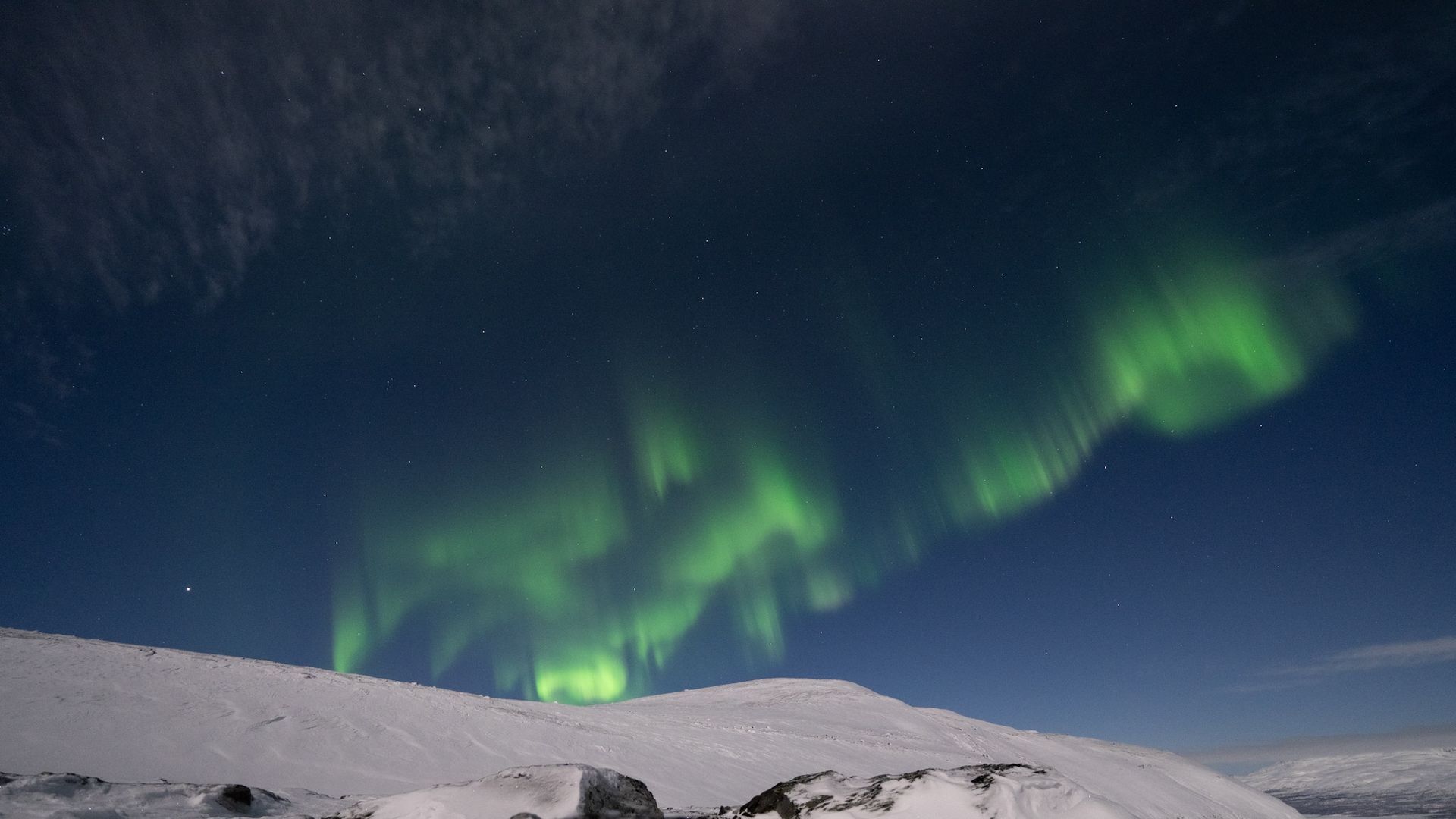
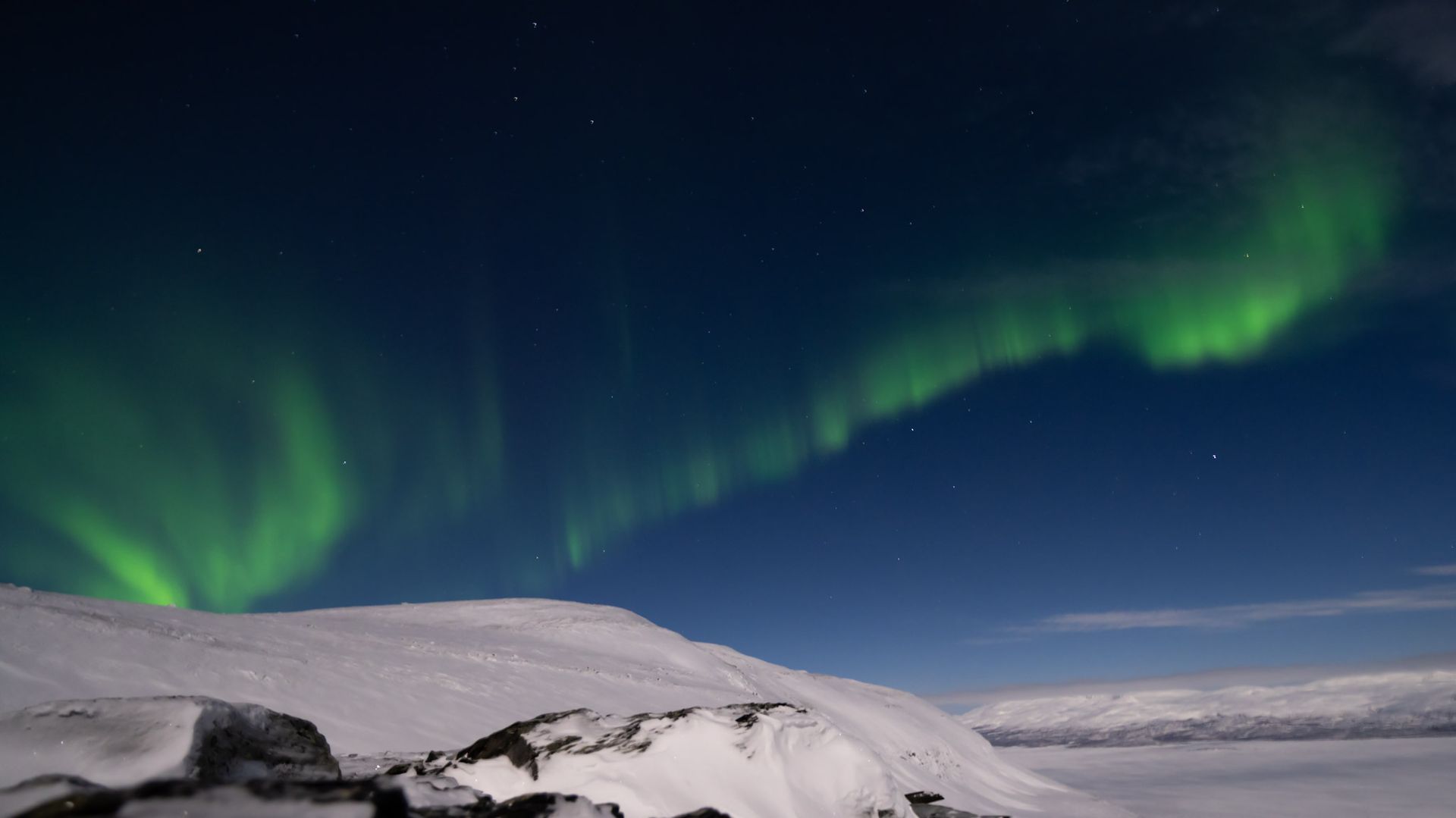
Northern lights from Mount Nuolja, Abisko, Sweden. (Image credit: Daisy Dobrijevic)
Best time to visit: September to early April
Swedish Lapland holds a particularly special place in my heart. It's where I saw the northern lights for the very first time, during a trip to Kiruna in February 2023.
I'd only booked two nights in Kiruna, one of which included a northern lights tour with Anders from Outdoor North 67º. Talk about putting all your eggs in one basket! But the gamble paid off, and I was treated to a spellbinding display of auroras dancing across the Arctic sky. I've been hooked ever since.
Kiruna offers a wide range of accommodation, restaurants and activities, making it a convenient base for exploring the region. From here, you can join guided aurora tours, visit the famous Icehotel in Jukkasjärvi or head into the wilderness for dog sledding and snowmobiling adventures.
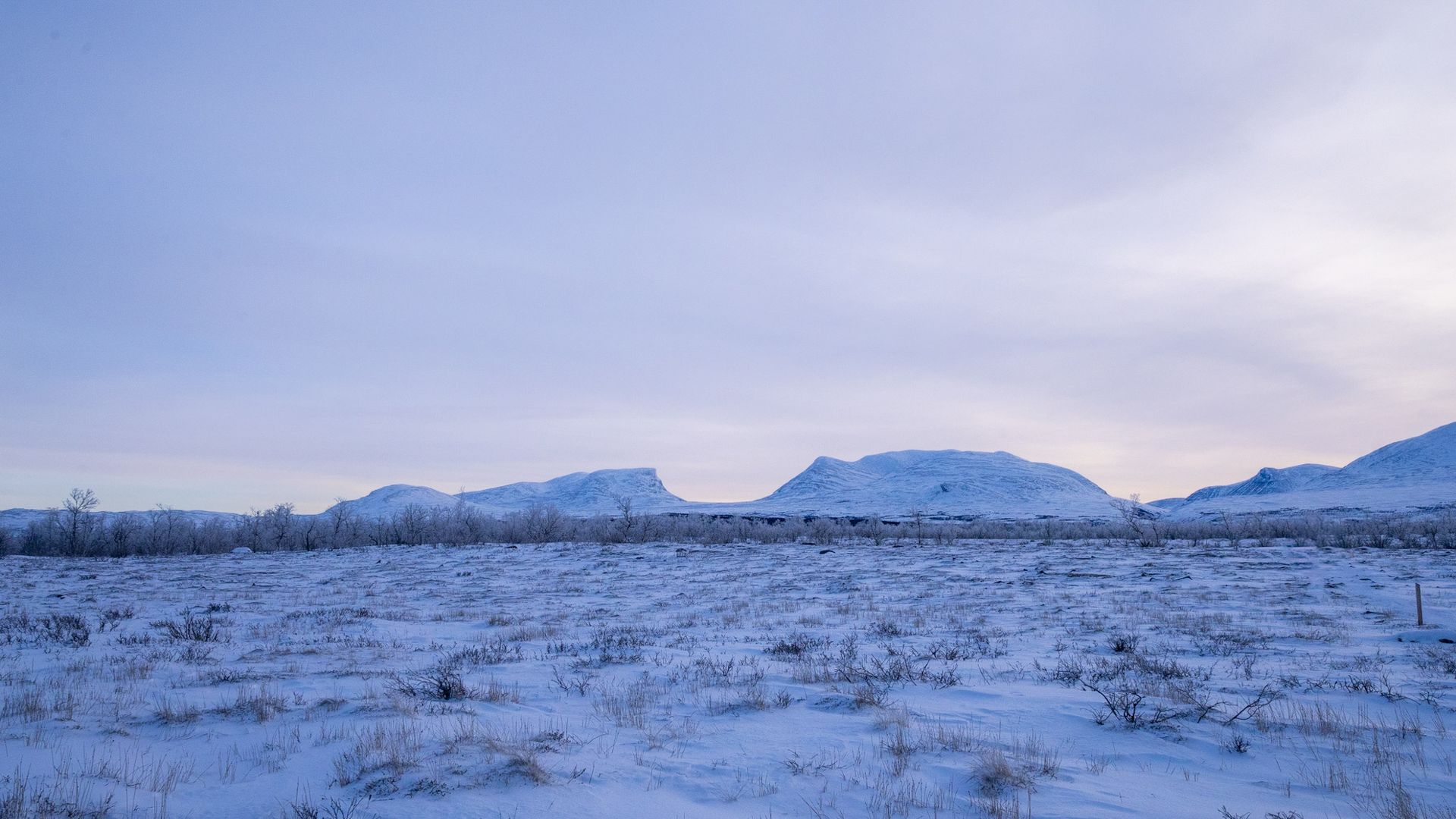
One of the region's biggest draws is Abisko National Park, around 60 miles (100 kilometers) northwest of Kiruna. Abisko is famous for its so-called "Blue Hole", a local weather phenomenon in which the skies above the national park can be clear, even if the surrounding region (and weather forecast) is cloudy. This is partly thanks to the surrounding mountains, which create a rain shadow effect, reducing the precipitation in the area.
Glacial-carved valley Lapporten, in Abisko National Park. (Image credit: Daisy Dobrijevic)
And if you're visiting Abisko, I'd highly recommend taking the chairlift up Mount Nuolja to the Aurora Sky Station. The views across Abisko National Park and the surrounding mountains are spectacular. Just be sure to check the chairlift's operating dates and times before visiting, as it doesn't run throughout the entire season.
My tip: Although my two-night gamble paid off, I wouldn't recommend relying on such a short window if seeing the northern lights is your main goal. If possible, give yourself at least three or four nights to improve your chances of clear skies and aurora activity.
Tromsø, Norway: Best for a city break
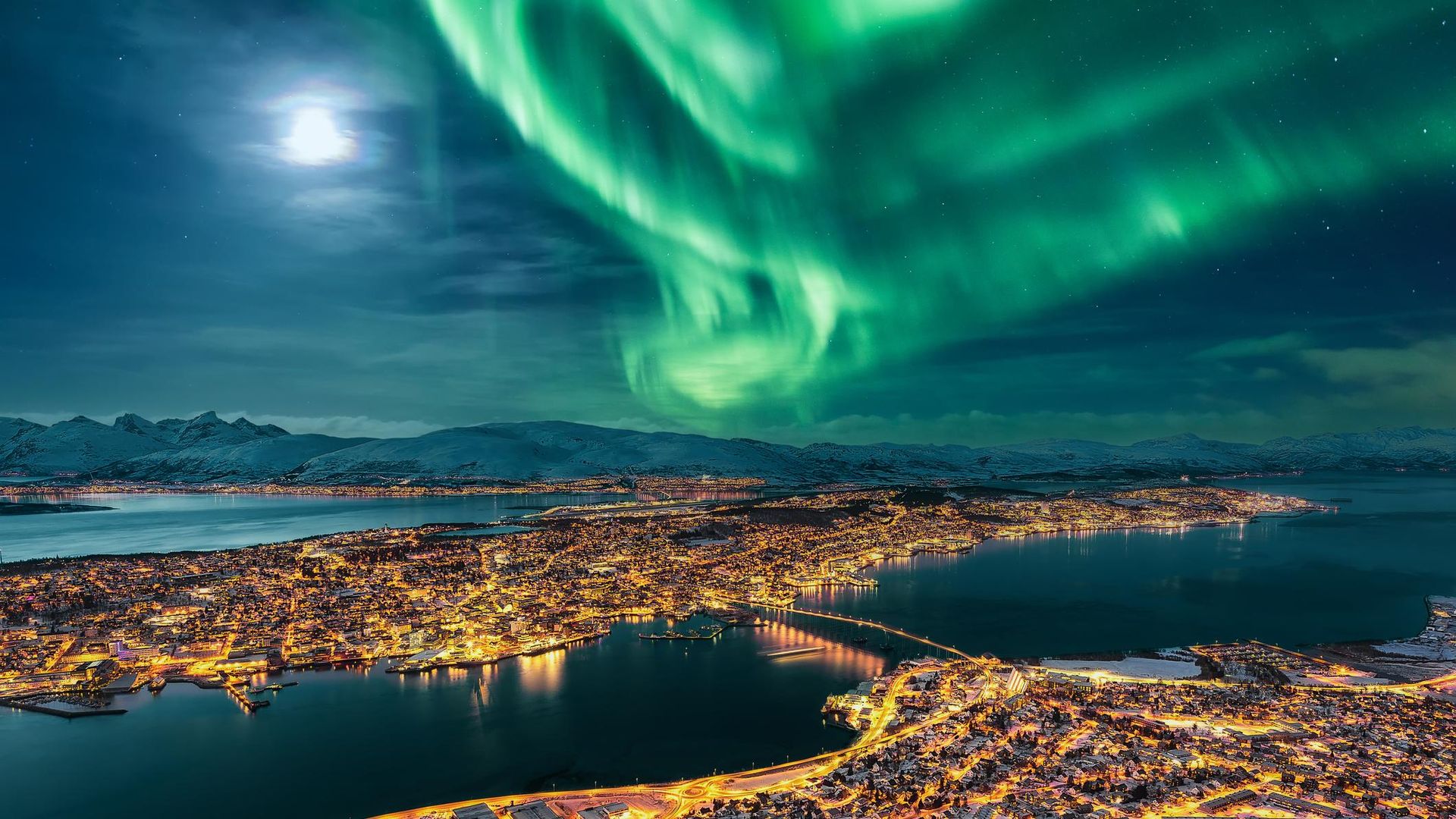
Tromsø is the perfect destination for an aurora city break. (Image credit: Juan Maria Coy Vergara via Getty Images)
Best time to visit: September to early April
If you want to experience the northern lights without giving up the comforts of city life, Tromsø is hard to beat.
Located high above the Arctic Circle in northern Norway, Tromsø sits beneath the auroral oval, the region surrounding Earth's magnetic poles where auroras occur most frequently.
What I particularly like about Tromsø is that it offers the best of both worlds. You have a lively city with excellent restaurants, cafes, shops, museums and accommodation, while spectacular mountains and wilderness are only a short journey away.
There's also a huge range of northern lights tours available, from small-group photography excursions to longer aurora-chasing adventures.
My tip: Tromsø is ideal if you want to combine northern lights hunting with a city break holiday. I'd recommend booking at least one guided aurora tour, particularly if the local weather forecast looks challenging.
The Norwegian coast: Best for a scenic Arctic voyage
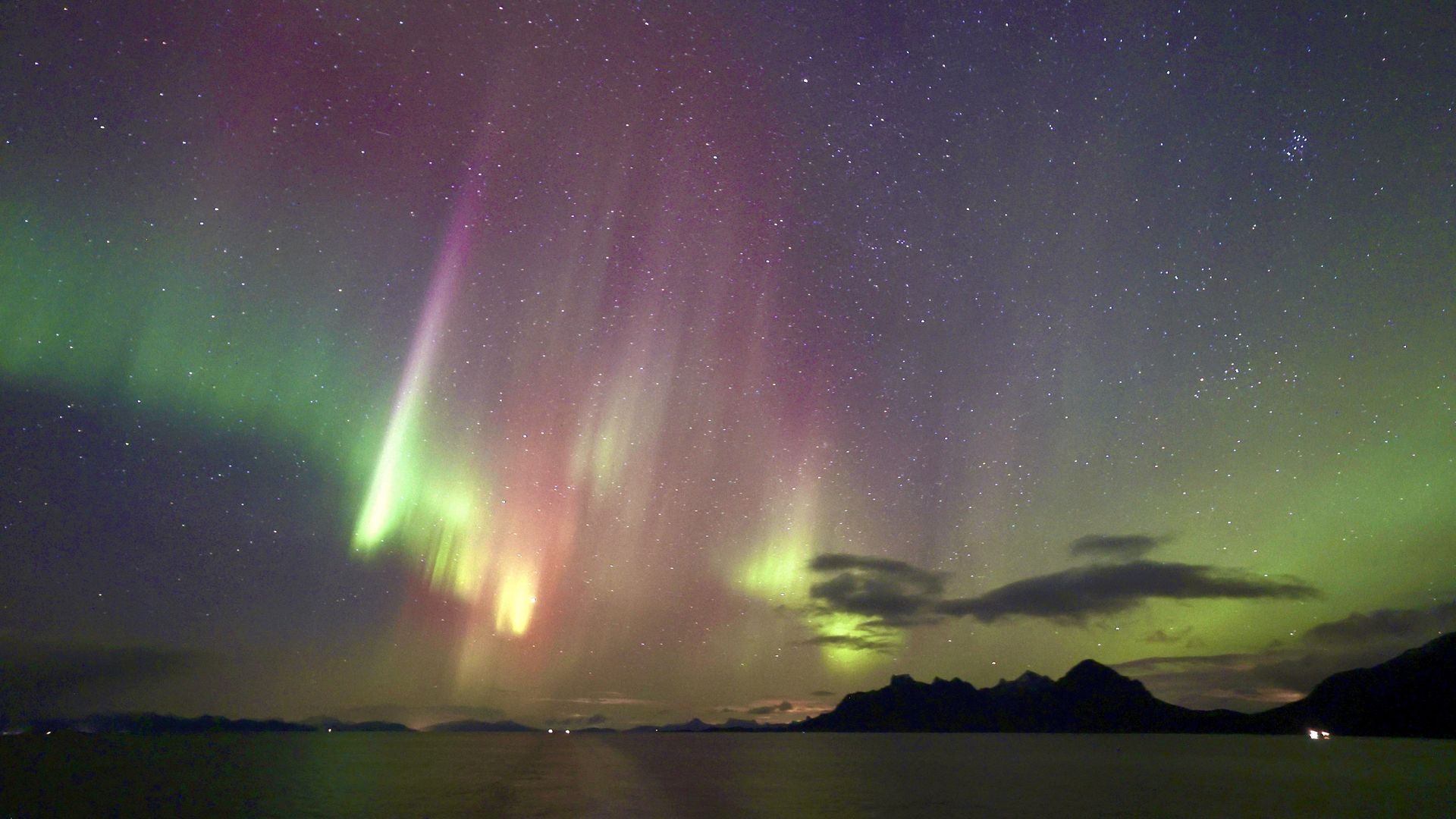
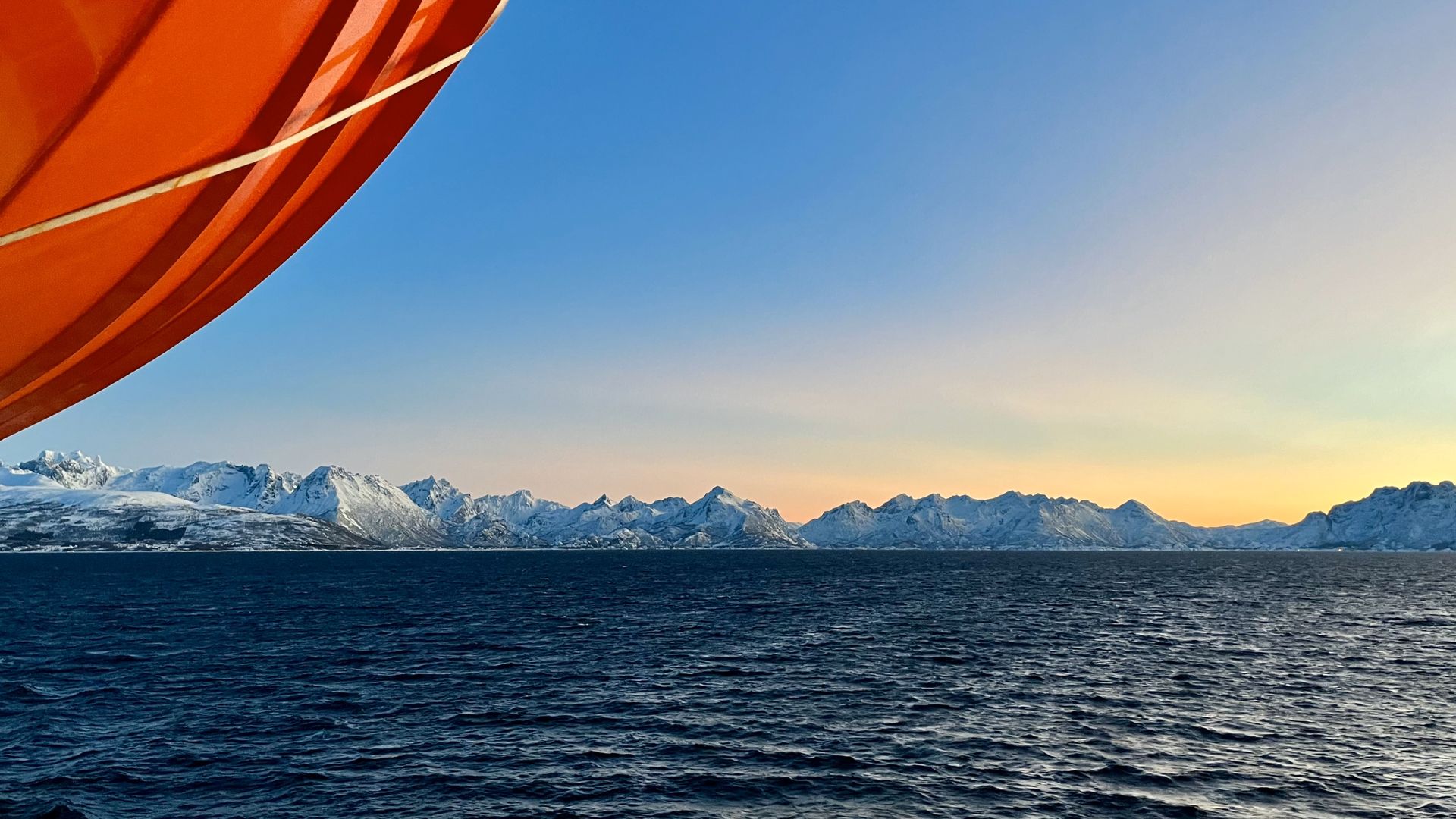
Northern lights during a cruise along the Norwegian coast with Hurtigruten. (Image credit: Daisy Dobrijevic)
Best time to visit: September to March
If there's one northern lights experience I'd encourage people to consider, it's sailing along the Norwegian coast.
I've been fortunate enough to travel along this extraordinary coastline on several occasions, and there's something very special about watching the northern lights from the deck of a ship, surrounded by good company, mountains, fjords and the dark Arctic sea.
Operators such as Hurtigruten and HX offer voyages along the Norwegian coast, combining opportunities to see the northern lights with some of the most spectacular scenery in Europe. While Hurtigruten operates coastal voyages calling at towns and communities along the route, HX offers expedition-style experiences with a focus on exploring the natural environment.
Arctic Norway during the winter months offers truly stunning views. Photo captured during a Hurtigruten voyage. (Image credit: Daisy Dobrijevic)
Rather than staying in one location, you'll travel through different coastal landscapes, with opportunities to experience Arctic wildlife, local culture and winter excursions along the way.
And then, of course, there's the possibility of the northern lights appearing overhead.
Join me on a northern lights voyage!
(Image credit: Daisy Dobrijevic)
I'll be setting sail on a handful of Hurtigruten's astronomy voyages as a guest lecturer, sharing the science and wonder of the northern lights along the way.
However, there's an important trade-off. Unlike a land-based aurora chase, a ship can't simply drive inland to escape coastal cloud cover. You're largely dependent on the weather along your route, although traveling through different regions over several nights gives you multiple opportunities.
Hurtigruten also offers a Northern Lights Promise on qualifying voyages, providing a complimentary return voyage if the lights aren't officially sighted during your trip. Be sure to check the eligibility requirements and terms before booking.
My tip: Choose a Norwegian coastal voyage because you want to experience the coastline itself. The scenery, communities and Arctic landscapes make it a remarkable journey regardless of auroras.
Finnish Lapland: Best for a winter wonderland getaway
Best time to visit: September to March
If you dream of a northern lights holiday involving snow-covered forests, cozy cabins and perhaps even watching auroras from a glass-roofed igloo, Finnish Lapland could be the perfect choice.
Northern Finland lies beneath the auroral oval, making it a popular destination for aurora chasers. Places such as Inari, Saariselkä and Ivalo offer excellent access to dark skies and Arctic wilderness.
Rovaniemi, the official hometown of Santa Claus, is another popular option, particularly for families, although it's worth traveling away from the city's lights for the best views.
My tip: For a quieter, more wilderness-focused escape, I'd look at northern Lapland around Inari or Saariselkä. If you're traveling with children or want a more activity-packed holiday, Rovaniemi may be a better fit.
Iceland: Best for volcanoes, glaciers and natural wonders
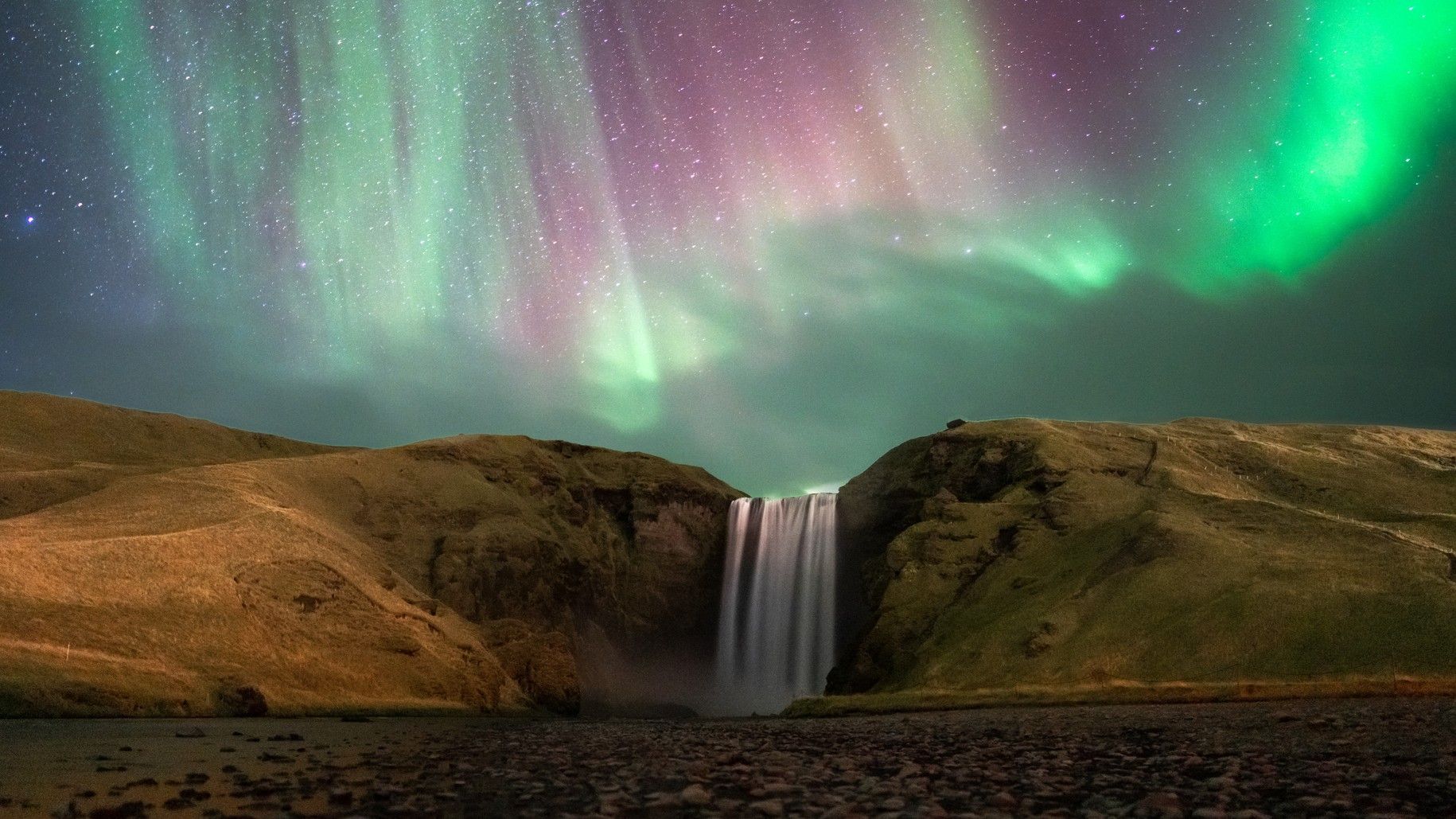
Iceland offers beautiful backgrounds for aurora photography if the weather behaves. (Image credit: Xiu Huo via Getty Images)
Iceland is one of the most extraordinary places I've ever visited. What makes it particularly special is the sheer variety of landscapes packed into one country, from towering waterfalls and vast glaciers to active volcanoes, black-sand beaches and steaming geothermal pools. There's an incredible amount to explore between northern lights hunting sessions.
But there's a catch.
Iceland's notoriously changeable weather and frequent cloud cover can make aurora hunting challenging. For that reason, I'd consider Iceland one of the riskier destinations on this list if your main objective is seeing the northern lights.
Iceland's landscapes provide some of the most spectacular backdrops imaginable for aurora photography, and when the skies cooperate, the results can be breathtaking.
The key is flexibility. I'd recommend giving yourself several nights and booking a northern lights tour that can travel in search of clearer skies rather than relying on a single fixed viewing location.
And while I've visited Iceland myself, I haven't been there specifically to chase auroras. What I can say from experience is that the country is absolutely worth visiting regardless of whether the lights appear.
My tip: Visit Iceland because you want to see Iceland, not just the northern lights. Explore its waterfalls, glaciers and volcanic landscapes, and treat any aurora sightings as an extraordinary bonus.
Fairbanks, Alaska: Best for a U.S. aurora getaway
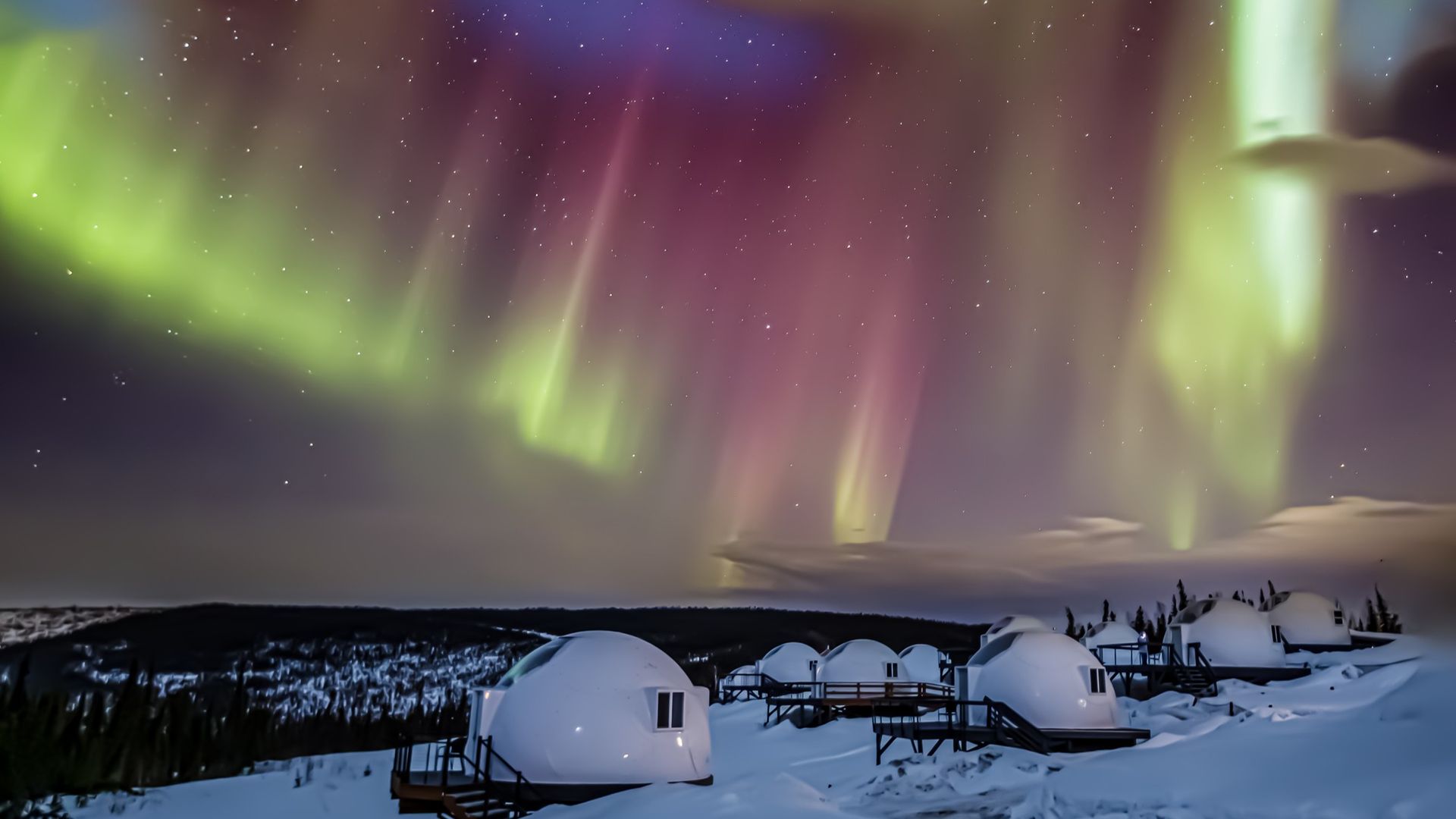
Fairbanks, Alaska offers some great northern lights experiences. (Image credit: Stanley Chen / 500px via Getty Images)
Best time to visit: September to March
For U.S.-based travelers dreaming of seeing the northern lights, Fairbanks is a more convenient travel destination than Scandinavia.
Located in Alaska's interior, Fairbanks sits beneath the auroral oval. Its inland location is a major advantage compared to many coastal Arctic destinations; Fairbanks generally experiences less precipitation and more opportunities for clearer skies.
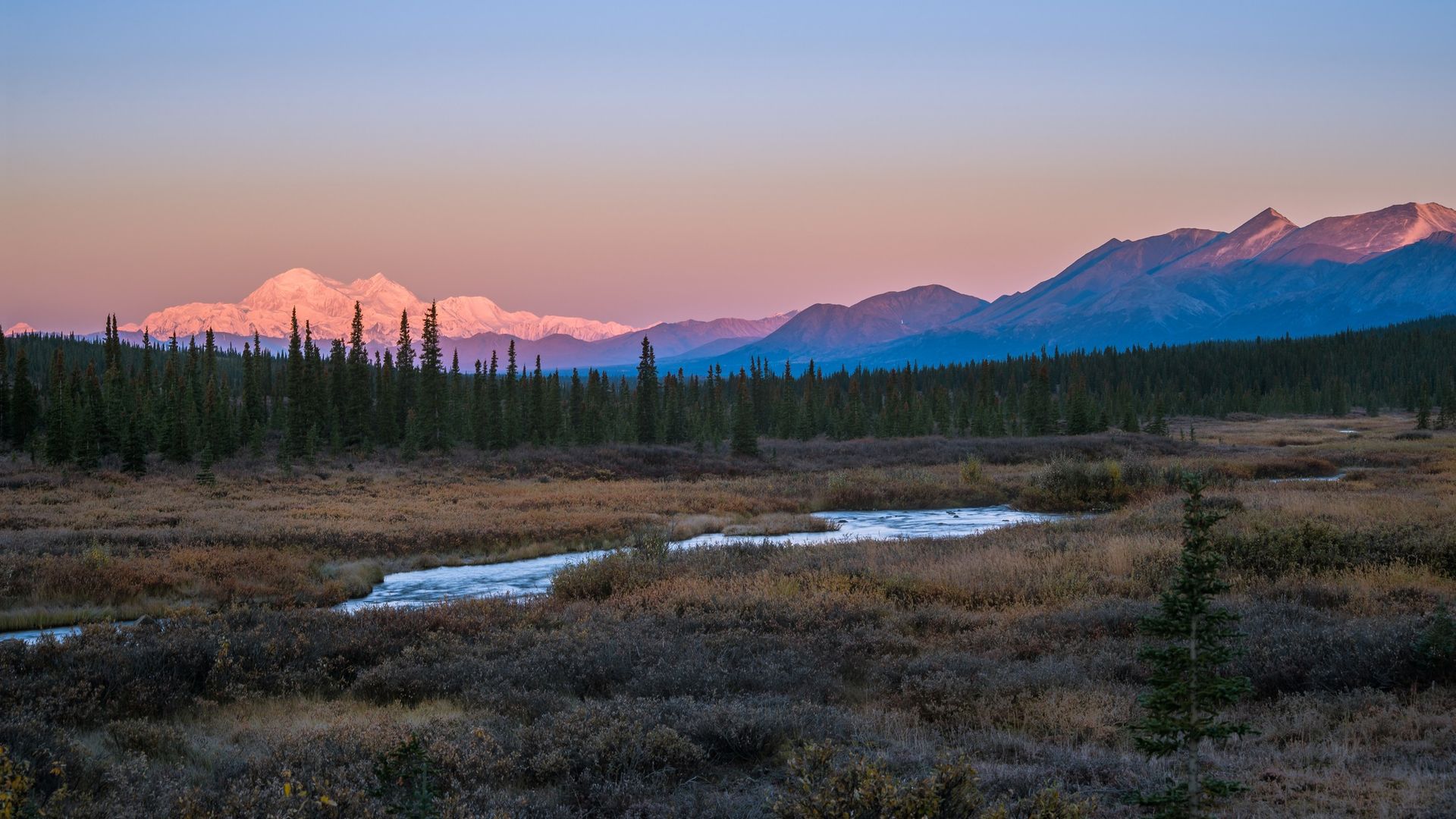
Alaska is the perfect destination for North American aurora chasers seeking wild landscapes and the northern lights. (Image credit: Haizhan Zheng via Getty Images)
The official aurora-viewing season runs from Aug. 21 to April 21, providing a long window for planning a trip. However, if you're visiting in late August or early September, be prepared for some late nights. With daylight still lingering well into the evening, the sky may not become dark enough for good aurora viewing until around midnight or later.
The advantage of visiting earlier in the season is that temperatures are generally much milder compared to in the depths of winter. But if you would prefer longer nights and more opportunities to spot auroras, consider a trip between late September and March.
Yellowknife, Canada: Best for a Canadian aurora getaway
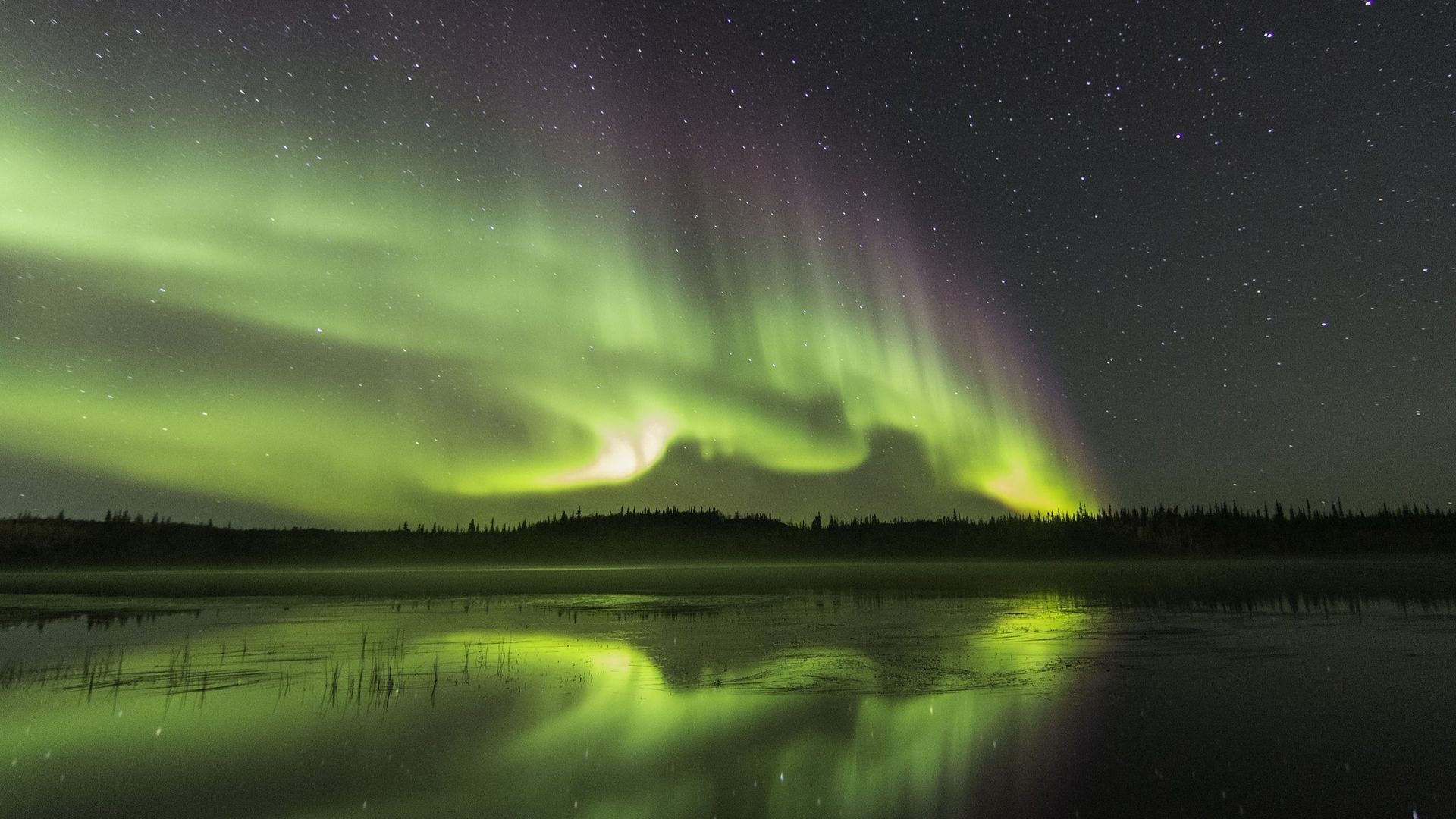
Auroras over Prosperous Lake about 20 miles north of Yellowknife. (Image credit: Valerie Ann Pond via Getty Images)
Best time to visit: Mid-August to late September and mid-November to early April
For Canadian travelers hoping to see the northern lights, Yellowknife offers an incredible aurora-viewing destination without the need to travel overseas.
Situated beneath the auroral oval, Yellowknife benefits from a relatively dry continental climate, with plenty of opportunities for clear skies compared with some coastal Arctic locations.
However, timing your visit carefully can make a difference. Although auroras are visible throughout the dark months, late October and early November are generally a less favorable period for a dedicated aurora trip. As temperatures drop, heavy cloud systems move through the area, making sightings more challenging. Indeed, some tour operators temporarily reduce their activities during this period. This is when the region receives most of its snowfall, so shifting your aurora viewing plans before or after this period gives you considerably better visibility.
My tip: Consider booking a multi-night package or several guided outings to give yourself more opportunities if the weather doesn't cooperate.
When is the best time to see the northern lights?
The northern lights occur throughout the year, but you need sufficiently dark skies to see them. That's why the main aurora tourism season across much of the Arctic runs from roughly late August or September through March or early April.
March and September are particularly good months for aurora hunting, thanks to a seasonal boost in geomagnetic activity around the spring and autumn equinoxes. This is partly explained by the Russell-McPherron effect, which describes how the changing orientation of Earth's magnetic field relative to the magnetic field carried by the solar wind makes geomagnetic disturbances more likely around the equinoxes. A 75-year study by retired NASA solar physicist David Hathaway shows that March has more geomagnetically active days than any other month of the year (with October a close second), according to Spaceweather.com.
But personally, I prefer hunting for auroras in the depths of winter, particularly December and January, when the long, dark nights give me plenty of opportunities to look for the lights. Yes, it's much colder, but I love the snowy Arctic landscapes, and I'd much rather be standing in a winter wonderland than battling driving rain!
Frequently asked questions
Where is the best place to see the northern lights for the first time?
For a first northern lights trip, I'd particularly recommend Abisko or Kiruna in Swedish Lapland or Tromsø in northern Norway.
Abisko is appealing for its relatively favorable local weather conditions, while Tromsø offers a great combination of guided aurora tours, accommodation and other Arctic activities.
The best choice depends on what kind of holiday you're looking for.
How many nights should you book to see the northern lights?
I'd recommend at least three or four nights, although a week gives you more flexibility if the weather doesn't cooperate. That said, on my first trip, I stayed for just two nights, with an aurora tour booked for only one of them, and got lucky with a dazzling display. So really, my advice is simple: book as many nights as you can!
Remember, even in the world's most famous aurora destinations, sightings are never guaranteed.
Can you see the northern lights during a full moon?
Absolutely! This is one of the most common northern lights myths.
A bright full moon can wash out faint auroras, but stronger displays remain visible and can look spectacular against a moonlit landscape.
I've personally witnessed beautiful auroras under bright moonlight, and the additional illumination can make the surrounding scenery particularly striking in photographs.
Abisko auroras under a full moon. The northern lights were still visible and the moon illuminated the entire landscape. (Image credit: Daisy Dobrijevic)
Can you see the northern lights in summer?
Auroras occur year-round, but in high-latitude destinations such as northern Norway, Sweden and Finland, the summer nights are generally too bright to see them.
As darkness returns in late August and September, the northern lights become visible again.
Is the 2026/27 season a good time to see the northern lights?
Yes. Although Solar Cycle 25 has passed its maximum, the sun remains in an active phase of its approximately 11-year cycle.
Spectacular aurora displays can still occur during the declining phase of the solar cycle, so there's plenty of reason to plan a northern lights adventure over the next year or two.
And remember, at destinations beneath the auroral oval, you don't need a major solar storm to see the northern lights.
Ultimately, the best northern lights trip isn't necessarily the one with the strongest forecast or the highest latitude. It's the one that combines a little planning, a lot of patience and a destination you'll love exploring — whether the auroras show up or not.
On Aug. 12, 2026, a total solar eclipse will sweep across Earth, giving skywatchers across Greenland, Iceland and northern Spain an incredible view of totality. As the moon completely covers the sun, day will briefly turn to twilight, revealing the sun's faint outer atmosphere, the corona. But could totality reveal something else too?
Although totality never produces true nighttime darkness, it does briefly dim the sky to roughly the brightness of twilight. Since eclipse chasers in Greenland and Iceland will be in the auroral zone — the geographic zone around Earth's magnetic pole where auroras are most frequently seen — it's natural to wonder whether the two phenomena could appear together.
The answer is yes — but only if everything falls perfectly into place.
"During totality, the sky brightness is comparable to civil twilight (the first period of darkness after sunset, until the sun reaches six degrees below the observer's horizon). It's uncommon to see auroras during this time, but by no means impossible," Tom Kerss, independent astronomer and Chief Aurora Chaser for tour company Hurtigruten, told Space.com in an email.
Kerss knows this from experience. Last year, he photographed the northern lights in Norway at twilight, demonstrating that sufficiently bright auroras can remain visible even before the sky becomes fully dark.
Twilight aurora captured by Tom Kerss in Norway, 2025. (Image credit: Tom Kerss)
However, the aurora's position in the sky would impact its visibility.
"During totality in August, the surface brightness of the sun's corona would almost certainly outshine auroras in its vicinity, but other parts of the sky away from the eclipse could host visible auroral structures," said Kerss.
So while it's physically possible, how likely is it?
Not very.
"If the auroral activity stays quiet, we wouldn't expect to see it during totality even though we know some energy is probably being emitted in the dayside portion of the oval," Kerss said.
To have any realistic chance of seeing the northern lights during the eclipse, Earth would need to be in the grip of a severe geomagnetic storm. These storms occur when eruptions from the sun, such as coronal mass ejections (CMEs), slam into Earth's magnetic field. During such conditions, auroras can get a dramatic boost, appearing brighter and more widespread than usual.
Kerss explained that observers would almost certainly need a G4 or G5 geomagnetic storm (G5 is the most powerful category) to overlap with the eclipse to have any realistic chance of seeing an aurora show because they will be on Earth's dayside.
"Bright, nightside aurora can be driven by powerful substorm activity, in which energy is stored and released," Kerss explained. "The dayside aurora is driven by a combination of favorably aligned solar wind (which opens the field lines around the Earth's polar cusps) and strong precipitation directly into the auroral oval. This latter requirement is contingent on very strong or extreme geomagnetic activity."
Kerss' thoughts are echoed by Pål Brekke, a solar physicist and northern lights expert working as Lead of Space Science at the Norwegian Space Agency.
Brekke knows just how difficult this is. He attempted to spot auroras during the 2015 total solar eclipse over Svalbard but found the sky never got dark enough.
"The sky never got that dark — we could hardly see any planets and no stars," Brekke told Space.com in an email. "Most probably because the snow-covered valley and mountains reflecting lights leaking in from the side of the moon's shadow. Making the sky too bright even during the eclipse."
Brekke also pointed out that the timings work against eclipse chasers. Totality occurs in the afternoon over Greenland and Iceland, meaning observers will be beneath the daytime portion of the auroral oval. Unlike the nighttime aurora oval, which expands dramatically during geomagnetic storms, the dayside auroral oval changes much less, making displays harder to see even during active space weather.
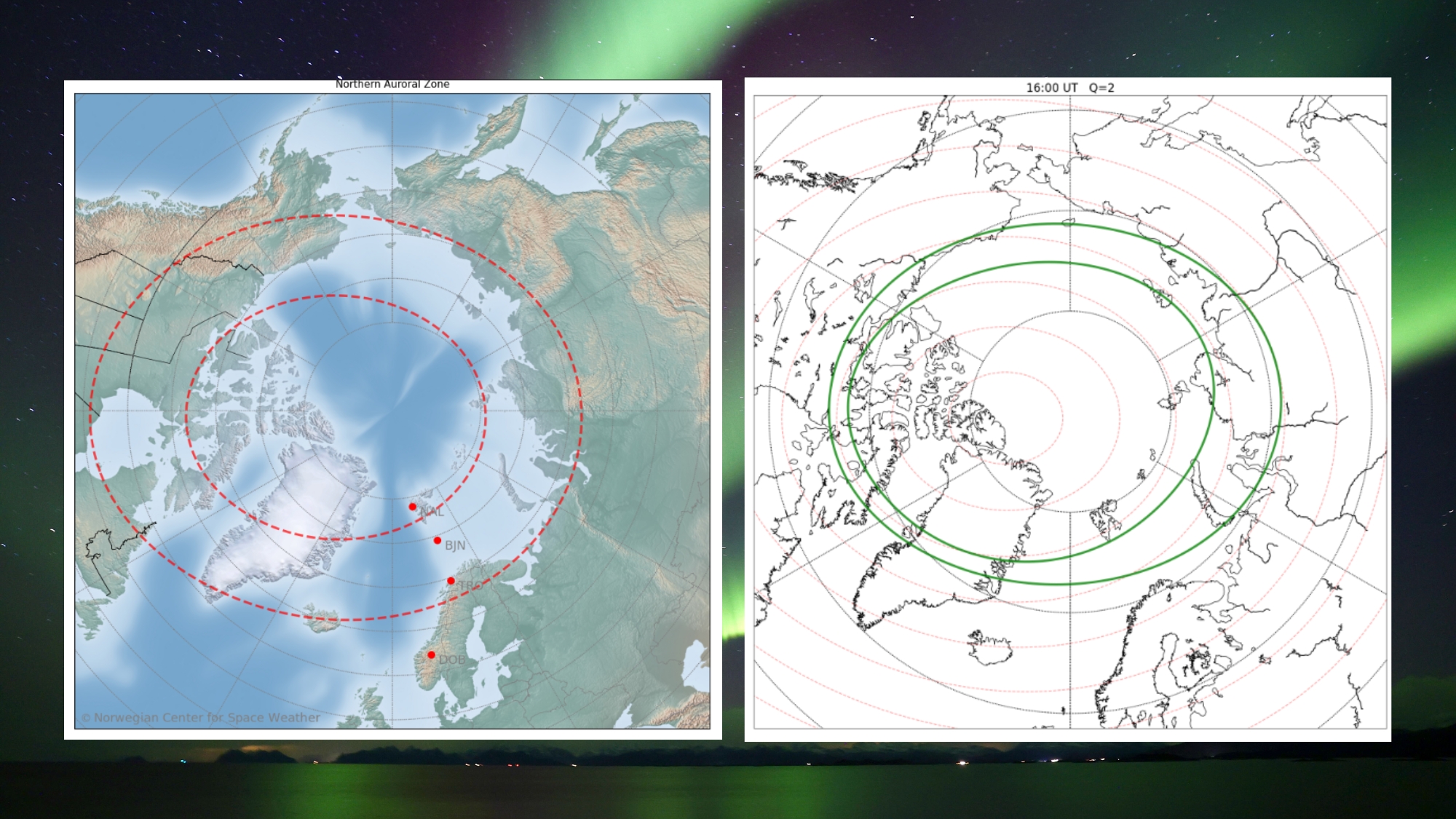
Left: The auroral zone — a geographic band on Earth that passes under the oval. Right: The approximate location of the daytime auroral oval at 1600 UTC (around the time of totality for observers in Greenland and Iceland) showing the instantaneous, ring-shaped region where auroras are most likely to occur at that time. (Image credit: Magnar Gullikstad Johnsen, Background added in Canva Pro by Daisy Dobrijevic)
"The chance for aurora over Spain is very low — that would need a KP=9 or so — and 20:00 [UTC] is still very early so the fattest part of the oval is still not over Spain at that time. So our guess is it will not be very likely," said Brekke.
There is one scenario, however, that could make eclipse day even more extraordinary.
"If the sun launches CMEs in the days before the eclipse, it'll be very exciting for anyone going to Iceland or Greenland, and since the exceptional Perseid Meteor Shower will also peak on that date, there's a rare opportunity to see three of the sky's greatest wonders together if conditions line up," said Kerss.
The odds may be slim, but they're not zero.
If the sun happens to unleash a powerful geomagnetic storm in the days leading up to Aug. 12, eclipse chasers in Greenland or Iceland could witness something truly remarkable.
If not, don't be too disappointed. During totality, the sun itself puts on one of nature's greatest spectacles — and that's where your attention should be.
While totality will be visible from parts of Greenland, Iceland and Spain, millions more people across Europe will experience a dramatic partial solar eclipse. Whether you're chasing the moon's shadow in Reykjavik or watching the moon take a 'bite' out of the sun from London, Paris, or Berlin, timing is everything.
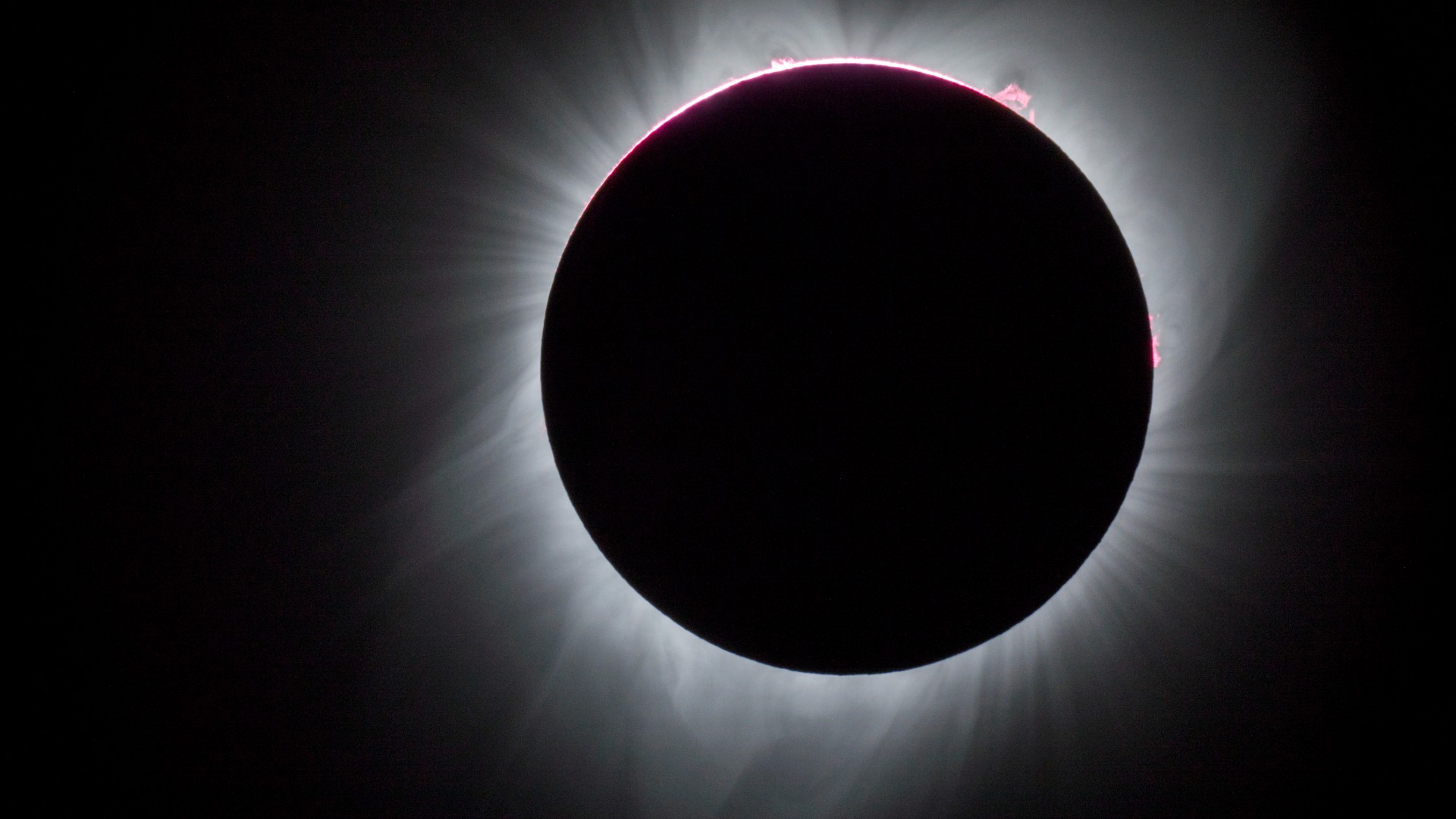
A total solar eclipse occurs when the moon moves in front of the sun and blocks it from view. (Image credit: Paul Souders/Getty Images)
A total solar eclipse occurs when the moon moves directly between Earth and the sun, completely blocking the sun's disk from view.
During totality, the sky darkens significantly, temperatures drop and bright stars and planets can even become visible. Observers can also catch a glimpse of the sun's outer atmosphere, known as the corona, glowing around the silhouetted moon.
Totality — when the sun is completely obscured — is only visible within the narrow path of the moon's shadow. Outside that path, observers may see a partial solar eclipse, whereby only a portion of the sun is covered.
REMEMBER to NEVER look directly at the sun. To view this solar eclipse safely, you must use solar filters. Only during the brief period of totality when the moon completely covers the sun, is it safe to look at the sun without protection. Observers will need to wear solar eclipse glasses, and cameras, telescopes and binoculars must have solar filters placed in front of their lenses at all other times.
After the total solar eclipse on Aug. 12, 2026, the next solar eclipse will be an annular solar eclipse on Feb. 6, 2027 visible across parts of Africa and South America. The next total solar eclipse will be a spectacular event on Aug. 2, 2027. Visible across North Africa, it will be the longest totality on land since 1991.
The total solar eclipse on Aug. 12, 2026 will sweep across parts of the Northern Hemisphere, offering millions of people a chance to witness one of nature's most spectacular sights.
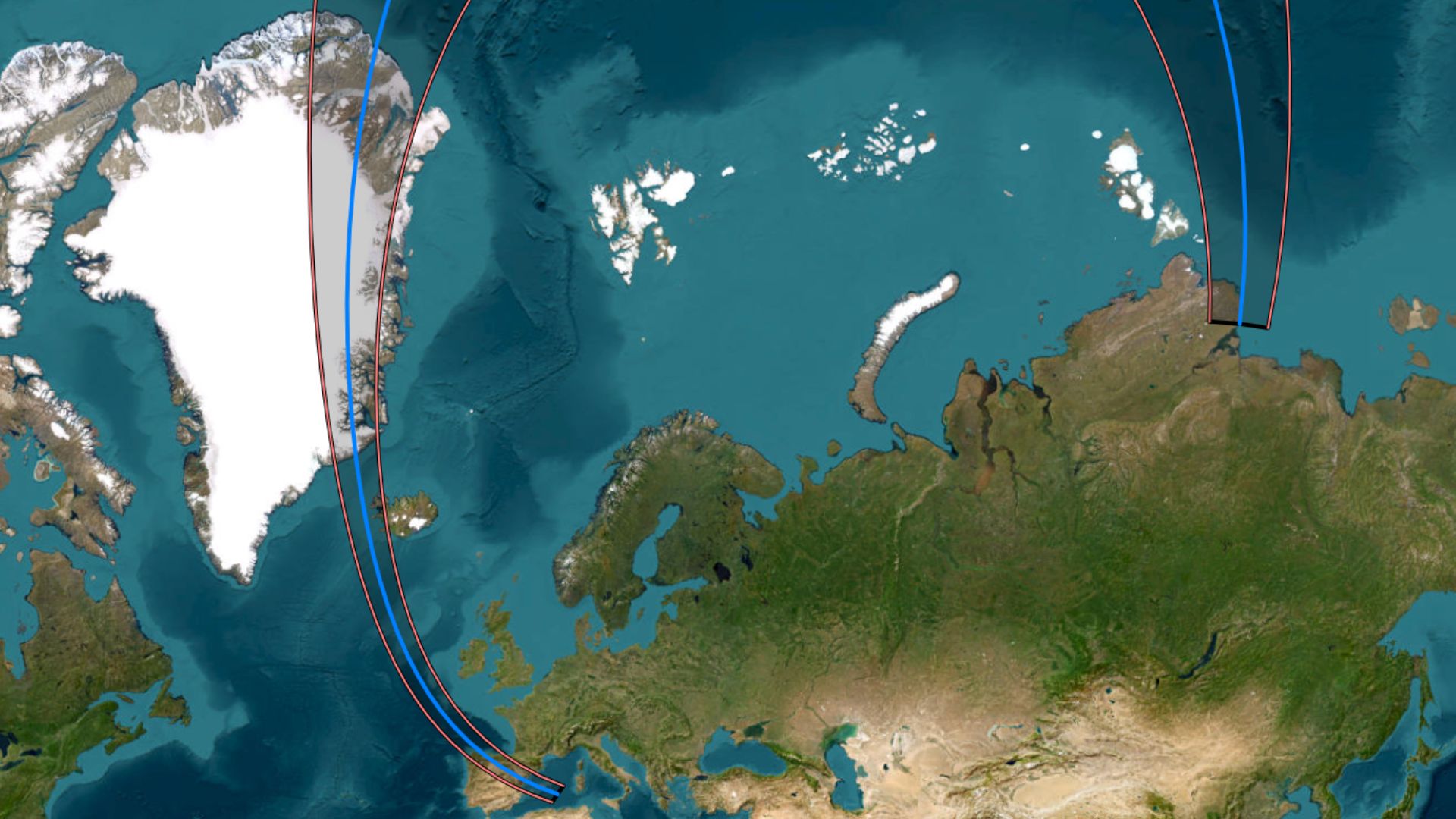
The path of totality — in which the moon completely covers the sun — begins over the Arctic Ocean, before crossing eastern Greenland, western Iceland and northern Spain. It then passes over the Balearic Islands before ending over the Mediterranean Sea.
Only skywatchers inside this relatively narrow path, just 182 miles (293 kilometers) wide, will experience totality, where day briefly turns to twilight. Here, you'll be able to safely see the sun's outer atmosphere, known as the corona, with the naked eye during the fleeting moment when the moon completely obscures the sun.
A much larger region surrounding the path of totality will instead see an impressive partial solar eclipse. Much of Europe, including the U.K., Ireland, France, Germany, Italy and Scandinavia, will witness the moon take a "bite" out of the sun.
Northern Spain is expected to be one of the most popular destinations for eclipse chasers thanks to its relatively accessible location and the low evening sun on the big day, which could create dramatic views as totality unfolds close to sunset. Greenland and Iceland offer very different experiences, with totality taking place higher in the sky against the nations' spectacular Arctic landscapes.
We'll have reporters on the ground to keep you updated each step of the way. Be sure to follow along on our total solar eclipse live blog to stay up to date with all the latest news and action as Skywatching Editor Daisy Dobrijevic embarks on an eclipse expedition to Greenland with HX Expeditionsand Skywatching Writer Anthony Wood heads to Spain to experience the eclipse with NASA's DEB initiative and citizen scientists.
The global path of the total solar eclipse on Aug. 12, 2026. (Image credit: Created and annotated by Jamie Carter using MapHub.net. Sources: Esri, Maxar, GeoEye, Earthstar Geographics, CNES/Airbus DS, USDA, USGS, AeroGRID, IGN and the GIS user community. Eclipse path by Xavier Jubier)
How to watch
Wherever you plan to watch from, remember that it is never safe to look directly at the sun without proper eye protection. Certified solar eclipse glasses or a solar filter fitted to telescopes, binoculars and cameras must be used throughout the partial phases. Only during the brief period of totality, when the moon completely blocks the sun, can you safely remove your eclipse glasses and look directly at the eclipse.
We will also be livestreaming the eclipse here on Space.com; details will be released closer to the time.
Want to know exactly where the eclipse will be visible and how long totality will last at different locations? Check out ourcomplete guide towhere to see the Aug. 12, 2026 total solar eclipse, including detailed maps, timings and viewing advice.
On Aug. 12, 2026, Europe will experience its first total solar eclipse since 1999, as the moon's shadow sweeps across Greenland, Iceland, northern Spain and the Balearic Islands.
Along the narrow path of totality, day will briefly turn to twilight as the moon completely covers the sun, revealing its elusive outer atmosphere — the corona. Meanwhile, millions more skywatchers across much of Europe, as well as parts of northeastern United States and eastern Canada, will witness a partial solar eclipse as the moon appears to take a bite out of the sun.
Live reporting from the path of totality
We'll be following the eclipse from two locations along the path of totality.
Our skywatching editor Daisy Dobrijevic is currently aboard HX Expeditions' MS Spitsbergen exploring Greenland's dramatic coast. She'll be aiming to witness totality from Scoresby Sund, the world's largest and longest fjord system. Dobrijevic is hoping for more eclipse luck than last time, when unfortunately,totality was a total bust, but not for the reason you may think.
Meanwhile, our skywatching writer Anthony Wood is joining the DEB initiative in Valoria la Buena, Spain, where the eclipsed sun will hang low above the western horizon shortly before sunset. It will be Wood's first-ever total solar eclipse.
One week until the total solar eclipse 2026: The countdown has begun... are you ready?
The countdown has begun! The total solar eclipse 2026 will occur on Aug. 12. (Image credit: Photo by Erin Clark/The Boston Globe via Getty Images)
In just one week, millions of people across Greenland, Iceland and Spain will witness one of nature's greatest spectacles as the moon completely covers the sun.
Our team will be following the eclipse from two incredible locations, aboard an expedition ship in East Greenland with HX Expeditions and from northern Spain with the DEB initiative, bringing you live updates throughout the lead-up to the eclipse and on the day itself
Eclipse glasses must be worn whenever the sun's disk is visible. (Image credit: LeoPatrizi / Getty Images)
If you're planning on viewing the Aug. 12 total solar eclipse then you'll need to get hold of a pair of quality eclipse glasses. Be sure to get a pair from a reputable dealer that conforms to the all important ISO 123-12 - 2 certification and never use an old pair if they appear scratched or damaged in any way!
Find out where you can experience totality on Aug. 12, 2026. (Image credit: Created in Canva Pro)
Not everyone will experience totality on Aug. 12.
Some places will see the moon completely cover the sun, while others will experience a partial solar eclipse and for some… no eclipse at all. Womp womp.
One of the biggest worries before any eclipse is weather.
While a perfectly blue sky is ideal, you don't necessarily need one to enjoy the experience. Even under thin clouds, many of the most dramatic effects of totality can still be visible.
Sunglasses are vital to safely view the partial stages of a solar eclipse. (Image credit: Photo by Gabriel BOUYS / AFP via Getty Images)
If you'll be looking at any part of the partial eclipse, you'll need proper eye protection. Never look directly at the sun without certified eye protection.
The citizen scientists keeping an eye on the Aug. 12 total solar eclipse
Two teams of Dynamic Eclipse Broadcast volunteers with observe totality on Aug. 12. (Image credit: Photo by: Alan Dyer/VW Pics/UIG via Getty Images)
Countless eyes will be watching the moon's silhouette swallow the light of our parent star during the climactic phase of totality on Aug. 12.
Among them will be volunteers from the Dynamic Eclipse Broadcast Initiative — a passion-driven volunteer network of solar observers led by professional astronomers from the Southern Illinois University Carbondale and part funded by NASA.
Discover more on their efforts to capture valuable data on the sun's atmosphere while bringing the public closer to the Aug. 12 total solar eclipse below.
One month from today, millions will turn their eyes to the skies for one of the most anticipated skywatching events of the year: the total solar eclipse on Aug. 12, 2026.
The eclipse will sweep across parts of Greenland, Iceland and Spain, briefly turning day into night for those lucky enough to be within the narrow path of totality.
It's been a long time coming for European skywatchers, as the event marks Europe's first total solar eclipse since 1999.
Where can I see the total solar eclipse?
If you're hoping to experience totality, now is the time to finalize your plans. Thepath of totality crosses Greenland, Iceland and northern Spain, with maximum eclipse lasting up to 2 minutes and 18 seconds.
Path of totality over Iceland.Created using MapHub.net. Source: Esri, Maxar, GeoEye, Earthstar Geographics, CNES/Airbus DS, USDA, USGS, AeroGRID, IGN, and the GIS User CommunityPath of totality over Spain.Created using MapHub.net. Source: Esri, Maxar, GeoEye, Earthstar Geographics, CNES/Airbus DS, USDA, USGS, AeroGRID, IGN, and the GIS User CommunityEntire path of totality. From Greenland through Iceland and Spain. Created using MapHub.net. Source: Esri, Maxar, GeoEye, Earthstar Geographics, CNES/Airbus DS, USDA, USGS, AeroGRID, IGN, and the GIS User Community
Spain is expected to be one of the most popular destinations thanks to its favorable weather prospects, though it's not without a catch! Viewers will need to secure a clear view of the western horizon because the eclipsed sun will sit very low in the sky during totality.
Notable locations and timings of totality
Location
Totality duration
What time?
Sun height
Scoresby Sund, Greenland
1 minute, 46 seconds
4:35 p.m. CGST
24 degrees above west
Reykjavik, Iceland
1 minute, 1 second
5:48 p.m. GMT
25 degrees above west
Snæfellsjökull National Park, Iceland
2 minutes, 10 seconds
5:45 p.m. GMT
25 degrees above west
Gijón, Spain
1 minute, 46 seconds
8:26 p.m. CEST
10 degrees above west-northwest
A Coruña, Spain
1 minute, 15 seconds
8:27 p.m. CEST
12 degrees above west-northwest
Palencia, Spain
1 minute, 42 seconds
8:29 p.m. CEST
9 degrees above west-northwest
Burgos, Spain
1 minute, 44 seconds
8:28 p.m. CEST
8 degrees above west-northwest
Segovia, Spain
54 seconds
8:31 p.m. CEST
8 degrees above west-northwest
Sigüenza, Spain
1 minute, 38 seconds
8:30 p.m. CEST
7 degrees above west-northwest
Mallorca, Balearic Islands, Spain
1 minute, 36 seconds
8:31 p.m. CEST
2.7 degrees above west-northwest
Will I see the eclipse from where I live?
Not inside the path of totality? Don't worry. A spectacular partial solar eclipse will be visible across much of Europe, with more than 90% of the sun covered from locations including London, Paris and Dublin.
Over the coming weeks, Space.com will bring you everything you need to prepare for eclipse day. We'll publish viewing guides, safety advice and information on how to watch the eclipse online.
Closer to the event, we'll launch a dedicated live blog covering the latest eclipse news and insights from our reporters in the field.
Skywatching Editor Daisy Dobrijevic will join an eclipse expedition to Greenland with HX, while Skywatching Writer Anthony Wood will travel to northern Spain with the DEB initiative and citizen scientists to report firsthand from the path of totality.
Heads up, stargazers! The notoriously unpredictable June Bootid meteor shower is set to peak this week — and anything could happen.
While most annual meteor showers follow a fairly predictable script, the June Bootids have a habit of surprising astronomers. Most years, the shower produces only a few meteors per hour. Occasionally, however, it erupts into an unexpected display.
In 1998, skywatchers were treated to an outburst of up to 100 meteors per hour, while another burst in 2004 produced an estimated 20-50 meteors per hour, according to the Royal Museums Greenwich. Yet the shower remains notoriously difficult to predict. In 2010, astronomers anticipated another outburst, but fewer than 10 meteors per hour were reported.
What causes the Bootids?
The June Bootids occur when Earth passes through debris left behind by comet 7P/Pons-Winnecke, which orbits the sun approximately every six years. As fragments of this icy wanderer's trail enter Earth's atmosphere, they burn up and create bright streaks of light we call meteors, or shooting stars.
When is it?
The shower is active through late June, with the peak of the shower predicted for between June 20 and June 27, according to the American Meteor Society.
How can I see it?
Most years, the June Bootids put on a very modest show with just one or two meteors per hour. However, they have earned a reputation for the unexpected, which is why many skywatchers keep an eye on them despite their modest rates. You never really know what the June Bootids have in store.
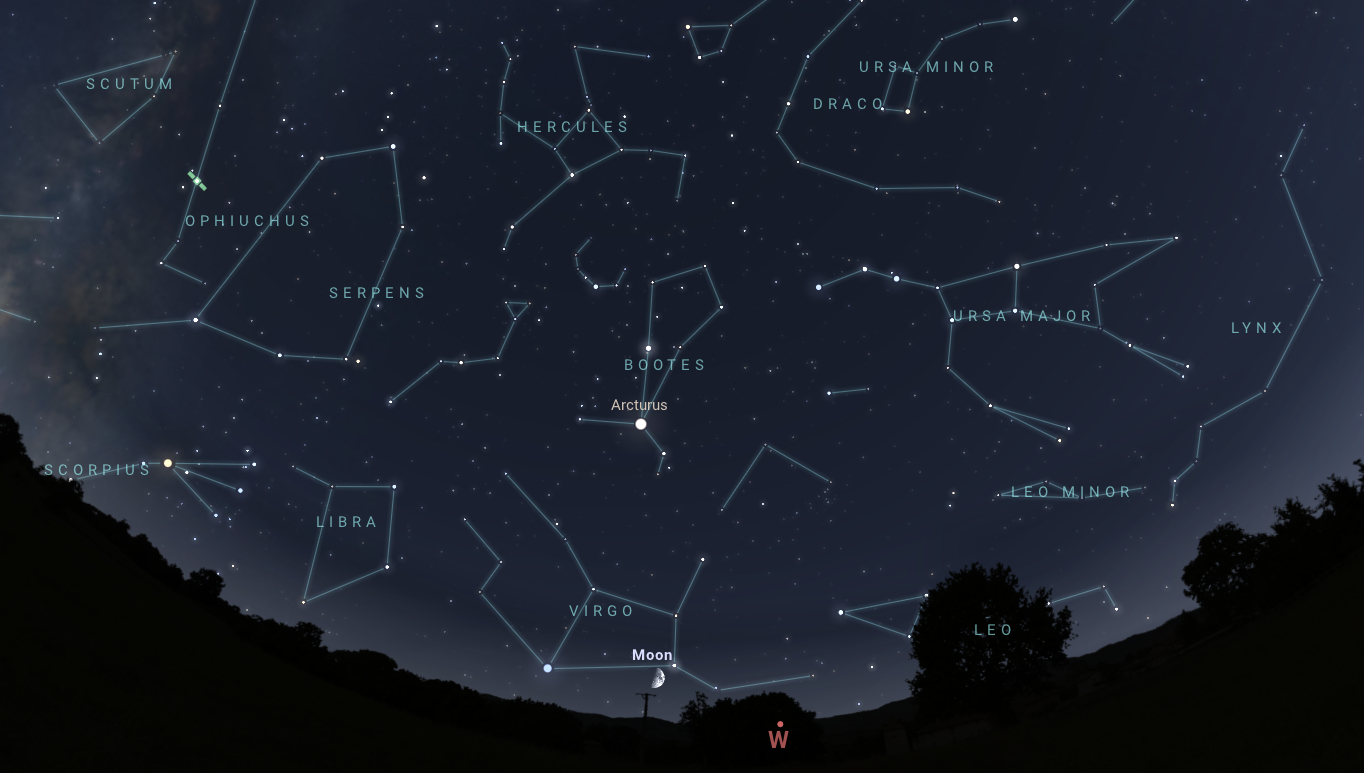
Boötes remains visible throughout the summer. (Image credit: StellariumWeb)
Camera Pick: Nikon Z8
(Image credit: Nikon)
If you're looking for a great camera to photograph meteors, we recommend the Sony A7R IV, which we've named the best mirrorless camera in our guide to the best cameras for astrophotography.
For the best chance of spotting a June Bootid, head to a dark location away from city lights if you can. The shower's radiant — the point from which the meteors appear to originate — lies in the constellation Boötes, which sits high in the western and southwestern sky during the evening for observers in the Northern Hemisphere.
While the radiant can help you identify June Bootids, you don't want to look directly at it. Instead, find a comfortable spot with a wide view of the sky and let your eyes adjust to the darkness for at least 20 minutes. Meteors are often easier to spot when you're scanning a broad area of sky.
A coronal mass ejection is currently racing toward Earth and could trigger G2 to G3 geomagnetic storm conditions on June 8, potentially boosting aurora displays across northern latitudes.
Heads up aurora chasers! We could be in for a show! Multiple CMEs are en route and could spark strong geomagnetic storm conditions and auroras deep into mid latitudes.
Don't miss 2026's smallest full moon with this livestream from Italy with the Virtual Telescope Project. The 'Blue Moon' livestream will begin at 9:30 p.m. EDT (0130 GMT).

 Login