❌

Normal view

São Paulo’s Bike Lane Expansion Boosts Cycling Among Residents

9 July 2026 at 06:16

In a groundbreaking decade-long study analyzing São Paulo’s urban landscape, researchers have revealed how the expansion of bike lanes and public parks profoundly influences physical activity and public health. Between 2014 and 2024, the city’s bike lane network surged from 242 to 743 kilometers, complemented by the addition of 15 municipal parks. This urban transformation was linked to increased transport-related cycling, emphasizing the critical role of accessible infrastructure within a 500-meter radius of residents’ homes.

The study’s multidisciplinary approach combined longitudinal surveys of 1,500 residents with geospatial datasets from the Geosampa platform, enabling precise correlation between environmental changes and behavior. Findings indicate that proximity to bike lanes significantly counteracts declining bicycle use trends, suggesting these facilities serve as protective factors promoting sustained physical activity. Such activity reduction directly translates to lower risks of cardiovascular disease, cancer, and improved mental health outcomes like reduced anxiety and depression.

Importantly, the research underscores active transportation infrastructure not only as a logistical planning tool but as a vital public health strategy. By reducing reliance on automobiles, these interventions diminish air pollution and traffic-related accidents, thereby contributing to climate change mitigation efforts. However, the study highlights uneven developments: wealthier neighborhoods received disproportionate infrastructure investments, calling for policy shifts to equip underserved zones with similar amenities.

Beyond infrastructural improvements, the researchers emphasize that sociocultural elements and affordability constraints also limit cycling uptake. Despite increased bike lanes, economic barriers such as the high cost of bicycles and gender disparities in cycling participation suggest that integrated approaches—encompassing recreational street design, bike-sharing expansions, and commuter support facilities—are necessary for meaningful behavioral shifts.

An illustrative testimony comes from a local photographer who transitioned from motorbike to bicycle commuting due to new bike bridges providing direct, safer routes. While embracing cycling’s growth, he voices concerns about road space allocation favoring cars and the emerging challenges of cyclists’ vulnerability amid the rise of faster electric bikes. Additionally, issues of public safety and bike theft remain barriers to broader adoption.

Overall, the findings reveal that São Paulo’s urban planning efforts over the past decade represent a promising model of how thoughtfully designed public open spaces can foster healthier, more sustainable cities. Still, ensuring equitable access and addressing multifaceted cultural and socioeconomic factors remain essential for realizing the full potential of active transport systems.


Subject of Research: Public open spaces and transport-related cycling in urban environments
Article Title: A decade-long study on public open spaces and transport-related cycling in the largest Brazilian city
News Publication Date: 13-Apr-2026
Web References: https://dx.doi.org/10.1016/j.jth.2026.102323
Image Credits: Phelipe Janning/Agência FAPESP

Keywords

Urban planning, Transportation, Public health, Cycling, Active transportation, São Paulo, Infrastructure, Mental health


Newborn Brain Condition Linked to Genetic Factors Affecting Fluid Regulation

9 July 2026 at 06:11

A groundbreaking study from Mass General Brigham Neuroscience Institute has uncovered crucial genetic underpinnings of congenital cerebral ventriculomegaly (CCV), a disorder characterized by the abnormal swelling of fluid-filled brain ventricles in fetuses. Frequently observed alongside autism spectrum disorder and other neurodevelopmental conditions, CCV has long been a clinical challenge due to its complex origins and unpredictable outcomes.

By analyzing genetic data from approximately 2,700 children diagnosed with CCV and their parents, researchers identified rare, deleterious mutations affecting genes integral to early brain development. These genes regulate the growth and organization of neural cells critical to forming the cerebral cortex—the brain’s center for cognition, memory, and language. Notably, mouse models in which these genes were silenced exhibited enlarged ventricles, linking genetic abnormalities directly to functional and structural brain defects.

This pioneering work shifts the medical understanding of CCV from purely a cerebrospinal fluid circulation disorder to one deeply rooted in developmental brain pathology. It suggests that the ventricular system’s dysfunction reflects a broader impairment in neural circuit formation and brain architecture, potentially explaining why many infants with CCV experience developmental delays and an increased risk of autism.

The implications of these findings are profound. Prenatal neuroimaging combined with targeted genetic screening could enable earlier diagnosis of at-risk fetuses, opening the door to timely interventions before the onset of symptoms. Current neurosurgical treatments, while often lifesaving, do not consistently improve neurological outcomes and expose patients to risks such as infections and lifelong shunt dependency.

Kristopher T. Kahle, MD, PhD, Chief of Pediatric Neurosurgery at Mass General Brigham and senior author of the study, emphasizes the potential of genomic testing to revolutionize patient care. He anticipates that genetic profiling could refine clinical decisions, distinguishing patients who would benefit from surgery from those better served by alternative therapies.

The study’s integration of human genetic analysis with animal modeling represents a paradigm shift, enhancing our grasp of how genetic mutations disrupt cerebrospinal fluid dynamics and cerebral cortex development simultaneously. This dual perspective is poised to stimulate further research aimed at therapeutic innovations targeting the molecular roots of CCV.

Ultimately, this research underscores a critical nexus between developmental neurogenetics and pediatric neurosurgery, offering hope for improved diagnostic precision and personalized treatment strategies. With continued advancements, clinicians may one day prevent or mitigate the neurodevelopmental disabilities often associated with ventriculomegaly, improving quality of life for countless affected children.

Subject of Research: Human tissue samples
Article Title: Developmental genetic determinants of the human cerebrospinal fluid-ventricular system
News Publication Date: —
Web References: https://doi.org/10.1126/scitranslmed.aec4386
References: Allington G et al. Science Translational Medicine. DOI: 10.1126/scitranslmed.aec4386
Keywords: Hydrocephalus, Congenital cerebral ventriculomegaly, Neurodevelopmental disorders, Autism spectrum disorder, Pediatric neurosurgery, Genomic testing

Aneuploidy Drives Acquisition of Key Genes in Breast Cancer Progression

9 July 2026 at 06:10

Chromosome instability and aneuploidy have long posed a conundrum in cancer biology, profoundly shaping tumor genomes yet remaining challenging to decode functionally. In a groundbreaking study published in Nature, Al-Zahrani et al. unveil a novel approach, CRISPR-KOALA, that systematically links large-scale chromosomal alterations to specific cancer-driving genes in basal-like breast cancer (BLBC).

BLBC, a highly aggressive subtype characterized by extensive copy-number alterations (CNAs), often harbors arm-level chromosomal imbalances whose contribution to tumorigenesis remains elusive. The researchers developed CRISPR-KOALA to conduct high-throughput bidirectional genetic screens directly in immunocompetent mouse models, overcoming previous barriers related to the complexity and scale of genes affected by aneuploidy.

By focusing on the ten most frequent human chromosome-arm alterations seen in BLBC, the team screened over 3,700 mouse orthologues of genes located on these arms. The screen identified 90 putative cancer driver genes—a majority of which had not been previously linked to cancer—revealing a diverse functional landscape shaping tumor biology. Among the implicated pathways were key signaling networks such as MAPK, HIPPO, and WNT, highlighting the heterogeneity intrinsic to BLBC progression.

Strikingly, manipulating these driver genes in Trp53-mutant mouse models was sufficient to bypass the need for whole-arm CNAs, suggesting that tumors exploit specific genes within broad chromosomal alterations to fuel oncogenesis. This finding challenges the traditional view that arm-level aneuploidies function merely as genomic chaos, instead presenting them as evolutionary selections for particular drivers.

One gene, PLGRKT, localized on chromosome 9p, emerged as a potent oncogene. The team showed that PLGRKT promotes tumor growth by enhancing mitochondrial robustness and boosting reactive oxygen species detoxification. This mechanistic insight connects chromosomal instability not only to genetic selection but also to metabolic adaptations that support cancer cell survival under stress.

Overall, this study delivers a transformative platform and a compendium of cancer drivers that illuminate how aneuploidy sculpts tumor heterogeneity. By delineating driver genes nested within widespread CNAs, it provides an invaluable resource for targeting breast cancer’s genetic complexity with greater precision.

The implications extend beyond breast cancer, offering a blueprint for dissecting arm-level aneuploidy in diverse malignancies. As cancer therapies increasingly focus on genetic vulnerabilities, CRISPR-KOALA represents a leap toward untangling the intricate link between chromosome-level alterations and oncogenic processes.

This work underscores the power of integrating genomic data with functional genetics in vivo, setting the stage for novel drug targets and therapeutic strategies aimed at the underexplored realm of aneuploidy-driven tumorigenesis.


Subject of Research: Chromosome instability and cancer driver genes in basal-like breast cancer

Article Title: Aneuploidy selects for the acquisition of driver genes in breast cancer

Article References:
Al-Zahrani, K.N., Langille, E.R., Nurtanto, J. et al. Aneuploidy selects for the acquisition of driver genes in breast cancer. Nature (2026). https://doi.org/10.1038/s41586-026-10752-9

Image Credits: AI Generated

DOI: https://doi.org/10.1038/s41586-026-10752-9

Culturally Tailored Maternity Care Boosts First Nations Birth Health

9 July 2026 at 06:00

A recent groundbreaking study published in The Lancet’s eClinical Medicine reveals that a culturally tailored continuity of midwifery care model significantly improves perinatal outcomes for First Nations families in Victoria, Australia. This innovative approach, known as the Baggarrook Yurrongi or “Women’s Journey” model, ensures that women expecting First Nations babies receive consistent care from a known midwife throughout pregnancy, birth, and the early postnatal period.

Developed collaboratively with First Nations health organizations and maternity services, the Baggarrook Yurrongi model addresses the unique cultural needs of Aboriginal and Torres Strait Islander families. The study analyzed over 164,000 births from three major hospitals, including outcomes for more than 2,000 First Nations babies. Researchers utilized a prospective, non-randomized design, comparing data before (2012–2017) and after (2017–2022) the model’s implementation to assess its real-world efficacy.

The findings demonstrated monumental improvements: there was a 45% increase in the rate of healthy births among First Nations babies. Additionally, the likelihood of low birthweight decreased by 33%, preterm births by 36%, and neonatal intensive care admissions by 30%. Mothers were also 86% more likely to initiate breastfeeding, underscoring enhanced postnatal engagement and infant health support.

Lead researcher Professor Della Forster emphasized the significance of culturally informed midwifery continuity care, highlighting its role in bridging healthcare disparities. By fostering trust and cultural safety, the model encourages better health practices and outcomes, marking a notable stride toward closing the persistent gap in Indigenous perinatal health.

Key to the success of this approach is the trusted relationship a known midwife builds with expectant mothers—crucial for communities historically wary of healthcare systems. Programs like Mercy Hospital for Women’s Nangnak Baban Murrup and Joan Kirner Women’s and Children’s Hospital’s Galinjera have demonstrated both high uptake and satisfaction levels among clients and midwives alike, indicating sustainable integration into standard maternity care.

Clinical Midwife Specialist Evelyn Burns remarked that this continuity of care model profoundly impacts women’s confidence and connection during pregnancy. The study’s robust dataset and positive qualitative feedback from both families and clinicians provide compelling evidence for broader adoption across Australian maternity services.

This research not only validates the efficacy of culturally tailored care models but advocates for their expansion nationwide to ensure equitable and effective maternity healthcare for all First Nations families. The findings represent a pivotal shift in perinatal care paradigms, blending cultural competence with clinical excellence to improve long-term maternal and infant health outcomes.


Subject of Research: People
Article Title: The effect of culturally tailored continuity of midwifery care on perinatal outcomes for women having a first Nations baby in Victoria, Australia: a prospective non-randomised translational study
News Publication Date: 24-Jun-2026
Web References: https://www.thelancet.com/journals/eclinm/article/PIIS2589-5370(26)00281-6/fulltext
References: 10.1016/j.eclinm.2026.104028
Image Credits: La Trobe University
Keywords: Health care, First Nations, midwifery continuity, perinatal outcomes, culturally tailored care

OU Researchers Enhance Imaging Technology for Better Donor Liver Assessment

9 July 2026 at 06:00

A groundbreaking imaging technology developed by researchers at the University of Oklahoma promises to revolutionize liver transplant evaluations by enabling more comprehensive and rapid assessments of donor organ health. With thousands of patients awaiting liver transplants nationwide, transplant teams urgently need tools that can deliver swift, accurate insights without invasive procedures. The team, led by Dr. Qinggong Tang, has adapted polarization-sensitive optical coherence tomography (PS-OCT)—an advanced imaging modality originally utilized in retinal scans—to noninvasively evaluate donor livers at high resolution.

Traditional liver assessments rely heavily on biopsies, where small tissue samples are extracted and examined for signs of disease or damage. While considered the gold standard, biopsies are inherently limited, providing only a microscopic snapshot of a vast organ that may vary in condition. This narrow sampling can cause uncertainty, sometimes leading to the discard of viable organs. The OU team sought to overcome these limitations by employing PS-OCT, which not only captures detailed cross-sectional images of liver tissue but also measures its polarization properties, revealing subtle structural and biochemical features linked to liver health.

The engineers designed a portable PS-OCT system optimized for clinical and operating room environments, allowing transplant teams to scan liver surfaces quickly and noninvasively. The imaging data are then analyzed using advanced artificial intelligence algorithms, co-developed with Dr. Chongle Pan’s computer science lab. These AI tools quantify critical parameters indicative of hepatic steatosis (fat accumulation) and inflammation, two primary factors influencing liver viability. By training their models on datasets from over thirty clinical cases—comparing PS-OCT results with biopsy outcomes and post-transplant organ function—the researchers demonstrated strong correlations between imaging biomarkers and actual clinical metrics.

Beyond providing a more holistic view of donor liver condition, PS-OCT could enhance decision-making speed, potentially expanding the pool of organs deemed suitable for transplantation by identifying healthy tissue regions missed by biopsy. Such improvements may reduce organ discard rates and improve transplant success. Encouraged by initial findings, the OU team plans a large multisite clinical trial involving institutions like UT Southwestern and the Cleveland Clinic to validate and refine this approach across diverse patient populations.

This work exemplifies OU’s interdisciplinary innovation platform that integrates optical bioimaging, machine learning, pathology, and organ perfusion technology to translate engineering advances directly into clinical practice. The researchers also intend to extend PS-OCT evaluation methods to other organs, including kidneys and lungs, widening the impact of this technology.

Supported by National Science Foundation grants and institutional partnerships, the team’s efforts mark a significant step toward redefining how transplanted organs are assessed. Dr. Tang emphasizes that this is just the beginning, envisioning a future where noninvasive, AI-enhanced imaging facilitates safer, faster, and more effective organ transplantation worldwide.


Subject of Research: Donor liver evaluation using advanced imaging techniques
Article Title: Human donor liver viability evaluation with polarization-sensitive optical coherence tomography
News Publication Date: 24-Jun-2026
Web References: http://dx.doi.org/10.1126/scitranslmed.adv7124
Image Credits: University of Oklahoma / Ellie Pinter

Keywords

Organ transplantation, Optical coherence tomography, Polarization-sensitive imaging, Liver viability, Artificial intelligence, Biomedical imaging, Noninvasive diagnostics, Medical innovation

Inequalities in Unmet Medical Needs Among Older Adults Revealed

9 July 2026 at 05:39

A recent groundbreaking study unveils the complex landscape of unmet medical needs among the global aging population, offering new insights that could reshape healthcare policy and delivery. The research, published in a leading geriatrics journal, meticulously analyzes data drawn from a comprehensive national health service survey, revealing both the distribution patterns and deep-rooted inequalities affecting older adults’ access to medical care.

As the world’s population ages, the demand for healthcare services tailored to older adults is rising dramatically. Yet, this study reveals that many older individuals face significant barriers that prevent them from receiving timely and adequate medical attention. Utilizing advanced statistical models and large-scale population data, researchers identified critical demographic and socioeconomic factors linked with these unmet needs.

The findings highlight that unmet medical needs are not uniformly distributed but vary substantially across different segments of the elderly population. Income disparity emerges as a predominant determinant, with lower-income groups disproportionately affected. These individuals often encounter limited access to healthcare facilities, affordability challenges, and reduced availability of specialized geriatric services.

Furthermore, geographic location plays a decisive role. Older adults living in rural or underserved regions exhibit much higher rates of unmet medical needs compared to their urban counterparts. The scarcity of healthcare providers and transportation difficulties exacerbate these disparities, underscoring the urgent necessity for targeted interventions in healthcare infrastructure.

Another critical element revealed by the study is the influence of social support structures. Elderly individuals with limited family support or social networks experience greater hurdles in managing chronic conditions and accessing preventive care. This dimension adds a nuanced layer to understanding the intersectionality of healthcare inequalities among seniors.

Technological and systemic barriers also contribute significantly. Despite advancements in telemedicine and digital health platforms, a considerable portion of the older population remains digitally excluded, preventing them from leveraging these new modes of healthcare delivery. This technological divide further entrenches existing healthcare inequalities.

The research team employed rigorous analytical techniques to control for confounding variables, thereby isolating the independent effects of various risk factors. Their approach not only quantifies the scope of unmet medical needs but also provides actionable insights for policymakers, healthcare providers, and social services.

In a call to action, the study emphasizes the importance of multidimensional strategies that address economic, geographic, social, and technological determinants simultaneously. Tailoring interventions to these complex factors is paramount in ensuring equitable healthcare access for older adults and ultimately enhancing their quality of life.

As global demographics shift, this study serves as a critical resource for stakeholders striving to promote health equity among the aging. The detailed evidence underscores an urgent need to rethink current healthcare models by incorporating comprehensive measures that bridge gaps and dismantle barriers to care.

Subject of Research:
Unmet medical needs and associated inequalities among older adults based on national health survey data.

Article Title:
Distribution, inequalities and associated factors of unmet medical needs among older adults: evidence from the national health service survey.

Article References:
Deng, Q., Yang, Y., Qiao, J. et al. Distribution, inequalities and associated factors of unmet medical needs among older adults: evidence from the national health service survey. BMC Geriatr (2026). https://doi.org/10.1186/s12877-026-07948-z

Image Credits: AI Generated

DOI: 10.1186/s12877-026-07948-z

Keywords:
Unmet medical needs, older adults, healthcare inequalities, geriatric health, socioeconomic factors, rural healthcare access, health services distribution

CRISPR Study Uncovers New Drug Targets for Psoriasis in Skin Cells

9 July 2026 at 05:17

In a groundbreaking fusion of cutting-edge technology and dermatological research, scientists at Biohub have unveiled novel therapeutic targets for psoriasis by conducting the first comprehensive genome-wide CRISPR screen in primary human adult skin cells. By overcoming the longstanding technical hurdle of delivering CRISPR components into notoriously resistant keratinocytes without toxicity, the team utilized centrifuge-based transfection to probe the genetic regulators involved in psoriasis, a chronic inflammatory skin disorder affecting millions globally.

This innovative approach involved knocking out approximately 19,000 genes in keratinocytes sourced from human donors using a vast CRISPR guide RNA library. The focus was on modulating IL17RA, a pivotal receptor that mediates skin inflammation, to chart a genome-wide landscape of genes influencing inflammatory pathways directly in the skin’s outermost layer. The resultant massive data set was then mined using an AI-driven model, VirtualCRISPR, which cross-referenced each gene’s significance against existing scientific literature to highlight previously unrecognized contributors to psoriasis pathology.

Strikingly, this AI-guided screen pinpointed two promising protein targets: ALOX5, an enzyme targeted by the asthma medication zileuton, and OXTR, the gene encoding for the oxytocin receptor, a surprising candidate unassociated before with skin inflammation. Validation experiments in 3D reconstructed human skin cultures demonstrated that zileuton modulates keratinocyte metabolism to suppress inflammation independently from immune cells, revealing a direct pharmacological avenue.

Importantly, topical formulations containing zileuton and cligosiban, an OXTR antagonist, were tested in a mouse model of psoriasis, achieving comparable efficacy to standard injected biologics that broadly suppress immune function. Beyond mitigating inflammation, OXTR inhibition appeared to restore skin barrier integrity—a crucial factor in chronic disease progression—spotlighting this receptor as a novel therapeutic axis.

Unlike current systemic therapies, which often carry risks of broad immunosuppression and high costs, these localized topical interventions promise targeted treatment with minimal systemic exposure. Moreover, the safety profiles of zileuton and OXTR antagonists are well-established in clinical settings, potentially accelerating their repurposing for dermatological applications.

This study exemplifies the transformative power of integrating AI with high-dimensional genetic screening to unravel complex disease mechanisms in cell types previously inaccessible to large-scale functional genomics. By enabling direct investigation into keratinocyte biology, the research not only charts a course for new psoriasis treatments but also sets a precedent for applying similar methodologies to other inflammatory conditions.

As psoriasis affects roughly 125 million people worldwide, innovations enabling precise, effective, and safer therapies could revolutionize patient care. Biohub’s approach heralds a new era where AI-guided CRISPR screens expedite the discovery of unexpected drug targets and foster the development of locally acting, biology-informed treatments.


Subject of Research: Psoriasis therapeutic targets via genome-wide CRISPR screening of human skin cells

Article Title: AI-guided CRISPR screening reveals therapeutic targets in psoriasis

News Publication Date: 8-Jul-2026

Web References:
https://www.nature.com/articles/s41467-026-75249-5

References:
DOI: 10.1038/s41467-026-75249-5

Image Credits: Biohub

Keywords

Psoriasis, CRISPR, Oxytocin receptor, ALOX5, Zileuton, Cligosiban, Keratinocytes, AI-guided screening, Inflammation, Topical therapeutics

Midwife Debriefing After Birth Boosts Perinatal Mental Health

9 July 2026 at 05:12

A groundbreaking study from Edith Cowan University (ECU) has demonstrated that a structured, midwife-led birth debrief significantly enhances women’s emotional wellbeing postpartum—a development that could redefine standard maternity care. Conducted at Fiona Stanley Hospital, this research tested a standardized conversation guide for birth debriefings, co-designed with midwives, healthcare managers, and maternity advocates to ensure clinical and emotional relevance.

The intervention centers on an emotionally safe, woman-led discussion facilitated by midwifery expertise and therapeutic communication techniques. According to ECU Research Fellow Dr. Kate Buchanan, such debriefings empower women to reflect on and make sense of their childbirth experience, addressing unresolved questions or distress that may persist after hospital discharge. This approach contrasts markedly with typical critical incident debriefs, which focus on clinical review and involve medical staff rather than midwives, and psychological debriefings aimed solely at trauma patients.

Over 100 women participated in the pilot, reporting high satisfaction levels with the midwife-led conversations. Many described the experience as clarifying, validating, and empowering. Participants particularly valued having the discussion with a midwife they already knew, underlining the importance of continuity of care in emotional processing. Dr. Buchanan highlights that midwives, with their holistic understanding of birth as a profound life event, are uniquely positioned to foster this dialogue.

Significantly, the study underscores the potential of midwife-led debriefs to mitigate birth trauma, a condition affecting roughly 30% of women globally. Women who self-identified as having experienced birth trauma rated the opportunity to talk about their birth with a midwife as the most beneficial aspect of the intervention. This therapeutic exchange may offer relief by deepening understanding of the birth events and connecting mothers to further psychological support if needed.

Despite the additional time and resource investment required, hospital management at Fiona Stanley confirmed the intervention’s feasibility and sustainability, emphasizing the importance of allocated time and ongoing training for midwives. The potential long-term benefits, including reductions in mental health burdens and healthcare costs associated with untreated birth trauma, offer compelling justification for integrating debriefs into routine postnatal care.

This innovative research contributes to expanding the global movement toward integrating psychosocial care within maternal health services. By establishing a replicable model that combines clinical expertise with patient-centered communication, the study positions midwife-led birth debriefing as an essential standard in supporting maternal mental health.

The findings were published in BMC Public Health under the title “Co-design and feasibility testing of a midwife-led birth debrief: an implementation science project,” funded by the Women and Infants Research Foundation. As the movement toward holistic postpartum care gains momentum, this study cements the critical role of midwives not only as birth attendants but also as key agents of emotional support in women’s transition to motherhood.


Subject of Research: People
Article Title: Co-design and feasibility testing of a midwife-led birth debrief: an implementation science project
News Publication Date: 16-Apr-2026
Web References: https://doi.org/10.1186/s12889-026-27342-z
Keywords: Maternal mental health, birth trauma, midwife-led intervention, postpartum care, psychosocial support, implementation science

Cytoskeletal Oscillator Drives Neuronal Polarity Formation Intrinsically

9 July 2026 at 05:07

A groundbreaking study unveils how the ARP2/3 complex orchestrates the dynamic behavior of neurites, providing fresh insights into neuronal growth and polarity. Researchers utilized advanced optogenetic tools to manipulate RAC1, an upstream regulator of ARP2/3, revealing spatially distinct roles of actin assembly in neuronal morphology.

By employing photoactivatable RAC1 (PA-RAC1), the team demonstrated that ARP2/3-mediated actin assembly at neurite tips promotes growth cone activation and neurite extension. Local activation of PA-RAC1 triggered robust growth cone dynamics, driving neurite elongation. Conversely, activation of a dominant-negative RAC1 mutant led to collapse of the growth cone and neurite retraction, underscoring ARP2/3’s role in sustaining neurite advancement.

Intriguingly, PA-RAC1 activation at the soma induced lamellipodia formation reminiscent of nascent actin waves, which were associated with neurite retraction events. This phenomenon mirrored intrinsic cellular behaviors where somatic actin waves correspond with retracting neurites. The study elegantly showed that the emergence of these waves reduced somatic actin patch intensity, indicating a tightly regulated cytoskeletal oscillator mechanism.

The authors further explored the effects of ARP2/3 inhibition using CK-666 perfusion at distinct cellular locales. When applied over the soma and proximal neurites, CK-666 induced neurite retraction, whereas neurites outside this region continued growing unabated. Notably, actin waves were initiated in neurites outside the inhibited zone, propagating retrogradely toward the soma but dissipating upon entering CK-666-exposed areas. This highlights a spatial dependence of ARP2/3 activity for wave initiation and propagation.

Remarkably, simultaneous activation of PA-RAC1 at multiple growth cones revealed competitive dynamics in actin assembly, with enhanced growth cone activity limited to one or two sites. This suggests an intrinsic cellular mechanism balancing cytoskeletal resources and neurite growth across the complex neuronal arborization.

Together, these findings articulate a dual role for ARP2/3: driving actin wave initiation at the soma that triggers neurite retraction, and supporting growth cone expansion at neurite tips to promote extension. This oscillatory interplay mediated by ARP2/3 and RAC1 underscores the cytoskeleton’s fundamental role in establishing neuronal polarity.

This study not only provides a mechanistic framework for how neurons spatially regulate growth and retraction but also suggests that intrinsic cytoskeletal oscillators underpin the dynamic remodeling necessary for proper neuronal circuit formation. These insights pave the way for future investigations into cytoskeletal dysregulation in neurodevelopmental disorders and neuronal regeneration strategies.

The precise spatial control of actin dynamics mediated by ARP2/3 complex activity advances our understanding of neuronal development, highlighting how local cytoskeletal modulators can dictate overall neuronal architecture through oscillatory growth behaviors.


Subject of Research: Neuronal cytoskeletal dynamics and polarity establishment

Article Title: An intrinsic cytoskeletal oscillator establishes neuronal polarity

Article References:
Lin, Tc., Coles, C.H., Alfadil, E. et al. An intrinsic cytoskeletal oscillator establishes neuronal polarity. Nature (2026). https://doi.org/10.1038/s41586-026-10755-6

Image Credits: AI Generated

DOI: https://doi.org/10.1038/s41586-026-10755-6

Studying Brain Mechanisms of Irritability Through Cross-Species Reward Frustration

9 July 2026 at 05:01

In a groundbreaking study published in Translational Psychiatry, researchers have unveiled a novel cross-species approach to unraveling the neural circuitry underlying irritability—a pervasive emotional state with significant clinical implications. The investigation, led by WL Tseng, Z Li, and E Leibenluft, harnesses the concept of frustrative non-reward (FNR) as a potent experimental probe, enabling unprecedented insight into the brain mechanisms that drive irritability across humans and animal models.

Irritability, often characterized by heightened sensitivity to frustration and negative affect, is a hallmark symptom in various psychiatric disorders, including mood and anxiety conditions. However, the challenge in dissecting its neurobiological roots has historically stemmed from the lack of translational tools that can bridge findings from animal models to human pathology. By focusing on frustrative non-reward—the experience of being denied an expected reward—this study provides a quantifiable and comparable construct to systematically explore irritability’s brain basis.

Central to the research is the deployment of paradigms that elicit FNR responses in both humans and animals, enabling scientists to examine conserved neural circuits modulated by this emotional challenge. Functional neuroimaging data reveal that regions such as the anterior cingulate cortex, ventral striatum, and amygdala exhibit altered activity during frustrative episodes. These findings suggest a neurobiological signature of irritability that transcends species boundaries, emphasizing the role of reward processing and emotional regulation networks.

On a molecular level, the study points toward dysregulation in neurotransmitter systems implicated in reward anticipation and frustration tolerance, including dopaminergic and serotonergic pathways. These alterations may underlie the exaggerated irritability seen in clinical populations, offering targets for therapeutic intervention. Furthermore, the team’s use of advanced computational modeling to integrate behavioral, neuroimaging, and neurochemical data sets a new standard for mechanistic research in affective neuroscience.

Importantly, this cross-species strategy enhances the validity of animal models used in preclinical research on irritability, fostering improved translational potential. It opens avenues for testing pharmacological agents aimed at modulating FNR responses, thereby attenuating irritability symptoms with higher specificity. The quantitative nature of FNR as an experimental probe may also facilitate the development of biomarker-driven diagnostic tools in psychiatry.

The research underscores the significance of irritability not merely as a symptomatic complaint but as a fundamental affective process with distinct neurobiological underpinnings. By delineating the brain circuitry common to humans and animals during frustrative non-reward, the study propels the field toward more effective interventions for irritability-related psychopathologies.

As psychiatric research increasingly embraces an integrative cross-species framework, studies like this highlight the potential for converging evidence to unravel complex emotional states. The elucidation of neural mechanisms underlying irritability promises to revolutionize both our understanding and treatment of disorders marked by heightened frustration sensitivity.

This pioneering work marks a crucial step forward in affective neuroscience, establishing frustrative non-reward as a versatile and robust probe to decode irritability. Future investigations building on these findings are poised to translate laboratory insights into therapeutic breakthroughs that improve mental health outcomes worldwide.


Subject of Research: Neural mechanisms of irritability using frustrative non-reward as a cross-species probe

Article Title: Frustrative non-reward: A cross-species probe to study brain mechanisms of irritability

Article References:
Tseng, WL., Li, Z. & Leibenluft, E. Frustrative non-reward: A cross-species probe to study brain mechanisms of irritability. Transl Psychiatry (2026). https://doi.org/10.1038/s41398-026-04257-2

Image Credits: AI Generated

DOI: https://doi.org/10.1038/s41398-026-04257-2

Super Typhoon Bavi

9 July 2026 at 05:01
The eyewall of a super typhoon is partially illuminated by moonlight in a nighttime satellite image.
Moonlight illuminates the western side of Super Typhoon Bavi’s eyewall at about 15:30 Universal Time on July 5 (1:30 a.m. local time on July 6). The image was acquired with the VIIRS (Visible Infrared Imaging Radiometer Suite) day-night band on the NOAA-20 satellite.
NASA Earth Observatory/Michala Garrison

In early July 2026, for the second time in three months, a powerful typhoon crossed the U.S. Northern Mariana Islands and Guam in the North Pacific Ocean. Super Typhoon Bavi was at peak intensity when it neared the islands on the night of July 5, bringing winds of 290 kilometers (180 miles) per hour, along with torrential rain and dangerous storm surge.

This nighttime image, captured by the VIIRS (Visible Infrared Imaging Radiometer Suite) on the NOAA-20 satellite, shows Bavi’s eye at about 15:30 Universal Time on July 5 (1:30 a.m. local time on July 6). Light from the Moon, which was in the waning gibbous phase, illuminates the eyewall’s western side. The eye passed over Rota, north of Guam, several hours after the image was acquired.

Bavi became a super typhoon in the early hours of July 4 local time while tracking west over the warm ocean. Satellite observations indicated that sea surface temperatures were around 30 degrees Celsius (86 degrees Fahrenheit) in the region. Bavi was the third tropical cyclone in 2026 to reach category 5 intensity on the Saffir-Simpson wind scale.

The typhoon caused extensive damage across Guam, Rota, and Saipan, according to news reports, downing power poles and lines; flooding roads and littering them with debris; and damaging buildings, including a water distribution station on Rota. U.S. Coast Guard crews worked to clear navigation hazards in the waterways around Guam and the Northern Marianas and reopen ports as dangerous marine conditions subsided, according to reports. This damage comes on top of destructive winds and flooding from Super Typhoon Sinlaku, which crossed the islands in mid-April.

The spiraling clouds of Super Typhoon Bavi appear over the Philippine Sea southeast of Taiwan. The storm’s westward track is shown in colors corresponding to wind speed.
Super Typhoon Bavi tracked west over the Northern Mariana Islands toward Asia in early July 2026. The storm’s clouds and path are overlaid on a Blue Marble: Next Generation image built from scenes captured by the MODIS (Moderate Resolution Imaging Spectroradiometer). The image of the storm was captured by the VIIRS (Visible Infrared Imaging Radiometer Suite) on the NOAA-21 satellite on July 8, 2026, at about 04:30 Universal Time.
NASA Earth Observatory/Michala Garrison

On July 8, Bavi remained a powerful typhoon as it moved west over the Philippine Sea. In the early afternoon, when the image above was captured, the National Weather Service reported maximum sustained wind speeds of 250 kilometers (155 miles) per hour. Forecasts indicated the typhoon’s track could bend northwest toward Taiwan, the Ryukyu Islands of southern Japan, and mainland China and weaken over the next several days.

Writing in Yale Climate Connections, meteorologist Jeff Masters said that Bavi is the type of storm that might be expected when a strong El Niño event is building, which is currently the case. El Niño-year typhoons may form farther east, giving them more time over warm water to intensify before curving toward Asia, Masters explained, “resulting in a greater chance of reaching Category 5 intensity.”

NASA Earth Observatory images by Michala Garrison, using data from NASA EOSDIS LANCE, GIBS/Worldview, and the Joint Polar Satellite System (JPSS), and hurricane track data from the U.S. Naval Research Laboratory. Story by Lindsey Doermann.

Downloads

The eyewall of a super typhoon is partially illuminated by moonlight in a nighttime satellite image.

July 5, 2026

JPEG (1.47 MB)

The spiraling clouds of Super Typhoon Bavi appear over the Philippine Sea southeast of Taiwan. The storm’s westward track is shown in colors corresponding to wind speed.

July 8, 2026

JPEG (1.54 MB)

References & Resources

You may also be interested in:

Stay up-to-date with the latest content from NASA as we explore the universe and discover more about our home planet.

Super Typhoon Sinlaku

3 min read

The violent storm aimed at the U.S. Northern Mariana Islands and Guam in mid-April 2026.

Article

Typhoon Jangmi

2 min read

The sprawling storm promised to deliver torrential rain across a wide swath of southern Japan.

Article

Gravity Waves From Super Typhoon Sinlaku

4 min read

Satellites observed striking upper-atmosphere phenomena generated by an intensifying tropical cyclone.

Article

Western Europe Had Its Hottest June on Record

9 July 2026 at 03:00
An unusually early heat wave smashed records across France, Britain and Spain. Temperatures in some areas are starting to soar again.

© Kin Cheung/Associated Press

Riding a hot train in London on June 24. Average temperatures across Western Europe last month were 3.05 degrees Celsius, or 5.5 degrees Fahrenheit, above the mean from recent decades.

Sizewell B nuclear power plant granted a 20-year life extension

Extension comes as government encourages first nuclear power projects in a generation to meet UK’s growing need for electricity

Britain’s most recently completed nuclear power plant will continue generating electricity until 2055 after the government granted the power plant a 20-year life extension.

Sizewell B in Suffolk was due to shut down within the next decade, but under a deal with the government its lifetime will be extended to 60 years to help meet the UK’s growing demand for low-carbon electricity.

Continue reading...

© Photograph: Chris Radburn/AFP/Getty Images

© Photograph: Chris Radburn/AFP/Getty Images

© Photograph: Chris Radburn/AFP/Getty Images

Students Connect NASA Science With Indigenous Knowledge to Study Coastal Erosion

8 July 2026 at 22:04

3 min read

Students Connect NASA Science With Indigenous Knowledge to Study Coastal Erosion

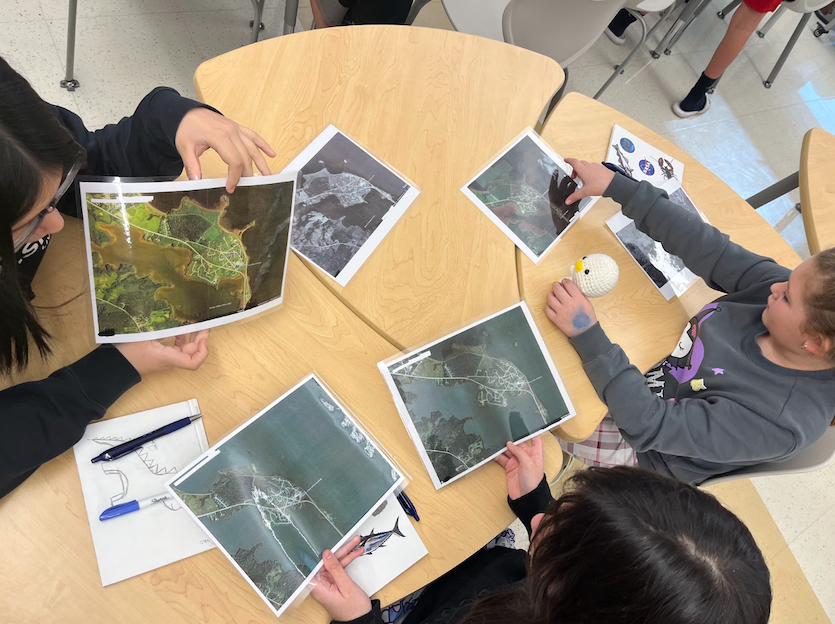
Three students sitting around a classroom table looking at NASA satellite images.
Students return from fieldwork and sit together in the classroom, examining NASA satellite images to learn about the changes to their community’s coastline.

Story by Keri Moskowitz, Gulf of Maine Research Institute

For the Pleasant Point Passamaquoddy Reservation, or Sipayik, the ocean has always been a teacher. Situated in what is known as Downeast Maine, along the shores of Passamaquoddy Bay, generations of Indigenous people have lived along the coast, learning from the tides, the land, and their elders. But today, the shoreline is changing more rapidly. Coastal erosion is slowly taking land away. Land that already holds a history of loss.

In the summer of 2023, inspired by a trip to Fairbanks, AK to attend Climate Change in My Community  – a workshop organized by the NASA Science Activation (SciAct) program’s Arctic and Earth Signs project – SciAct’s Learning Ecosystems Northeast (LENE) team began working with partners, including Indigenous leaders and scientists, to ask an important question: What does coastal erosion mean to people who have already lost land?

By November 2024, planning was underway at Sipayik Elementary School. The goal was to bring together Western science and Indigenous knowledge so students could understand the changes happening in their own community.

The lessons began in March 2025. For five weeks, nine 5th-grade students explored erosion in many ways. They visited local field sites and listened to elders share stories about how the coastline used to look. Learners used these accounts to measure the changes, both on the coast and via maps back in the classroom. They built erosion trays from simple materials to test how waves shape the land. They measured current high tide lines and compared them to historical ones. They studied old photographs and aerial images from 1942 to 2023 to see how much the shoreline had moved. They even compared 300-year-old tribal maps with future flood projections.

Students learned that science does not only live in textbooks. As one observer shared, “Our people were scientists without having to go to school.”

The students were curious, engaged, and proud. They saw that resilience is part of who they are. They have always adapted while holding on to culture. 

In June of 2026, the students were invited to the Gulf of Maine Research Institute to present their work to scientists, staff, and REU (Research Experience for Undergraduate) interns. They traveled 3.5 hours for this opportunity, and the journey proved worthwhile. During the Q&A portion following their slideshow, someone asked whether learning to read the various maps was difficult. One student responded with a reminder: these were not merely maps but NASA satellite images.

Future goals for the project include inviting more elders and adding more field sites in the work, strengthening language and cultural connections, sharing student learning with other Native youth, and planning resilience strategies like marsh restoration in coordination with tribal leadership. When the students were asked if they planned to continue their studies and work on this cause after their time in the classroom ended, they all resoundingly stated “YES”.

In Sipayik, the story of erosion is not just about land washing away. It is about memory, knowledge, identity, and the strength of a community that continues to learn from the shore.

Share

Details

Last Updated
Jul 08, 2026
Editor
NASA Science Editorial Team

Related Terms

Solar Set to Rule World’s Power Supply: Three Things to Know

8 July 2026 at 19:21
Solar is set to oust coal as the leading generator of electricity within six years, BloombergNEF finds in its latest energy transition outlook, despite a first ever slight dip in installations in 2026. “Solar is the cheapest source of power in many countries, and is proving the easiest and fastest to deploy,” said Jenny Chase, BNEF’s clean power specialist. “Its role in the global energy mix will be substantial, ushering in a new age where power is cheap whenever the sun shines.”

Datacentres are a ticking timebomb. We must make sure AI’s benefits outweigh the costs | Nicki Hutley

8 July 2026 at 16:00

They suck up energy and water, and blast out heat. Just who is better off from all this investment – aside from tech bros?

The two great existential threats of our time – the climate crisis and AI – come hurtling together in the explosion of datacentres across Australia and around the world.

You can hardly avoid hearing about them these days, either with awed reverence of the promised benefits to humankind or with fear and anger given the implications for the climate, inflation, jobs and even housing affordability.

Continue reading...

© Photograph: Jono Searle/AAP

© Photograph: Jono Searle/AAP

© Photograph: Jono Searle/AAP

Hubble Captures Star-Studded Cluster

8 July 2026 at 15:13
A packed, roughly spherical cluster of red, white and blue stars shines against the black background of space. The stars are clustered most densely toward the center of the cluster.
This image from NASA’s Hubble Space Telescope shows Messier 3, a densely packed cluster of stars whose origins may be a merger between globular clusters in the early universe.
NASA, ESA, and A. Sarajedini (Florida Atlantic University); Processing: Gladys Kober (NASA/Catholic University of America)

This image from NASA’s Hubble Space Telescope showcases Messier 3 (M3), one of the Milky Way galaxy’s most massive globular clusters, or spherical collections of gravitationally bound stars. Globular clusters are made up of ancient stars that formed at roughly the same time from the same cloud of gas, giving those stars similar ages. Around 150 known globular clusters are sprinkled around the outer regions of the Milky Way.

Learn more about M3.

Image credit: NASA, ESA, and A. Sarajedini (Florida Atlantic University); Processing: Gladys Kober (NASA/Catholic University of America)

‘We won’t give up, we’ll keep fighting’: activists in Colombia vow to resist far-right push for fossil fuels

As the newly elected president, Abelardo de la Espriella, pledges to exploit oil reserves, environmentalists prepare to defend climate progress

It is hard for Yuvelis Morales Blanco to pinpoint when her activism started. Now 25, she recalls getting involved in land rights and environmental issues in Santander, northern Colombia, from a young age. Living near water, she says, has always shaped her connection to nature. “My parents are fishers on the Magdalena, Colombia’s most important river,” says Morales. “For us, the river isn’t just food – it embodies life, identity and culture.”

In April, she received the Goldman environmental prize for her leadership in Puerto Wilches, where she succeeded in halting oil extraction and fracking. Yet, it seems her struggle is only just beginning.

Continue reading...

© Photograph: Iván Valencia/AP

© Photograph: Iván Valencia/AP

© Photograph: Iván Valencia/AP

❌