Login
Login
Ronan the Sea Lion Can Keep a Beat Better Than You Can
 A rescued sea lion is shaking up what scientists thought they knew about rhythm and the brain
  A rescued sea lion is shaking up what scientists thought they knew about rhythm and the brain
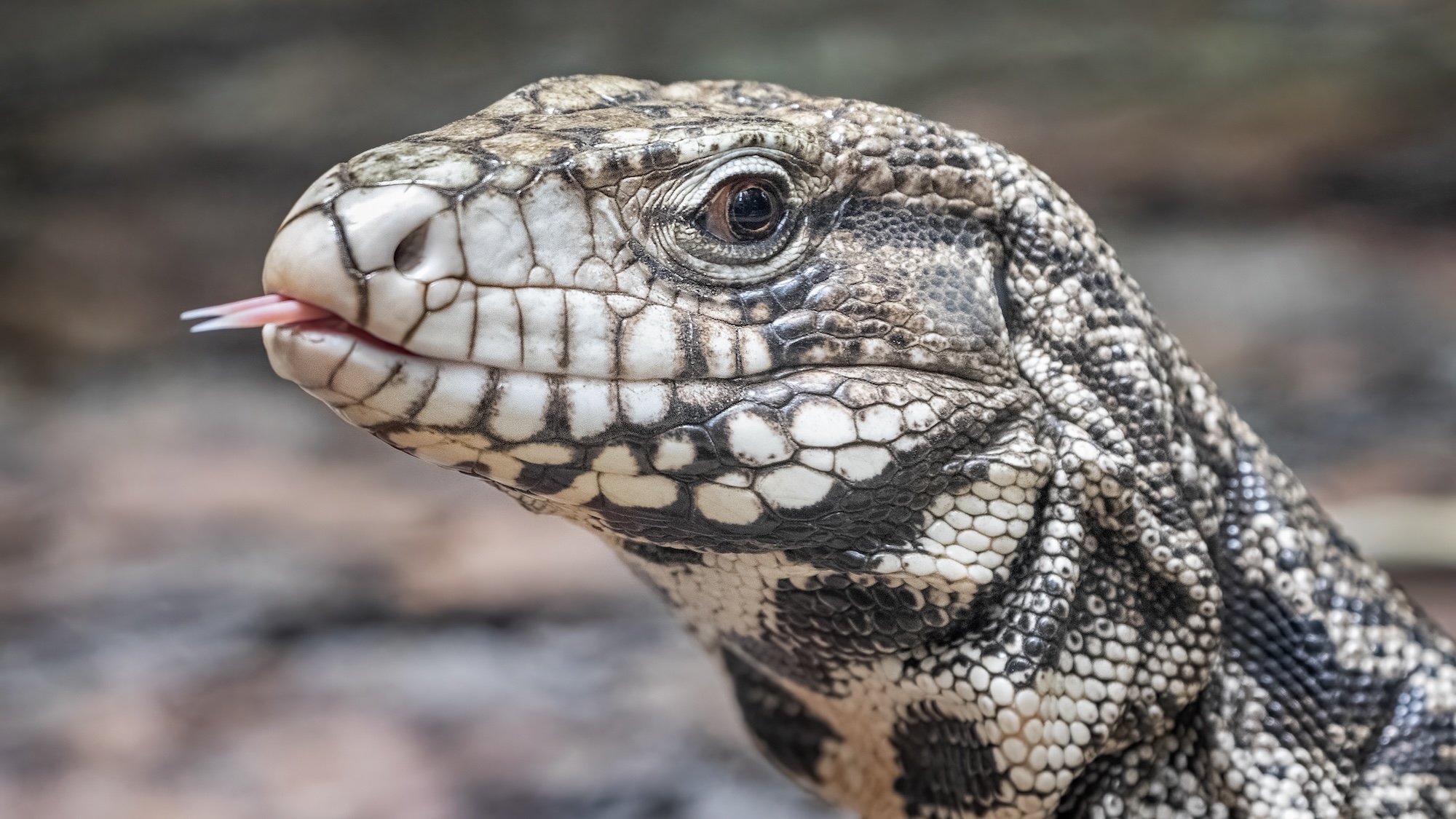
Wildlife experts in Georgia are urging locals to keep on the lookout for any four-foot-long lizards wandering around the Peach State. As its name implies, the Argentine black and white tegu (Salvator merianae) isn’t native to the United States, and it’s quickly becoming a nuisance.
Although the black and white tegu resembles many monitor lizard species, they are actually only distantly related to the reptiles. The speckled omnivores can weigh upwards of 10 pounds, largely thanks to a diet that regularly includes eggs, small animals, fruits, and vegetables. They are also extremely prolific animals, with a single female capable of producing around 35 eggs every year. These typically hatch during the summer between June and July, meaning many in Georgia have a decent chance of spotting a tegu in the near future.
It’s still unclear how the tegus were first introduced into the state, although illegal releases by exotic pet owners are the most likely explanation. Georgia’s Department of Natural Resources (DNR) first responded to reports of the rogue reptiles in 2018, with sightings spreading ever since. Tegus are currently particularly concentrated in southeastern Georgia’s Toombs and Tattnall counties, but experts fear a lack of predators means the lizard population could soon explode without concerted conservation efforts. As non-native “wild” species, trapping and hunting tegus is legal in Georgia throughout the year.
That said, the DNR still cautions hunters against coming into direct contact with the reptiles. Although not particularly aggressive or dangerous, tegus may carry exotic parasites as well as harmful bacteria including salmonella. Experts encourage people to instead contact the DNR if they see one of the lizards, either by emailing gainvasives@dnr.ga.gov or calling (478) 994-1438.
Unfortunately, Georgia isn’t the only state contending with an unwanted tegu problem. According to an ongoing mapping project from the U.S. Geological Survey and Georgia Southern University, residents across Florida, Alabama, South Carolina, and Texas have also reported sightings in recent years.
The post Georgia is battling invasive, 4-foot-long lizards appeared first on Popular Science.


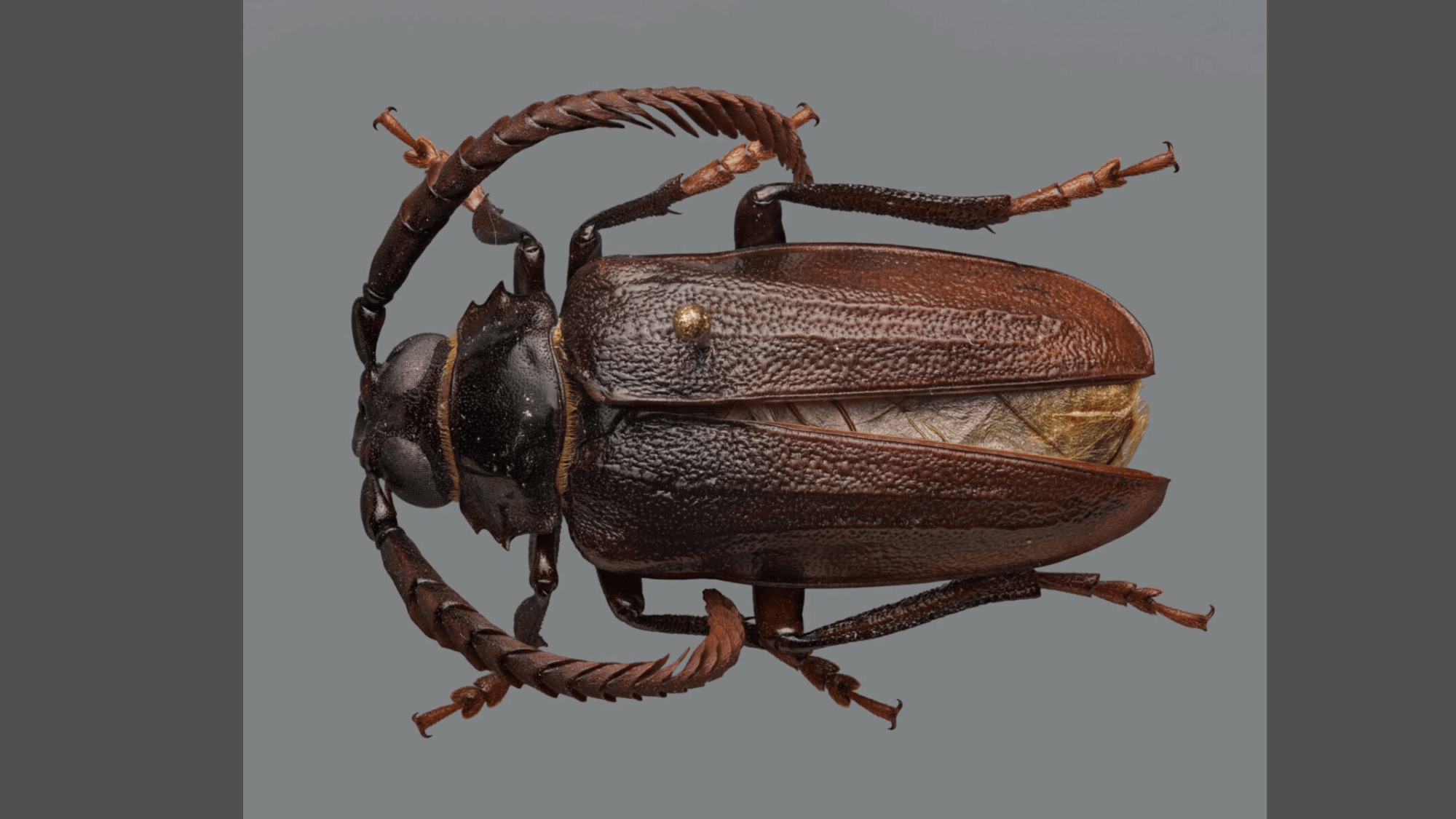
North Carolina’s blueberries may have a beetle problem. For the first time, scientists in the Tarheel State have documented the presence of Prionus imbricornus eating blueberry bushes. This longhorn beetle and its larvae can chomp their way through the state’s valuable blueberry fields. The findings are described in a study published this week in the Journal of Integrated Pest Management.
Blueberries are native to North Carolina, but were not cultivated until 1935. The state is the sixth largest blueberry producer in the United States, and the blueberry industry is valued at roughly $70 million. Protecting the plants from pests is crucial, as blueberries are considered one of North Carolina’s most valuable and desirable crops.
Several species including the blueberry maggot (Rhagoletis mendax), plum curculio (Conotrachelus nenuphar), and cranberry fruitworm (Acrobasis vaccinii Riley) can threaten blueberry crops. The long-horned beetle P. imbricornus may now join their ranks. P. imbricornus is known for their long antennae and are considered wood-boring beetles. The adult females typically lay their eggs in the soil near the roots of hardwood trees. The larvae then eat and destroy the roots. These larvae can grow up to five inches long and potentially kill trees, since the adults don’t feed.
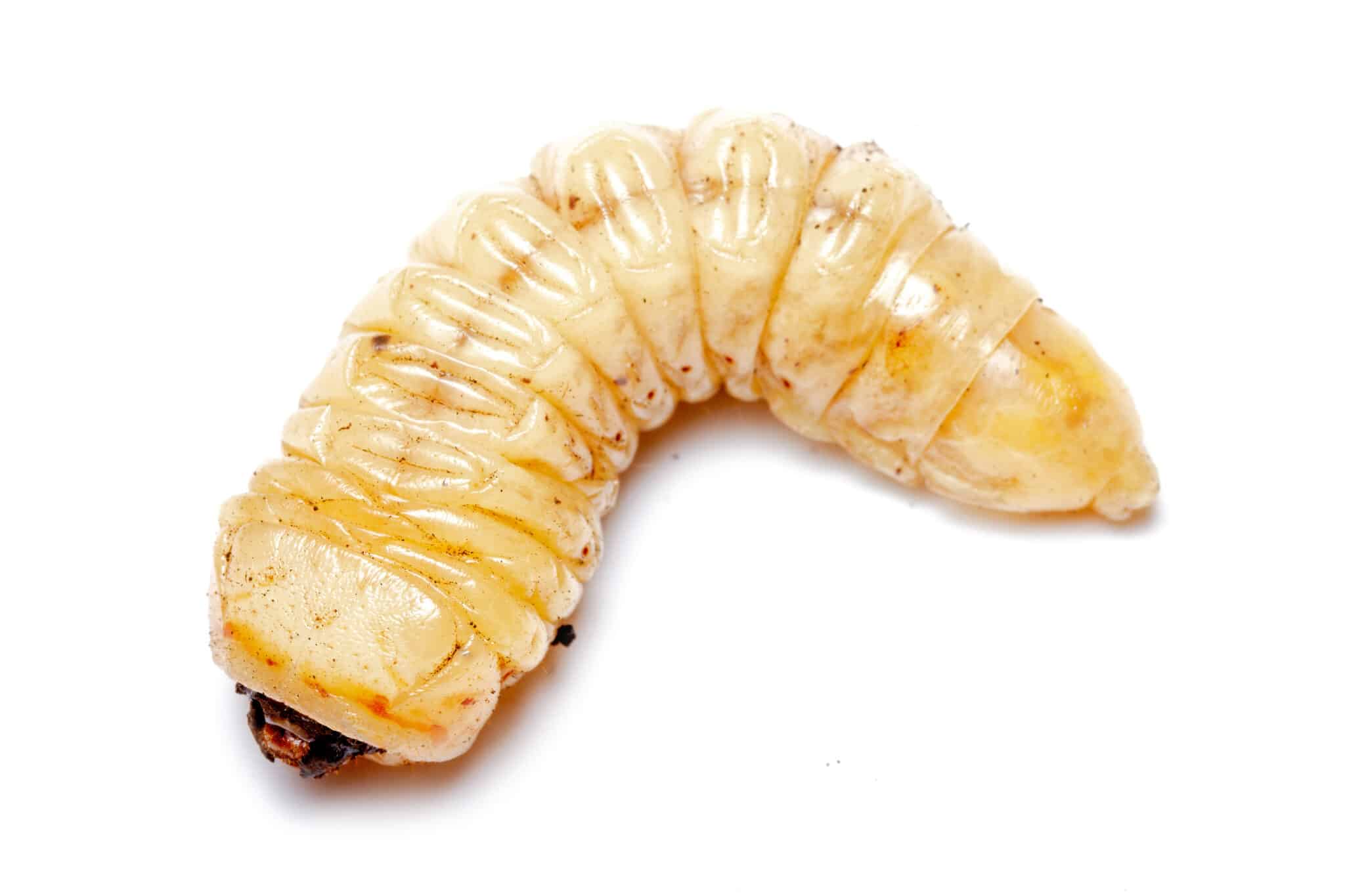
North Carolina is the first state to report that P. imbricornus is actively feeding on blueberry bushes. However, reports of unidentified larvae from the Prionus beetle genus feeding on and damaging blueberry bush roots go back to 2010. In the 16 years since, identifying the specific species responsible has been difficult since the larvae live near the roots of the plants. Different types of longhorn beetle larvae also look very similar, and not identifying a species can harm efforts to combat harmful bugs.
“Before now, researchers often just assumed the species of Prionus on their commodities based on adult identification,” Kenneth Geisert, a study co-author and NC State graduate student, said in a statement. “If that guess was incorrect, it could mean using a treatment strategy that did not line up with the problem and incorrectly associating species and their hosts.”
For example, P. imbricornus attacks roots, but another longhorn beetle species may go after a tree’s dead branches or trunk.
“Without knowing which species of beetle you’re dealing with and their ecology, incorrect management can cause adverse effects on non-target insects,” Geisert added.
For this study, the team used a series of black panel traps scented with sex pheromones to attract and gather adult beetles. The traps were placed at six farms across Pender, Sampson, Bladen, and New Hanover counties. The team then used a technique called genetic barcoding on the larvae to analyze small, standardized segments of their DNA to identify the species. They then compared the unknown larval sequences with the same genetic segments from known Prionus adults.
They matched the P. imbricornus with 98 to 99 percent accuracy. According to the team, this result is both good and bad news for farmers.
“On one hand, it’s very important that we know which species we’re dealing with,” said Lorena Lopez, a study co-author and entomologist at NC State. “On the other, North Carolina was the first state to ever report Prionus infestation in blueberries, and there are no insecticides currently labeled against this pest in blueberries.”
To address this shortfall, Lopez has begun insecticide trials. Pinpointing effective insecticides and timing during P. imbricornis reproductive cycles can potentially limit larval development. Fewer larvae could help prevent major root damage and provide blueberry farmers with an effective management tool to protect their crops.
The post A ‘mystery beetle’ is devouring North Carolina’s precious blueberries appeared first on Popular Science.
 Built to track enemy submarines, the Navy’s underwater listening network inadvertently revealed that whales may be singing across entire oceans.
 A new evolutionary analysis suggests the behavior appears across many bird groups
 The New York Times described the stunning behavior over 100 years ago.
 A barn owl’s ability to hunt by hearing alone relies on exquisite variations in the structure of its feathers.

In a groundbreaking study emerging from Stockholm University, researchers have unveiled compelling evidence that the nature of social interaction plays a critical role in brain development in young guppies. The investigation, recently published in the prestigious journal Biology Letters, reveals that guppies raised with the ability to engage in live, reciprocal social exchanges develop significantly larger and more complex brains compared to their counterparts exposed only to passive visual stimuli, such as video images of other fish or minimal social contact. These findings not only deepen our understanding of neural plasticity in vertebrates but also raise profound questions about the impact of digital and passive screen-based social exposure on the developing brains of higher organisms, including humans.
The researchers designed an experimental setup that meticulously controlled the social environment of juvenile guppies over a 20-day developmental window. The three distinct groups comprised fish that interacted in real time with live conspecifics, fish that were exposed only to video recordings of other fish—thus lacking any actual reciprocal interaction—and fish with severely limited social contact. Through this careful stratification, the study sought to disentangle the effects of passive social observation from active social engagement on neural architecture.
Remarkably, guppies participating in live social exchanges demonstrated brains nearly six percent larger than those merely exposed to screens displaying other fish. Particularly notable was the enlargement of the olfactory bulbs, crucial neural regions associated with processing social olfactory cues, which suggests that real-time interaction enhances not only general brain growth but also the development of areas pivotal for complex social processing. In contrast, guppies restricted to video exposure exhibited brain sizes akin to socially deprived counterparts, underscoring that passive visual stimuli alone are insufficient to foster typical neural maturation.
The implications of these results resonate far beyond ichthyology. By employing guppies—a species whose brains continue to grow and adapt throughout life—the study leverages an exemplary vertebrate model to rigorously probe the causative links between social experience and brain plasticity. This methodological rigor circumvents the ethical and experimental limitations of human research, allowing precise manipulation of social environments unfeasible in clinical or epidemiological studies on child development.
Senior author Professor Niclas Kolm emphasizes that while the neurodevelopmental dynamics of fish and humans diverge considerably, the fundamental biological principle that brain development is sensitive to quality and mode of social interaction appears deeply conserved across vertebrates. This conservation implies that insights from guppies may shed light on the nuanced ways that social deprivation or altered social stimuli, such as those presented through screens, might influence neural trajectories in human children.
Interestingly, despite clear differences in brain morphology, the study reports no detectable variation in cognitive performance among the groups when subjected to object permanence tasks—an assessment of the ability to track objects through temporary occlusion. This finding suggests that not all cognitive domains or neural functions are equally susceptible to social modulation during early life stages, highlighting the complexity of disentangling which aspects of brain development are most vulnerable to environmental influences.
Lead author Olivia Carmstedt stresses that these results should not be misconstrued as a blanket indictment of screen time usage. Instead, they accentuate the irreplaceable role of interactive social experiences in normal neurodevelopment. Unlike passive observation, real-time engagement involves reciprocal feedback mechanisms, sensory integration, and dynamic neural stimulation, all crucial for shaping the synaptic connectivity underpinning cognitive and social capabilities.
The study also arrived amid burgeoning public discourse about the effects of burgeoning screen use in early childhood, a phenomenon marked by extensive exposure to video and digital media often lacking interactive features. Current human studies indicate associative, though not causative, links between media consumption and brain development metrics. By isolating and experimentally manipulating social interactivity, the guppy model offers an innovative approach to dissecting these relationships with unprecedented precision.
Technically, the methods employed included volumetric brain analyses using advanced imaging techniques to quantify differential growth patterns across treatment groups. Specialized interest was directed toward the olfactory bulbs due to their integral function in fish social communication, mediated through chemical signaling—a modality analogously significant in mammalian social interactions. The study’s rigorous experimental design enhances its validity, controlling for confounding variables and permitting robust conclusions about causality.
Beyond the immediate results, this research prompts urgent inquiries into how evolving social environments and technology-mediated interactions may impact brain development trajectories in a range of species. It beckons neurobiologists, psychologists, and educators to rethink the qualitative aspects of social exposure critical for nurturing cognitive and emotional well-being, especially in developmental stages characterized by rapid neuroplasticity.
In conclusion, this pioneering study illustrates with remarkable clarity that social interaction is a dynamic, reciprocal, and biologically essential catalyst for brain development. By demonstrating that live social contact promotes substantial neuroanatomical growth beyond what passive screen exposure can achieve, it underscores the evolutionary importance of interactive social experiences and offers a crucial foundational model for interpreting analogous processes in humans.
—
Subject of Research: Animals
Article Title: Streaming for fish? Screen-based social exposure disrupts brain development
News Publication Date: 3-Jun-2026
Web References: https://doi.org/10.1098/rsbl.2025.0830
References: Carmstedt, O., Kolm, N. (2026). Streaming for fish? Screen-based social exposure disrupts brain development. Biology Letters. DOI: 10.1098/rsbl.2025.0830
Image Credits: Arezo Shamsgovara
Keywords: brain development, social interaction, guppies, neural plasticity, screen exposure, neuroanatomy, vertebrate biology, olfactory bulb, cognitive development, digital media, reciprocal interaction, developmental neurobiology
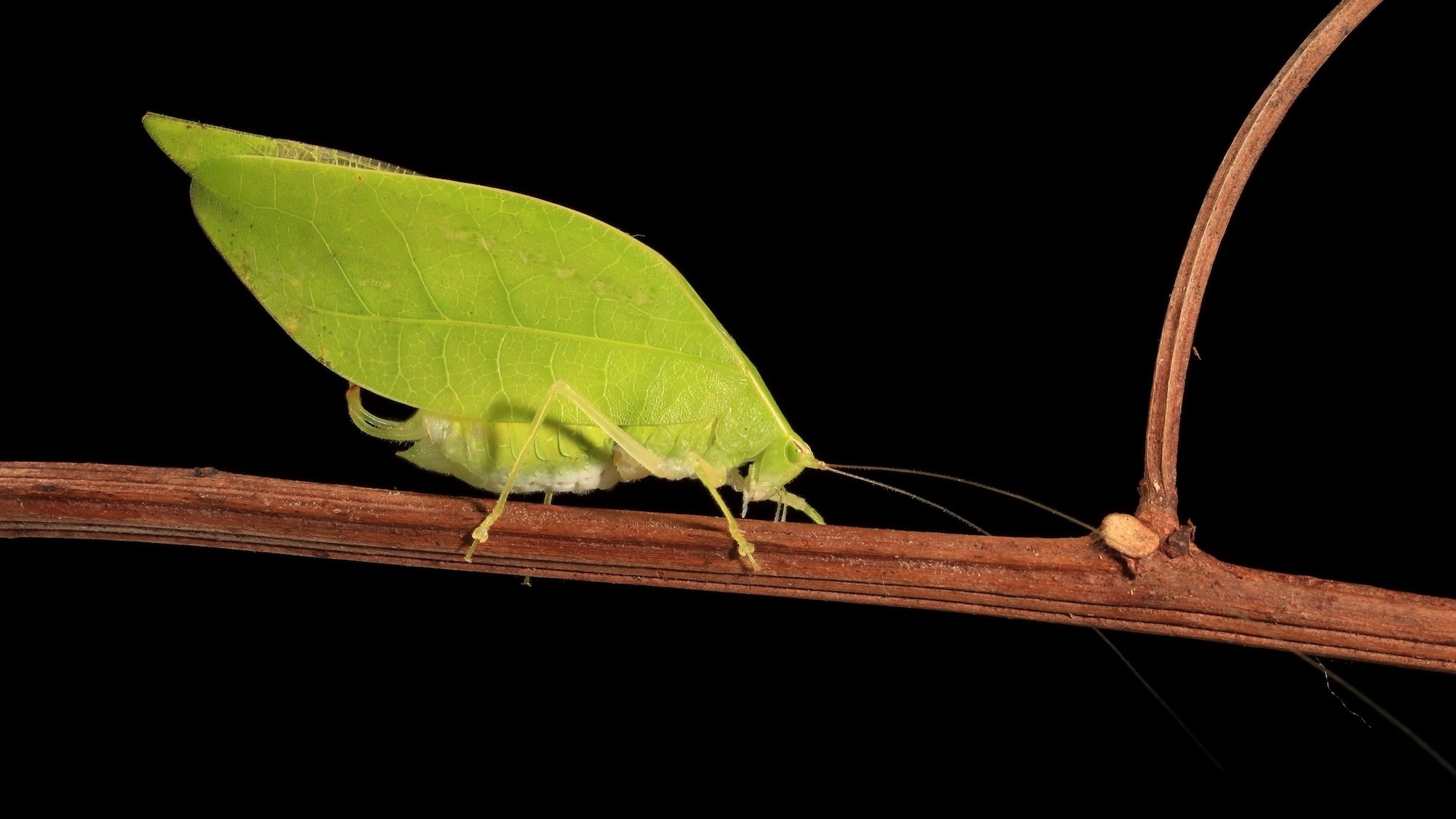
When it comes to reproduction, animals will pull out all the stops to attract a mate. Sending out noisy mating calls, showing off colorful wings, inflating a throat pouch, and shaking a literal tailfeather all ensure that the next generation of a species happens. Some insects will go as far as making themselves look like an entirely different living thing—leaves.
Usually used as a means of camouflage, male katydids appear to use their leafy disguise to amplify mating calls and make themselves more attractive to the opposite sex. The findings are detailed in a study published today in the journal Proceedings of the Royal Society B, and offer one of the first demonstrations of how leaf mimicry enhances a male katydids’ sexual signals.
To shield themselves from predators, various species of katydids have evolved wings with structures that look like leaves. Panama’s leaf-masquerading katydids (Arota festae) will even change from green to hot pink in order to better mimic leaves. What’s been less clear to entomologists is whether or not these leaf-mimicking structures play a role in katydid mating.
This new study looked at a species called Viadana brunneri from Barro Colorado Island, Panama. To attract mates, katydids create songs by rubbing together specialized structures on their wings. In many tropical species like V. brunneri, the portion that mimics leaves makes up the majority of their wing’s surface area.
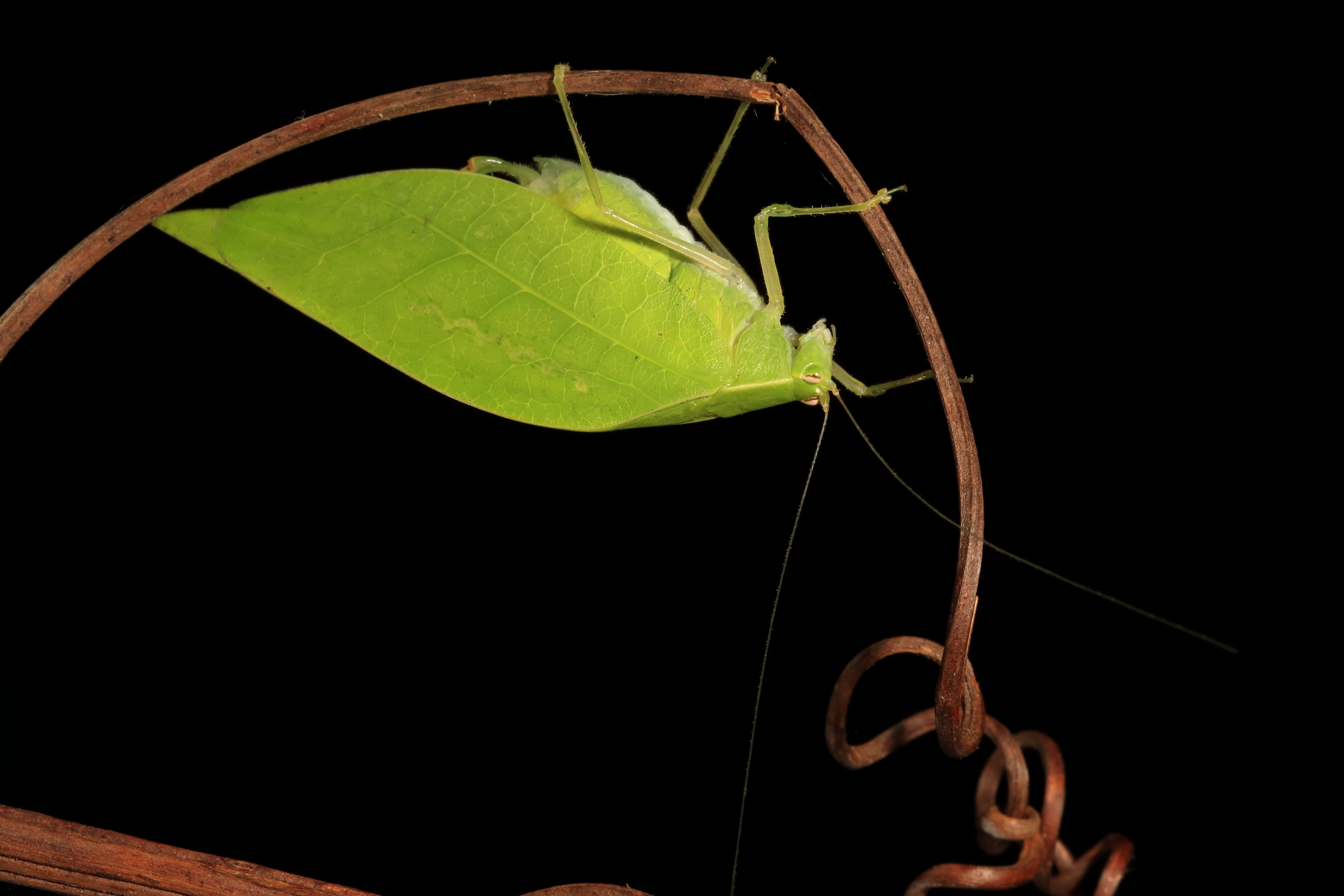
Previously, scientists believed physical adaptations for survival and for attracting mates can function in conflict with one another, particularly if they are physically connected. A male peacock’s flashy tail feathers may help it attract a female, but it also makes it easier for predators to find them. Male katydids, on the other hand, are able to use the acoustic properties of the structures that they use for defense to their reproductive advantage. They are a rare example of how an adaptation for self-defence and reproduction can work together without necessarily putting the animal in jeopardy.
The team performed a series of bioacoustic, behavioral, and biophysical experiments, showing that these leafy structures on their wings make them more attractive to females, while also helping conceal them. After removing the leafy portions of a male V. brunneri’s wings, the pitch became higher and the volume of their songs also changed. The team then played these calls for females who preferred the lower pitch calls from males with their leafy wing sections still intact.
While male katydids do all the singing, females indicate their interest by replying to the song with clicks. The insects produce short, sporadic and infrequent calls, possibly for only two seconds in a single night. They perform these calls in ultrasounds, which our ears can’t pick up. They also found that the leafy portions of the male katydid wing will vibrate to amplify their songs, making them more detectable to females.
“Our study provides a rare example of natural and sexual selection acting in harmony, producing traits that simultaneously improve survival and mating success,” Dr. Benito Wainwright, a study co-author and evolutionary biologist at the University of St Andrews, said in a statement. “We are now extremely excited to start exploring how such an interesting interaction evolved in katydids.”
The post Big wings and sweet songs: The mating lives of Panama’s katydids appeared first on Popular Science.