
Reading view

NTU Singapore Scientists Innovate Sustainable Method for Recycling Mixed Plastic Packaging

Scientists at Nanyang Technological University, Singapore (NTU Singapore), have pioneered a groundbreaking technique to revolutionize the recycling of mixed plastic packaging—a notoriously challenging waste category. This innovation introduces a chemical process that can separate and recover individual plastics from multilayer packaging without the use of harmful solvents, offering a cleaner, safer, and more economically viable pathway to deal with one of the planet’s most persistent environmental problems.

Mixed plastic packaging is ubiquitous in the consumer market, especially in food products like snacks and instant noodles. These multilayered materials combine various polymers, bonded to ensure durability and airtight preservation, but these same properties make them incredibly difficult to recycle. Traditional mechanical recycling methods often degrade the quality of the polymers, resulting in low-value materials frequently destined for landfill or incineration. The global scale of this challenge is immense, with plastic production expected to surge to over 700 million tonnes by 2040, intensifying the urgency for effective recycling innovations.

The team from NTU’s School of Materials Science and Engineering alongside the Nanyang Environment and Water Research Institute (NEWRI), led by Professor Hu Xiao, has developed a technology called depolymerisation-induced polymer separation (DIPS). This sophisticated process selectively targets specific plastic components within mixed packaging, breaking down one polymer chemically while leaving others intact, thus enabling their clean separation and recovery. This nuanced chemical intervention is carried out without introducing solvents, eliminating many environmental and health hazards associated with conventional recycling practices.

At the heart of the DIPS method is reactive extrusion, an industrial process that combines melting, shaping, and chemical reaction stages within a single continuous operation. During this process, poly(ethylene terephthalate) (PET)—commonly used in beverage bottles—is mixed with glycerol, a readily available, nontoxic reagent. The process induces a targeted depolymerization of PET, converting it to smaller molecular units with altered physical and chemical properties. This reaction is finely tuned to maintain the integrity of other plastics like polypropylene (PP), a staple in food packaging.

What makes this technique exceptional is the natural separation that occurs post-depolymerization. The qualitative differences in polarity and viscosity between the chemically altered PET and unaffected PP drive an automatic phase separation, allowing the materials to be isolated without laborious sorting or hazardous chemicals. This solvent-free environment operates at ambient pressure, markedly reducing energy consumption and supporting safer industrial scale-up potential.

Laboratory analysis of the recycled PP material revealed it retained mechanical strengths up to 90% of virgin polypropylene under optimized conditions. This remarkable retention of tensile strength underscores the practical viability of this recycled plastic for high-performance applications, a notable improvement over conventional mechanical recycling, which often results in material downgrading. Besides offering environmental benefits, this enhances the economic value proposition of recycling mixed plastics.

While the PET fraction cannot be directly reprocessed into new packaging materials, its chemical profile post-depolymerization makes it a valuable feedstock for specialty applications. These include precursor materials for high-strength epoxy resins used in advanced composites like wind turbine blades. Furthermore, its chemical groups offer pathways to transform it back into monomers, potentially enabling closed-loop recycling and creating a circular economy for PET-based products.

The potential of the DIPS process extends beyond PET and PP. The principles of selective depolymerization and exploitation of differing material properties signal feasibility for broad applicability across various multilayer plastic combinations prevalent in the packaging industry. This adaptability could dramatically reshape industrial recycling practices, minimizing reliance on sorting and solvent-based treatments.

PhD candidate Kathirvel Periasamy, who contributed significantly to developing the DIPS methodology, highlights that this process aims to bridge the gap between laboratory innovation and industrial application. By integrating separation and depolymerization into a single, streamlined operation, DIPS addresses the economic and environmental challenges hampering widespread adoption of mixed plastic recycling.

The implications of efficiently remediating mixed plastic waste go beyond environmental sustainability—they represent a potential economic boon. It is estimated that unlocking effective recycling solutions for mixed plastics could generate annual economic value exceeding $250 billion globally. This transformative impact could drive market incentives for recycling infrastructure development and elevate the quality standards for recycled materials.

Looking forward, the NTU Singapore team plans collaborative efforts with industrial partners to pilot this technology under scaled-up manufacturing conditions. These partnerships aim to validate the process’s commercial feasibility, operational robustness, and integration with existing recycling systems. The researchers actively invite industry stakeholders interested in advancing sustainable plastic waste management to engage in this next phase.

This innovative approach to depolymerization and polymer separation is poised to be a major step forward in tackling one of the most recalcitrant components of plastic pollution. By eliminating harmful solvents, minimizing energy consumption, and producing high-quality recycled plastics, DIPS aligns technological ingenuity with environmental stewardship, potentially rewriting the narrative around mixed plastic recycling for decades to come.


Subject of Research:
Not applicable

Article Title:
Depolymerization Induced Polymer Separation: A New Strategy for Continuous and Efficient Separation of PP/PET Multilayer Plastic Packaging Waste

News Publication Date:
16-Mar-2026

Web References:
OECD Policy Scenarios for Eliminating Plastic Pollution by 2040
OECD Global Material Resources Outlook to 2060

References:

  1. OECD Policy Scenarios for Eliminating Plastic Pollution by 2040; OECD, 2024.
  2. OECD Global Material Resources Outlook to 2060: Economic Drivers and Environmental Consequences; OECD, 2019.

Image Credits:
NTU Singapore

Keywords

Industrial chemistry, Materials processing, Chemical separation, Separation techniques, Sustainable chemistry, Plastic recycling, Polymer science, Depolymerization, Reactive extrusion, Environmental engineering, Circular economy, Mixed plastics

  •  

Advancement in Programmable Chemistry Promises to Minimize Drug Side Effects

In the quest to minimize the devastating collateral damage of chemotherapy and improve the precision of drug delivery, scientists at the University of California San Diego have pioneered a groundbreaking chemical tool known as TRACE (tetrazine release and activation by cellular enzymes). This innovation represents an extraordinary leap towards selective drug activation at the cellular level, whereby powerful therapeutic agents can be unleashed solely within targeted cells, radically reducing harm to healthy tissues and enhancing overall treatment efficacy.

Traditional chemotherapy agents face an inherent challenge: their lack of discrimination between malignant and normal cells frequently results in harmful side effects, sometimes severe enough to limit their clinical use. Innovative chemical strategies that can tightly control where and when drugs become active inside the human body have long been sought to address this issue. TRACE is a prime example of such innovation, utilizing the power of bioorthogonal chemistry—a cutting-edge approach that enables chemical reactions to proceed in living systems with unmatched selectivity and minimal biological interference.

Bioorthogonal chemistry involves the design of chemical moieties that react exclusively with each other within biological environments, effectively performing “click” reactions that attach diagnostic or therapeutic agents to biomolecules without disturbing native biochemical processes. Among the fastest and most versatile reagents in this realm are tetrazines—heterocyclic compounds known for their rapid and specific reactivity with their partner molecules. Since their introduction more than a decade ago by Neal K. Devaraj and Joseph M. Fox, tetrazine chemistry has revolutionized live-cell labeling, drug delivery systems, and materials functionalization.

Despite their speed and specificity, traditional tetrazine-based reactions have faced a crucial hurdle: they can activate indiscriminately across various cell types within complex biological milieus. This reduces the precision essential for many applications, such as targeted cancer therapy or real-time imaging of pathological processes, where only certain cells must be affected or visualized. Recognizing this limitation, Devaraj’s laboratory embarked on engineering a molecular “safe lock” to cage the reactive tetrazine, preventing it from interacting prematurely or non-selectively.

The breakthrough came in the form of enzyme-activated tetrazine cages. These cages encase the tetrazine molecules, rendering them inactive until they reach cells expressing specific enzymes capable of unlocking the cage. When the caged tetrazine encounters its target enzyme—often overexpressed in disease states like cancer—it undergoes rapid uncaging, liberating the reactive tetrazine to engage in its bioorthogonal “click” chemistry exclusively within the desired cells. This ingenious form of molecular programming imbues the chemical system with exquisite spatial resolution.

Achieving this level of cell-type specificity required extensive optimization. The researchers meticulously screened various tetrazine structures to identify candidates combining the fastest uncaging kinetics with rapid reaction turnover. To further sharpen targeting precision, they introduced tetrazine-reactive scavengers that mop up any prematurely released or non-target activated molecules, effectively suppressing background reactivity outside the enzyme-rich milieu. This elegant dual mechanism essentially narrows tetrazine activation to occur almost exclusively in the intended cellular population.

Proof-of-concept experiments employed enzymes uniquely abundant in certain pathological cells paired with doxorubicin (DOX), a potent but notoriously toxic chemotherapeutic drug. The caged tetrazine-DOX complex remained inert unless it encountered the activating enzyme, at which point doxorubicin was released to exert its cytotoxic effect precisely within the cancerous cells. This selective deployment mechanism holds immense promise for enhancing therapeutic windows, reducing systemic toxicity, and potentially overcoming drug resistance linked to broad drug exposures.

Beyond therapeutic applications, the TRACE platform also advances live-cell imaging capabilities. By integrating fluorescent probes within the tetrazine cages, the researchers devised a system where fluorescence switches on solely after enzymatic uncaging in targeted cells. This selective illumination enables unprecedented real-time visualization of enzymatic activity and cellular states, such as the detection of elevated alkaline phosphatase (ALP) activity—an important biomarker in various tumors—directly on the cell surface. Such precision could transform pathological diagnostics and allow monitoring of treatment responses with high fidelity.

This body of work reflects nearly two decades of pioneering research by Neal K. Devaraj in tetrazine chemistry and highlights the transformative potential of marrying chemical ingenuity with biological specificity. The ability to tailor chemical reactions to individual cell types within living organisms was once a distant dream; now, TRACE brings this vision within reach. By enhancing selectivity, reducing side effects, and enabling dynamic cellular imaging, this technology stands poised to redefine pharmaceutical delivery and molecular diagnostics.

Looking forward, Devaraj’s team is focused on refining the selectivity and general applicability of these enzymatic cages. The potential to customize cages responsive to a broad repertoire of cell-specific enzymes could open new frontiers in personalized medicine, allowing therapies to be fine-tuned not only to cancer cell types but to diverse pathological contexts, including infectious diseases and autoimmune disorders. The implications extend to improving the safety and effectiveness of treatments and to developing novel diagnostic tools adapted to complex biological systems.

At its core, TRACE exemplifies a paradigm shift: moving from broad-spectrum chemical interventions in biology to highly programmed, cell-specific molecular operations. This capability leverages the unique enzymatic fingerprints of different cell types to activate chemical functions only where needed, dramatically improving outcomes in both clinical and research settings. Such precision chemistry is rightly hailed as a game-changer in the science of drug delivery and bioimaging.

The resonance of this innovation extends well beyond the confines of the laboratory. The principles underlying TRACE, including enzyme-activated molecular cages and bioorthogonal chemistry, could ultimately enable real-time, in vivo tracking and control of therapeutic agents in human patients, moving the field closer to the long-envisioned goal of “smart” medicines that dynamically respond to cellular environments. This research not only adds a powerful new tool to the chemical biology arsenal but underscores the untapped potential of chemistry to revolutionize medicine and healthcare.

In summation, the TRACE system is a monumental stride in the evolution of bioorthogonal chemistry, effectively combining precision chemical engineering with biological specificity to achieve selective drug delivery and imaging. By harnessing enzyme-mediated activation and molecular cages to control tetrazine activity, the Devaraj laboratory has unlocked unprecedented spatial and temporal control over chemical reactions in live cells. As discoveries continue, this chemical toolkit promises to provide clinicians and researchers with unparalleled control over therapeutic and diagnostic processes, heralding a future where side effects are minimized and treatment efficacy is maximized.

Subject of Research: Cells
Article Title: Achieving cell-type-specific bioorthogonal chemistry using enzyme-activated caged tetrazines
News Publication Date: 3-Jun-2026
Web References: https://doi.org/10.1038/s41589-026-02240-y
Image Credits: Devaraj lab / UC San Diego
Keywords: Organic chemistry, Click chemistry, Targeted drug delivery

  •  

Breakthrough in GaN Power Electronics Enables Bidirectional Single-Phase DC Charging for Electric Vehicles

The Fraunhofer Institute for Applied Solid State Physics (IAF) has unveiled a groundbreaking advancement in electric vehicle (EV) power electronics with the development of a gallium nitride (GaN)-based power electronics module tailored for 800 V bidirectional direct current (DC) charging systems. This innovative module, realized within the GaN4EmoBiL project—an initiative funded by the German Federal Ministry for Economic Affairs and Energy (BMWi)—marks a significant leap towards more efficient, compact, and versatile EV charging solutions. The module’s integration into a bidirectional, single-phase off-board charger prototype, implemented by project partner Ambibox GmbH, signals a strategic shift in the landscape of EV charging technology.

At the heart of this module lies 1200 V GaN devices crafted on insulating substrates, leveraging the superior electrical and thermal properties of GaN semiconductors. The demonstrator is designed to accommodate battery voltages ranging from 150 V to an impressive 920 V, providing a versatile platform to evaluate device performance under realistic operating conditions. Gallium nitride’s wide bandgap enables higher breakdown voltage and faster switching speeds compared to conventional silicon-based devices, delivering unprecedented efficiency and power density in a compact footprint. These characteristics are pivotal for next-generation power electronics essential to the electrification of transport and energy systems.

The bidirectional, single-phase 800 V DC charger prototype delivers up to 3 kW of power, addressing a critical market gap where traditional on-board chargers fall short in balancing cost, flexibility, efficiency, and size. EVs typically rely on on-board chargers converting AC from household or public charging infrastructures into DC at 11 or 22 kW for rapid charging. However, these on-board units are burdened by high costs, substantial weight, and significant spatial requirements due to their complex electronics and cooling systems. By relocating the charger off-board and leveraging GaN technologies, the Fraunhofer IAF and partners have engineered a lightweight (5.7 kg including plugs), compact (8.3 liters in volume), and mobile solution compatible with Combined Charging System (CCS) and Schuko plugs.

Beyond physical advantages, the charger embodies the crucial function of bidirectional charging, a technology set to revolutionize grid interaction with EVs. High-voltage reverse power flow capability enabled by the GaN module allows EV batteries to not only draw energy from the grid but also feed stored energy back during peak demand or grid stress, thus acting as distributed energy storage. This vehicle-to-grid (V2G) functionality represents a paradigm shift toward a more resilient, efficient, and sustainable energy infrastructure, integrating transportation and power networks seamlessly.

Fraunhofer IAF continues to push the boundaries of GaN power electronics, pioneering innovative device architectures and integrated power circuits that enable system-level miniaturization through functional integration. Concurrent efforts focus on scaling these technologies to higher voltage classes, larger current capacities, and increased wafer sizes to achieve cost-effective wide-bandgap semiconductor solutions on par with silicon devices. The ultimate ambition is to harness the intrinsic performance benefits of GaN while adhering to the stringent cost targets demanded by widespread commercial adoption.

The institute plans to showcase these advancements at the upcoming PCIM Expo & Conference 2026 in Nuremberg, emphasizing “Power Electronics for Energy Technology.” Presentations and exhibits will highlight a suite of GaN-based components and modules, with the bidirectional EV charging system demonstrator serving as a flagship example. A robust scientific program includes keynote speeches, technical sessions, and panel discussions led by Fraunhofer researchers, illuminating the state-of-the-art in GaN devices and prospects for future innovation.

One keynote by Dr. Michael Basler will trace the evolution from lateral to vertical and bidirectional GaN transistor configurations, outlining the technological trajectories and breakthroughs fueling enhanced power electronic performance. Complementary talks by Dr. Richard Reiner will delve into comparative device concepts and strategies for scaling the power capabilities of GaN technologies to meet the demands of 1200 V and beyond, highlighting critical design trade-offs and manufacturing challenges. Poster sessions featuring research by Jun.-Prof. Dr. Stefan Mönch and Daniel Fugmann will provide detailed insights into inverter integration and device dynamic characteristics fundamental to system optimization.

The emerging All-Electric Society paradigm hinges on continuous advancements in power electronics that can efficiently convert and store energy at ever-increasing voltages and power densities. GaN semiconductors offer transformative potential, enabling devices that operate faster, dissipate less heat, and occupy less volume than silicon counterparts. This technological edge accelerates the deployment of high-performance converters and inverters essential for EVs, renewable energy integration, and smart grid applications, thereby catalyzing the transition to sustainable energy and mobility ecosystems.

Within the domain of electromobility, GaN makes it feasible to harness power electronics operating reliably at voltages up to 1200 V, with future prospects toward 1700 V classes. This capability unlocks new architectures for EV charging infrastructure and onboard powertrains that enhance battery range, charging speeds, and system efficiency while simultaneously reducing overall costs. Collectively, these improvements promise to diversify and democratize electric mobility, extending its appeal and accessibility to a broader segment of society.

The GaN4EmoBiL project embodies a comprehensive effort to bridge the gap between research and real-world application by delivering a cost-effective, intelligent bidirectional charging platform. Research spans from novel GaN high-voltage transistors fabricated on low-cost alternative substrates to innovative bidirectional switch component concepts and integrated system implementations for both on- and off-board chargers. A critical focus on reliability and long operational lifetimes aims to meet stringent automotive standards and market expectations.

As one of the world’s foremost institutes in III-V semiconductor technologies and synthetic diamond research, Fraunhofer IAF leverages deep expertise to develop cutting-edge components for communication, mobility, quantum computing, and sensing. The institute’s integrated approach—from material science through device fabrication and system demonstration—positions it uniquely to translate GaN innovations into impactful technological breakthroughs.

The introduction of the bidirectional GaN-based charging system stands as a testament to the transformative role of wide-bandgap semiconductors in shaping the future of energy and transportation. This development not only addresses current market demands for efficient and flexible EV charging but also lays groundwork for the integration of electric vehicles as active elements within a decarbonized energy grid, aligning with global sustainability goals.

Subject of Research: Gallium nitride (GaN)-based power electronics for 800 V bidirectional DC EV charging systems
Article Title: Fraunhofer IAF Unveils GaN-Based Bidirectional 800 V DC Charger Revolutionizing EV Charging
News Publication Date: 2026
Web References:
– https://www.iaf.fraunhofer.de/en/customers/electronic-circuits/power-electronics.html
– https://www.iaf.fraunhofer.de/en/researchers/electronic-circuits/power-electronics/gan4emobil.html
– https://www.iaf.fraunhofer.de/en/networkers.html
Image Credits: © Fraunhofer IAF

Keywords

Gallium Nitride, GaN Power Electronics, Electric Vehicle Charging, Bidirectional Charging, Wide-Bandgap Semiconductors, Energy Conversion, Power Modules, Electric Mobility, Vehicle-to-Grid, Off-Board Charger, 800 V DC Charging, Semiconductor Devices

  •  

Fast Quake Magnitude Estimation Using Borehole Strains

In an era where every second counts in mitigating the impact of natural disasters, the rapid and accurate classification of earthquake magnitudes remains one of the foremost challenges in seismology. Traditional seismic methods, while robust, often face latency issues and inconsistencies, particularly when discerning the early signatures of major tremors. A compelling breakthrough, recently reported by Sawi et al. in Nature Communications, amplifies the potential of borehole strainmeters combined with cutting-edge Distributed Acoustic Sensing (DAS) technology to revolutionize how seismic events are detected and classified. Their pioneering study introduces an innovative approach that leverages P-wave strain measurements for immediate magnitude classification—ushering in a new frontier for earthquake early warning systems worldwide.

The crux of this advancement lies in harnessing the initial P-wave signals generated during an earthquake. Unlike the more destructive S-waves and surface waves, P-waves travel fastest through the Earth, arriving at sensors before significant damage has begun. Historically, magnitude estimation has relied heavily on shaking intensity and frequency content derived from secondary waves, which inherently introduces delay. However, Sawi and colleagues’ methodology centers on directly capturing dynamic strain responses from these early-arriving P-waves using borehole strainmeters embedded deep within the Earth’s crust. This means instead of measuring ground displacement or velocity, the technology quantifies the tiny volumetric changes the rock undergoes as seismic waves propagate.

Distributed Acoustic Sensing, an innovative fiber optic-based technology, is key to this paradigm shift. By transforming conventional fiber optic cables into dense arrays of seismic sensors, DAS offers unprecedented spatial resolution over vast distances. Coupled with borehole strainmeters, this system captures the subtle nuances of strain fields with exquisite sensitivity and near real-time responsiveness. The integration of these technologies permits the extraction of detailed strain waveforms that directly correlate to the earthquake’s rupture process and consequently its magnitude. Unlike typical seismic networks where sensor spacing can be sparse or irregular, DAS fiber arrays enable a highly granular seismic picture that was previously unattainable.

One of the most groundbreaking findings by the researchers revolves around their ability to swiftly classify earthquake magnitudes through machine-learning algorithms trained on P-wave strain data. By analyzing strain amplitude patterns from numerous earthquakes spanning a range of magnitudes, the team demonstrated that early P-wave strain characteristics reliably predict the event size, often within seconds of wave arrival. This approach circumvents the long-standing challenge of magnitude saturation, where traditional scales underestimate the size of large events due to reliance on ground motion amplitudes alone. The implication for earthquake early warning systems is immense: not only can alerts be dispatched faster, but their accuracy in estimating potential damage zones is significantly enhanced.

Such a method holds profound implications for regions susceptible to seismic hazards. Early warning systems equipped with this technology could facilitate rapid decision-making processes for emergency responders, infrastructure protection, and public safety communications. For dense urban environments, even a few seconds of advanced notice can mean the difference between chaos and controlled evacuation. Importantly, the fusion of borehole strainmeter data with distributed optical sensing allows for scalable deployment—fiber optic networks, already widespread in urban and industrial settings, can potentially be adapted for seismic monitoring with minimal additional infrastructure.

The technical underpinnings of the study delve into the signal processing algorithms crafted to isolate P-wave strain signals amid background noise and competing seismic phases. The authors meticulously outline how waveform preprocessing, including filtering and windowing techniques, enables robust feature extraction essential for training predictive models. Deep learning frameworks were customized to discern subtle distinctions in strain signal envelopes and temporal evolution, correlating them with magnitude scaling laws. The fidelity of these models was validated against historical earthquakes, ensuring both sensitivity to small events and robustness against false positives.

Beyond immediate practical applications, this research enriches our fundamental understanding of earthquake mechanics. The direct measurement of strain within the Earth’s interior sheds light on rupture initiation processes, energy release rates, and fault slip characteristics. These insights could feed back into seismic hazard models, refining both spatial and temporal forecasts of earthquake likelihood. Moreover, the ability to continuously monitor strain variations in real time may open new avenues for detecting precursory phenomena, potentially inching us closer to the elusive goal of earthquake prediction.

It is noteworthy that the deployment of borehole strainmeters—though highly sensitive—has traditionally been limited due to installation complexity and cost. The incorporation of Distributed Acoustic Sensing mitigates these limitations by repurposing existing fiber optic cables for dense seismic arrays, reducing the need for extensive sensor networks and allowing for widespread coverage, especially in remote or offshore areas. The synergy between these two techniques exemplifies how combining conventional geophysical instrumentation with innovative sensing technologies can yield transformative results.

Moreover, the study addresses the issue of data integration from heterogeneous sensor networks. By harmonizing strainmeter outputs with DAS data streams, the researchers established a comprehensive multisensor approach that balances temporal precision with spatial detail. This multiscale monitoring capability ensures that early strain signals are neither lost in noise nor isolated from broader seismic context. The multilayered data fusion strategy amplifies the reliability of magnitude assessments, making it feasible to implement on global earthquake monitoring platforms.

Sawi et al.’s research also explores how their methodology interfaces with existing seismic infrastructure. The advent of real-time cloud computing and edge processing enables the rapid handling of the massive data volumes inherent to DAS systems. Coupled with decentralized algorithms capable of operating on site, the system circumvents traditional bottlenecks in data transmission and processing latency. This architecture ensures that magnitude classification data can feed directly into early warning dissemination channels, promptly activating mitigation protocols.

Additionally, the implications for future earthquake research are far-reaching. Deploying DAS-enhanced borehole strainmeters along major fault zones offers an unprecedented window into the spatial complexity of seismic rupture propagation. Continuous, dense strain measurements could elucidate phenomena such as foreshock sequences, slow slip events, and aftershock distributions with an accuracy unmatched by conventional seismic networks. As data accumulates, machine learning models will further improve their predictive capabilities, potentially guiding dynamic response strategies and urban planning.

The technological innovation showcased in this study exemplifies the convergence of material science, optical engineering, geophysics, and data science. The delicate task of deploying strainmeters in boreholes with minimal disturbance to surrounding rock layers demands meticulous engineering, while the adaptation of telecommunication fiber optics as seismic sensors highlights interdisciplinary ingenuity. This cross-pollination of fields paves the way for future innovations beyond earthquake science, such as monitoring volcanic activity, landslides, or even anthropogenic subsurface processes like hydraulic fracturing.

From a societal standpoint, this accelerated approach to earthquake magnitude classification represents a monumental leap toward resilience against seismic disasters. Early warnings with higher fidelity empower communities to safeguard lives and infrastructure more effectively. The method’s scalability and adaptability make it relevant for diverse geographical settings, from sprawling metropolitan areas to vulnerable rural regions. As climate change and urbanization increase the stakes of natural hazards, such advanced monitoring and alert systems will become indispensable.

In closing, the work by Sawi and colleagues elegantly demonstrates how modern technological tools can be integrated with classical geophysical principles to address one of humanity’s most enduring challenges: understanding and responding to Earth’s seismic fury with speed and precision. By directly capturing P-wave strain fields deep within the Earth and processing them with sophisticated computational techniques, the study charts a new course for earthquake early warning science. This breakthrough not only enhances our ability to measure and classify earthquakes in real time but also sets the stage for a future where seismic risks are managed with unprecedented agility and insight.

Their findings, meticulous methodology, and visionary application illuminate the path forward for both researchers and policymakers. As these technologies mature and deployment scales up, we may well witness a paradigm shift in our global capability to anticipate earthquakes—not just as unforeseen disasters, but as phenomena we can understand and respond to with unparalleled clarity and rapidity. The fusion of borehole strainmeter sensitivity with the extensive reach of Distributed Acoustic Sensing thus stands as a beacon of hope in the perpetual quest to mitigate the forces of nature.


Subject of Research: Rapid earthquake magnitude classification through P-wave strain measurement using borehole strainmeters and Distributed Acoustic Sensing.

Article Title: Rapid earthquake magnitude classification via P-wave strains from borehole strainmeters and Distributed Acoustic Sensing.

Article References:
Sawi, T.M., McGuire, J.J., Barbour, A.J. et al. Rapid earthquake magnitude classification via P-wave strains from borehole strainmeters and Distributed Acoustic Sensing. Nat Commun 17, 4776 (2026). https://doi.org/10.1038/s41467-026-72223-z

Image Credits: AI Generated

DOI: https://doi.org/10.1038/s41467-026-72223-z

  •  

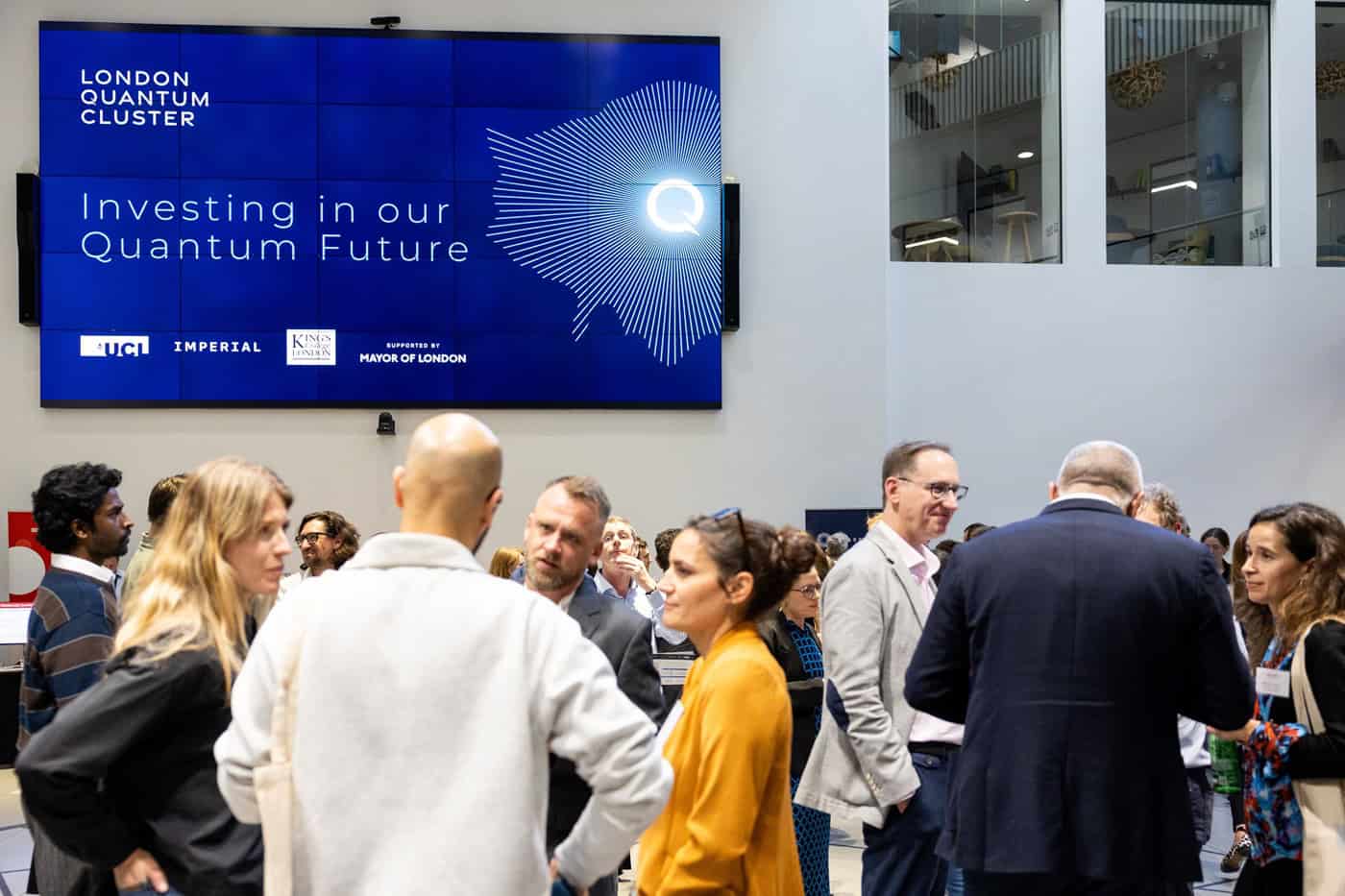
Quantum influencers gather to celebrate London’s role in quantum tech

People sitting in a conference room listening to Janet Coyle
Capital connections Janet Coyle from London and Partners addressing delegates at a meeting at the Institute of Physics to mark the first anniversary of the London Quantum Cluster. (Courtesy: Carmen Vilano)

“There are two types of people when it comes to quantum,” joked Howard Dawber, deputy mayor of London for business and growth at a meeting at the Institute of Physics last night to celebrate the first anniversary of the London Quantum Cluster.

“There are those who understand quantum mechanics. There are those who don’t. And there are those who are in superposition of understanding and not understanding until they are observed.”

It was a light-hearted remark that matched the mood of what was essentially an evening of boosterism for quantum technology in London ahead of London Tech Week next week.

As chair of London and Partners – the growth agency for London – Dawber told the gathering of more than 100 “quantum influencers” that the organization was “100% behind the London Quantum Cluster”.

Founded in 2025 by University College London, King’s College London and Imperial College London, with support from the Mayor of London and the UK government, the cluster seeks to establish the capital as a powerhouse of quantum tech.

Georgia Siora from Warwick Economics and Development presented data to show that London is already doing well in the sector, being home to more than 160 quantum companies, with seven of the top 10 UK quantum firms based in the city. Small- and medium-sized quantum firms in the capital, she added, contribute an estimated £153m annually to the economy.

Sign displaying logo of the London Quantum Cluster
Happy anniversary The London Quantum Cluster is now one year old. (Courtesy: Carmen Vilano)

“Quantum and deep tech are at the heart of the capital’s 10-year growth plan,” added Janet Coyle, managing director of London and Partners.

Geraint Rees, vice-provost for research, innovation and global engagement at UCL, said his aim was “to make London the best place on the planet for serious quantum companies”. He pointed to UCL spin-out Quantum Motion, which has just won $160m of venture-capital funding, as an example of the kind of firm making a name in the city.

The evening ended with a panel debate chaired by Jess Wade from Imperial College London, featuring Maria Maragkou from Nu Quantum as well as Richard Murray, founder of ORCA Computing, who drew a distinction between universities being all about expanding the frontiers of knowledge, whereas for start-ups “the aim is to win”.

Also on the panel was physicist Alejandro Montblanch – head of quantum communication and networking at banking group HSBC – who made it clear that what he wanted to know was: “How can your quantum company help HSBC make more money?”

A welcome note of caution came from London-based venture-capital investor Eloisa Angeles, who pointed out that while the UK has a good track record of government-funded research, the UK  is weak at “follow through”, with the government not focused on procurement and not having the end customer of the research in sight.

The post Quantum influencers gather to celebrate London’s role in quantum tech appeared first on Physics World.

  •  

TU Graz Physicist Unveils Mobile Device for High-Precision Air Pollutant Measurement

A groundbreaking innovation in environmental monitoring has emerged from the Institute of Experimental Physics at Graz University of Technology (TU Graz), where Birgitta Schultze-Bernhardt and her research team have engineered an advanced ultraviolet (UV) dual-comb spectrometer. This cutting-edge device offers unparalleled precision and sensitivity in detecting gaseous pollutants, including formaldehyde, a harmful chemical compound frequently found in urban and industrial atmospheres. Utilizing dual ultraviolet laser pulses, their spectrometer can measure pollutant concentrations within merely half a second, a feat that sets it apart from previous technologies that were slower and less accurate.

At the core of this spectrometer lies the generation of two ultra-short laser pulses in the ultraviolet spectral range, executed within fractions of a second. When these pulses interact with gas molecules, they trigger electronic excitation that causes the molecules to undergo rovibronic transitions—a complex interplay of rotational, vibrational, and electronic energy changes. Each molecule’s unique rovibronic fingerprint leads to the selective absorption of specific UV frequencies, allowing the spectrometer to unmistakably identify and quantify a vast variety of gaseous pollutants by their distinct spectral signatures.

The first prototype of this UV dual-comb spectrometer, developed over two years ago, marked a monumental milestone as the world’s inaugural instrument of its kind. However, it was originally confined to bulky laboratory setups that limited its practical application beyond research environments. The recent redesign has transformed the apparatus into a remarkably compact unit, approximately the size of a cardboard removal box, making it feasible for mobile use across different environments such as urban centers, industrial zones, and agricultural landscapes. Complementing this compactness, the innovation employs a single laser source that generates the dual laser pulses, which eliminates the need for intricate electronic stabilization and enhances the system’s robustness.

The spectrometer achieves a spectral resolution of 1 gigahertz in detecting UV light frequencies, a remarkable advancement over conventional UV spectrometers. This ultra-high resolution facilitates the capture of molecular absorption patterns at an unprecedented level of detail, allowing researchers to observe spectral features of formaldehyde never before documented experimentally. This development opens new frontiers in molecular spectroscopy, where previously inaccessible fine structures in the UV absorption spectra become accessible, enhancing the understanding of molecular dynamics and environmental chemistry.

One of the most striking outcomes of the spectrometer’s application involves revisiting the long-established rotational constants of formaldehyde. These constants, fundamental parameters that characterize the rotational energy levels of molecules, have been part of physics databases and textbooks since the 1960s. Through their high-resolution measurements, Schultze-Bernhardt’s team discovered discrepancies of up to 15% in these values. Collaborative work with the Harvard-Smithsonian Center for Astrophysics and the expertise of organic chemist Rolf Breinbauer from TU Graz—who provided high-purity formaldehyde samples—enabled the correction of these constants, substantially refining molecular data that underpin much of molecular physics and chemistry.

This advancement bears significant implications for both fundamental research and practical environmental monitoring. The UV dual-comb spectrometer’s capability to accurately identify and quantify semi-transparent gaseous substances holds immense promise for real-time, high-precision surveillance of air quality. Its design permits deployment in varied settings where air pollution and gas leaks pose health and safety risks. Ongoing research efforts aim to extend its functionality to estimate multiple pollutant concentrations simultaneously in a single measurement cycle, which would exponentially increase its utility for comprehensive environmental diagnostics.

The device’s portability and rapid measurement capabilities uniquely position it to revolutionize air quality monitoring in real-world environments. Unlike traditional bulky systems requiring extensive setup and calibration, this spectrometer is expected to empower environmental agencies, industrial operators, and even laypersons to perform reliable air quality assessments with minimal training. Funded in part by a Proof of Concept Grant from the European Research Council, ongoing development focuses on creating user-friendly versions of the UV spectrometer tailored for widespread adoption in companies and monitoring organizations.

The journey toward this technological leap has been supported by significant funding from prominent science funding bodies, reflecting its strategic importance. The Austrian Science Fund (FWF) and the European Research Council have both underpinned the foundational research projects led by Schultze-Bernhardt. Additionally, infrastructural support from NAWI Graz facilitated the creation of the novel laser source crucial to the device’s current compact configuration. Together, this support not only underscores the technology’s innovation but also its alignment with broader scientific and environmental priorities.

This novel UV dual-comb spectrometer stands as a testament to the fusion of sophisticated laser physics, molecular spectroscopy, and environmental science, promising to set a new standard in pollutant detection. By uncovering previously unknown molecular behaviors and enhancing the accuracy of atmospheric measurements, it elevates both academic knowledge and applied environmental monitoring technologies. Its swift response time and robust design suggest future integration in smart-city air quality networks and industrial safety systems, heralding a new era of precision environmental stewardship.

The technology’s fundamental mechanism—utilizing dual frequency combs in the ultraviolet range—enables the spectrometer to directly sample electronic transitions of molecules, a domain traditionally challenging due to the complexity of UV light generation and detection. The simplification achieved by employing a single laser source for dual-comb generation not only reduces device complexity but also improves spectral stability, making the instrument less susceptible to environmental perturbations—a critical factor for field deployment.

Moreover, this spectrometer’s ability to probe rovibronic transitions at such high resolution helps bridge the gap between conventional infrared spectrometry and electronic spectroscopy, providing detailed databases of UV absorption features that have implications beyond atmospheric science. Astrophysics, atmospheric chemistry, and even industrial process monitoring stand to benefit from the enhanced spectral data this instrument can deliver, enabling more accurate modeling and monitoring of molecular interactions in diverse environments.

In conclusion, the advancement of the UV dual-comb spectrometer by Schultze-Bernhardt and her team marks a seminal moment in molecular spectroscopy and environmental sensing. Its rapid, precise, and portable measurement of air pollutants ushers in a powerful tool for addressing urgent challenges related to air quality and human health. As the instrument transitions from laboratory innovation to widespread application, it embodies the promise of laser physics-driven solutions contributing tangibly to global environmental sustainability and scientific discovery.


Subject of Research: Not applicable

Article Title: Free-running ultraviolet dual comb spectroscopy enabling absolute electronic fingerprinting

News Publication Date: 21-May-2026

Web References:
DOI: 10.1186/s43074-026-00250-6

Image Credits: Oliver Wolf – TU Graz


Keywords

UV dual-comb spectrometer, ultraviolet spectroscopy, rovibronic transitions, formaldehyde detection, air pollutant monitoring, molecular spectroscopy, environmental sensing, laser physics, portable spectrometer, atmospheric chemistry, spectral resolution, innovation in spectroscopy

  •  

Revealing Hidden Urban Mobility Through Data Fusion

In an era where urban environments are growing exponentially complex, comprehending the underlying patterns that govern human mobility within cities has become a pivotal challenge for urban planners, transport authorities, and data scientists alike. A groundbreaking study by Vo, Ham, Roy, and colleagues, published in the prestigious journal Nature Communications in 2026, delivers profound insights into the hidden dynamics of urban movement by ingeniously fusing smart-card data with traditional survey inputs. This innovative fusion of data streams not only transcends the limitations of each source independently but unveils latent mobility behaviors, with potential implications that could revolutionize urban transport planning and policy design globally.

The modern city pulsates with daily movement, from morning commutes to late-night errands, encapsulating myriad trips that form intricate mobility networks. Historically, understanding these patterns relied heavily on conventional household or travel surveys—labor-intensive, costly, and often plagued by sampling bias and temporal limitations. Meanwhile, the advent of smart-card systems in public transport has generated vast amounts of granular, real-time transit data, capturing millions of boarding and alighting events with precise timestamps and geo-locations. Yet, smart-card data alone lacks complementary qualitative information such as trip purpose or socio-demographic context, which surveys provide. Recognizing this, the authors have taken a pioneering step by developing a sophisticated methodological framework to jointly leverage these heterogeneous datasets.

Central to their approach is the intelligent data fusion process that aligns the anonymized smart-card records with complementary survey responses. By integrating machine learning techniques and probabilistic modeling, they extract a multidimensional representation of urban mobility, identifying patterns that were previously obscured. Their method accommodates the discrepancies in coverage, detail, and scale characteristic of each data source, effectively compensating for individual deficiencies. This hybrid data architecture generates a richer, more nuanced understanding of how urban dwellers move, revealing behavioral signatures that standard analyses often overlook.

One of the study’s key technical advancements lies in its use of latent pattern discovery algorithms operating on high-dimensional transit matrices. These algorithms discern recurrent trip chains, peak travel windows, and intermodal transfers, uncovering not just where people go but when and how they weave through the urban fabric. Unlike traditional origin-destination matrices, which offer snapshots of aggregate flows, the fused data enable dynamic tracing of individual-level itineraries, preserving privacy through sophisticated de-identification methods. The authors also implement temporal clustering to space trip segments into meaningful daily routines, providing insights into habitual travel behaviors versus sporadic journeys.

The research further delves into sensitivity analyses examining how external factors influence latent mobility patterns. By correlating data with weather conditions, calendar events, and socio-economic indicators, they discern subtle shifts in transit dynamics attributable to environmental and societal changes. For instance, the fused dataset captures how extreme weather episodes reconfigure morning commute trajectories, forcing alterations in mode choice and departure times. Similarly, social gatherings and festivals trigger distinctive transit surges that, once understood, can inform proactive service adjustments. These findings underscore the adaptive nature of urban mobility and the importance of flexible transport systems responsive to real-time demands.

Another transformative implication of this work lies in its potential to reshape urban transit infrastructure planning. With detailed knowledge of latent flow patterns, city authorities can move beyond static capacity designs towards more dynamic, demand-responsive systems. The research identifies latent corridors of under-served mobility, where conventional surveys failed to detect significant yet dispersed ridership. These insights open avenues for targeted interventions, such as microtransit options or dynamic route adjustments, to optimize resource allocation and enhance commuter experience. Moreover, by unveiling latent vulnerability zones, the approach can inform resilience planning against disruptions like strikes or natural disasters.

The fusion methodology’s scalability and adaptability make it especially pertinent for megacities grappling with rapid urbanization and transportation complexity. Unlike conventional data collection, which struggles to keep pace with evolving urban forms, continuous smart-card data acquisition, combined with periodic survey calibration, ensures an up-to-date mobility portrait. This dynamic updating capability offers urban managers a living map of transit demand, enabling iterative improvements and scenario testing. The study showcases pilot applications in several Asian and European metropolitan areas, highlighting the method’s versatility across varied urban contexts.

Privacy protection features prominently throughout the study’s design. The authors deploy strong anonymization protocols and synthetic data generation techniques to safeguard individual identity while preserving analytic utility. This adherence to ethical data stewardship ensures that the benefits of enhanced urban mobility understanding do not come at the expense of citizen privacy. Furthermore, the framework complies with evolving data governance regulations, setting a standard for responsible integration of big data analytics into public sector decision-making.

Technically, the work employs advanced computational infrastructures to process and analyze voluminous datasets, harnessing parallel processing and cloud-based architectures. Data preprocessing involves rigorous cleaning, de-noising, and normalization steps to reconcile inconsistencies inherent in real-world data. The integration pipeline includes feature extraction modules that synthesize travel attributes such as trip duration, frequency, and spatial dispersion. Subsequent unsupervised learning methods categorize these features into latent groups, corresponding to distinct commuter archetypes, ranging from routine office workers to occasional leisure travelers.

Beyond the academic novelty, this transformative research pushes the frontier towards smart cities where data-driven intelligence shapes sustainable, efficient, and inclusive urban mobility. By decoding the previously inscrutable hidden travel patterns, stakeholders can design interventions that reduce congestion, lower pollution, and better accommodate diverse user needs. The detailed behavioral insights enable cities to promote equitable access to transit infrastructure, aligning service provision with actual demand landscapes rather than approximate or outdated models.

The fusion of smart-card and survey data also presents promising opportunities to tackle emerging challenges such as mobility disruptions linked to pandemics or technological shifts like autonomous vehicles. The framework’s adaptability facilitates rapid assimilation of new data types, such as app-based ride-hailing logs or real-time traffic sensor feeds, expanding its analytical horizon. Consequently, the approach can evolve with changing urban mobility ecosystems, providing continuous intelligence to guide policy and operational strategies.

Looking to the future, the authors advocate for interdisciplinary collaborations bridging data science, urban planning, social sciences, and technology development. They emphasize the necessity of integrating behavioral economics to interpret why latent patterns emerge, not merely detecting them. Such holistic interpretations can refine predictive modeling and foster participatory planning processes involving city inhabitants. The research sets the stage for a new era in which empirical evidence derived from multifaceted data guides transformative urban mobility advancements.

In conclusion, Vo and colleagues have delivered a landmark contribution to urban mobility research by demonstrating how the fusion of smart-card transaction data and conventional survey insights can unravel the latent complexities of city travel behaviors. Their approach transcends methodological silos to create an enriched panorama of urban movement, with far-reaching implications from infrastructure optimization to environmental sustainability and social equity. As cities worldwide confront mounting transportation challenges, this innovative methodology lights the path towards more intelligent, responsive, and human-centered mobility systems.


Subject of Research: Urban mobility patterns and data fusion methodologies

Article Title: Uncovering latent urban mobility patterns via smart-card and survey data fusion

Article References:

Vo, K.D., Ham, S.W., Roy, M. et al. Uncovering latent urban mobility patterns via smart-card and survey data fusion. Nat Commun (2026). https://doi.org/10.1038/s41467-026-73445-x

Image Credits: AI Generated

  •  

Dr. Heather Jacene Appointed President of the Society of Nuclear Medicine and Molecular Imaging

Heather Jacene, MD, has assumed the prestigious role of president of the Society of Nuclear Medicine and Molecular Imaging (SNMMI), marking a significant milestone in the advancement of nuclear medicine and molecular imaging disciplines. Dr. Jacene’s appointment was announced during the SNMMI 2026 Annual Meeting held from May 30 to June 2 in Los Angeles, an event that gathers experts and pioneers driving innovation in precision medicine and molecular diagnostics. Her leadership is poised to catalyze new developments that integrate cutting-edge research with clinical practice, deepening the impact of molecular imaging technologies on patient outcomes.

In her multifaceted career, Dr. Jacene holds several prominent positions, including Chief of Molecular Imaging and Theranostics at Beth Israel Deaconess Medical Center, Clinical Director of Nuclear Medicine/PET-CT, and Senior Physician at Dana-Farber Cancer Institute. She also serves as Associate Professor of Radiology at Harvard Medical School. Her diverse roles underscore a strong commitment to pushing the boundaries of nuclear medicine through both clinical excellence and academic rigor, highlighting her capacity to bridge the gap between innovative research and patient-centered care.

One of Dr. Jacene’s primary objectives as president is to reinforce SNMMI as an indispensable resource for its members, spanning the spectrum from foundational basic science research to the highest standards of evidence-based clinical application. She emphasizes the critical importance of fostering an environment where nuclear medicine evolves through interdisciplinary collaboration and robust scientific inquiry, ensuring that the field remains at the forefront of diagnostic and therapeutic modalities.

Dr. Jacene is focused on creating dynamic platforms within SNMMI that encourage active participation and collaboration among members, transcending traditional disciplinary boundaries. By promoting multidisciplinary partnerships, she envisions expanding the reach and influence of nuclear medicine, driving innovations that enhance molecular imaging technologies such as PET-CT and radiopharmaceutical therapies. Her approach involves breaking down silos to facilitate knowledge exchange and accelerate technological advancements.

A major part of her agenda involves advocating for increased awareness and acceptance of nuclear medicine among clinical colleagues and patients alike. She aims to communicate the tangible benefits of these advanced imaging techniques in personalized medicine, emphasizing how molecular imaging enables precise characterization of disease states and therapeutic responses. This strategic communication will help solidify nuclear medicine’s role as a cornerstone of modern clinical practice.

Another critical challenge Dr. Jacene intends to address involves the barriers related to the availability, reimbursement, affordability, and funding of radiopharmaceuticals. These radiotracers are indispensable tools in targeted diagnostic and therapeutic procedures, yet their accessibility remains uneven. Her leadership will concentrate on policy advocacy and operational innovations to ensure broader and timely access to these vital agents, thus enhancing the clinical utility and patient reach of nuclear medicine.

Dr. Jacene’s extensive training and expertise reflect a career dedicated to nuclear medicine and molecular imaging. She earned her medical degree from the University of Medicine and Dentistry of New Jersey-Robert Wood Johnson Medical School in New Brunswick, New Jersey. She subsequently completed both her residency and fellowship in nuclear medicine and PET-CT at Johns Hopkins University, Baltimore, where she honed her skills in cutting-edge diagnostic imaging techniques and the evolving applications of radiopharmaceuticals in oncology and beyond.

Her longstanding involvement with SNMMI is marked by significant leadership roles, including chairing the Scientific Program Committee, where she orchestrated innovative transformations to the Annual Meeting format. These changes have led to enhanced member engagement, increased networking opportunities, and a fertile ground for presenting novel research. She has also played a pivotal role in quality assurance, serving as Chair for the Quality of Practice Domain within the SNMMI Value Initiative, and helped establish the Radiopharmaceutical Centers of Excellence Program to standardize and elevate the delivery of radiopharmaceutical therapies.

Dr. Jacene’s research portfolio is both extensive and impactful, focusing predominantly on the application of FDG-PET/CT and other emerging PET tracers for the assessment of cancer biology and therapeutic efficacy. Her investigations delve into functional imaging biomarkers that reveal tumor metabolism, receptor expression, and microenvironmental changes, thereby informing more personalized and adaptive treatment strategies. Furthermore, she explores novel radiopharmaceutical therapies that promise to revolutionize the management of malignancies through targeted molecular interventions.

In addition to more than 100 peer-reviewed scientific publications, Dr. Jacene has authored numerous review articles and book chapters, contributing authoritative perspectives on the evolving landscape of molecular imaging and theranostics. Her scholarship not only advances academic discourse but also aids in translating complex imaging science into practical clinical guidelines and protocols that optimize patient care.

The new SNMMI leadership team for 2026-27 includes other distinguished figures such as Gary Ulaner, MD, PhD, FSNMMI, chosen as president-elect, and Jason S. Lewis, PhD, FSNMMI, as vice president-elect. The SNMMI Technologist Section has also elected Shannon Youngblood, EdD, MSRS, CNMT, RT(CT), as president, with Sara L. Johnson, CNMT, RT(N)(CT), serving as president-elect. Together, this leadership cadre represents a diverse spectrum of expertise poised to drive the society’s mission forward.

SNMMI remains a global scientific and medical organization dedicated to propelling nuclear medicine, molecular imaging, and theranostic precision medicine. Through its efforts, SNMMI facilitates innovations that allow clinicians to tailor diagnostic and therapeutic approaches to individual patients with unprecedented specificity, aiming for optimal outcomes. Dr. Jacene’s presidency symbolizes a sustained commitment to integrating high-caliber research, education, and clinical practice at the forefront of this transformative field.

Subject of Research:
Heather Jacene’s presidency at SNMMI and advancements in nuclear medicine and molecular imaging, including PET-CT innovations and radiopharmaceutical therapy.

Article Title:
Heather Jacene, MD, Named President of the Society of Nuclear Medicine and Molecular Imaging: Advancing the Future of Molecular Imaging and Theranostics

News Publication Date:
June 2026

Web References:
http://www.snmmi.org/

Image Credits:
Courtesy of SNMMI

Keywords:
Molecular imaging, Nuclear medicine, Positron emission tomography, Personalized medicine, Radiopharmaceutical therapy, Theranostics, FDG-PET/CT, Radiopharmaceutical Centers of Excellence, Precision medicine, SNMMI, Cancer imaging, Clinical molecular imaging

  •  
❌